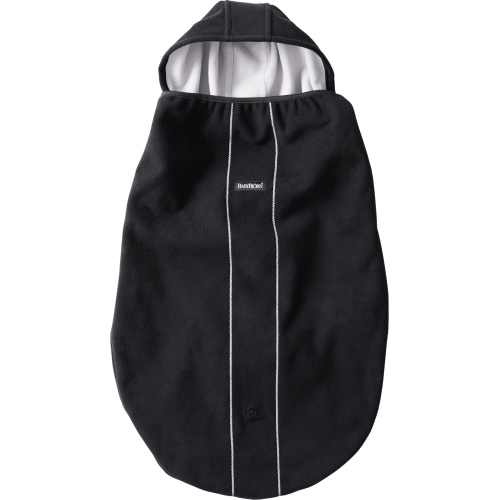
Car Seat Winter Covers
As the temperatures drop and winter weather sets in, keeping your little one cozy and protected during car rides becomes a top priority. A car seat winter cover is an essential accessory for parents who want to ensure their child's comfort without compromising on safety or convenience. Designed to fit snugly over most car seats, these covers provide an extra layer of warmth and shield against the elements, making every journey more enjoyable. With a variety of styles and materials to choose from, finding the perfect car seat winter cover that matches your needs and complements your lifestyle is easier than ever. Explore options that offer easy installation, breathability, and stylish designs to keep your child snug throughout the chilly months.
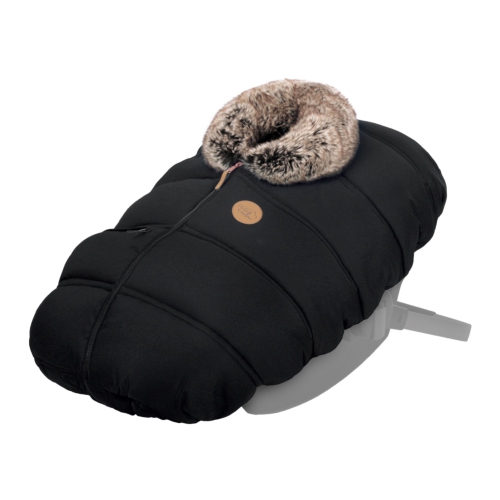
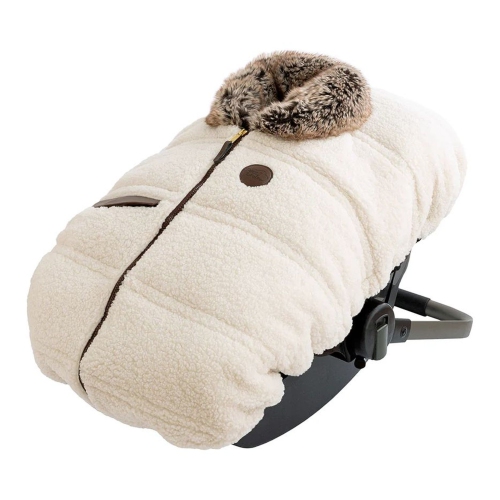
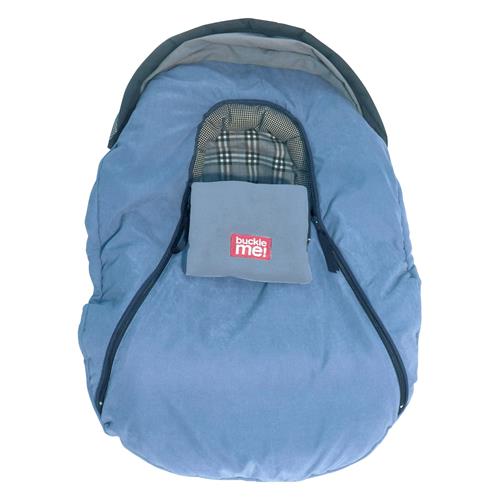
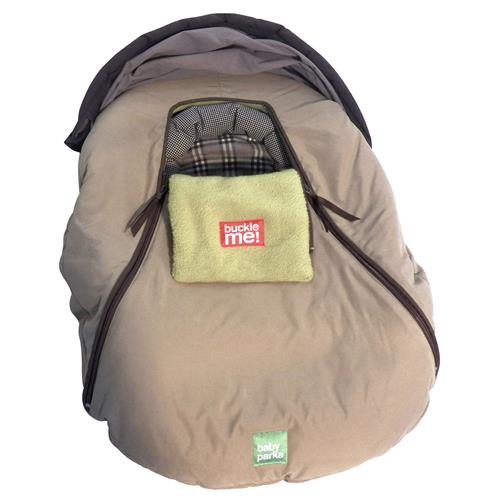
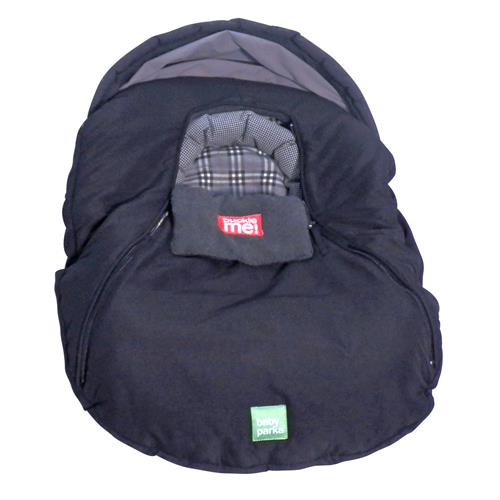
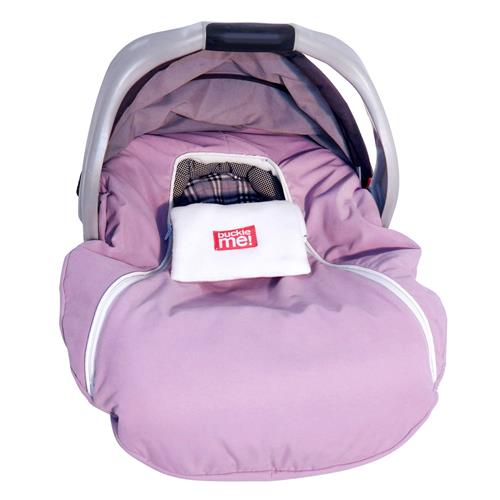
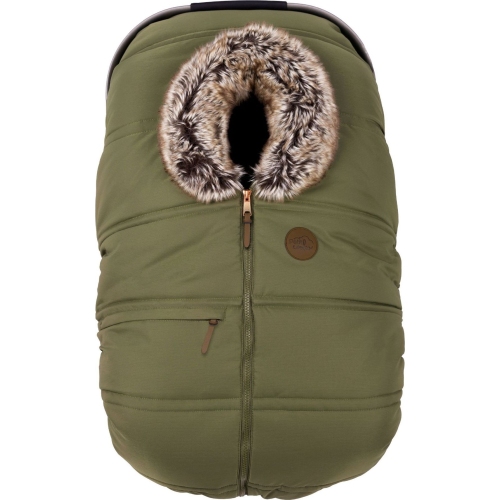
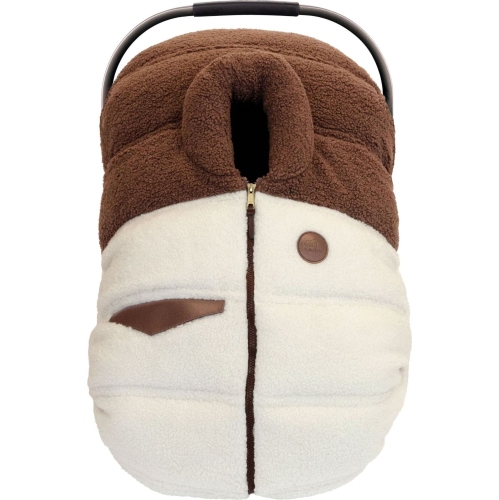
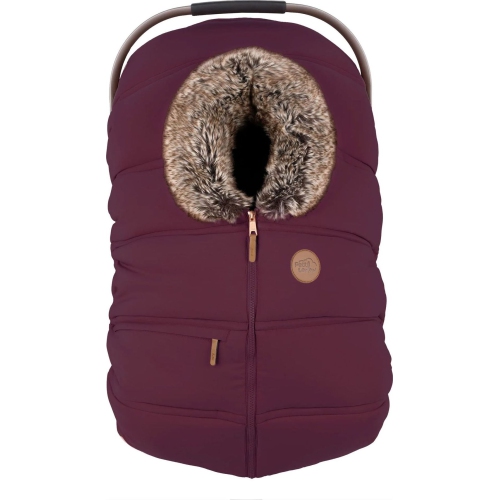
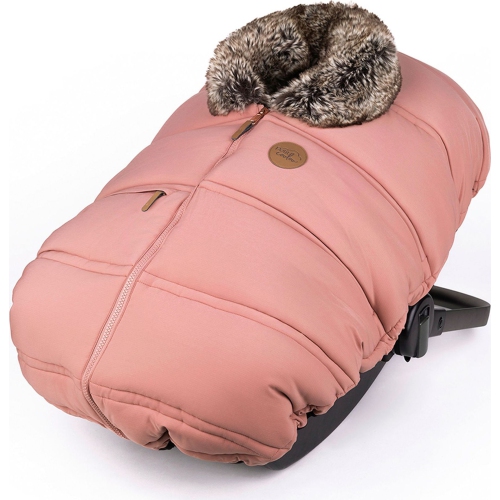
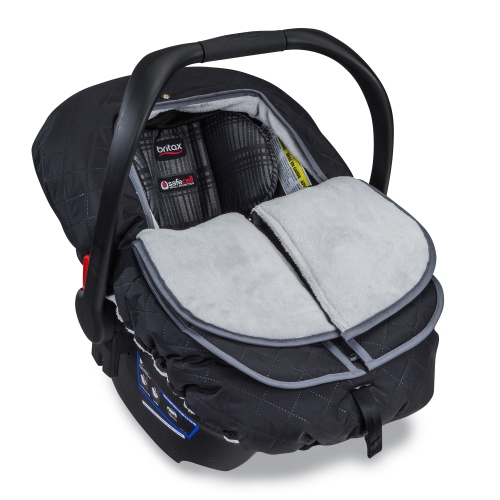
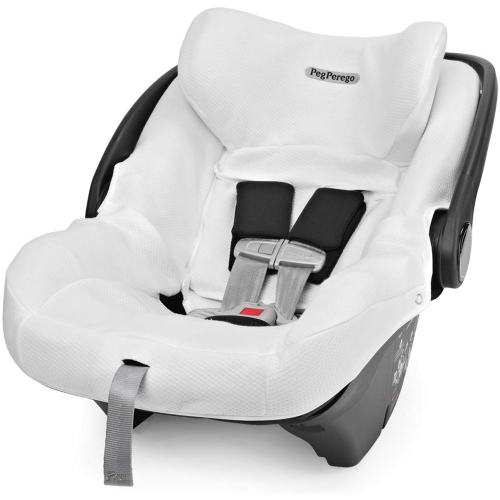
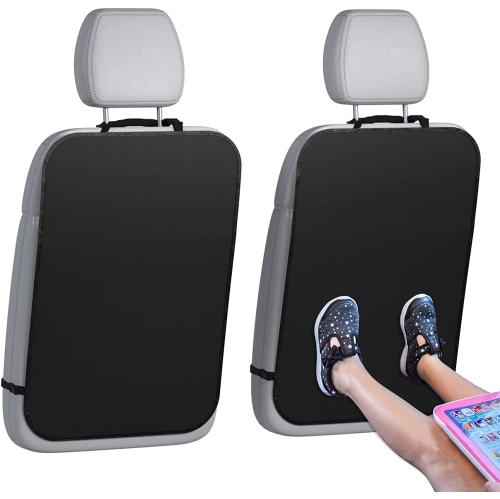

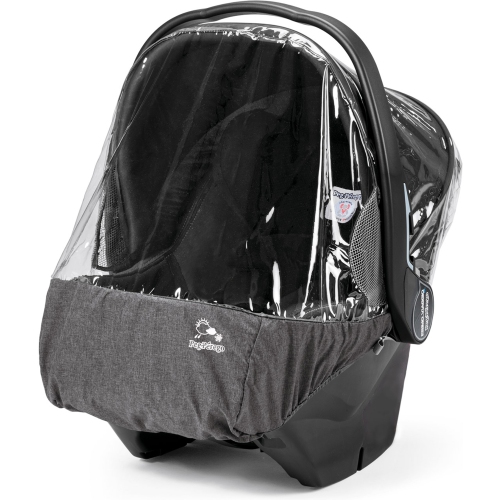
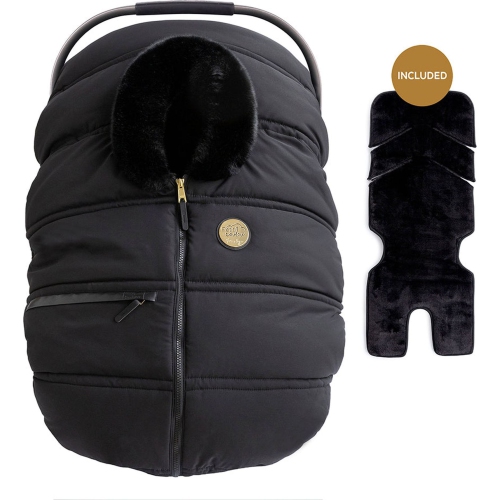
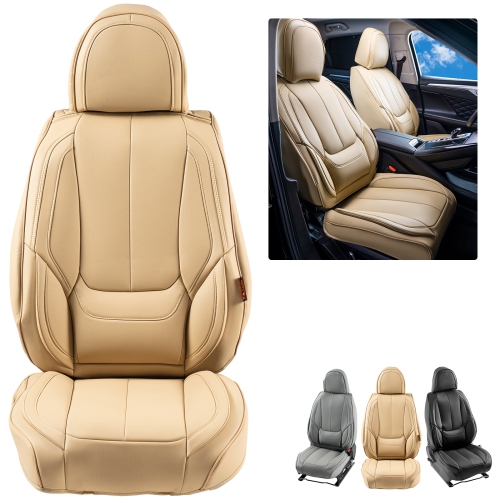
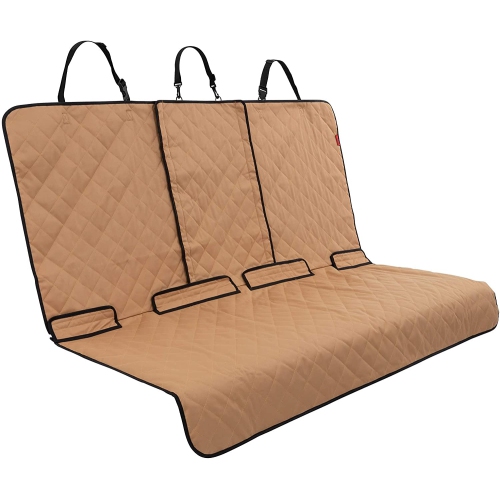
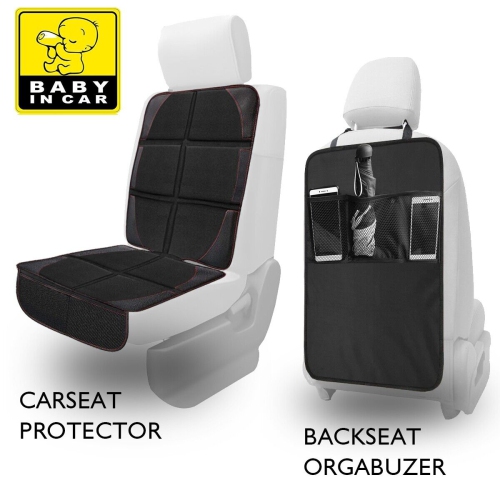
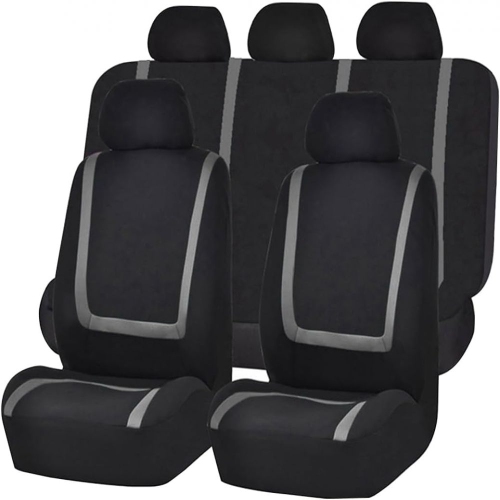
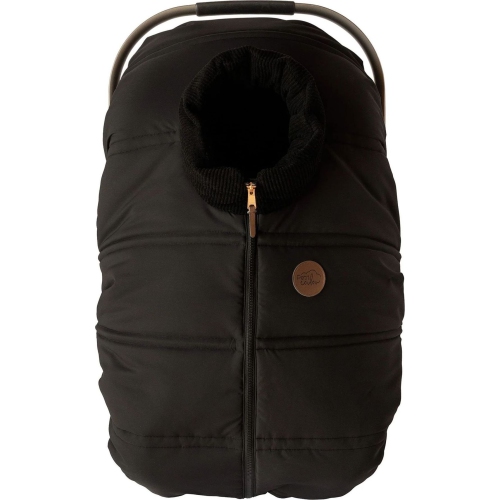
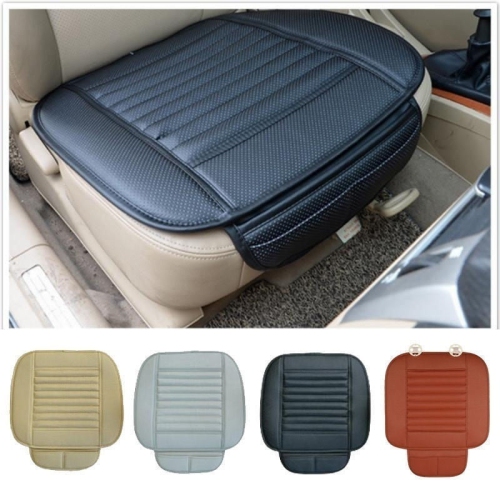
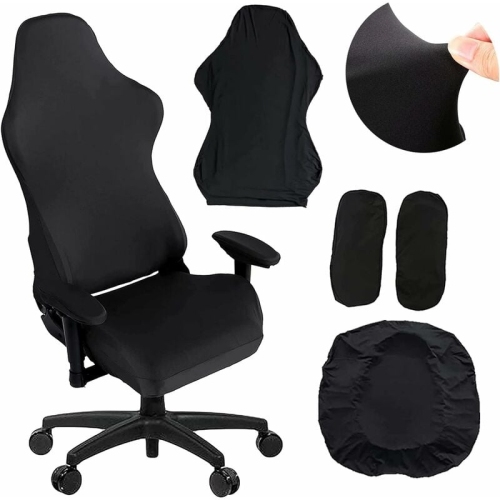
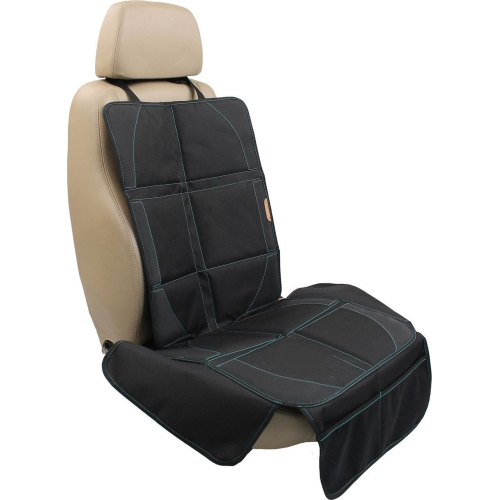
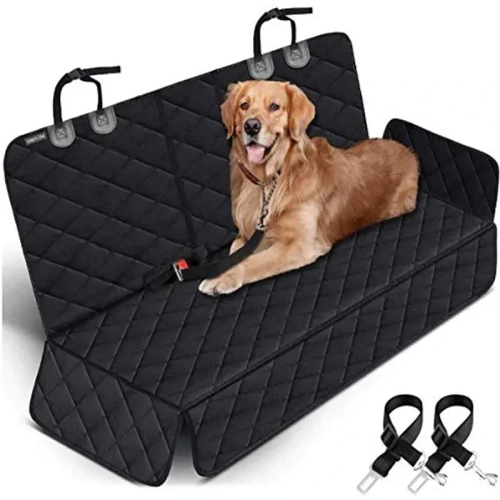
Practical warmth and safe car seat use in winter
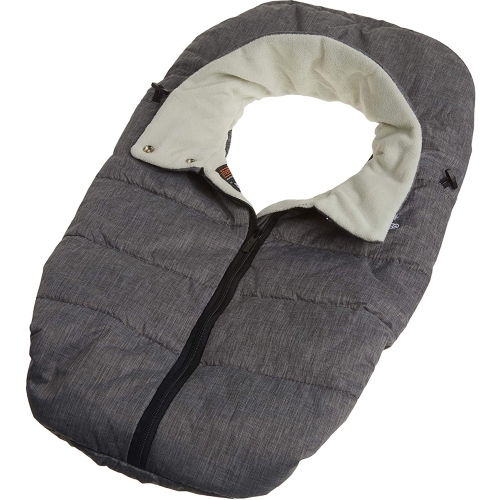
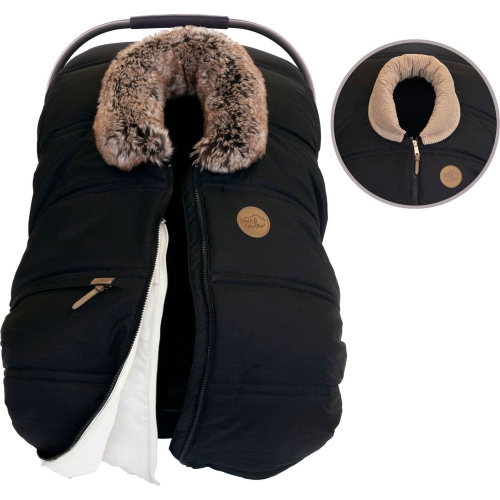
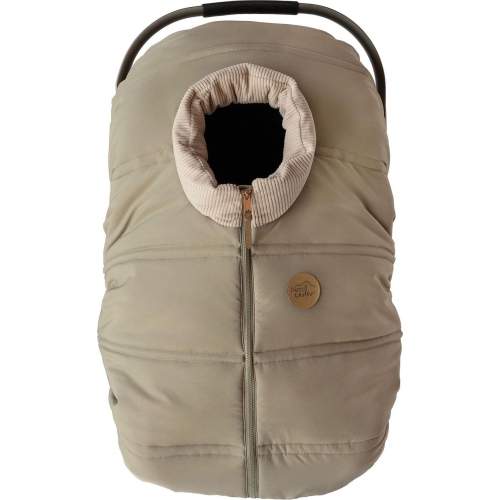
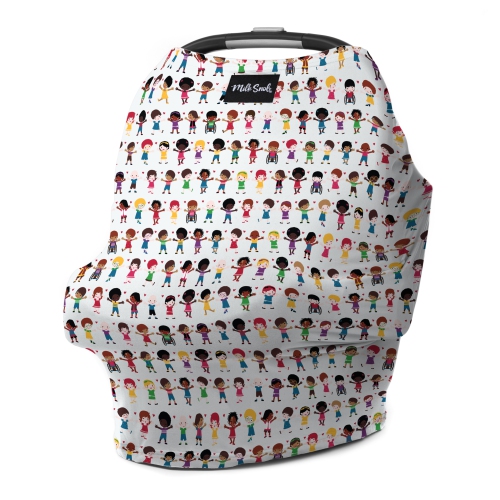
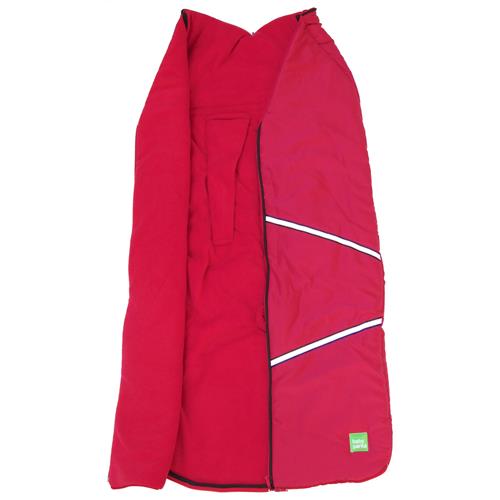
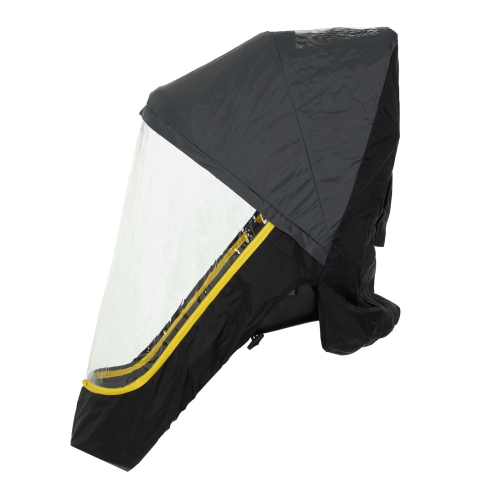
Safety should guide every purchase and every use of a Car Seat Winter Cover. The cover should fit over the outside of the buckled car seat rather than sit beneath the baby, behind the baby’s back or between the baby and the harness. Never use a thick insert, pouch or blanket under the child unless it is specifically approved by the car seat manufacturer for that seat. The harness needs to rest snugly against the baby’s body, with the straps positioned according to the car seat instructions. Bulky winter coats and puffy snowsuits can compress in a collision and may create extra space under the harness, even when the straps initially appear tight. Thin, warm layers, such as a fitted sleeper, light fleece layer or close-fitting sweater, are generally easier to secure correctly; a blanket may be placed over the harness after the baby is buckled, provided it does not interfere with the straps or buckle. An outer-only, shower-cap-style cover is often the preferred format because it leaves the harness and the seating surface unchanged. Before using any cover, confirm that it is compatible with the particular infant car seat and that no part of it blocks the harness, buckle, carrying handle, adjustment mechanism, warning labels or required seating position. Follow both the car seat and cover instructions, and ask a certified child passenger safety technician for help if the fit or installation is uncertain. A cover should never be used as a substitute for correct car seat installation, proper harness adjustment or supervision. In a parked vehicle, open or remove the cover once the car is warm, and remove it when entering a heated building. Babies can become overheated quickly, even when the air outside feels cold, so check the baby’s neck or chest rather than relying only on cold hands and feet. Keep the cover’s opening clear, avoid covering the baby’s face and make sure airflow is not restricted.
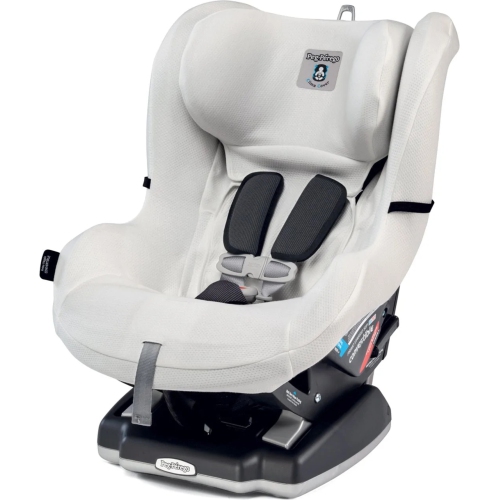
The right cover should also match the family’s daily habits and the conditions they are likely to encounter. For short walks from a driveway to a vehicle, a lightweight fleece-lined cover may be convenient and easy to remove. Families who walk to transit, spend time outdoors or live in an area with frequent wind and wet snow may prefer a more protective outer material, secure elastic edging and a front opening that can be adjusted without exposing the entire seat. A wide flap can be helpful when settling a baby during a stop, while a peek-through panel allows a caregiver to check the baby without repeatedly opening the cover. Consider whether the cover is simple to clean after contact with salt, slush or muddy pavement, and whether its fabric can be washed according to the care instructions. Fit is especially important: a loose cover may shift in the wind, while a cover that is too tight may pull on the seat or fail to provide full coverage. Car seat winter covers are primarily made for compatible rear-facing infant carriers, so families using a convertible car seat should check whether the selected style is appropriate before purchasing. Since car seats vary in shape, handle position and shell design, universal wording does not always mean every model will fit in the same way. Read the product details carefully, measure where necessary and prioritize an unobstructed harness and secure seat operation over extra features. With the correct fit and careful use, a winter cover can make the repeated rhythm of cold-weather travel feel more manageable: a baby dressed in close-fitting layers, securely buckled, protected from the elements outside the vehicle and uncovered promptly once indoors.
Top selling and popular products
-
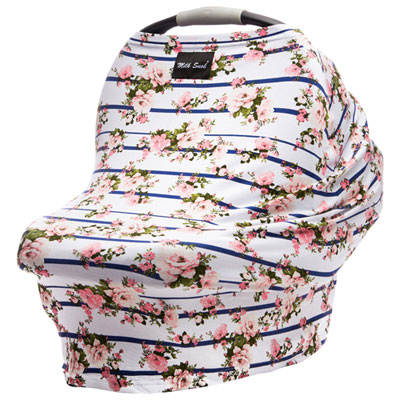 Your price for this item is $49.99
 -
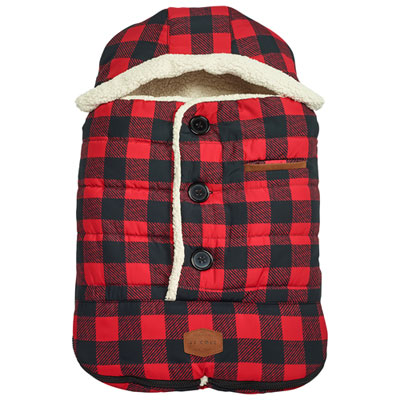 Your price for this item is $79.99
 -
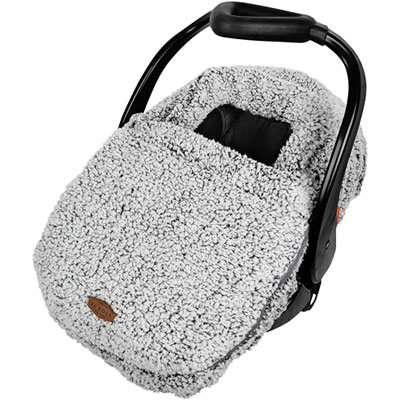 Your price for this item is $39.99
 -
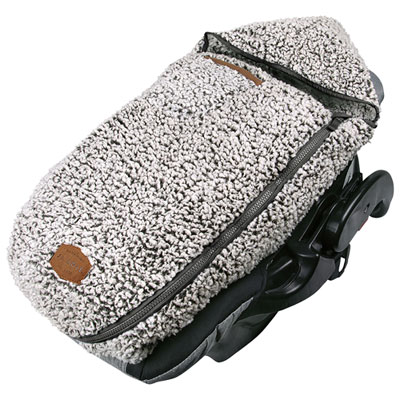 Your price for this item is $64.99
 -
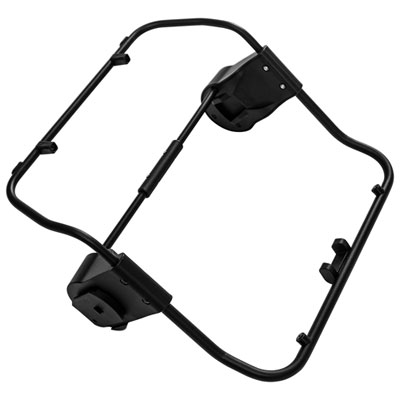 Your price for this item is $109.99
 -
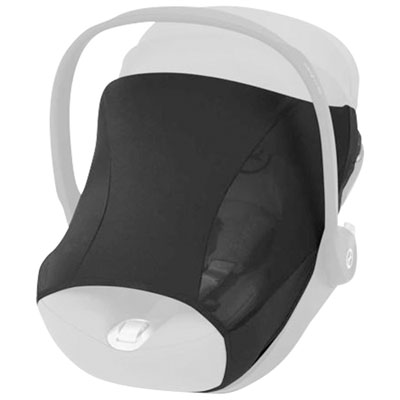 Your price for this item is $49.99
 -
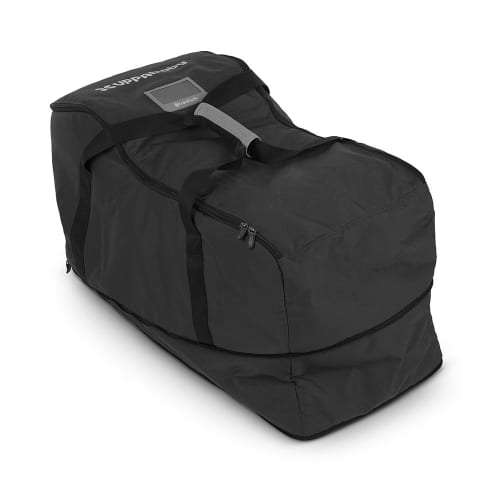 Your price for this item is $199
 -
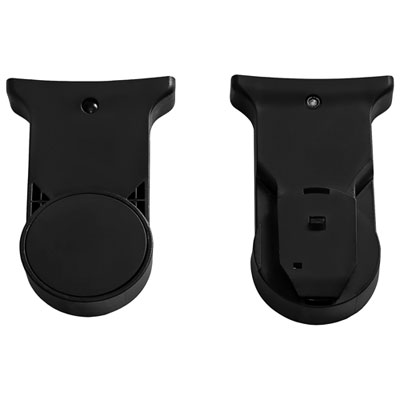 Your price for this item is $79.99