Car Seats For Small Cars

Find car seats for small cars with your back-seat space and your child’s needs in mind. Compare infant, convertible, and booster seats by their dimensions, installation requirements, and height and weight limits to help narrow your options. Check your vehicle’s manual and the seat’s fit requirements, including the space needed for rear-facing installation, before choosing.
Read More

Sort

Car Seats For Small Cars

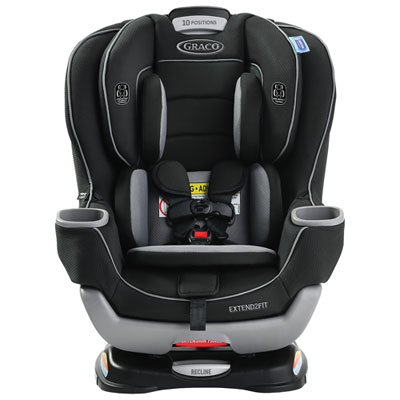
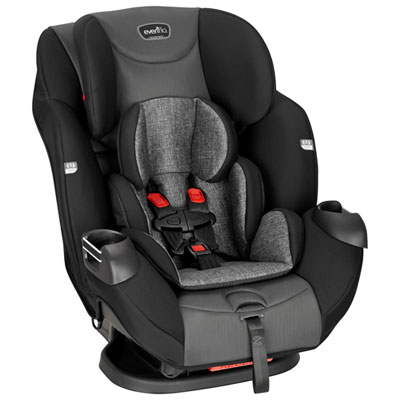
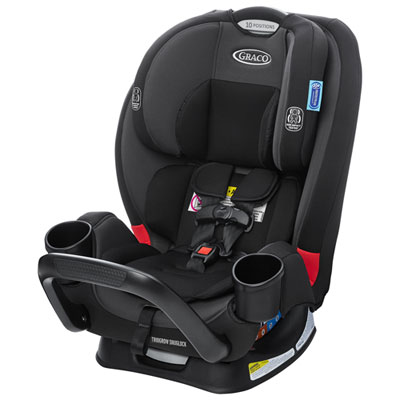
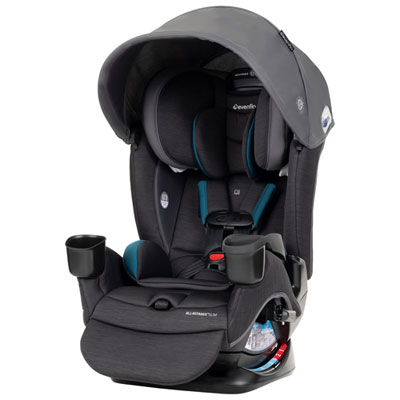
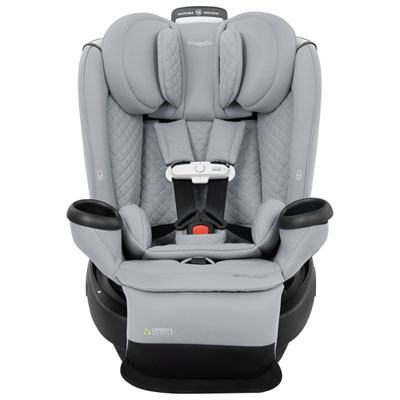
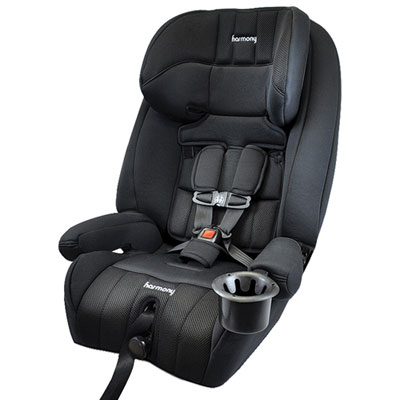
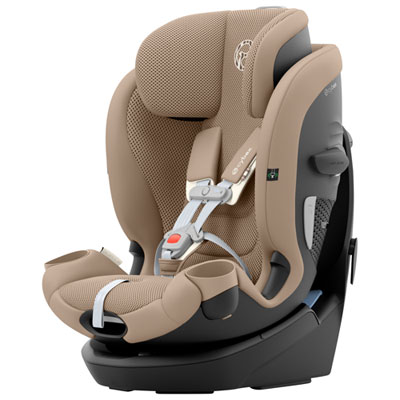
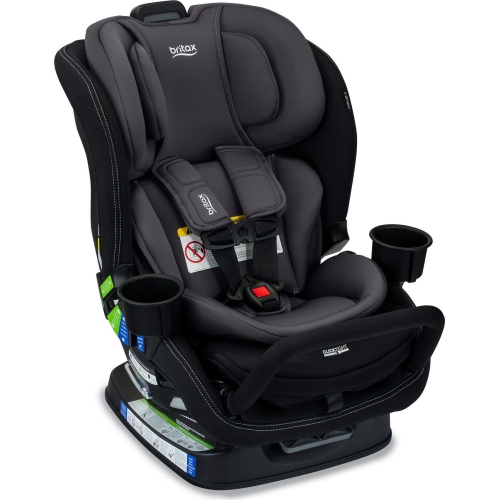
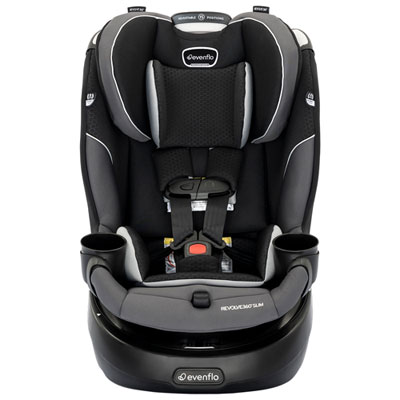
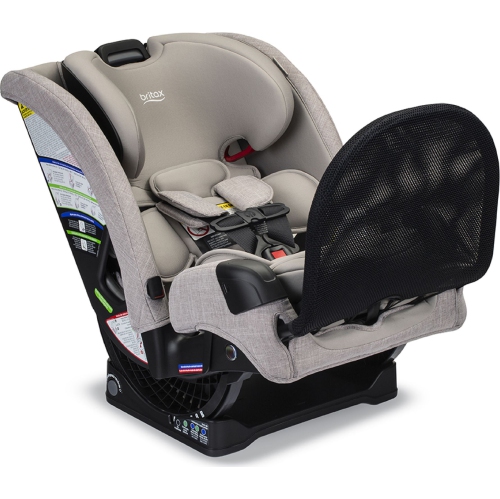
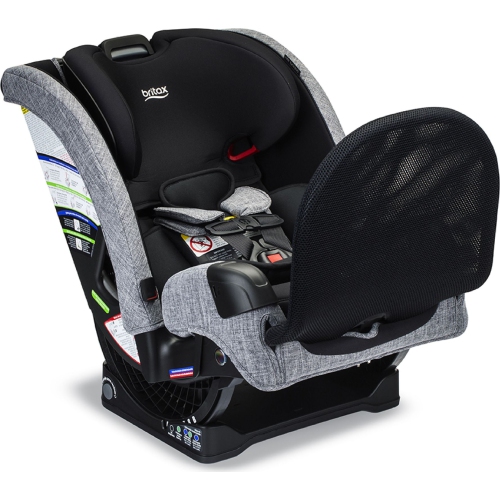
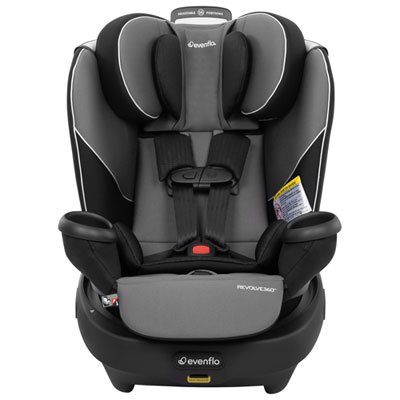
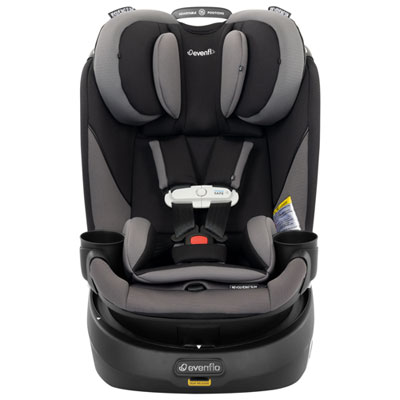
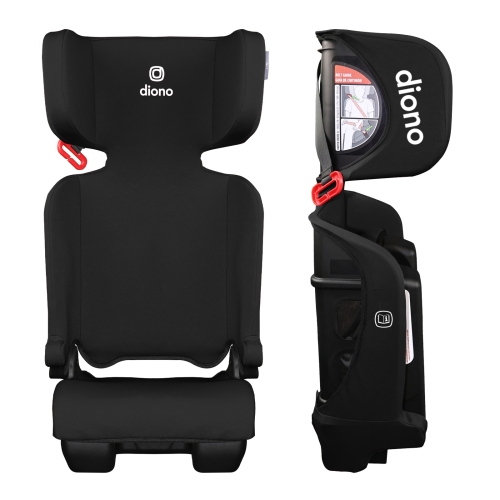
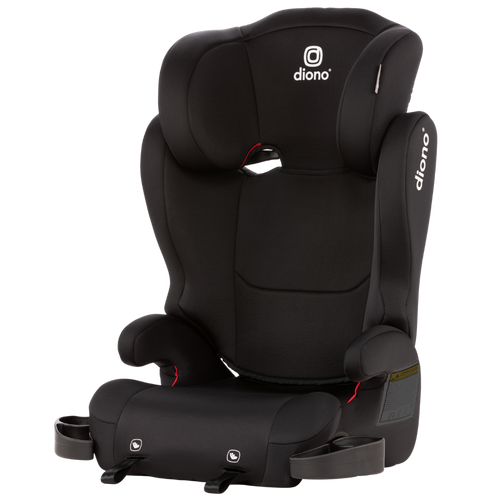
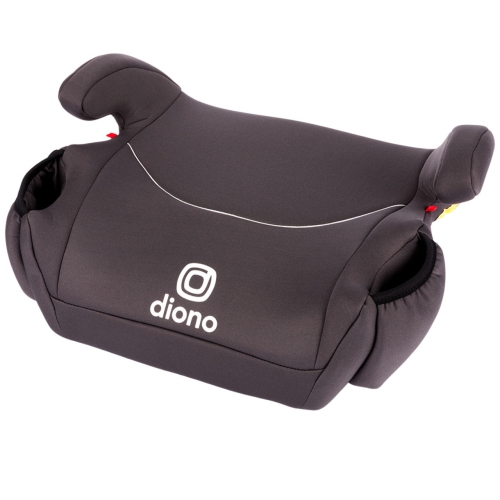
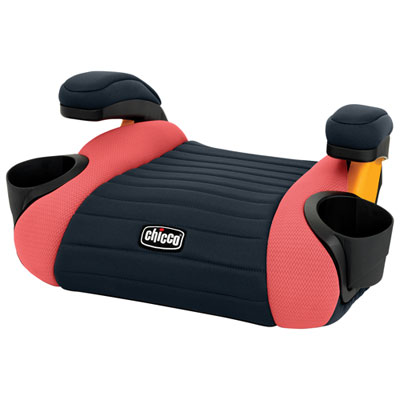
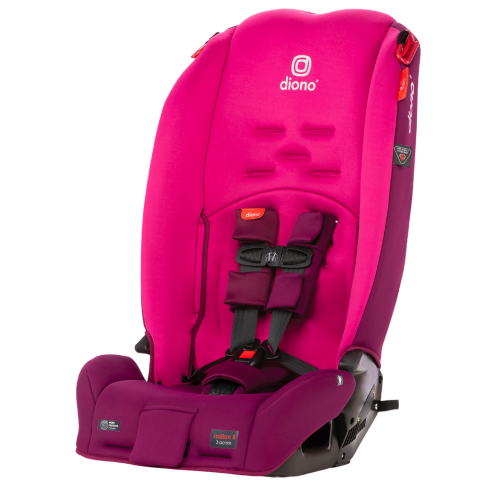
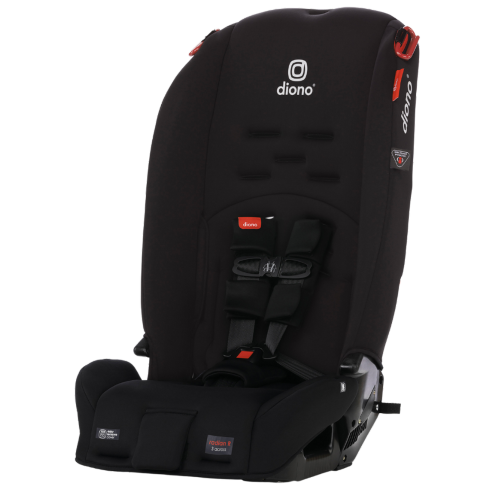
A compact car can handle plenty of family life, from daycare drop-offs to weekend visits with the grandparents, but fitting a child’s car seat into a smaller back seat takes careful consideration. The Car Seats for Small Cars selection brings together options worth considering when rear-seat space is limited. A narrow base may leave more room beside the seat, while a shorter front-to-back footprint can help preserve space for the driver or front passenger. Those measurements tell different stories: a seat that looks slim across the bench may still need considerable room when installed rear-facing at the required recline angle. Look beyond the overall dimensions and consider your vehicle’s rear-seat shape, head restraints, seat belt positions, and available installation space. The right fit allows the car seat to be installed exactly as directed without requiring the person in front to sit in an unsuitable position. If possible, check the fit in your own vehicle before purchasing; even two small cars with similar exterior dimensions can have very different back-seat layouts.

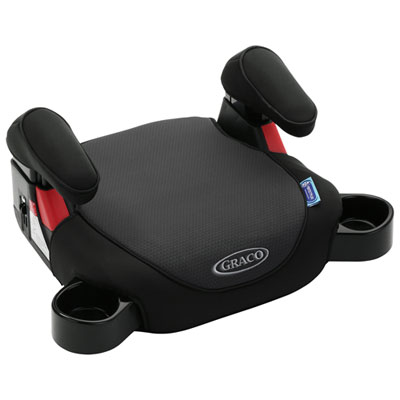
Choosing a car seat starts with your child’s age, height, weight, and stage of development, rather than the size of your vehicle alone. A rear-facing infant seat with a removable carrier can be convenient during those early months, particularly when moving between the car and a compatible stroller. A convertible seat stays installed in the vehicle and can accommodate rear-facing use before transitioning to forward-facing use when your child meets the applicable requirements. Keeping a child rear-facing until they reach the seat manufacturer’s rear-facing height or weight limit is an important consideration, so check those limits alongside the seat’s installed footprint. For an older child who is ready for a booster, proper seat belt positioning and the ability to remain seated correctly throughout the ride matter more than finding the smallest possible option. Choose a seat approved for use in Canada with the National Safety Mark, and consult both the car seat instructions and your vehicle owner’s manual. Whether the permitted installation uses the vehicle’s seat belt or Universal Anchorage System, a secure fit depends on following the specified method, limits, and routing—not simply choosing whichever attachment seems easiest to reach.

Everyday details become especially noticeable when you are leaning through a narrow rear door with a wriggling toddler or clearing crumbs after an afternoon snack. An accessible harness adjuster, clearly marked belt paths, and a cover that can be removed and cleaned according to the manufacturer’s directions can make routine use less cumbersome. Consider whether cup holders add to the seat’s width, how easily you can reach the buckle, and whether another passenger will still have usable seating space beside it. If you need multiple child seats across one row, individual width measurements are only a starting point: each seat must install correctly in its designated position without interfering with the others. Families who regularly switch vehicles may value a seat that is manageable to move and straightforward to reinstall, while grandparents and other caregivers may prefer a dedicated seat suited to their own car. A car seat can also be a thoughtful baby shower gift, but it is best chosen with the parents so it matches their vehicle, their child’s needs, and their daily routine. In a small car, a well-matched seat makes better use of the space available while keeping correct fit and appropriate protection at the centre of the purchase.

Read More

FAQ

Some products may be subject to Environmental Handling Fees (EHF) depending on your province. Learn more about EHFs.