Convertible Car Seats for Small Cars
A convertible car seat can be used in multiple ways. It can be used for the infant stage or toddler stage, or it can be used as a booster seat. Here are some of our favorite convertible car seats for small cars.
Sort
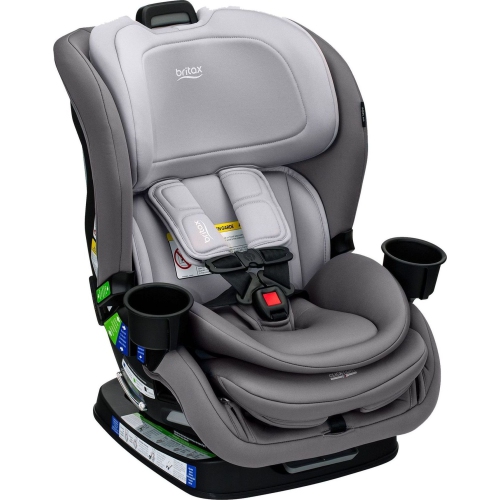
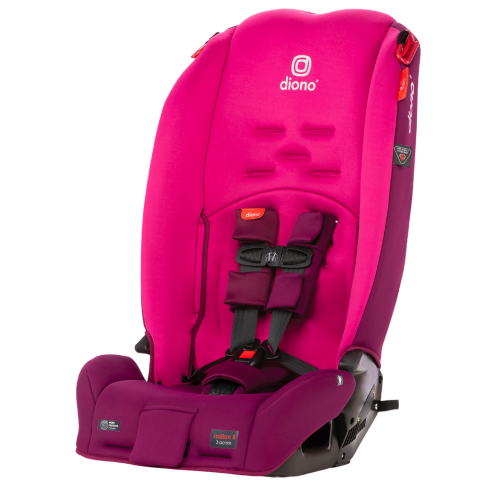
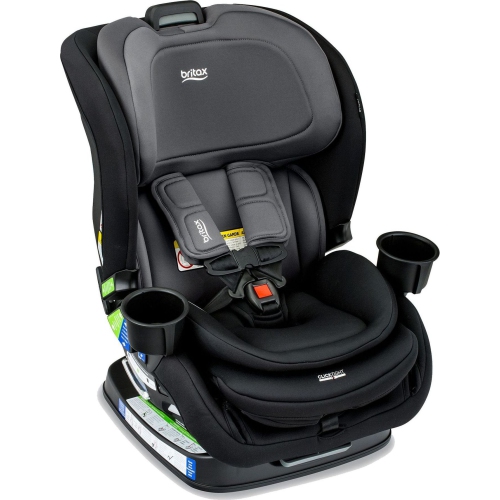
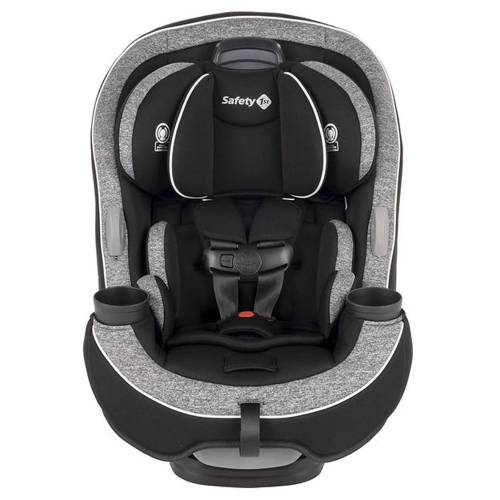
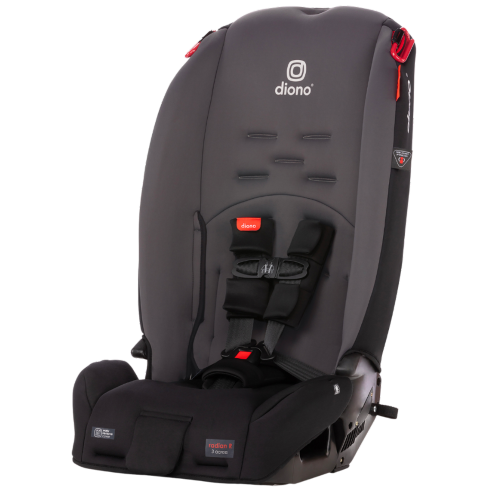
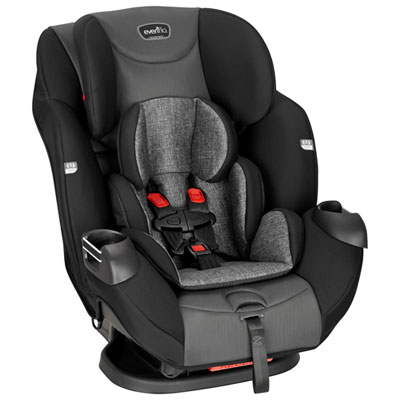
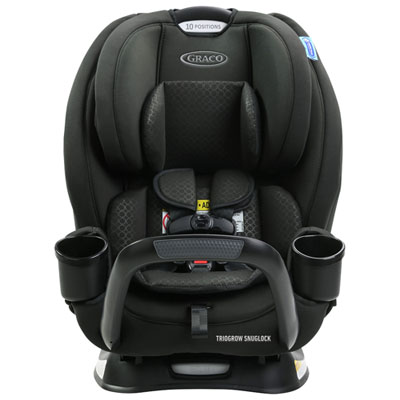
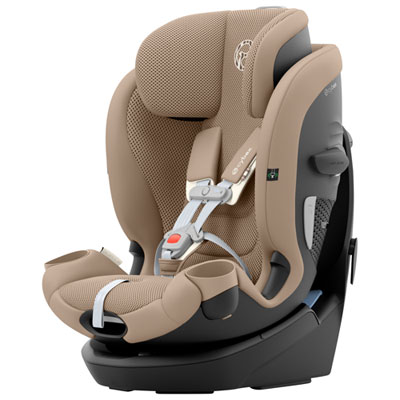
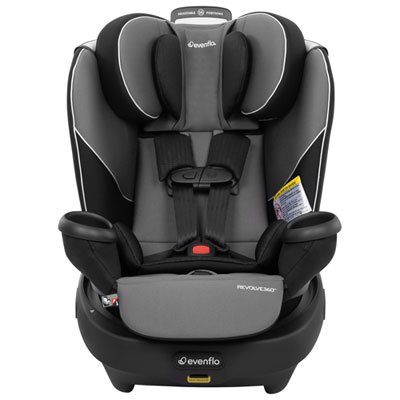
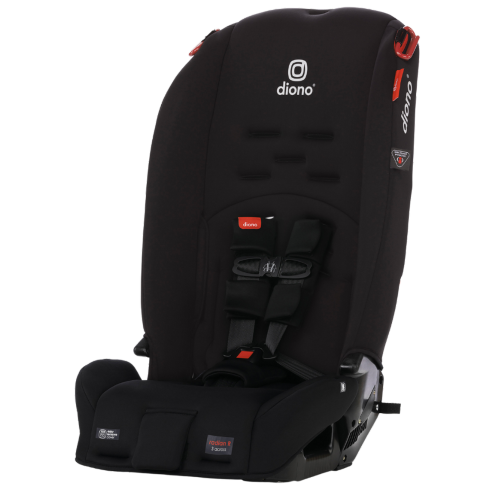
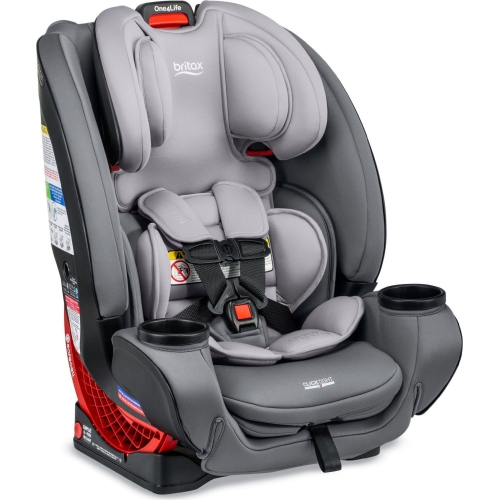
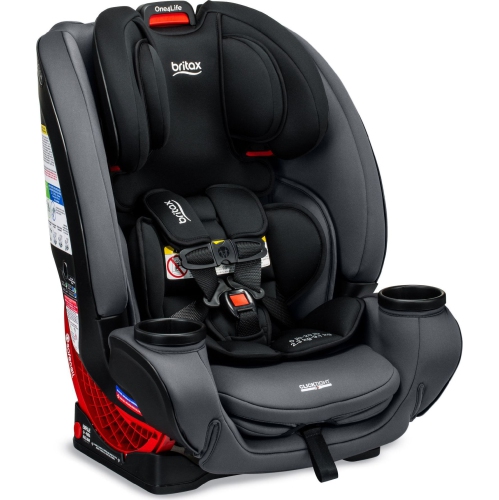
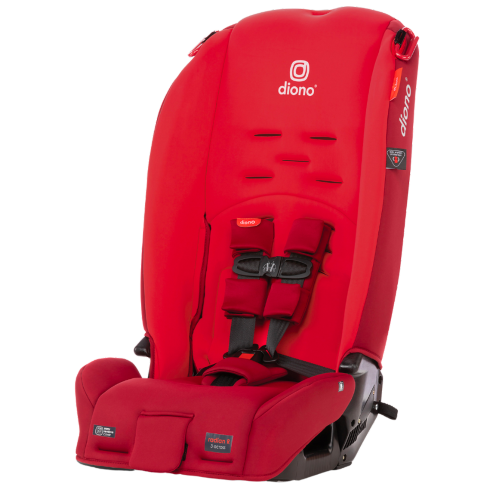
What to know about fitting and using compact convertible seats
Convertible car seats for small cars are designed to provide the protection and flexibility families need without taking up more space than necessary in a compact vehicle. They can be used rear-facing from infancy and later changed to forward-facing as a child grows, helping families avoid replacing the seat after only a short period of use. On this page, you’ll find convertible car seats selected with smaller vehicles in mind, including options with a compact front-to-back footprint, a narrower exterior width, or adjustment features that make it easier to accommodate growing legs and changing seating needs. These details matter in a small sedan, hatchback, compact SUV, or vehicle with a short rear bench, where every inch affects how comfortably the front passenger can sit. A seat that fits well behind the driver can make daily school drop-offs, grocery trips, and longer drives much less cramped. Before choosing one, measure the available space from the back of the vehicle seat to the edge of the rear seat cushion, then compare those measurements with the manufacturer’s listed dimensions and installation requirements. Remember that the installed footprint may differ from the overall product dimensions, particularly when the seat is reclined for rear-facing use. A compact design can be especially helpful when a taller driver or front passenger needs to keep the seat positioned farther back, while a slim design may make it possible to fit two or three child restraints across a rear bench. Even in a small car, the right fit should leave enough room for the seat to sit securely and for the front seats to be adjusted without pressing against it.
When comparing the convertible car seats listed here, pay close attention to the stage of use, height and weight limits, recline positions, harness adjustment, and installation method. Rear-facing travel is recommended for as long as the child remains within the seat’s rear-facing limits, because this position helps support the head, neck, and spine during a collision. Some seats offer extended rear-facing capacity, adjustable foot or legroom panels, or multiple recline settings that can make longer use more comfortable while maintaining a practical fit in a smaller cabin. A seat with a narrow profile may be useful for families placing another car seat, booster, or passenger beside it, but width alone does not guarantee that three seats will fit safely. The shape of the vehicle bench, buckle locations, door opening, seat belt path, and neighbouring restraints all affect the final arrangement. Installation is equally important. Look for clear belt-routing instructions, accessible lower anchors where compatible, and adjustment features that help create a snug installation. In Canada, use only a child restraint that meets applicable Canadian safety requirements and displays the National Safety Mark. Always follow both the car seat manual and the vehicle owner’s manual, since some seating positions may have restrictions on lower anchors, top tethers, centre placement, or forward-facing installation. After installation, the seat should not move more than 2.5 cm in any direction when checked at the belt path, and the harness should lie flat and snug against the child without bulky clothing underneath. During cooler months, a child’s winter coat can create extra space beneath the harness; secure the child in close-fitting layers and add a blanket over the harness instead. This small habit is easy to maintain on chilly mornings and helps keep the restraint working as intended.
A convertible car seat can be a practical gift for new parents, growing families, grandparents who regularly drive a child, or anyone preparing a second vehicle for childcare and family visits. It is often more useful to choose based on the recipient’s vehicle and child’s current size than on appearance alone. A compact seat for a small car may be particularly helpful for a family moving from a larger vehicle to a city-friendly model, sharing one car among several caregivers, or trying to preserve rear-seat space for groceries, sports bags, and passengers. For a second household or occasional driver, check whether the seat can be installed confidently using the vehicle’s seat belt, since lower anchors may not be available in every seating position and may have limits as the child grows. Families who switch the seat between vehicles may also value manageable weight, straightforward adjustments, and covers that can be removed for cleaning after spilled drinks, muddy shoes, or the everyday messes that come with travel. The best choice should feel secure in the intended vehicle, fit the child correctly at each stage, and leave enough room for the adults and passengers who share the car. Browse the selection of Convertible Car Seats to compare compact profiles, seating stages, installation features, and adjustment options in one place. Before the first trip, complete the installation at home in daylight, check that the harness sits at the correct height, confirm that the chest clip is level with the child’s armpits, and make sure the seat does not interfere with the vehicle’s front-seat movement or airbags. Taking a few extra minutes at the beginning can make every later trip—from a quick errand to a drive during icy weather—feel calmer and more manageable.
When comparing the convertible car seats listed here, pay close attention to the stage of use, height and weight limits, recline positions, harness adjustment, and installation method. Rear-facing travel is recommended for as long as the child remains within the seat’s rear-facing limits, because this position helps support the head, neck, and spine during a collision. Some seats offer extended rear-facing capacity, adjustable foot or legroom panels, or multiple recline settings that can make longer use more comfortable while maintaining a practical fit in a smaller cabin. A seat with a narrow profile may be useful for families placing another car seat, booster, or passenger beside it, but width alone does not guarantee that three seats will fit safely. The shape of the vehicle bench, buckle locations, door opening, seat belt path, and neighbouring restraints all affect the final arrangement. Installation is equally important. Look for clear belt-routing instructions, accessible lower anchors where compatible, and adjustment features that help create a snug installation. In Canada, use only a child restraint that meets applicable Canadian safety requirements and displays the National Safety Mark. Always follow both the car seat manual and the vehicle owner’s manual, since some seating positions may have restrictions on lower anchors, top tethers, centre placement, or forward-facing installation. After installation, the seat should not move more than 2.5 cm in any direction when checked at the belt path, and the harness should lie flat and snug against the child without bulky clothing underneath. During cooler months, a child’s winter coat can create extra space beneath the harness; secure the child in close-fitting layers and add a blanket over the harness instead. This small habit is easy to maintain on chilly mornings and helps keep the restraint working as intended.
A convertible car seat can be a practical gift for new parents, growing families, grandparents who regularly drive a child, or anyone preparing a second vehicle for childcare and family visits. It is often more useful to choose based on the recipient’s vehicle and child’s current size than on appearance alone. A compact seat for a small car may be particularly helpful for a family moving from a larger vehicle to a city-friendly model, sharing one car among several caregivers, or trying to preserve rear-seat space for groceries, sports bags, and passengers. For a second household or occasional driver, check whether the seat can be installed confidently using the vehicle’s seat belt, since lower anchors may not be available in every seating position and may have limits as the child grows. Families who switch the seat between vehicles may also value manageable weight, straightforward adjustments, and covers that can be removed for cleaning after spilled drinks, muddy shoes, or the everyday messes that come with travel. The best choice should feel secure in the intended vehicle, fit the child correctly at each stage, and leave enough room for the adults and passengers who share the car. Browse the selection of Convertible Car Seats to compare compact profiles, seating stages, installation features, and adjustment options in one place. Before the first trip, complete the installation at home in daylight, check that the harness sits at the correct height, confirm that the chest clip is level with the child’s armpits, and make sure the seat does not interfere with the vehicle’s front-seat movement or airbags. Taking a few extra minutes at the beginning can make every later trip—from a quick errand to a drive during icy weather—feel calmer and more manageable.
Top selling and popular products
-
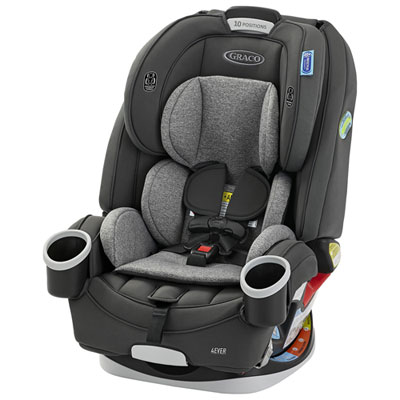 Your price for this item is $539.99
 -
 Your price for this item is $509.99
 -
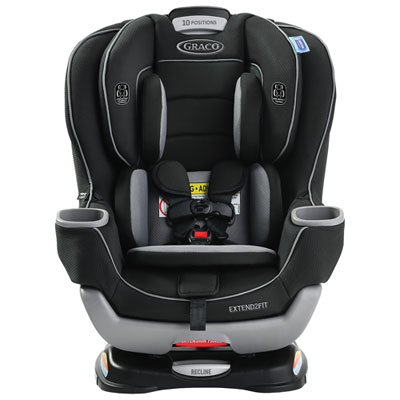 Your price for this item is $299.99
 -
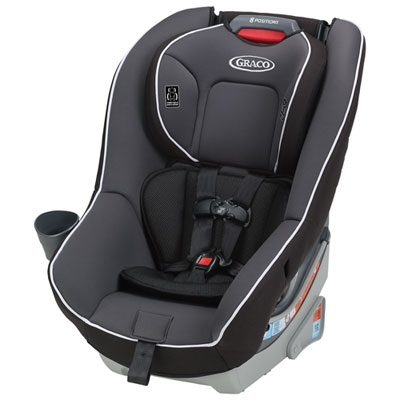 Your price for this item is $359.99
 -
 Your price for this item is $459.99
 -
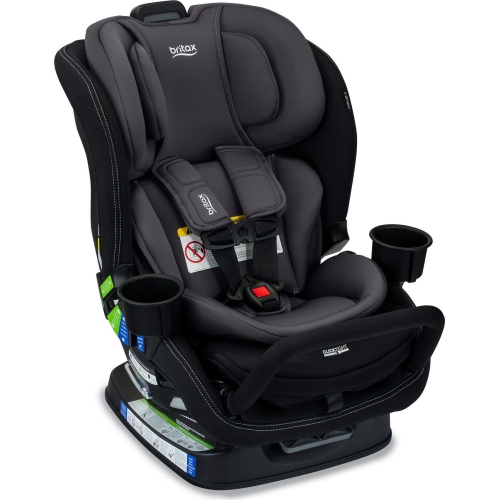 Your price for this item is $549.97
 -
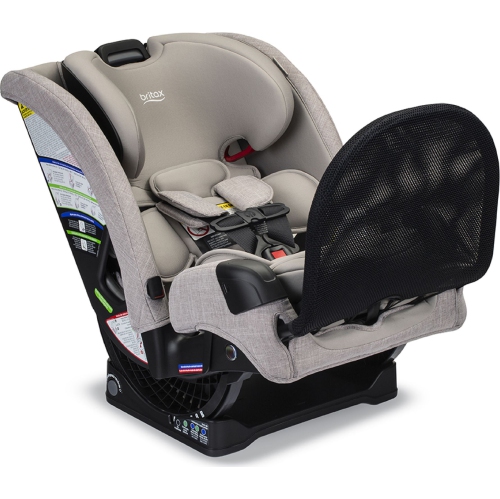 Your price for this item is $729.95
 -
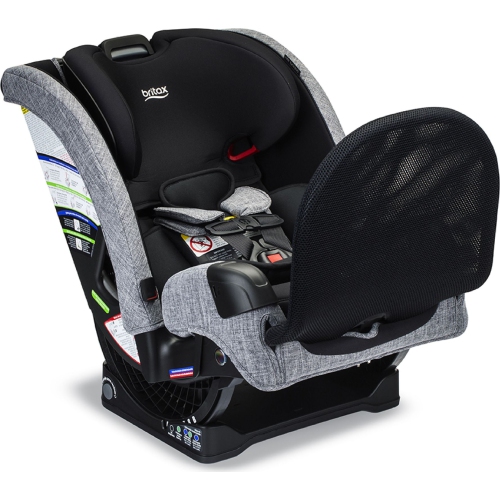 Your price for this item is $729.99
Discover more categories related to Convertible Car Seats for Small Cars

Top Collections:
Pokemon Centers, Kindle Devices, Best Budget Office Chairs, Apple iPhones 16, Canon G7X Cameras, iPhone 15 Apple, Alarm Clock, Refurbished Apple Laptops, Flip Phones, Best Laptops for Writers
Some products may be subject to Environmental Handling Fees
(EHF) depending on your province.
Learn more about EHFs.