Change Tables
Looking for a convenient and practical solution to streamline diaper changes for your little one? Our selection of change tables offers a range of options to suit your needs and space constraints. Whether you're looking for a compact design to fit in a small nursery or a multifunctional unit with ample storage, we have the perfect change table to make diaper changing time a breeze. Explore our assortment of stylish and functional change tables to find the ideal addition to your baby's nursery.
Sort
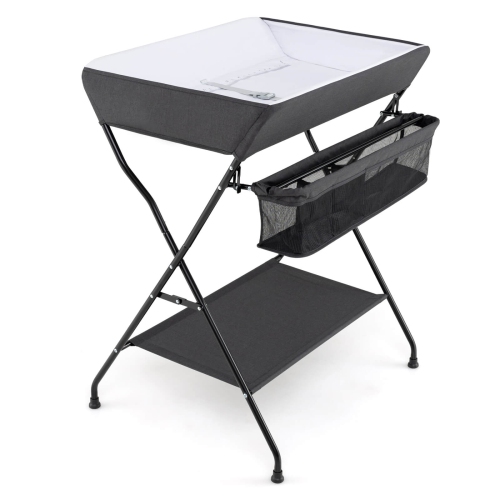
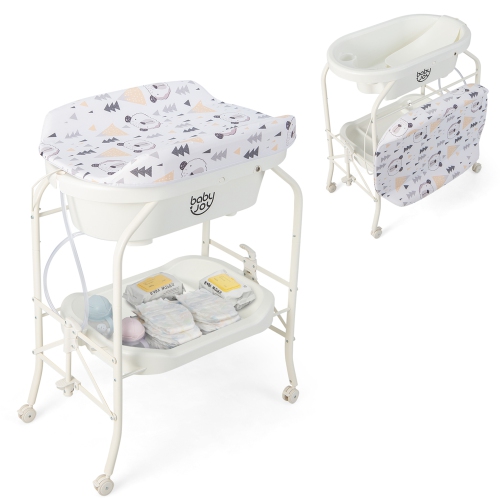

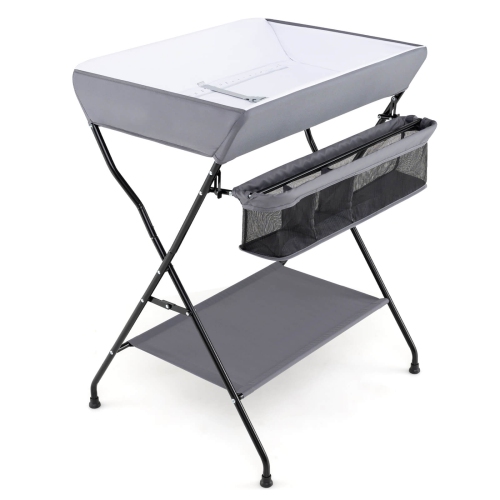
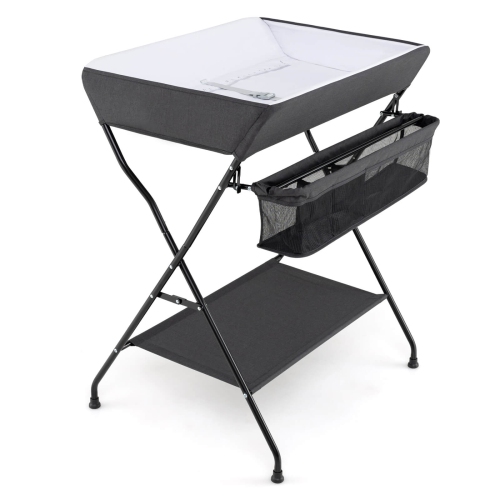
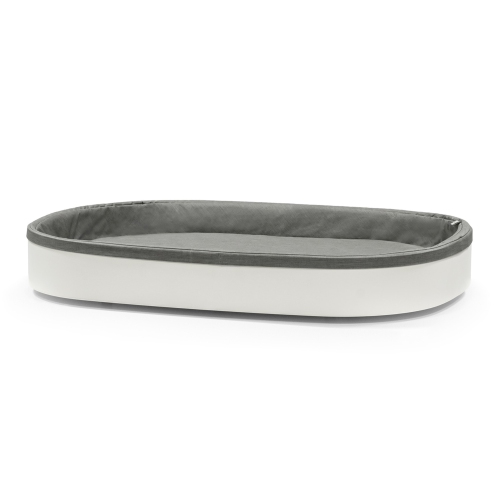
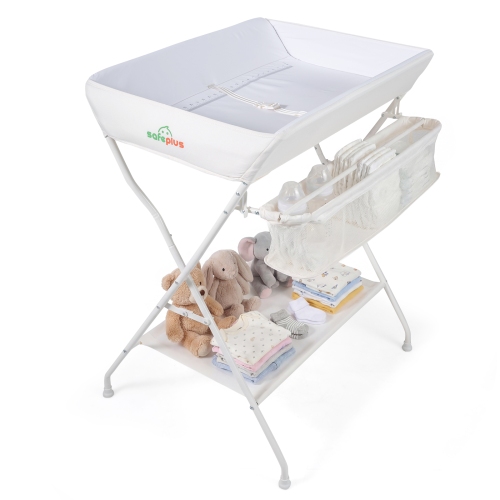
A changing space with everyday essentials within reach
Change tables are nursery furniture with a raised surface designed for changing a baby’s diaper, often combined with guardrails and storage for everyday supplies. They create a dedicated place for diaper changes, getting dressed, and cleaning up after the occasional leak, with essentials arranged close to hand. For parents, grandparents, and other caregivers, having diapers, wipes, clean clothing, and disposal supplies in one organized spot can make a frequently repeated task feel more manageable. The category includes open-frame designs with shelves, cabinet-style furniture with concealed storage, and dressers fitted with a changing attachment designed for that furniture. Each layout suits a different approach to nursery organization. Open shelves make it easy to see a stack of washcloths or reach a spare diaper, while drawers can separate tiny sleepers from changing supplies. Doors provide a tidy appearance, although the space needed to open them matters in a narrow room. A compact footprint may suit a shared bedroom, while a wider dresser-style design can combine clothing storage and diaper-changing space along one wall. Measurements need to account for more than the furniture itself: drawers require clearance, and caregivers need enough room to stand comfortably and move without bumping nearby furniture. Surface height also affects everyday comfort, particularly when adults of different heights share baby-care duties. A comfortable working position can reduce repeated bending, but the right fit depends on the caregiver rather than a single standard measurement. Storage placement is equally practical. Frequently used supplies belong within the adult’s easy reach without crowding the changing surface or placing loose objects within the baby’s grasp. A well-planned arrangement leaves room for the changing pad and keeps the surrounding area clear, so a clean diaper or fresh outfit can be reached without stepping away from the baby.
Materials and construction influence how change tables look, feel, and stand up to daily use. Solid wood, engineered wood, and metal are common construction materials, sometimes combined within the same piece. Wood grain can bring warmth to a nursery, while painted finishes and simple metal frames suit a range of decorating styles. The appearance matters, but so do secure connections, smooth edges, a stable base, and drawers that operate without catching or shifting the furniture. Durability depends on the overall construction and proper assembly, not simply on whether a frame is wood or metal. Storage shelves and drawers also have their own load limits, separate from the changing surface, which matters when arranging larger packages of supplies. A changing pad should match the dimensions and attachment requirements specified for the table; pads and changing trays are not automatically interchangeable. Depending on the design, a pad may have a wipe-clean surface, a removable fabric cover, or both. A close-fitting washable cover can simplify clean-up, provided it is suitable for that pad and does not interfere with its fit or restraint system. An extra compatible cover is useful when one is in the laundry. Care requirements vary by material, so cleaning methods should follow the furniture and pad manufacturers’ directions. Promptly wiping up spills, drying damp areas, and avoiding excess water around joints can help protect finishes and edges. Harsh cleaners or abrasive scrubbers may damage some surfaces, while a cover that tolerates machine washing may still have specific drying instructions. Everyday details such as accessible corners and uncomplicated shelf layouts can make cleaning less awkward. Colour and hardware can coordinate with a crib or wardrobe without requiring an exact match, allowing the changing area to feel like part of the room rather than a separate utility station.
Change tables are intended for supervised infant care, and their usefulness depends on following the limits and safety directions for the particular design. Guardrails, contoured pads, and restraint straps do not make it safe to leave a baby unattended, even briefly. An adult should remain beside the table and keep a hand on the baby throughout a diaper change; any supplied restraint should be used as directed, never as a replacement for supervision. Having supplies ready before starting helps avoid the temptation to reach across the room for wipes or clothing. The surrounding space matters, too: blind cords, electrical cords, wall decorations, and objects on nearby shelves need to remain out of reach. Furniture should be assembled correctly, with any required wall anchoring installed according to the manufacturer’s instructions. Wheeled designs require particular attention to the supplied locking and positioning directions. A changing surface is not a sleep space, even when a baby becomes drowsy during dressing. Use must stop when any stated weight, age, or developmental limit is reached, rather than relying on how much room appears to remain on the pad. For families thinking beyond the diaper stage, some dresser-style designs have removable changing attachments and can continue as clothing storage when converted exactly as directed. Others remain dedicated changing furniture throughout their useful life. That distinction can matter when furnishing a small home or planning a nursery shared by siblings at different stages. As a baby-shower gift, a change table is most practical when the recipient has confirmed the room measurements, preferred storage arrangement, and compatibility with any changing pad already selected. Families furnishing other spaces can also explore Unique Tables, while keeping decorative tables separate from furniture designed for infant changing. A suitable change table brings together a properly fitted changing surface, dependable construction, manageable care, and storage that supports the household’s daily routine.
Top selling and popular products
-
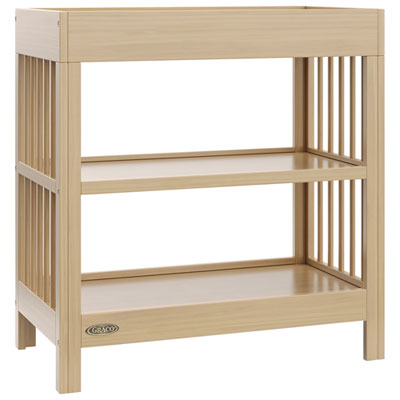 Your price for this item is $149.99
-
 Your price for this item is $179.99
-
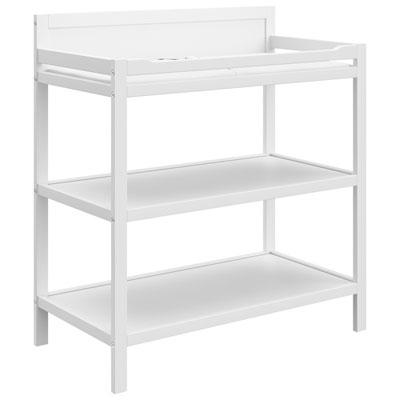 Your price for this item is $189.99
-
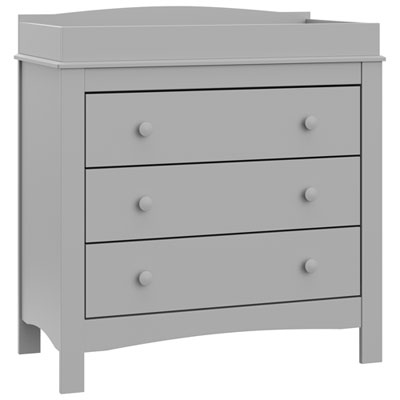 Your price for this item is $399.99
-
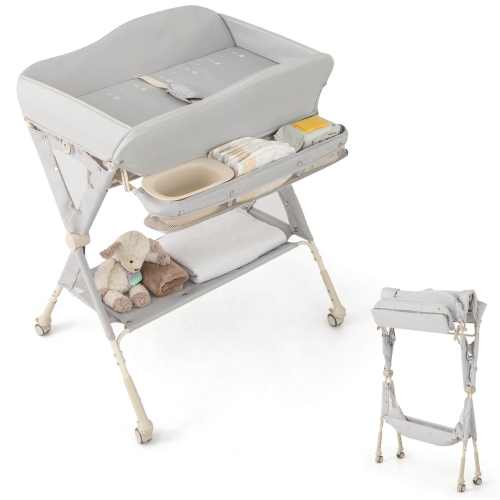 Your price for this item is $146.99
-
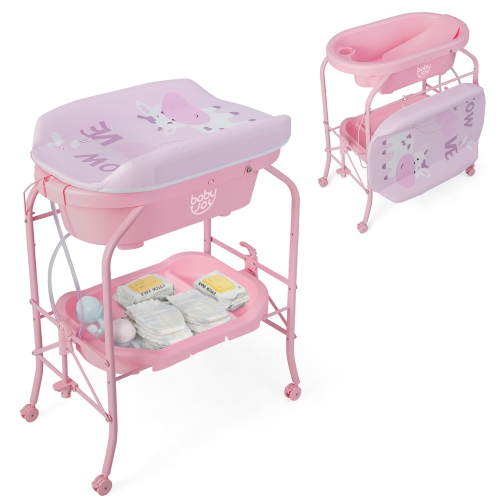 Your price for this item is $206.99
-
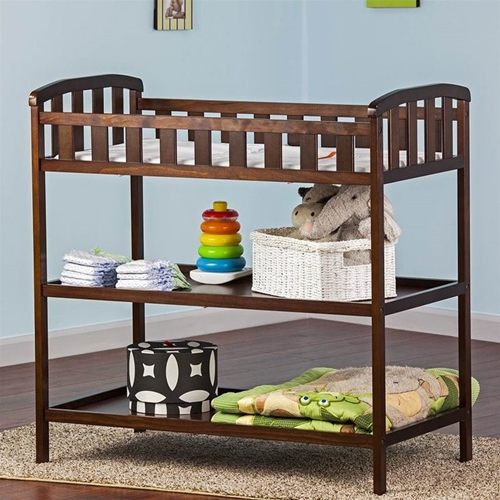 Your price for this item is $89.99
-
 Your price for this item is $209.99
Discover more categories related to Change Tables
Top Collections:
Best Black Friday Deals This Year, Best Black Friday Deals On Electronics, Kindle Devices, Pokemon Centers, Best Black Friday Deals On Apple Products, Best Cameras for Sports Photography, Dyson Airwrap, Pokémon 30th Celebration Cards, Apple iPhone 17 Pro, Canon G7X Cameras
Some products may be subject to Environmental Handling Fees
(EHF) depending on your province.
Learn more about EHFs.