Working Tables
A working table is a piece of furniture that has a flat top surface and a sturdy frame. It can be used as a desk, as a drawing board, or as a surface on which to assemble furniture. Here are some great options available.
Sort
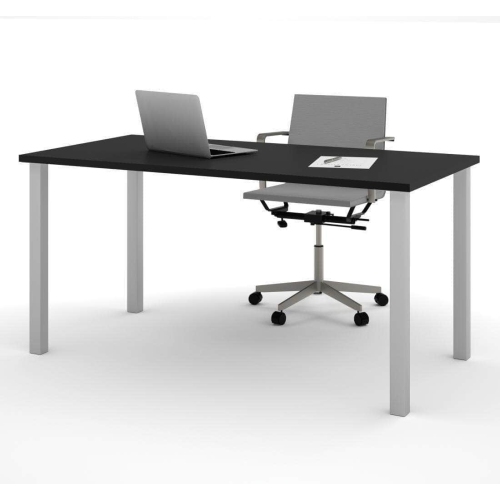
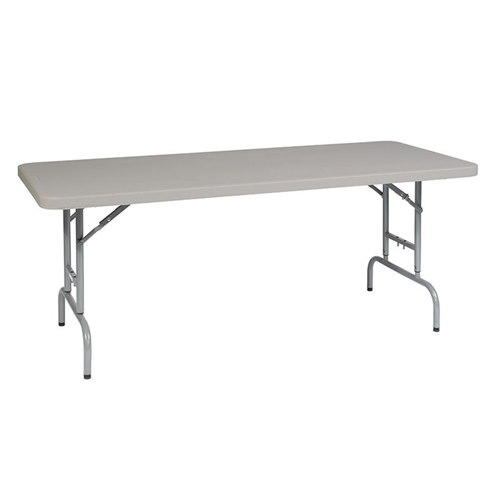
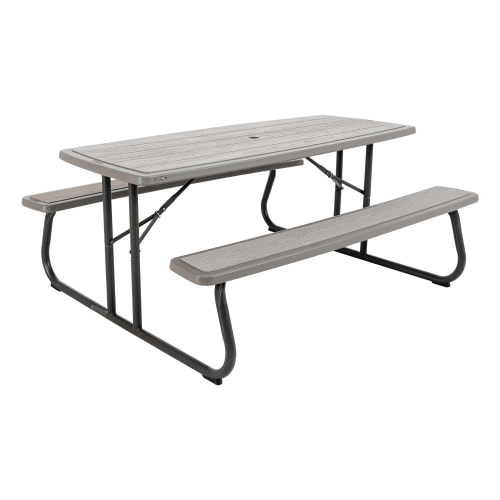
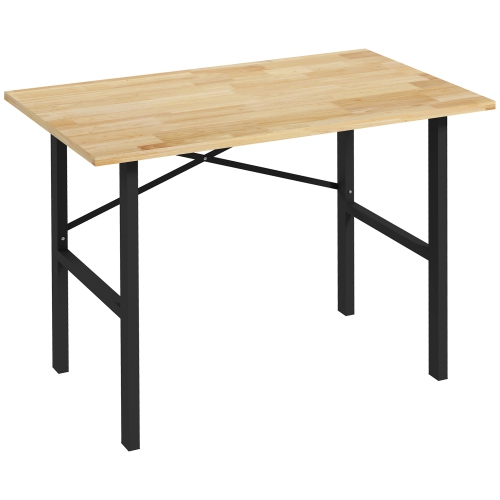
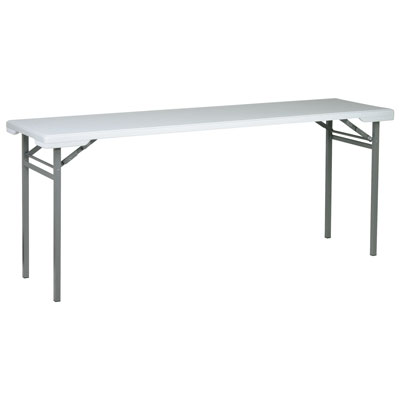
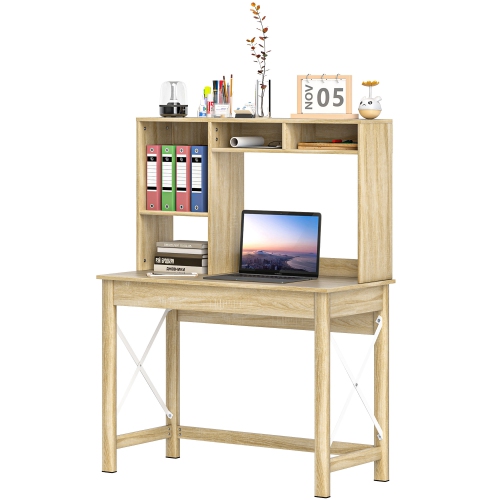
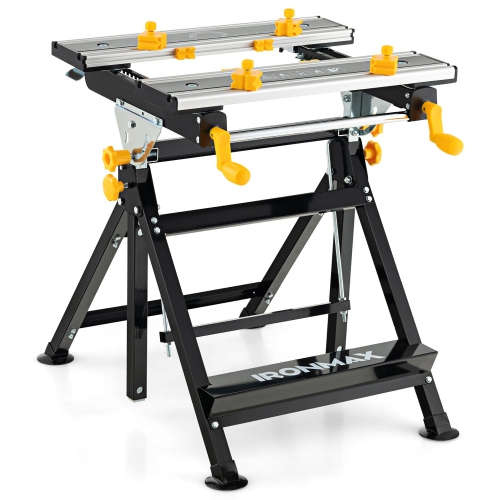
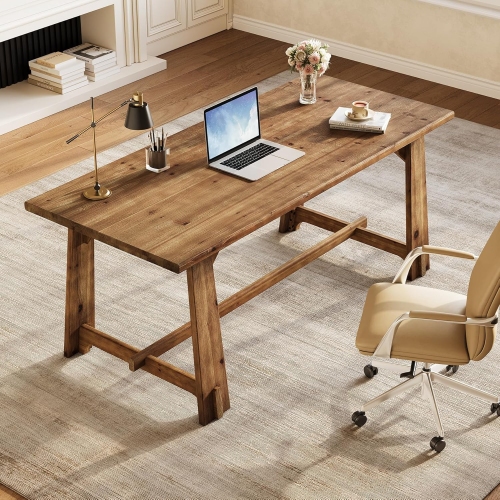
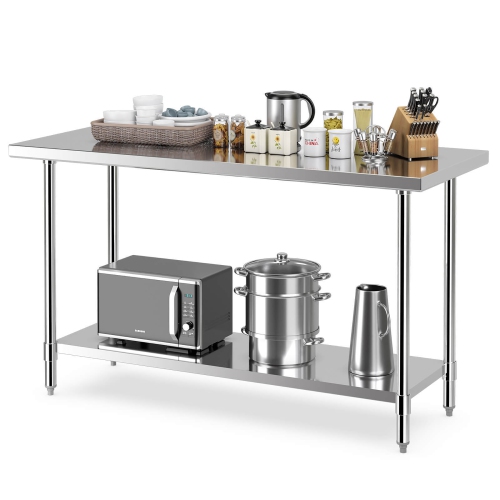
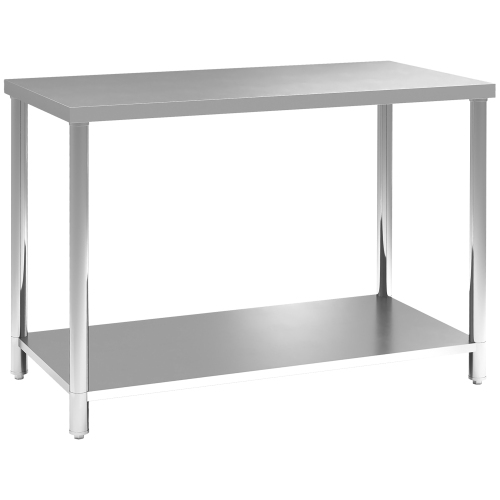
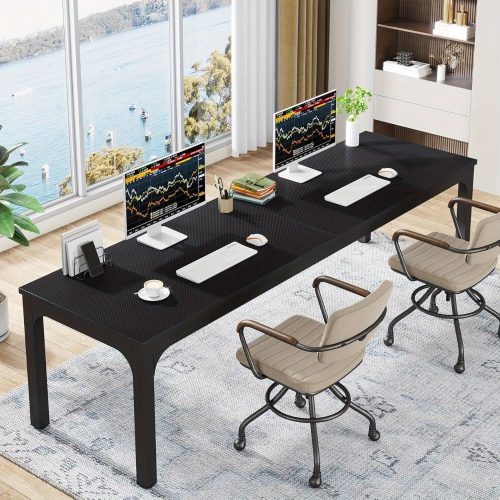
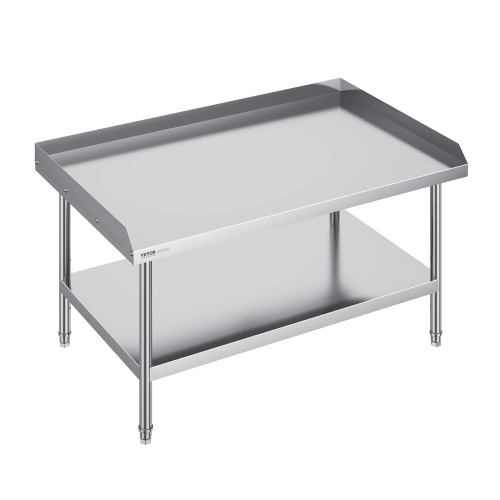
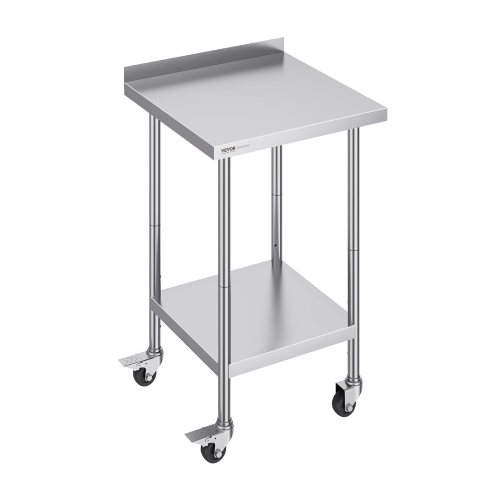

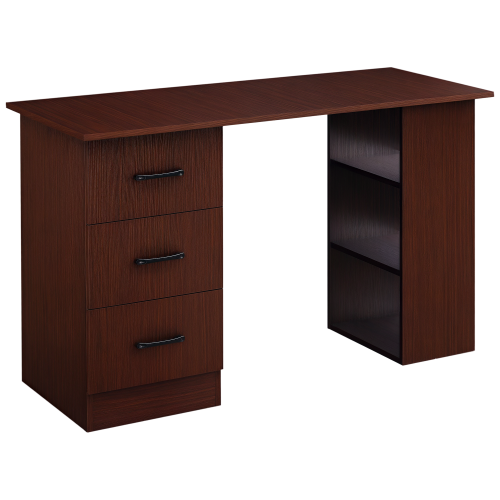

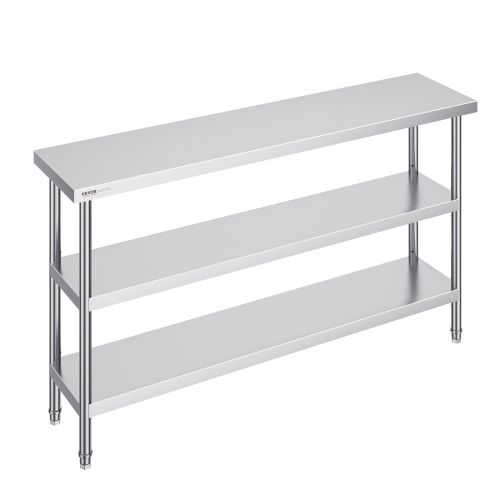
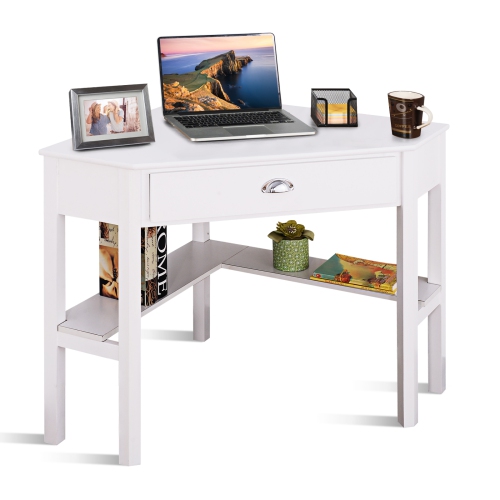
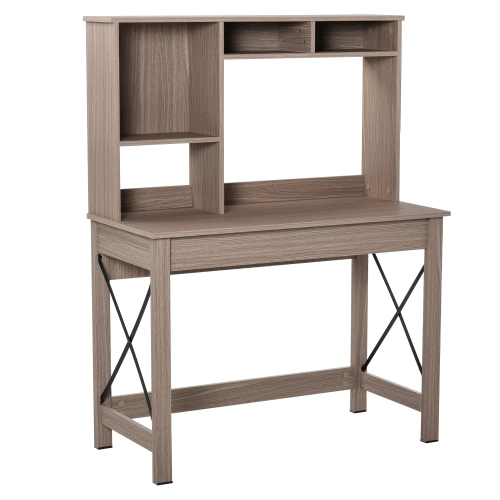
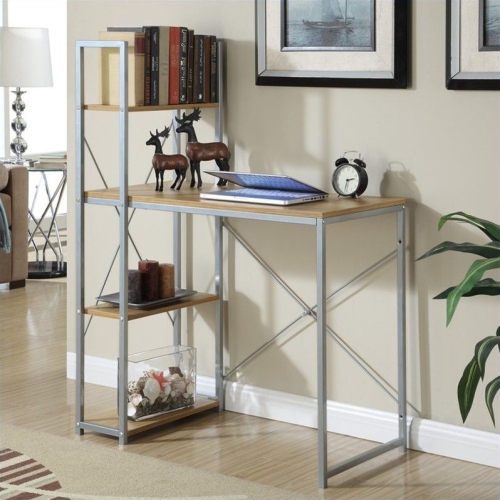
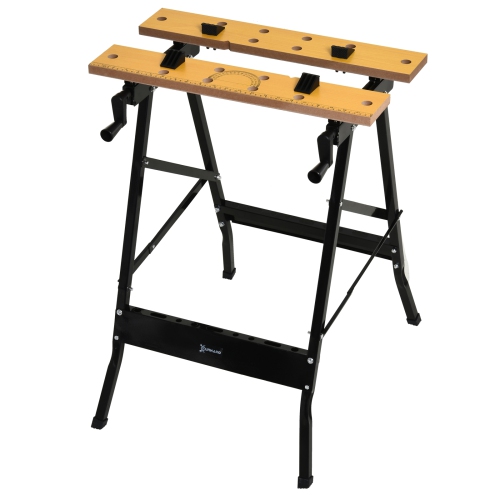

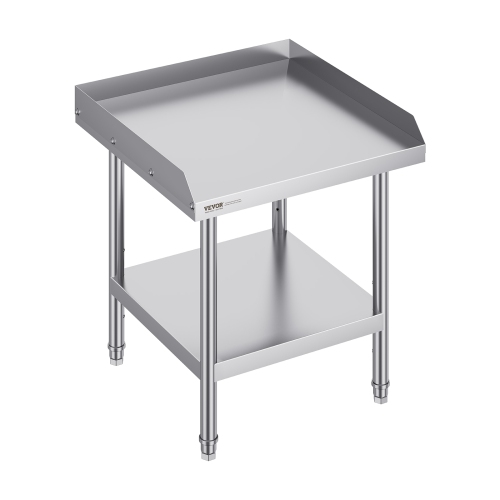
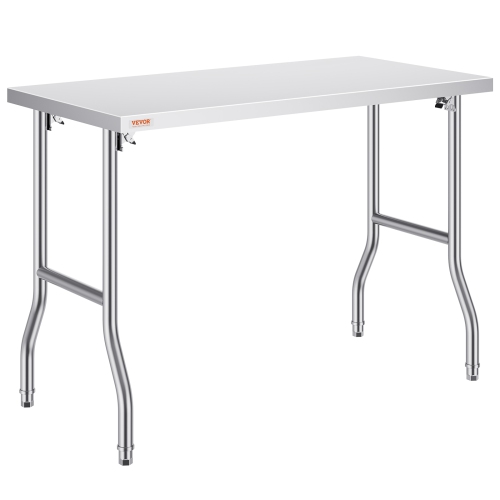
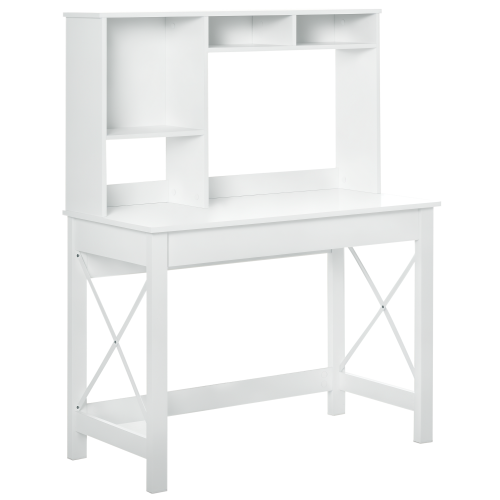
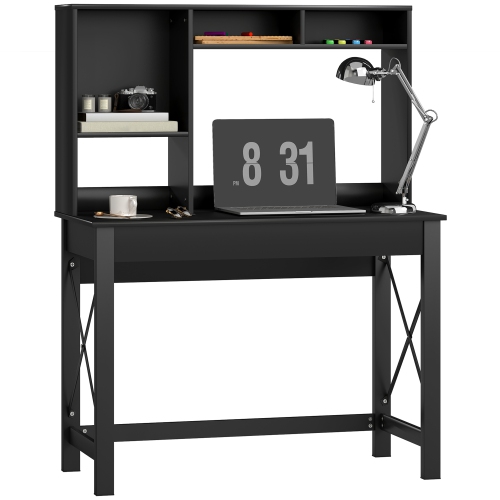
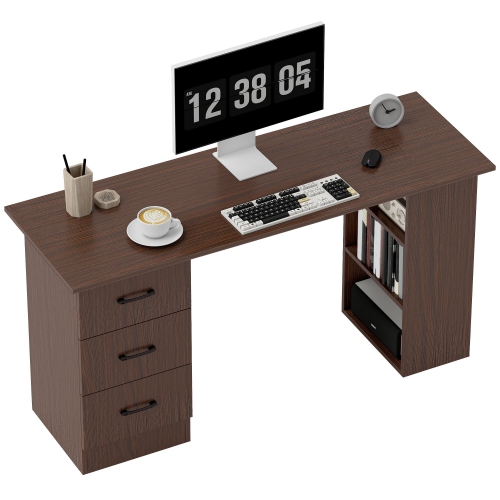
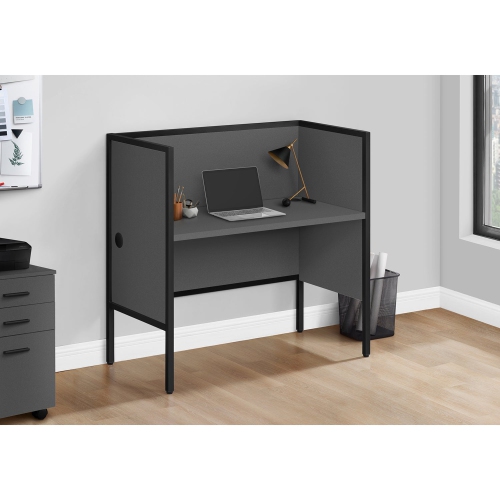
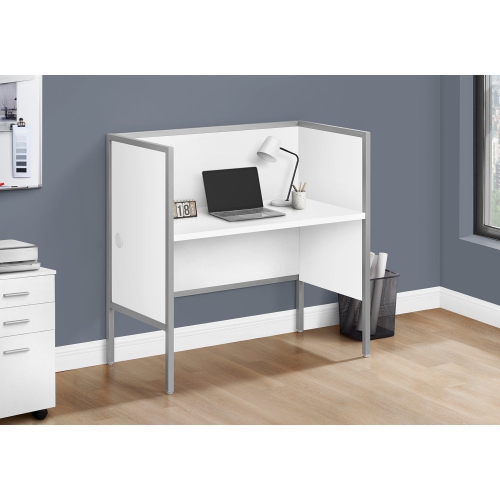
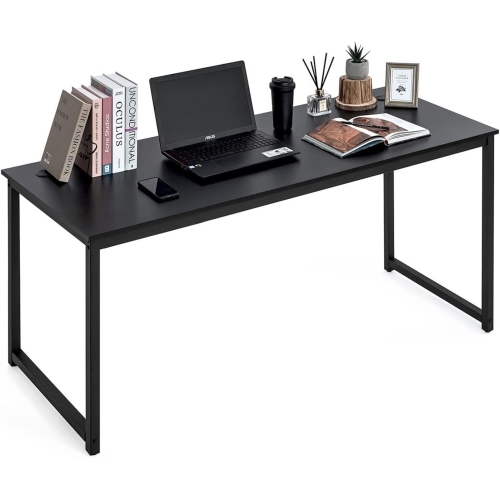
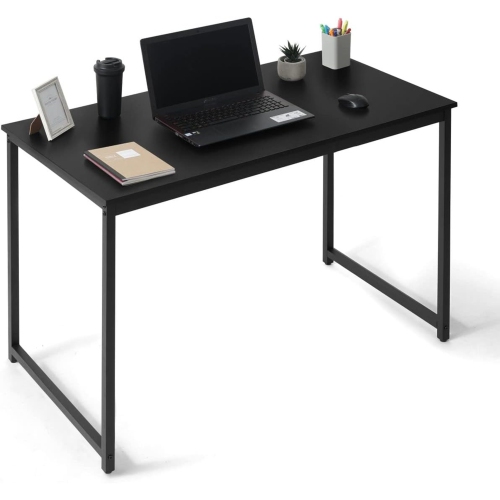
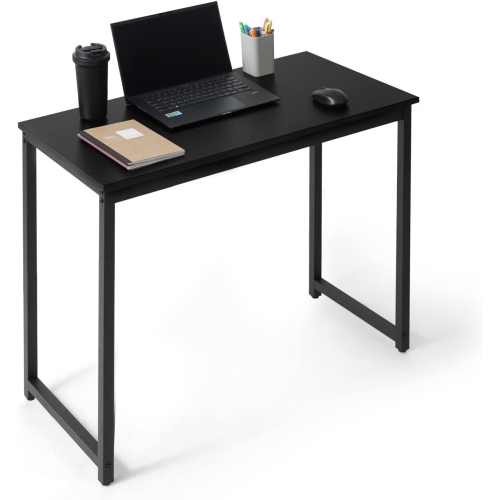
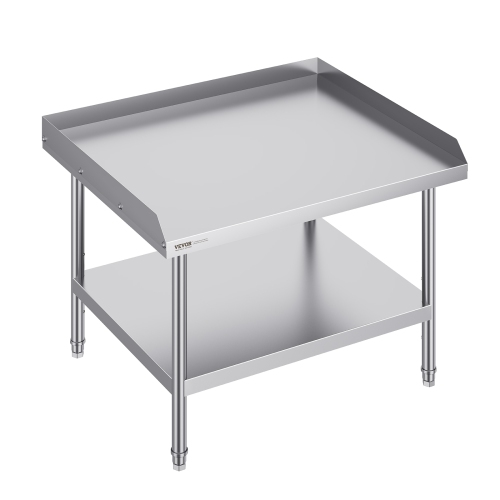
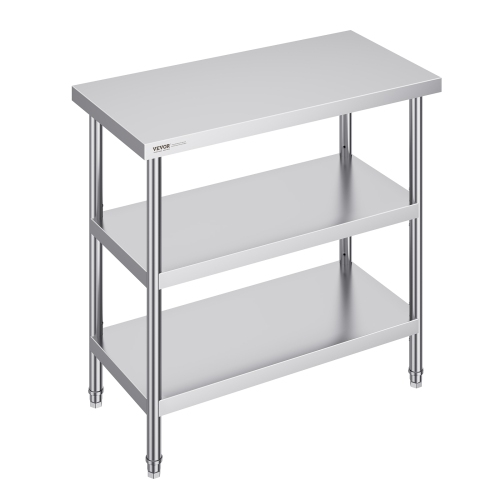
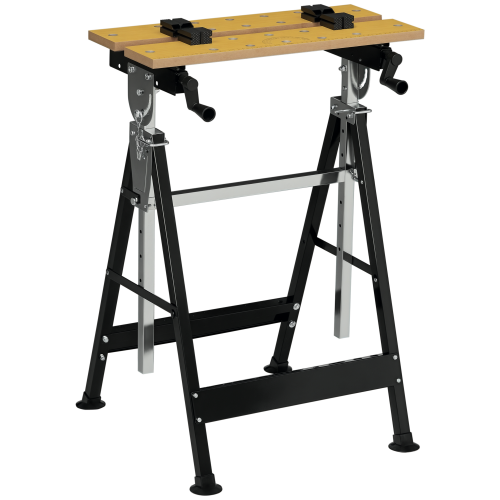
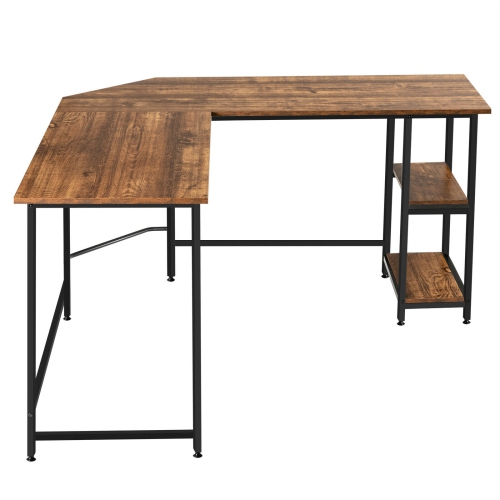
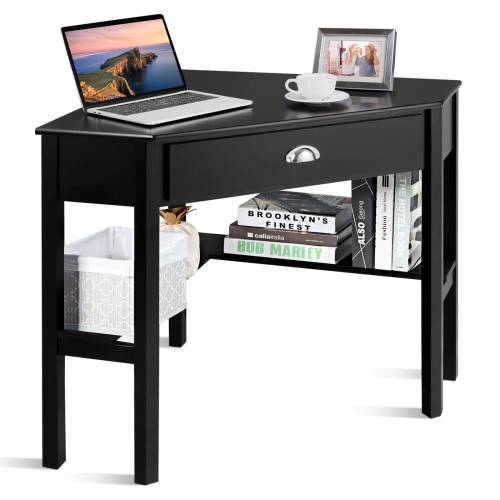
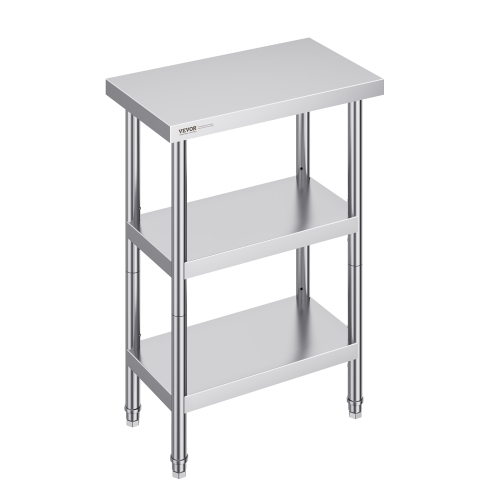
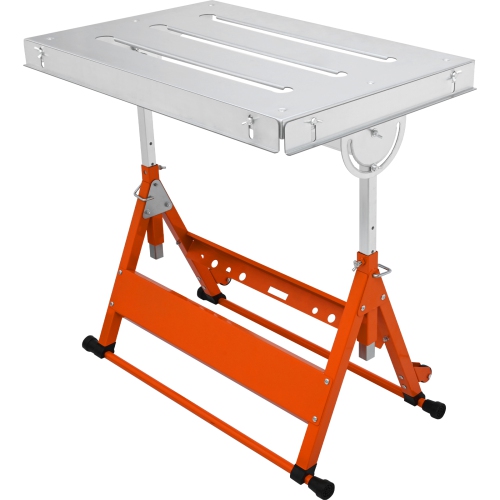
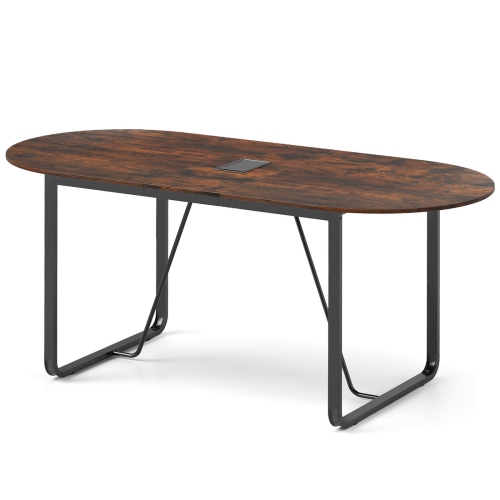
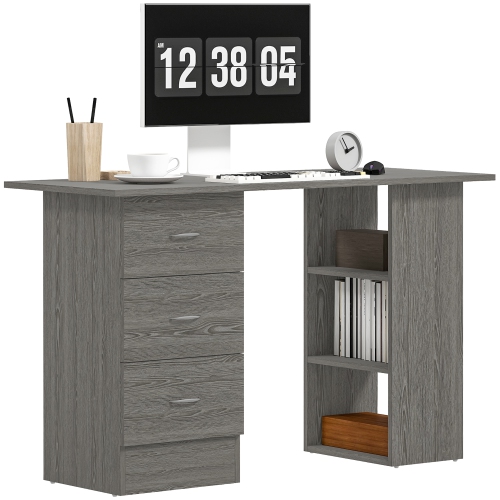
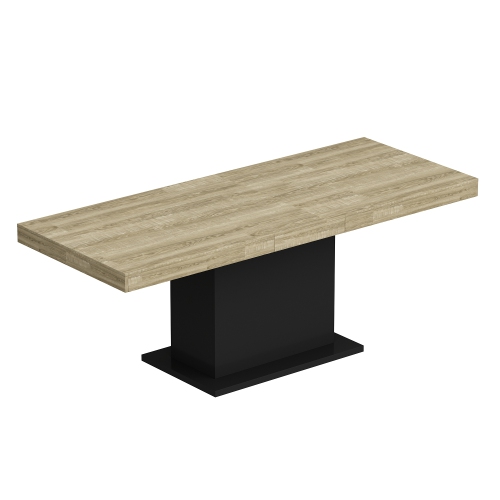

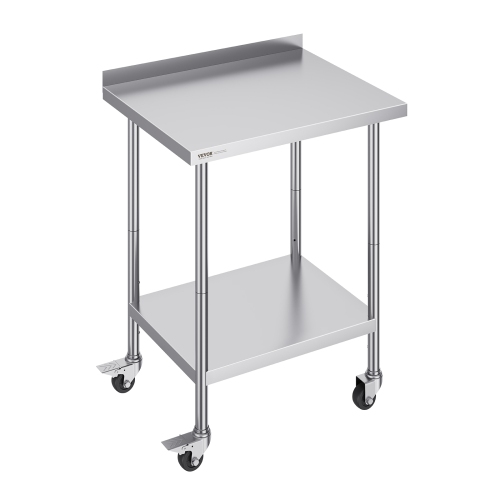

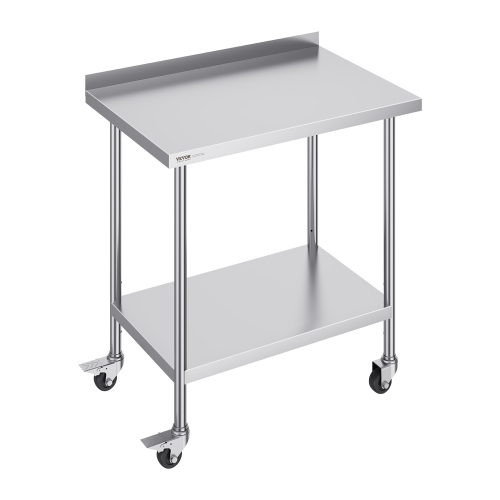
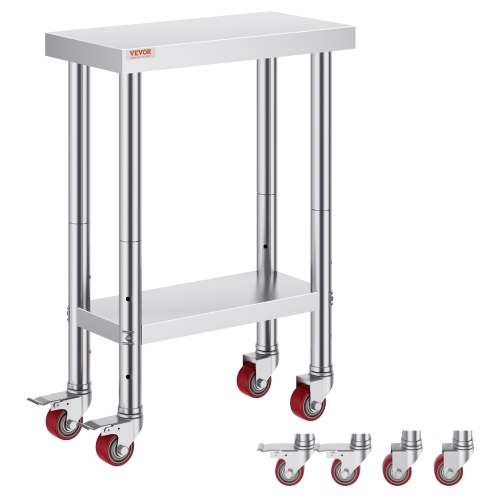
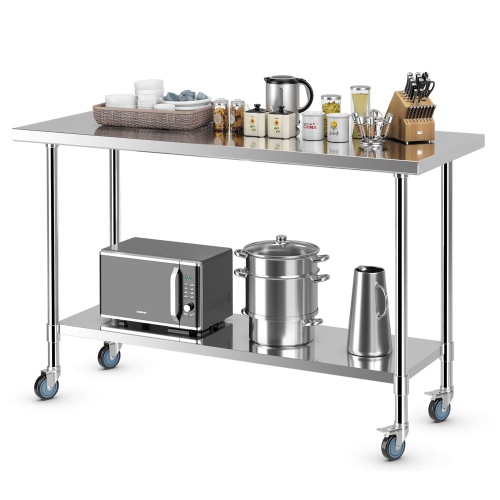


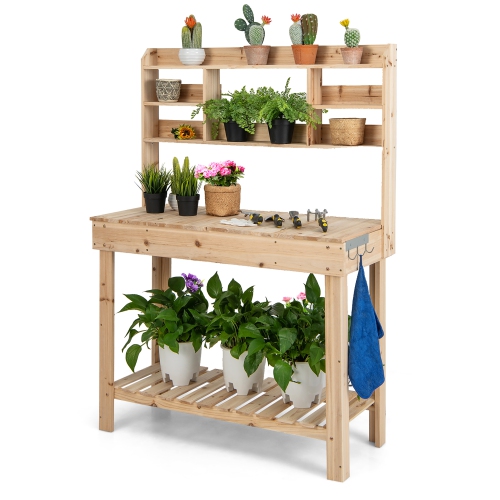
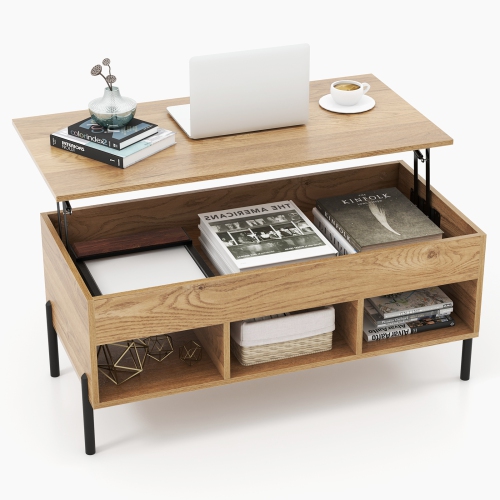
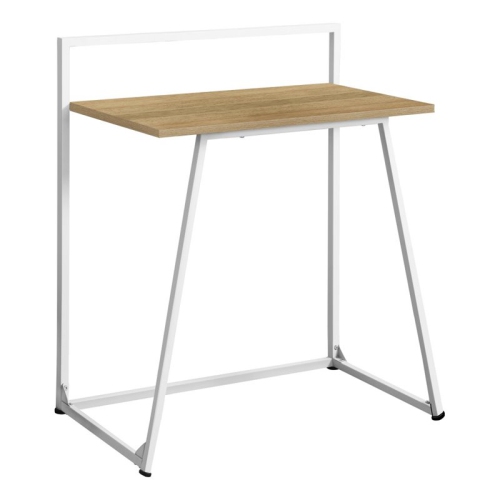
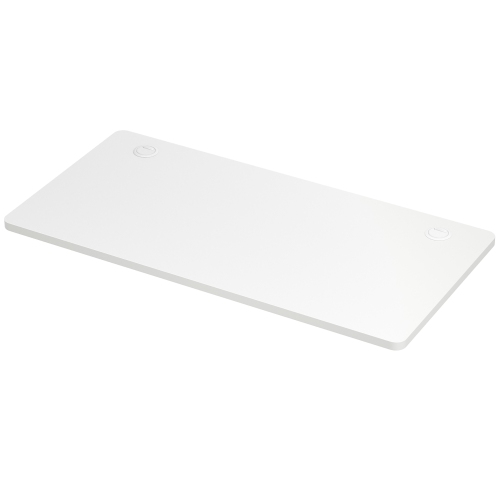
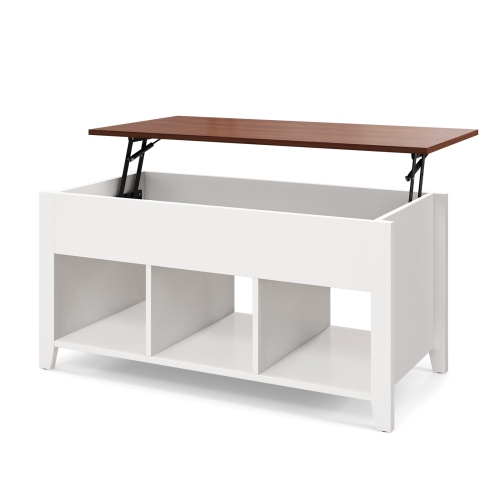

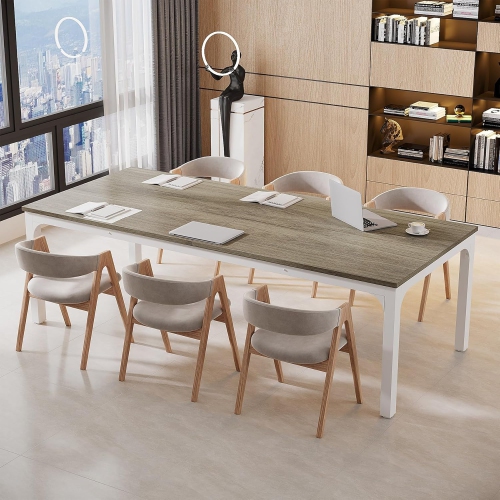
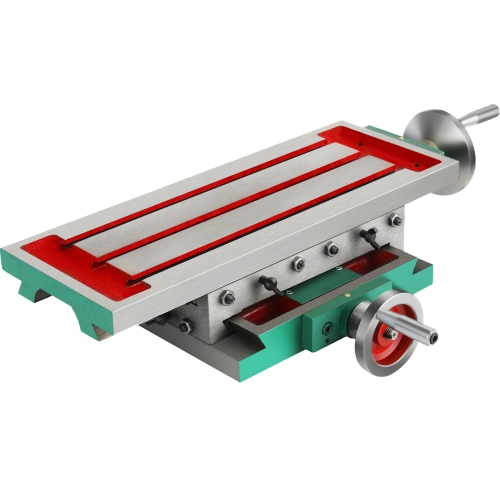
Different tasks call for different table designs
Working tables provide a practical surface for tasks ranging from computer work and studying to repairs, assembly, and hands-on projects. The most useful design depends on what happens at the table: a laptop and notebook need a different setup from a clamped piece of timber, a sewing machine, or a spread of drawing supplies. For a home office, a smooth desktop with enough depth for a monitor, keyboard, and comfortable forearm support can make everyday work feel less cramped. A study table may need space for an open textbook beside a computer, while a craft table benefits from a broad, uninterrupted surface for laying out fabric or sorting small parts. In a garage or workshop, a heavier frame, secure connections, and a suitable load rating matter more than a slim profile. A working table is not automatically a heavy-duty workbench; its intended use and manufacturer’s specifications should match the tools and materials placed on it. Surface dimensions also tell only part of the story. A table that fits neatly against a wall still needs enough room around it to pull out a chair, open a drawer, or carry a bulky project past its corners. Depth is especially important when a screen shares the surface with paperwork, and clear space underneath helps seated users move without bumping into braces or storage units. For shared rooms, a rectangular table can sit along a wall, while a freestanding layout allows access from several sides for collaborative projects. People furnishing a teaching area or a space for group instruction may also find Training Tables relevant, particularly when several participants need their own writing space within a coordinated layout. Across these uses, a well-matched working table creates a clear place to begin a task, keep essential materials within reach, and leave the rest of the room usable. That balance matters in spare bedrooms, basement work areas, and multipurpose family spaces where the surface may serve more than one person throughout the day.
Materials influence how a working table looks, feels, and holds up to daily use. Solid wood offers a substantial surface with natural variation, although its finish determines how well it tolerates moisture, stains, and abrasion. Some wood tops can be refinished when worn, but that depends on their construction and any protective coating. Engineered wood with a laminate or melamine surface is common in office and study furniture, providing a smooth area for writing and routine computer work. Its edges and joints deserve attention, since spilled liquids left along a seam can cause swelling or damage. Metal frames can provide firm support without taking up much visual space, but overall stability also depends on the bracing, fasteners, and floor contact. Stainless steel tops suit certain utility tasks because they are generally easy to wipe down, though they can show scratches and may feel less comfortable for extended writing without a desk pad. Glass surfaces offer a lighter visual appearance in an office, but they are not a substitute for an impact-rated workshop surface. For practical durability, consider the whole construction rather than judging by the top alone. A thick-looking edge does not necessarily indicate a solid slab, and a stated weight capacity may refer to an evenly distributed load rather than concentrated pressure from a tool or machine. Clamping, hammering, and equipment that vibrates require a table designed for those forces. Care is usually straightforward when it follows the manufacturer’s directions: remove grit before wiping, use cleaning products suited to the finish, dry spills promptly, and protect the surface from hot objects or cutting blades. A cutting mat can keep craft work from scoring a desktop, while a washable protective layer can help contain paint or glue. Periodic checks of bolts, levelling feet, and drawer hardware can address looseness before it affects everyday use. In a garage or basement, exposure to dampness and temperature changes is another reason to match the material and finish to the setting.
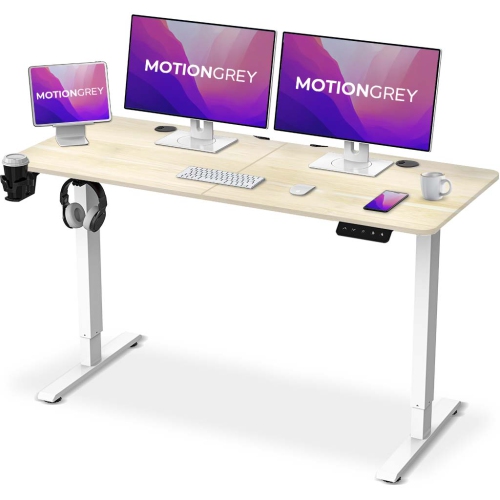
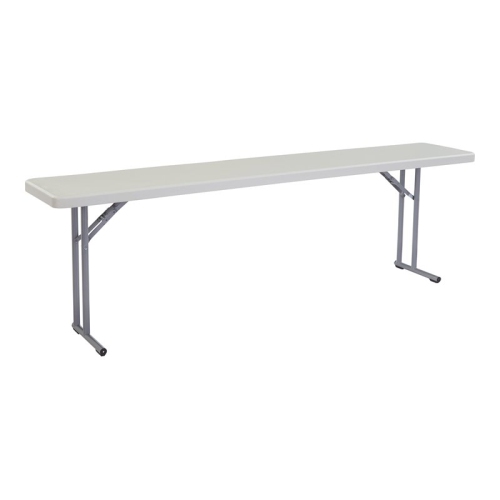
Height, storage, and mobility shape how comfortably a working table supports a routine. For seated tasks, the right fit allows relaxed shoulders, comfortable elbow positioning, and space for the legs without a low apron or drawer getting in the way. An adjustable chair helps, but it cannot fully compensate for a surface that is much too high or low. Height-adjustable working tables can accommodate different users and allow a change between sitting and standing, provided their adjustment range suits the people using them. Manual mechanisms and powered lifts offer different ways to make that change; either needs adequate clearance from shelves, windowsills, and nearby furniture throughout its travel. Cable length matters too, particularly when a monitor, lamp, or computer remains connected as the top rises. Built-in power access and cable openings can help keep a workspace orderly, but electrical features should be used within their stated ratings and kept clear of spills. Storage works best when it supports the task without taking over the surface. Shallow drawers can separate pens, measuring tools, and small accessories, while shelves may hold larger supplies that would otherwise crowd the work area. For a sewing setup, knee room and access to a foot control can matter more than extra drawers; for model building or electronics assembly, organised small-part storage may be more useful. Castors make it easier to reposition a table for cleaning or shared use, but wheel locks do not make every mobile design suitable for forceful workshop tasks. Folding tables can serve occasional projects where permanent floor space is limited, with secure locking mechanisms and appropriate load limits remaining essential. Students, remote workers, hobbyists, and people setting up a first dedicated workspace can all benefit from a table chosen around familiar habits rather than appearance alone. As a practical gift, a working table is best selected with the recipient’s measurements and activities in mind. Enough room to spread out a project, a stable surface beneath the hands, and a place for the tools used most often can turn an overlooked corner into a genuinely useful part of the home.
Materials influence how a working table looks, feels, and holds up to daily use. Solid wood offers a substantial surface with natural variation, although its finish determines how well it tolerates moisture, stains, and abrasion. Some wood tops can be refinished when worn, but that depends on their construction and any protective coating. Engineered wood with a laminate or melamine surface is common in office and study furniture, providing a smooth area for writing and routine computer work. Its edges and joints deserve attention, since spilled liquids left along a seam can cause swelling or damage. Metal frames can provide firm support without taking up much visual space, but overall stability also depends on the bracing, fasteners, and floor contact. Stainless steel tops suit certain utility tasks because they are generally easy to wipe down, though they can show scratches and may feel less comfortable for extended writing without a desk pad. Glass surfaces offer a lighter visual appearance in an office, but they are not a substitute for an impact-rated workshop surface. For practical durability, consider the whole construction rather than judging by the top alone. A thick-looking edge does not necessarily indicate a solid slab, and a stated weight capacity may refer to an evenly distributed load rather than concentrated pressure from a tool or machine. Clamping, hammering, and equipment that vibrates require a table designed for those forces. Care is usually straightforward when it follows the manufacturer’s directions: remove grit before wiping, use cleaning products suited to the finish, dry spills promptly, and protect the surface from hot objects or cutting blades. A cutting mat can keep craft work from scoring a desktop, while a washable protective layer can help contain paint or glue. Periodic checks of bolts, levelling feet, and drawer hardware can address looseness before it affects everyday use. In a garage or basement, exposure to dampness and temperature changes is another reason to match the material and finish to the setting.
Height, storage, and mobility shape how comfortably a working table supports a routine. For seated tasks, the right fit allows relaxed shoulders, comfortable elbow positioning, and space for the legs without a low apron or drawer getting in the way. An adjustable chair helps, but it cannot fully compensate for a surface that is much too high or low. Height-adjustable working tables can accommodate different users and allow a change between sitting and standing, provided their adjustment range suits the people using them. Manual mechanisms and powered lifts offer different ways to make that change; either needs adequate clearance from shelves, windowsills, and nearby furniture throughout its travel. Cable length matters too, particularly when a monitor, lamp, or computer remains connected as the top rises. Built-in power access and cable openings can help keep a workspace orderly, but electrical features should be used within their stated ratings and kept clear of spills. Storage works best when it supports the task without taking over the surface. Shallow drawers can separate pens, measuring tools, and small accessories, while shelves may hold larger supplies that would otherwise crowd the work area. For a sewing setup, knee room and access to a foot control can matter more than extra drawers; for model building or electronics assembly, organised small-part storage may be more useful. Castors make it easier to reposition a table for cleaning or shared use, but wheel locks do not make every mobile design suitable for forceful workshop tasks. Folding tables can serve occasional projects where permanent floor space is limited, with secure locking mechanisms and appropriate load limits remaining essential. Students, remote workers, hobbyists, and people setting up a first dedicated workspace can all benefit from a table chosen around familiar habits rather than appearance alone. As a practical gift, a working table is best selected with the recipient’s measurements and activities in mind. Enough room to spread out a project, a stable surface beneath the hands, and a place for the tools used most often can turn an overlooked corner into a genuinely useful part of the home.
Top selling and popular products
-
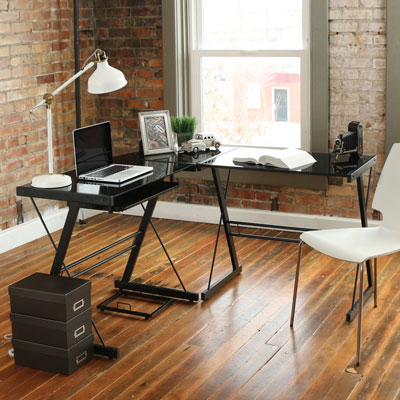 Your price for this item is $304.99
 -
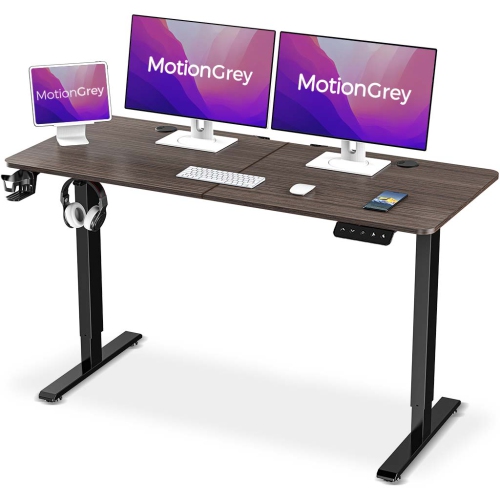 Your price for this item is $93.99
 -
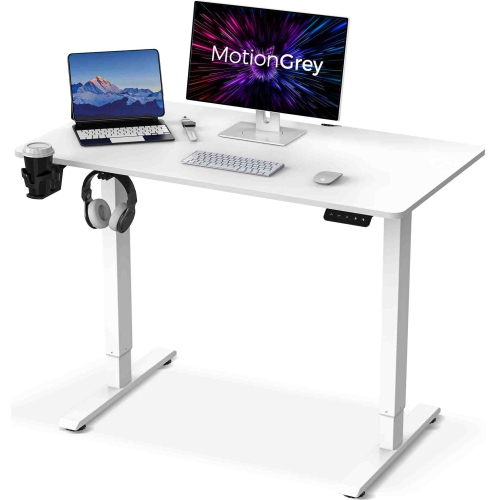 Your price for this item is $83.99
 -
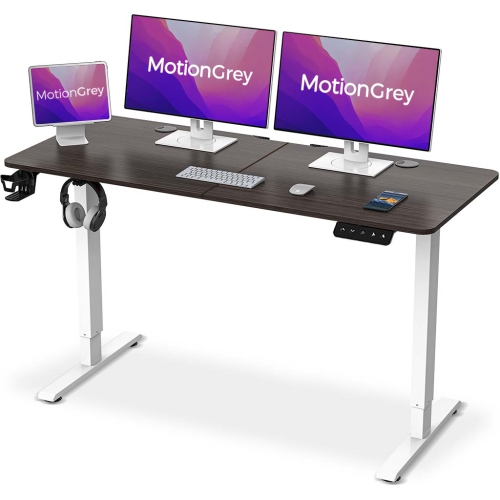 Your price for this item is $108.99
 -
 Your price for this item is $94.99
 -
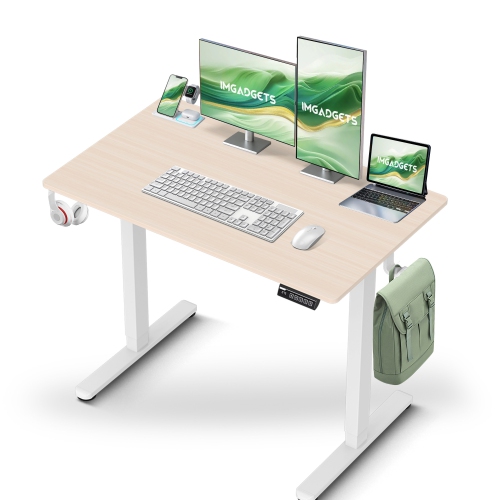 Your price for this item is $74.97
 -
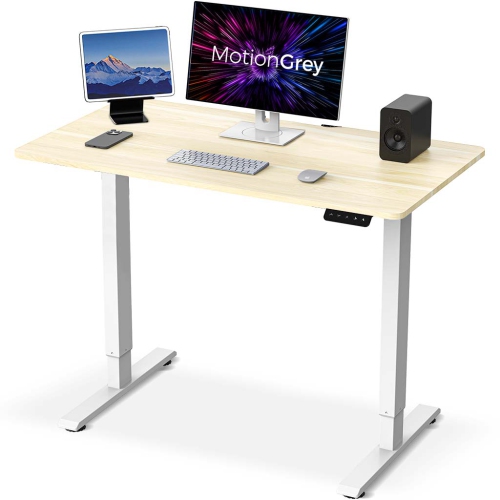 Your price for this item is $83.95
 -
 Your price for this item is $93.99
Discover more categories related to Working Tables
Top Collections:
Pokemon Centers, Kindle Devices, Best Budget Office Chairs, Apple iPhones 16, Canon G7X Cameras, iPhone 15 Apple, Alarm Clock, Refurbished Apple Laptops, Flip Phones, Best Laptops for Writers
Some products may be subject to Environmental Handling Fees
(EHF) depending on your province.
Learn more about EHFs.