Changing Pad Covers
Changing pad covers are an essential item for almost any parent. These covers provide a comfortable, sanitary surface for your baby and can help keep your changing pad in good condition. Whether you’re looking for a basic cover or something more stylish, there are a variety of options available.
Sort
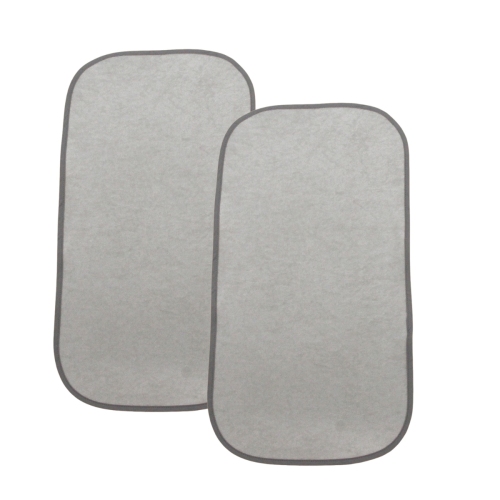
A softer changing surface with easier everyday cleanup
Changing pad covers are fitted fabric covers that add a soft, washable layer to a baby’s diaper-changing pad. They help keep everyday messes off the pad’s surface while making it easier to refresh the changing area between uses. A cover is separate from the changing pad itself: it does not provide the firm support of a pad, and it should not be used as a substitute for one. Its main jobs are comfort, convenient cleaning, and a close fit over a compatible pad. For parents and caregivers handling several diaper changes a day, that removable layer can make a practical difference. After a small leak or a splash during cleanup, a soiled cover can go into the laundry and a clean one can take its place. Fabric choice influences how the cover feels and performs. Cotton jersey has a smooth, stretchy texture similar to a familiar T-shirt, while cotton muslin often has a light, gently textured weave. Terry cloth has small loops that absorb moisture, and plush fabrics offer a softer pile that some families prefer against a baby’s skin. Polyester and blended fabrics may offer stretch, softness, or shape retention, depending on their construction. Fibre content alone does not tell the whole story; the weave, thickness, seams, and finishing all affect everyday use. A soft cotton cover, for example, may absorb a spill without stopping it from reaching the pad underneath. A cover described as waterproof needs a suitable barrier layer, while a water-resistant finish may only limit how readily liquid passes through. The care label and material description help distinguish these features. Families who prefer a wipe-clean routine may not need a fabric cover if their pad is designed for use without one. For those who want a washable textile surface, changing pad covers offer a straightforward way to keep a frequently used part of the nursery comfortable and coordinated with the room.
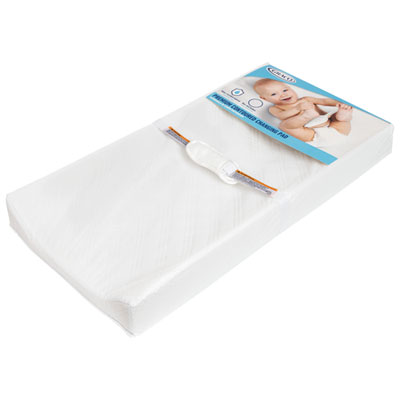
A good fit matters just as much as fabric, especially on contoured changing pads with raised sides. Length, width, and depth should all match the cover’s stated compatibility; two pads with similar top measurements can fit differently if one has taller edges or a more pronounced curve. A cover labelled universal still needs to be checked against the dimensions and shape of the pad at home. Elasticated edges help hold the fabric around the underside, while stretch can allow it to follow the pad’s contours without pulling tightly across the centre. The finished fit should be secure and smooth, without loose folds, exposed corners, or tension that distorts the pad. If the pad has a restraint strap, any cover openings must line up with it so the cover does not interfere with use according to the pad’s instructions. Not every cover has these openings, and not every changing surface is designed to accept a cover. Moulded wipe-clean pads, portable folding mats, and basket-style changing setups can have different requirements, making the manufacturer’s compatibility information more useful than appearance alone. It also helps to distinguish a cover from a liner and a topper. A changing pad liner is a smaller layer placed over the changing surface to catch messes, where permitted by the pad’s instructions; it does not wrap around the pad like a fitted cover. Changing Table Toppers provide a frame for a compatible changing setup on suitable furniture, rather than the washable fabric layer that touches the baby. Each component has its own fit and installation requirements. Keep diapers, wipes, and a fresh cover within easy reach before a change begins, and never leave a baby unattended on a changing surface. A fitted cover is not a restraint or a safety barrier, and neither raised pad edges nor a strap replaces close supervision. Changing pads and their covers are intended for supervised diaper changes, not sleep.
Care and durability become especially important once a changing pad cover enters the regular laundry rotation. Machine-washable fabric can simplify cleanup, but washing and drying instructions vary with the fibres, elastic, and any waterproof backing. Check whether the cover can go in the dryer, whether it needs a gentle cycle, and whether particular cleaning agents should be avoided. High drying heat or unsuitable laundry treatments can damage some barrier layers and elastic, even when the outer fabric still looks fine. Washing before first use, when directed by the care label, also gives caregivers a chance to check the fit after laundering. For frequent use, neatly finished seams, firmly enclosed elastic, and fabric that retains its shape are useful details. Terry loops can catch on hook-and-loop fasteners in a mixed laundry load, while plush surfaces may need careful washing to maintain their texture. A printed pattern can make everyday marks less noticeable, but appearance is not a reliable measure of cleanliness; a soiled cover still needs changing. Keeping a spare close to the changing station helps when one is in the wash, and an additional cover can be useful for a compatible pad at a grandparent’s home or another regular caregiving location. The number a household needs depends on laundry frequency and how often the covers become soiled, rather than a fixed nursery checklist. Colours and patterns offer room for personal preference without changing the basic purpose of the cover. Plain shades can sit quietly alongside patterned bedding, while animals, botanical prints, or simple geometric designs can add character to a small changing corner. As a baby shower gift, a changing pad cover is most useful when its dimensions and care requirements suit the recipient’s setup. Matching the actual pad matters more than matching every nursery accessory. Whether chosen for a first nursery or an established diaper-changing routine, the most practical cover combines a compatible fit, a comfortable surface, and care instructions that work with everyday family life.
A good fit matters just as much as fabric, especially on contoured changing pads with raised sides. Length, width, and depth should all match the cover’s stated compatibility; two pads with similar top measurements can fit differently if one has taller edges or a more pronounced curve. A cover labelled universal still needs to be checked against the dimensions and shape of the pad at home. Elasticated edges help hold the fabric around the underside, while stretch can allow it to follow the pad’s contours without pulling tightly across the centre. The finished fit should be secure and smooth, without loose folds, exposed corners, or tension that distorts the pad. If the pad has a restraint strap, any cover openings must line up with it so the cover does not interfere with use according to the pad’s instructions. Not every cover has these openings, and not every changing surface is designed to accept a cover. Moulded wipe-clean pads, portable folding mats, and basket-style changing setups can have different requirements, making the manufacturer’s compatibility information more useful than appearance alone. It also helps to distinguish a cover from a liner and a topper. A changing pad liner is a smaller layer placed over the changing surface to catch messes, where permitted by the pad’s instructions; it does not wrap around the pad like a fitted cover. Changing Table Toppers provide a frame for a compatible changing setup on suitable furniture, rather than the washable fabric layer that touches the baby. Each component has its own fit and installation requirements. Keep diapers, wipes, and a fresh cover within easy reach before a change begins, and never leave a baby unattended on a changing surface. A fitted cover is not a restraint or a safety barrier, and neither raised pad edges nor a strap replaces close supervision. Changing pads and their covers are intended for supervised diaper changes, not sleep.
Care and durability become especially important once a changing pad cover enters the regular laundry rotation. Machine-washable fabric can simplify cleanup, but washing and drying instructions vary with the fibres, elastic, and any waterproof backing. Check whether the cover can go in the dryer, whether it needs a gentle cycle, and whether particular cleaning agents should be avoided. High drying heat or unsuitable laundry treatments can damage some barrier layers and elastic, even when the outer fabric still looks fine. Washing before first use, when directed by the care label, also gives caregivers a chance to check the fit after laundering. For frequent use, neatly finished seams, firmly enclosed elastic, and fabric that retains its shape are useful details. Terry loops can catch on hook-and-loop fasteners in a mixed laundry load, while plush surfaces may need careful washing to maintain their texture. A printed pattern can make everyday marks less noticeable, but appearance is not a reliable measure of cleanliness; a soiled cover still needs changing. Keeping a spare close to the changing station helps when one is in the wash, and an additional cover can be useful for a compatible pad at a grandparent’s home or another regular caregiving location. The number a household needs depends on laundry frequency and how often the covers become soiled, rather than a fixed nursery checklist. Colours and patterns offer room for personal preference without changing the basic purpose of the cover. Plain shades can sit quietly alongside patterned bedding, while animals, botanical prints, or simple geometric designs can add character to a small changing corner. As a baby shower gift, a changing pad cover is most useful when its dimensions and care requirements suit the recipient’s setup. Matching the actual pad matters more than matching every nursery accessory. Whether chosen for a first nursery or an established diaper-changing routine, the most practical cover combines a compatible fit, a comfortable surface, and care instructions that work with everyday family life.
Top selling and popular products
-
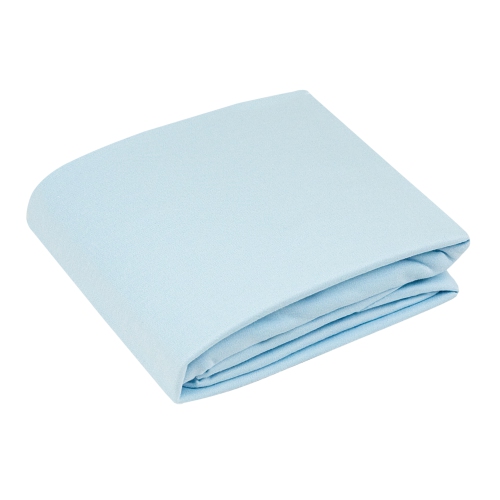 Your price for this item is $19.99
 -
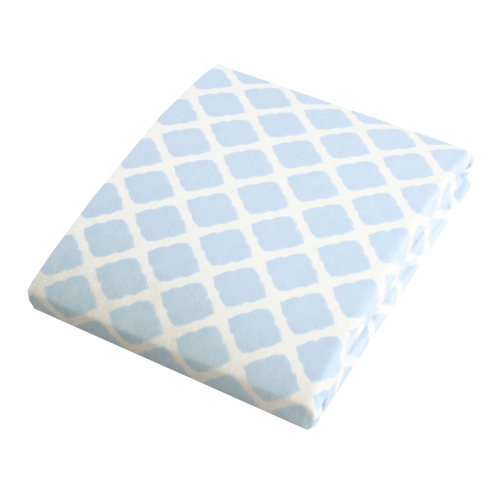 Your price for this item is $19.99
 -
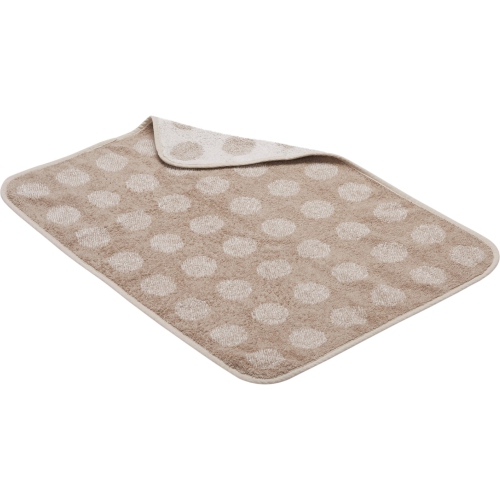 Your price for this item is $29.99
 -
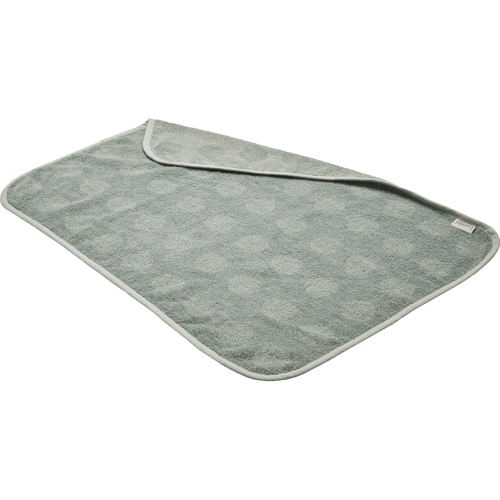 Your price for this item is $29.99
 -
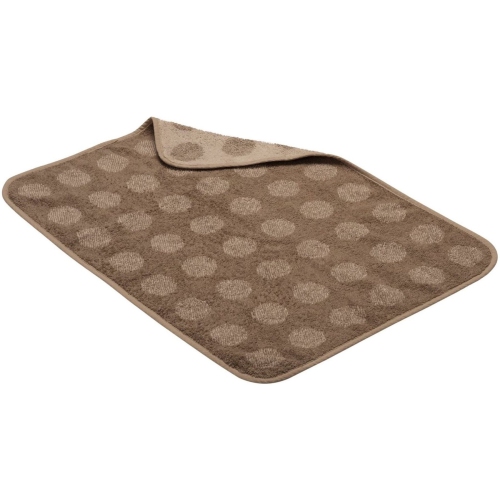 Your price for this item is $29.99
 -
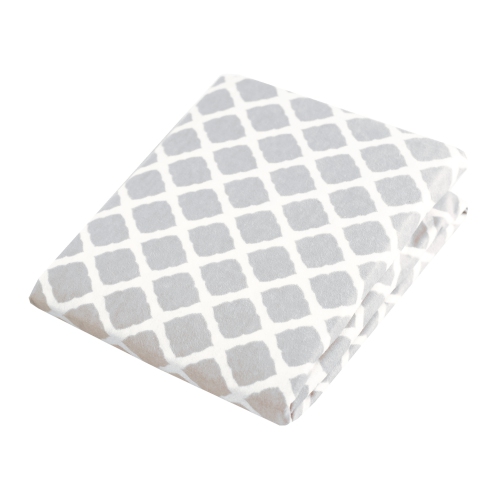 Your price for this item is $15.99
 -
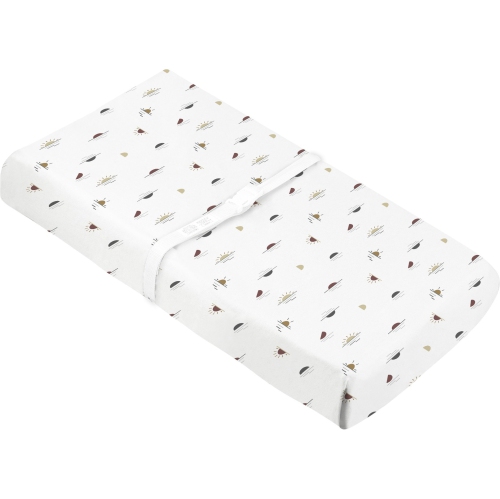 Your price for this item is $21.99
Discover more categories related to Changing Pad Covers

Top Collections:
Pokemon Centers, Kindle Devices, Best Budget Office Chairs, Apple iPhones 16, Canon G7X Cameras, iPhone 15 Apple, Alarm Clock, Refurbished Apple Laptops, Flip Phones, Best Laptops for Writers
Some products may be subject to Environmental Handling Fees
(EHF) depending on your province.
Learn more about EHFs.