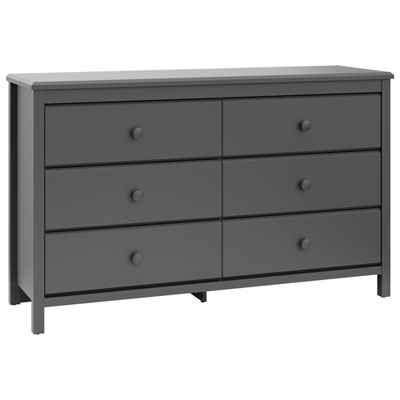
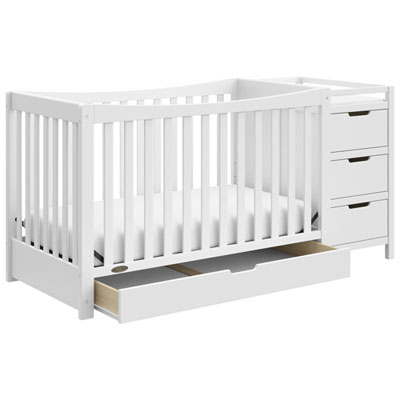
Changing Table Toppers
Transform your baby's nursery into a functional and stylish space with a changing table topper that seamlessly blends convenience with elegance. Designed to fit securely on top of dressers or other surfaces, these toppers provide a dedicated area for diaper changes, ensuring both safety and comfort for your little one. With various designs and finishes available, finding the perfect match for your nursery décor is effortless. Whether you're looking to maximize space or simply enhance the aesthetic appeal of your baby's room, a changing table topper offers the versatility and practicality every parent needs. Explore options that cater to your unique style and create a nurturing environment for those precious moments with your baby.
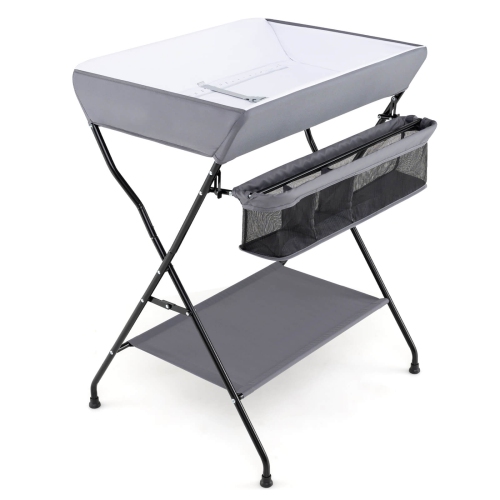
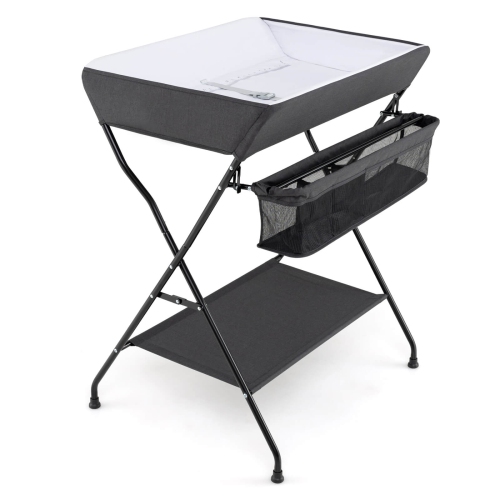
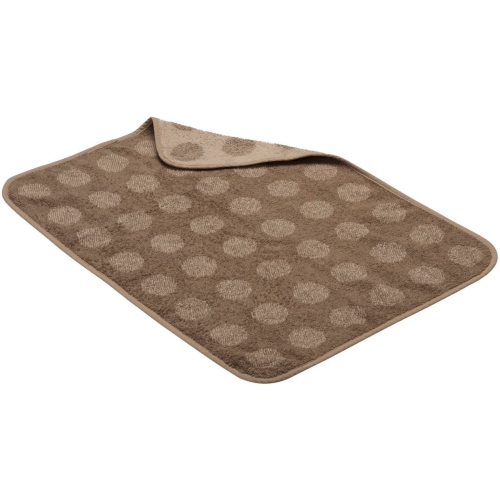
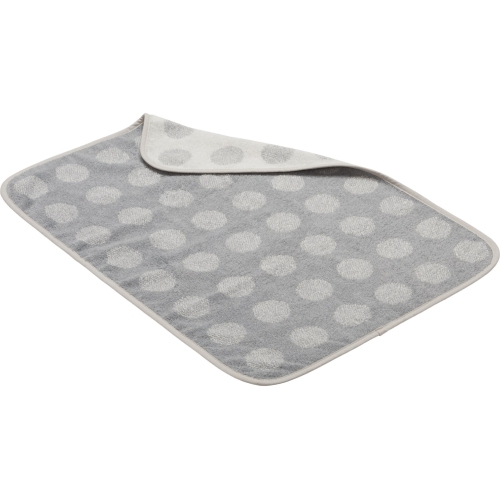
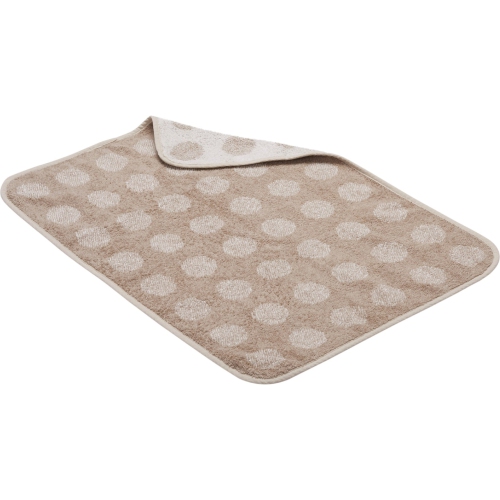
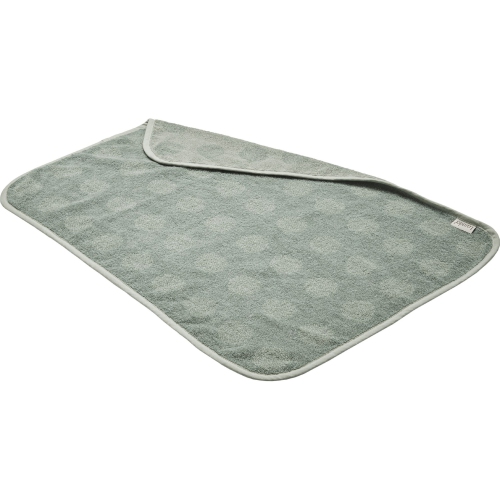
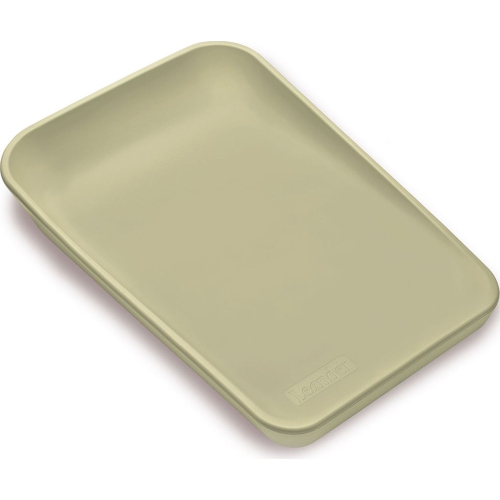
From a compatible dresser to a dedicated changing space
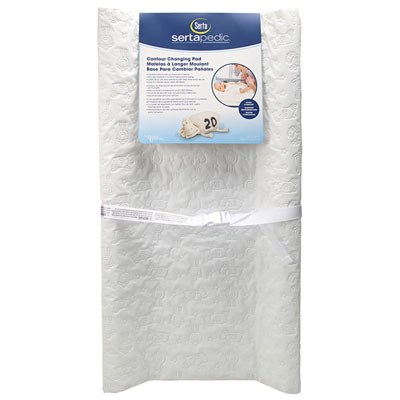
Fit involves more than matching the topper’s outside width to the dresser. Its full depth, the position of any back panel, and the space needed for attachment hardware all affect whether the two pieces work together. A dresser with a raised edge, decorative trim, an uneven top, or a narrow surface may not accommodate a topper unless the manufacturer specifically allows that pairing. The changing pad needs its own fit check against the topper’s internal measurements and the pad specifications provided by the manufacturer. A pad that is too large may not sit flat, while one that is too small may leave gaps or move within the frame. Side compartments can reduce the usable changing space even when two toppers have similar overall dimensions. Materials influence appearance, weight, and day-to-day care. Solid wood, engineered wood, and combinations of the two may be used, with painted, stained, or laminated finishes creating different looks and cleaning requirements. Material alone does not determine durability; sound joints, smooth edges, securely fitted hardware, and a well-applied finish also matter. Rounded corners can make the frame more comfortable to work around, but every accessible surface should still be free of splinters, rough patches, and damaged coating. Since diaper changes can involve damp cloths, spilled lotion, or an unexpected leak, a surface that can be wiped clean according to its care instructions is practical. Water-resistant finishes are not necessarily waterproof, and standing moisture can damage seams or exposed edges. Gentle cleaning and prompt drying help protect the surface, while abrasive pads and harsh cleaners may affect the finish. The pad and any fitted cover have separate care requirements. A washable cover can simplify cleanup, provided it is approved for the pad and does not interfere with its fit or restraint system. Removable designs may allow the dresser to return to ordinary use later, with any hardware removed or retained as directed.
A changing station works best when its layout supports attentive, uninterrupted care. Before a diaper change begins, having a clean diaper, wipes, a change of clothing, and a place for soiled items within easy reach can reduce the temptation to step away. Built-in supply sections can be useful for this purpose, but their contents should remain out of the baby’s reach, particularly creams, small accessories, and anything with a cap or cord. Raised sides help define the changing area; they do not prevent falls or replace direct supervision. A baby should never be left unattended on a changing surface, and a caregiver should keep one hand on the baby throughout a change, even when a restraint is provided. Both the topper attachment and the dresser’s wall anchoring need to follow the relevant manufacturers’ instructions, because securing the topper does not make the dresser resistant to tipping. The surrounding placement matters as well: blind cords, electrical cords, shelves, and objects that could be pulled down should be kept away from the changing area. The assembled height should let the caregiver reach the baby comfortably without stretching across stored supplies, although comfort never substitutes for proper furniture compatibility. Intended use is governed by the stated weight limits and any developmental restrictions for the topper, pad, and supporting furniture, rather than age alone. A changing surface is for attended care, not sleep. For a baby shower or a gift to expectant parents, a topper is most useful when the recipient’s dresser model, nursery layout, and preferred pad are already known. Confirming those details avoids giving a frame that looks right but cannot be attached or used as intended. Clear assembly information, accessible care instructions, and a finish that coordinates with the room are useful considerations for gift-givers and families alike. With an appropriate furniture pairing and a straightforward care routine, a changing table topper can provide a defined, organized space for the repeated small tasks that make up everyday baby care.
Top selling and popular products
-
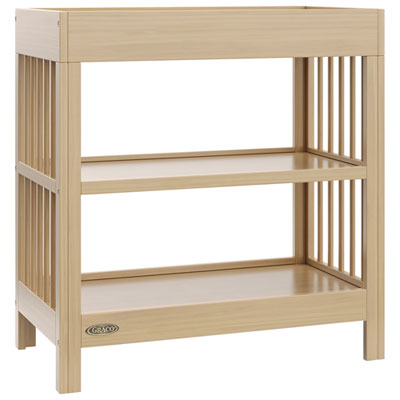 Your price for this item is $149.99
-
 Your price for this item is $179.99
-
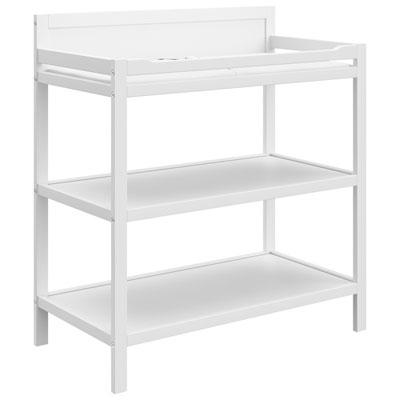 Your price for this item is $189.99
-
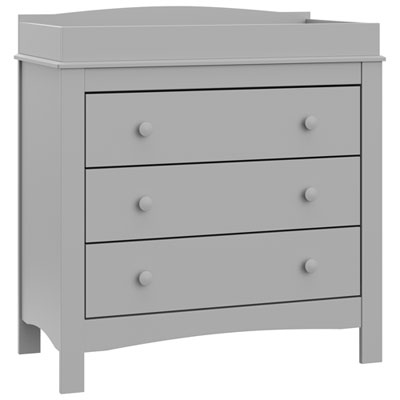 Your price for this item is $399.99
-
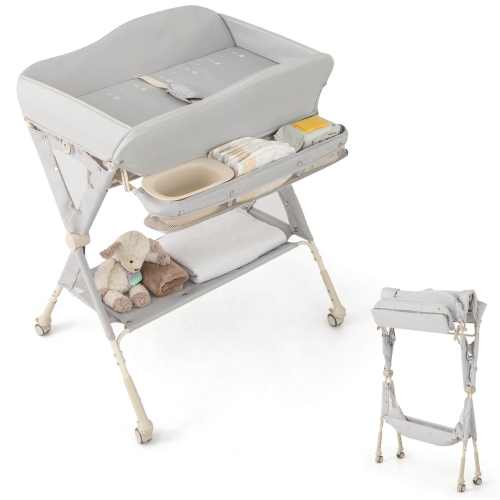 Your price for this item is $146.99
-
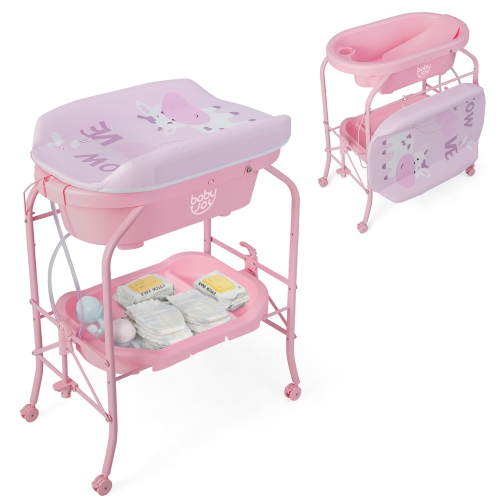 Your price for this item is $206.99
-
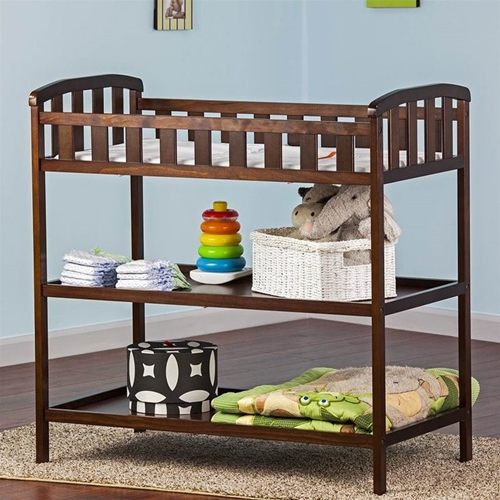 Your price for this item is $89.99
-
 Your price for this item is $209.99