Child's Room Wall Art
Create a whimsical and imaginative space for your little one with our collection of children's room wall art. From adorable animal prints to vibrant and educational wall decals, we have everything you need to transform your child's room into a captivating haven. Whether you're looking to add a touch of charm or inspire creativity, wall art options will help you create a personalized and stylish environment that your child will love. Here are some great options available.
Sort
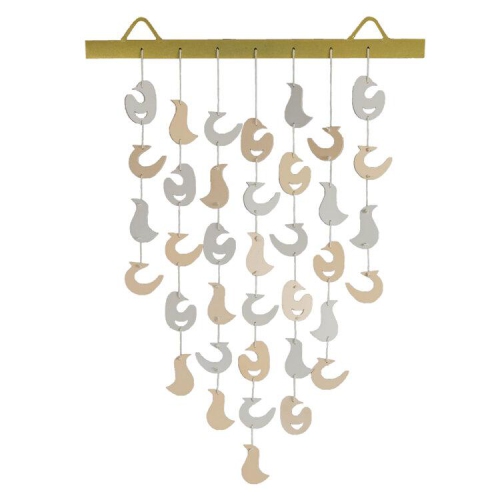
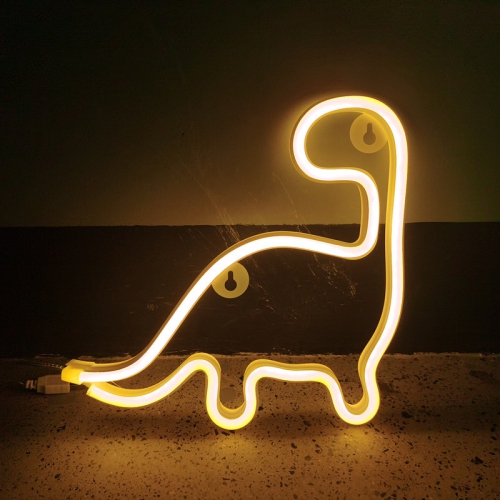
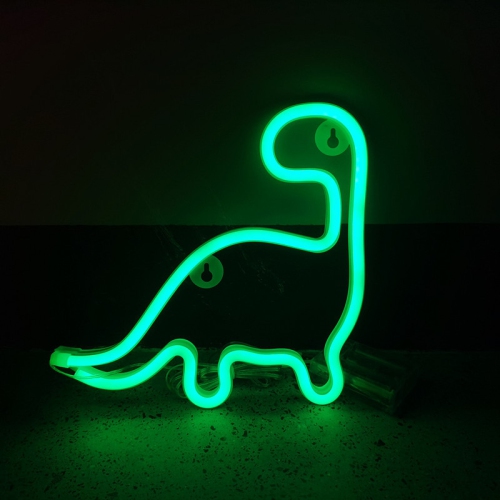
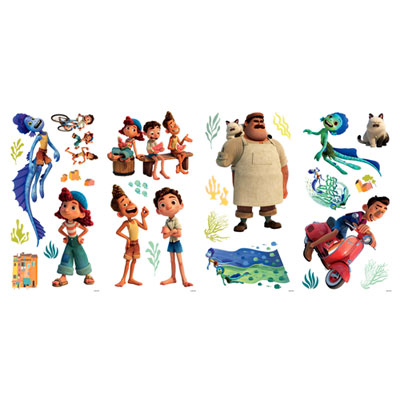
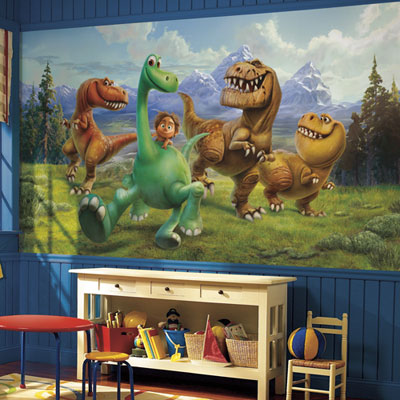
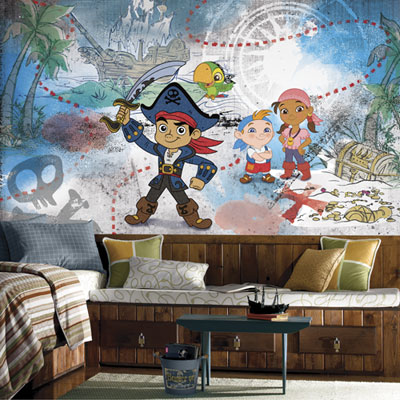
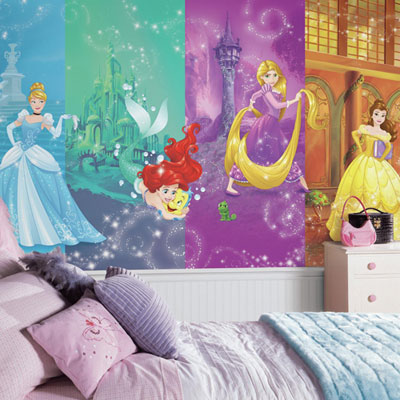
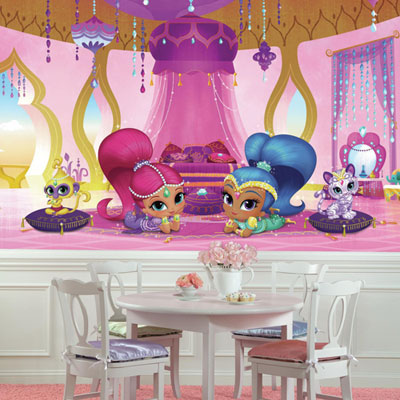



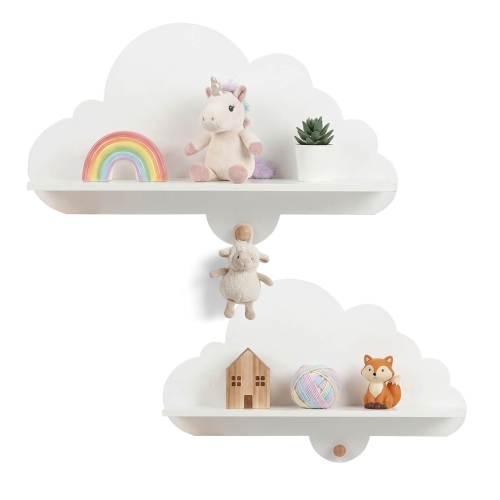
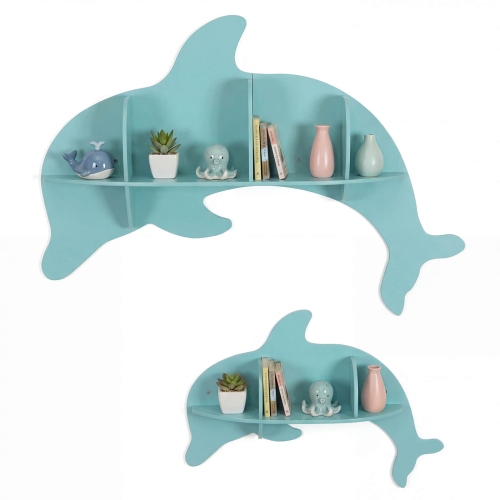
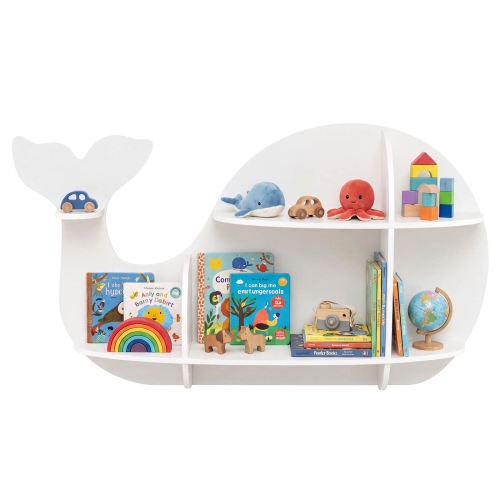
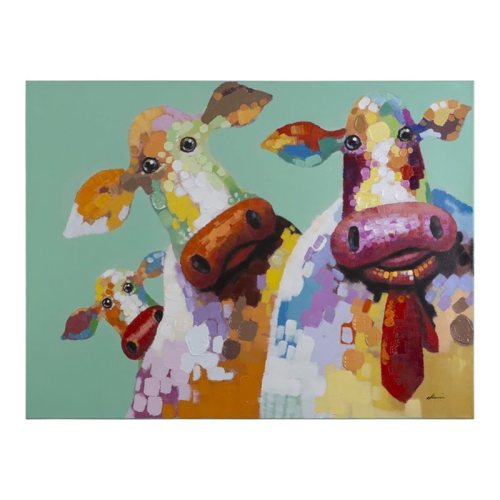
Imaginative designs that evolve with your child’s interests
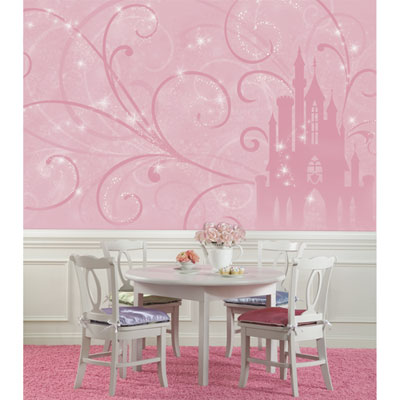
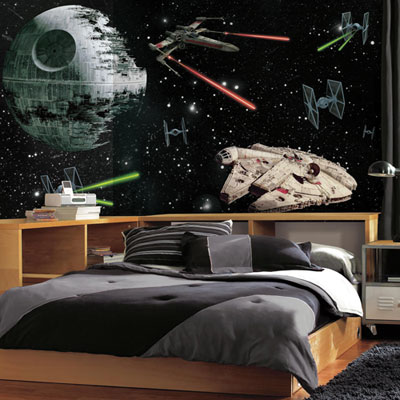
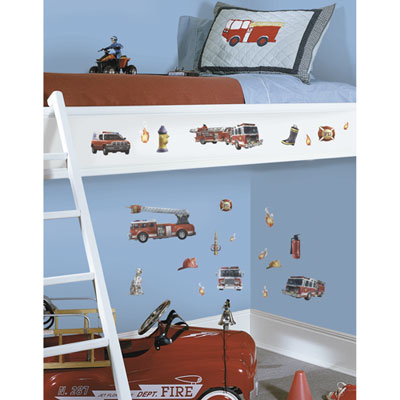
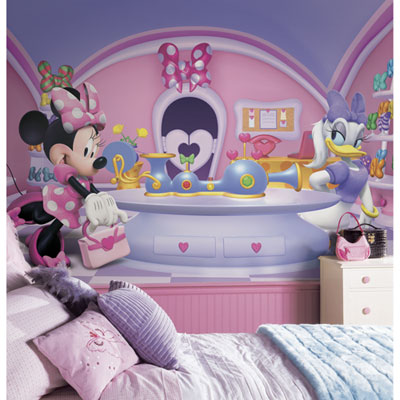
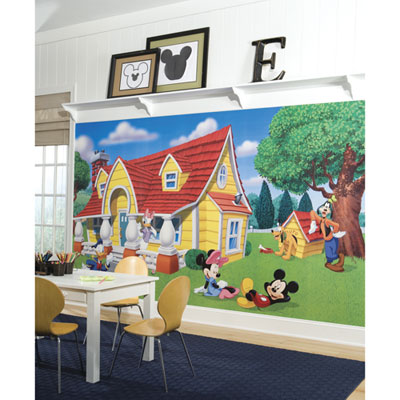
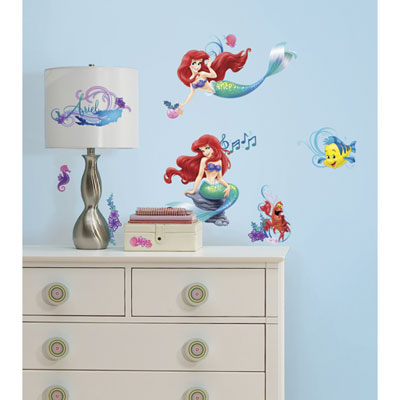
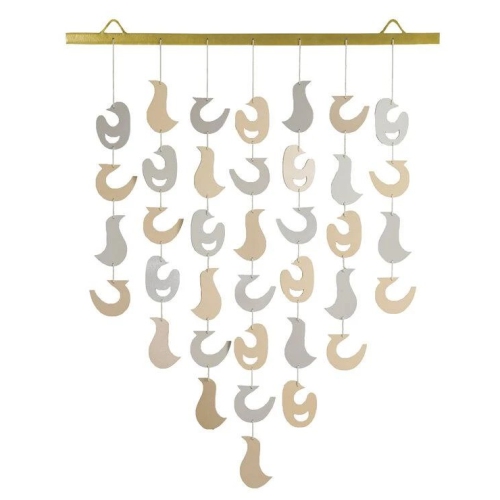
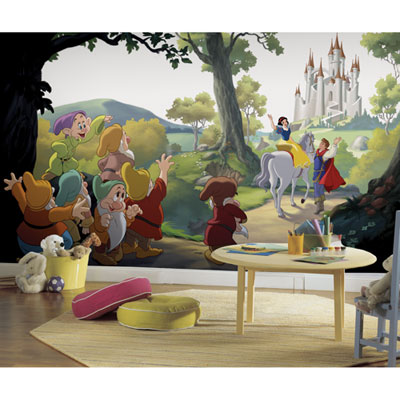
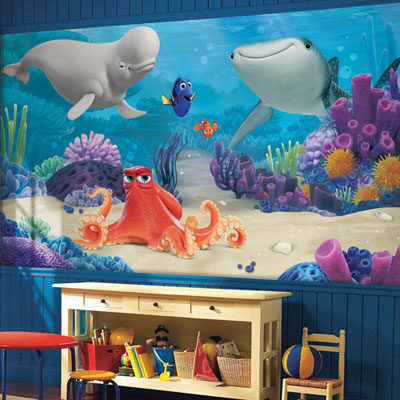
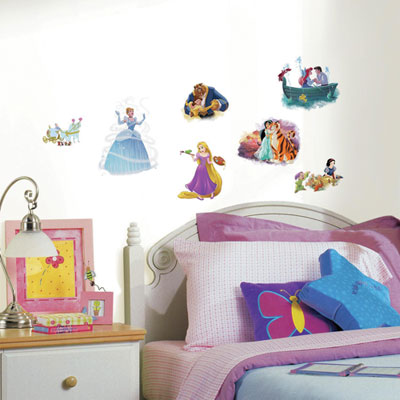
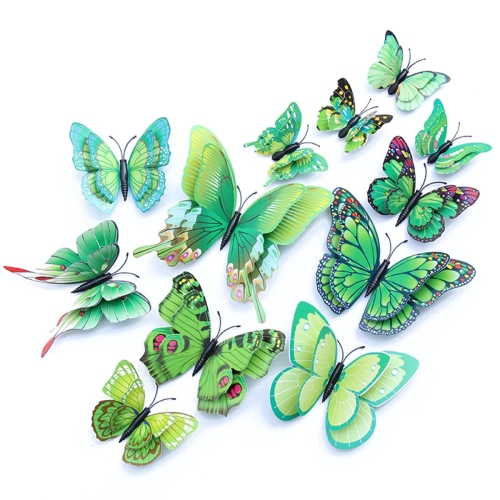
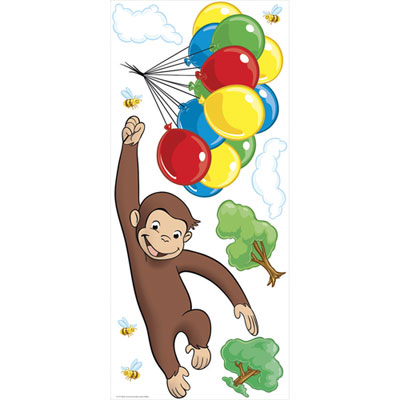
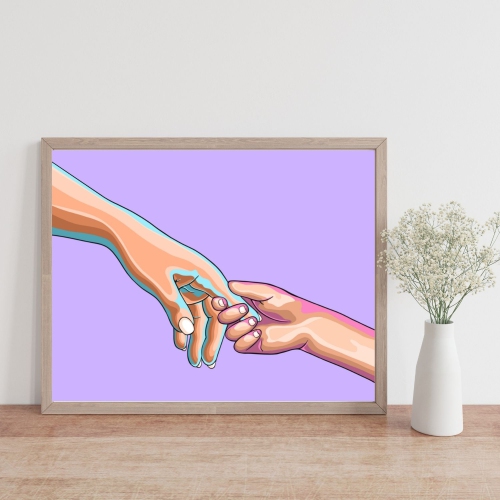
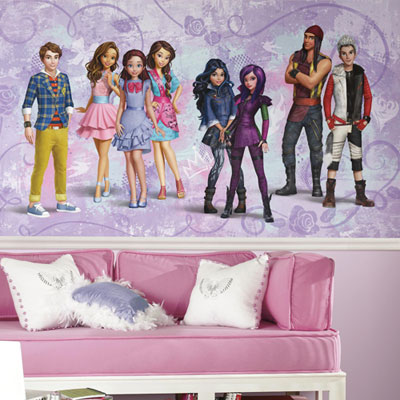
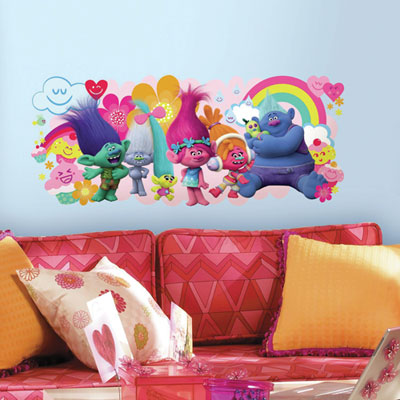
Child’s room wall art can turn an ordinary bedroom into a space that feels personal, imaginative, and comforting. A blank wall beside a reading nook may become a woodland scene, while the area above a dresser can bring together animal illustrations, clouds, stars, maps, letters, or cheerful geometric shapes. Available formats include art prints, posters, canvas pieces, framed illustrations, wall decals, removable stickers, and larger murals or wallpaper panels. Prints and posters are a flexible choice for families who enjoy refreshing the room as a child’s interests change, while decals can add colour and character without covering an entire wall. A mural or wallpaper design can create a more immersive setting, such as a forest, a sky full of constellations, an underwater scene, or a lively collection of friendly animals. When choosing child’s room wall art, consider the child’s age, personality, and the way the room is used. Soft colours and quiet illustrations can suit a sleep area, whereas brighter colours and energetic patterns may feel at home near a play table or craft corner. A child who loves dinosaurs may enjoy bold prehistoric shapes, while another may prefer fairytale details, transportation themes, outer space, flowers, or simple abstract designs. Neutral artwork can grow with the room and work well when furniture or bedding changes, and more expressive pieces can make a memorable focal point. Wall art can also be a thoughtful gift for a new baby, a birthday, a move to a big-kid room, or a child settling into a new home. Relatives and friends may choose artwork that reflects a child’s favourite animals or hobbies, while parents may appreciate a practical decorative piece that adds warmth without taking up floor space.
The size and placement of the artwork are just as important as the design. Before ordering, measure the wall and consider nearby furniture, windows, doors, shelving, and lighting. A small print may look lost on a broad wall, while a large mural can overwhelm a compact room if there is already a lot of pattern in the bedding and curtains. Grouping several smaller prints can create a gallery-style arrangement, particularly when the artwork shares a colour family or visual theme. Leave consistent spacing between pieces and use paper templates on the wall first to test the layout before making holes. For a calm, balanced arrangement, centre the display over a dresser, reading bench, or low bookcase, keeping the overall grouping visually connected to the furniture below. Artwork intended for a nursery or sleeping area deserves extra care. Lightweight canvas, acrylic, or unglazed frames can be preferable to glass, especially when placed above a crib, bed, or changing area. Heavy frames, shelves, and larger wall pieces should be attached using suitable wall plugs and screws, with fasteners secured into wall studs whenever possible. Follow the installation instructions for the wall surface, and check that corners, hanging wires, and mounting hardware are out of reach of young children. Keep cords and loose accessories away from cribs and beds, and avoid placing climbable furniture directly beneath wall-mounted décor. Adhesive decals and removable stickers can be convenient for renters or for families who want an easy update, but the wall finish should be checked first and the manufacturer’s application and removal directions followed. Smooth painted walls may accept certain products more readily than textured surfaces, and fresh paint may need time to cure before anything is applied. In rooms shared by siblings, artwork can combine interests through coordinated colours, paired themes, or separate displays that give each child a small area of ownership.
A child’s room often changes gradually, and the most successful wall art choices leave room for that evolution. During the warmer part of the year, bright botanical illustrations, garden creatures, sailboats, or sunny landscapes can bring a light, open feeling indoors; during the cooler months, storybook scenes, woodland animals, planets, and cosy night-sky designs can make the room feel snug. Broad themes such as animals, nature, travel, learning, music, and imagination tend to remain appealing across seasons, while removable pieces make it simple to introduce a new interest without redecorating the entire room. Educational artwork can support everyday learning in a relaxed way, with alphabet prints, number charts, world maps, Canadian geography, or illustrated guides to space and wildlife. For younger children, large, easy-to-recognize shapes and familiar faces are often more engaging than intricate details placed high on the wall. Older children may enjoy art that reflects their growing independence, such as typography, graphic patterns, favourite activities, or artwork that complements a homework and reading space. Families creating a dedicated play area can also explore Playroom Wall Art for ideas that suit an active, creative setting. To build a cohesive room, start with one anchor piece and select supporting colours from it for smaller prints, bedding, storage bins, or accessories. A limited palette can help a busy room feel settled, while one vivid accent can add energy without making the space feel crowded. Consider how the artwork will look in daylight and under evening lamps, since pale details may fade in low light and glossy surfaces can create reflections. Whether the goal is a peaceful nursery, a playful toddler room, or a creative space for a school-aged child, wall art offers an easy way to express personality and make daily routines feel more special. A familiar row of animals above the bed, a map beside the reading chair, or a cluster of treasured illustrations near the play area can become part of the room’s memories as children grow.
The size and placement of the artwork are just as important as the design. Before ordering, measure the wall and consider nearby furniture, windows, doors, shelving, and lighting. A small print may look lost on a broad wall, while a large mural can overwhelm a compact room if there is already a lot of pattern in the bedding and curtains. Grouping several smaller prints can create a gallery-style arrangement, particularly when the artwork shares a colour family or visual theme. Leave consistent spacing between pieces and use paper templates on the wall first to test the layout before making holes. For a calm, balanced arrangement, centre the display over a dresser, reading bench, or low bookcase, keeping the overall grouping visually connected to the furniture below. Artwork intended for a nursery or sleeping area deserves extra care. Lightweight canvas, acrylic, or unglazed frames can be preferable to glass, especially when placed above a crib, bed, or changing area. Heavy frames, shelves, and larger wall pieces should be attached using suitable wall plugs and screws, with fasteners secured into wall studs whenever possible. Follow the installation instructions for the wall surface, and check that corners, hanging wires, and mounting hardware are out of reach of young children. Keep cords and loose accessories away from cribs and beds, and avoid placing climbable furniture directly beneath wall-mounted décor. Adhesive decals and removable stickers can be convenient for renters or for families who want an easy update, but the wall finish should be checked first and the manufacturer’s application and removal directions followed. Smooth painted walls may accept certain products more readily than textured surfaces, and fresh paint may need time to cure before anything is applied. In rooms shared by siblings, artwork can combine interests through coordinated colours, paired themes, or separate displays that give each child a small area of ownership.
A child’s room often changes gradually, and the most successful wall art choices leave room for that evolution. During the warmer part of the year, bright botanical illustrations, garden creatures, sailboats, or sunny landscapes can bring a light, open feeling indoors; during the cooler months, storybook scenes, woodland animals, planets, and cosy night-sky designs can make the room feel snug. Broad themes such as animals, nature, travel, learning, music, and imagination tend to remain appealing across seasons, while removable pieces make it simple to introduce a new interest without redecorating the entire room. Educational artwork can support everyday learning in a relaxed way, with alphabet prints, number charts, world maps, Canadian geography, or illustrated guides to space and wildlife. For younger children, large, easy-to-recognize shapes and familiar faces are often more engaging than intricate details placed high on the wall. Older children may enjoy art that reflects their growing independence, such as typography, graphic patterns, favourite activities, or artwork that complements a homework and reading space. Families creating a dedicated play area can also explore Playroom Wall Art for ideas that suit an active, creative setting. To build a cohesive room, start with one anchor piece and select supporting colours from it for smaller prints, bedding, storage bins, or accessories. A limited palette can help a busy room feel settled, while one vivid accent can add energy without making the space feel crowded. Consider how the artwork will look in daylight and under evening lamps, since pale details may fade in low light and glossy surfaces can create reflections. Whether the goal is a peaceful nursery, a playful toddler room, or a creative space for a school-aged child, wall art offers an easy way to express personality and make daily routines feel more special. A familiar row of animals above the bed, a map beside the reading chair, or a cluster of treasured illustrations near the play area can become part of the room’s memories as children grow.
Top selling and popular products
-
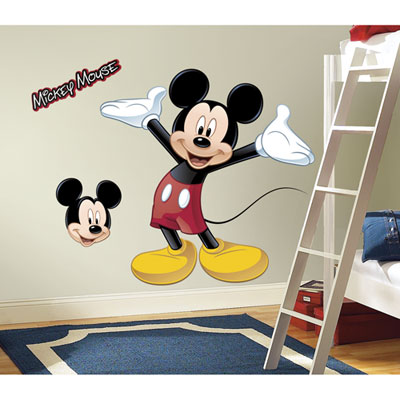 Your price for this item is $28.99
 -
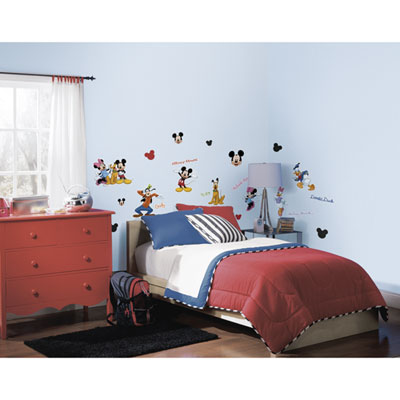 Your price for this item is $17.99
 -
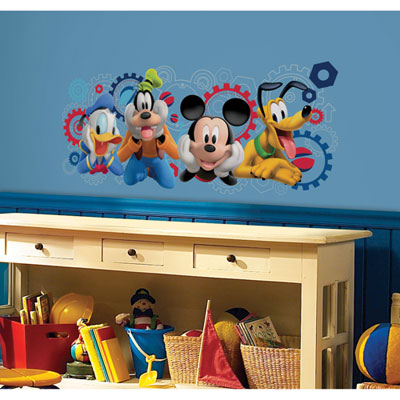 Your price for this item is $22.99
 -
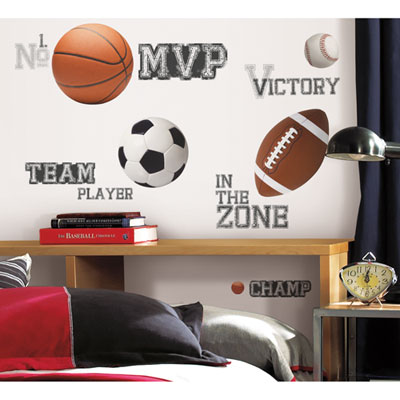 Your price for this item is $12.98
 -
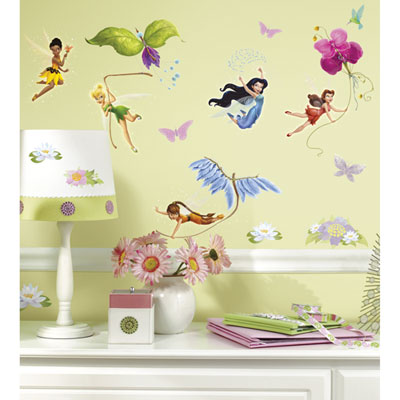 Your price for this item is $19.99
 -
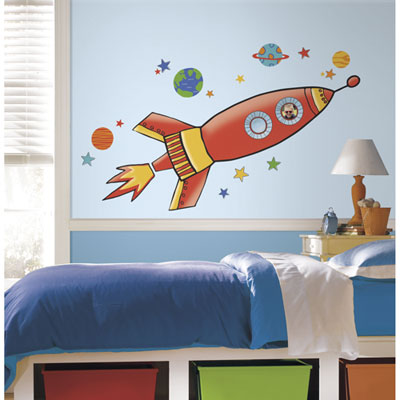 Your price for this item is $22.99
 -
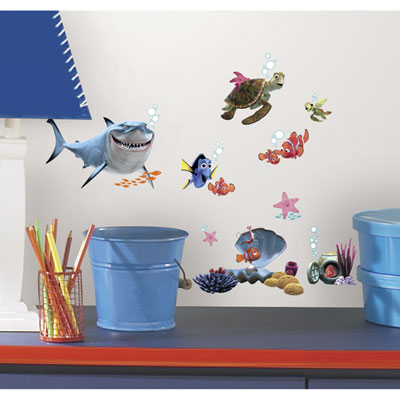 Your price for this item is $9.98
 -
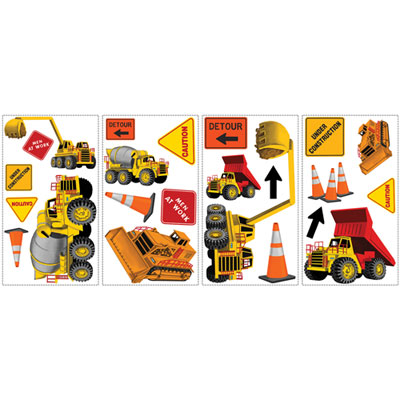 Your price for this item is $17.99
Discover more categories related to Child's Room Wall Art
Top Collections:
Best Laptops for Video Editing, Pokemon Centers, Samsung Z Fold, Kindle Devices, Best Cell Phones Under $300, Best Laptops for Writers, Best Budget Office Chairs, Best Cell Phones Under $500, Best Laptop Computers for Students, iPhone 15 Apple
Some products may be subject to Environmental Handling Fees
(EHF) depending on your province.
Learn more about EHFs.