Classroom Tables
When it comes to creating an engaging and functional learning environment, classroom tables play a crucial role. From collaborative group work to individual study sessions, the right tables can enhance productivity and foster creativity among students. With various sizes, shapes, and materials available, finding the perfect classroom tables to suit your educational space is essential. Explore our wide selection of classroom tables designed to meet the diverse needs of teachers and students alike.
Sort
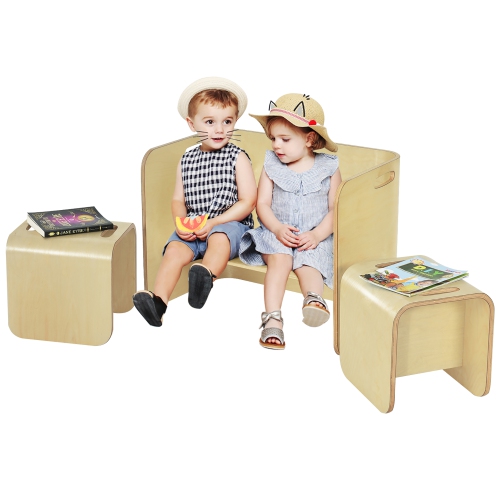
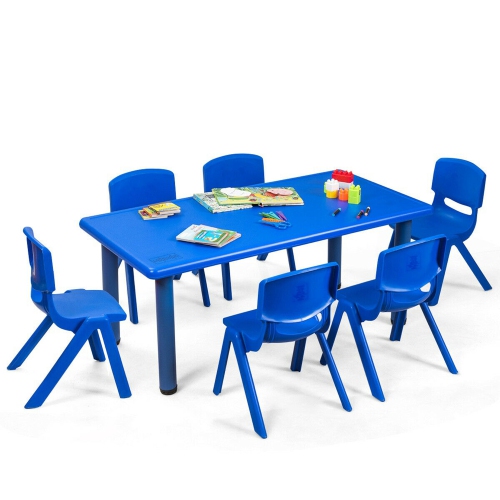
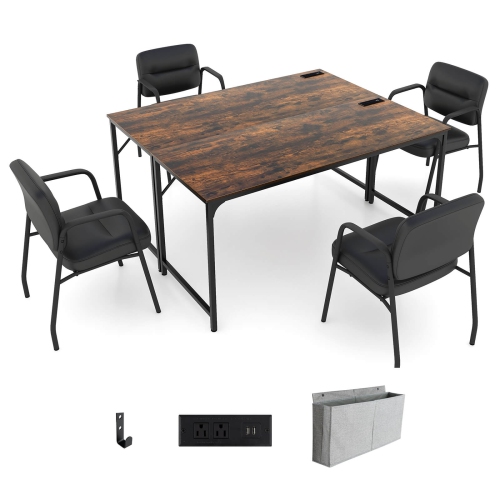
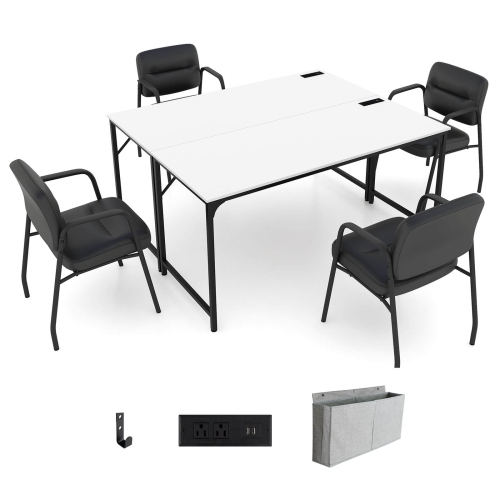
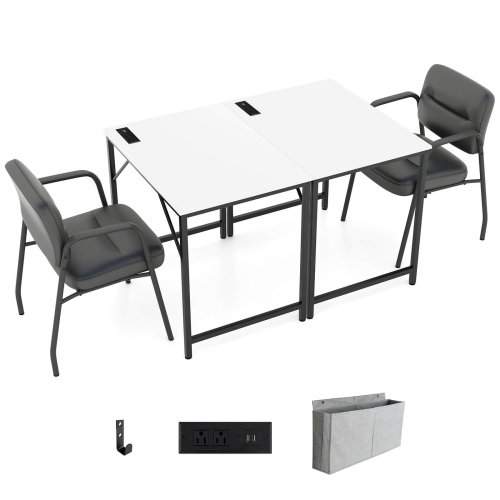
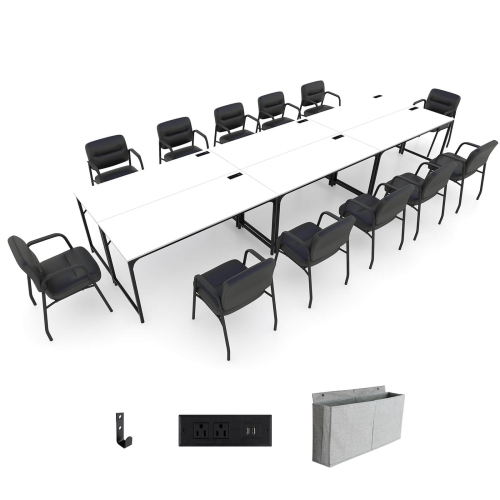
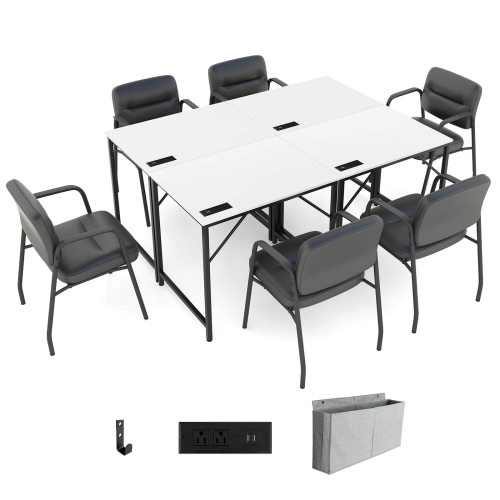
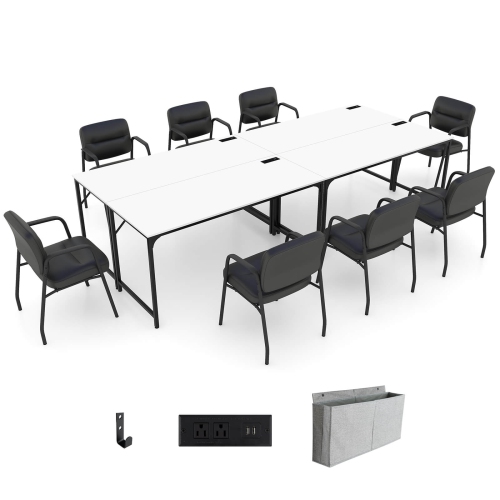
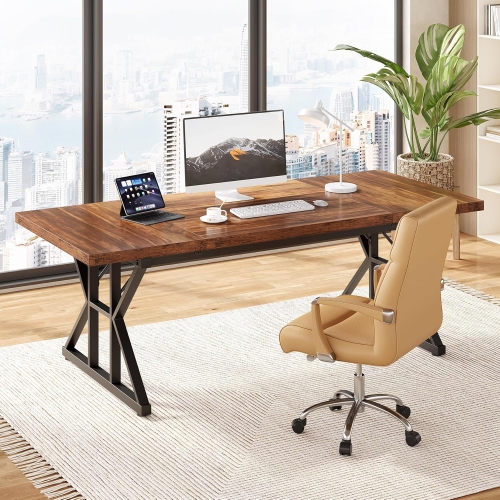
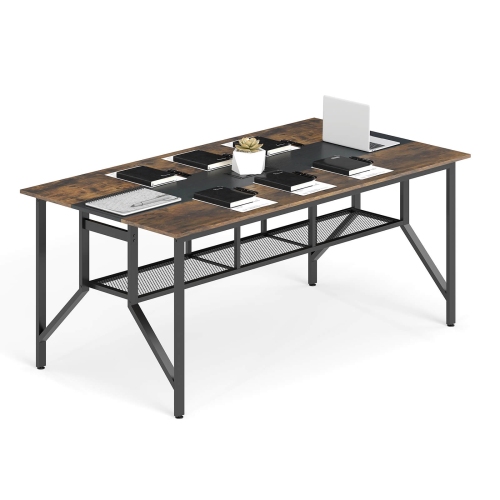
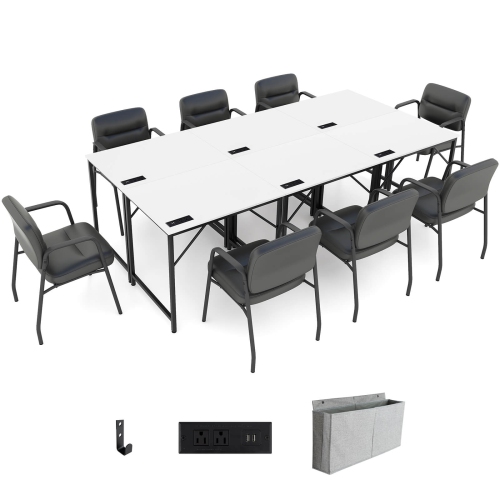
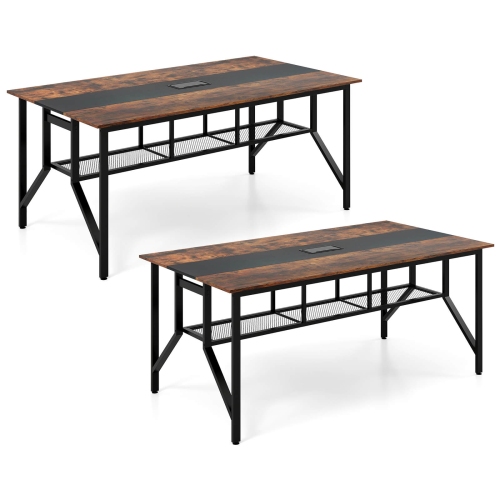

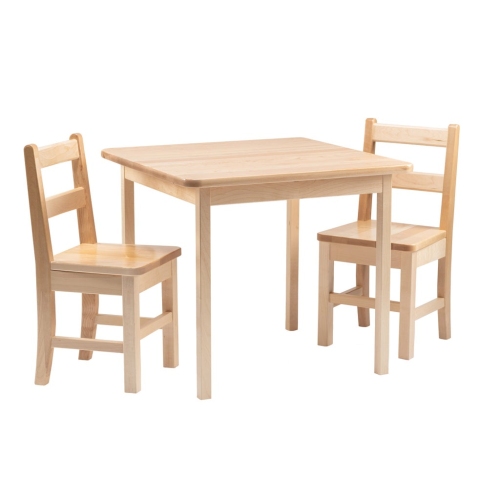
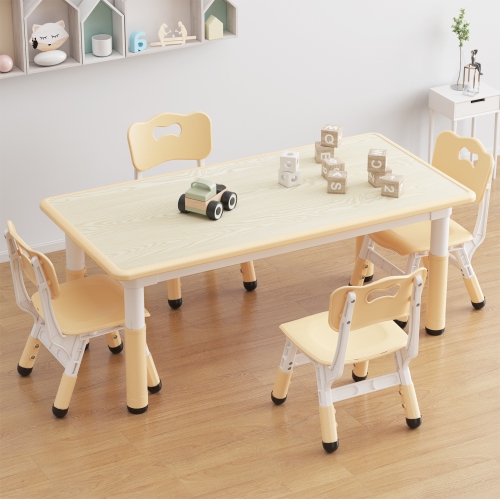
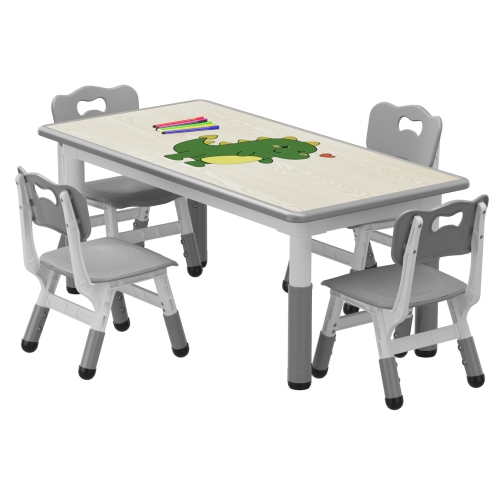
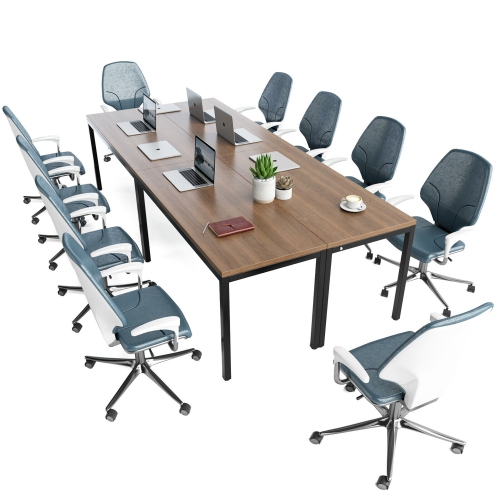
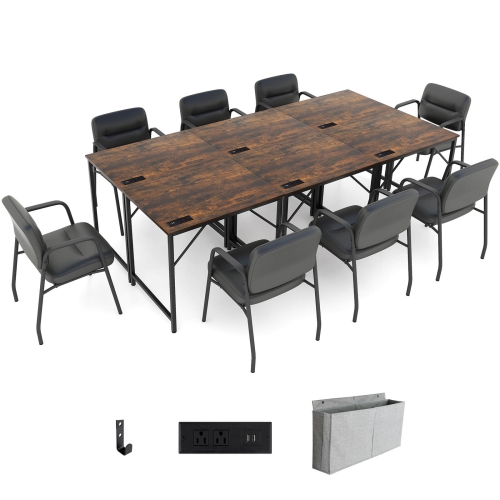
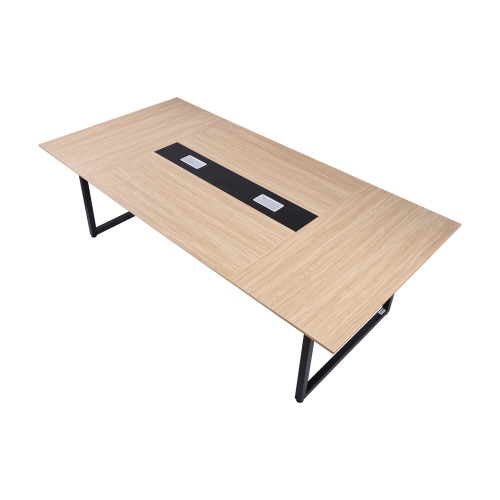
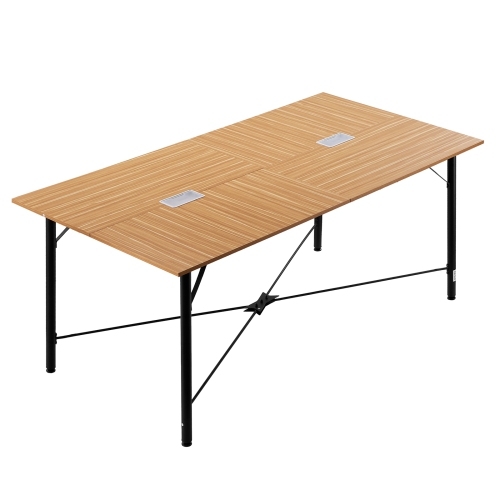
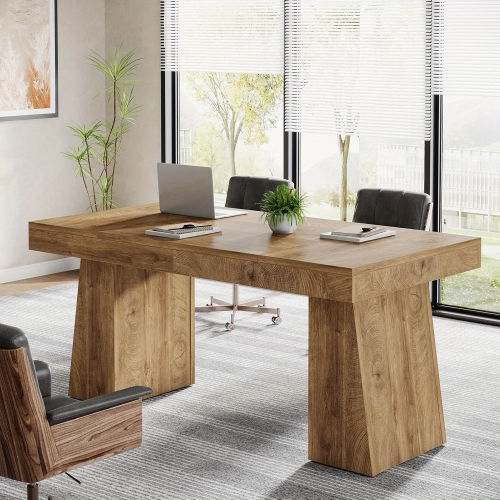
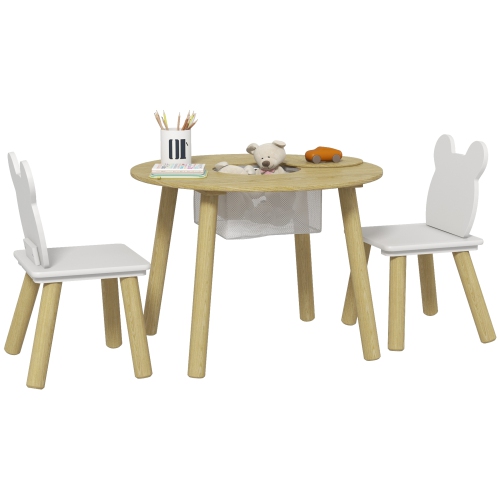

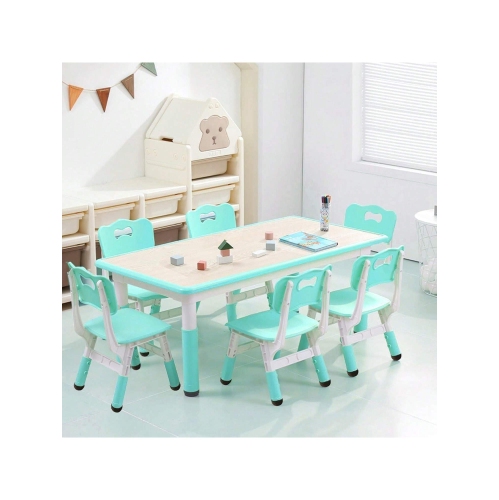
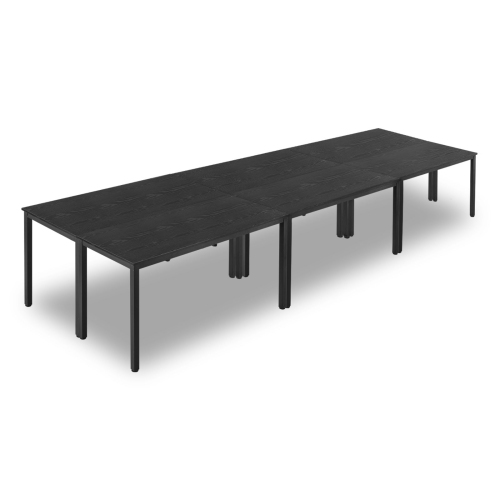
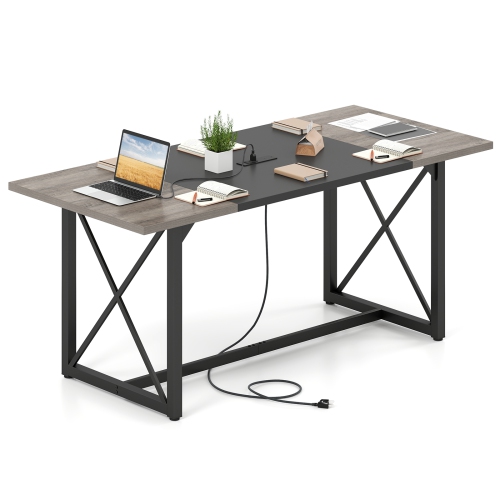
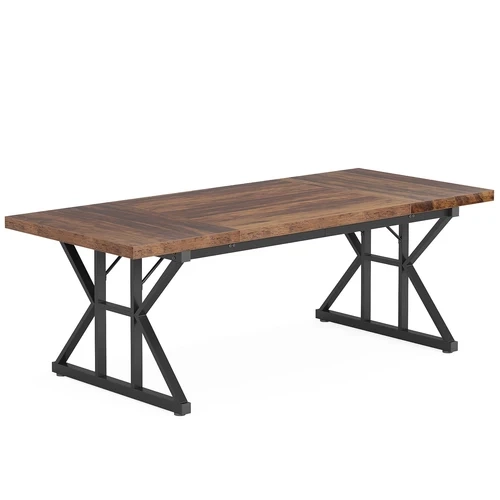
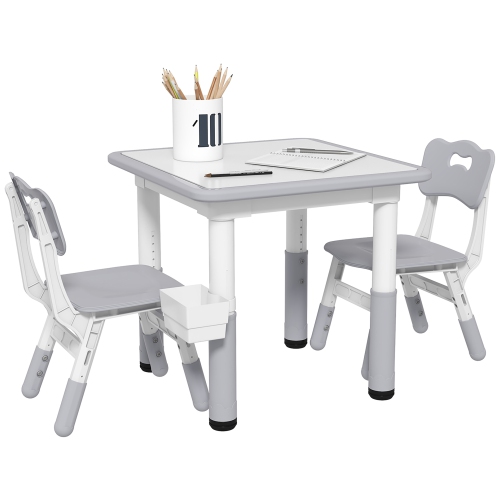
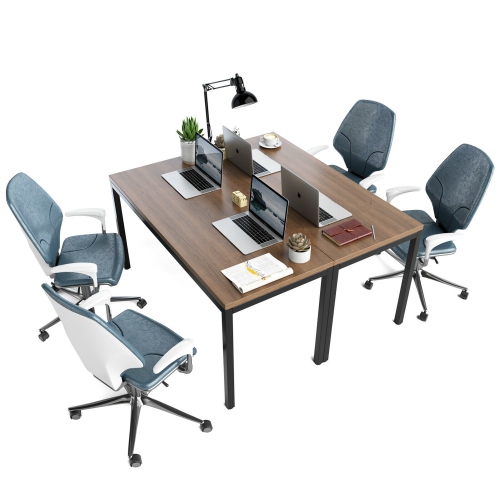
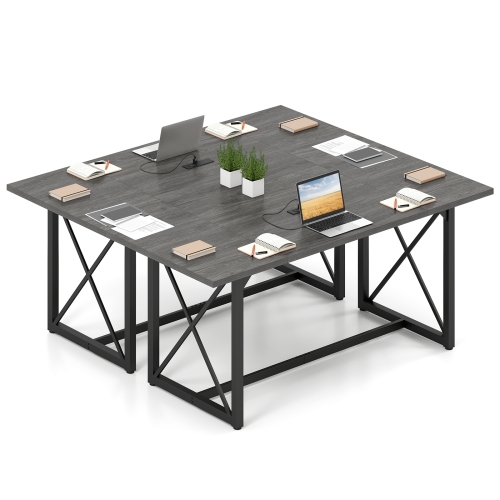
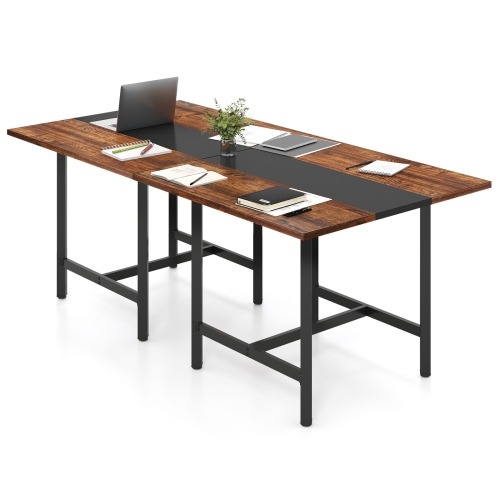
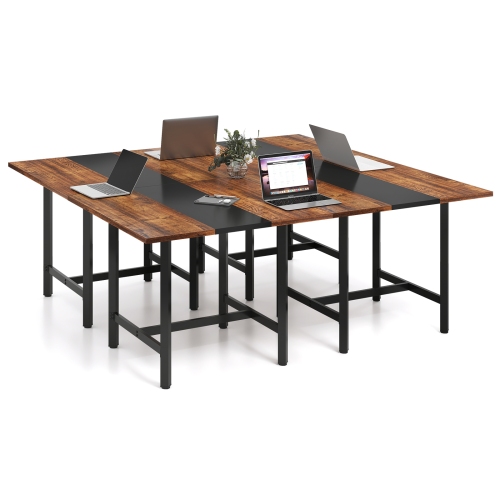
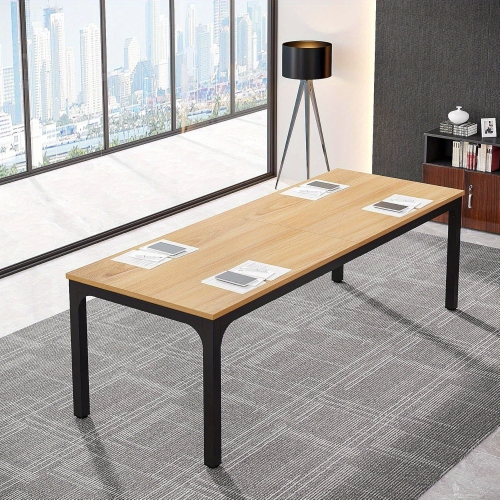
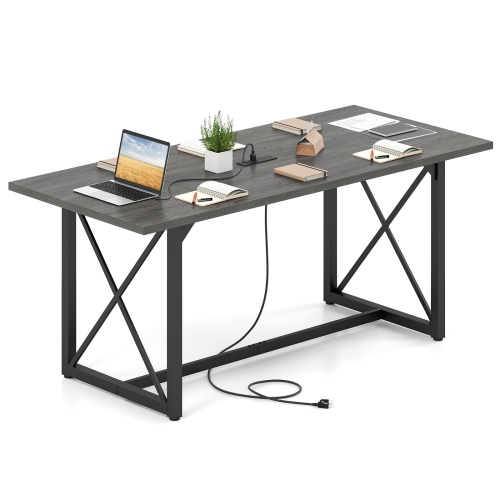
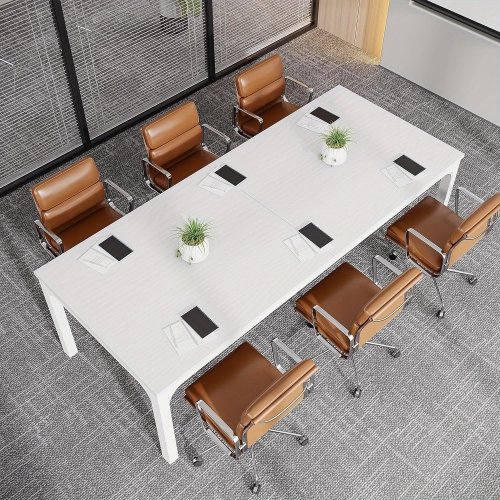
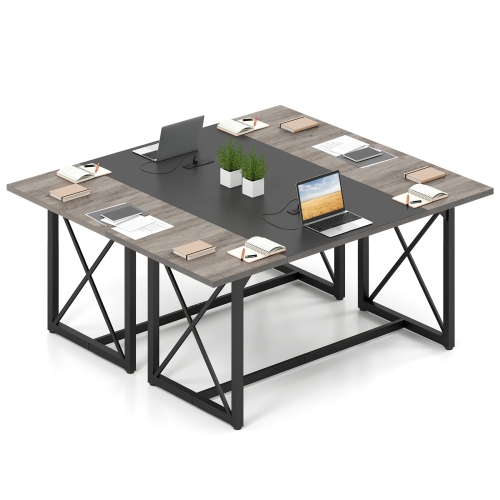
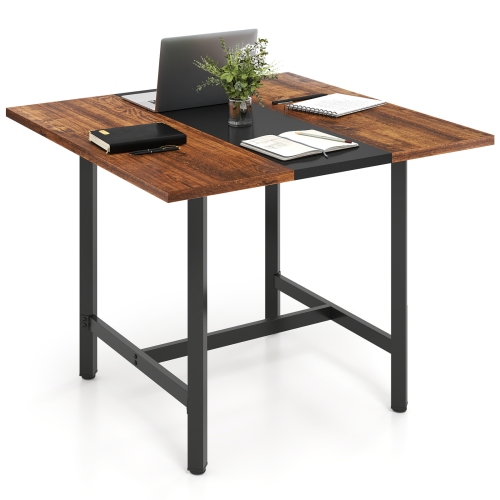
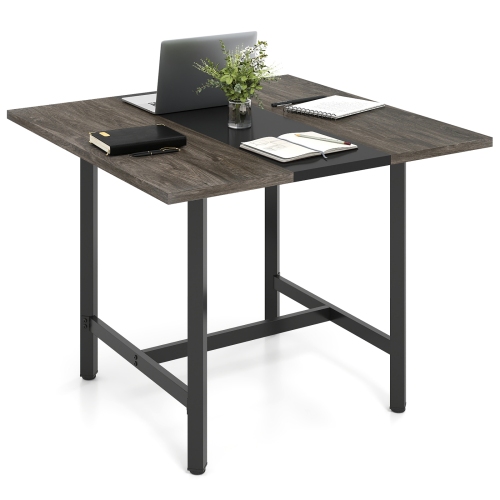
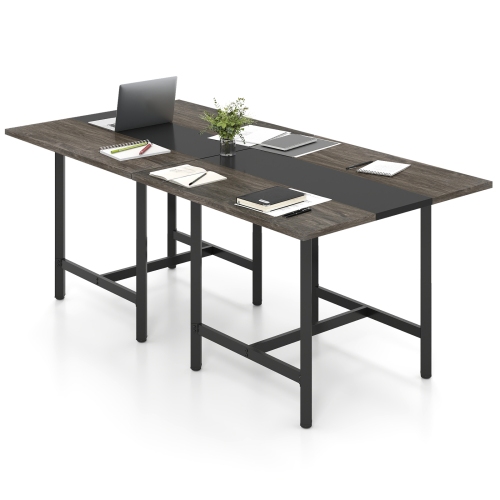
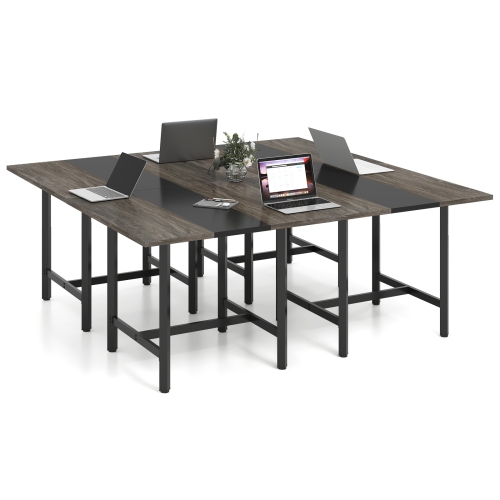
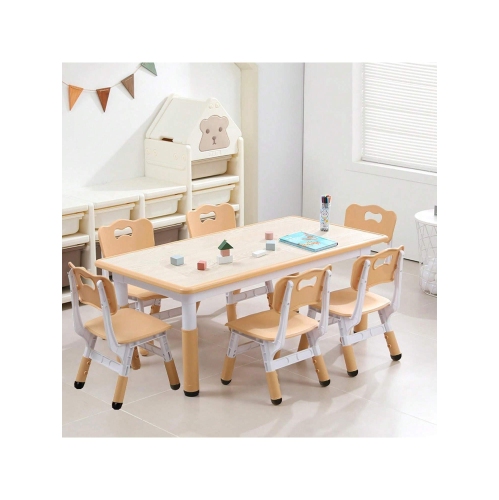
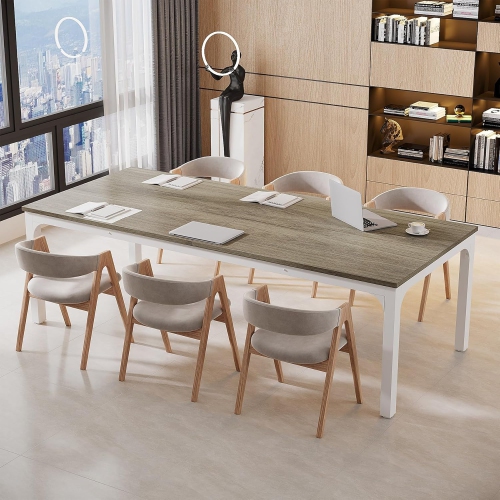
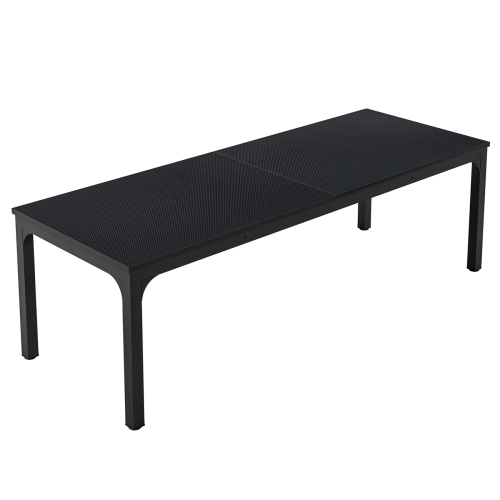
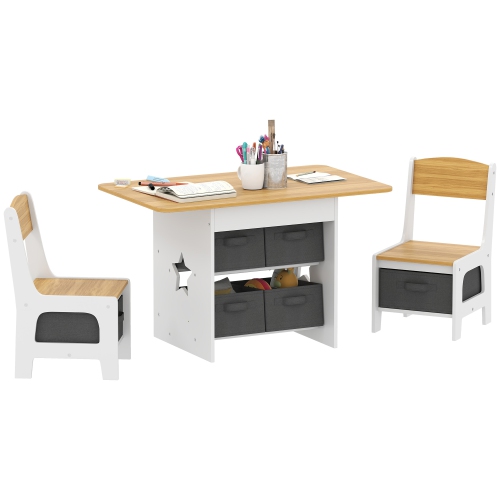
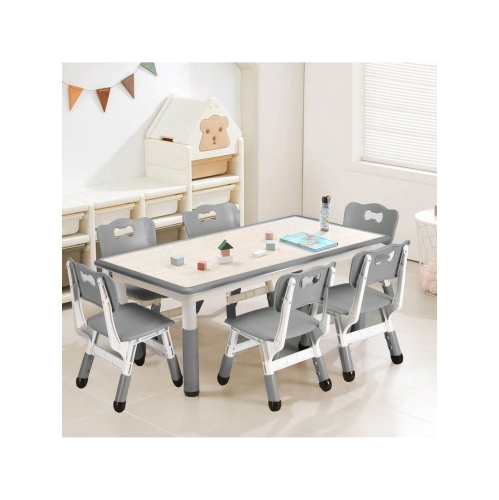
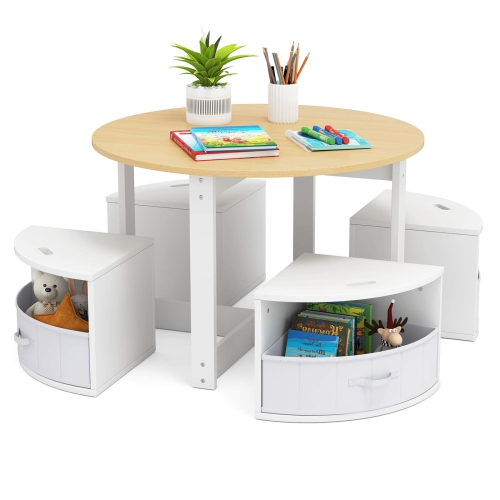
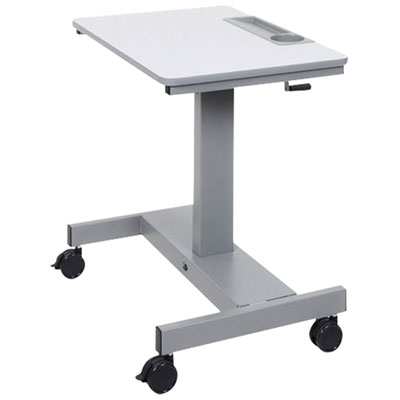
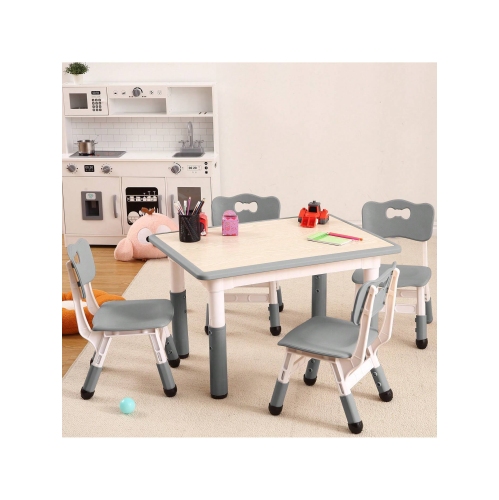
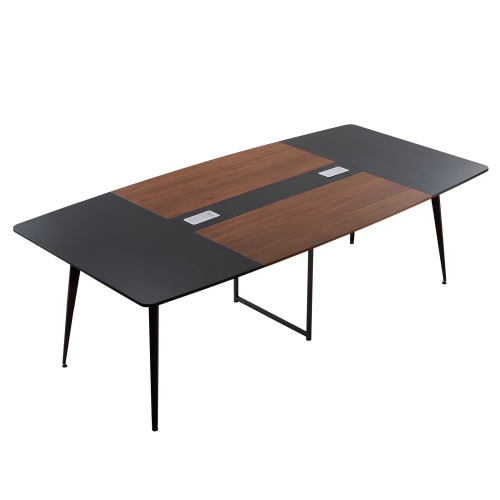
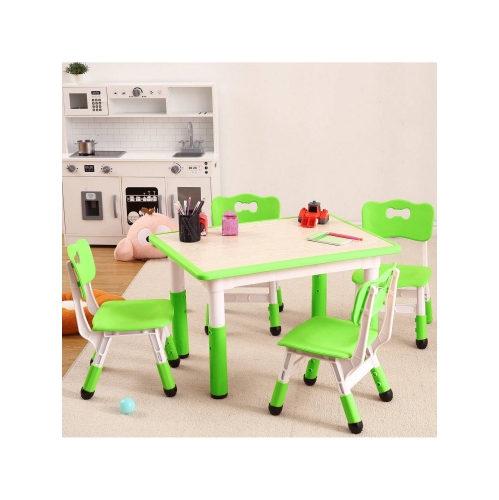

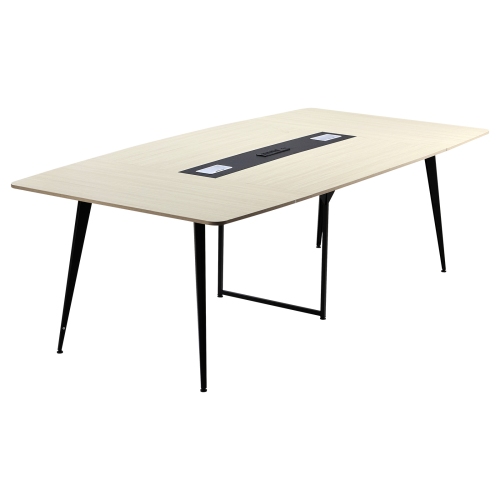
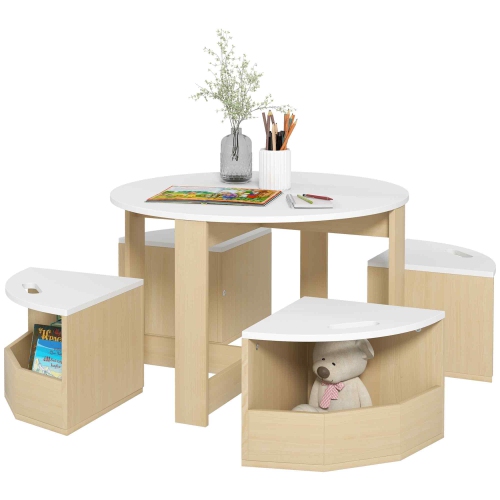
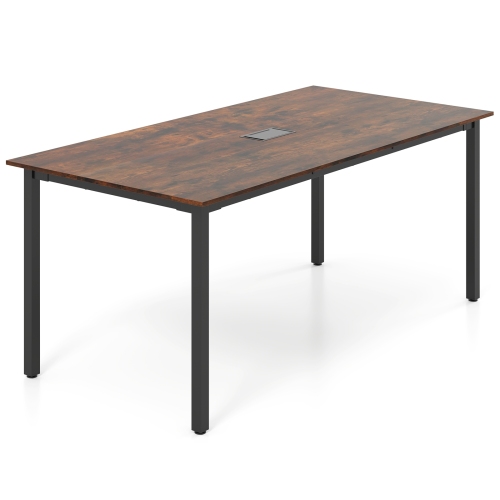
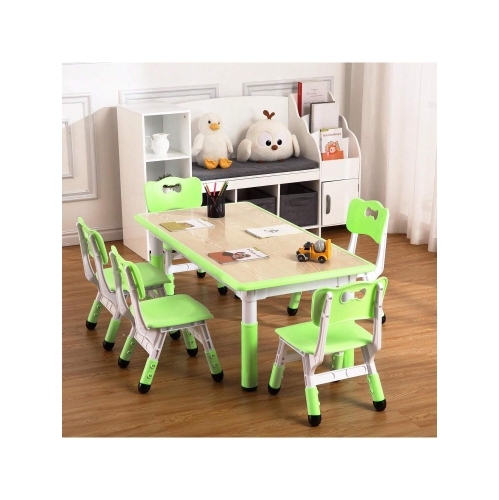
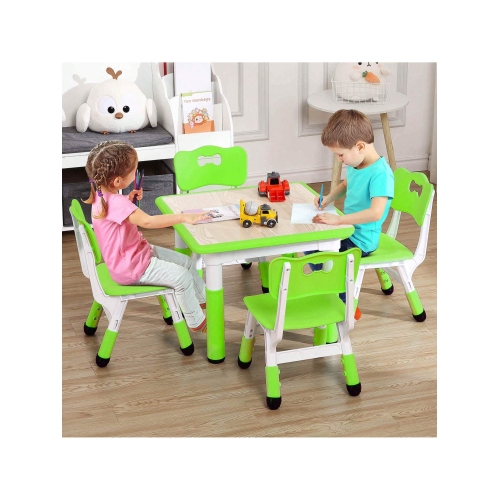
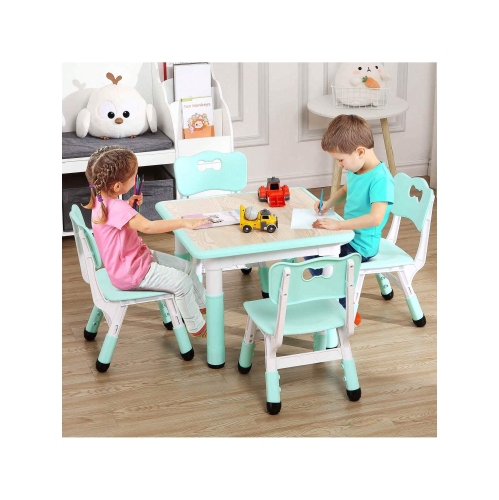
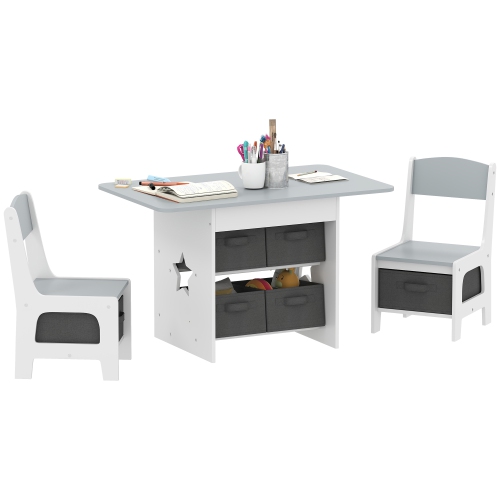
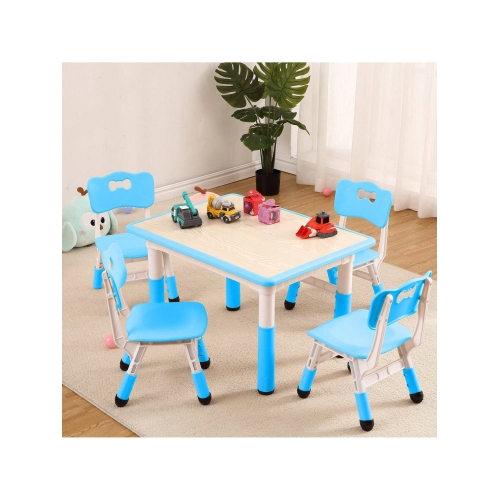
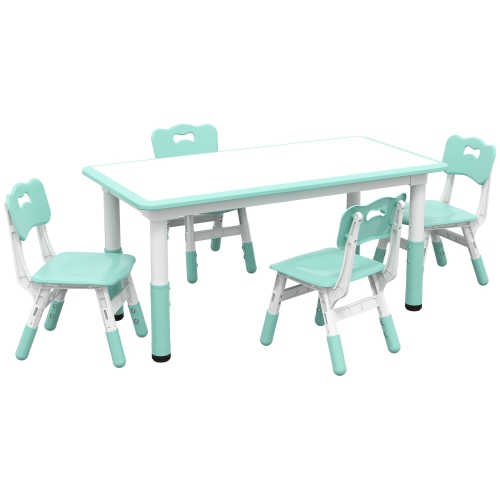
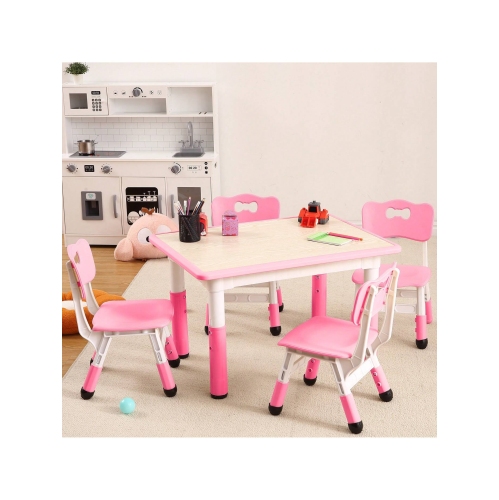
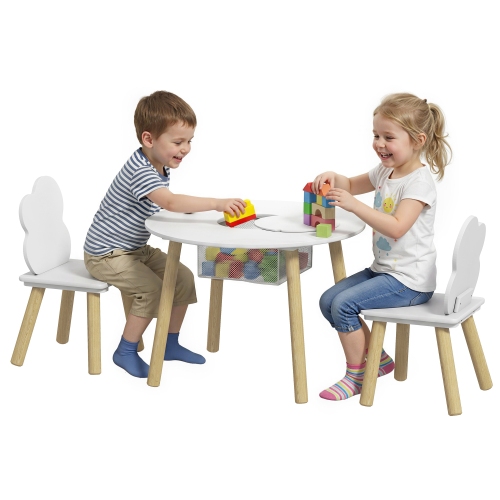
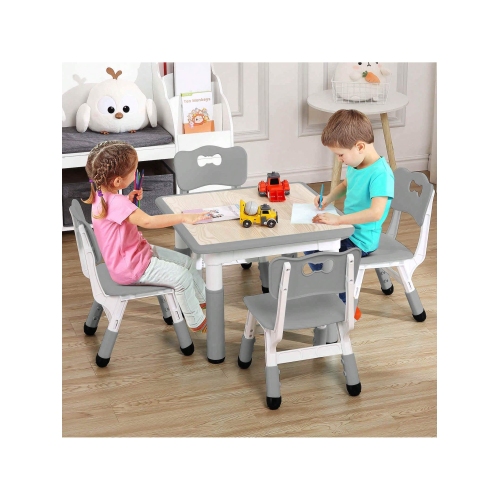
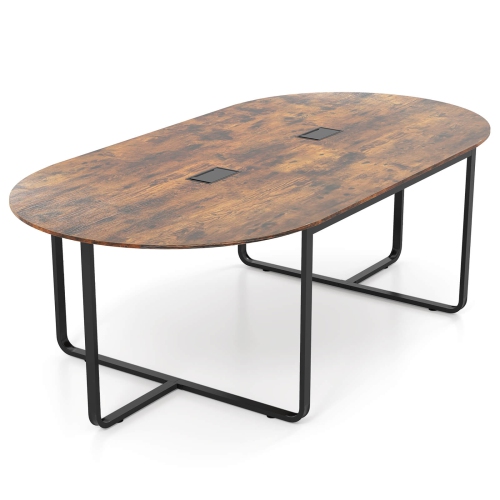
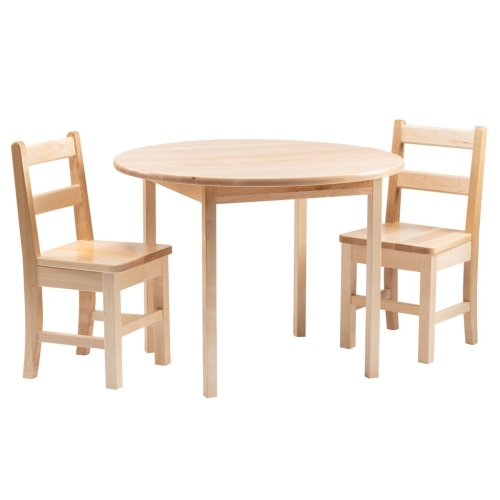
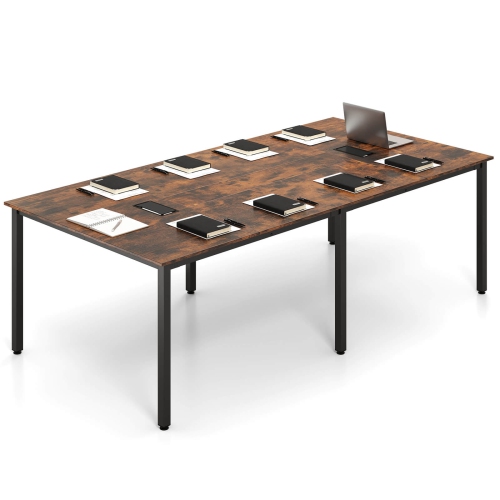
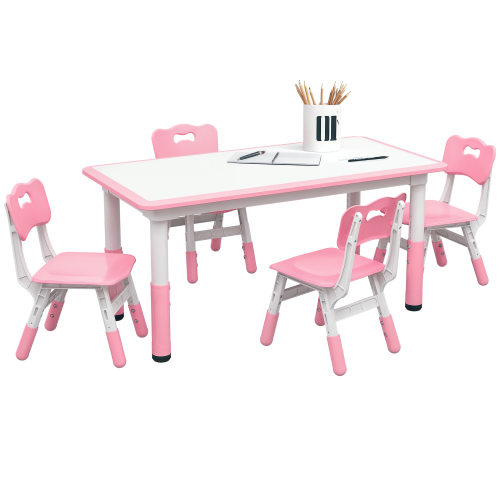
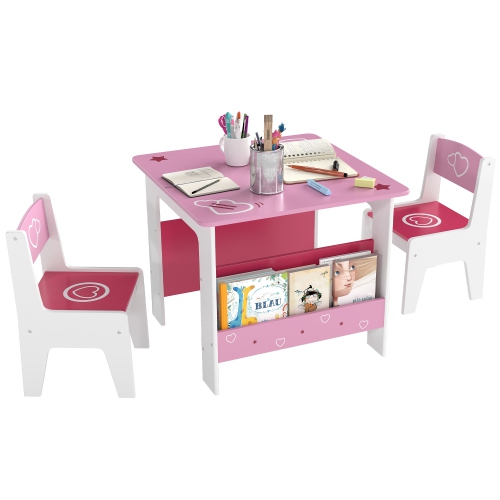
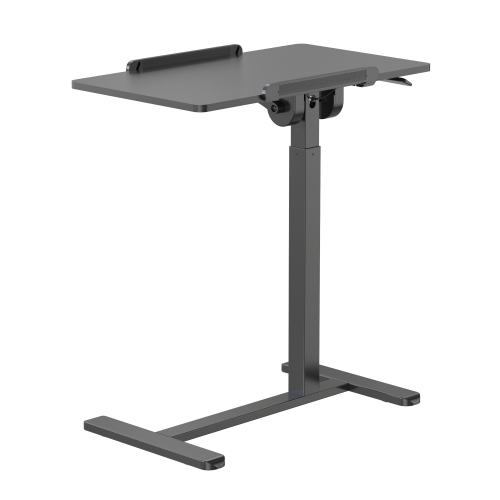
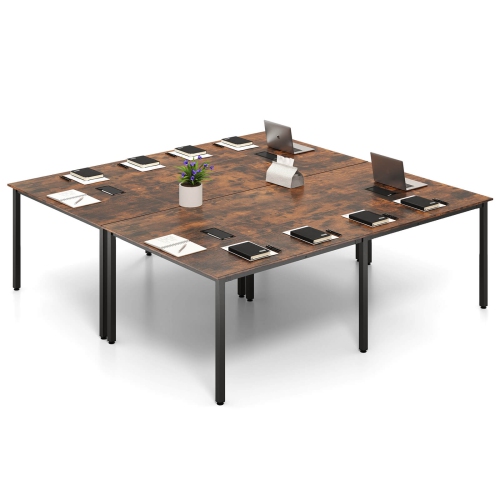
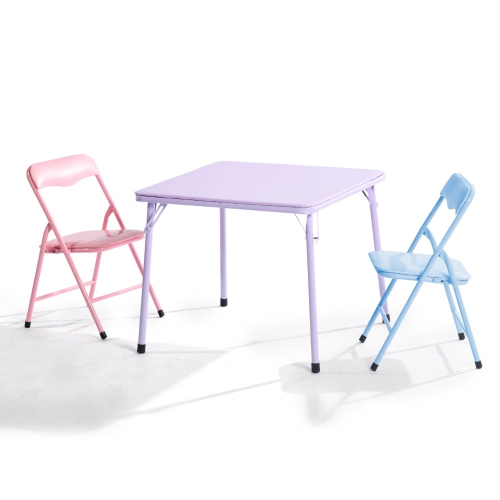
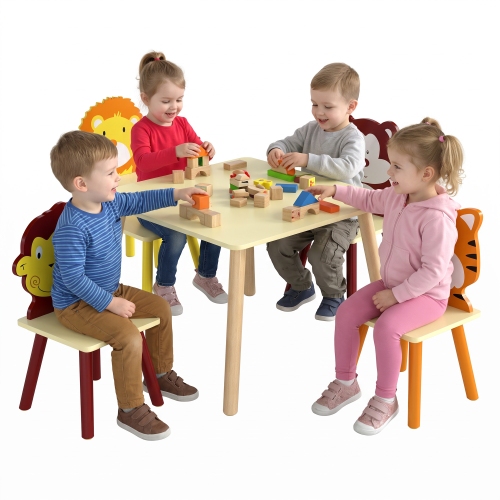
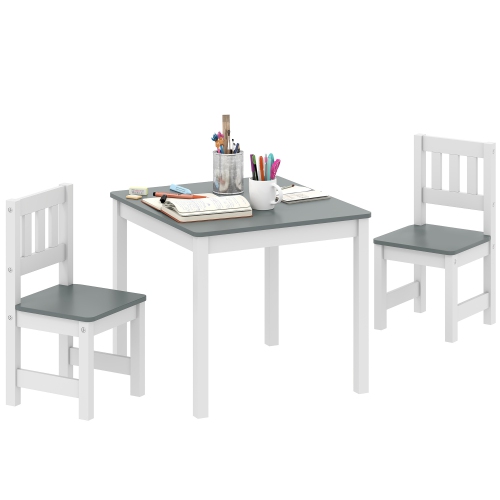
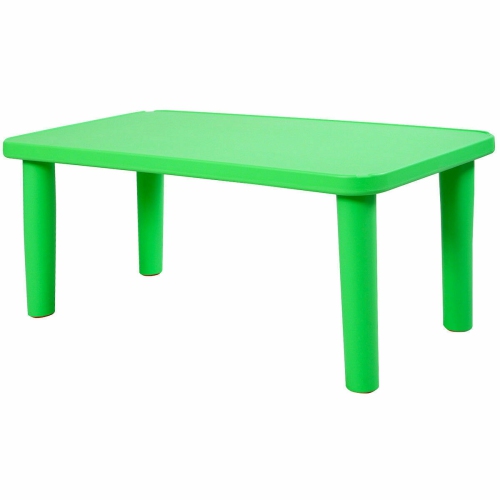
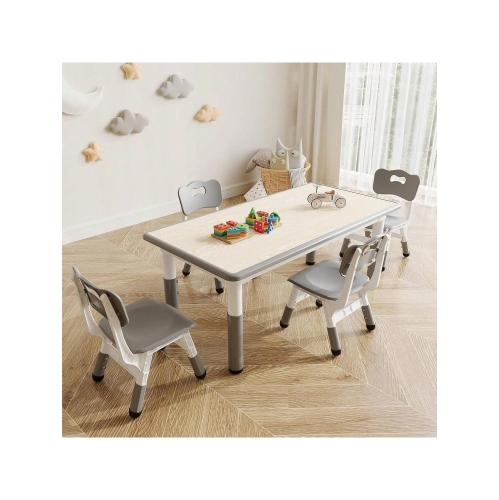
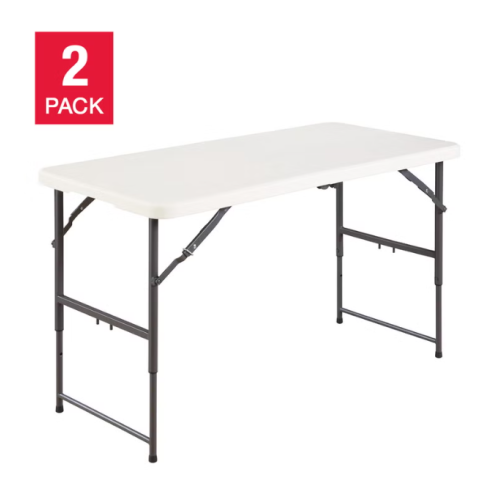
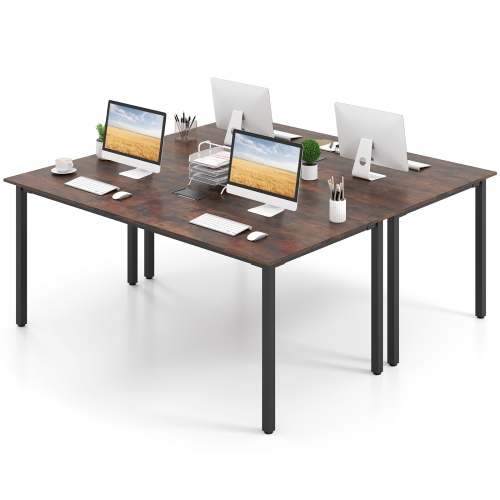
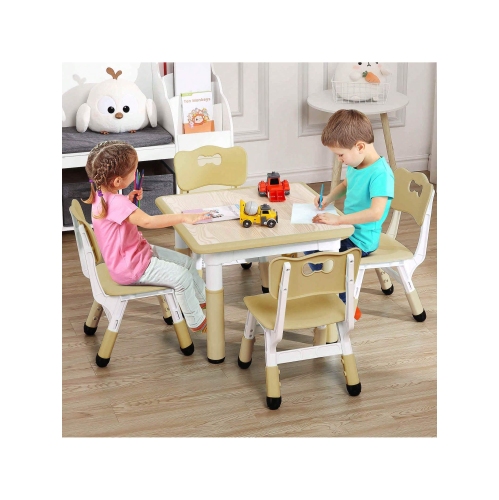
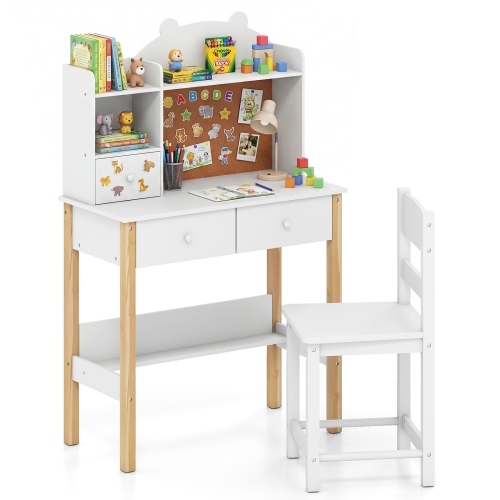
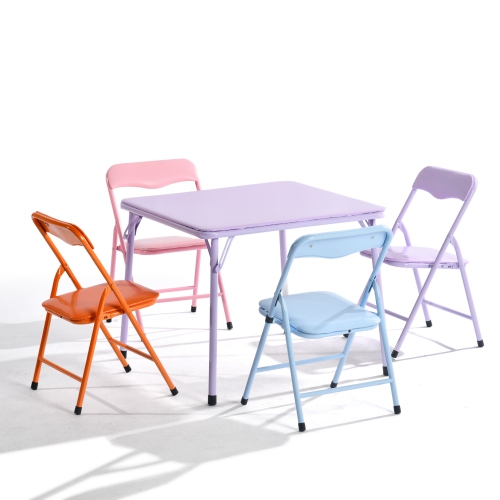
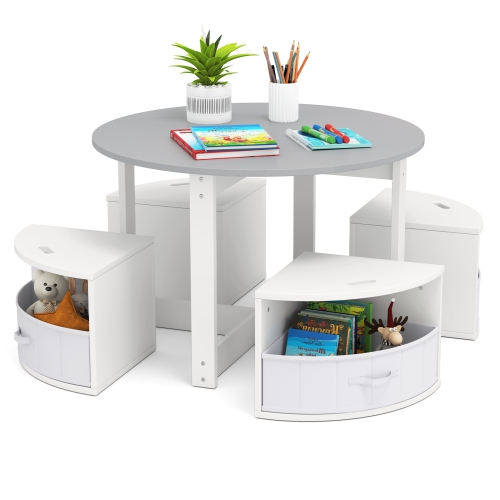
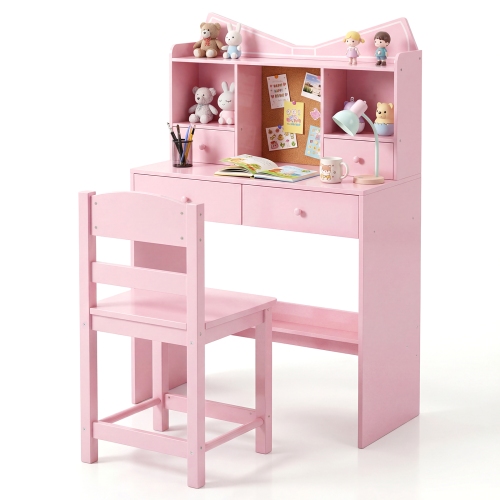
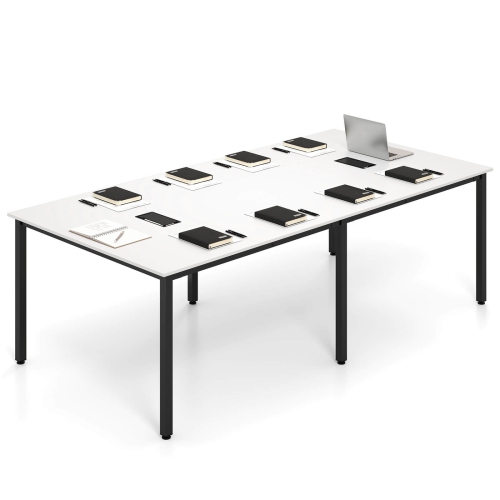
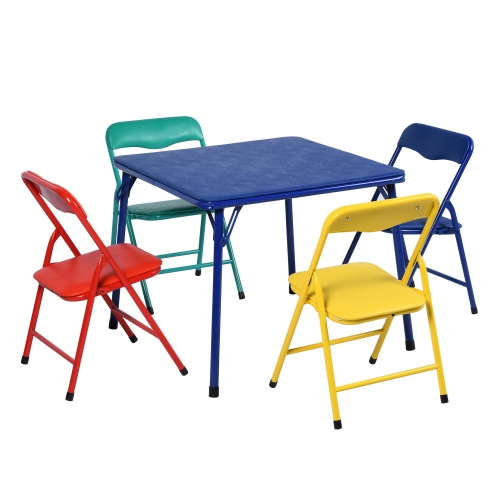
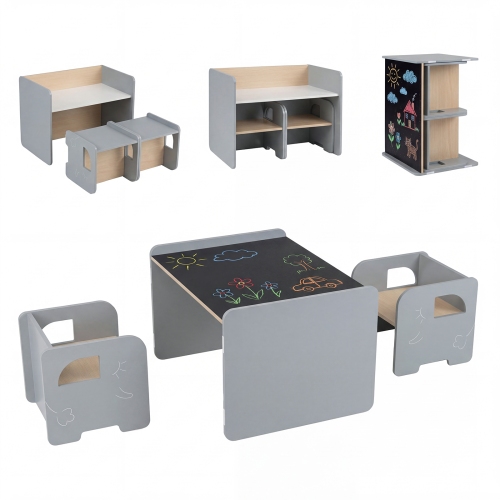
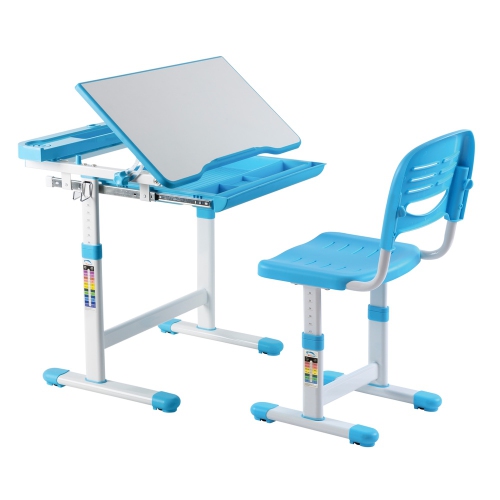
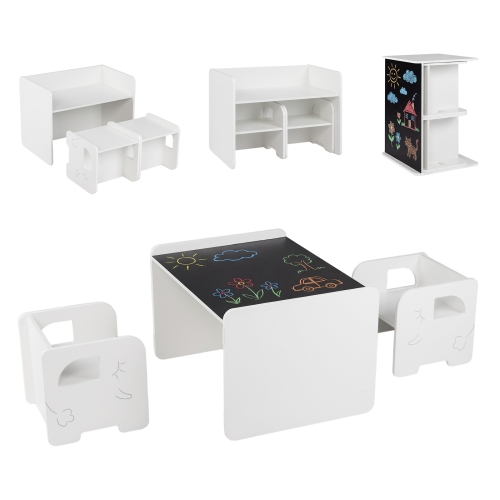
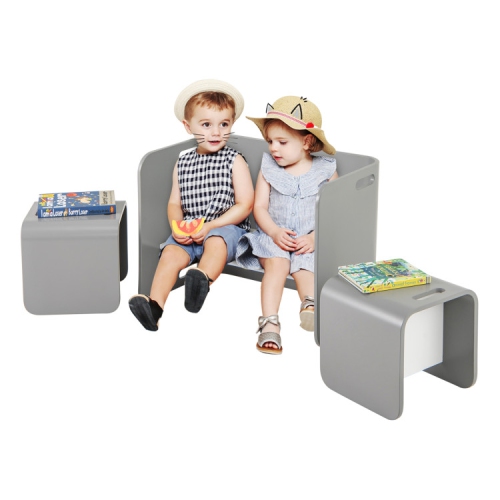
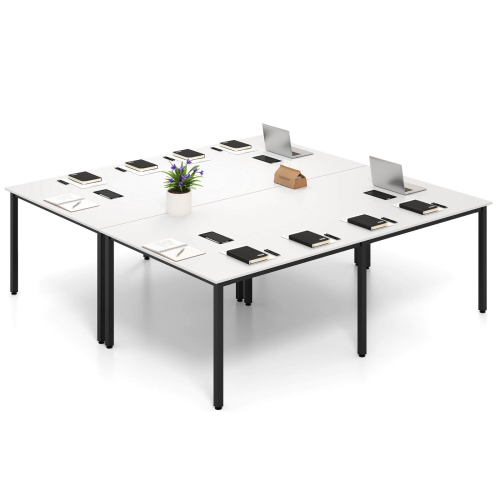
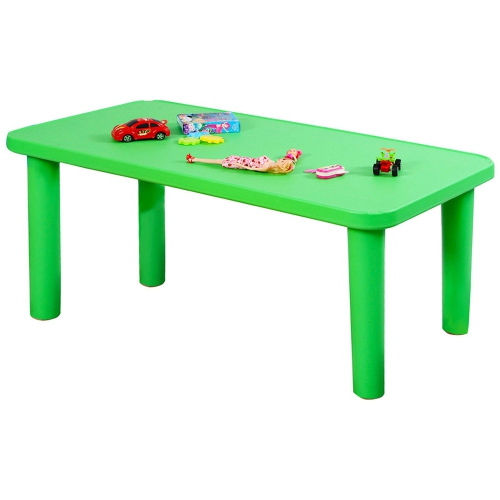
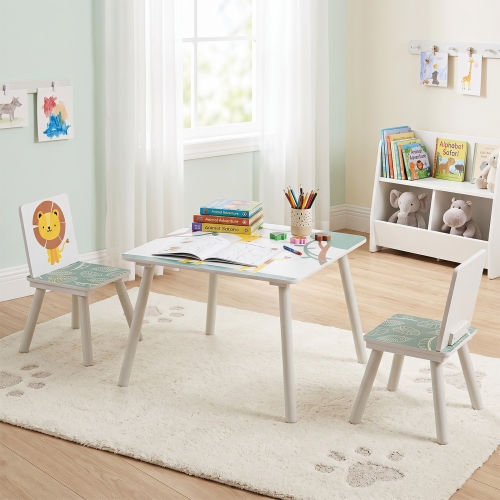
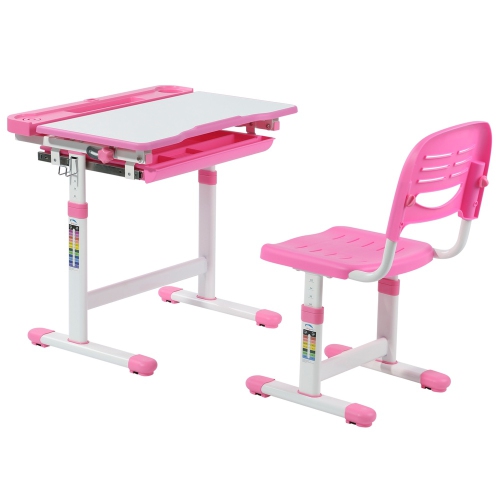
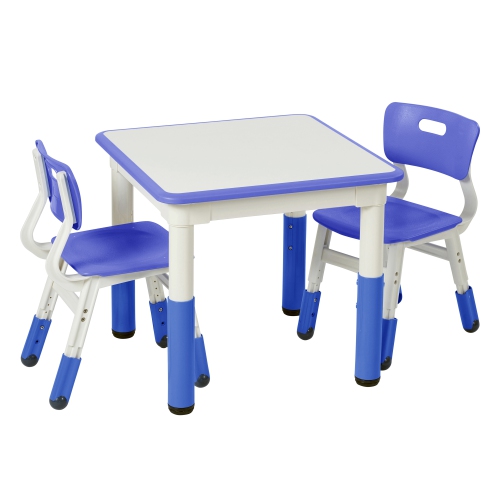
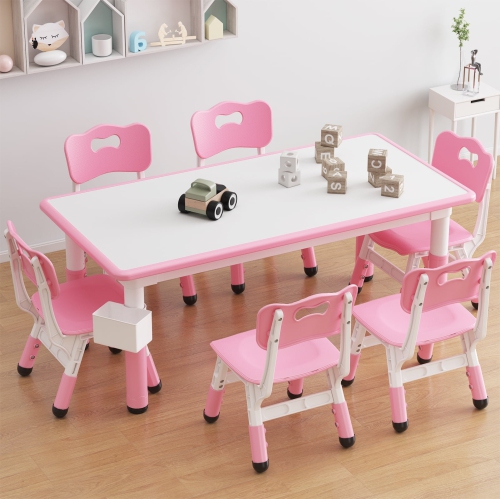
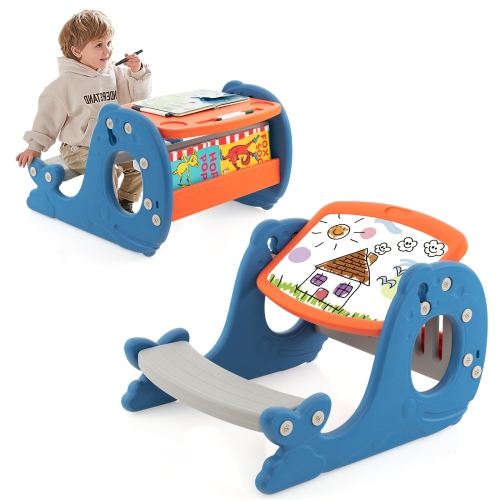
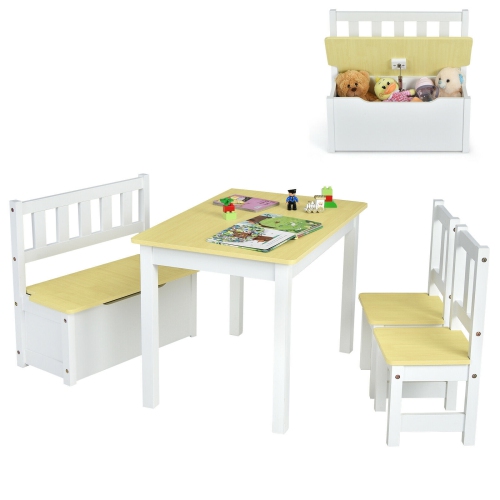
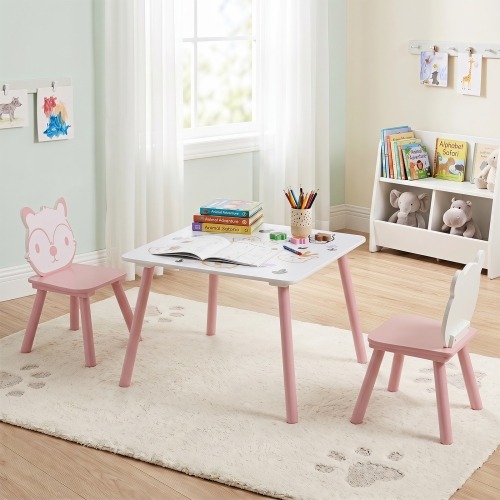
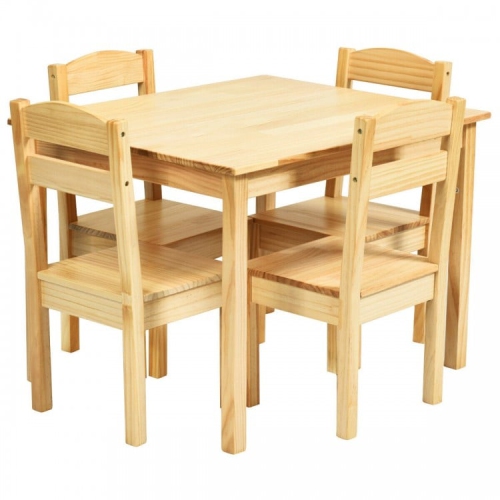
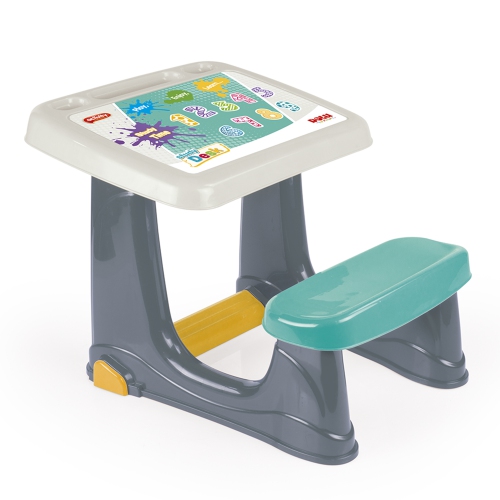
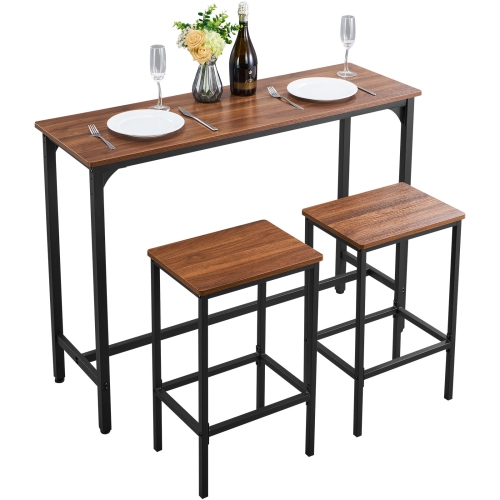
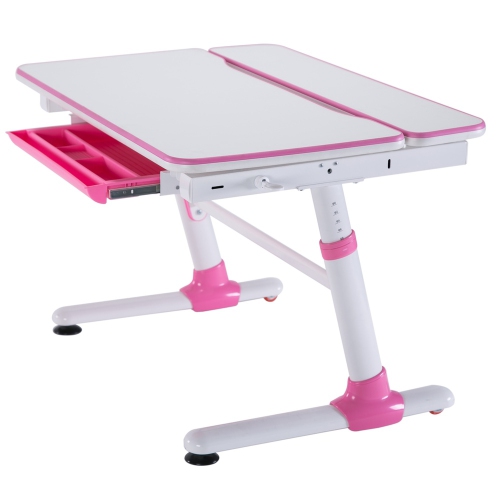
Thoughtful layouts support learning, collaboration, and smoother transitions
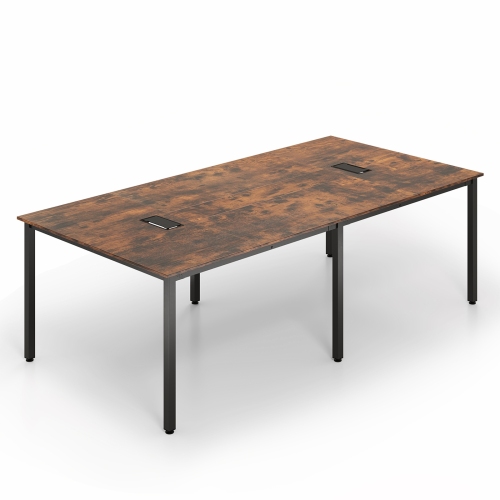
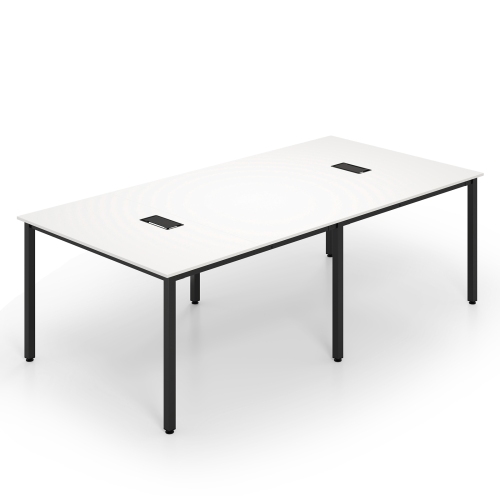
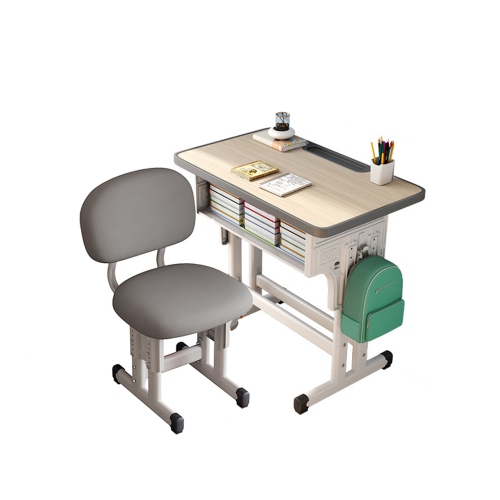
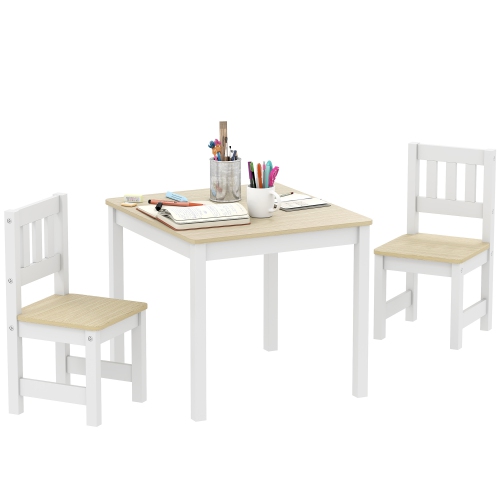
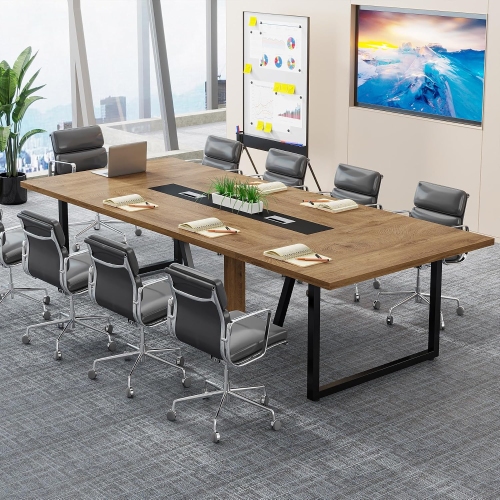
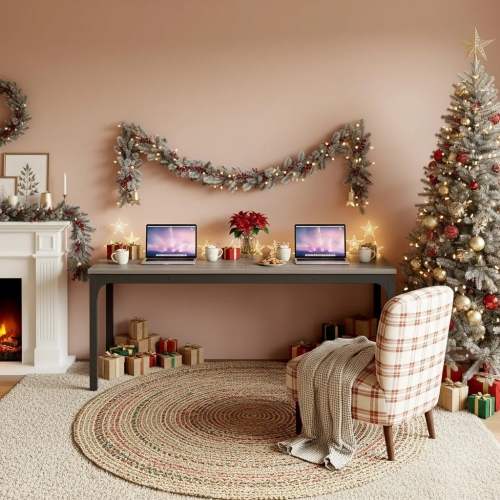
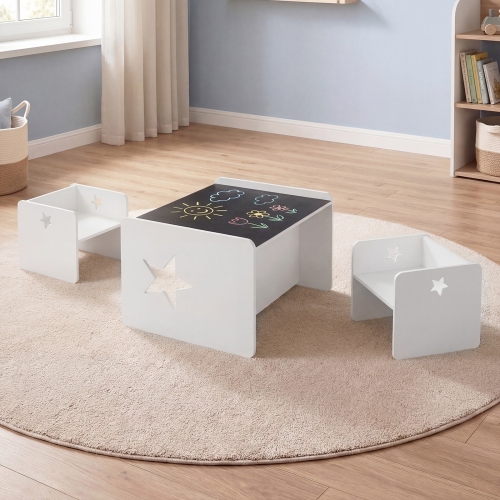
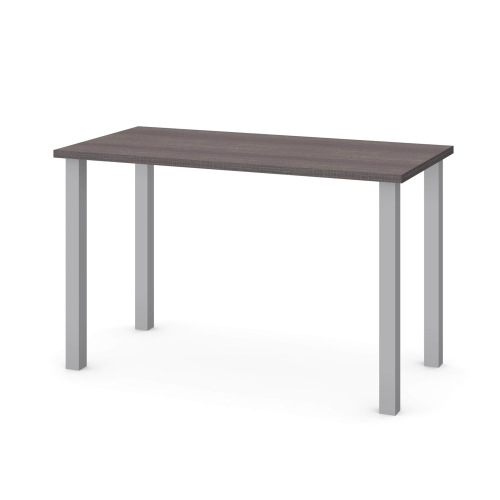
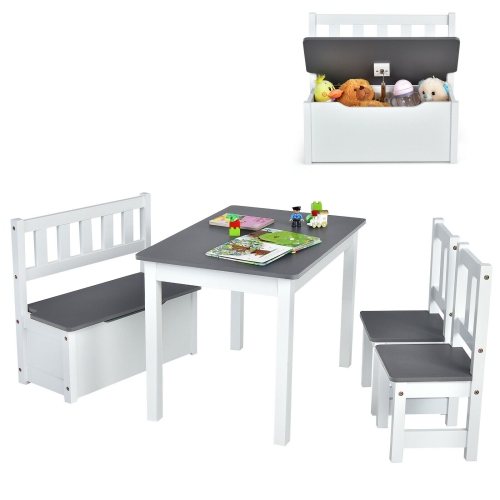
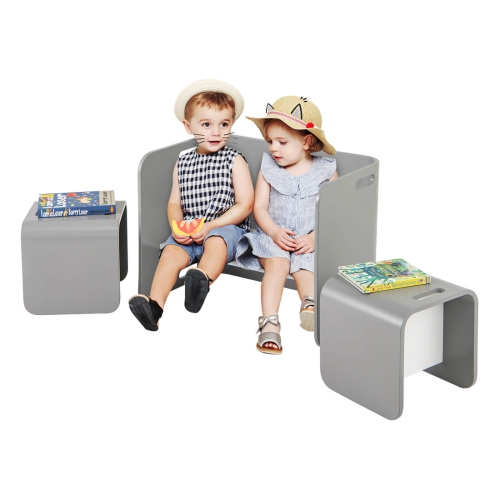
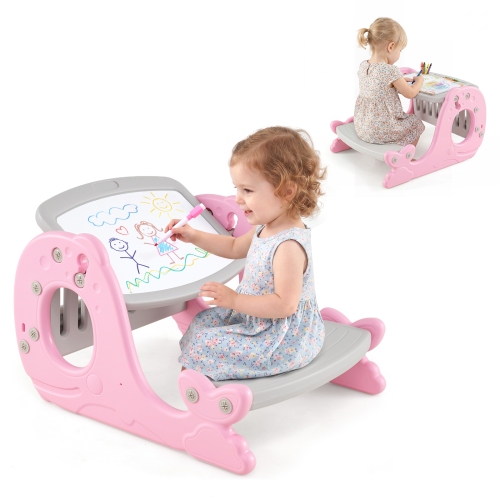
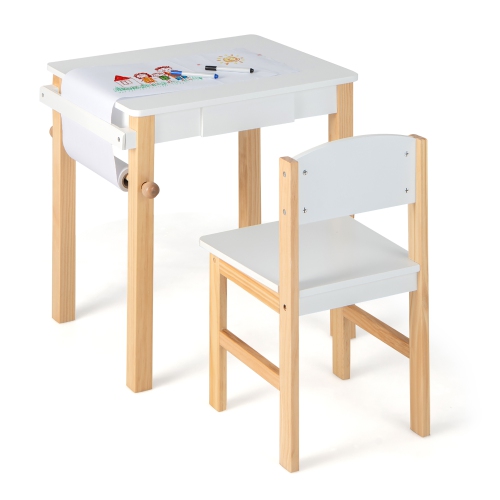
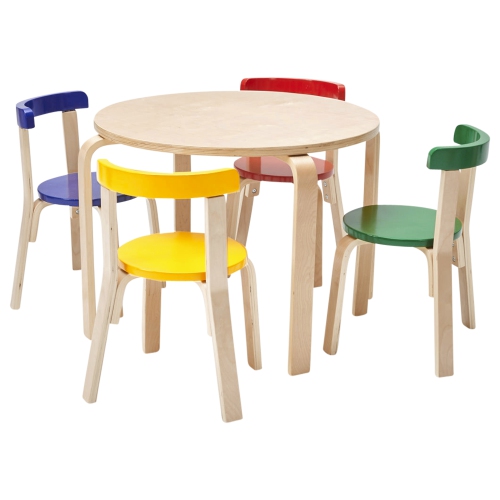
Classroom tables help shape the way a learning space feels and functions. They provide a dependable surface for writing, drawing, reading, building, experimenting, and working together, while giving students a clear place to settle in and focus. When choosing a table, start by considering the age and number of learners who will use it, as well as the room’s layout. A smaller table can create a comfortable setting for early learners, tutoring sessions, or small-group activities, while a larger surface can support collaborative projects, shared materials, and classroom discussions. Rectangular tables make efficient use of straight walls and defined rows, while round or curved designs can encourage face-to-face interaction and help students see one another during group work. Adjustable-height options can be useful in spaces shared by different age groups, and the right height can make a noticeable difference during long periods of writing, keyboarding, or hands-on work. Think about how much space is needed for chairs, backpacks, and movement between work areas, particularly in classrooms that change from quiet instruction to active group projects throughout the day. A well-chosen classroom table can make transitions feel smoother, reduce congestion, and help teachers arrange the room around the way lessons actually unfold.
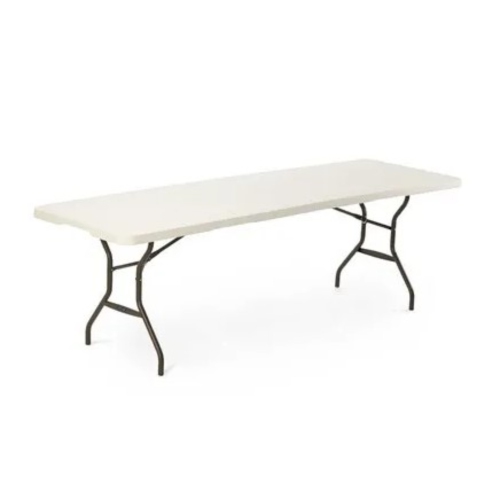
Durability and everyday practicality are just as important as shape and size. Classroom furniture often sees constant use, from pencil marks and glue during craft time to stacks of workbooks, art supplies, tablets, and science materials spread across the surface. Look for smooth, easy-to-maintain finishes and sturdy construction suited to regular handling. Rounded edges can be a considerate choice in rooms used by younger children, while stable legs and a solid base help keep the table steady when students lean forward or move materials across it. Folding tables can be convenient for multipurpose rooms that host lessons, meetings, clubs, or examinations, since they can be stored when the space needs to be cleared. Tables with casters may make rearranging easier, especially when teachers frequently shift from individual workstations to collaborative clusters, although locking mechanisms are useful for keeping the setup secure once it is in place. Storage needs also deserve attention. In a busy classroom, a table that accommodates bins, baskets, or nearby shelving can help keep pencils, books, manipulatives, and project supplies within reach without covering every available surface. For computer-based learning, leave room for devices, chargers, notebooks, and comfortable arm positioning, and consider how cords will be routed to avoid creating obstacles. During the cooler months, when students may arrive with bulkier coats, footwear, and personal items, a thoughtful layout with clear pathways can make the room feel more orderly and welcoming.
Classroom tables are suited to a wide range of settings beyond a traditional schoolroom. Daycares can use them for sensory play, snacks, painting, and early learning activities; libraries and tutoring centres can create dedicated areas for reading or homework; and community facilities can use them for workshops, language classes, training sessions, and after-school programmes. They can also be a practical addition to a home learning area, where a dedicated work surface helps separate lessons from the distractions of the kitchen or living room. In a shared family space, a compact table can support crafts, puzzles, model building, and homework without taking over the entire room. Consider how the furniture will be used across the full school day: a table that works for quiet reading in the morning may need to accommodate group presentations, lunch, or creative projects later on. Neutral finishes can blend into different room styles, while bright accents may help define activity zones for younger learners. If the classroom also includes a dining or break area, explore related options such as Cafeteria Tables to create a coordinated setup for shared meals and informal gathering. Whether outfitting a new classroom, refreshing a childcare room, or preparing a flexible space for learning at home, the best choice balances comfort, stability, available floor space, and the routines of the people who will use it. A table should feel ready for the day’s work: sturdy beneath a stack of books, spacious enough for several curious hands, and easy to move or maintain when the room needs to change.
Top selling and popular products
-
 Your price for this item is $133.96
-
 Your price for this item is $122.92
-
 Your price for this item is $132.99
-
 Your price for this item is $149.99
-
 Your price for this item is $679.2
-
 Your price for this item is $679.2
-
 Your price for this item is $519.2
-
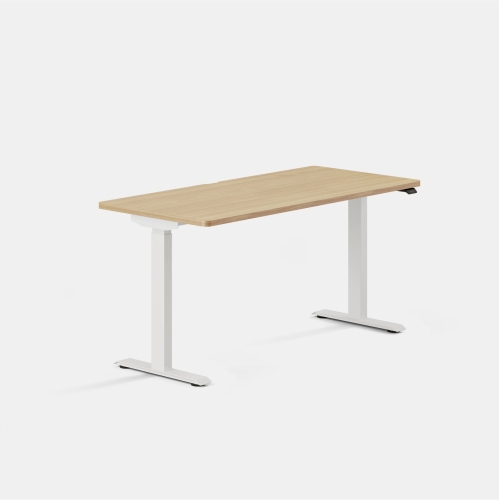 Your price for this item is $679.2
Discover more categories related to Classroom Tables
Top Collections:
Best Black Friday Deals This Year, Best Black Friday Deals On Electronics, Kindle Devices, Dyson Airwrap, Best Cameras for Sports Photography, Best Budget Office Chairs, Canon G7X Cameras, PS5 Pro Consoles, Best Black Friday Deals On Apple Products, XBOX One S Consoles
Some products may be subject to Environmental Handling Fees
(EHF) depending on your province.
Learn more about EHFs.