Preschool Tables
Preschool tables are essential for creating an engaging and educational environment for young learners. These versatile pieces of furniture provide a dedicated space for children to engage in various activities, from arts and crafts to group play and learning. Designed with the needs of little ones in mind, preschool tables come in different sizes, shapes, and materials to accommodate different classroom setups and age groups. Whether you're a teacher, parent, or caregiver, finding the perfect preschool table is a great investment in fostering creativity, collaboration, and cognitive development in young minds.
Sort
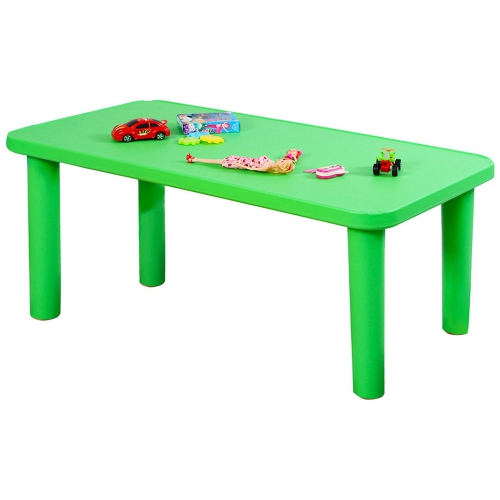

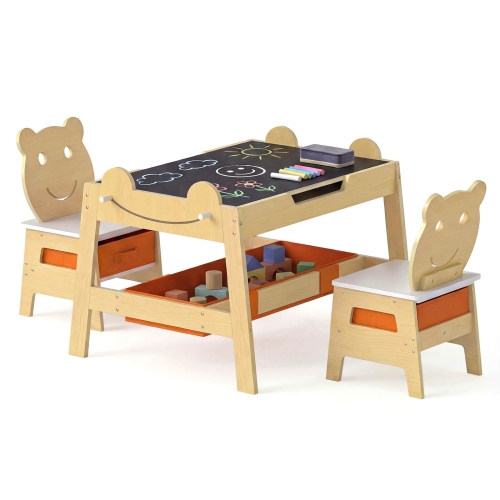
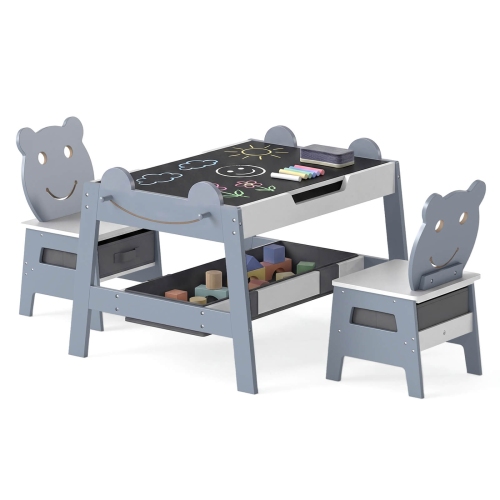
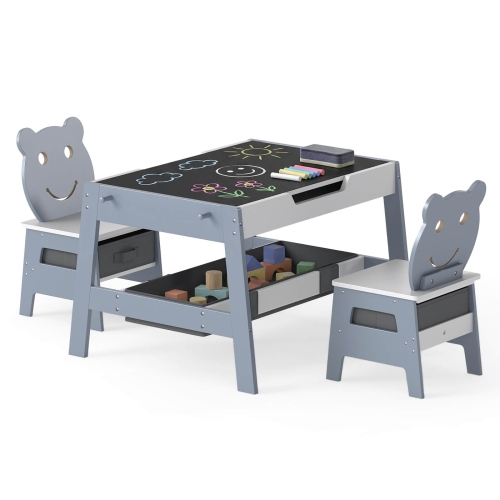
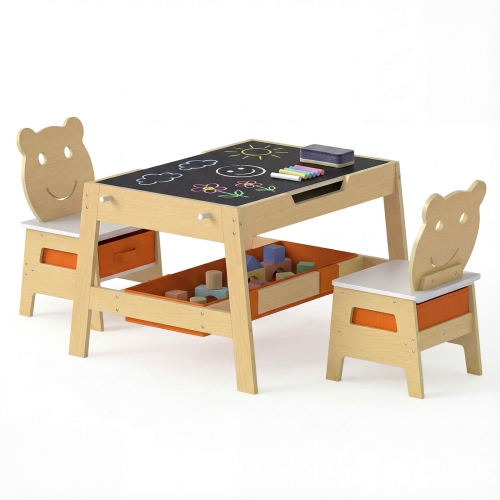
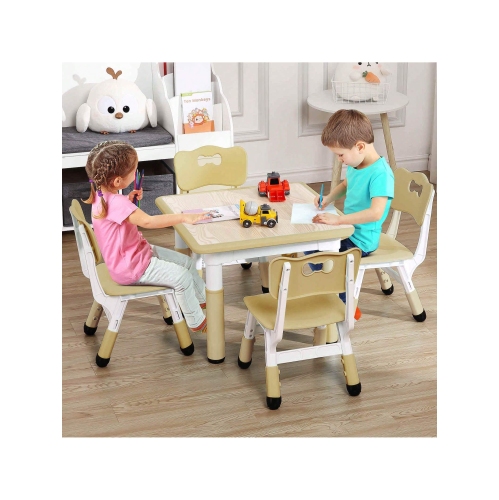
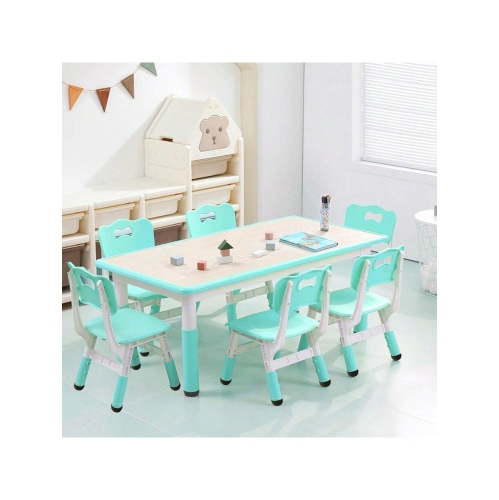
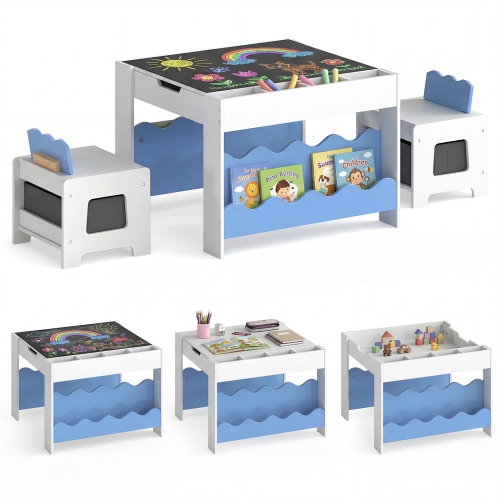
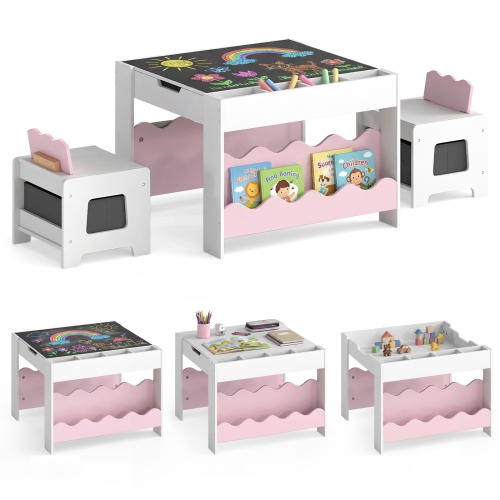
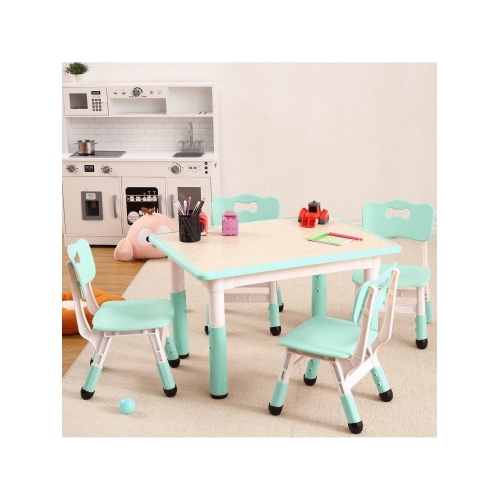
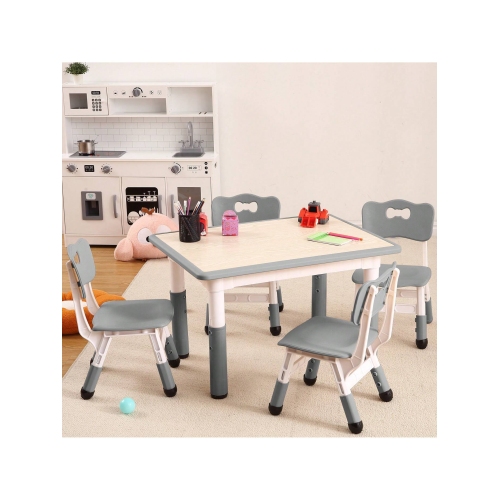
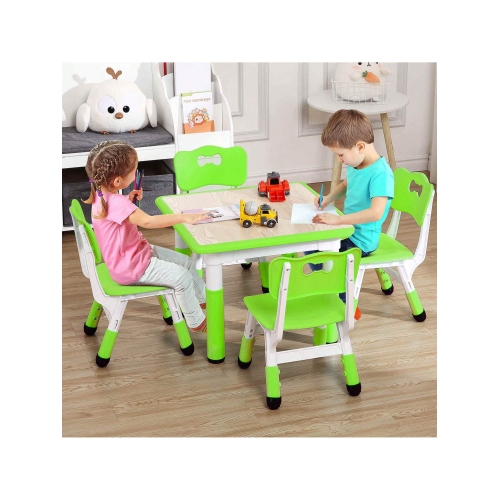
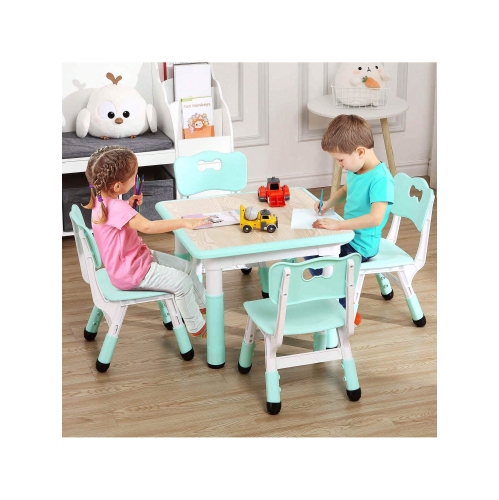
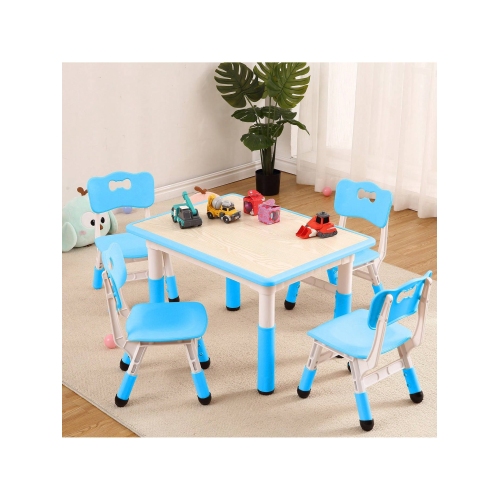
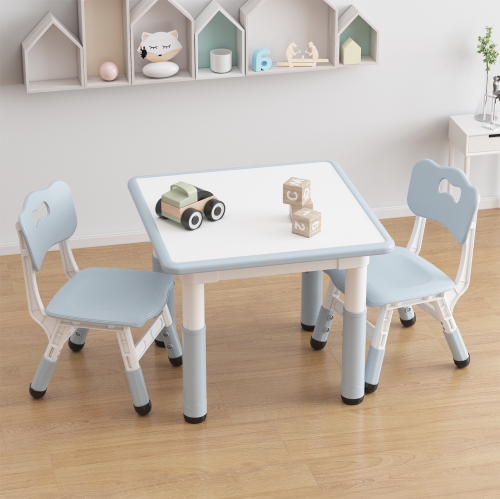
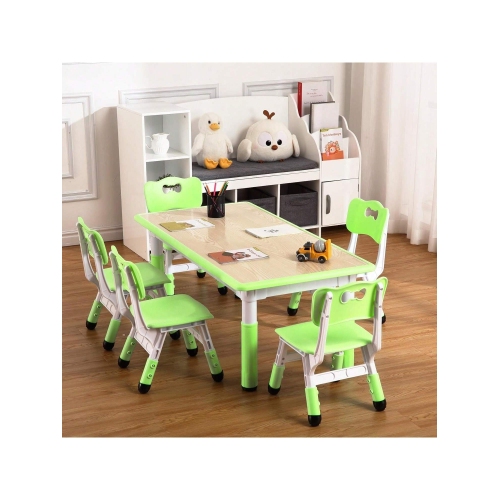
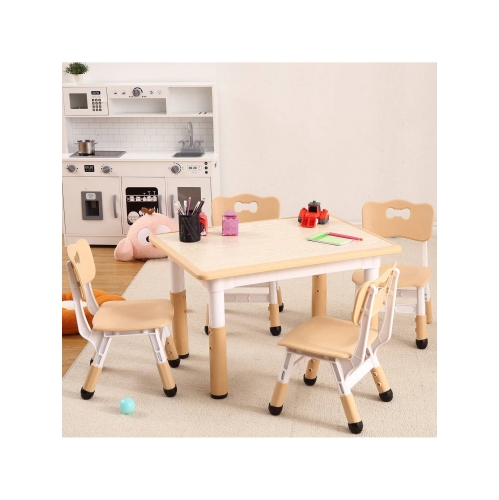
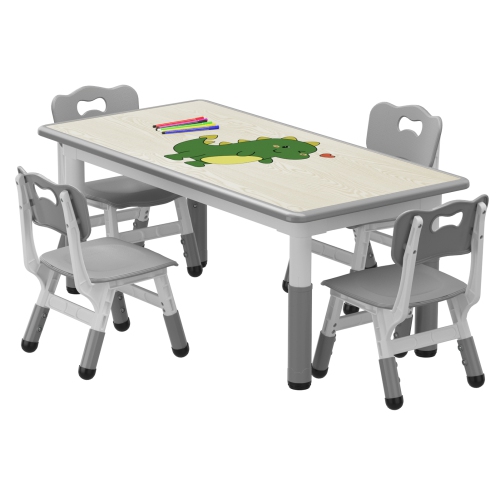
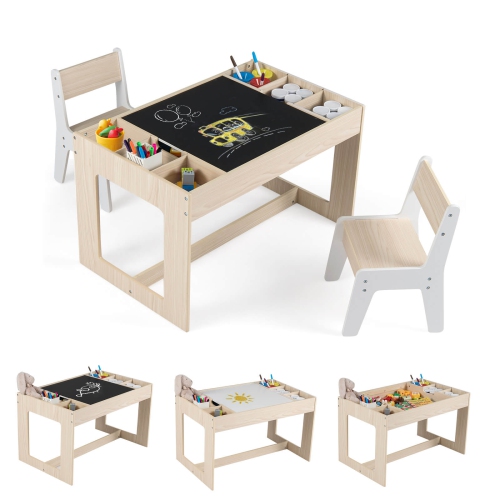
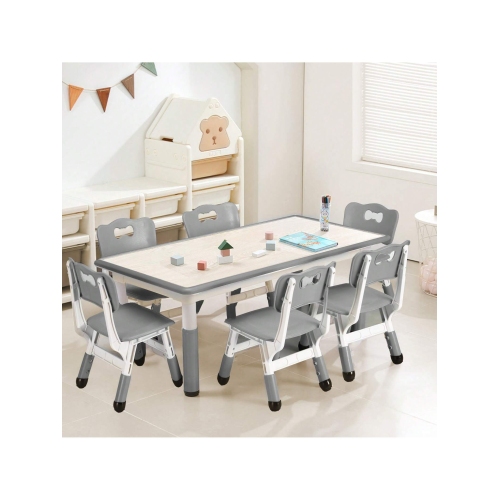
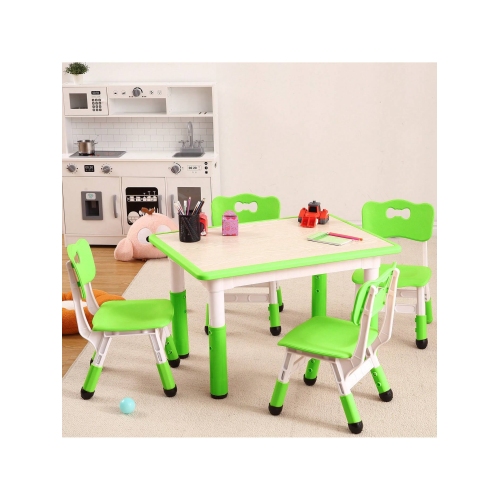

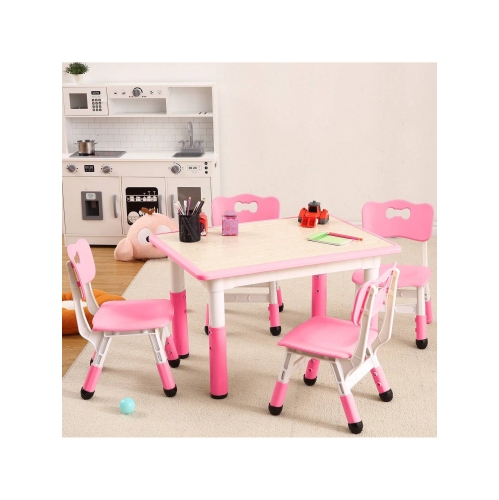
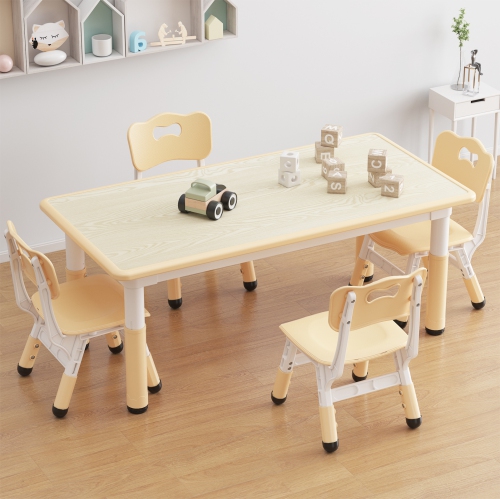
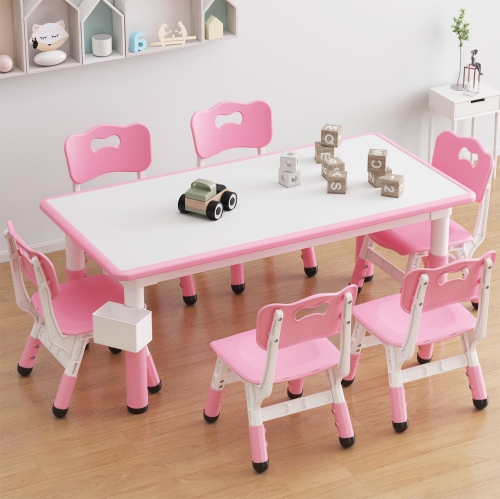
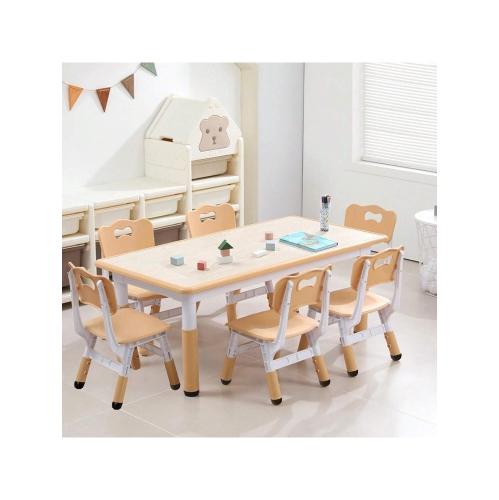
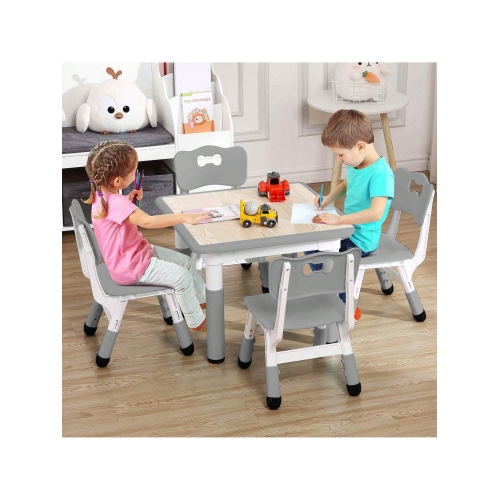
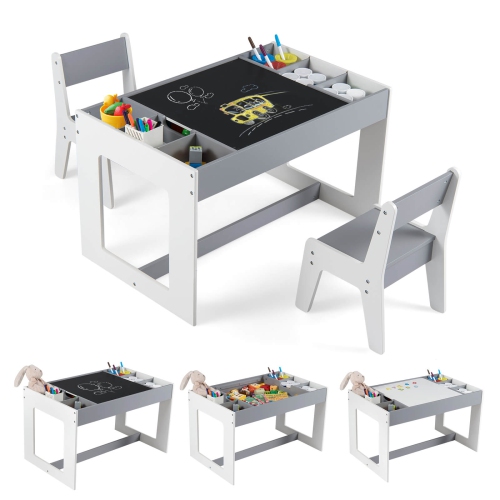
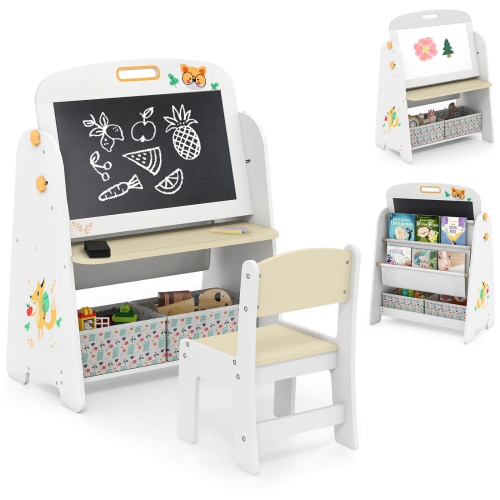

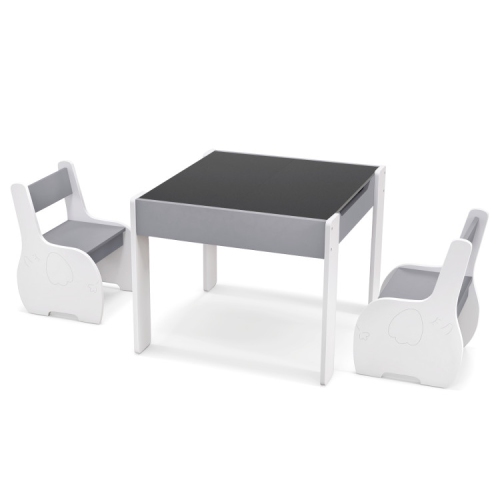
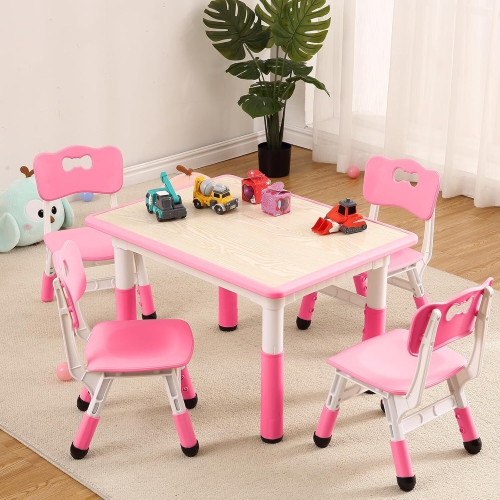
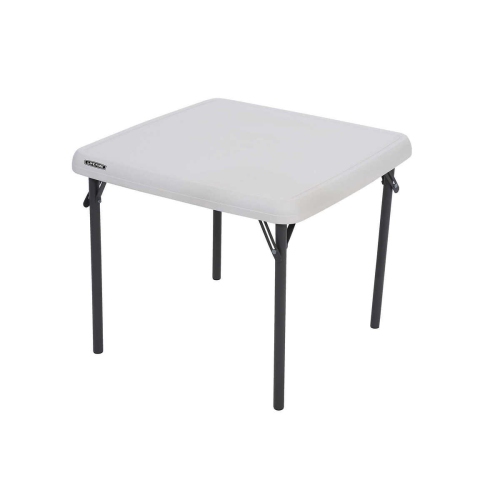
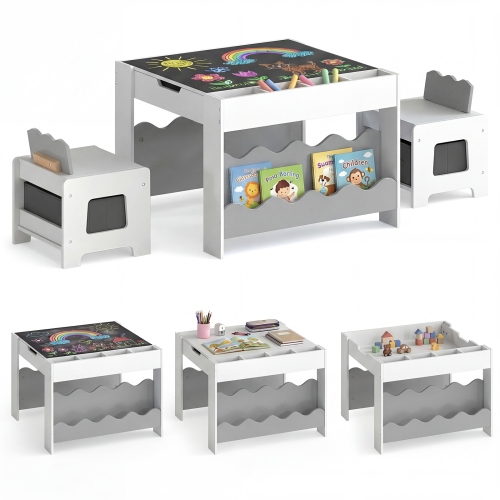
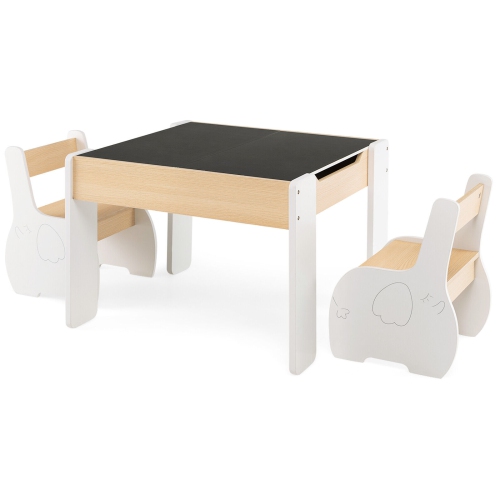
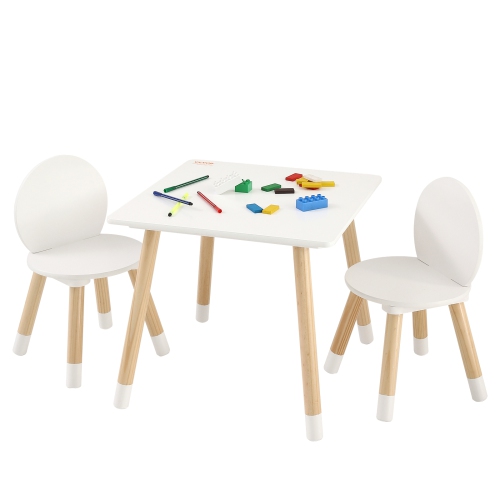
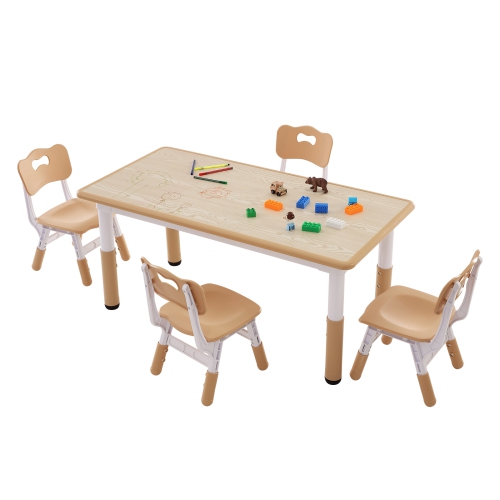
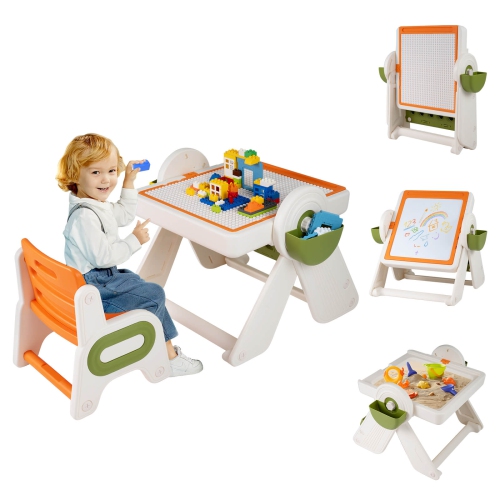
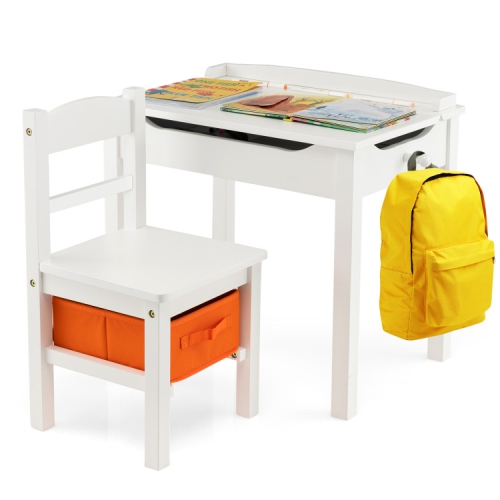
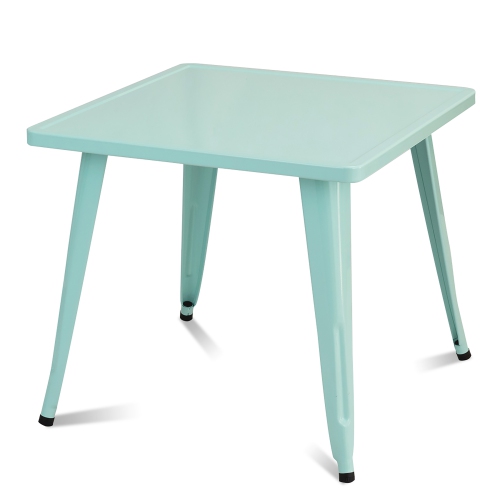
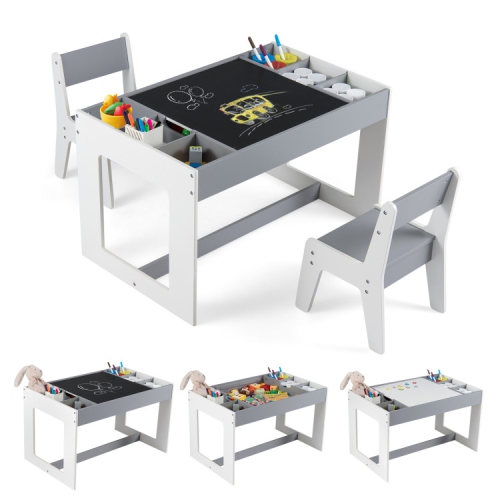
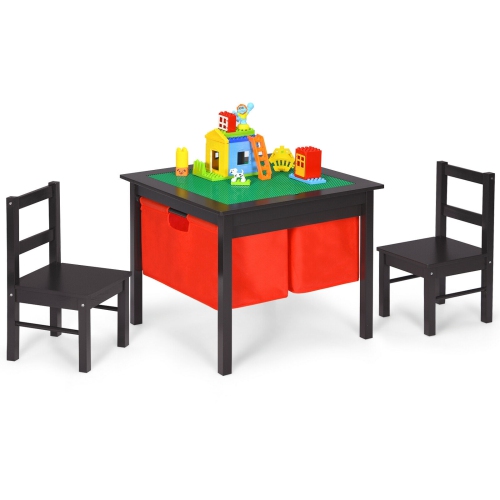
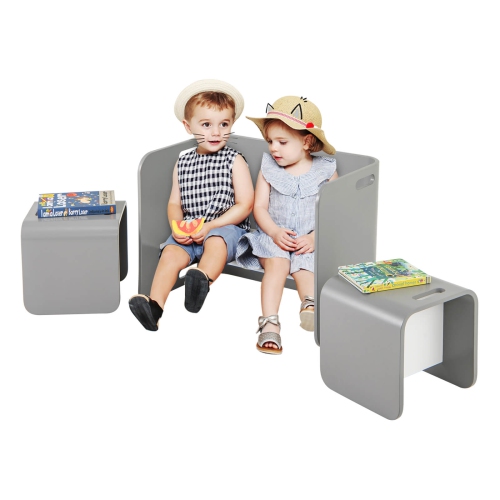
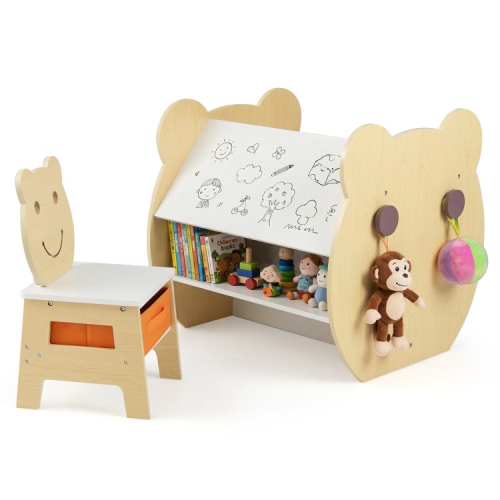
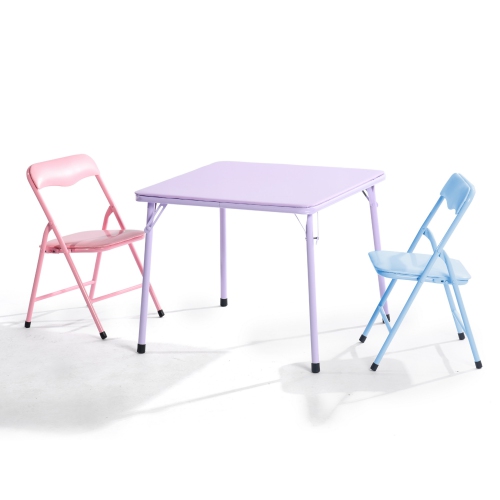
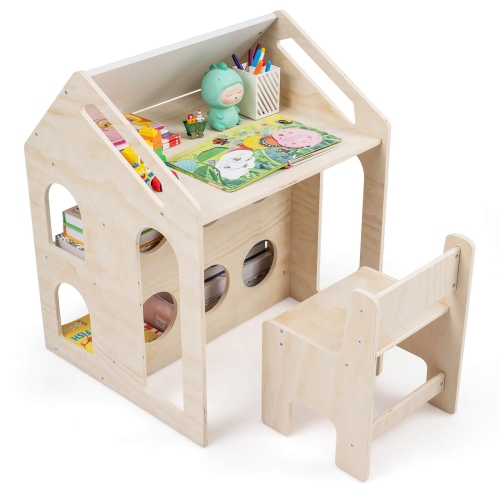
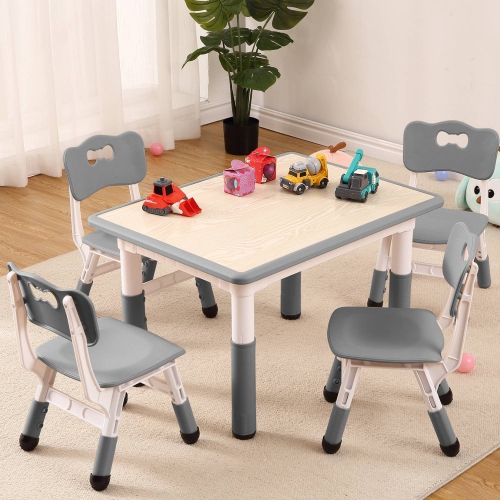
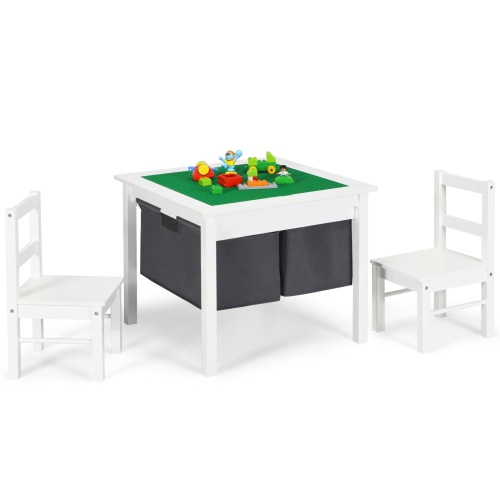
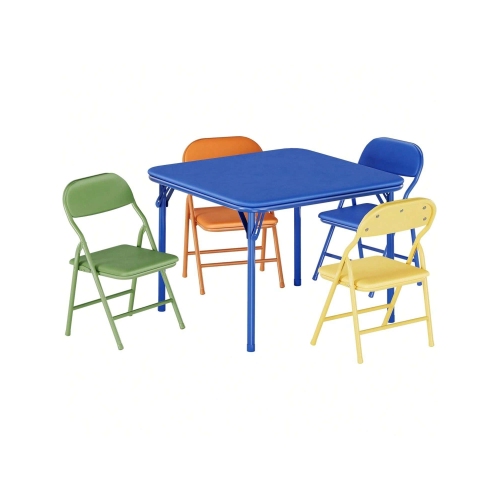
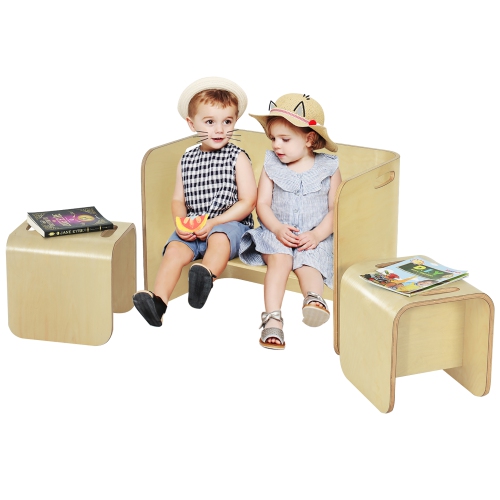
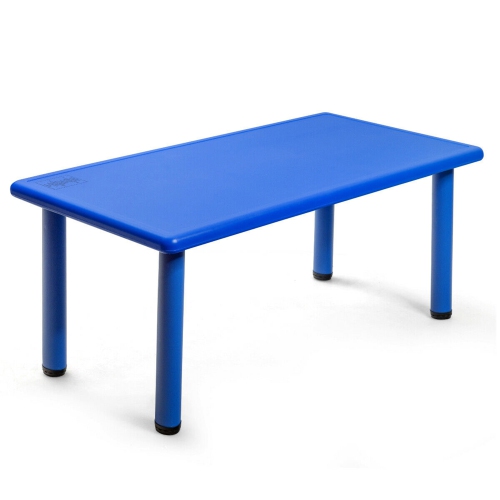
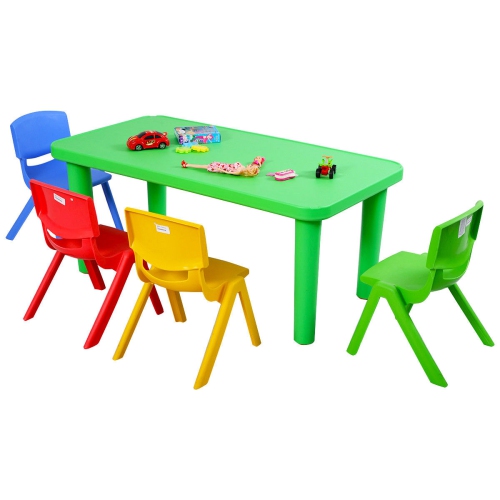
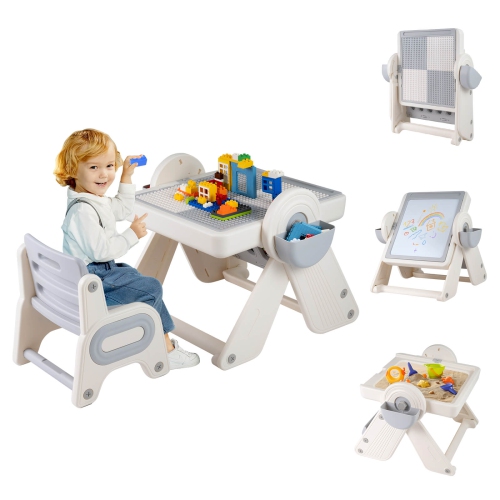
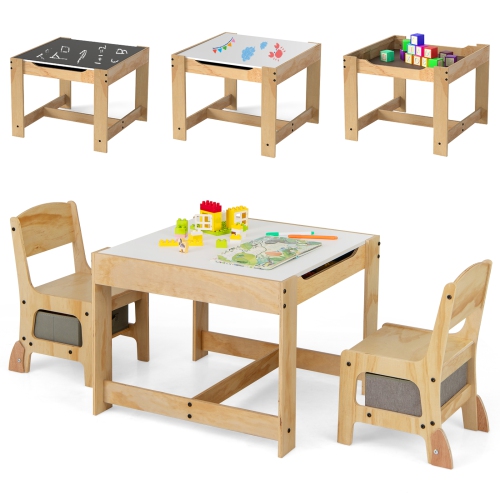
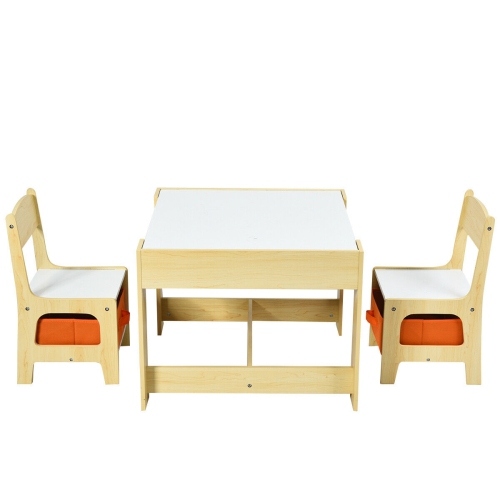
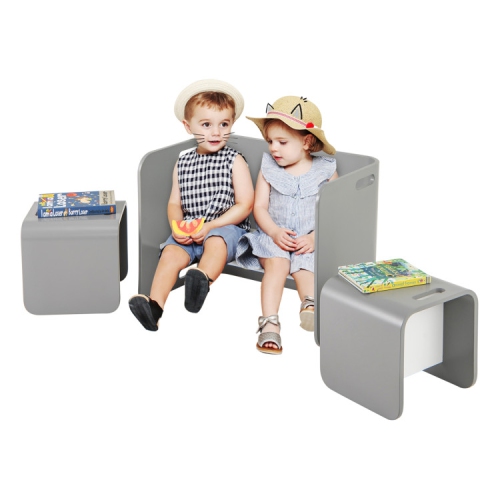
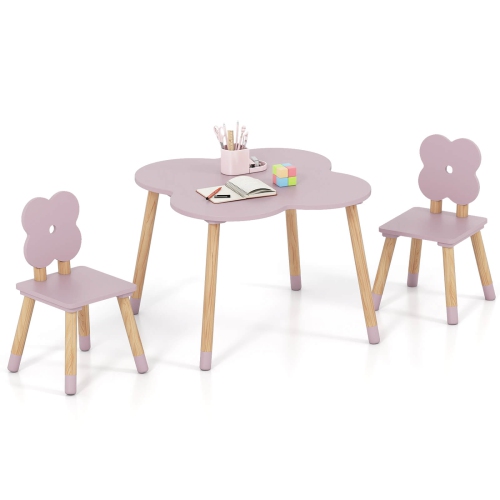
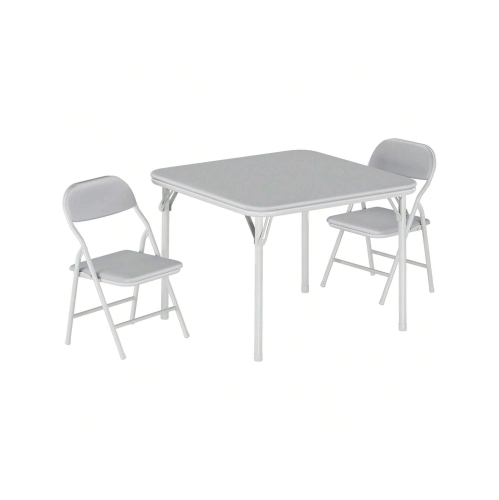
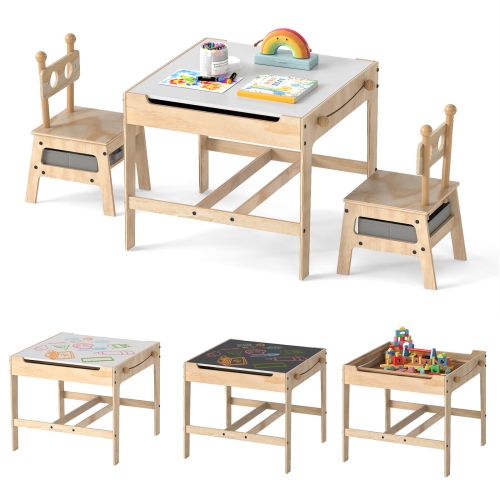
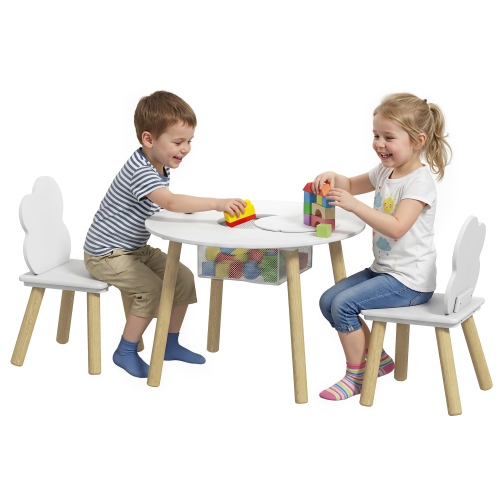
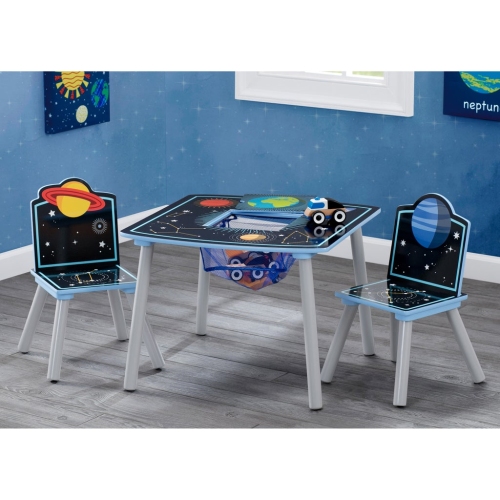
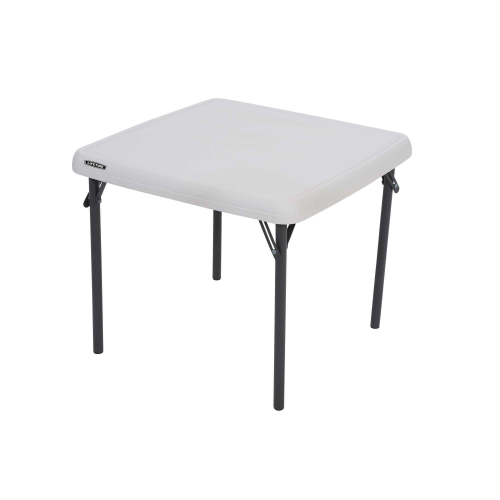
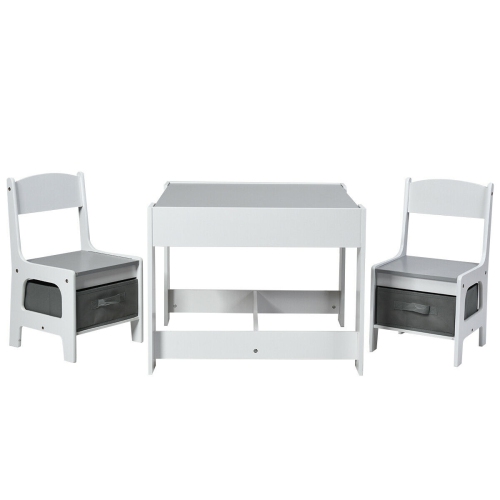
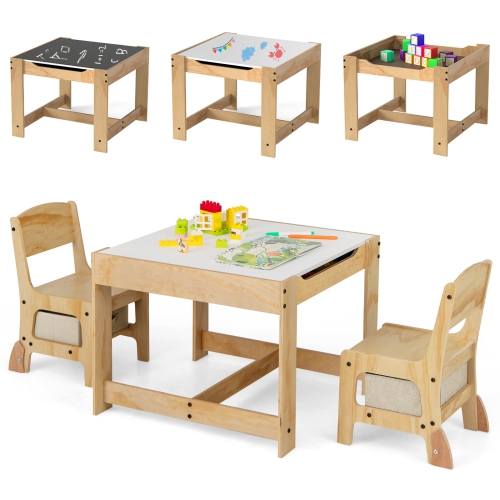
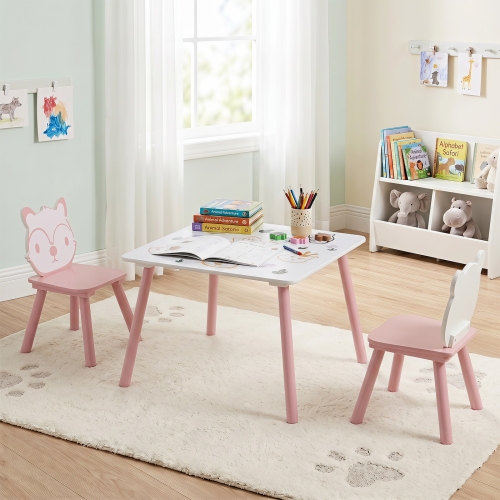
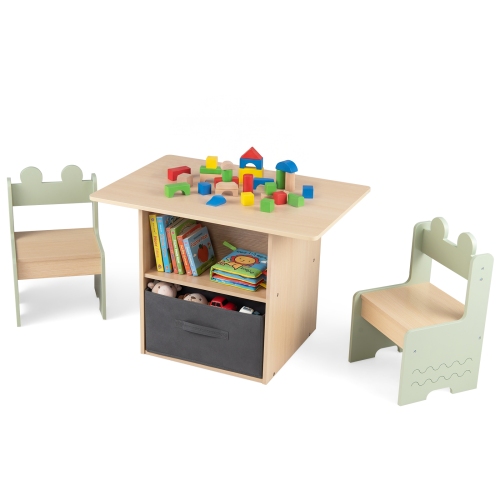
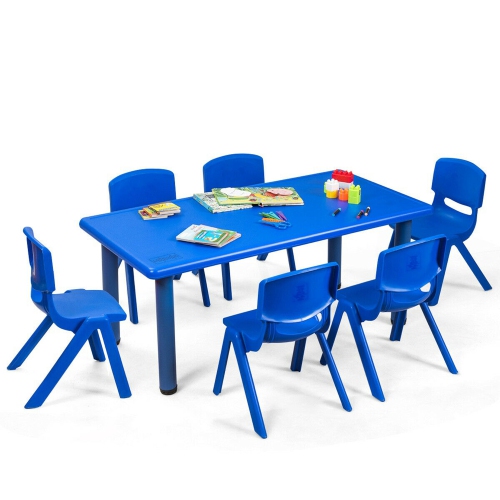
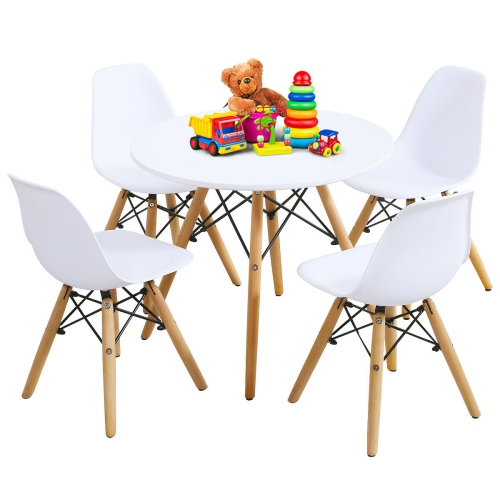

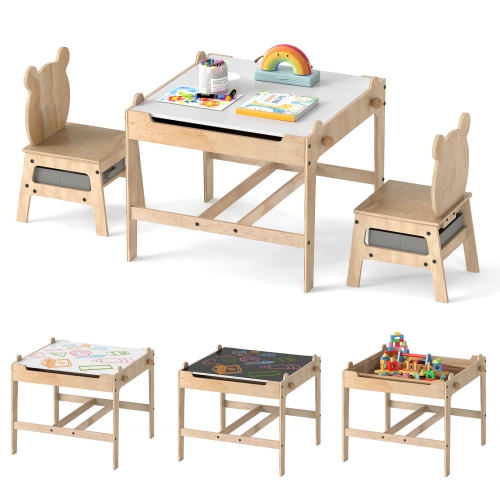
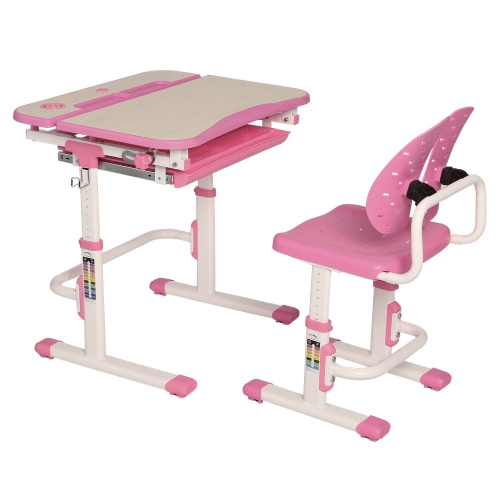
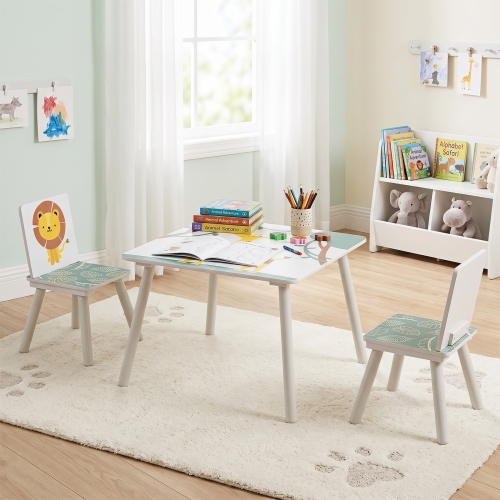
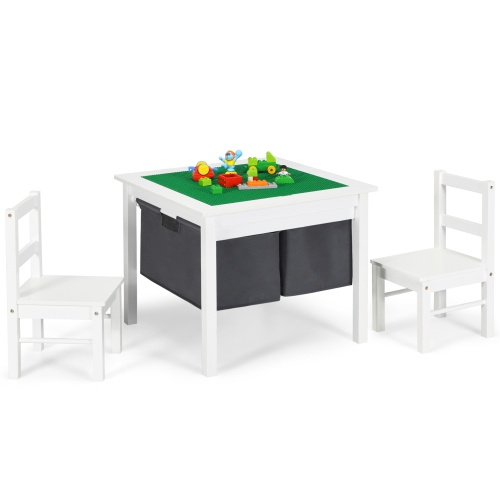
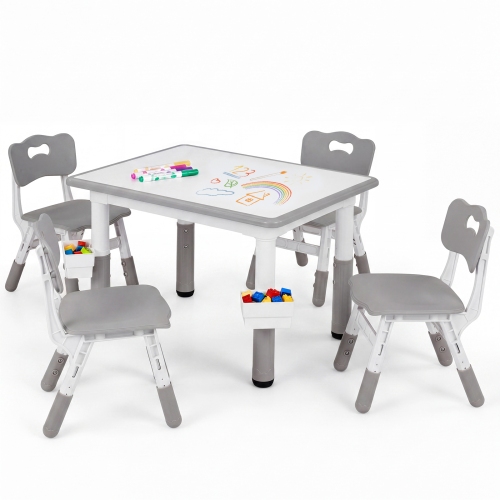
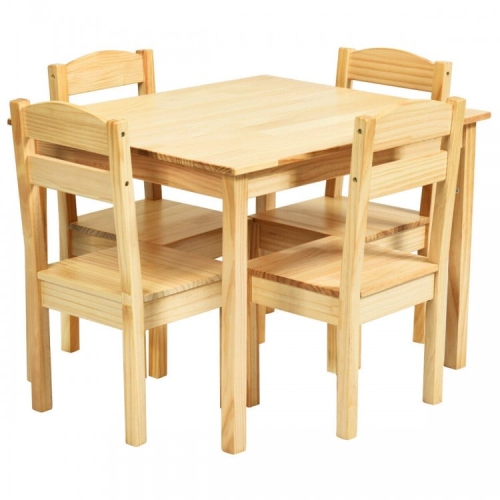
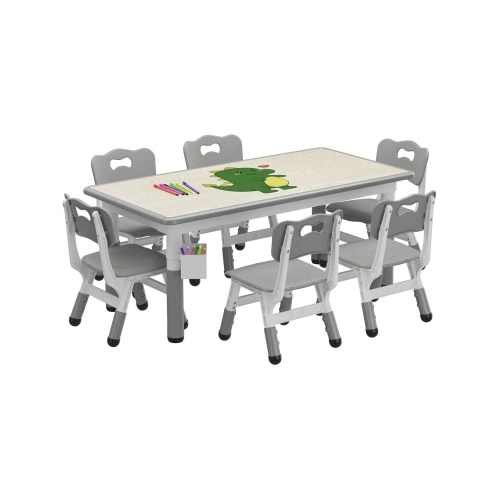
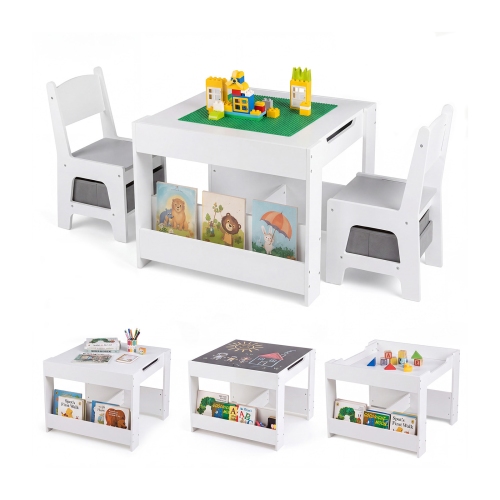
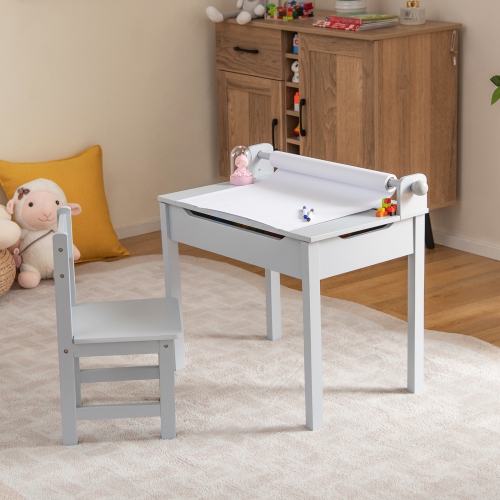
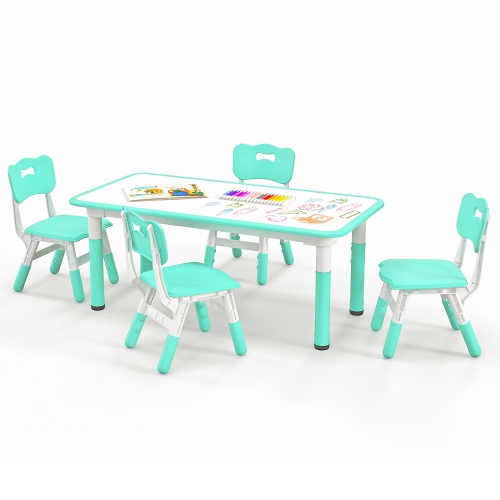
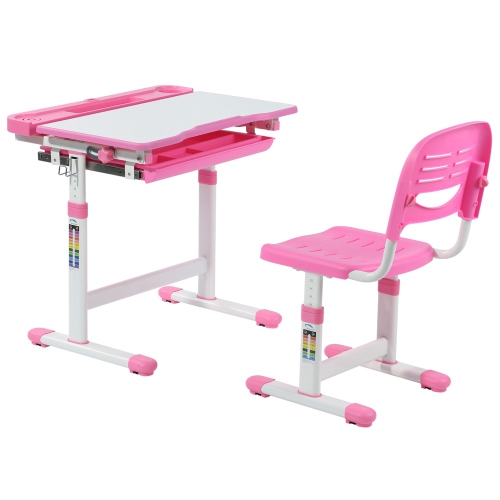
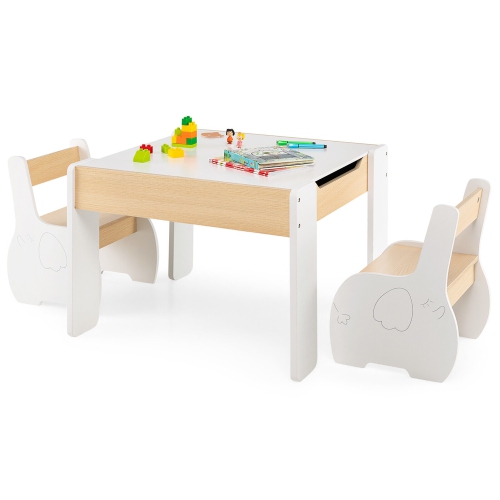
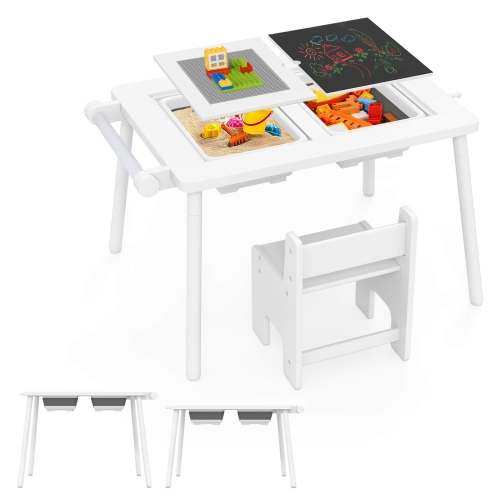
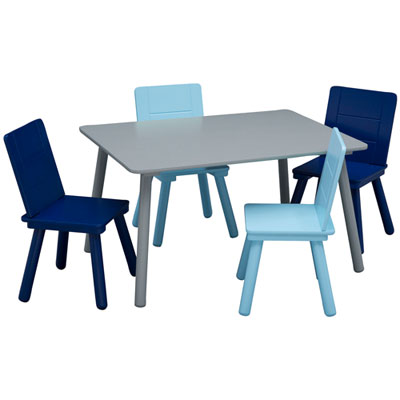
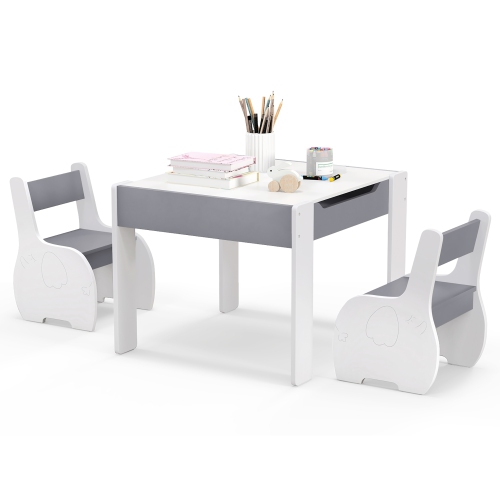
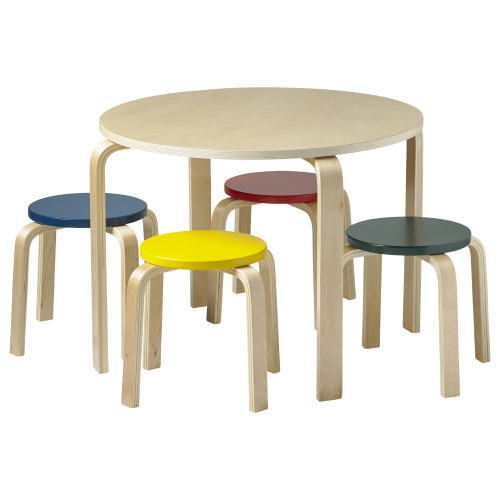
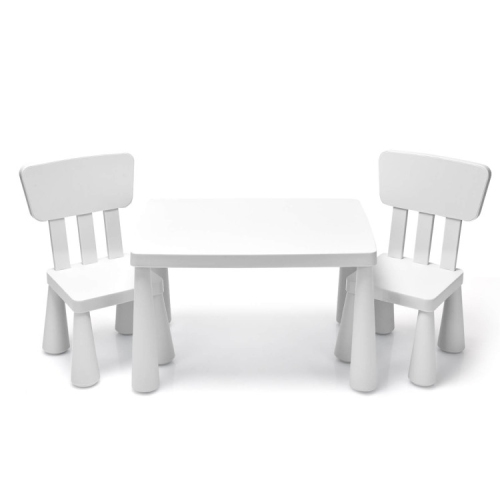
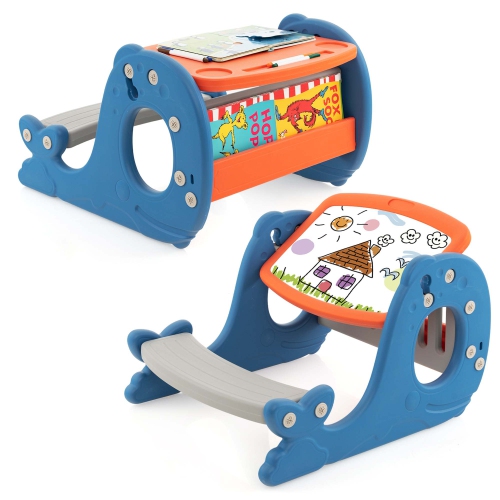
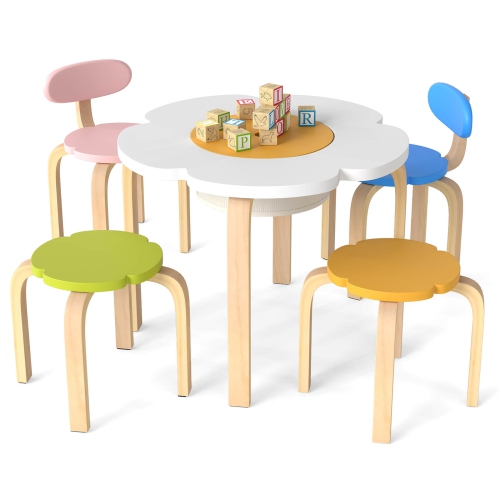
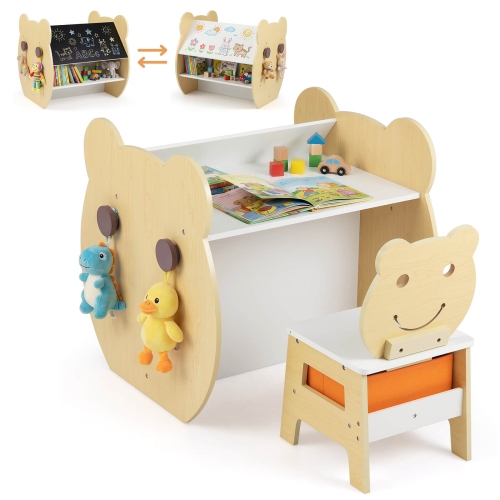
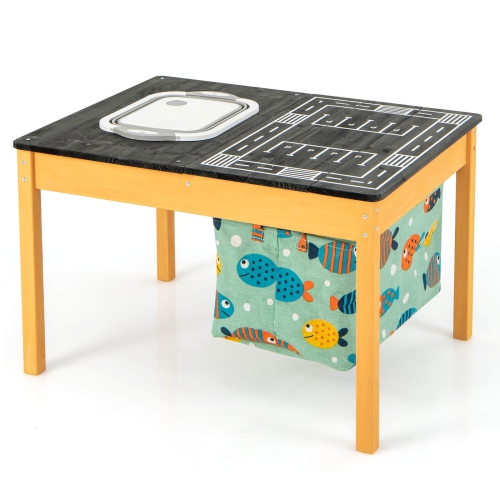
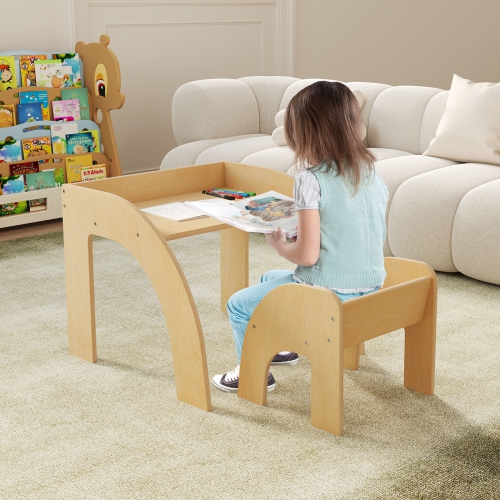
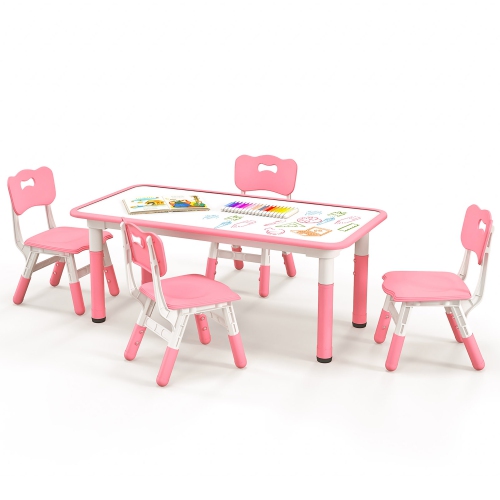
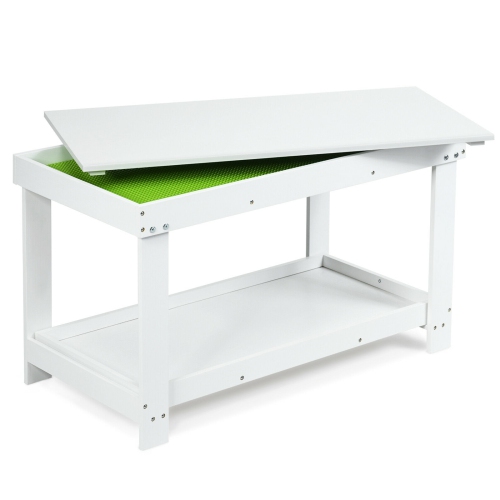
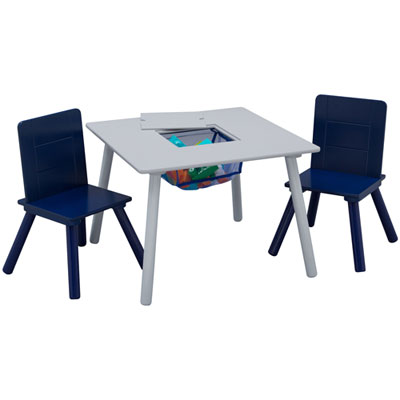
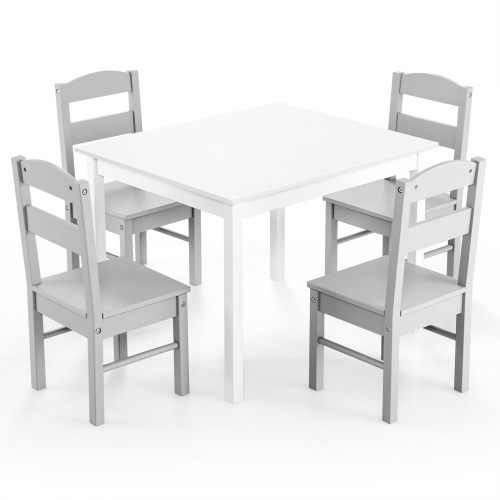
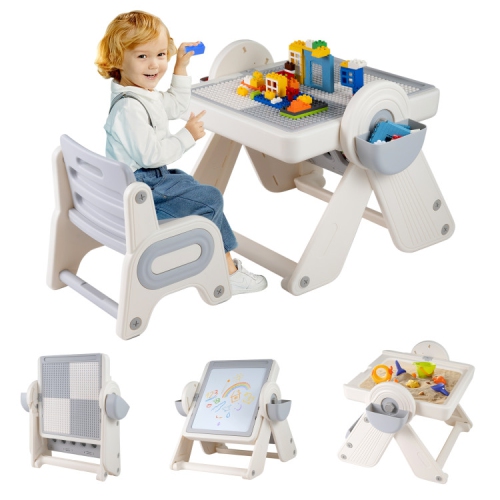
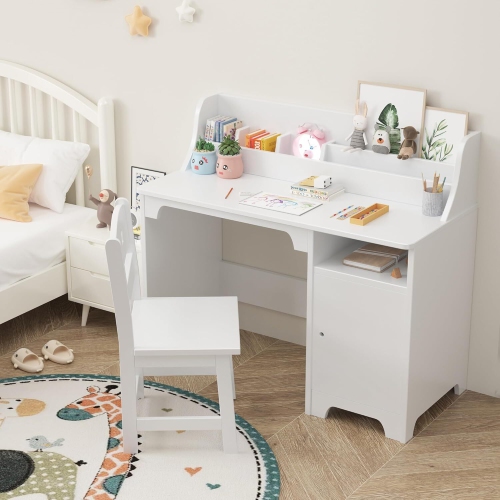
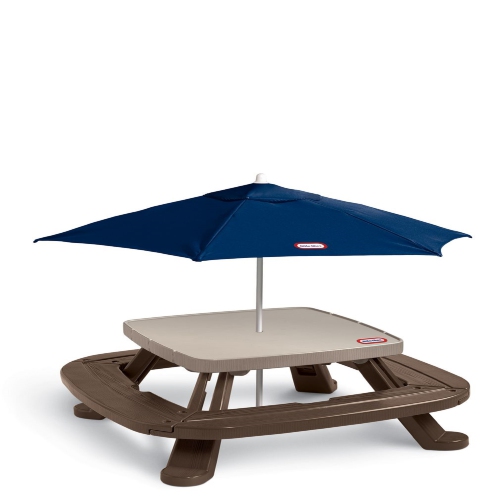
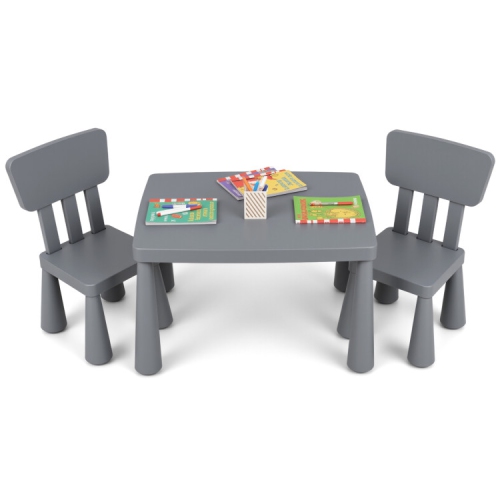
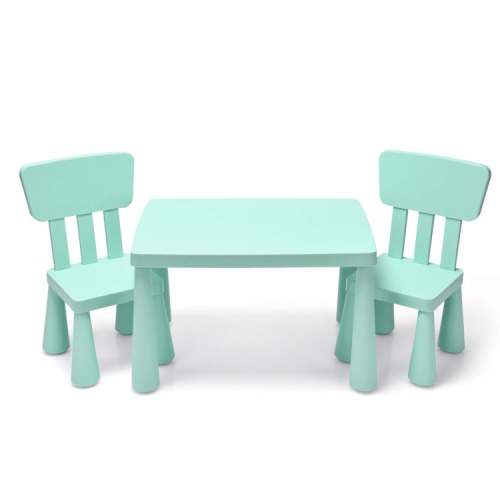
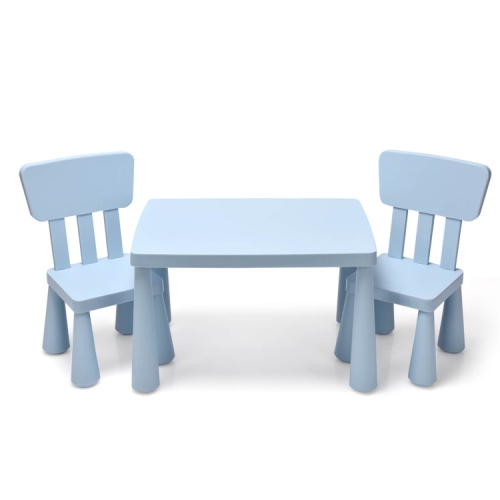
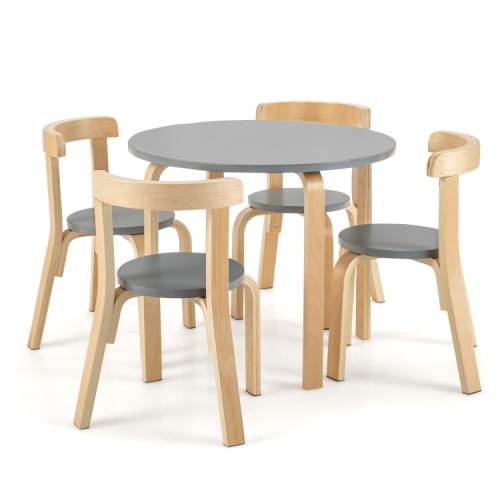
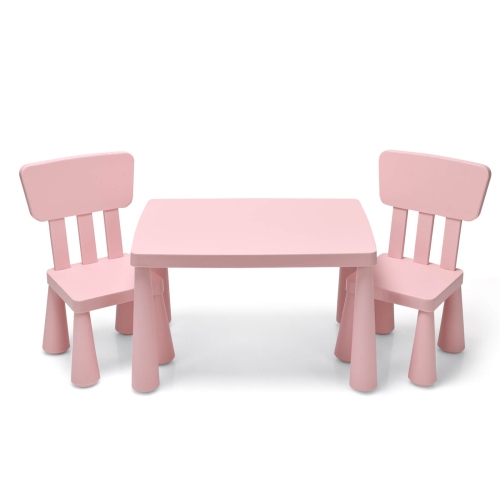
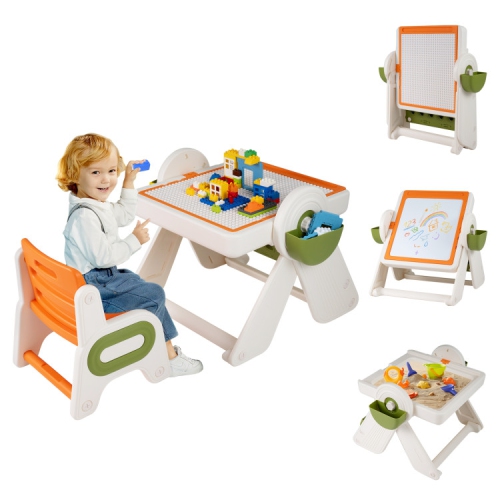
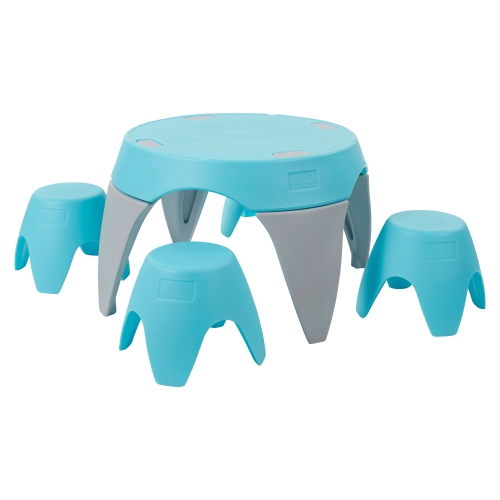
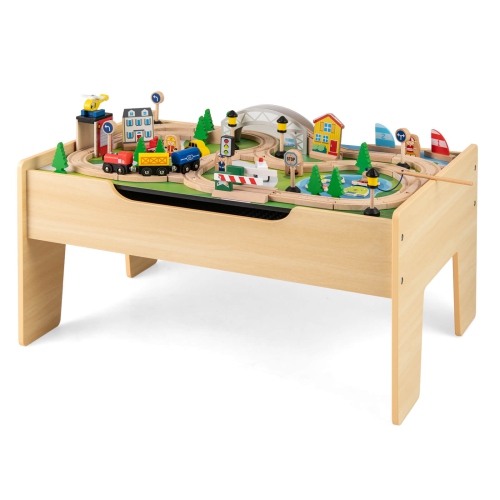
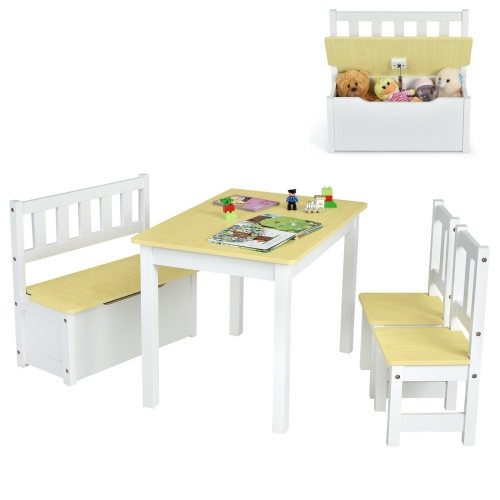
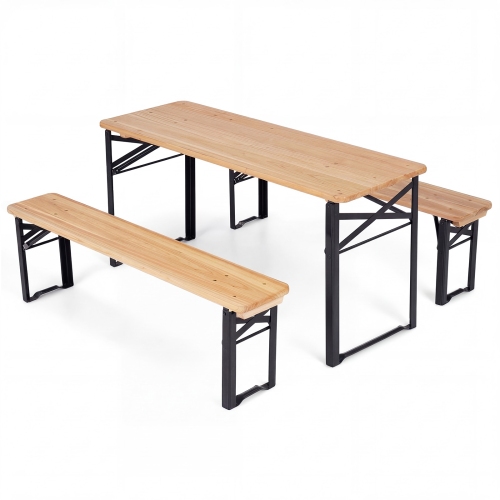
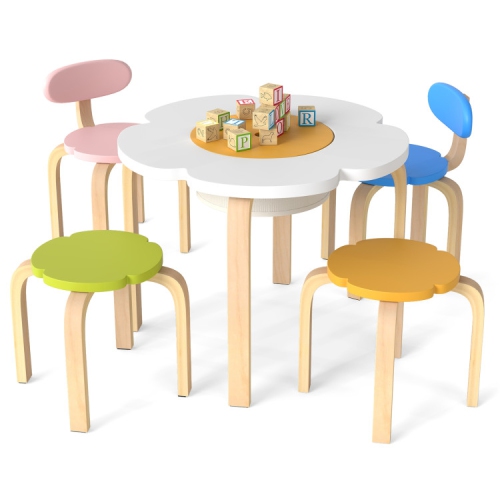
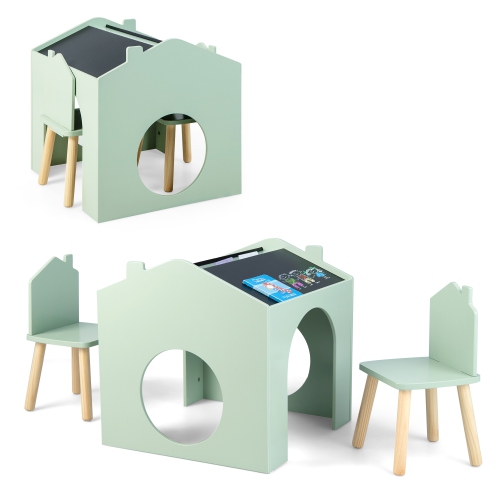
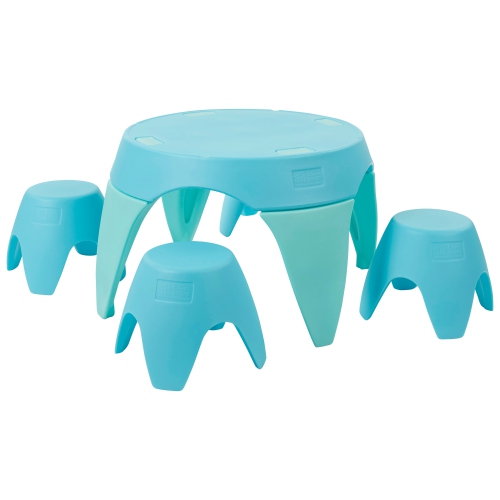
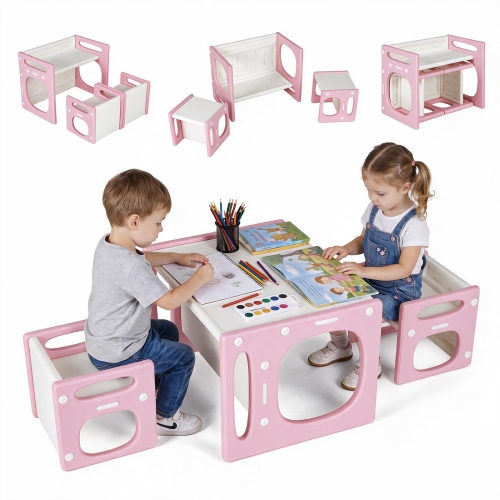
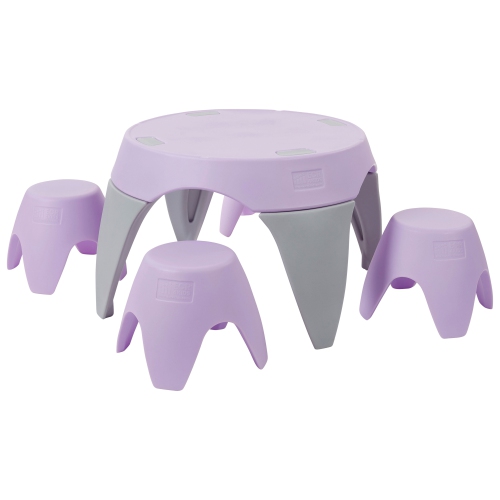
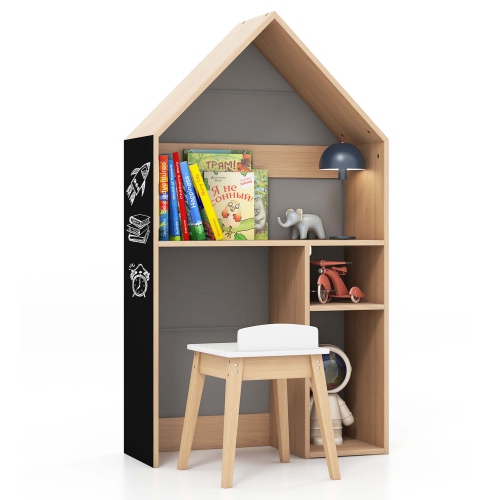
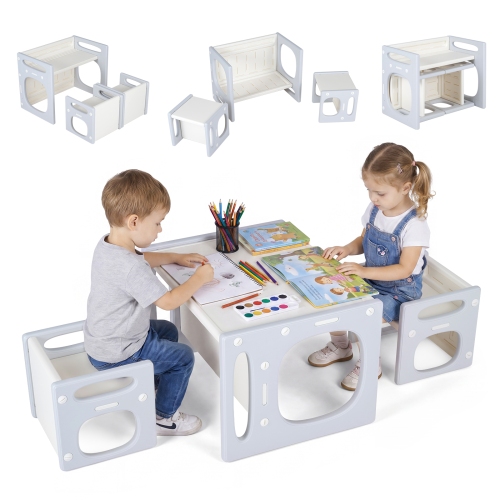
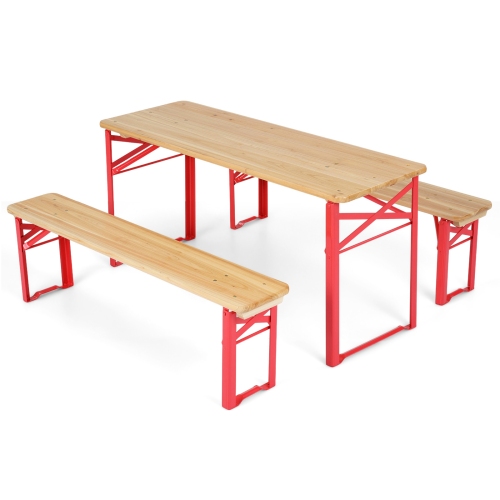
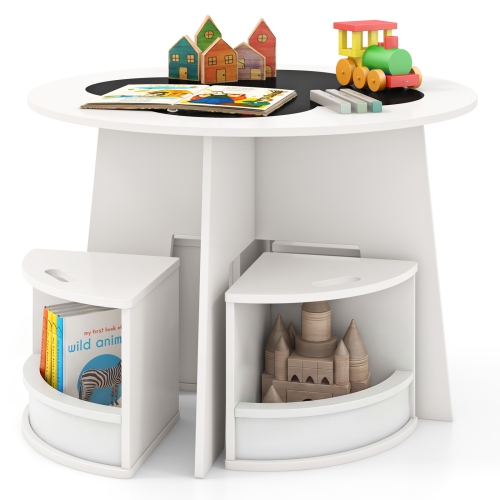
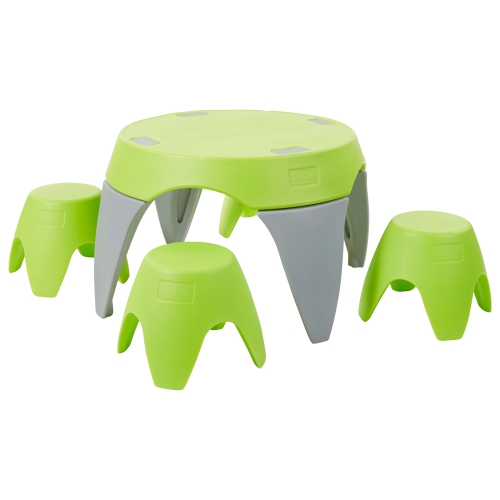
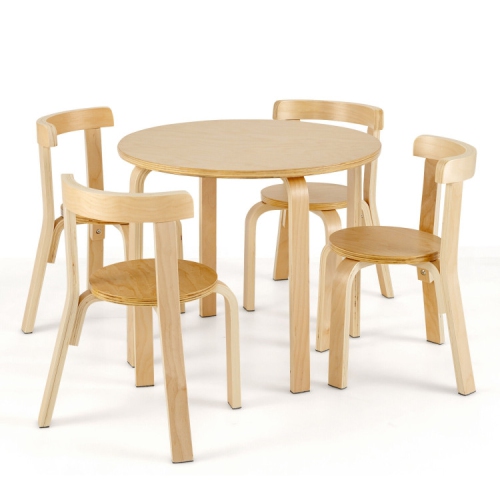
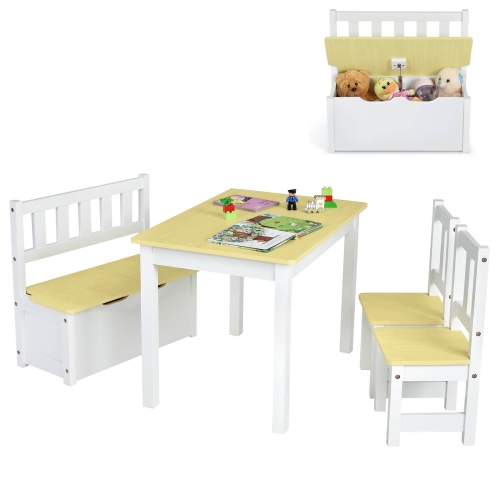
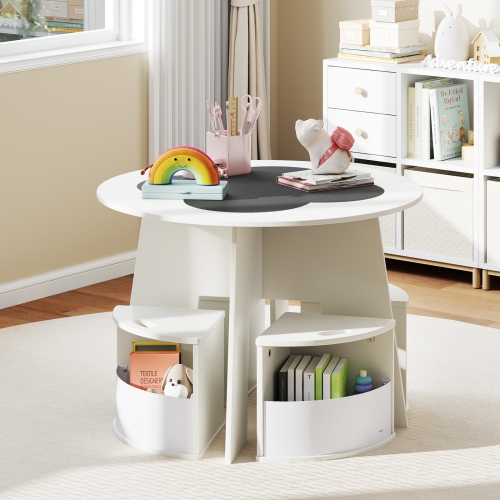
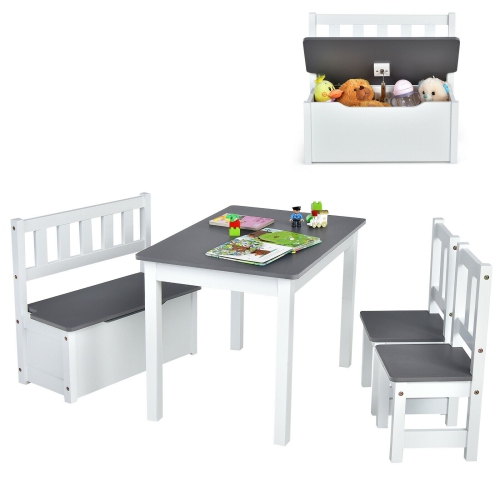
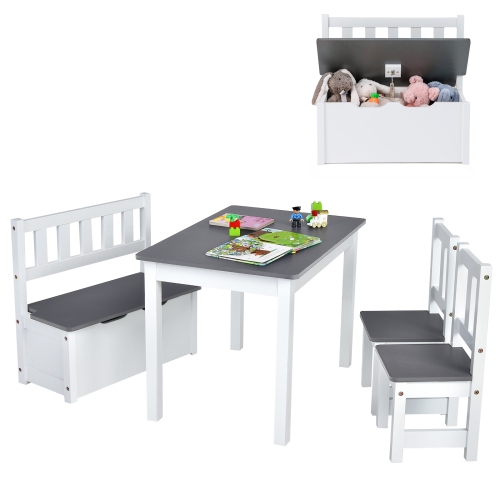
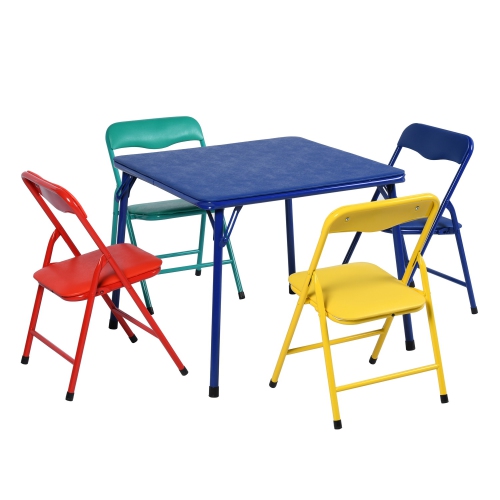
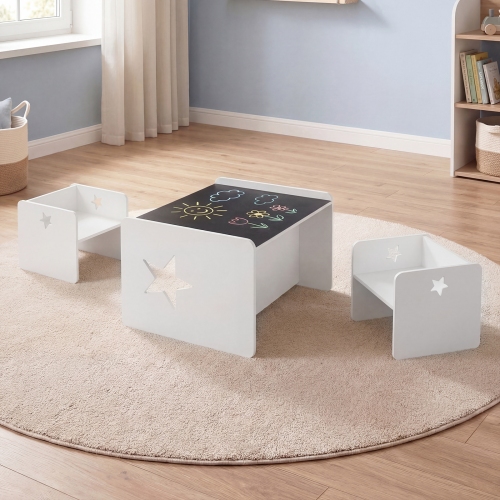
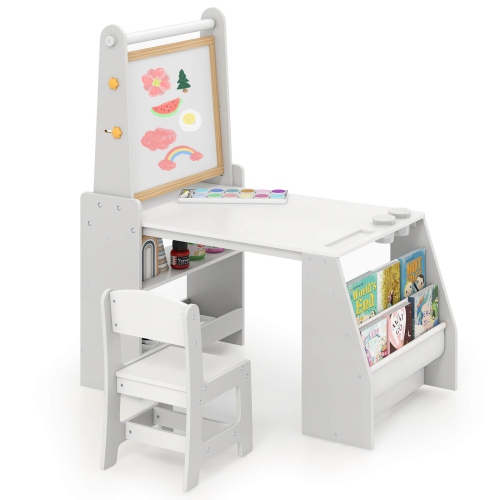
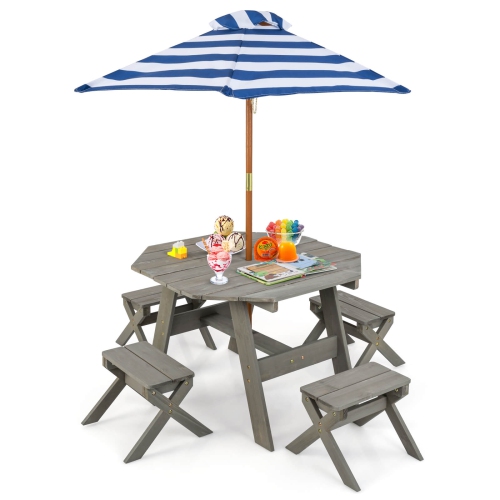
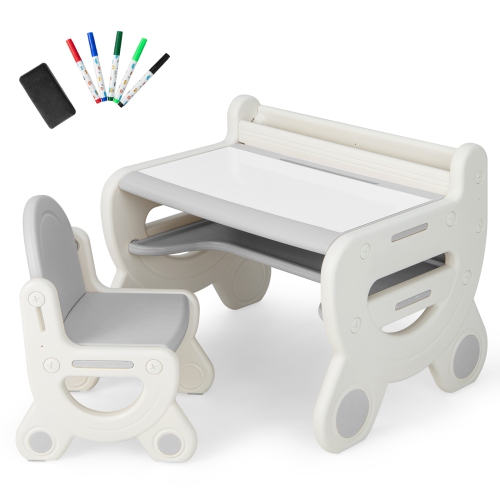
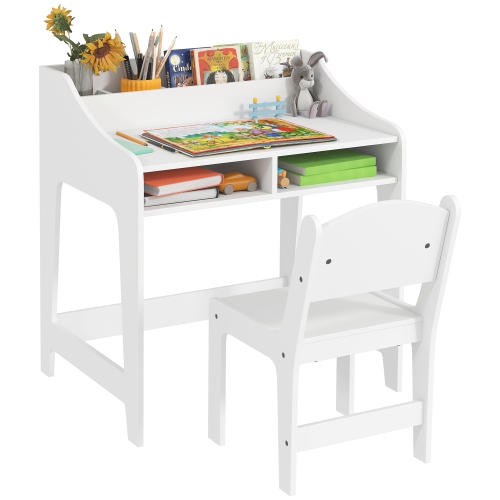
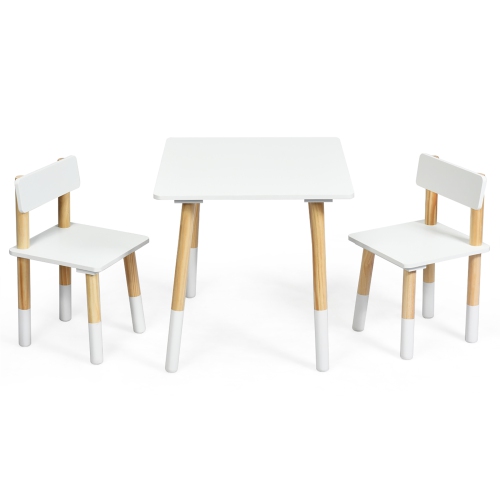
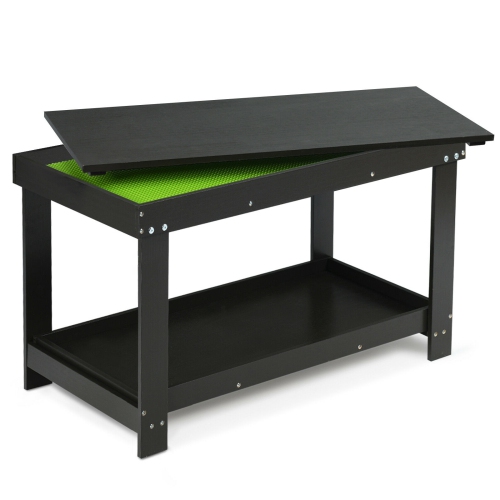
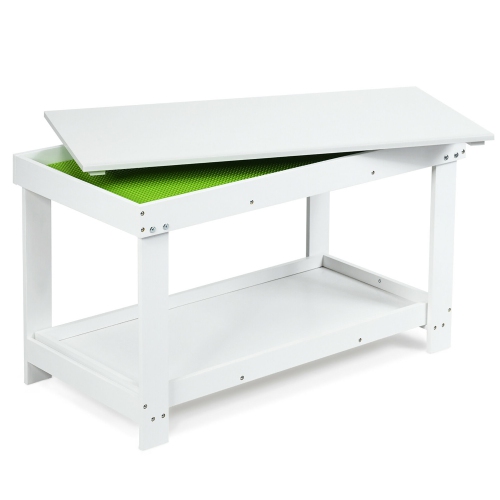
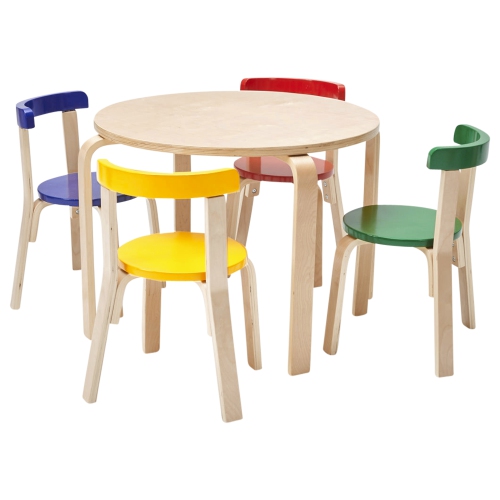
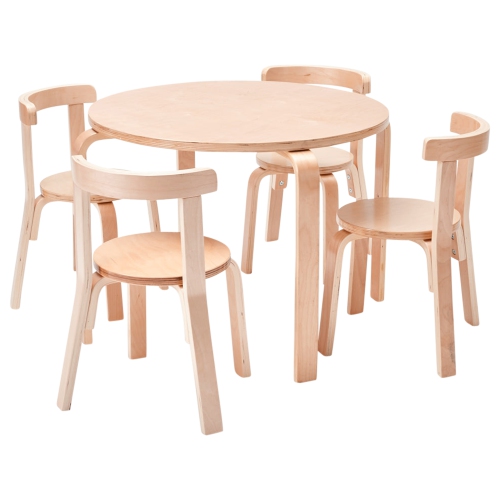
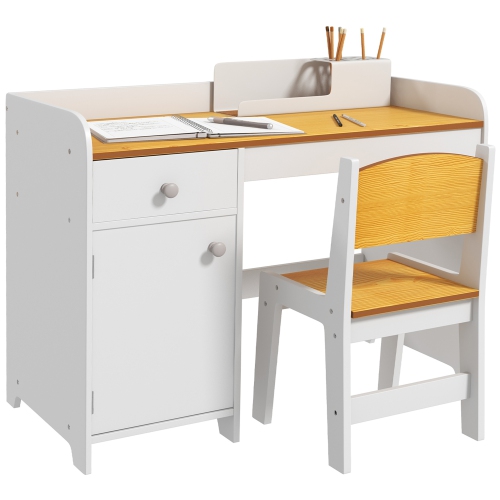
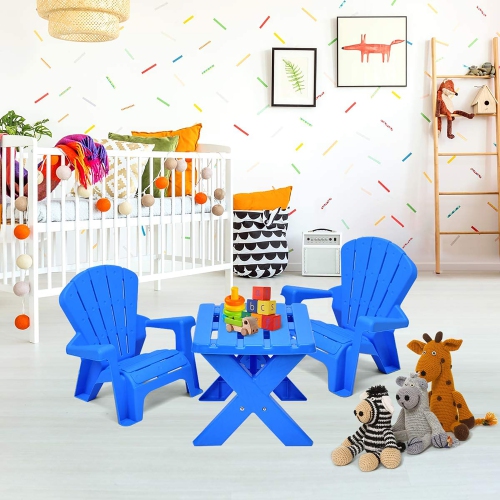
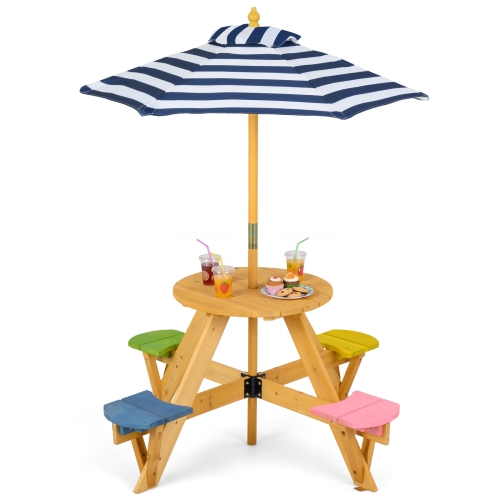
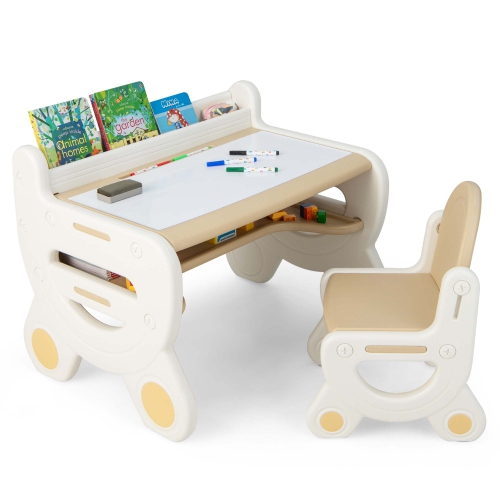
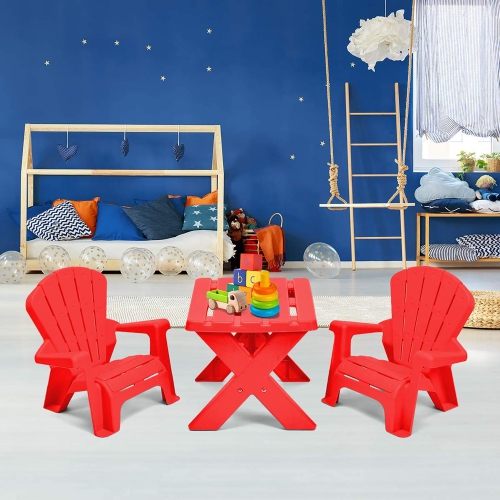
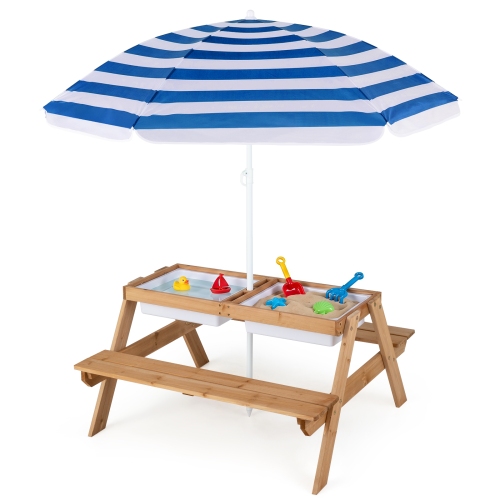
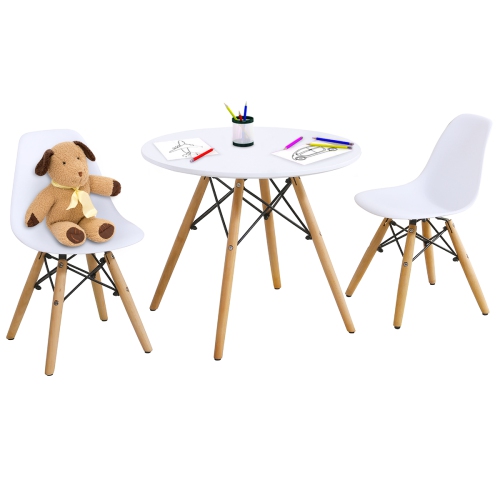
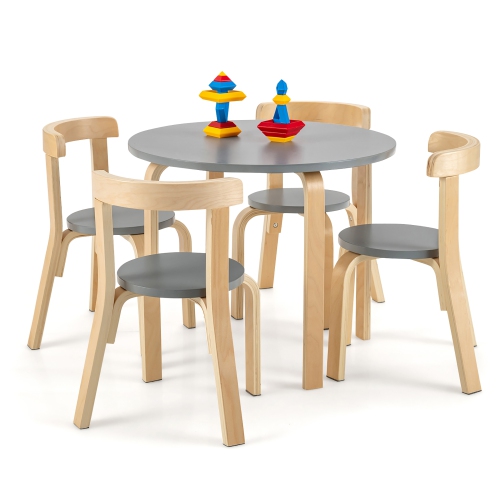
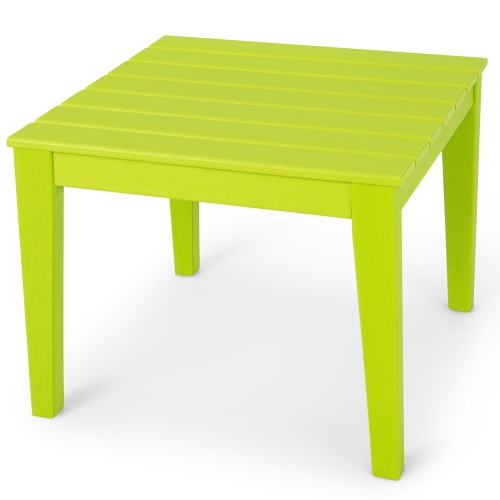
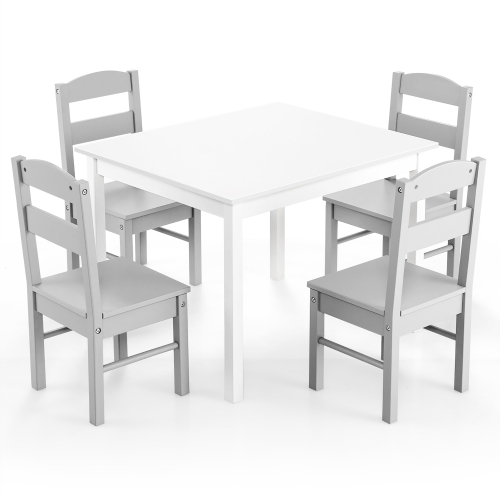
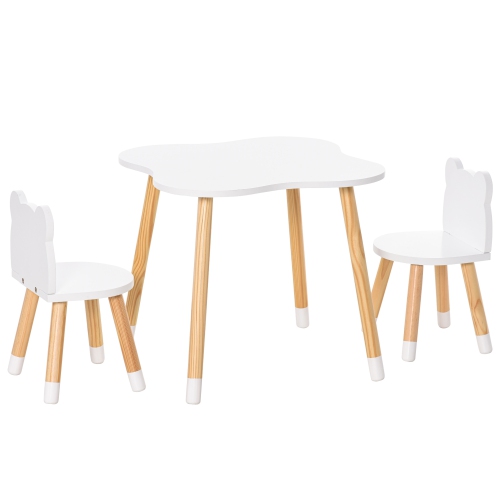

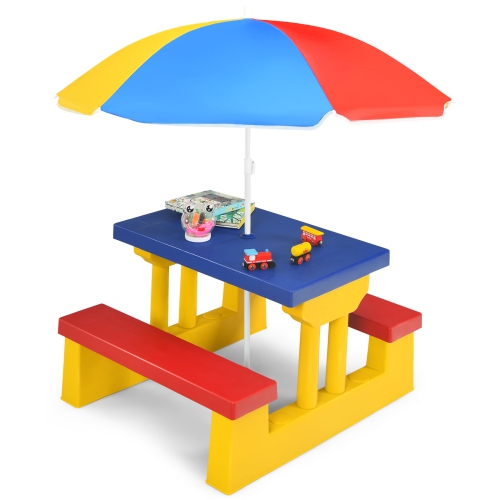
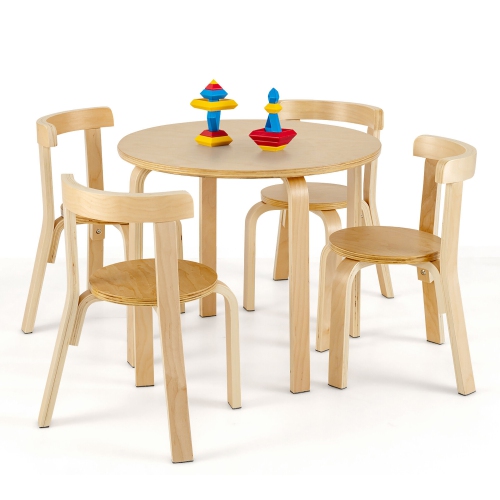

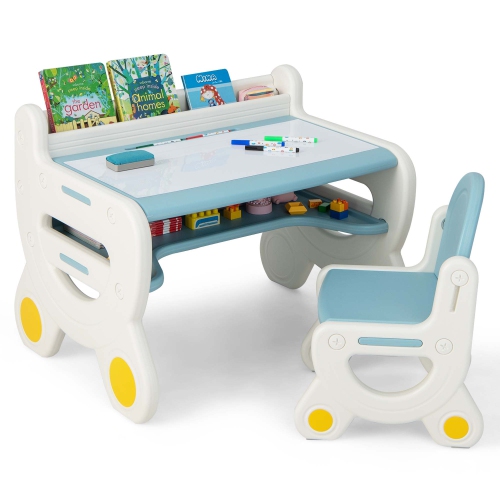
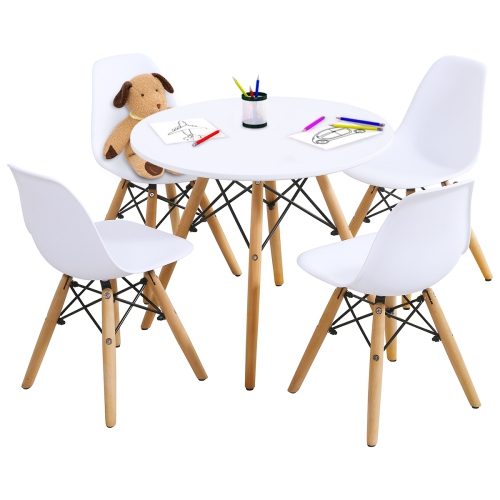
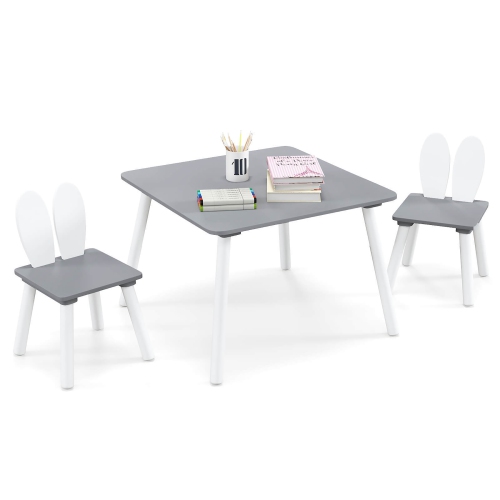
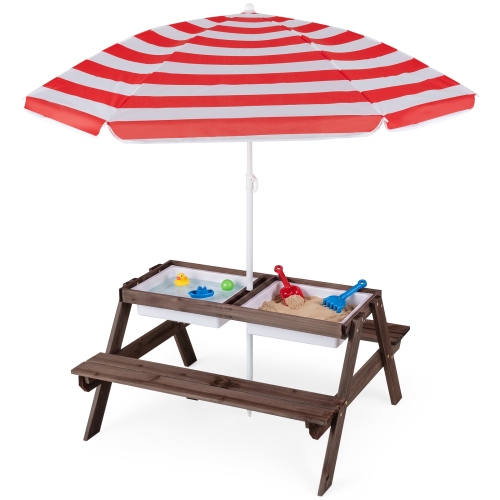
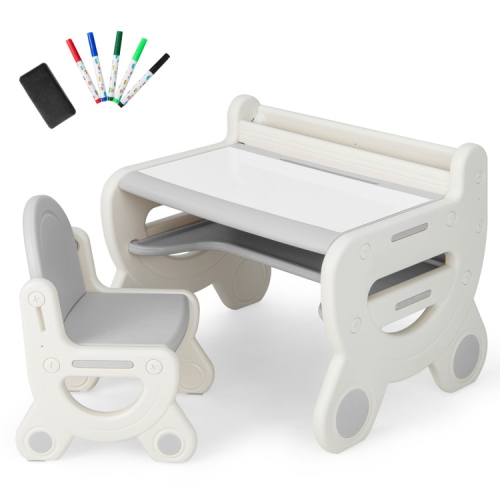
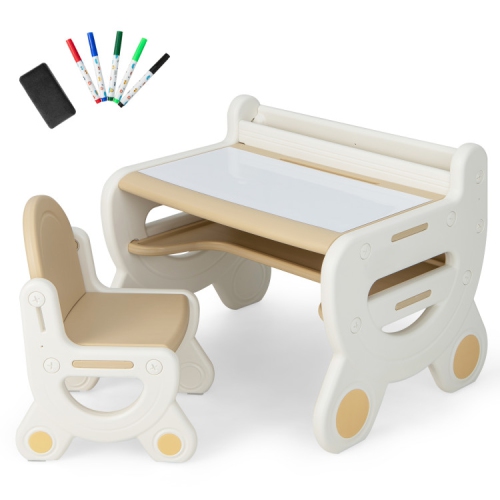
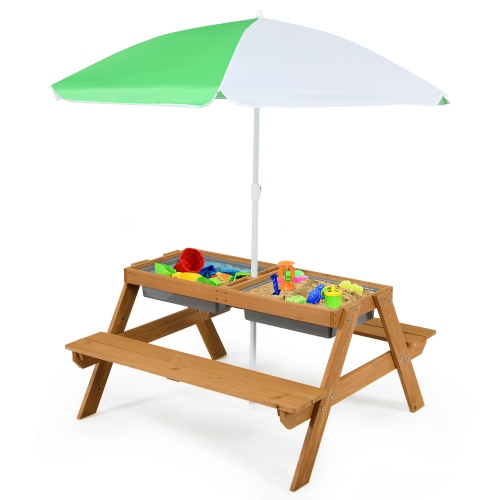
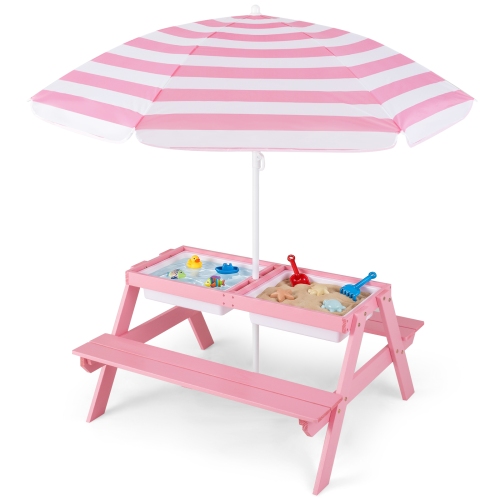
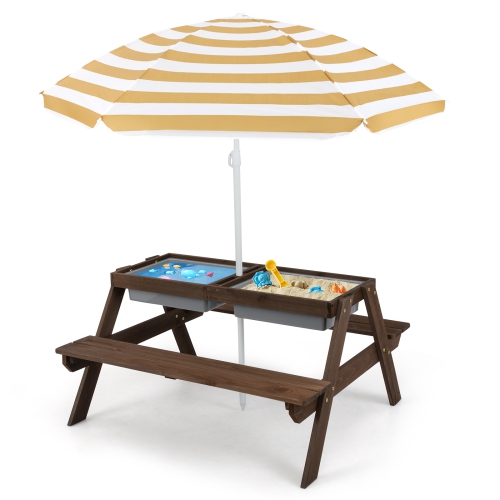
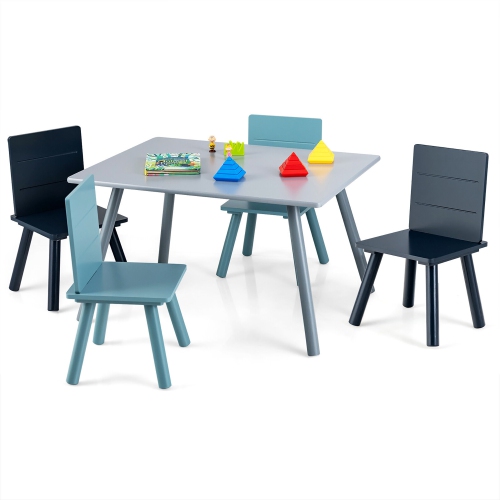
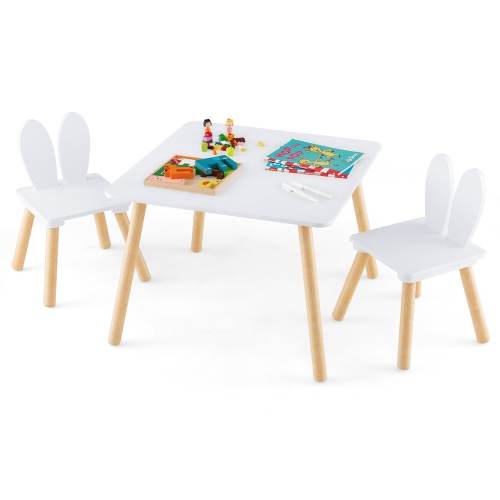
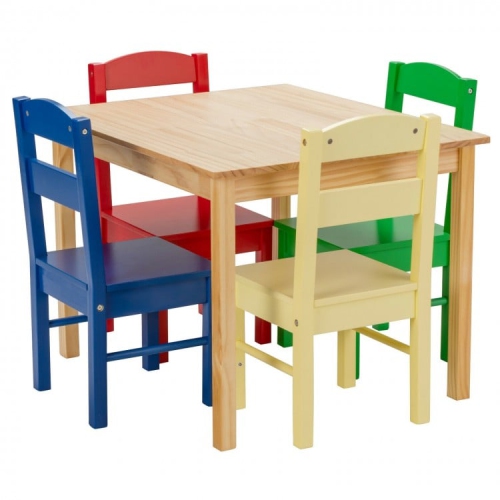
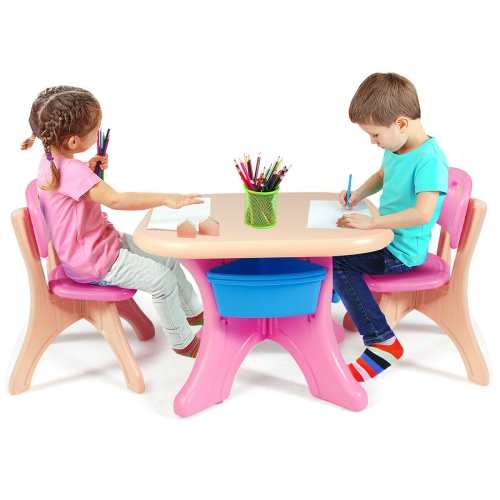
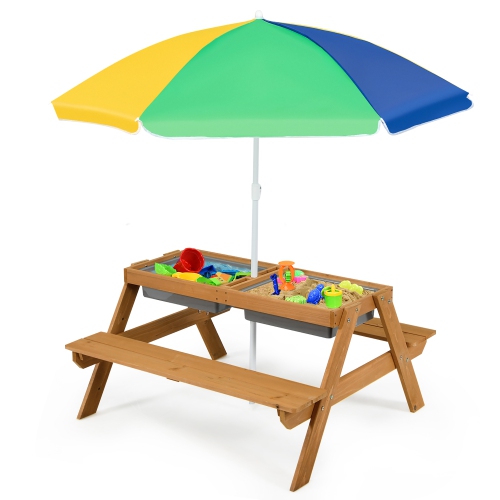
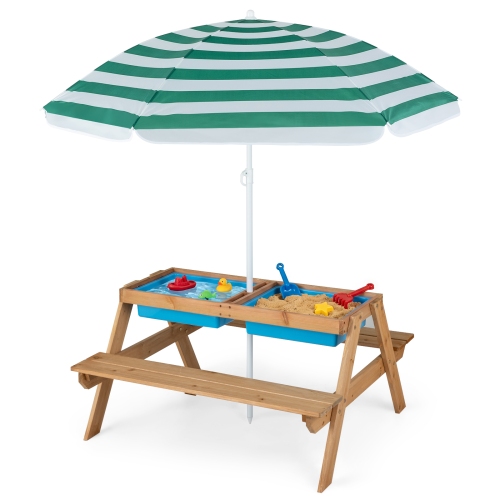
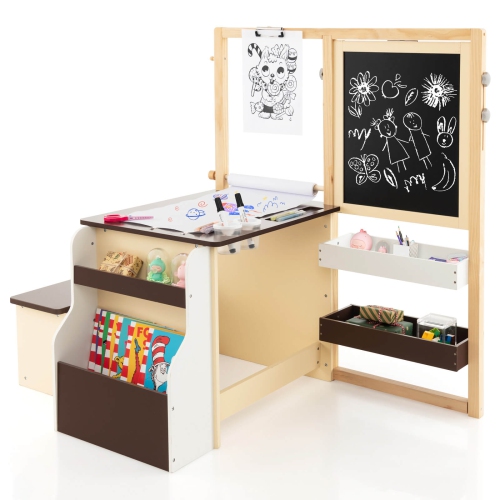
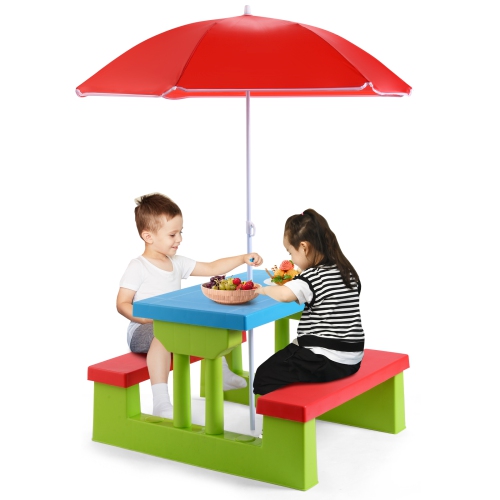
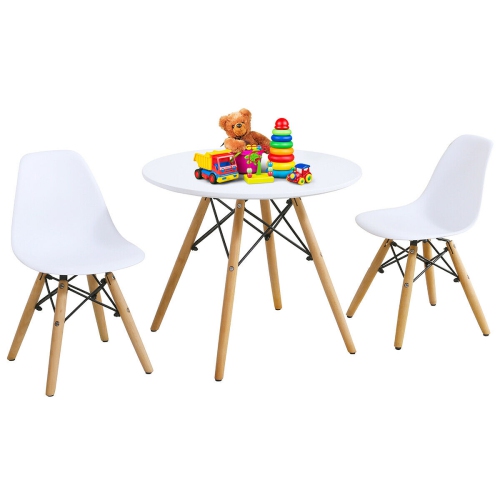
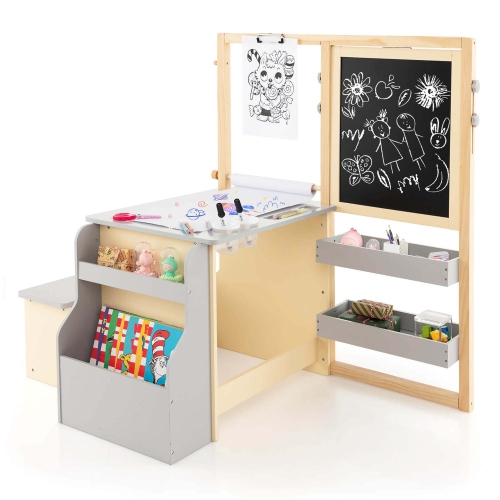
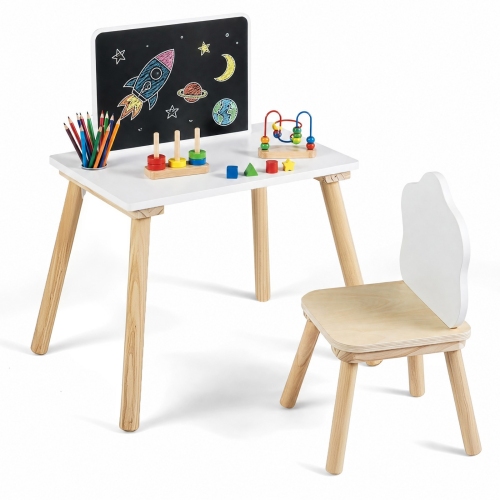
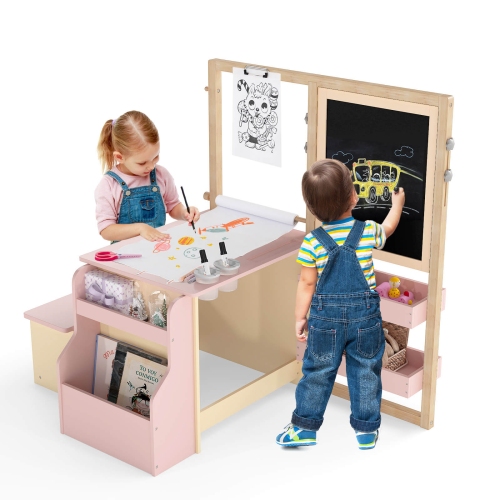
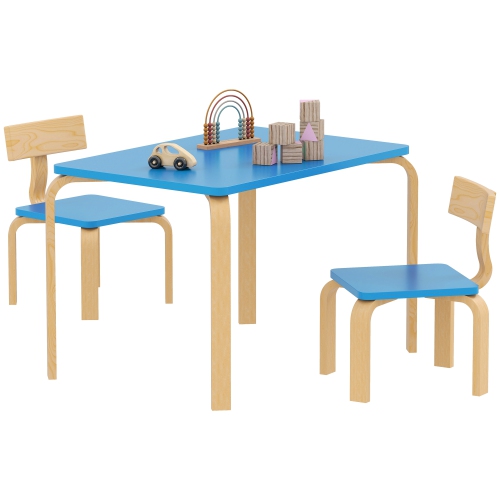
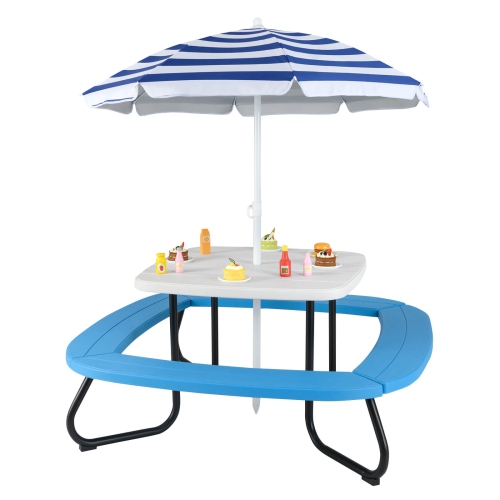
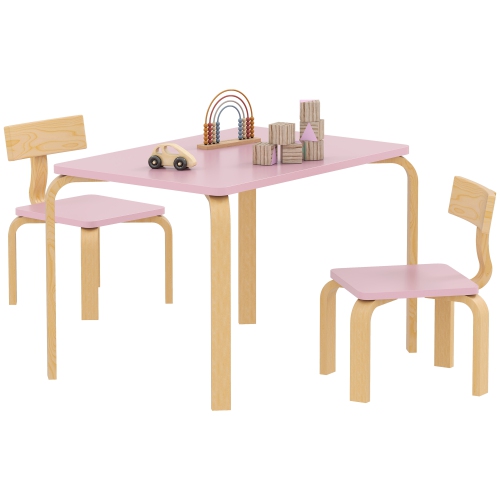

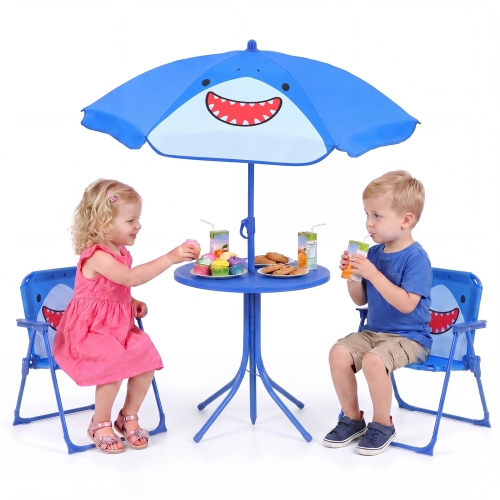
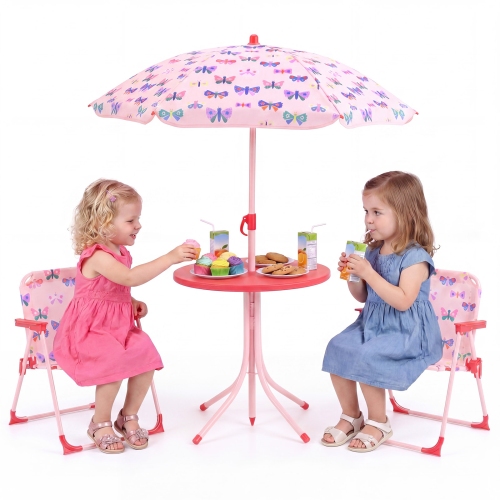
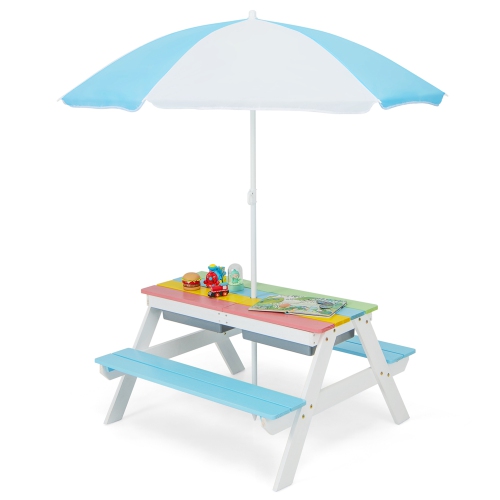
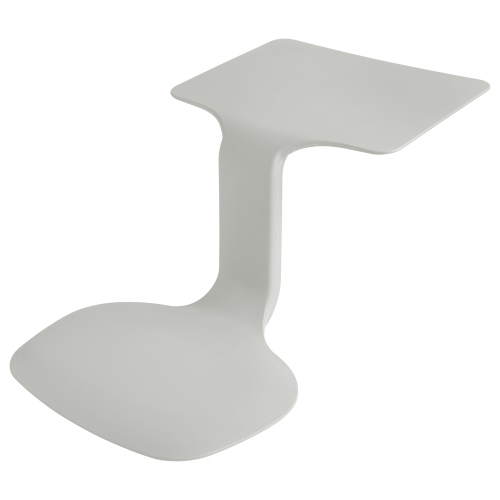
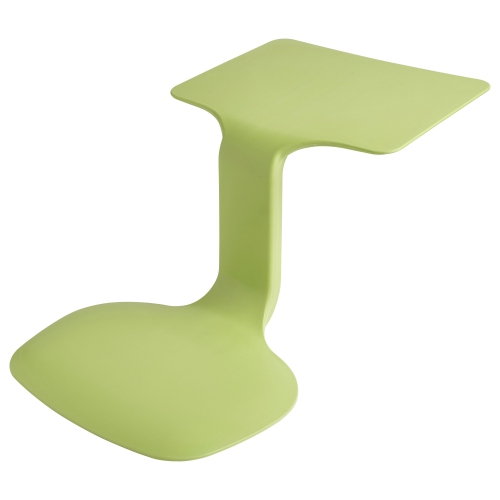
A dedicated workspace for play, learning and creativity
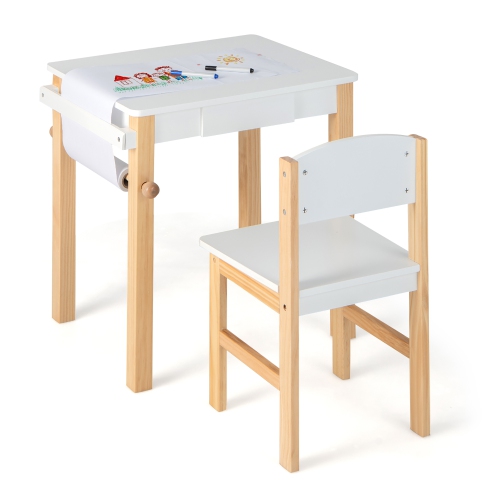
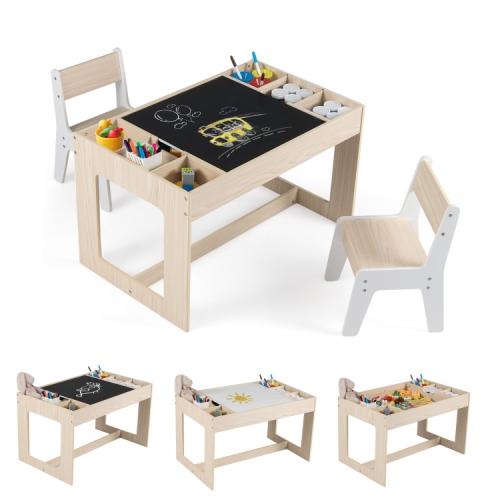
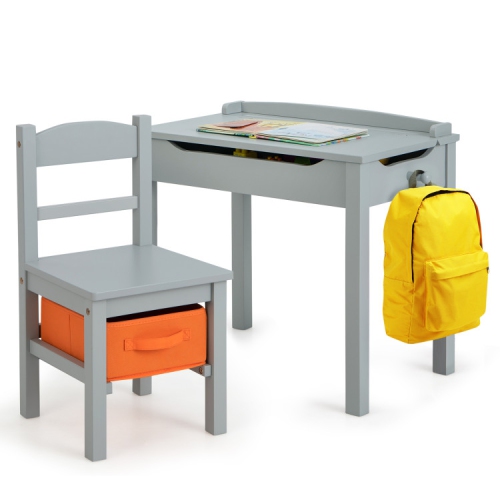
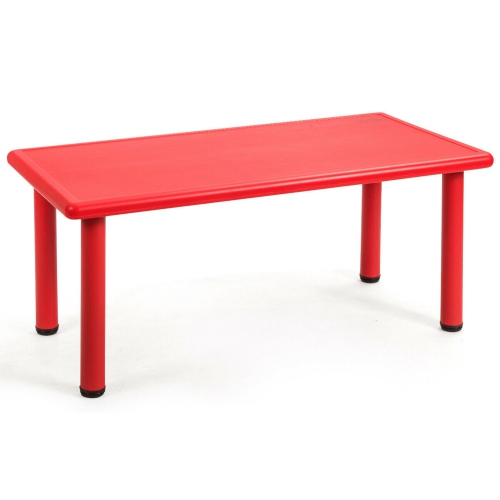
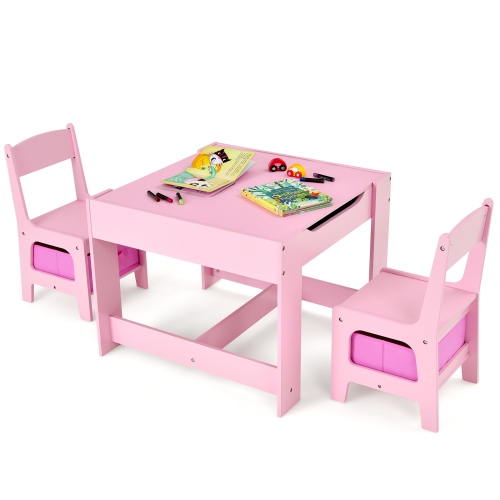
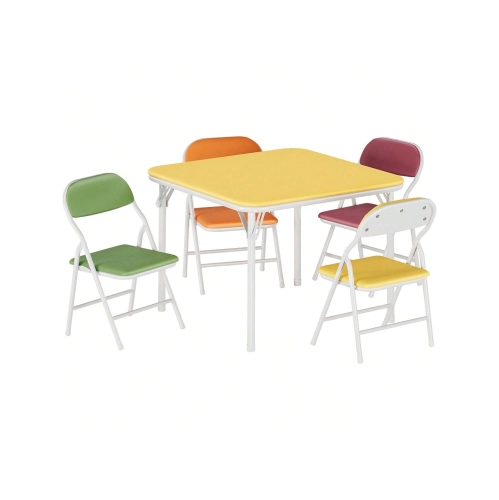
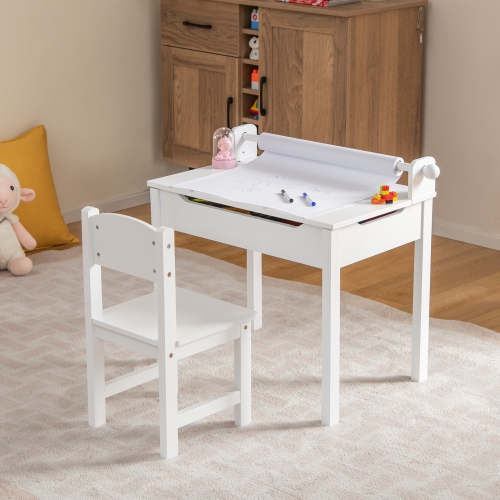
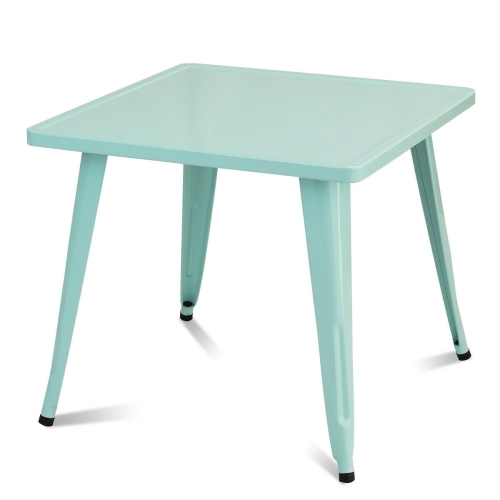
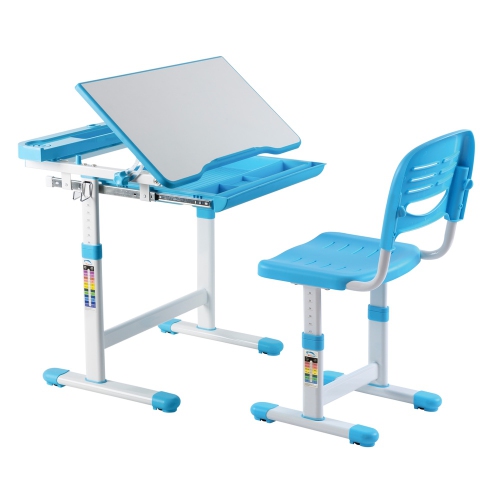
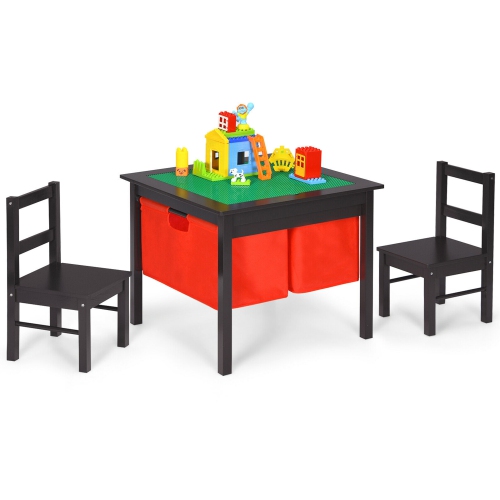
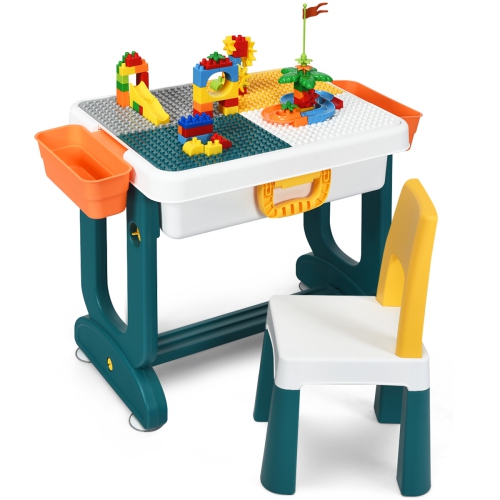
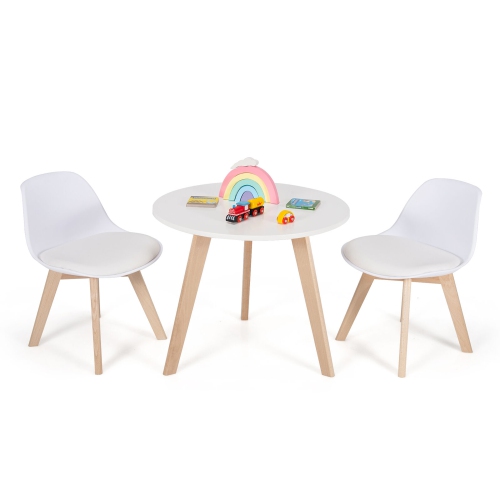
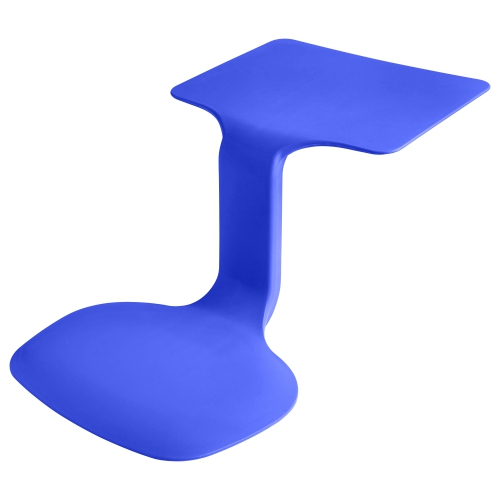
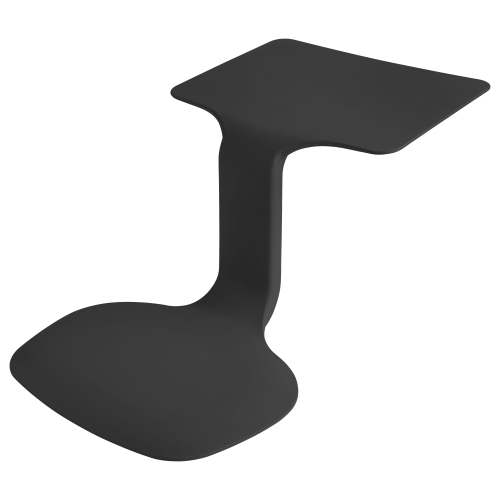
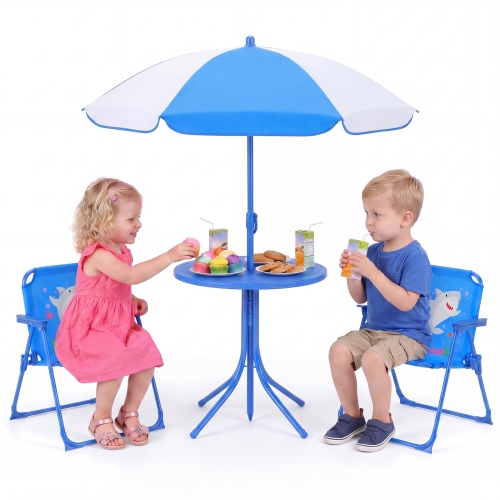
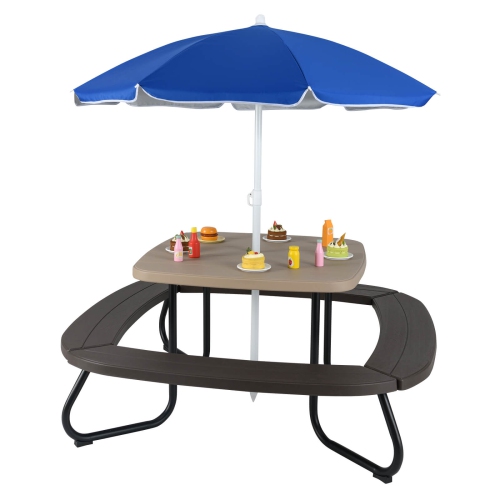
Preschool tables give young children a dedicated place to draw, build, practise early writing skills, share snacks, complete puzzles and explore hands-on activities. A table sized for preschoolers can make a room feel more welcoming and organized, whether it is placed in a family playroom, daycare, early learning centre, classroom, library or community programme. The right height helps children sit comfortably with their feet supported and their arms resting naturally on the surface, making it easier to focus on an activity without stretching or leaning awkwardly. When choosing a table, consider the children’s ages, heights and abilities, as well as how many little learners will use it at once. A compact table may suit a quiet reading corner or a smaller home, while a larger surface can encourage shared play, group art projects and cooperative games. Shape also affects how children interact with one another. Round and square tables can make it easy for everyone to see and talk with each other, while rectangular designs may fit neatly against a wall or create a useful central workspace. Look for sturdy construction that feels stable during everyday use, especially when children are moving chairs, reaching across the surface or setting down books and activity materials. Rounded edges and smooth finishes are practical details for busy spaces, helping create a comfortable setting for supervised play. A surface that wipes clean with minimal effort is also helpful after finger painting, snack time, play dough or the inevitable spills that come with active preschool routines.
Think about how the table will fit into the rhythm of the day before making a selection. In the morning, it might hold crayons, washable markers and sheets of paper for a few children working side by side. Later, the same surface can become a pretend bakery, a train-building station, a spot for sorting blocks by colour or a place for a caregiver to read a short story to a small group. During cooler months, when children may spend more time indoors, a well-planned activity table can help divide a room into inviting zones without making the space feel crowded. Consider the available floor area, doorways and storage nearby, along with whether the table will remain in one location or be moved between rooms. A lighter design can be convenient for flexible play areas, while a heavier, more substantial table may be a better fit for a permanent classroom setting. It is worth checking the recommended age range and dimensions, then comparing them with the chairs or seating already available. Children should be able to sit down and stand up with ease, and there should be enough room for their elbows, activity supplies and the occasional enthusiastic elbow bump. Materials and finishes may also influence the best choice. Smooth plastic can be convenient for craft rooms and snack areas, while wood-look or other home-friendly finishes can blend into a playroom or living space. Storage baskets, art supplies and books can be kept close by, but leaving enough open space around the table helps children move safely and allows adults to supervise comfortably. For a broader look at coordinated pieces for learning spaces, explore Preschool Classroom Furniture.
Preschool tables can be a thoughtful gift for families preparing a playroom, welcoming a new stage of independent learning or creating a more engaging indoor area for siblings. They can also be useful for grandparents, childcare providers and relatives who want to give a practical present that supports everyday creativity rather than a single type of play. Picture a child settling in after breakfast with a stack of picture books, then returning after lunch to make a paper collage, line up toy animals or practise writing the first letters of their name. Having a consistent workspace gives these small routines a sense of importance and can encourage children to tidy materials, take turns and work alongside others. For group settings, matching tables or complementary shapes can help educators arrange stations for art, sensory activities, building and quiet work. For home use, a single table may serve several children at different times of day, from a toddler practising simple stacking games to an older preschooler completing a craft with an adult nearby. Prioritize designs that suit the way the space is actually used, rather than choosing a table based only on appearance. Check that the dimensions are appropriate, the base does not wobble, and the finish feels smooth and easy to maintain. If the table will be used for meals or messy projects, a surface that can be cleaned promptly is especially valuable. If it will anchor a reading or drawing area, comfort, proportions and available lighting may matter more. With the right fit, a preschool table becomes more than a piece of furniture: it is a reliable little workspace where children can imagine, practise, collaborate and make discoveries at their own pace.
Think about how the table will fit into the rhythm of the day before making a selection. In the morning, it might hold crayons, washable markers and sheets of paper for a few children working side by side. Later, the same surface can become a pretend bakery, a train-building station, a spot for sorting blocks by colour or a place for a caregiver to read a short story to a small group. During cooler months, when children may spend more time indoors, a well-planned activity table can help divide a room into inviting zones without making the space feel crowded. Consider the available floor area, doorways and storage nearby, along with whether the table will remain in one location or be moved between rooms. A lighter design can be convenient for flexible play areas, while a heavier, more substantial table may be a better fit for a permanent classroom setting. It is worth checking the recommended age range and dimensions, then comparing them with the chairs or seating already available. Children should be able to sit down and stand up with ease, and there should be enough room for their elbows, activity supplies and the occasional enthusiastic elbow bump. Materials and finishes may also influence the best choice. Smooth plastic can be convenient for craft rooms and snack areas, while wood-look or other home-friendly finishes can blend into a playroom or living space. Storage baskets, art supplies and books can be kept close by, but leaving enough open space around the table helps children move safely and allows adults to supervise comfortably. For a broader look at coordinated pieces for learning spaces, explore Preschool Classroom Furniture.
Preschool tables can be a thoughtful gift for families preparing a playroom, welcoming a new stage of independent learning or creating a more engaging indoor area for siblings. They can also be useful for grandparents, childcare providers and relatives who want to give a practical present that supports everyday creativity rather than a single type of play. Picture a child settling in after breakfast with a stack of picture books, then returning after lunch to make a paper collage, line up toy animals or practise writing the first letters of their name. Having a consistent workspace gives these small routines a sense of importance and can encourage children to tidy materials, take turns and work alongside others. For group settings, matching tables or complementary shapes can help educators arrange stations for art, sensory activities, building and quiet work. For home use, a single table may serve several children at different times of day, from a toddler practising simple stacking games to an older preschooler completing a craft with an adult nearby. Prioritize designs that suit the way the space is actually used, rather than choosing a table based only on appearance. Check that the dimensions are appropriate, the base does not wobble, and the finish feels smooth and easy to maintain. If the table will be used for meals or messy projects, a surface that can be cleaned promptly is especially valuable. If it will anchor a reading or drawing area, comfort, proportions and available lighting may matter more. With the right fit, a preschool table becomes more than a piece of furniture: it is a reliable little workspace where children can imagine, practise, collaborate and make discoveries at their own pace.
Top selling and popular products
-
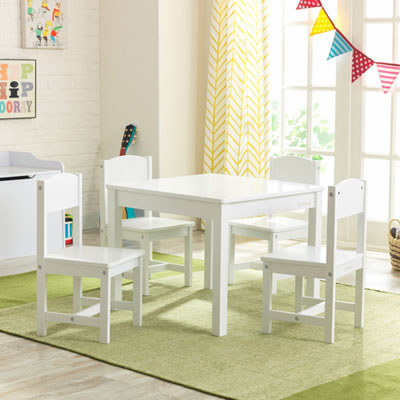 Your price for this item is $199.99
 -
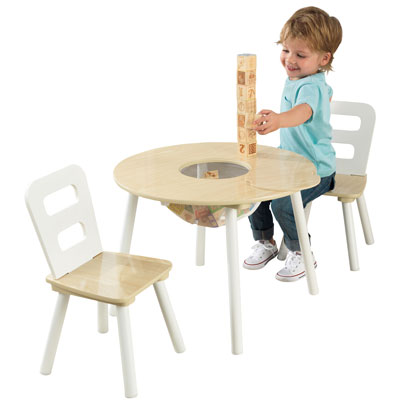 Your price for this item is $109.99
 -
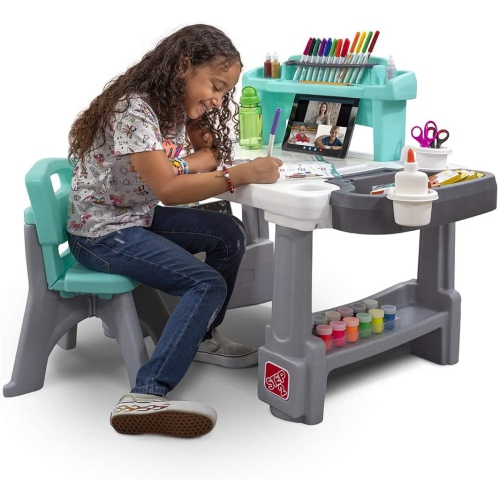 Your price for this item is $395.66
 -
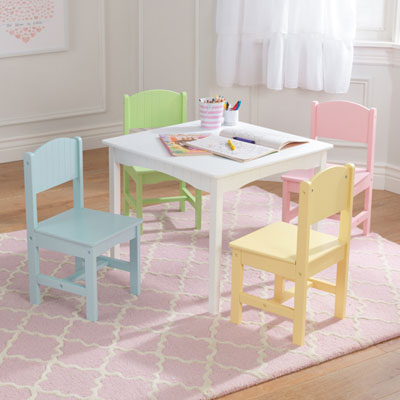 Your price for this item is $165.98
 -
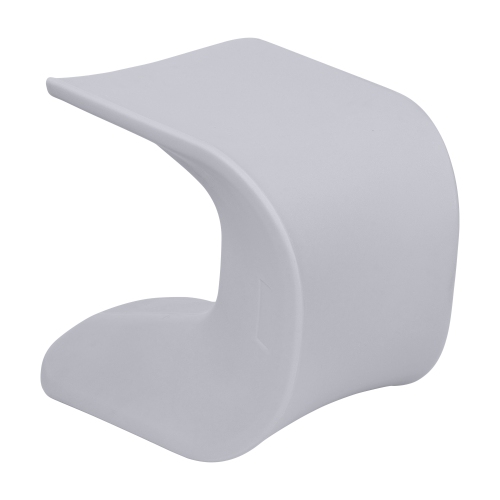 Your price for this item is $174.99
 -
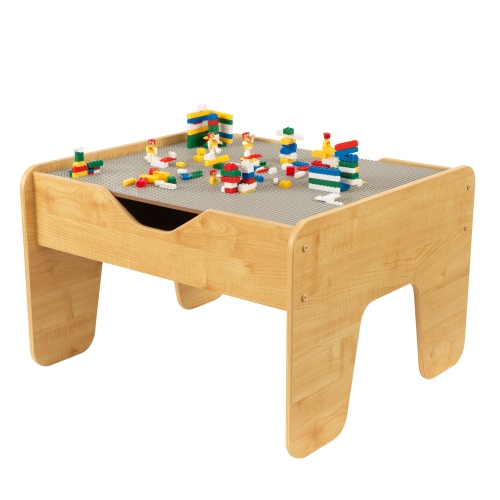 Your price for this item is $89.99
 -
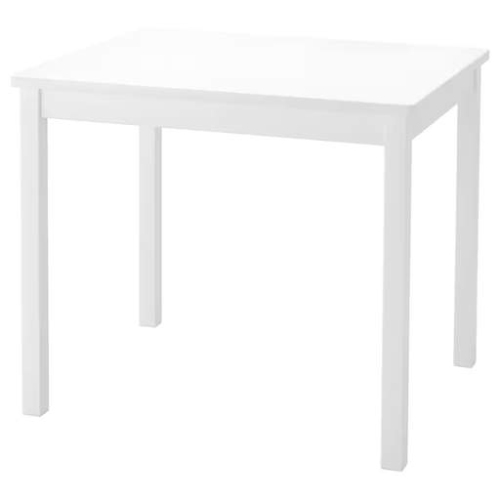 Your price for this item is $96.99
 -
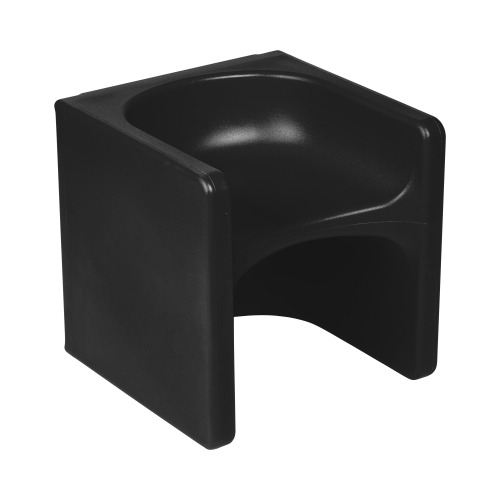 Your price for this item is $124.99
Discover more categories related to Preschool Tables
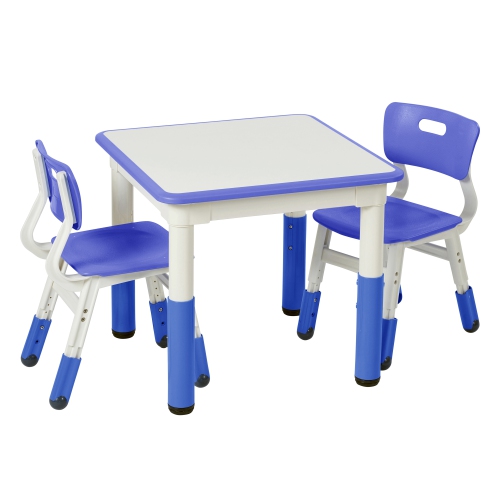
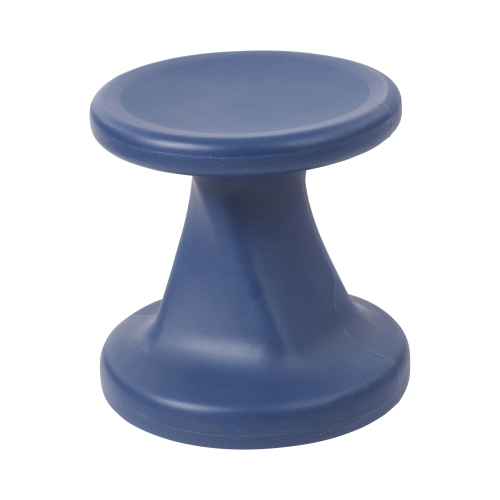
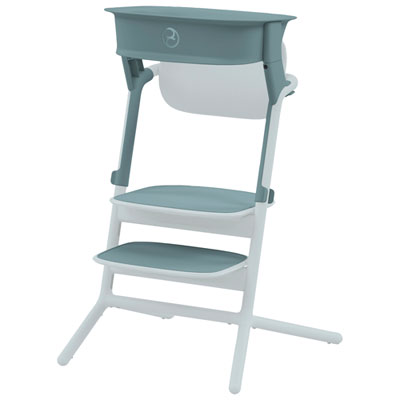
Top Collections:
Pokemon Centers, Best Cameras for Sports Photography, Kindle Devices, Samsung Galaxy Phones, Canon G7X Cameras, Pokémon 30th Celebration Cards, Refurbished Apple Laptops, iPhone 15 Apple, Laptops for Students, Budget Smartphones
Some products may be subject to Environmental Handling Fees
(EHF) depending on your province.
Learn more about EHFs.