Crib Blankets
Creating a cozy and safe sleep environment for your little one is a top priority for any parent, and crib blankets play an essential role in achieving that. Soft, snug, and designed with your baby's comfort in mind, these blankets come in a variety of materials, colors, and patterns to match any nursery decor. Whether you're looking for something lightweight for warmer nights or a plush option for cooler seasons, the right crib blanket ensures your baby stays comfortable all night long. Explore our selection to find the perfect blend of style and functionality that will keep your baby wrapped in warmth and love.
Sort












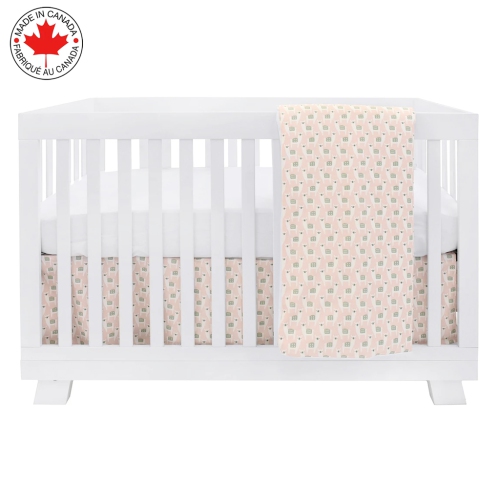


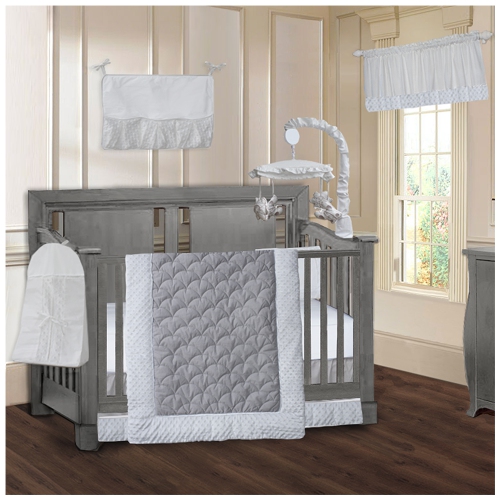
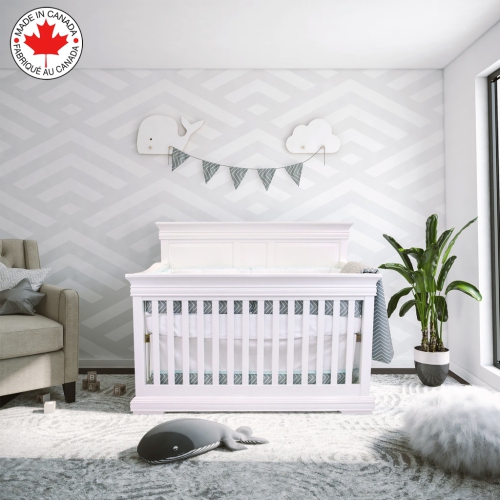

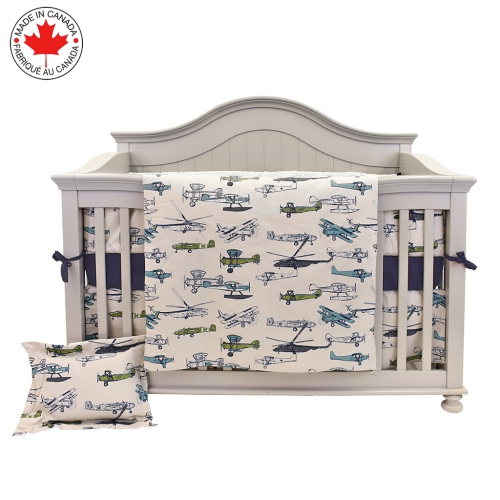



Why baby blankets belong outside an infant’s sleep space
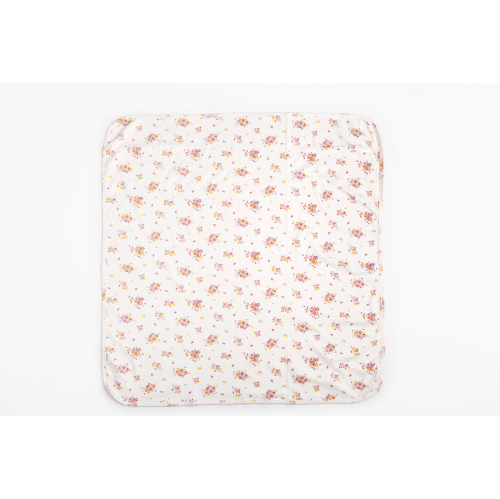
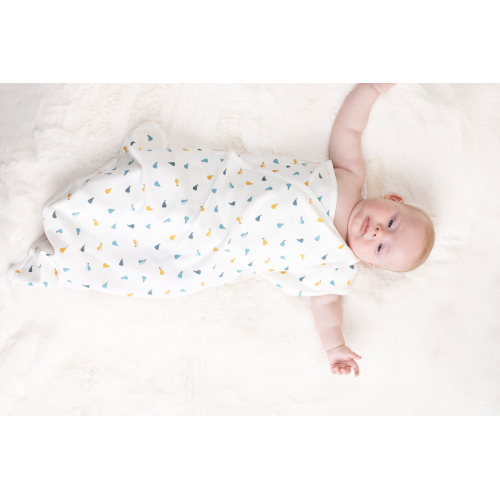
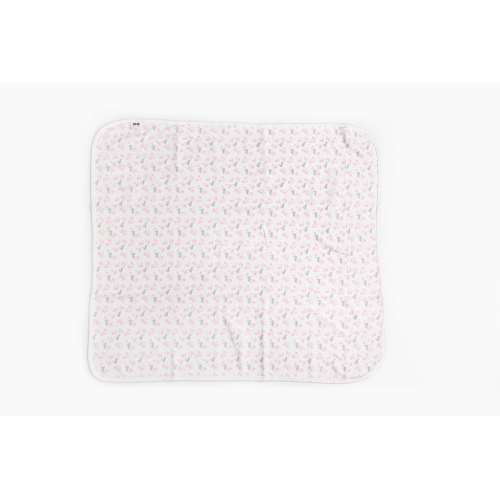
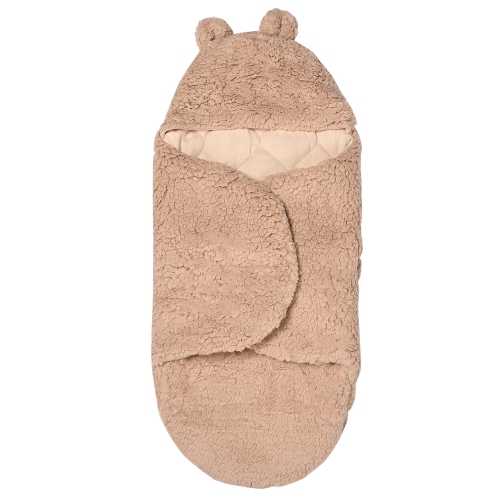
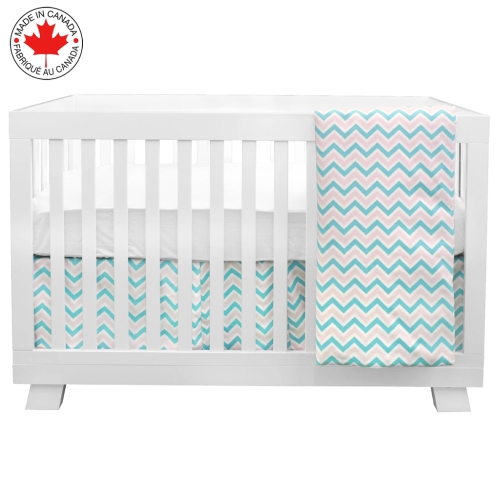
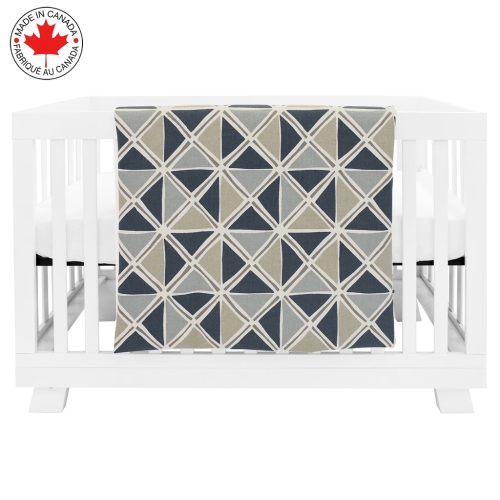
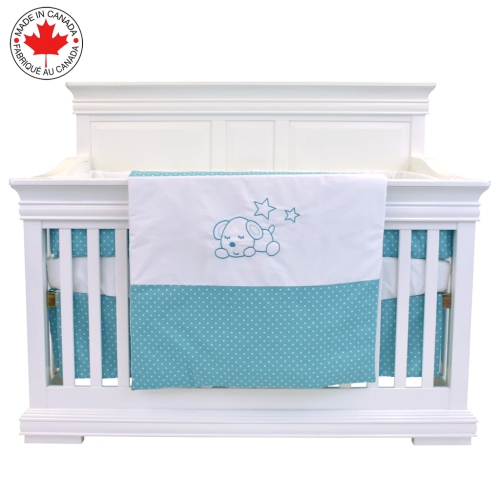
Crib blankets are small blankets associated with nursery bedding, but their name does not mean they belong in an infant’s sleeping space. For infants, the safest sleep setup is a crib, cradle, or bassinet with a firm, flat mattress and a fitted sheet, without loose blankets, pillows, toys, or padded bedding. Loose blankets can create a suffocation risk, especially for babies under 12 months, and a first birthday should not automatically be treated as permission to add bedding. An appropriately sized sleep sack can provide a wearable alternative; it should fit securely around the neck and arm openings and should not be weighted. Traditional baby blankets have other everyday uses, including covering a caregiver’s lap during an awake cuddle, creating a clean surface for supervised floor play, or providing a familiar comfort textile for an older child. A blanket used for tummy time should lie flat on a firm floor, with an adult watching throughout; a thick, deeply padded blanket is not a suitable substitute for that surface. If a baby falls asleep during play or a cuddle, move them to their own safe sleep space rather than leaving them on or beneath the blanket. A common size sold as a crib blanket is approximately 30 by 40 inches, or 76 by 102 centimetres, although dimensions vary considerably and there is no single universal size. Receiving blankets, swaddling blankets, and toddler blankets can differ in both proportions and construction, so the measurements and intended use are more informative than the category name alone. Families comparing these smaller nursery textiles can also explore Infant Blankets to understand the broader range of baby blanket styles. The most useful choice depends on the child’s stage, how the blanket will be handled, and whether its size suits the activity rather than simply matching the crib mattress.
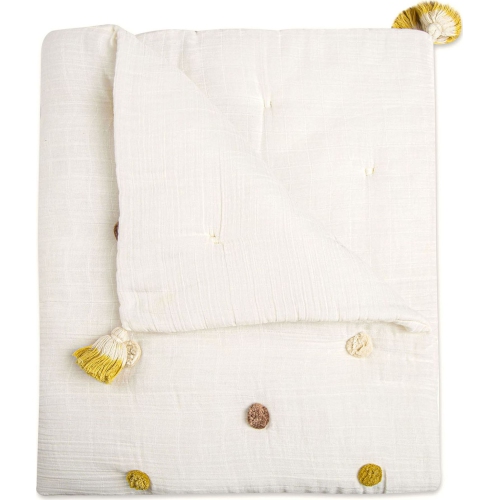
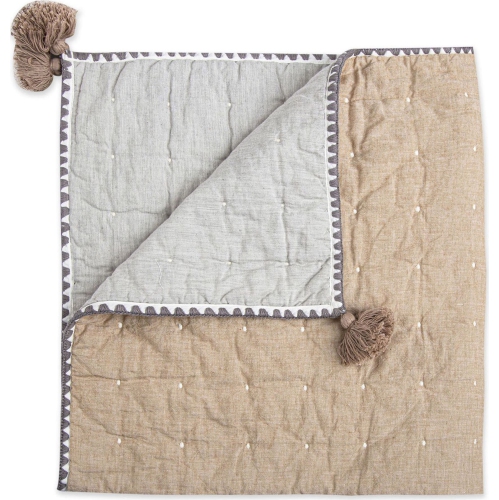
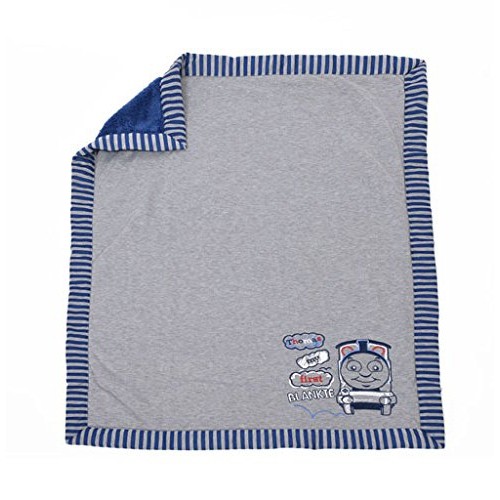
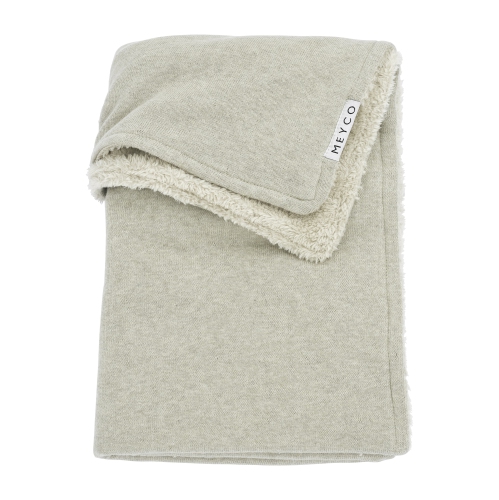
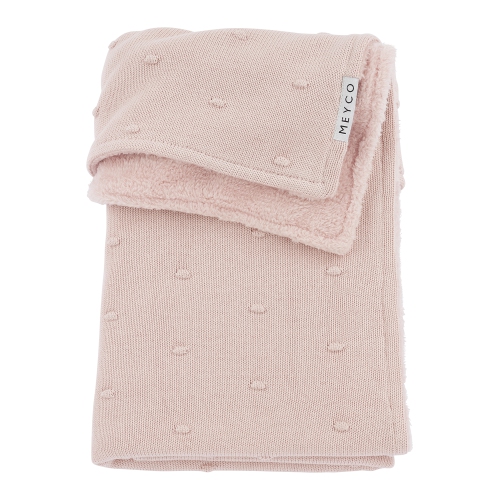
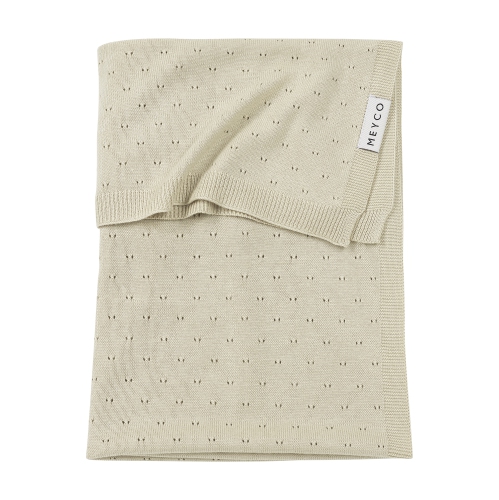
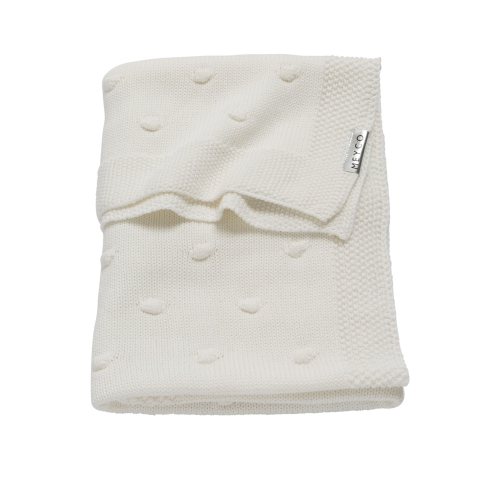
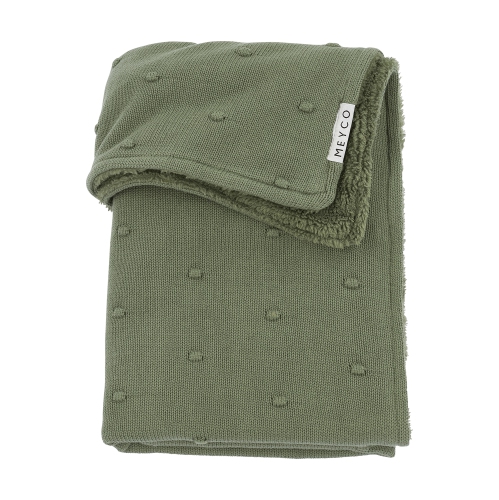
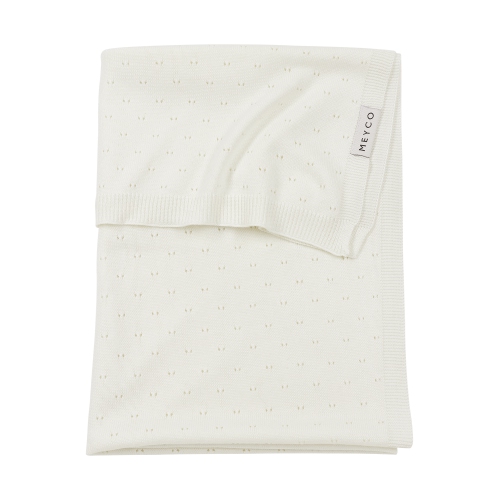
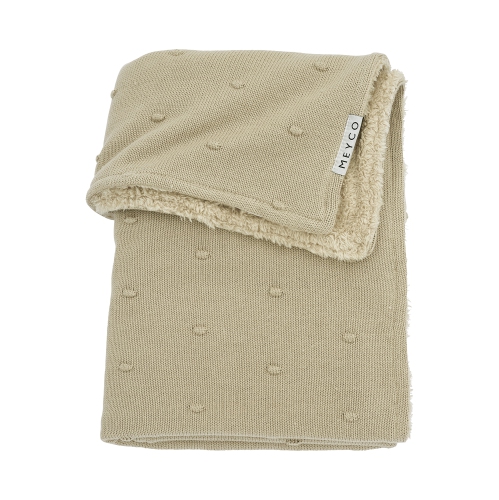
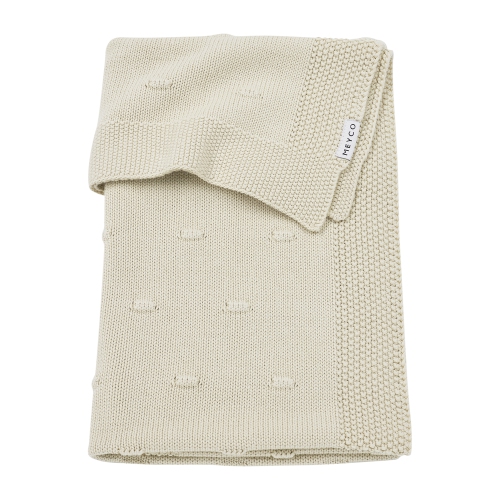
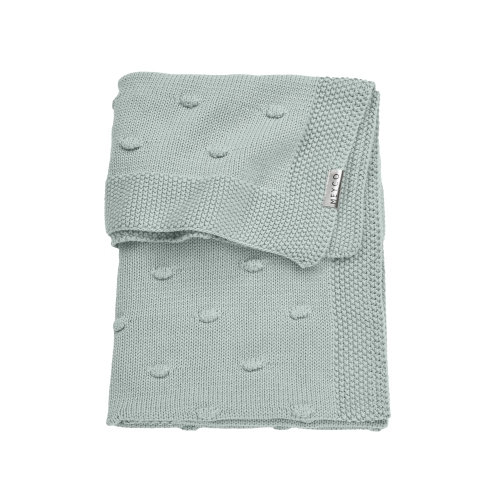
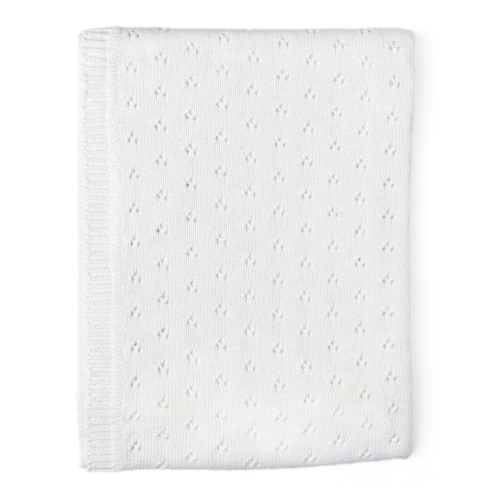
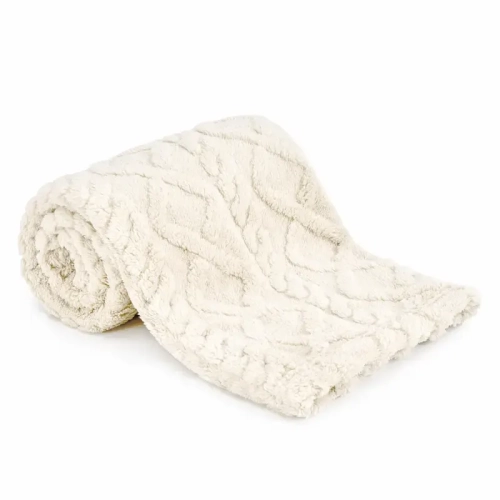
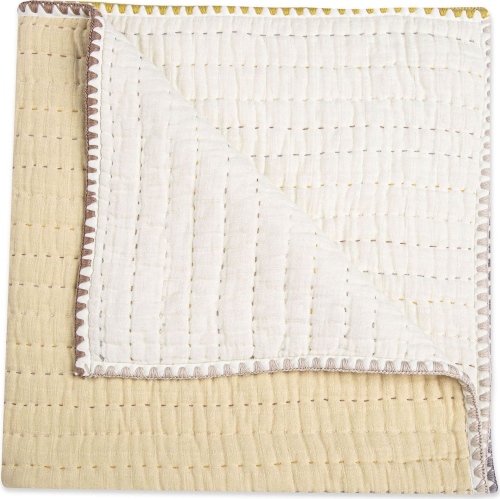
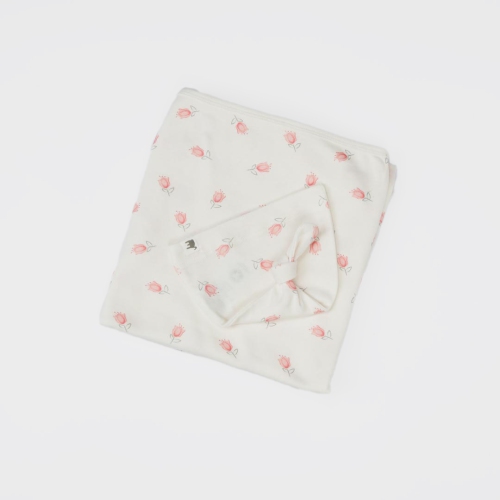
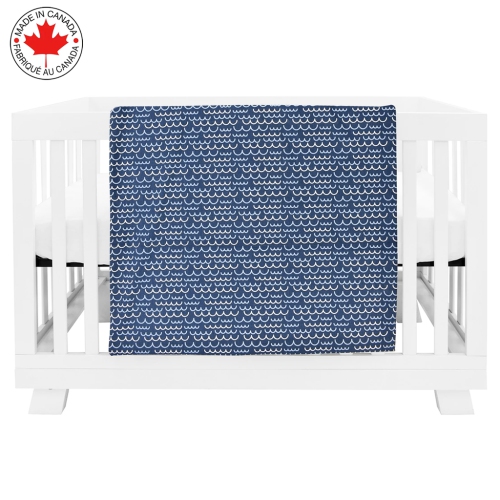
Fabric and construction influence how a crib blanket feels, folds, washes, and holds its shape. Cotton is a familiar choice for its soft hand and absorbency, while cotton muslin has a loosely woven texture that often softens with laundering. Several layers of muslin can feel quite different from a single lightweight layer, so fibre content alone does not tell the whole story. Cotton jersey has the flexible feel of a T-shirt and can be easy to fold around a caregiver’s lap during feeding. Knitted blankets range from fine, close stitches to pronounced cables, with differences in stretch, thickness, and resistance to snagging. Large, open stitches deserve particular attention because small fingers and toes can catch in them. Fleece and plush fabrics offer a brushed or velvety surface, although their fibre composition and care needs vary. A smooth woven reverse can make a textured blanket easier to spread flat, while two plush sides may create a fuller bundle when folded. For a child who prefers an even surface, a simple weave may be more comfortable than raised embroidery, pronounced seams, or a heavily textured pattern. Breathability is a fabric characteristic, not a guarantee of sleep safety: an airy or lightweight blanket is still loose bedding and should not be placed in an infant’s crib. Check the whole construction, including the edges, rather than judging softness alone. Neat hems, secure bindings, and consistent stitching can help a blanket stand up to frequent handling. Avoid loose ribbons, tassels, decorative cords, and detachable embellishments around babies, and stop using a blanket if damage creates loose threads or openings. Colour and pattern can then be chosen around the nursery’s look or the family’s taste. Cream, sage, muted blue, and soft pink offer different ways to coordinate with furnishings, while animal motifs, stripes, and small repeating prints can add character without needing an exact match to every other textile in the room.
Day-to-day care often determines whether a blanket becomes a frequently used favourite or stays folded in a drawer. Machine-washable fabrics can simplify cleanup after milk dribbles, spit-up, or a stretch of supervised play, but the care label should guide every wash. Some blankets tolerate tumble drying, while others need reshaping and flat drying to protect their dimensions or knitted structure. A larger blanket that must dry flat also needs enough space to do so, which matters in a home with a compact laundry area. Cotton can shrink, plush surfaces can change with repeated washing, and knitted fabrics may stretch when hung wet; the amount depends on the material, finishing, and care routine. Wash a new blanket before its first use according to the manufacturer’s instructions, and choose a detergent suited to the child’s skin needs. Fragrance-free detergent may be useful for families managing sensitivity, but no fibre or finish can promise that irritation will never occur. After laundering, check bindings and seams, and make sure the blanket is completely dry before storing it. For trips out, a compact folded size is convenient, but blankets should never be draped over a stroller canopy because they can restrict airflow and obscure the caregiver’s view. Keep any blanket used during supervised stroller outings clear of the baby’s face, wheels, and harness, and follow the stroller manufacturer’s directions. Never place a bulky blanket beneath a child or between the child and a car seat harness. For an older toddler who is developmentally ready for bedding, manageable dimensions and a simple, lightweight construction can make a blanket easier to reposition independently; follow appropriate sleep guidance rather than relying on a product label alone. Crib blankets can also be thoughtful baby shower or new-parent gifts when chosen for supervised use, easy care, and the recipient’s preferences. A softly textured blanket in a colour the family enjoys can become part of feeding-time cuddles, visits with grandparents, and quiet reading together, without needing to be part of an infant’s sleep setup.
Top selling and popular products
-
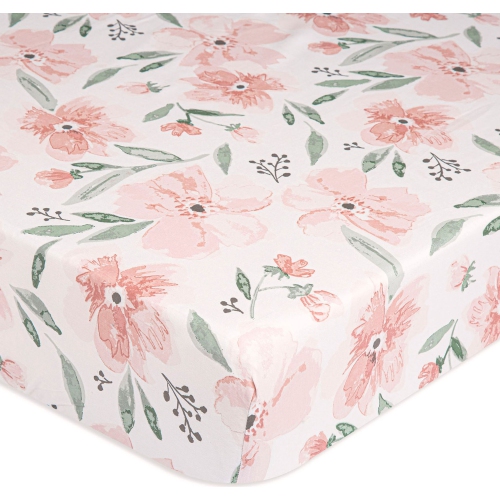 Your price for this item is $44.98
-
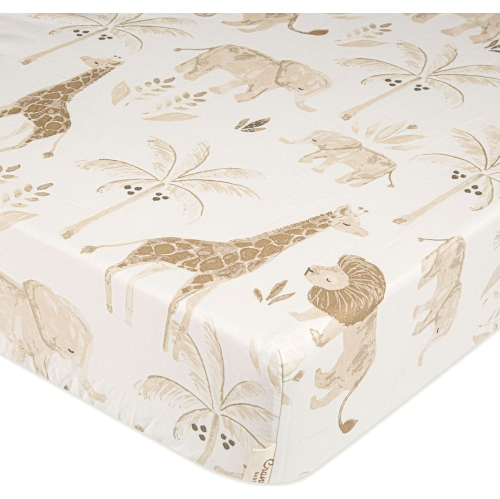 Your price for this item is $54.17
-
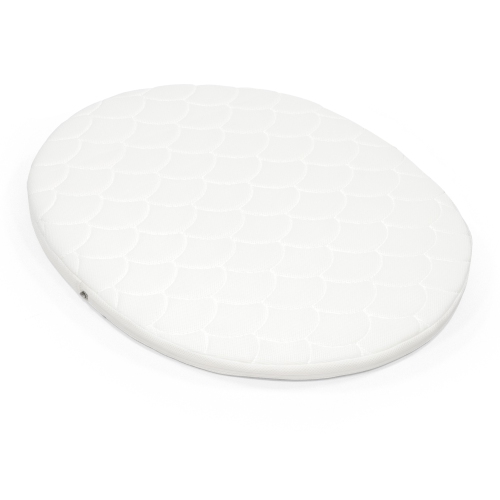 Your price for this item is $168.99
-
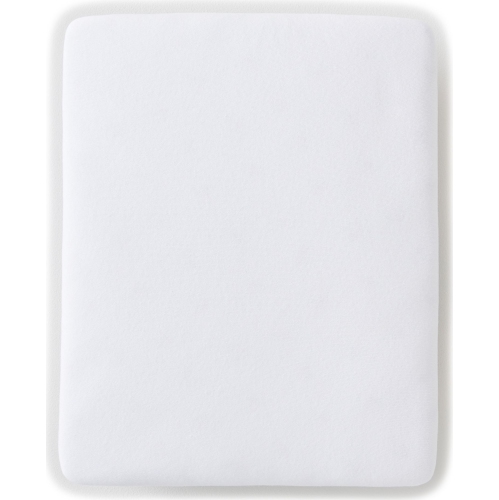 Your price for this item is $76
-
 Your price for this item is $74
-
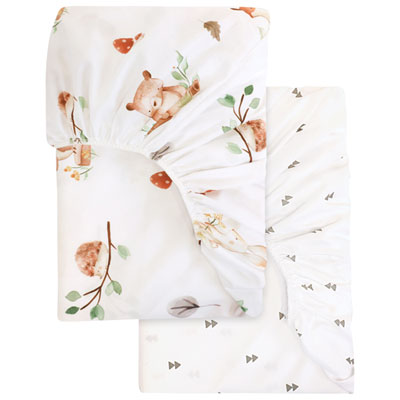 Your price for this item is $24.99
-
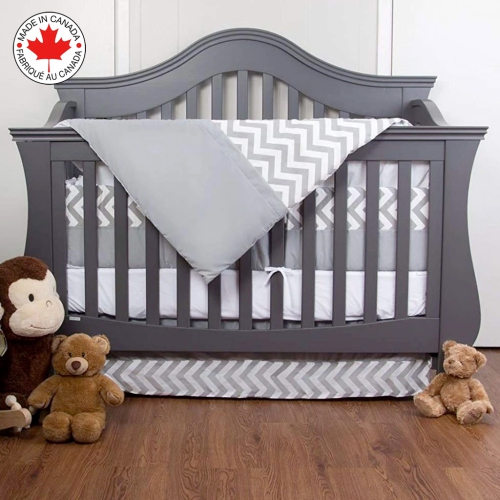 Your price for this item is $250
-
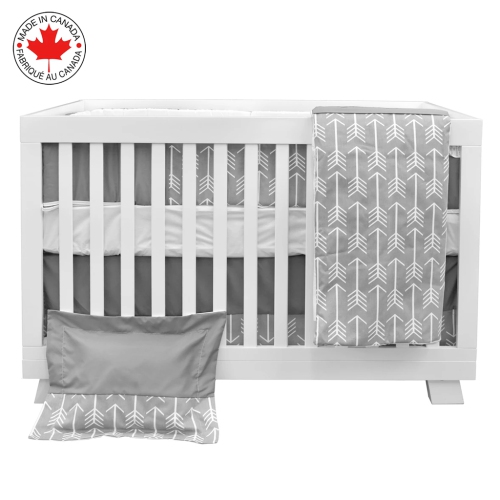 Your price for this item is $250
Discover more categories related to Crib Blankets
Top Collections:
Pokemon Centers, Kindle Devices, Best Cameras for Sports Photography, Pokémon 30th Celebration Cards, Canon G7X Cameras, Samsung Galaxy Phones, iPhone 15 Apple, Best Black Friday Deals On Electronics, Jackery Power Stations, Solar Generators for Home
Some products may be subject to Environmental Handling Fees
(EHF) depending on your province.
Learn more about EHFs.