High Chairs for 5 Month Old
A high chair is a great way to keep your little one safe and secure while they're eating, and it's also a convenient place to sit them when they're not eating. Here are some of our favorite high chairs for children 5 months and older.
Sort











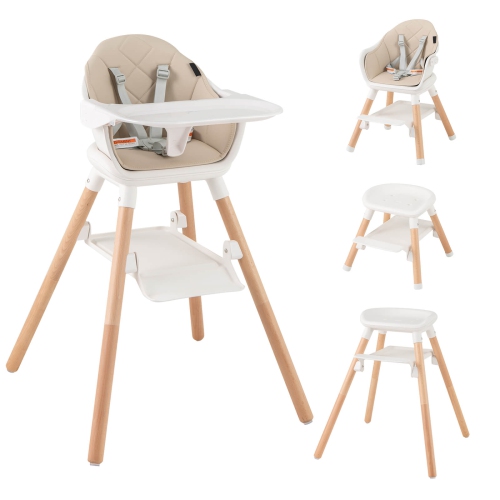
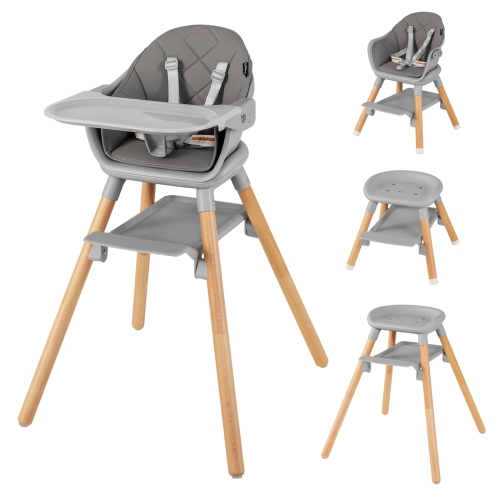
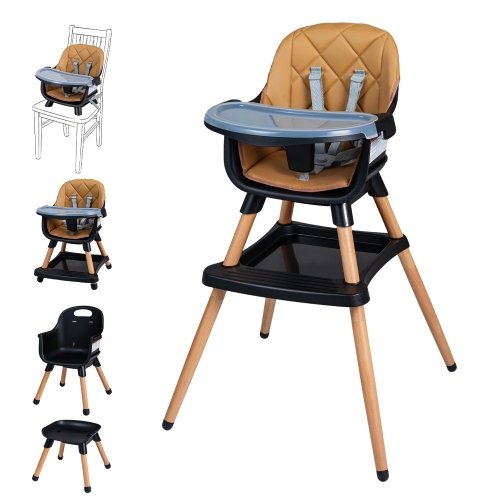

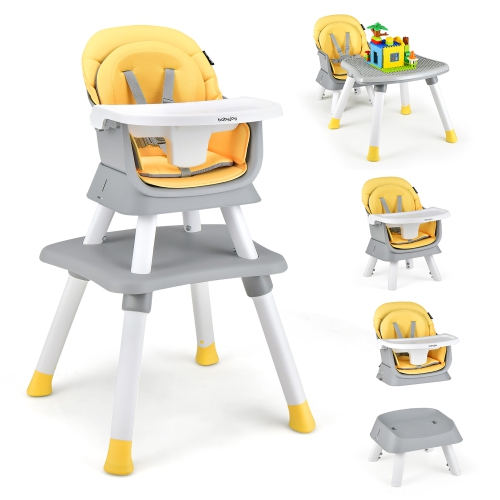































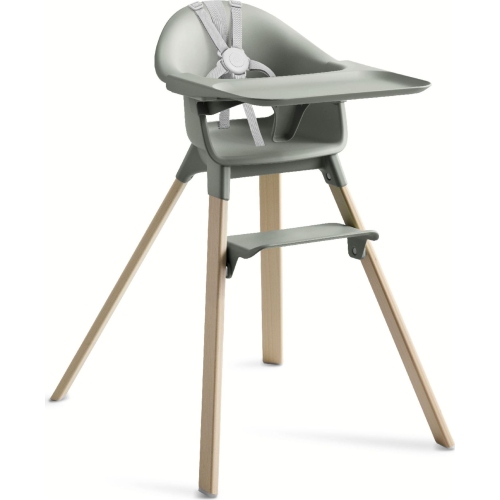


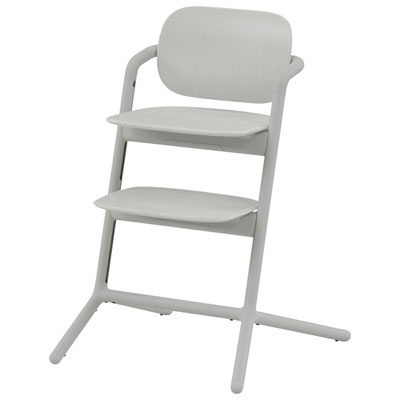


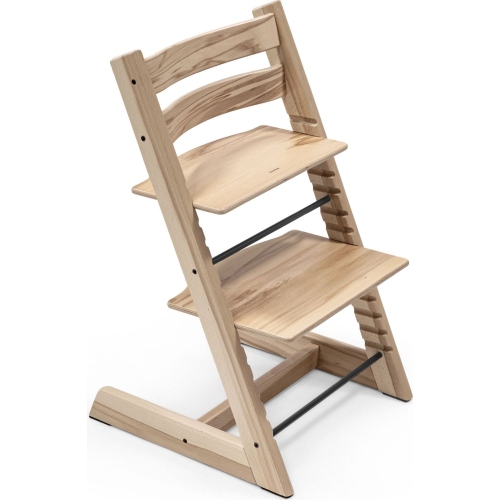


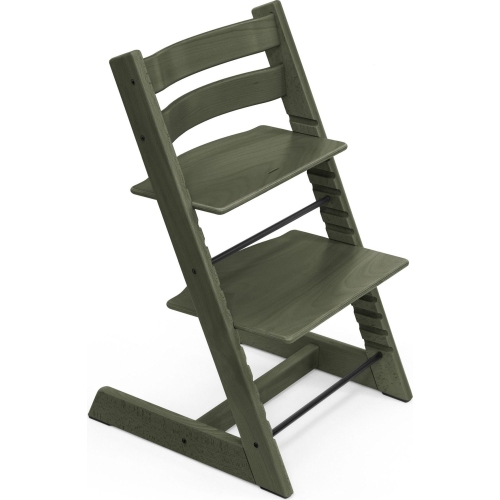



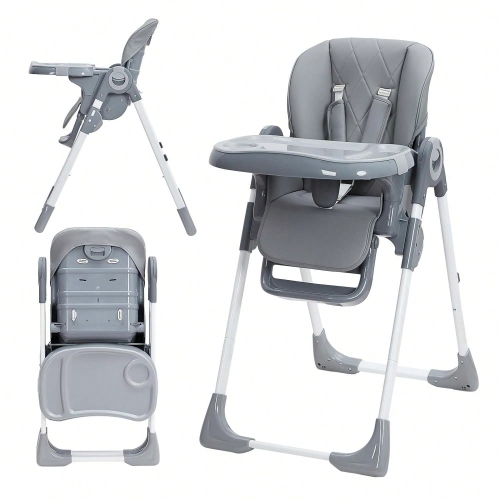


High chair readiness depends on more than age
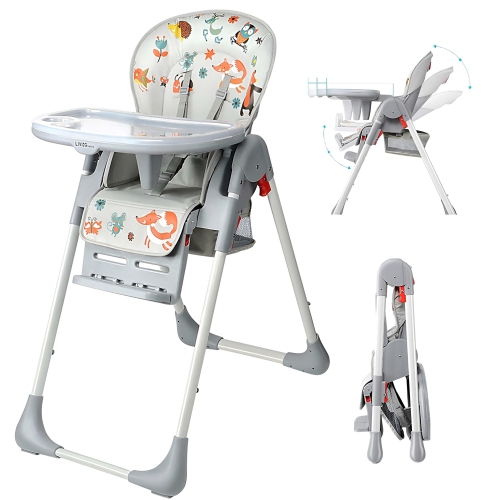
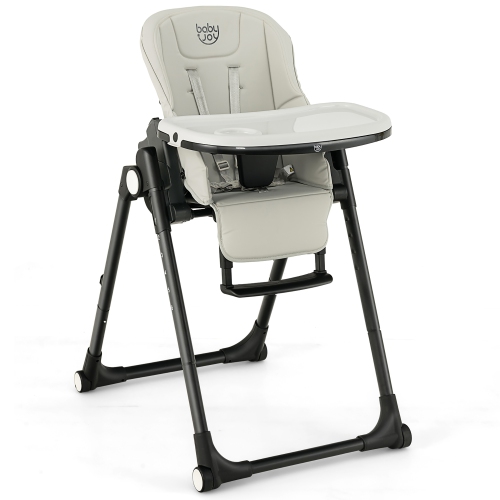
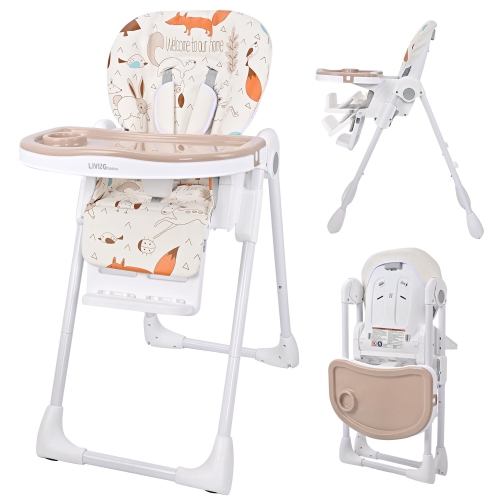
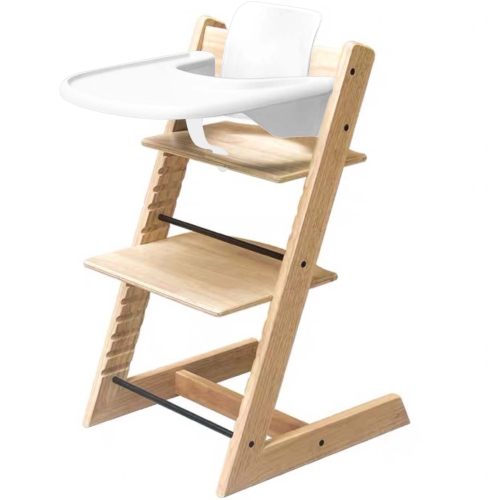
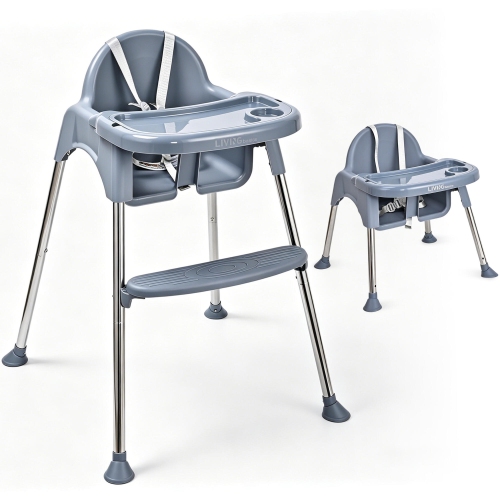
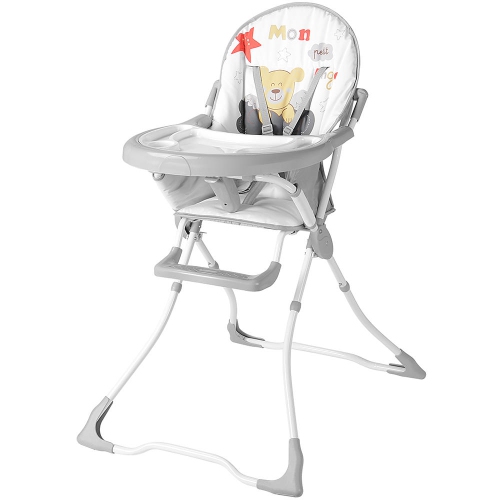
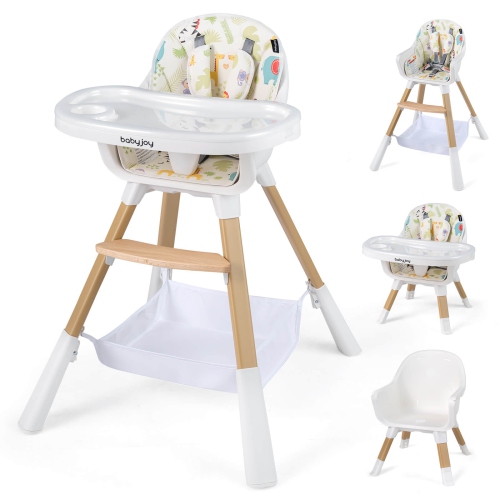
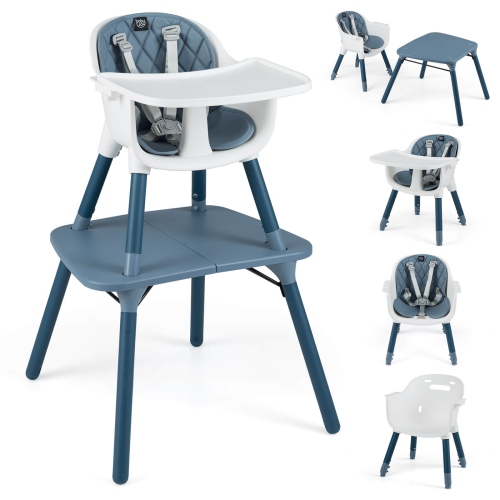
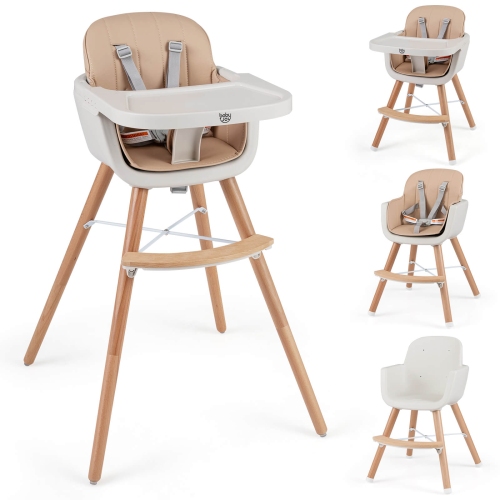
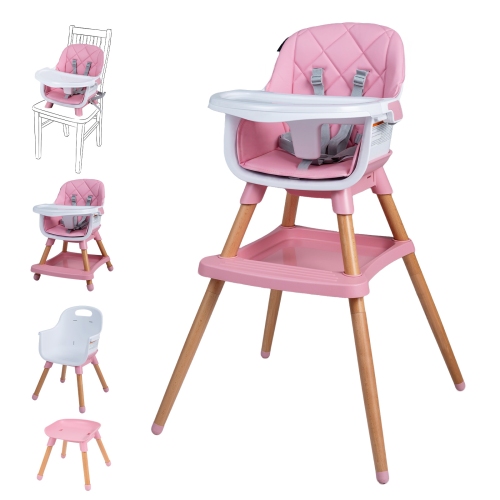
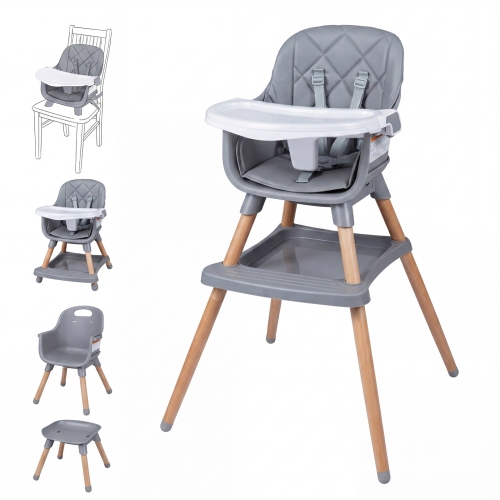
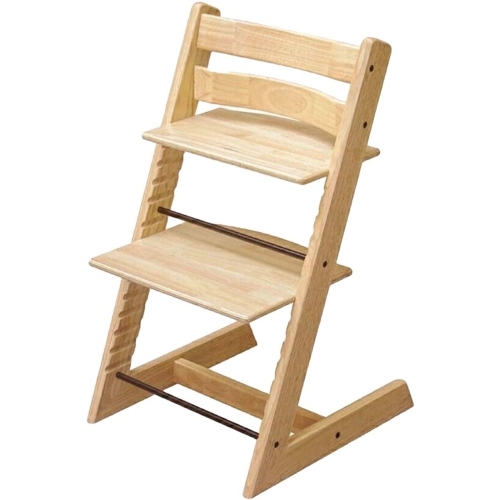
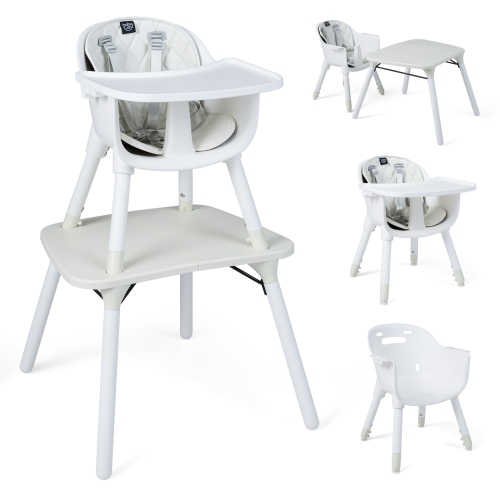
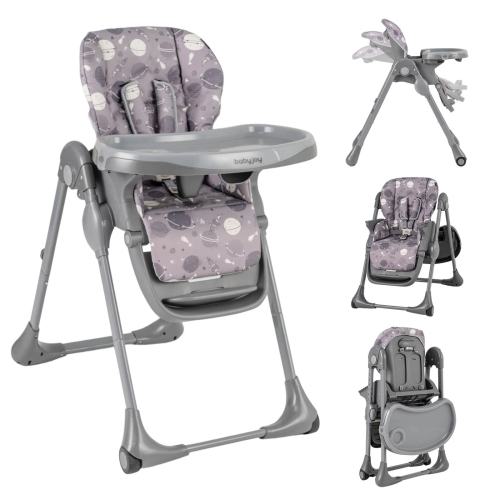
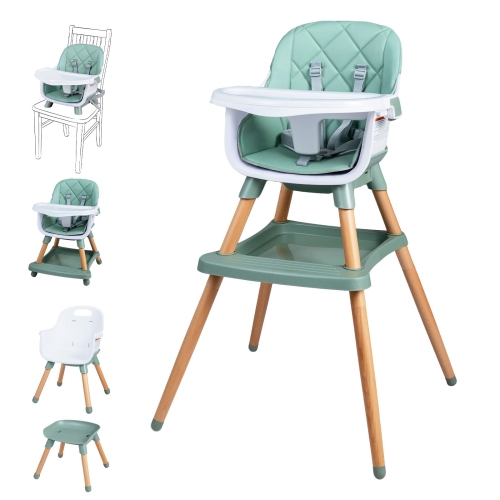
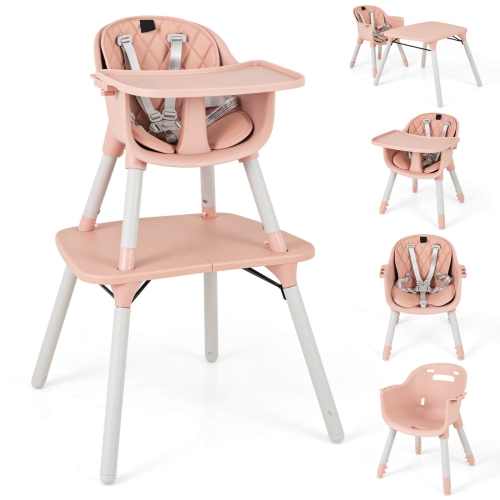
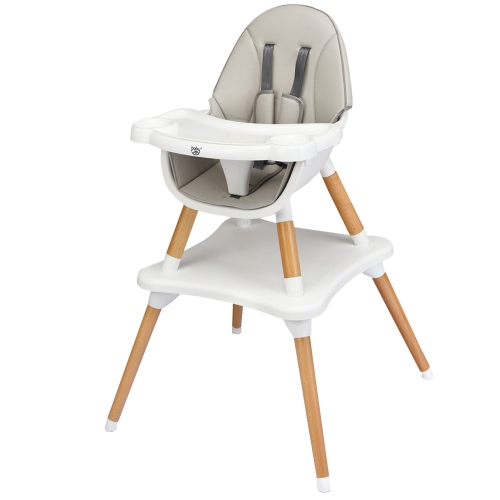
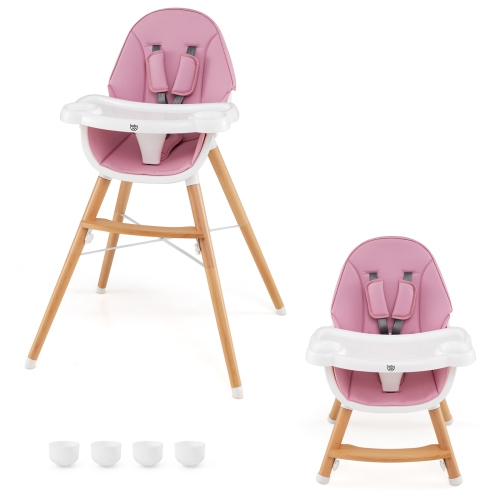
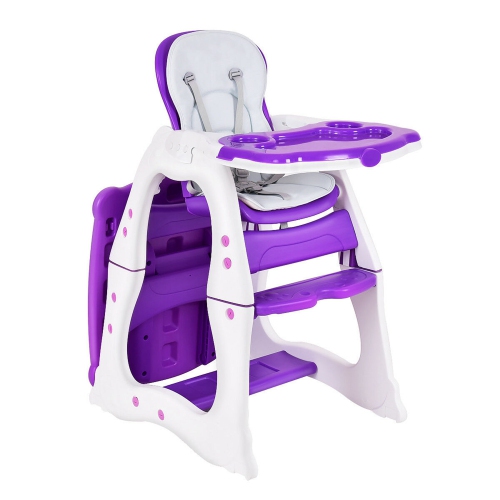
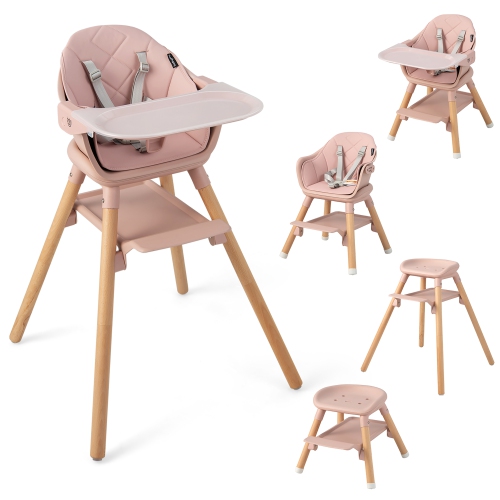
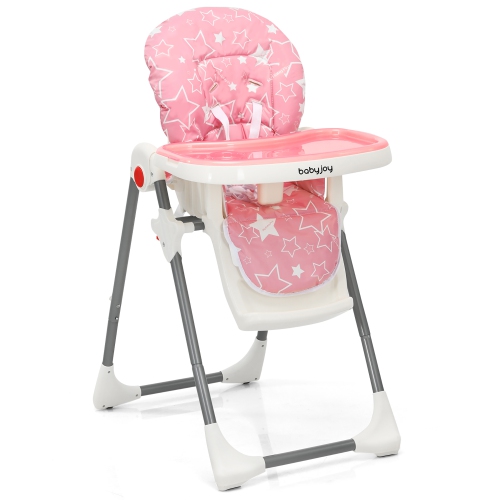
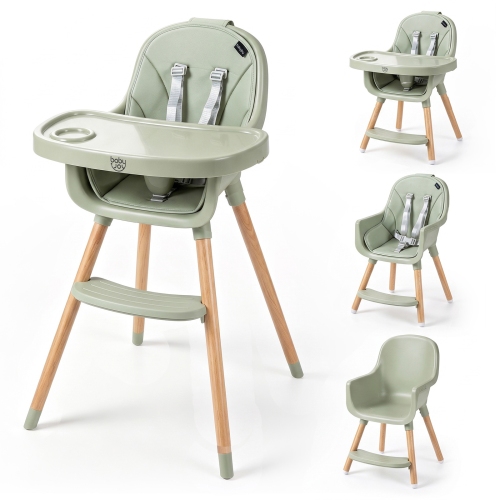
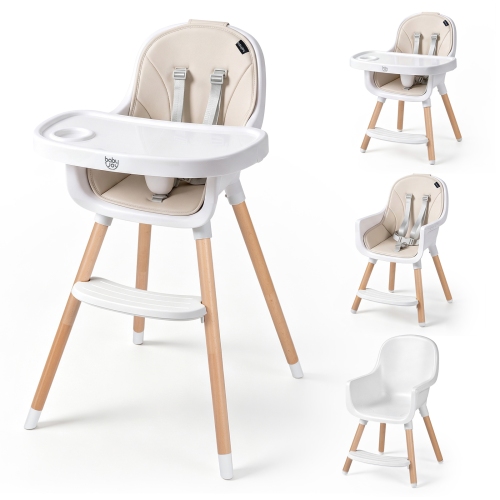
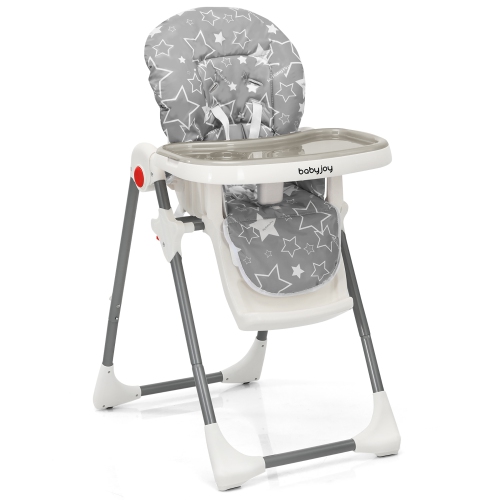
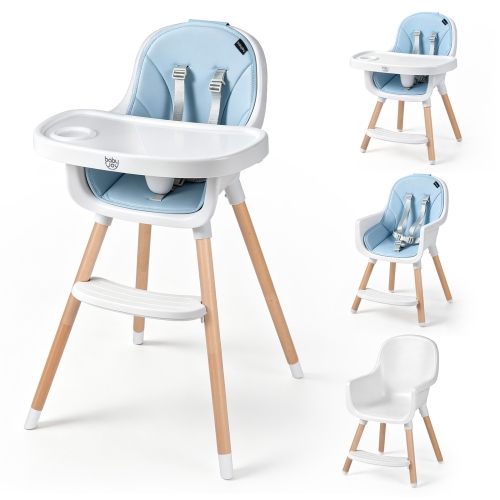
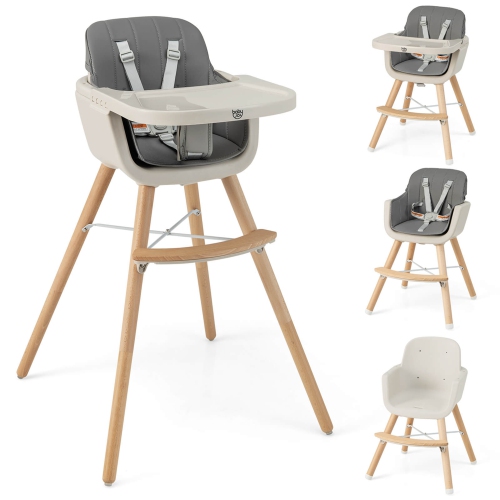
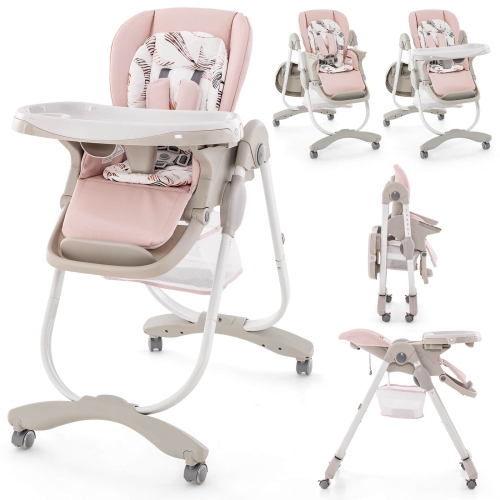
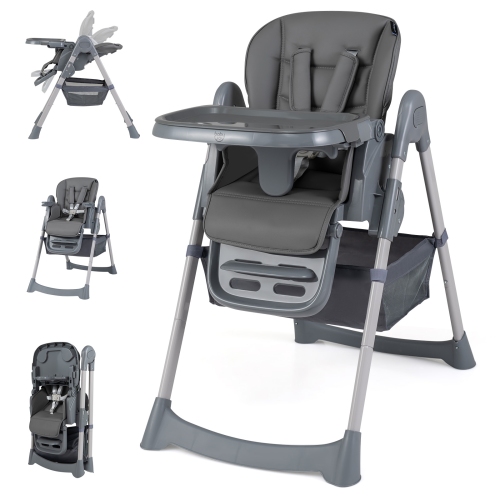
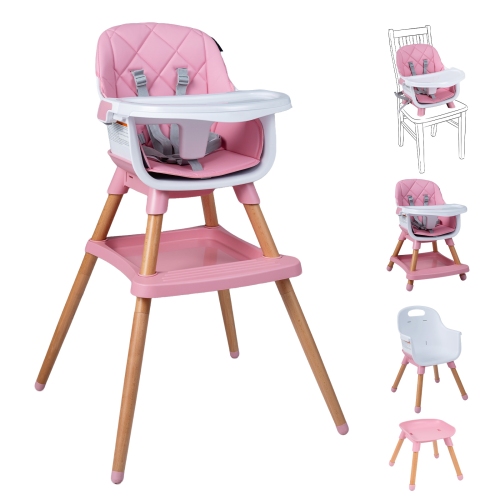
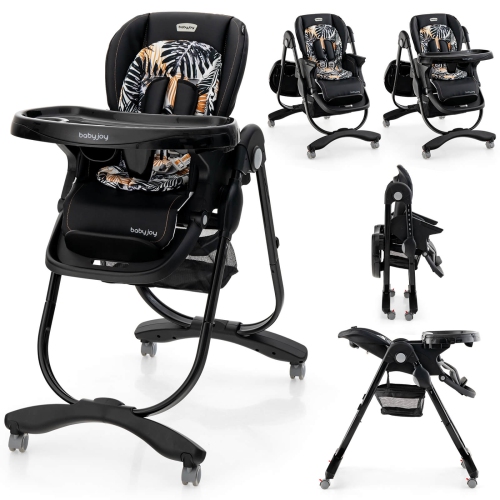
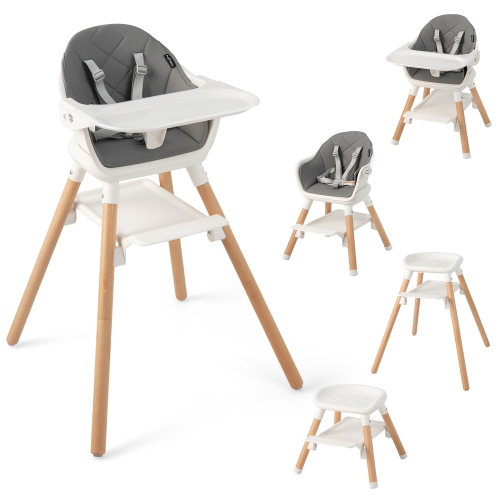
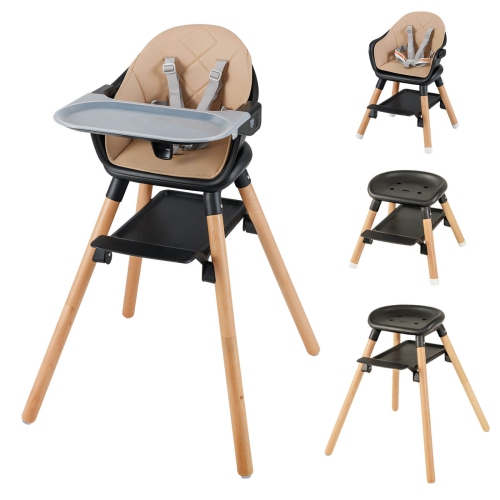
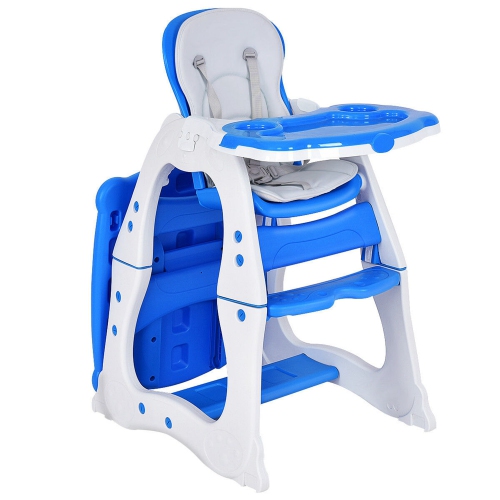
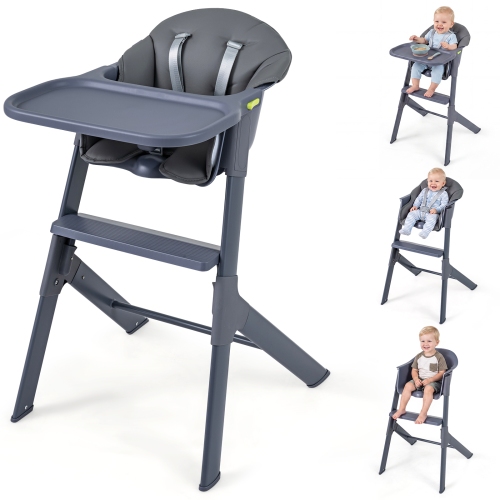
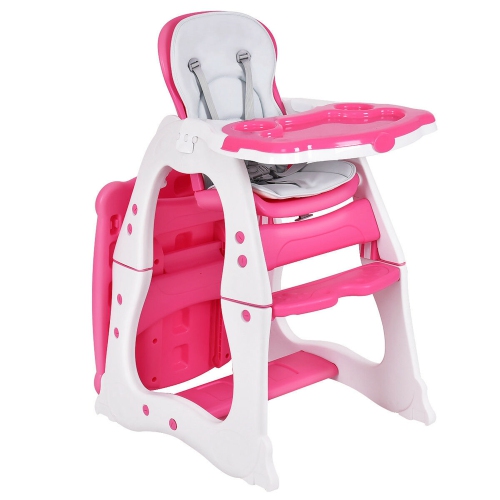
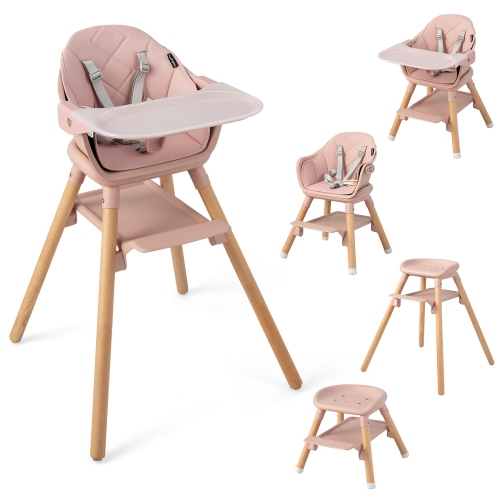
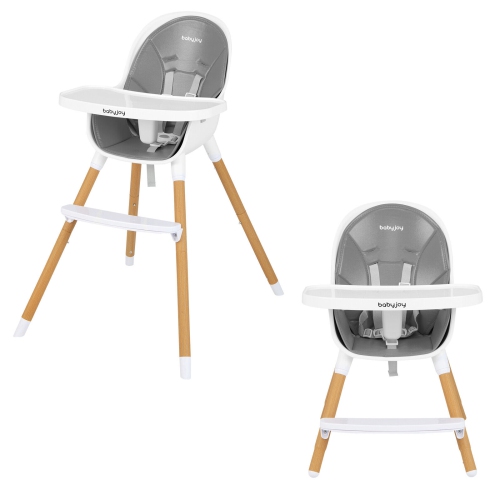
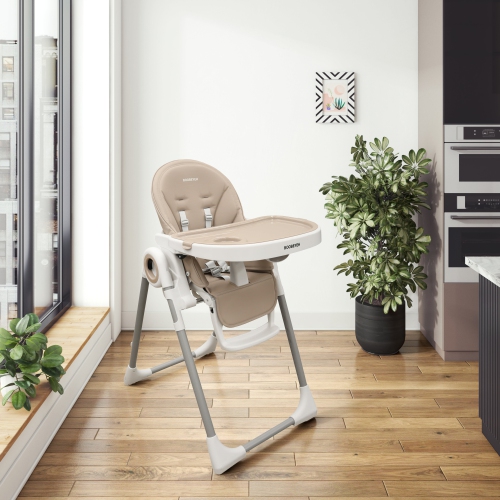
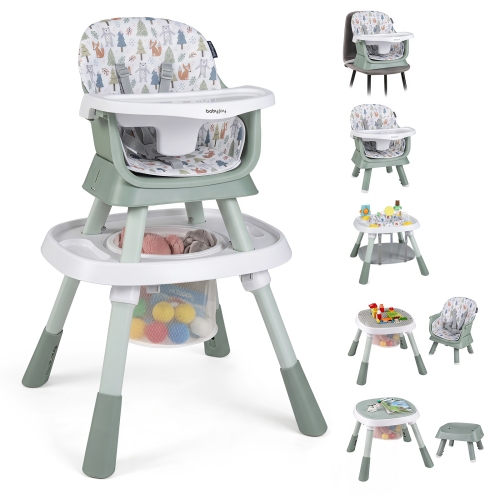
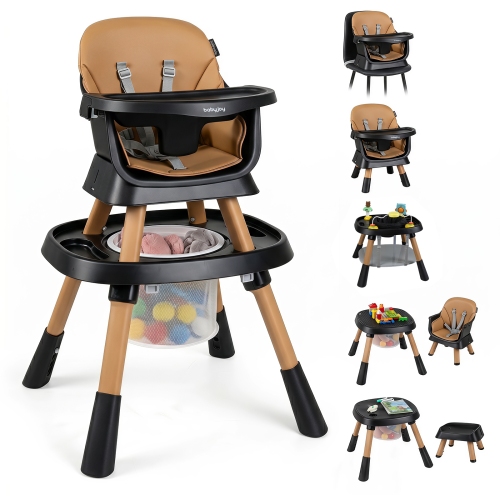
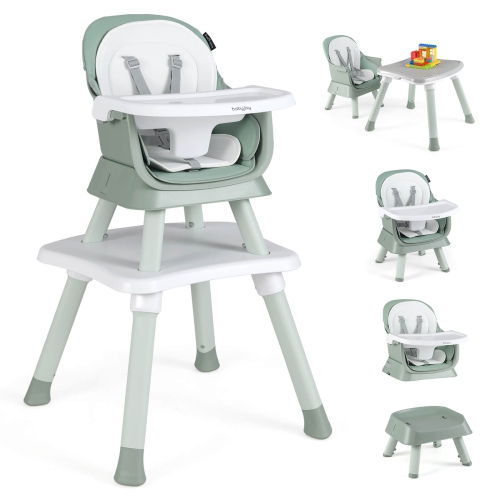
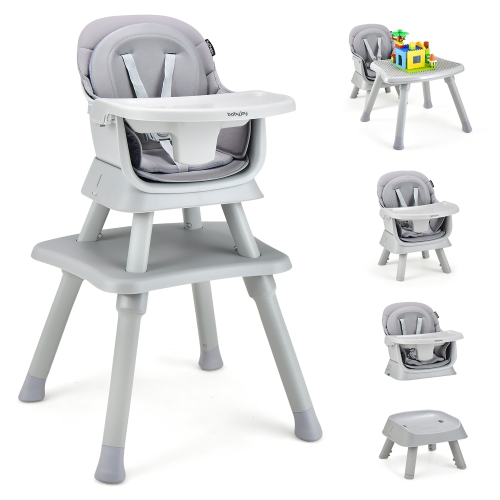
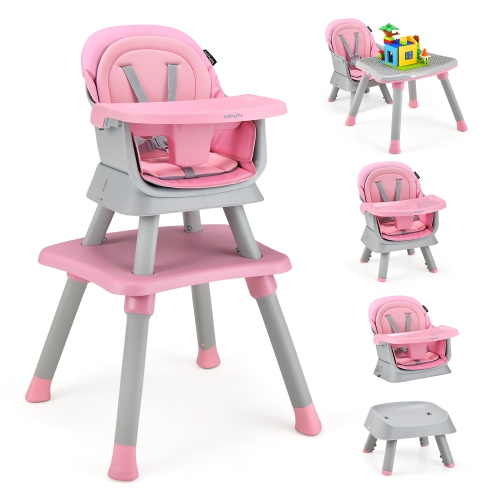
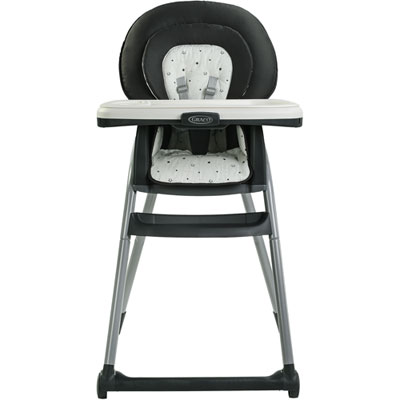
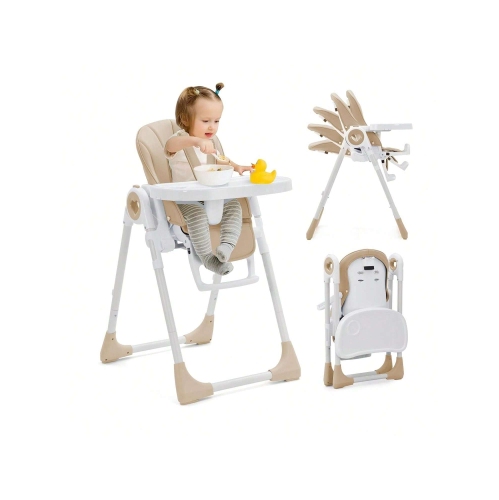
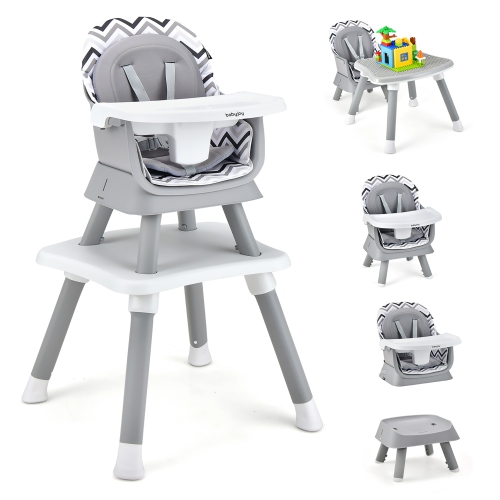
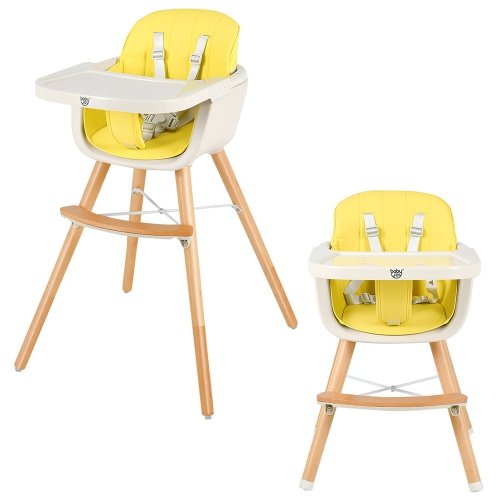
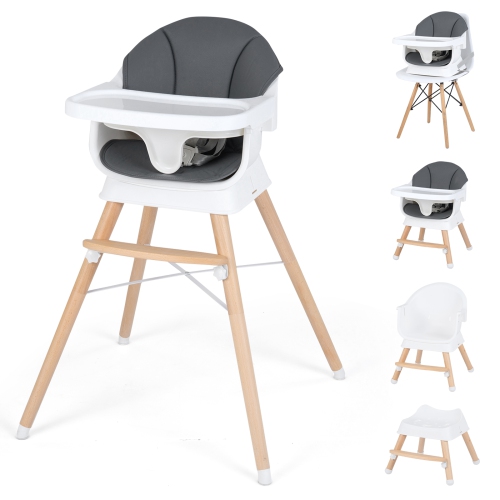
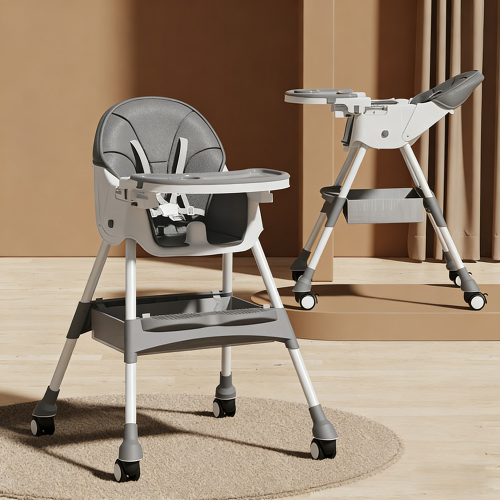
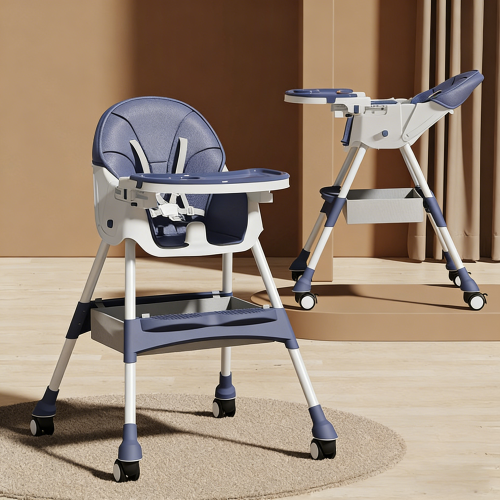
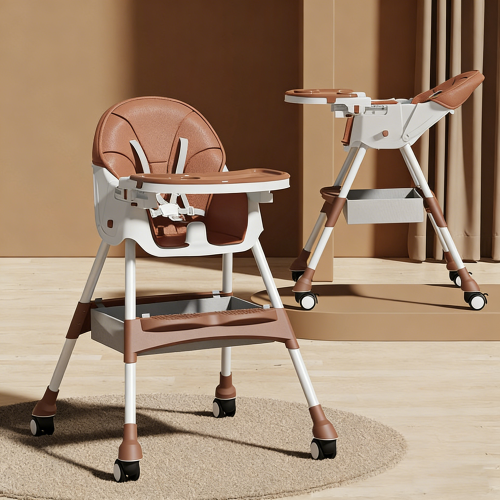
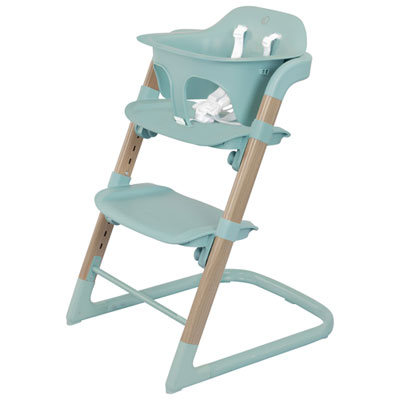
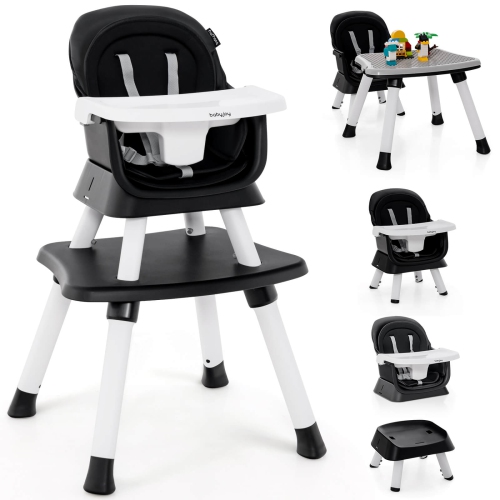
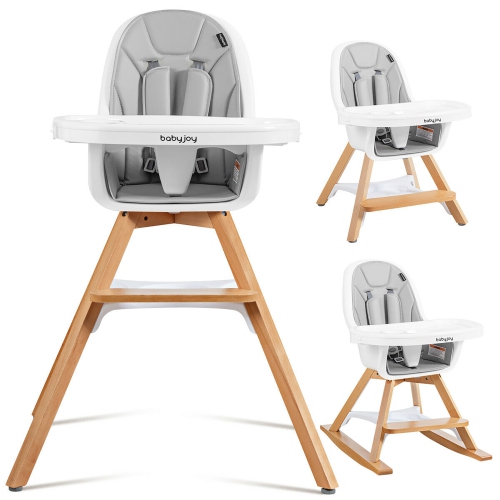
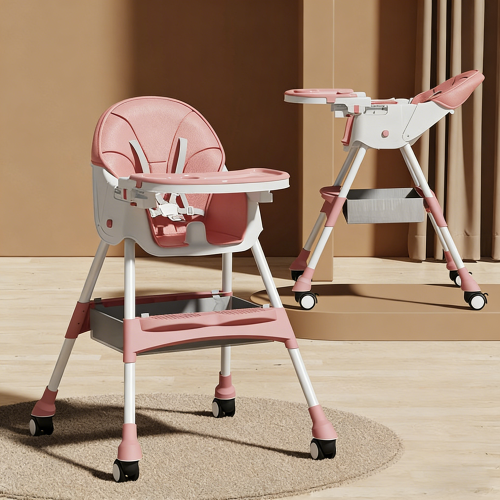
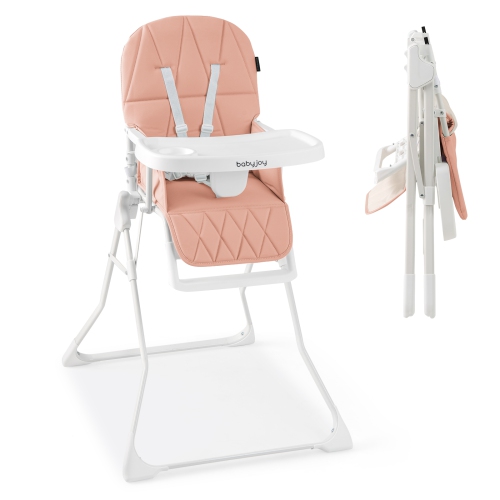
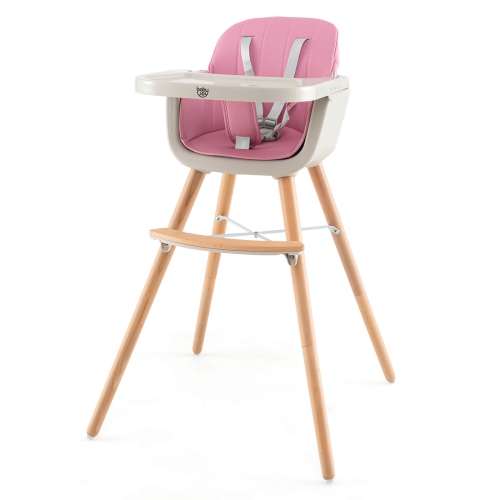
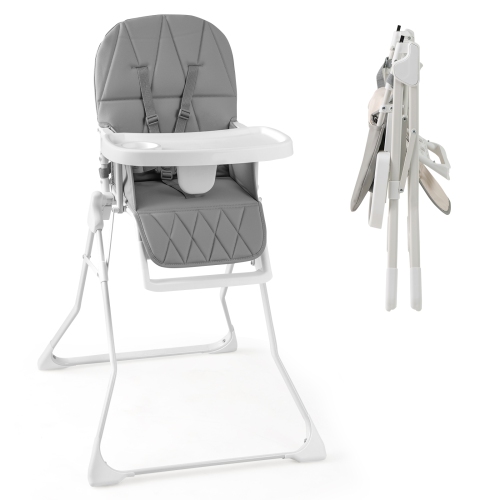
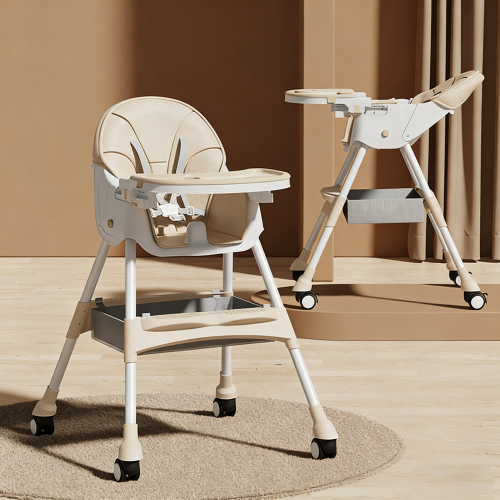
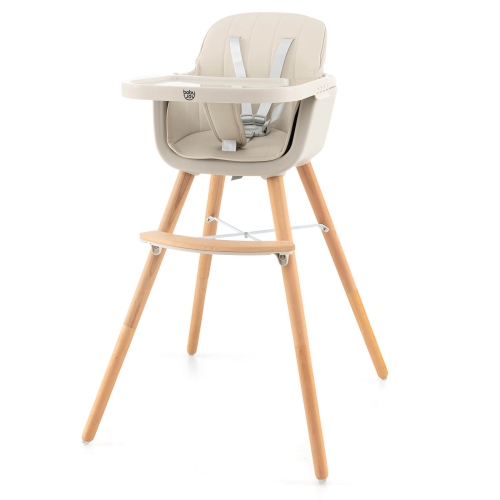
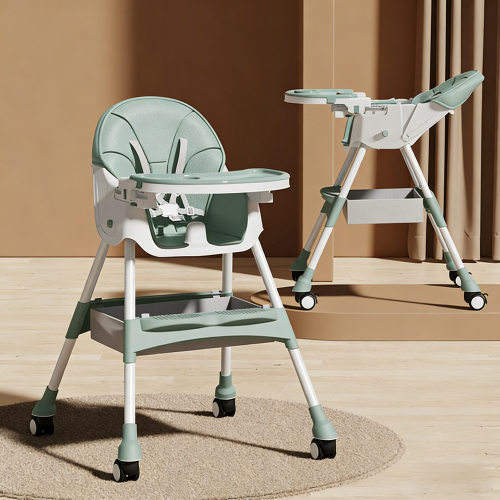
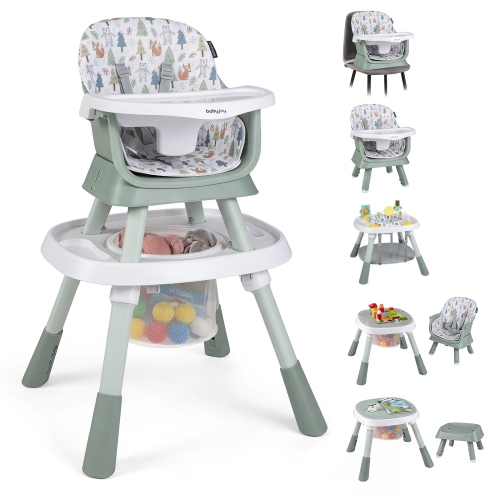
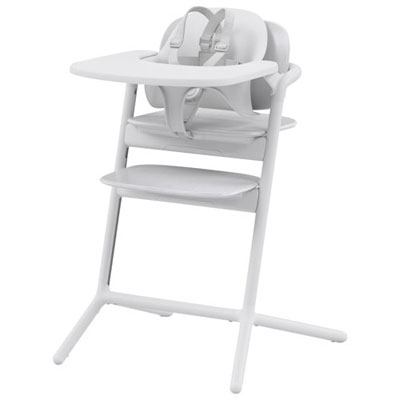
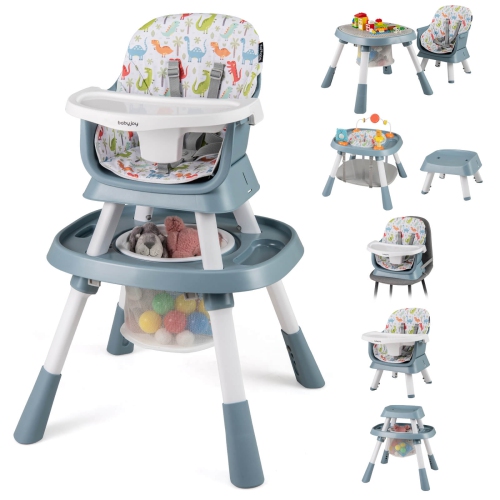
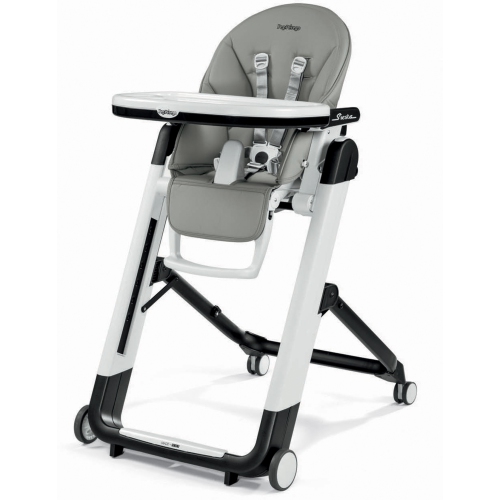
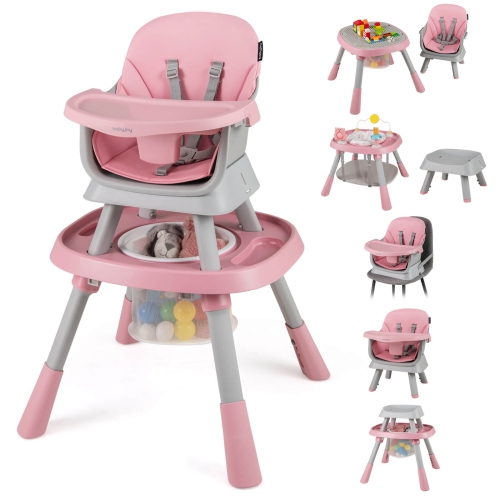
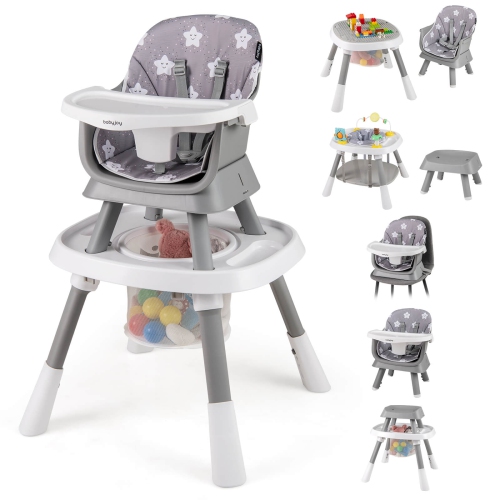
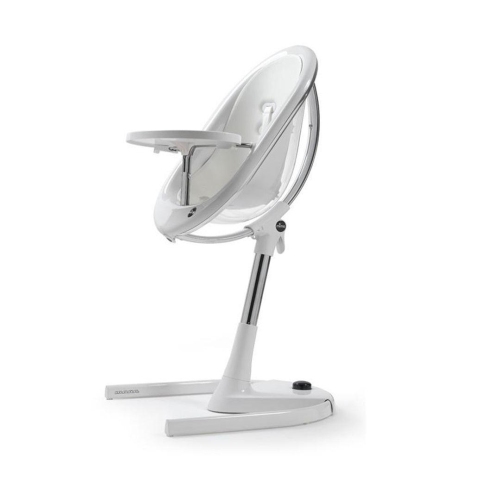
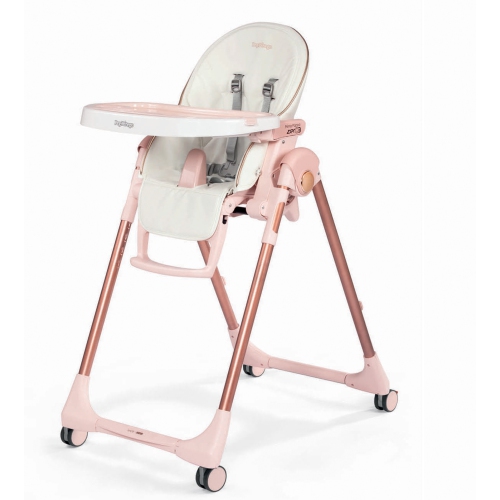
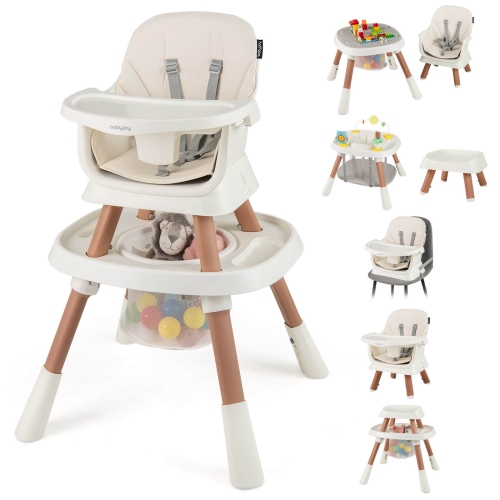
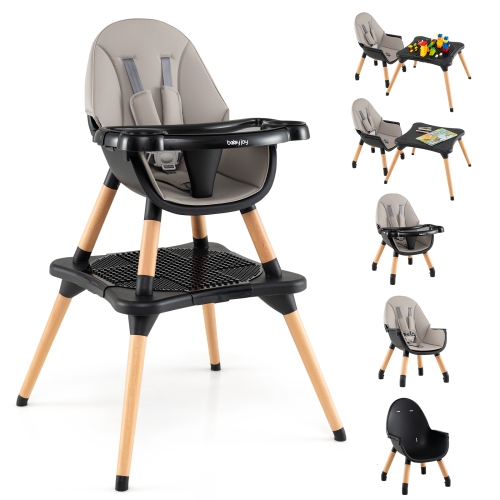
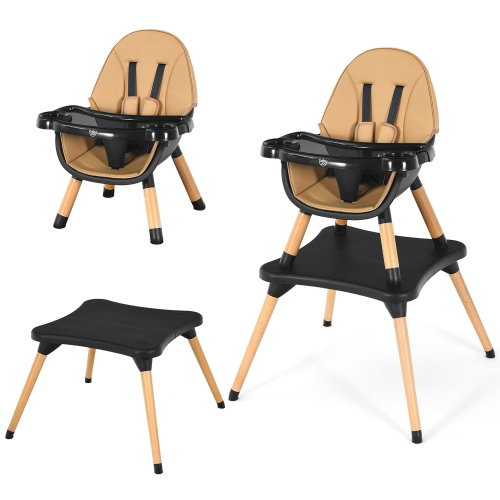
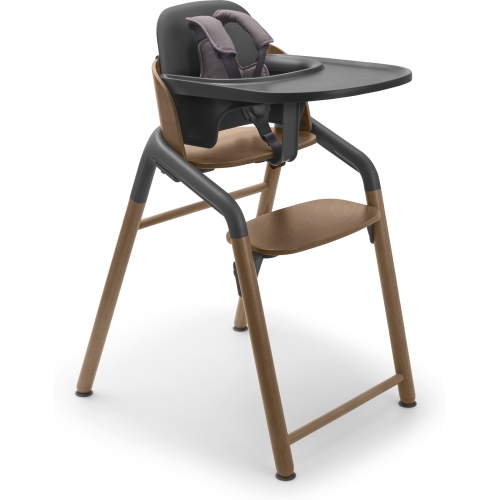
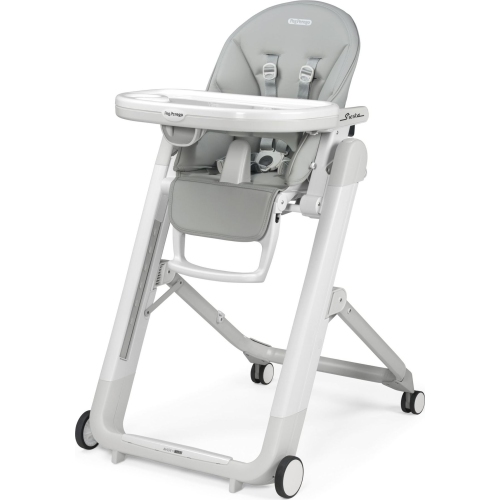
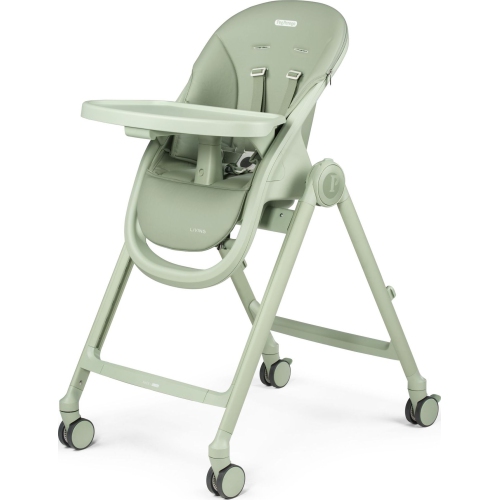
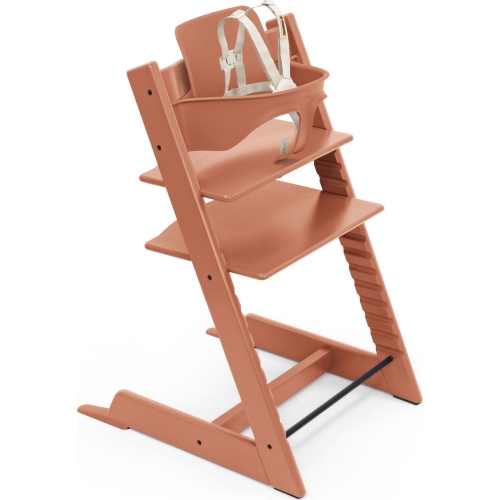
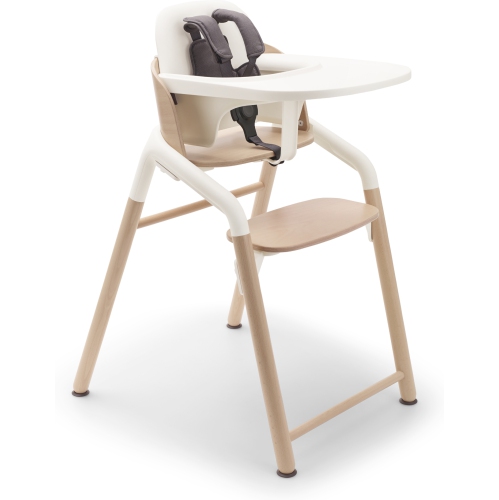
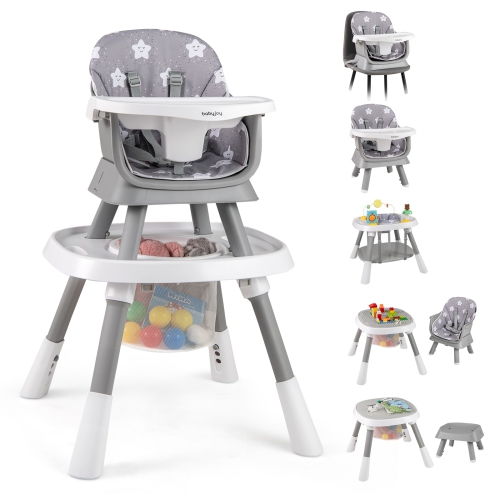
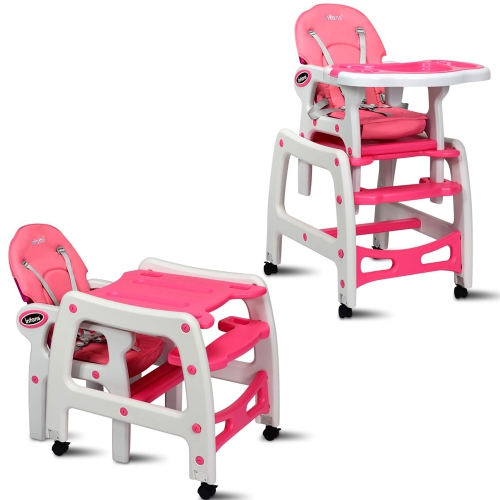
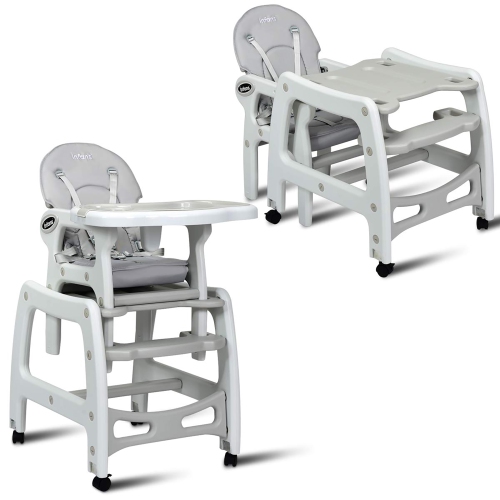
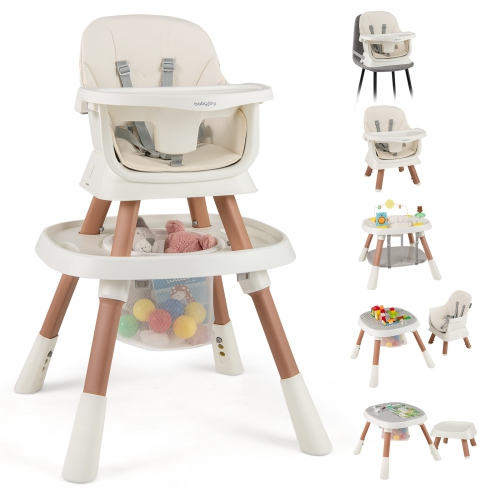
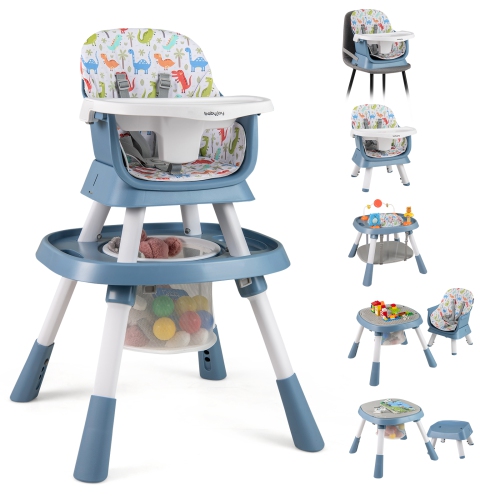
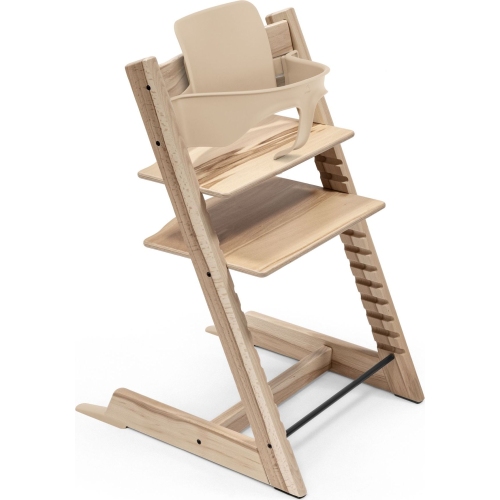
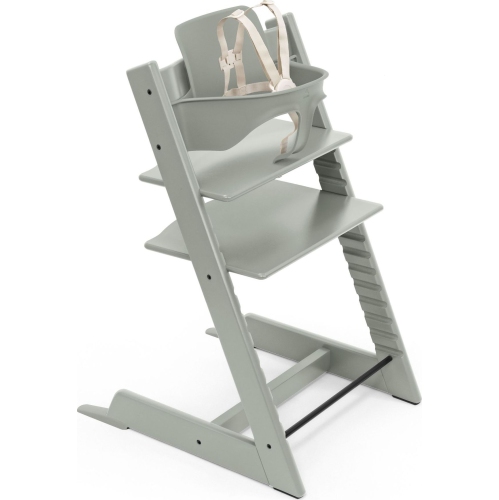
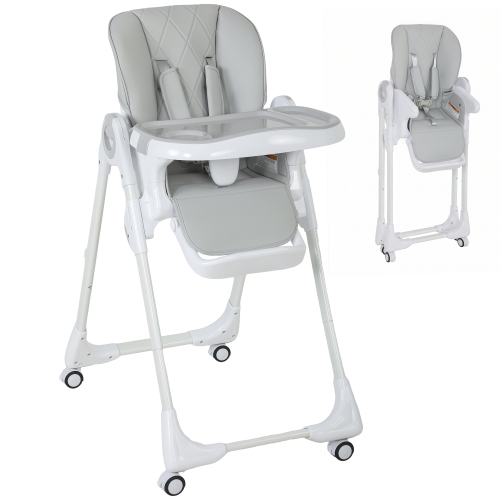
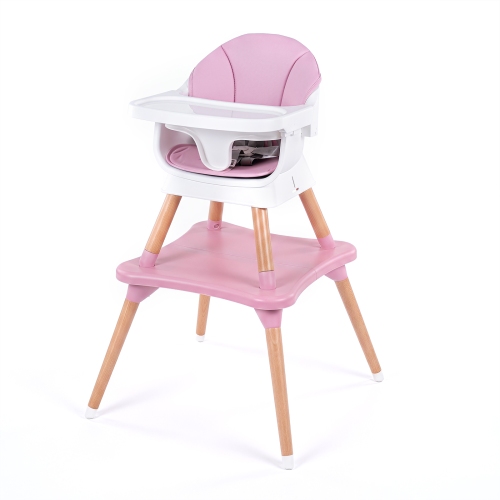
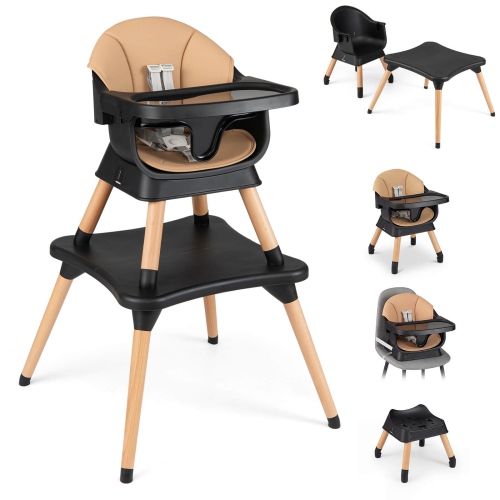
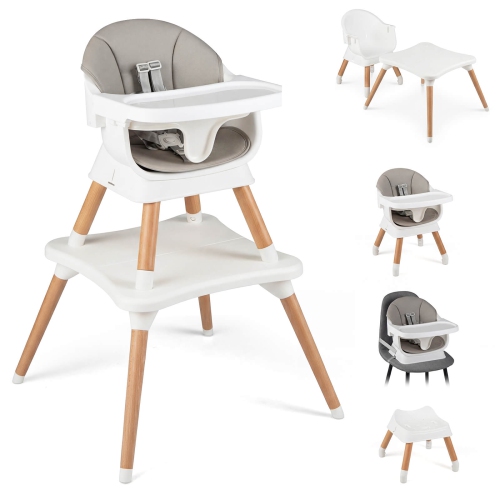
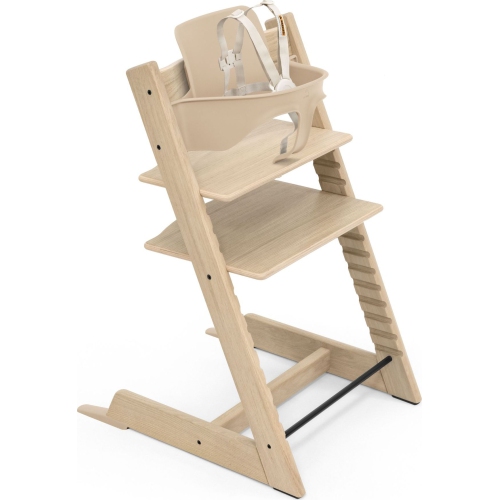
High chairs for a 5-month-old are best understood as seating options whose suitability depends on a baby’s development and the manufacturer’s requirements, not age alone. At this stage, some babies are gaining steady head control while others still need substantial support, so a chair labelled for older infants may not yet be appropriate. For upright high-chair use, a baby needs the head and trunk control specified in the chair’s instructions; padding and harness straps cannot make up for missing sitting skills. Starting solid foods is a separate milestone, generally reached around six months when developmental signs of readiness are present. A healthcare professional can help assess feeding readiness if there is uncertainty. For babies ready for seated feeding, useful features include an upright seat, a secure five-point harness, a stable base, and an adjustable footrest that supports the feet rather than leaving the legs dangling. The aim is a comfortable, well-supported position with the head steady, the torso upright, and the hips and knees bent comfortably. A generous tray may hold a bowl and spoon, but the tray is not a restraint and should never replace the harness. Reclining infant settings, where expressly permitted by the manufacturer, serve a different purpose from upright feeding positions and should not be used for eating solids. High chairs are also not sleep spaces; a baby who falls asleep should be moved to an appropriate safe sleep surface. These distinctions matter when choosing seating ahead of first meals, whether it will stand beside a kitchen table for everyday use or stay at a grandparent’s home for family visits. A chair that suits a young infant in an approved non-feeding mode may still need substantial adjustment before that child is ready to eat in it. Clear instructions for each configuration help caregivers understand exactly when and how the seating can be used.
Fit affects both comfort and everyday practicality, especially when a small baby occupies a seat designed to accommodate a growing toddler. Seat depth, backrest shape, harness height, and the distance between the baby and the tray all influence how naturally the child can sit. A deep seat can leave a smaller infant sliding forward, while a tray positioned too high can restrict comfortable arm movement. Adjustable components offer more flexibility, but each setting needs to remain within the manufacturer’s directions. Only manufacturer-approved inserts and accessories should be used; improvised cushions, folded towels, or unrelated attachments can interfere with restraint fit and positioning. A footrest is most useful when it can actually meet the child’s feet, with room for adjustment as the legs grow. Harness straps should sit securely without twisting, and buckles should be accessible enough for an adult to fasten correctly at every use. Around the chair, a broad, stable footprint deserves as much attention as the seat itself. Legs that extend beyond the tray can take up unexpected room in a narrow kitchen, particularly where people carry hot dishes between the counter and dining table. Keep the chair away from hot surfaces, blind cords, and places where a child could push against a table or counter and tip the seat. Folding frames can make storage easier between meals, provided their locking mechanisms engage fully before use. Wheels, where included, need to be locked during use, and the chair should never be moved with a baby inside. For homes where meals happen in more than one room, the chair’s empty weight and carrying points can matter as much as its folded dimensions. Close adult supervision remains essential in every setting, even with the harness secured. Portable feeding seats and chair-mounted boosters have their own age, sitting-skill, and furniture requirements; they are not automatically suitable substitutes for a freestanding high chair at five months. Intended use, rather than a compact shape alone, determines whether a seating style fits a household’s needs.
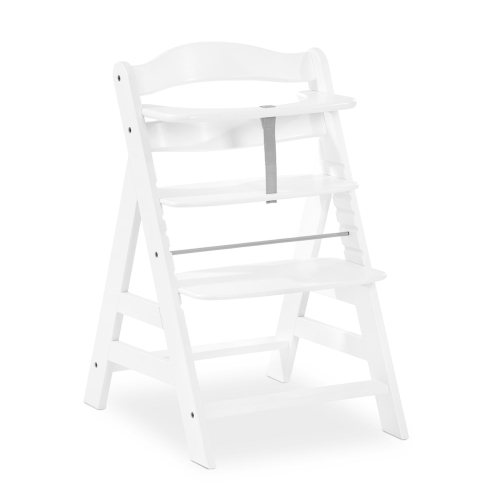
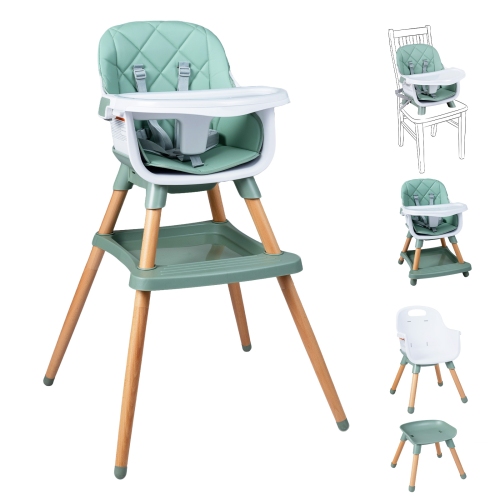
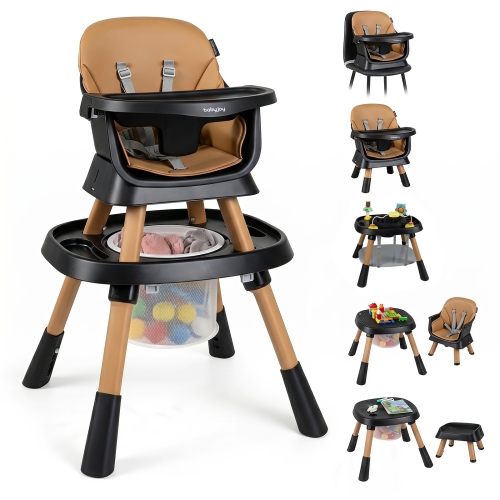
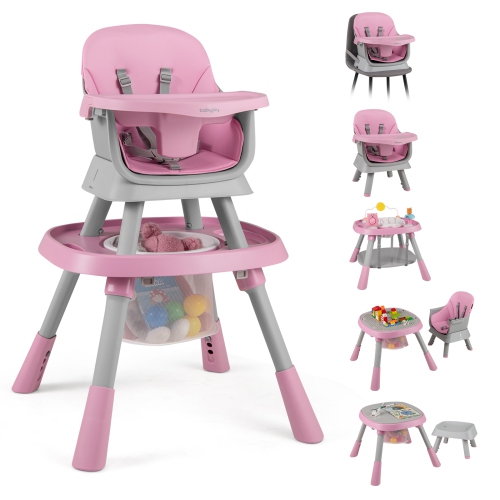
Materials and construction become especially noticeable once feeding brings soft fruit, cereal, and scattered spoonfuls into the daily routine. Smooth moulded plastic can be straightforward to wipe down, while sealed wood offers a firm surface that needs care suited to its finish. Metal frames bring another set of cleaning considerations, particularly around joints, fasteners, and places where food or moisture can collect. Upholstered pads may soften the seating surface, but seams, folds, and harness openings can hold crumbs that are easy to miss during a quick wipe. Removable covers are helpful when their washing instructions suit the household’s routine, and removable trays can make it easier to clean both the eating surface and the area underneath. Dishwasher use should be limited to parts specifically identified as dishwasher-safe. A separate tray insert can simplify clearing away a messy meal, although the main tray, seat, straps, and buckles still need regular attention. Durability involves more than a sturdy-looking frame: adjustment mechanisms should continue to lock securely, fasteners should remain tight, and straps should be checked for wear. Convertible high chairs can extend usefulness into later feeding stages when every configuration is used within its stated limits. As a baby grows, reassessing seat position, harness fit, and footrest height helps keep the chair suited to changing proportions. Families considering seating for a later stage may also find High Chairs for 8 Month Old relevant, while still checking each chair’s individual requirements. For a baby gift, practical details such as dining-space dimensions, storage needs, and the caregivers’ preferred cleaning routine are often more useful than choosing by appearance alone. A washable pad may suit one household, while another may prefer a simple seat with fewer fabric surfaces. Across these differences, an appropriate high chair brings together correct developmental fit, dependable restraints, manageable care, and a design that works comfortably within the family’s everyday meals.
Top selling and popular products
-
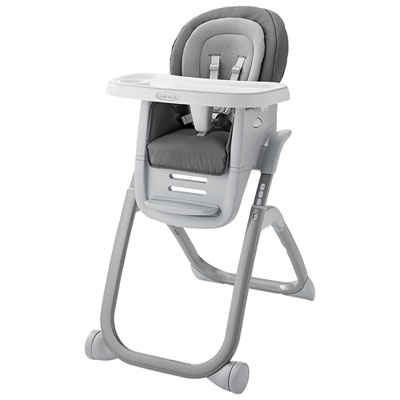 Your price for this item is $279.99
-
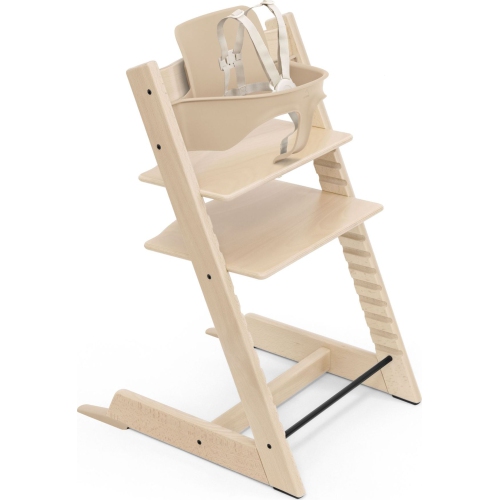 Your price for this item is $455
-
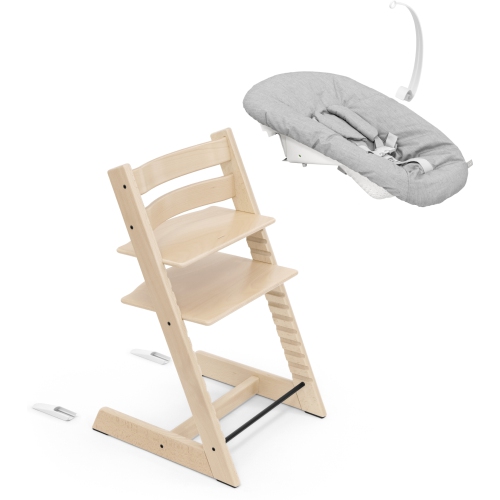 Your price for this item is $514.99
-
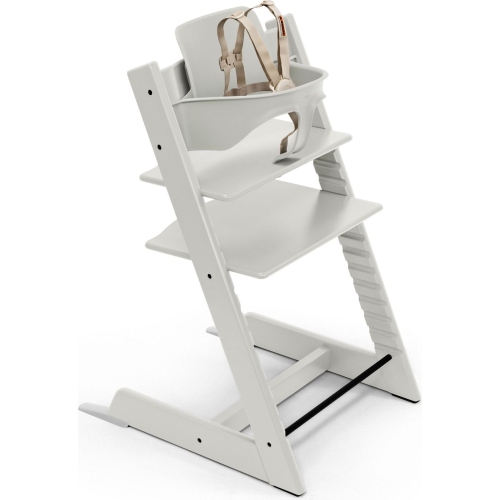 Your price for this item is $454.99
-
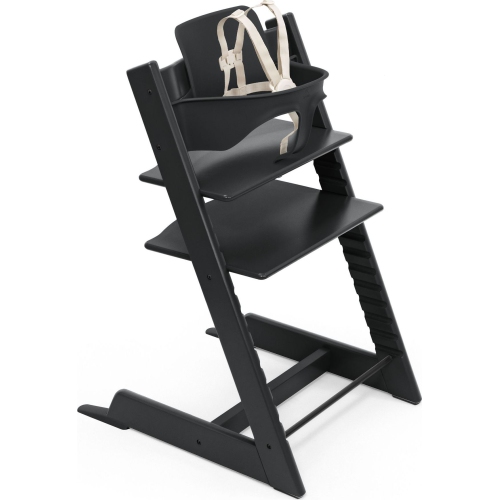 Your price for this item is $455
-
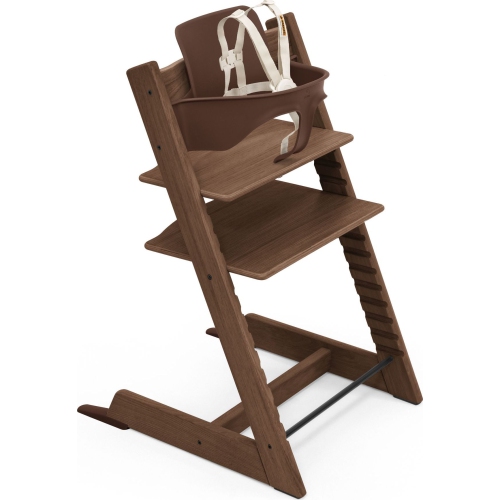 Your price for this item is $488.99
-
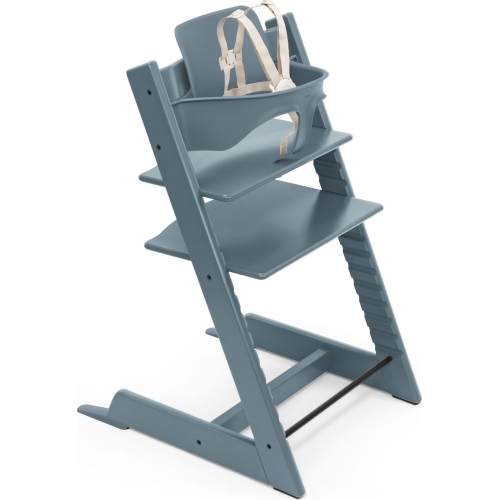 Your price for this item is $454.99
-
 Your price for this item is $488.99
Discover more categories related to High Chairs for 5 Month Old
Top Collections:
Pokemon Centers, Best Cameras for Sports Photography, Kindle Devices, Samsung Galaxy Phones, Canon G7X Cameras, Pokémon 30th Celebration Cards, Refurbished Apple Laptops, iPhone 15 Apple, Laptops for Students, Budget Smartphones
Some products may be subject to Environmental Handling Fees
(EHF) depending on your province.
Learn more about EHFs.