High Chairs for 6 Month Old
A high chair is a great way to keep your baby safe and comfortable while you're eating or doing other things around the house. It can also be a handy way to keep an older baby entertained while you finish cooking dinner, or get ready for work. Here are some of our favorite high chairs for 6-month-old babies.
Sort



















































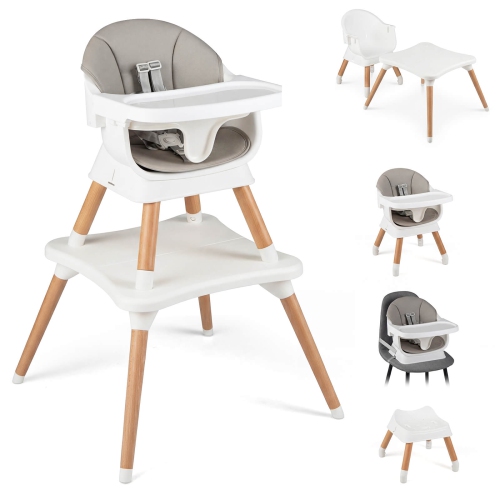

Why seat fit matters for your baby’s first meals
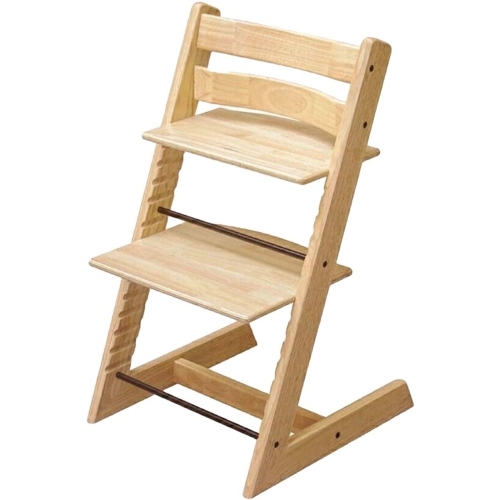
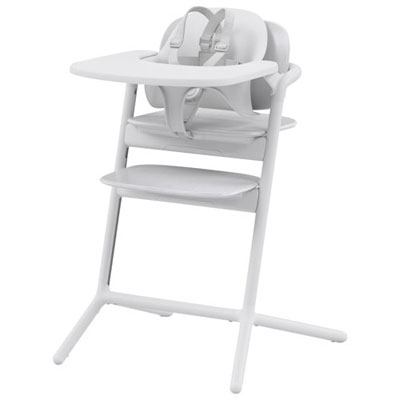
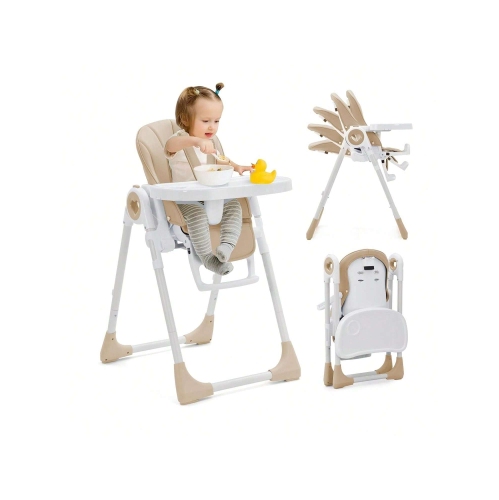
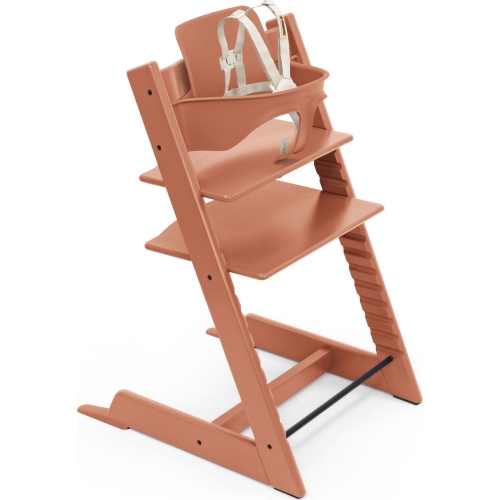
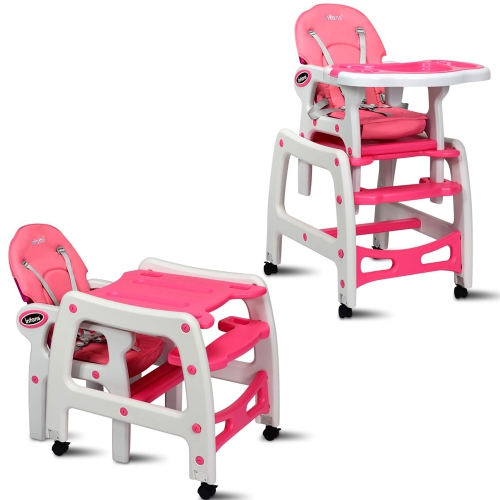
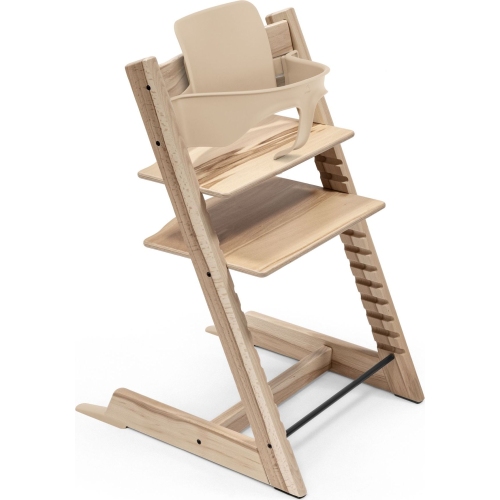
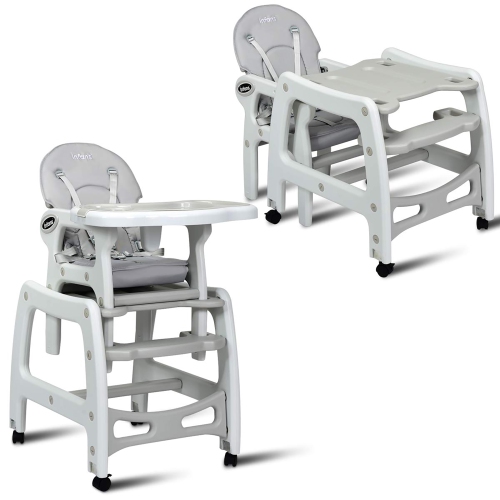
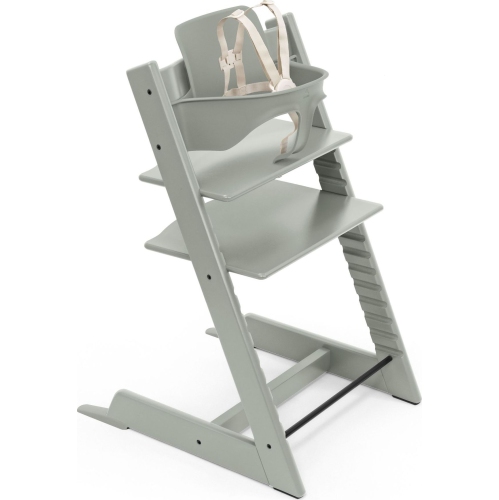
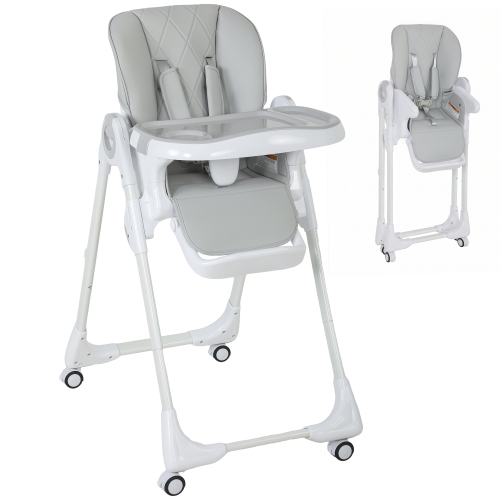
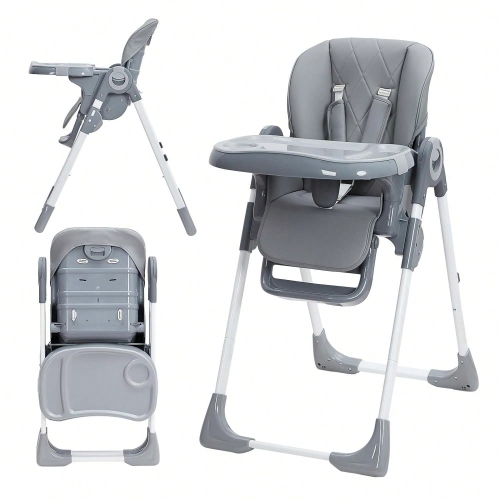
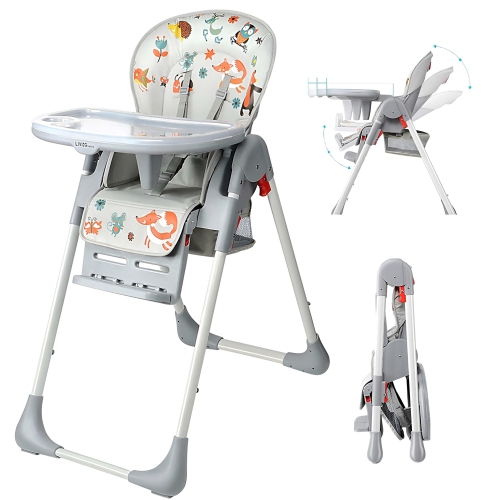
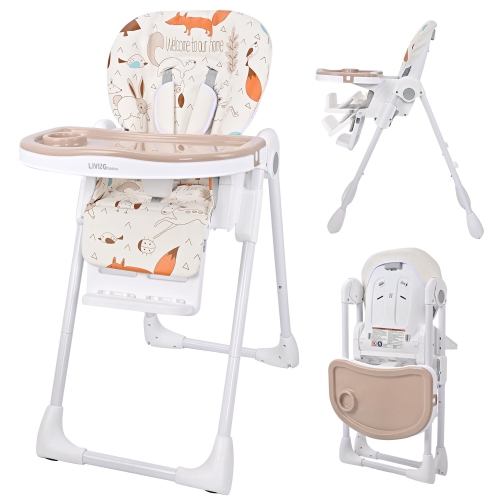
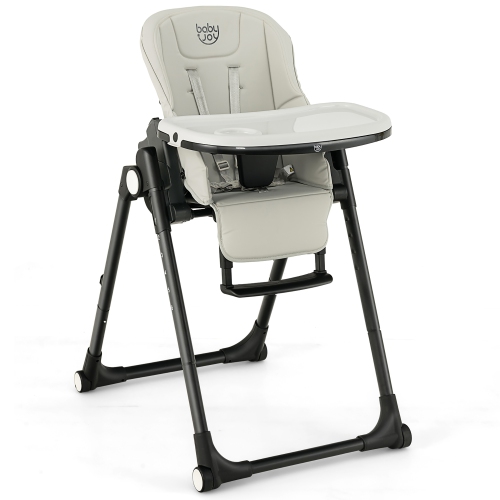
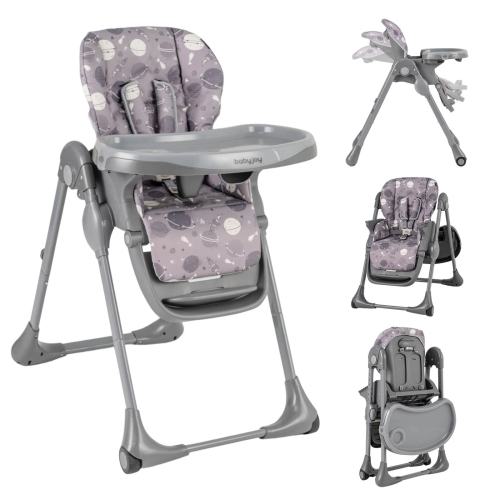
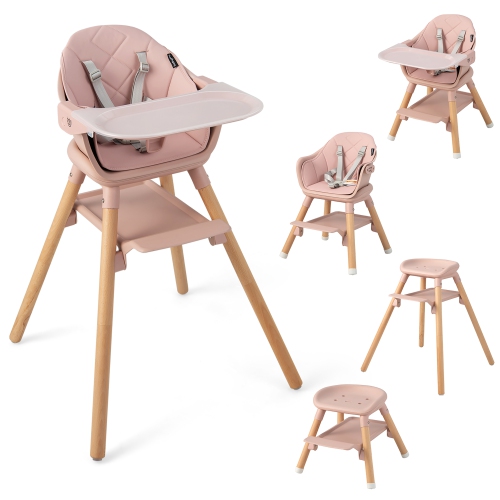
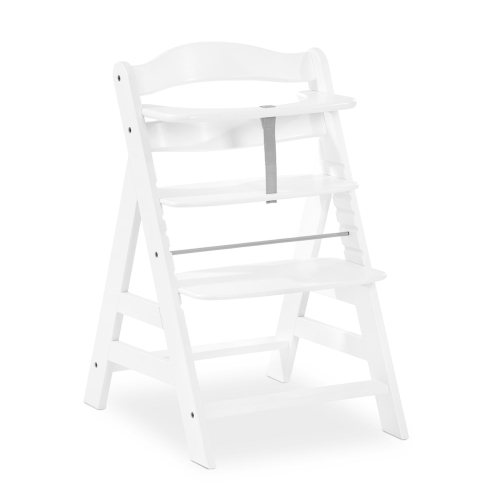
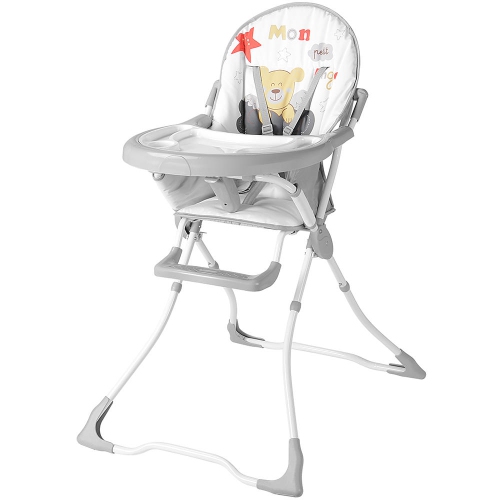
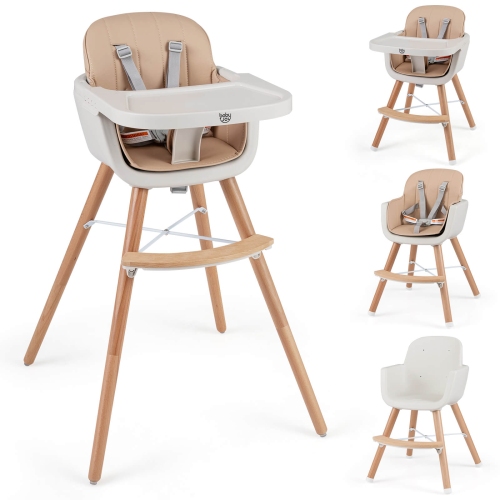
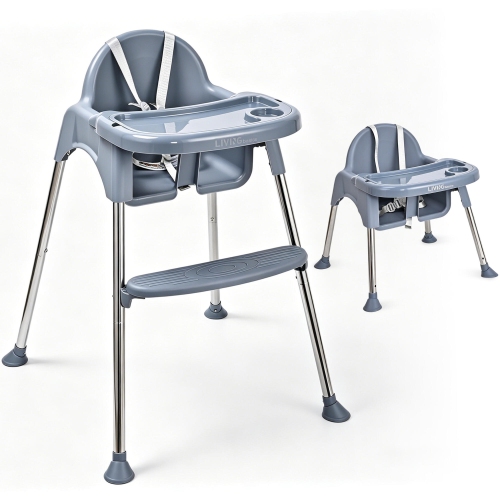
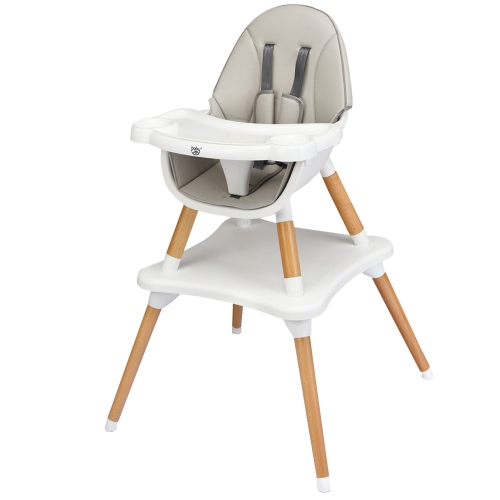
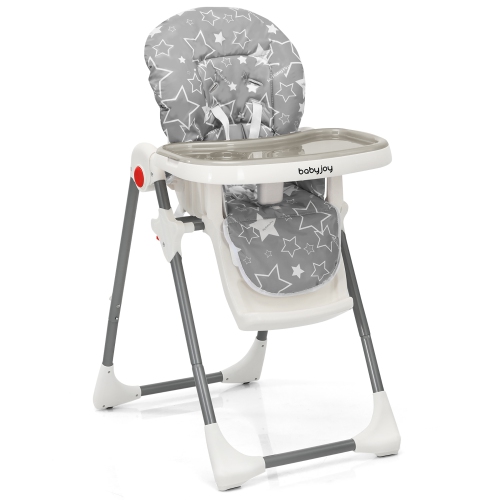
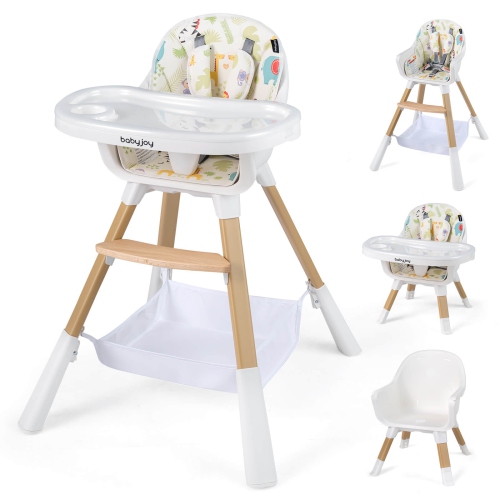
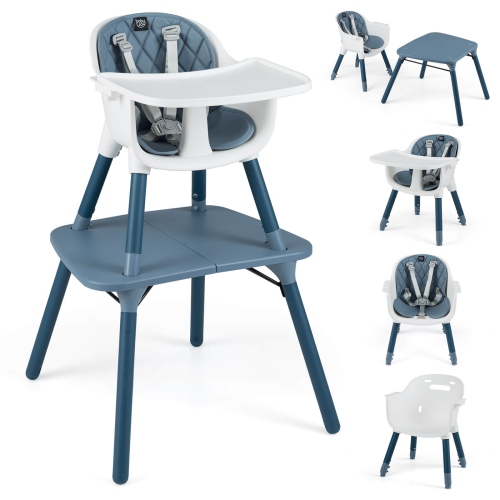
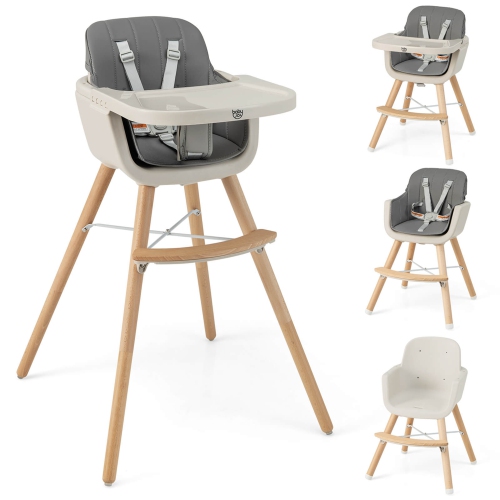
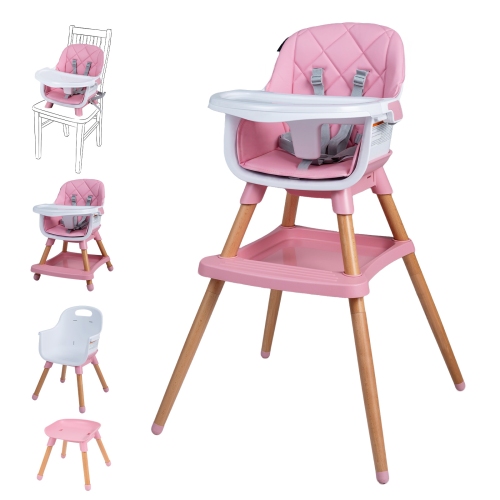
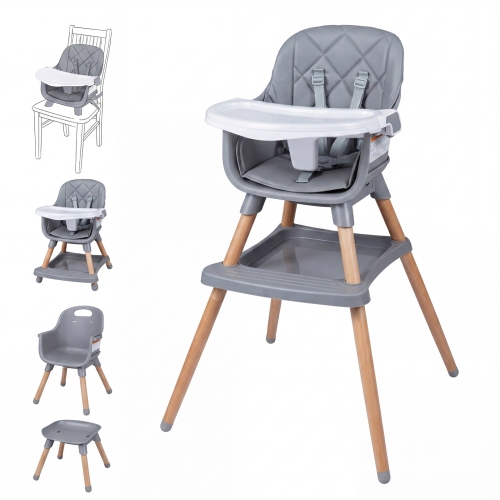
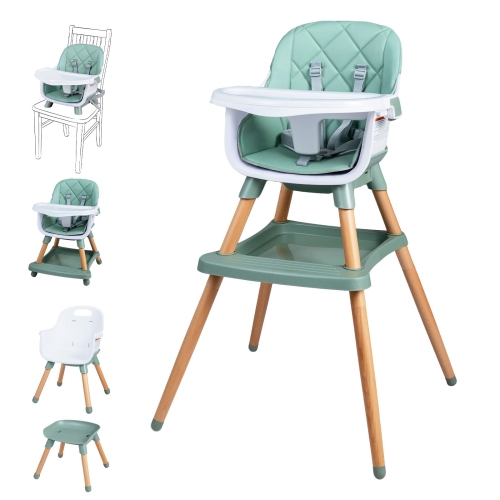
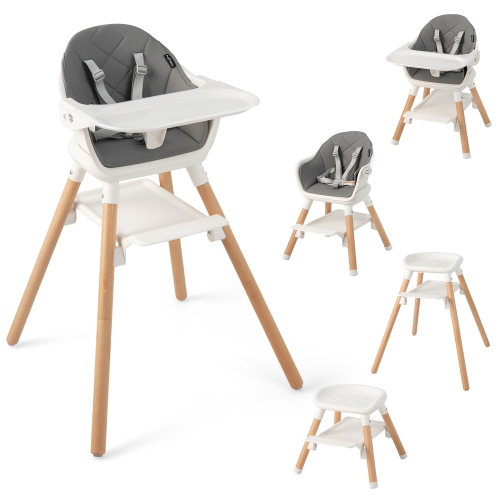
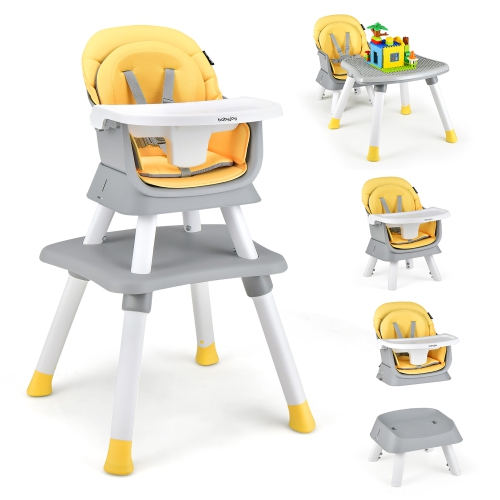
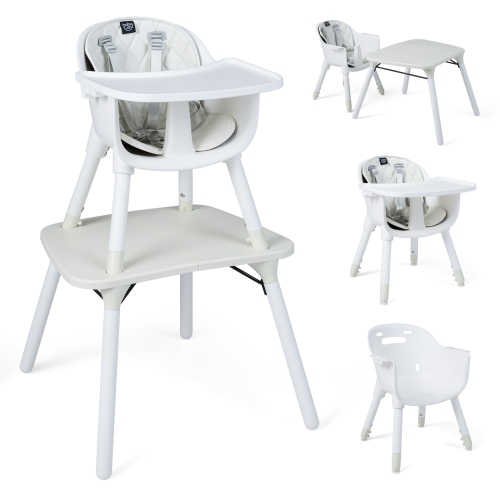
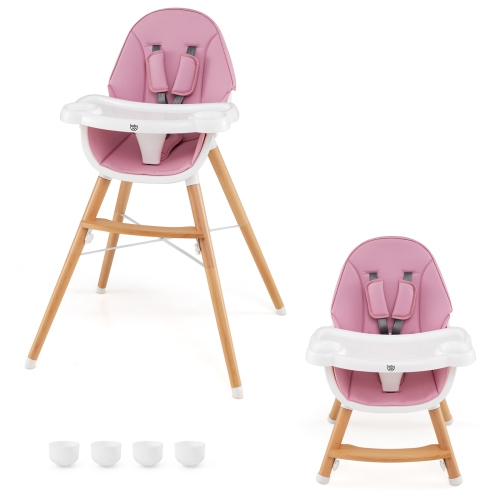
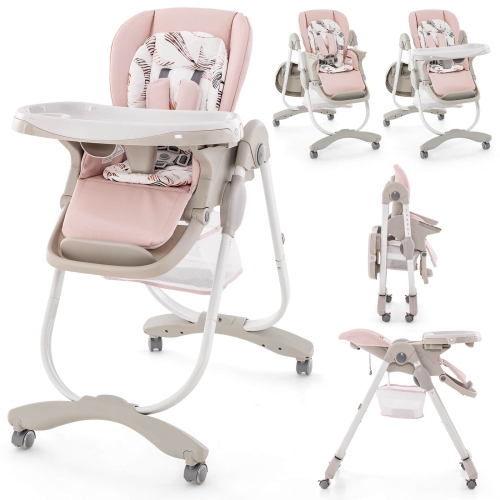
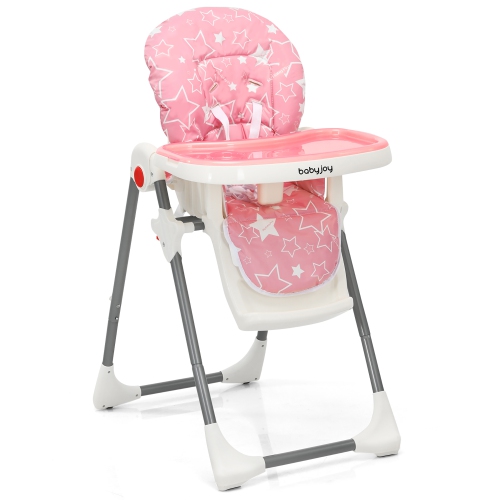
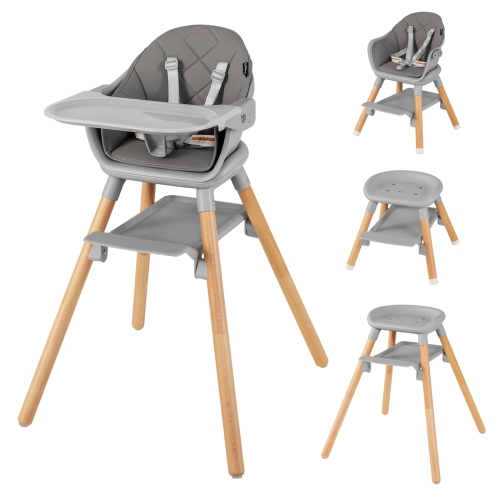
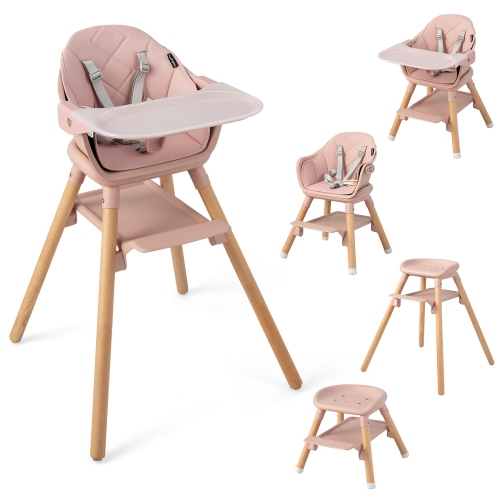
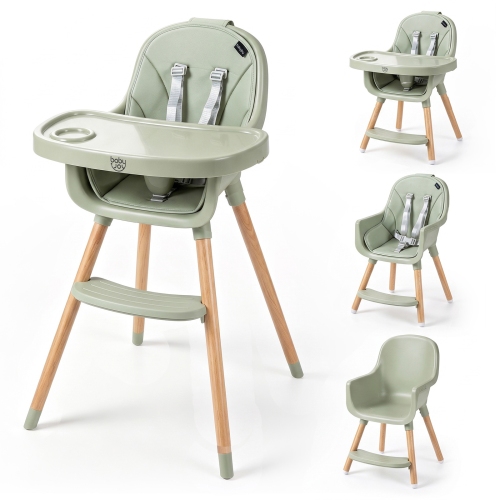
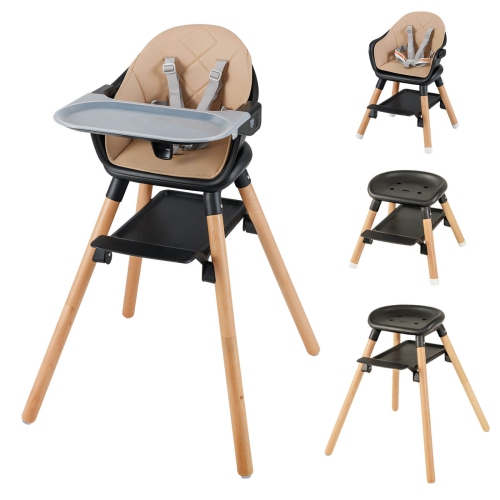
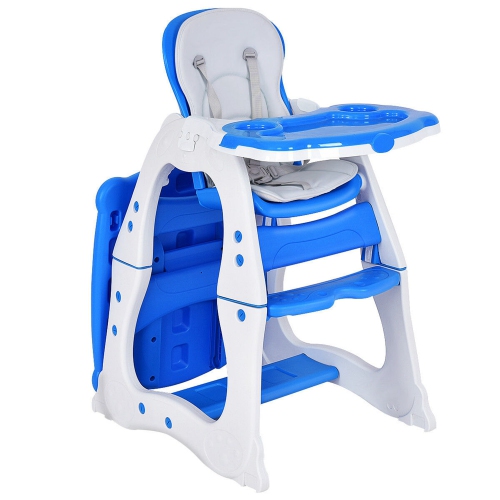
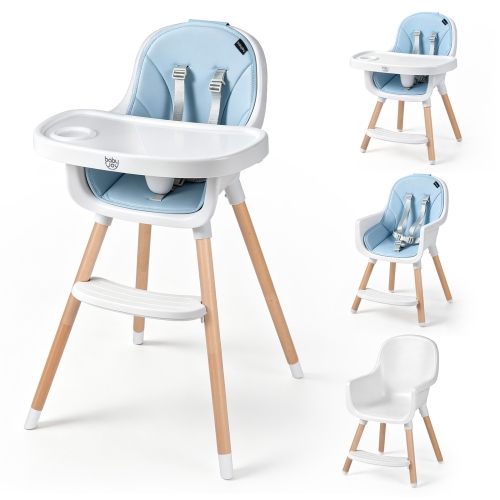
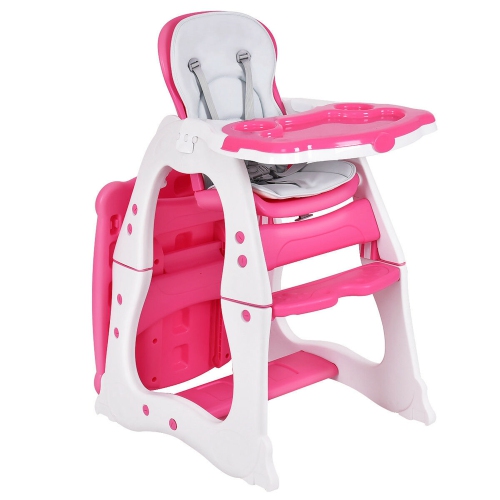
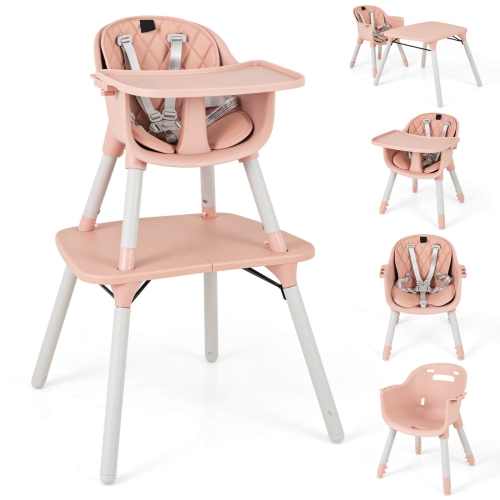
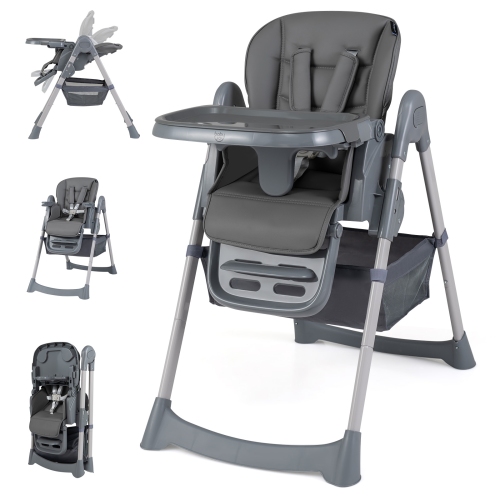
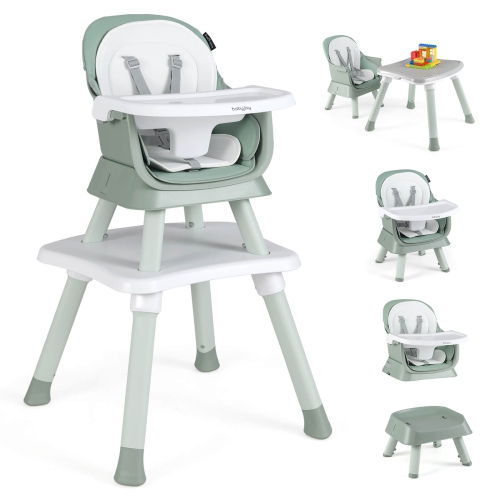
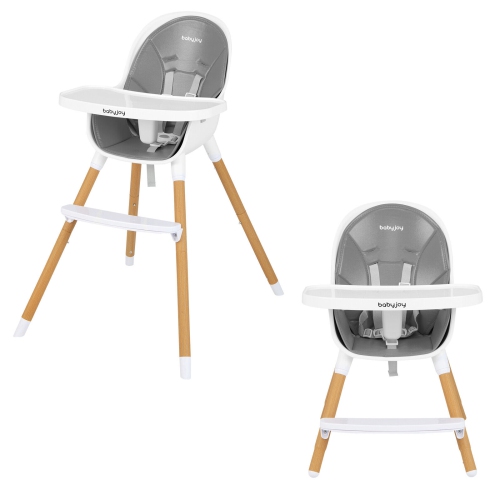
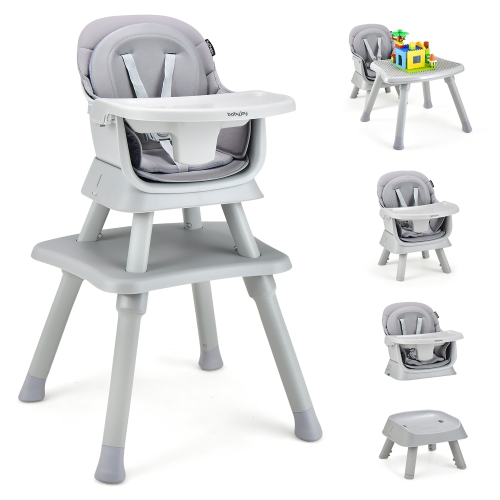
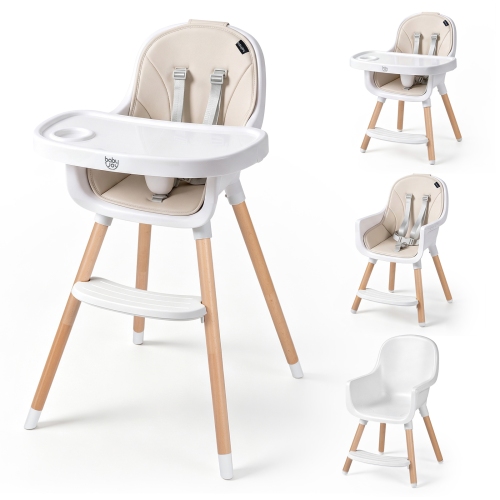
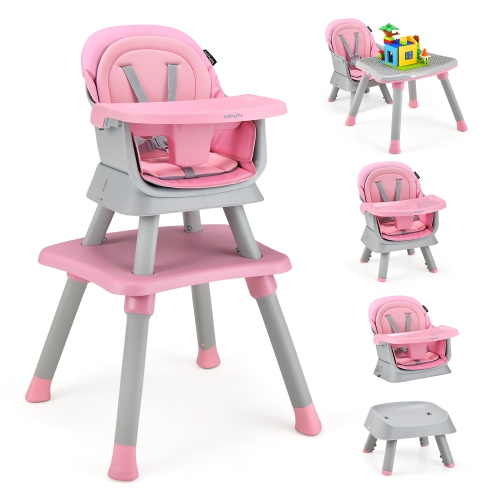
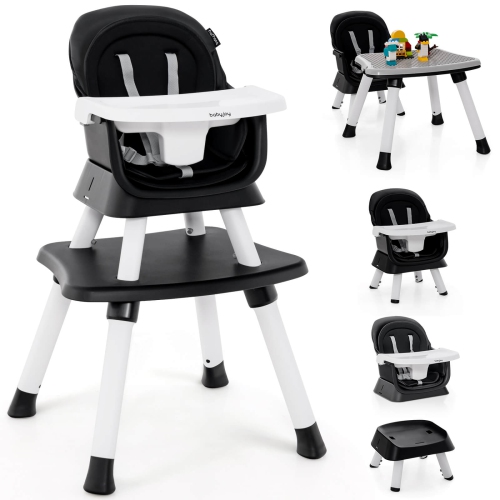
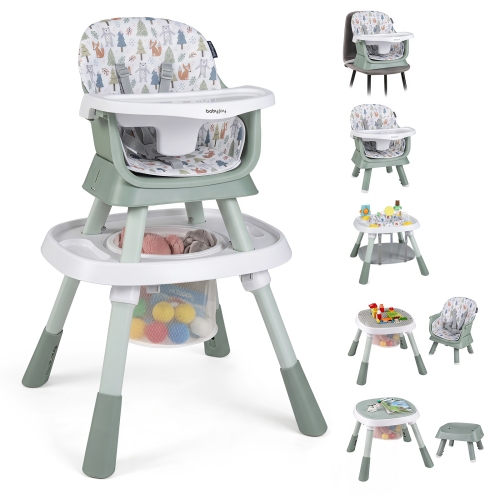
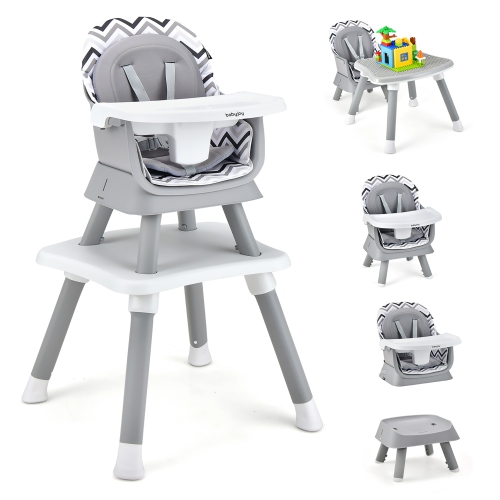
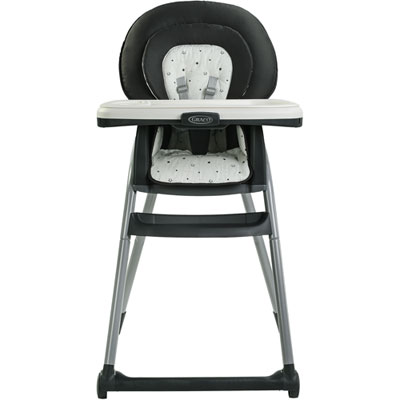
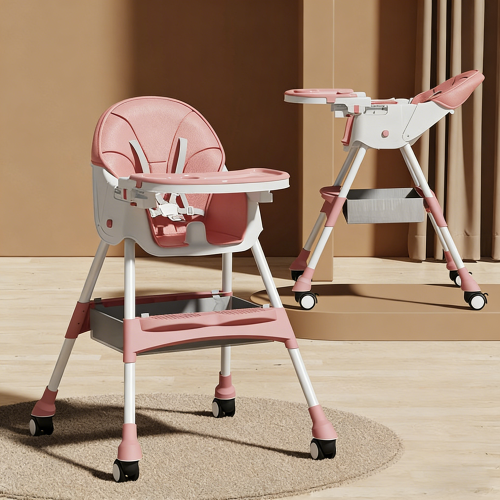
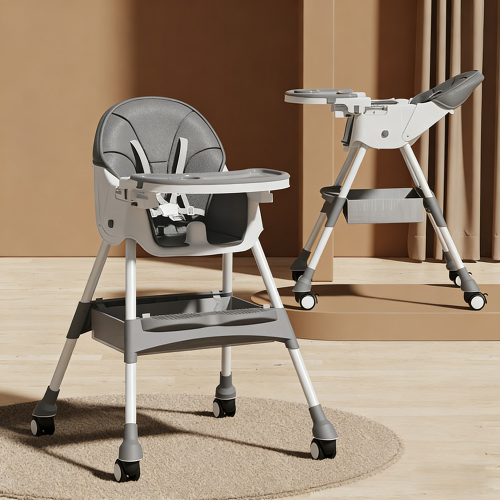
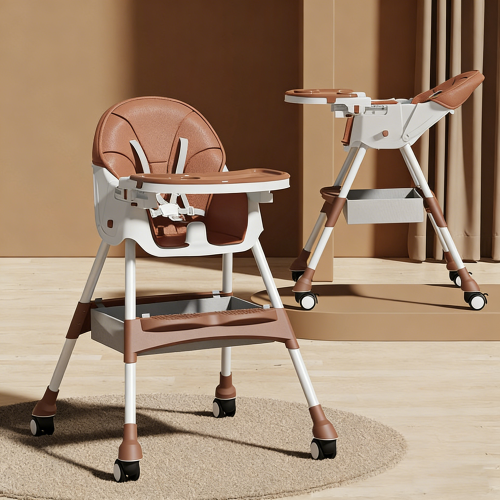
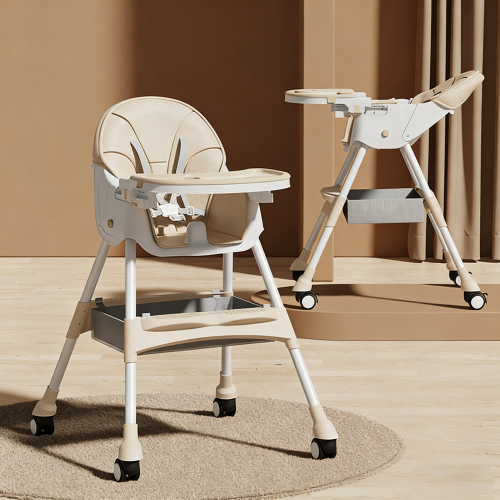
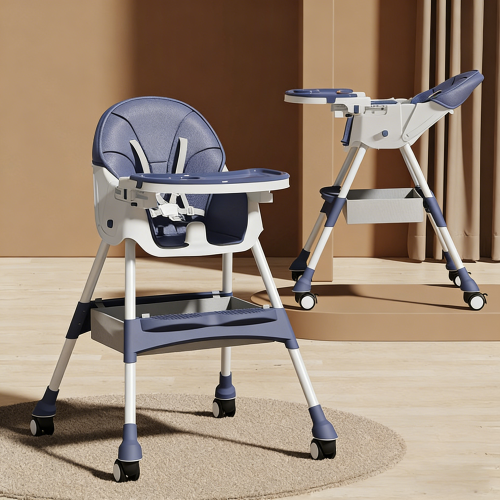
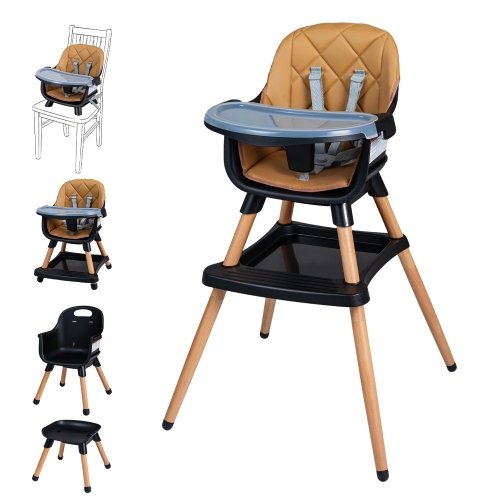
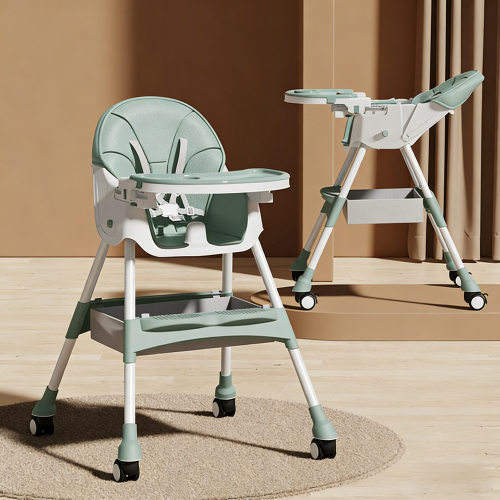
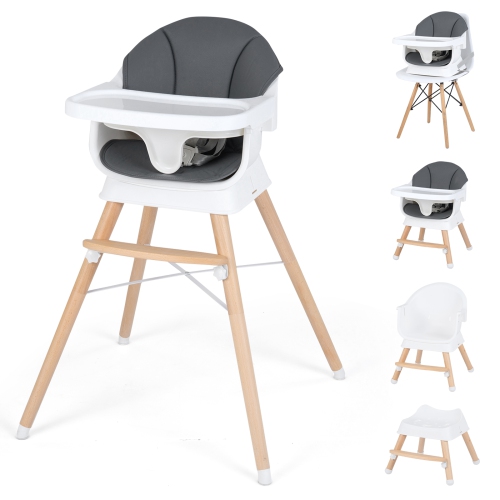
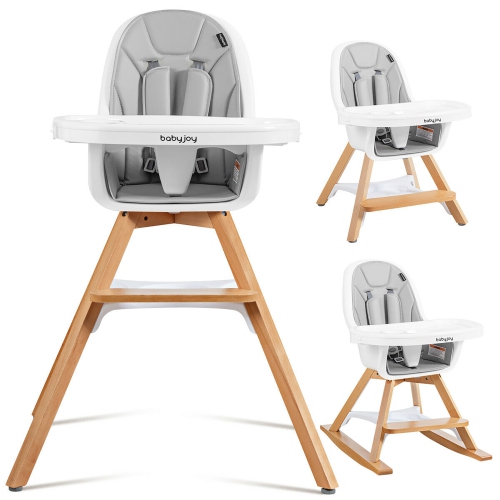
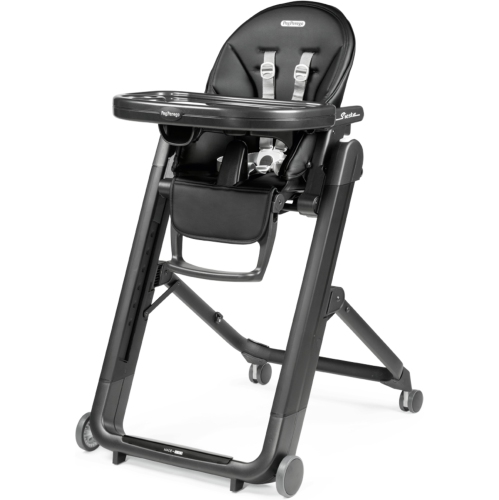
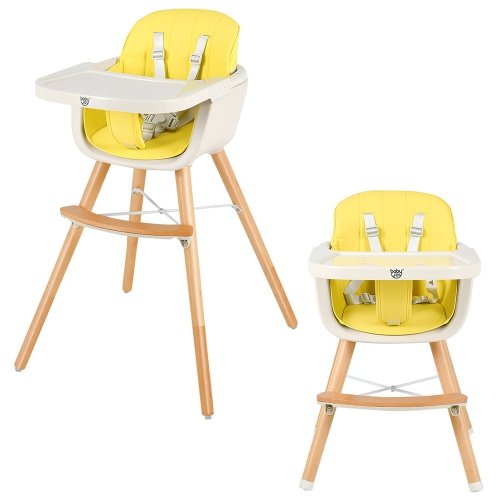
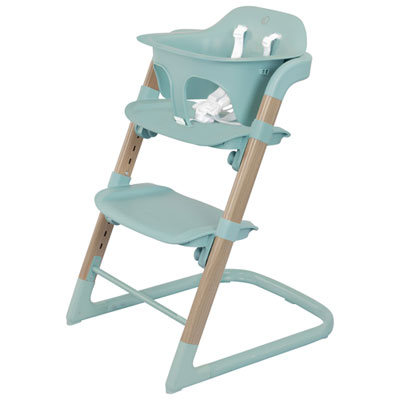
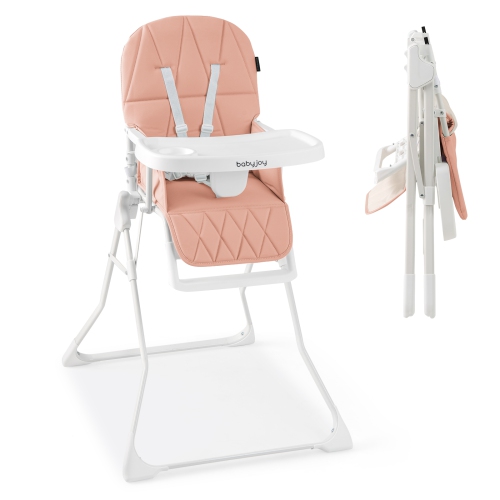
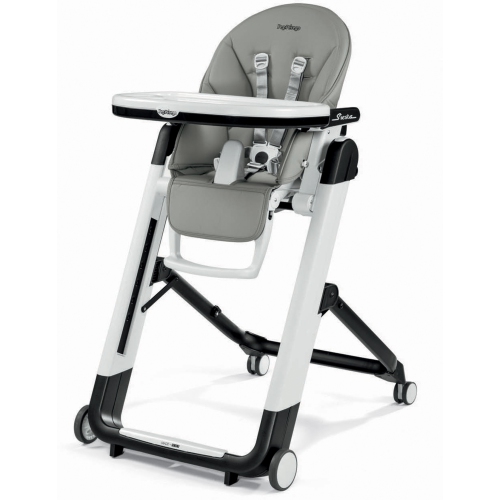
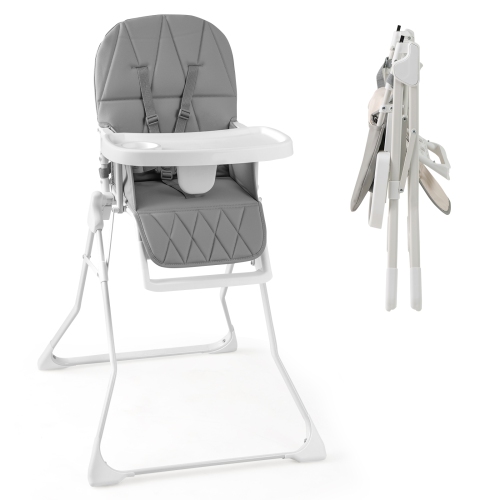
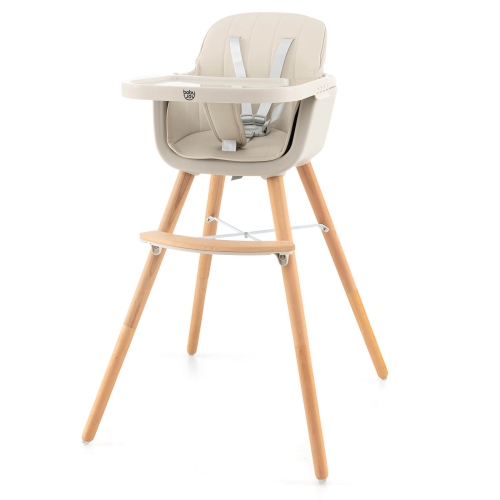
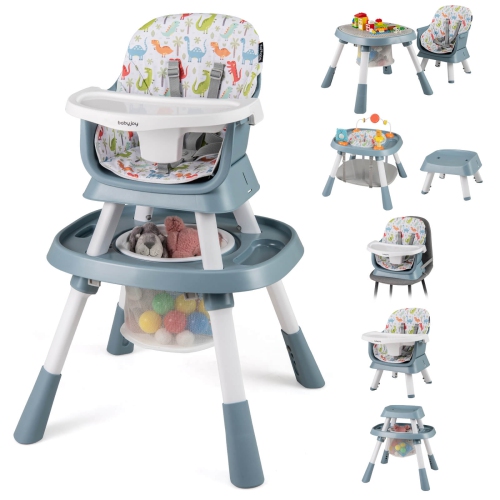
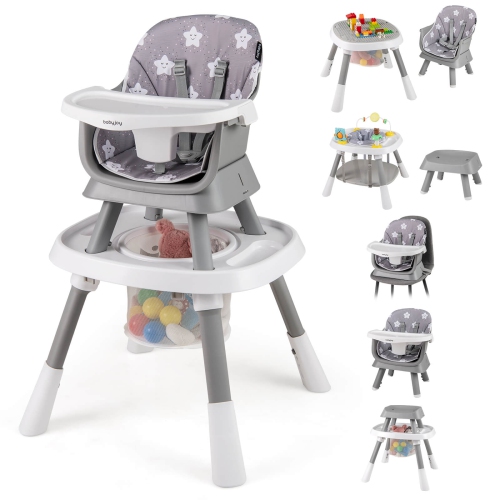
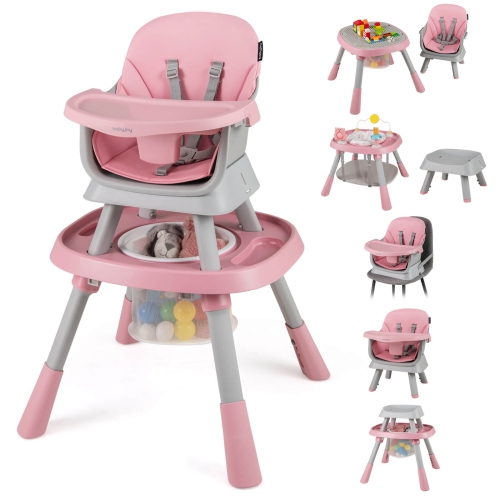
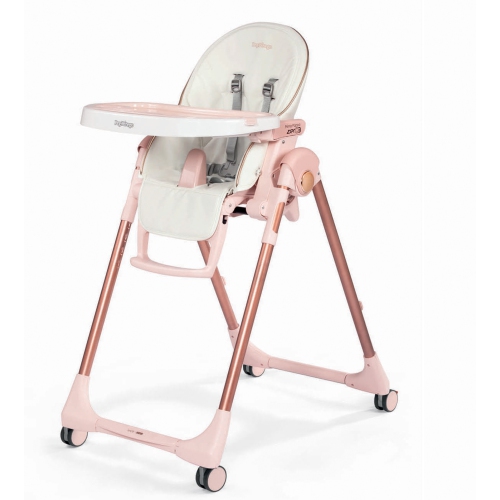
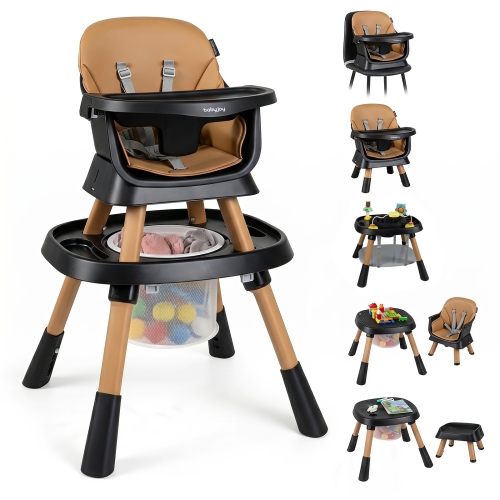
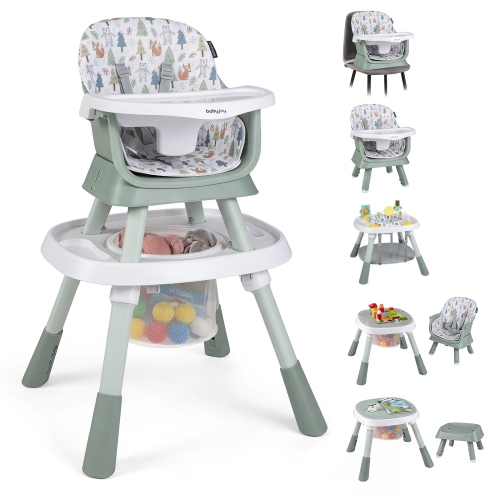
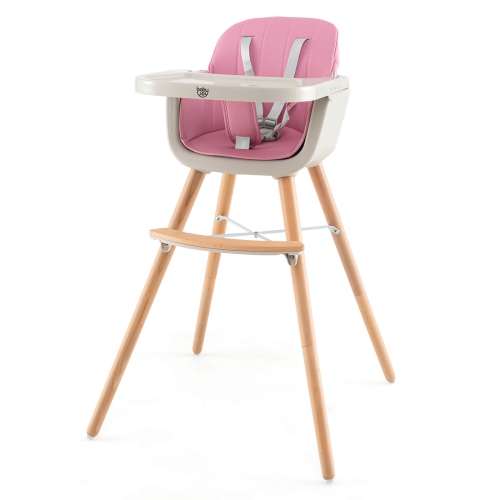
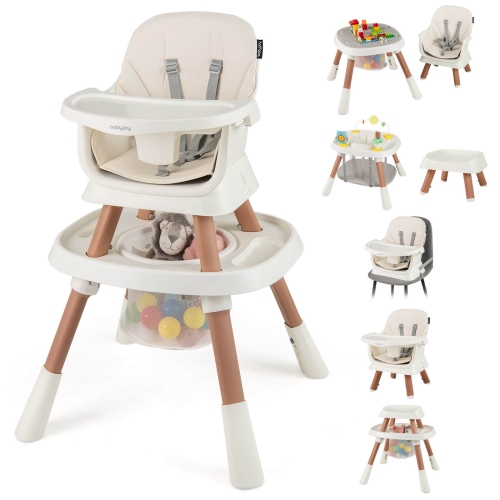
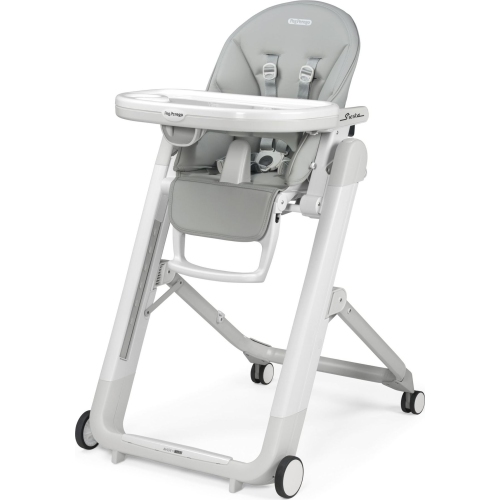
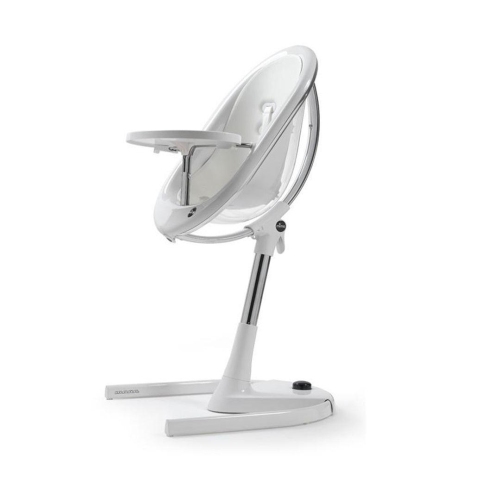
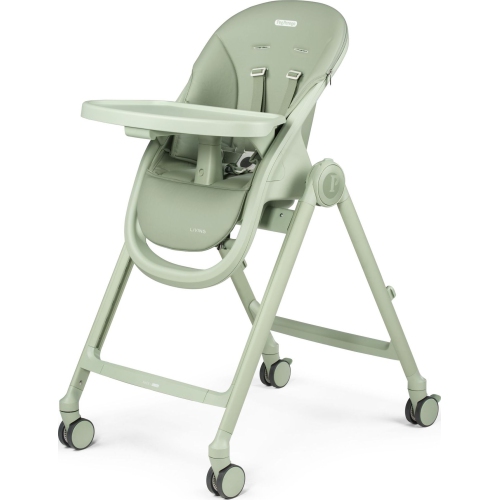
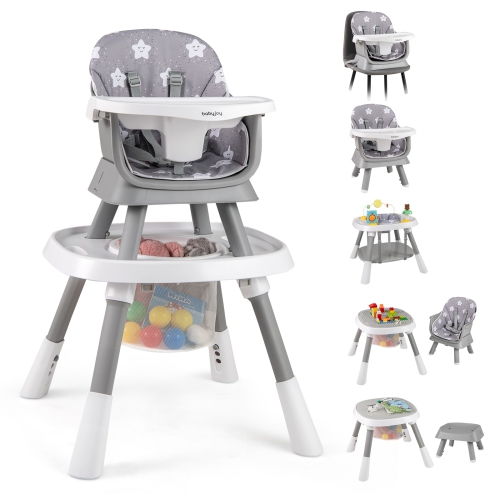
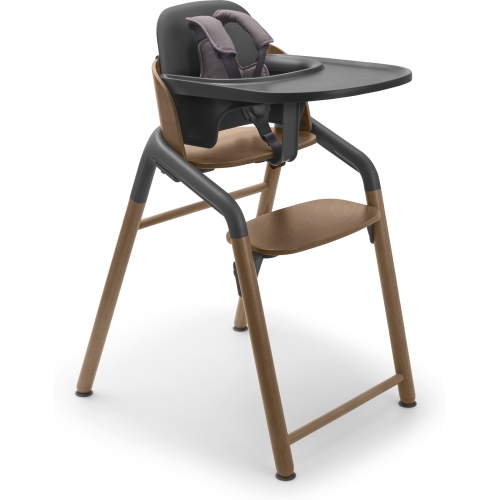
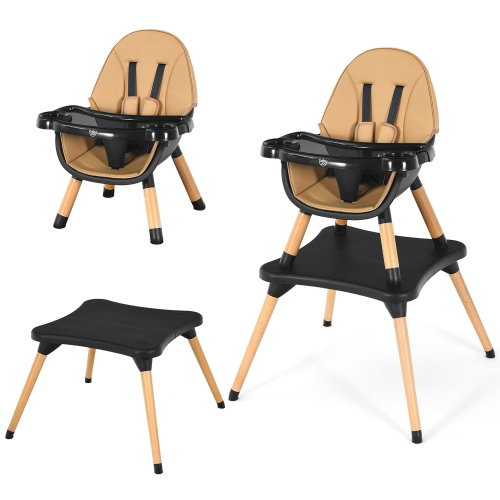
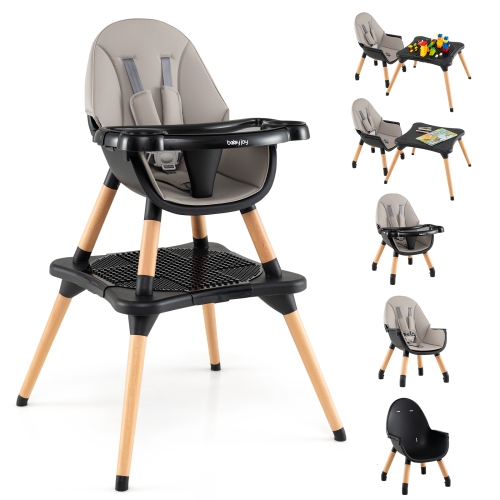
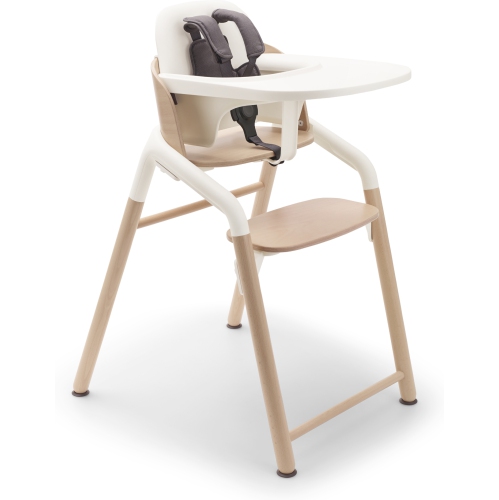
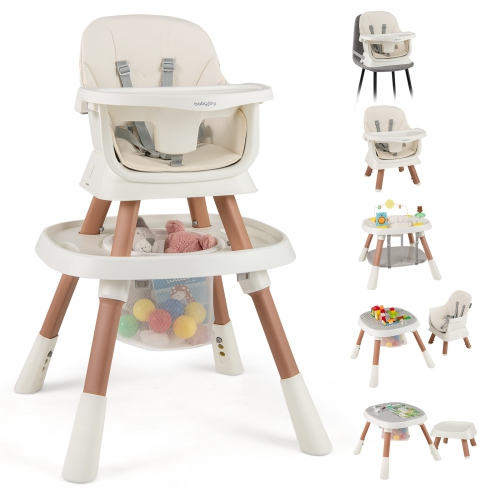
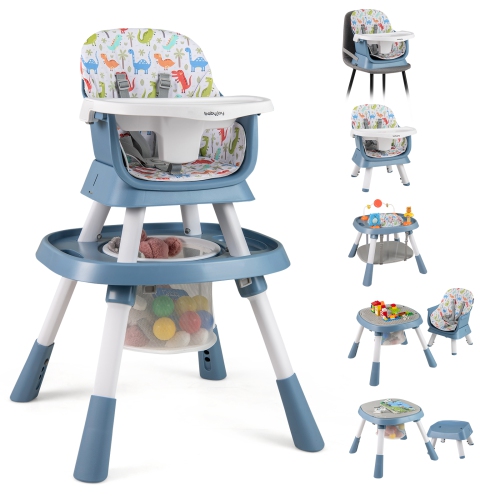
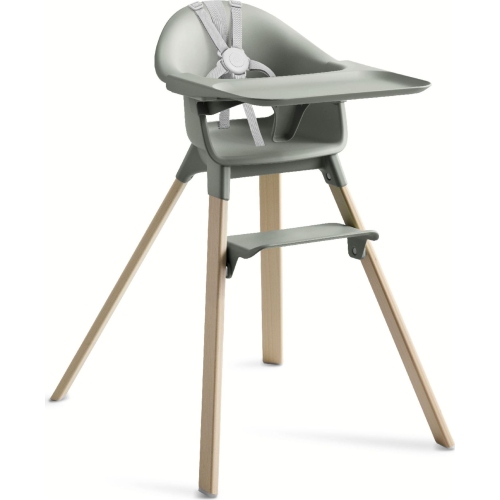
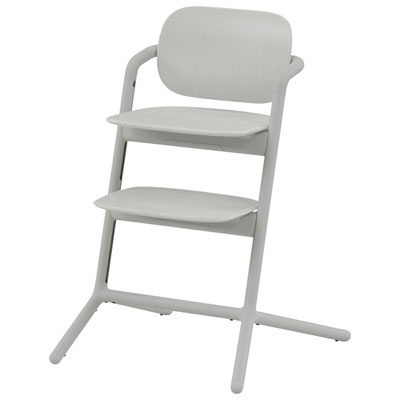
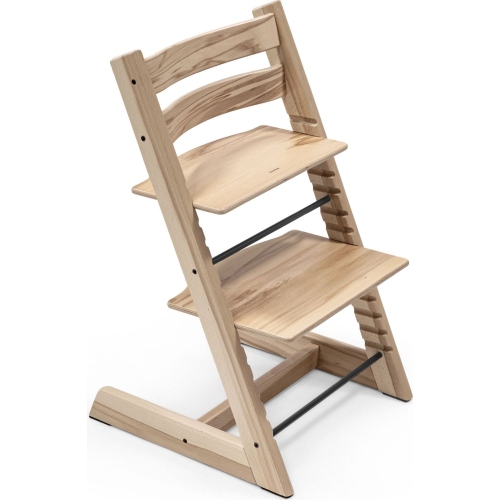
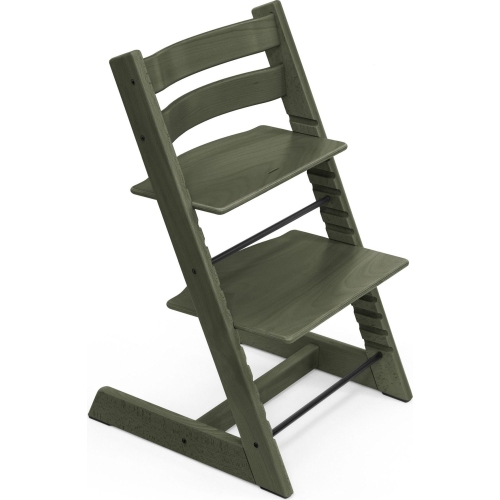
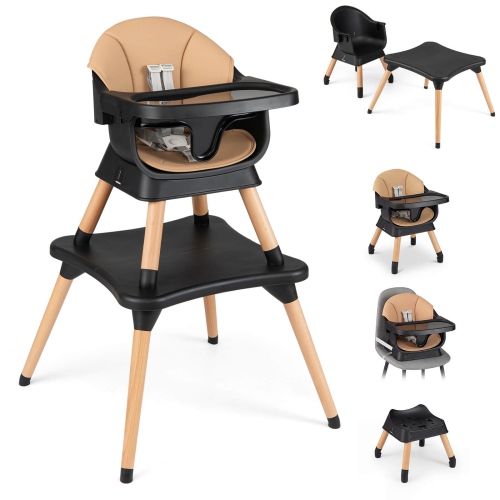
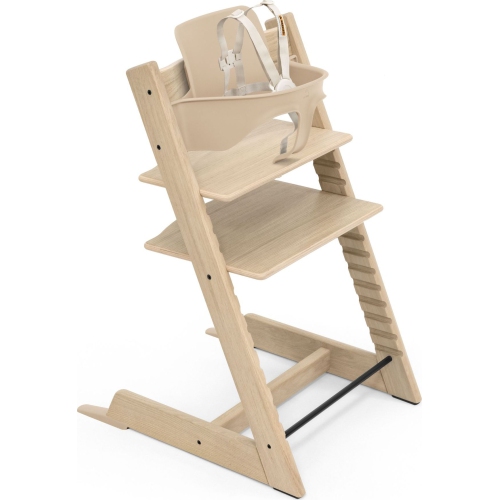
A high chair for a 6-month-old should provide upright seating, secure restraints, a stable base, and a footrest that supports the baby’s feet. Around this age, many babies begin joining family meals as they develop the skills needed for solid foods, but age alone does not establish readiness. Steady head and neck control, the ability to maintain an upright seated position, and the chair manufacturer’s developmental requirements all matter. A well-fitting seat supports the pelvis and back without leaving the baby slumped sideways or sliding forward. Ideally, the hips, knees, and ankles rest at approximately right angles, with the feet supported rather than dangling; these are useful fit goals, not positions to force. An adjustable footrest can help accommodate shorter legs and continue to provide support as the child grows. Seat depth matters, too: an oversized seat may leave a smaller baby far from the backrest, while a tray positioned too high can restrict comfortable arm movement. A suitable tray gives little hands room to reach for food without pressing against the chest or abdomen. A five-point harness offers restraint at the shoulders, waist, and between the legs, helping keep the baby positioned in the seat when adjusted and fastened according to the instructions. The tray is a surface for food, not a substitute for the restraint system. For solid-food feeding, the seat needs to remain upright rather than reclined, even when the chair offers several backrest positions. Manufacturer-approved infant inserts may improve fit in compatible chairs, but extra cushions or improvised supports should not be used to compensate for a baby who is not ready to sit for feeding. Close adult supervision remains essential throughout every meal. These details become especially noticeable during an ordinary breakfast: a baby reaching towards a spoon needs comfortable support beneath the feet, room to move the arms, and a secure seat that does not depend on the tray to hold the body upright.
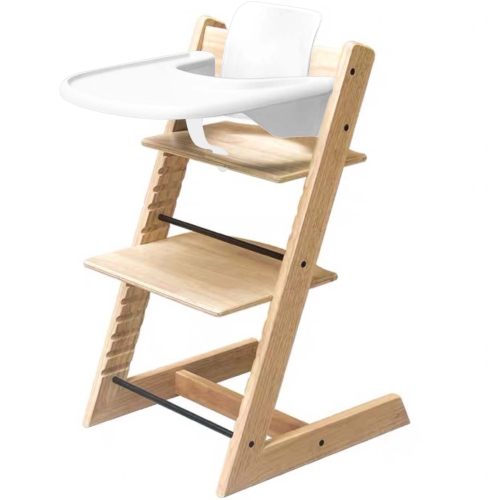
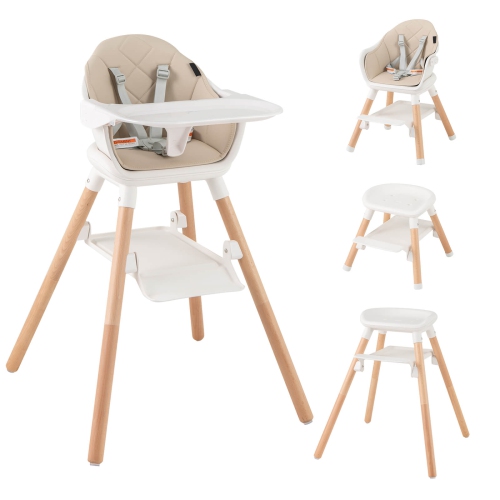
Materials and construction shape how a high chair feels in daily use, particularly once purées, porridge, and soft finger foods become part of the routine. Moulded plastic seating often offers smooth, wipeable surfaces, while wooden designs bring a furniture-like appearance that can sit comfortably beside a dining table. Metal frames can provide a sturdy structure, although overall stability depends on the complete design, including the base and adjustment mechanisms. Finish quality is important across materials: smooth edges, intact coatings, and neatly fitted components help make repeated cleaning more manageable. Upholstered seats and padded inserts may add comfort, but seams, folds, and harness openings can collect crumbs or spilled food. Removable covers are useful when their care instructions suit the household’s laundry routine, and a spare manufacturer-approved cover can simplify cleanup between meals. A removable tray insert may make it easier to carry food residue to the sink, while a larger tray can offer room for a bowl, a cup, and scattered pieces of soft food. Dishwasher compatibility varies by component, so a removable tray is not automatically dishwasher-safe. Care instructions also determine which cleaning products are suitable for plastic, wood, fabric, and restraint straps. Fewer deep crevices can mean less time spent working dried cereal out of corners, but the spaces around buckles, tray releases, and seat joints still need attention. Everyday durability involves more than the frame: frequently used buckles, adjustment buttons, tray attachments, and fabric fastenings all contribute to how well the chair handles repeated use. For a baby who is just beginning to explore food, the practical difference often appears after the meal, when mashed vegetables have reached the seat edge and a spoon has slipped beside the cushion. Accessible surfaces and parts that can be removed and reattached as instructed make that familiar cleanup easier. Thorough drying before reassembly is also important wherever water can collect beneath an insert or around a joint.
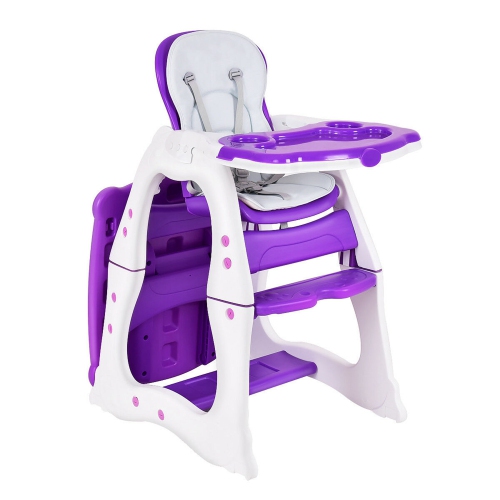
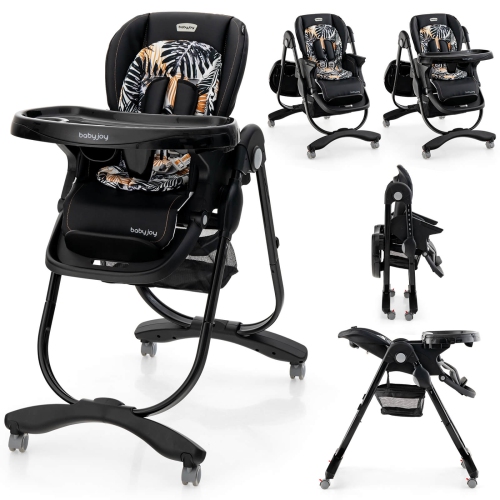
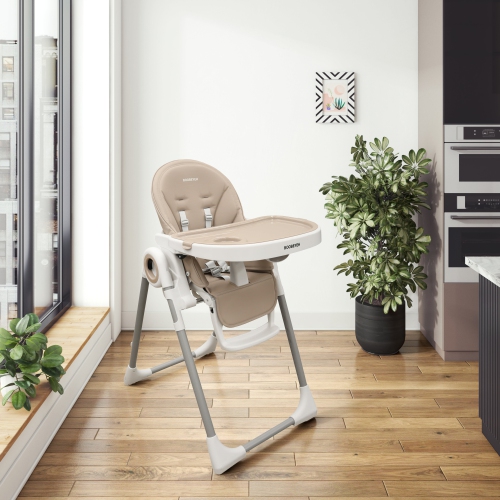
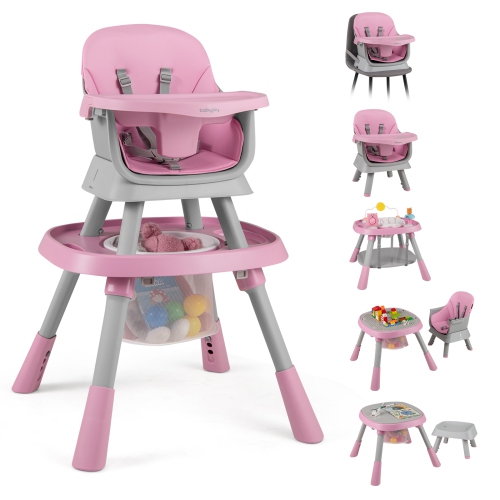
The right proportions for the home matter alongside the right fit for the baby. A full-size high chair needs enough floor space for its entire base, not just the seat, with room for an adult to place and remove the child comfortably. Widely spaced legs can affect movement through a narrow kitchen, while a folding design may suit a dining area that serves several purposes throughout the day. Folded dimensions, carrying weight, and the security of the folding mechanism are useful considerations when the chair will be put away after meals. Height adjustment can help bring the seat to a comfortable level for an adult offering a spoon, although not every chair or tray will fit beneath every table. Wheeled designs may be easier to reposition when empty; any wheel locks need to be used as directed before the child is seated, and the chair should not be moved with the baby inside. A level floor and a position away from hot surfaces, dangling cords, and other reachable hazards are important parts of everyday use. Convertible seating can offer a longer useful life when its approved configurations suit the child’s later development, but each stage has its own age, weight, and fitting requirements. Families considering the next stage can also explore high chairs for 8-month-olds, keeping individual fit and developmental readiness central to the comparison. For parents, grandparents, or other caregivers, consistent adjustments and straightforward cleaning can be particularly valuable when several adults share feeding duties. A high chair can also make a thoughtful baby gift when the recipient’s space, preferred seating arrangement, and care routine are known. Whether it stays beside the family table or folds away between meals, its main purpose remains the same: providing a secure, supportive place for an awake baby to take part in supervised feeding, with practical features that continue to suit everyday family life.
Top selling and popular products
-
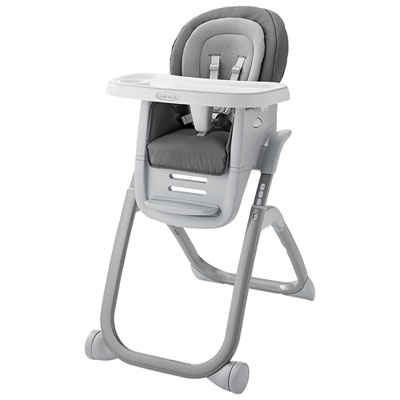 Your price for this item is $279.99
-
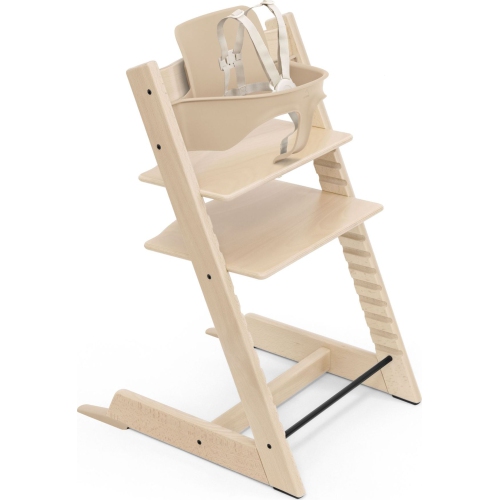 Your price for this item is $455
-
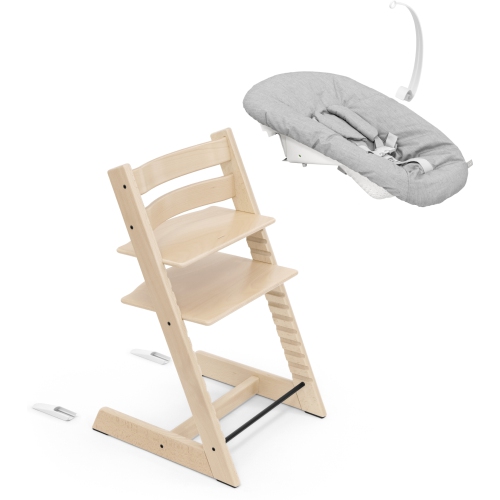 Your price for this item is $514.99
-
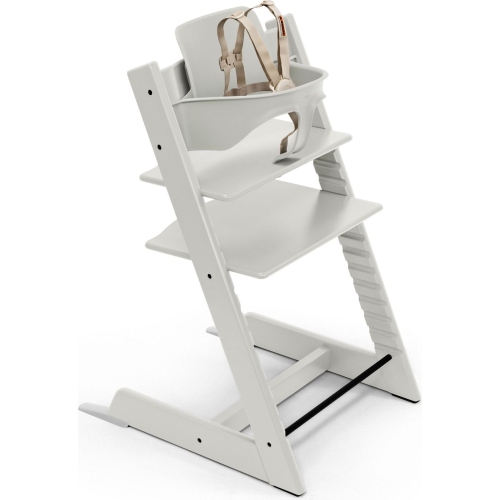 Your price for this item is $454.99
-
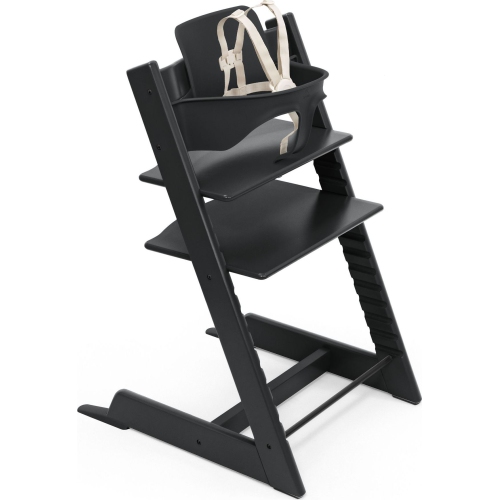 Your price for this item is $455
-
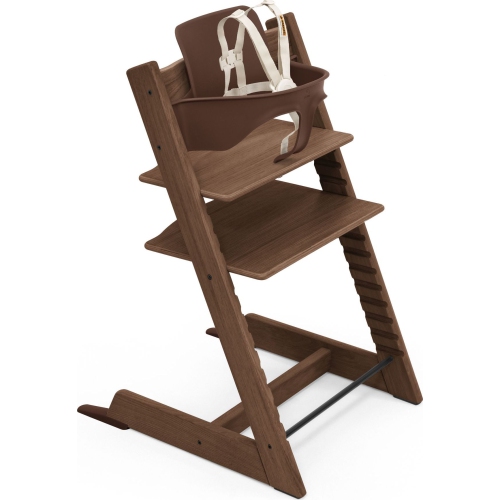 Your price for this item is $488.99
-
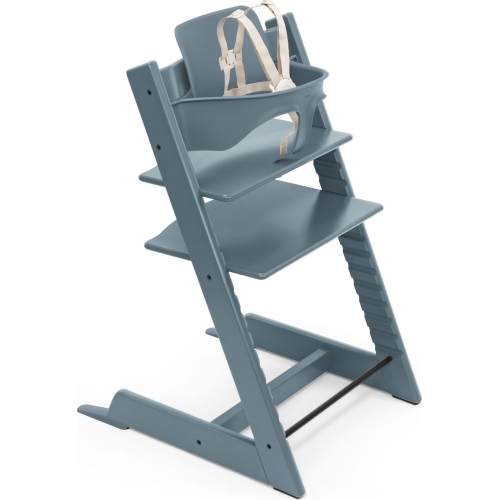 Your price for this item is $454.99
-
 Your price for this item is $488.99
Discover more categories related to High Chairs for 6 Month Old
Top Collections:
Pokemon Centers, Best Cameras for Sports Photography, Kindle Devices, Samsung Galaxy Phones, Canon G7X Cameras, Pokémon 30th Celebration Cards, Refurbished Apple Laptops, iPhone 15 Apple, Laptops for Students, Budget Smartphones
Some products may be subject to Environmental Handling Fees
(EHF) depending on your province.
Learn more about EHFs.