Infant Convertible Car Seats
An infant convertible car seat is a must-have for any parent with a car. It's a safe, convenient way to transport your baby from infancy to toddlerhood. The best part is that it can be used in multiple ways, so you can use it for more than one age group. Here are some great options for infant convertible car seats.
Sort

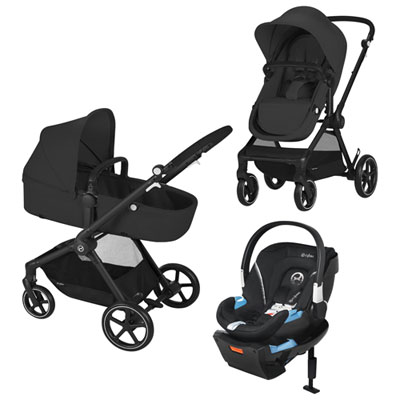

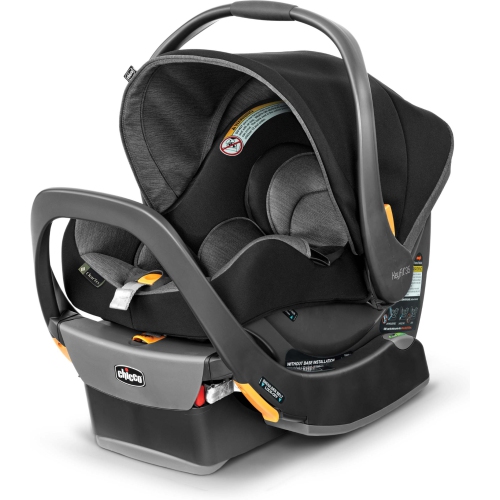

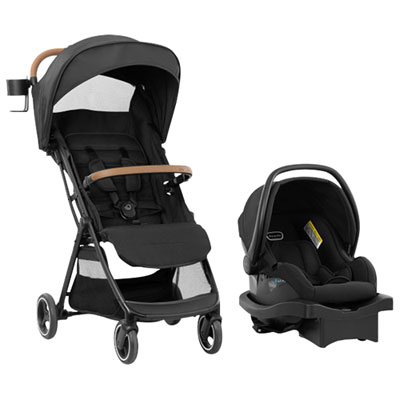

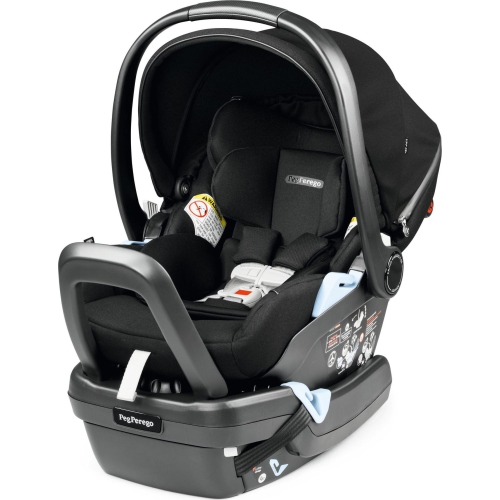

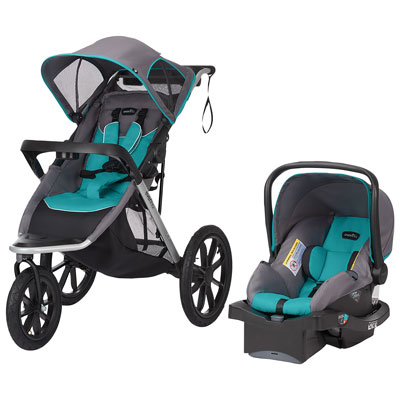
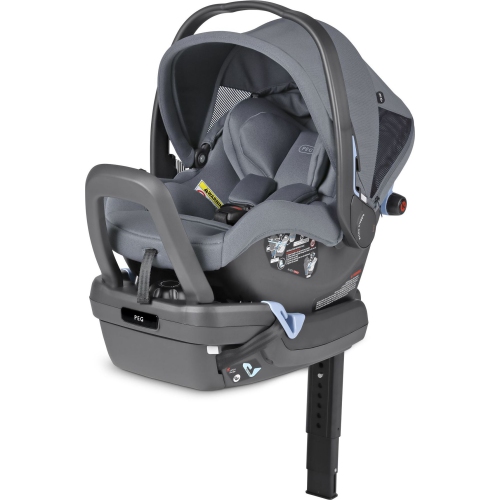

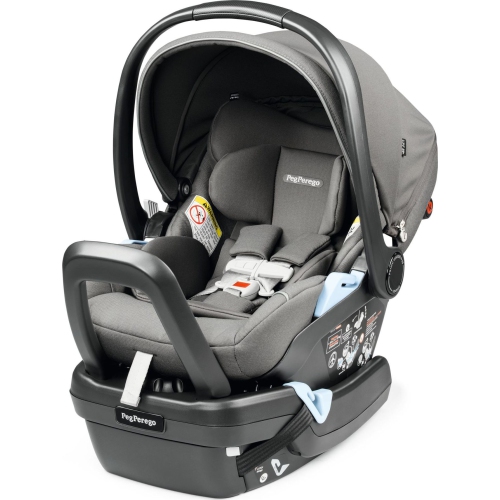
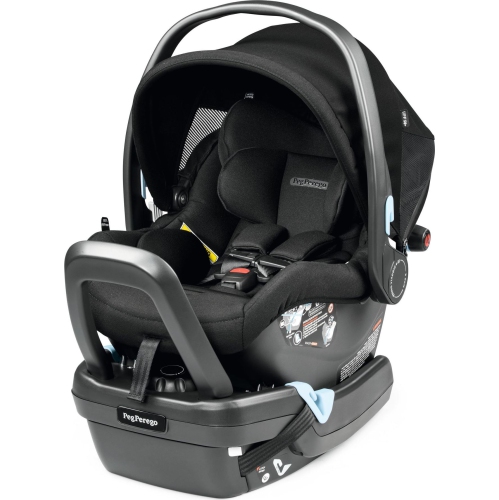
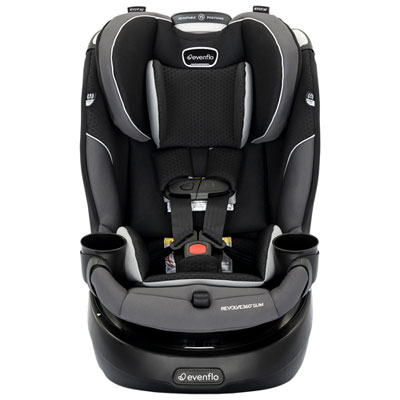
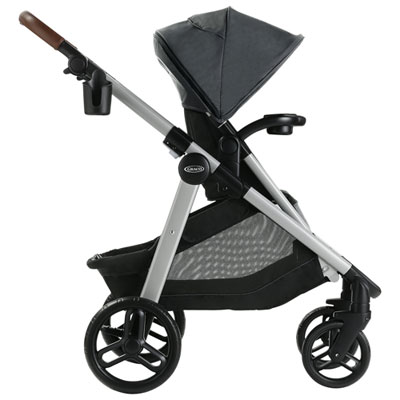

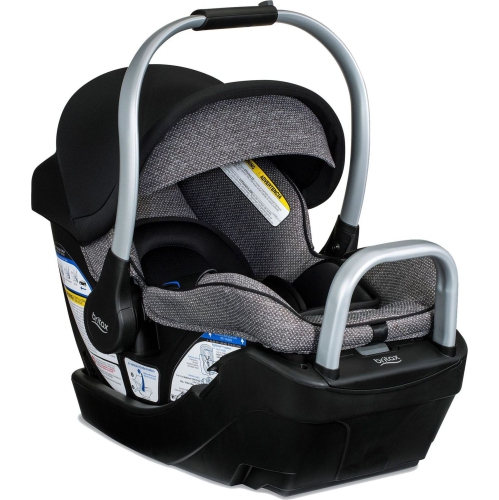

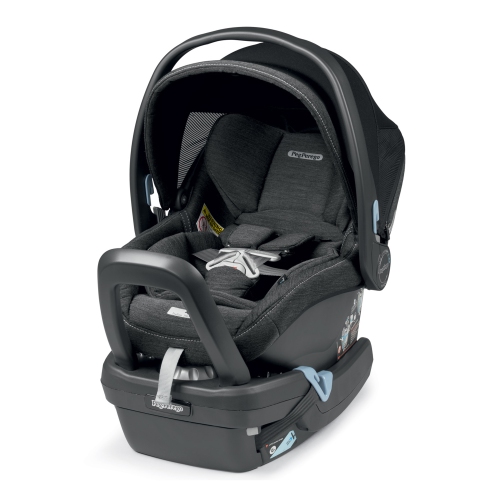
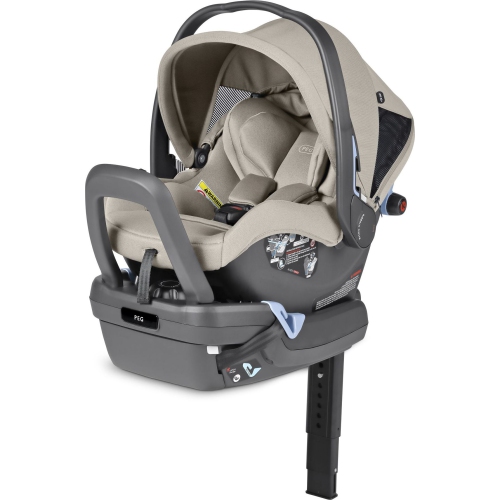
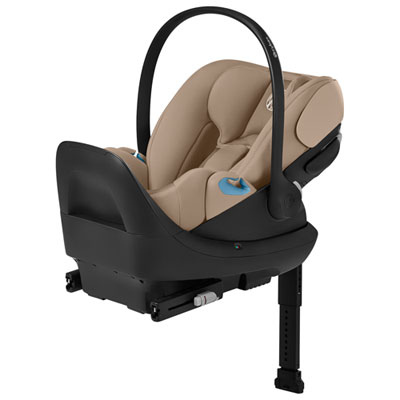
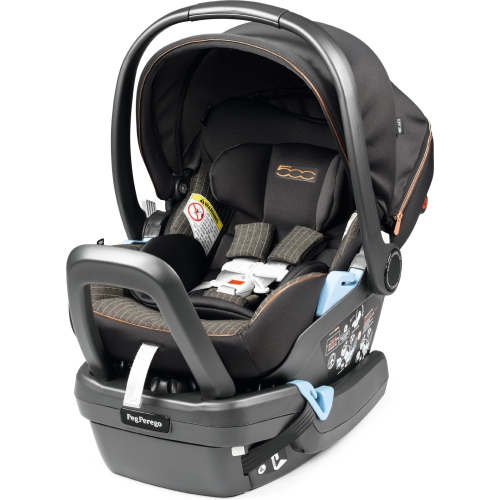
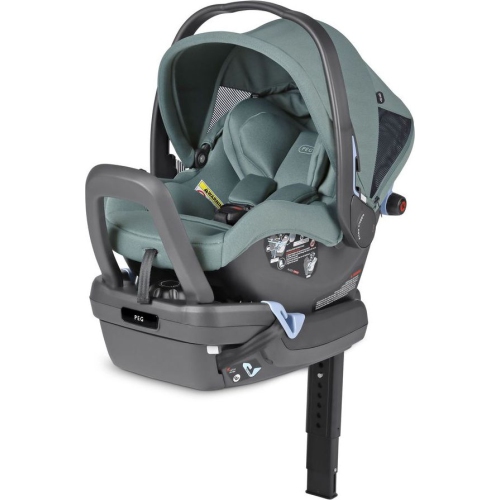
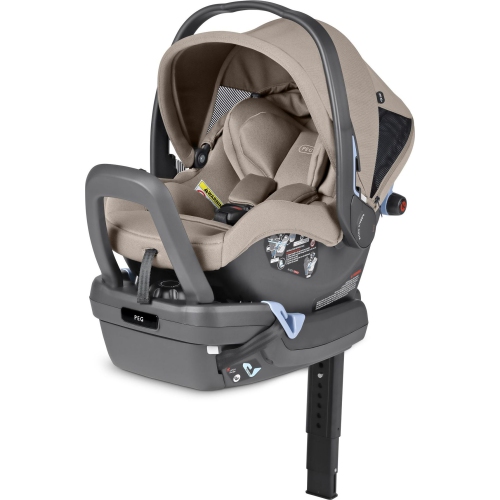
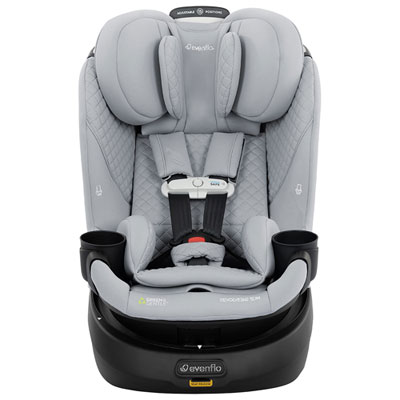

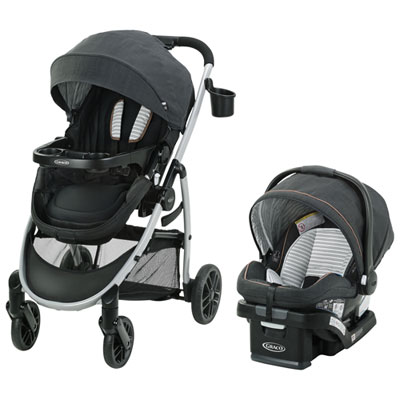
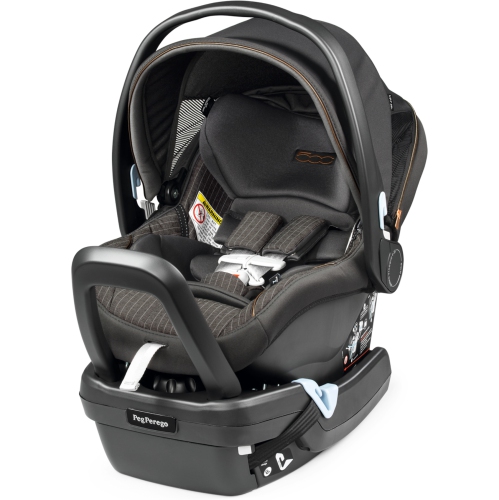
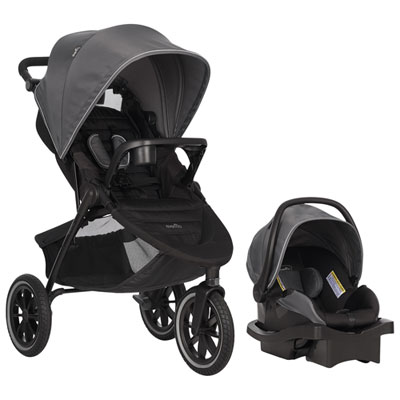
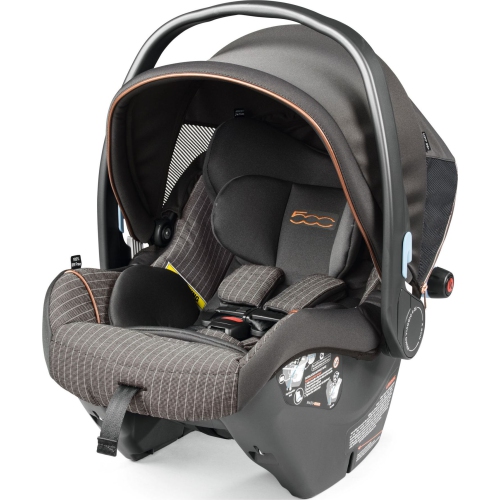
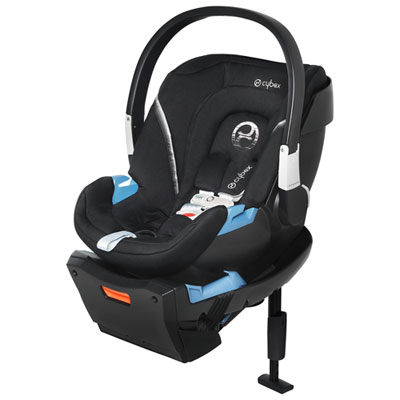
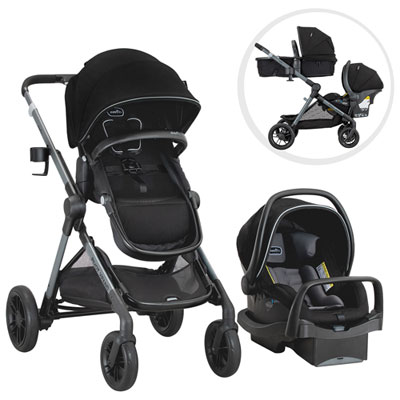
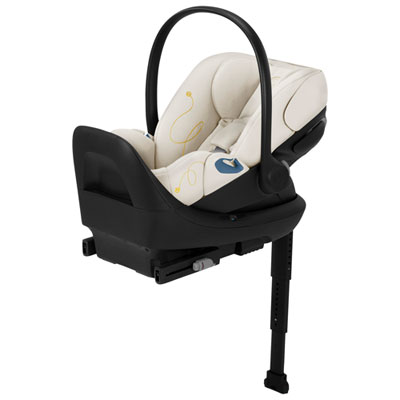
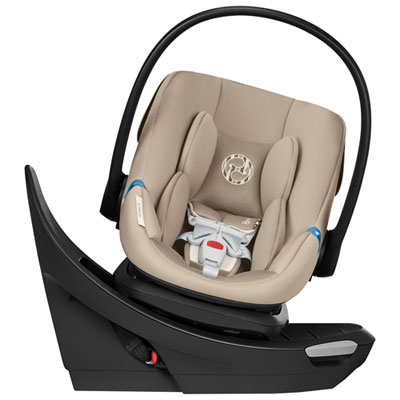
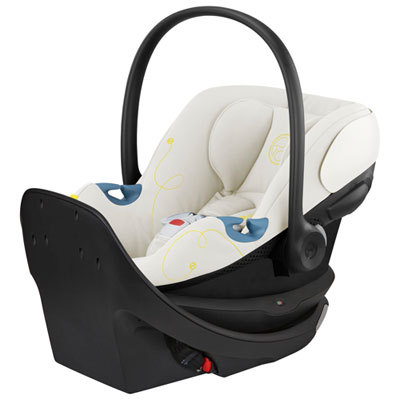
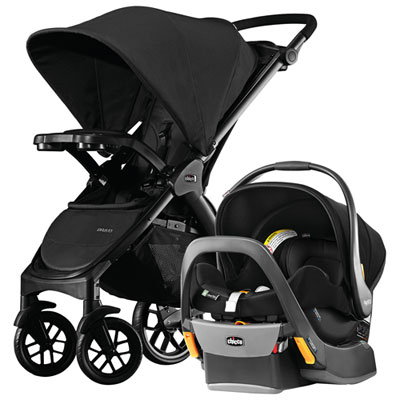
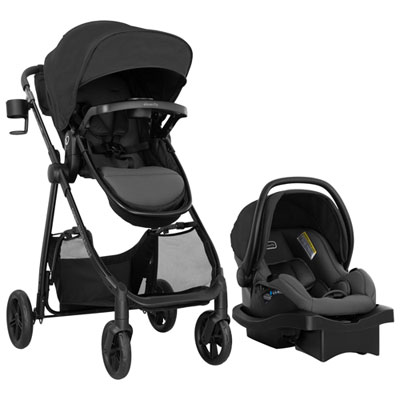
A seat that fits your baby and your vehicle
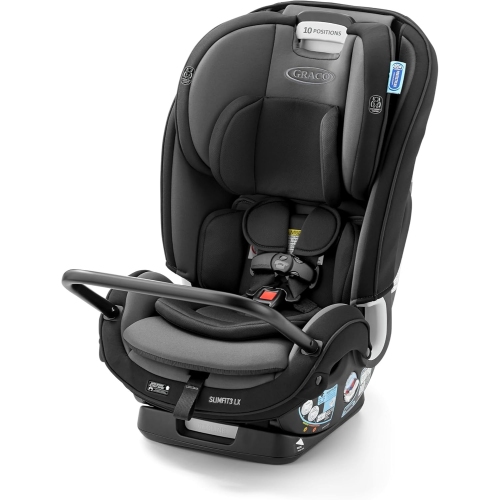
Infant convertible car seats are designed to carry babies rear-facing and then convert to a forward-facing harnessed seat when a child meets the manufacturer’s requirements for that stage. This makes them different from rear-facing-only infant seats, which typically have a carrying handle and can detach from a base. A convertible seat generally stays in the vehicle between journeys rather than doubling as a carrier or attaching to a stroller, although it can be removed and installed in another compatible vehicle. For families who prefer to take their baby out of the seat at each stop, that arrangement can suit everyday trips from the beginning. Not every convertible seat fits every newborn, however: the minimum weight, permitted height, harness position, and approved recline all matter. A baby must fit the seat according to its instructions, not simply fall within a broad age description. Infant inserts, when supplied and required by the manufacturer, can help position a smaller baby correctly; pillows or padding from other sources should not be added unless specifically approved for that seat. As a child grows, adjustable head restraints and harness settings allow the fit to change without replacing the entire seat at every stage. Higher rear-facing height and weight limits can also allow a child to remain rear-facing longer. Children should stay rear-facing until they reach the seat’s rear-facing height or weight limit, while also following its other fit requirements. Moving to forward-facing depends on the seat’s instructions and applicable provincial or territorial requirements, rather than a birthday alone. Within the broader selection of convertible car seats, two-stage designs cover rear-facing and forward-facing harness use, while some all-in-one designs also offer a later booster mode. Those stages have separate requirements, so a long overall use range does not mean every mode is suitable for an infant. The most useful starting point is a seat that fits the baby properly today and has clearly defined adjustments for the years ahead.
Vehicle fit is just as important as the child’s measurements. A seat’s outside width tells only part of the story: its front-to-back depth at the required rear-facing recline can affect legroom for the person sitting ahead of it. This is especially noticeable when a tall front passenger shares a smaller vehicle with a baby riding behind them. The shape of the vehicle bench, the position of seat belt buckles, and the location of approved lower anchors can also influence installation. A narrow shell does not automatically guarantee that three child restraints will fit across a back seat, and each seat needs an independently secure installation. In Canada, look for the National Safety Mark and labelling indicating that the seat meets Canadian requirements. Installation should follow both the child restraint manual and the vehicle owner’s manual, using the seat belt or Universal Anchorage System as permitted for the child’s weight and the seating position. Lower-anchor weight limits matter as children grow; reaching that limit may call for a seat belt installation rather than a different car seat. The top tether is required for forward-facing harnessed use in Canada and must connect to the vehicle’s designated tether anchor. For rear-facing infants, recline indicators help establish the angle specified by the manufacturer, which supports appropriate positioning for a baby who has limited head control. Features such as accessible belt paths, built-in belt lock-offs, or clear installation indicators may make the process easier, but their presence does not replace checking the instructions. A correctly installed seat should move no more than 2.5 cm from side to side or front to back when checked at the belt path. Day-to-day usability matters too: a harness adjuster that remains easy to reach, buckles that can be held out of the way during loading, and a head restraint that adjusts smoothly can make repeated trips less awkward. Families moving a seat between caregivers’ vehicles may value manageable weight and straightforward installation, while a seat left in one vehicle may place greater emphasis on access and passenger space.
Materials and care details help distinguish how an infant convertible car seat feels and holds up through daily use. A typical design combines a rigid structural shell, energy-absorbing materials, a harness, and a padded fabric cover; some seats also include metal reinforcement. These components work together as a tested restraint system, so the feel of thicker padding or the presence of a particular frame material does not, by itself, establish better protection. For everyday comfort, useful details include smooth fabric around the harness openings, supportive approved padding, and a cover that sits neatly without bunching beneath the baby. Removable covers can make milk spills and crumbs easier to manage, but washing instructions vary. Some covers permit machine washing, while others require hand washing or spot cleaning, and drying methods can differ as well. Harness webbing and buckles need their own care routines: soaking straps, using harsh cleaners, or lubricating buckle mechanisms may damage components or interfere with their function. Following the specified cleaning method helps preserve the seat without altering parts that are essential to its performance. After cleaning, covers, inserts, and harness components must be reassembled exactly as directed before the next journey. Durability also involves more than keeping the upholstery tidy. Car seats have an expiry date or defined useful life, and replacement requirements after a collision depend on the manufacturer’s instructions. A seat with an unknown history, missing labels, or missing components may not be suitable for use, even if it looks clean. Registering a new seat with its manufacturer helps families receive recall notices and other important updates. For parents, grandparents, and other regular caregivers, an infant convertible car seat can support familiar routines such as childcare drop-offs, grocery trips, and visits with family. It can also be a practical gift when chosen with the caregivers, since the baby’s fit and the vehicle’s layout are personal considerations. Clear adjustment controls, understandable care instructions, and a fit that works for the household make a meaningful difference every time a baby is buckled in.
Top selling and popular products
-
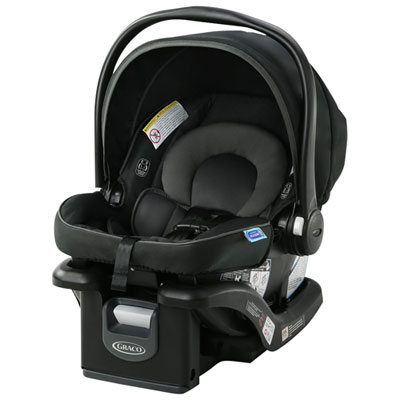 Your price for this item is $259.99
-
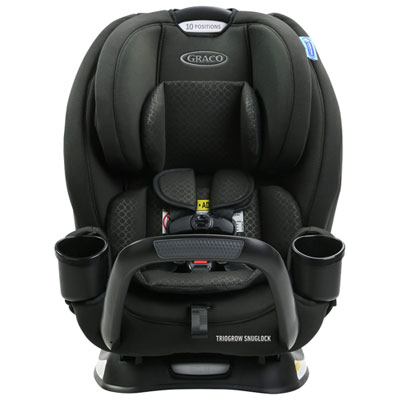 Your price for this item is $329.99
-
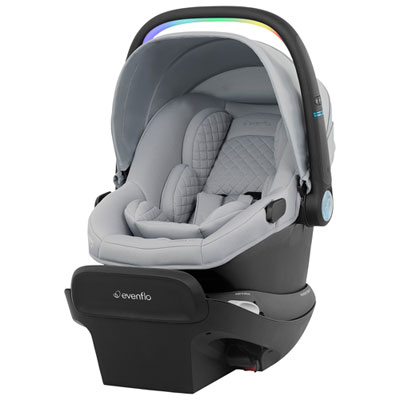 Your price for this item is $549.98
-
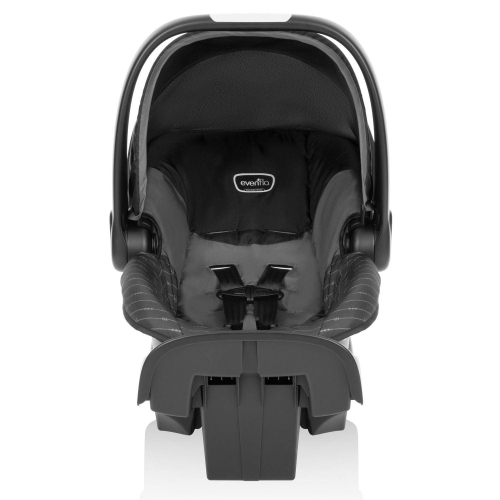 Your price for this item is $169
-
 Your price for this item is $149.99
-
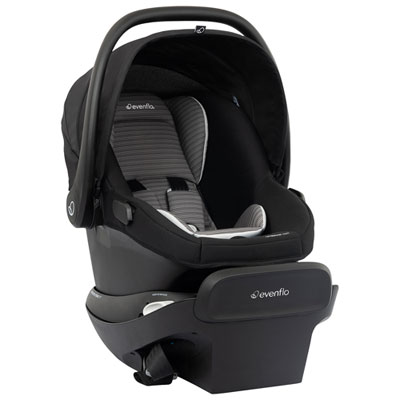 Your price for this item is $399.99
-
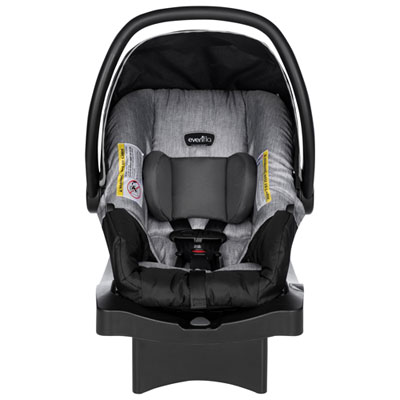 Your price for this item is $199.99
-
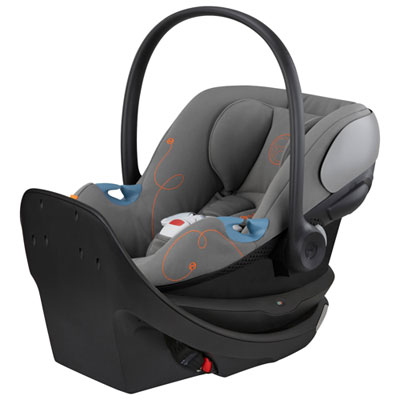 Your price for this item is $454.99
Discover more categories related to Infant Convertible Car Seats

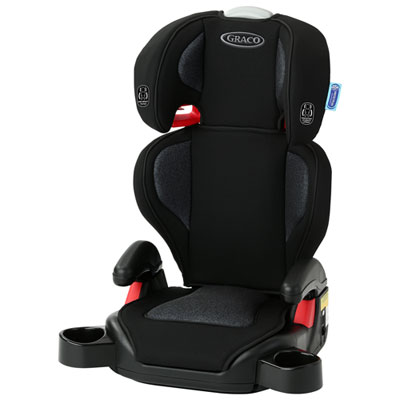
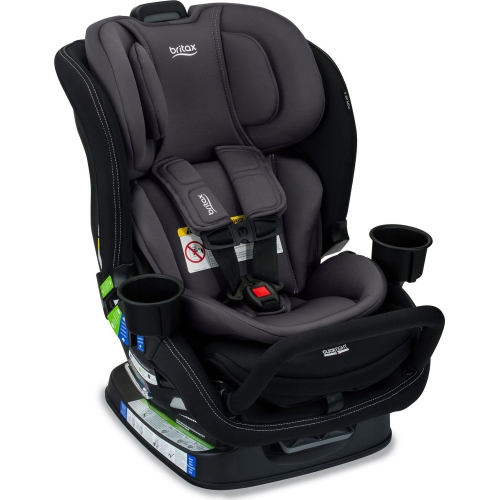
Top Collections:
Pokemon Centers, Best Cameras for Sports Photography, Kindle Devices, Samsung Galaxy Phones, Canon G7X Cameras, Pokémon 30th Celebration Cards, Refurbished Apple Laptops, iPhone 15 Apple, Laptops for Students, Budget Smartphones
Some products may be subject to Environmental Handling Fees
(EHF) depending on your province.
Learn more about EHFs.