Top Convertible Car Seats
Convertible car seats are a great choice for parents who want to be able to buckle their kids into the seat without having to worry about the harnesses being in the way. They also provide a little extra comfort for the kids, since some of the car seats can be used in both rear-facing and forward-facing modes. Here are some of the great options for convertible car seats.
Sort
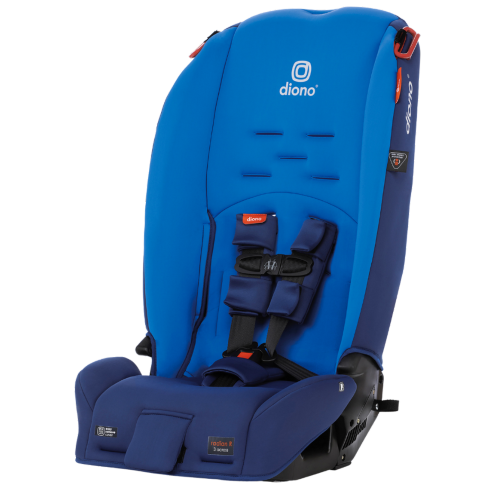
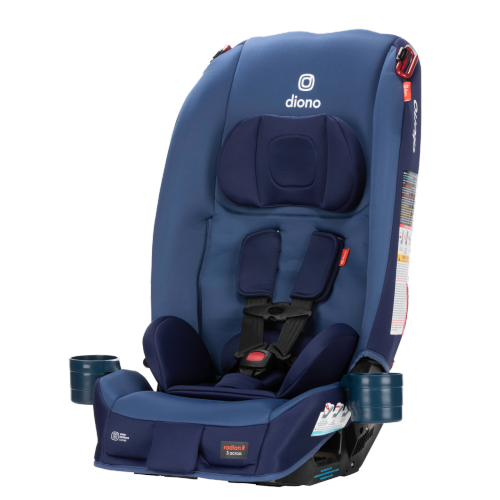
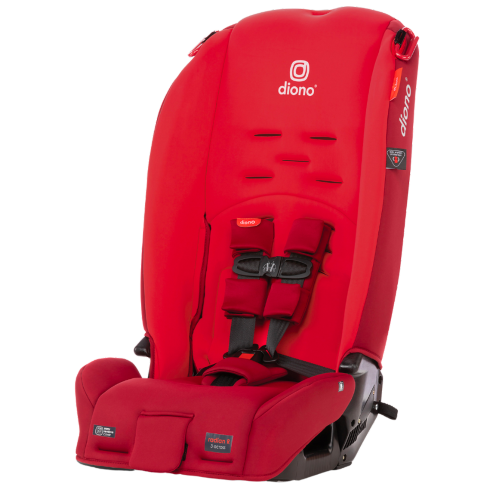
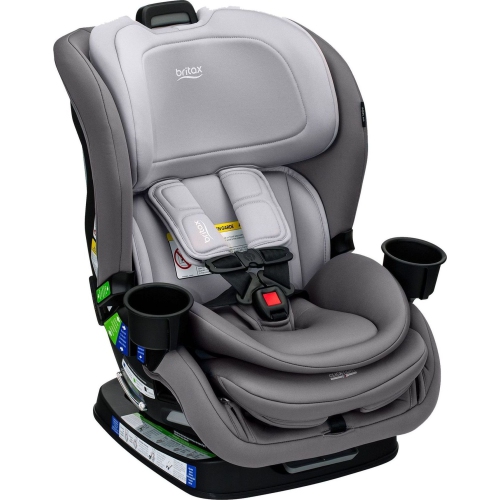
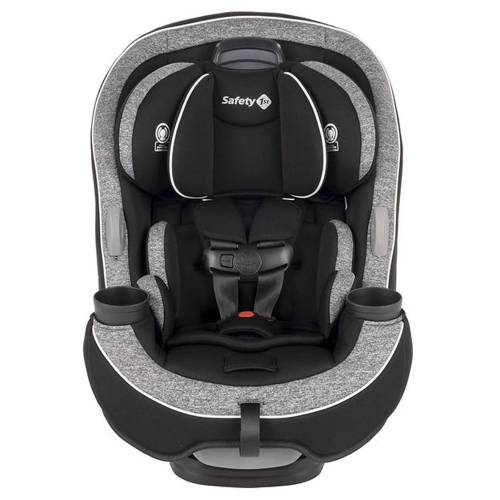
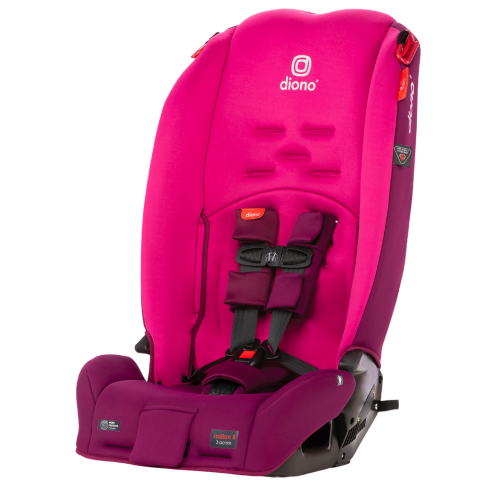
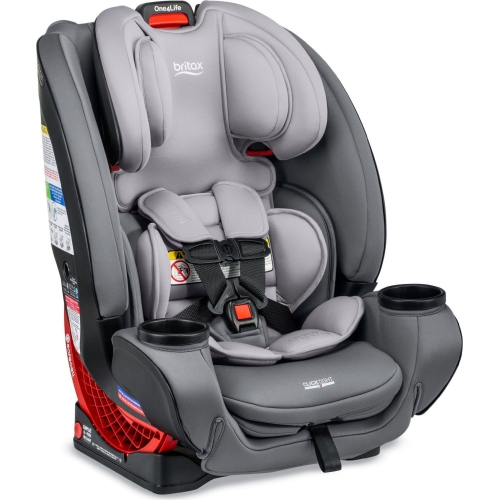
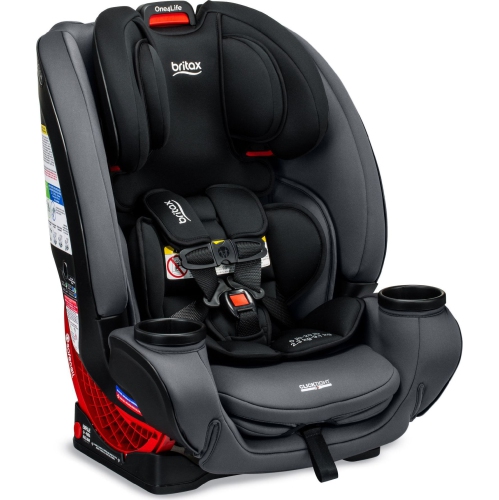
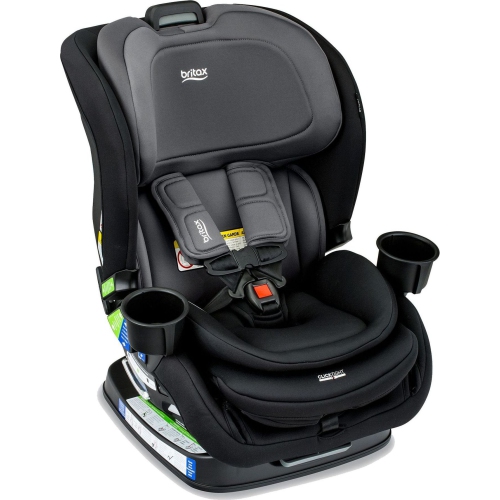
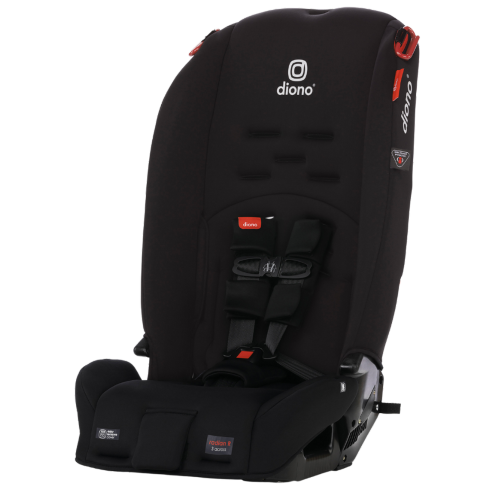
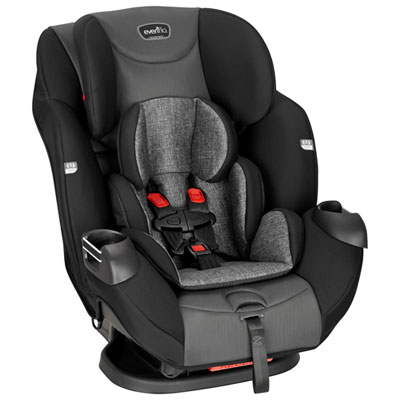
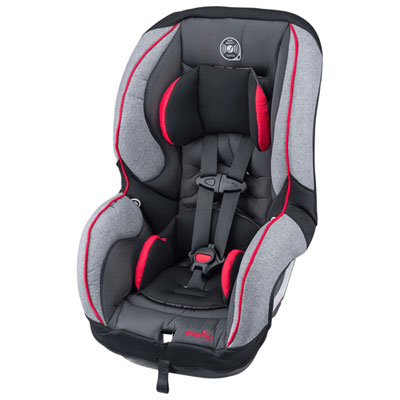
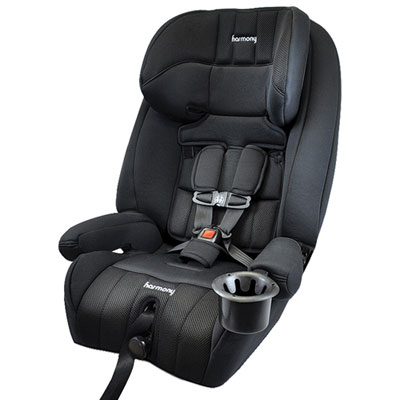
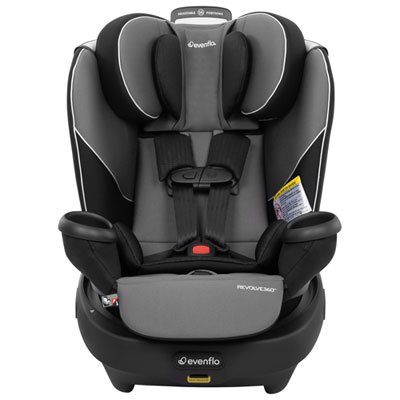
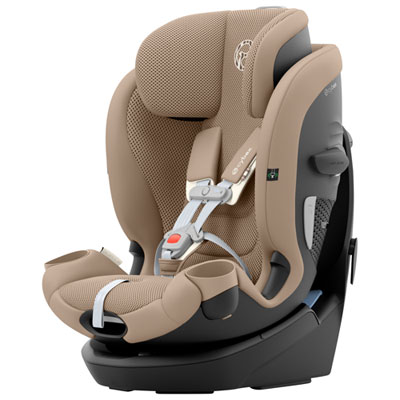
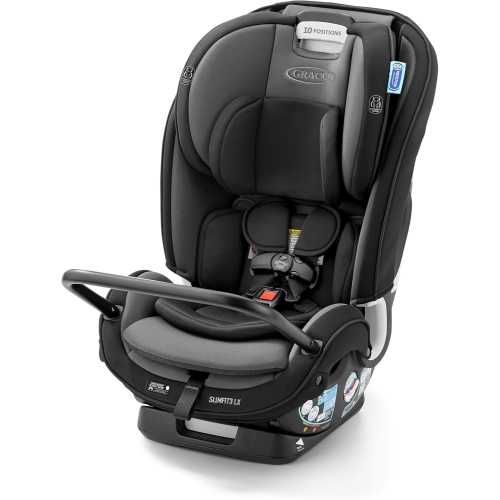
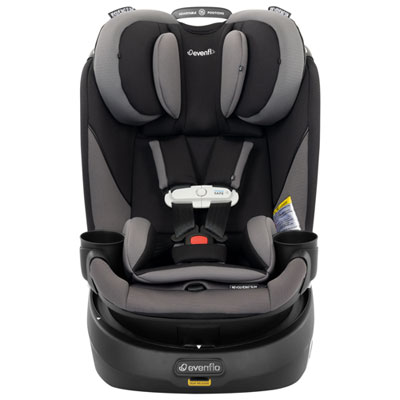
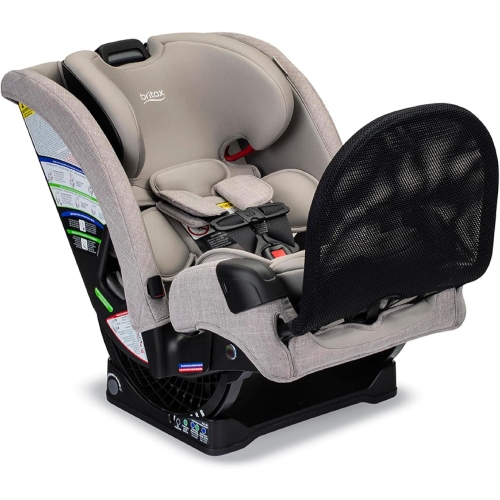
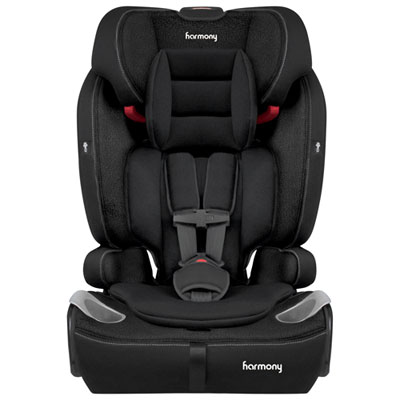
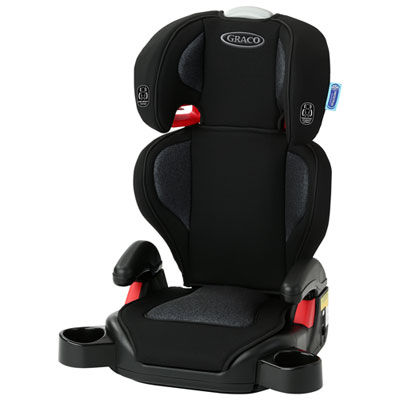

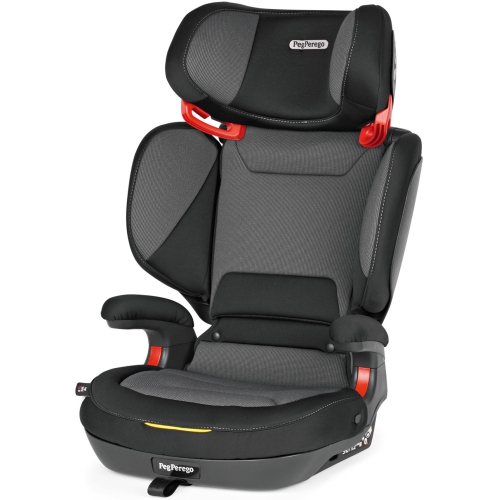
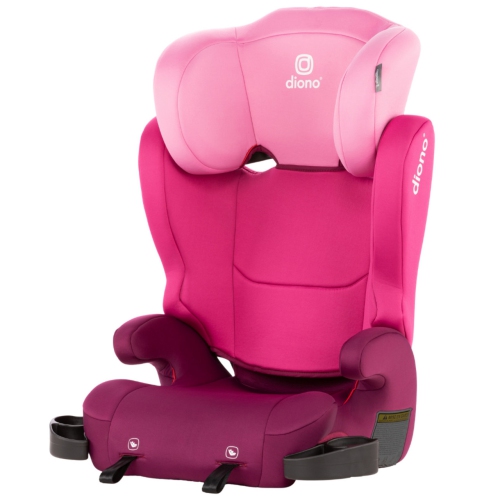
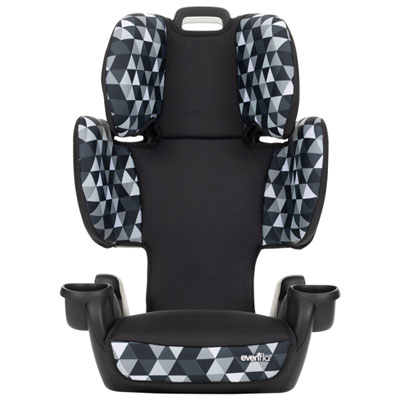
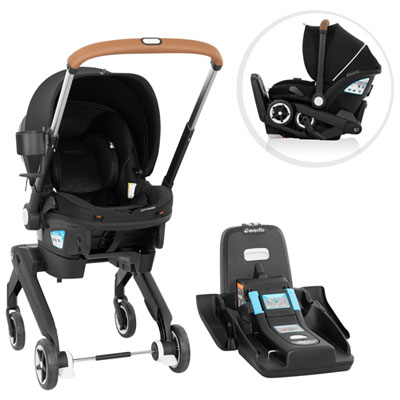
What to know about fit, installation, comfort, and care
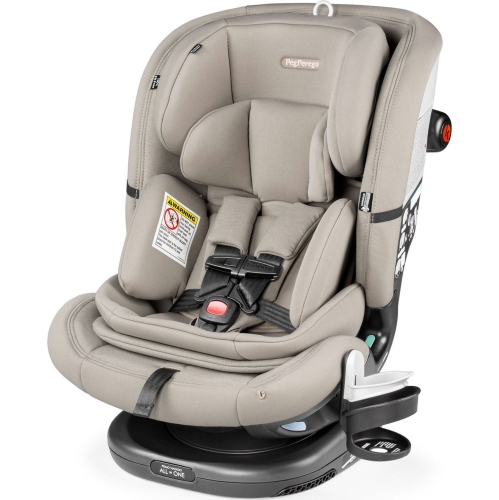
Top Convertible Car Seats are designed to support children through more than one stage of travel, making them a practical choice for families who want a seat that can adapt as a child grows. Most convertible car seats can be installed rear-facing for infants and young children, then changed to forward-facing when a child reaches the appropriate age, height, weight, and developmental stage outlined by the manufacturer and local safety guidance. Rear-facing travel is widely recommended for as long as a child remains within the seat’s rear-facing limits because it helps distribute crash forces across the back of the seat, rather than placing greater strain on the head, neck, and spine. When comparing options, check the complete range of rear-facing and forward-facing weight and height limits instead of focusing only on the minimum age. A seat with generous rear-facing capacity may help a child remain in that position longer, while adjustable harness settings, multiple recline positions, and an extension panel can make it easier to maintain a comfortable fit as legs grow. The harness should sit snugly, with the chest clip positioned at armpit level and the straps adjusted so that they lie flat without twists. Bulky winter coats should not be worn beneath the harness; during the cooler months, secure the child first and place a blanket or jacket over the properly tightened straps. Families moving from a removable infant carrier may appreciate a convertible seat that stays installed in the vehicle, while parents shopping for a first seat may prefer a model with an infant insert, simple recline adjustment, and clear instructions. For families comparing options for smaller babies, the selection of Infant Convertible Car Seats can provide another useful starting point.
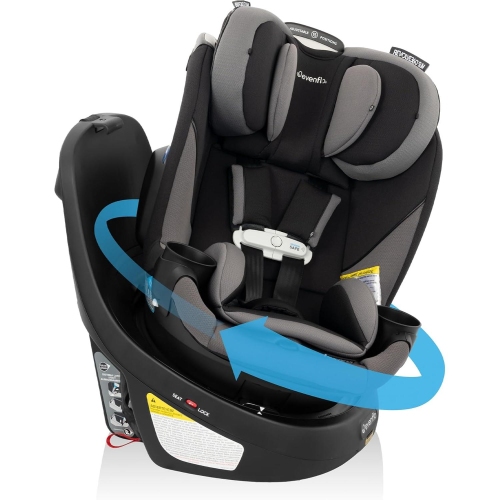
Installation is one of the most important factors when choosing among convertible car seats. Even a well-designed seat needs to be installed correctly, at the proper angle, and in a seating position approved by both the vehicle and car seat manufacturers. Read the vehicle owner’s manual and the car seat manual together before installation, paying close attention to whether the seat should be secured with lower anchors, a seat belt, or a specific combination permitted by the instructions. Installation systems vary: some use visual indicators, lock-offs, tensioning mechanisms, or level markers to help families achieve a firm fit, while others may be lighter or easier to move between vehicles. Once installed, the seat should not shift more than about 2.5 centimetres, or 1 inch, from side to side or front to back when checked at the belt path. A quick inspection at the beginning of each drive can become as routine as checking that the door is closed. Vehicle space matters as well. Measure the width of the back seat if two or three car seats need to fit across one row, and check front-seat clearance when a rear-facing seat requires additional room. A narrow design may help in a compact car or shared back row, but width alone does not determine whether seats will fit together; the shape of the vehicle bench, buckle locations, recline angle, and neighbouring seat contours all play a part. Rotating seats can make it easier to load a child, especially when the vehicle is parked in a tight space or a caregiver is managing a squirming toddler, though they may be heavier and take up more room. Families using more than one vehicle should also consider weight, portability, and whether grandparents, babysitters, or other caregivers will need to reinstall the seat. A straightforward installation process can make a meaningful difference on rushed mornings, rainy pick-ups, and long drives when everyone is eager to get moving.
Everyday comfort and maintenance deserve equal attention because a car seat can become part of the family routine for several years. Look for cushioning and support appropriate for the child’s size, breathable fabrics for warmer days, and a harness adjustment system that can be changed without removing the seat from the vehicle. Removable, machine-washable covers are especially helpful after spilled drinks, crushed crackers, muddy shoes, or the inevitable motion-sickness incident on a winding road. Confirm how the cover is removed and cleaned, since some fabrics require specific water temperatures, detergents, or air-drying methods. Avoid adding aftermarket padding, toys, head supports, or accessories unless they are approved by the car seat manufacturer, as untested additions can affect harness fit or performance. Check the seat’s expiry date, registration details, recall information, and included parts before use, and keep the manual in an accessible place for future adjustments. A used seat should only be considered when its complete history is known, it has never been involved in a collision, all labels and instructions are present, and it has not expired. Convertible car seats can be thoughtful gifts for new parents, growing families, and caregivers preparing a vehicle for regular visits from a baby or toddler, but the recipient should be able to confirm vehicle compatibility and choose the correct fit. As the weather warms, shade and ventilation can make trips more comfortable; during cooler months, careful layering helps preserve harness fit. Whether the seat is intended for daily daycare runs, weekend visits with relatives, road trips, or the drive home from the hospital, the best choice is one that suits the child’s current stage, fits the vehicle securely, and can be used consistently by every caregiver.
Installation is one of the most important factors when choosing among convertible car seats. Even a well-designed seat needs to be installed correctly, at the proper angle, and in a seating position approved by both the vehicle and car seat manufacturers. Read the vehicle owner’s manual and the car seat manual together before installation, paying close attention to whether the seat should be secured with lower anchors, a seat belt, or a specific combination permitted by the instructions. Installation systems vary: some use visual indicators, lock-offs, tensioning mechanisms, or level markers to help families achieve a firm fit, while others may be lighter or easier to move between vehicles. Once installed, the seat should not shift more than about 2.5 centimetres, or 1 inch, from side to side or front to back when checked at the belt path. A quick inspection at the beginning of each drive can become as routine as checking that the door is closed. Vehicle space matters as well. Measure the width of the back seat if two or three car seats need to fit across one row, and check front-seat clearance when a rear-facing seat requires additional room. A narrow design may help in a compact car or shared back row, but width alone does not determine whether seats will fit together; the shape of the vehicle bench, buckle locations, recline angle, and neighbouring seat contours all play a part. Rotating seats can make it easier to load a child, especially when the vehicle is parked in a tight space or a caregiver is managing a squirming toddler, though they may be heavier and take up more room. Families using more than one vehicle should also consider weight, portability, and whether grandparents, babysitters, or other caregivers will need to reinstall the seat. A straightforward installation process can make a meaningful difference on rushed mornings, rainy pick-ups, and long drives when everyone is eager to get moving.
Everyday comfort and maintenance deserve equal attention because a car seat can become part of the family routine for several years. Look for cushioning and support appropriate for the child’s size, breathable fabrics for warmer days, and a harness adjustment system that can be changed without removing the seat from the vehicle. Removable, machine-washable covers are especially helpful after spilled drinks, crushed crackers, muddy shoes, or the inevitable motion-sickness incident on a winding road. Confirm how the cover is removed and cleaned, since some fabrics require specific water temperatures, detergents, or air-drying methods. Avoid adding aftermarket padding, toys, head supports, or accessories unless they are approved by the car seat manufacturer, as untested additions can affect harness fit or performance. Check the seat’s expiry date, registration details, recall information, and included parts before use, and keep the manual in an accessible place for future adjustments. A used seat should only be considered when its complete history is known, it has never been involved in a collision, all labels and instructions are present, and it has not expired. Convertible car seats can be thoughtful gifts for new parents, growing families, and caregivers preparing a vehicle for regular visits from a baby or toddler, but the recipient should be able to confirm vehicle compatibility and choose the correct fit. As the weather warms, shade and ventilation can make trips more comfortable; during cooler months, careful layering helps preserve harness fit. Whether the seat is intended for daily daycare runs, weekend visits with relatives, road trips, or the drive home from the hospital, the best choice is one that suits the child’s current stage, fits the vehicle securely, and can be used consistently by every caregiver.
Top selling and popular products
-
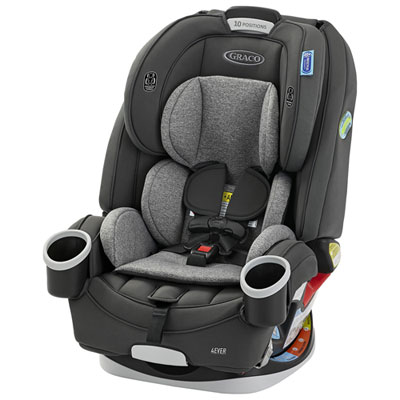 Your price for this item is $539.99
 -
 Your price for this item is $509.99
 -
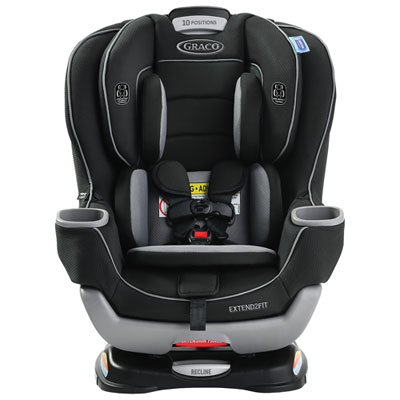 Your price for this item is $299.99
 -
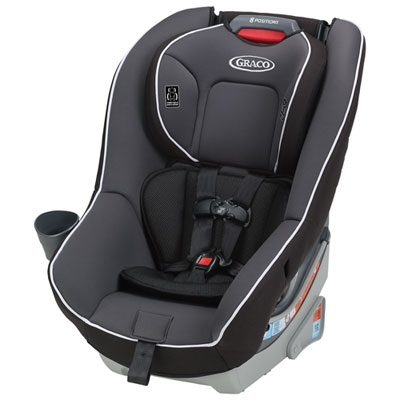 Your price for this item is $359.99
 -
 Your price for this item is $459.99
 -
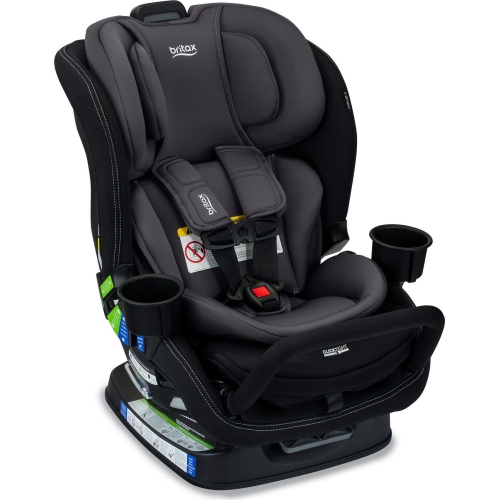 Your price for this item is $549.99
 -
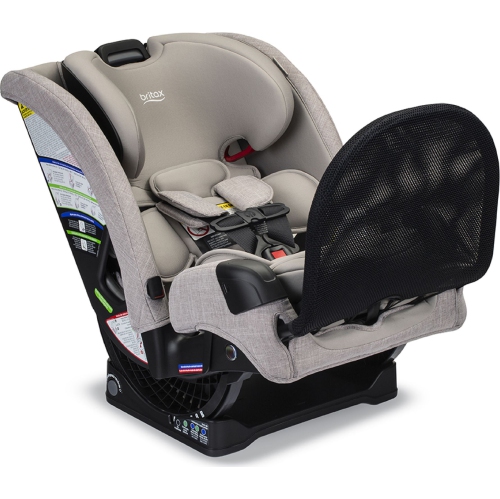 Your price for this item is $729.99
 -
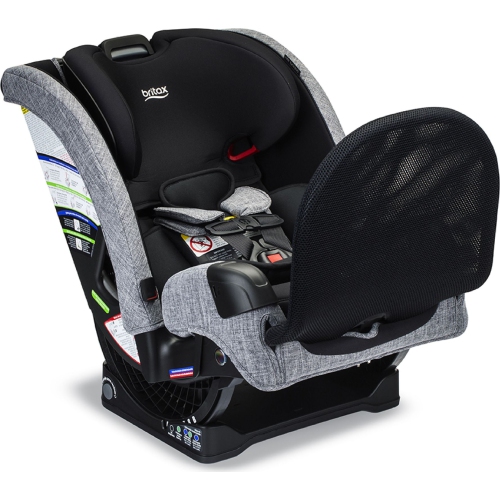 Your price for this item is $729.99
Discover more categories related to Top Convertible Car Seats
Top Collections:
Pokemon Centers, Best Cameras for Sports Photography, Kindle Devices, Samsung Galaxy Phones, Canon G7X Cameras, Pokémon 30th Celebration Cards, Refurbished Apple Laptops, iPhone 15 Apple, Laptops for Students, Budget Smartphones
Some products may be subject to Environmental Handling Fees
(EHF) depending on your province.
Learn more about EHFs.