Infant Sippy Cups
When it comes to keeping your little one hydrated on-the-go, infant sippy cups are a must-have essential for parents. Designed with spill-proof features and easy-to-grip handles, these cups are perfect for transitioning your baby from bottles to more independent drinking. Discover a range of options in various sizes, materials, and cute designs to suit your child's needs and style preferences. Shop our collection of infant sippy cups today and make hydration fun and mess-free for your little one.
Guidance for introducing cups and supporting early drinking skills
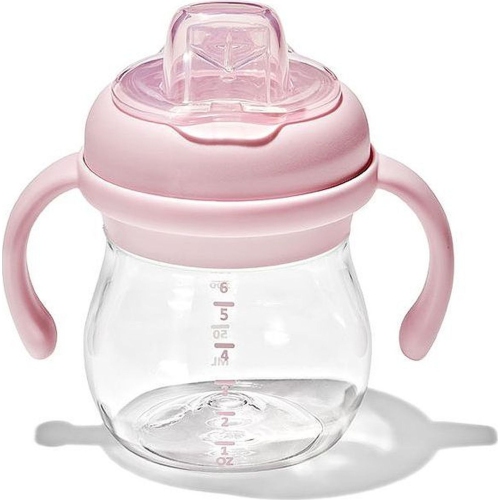
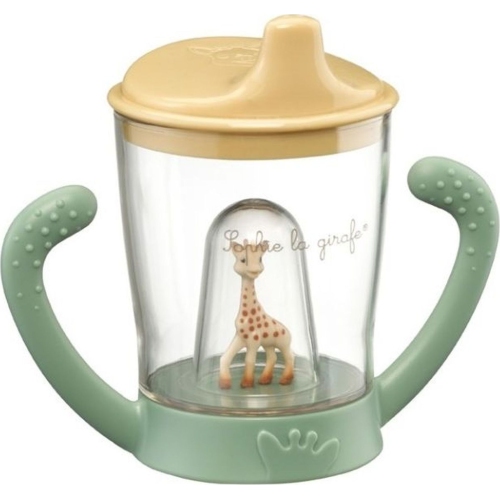
Infant sippy cups can help babies practise drinking from something other than a bottle while building confidence at the table, in a high chair, or on the go. They are generally introduced when a baby is ready for complementary foods, often around six months, although readiness varies from child to child. Signs may include sitting upright with good head control, reaching for objects, bringing items to the mouth, and showing interest in what others are drinking. A sippy cup is not required for every child, and some families choose to move directly to a small open cup or a soft straw cup. For caregivers who want to compare styles designed for this stage, Transition Sippy Cups can help narrow the selection. When choosing an infant sippy cup, consider the child’s age, coordination, drinking experience, and usual routines. Soft spouts may feel gentler on tender gums, while flexible straws can encourage a different drinking motion and may be easier for some babies to use when the cup is kept upright. Small open training cups support learning to bring the rim to the lips, tip the cup, and take a sip, though they usually require closer supervision and may involve more spills. Traditional valve-based cups can help reduce leaks in a nappy bag or car seat, but a completely leak-free cup is not always possible, particularly if it is shaken, squeezed, or carried upside down. Handles can make a cup easier for small hands to grasp, while a compact, lightweight shape may be more comfortable for a baby who is still developing hand strength. Look for clearly stated age guidance, rounded edges, easy-to-hold surfaces, and parts that come apart without a struggle. A wide opening can make filling and cleaning simpler, and transparent or lightly coloured materials may make it easier to see how much liquid remains. It is also worth checking whether the cup is suitable for the dishwasher, whether replacement parts are available, and whether the lid, valve, straw, or spout can be cleaned thoroughly. Babies often explore new cups by dropping them, tapping them on the tray, chewing on the spout, or turning them over to watch the liquid move, so durable construction and simple care can make everyday use less frustrating for everyone.
The right cup often depends less on a single feature than on where and how it will be used. At home, an open training cup or an easy-to-clean cup with a soft drinking surface may suit calm mealtimes, when an adult can sit nearby and help guide the child’s hands. For outings during the cooler months, a securely covered cup can be convenient in a stroller, nappy bag, or vehicle, especially when families are moving between home, childcare, playgroups, and visits with relatives. A straw or spout cup with comfortable handles may be useful for a baby who is learning to drink independently, while a low-profile cup can be easier to pack alongside snacks and extra clothing. Keep in mind that milk, formula, and water should be offered according to advice from a healthcare professional, and that a cup should not be used as a reason to leave a baby unattended with a drink. It is also sensible to avoid prolonged sipping of sweet drinks or juice, since frequent exposure can affect developing teeth; water is commonly used between meals once it is appropriate for the child, while feeding choices should follow guidance from a paediatrician or other qualified health professional. Introduce a new cup when the baby is rested and unhurried rather than during a rushed departure. A caregiver might first place a small amount of liquid in the cup, demonstrate a sip, and let the baby touch and hold it before expecting a successful drink. Spills are a normal part of learning, much like the first attempts to use a spoon, and a washable bib or mat can make practice feel manageable. Sippy cups can also be thoughtful gifts for new parents, grandparents, relatives, and friends preparing a feeding area, particularly when paired with other practical baby essentials. For a gift, neutral colours, adaptable designs, easy-clean parts, and a size suited to early practice are often more useful than decorative details. Families may appreciate having more than one style: one for supervised meals, one for travel, and a spare for childcare or overnight washing. No matter which design is selected, inspect the cup regularly for cracks, cloudiness, worn valves, loose parts, or damage from chewing, and replace components when needed. Wash each piece after use, pay special attention to hidden channels and seals, and allow parts to dry fully before reassembly. With patient practice and the right level of supervision, an infant sippy cup can become a familiar bridge between bottle or breast feeding and the broader skills involved in drinking independently.
The right cup often depends less on a single feature than on where and how it will be used. At home, an open training cup or an easy-to-clean cup with a soft drinking surface may suit calm mealtimes, when an adult can sit nearby and help guide the child’s hands. For outings during the cooler months, a securely covered cup can be convenient in a stroller, nappy bag, or vehicle, especially when families are moving between home, childcare, playgroups, and visits with relatives. A straw or spout cup with comfortable handles may be useful for a baby who is learning to drink independently, while a low-profile cup can be easier to pack alongside snacks and extra clothing. Keep in mind that milk, formula, and water should be offered according to advice from a healthcare professional, and that a cup should not be used as a reason to leave a baby unattended with a drink. It is also sensible to avoid prolonged sipping of sweet drinks or juice, since frequent exposure can affect developing teeth; water is commonly used between meals once it is appropriate for the child, while feeding choices should follow guidance from a paediatrician or other qualified health professional. Introduce a new cup when the baby is rested and unhurried rather than during a rushed departure. A caregiver might first place a small amount of liquid in the cup, demonstrate a sip, and let the baby touch and hold it before expecting a successful drink. Spills are a normal part of learning, much like the first attempts to use a spoon, and a washable bib or mat can make practice feel manageable. Sippy cups can also be thoughtful gifts for new parents, grandparents, relatives, and friends preparing a feeding area, particularly when paired with other practical baby essentials. For a gift, neutral colours, adaptable designs, easy-clean parts, and a size suited to early practice are often more useful than decorative details. Families may appreciate having more than one style: one for supervised meals, one for travel, and a spare for childcare or overnight washing. No matter which design is selected, inspect the cup regularly for cracks, cloudiness, worn valves, loose parts, or damage from chewing, and replace components when needed. Wash each piece after use, pay special attention to hidden channels and seals, and allow parts to dry fully before reassembly. With patient practice and the right level of supervision, an infant sippy cup can become a familiar bridge between bottle or breast feeding and the broader skills involved in drinking independently.
Top selling and popular products
-
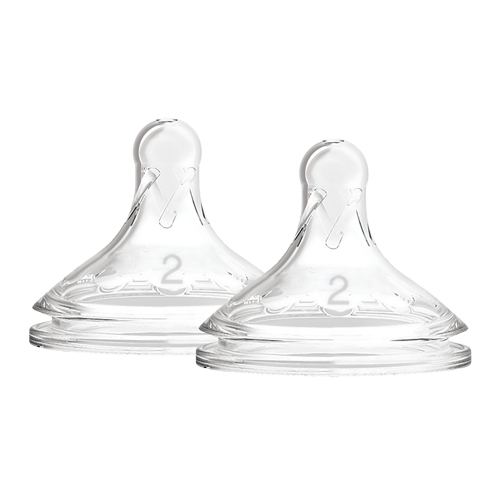 Your price for this item is $11.19
 -
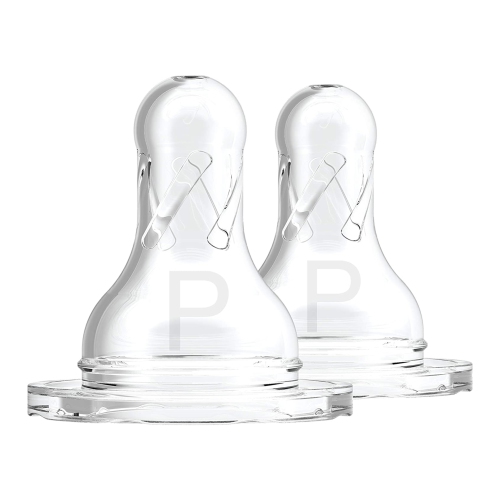 Your price for this item is $9.99
 -
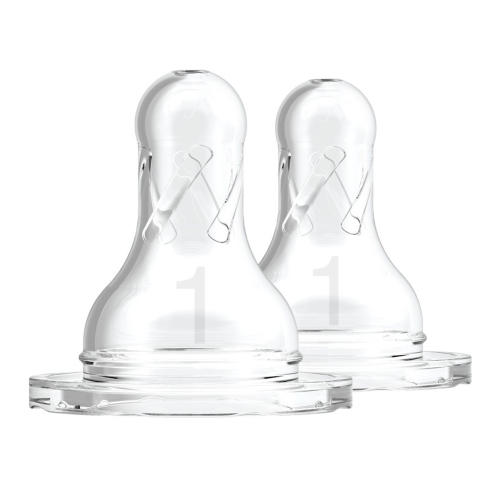 Your price for this item is $9.99
 -
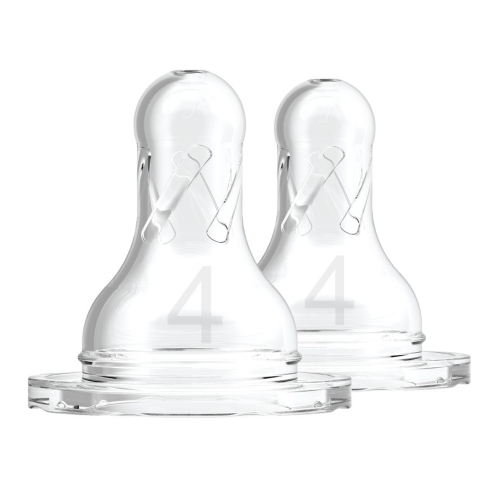 Your price for this item is $9.99
 -
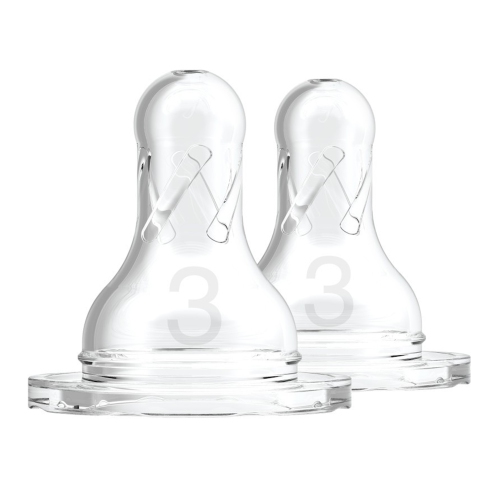 Your price for this item is $9.99
 -
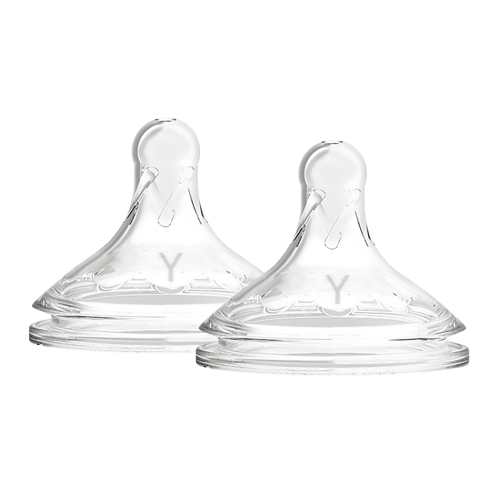 Your price for this item is $9.8
 -
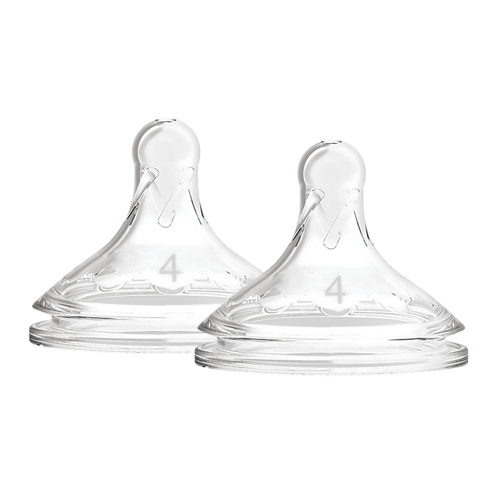 Your price for this item is $9.8
 -
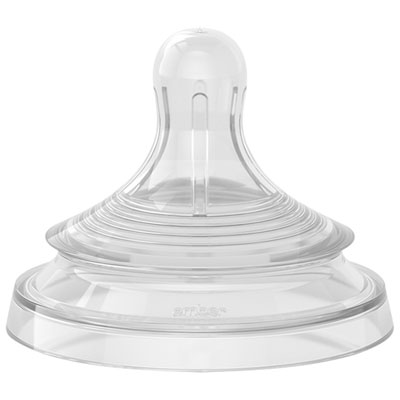 Your price for this item is $10.99
Discover more categories related to Infant Sippy Cups
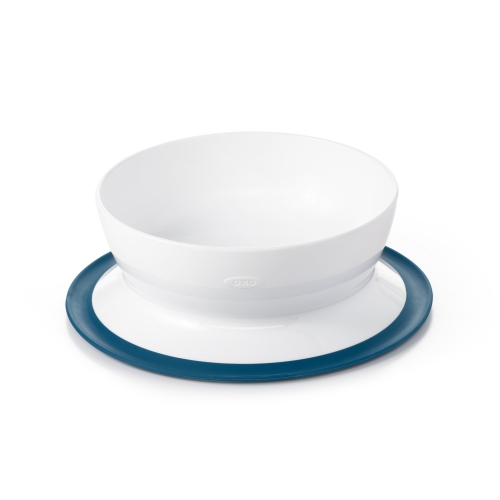
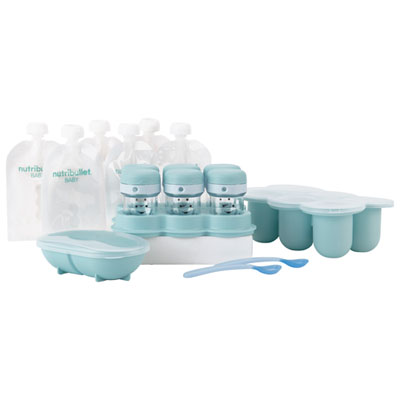
Top Collections:
Pokemon Centers, Kindle Devices, Best Budget Office Chairs, Apple iPhones 16, Best Laptops for Writers, iPhone 15 Apple, Canon G7X Cameras, Refurbished Apple Laptops, Alarm Clock, Motorola Razr Phones
Some products may be subject to Environmental Handling Fees
(EHF) depending on your province.
Learn more about EHFs.