Silicone Sippy Cups
Looking for a spill-proof solution to help your little one transition from bottle to cup? Our silicone sippy cups are the perfect choice for parents and caregivers looking for a durable, easy-to-clean option. Made from high-quality silicone material, these cups are designed to withstand drops and tumbles while being gentle on your child's developing teeth and gums. With a variety of colors and designs to choose from, these silicone sippy cups are not only practical but also stylish. Upgrade your baby's drinking experience today with our selection of silicone sippy cups.
Sort
How soft cups support the move beyond bottles
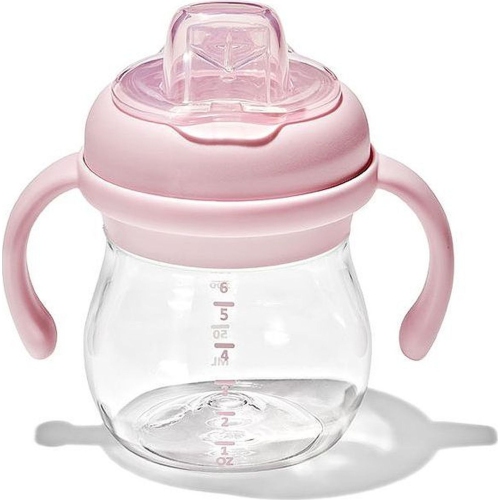
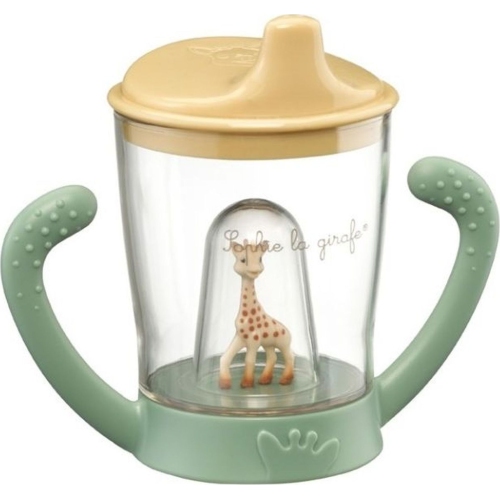
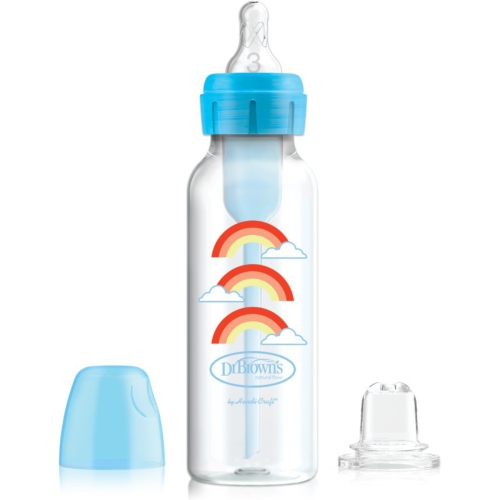
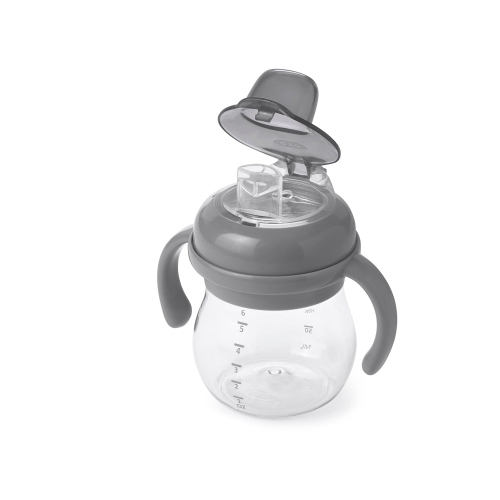
Silicone sippy cups are reusable drinking cups designed to help babies and toddlers practise drinking with greater independence as they move beyond bottles. Their soft, flexible bodies offer a different feel from rigid plastic or stainless steel, while features such as handles, fitted lids, and small drinking openings can make a cup easier for little hands to manage. Depending on the design, a silicone training cup may have a soft spout, a straw, or a removable lid that allows it to function as an open cup. These drinking styles serve different purposes: a spout provides a defined sipping point, a straw allows drinking with less tipping, and an open rim gives children opportunities to practise lifting and tilting a cup with adult help. Some designs support more than one configuration, although interchangeable lids and accessories must be compatible with the cup. Silicone can feel comfortable against sensitive gums, but a drinking spout or straw is not a substitute for a teether and needs regular checks for damage from chewing. Food-grade silicone is a material designation worth looking for in the manufacturer's description, along with clearly stated information about food contact and any claims concerning BPA, BPS, PVC, or phthalates. Those claims should apply to the relevant components rather than being assumed from the word silicone alone, particularly when a cup includes plastic handles, internal valves, or other materials. A cup's suggested age range is another useful starting point, but a child's ability to sit upright, grasp the cup, and coordinate drinking matters too. Early attempts often involve two hands wrapped around the body, a few cautious sips, and some water on the high-chair tray. A manageable shape and a modest fill level can make those moments less awkward. Silicone sippy cups fit naturally into supervised meals and snack breaks, offering a practical way for children to participate at the table while building familiarity with their own drinkware.
The fit of a silicone sippy cup involves more than its capacity. Handle spacing, body width, rim size, and the weight of a filled cup all affect how comfortably a child can hold and use it. Two handles may help an early learner bring the cup towards their mouth, while a narrow, handle-free body can suit a toddler who prefers to grip the sides. A broad base can add stability on a flat surface, although no shape prevents every knock from an enthusiastic elbow. Flexible silicone may also compress when squeezed, so the firmness of the body and the way the lid attaches influence everyday use. A lid that stays securely seated during normal handling is especially useful when a child is still learning to set a cup down rather than drop it. Spill-resistant and leakproof descriptions are not interchangeable: some cups limit splashes when tipped but can still release liquid through the spout or straw when squeezed, shaken, or left on their side. Valves may control flow and reduce spills, but they can also require more suction and add parts to wash. For a cup that travels between home and daycare, practical details include whether it stands securely in a bag compartment, whether the drinking surface has a cover, and how easily a caregiver can take it apart. At home, a simple design with fewer pieces may be particularly convenient for frequent washing between meals. Capacity is best considered alongside the child's grip and routine; a larger cup is not automatically easier or more suitable. Similarly, a straw that reaches the liquid properly and a spout with an appropriate flow can matter more than decorative details. Colour and texture can still play a pleasant role, helping a child recognise their cup at the table. Where a design converts to an open cup, a smooth rim and a comfortable diameter can extend its usefulness as drinking skills develop, without assuming every child will move through the same stages at the same pace.
Care and durability are central to how well silicone sippy cups fit into a household's daily rhythm. Silicone is generally resistant to shattering when dropped, which is helpful around tiled kitchens and busy dining areas, but it is not immune to cuts, tears, or wear. Thin spouts, straw ends, and the edges of lids deserve particular attention, especially when a child likes to chew. A damaged component needs to be replaced or the cup taken out of use, following the manufacturer's directions. Cleaning requirements vary by design, even when cups look similar. Some are dishwasher-safe, while others have components that need handwashing, placement on a particular rack, or protection from high heat. Boiling, steam treatment, and other sanitising methods are appropriate only when the manufacturer permits them; silicone construction alone does not confirm that every part can tolerate the same treatment. Removable lids, valves, and straws allow access to spaces where milk or other drinks can collect, and a suitably sized brush can help clean narrow passages. Thorough rinsing and complete air-drying before reassembly help keep the cup ready for its next use. Silicone can sometimes retain food or detergent odours, so washing products and methods should follow the care instructions rather than relying on strongly fragranced cleaners or improvised treatments. For parents, grandparents, and other caregivers, an uncomplicated cup can make the transition from breakfast at home to an afternoon visit feel more familiar for a child. A silicone sippy cup can also be a thoughtful baby shower or first-birthday gift when its age suitability and design match the recipient's needs. Paired with feeding essentials such as Silicone Spoons, it can form part of a coordinated mealtime set without requiring every piece to look identical. The most useful features are those that support comfortable handling, straightforward cleaning, and supervised drinking in ordinary situations, from a quiet snack at the kitchen table to a meal shared with family.
The fit of a silicone sippy cup involves more than its capacity. Handle spacing, body width, rim size, and the weight of a filled cup all affect how comfortably a child can hold and use it. Two handles may help an early learner bring the cup towards their mouth, while a narrow, handle-free body can suit a toddler who prefers to grip the sides. A broad base can add stability on a flat surface, although no shape prevents every knock from an enthusiastic elbow. Flexible silicone may also compress when squeezed, so the firmness of the body and the way the lid attaches influence everyday use. A lid that stays securely seated during normal handling is especially useful when a child is still learning to set a cup down rather than drop it. Spill-resistant and leakproof descriptions are not interchangeable: some cups limit splashes when tipped but can still release liquid through the spout or straw when squeezed, shaken, or left on their side. Valves may control flow and reduce spills, but they can also require more suction and add parts to wash. For a cup that travels between home and daycare, practical details include whether it stands securely in a bag compartment, whether the drinking surface has a cover, and how easily a caregiver can take it apart. At home, a simple design with fewer pieces may be particularly convenient for frequent washing between meals. Capacity is best considered alongside the child's grip and routine; a larger cup is not automatically easier or more suitable. Similarly, a straw that reaches the liquid properly and a spout with an appropriate flow can matter more than decorative details. Colour and texture can still play a pleasant role, helping a child recognise their cup at the table. Where a design converts to an open cup, a smooth rim and a comfortable diameter can extend its usefulness as drinking skills develop, without assuming every child will move through the same stages at the same pace.
Care and durability are central to how well silicone sippy cups fit into a household's daily rhythm. Silicone is generally resistant to shattering when dropped, which is helpful around tiled kitchens and busy dining areas, but it is not immune to cuts, tears, or wear. Thin spouts, straw ends, and the edges of lids deserve particular attention, especially when a child likes to chew. A damaged component needs to be replaced or the cup taken out of use, following the manufacturer's directions. Cleaning requirements vary by design, even when cups look similar. Some are dishwasher-safe, while others have components that need handwashing, placement on a particular rack, or protection from high heat. Boiling, steam treatment, and other sanitising methods are appropriate only when the manufacturer permits them; silicone construction alone does not confirm that every part can tolerate the same treatment. Removable lids, valves, and straws allow access to spaces where milk or other drinks can collect, and a suitably sized brush can help clean narrow passages. Thorough rinsing and complete air-drying before reassembly help keep the cup ready for its next use. Silicone can sometimes retain food or detergent odours, so washing products and methods should follow the care instructions rather than relying on strongly fragranced cleaners or improvised treatments. For parents, grandparents, and other caregivers, an uncomplicated cup can make the transition from breakfast at home to an afternoon visit feel more familiar for a child. A silicone sippy cup can also be a thoughtful baby shower or first-birthday gift when its age suitability and design match the recipient's needs. Paired with feeding essentials such as Silicone Spoons, it can form part of a coordinated mealtime set without requiring every piece to look identical. The most useful features are those that support comfortable handling, straightforward cleaning, and supervised drinking in ordinary situations, from a quiet snack at the kitchen table to a meal shared with family.
Top selling and popular products
-
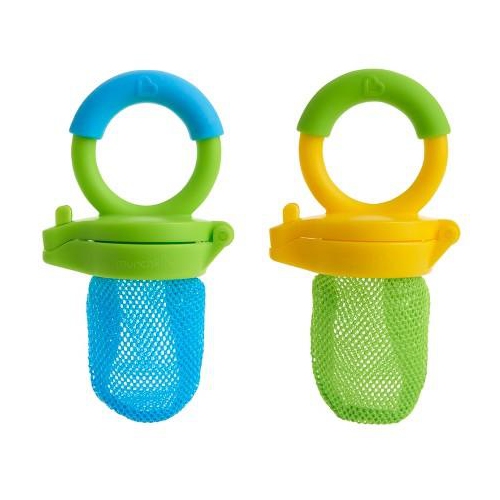 Your price for this item is $21.99
 -
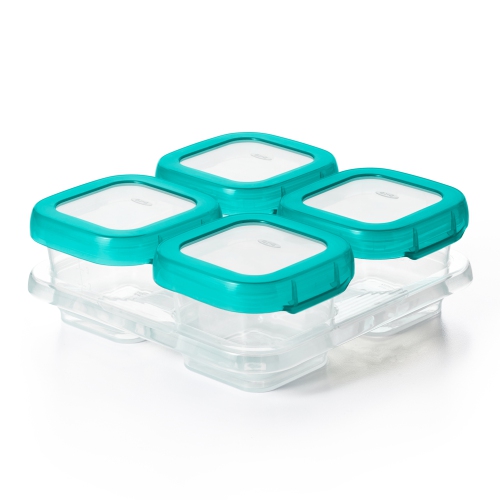 Your price for this item is $19.99
 -
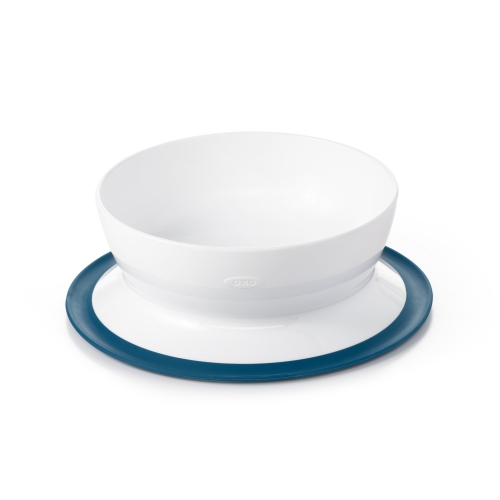 Your price for this item is $30.11
 -
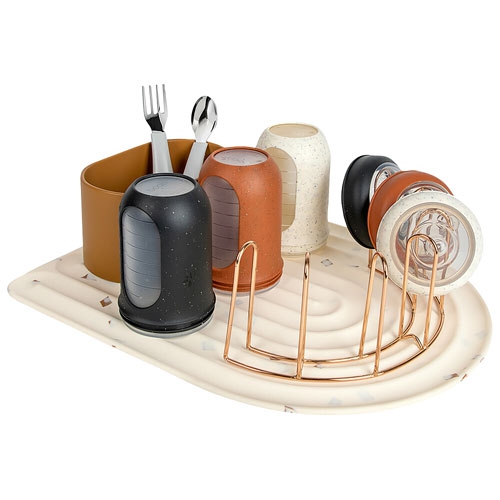 Your price for this item is $59.99
 -
 Your price for this item is $65.99
 -
 Your price for this item is $19.99
 -
 Your price for this item is $19.99
 -
 Your price for this item is $19.99
Discover more categories related to Silicone Sippy Cups
Top Collections:
Pokemon Centers, Kindle Devices, Best Budget Office Chairs, Apple iPhones 16, Best Laptops for Writers, iPhone 15 Apple, Canon G7X Cameras, Refurbished Apple Laptops, Alarm Clock, Motorola Razr Phones
Some products may be subject to Environmental Handling Fees
(EHF) depending on your province.
Learn more about EHFs.