Transition Sippy Cups
Transition sippy cups are a must-have for parents and caregivers as little ones make the move from bottle to cup. Designed to help toddlers transition smoothly to independent drinking, these cups feature spill-proof technology and easy-to-grip handles, making them perfect for on-the-go use. With a variety of styles, colors, and materials to choose from, finding the right sippy cup to meet your child's needs has never been easier. Whether you're looking for a trainer cup with soft spouts or a straw cup for older toddlers, our selection of transition sippy cups has something for every stage of your child's development.
Sort



How grip and flow shape those first sips
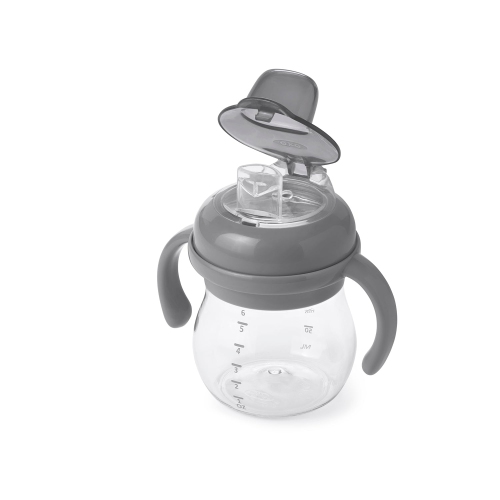
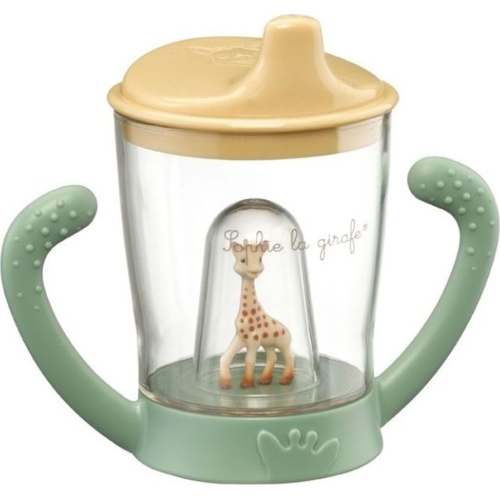
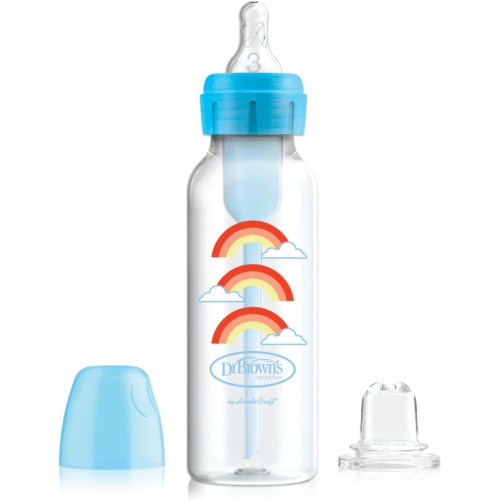
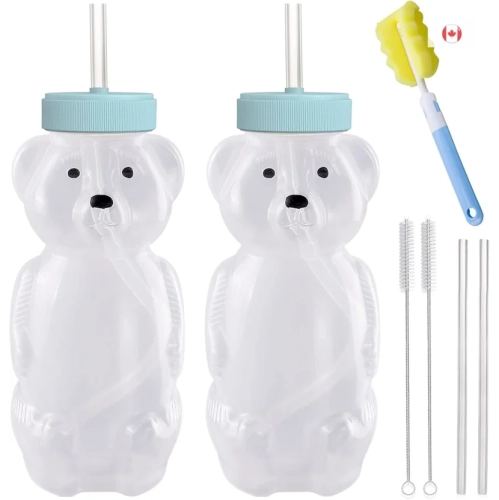
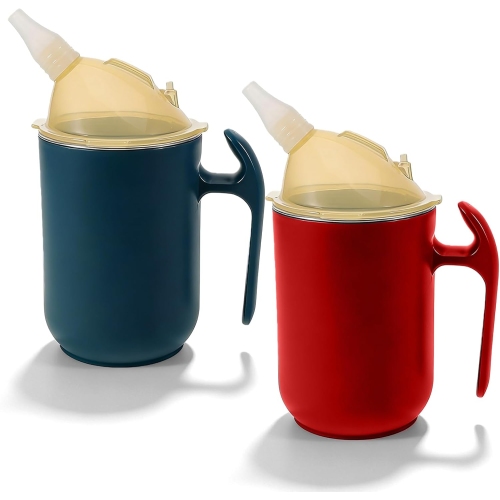
Transition sippy cups give babies and toddlers an in-between option as they move from bottle-feeding towards drinking from a cup. Their smaller proportions, easy-grip handles, and controlled flow can make those first attempts more manageable, whether a child is taking a few sips beside a bowl of cereal or learning to lift a cup independently at the family table. The most suitable design depends on developmental readiness, grip strength, and how a child responds to a different drinking surface. Cups intended for younger babies often have two handles and a soft spout, while designs for toddlers may feature a straw, a firmer spout, or a rim that allows drinking from different sides. A soft spout offers a familiar feel, but its shape and flow still differ from a bottle nipple. Straw designs introduce another drinking method, and some have a weighted end that follows the liquid as the cup tilts. Rim-style trainer cups allow sipping around the edge, though a valve-controlled rim does not work exactly like an uncovered cup. These differences matter when a child is comfortable with one motion but still learning another. A baby who can hold two handles may still need help tipping the cup, while a toddler who prefers drinking upright may find a straw more convenient. Age recommendations help identify the intended stage, but they do not replace attention to the individual child’s abilities. For babies beginning complementary foods, often around six months, cup practice can be part of supervised meals when they can sit upright with support and show readiness. Transition cups are a temporary learning option rather than a reason to delay open-cup practice. A small open cup can be offered alongside them with adult assistance. For everyday use, a manageable size and a drinking method the child can operate comfortably are more useful than a large capacity that makes the cup awkward to lift.
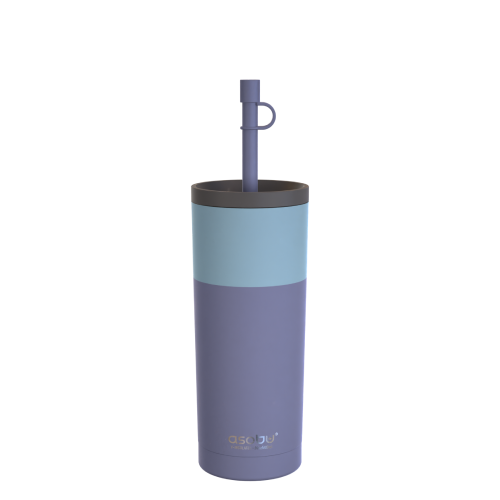
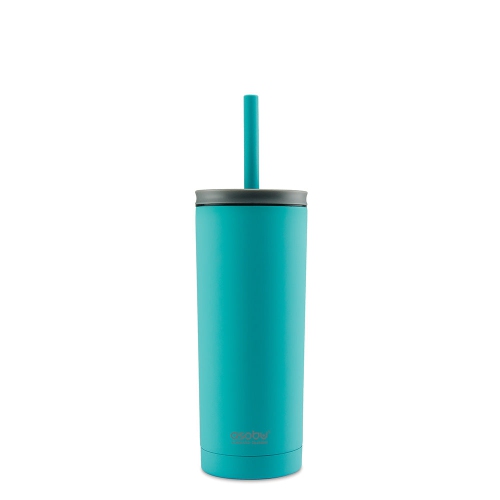
Materials influence how transition sippy cups feel in the hand, how much they weigh when filled, and how they stand up to frequent washing. Plastic bodies are generally lightweight and may have clear sides or measurement markings that make it easier to see how much liquid remains. Silicone provides a soft, flexible surface, particularly around spouts, handles, and protective sleeves. For children who prefer that softer feel, silicone sippy cups offer a material option worth considering alongside the shape and drinking mechanism. A flexible body can be comfortable to grip, although squeezing it may push liquid towards the opening, depending on the lid design. Stainless steel bodies are typically more rigid and can tolerate everyday knocks, but they may weigh more than a similarly sized plastic cup. Glass bodies allow a clear view of the contents but are heavier and require particular care around hard floors; a protective sleeve does not make glass unbreakable. The materials in the lid and drinking parts matter just as much as the main body, especially where a child’s mouth touches the cup. Labels and manufacturer specifications identify material composition, intended ages, and any stated testing or safety certifications. Beyond material, fit is a practical consideration: handles need enough space for small fingers, a narrow middle can support a two-handed grip, and a broad base may be easier to set down on a high-chair tray. Removable handles can change how a cup fits into a stroller holder or bag pocket, while a drinking cover keeps the mouthpiece covered between uses. Spill-resistant valves help limit mess, but they are not a guarantee against leaks when a lid is cross-threaded, a seal is missing, or the cup is squeezed inside a bag. Flow also varies between designs. A child may become frustrated with a valve that requires more suction than they can comfortably manage, even when the cup is otherwise the right size.
Day-to-day care is an important part of choosing a transition cup, particularly when it will travel between home, childcare, and visits with family. A cup with a few straightforward components can be easier to wash and reassemble than one with several hidden seals, narrow channels, or small valve pieces. Straws, spouts, and removable gaskets need attention because liquid can remain inside them even when the main body looks clean. Taking apart the removable components according to the manufacturer’s directions allows each surface to be washed, rinsed, and dried thoroughly before reassembly. Dishwasher suitability varies: a body may be dishwasher-safe while a lid or valve requires handwashing, and some components are restricted to the top rack. Sterilizing methods also depend on the materials and construction, so suitability for boiling water or a steam sterilizer should never be assumed. Regular inspection helps reveal a split spout, a cracked body, a stretched seal, or a straw damaged by chewing. Damaged drinking parts need replacement rather than continued use, and replacement components must be specified as compatible with the cup. Some designs accept different lids or drinking attachments as a child’s skills change, but parts that appear similar are not necessarily interchangeable. For families, a consistent cup shape can make handovers between caregivers simpler, while distinct colours can help distinguish siblings’ cups. A compact cup may suit supervised sips during an outing; an easy-to-disassemble design may be more practical for daily meals and frequent washing. Transition cups can also make a useful gift for a baby approaching cup practice or a toddler developing more independence, especially when the recipient’s age and caregivers’ preferences are known. An easy grip, manageable flow, and uncomplicated care matter more than decorative details alone. Whatever the setting, these cups are intended for seated, supervised drinking, not for carrying in the mouth while walking or running. Their role is to make everyday practice more manageable while leaving room for a child’s drinking skills to develop.
Top selling and popular products
-
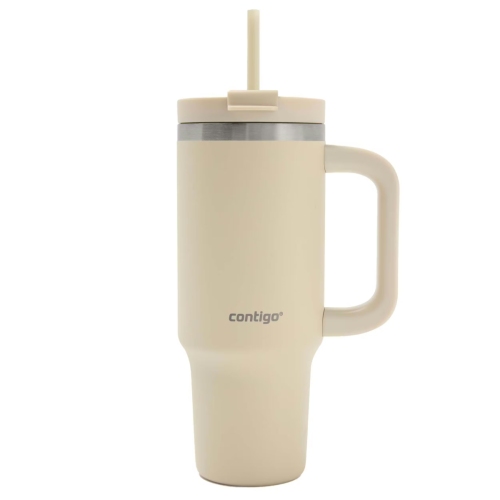 Your price for this item is $42.93
-
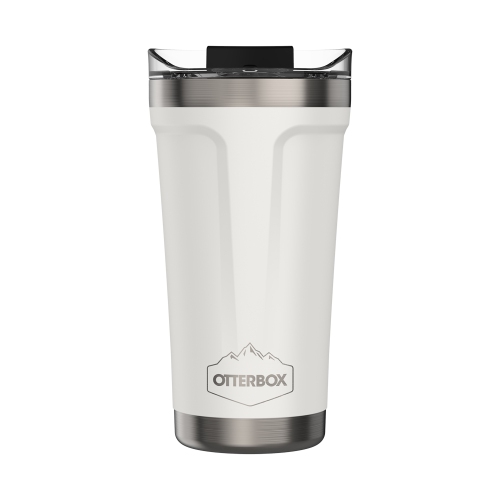 Your price for this item is $34.95
-
 Your price for this item is $59.99
-
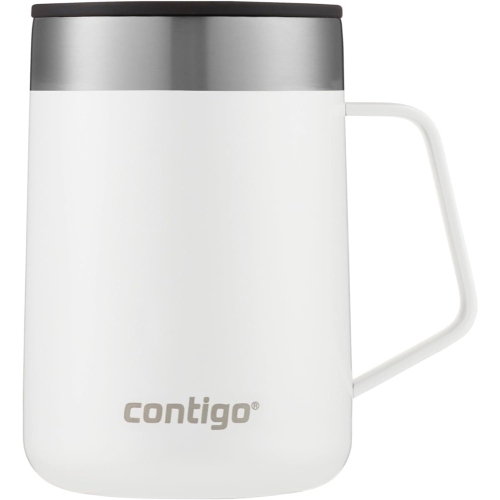 Your price for this item is $23.97
-
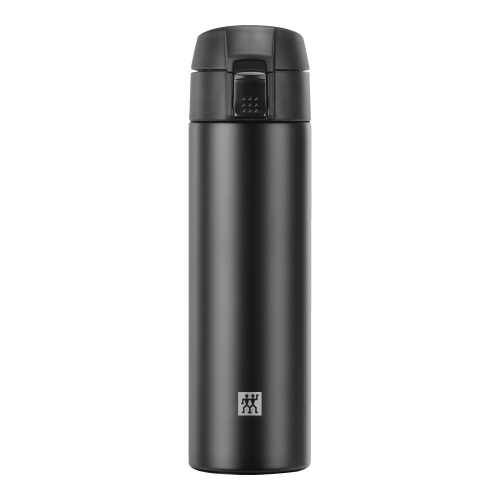 Your price for this item is $30.99
-
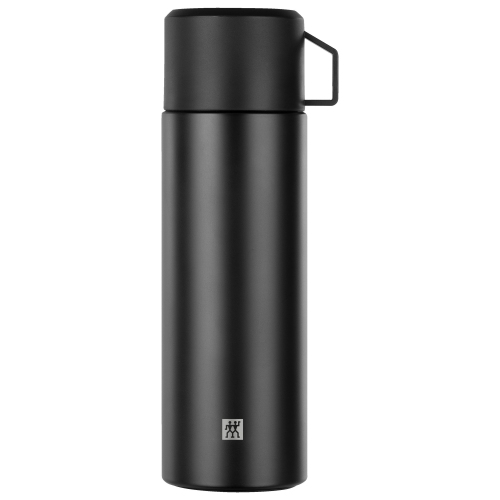 Your price for this item is $41.99
-
 Your price for this item is $30.99
-
 Your price for this item is $30.99
Discover more categories related to Transition Sippy Cups


Top Collections:
Best Black Friday Deals This Year, Best Black Friday Deals On Electronics, Kindle Devices, Pokemon Centers, Best Black Friday Deals On Apple Products, Best Cameras for Sports Photography, Dyson Airwrap, Pokémon 30th Celebration Cards, Apple iPhone 17 Pro, Canon G7X Cameras
Some products may be subject to Environmental Handling Fees
(EHF) depending on your province.
Learn more about EHFs.