Infant Sleep Aids
Help your little one get a restful night's sleep with our collection of infant sleep aids. As a parent, we understand how important it is to create a soothing and comfortable environment for your baby to drift off into dreamland. That's why we've curated a selection of sleep aids specifically designed to promote better sleep for infants. From gentle white noise machines to cozy swaddles and calming nightlights, our range of products will help create a peaceful atmosphere, ensuring your baby enjoys a blissful slumber. Explore our assortment of infant sleep aids and make bedtime a breeze for both you and your little bundle of joy.
Sort







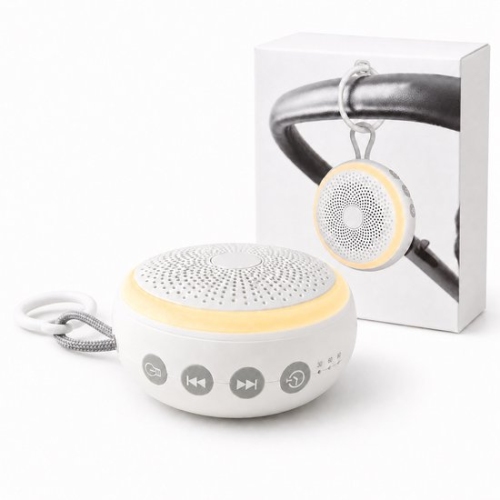

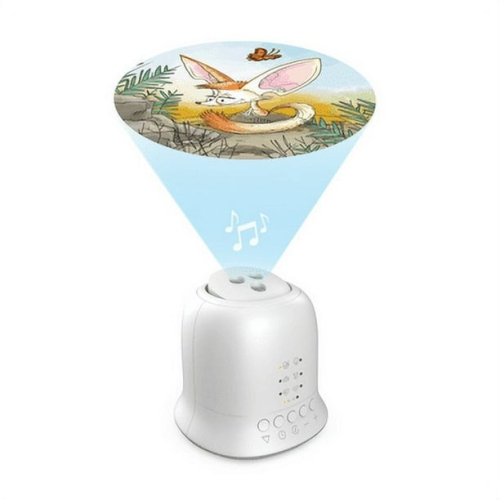


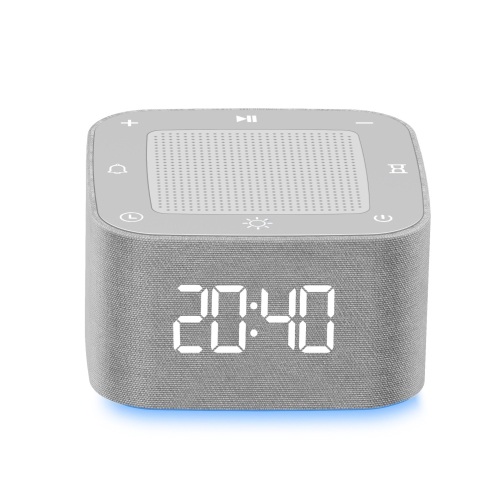
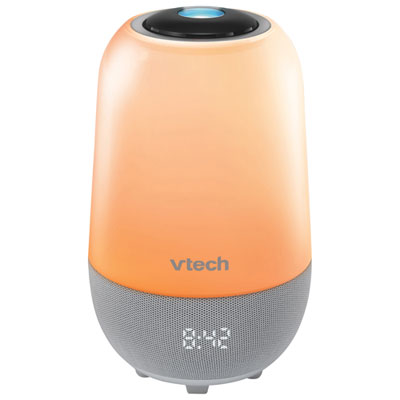
















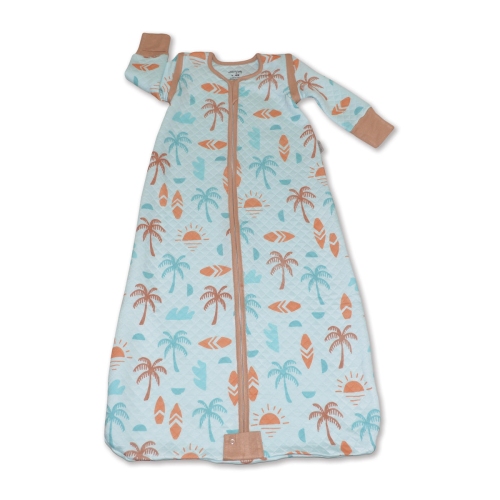
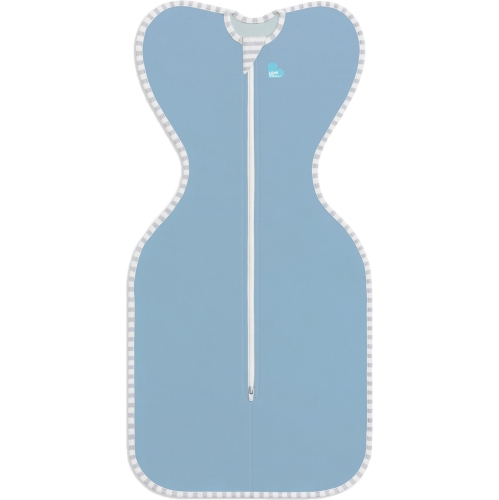
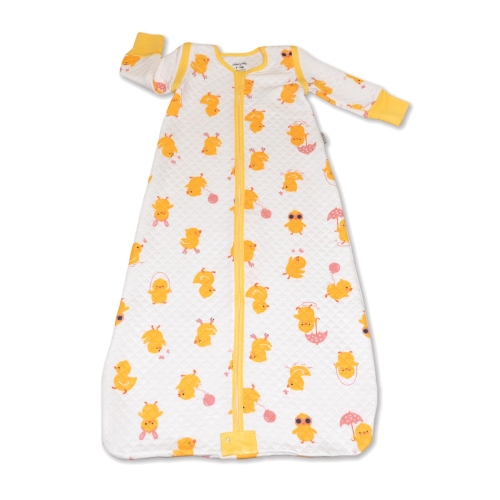

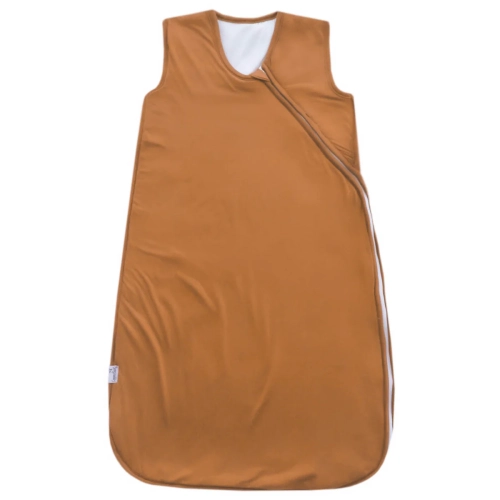



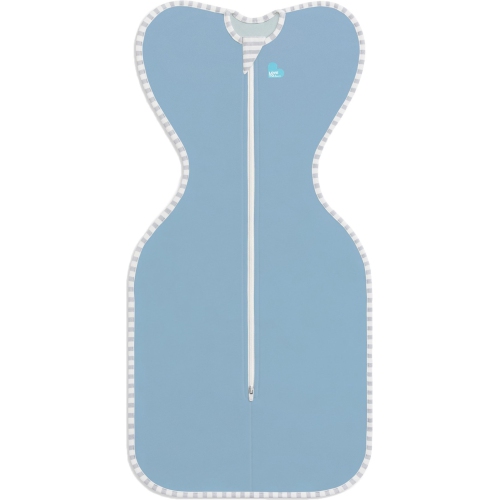


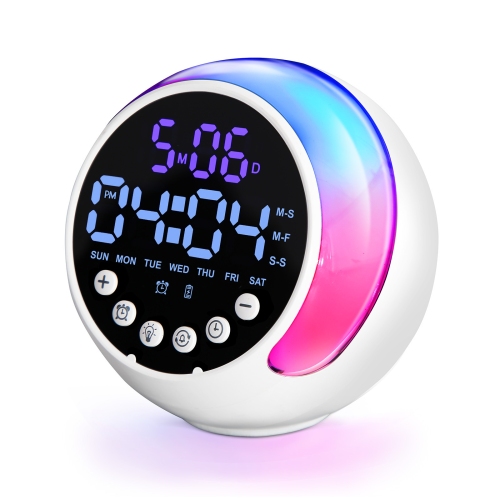
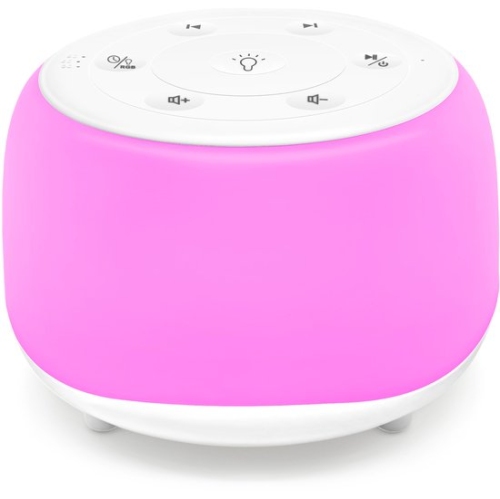


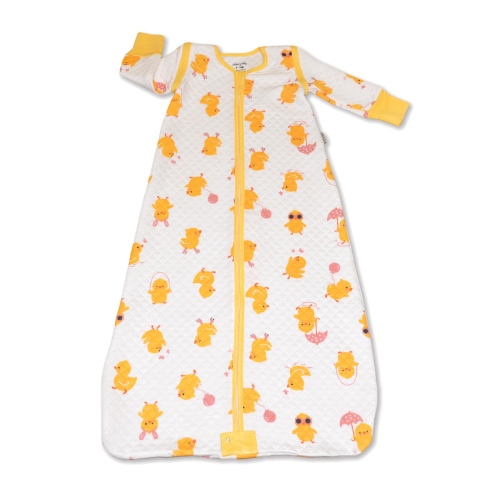












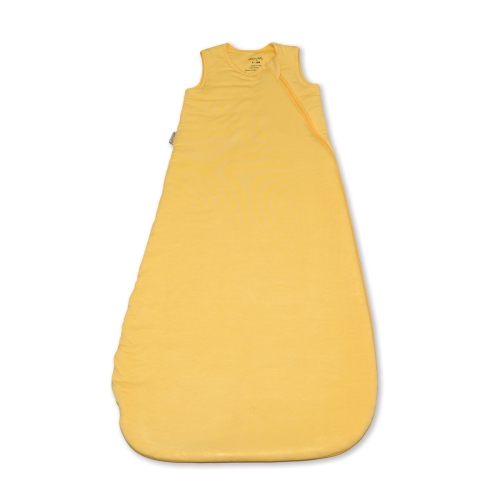
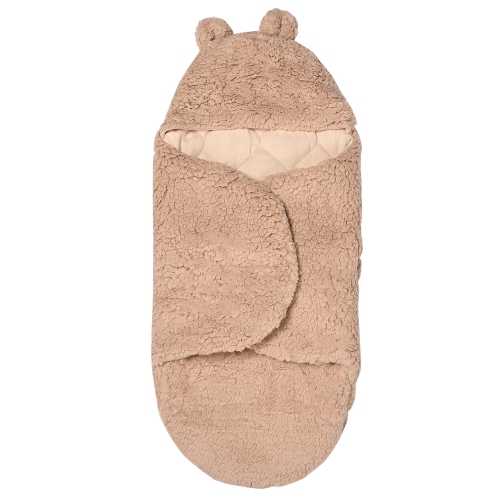
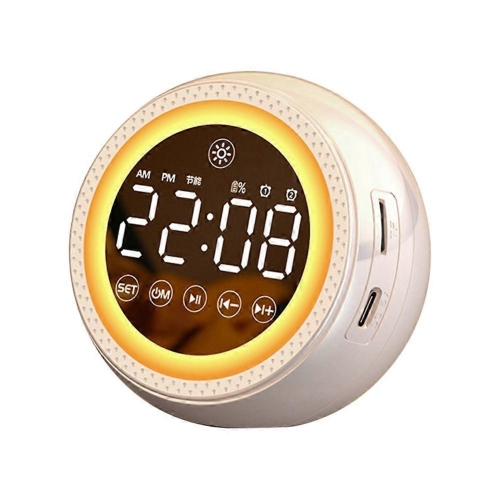
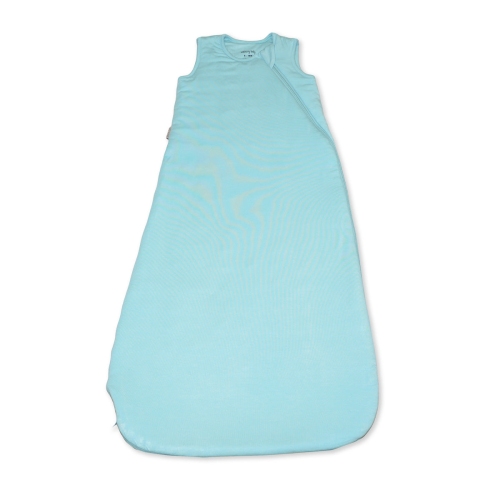









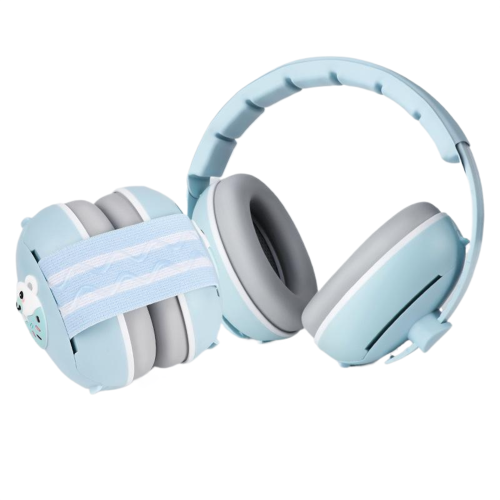


Familiar comforts for settling and overnight care
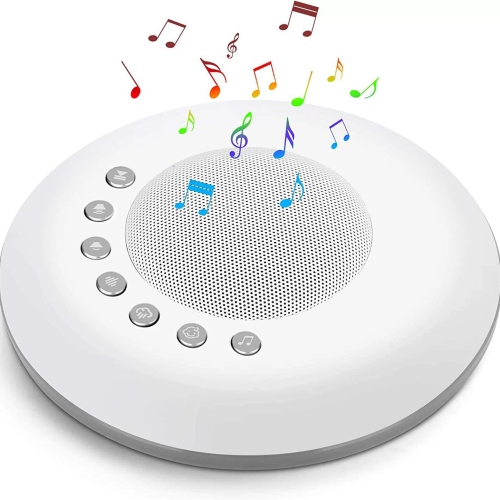
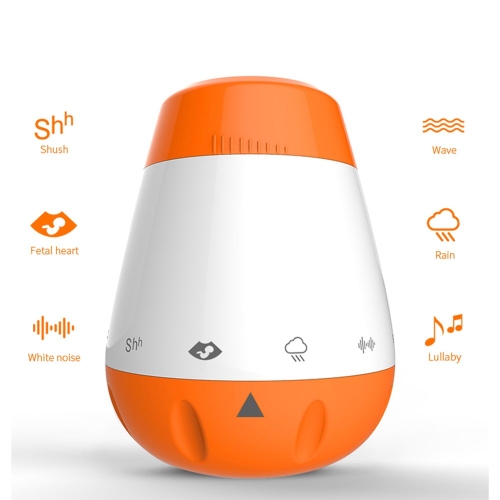
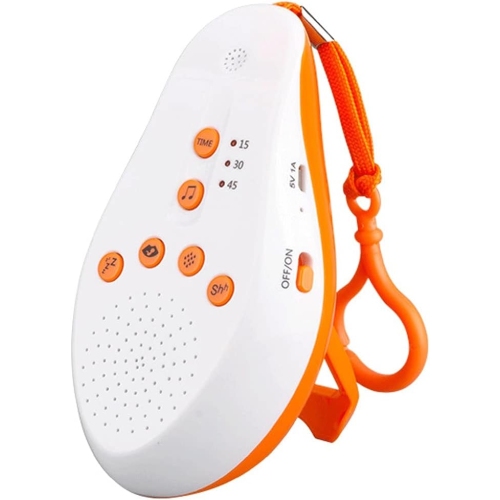
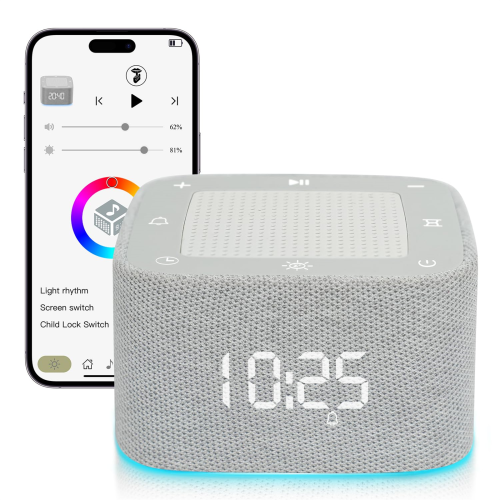
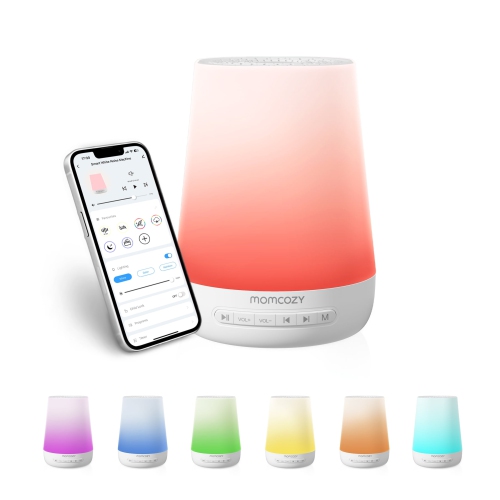
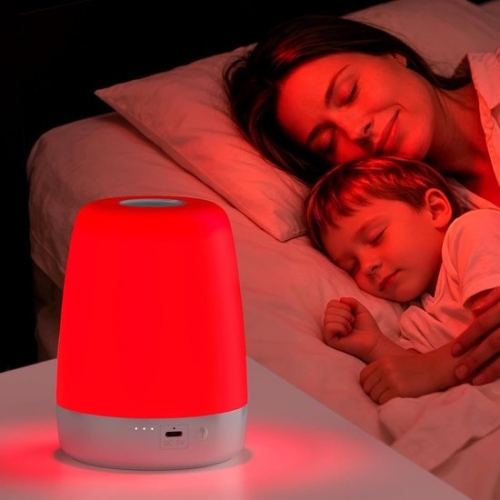
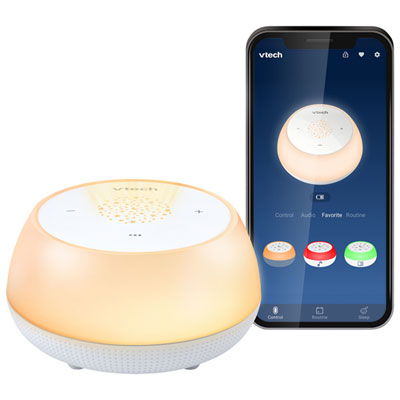
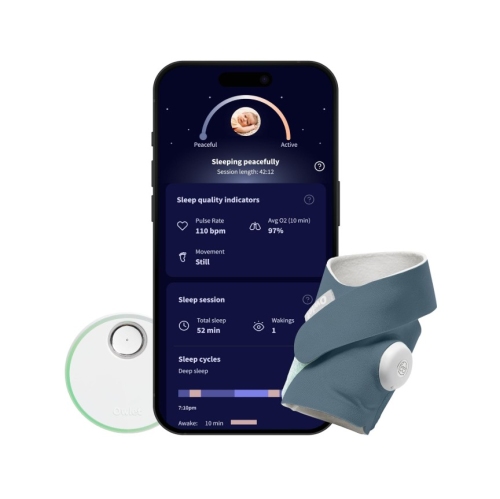
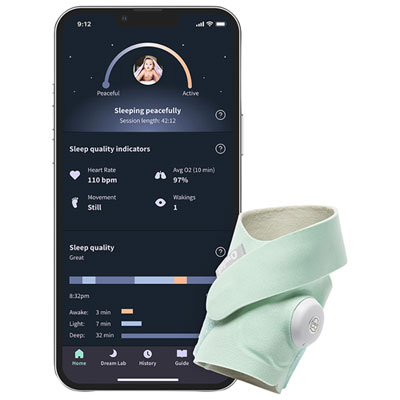
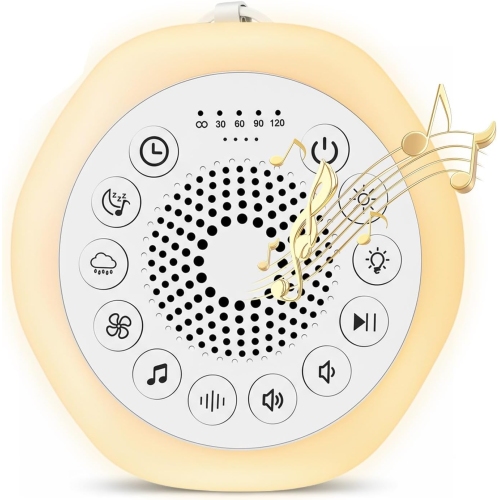
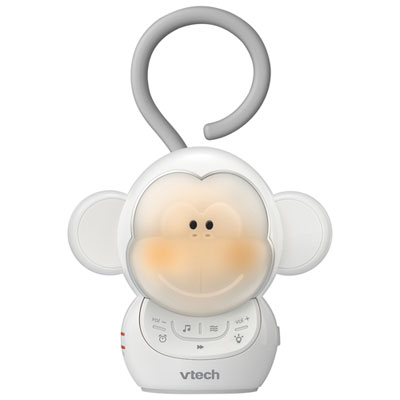
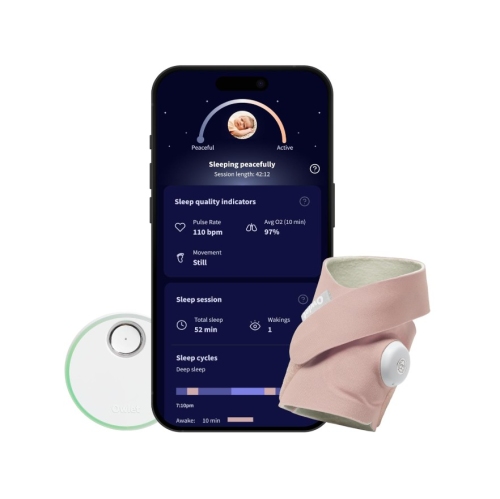
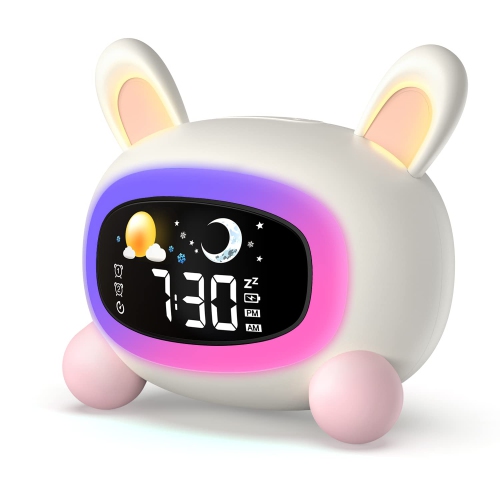
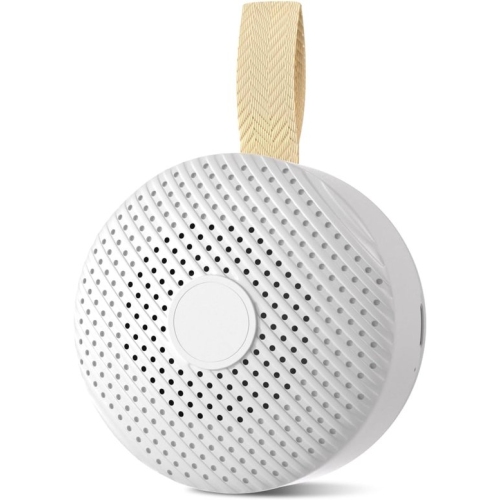
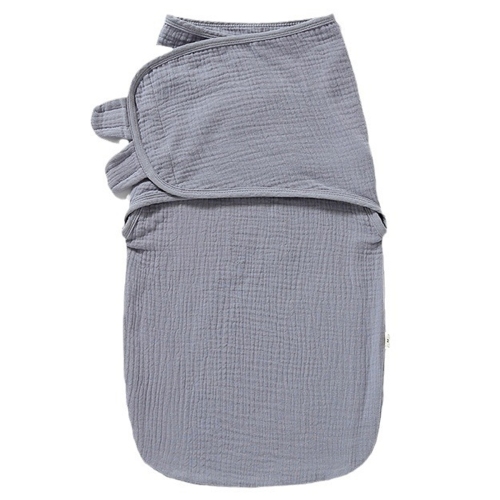
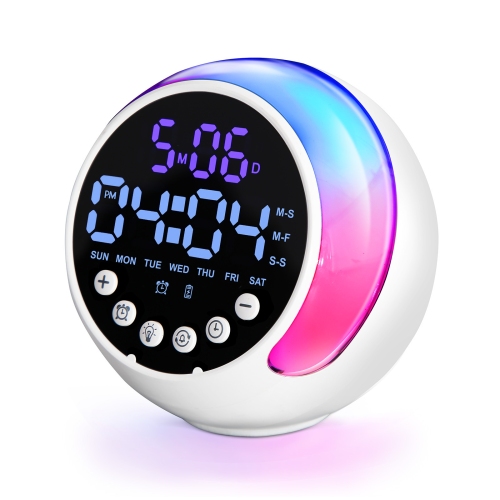
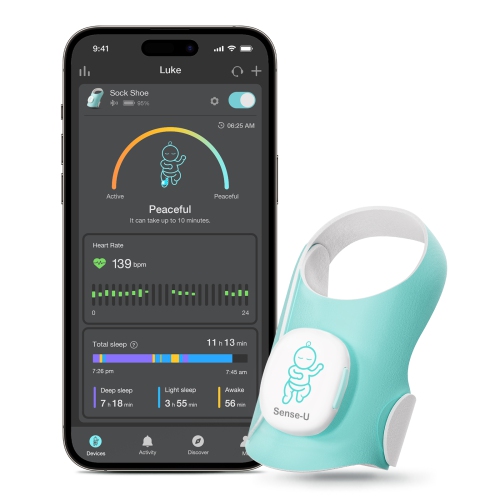
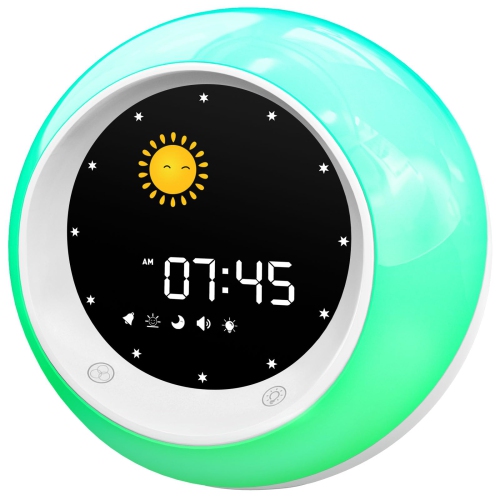
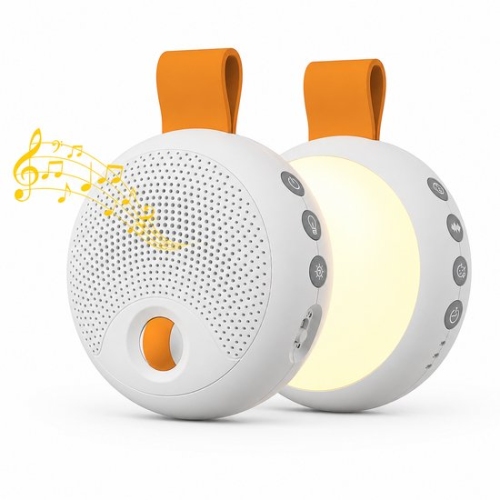
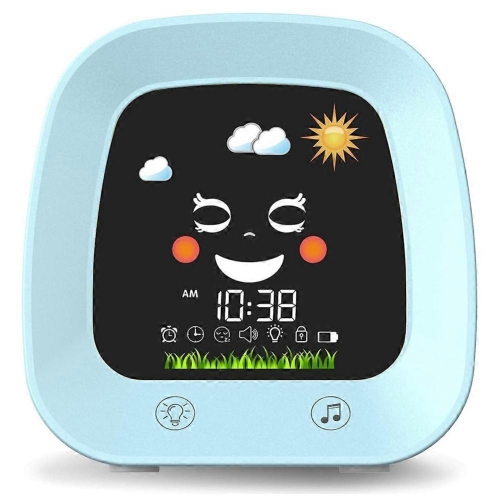
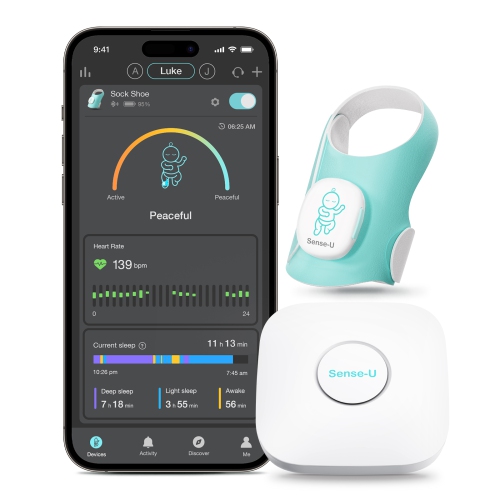
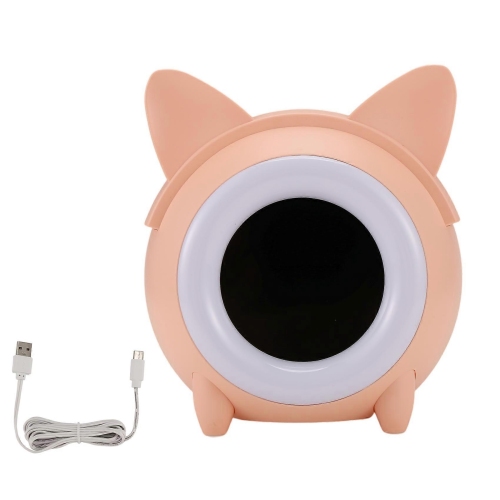
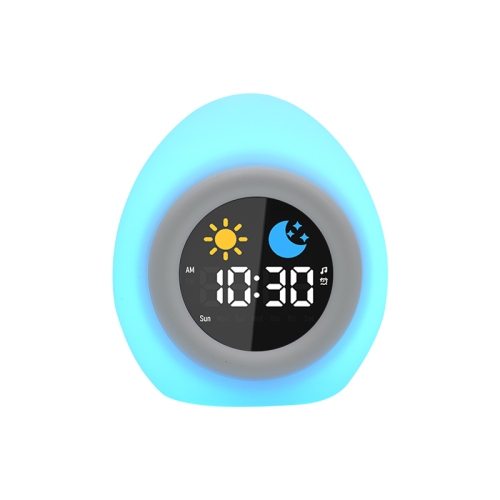
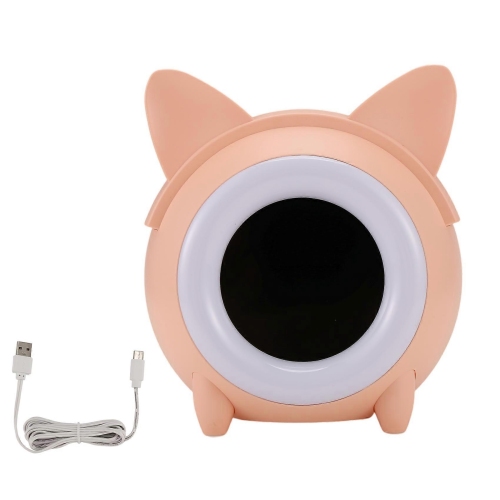
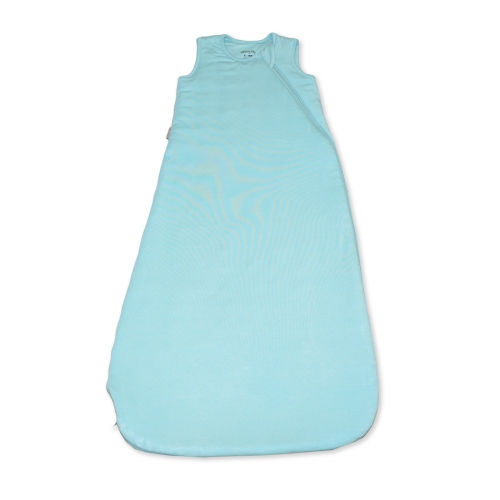
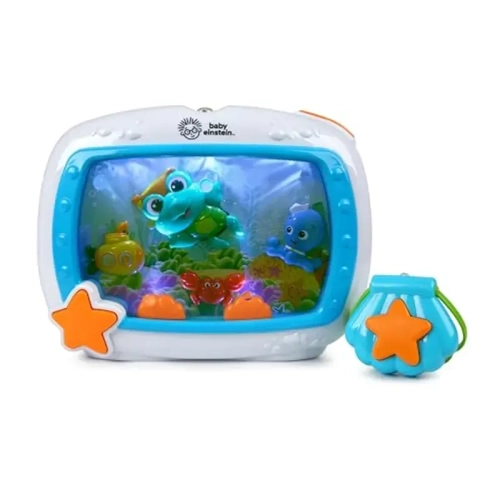
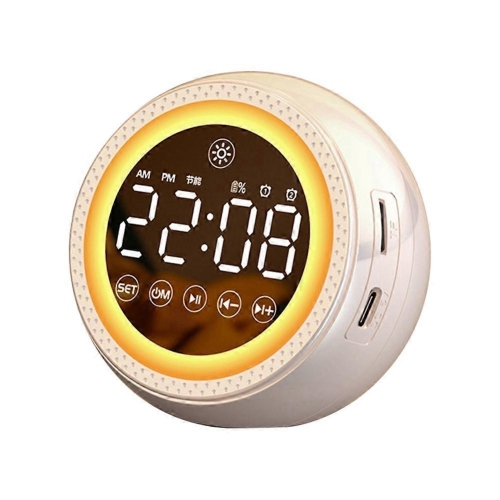
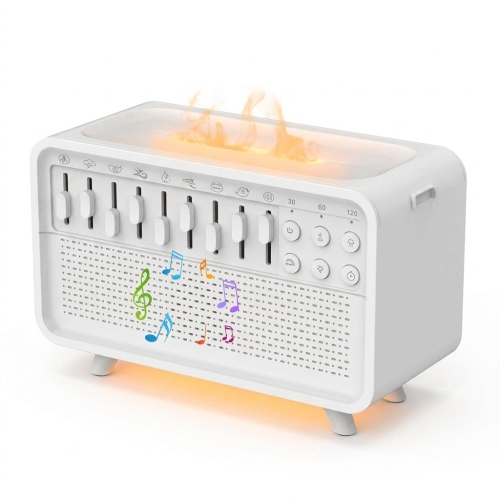
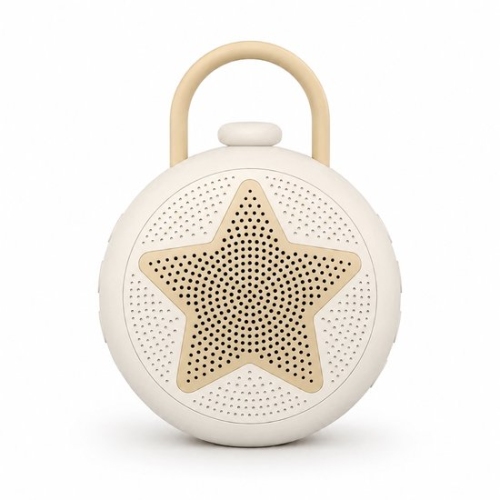
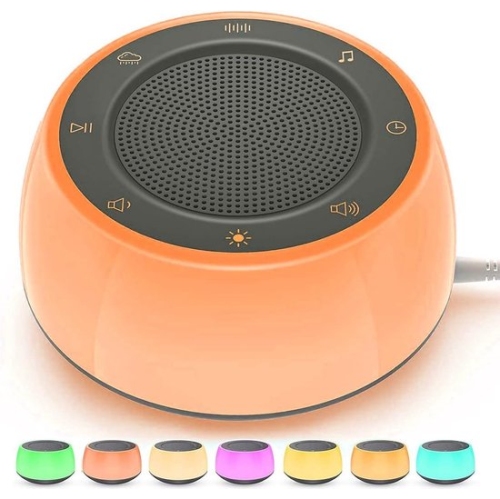
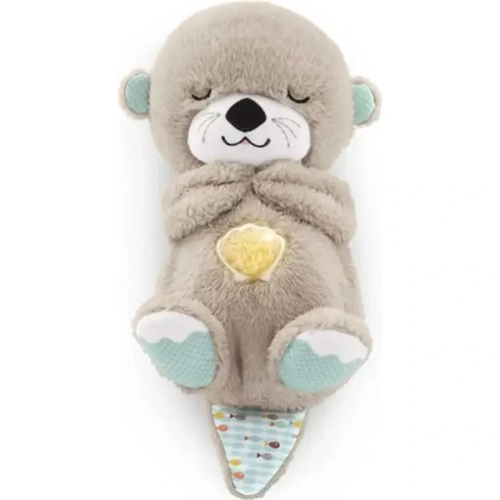
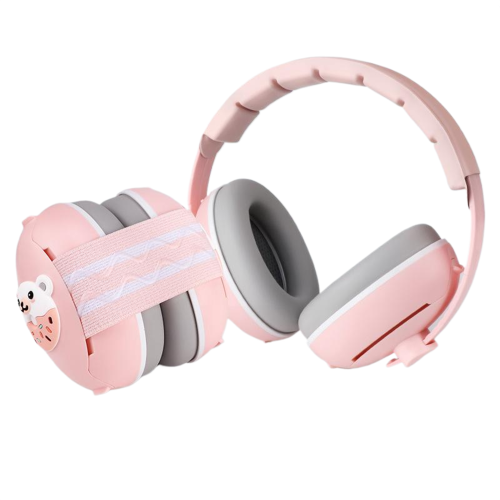
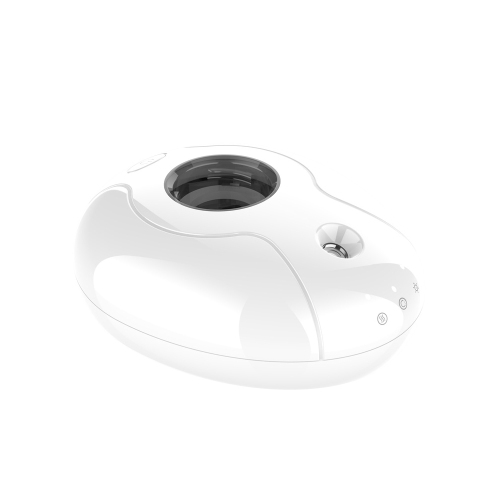
Infant sleep aids are products such as sound machines, swaddles, non-weighted sleep sacks, and soft nightlights that can support a familiar settling routine. Some provide a steady background sound, while others offer wearable comfort or gentle lighting for feeds and changes. Their purpose is to complement everyday care, not to guarantee uninterrupted sleep or replace a safe sleep space. Newborns and older infants have different sleep patterns, and frequent waking can remain part of normal development even when a routine feels well established. A simple selection of sleep aids can make those repeated moments more manageable: a quiet sound setting during a bedtime feed, a softly lit change area, or a familiar wearable blanket before being placed in the crib. Sound machines may offer white noise, nature sounds, or other continuous audio, with controls that let caregivers adjust volume and duration. Clear, accessible buttons are useful when one hand is occupied, while a timer can suit families who prefer sound only during settling. Sound should stay low, and the device should sit well away from the baby’s head, outside the crib, with any cords completely out of reach. More volume is not a better solution to household noise. Nightlights serve a different purpose, helping an adult see during overnight care without brightly lighting the entire room. Dimmable settings and an unobtrusive display can be more practical than colourful projections or changing patterns when the aim is a quiet routine. For visits with relatives or nights away from home, compact accessories can preserve a few familiar cues, provided the destination also has an appropriate infant sleep space. Controls, charging requirements, and ease of packing all affect everyday usefulness. A sleep aid that is straightforward to operate is often easier to incorporate into repeated feeds, changes, and settling than one with many features that require frequent adjustment.
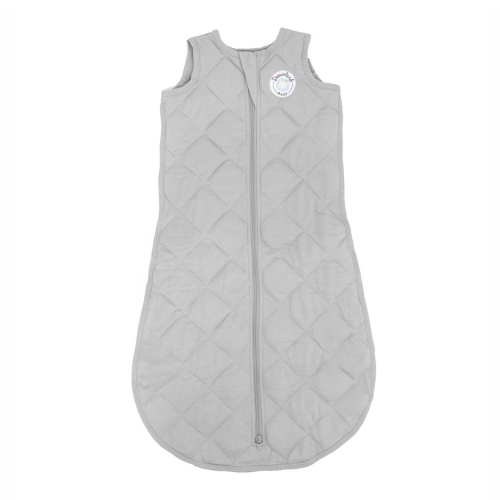
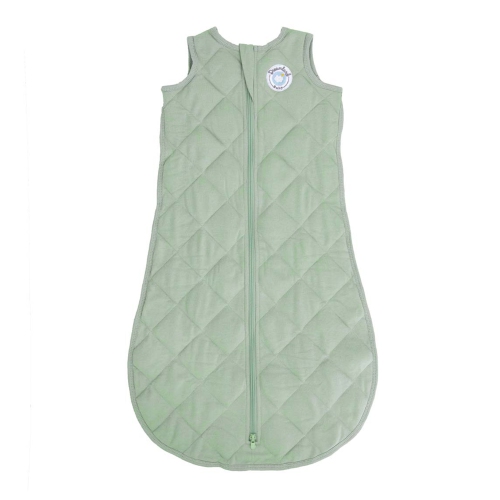
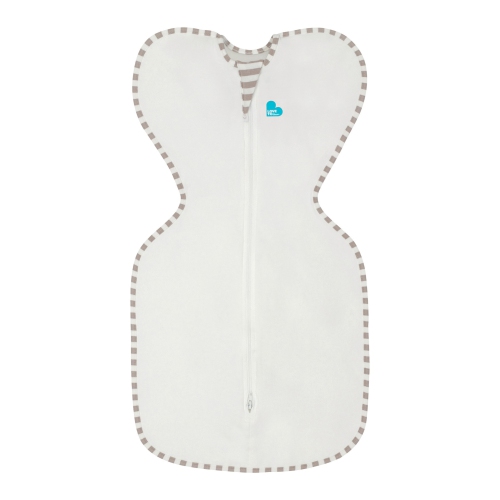
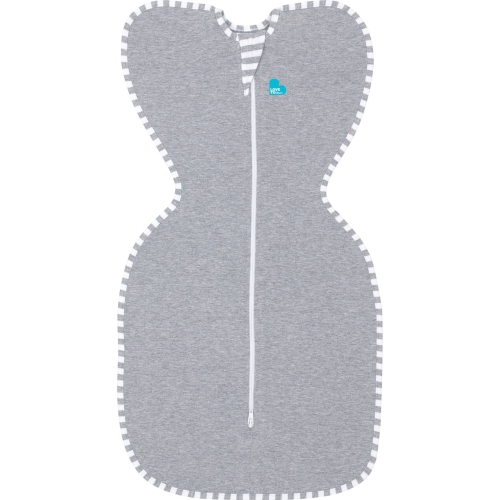
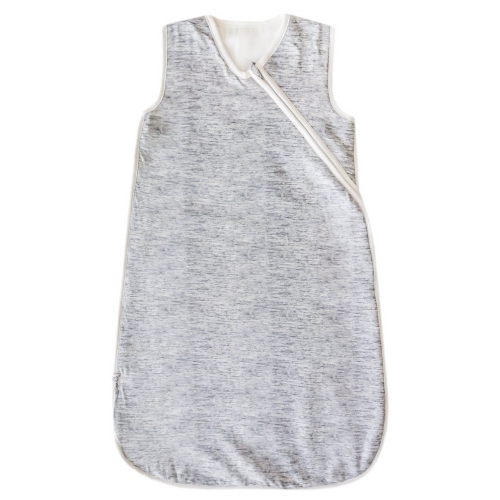
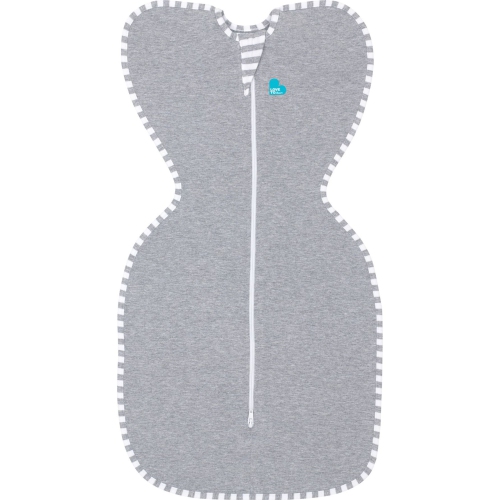
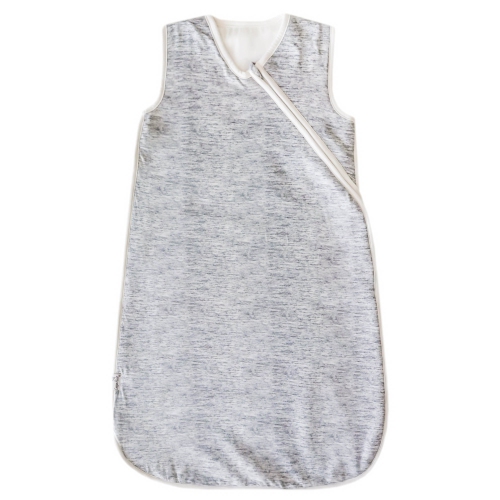
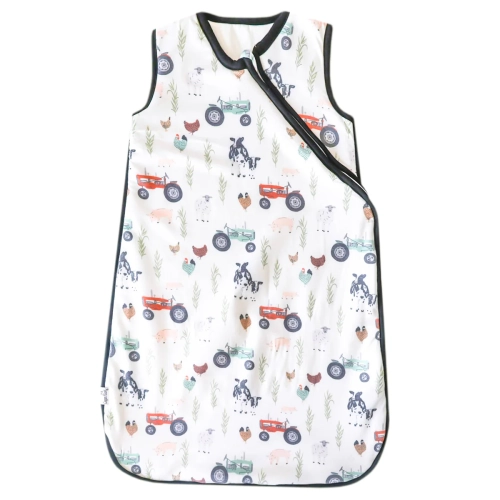
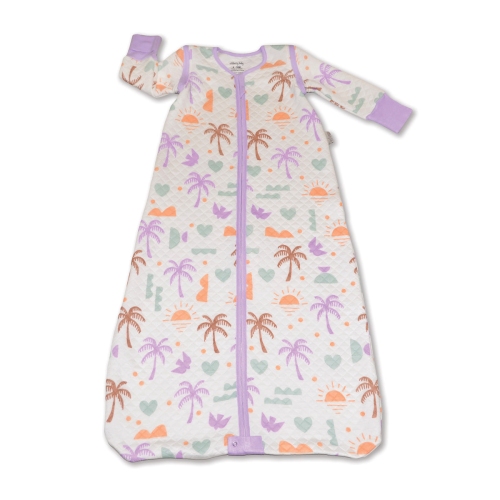
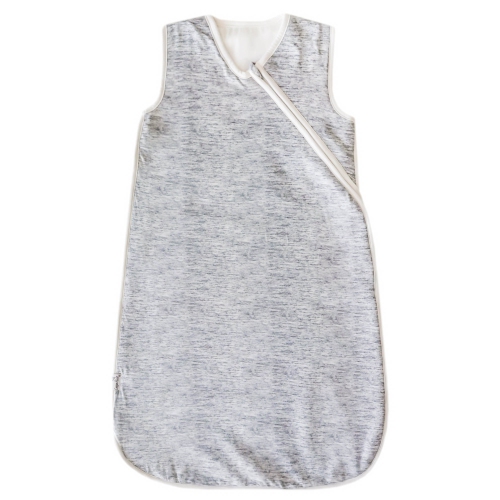
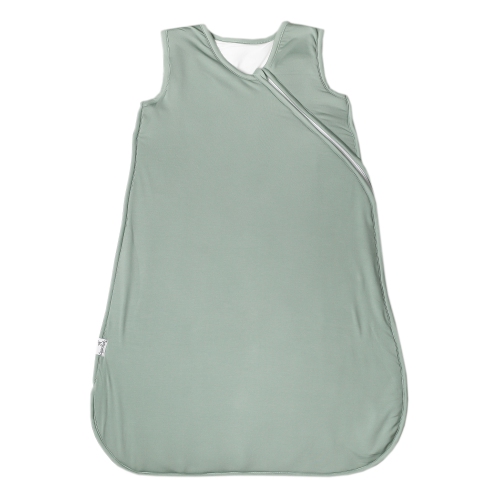
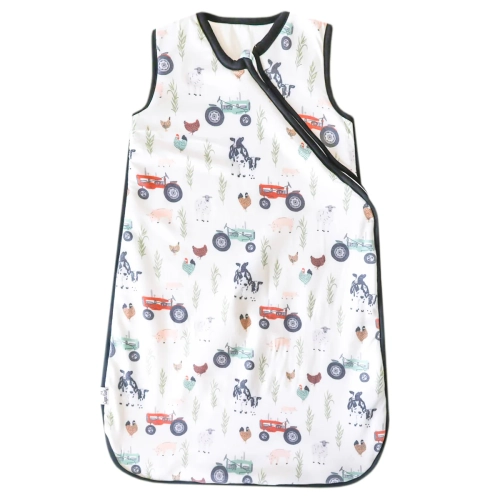
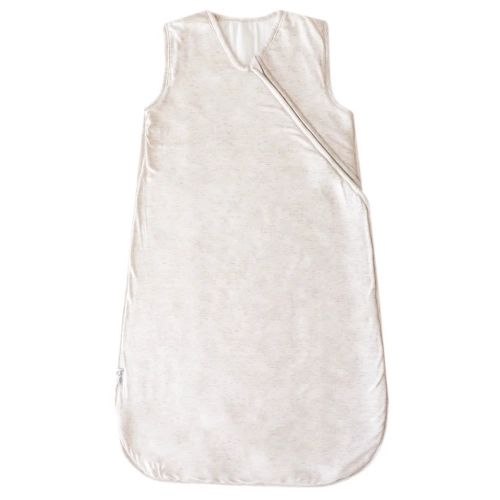
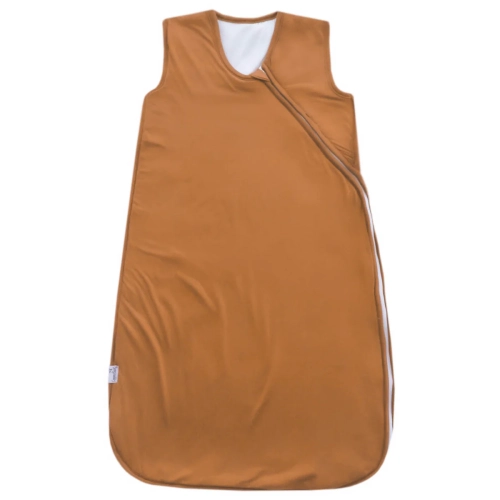
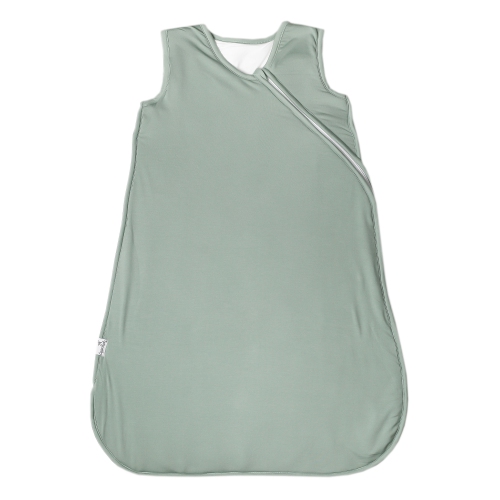
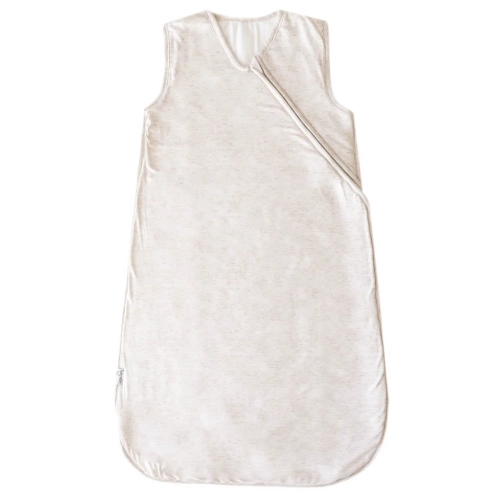
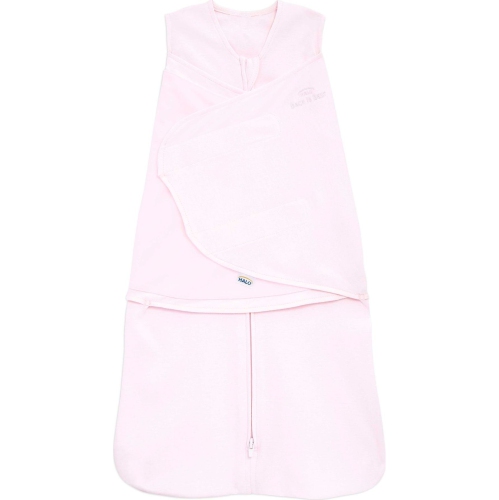
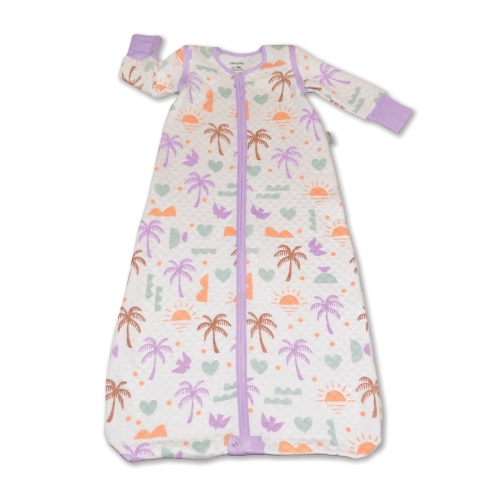
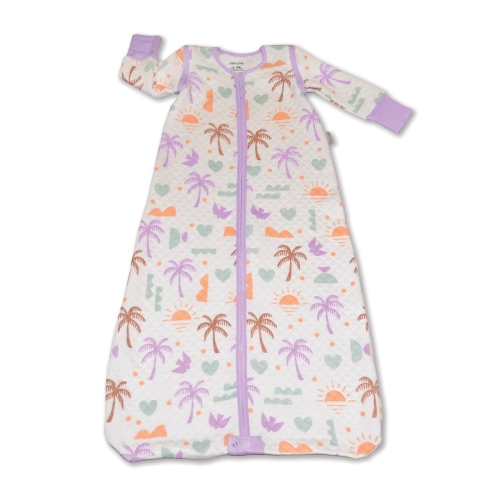
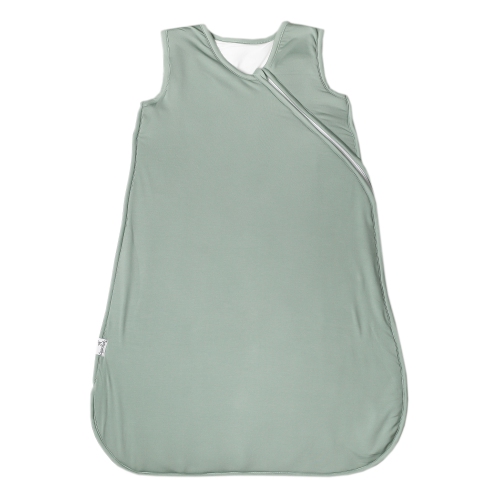
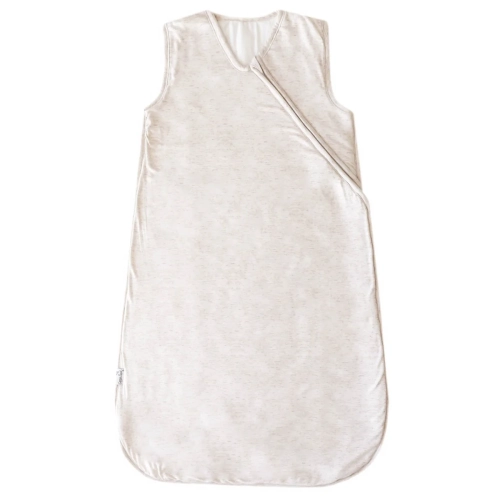
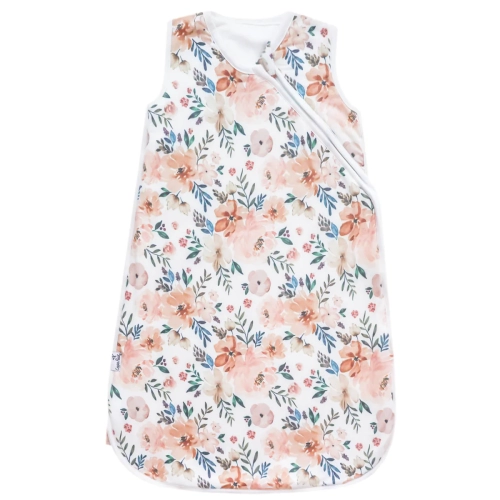
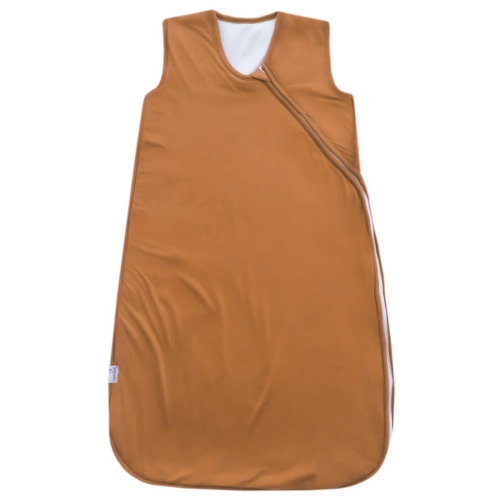
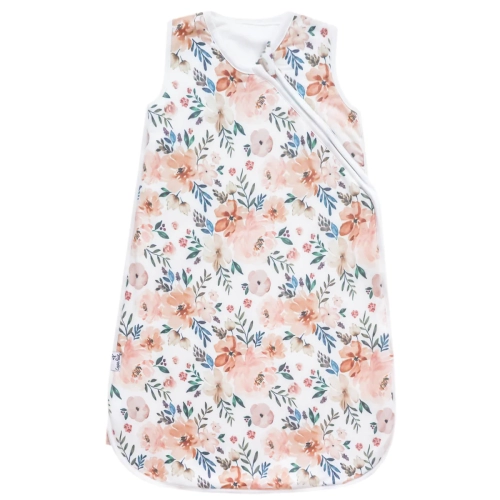
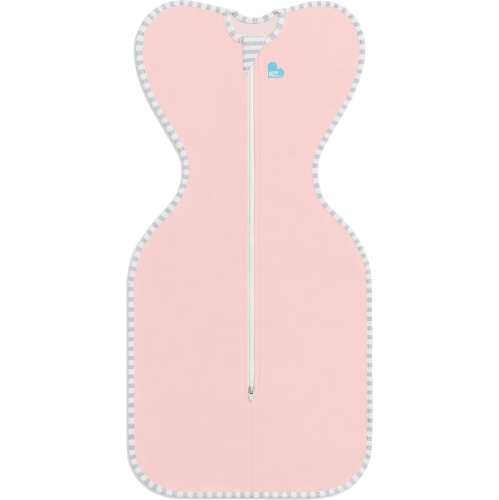
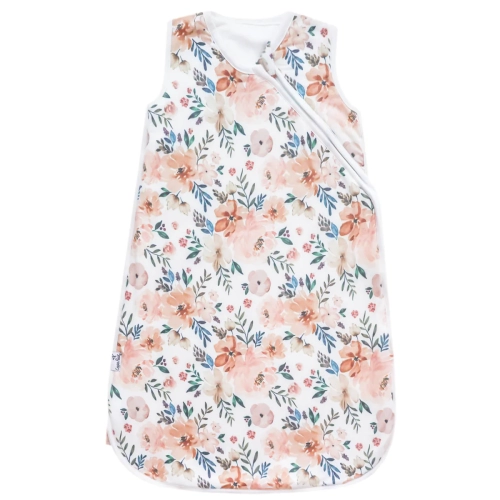
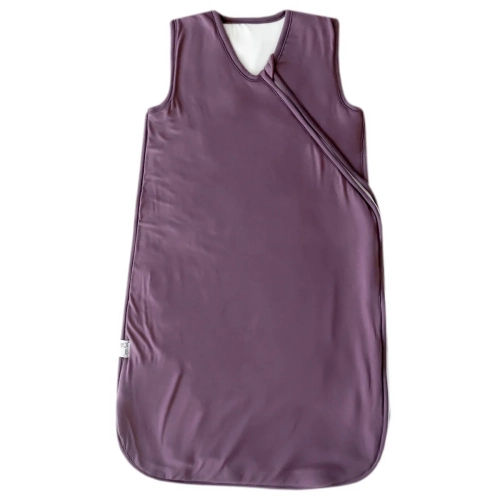
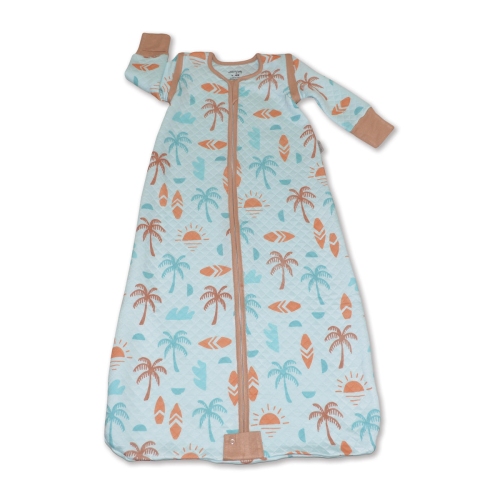
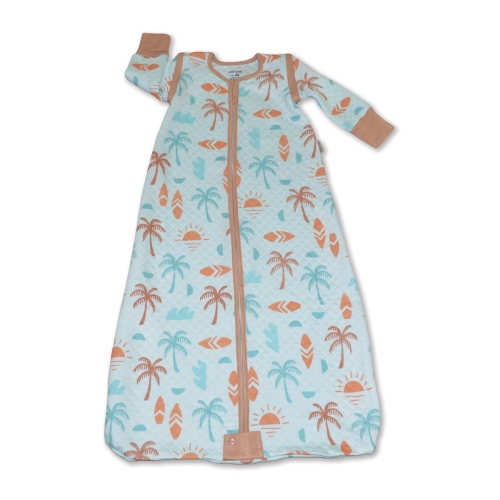
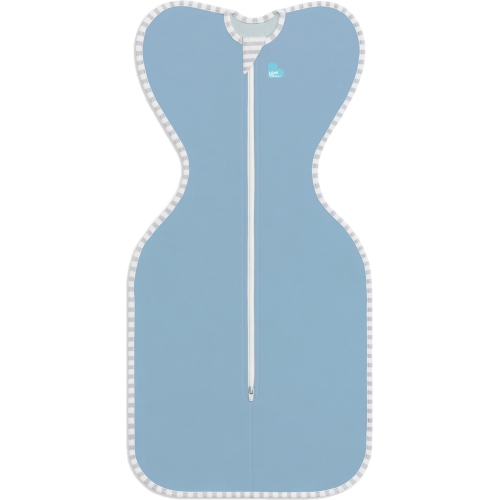
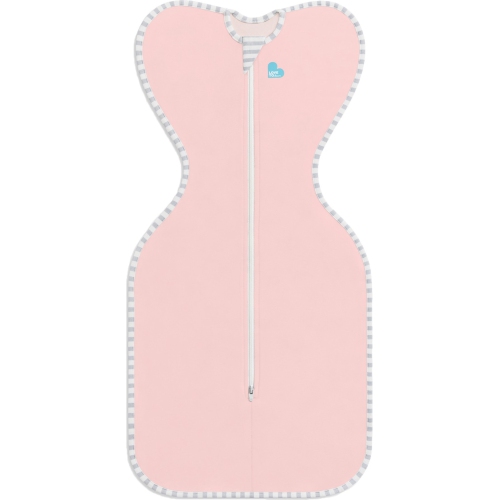
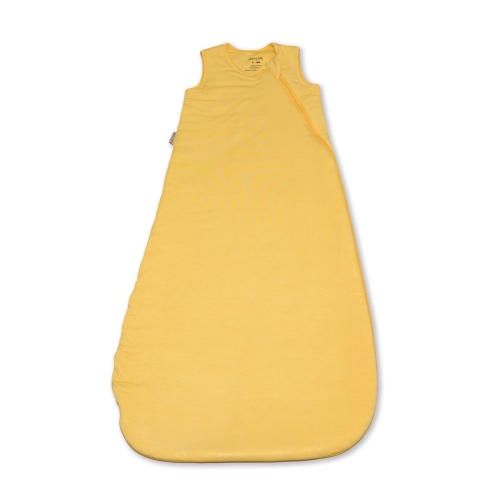
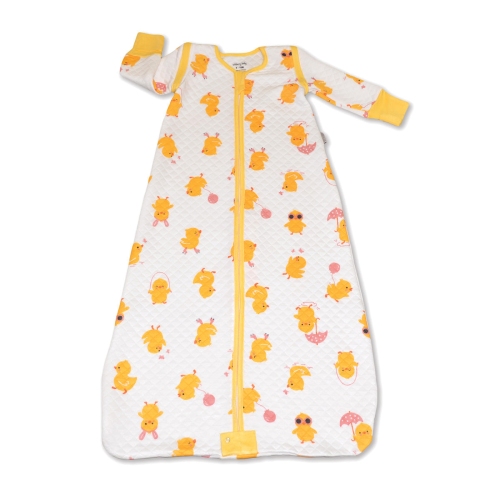
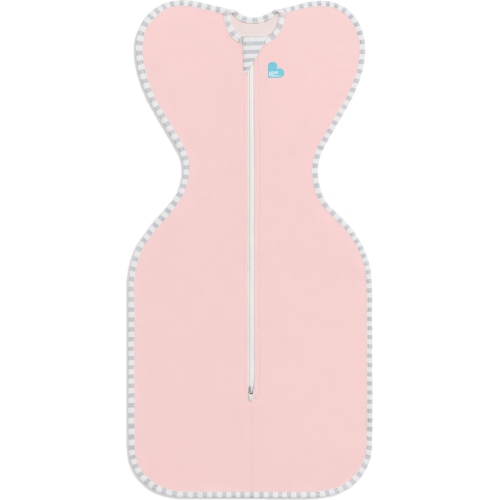
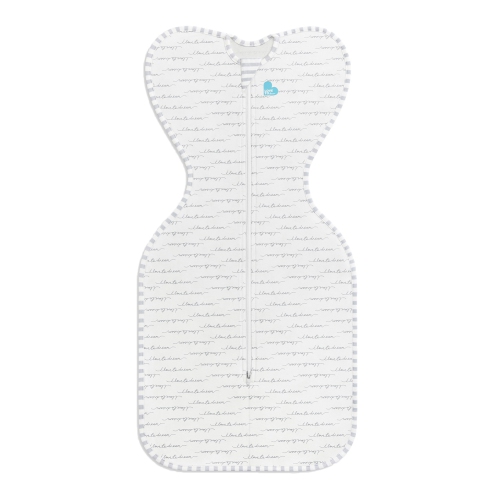
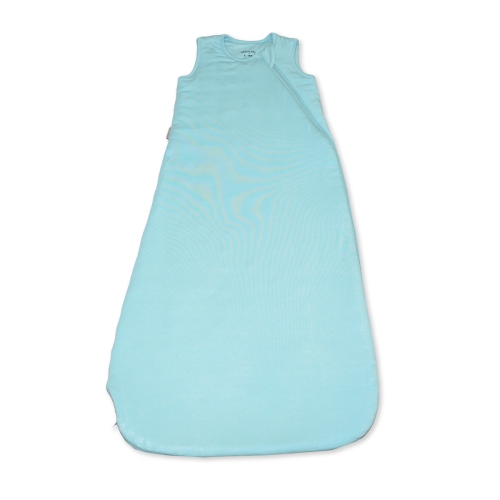
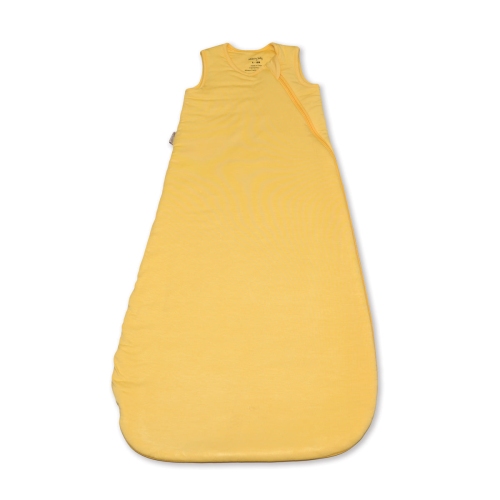
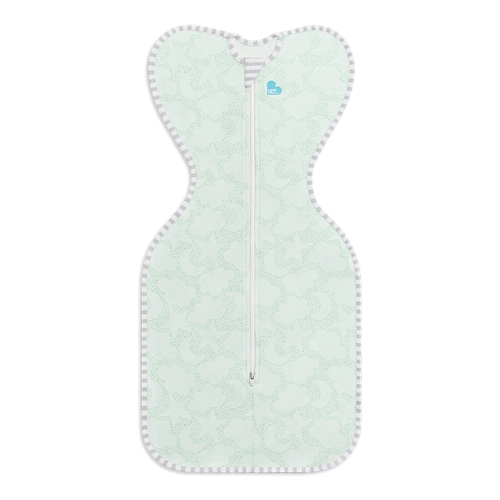
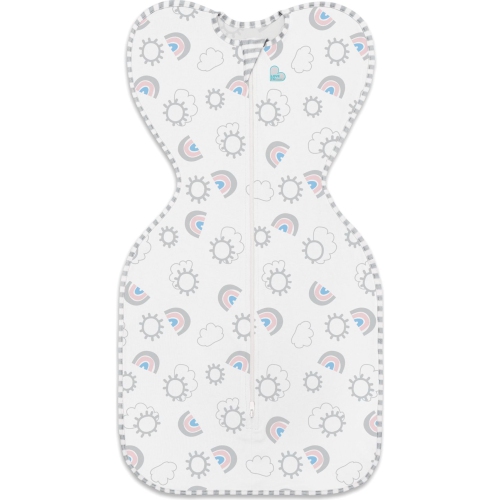
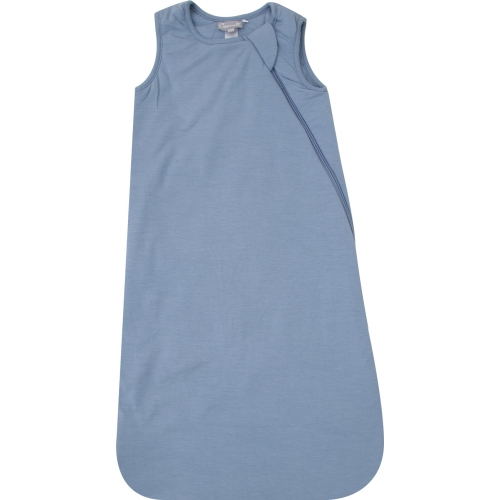
Wearable infant sleep aids differ in their materials, construction, and intended stage of use. Swaddles wrap around the body, while non-weighted sleep sacks act as wearable blankets and generally leave the arms free. Soft cotton jersey, muslin, and other washable fabrics offer different textures, thicknesses, and amounts of stretch. The feel of the fabric matters, but so do the neckline, arm openings, seams, and fastening system. A suitable fit keeps the fabric from riding up over the face without tightening across the chest or restricting natural hip and leg movement. Age ranges are only a starting point; the manufacturer’s height and weight guidance provides a more useful basis for sizing. Buying a much larger size to extend wear can leave openings too loose for safe use. Swaddles are appropriate only before a baby shows signs of trying to roll, must be used with the baby placed on their back, and need to be discontinued as soon as attempts to roll begin. A correctly sized, non-weighted sleep sack can offer an alternative to loose blankets as a baby’s movement changes. Details such as a two-way zipper, a protected zipper pull, and smooth interior seams can make a noticeable difference during a sleepy nappy change. Care requirements deserve equal attention because infant sleepwear is washed often. Machine-washable fabrics and clear drying instructions make it easier to manage milk dribbles, spit-up, and other everyday messes. Washing according to the care label helps preserve the intended shape and fit, especially where stretchy openings or fastening panels are involved. Durable stitching and secure closures matter more than decorative trim, and garments should be checked regularly for damaged zippers, loose threads, or worn fasteners. A spare in the appropriate size can be useful when one is in the wash. Decorative hoods, dangling attachments, and loose accessories have no place in infant sleepwear used for unattended sleep.
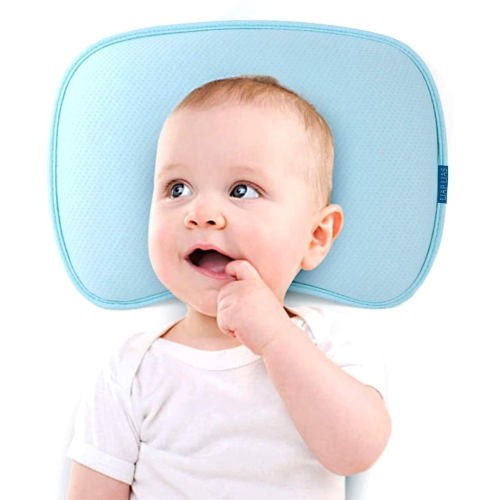
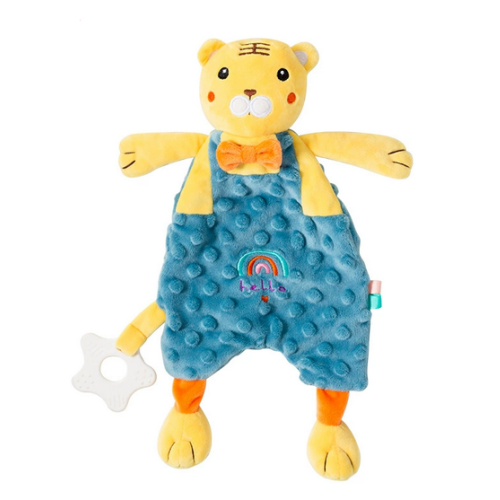
The most important distinction within infant sleep aids is between accessories that support a routine and products that are appropriate in the actual sleep space. Babies should be placed on their backs for every sleep on a firm, flat, level mattress in a crib, cradle, or bassinet that meets Canadian safety requirements, with only a tightly fitted sheet. Pillows, loose blankets, stuffed toys, bumpers, positioning cushions, and inclined sleep products do not belong in that space. A soothing toy may have a role during supervised awake time or while an adult is actively comforting a baby, but it should be removed before sleep. Weighted blankets, weighted swaddles, and products described as Infant Weighted Sleep Sacks are not recommended for infant sleep; non-weighted, properly fitted sleepwear is the appropriate alternative. No accessory makes an adult bed, sofa, swing, or car seat a substitute for a suitable infant sleep surface. These distinctions are especially useful when choosing a gift, since attractive packaging or a soothing description does not establish suitability for a newborn. Practical gifts for expectant parents, new parents, or another regular caregiver are those that match the baby’s developmental stage and the family’s existing routine. Washable fabrics, simple controls, clear care labels, and compact designs often matter more in daily use than elaborate extras. A grandparent setting up a room for overnight visits may value familiar lighting and sound settings, while a parent managing frequent clothing changes may appreciate easy-access fastenings and uncomplicated laundry care. Familiarity can help a routine feel consistent, but each baby responds differently, and preferences can change as development progresses. Sleep aids are not medicines or treatments for persistent sleep difficulties. Concerns about breathing, feeding, pain, or a marked change in sleep should be discussed with a qualified health professional rather than addressed by adding more soothing accessories. Thoughtfully chosen sleep aids support the caregiver’s routine while keeping safe sleep practices central.
Top selling and popular products
-
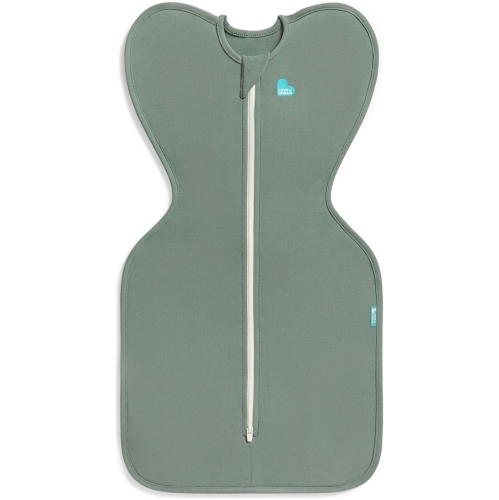 Your price for this item is $44.95
-
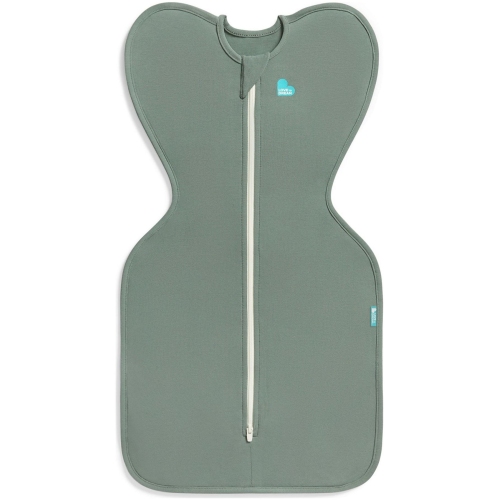 Your price for this item is $44.95
-
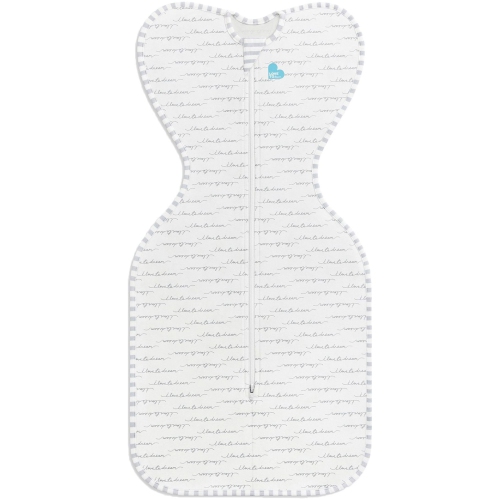 Your price for this item is $44.95
-
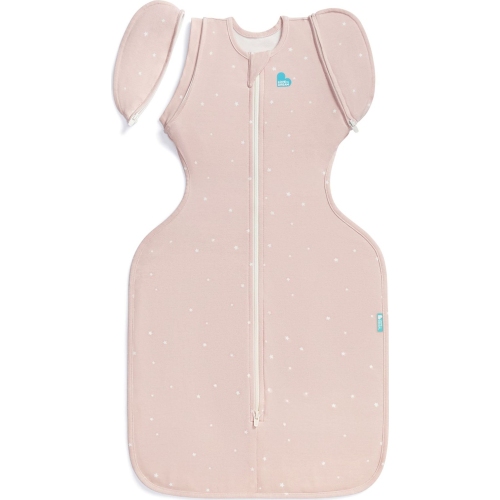 Your price for this item is $54.95
-
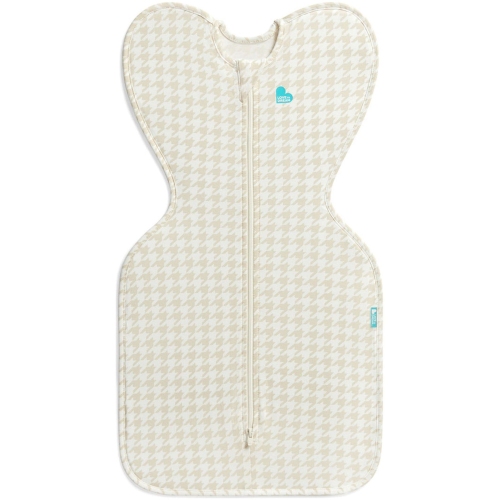 Your price for this item is $44.95
-
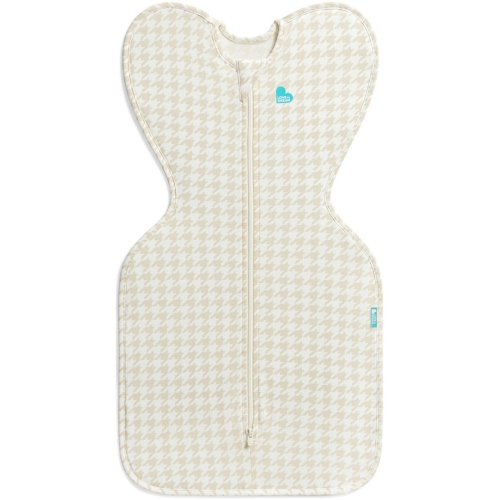 Your price for this item is $44.95
-
 Your price for this item is $49.95
-
 Your price for this item is $49.95
Discover more categories related to Infant Sleep Aids

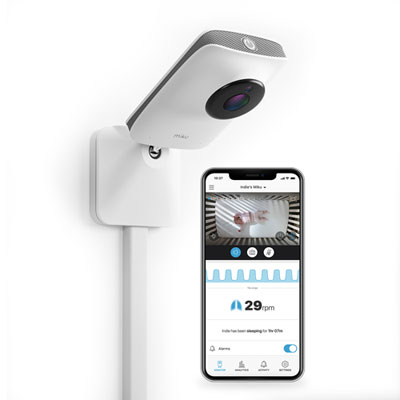
Top Collections:
Pokemon Centers, Kindle Devices, Best Cameras for Sports Photography, Pokémon 30th Celebration Cards, Apple iPhones 16, Canon G7X Cameras, iPhone 15 Apple, Flip Phones, Samsung Galaxy Phones, Alarm Clock
Some products may be subject to Environmental Handling Fees
(EHF) depending on your province.
Learn more about EHFs.