Infant Weighted Sleep Sacks
Infant weighted sleep sacks offer a cozy solution for parents seeking to enhance their little one’s comfort during rest. Designed with gentle weight, these sleep sacks provide a secure and soothing environment that can help support restful sleep for babies. With a variety of sizes, colors, and designs available, finding the perfect infant weighted sleep sack to suit your nursery style and your baby’s needs is simple. Explore options that combine thoughtful construction with soft materials to help create a peaceful bedtime routine.
Sort
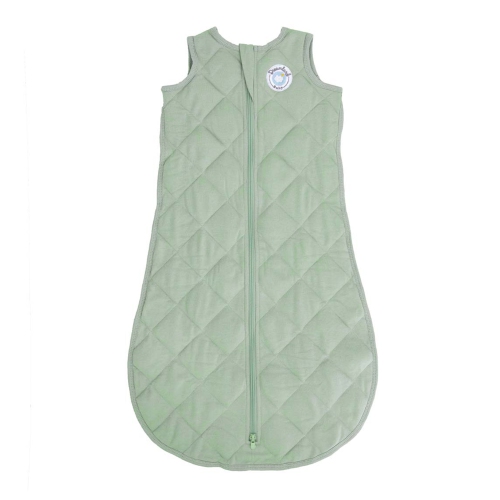
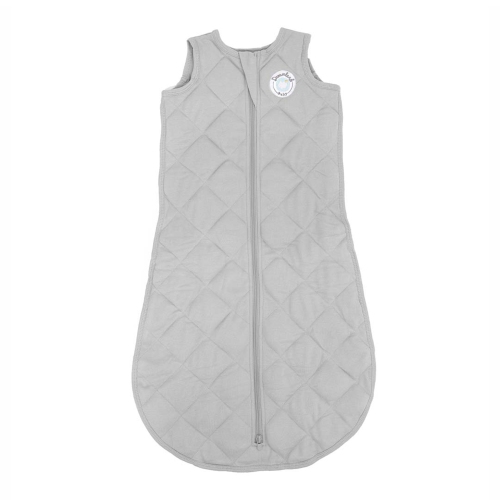
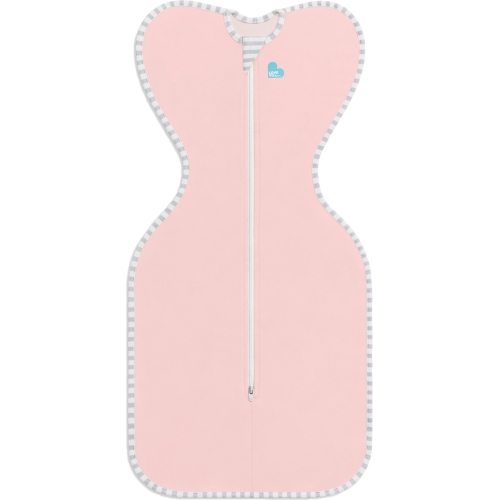
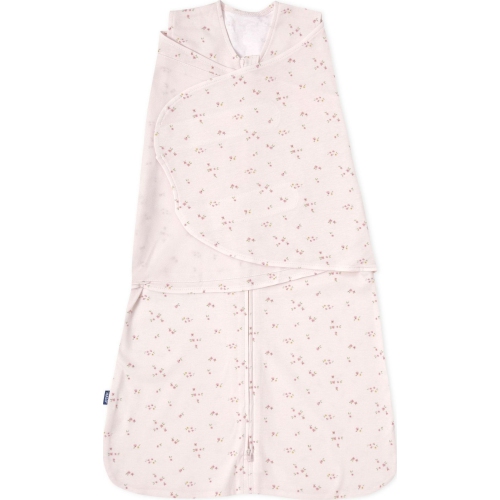
Why infant sleep safety guidance advises against weighted designs
Infant weighted sleep sacks are wearable blankets designed with added weight in part or all of the garment. They may appear comforting because the gentle pressure is intended to feel reassuring, but current medical and regulatory guidance raises serious concerns about using weighted sleep sacks, weighted swaddles or weighted blankets with babies. The American Academy of Pediatrics (AAP) and the U.S. Consumer Product Safety Commission (CPSC) advise against weighted sleep products for infants, and families in Canada should also review guidance from their healthcare provider and Health Canada. Added weight can press against a baby’s soft, developing chest, make breathing more difficult, restrict natural movement or make it harder for a baby to wake and reposition. These concerns are especially important because infants cannot reliably remove a covering or communicate when they are too warm, uncomfortable or struggling to breathe. A product that seems lightly weighted to an adult may still be unsuitable for a small baby, particularly during unsupervised sleep. For this reason, families researching infant weighted sleep sacks should treat safety guidance as the first purchase consideration rather than relying on claims about longer sleep, soothing pressure or a parent-like touch. The safest approach is to follow current infant sleep recommendations and speak with a paediatrician, family doctor, public health nurse or other qualified healthcare professional if a baby has difficulty settling or waking frequently.
For every sleep, place a baby on their back on a firm, flat, level sleep surface in a crib, cradle or bassinet that meets Canadian safety requirements. Keep the sleep space clear, with no pillows, bumper pads, positioners, toys, loose blankets or other items that could cover the face or interfere with breathing. A properly sized, non-weighted wearable blanket may be considered as an alternative to loose bedding, provided it fits according to the manufacturer’s instructions and is appropriate for the baby’s size and developmental stage. Check that the neck and arm openings are snug without being tight, that the garment cannot slide over the face, and that the baby cannot slip down inside it. Clothing layers should match the room temperature, and signs of overheating—such as sweating, hot skin, flushed cheeks or a damp neck—mean that a layer should be removed and medical advice sought if needed. Swaddling also requires particular care: discontinue it as soon as a baby shows signs of trying to roll, and never use a weighted swaddle. Babies develop at different rates, so age ranges on packaging should not replace attention to movement, fit and individual health needs. If a sleep sack has been inherited, purchased as a gift or stored from an earlier stage, inspect it for wear, altered stitching, loose filling, damaged fasteners and missing instructions before considering any use. Do not modify a garment by removing or adding weight, and check Canadian recall information before using any infant sleep product.
Families may arrive at this page while preparing for a new baby, looking for a practical shower gift or trying to create a comfortable bedtime routine as cooler weather arrives. A thoughtfully chosen unweighted wearable blanket can be useful for keeping a baby comfortably covered without placing loose bedding in the sleep space, but weighted designs should not be selected for an infant simply because they promise a more settled night. Caregivers can support sleep in other ways by keeping bedtime predictable, using low lighting, checking that the room is comfortable, and giving the baby a calm transition from feeding and cuddling to their own sleep surface. During the cooler months, it can be tempting to add extra layers, especially when a nursery feels chilly at night, yet overheating and covered faces remain important concerns. Instead, dress the baby in light, breathable layers and check the fit and warmth of each garment. Families comparing options may wish to browse Sleep Sack Baby products while focusing on non-weighted designs, appropriate sizing and clear care instructions. If a baby has reflux, breathing concerns, a medical condition, difficulty waking, unusual sleepiness or persistent sleep problems, consult a healthcare professional before choosing any wearable sleep product. No sleep sack can prevent Sudden Infant Death Syndrome (SIDS), replace supervised care or make an unsafe sleep setting safe, and product descriptions should never outweigh established infant sleep recommendations.
For every sleep, place a baby on their back on a firm, flat, level sleep surface in a crib, cradle or bassinet that meets Canadian safety requirements. Keep the sleep space clear, with no pillows, bumper pads, positioners, toys, loose blankets or other items that could cover the face or interfere with breathing. A properly sized, non-weighted wearable blanket may be considered as an alternative to loose bedding, provided it fits according to the manufacturer’s instructions and is appropriate for the baby’s size and developmental stage. Check that the neck and arm openings are snug without being tight, that the garment cannot slide over the face, and that the baby cannot slip down inside it. Clothing layers should match the room temperature, and signs of overheating—such as sweating, hot skin, flushed cheeks or a damp neck—mean that a layer should be removed and medical advice sought if needed. Swaddling also requires particular care: discontinue it as soon as a baby shows signs of trying to roll, and never use a weighted swaddle. Babies develop at different rates, so age ranges on packaging should not replace attention to movement, fit and individual health needs. If a sleep sack has been inherited, purchased as a gift or stored from an earlier stage, inspect it for wear, altered stitching, loose filling, damaged fasteners and missing instructions before considering any use. Do not modify a garment by removing or adding weight, and check Canadian recall information before using any infant sleep product.
Families may arrive at this page while preparing for a new baby, looking for a practical shower gift or trying to create a comfortable bedtime routine as cooler weather arrives. A thoughtfully chosen unweighted wearable blanket can be useful for keeping a baby comfortably covered without placing loose bedding in the sleep space, but weighted designs should not be selected for an infant simply because they promise a more settled night. Caregivers can support sleep in other ways by keeping bedtime predictable, using low lighting, checking that the room is comfortable, and giving the baby a calm transition from feeding and cuddling to their own sleep surface. During the cooler months, it can be tempting to add extra layers, especially when a nursery feels chilly at night, yet overheating and covered faces remain important concerns. Instead, dress the baby in light, breathable layers and check the fit and warmth of each garment. Families comparing options may wish to browse Sleep Sack Baby products while focusing on non-weighted designs, appropriate sizing and clear care instructions. If a baby has reflux, breathing concerns, a medical condition, difficulty waking, unusual sleepiness or persistent sleep problems, consult a healthcare professional before choosing any wearable sleep product. No sleep sack can prevent Sudden Infant Death Syndrome (SIDS), replace supervised care or make an unsafe sleep setting safe, and product descriptions should never outweigh established infant sleep recommendations.
Top selling and popular products
-
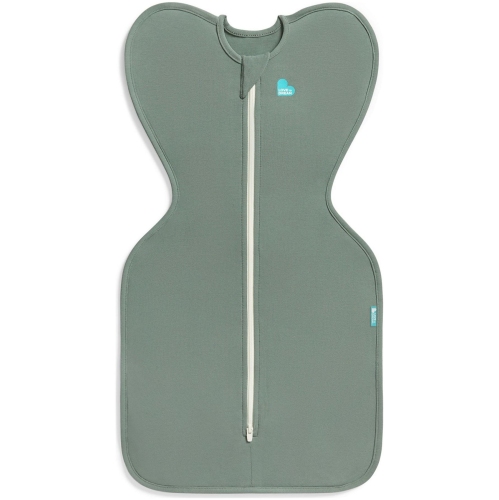 Your price for this item is $44.95
 -
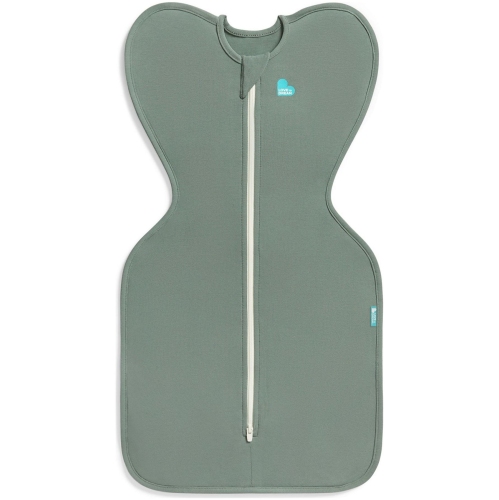 Your price for this item is $44.95
 -
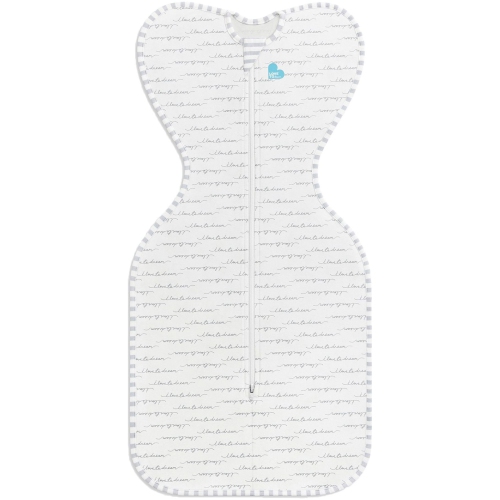 Your price for this item is $44.95
 -
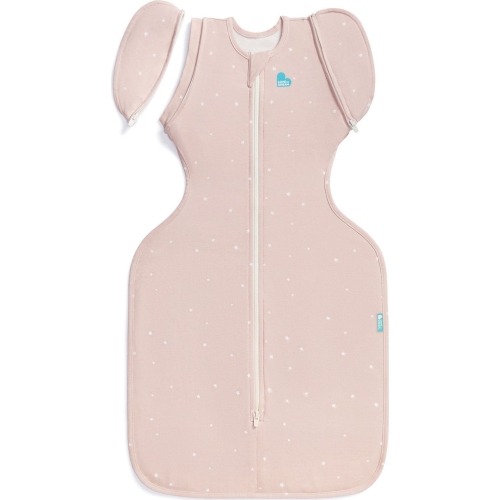 Your price for this item is $54.95
 -
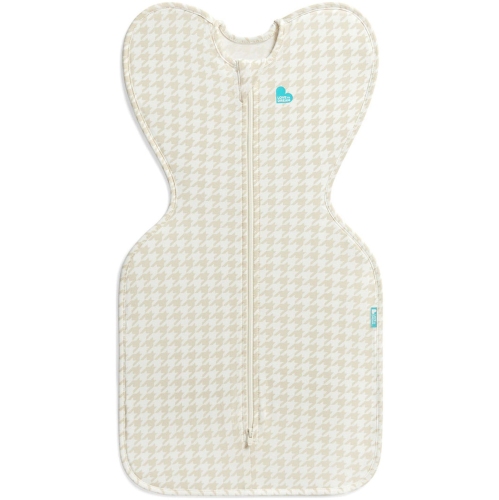 Your price for this item is $44.95
 -
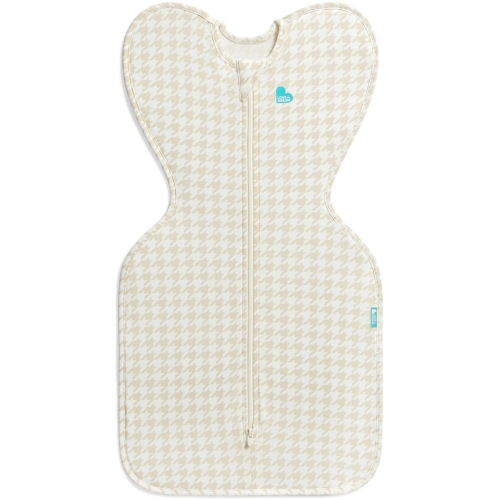 Your price for this item is $44.95
 -
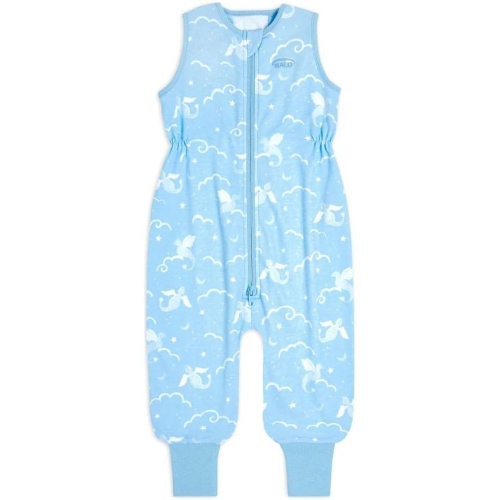 Your price for this item is $44.99
 -
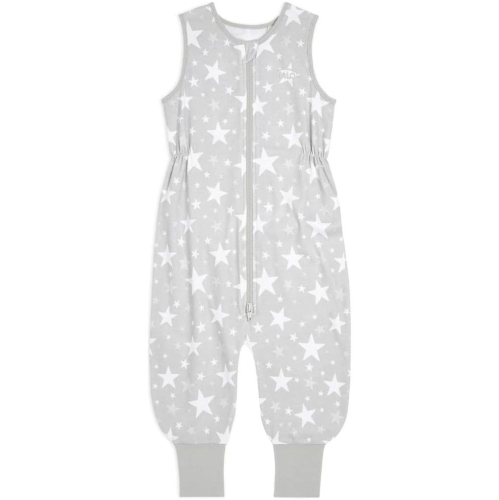 Your price for this item is $44.99
Discover more categories related to Infant Weighted Sleep Sacks

Top Collections:
Pokemon Centers, Kindle Devices, Best Budget Office Chairs, Apple iPhones 16, Canon G7X Cameras, iPhone 15 Apple, Alarm Clock, Refurbished Apple Laptops, Flip Phones, Best Laptops for Writers
Some products may be subject to Environmental Handling Fees
(EHF) depending on your province.
Learn more about EHFs.