Kids Towers
Transform your child's playtime and learning experience with a versatile kids tower. These innovative pieces of furniture are designed to boost your little one's independence and creativity, offering a safe and supportive platform for various activities. Whether they're helping in the kitchen, engaging in arts and crafts, or simply exploring their surroundings from a new height, a kids tower provides the perfect blend of safety and fun. Crafted to accommodate growing children, these towers are an essential addition to any household looking to nurture development through interactive play. Discover how a kids tower can elevate everyday adventures for your child.
Sort
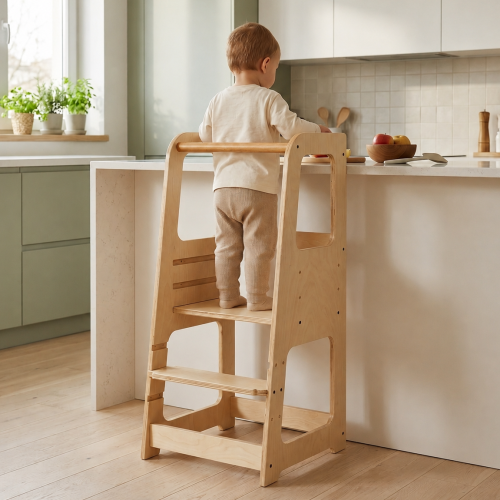

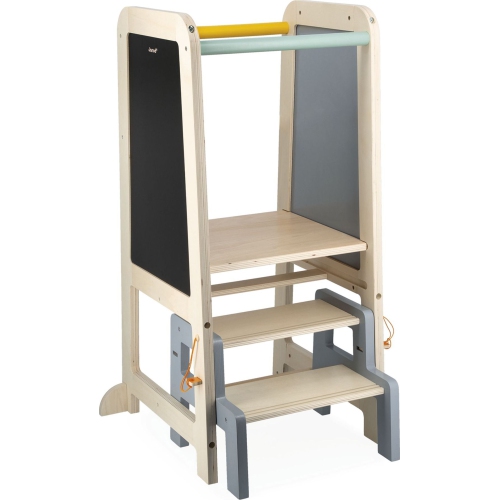
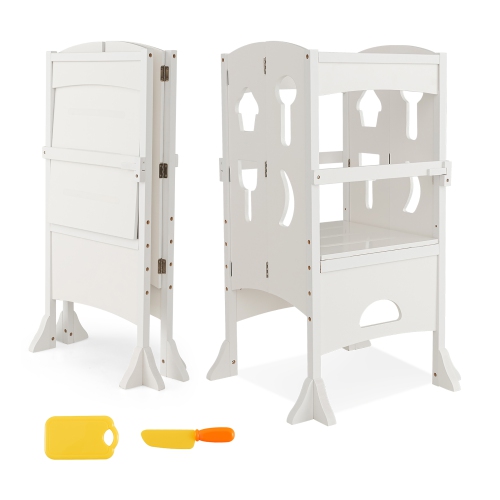
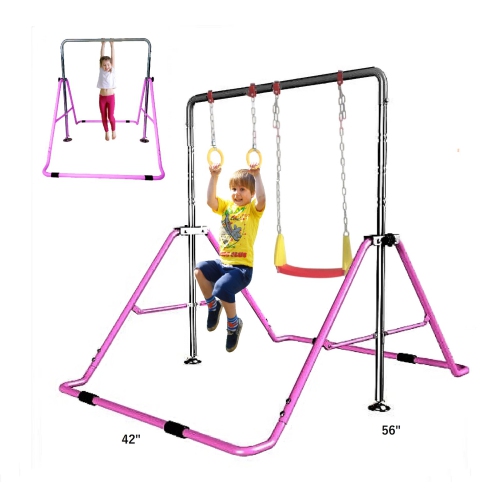
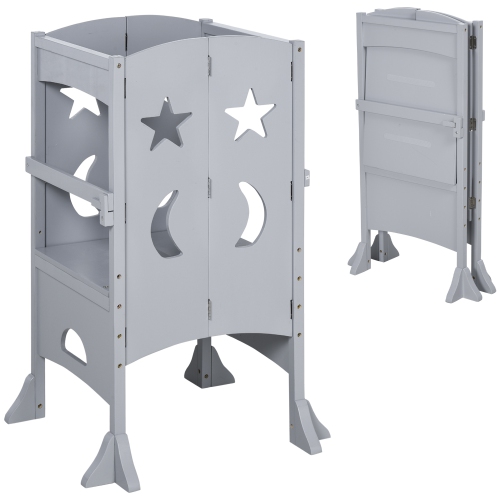
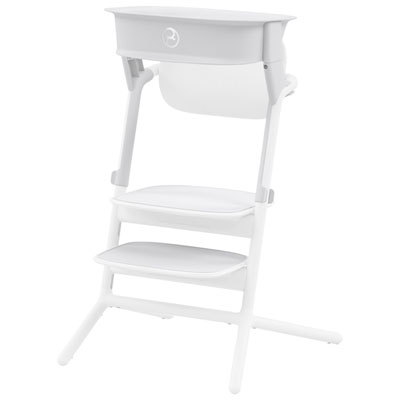
Everyday kitchen tasks become shared moments at counter height
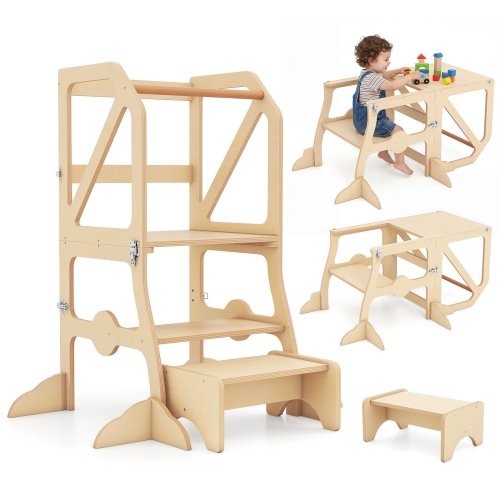
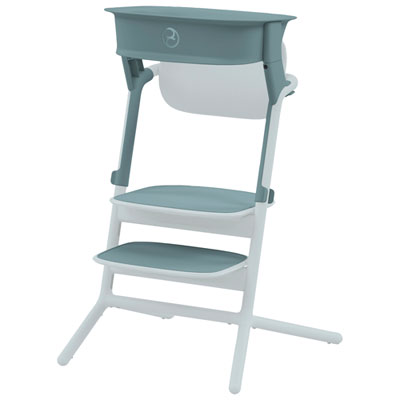
Kids towers are raised standing platforms that help young children take part in everyday activities at a suitable counter or work surface. Often called toddler towers, learning towers, or kitchen helper towers, they typically combine a step, an elevated platform, and surrounding rails that offer more support than an ordinary open step stool. They give a child a place to stand beside an adult while rinsing fruit, stirring a cool mixture, or watching dough come together in a bowl. That change in perspective can make familiar routines feel wonderfully new: instead of seeing cupboard doors, a child can see the flour landing on the worktop and the water running over an apple. For parents and caregivers, the appeal is having a practical way to include a curious little helper without holding them at the counter. A tower does not replace supervision or make every counter-height activity suitable for children, but it can create opportunities for shared tasks when used according to its instructions. During the cooler months, when more family activities move indoors, that might mean tearing lettuce for lunch, pressing shapes into soft dough, or wiping a small spill with a cloth. These simple jobs give children chances to practise coordination, follow short directions, and contribute to family routines at their own pace. The most useful tower is not necessarily the one with the most features; it is one that fits the child, the available space, and the activities the household actually enjoys. A child who likes to observe may be happy watching an adult prepare a snack, while another may want a bowl and spoon of their own. Look at kids towers as furniture for shared participation rather than a place to leave a child occupied independently. Their value comes from making small, supervised moments easier to share, whether the task lasts a few minutes or forms part of a familiar daily routine.
When comparing kids towers, start with the manufacturer's age guidance, maximum weight capacity, and requirements for a child's physical readiness. Age alone does not tell the whole story: a child needs the balance and coordination specified for the design, including the ability to stand independently where required. Check the overall dimensions as carefully as the platform height. A tower may fit against a kitchen counter but still take up too much room beside an open dishwasher, a busy doorway, or a narrow walkway. Measure the intended spot and allow space for an adult to stand close by without blocking other household traffic. A broad, stable base, secure joints, and a standing surface designed to limit slipping are worth examining closely, although no feature makes a tower tip-proof. Surrounding rails, access openings, and any removable safety panels should suit the child's size and be used exactly as directed. Adjustable platforms can help maintain a suitable standing position as a child grows, provided each setting is approved for their stage and all fasteners are properly secured. Consider how easy those adjustments are to make and whether they require tools. Materials and finish matter in daily use, too. Smooth edges, well-finished surfaces, and accessible corners make a difference when little hands explore the frame or a spoonful of batter lands along a joint. Check the care instructions rather than assuming every painted or wooden surface tolerates soaking or strong cleaning products. Folding designs may suit homes where the tower needs to be put away between activities, but their locking mechanisms must be fully engaged before use, and folding should be handled by an adult with children clear of moving parts. For designs that convert into another piece of children's furniture, review the instructions and limits for every configuration. Finally, consider assembly, the tower's weight, and where it will be stored. A model that is awkward to move or difficult to clean may be less convenient than a simpler design that fits comfortably into the household's routine.
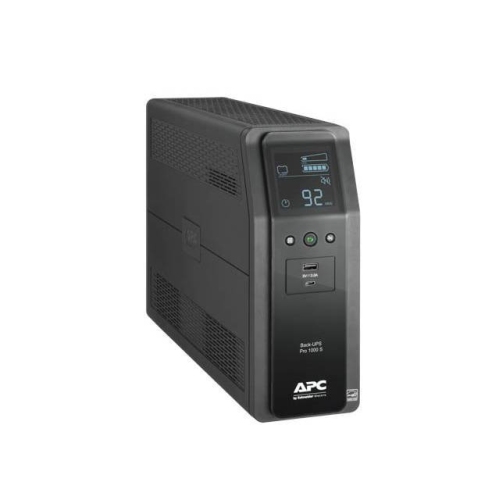
Choosing where and how a learning tower will be used is just as important as choosing its size or finish. Set it on a level surface approved by the manufacturer, and follow any instructions about positioning it against a counter or other support. Keep it away from stairs, windows, doors, and surfaces a child could use to climb higher. At kitchen height, hot drinks, stovetop controls, knives, small choking hazards, and dangling appliance cords can suddenly become reachable, so clear the area before the child steps up. In a shared kitchen and work area, computer cables and power equipment such as a Tower UPS also need to stay out of reach. Stay beside the child throughout use, and never move the tower while it is occupied. Unless a design explicitly allows more than one user, give each child a separate turn rather than letting siblings crowd the platform. A simple setup often works best: a stable bowl, an age-appropriate utensil, and one manageable task. Washing produce, transferring ingredients with a scoop, or spreading a soft topping can offer plenty to concentrate on without introducing heat or sharp tools. For handwashing or other sink-side routines, use the tower only where its instructions permit, check access and stability, and deal promptly with water on the platform or floor. Kids towers can also be thoughtful gifts for families with a child who is ready to participate at counter height, particularly when a parent or caregiver has already expressed interest. Before choosing one as a gift, confirm the family's available space, preferred storage arrangement, and the child's readiness; a large piece of furniture is best selected with the household's input. Appearance can help it sit comfortably alongside kitchen cabinetry, but fit, stability, and ease of care deserve priority. With the right setup and close adult attention, a toddler tower can become a familiar part of everyday life: the spot where a child watches pancakes being mixed, carefully counts pieces of fruit, or proudly helps clean up after a snack.
When comparing kids towers, start with the manufacturer's age guidance, maximum weight capacity, and requirements for a child's physical readiness. Age alone does not tell the whole story: a child needs the balance and coordination specified for the design, including the ability to stand independently where required. Check the overall dimensions as carefully as the platform height. A tower may fit against a kitchen counter but still take up too much room beside an open dishwasher, a busy doorway, or a narrow walkway. Measure the intended spot and allow space for an adult to stand close by without blocking other household traffic. A broad, stable base, secure joints, and a standing surface designed to limit slipping are worth examining closely, although no feature makes a tower tip-proof. Surrounding rails, access openings, and any removable safety panels should suit the child's size and be used exactly as directed. Adjustable platforms can help maintain a suitable standing position as a child grows, provided each setting is approved for their stage and all fasteners are properly secured. Consider how easy those adjustments are to make and whether they require tools. Materials and finish matter in daily use, too. Smooth edges, well-finished surfaces, and accessible corners make a difference when little hands explore the frame or a spoonful of batter lands along a joint. Check the care instructions rather than assuming every painted or wooden surface tolerates soaking or strong cleaning products. Folding designs may suit homes where the tower needs to be put away between activities, but their locking mechanisms must be fully engaged before use, and folding should be handled by an adult with children clear of moving parts. For designs that convert into another piece of children's furniture, review the instructions and limits for every configuration. Finally, consider assembly, the tower's weight, and where it will be stored. A model that is awkward to move or difficult to clean may be less convenient than a simpler design that fits comfortably into the household's routine.
Choosing where and how a learning tower will be used is just as important as choosing its size or finish. Set it on a level surface approved by the manufacturer, and follow any instructions about positioning it against a counter or other support. Keep it away from stairs, windows, doors, and surfaces a child could use to climb higher. At kitchen height, hot drinks, stovetop controls, knives, small choking hazards, and dangling appliance cords can suddenly become reachable, so clear the area before the child steps up. In a shared kitchen and work area, computer cables and power equipment such as a Tower UPS also need to stay out of reach. Stay beside the child throughout use, and never move the tower while it is occupied. Unless a design explicitly allows more than one user, give each child a separate turn rather than letting siblings crowd the platform. A simple setup often works best: a stable bowl, an age-appropriate utensil, and one manageable task. Washing produce, transferring ingredients with a scoop, or spreading a soft topping can offer plenty to concentrate on without introducing heat or sharp tools. For handwashing or other sink-side routines, use the tower only where its instructions permit, check access and stability, and deal promptly with water on the platform or floor. Kids towers can also be thoughtful gifts for families with a child who is ready to participate at counter height, particularly when a parent or caregiver has already expressed interest. Before choosing one as a gift, confirm the family's available space, preferred storage arrangement, and the child's readiness; a large piece of furniture is best selected with the household's input. Appearance can help it sit comfortably alongside kitchen cabinetry, but fit, stability, and ease of care deserve priority. With the right setup and close adult attention, a toddler tower can become a familiar part of everyday life: the spot where a child watches pancakes being mixed, carefully counts pieces of fruit, or proudly helps clean up after a snack.
Top selling and popular products
-
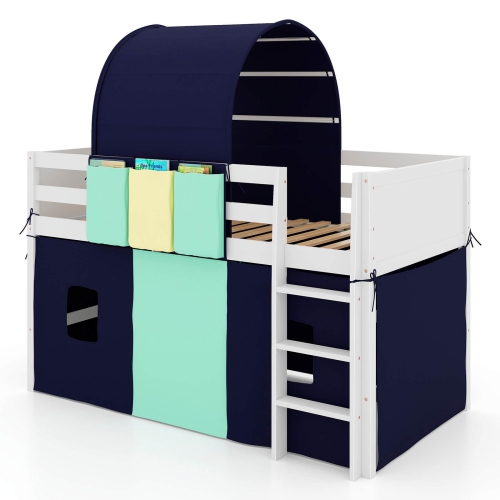
 Your price for this item is $71.99
 -
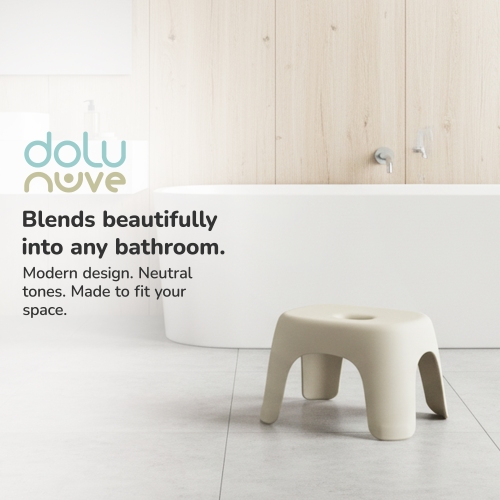
 Your price for this item is $201.99
 -
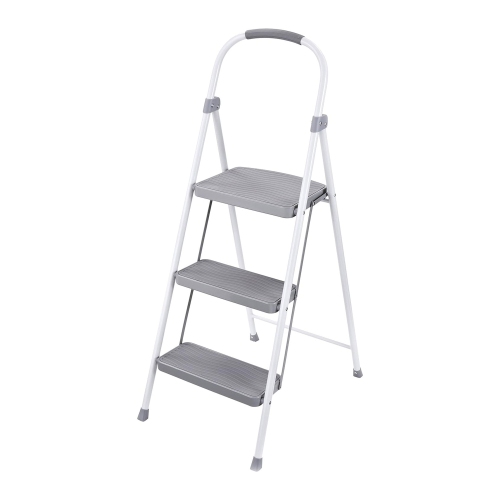
 Your price for this item is $129.99
 -
 Your price for this item is $80.99
 -
 Your price for this item is $179.99
 -
 Your price for this item is $66.99
 -
 Your price for this item is $29.99
 -
 Your price for this item is $99.99
Discover more categories related to Kids Towers
Top Collections:
Pokemon Centers, Kindle Devices, Best Budget Office Chairs, Apple iPhones 16, Best Laptops for Writers, iPhone 15 Apple, Canon G7X Cameras, Refurbished Apple Laptops, Alarm Clock, Motorola Razr Phones
Some products may be subject to Environmental Handling Fees
(EHF) depending on your province.
Learn more about EHFs.