Learning Tables
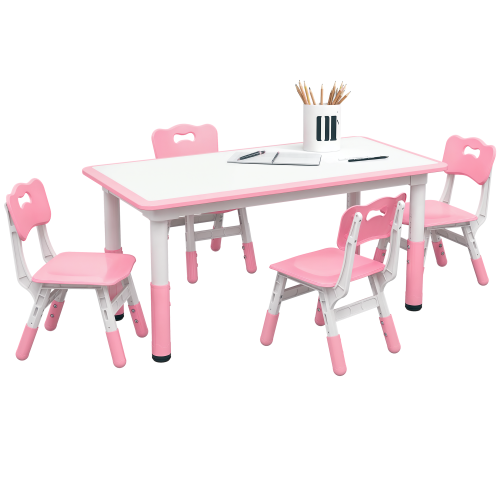
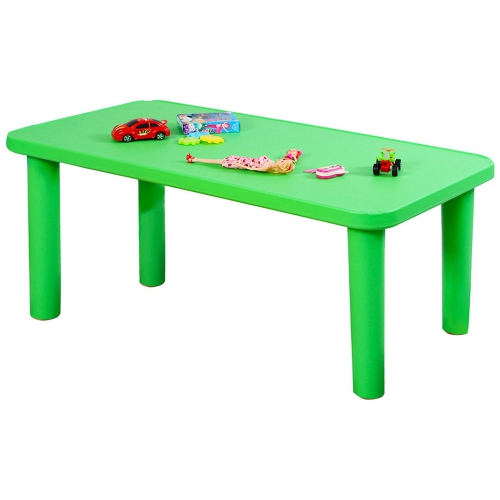
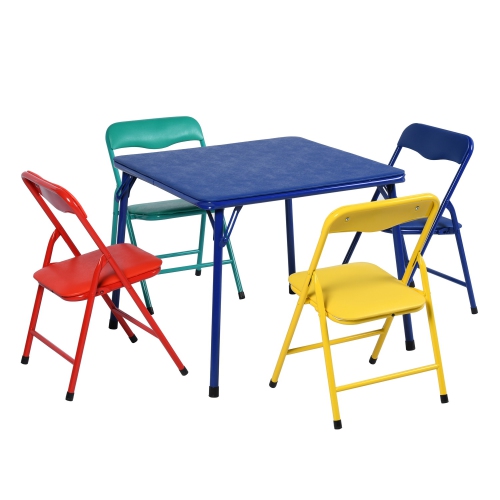
Enhance your child's learning experience with our diverse selection of learning tables. Designed to foster creativity, curiosity, and cognitive development, these versatile tables provide a dedicated space for educational activities and playtime. From interactive features to durable construction, each table is crafted to engage young minds and inspire exploration. Explore our range of learning tables to create a stimulating environment where your little one can grow, learn, and thrive.
Sort
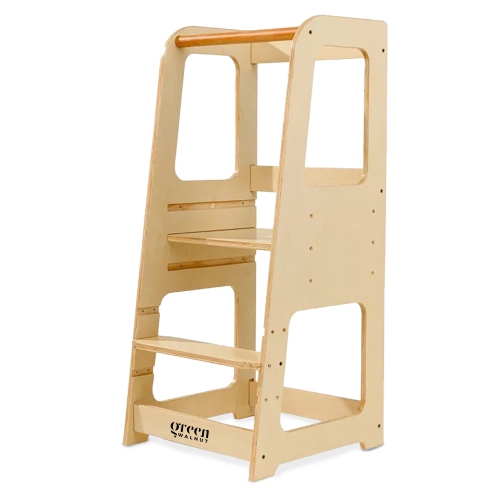
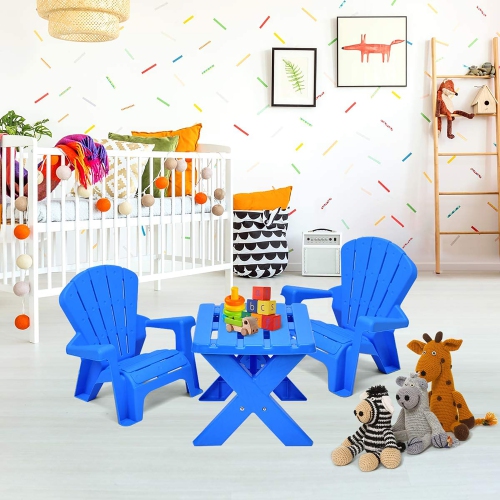
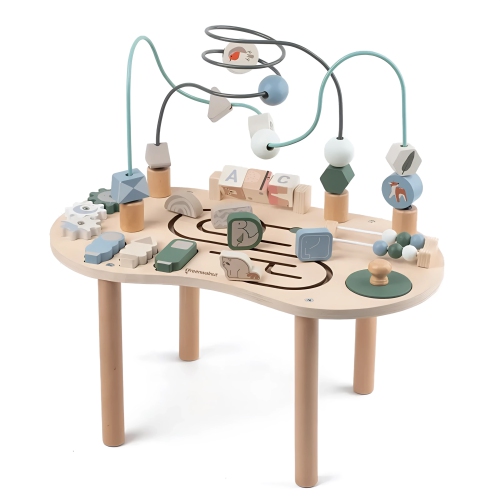
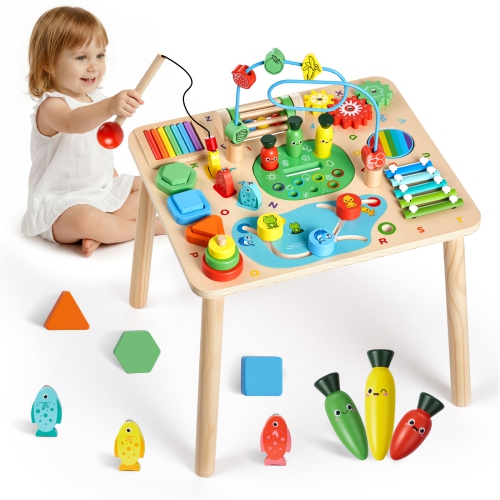
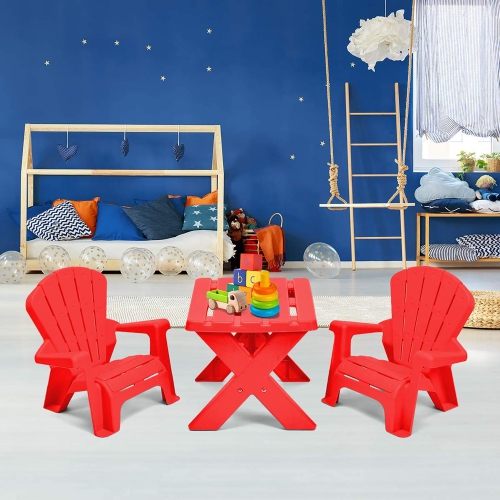
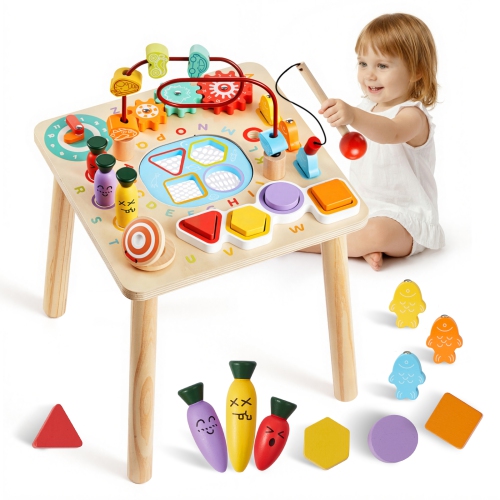
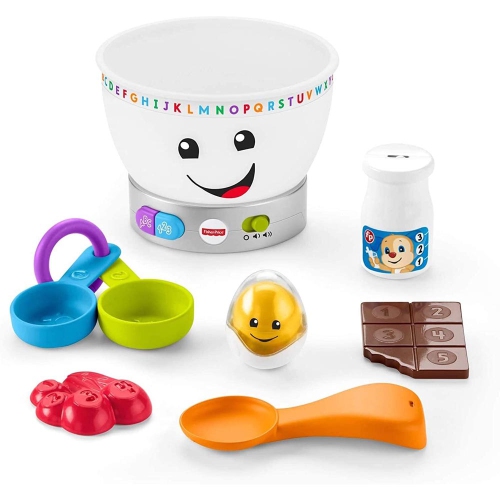
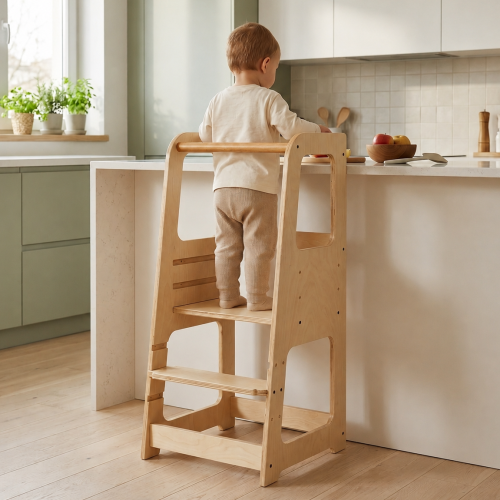
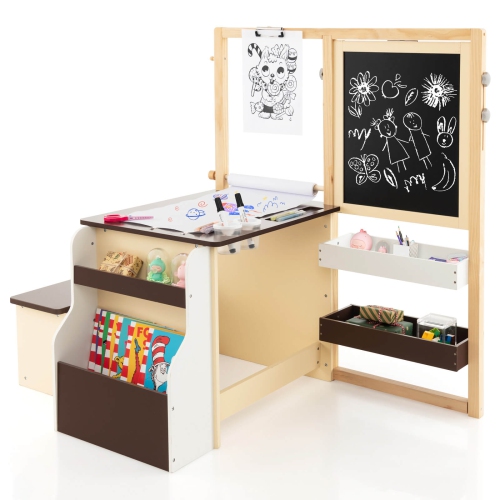
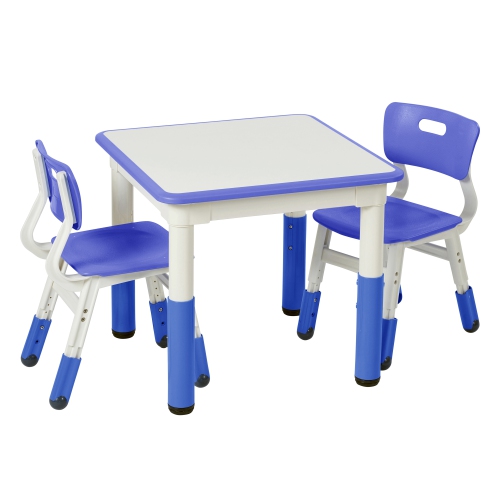
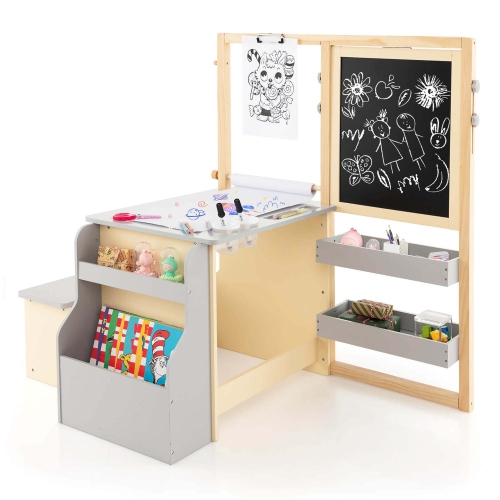
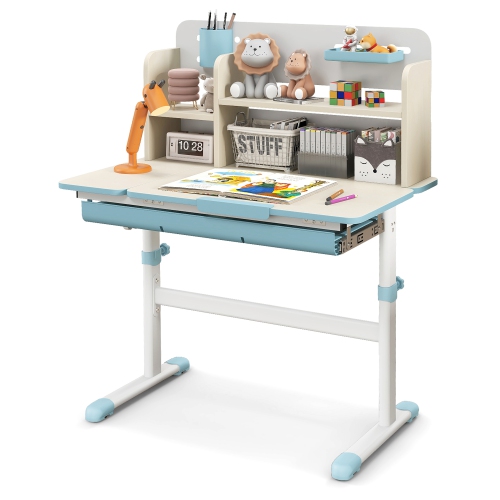
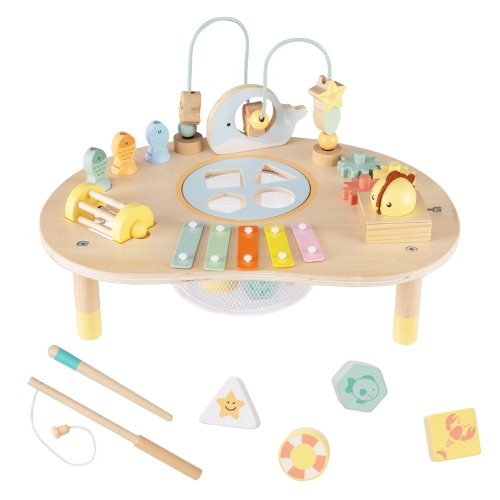
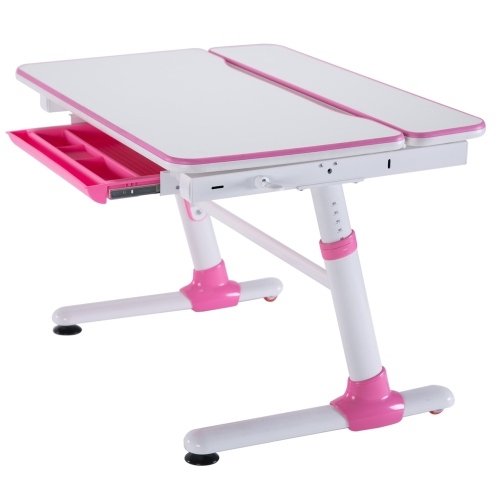
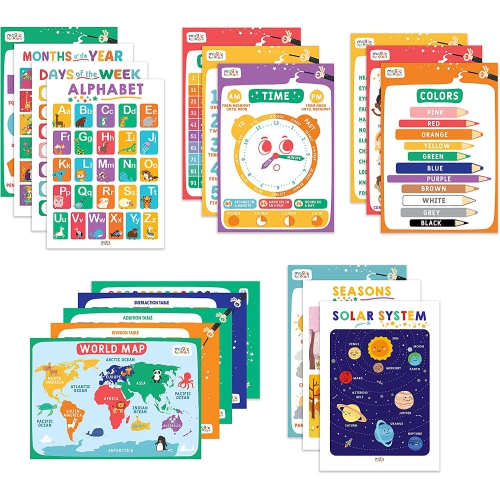
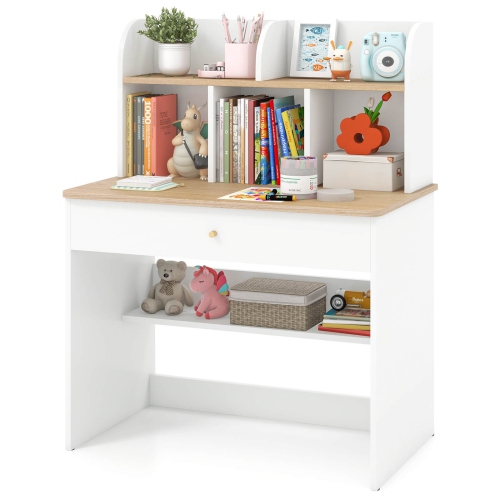
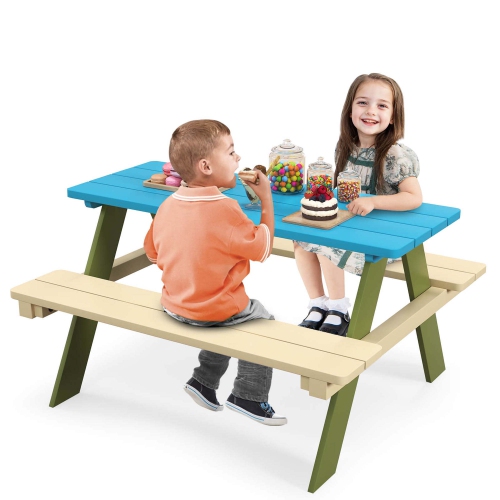
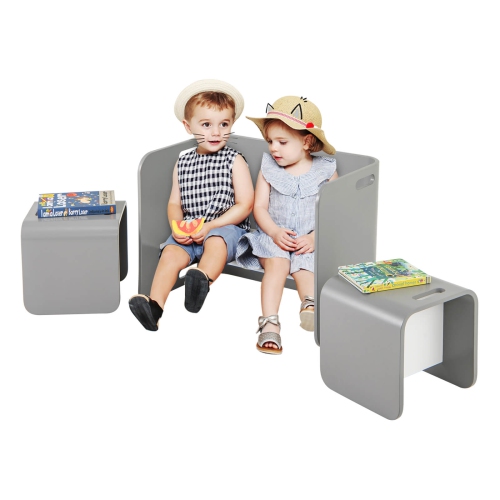
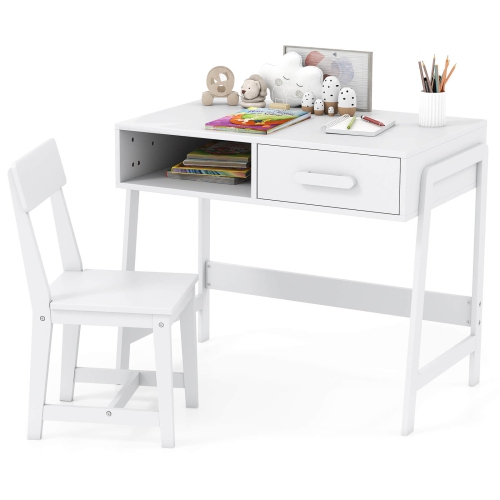
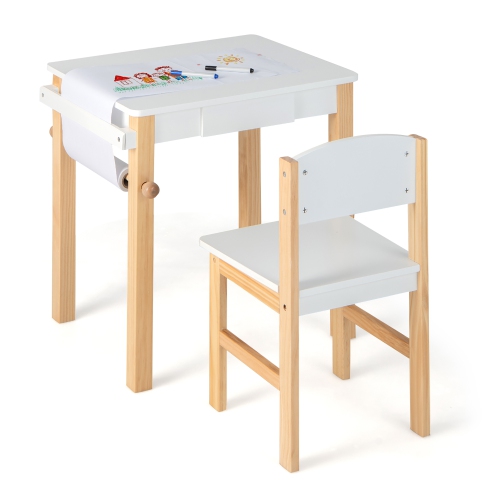
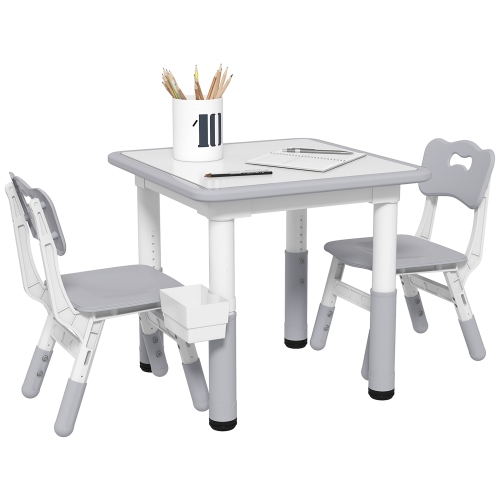
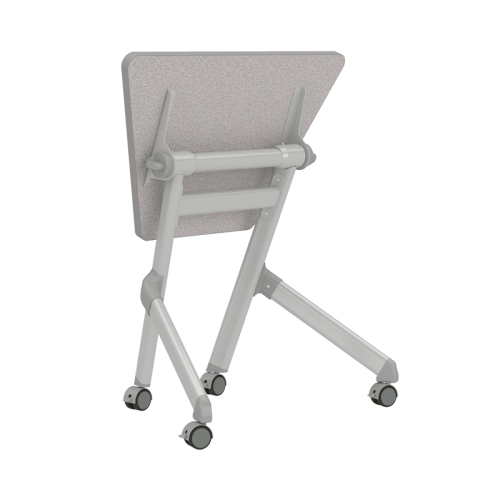
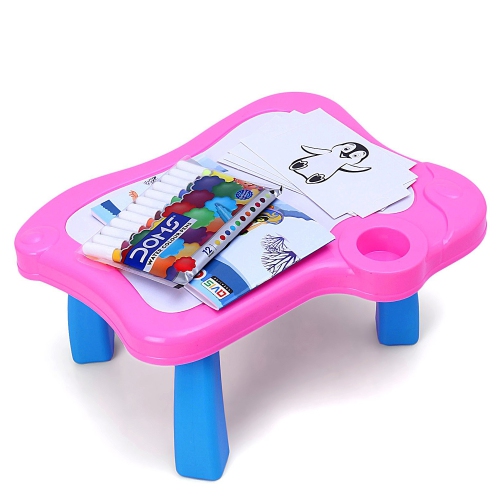
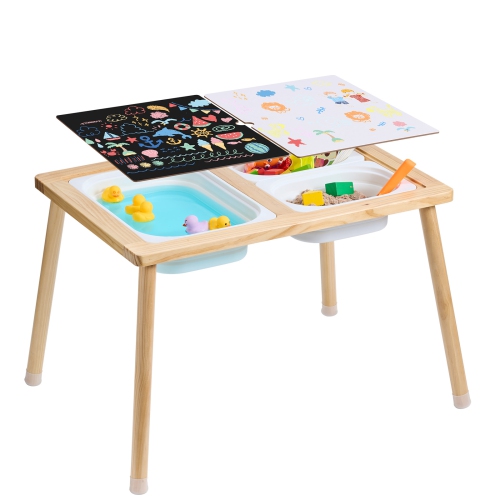
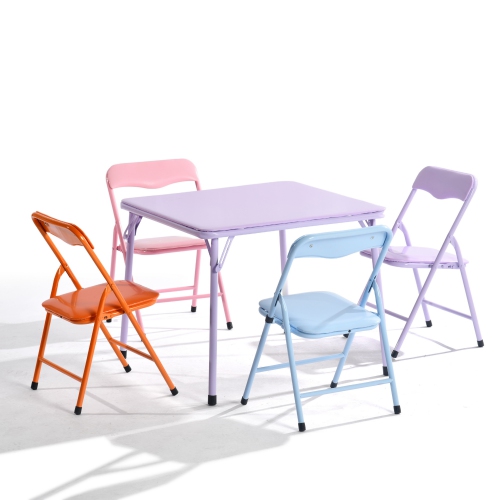
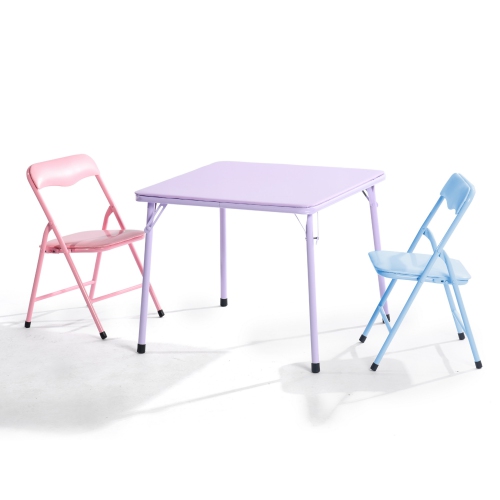
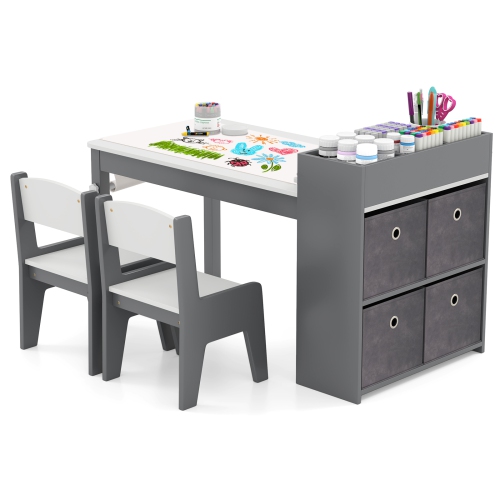
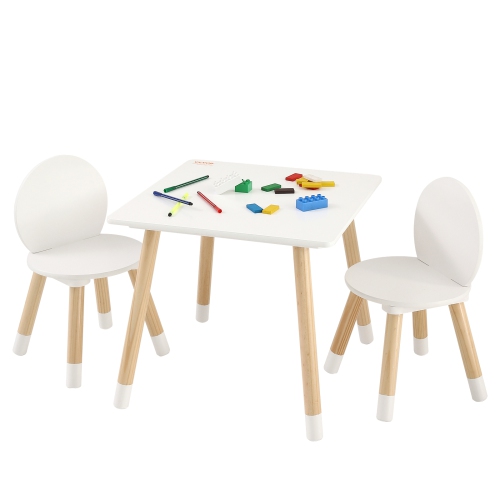
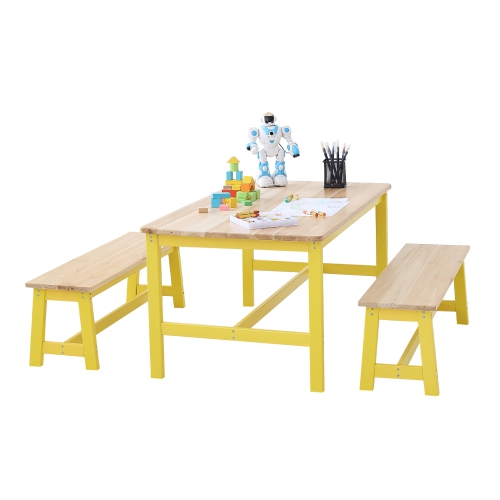
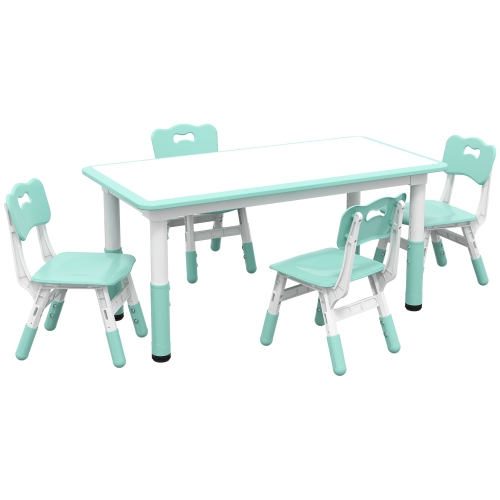
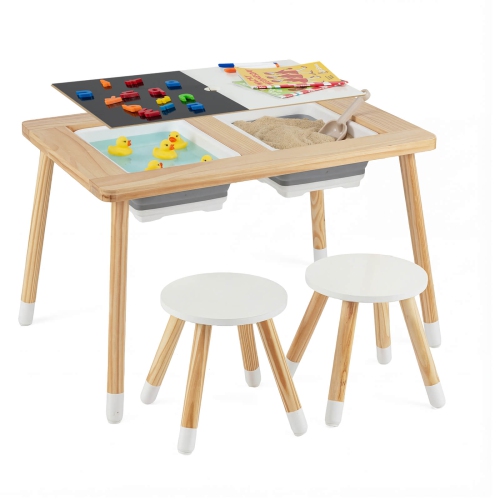
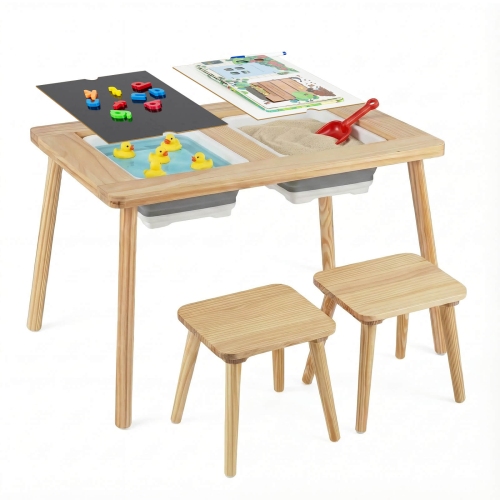
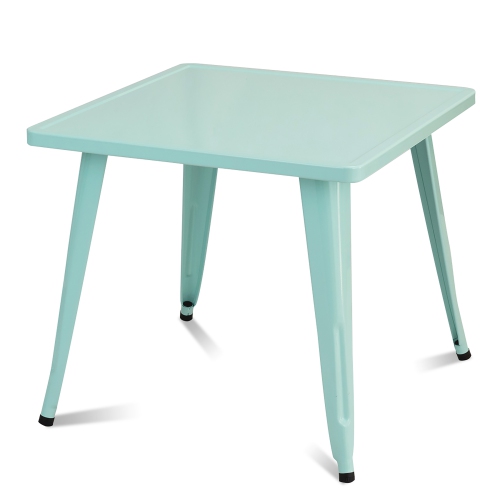
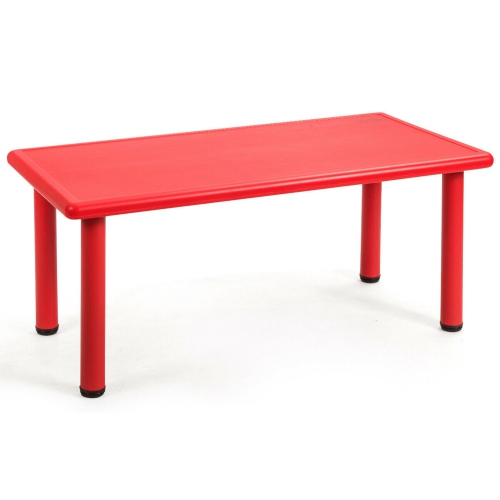
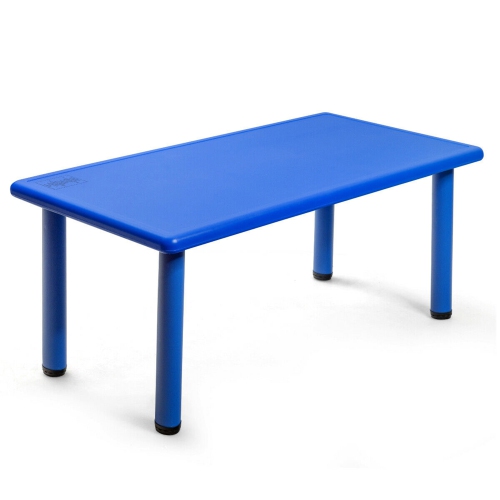
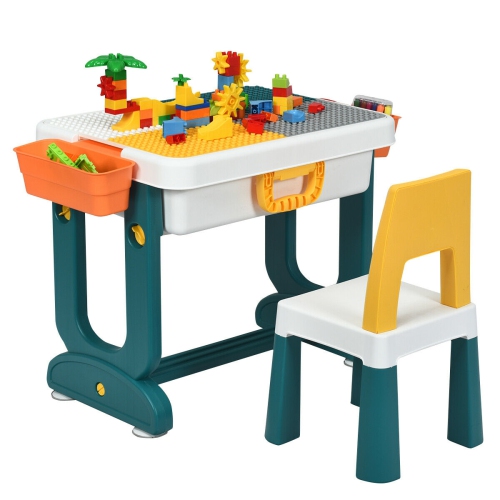
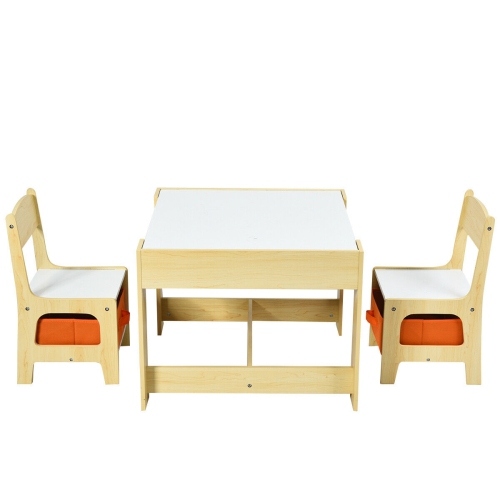
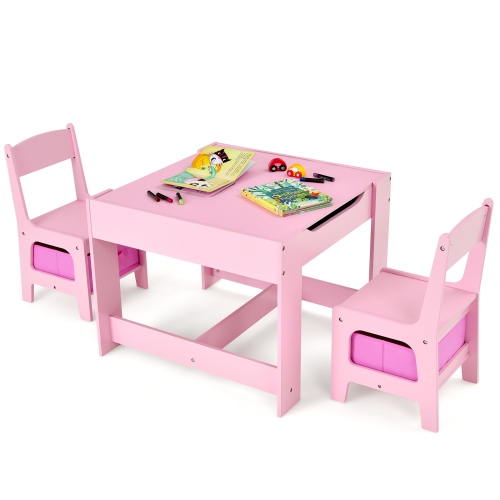
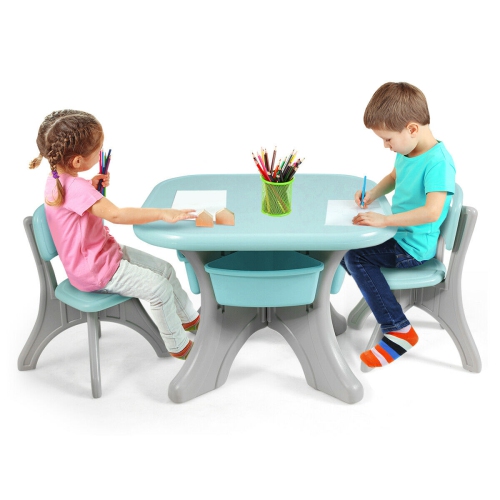
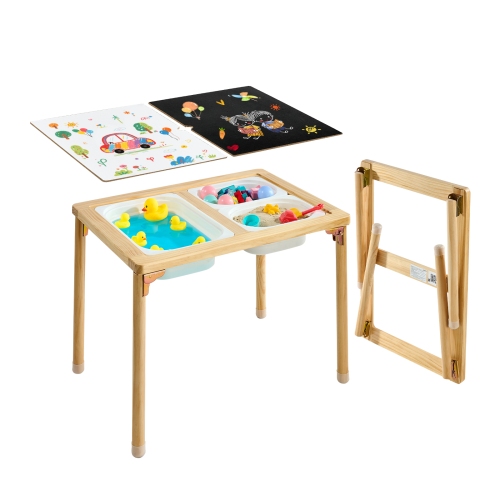
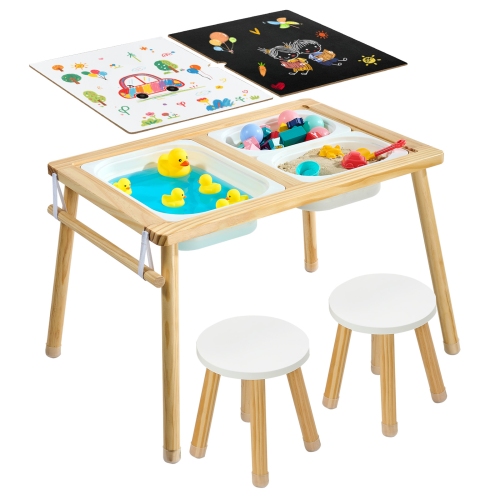
Hands-on play supports early skills, counting and confidence
Learning tables bring hands-on discovery into a child’s everyday routine, giving little learners a dedicated place to explore, play and practise emerging skills. Designed for young children, these activity tables may combine buttons, dials, lights, sounds, textured surfaces, movable pieces and simple games that encourage curiosity while supporting early learning. Some are suited to babies who are beginning to sit and reach, while others are better matched with toddlers and preschoolers who are ready to stand, sort, count and follow simple instructions. When choosing a learning table, consider the child’s age, height and stage of development, along with the amount of floor space available in the playroom, bedroom or family room. A compact table can fit neatly beside a reading nook, while a larger design may become a central spot for independent play. Look for sturdy construction, a stable base and rounded edges, particularly for children who are still finding their balance. It is also helpful to check whether the activity features can be used while seated, standing or both, since a versatile design can remain engaging as a child grows. Volume controls, easy-to-operate switches and removable or wipeable surfaces can make the table more comfortable for both children and caregivers. Learning tables can be thoughtful gifts for birthdays, welcoming a new baby, or celebrating a child’s move into the toddler years. They offer an inviting alternative to passive screen time, filling the room with the soft clatter of moving pieces, cheerful sounds and the concentrated expression that appears when a child discovers how something works.
As children grow, a learning table can also become a useful setting for early numeracy and school-readiness activities. Counting pieces, comparing groups and arranging objects in rows help children connect spoken numbers with quantities they can see and touch. For multiplication practice, begin with the idea of equal groups or repeated addition rather than asking a child to memorize a long list of facts. Counters, blocks or small toys can show that 3 × 4 means three groups of four, or 4 + 4 + 4. Start with approachable patterns such as the 0, 1, 2, 5 and 10 times tables, then build towards more challenging facts once the pattern feels familiar. Skip counting aloud by twos, fives or tens can turn practice into a steady rhythm during a short play session. It can happen at the table while sorting pieces, during a tidy-up routine or in the few quiet minutes before dinner. Reinforce the fact that the order of the numbers does not change the answer: 3 × 4 and 4 × 3 both equal 12. This commutative property reduces the number of facts a child needs to learn and makes new problems feel more manageable. Simple memory cues can help too, including hand gestures for the 9 times table or working out an unfamiliar fact from one that is already known. A child who knows 5 × 6 can use it to help solve 6 × 6 by adding one more group of six. Frequent, relaxed practice is often more effective than a long session, especially when learning is connected to movement, conversation and objects a child can handle.
The best learning table for your home depends on how the child plays and what you hope to support. A child who enjoys pressing controls and repeating sounds may respond to cause-and-effect features, while a child who likes to build, sort or take things apart may prefer a table with movable parts and open-ended activities. Consider whether the table will be used by one child or shared with siblings, and whether its footprint leaves enough room for safe movement around it. If the table includes electronic functions, check the power requirements and whether the controls are simple enough for the intended age group. For households with limited space, a table with a smaller footprint or a removable activity panel can be easier to store between play sessions. Keep the learning experience positive by following the child’s interests and offering gentle prompts instead of correcting every answer. A short game of sorting colours can lead naturally to counting, while stacking groups of objects can introduce repeated addition and multiplication patterns. During the cooler months, when indoor play becomes a larger part of the day, a learning table can create a familiar station for discovery alongside books, puzzles and creative activities. Families preparing a play area, classroom corner or gift list may also find ideas in Project Tables. With the right fit, a learning table becomes more than a piece of children’s furniture: it is a practical place where small hands practise coordination, young minds notice patterns and everyday play gradually builds confidence for the next stage of learning.
As children grow, a learning table can also become a useful setting for early numeracy and school-readiness activities. Counting pieces, comparing groups and arranging objects in rows help children connect spoken numbers with quantities they can see and touch. For multiplication practice, begin with the idea of equal groups or repeated addition rather than asking a child to memorize a long list of facts. Counters, blocks or small toys can show that 3 × 4 means three groups of four, or 4 + 4 + 4. Start with approachable patterns such as the 0, 1, 2, 5 and 10 times tables, then build towards more challenging facts once the pattern feels familiar. Skip counting aloud by twos, fives or tens can turn practice into a steady rhythm during a short play session. It can happen at the table while sorting pieces, during a tidy-up routine or in the few quiet minutes before dinner. Reinforce the fact that the order of the numbers does not change the answer: 3 × 4 and 4 × 3 both equal 12. This commutative property reduces the number of facts a child needs to learn and makes new problems feel more manageable. Simple memory cues can help too, including hand gestures for the 9 times table or working out an unfamiliar fact from one that is already known. A child who knows 5 × 6 can use it to help solve 6 × 6 by adding one more group of six. Frequent, relaxed practice is often more effective than a long session, especially when learning is connected to movement, conversation and objects a child can handle.
The best learning table for your home depends on how the child plays and what you hope to support. A child who enjoys pressing controls and repeating sounds may respond to cause-and-effect features, while a child who likes to build, sort or take things apart may prefer a table with movable parts and open-ended activities. Consider whether the table will be used by one child or shared with siblings, and whether its footprint leaves enough room for safe movement around it. If the table includes electronic functions, check the power requirements and whether the controls are simple enough for the intended age group. For households with limited space, a table with a smaller footprint or a removable activity panel can be easier to store between play sessions. Keep the learning experience positive by following the child’s interests and offering gentle prompts instead of correcting every answer. A short game of sorting colours can lead naturally to counting, while stacking groups of objects can introduce repeated addition and multiplication patterns. During the cooler months, when indoor play becomes a larger part of the day, a learning table can create a familiar station for discovery alongside books, puzzles and creative activities. Families preparing a play area, classroom corner or gift list may also find ideas in Project Tables. With the right fit, a learning table becomes more than a piece of children’s furniture: it is a practical place where small hands practise coordination, young minds notice patterns and everyday play gradually builds confidence for the next stage of learning.
Top selling and popular products
-
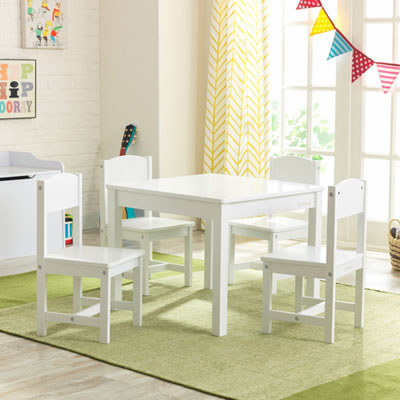 Your price for this item is $199.99
 -
 Your price for this item is $109.99
 -
 Your price for this item is $395.66
 -
 Your price for this item is $165.98
 -
 Your price for this item is $174.99
 -
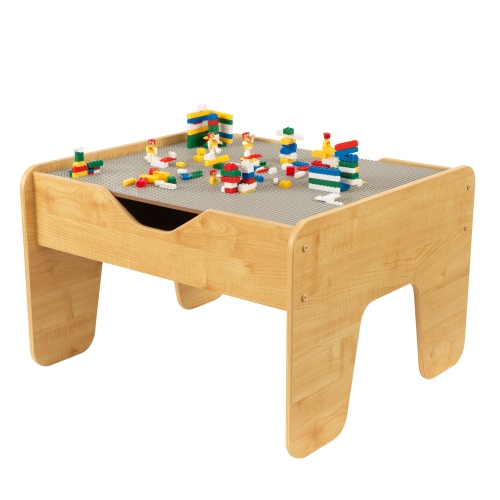 Your price for this item is $89.99
 -
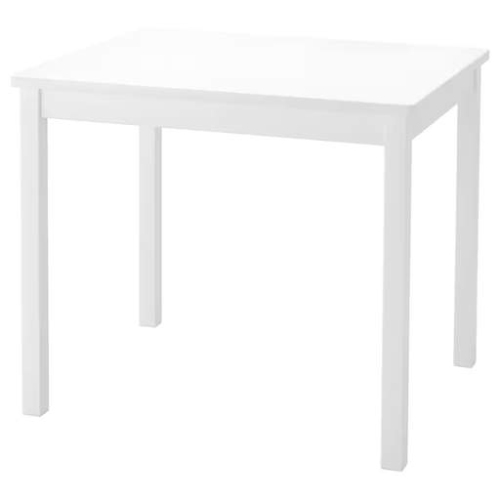 Your price for this item is $125.99
 -
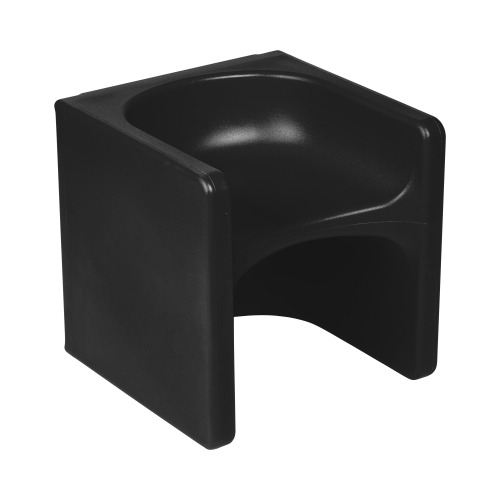 Your price for this item is $124.99
Discover more categories related to Learning Tables
Top Collections:
Pokemon Centers, Kindle Devices, Best Budget Office Chairs, Apple iPhones 16, Canon G7X Cameras, iPhone 15 Apple, Alarm Clock, Refurbished Apple Laptops, Flip Phones, Best Laptops for Writers
Some products may be subject to Environmental Handling Fees
(EHF) depending on your province.
Learn more about EHFs.