Project Tables
Whether you're a DIY enthusiast, a professional craftsman, or simply someone who loves to tackle creative projects at home, having a reliable and versatile project table is essential. These sturdy workstations provide ample space for all your tools, materials, and projects, making them a must-have addition to any workshop or garage. With various sizes, designs, and features available, you can find the perfect project table to suit your needs and help you bring your innovative ideas to life. From woodworking to crafting to home improvement tasks, explore our wide selection of project tables and discover the ideal one that will take your creativity and productivity to new heights.
Sort
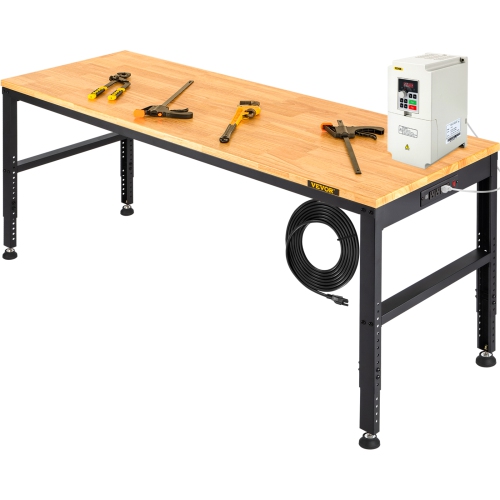
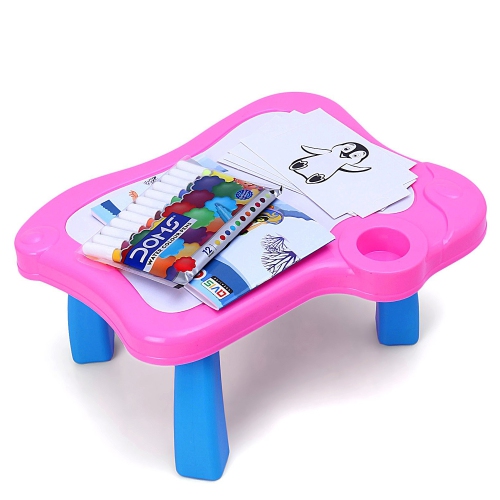
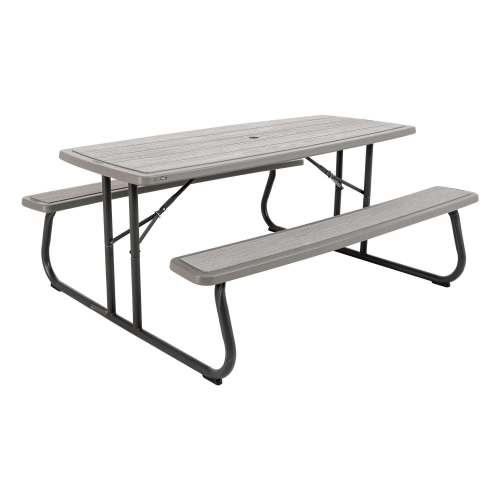
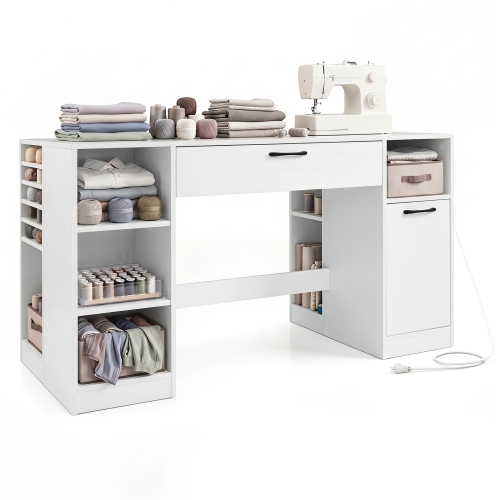

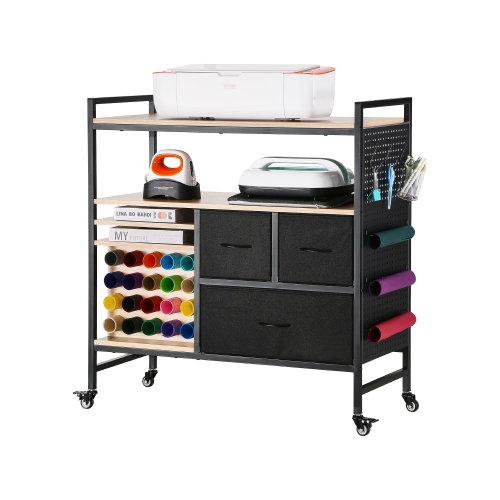
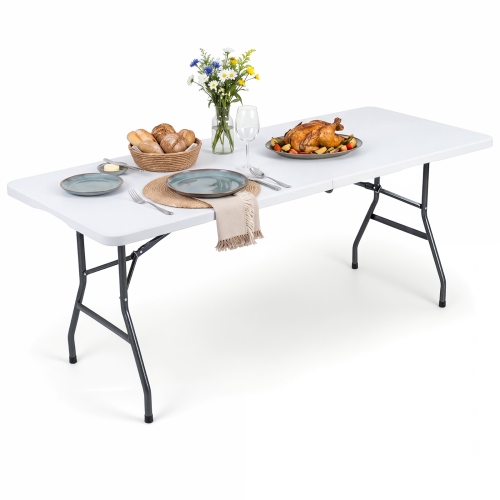
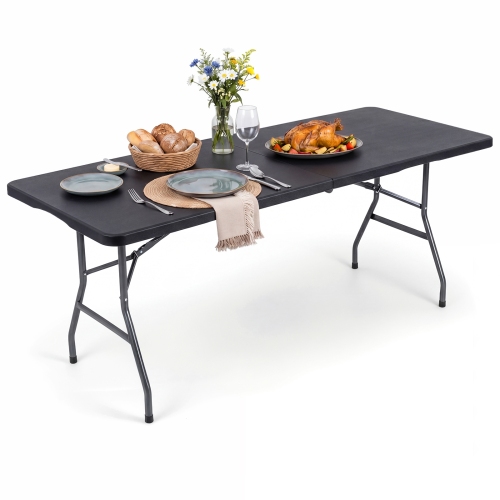
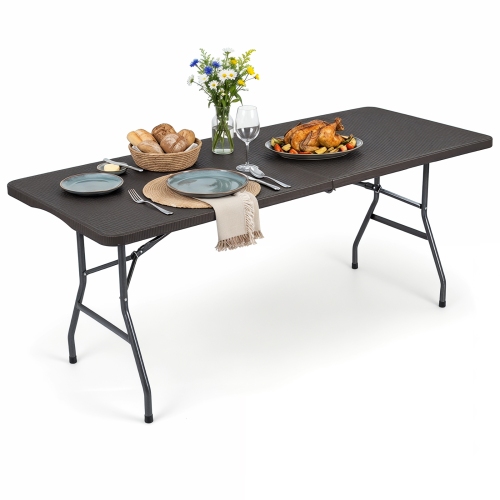
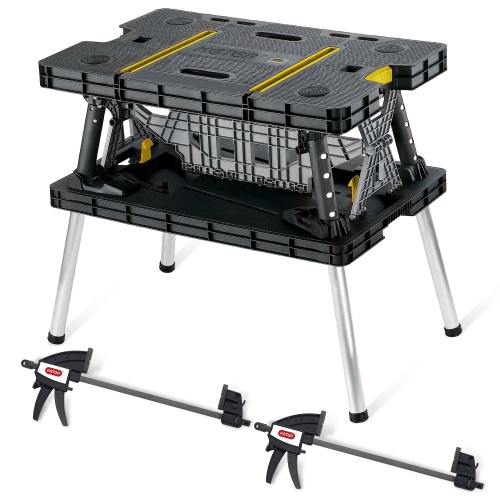
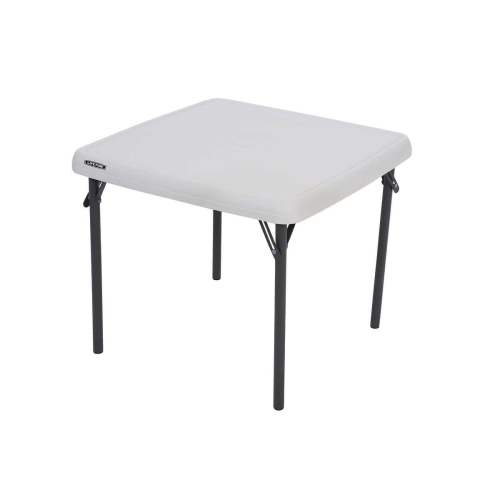
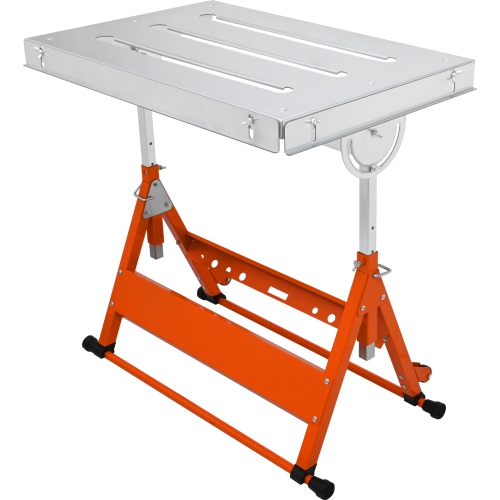
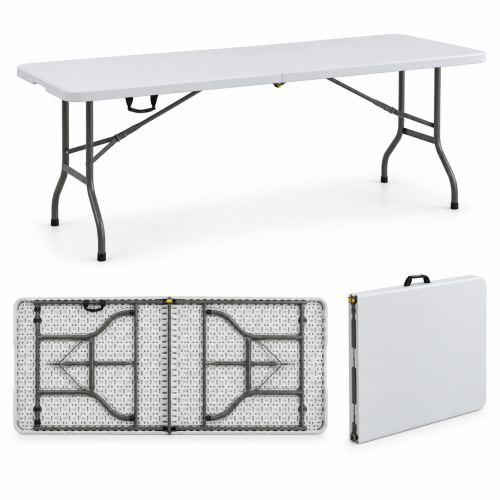
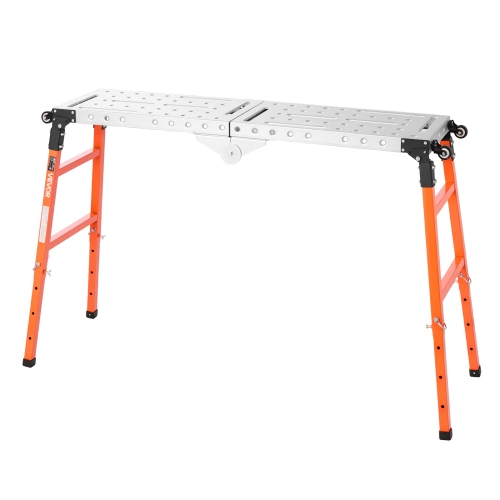
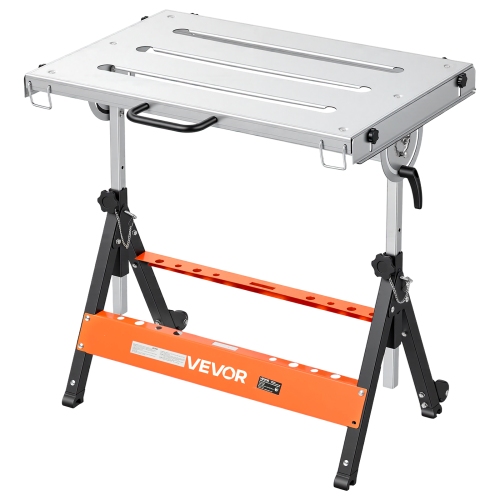
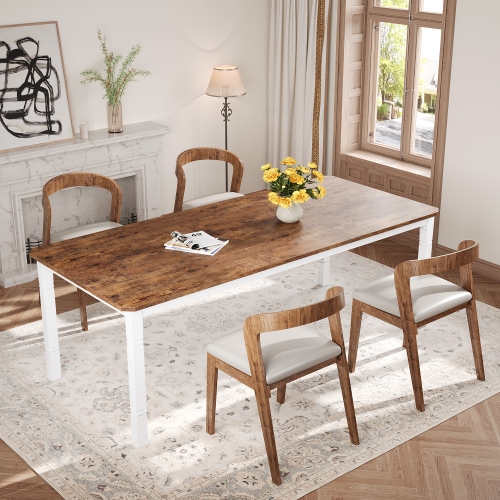
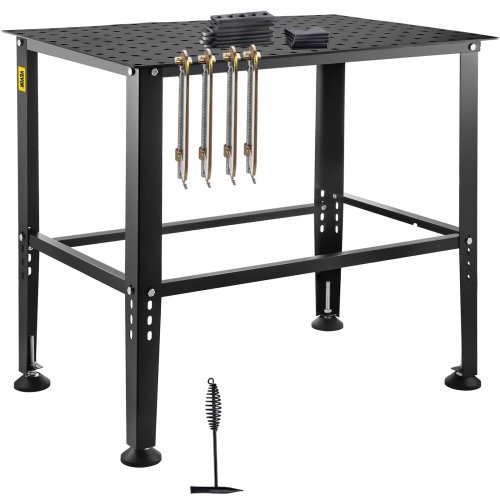
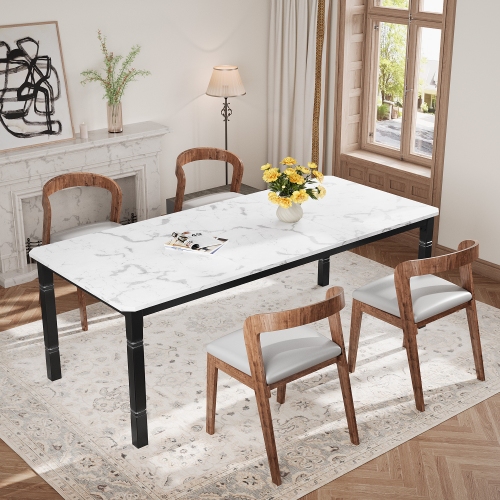
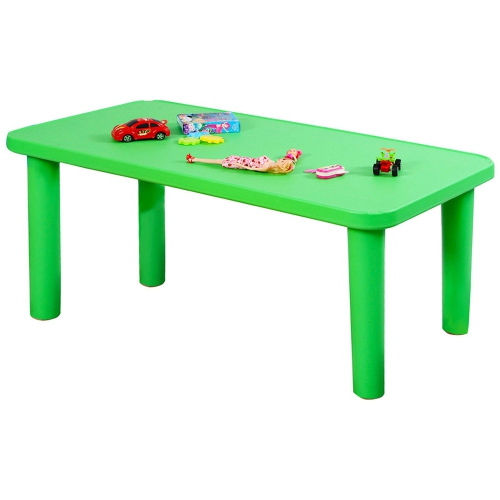
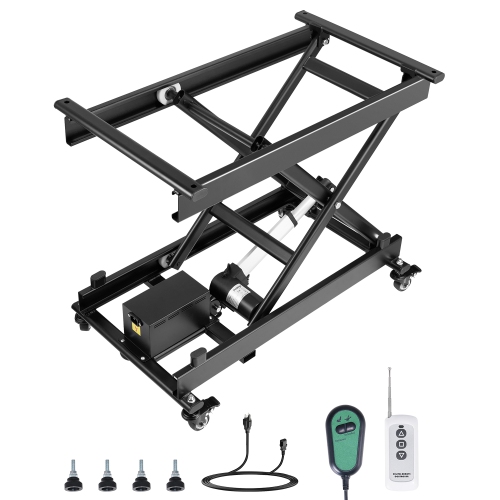


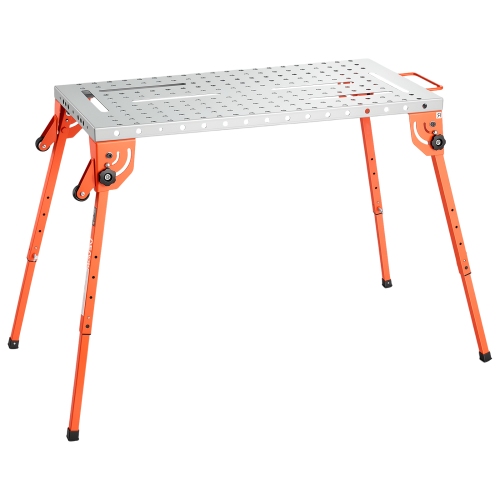
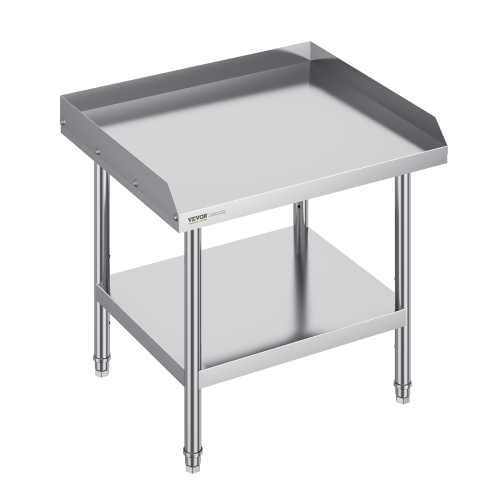
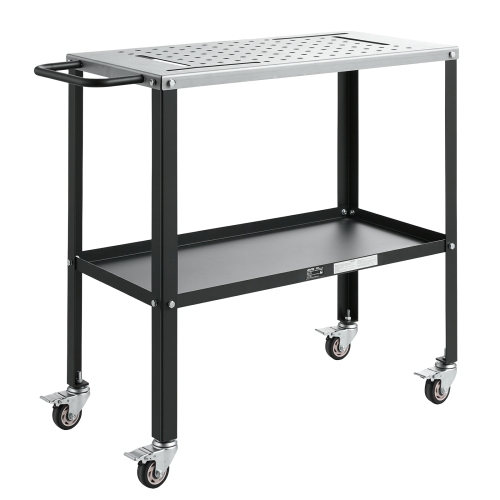
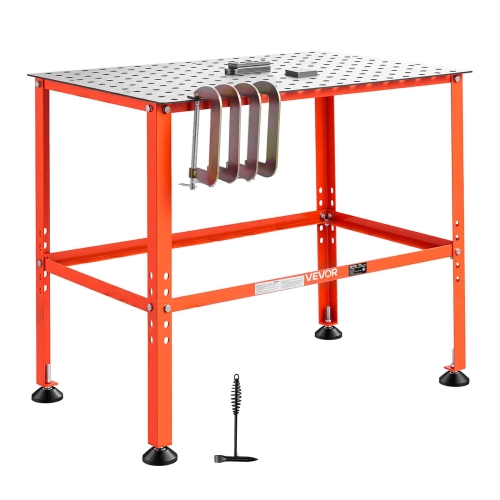
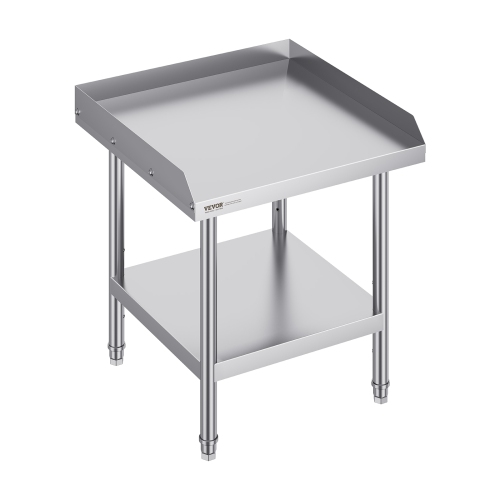
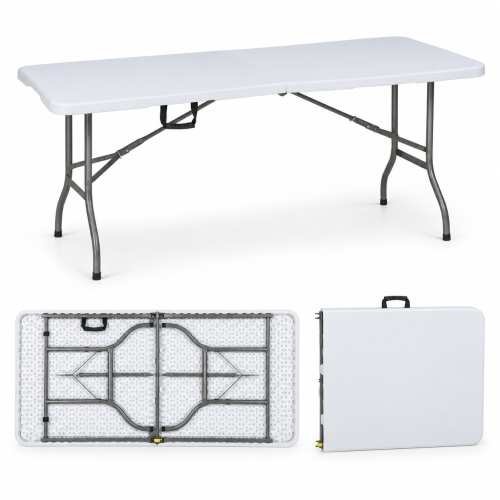
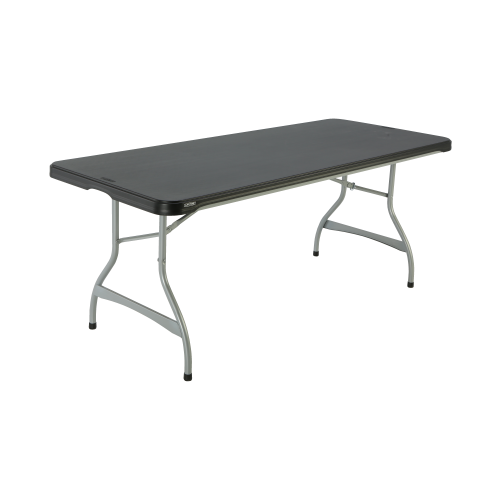
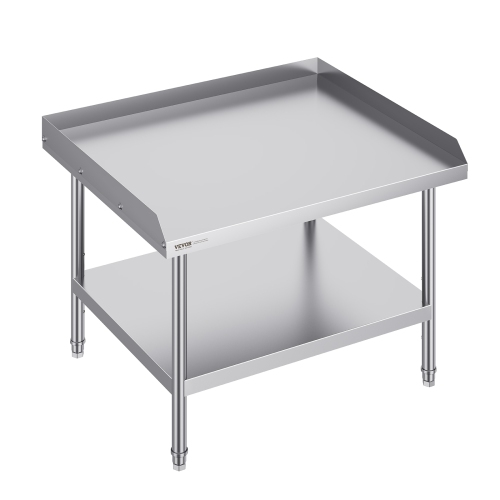

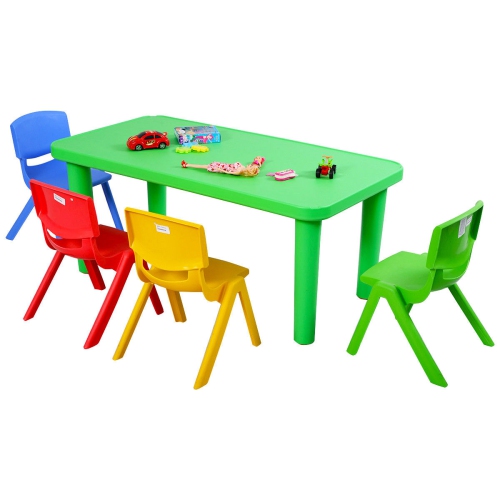
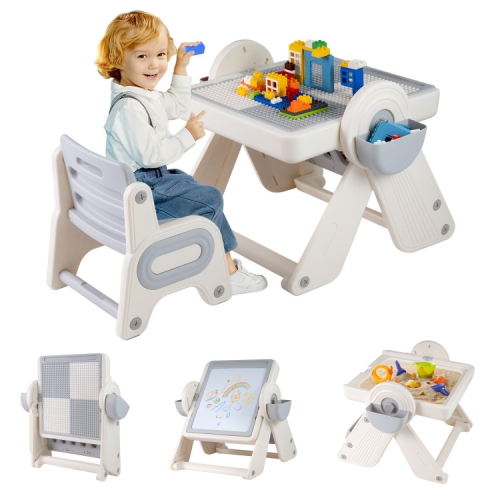
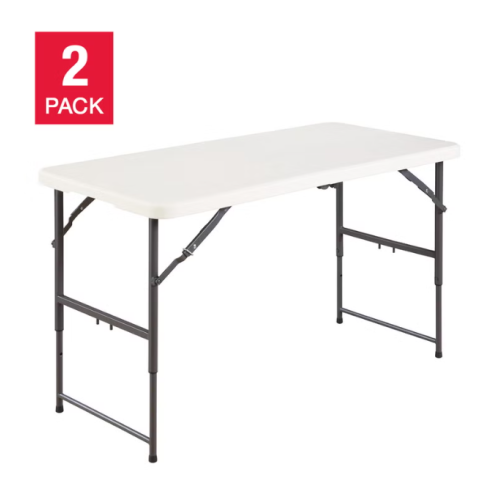
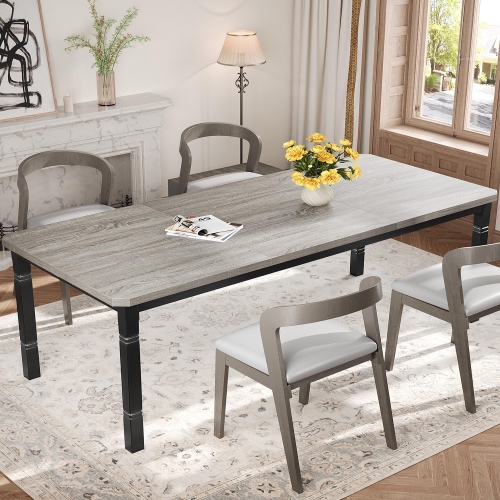
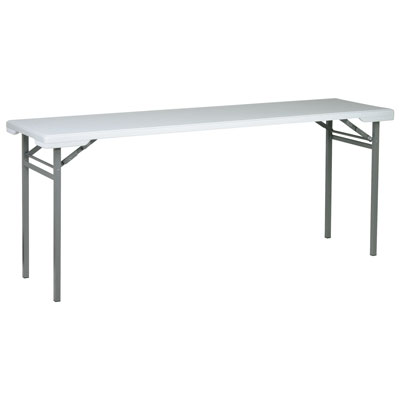
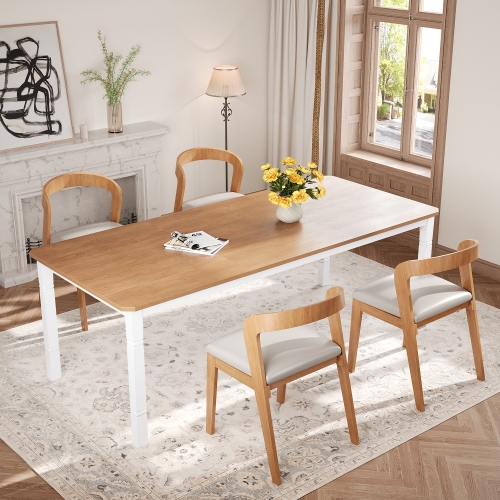
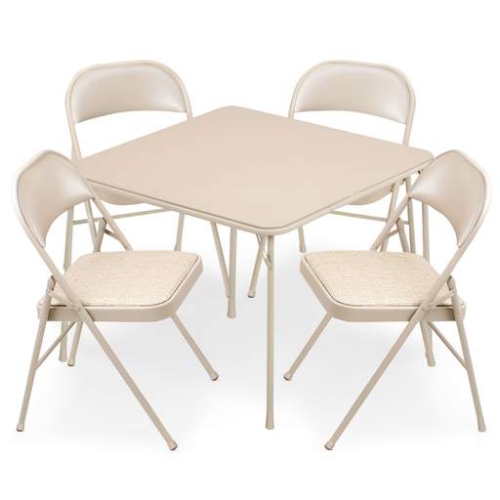
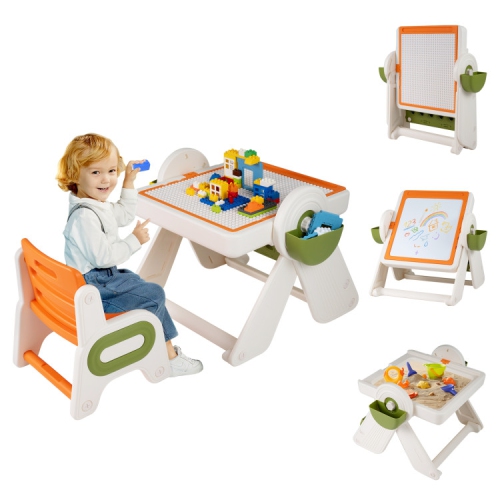
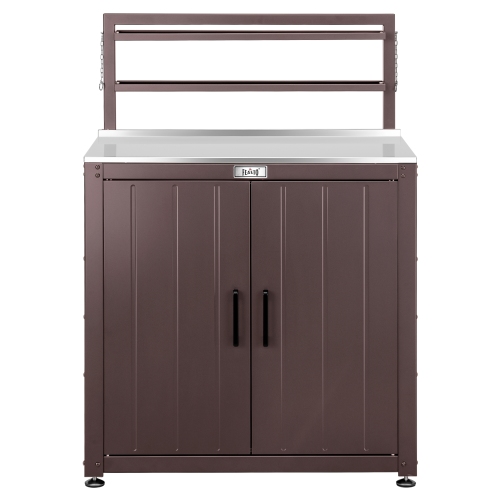
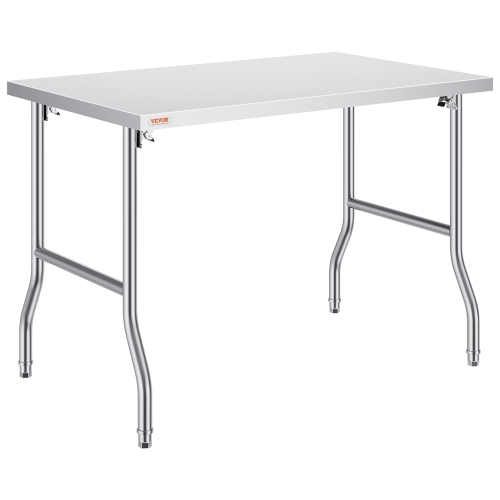
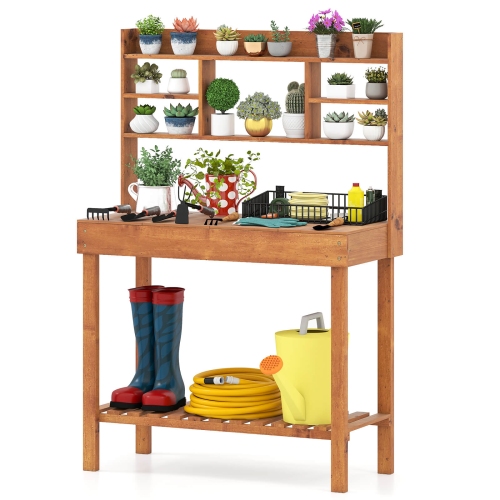
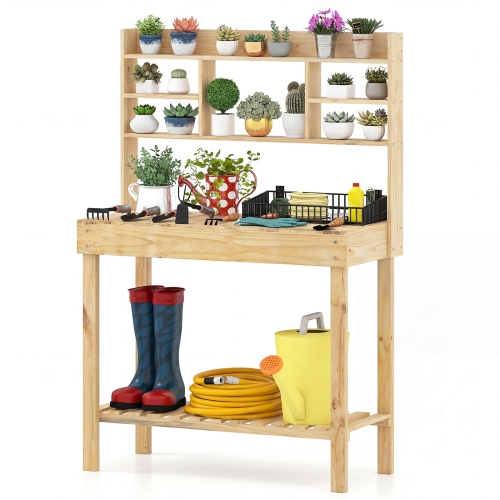
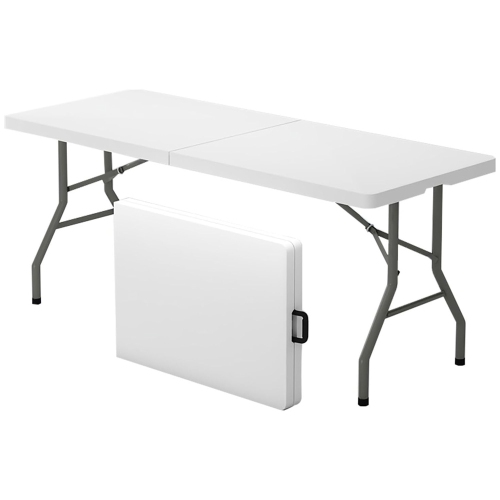

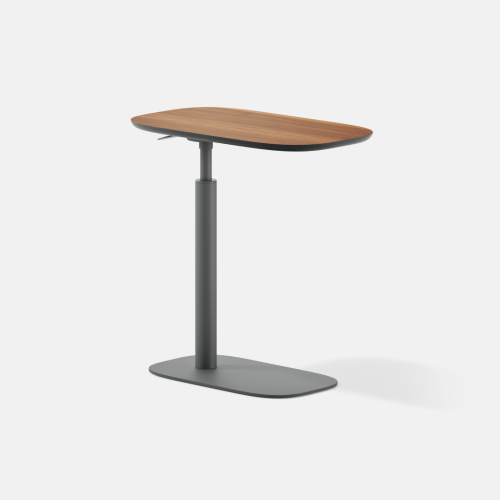
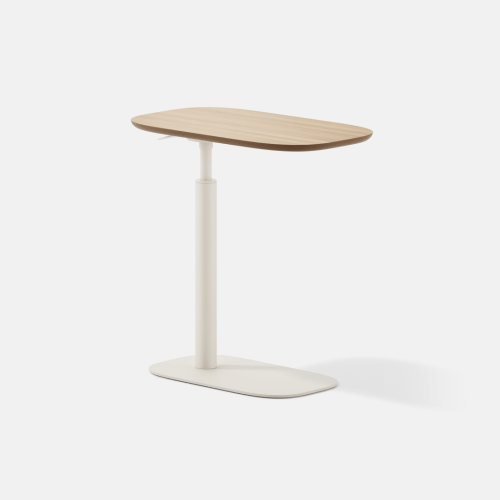
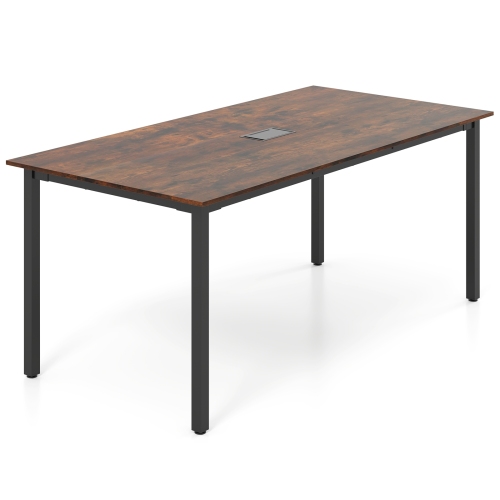
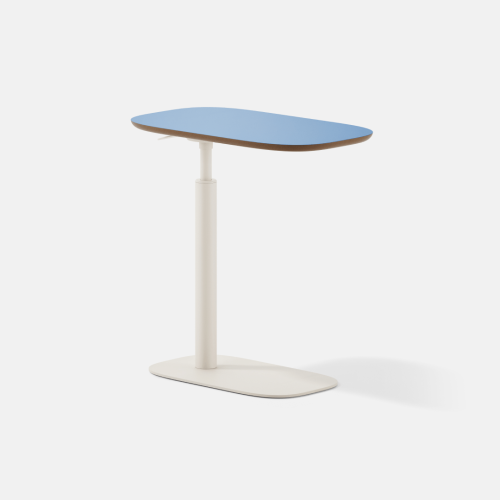


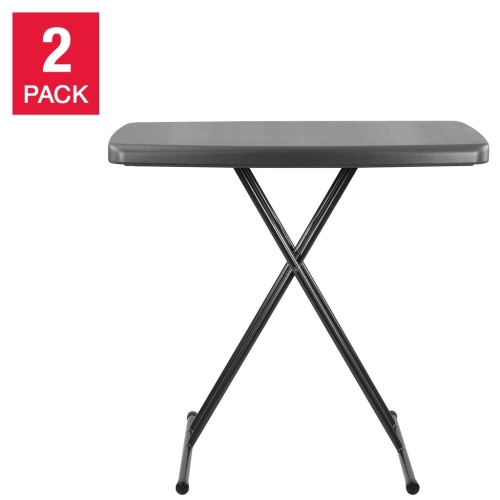
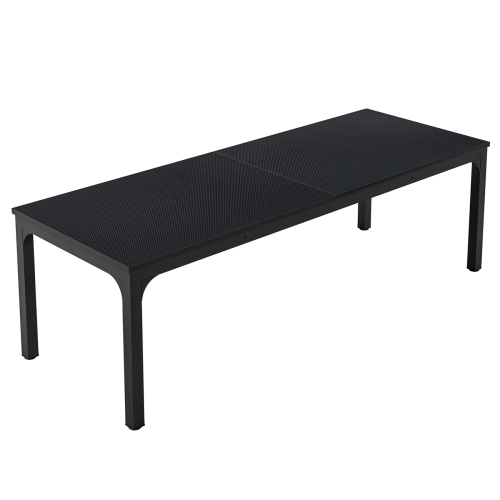
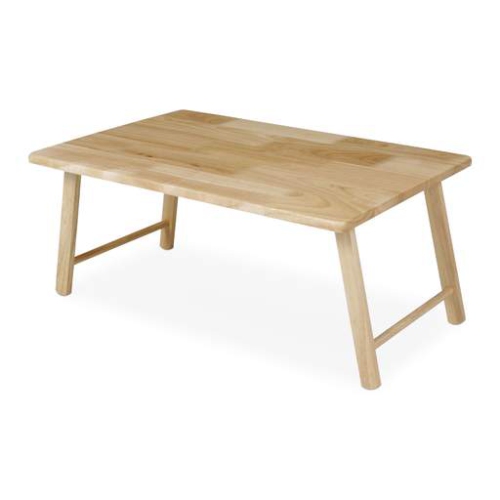
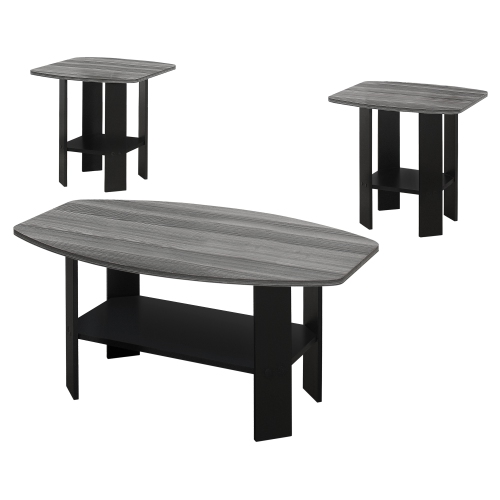
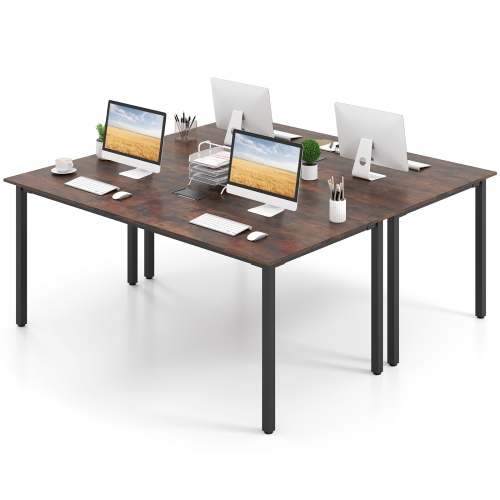
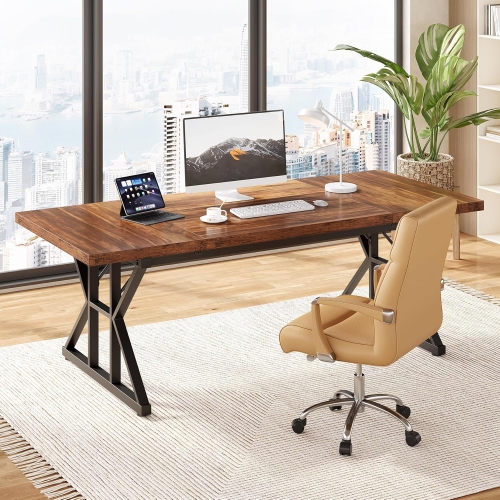
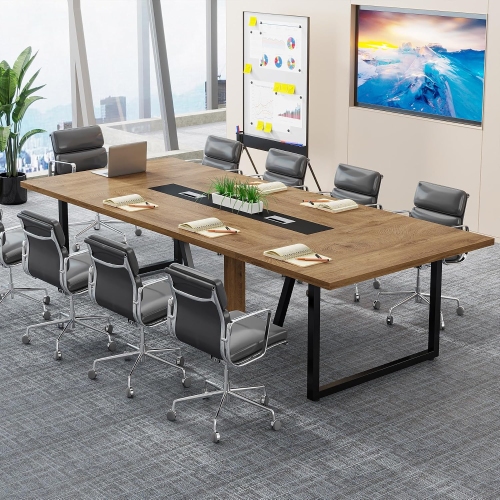
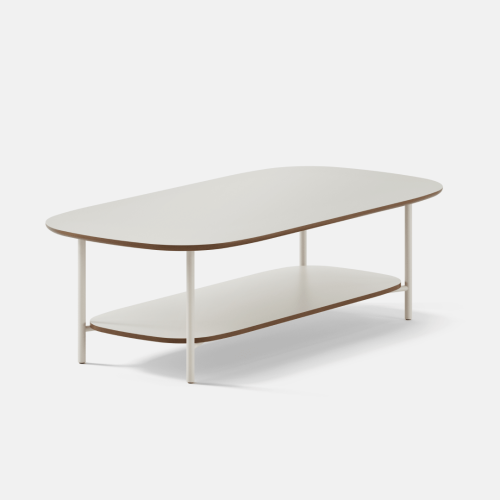

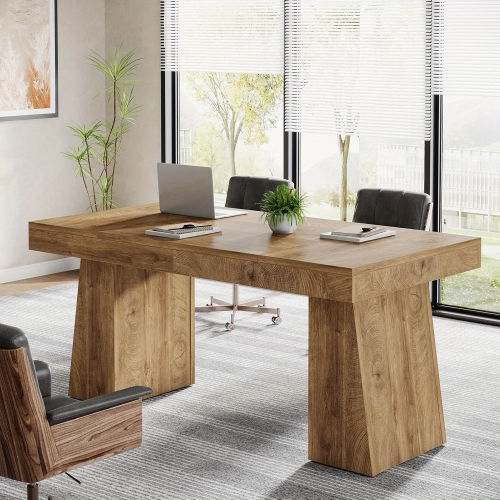
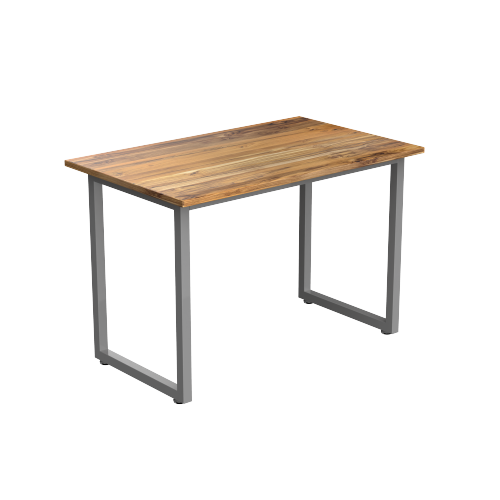
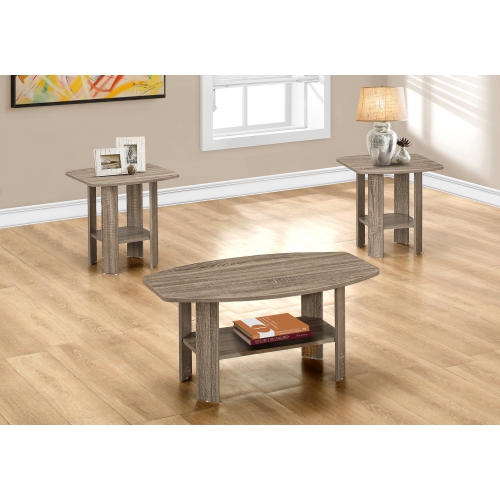
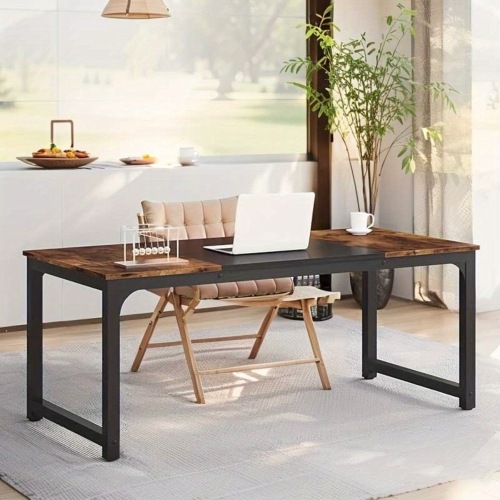
Room to spread out without packing everything away
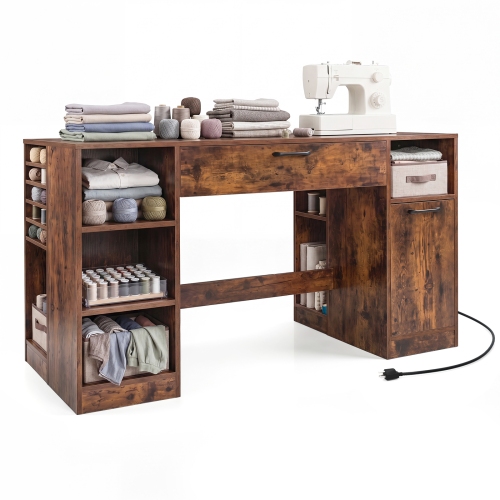
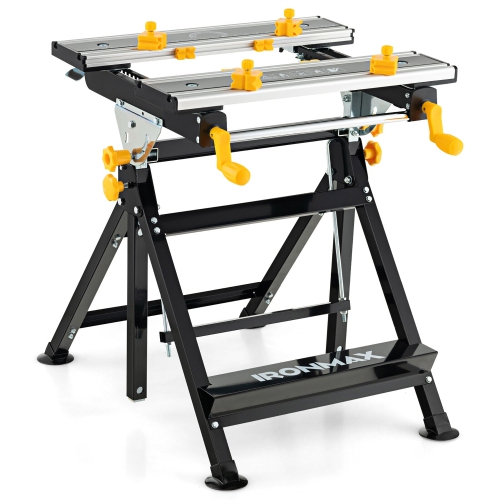
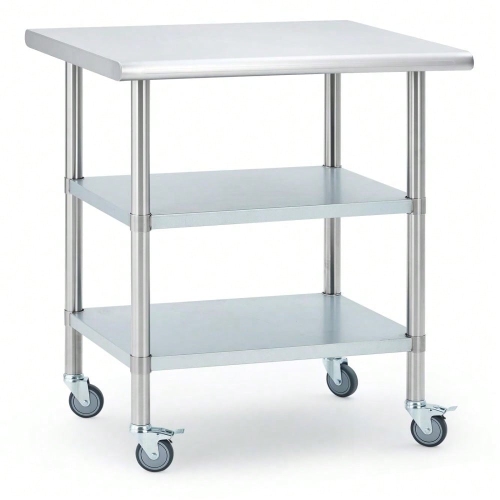
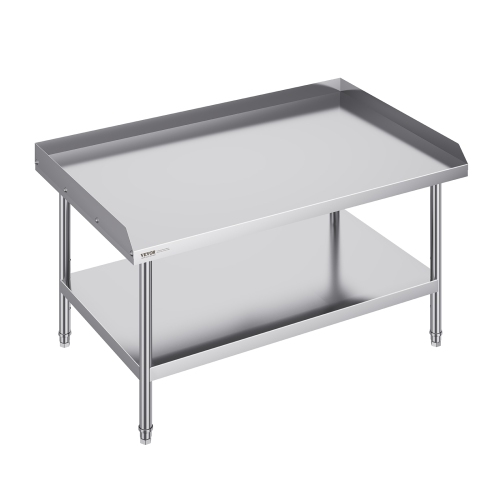
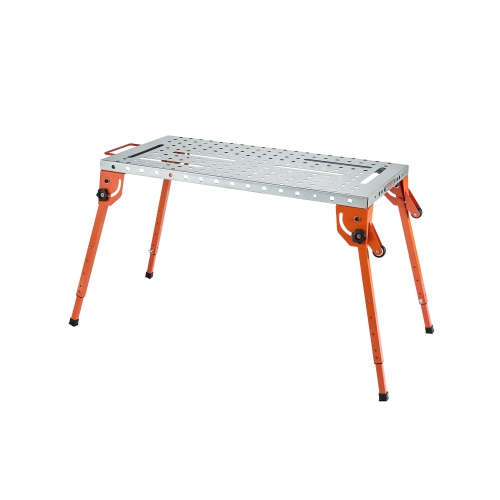
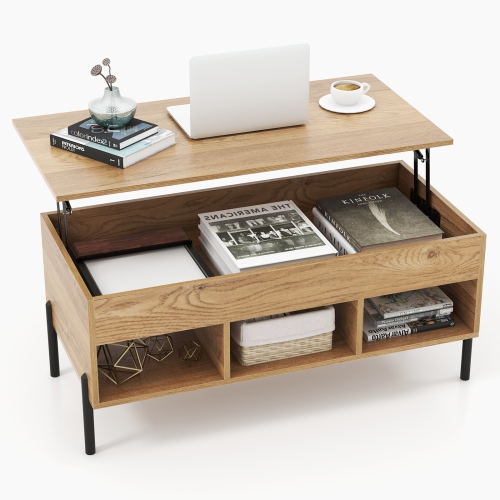
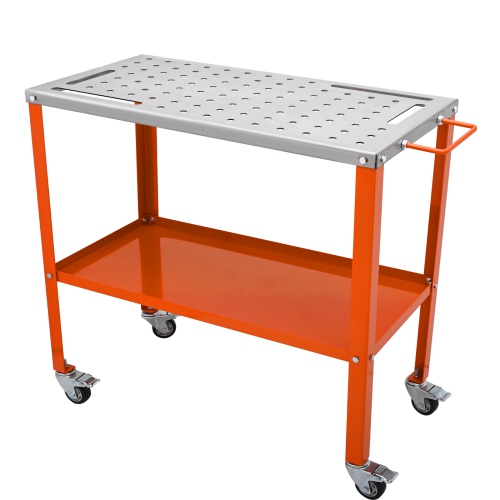
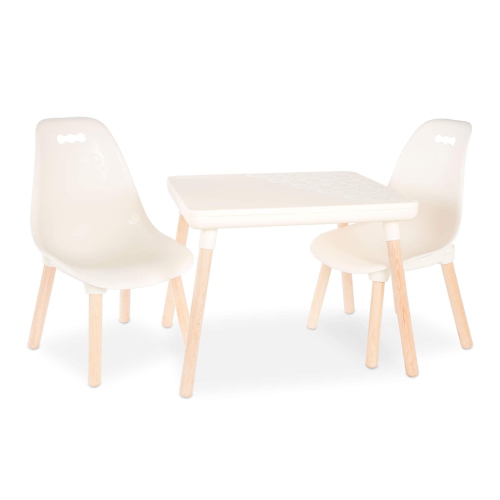
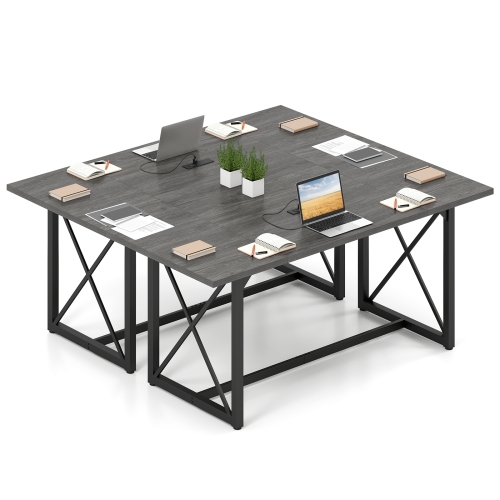
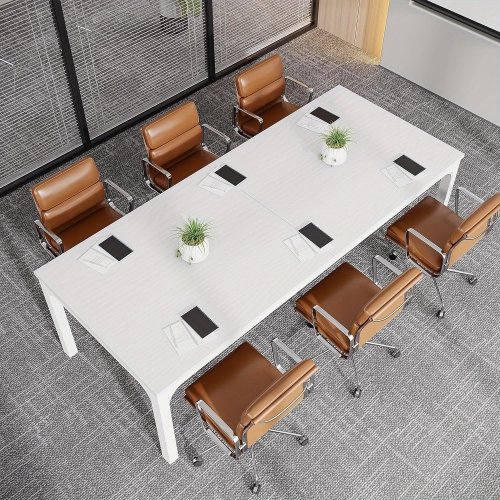
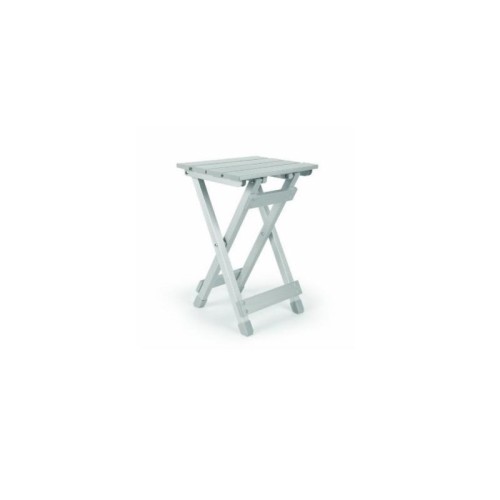
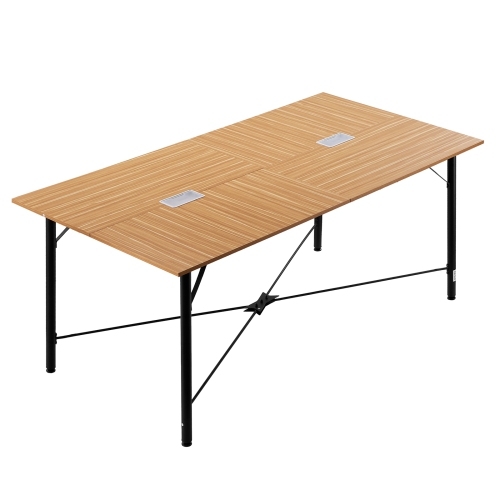
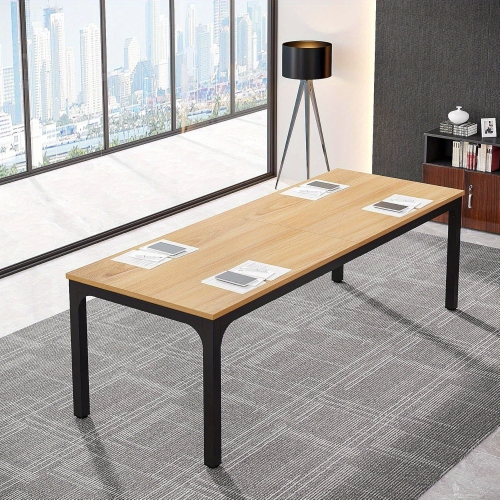
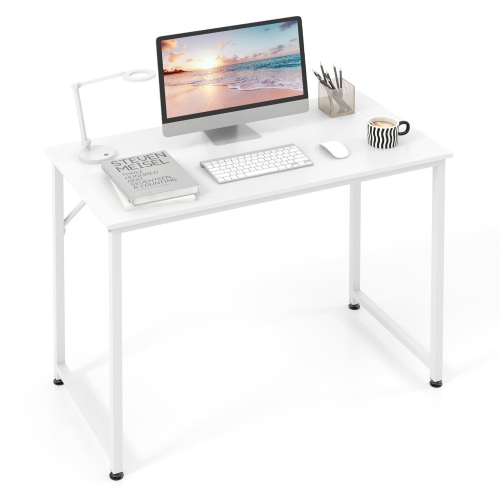
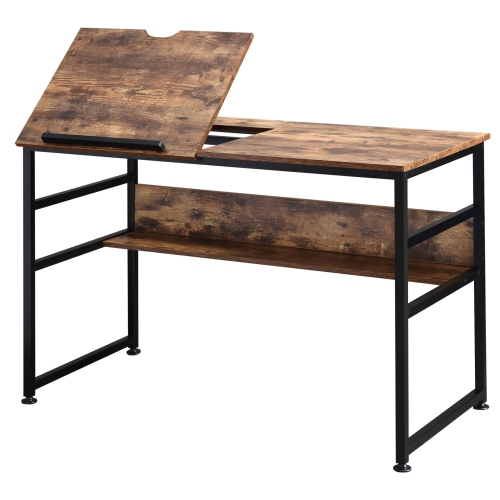
Project tables provide a dedicated work surface for making, assembling, repairing, and organizing materials. They range from craft-focused tables with integrated storage to sturdy worktables suited to hands-on household projects, with different designs supporting different kinds of work. A broad, clear top gives fabric room to spread out, keeps a partly assembled model away from the dining table, or creates a dependable spot for measuring and fitting small components. For people who sew, draw, build models, scrapbook, or tackle light repairs, that dedicated surface can make it easier to pause a task and return without packing everything away. The best fit depends as much on the work as on the room. Cutting fabric calls for an unobstructed surface, while detailed assembly benefits from comfortable seated access and room for a task light. Standing activities may suit a taller surface, and height-adjustable designs can accommodate changes between tasks when their adjustment range matches the user’s needs. Table dimensions matter beyond the length and width of the top: a chair needs space to pull back, drawers need room to open, and frequently used materials should remain within comfortable reach. A table that fills a room from wall to wall may offer plenty of surface area but leave little space to move around a large piece of work. Access from more than one side is especially useful for laying out patterns, collaborating on a school project, or turning an assembly without lifting it. In smaller rooms, folding designs can free up floor space between uses, while mobile designs make it possible to reposition a workspace. Their convenience depends on secure folding mechanisms, suitable wheel construction, and reliable wheel locks where fitted. A fixed table may be a better match for work that benefits from a consistently stable base. Thoughtful placement also leaves electrical cords out of walking paths and keeps the working surface clear of door swings and other everyday traffic.
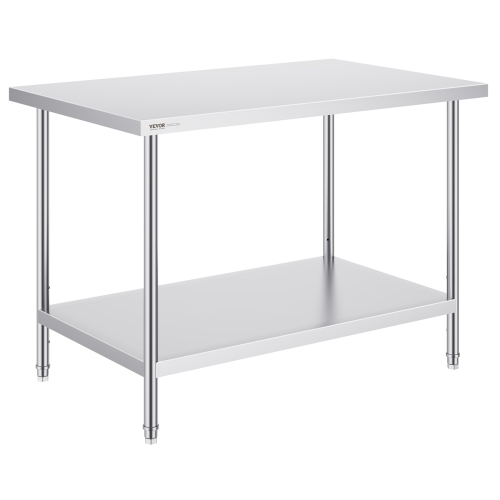
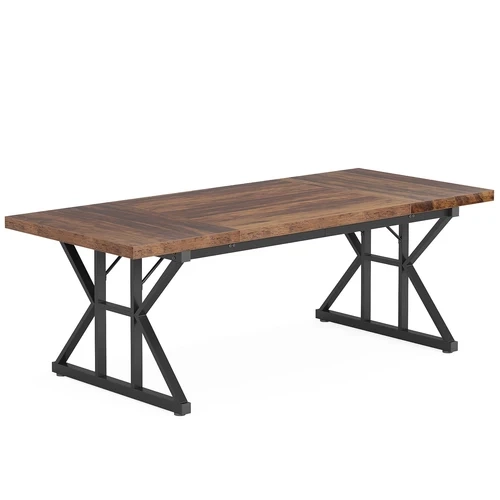
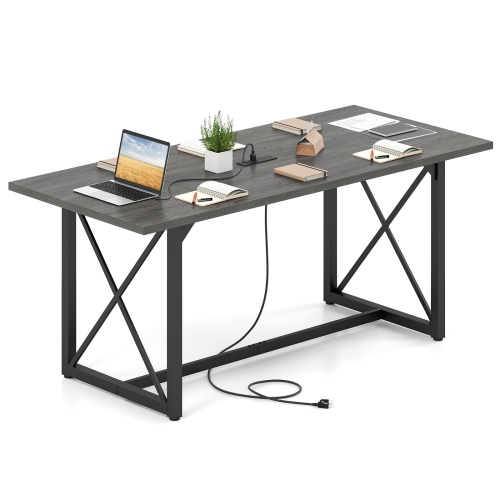
Materials and construction influence how a project table feels in use and how well it stands up to repeated tasks. Solid wood offers a substantial working surface and, depending on its finish and construction, may allow refinishing after years of wear. It still needs protection from spills, sharp blades, and adhesives. Engineered wood tops with laminate or melamine finishes can provide a smooth surface that is straightforward to wipe clean, although exposed edges and damaged seams need particular care around liquids. Metal frames can provide firm support, but overall stability also depends on leg placement, bracing, fasteners, and how the top attaches to the base. A thick-looking tabletop alone does not establish a table’s load capacity. The manufacturer’s stated weight limit, any limits for shelves or drawers, and whether the load must be evenly distributed are more useful measures of suitability. A project involving a sewing machine, a collection of tools, or dense materials places different demands on a table than paper crafts do. Pressure matters too: a surface that feels steady under a notebook may move when someone presses down to trim material or tighten a fitting. Adjustable feet can help a table sit evenly on an uneven floor, while well-positioned supports reduce movement without crowding the user’s legs. Surface protection should match the task. A cutting mat protects the tabletop during blade work, a suitable protective layer catches glue, and padded protection can help prevent scratches when turning over a finished piece. Heat-producing tools require a compatible protective setup and adherence to the tool and table manufacturers’ directions. General-purpose project tables should not be assumed suitable for mounting heavy machinery, forceful clamping, or other workshop applications unless their construction and stated specifications support that use. Rounded edges, a comfortable front edge, and sufficient knee clearance can also make a noticeable difference during longer sessions spent on close, detailed work.
Storage gives project tables much of their everyday usefulness, particularly when a hobby involves many small supplies. Shallow drawers keep pencils, measuring tools, and frequently used accessories visible, while deeper compartments can accommodate bulkier materials. Open shelves make larger supplies easy to reach, although they can also reduce legroom if positioned beneath the main seating area. A useful arrangement separates active work from stored materials: the tabletop holds the current task, nearby drawers hold essentials, and less frequently used supplies stay farther away. For sewing, that might mean keeping measuring tape and scissors close without allowing loose fabric to catch on handles. For model building or small repairs, divided storage can help prevent tiny components from disappearing beneath instruction sheets. Families sharing a workspace may appreciate separate containers or drawers for each person, along with secure storage elsewhere for sharp tools and supplies unsuitable for children. Appearance matters when the work area occupies a living room, guest room, or shared home office. A simple frame, a finish that coordinates with nearby furniture, and concealed storage can help a practical workspace blend into the room. For a more furniture-led look, Modern Tables offer another style reference, while the demands of the intended project remain central to choosing a suitable working surface. Ongoing care is usually most effective when it follows the material and finish rather than a single cleaning routine. Removing dust and debris before wiping helps avoid dragging grit across the top; promptly cleaning spills and using manufacturer-approved cleaning methods helps protect finishes and edges. Hinges, fasteners, height-adjustment mechanisms, and wheels may also need periodic checks according to the care instructions. As a gift, a project table can suit a committed crafter, a student working on design assignments, or someone establishing a dedicated hobby space. Knowing their available floor space, preferred working height, and main activities makes the choice more personal and more likely to become a useful part of their routine.
Top selling and popular products
-
 Your price for this item is $99.99
-
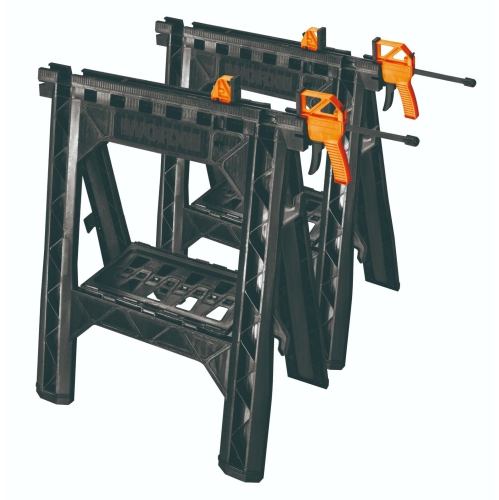 Your price for this item is $99.99
-
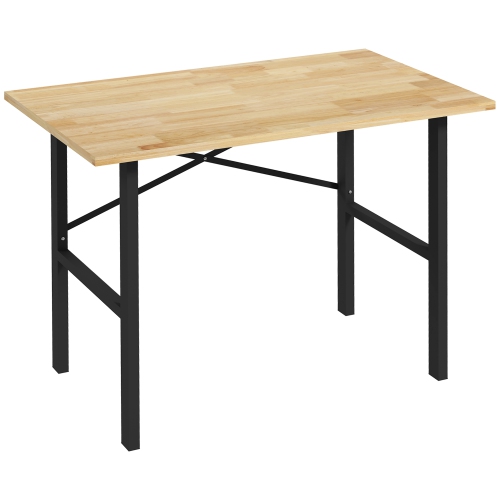 Your price for this item is $149.99
-
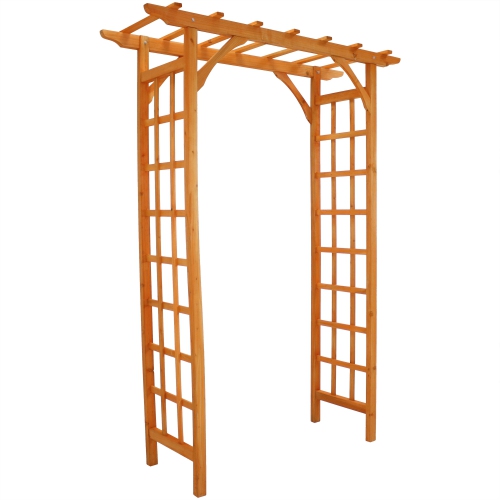 Your price for this item is $415.35
-
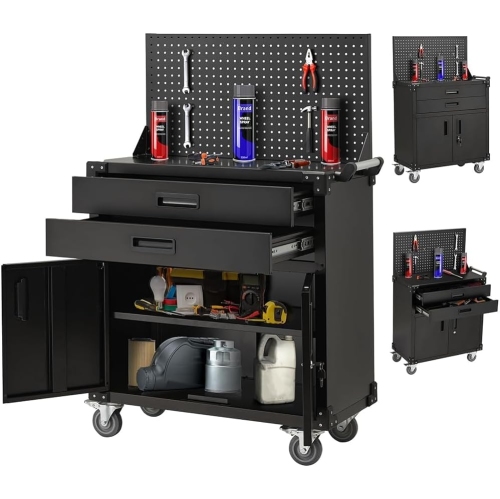 Your price for this item is $249.99
-
 Your price for this item is $89.99
-
 Your price for this item is $169.99
-
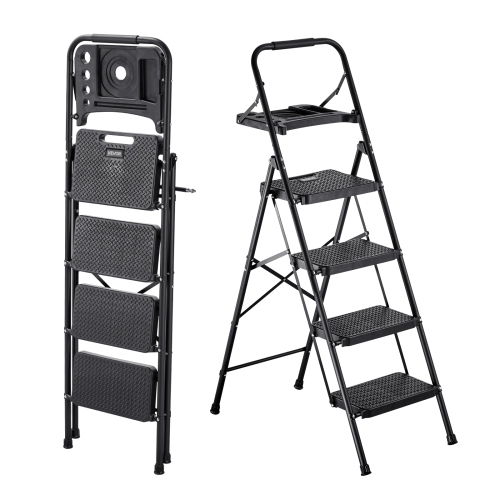 Your price for this item is $83.9
Discover more categories related to Project Tables
Top Collections:
Best Black Friday Deals This Year, Best Black Friday Deals On Electronics, Kindle Devices, Pokemon Centers, Best Black Friday Deals On Apple Products, Best Cameras for Sports Photography, Dyson Airwrap, Pokémon 30th Celebration Cards, Apple iPhone 17 Pro, Canon G7X Cameras
Some products may be subject to Environmental Handling Fees
(EHF) depending on your province.
Learn more about EHFs.