Motorola Baby Monitors
Keep an eye on your little one and enjoy peace of mind with a Motorola Baby Monitor. Designed to help parents stay connected, these monitors make it easy to check in on your baby from anywhere in the home. Discover a range of options that fit your family’s needs, offering convenient ways to monitor your child day or night. Explore the selection of Motorola Baby Monitors to find the perfect solution for your nursery.
Sort
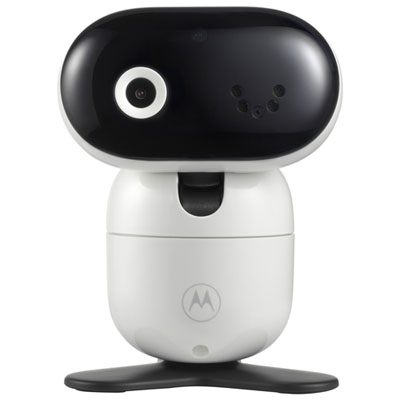

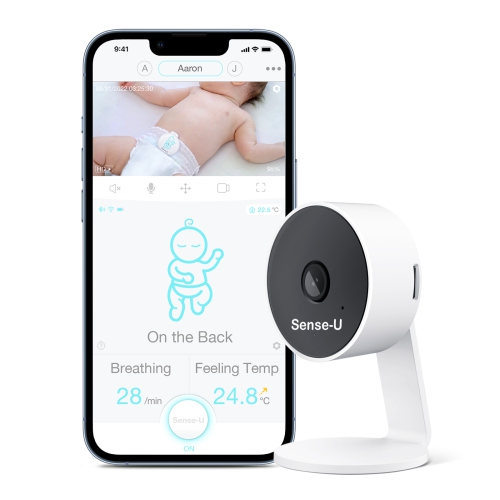
Different ways to hear and see your baby
Baby monitors help parents and caregivers hear or see a baby from another room, whether they are folding laundry nearby or settling onto the sofa after bedtime. The main types are audio-only monitors, video monitors with a dedicated parent unit, and Wi-Fi monitors that connect to a compatible phone or tablet. Audio-only designs focus on sound, making them a straightforward choice for families who want to hear cries, babbling, or movement without watching a screen. Dedicated video monitors add a live picture on a separate display and can operate without a household Wi-Fi connection when they use a direct wireless link. Wi-Fi designs provide app-based viewing, with remote access depending on the model, internet connection, and account settings. Some systems combine a parent display with app connectivity, giving caregivers different ways to check in. These distinctions matter in everyday use: a separate handheld display leaves a phone free for calls, while an app may suit a parent who wants another authorized caregiver to have access. Across the broader selection of Baby Monitors, the most useful differences are often how the sound reaches the caregiver, where the picture appears, and how easily the system fits into a household routine. A compact audio receiver may suit someone who moves between rooms frequently, while a larger video display can make it easier to see whether a baby is awake or simply stirring. Families with more than one young child may value support for additional cameras, provided the system is designed for them. First-time parents, grandparents who regularly provide care, and families preparing a second sleeping space can all have different priorities. A monitor can also make a thoughtful baby shower gift when its connection type and features match the family's preferences. The aim is a clear, convenient way to stay aware of sounds and activity while remaining close enough to respond.
Video quality involves more than the resolution printed on a specification sheet. Camera position, viewing angle, display size, and the amount of detail visible in low light all affect how useful the picture feels during a quick glance. A wide-angle view can show more of the crib area, while remote pan and tilt, where included, allow the camera view to move without a caregiver entering the room. Digital zoom enlarges part of the image but does not necessarily reveal additional detail, so it serves a different purpose from physically adjusting the camera or using optical zoom. Infrared night vision supports viewing in a darkened room, usually with a monochrome picture rather than the colour image seen in brighter light. Screen brightness controls can make a dedicated display more comfortable to glance at beside a bed. Sound features deserve equal attention: adjustable volume, visual sound indicators, and sound-activated screen settings can help caregivers notice activity without keeping the display illuminated continuously. Two-way talk, when supported, allows a caregiver to speak through the monitor, although a familiar voice through a speaker may soothe some babies and interest or unsettle others. Optional lullabies and nightlights are conveniences rather than essential monitoring functions. For shared rooms or siblings in separate rooms, compatible multi-camera systems may offer manual switching, automatic cycling, or split-screen viewing; these functions are not interchangeable, and audio handling can differ between them. Placement remains important regardless of the feature set. A stable shelf or correctly installed compatible mount should provide a useful view without putting equipment near the baby. Keep the camera and all cords at least one metre from the crib and beyond a child's reach, including as the child grows and becomes more mobile. No camera, receiver, cord, or accessory belongs inside the crib. A standard baby monitor is a listening or viewing aid, not a medical device or a replacement for appropriate adult supervision and safe sleep practices.
Day-to-day reliability depends on the home as much as the monitor. Advertised wireless range is often measured under conditions that differ from a furnished house, where walls, floors, appliances, and other wireless devices can affect reception. A dependable connection between the baby's room and the places a caregiver spends time matters more than a distance figure alone. With Wi-Fi systems, the strength of the network near the camera, compatible router settings, and upload performance can influence streaming; remote viewing may also be interrupted by an internet outage. A dedicated parent unit has different practical considerations, including battery runtime, charging time, screen-on use, and whether the camera requires continuous power. A rechargeable display does not necessarily mean the camera is battery powered, an important distinction for visits to relatives or moving between rooms. Low-battery and lost-connection alerts, where provided, help caregivers recognize when the system needs attention. Physical details also shape long-term use. Monitor housings are commonly made from moulded plastic, with clear lens covers, display surfaces, buttons, and charging connections that benefit from careful handling. A secure stand, accessible controls, and a receiver that sits steadily on a bedside table can be more useful than a long list of seldom-used extras. Cleaning should follow the manufacturer's directions, generally with equipment unplugged and without spraying liquid into openings or directly onto the lens or screen. Cables need protection from pinching and pulling, and damaged power accessories should be replaced with approved compatible parts. For connected designs, privacy features are part of everyday care: unique passwords, software updates, and controlled caregiver access help protect the account and video feed. Recording, saved clips, and additional app functions may have separate account or subscription requirements. For a gift or shared-care arrangement, compatibility with the family's phones, preferred viewing method, and ability to add or remove authorized users can make the monitor easier to use beyond the first few weeks.
Top selling and popular products
-
 Your price for this item is $429.99
-
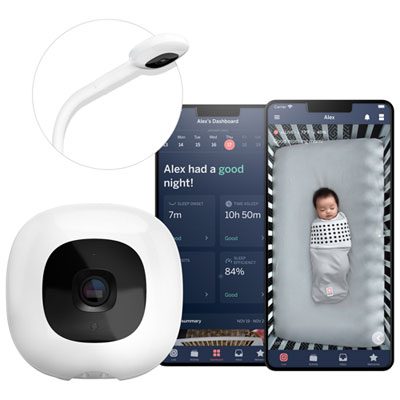 Your price for this item is $499.99
-
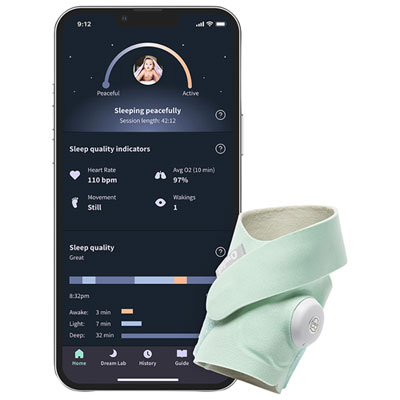 Your price for this item is $418.99
-
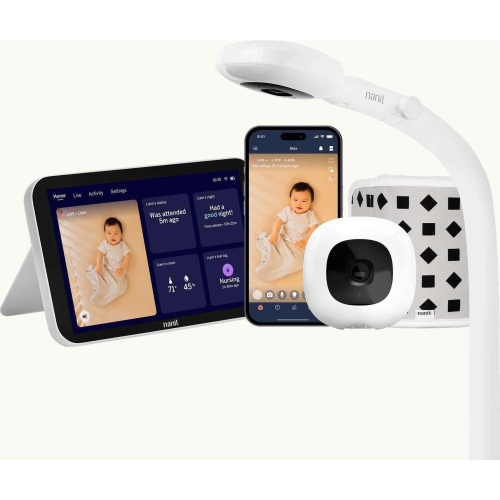 Your price for this item is $679.99
-
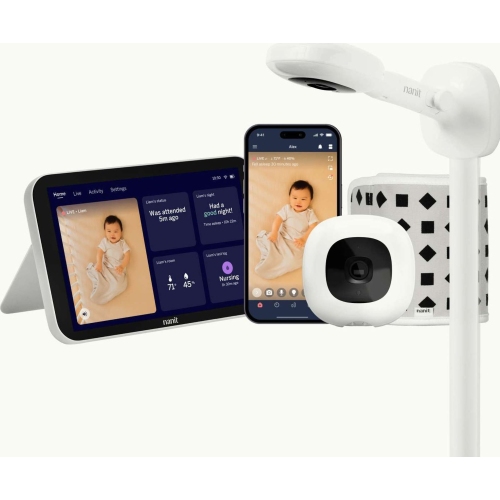 Your price for this item is $679.99
-
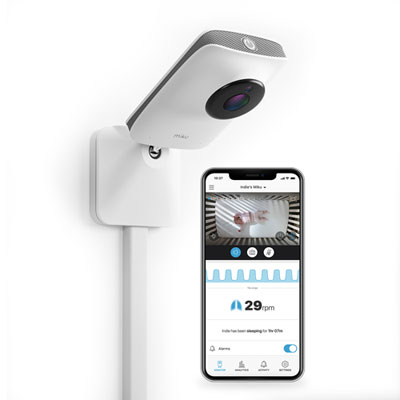 Your price for this item is $539.99
-
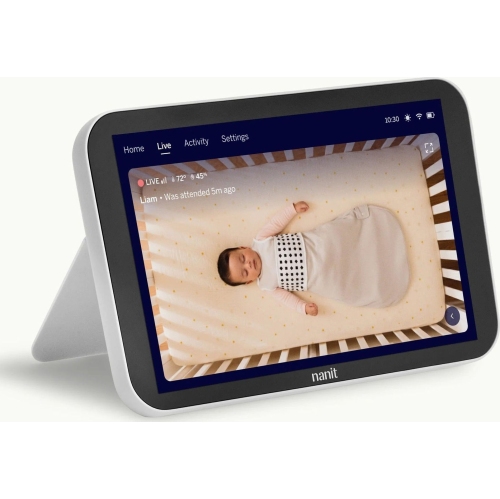 Your price for this item is $299.99
-
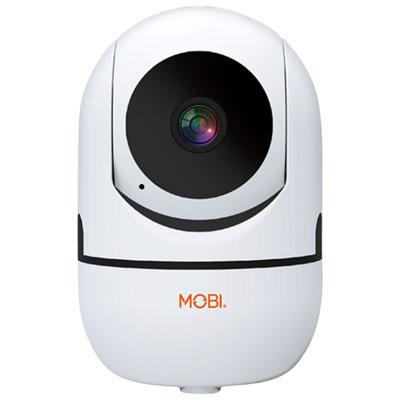 Your price for this item is $74.95
Discover more categories related to Motorola Baby Monitors
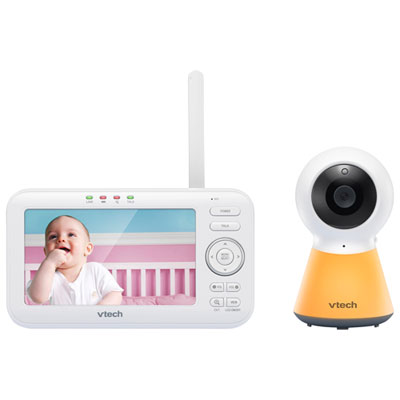

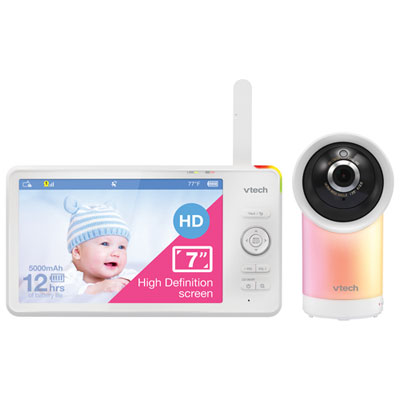
Top Collections:
Pokemon Centers, Best Budget Office Chairs, Kindle Devices, Best Cameras for Sports Photography, Pokémon 30th Celebration Cards, Best Laptops for Writers, Canon G7X Cameras, iPhone 15 Apple, Best Cell Phones Under $300, Apple iPhones 16
Some products may be subject to Environmental Handling Fees
(EHF) depending on your province.
Learn more about EHFs.