Newborn Travel Essentials
Traveling with a newborn can be both exciting and challenging, but being well-prepared with the right essentials can make all the difference. Our collection of newborn travel essentials has everything you need to ensure a smooth and comfortable journey for your little one. From compact strollers and portable cribs to diaper bags and travel-friendly feeding accessories, we have curated a selection of must-have items to make traveling with your newborn a breeze. Explore our range of products designed to keep your baby safe, comfortable, and happy on the go.
Sort
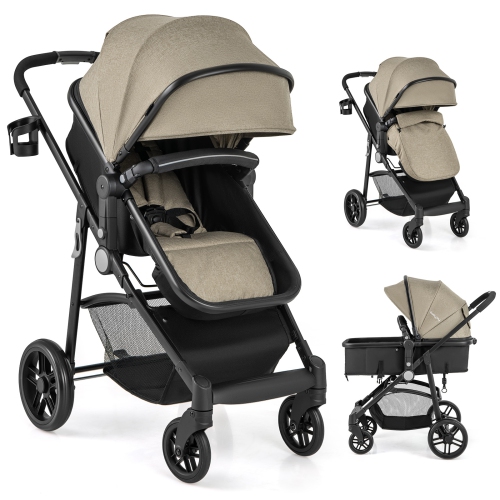
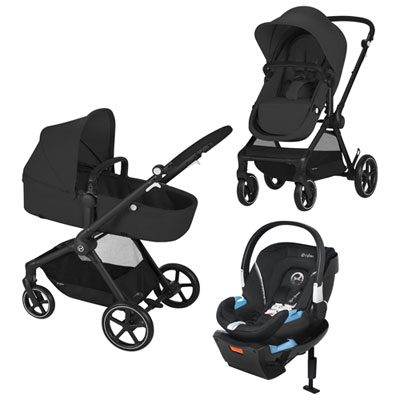
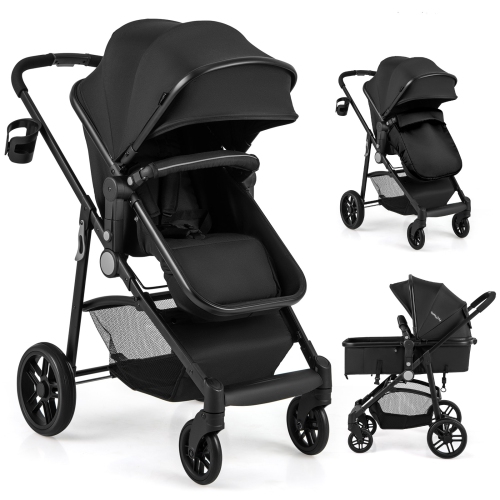

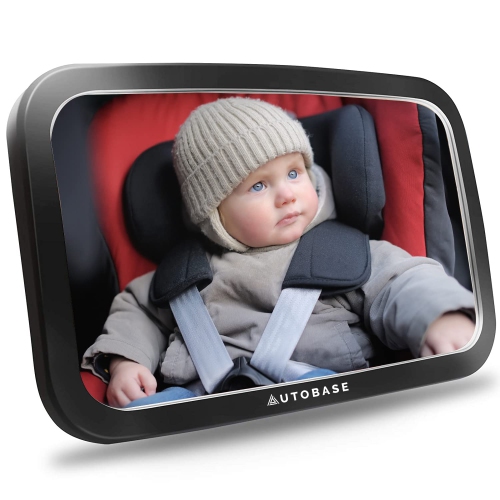
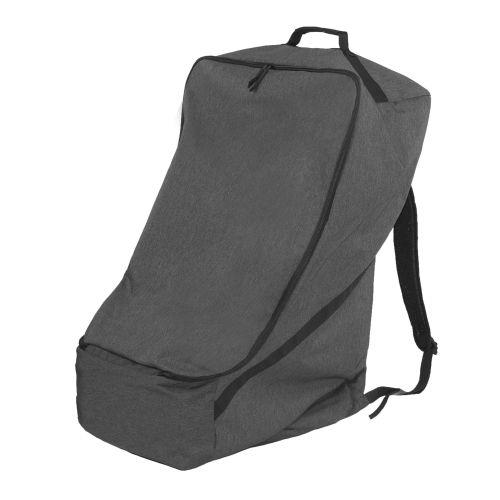
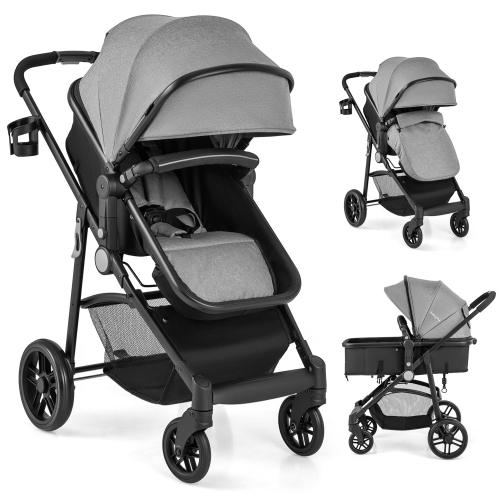
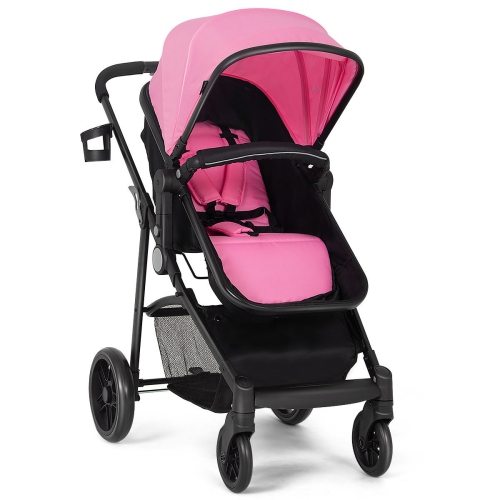
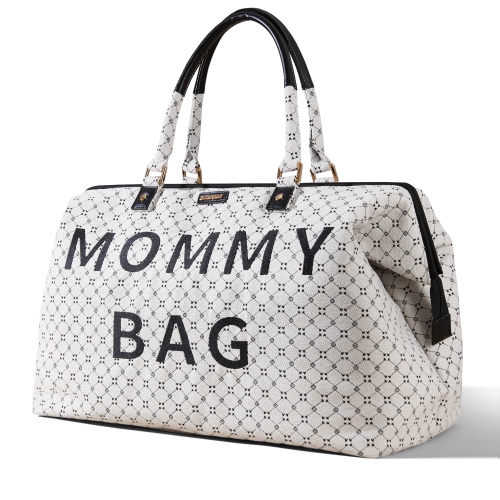
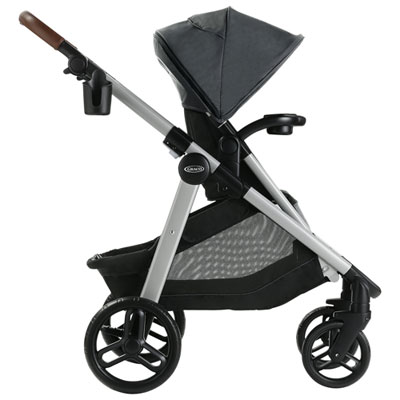
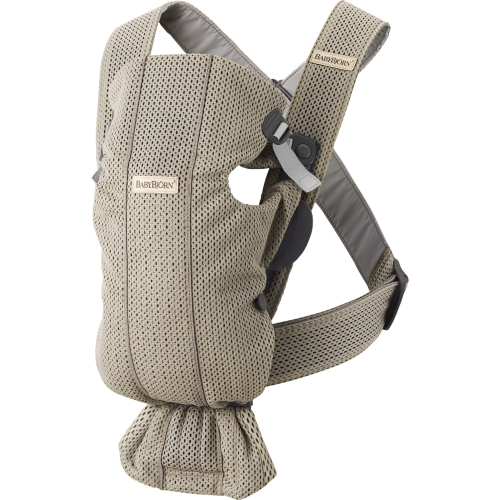
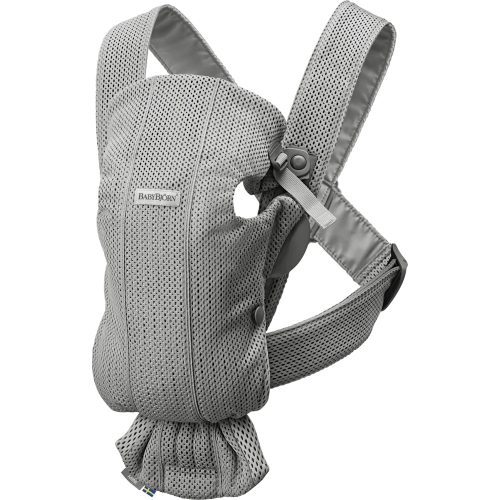
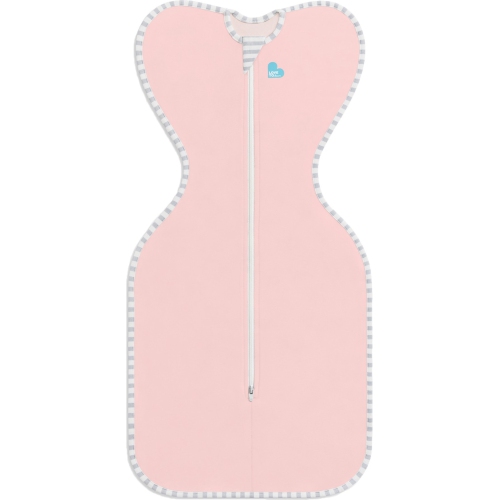
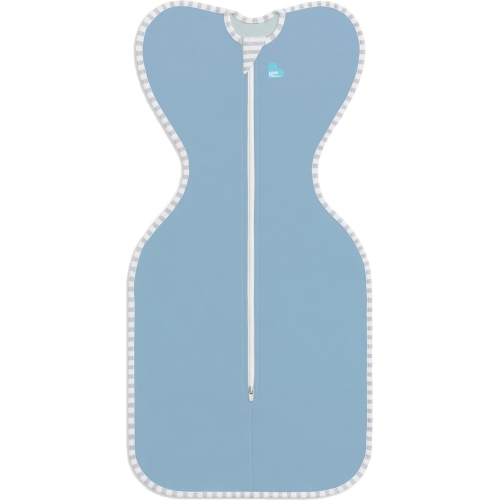
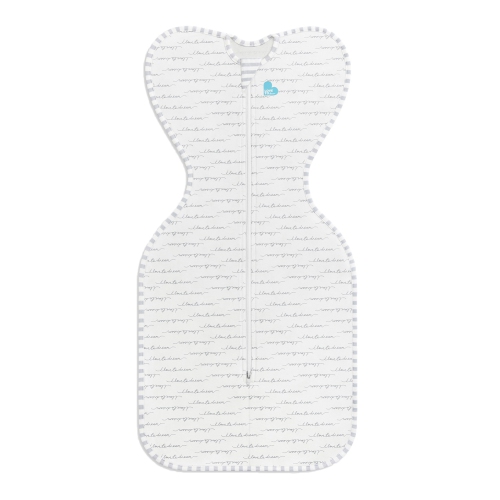
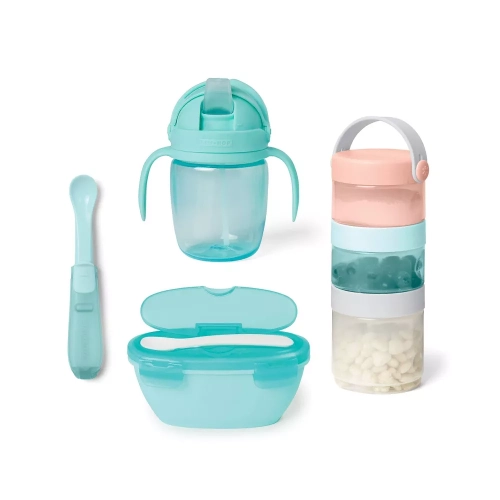
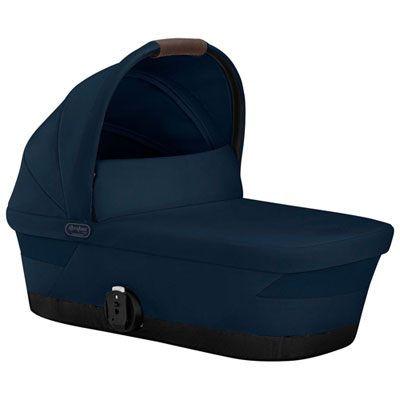
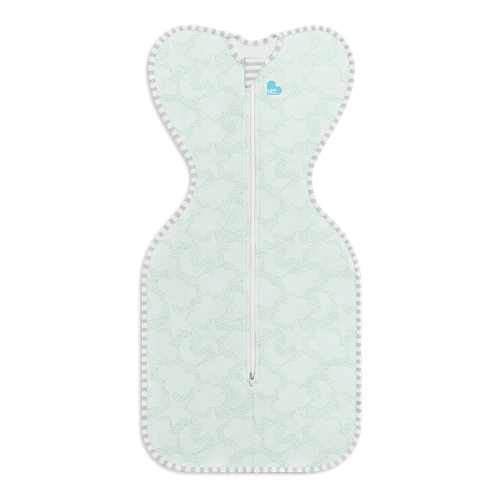
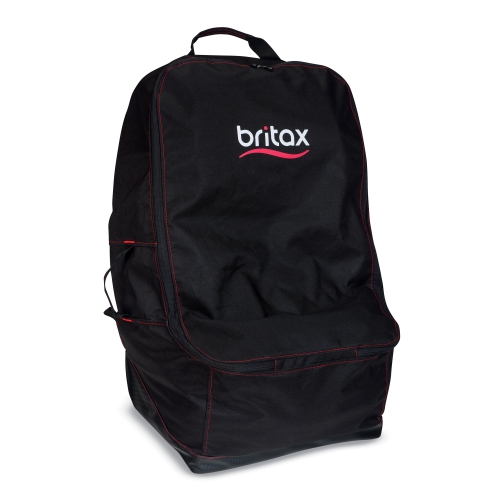
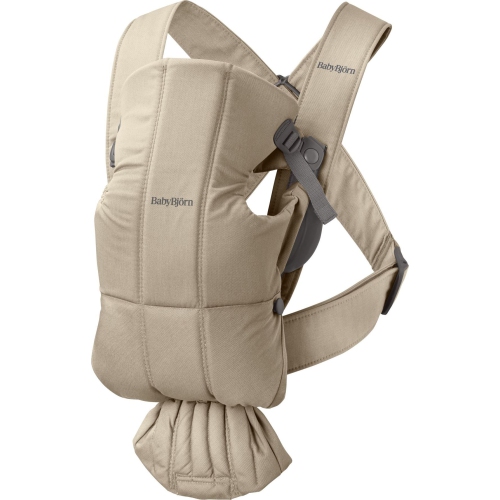
Safe transport, restful sleep, and simpler care on the go
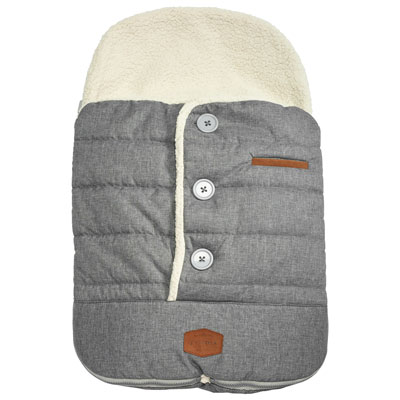
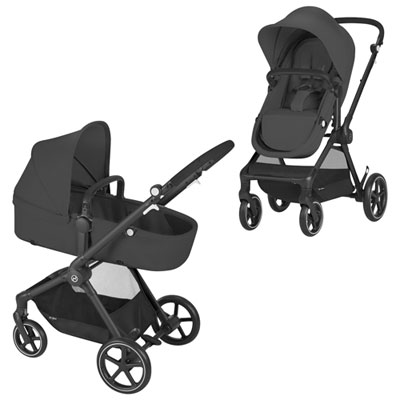
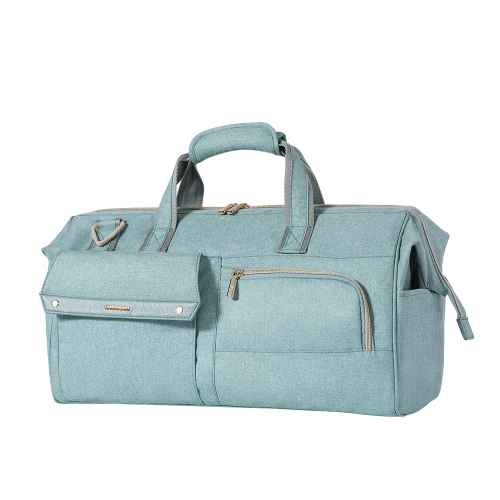
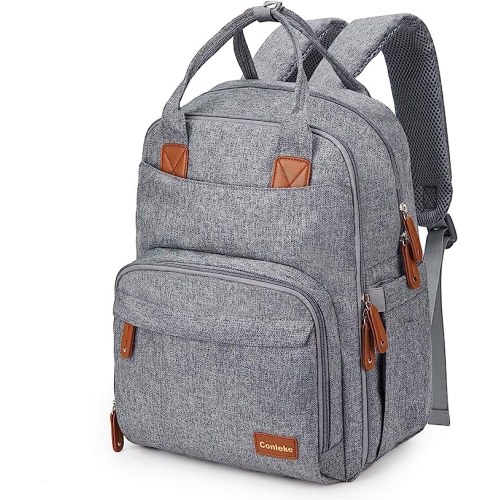
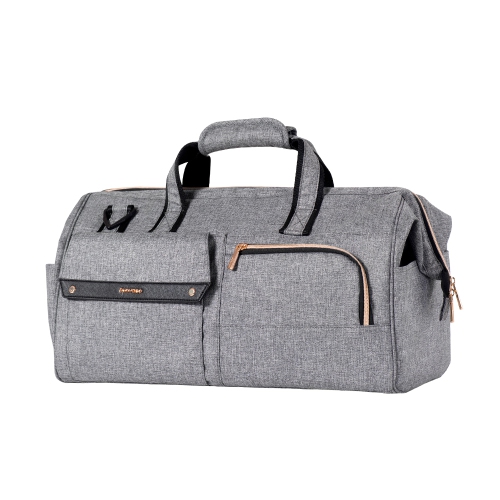
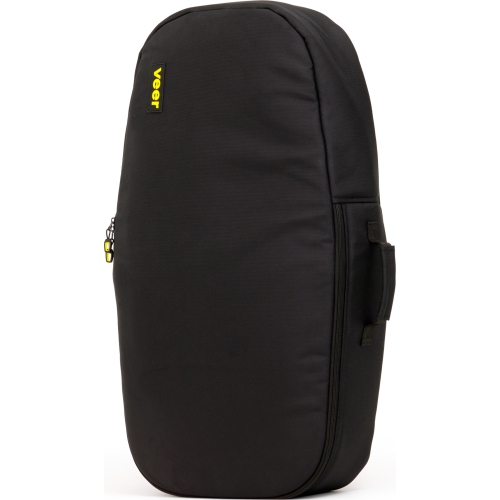
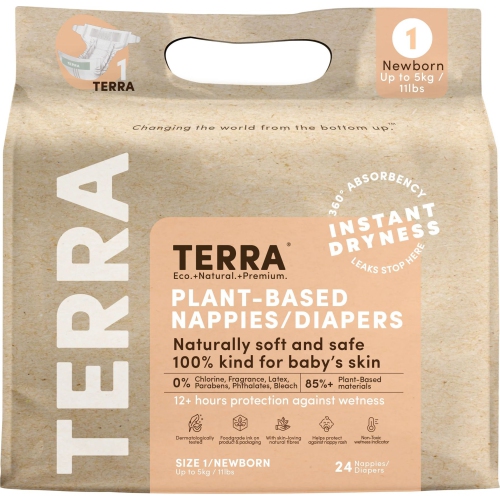
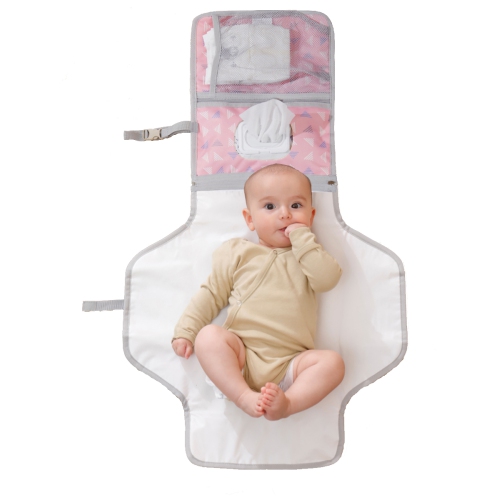
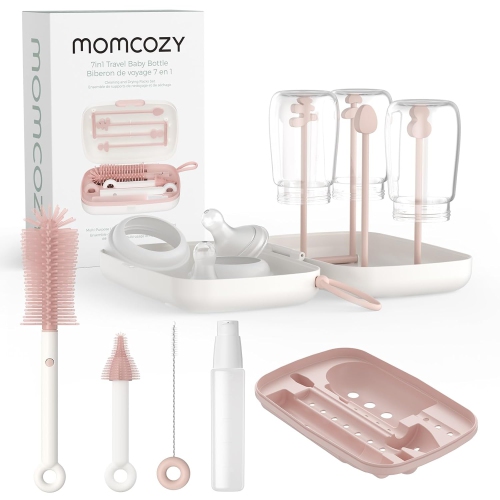
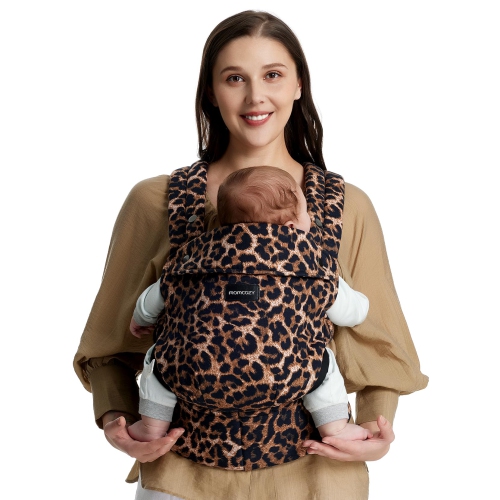
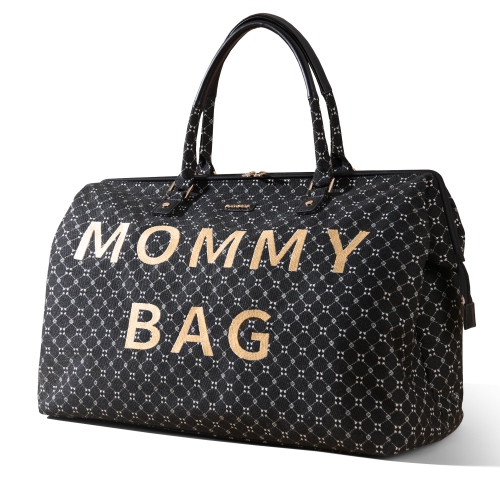
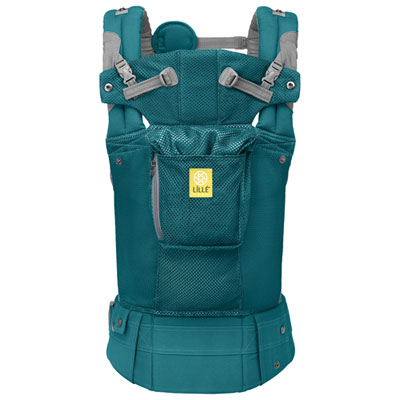
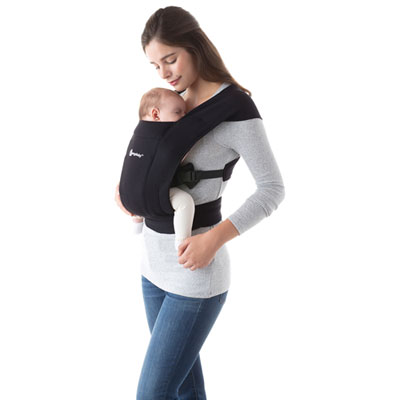
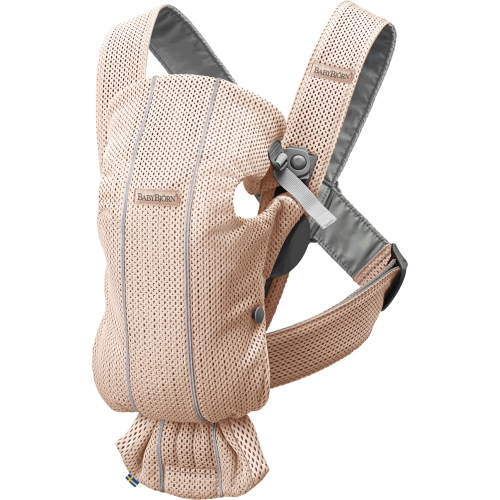
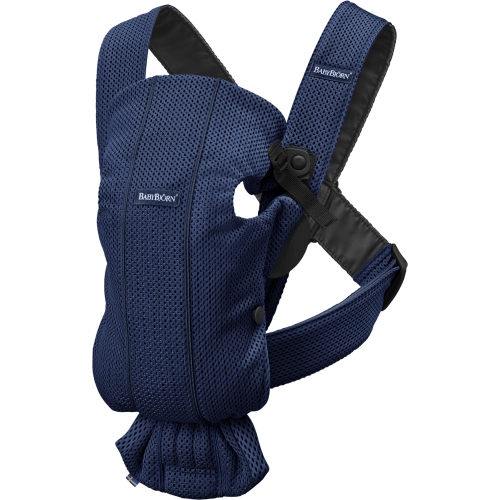
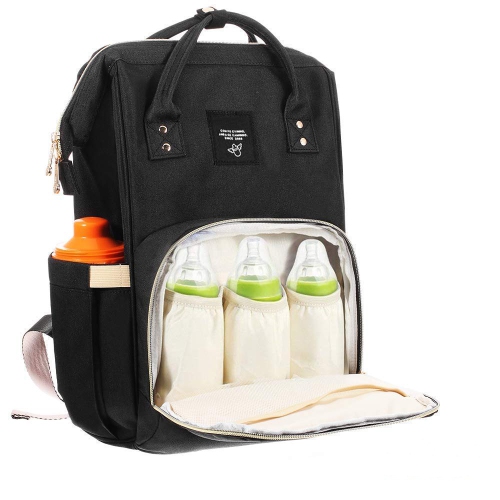
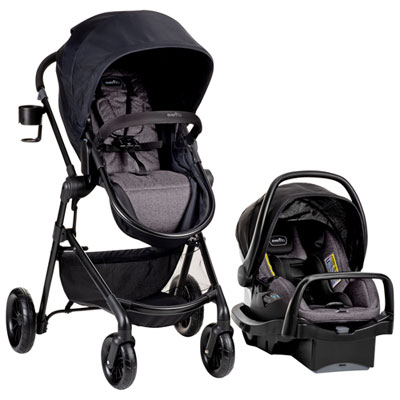
Travelling with a newborn is easier when the essentials are organised around three everyday needs: safe transportation, comfortable rest, and simple care wherever the journey leads. A properly fitted infant car seat is the starting point for road trips, taxi rides, and transfers between the airport and your destination. Choose one that is appropriate for a newborn’s size and weight, compatible with your vehicle, and approved for use in Canada. Families flying should confirm the airline’s requirements before departure, including whether the car seat may be used in the aircraft cabin and how it must be labelled or installed. A lightweight stroller can make airports, pavements, and hotel corridors easier to navigate, especially when it accommodates an infant car seat or offers a suitable fully reclined position for a young baby. For hands-free movement through busy spaces, an ergonomic baby carrier can keep a newborn close while leaving both hands available for luggage, documents, or an older child. Look for adjustable support that keeps the baby’s face visible, airway clear, and hips positioned comfortably, and practise using it at home before a longer outing. A well-organised diaper bag or backpack is equally useful for short visits and extended travel. Separate compartments help keep nappies, wipes, spare clothing, feeding supplies, and personal items within reach, while an insulated section can help carry bottles or expressed milk according to recommended storage guidance. A foldable, waterproof changing pad creates a cleaner, more convenient surface in a public washroom, vehicle, or guest room, and a small pouch for used clothing or soiled items keeps the rest of the bag organised. Newborns can go through several outfit changes in a day, particularly when travelling, so pack extra bodysuits, sleepers, socks, hats, bibs, and burp cloths in an accessible compartment rather than burying them beneath larger items. Soft layers are practical as the weather warms or turns cooler, since they can be added or removed without overheating the baby. A sunshade, wind cover, or other weather-appropriate stroller accessory may add comfort outdoors, but it should never block ventilation or be draped over a stroller in a way that traps heat. During cooler months, use clothing layers and purpose-designed covers rather than bulky garments beneath car-seat harness straps, which need to lie snugly against the baby’s body.
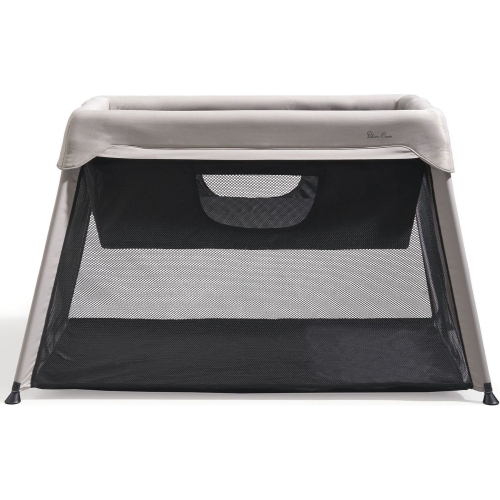
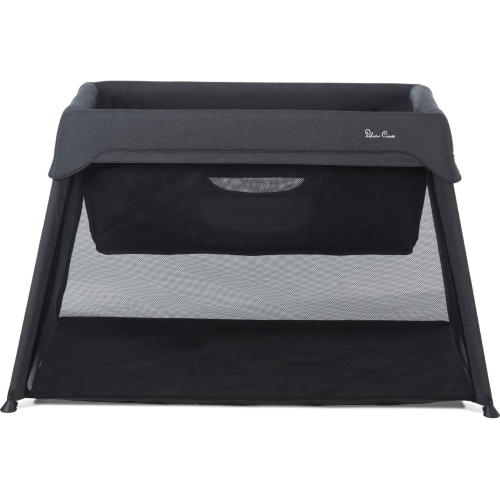
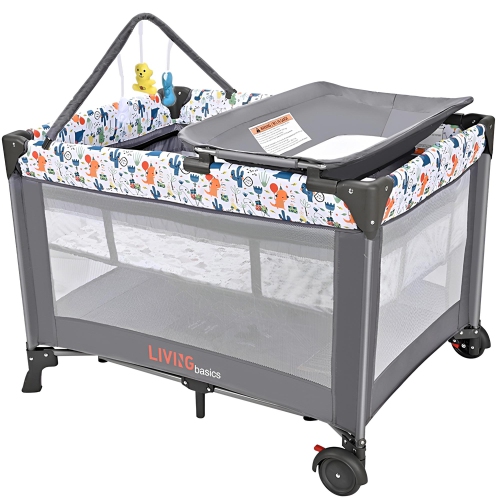
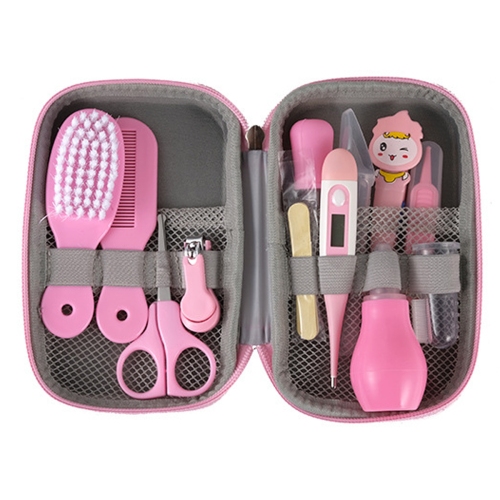
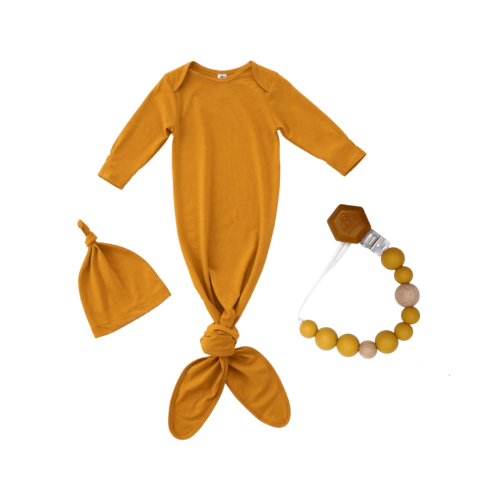
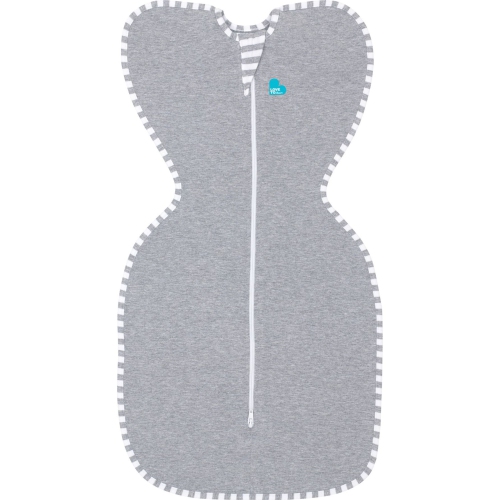
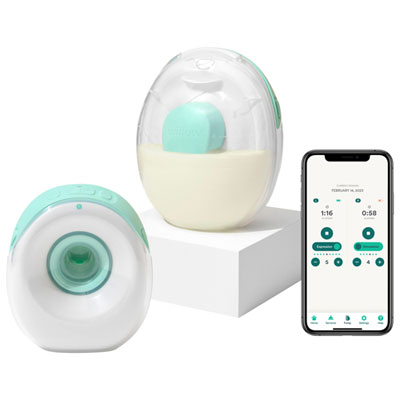
A familiar and suitable place to rest can make an unfamiliar destination feel more manageable for both baby and parent. A portable bassinet or lightweight play yard may be useful for visits with family, hotel stays, and road trips, provided it is designed and approved for infant sleep and used exactly as directed. The sleep surface should be firm, flat, and free of pillows, stuffed toys, and loose bedding; check the manufacturer’s instructions each time the product is assembled, folded, or moved. A travel sleep space is not a substitute for a car seat during travel, and an infant should be moved to an appropriate flat sleep surface when practical after arriving at a destination. Familiar swaddles or sleep clothing can help maintain a comforting routine, while a compact white noise machine may soften unfamiliar sounds such as hotel doors, traffic, or conversation in the next room. Keep sound at a low, comfortable level and position the device away from the baby’s sleep space. Feeding on the move also benefits from advance planning. Depending on the family’s routine, useful supplies may include bottles, nipples, formula-measuring accessories, expressed-milk storage containers, a portable breast pump, nursing covers, and a compact drying rack or cleaning kit. Pack more feeding supplies than the exact number of expected feeds, allowing for delays, spills, and changes in appetite. Bottles and pump parts should be cleaned and stored according to the manufacturer’s directions, with safe water and suitable facilities considered before leaving home. Burp cloths and bibs are small but valuable additions; keeping several in the stroller basket, carrier bag, and diaper bag means one messy feed does not disrupt the entire day. A compact infant health and care kit can also provide reassurance while away from home. Depending on advice from a healthcare professional, families may include an infant thermometer, nasal aspirator, saline drops, nail-care tools, and a small supply of familiar skin-care products. Medication should only be packed and used according to instructions from a doctor or pharmacist, and parents should know where to find medical care at their destination. Keeping emergency contact details, health information, and feeding notes together can be helpful when routines are interrupted.
Newborn travel essentials are useful for many kinds of families, from parents taking their first weekend drive to grandparents preparing a welcoming space for visits. They can also make thoughtful gifts for a baby shower, a new parent, or a family preparing for its first holiday away from home. Gift-givers may want to focus on practical items that support a complete travel routine rather than choosing something that depends on a baby’s exact age, clothing size, or feeding method. A changing pad, hands-free bag, burp cloths, spare storage pouches, or a compact white noise machine can suit many households, while larger items such as a stroller, car seat, carrier, or portable sleep space are best selected with the parents so fit, compatibility, safety requirements, and return options are clear. Before setting out, make a simple packing system: place items needed during the journey at the top, prepare one change of clothes and one feeding set in an easy-to-reach pouch, and keep documents, keys, and personal essentials in a separate compartment. For car travel, secure luggage so it cannot shift, check the harness fit, and allow regular stops for feeding, changing, and comforting rather than relying on a fixed timetable. For air or train travel, a carrier, compact bag, and spare layers can be especially helpful in crowded terminals and changing temperatures. At the destination, identify a safe sleep area, washing facilities, food-storage options, and nearby medical services before the first full day begins. Travel with a newborn rarely follows a perfect schedule: a quiet pause in a shaded spot, a clean sleeper after an unexpected leak, or a familiar soothing sound can make a noticeable difference. Thoughtful preparation keeps the focus on responding to the baby’s needs while giving parents the flexibility to enjoy time with family, explore new surroundings, and settle into each journey with greater confidence. Families preparing for the parent’s own recovery and daily routines may also find useful additions in New Mom Essentials.
A familiar and suitable place to rest can make an unfamiliar destination feel more manageable for both baby and parent. A portable bassinet or lightweight play yard may be useful for visits with family, hotel stays, and road trips, provided it is designed and approved for infant sleep and used exactly as directed. The sleep surface should be firm, flat, and free of pillows, stuffed toys, and loose bedding; check the manufacturer’s instructions each time the product is assembled, folded, or moved. A travel sleep space is not a substitute for a car seat during travel, and an infant should be moved to an appropriate flat sleep surface when practical after arriving at a destination. Familiar swaddles or sleep clothing can help maintain a comforting routine, while a compact white noise machine may soften unfamiliar sounds such as hotel doors, traffic, or conversation in the next room. Keep sound at a low, comfortable level and position the device away from the baby’s sleep space. Feeding on the move also benefits from advance planning. Depending on the family’s routine, useful supplies may include bottles, nipples, formula-measuring accessories, expressed-milk storage containers, a portable breast pump, nursing covers, and a compact drying rack or cleaning kit. Pack more feeding supplies than the exact number of expected feeds, allowing for delays, spills, and changes in appetite. Bottles and pump parts should be cleaned and stored according to the manufacturer’s directions, with safe water and suitable facilities considered before leaving home. Burp cloths and bibs are small but valuable additions; keeping several in the stroller basket, carrier bag, and diaper bag means one messy feed does not disrupt the entire day. A compact infant health and care kit can also provide reassurance while away from home. Depending on advice from a healthcare professional, families may include an infant thermometer, nasal aspirator, saline drops, nail-care tools, and a small supply of familiar skin-care products. Medication should only be packed and used according to instructions from a doctor or pharmacist, and parents should know where to find medical care at their destination. Keeping emergency contact details, health information, and feeding notes together can be helpful when routines are interrupted.
Newborn travel essentials are useful for many kinds of families, from parents taking their first weekend drive to grandparents preparing a welcoming space for visits. They can also make thoughtful gifts for a baby shower, a new parent, or a family preparing for its first holiday away from home. Gift-givers may want to focus on practical items that support a complete travel routine rather than choosing something that depends on a baby’s exact age, clothing size, or feeding method. A changing pad, hands-free bag, burp cloths, spare storage pouches, or a compact white noise machine can suit many households, while larger items such as a stroller, car seat, carrier, or portable sleep space are best selected with the parents so fit, compatibility, safety requirements, and return options are clear. Before setting out, make a simple packing system: place items needed during the journey at the top, prepare one change of clothes and one feeding set in an easy-to-reach pouch, and keep documents, keys, and personal essentials in a separate compartment. For car travel, secure luggage so it cannot shift, check the harness fit, and allow regular stops for feeding, changing, and comforting rather than relying on a fixed timetable. For air or train travel, a carrier, compact bag, and spare layers can be especially helpful in crowded terminals and changing temperatures. At the destination, identify a safe sleep area, washing facilities, food-storage options, and nearby medical services before the first full day begins. Travel with a newborn rarely follows a perfect schedule: a quiet pause in a shaded spot, a clean sleeper after an unexpected leak, or a familiar soothing sound can make a noticeable difference. Thoughtful preparation keeps the focus on responding to the baby’s needs while giving parents the flexibility to enjoy time with family, explore new surroundings, and settle into each journey with greater confidence. Families preparing for the parent’s own recovery and daily routines may also find useful additions in New Mom Essentials.
Top selling and popular products
-
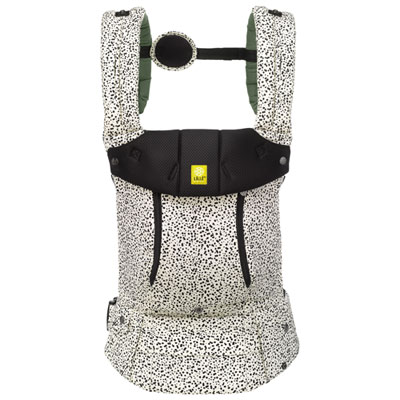 Your price for this item is $129.99
 -
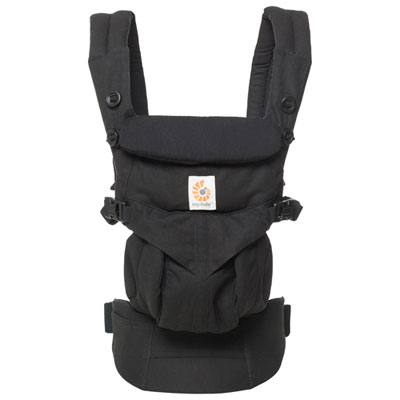 Your price for this item is $233.99
 -
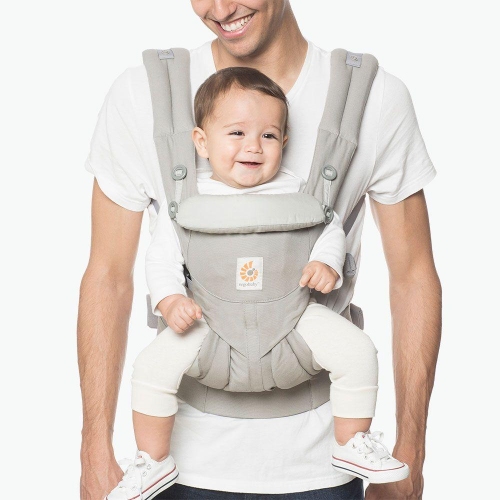 Your price for this item is $189
 -
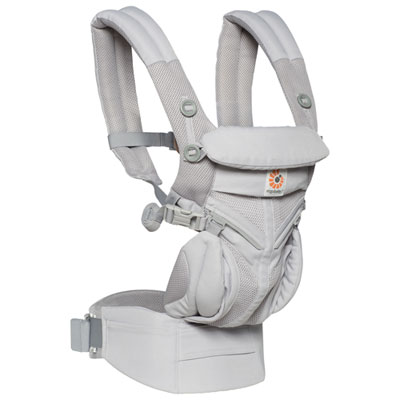 Your price for this item is $233.99
 -
 Your price for this item is $99.99
 -
 Your price for this item is $128.99
 -
 Your price for this item is $179.99
 -
 Your price for this item is $179.99
Discover more categories related to Newborn Travel Essentials
Top Collections:
Pokemon Centers, Kindle Devices, Best Budget Office Chairs, Apple iPhones 16, Best Laptops for Writers, iPhone 15 Apple, Canon G7X Cameras, Refurbished Apple Laptops, Alarm Clock, Motorola Razr Phones
Some products may be subject to Environmental Handling Fees
(EHF) depending on your province.
Learn more about EHFs.