Newborn Essentials
Are you preparing for the arrival of your little bundle of joy? Look no further than our extensive collection of newborn essentials. From adorable clothing and cozy bedding to must-have accessories, we have everything you need to ensure a smooth transition into parenthood. Our carefully curated selection features high-quality products designed to provide comfort, convenience, and safety for your precious newborn. Whether you're a first-time parent or adding to your growing family, explore our range of newborn essentials and get ready to embark on this incredible journey with confidence.
Sort

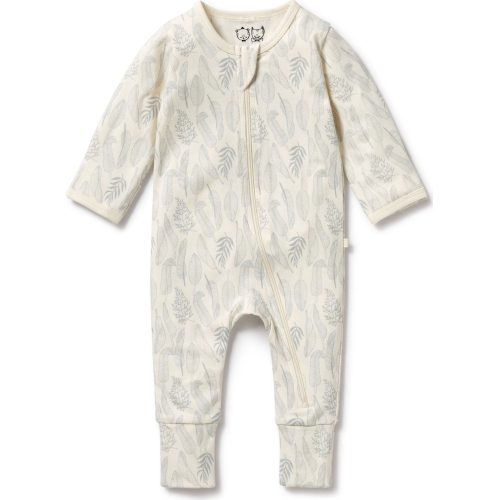
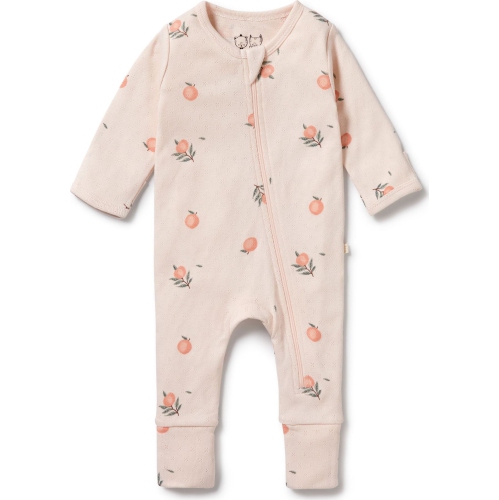
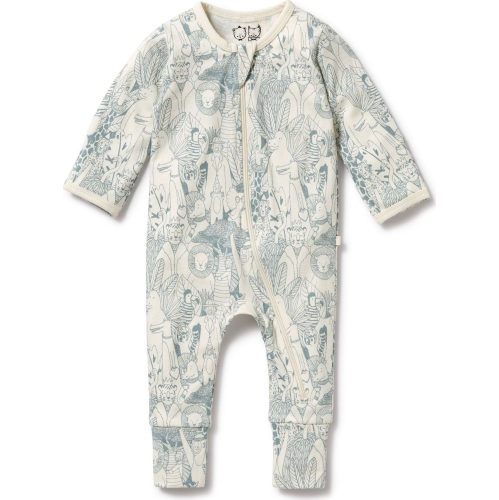
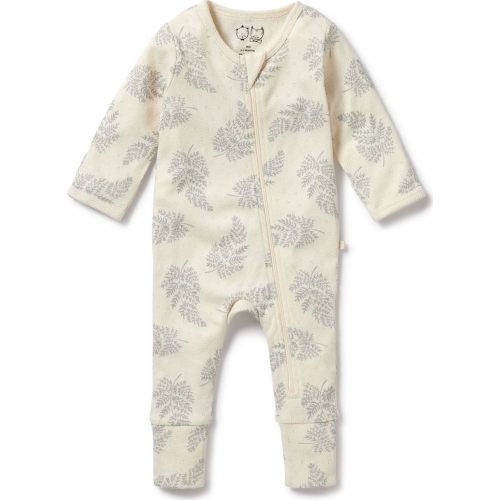
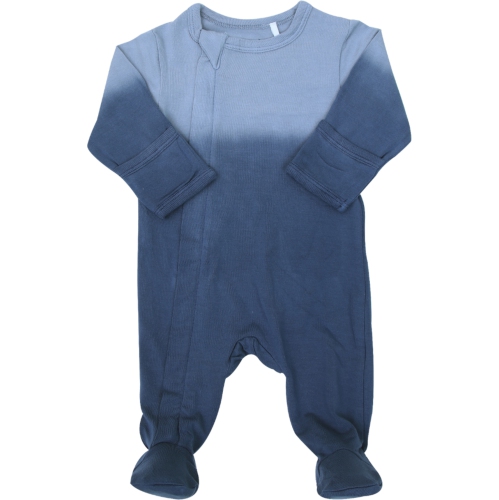
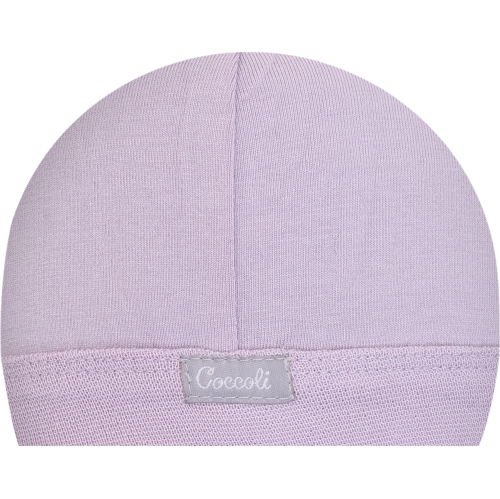
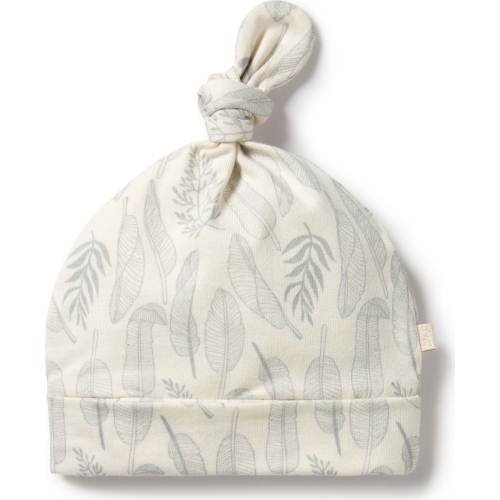
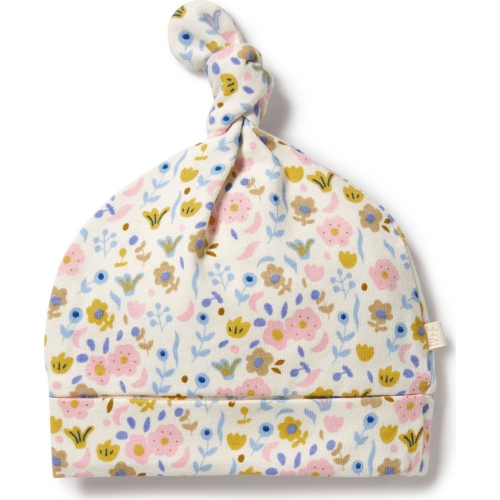
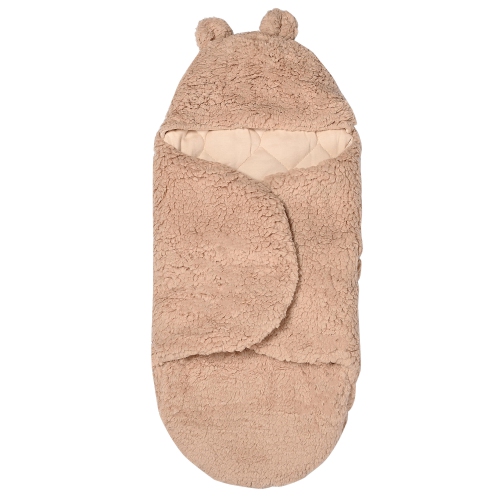
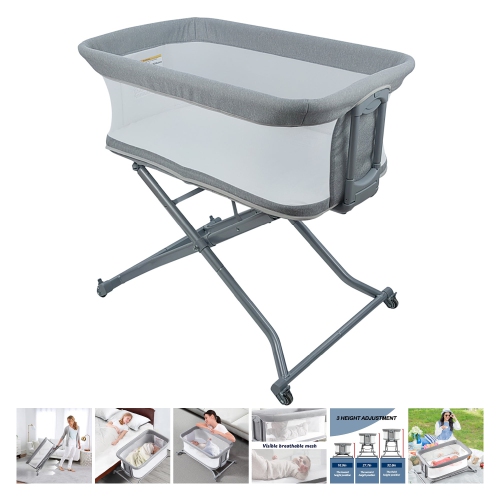
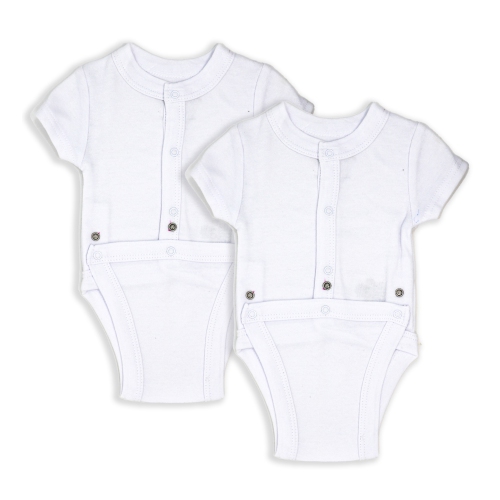
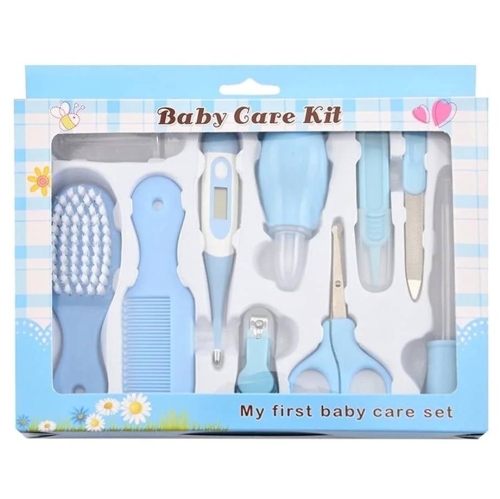
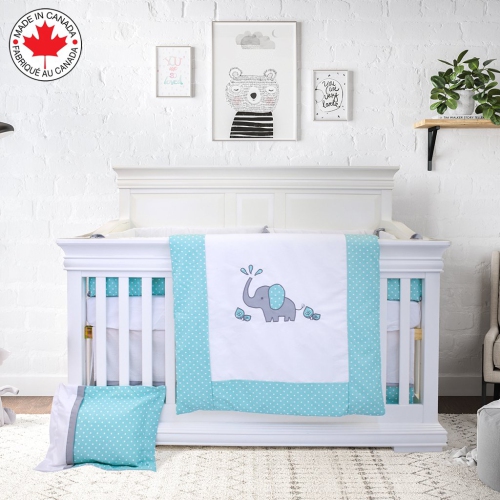
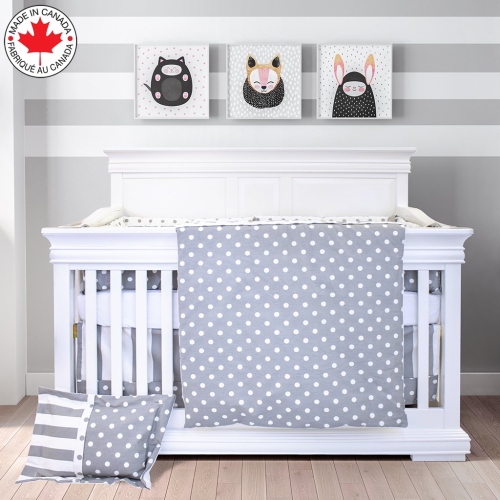
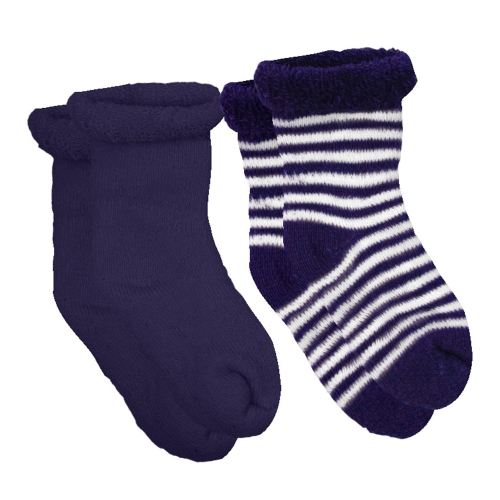

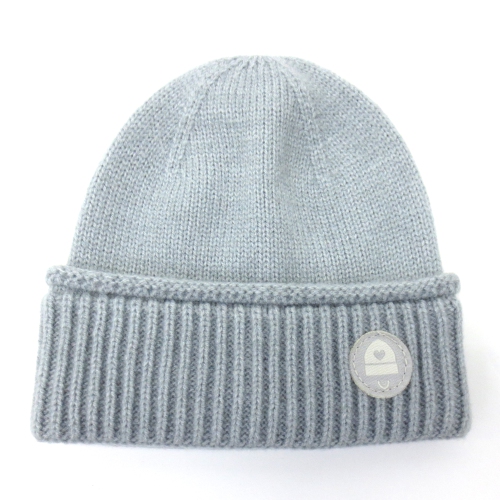
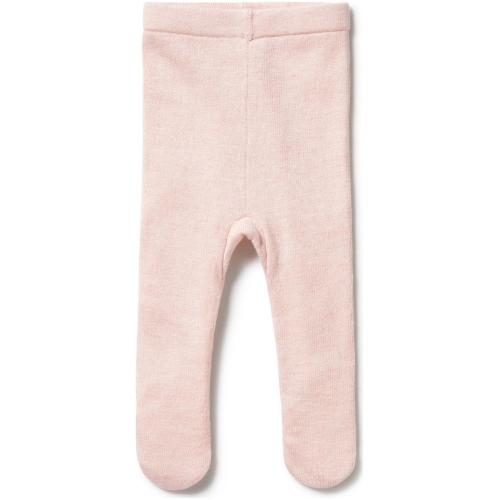
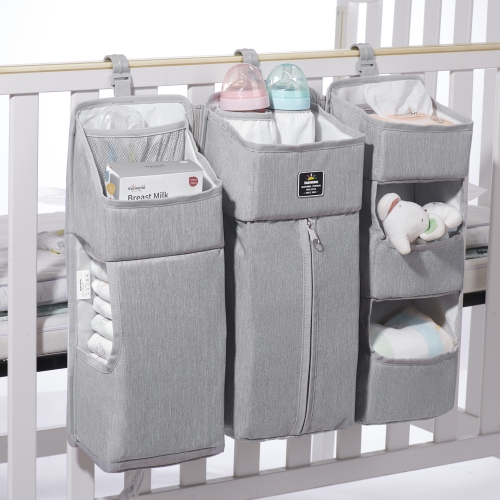
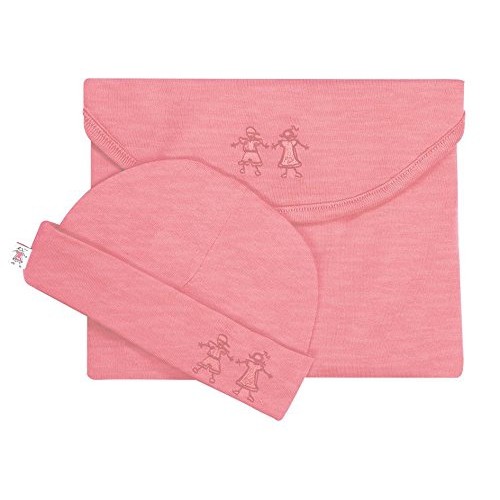
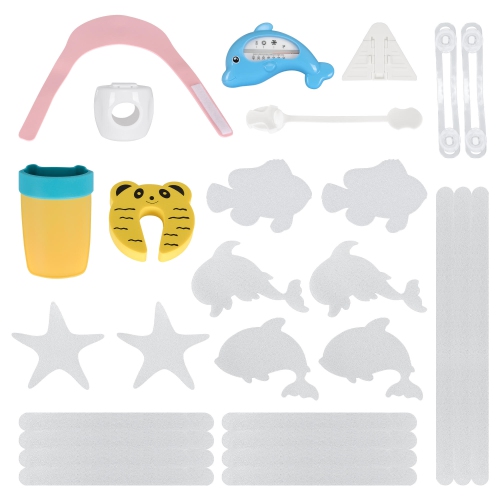
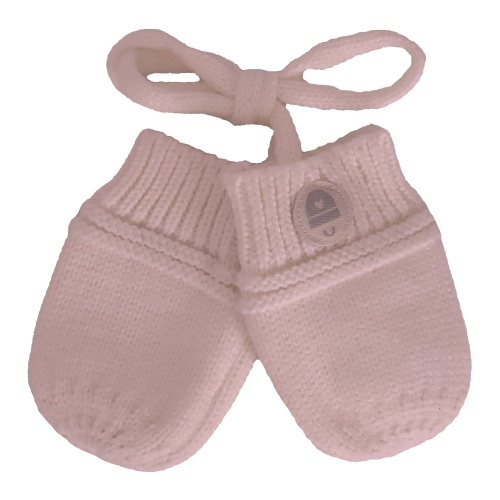
Small details that ease feeding and nighttime changes
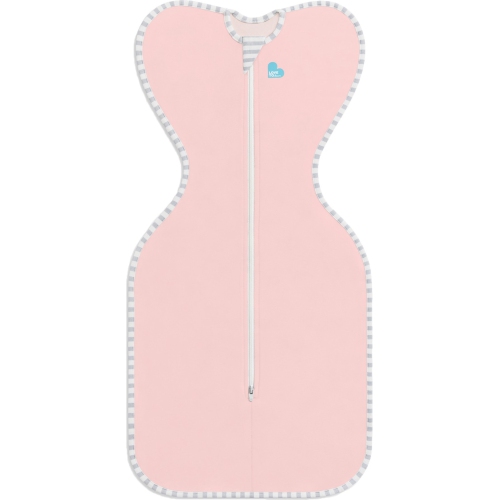
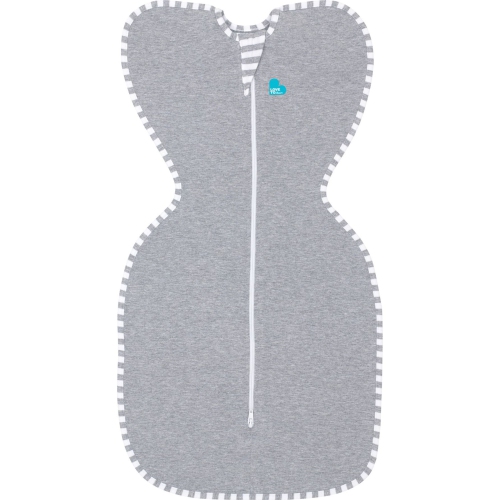
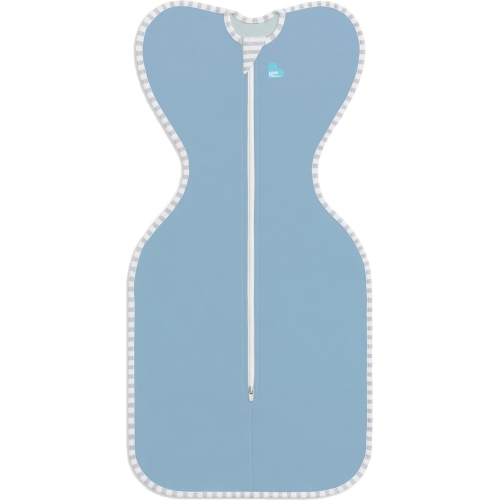
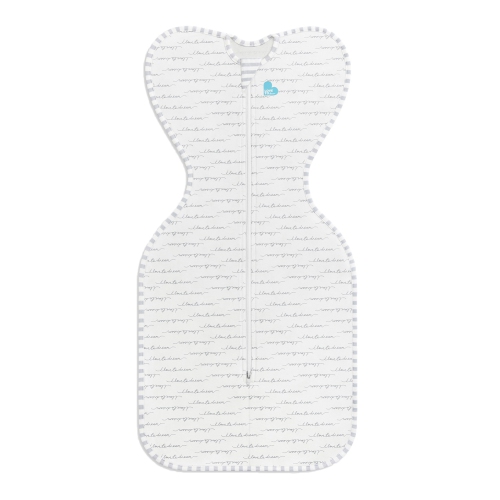
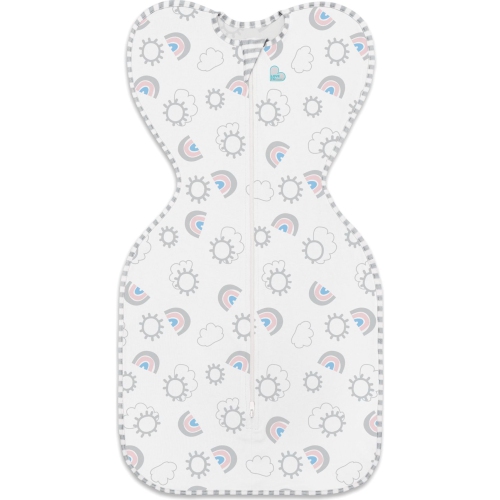
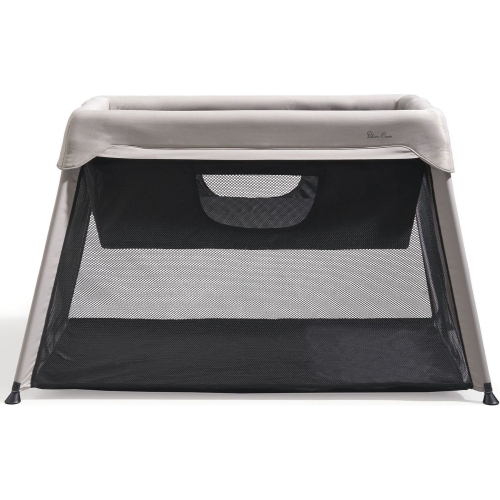
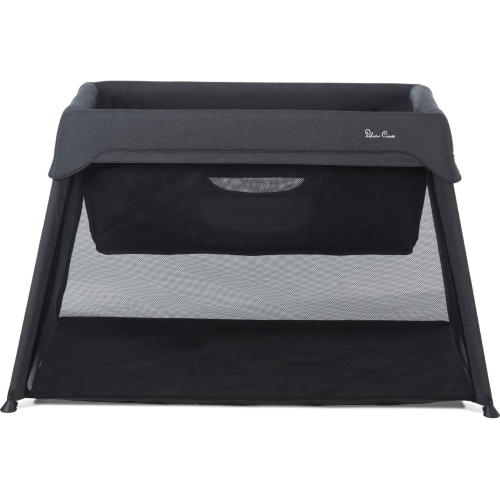
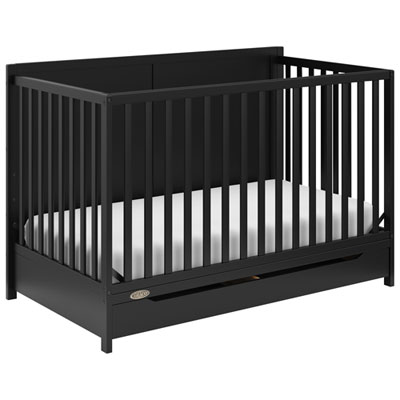
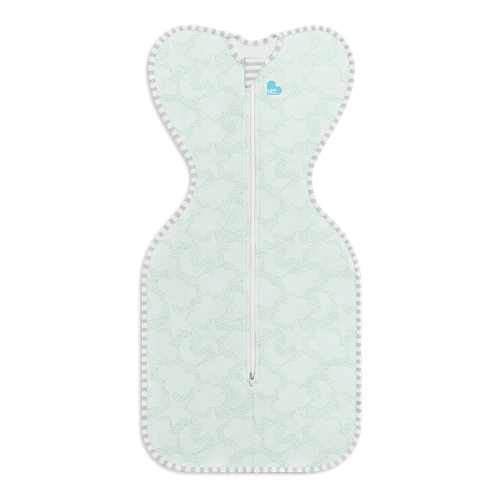
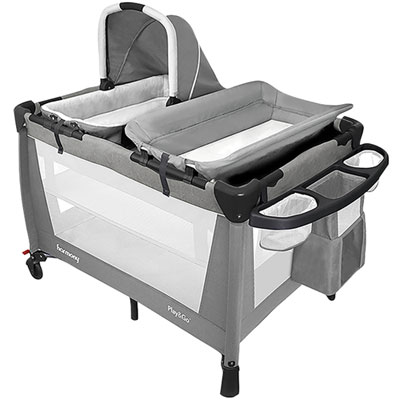
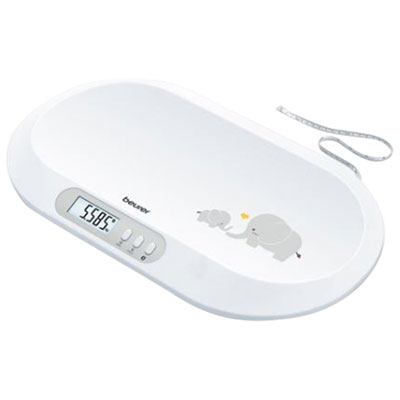
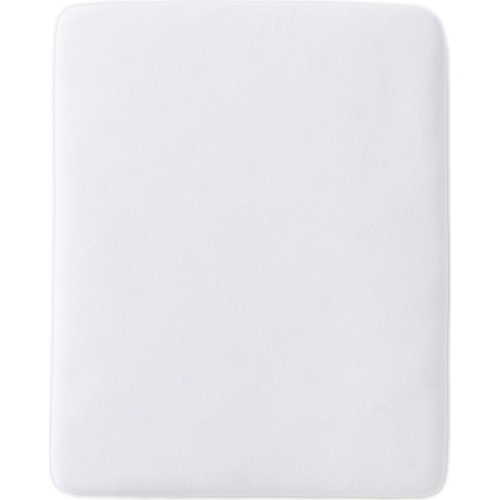
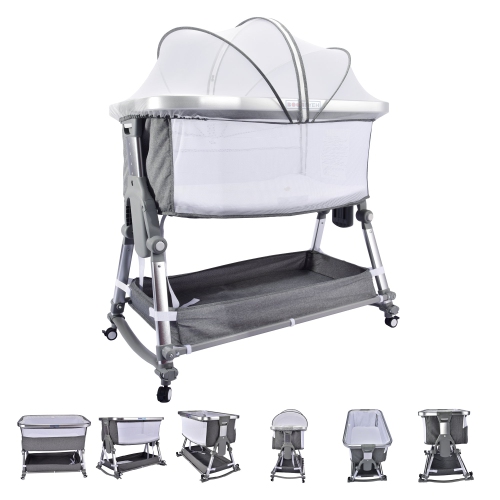
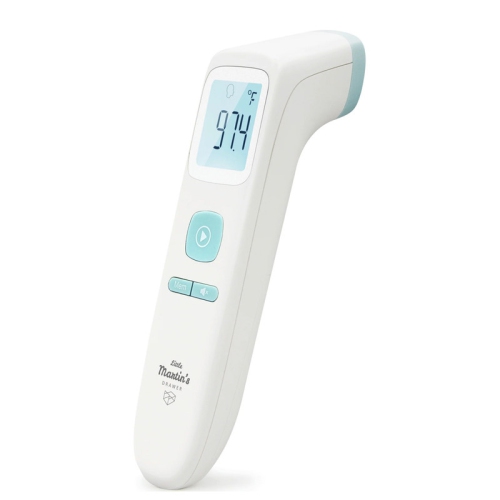
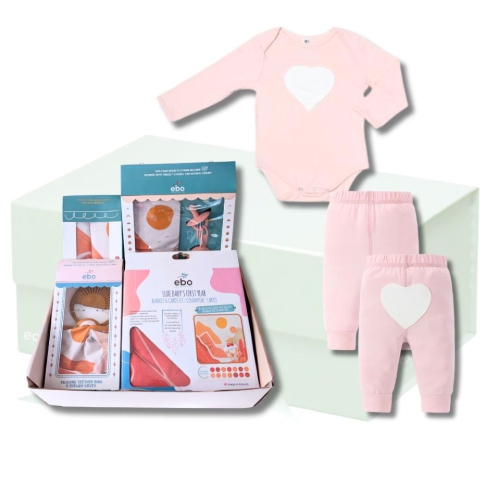
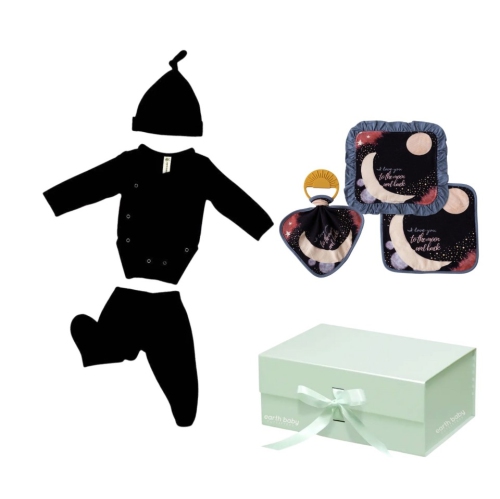
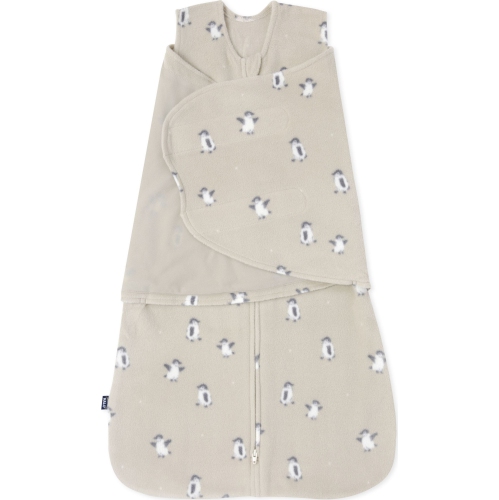
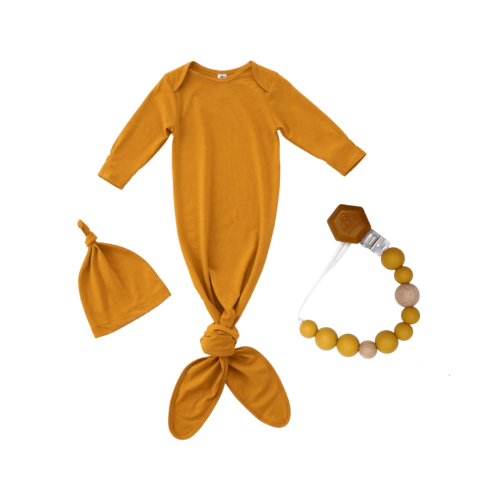
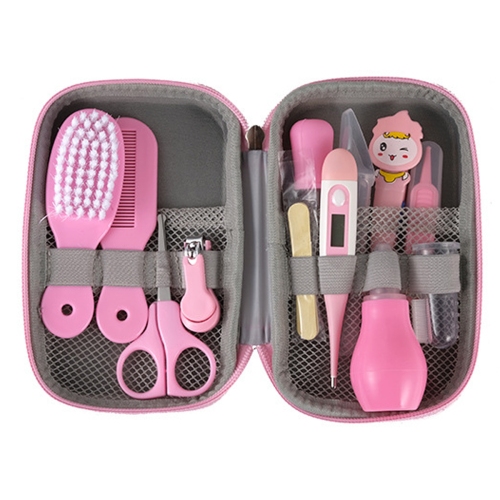
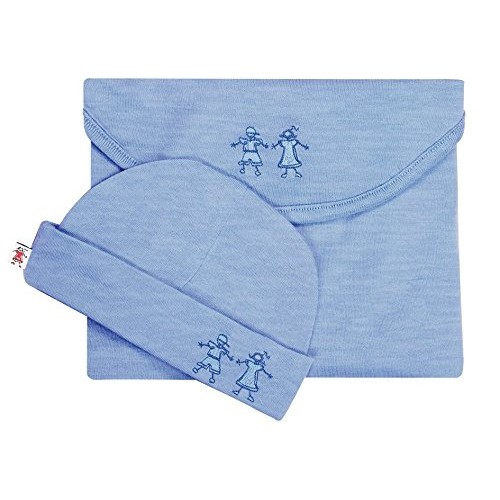
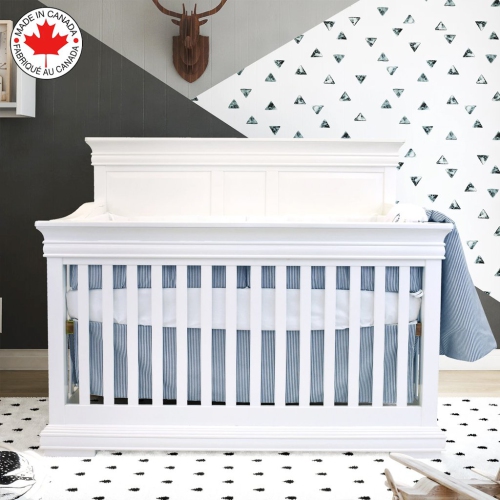
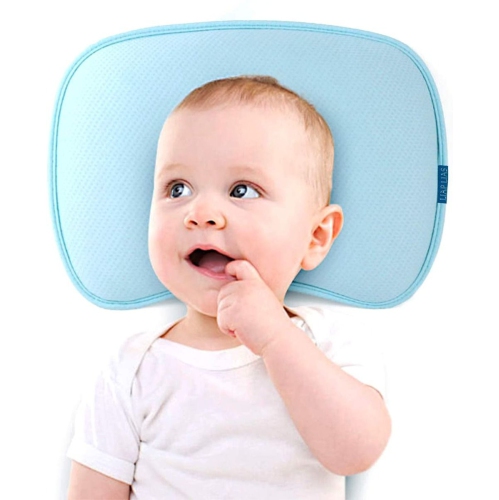
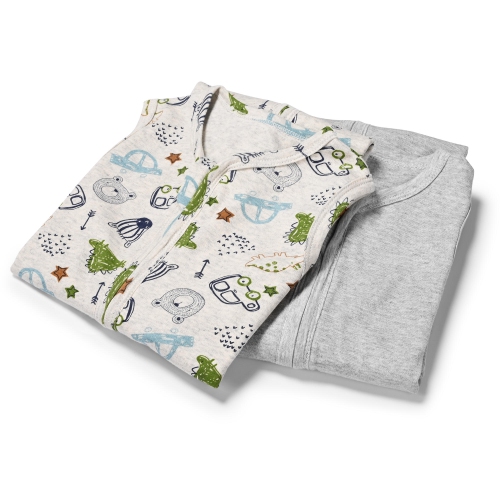
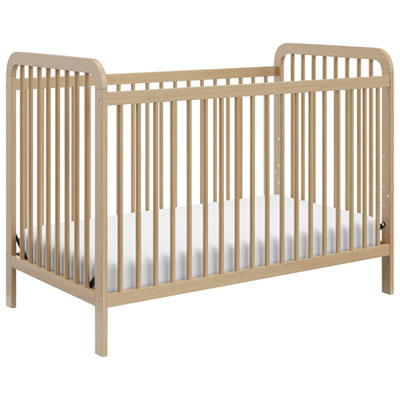
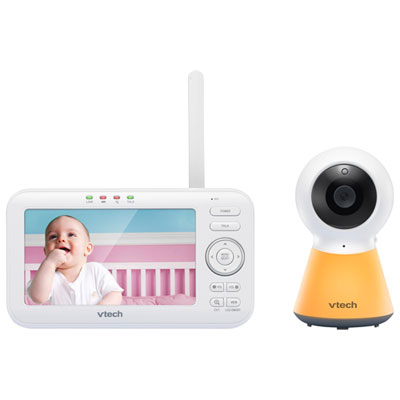
Newborn essentials are the everyday baby care basics that support feeding, diaper changes, dressing, safe sleep, and travel from the first days at home. The core categories include a crib or bassinet with a firm, flat mattress and fitted sheet, diapers and wipes, soft clothing, feeding supplies suited to the family’s routine, and a properly installed rear-facing car seat for car journeys. For parents and other caregivers, the most useful choices often solve small, repeated tasks: fastening a sleeper during a nighttime change, reaching for a clean cloth halfway through a feed, or replacing a fitted sheet without searching through a cupboard. Clothing made from soft, washable fabrics, such as cotton, can feel comfortable against delicate skin while standing up to frequent laundering. Smooth seams, accessible fastenings, and openings that make dressing easier are practical details when a baby needs support throughout every change. Fit matters more than the age printed on a label, since newborns vary in length and weight, and sizing differs across clothing ranges. A modest selection of newborn and larger sizes allows room for growth without assuming everything will fit immediately. Sleep essentials have a more specific purpose: providing a separate, uncluttered place for a baby to rest. A crib, cradle, or bassinet should meet applicable Canadian safety requirements and be used within its stated limits, with a mattress designed to fit that sleep space. Babies should be placed on their backs for every sleep, on a firm, flat surface with only a snug-fitting sheet; pillows, toys, loose blankets, and padded accessories do not belong in the sleep area. Wearable sleep clothing should fit securely around the neck and arm openings without restricting movement. A monitor may help caregivers hear or see their baby from another room, but it does not replace safe sleep practices or supervision. These foundational categories suit first-time parents preparing a nursery, families welcoming another child, and caregivers setting up a familiar space for regular visits.
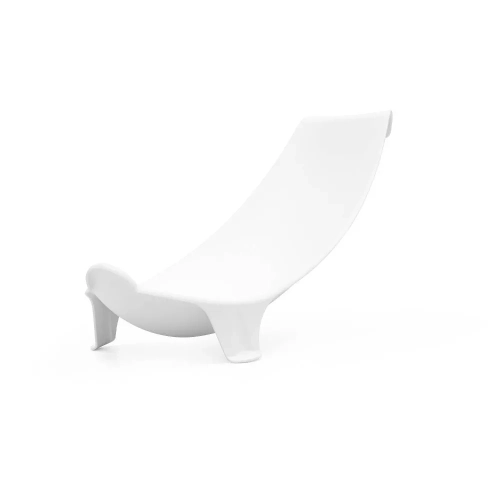
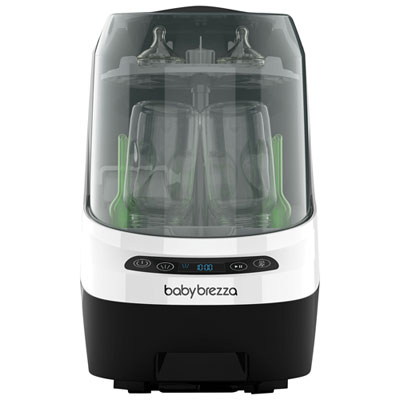
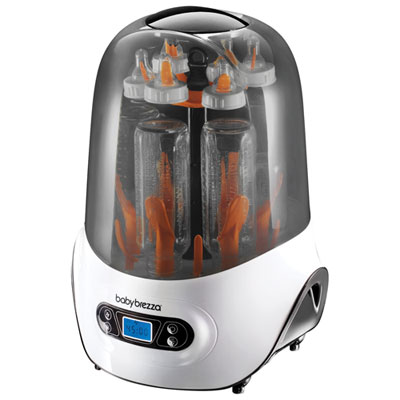
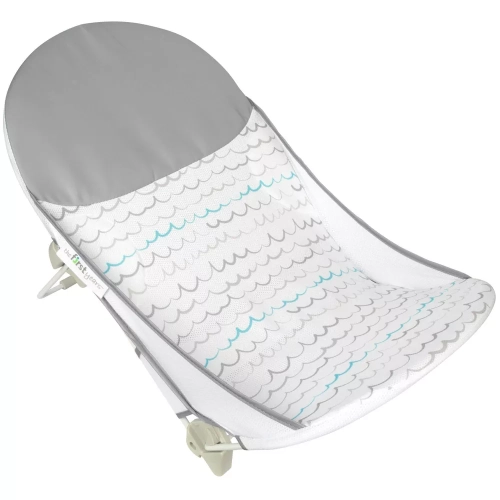
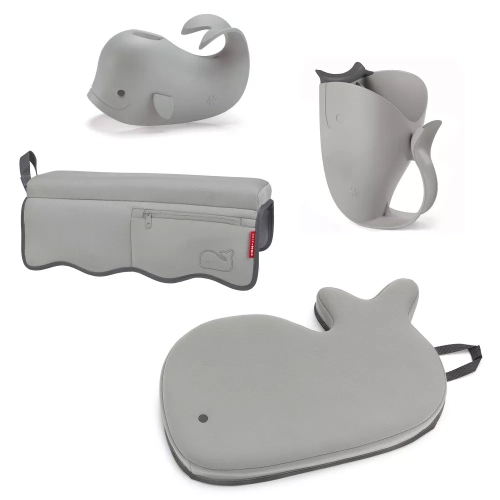
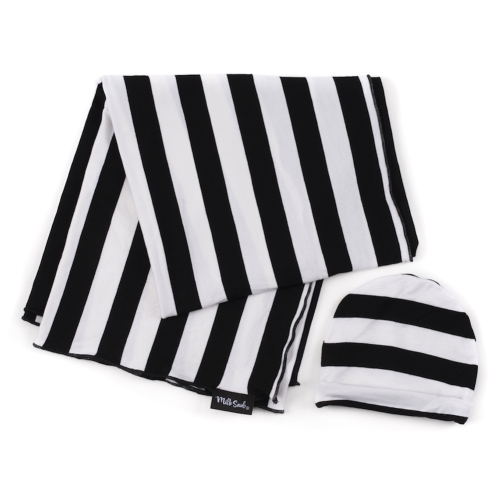
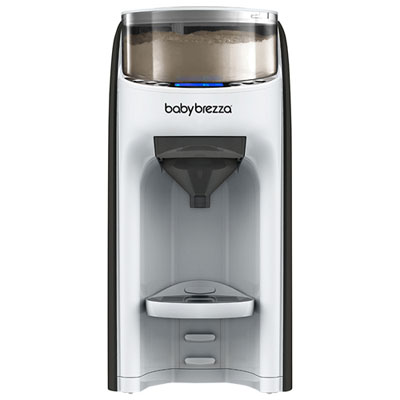
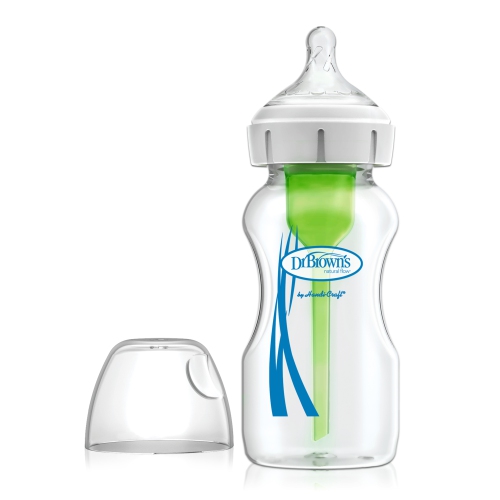
Feeding and changing essentials see frequent use, so comfort, cleaning requirements, and easy handling deserve as much attention as appearance. Feeding supplies vary with breast milk, formula, or a combination of both, and a family’s needs may change over time. Bottle shape, nipple flow, and the number of parts to wash can affect how comfortably a feeding routine fits into the day. A newborn’s feeding pace matters more than a broad age label, while clear measurement markings and components that come apart fully make preparation and cleaning more straightforward. Pumping supplies need compatible connections and correctly fitted parts, with care instructions that explain cleaning, sanitizing, and replacement. Containers intended for breast milk storage should also suit the planned storage method. Soft, absorbent cloths are useful over a caregiver’s shoulder, beneath a baby’s chin during an attended feed, or within reach when milk spills. Their value lies in absorbency and washability rather than decorative details, especially when several may pass through the laundry in a day. Diapering has a similar rhythm: fit, skin comfort, and a well-organized changing area help make a repeated task easier to manage. Diaper sizing usually follows weight ranges, but a comfortable fit around the waist and legs also matters. Cloth options bring considerations such as absorbent layers, fastening style, washing instructions, and drying time, while disposable options differ in shape and fit. Wipes and gentle cleansing supplies should be appropriate for newborn skin, particularly when fragrance or certain ingredients may cause irritation. A changing surface needs to be stable and easy to clean, with supplies close enough that a caregiver can keep a hand on the baby throughout the change. Bathing basics serve brief, hands-on routines rather than independent play: a baby bath does not replace continuous adult support and supervision. Soft washcloths, gentle cleansers, and absorbent towels can make washing and drying more comfortable. Across these categories, readable care labels, durable stitching, and surfaces that tolerate the specified cleaning method help everyday essentials remain useful through repeated use.
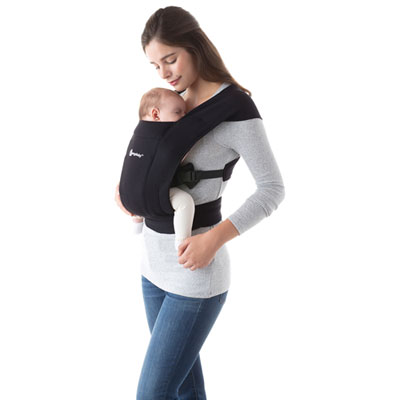
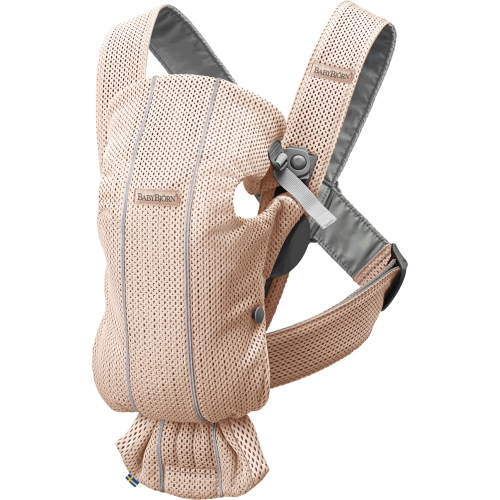
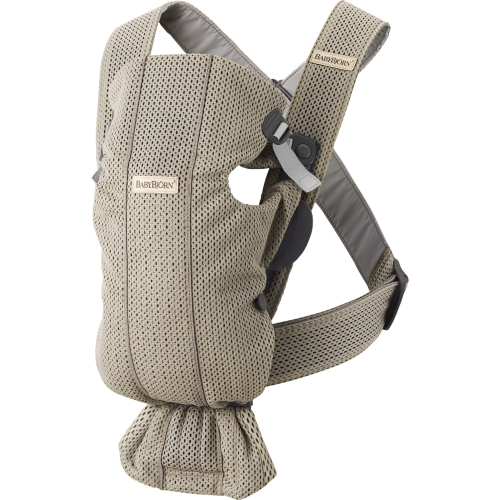
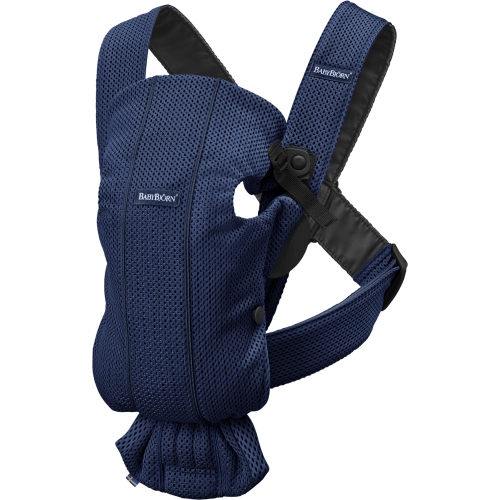
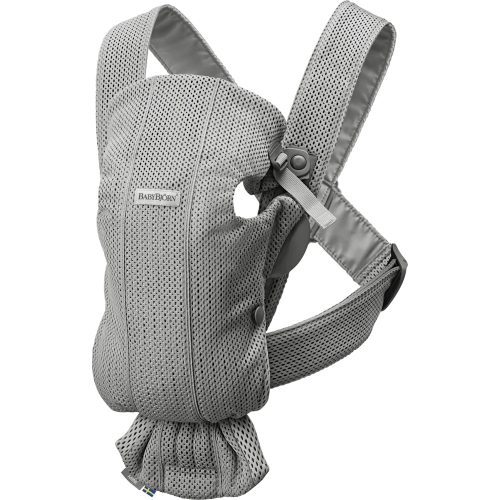
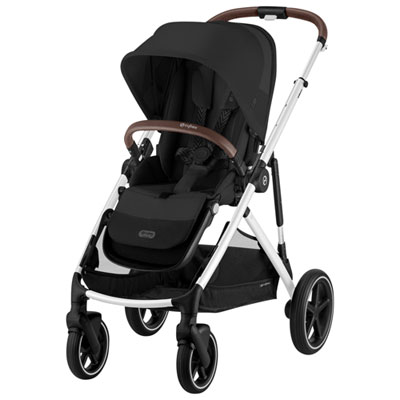
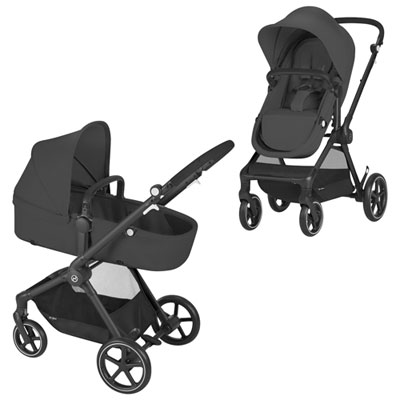
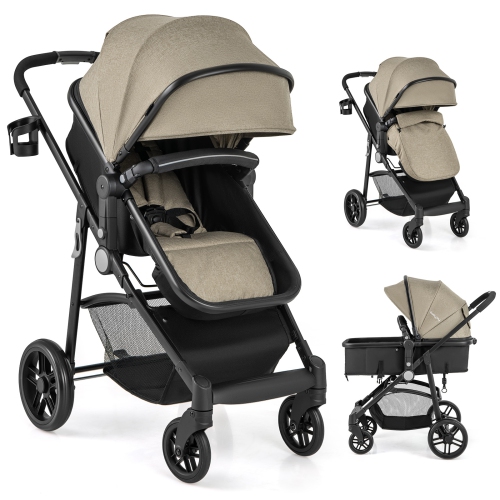
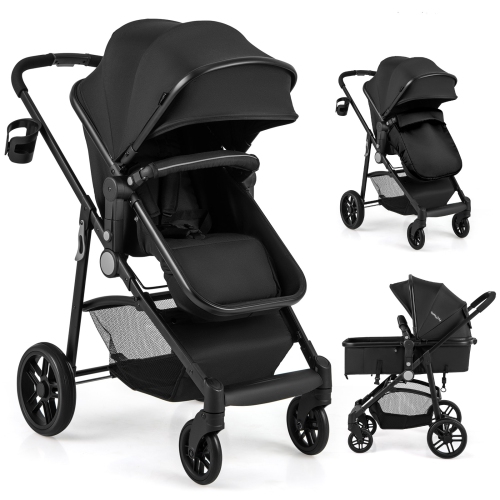
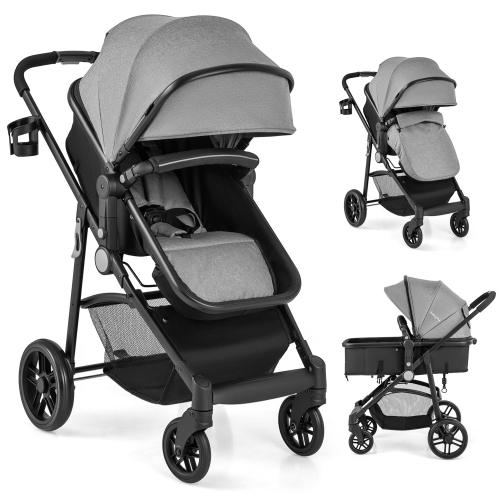
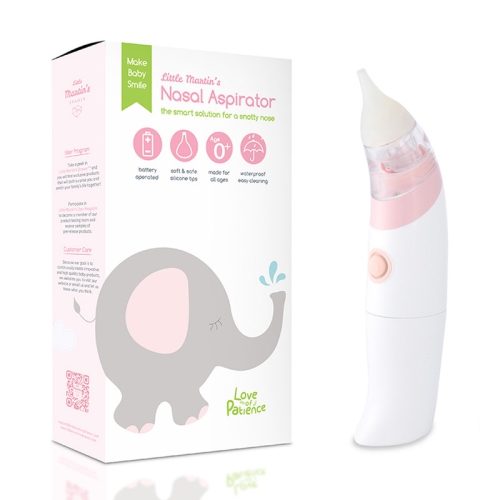
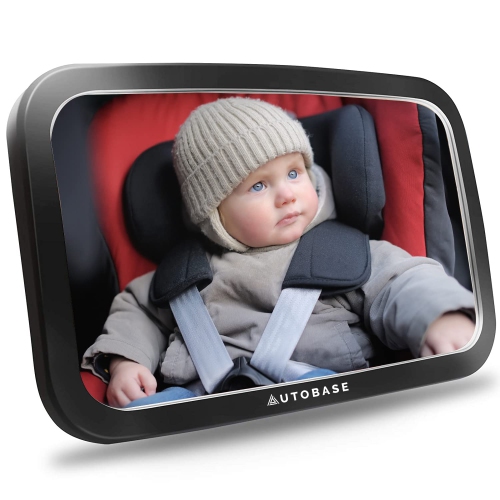
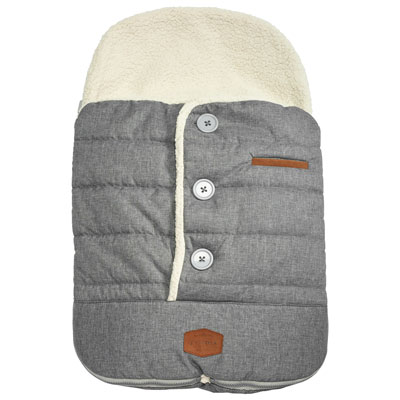
Travel and outings introduce different considerations, with newborn support, secure fit, and compatibility taking priority over extra features. A rear-facing car seat must be appropriate for the baby’s height and weight, meet Canadian requirements, and fit the vehicle when installed according to both the seat and vehicle instructions. Harness adjustment, access to the buckles, and clear installation information matter during the ordinary moments of getting a baby settled before a journey. A car seat is intended for travel, not as a substitute for a crib or bassinet after arriving home. Strollers also need an age-appropriate configuration: a seat intended for an older baby who can sit independently is not automatically suitable for a newborn. Manufacturer-approved newborn attachments or seating configurations, where specified, should be used within their stated limits. For carriers, newborn suitability includes the baby’s minimum weight, adequate head and neck support, and a position that keeps the face visible and the airway clear. Caregiver comfort matters too, particularly when more than one adult will use the same carrier or push the same stroller. Adjustable straps, an accessible storage area, a manageable folded size, and washable fabric sections can make a noticeable difference on a routine appointment or family visit. A diaper bag with a wide opening and separate compartments helps keep clean clothing apart from used cloths, while a portable changing surface provides a dedicated place for attended changes away from home. Smaller additions within Newborn Accessories can complement these daily routines when chosen for a clear purpose and checked for age suitability. For baby showers or welcome-home gifts, washable basics and practical care accessories are often easier to integrate than equipment that depends on vehicle fit, room dimensions, or parental preferences. Registry details can help gift-givers match an existing setup without duplicating its main pieces. Whether essentials are destined for a nursery, a shared bedroom, or a grandparent’s home, thoughtful choices centre on the same qualities: appropriate intended use, straightforward care, reliable construction, and a comfortable fit for the baby and the adults providing care.
Feeding and changing essentials see frequent use, so comfort, cleaning requirements, and easy handling deserve as much attention as appearance. Feeding supplies vary with breast milk, formula, or a combination of both, and a family’s needs may change over time. Bottle shape, nipple flow, and the number of parts to wash can affect how comfortably a feeding routine fits into the day. A newborn’s feeding pace matters more than a broad age label, while clear measurement markings and components that come apart fully make preparation and cleaning more straightforward. Pumping supplies need compatible connections and correctly fitted parts, with care instructions that explain cleaning, sanitizing, and replacement. Containers intended for breast milk storage should also suit the planned storage method. Soft, absorbent cloths are useful over a caregiver’s shoulder, beneath a baby’s chin during an attended feed, or within reach when milk spills. Their value lies in absorbency and washability rather than decorative details, especially when several may pass through the laundry in a day. Diapering has a similar rhythm: fit, skin comfort, and a well-organized changing area help make a repeated task easier to manage. Diaper sizing usually follows weight ranges, but a comfortable fit around the waist and legs also matters. Cloth options bring considerations such as absorbent layers, fastening style, washing instructions, and drying time, while disposable options differ in shape and fit. Wipes and gentle cleansing supplies should be appropriate for newborn skin, particularly when fragrance or certain ingredients may cause irritation. A changing surface needs to be stable and easy to clean, with supplies close enough that a caregiver can keep a hand on the baby throughout the change. Bathing basics serve brief, hands-on routines rather than independent play: a baby bath does not replace continuous adult support and supervision. Soft washcloths, gentle cleansers, and absorbent towels can make washing and drying more comfortable. Across these categories, readable care labels, durable stitching, and surfaces that tolerate the specified cleaning method help everyday essentials remain useful through repeated use.
Travel and outings introduce different considerations, with newborn support, secure fit, and compatibility taking priority over extra features. A rear-facing car seat must be appropriate for the baby’s height and weight, meet Canadian requirements, and fit the vehicle when installed according to both the seat and vehicle instructions. Harness adjustment, access to the buckles, and clear installation information matter during the ordinary moments of getting a baby settled before a journey. A car seat is intended for travel, not as a substitute for a crib or bassinet after arriving home. Strollers also need an age-appropriate configuration: a seat intended for an older baby who can sit independently is not automatically suitable for a newborn. Manufacturer-approved newborn attachments or seating configurations, where specified, should be used within their stated limits. For carriers, newborn suitability includes the baby’s minimum weight, adequate head and neck support, and a position that keeps the face visible and the airway clear. Caregiver comfort matters too, particularly when more than one adult will use the same carrier or push the same stroller. Adjustable straps, an accessible storage area, a manageable folded size, and washable fabric sections can make a noticeable difference on a routine appointment or family visit. A diaper bag with a wide opening and separate compartments helps keep clean clothing apart from used cloths, while a portable changing surface provides a dedicated place for attended changes away from home. Smaller additions within Newborn Accessories can complement these daily routines when chosen for a clear purpose and checked for age suitability. For baby showers or welcome-home gifts, washable basics and practical care accessories are often easier to integrate than equipment that depends on vehicle fit, room dimensions, or parental preferences. Registry details can help gift-givers match an existing setup without duplicating its main pieces. Whether essentials are destined for a nursery, a shared bedroom, or a grandparent’s home, thoughtful choices centre on the same qualities: appropriate intended use, straightforward care, reliable construction, and a comfortable fit for the baby and the adults providing care.
Top selling and popular products
-
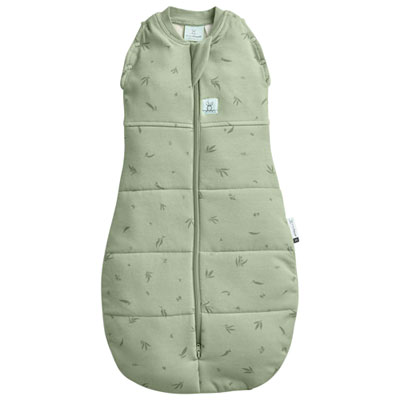 Your price for this item is $79.99
 -
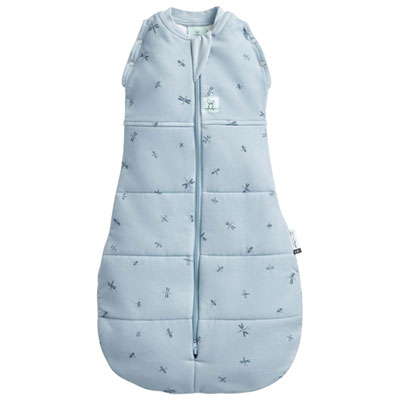 Your price for this item is $79.99
 -
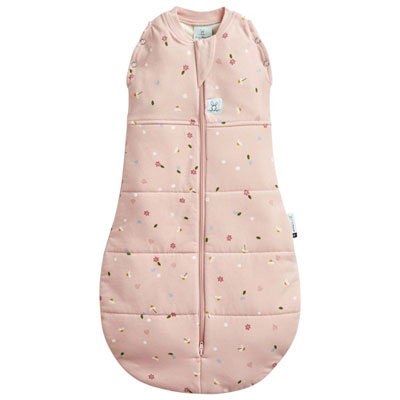 Your price for this item is $79.99
 -
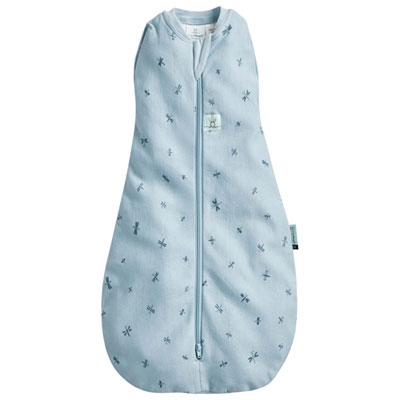 Your price for this item is $56.99
 -
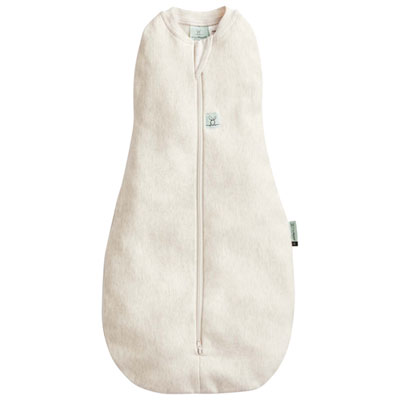 Your price for this item is $56.99
 -
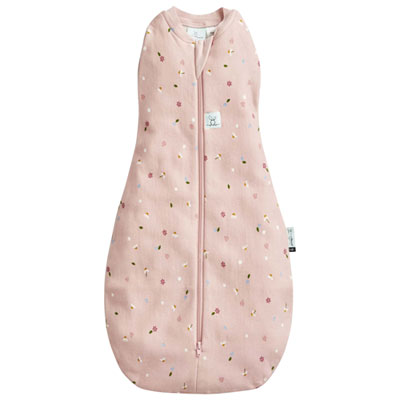 Your price for this item is $47.99
 -
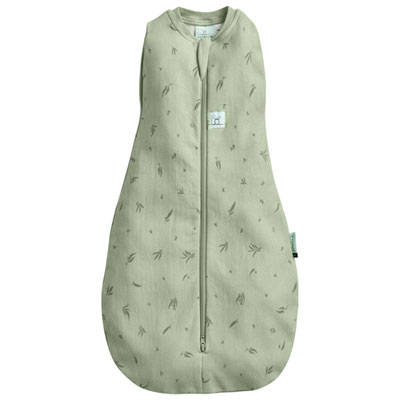 Your price for this item is $47.99
 -
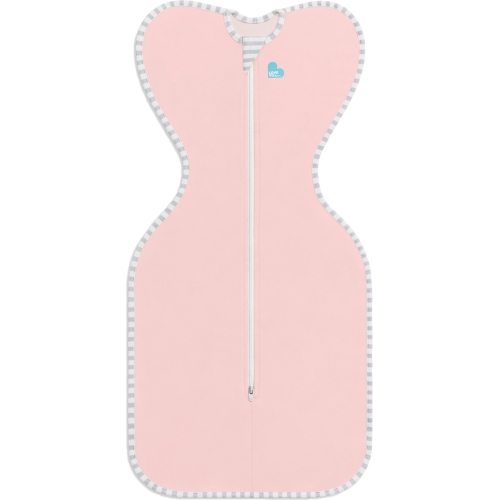 Your price for this item is $44.95
Discover more categories related to Newborn Essentials
Top Collections:
Pokemon Centers, Kindle Devices, Best Budget Office Chairs, Apple iPhones 16, Canon G7X Cameras, iPhone 15 Apple, Alarm Clock, Refurbished Apple Laptops, Flip Phones, Best Laptops for Writers
Some products may be subject to Environmental Handling Fees
(EHF) depending on your province.
Learn more about EHFs.