Playroom Organizers
Transform your playroom into an organized and clutter-free space with this wide selection of playroom organizers. Keep toys, books, and art supplies neatly stored away while creating a fun and inviting environment for your little ones to explore and play in. From versatile storage bins and shelves to colorful storage cubes and toy chests, these organizers offer practical solutions to help you maintain order in the playroom.
Sort
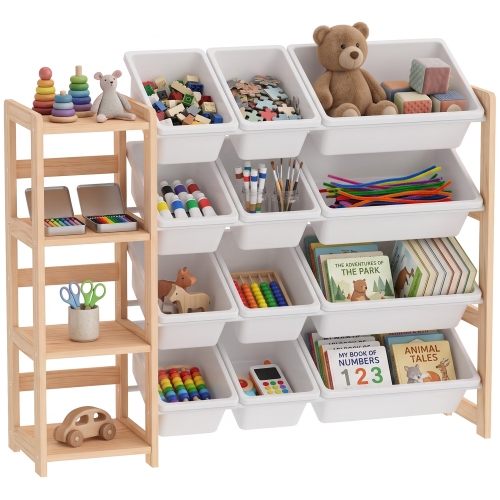
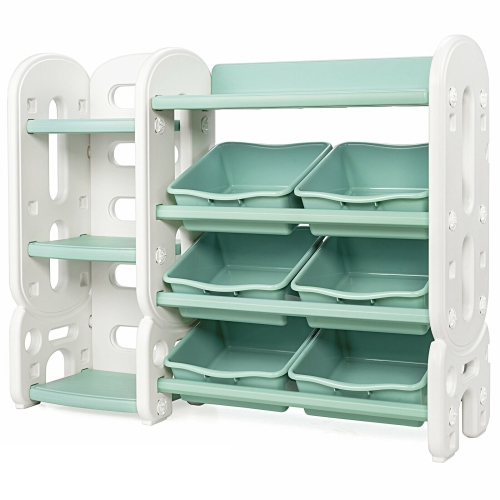
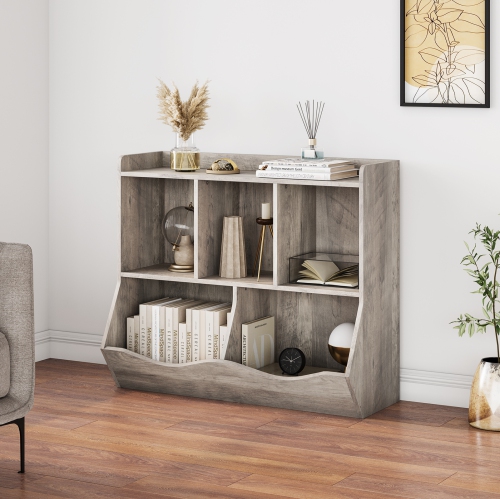
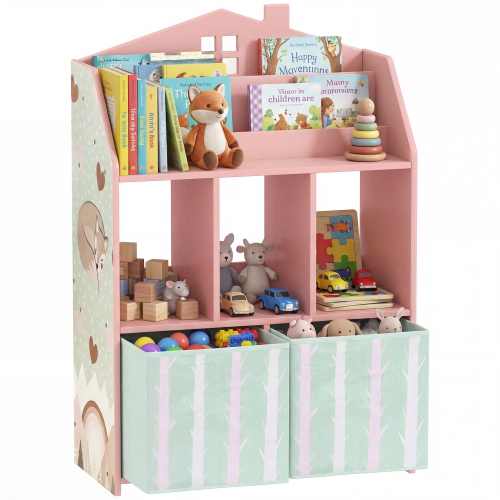

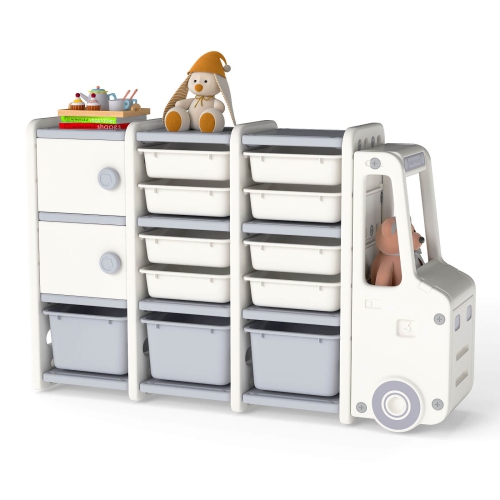
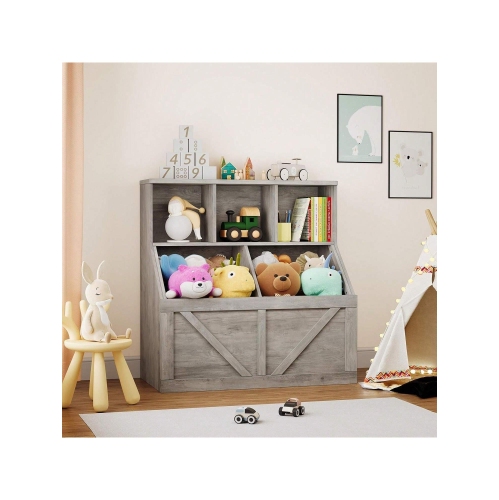
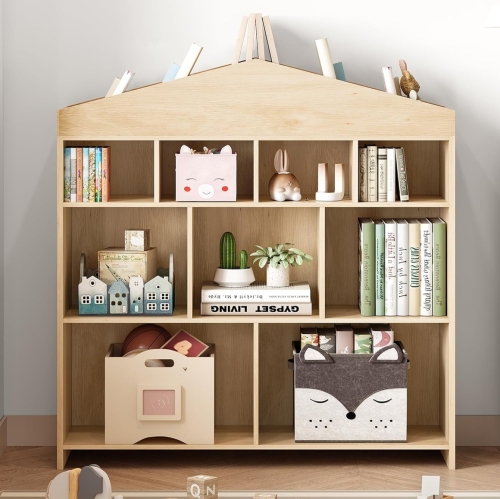
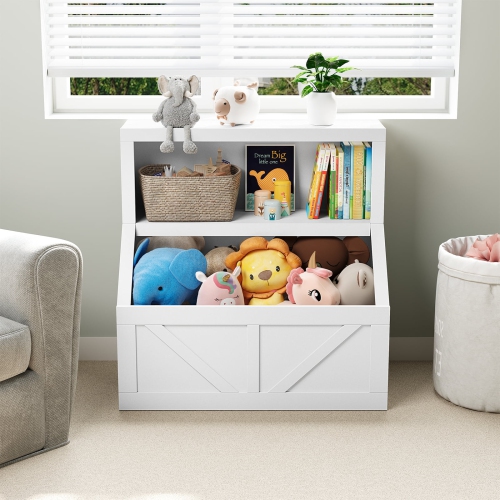
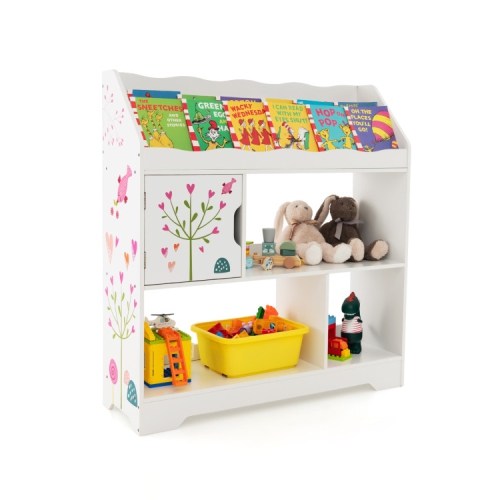
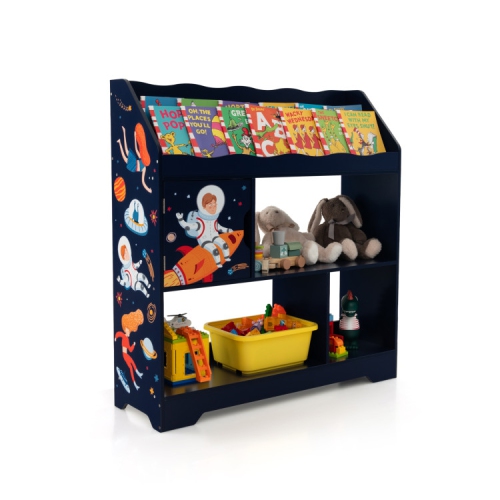
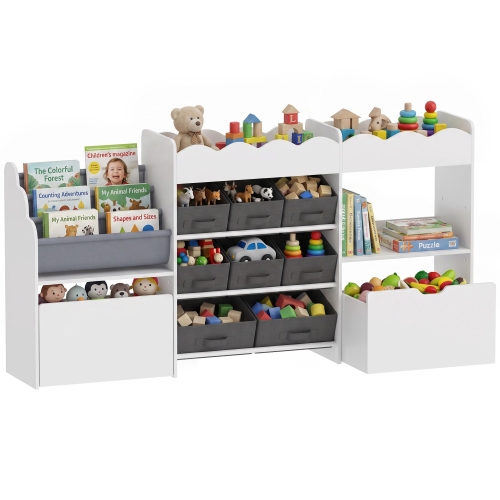
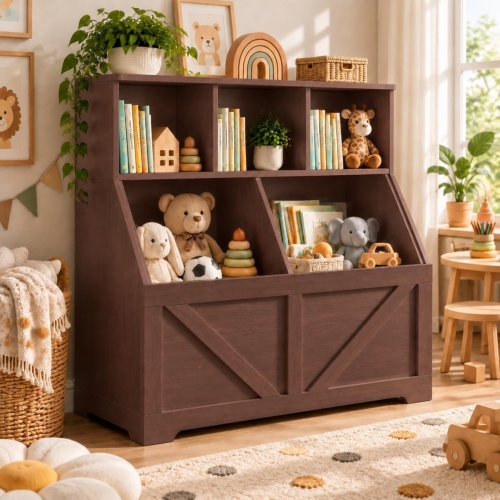
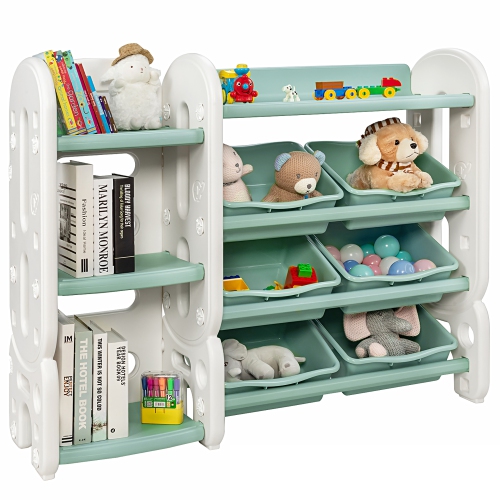
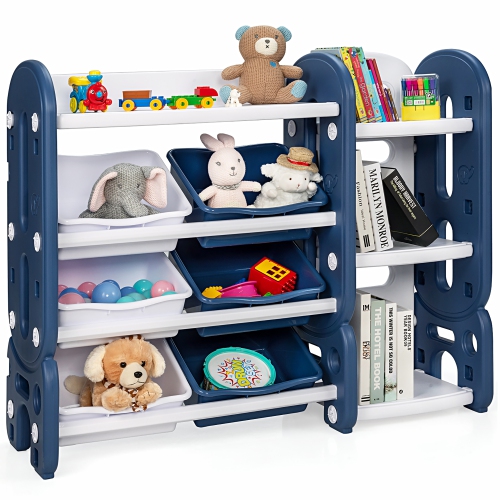
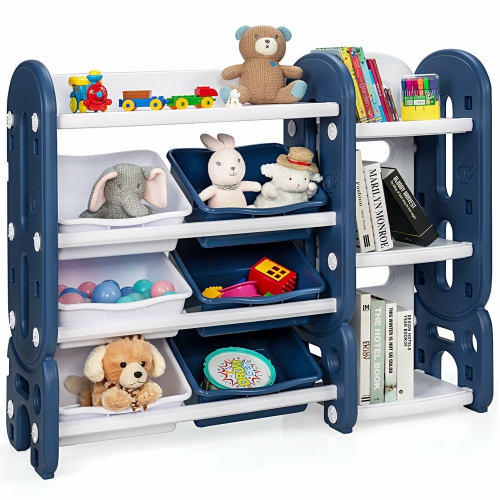
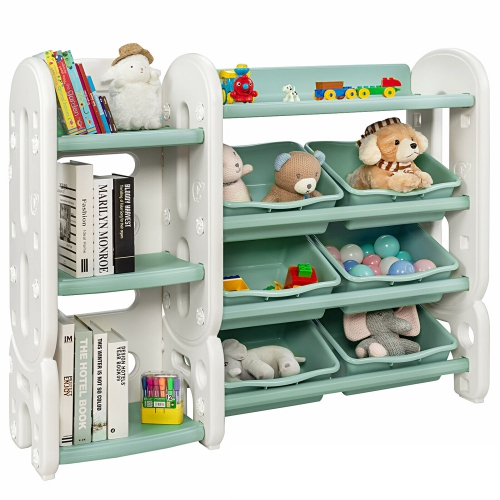
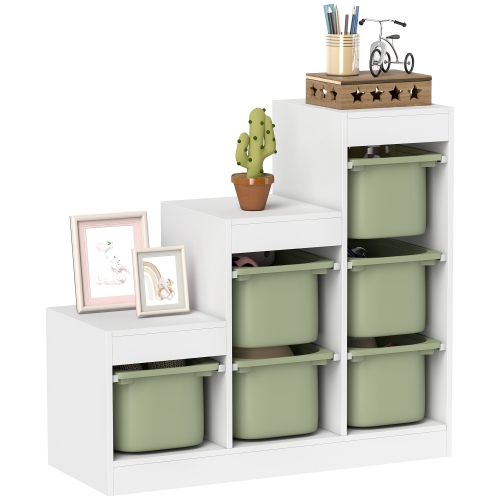
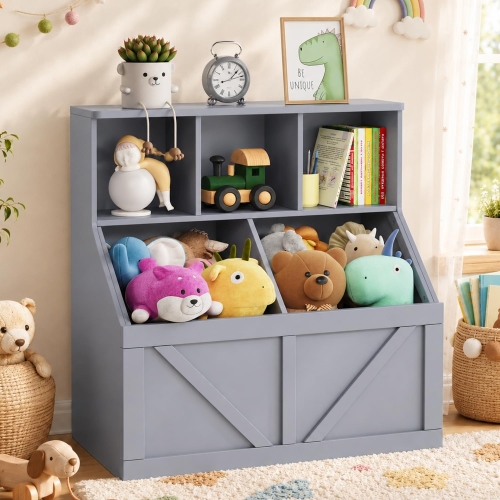
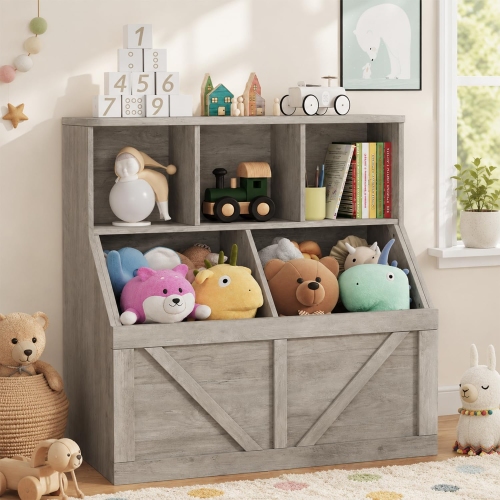
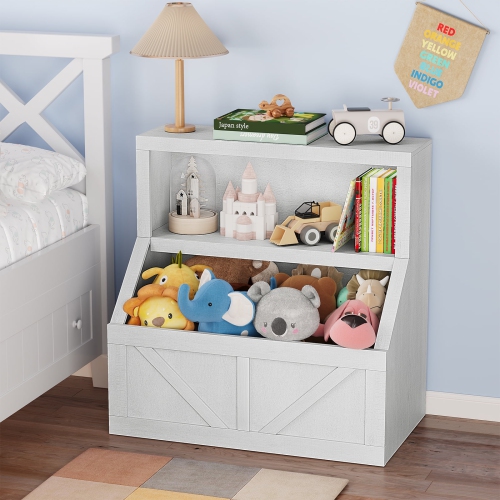
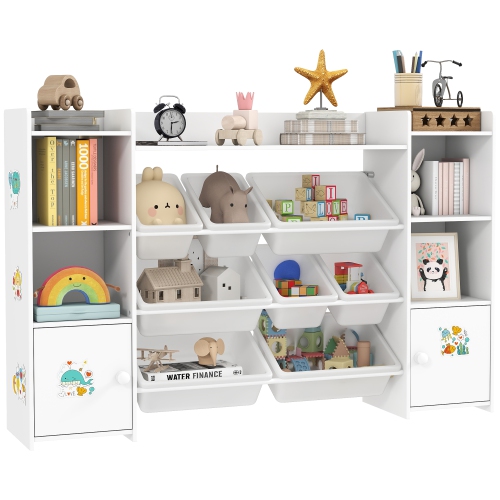
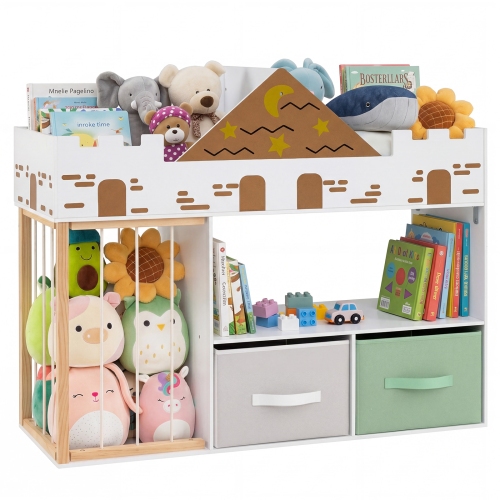
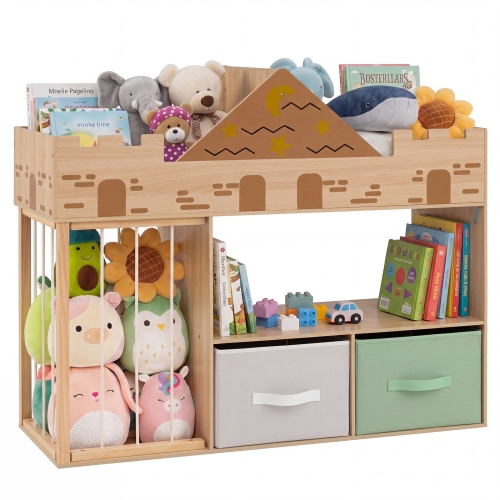
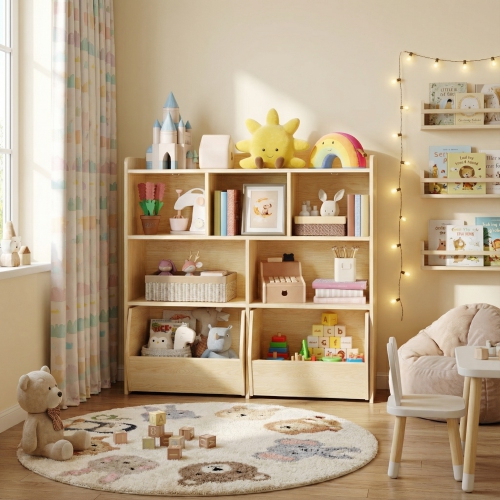
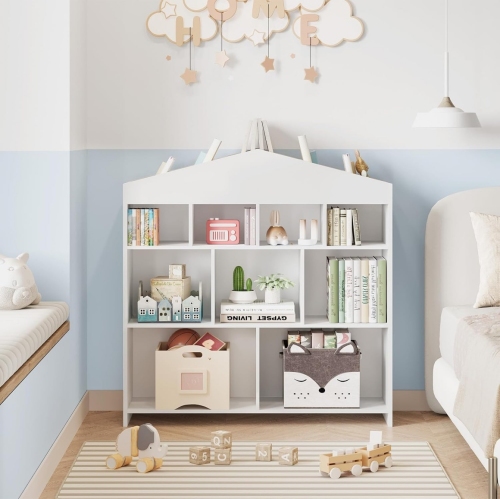
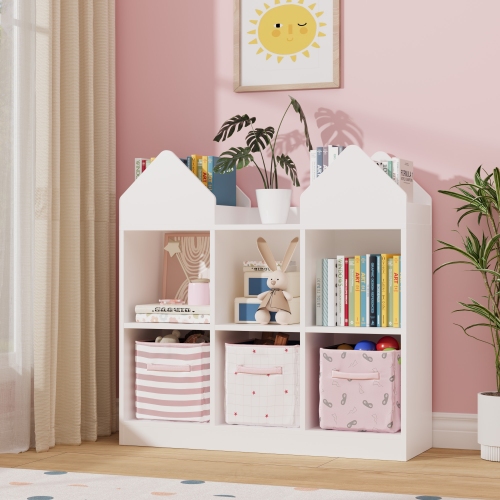
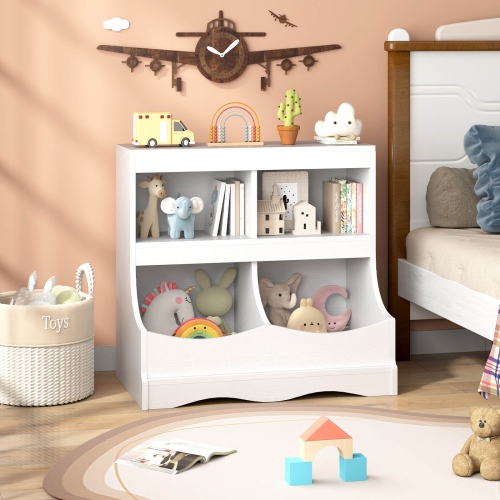
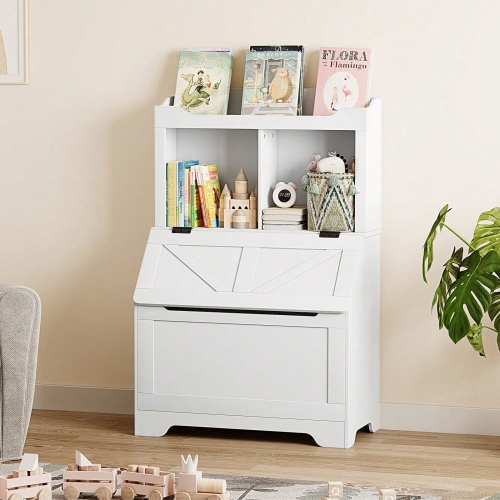
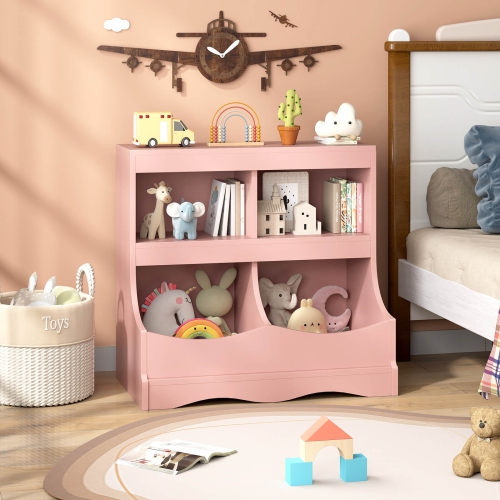
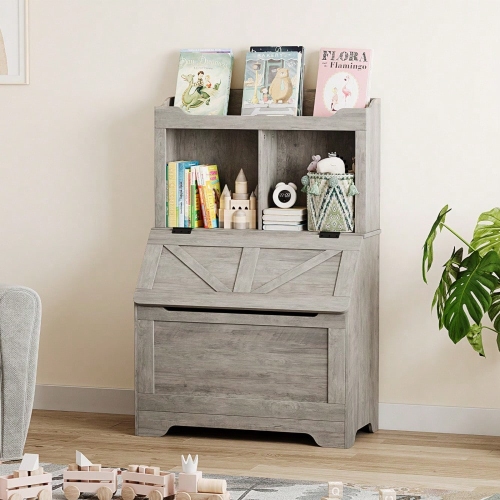
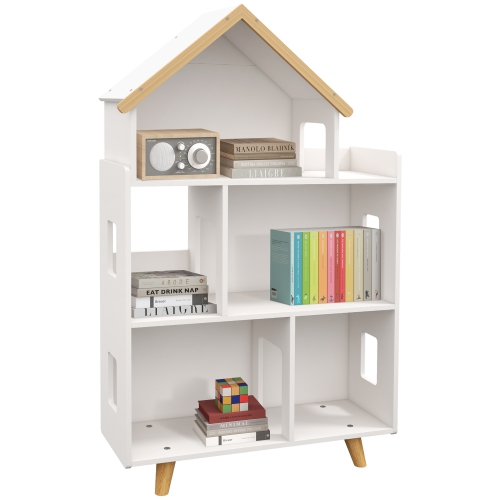
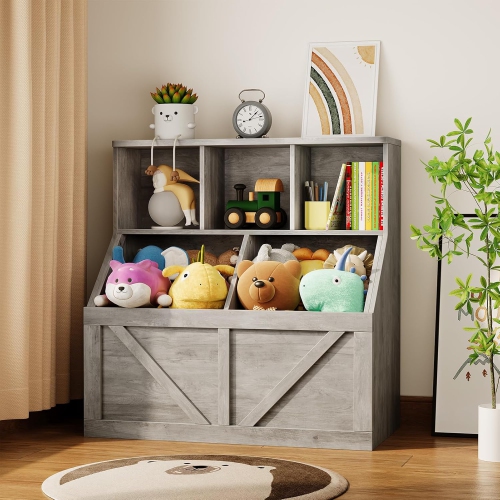
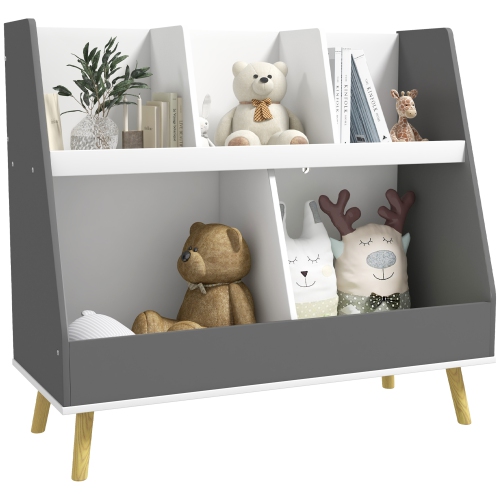
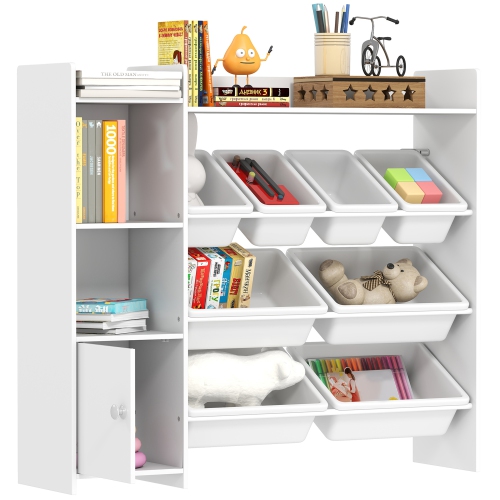
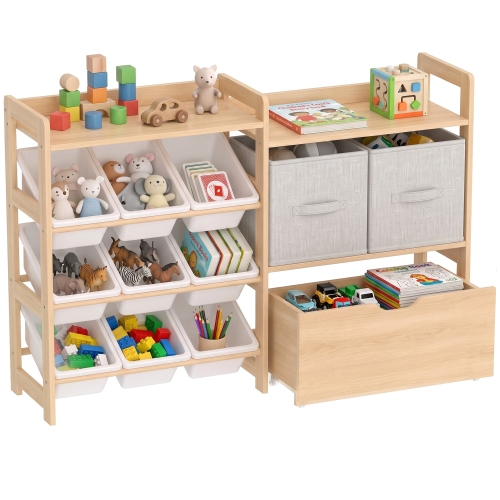
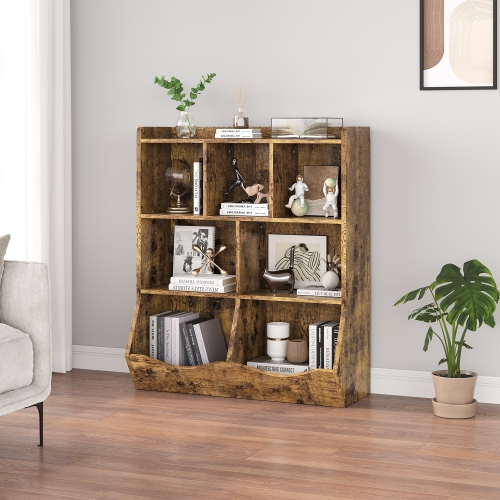
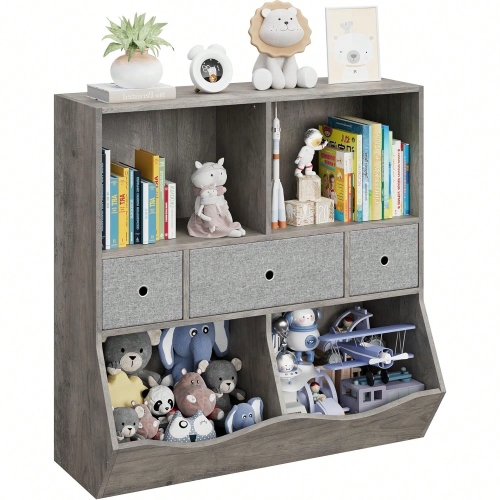
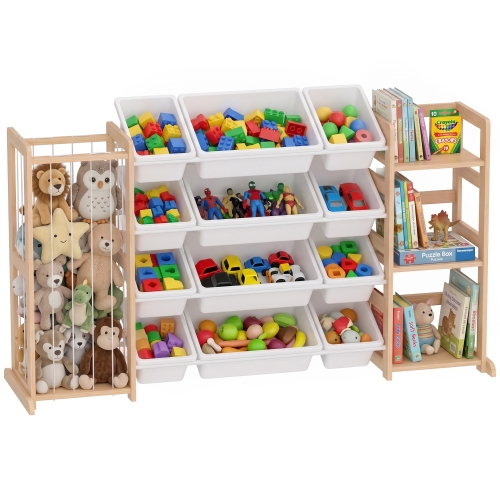
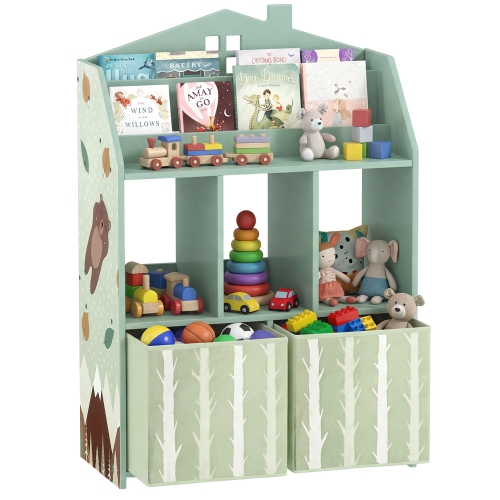
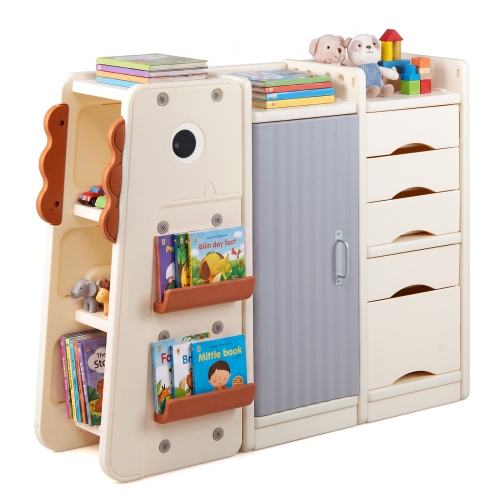
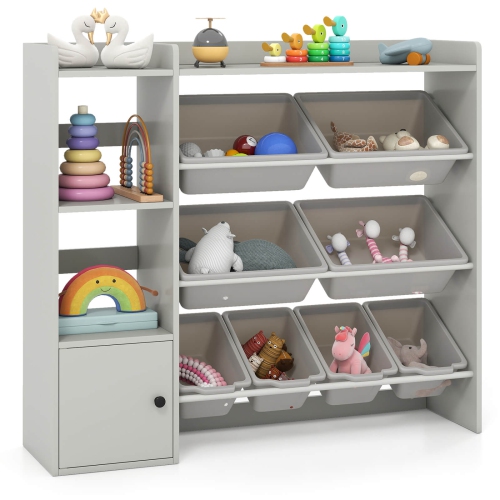
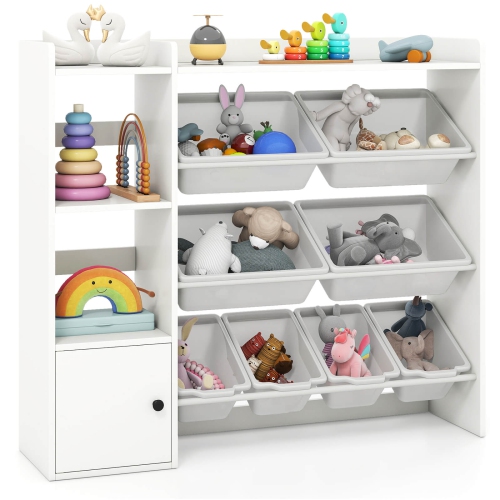
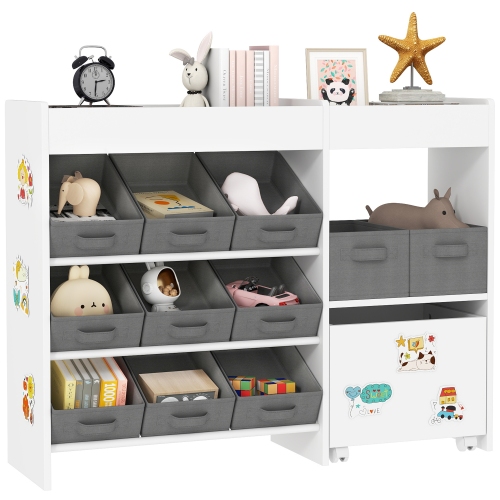
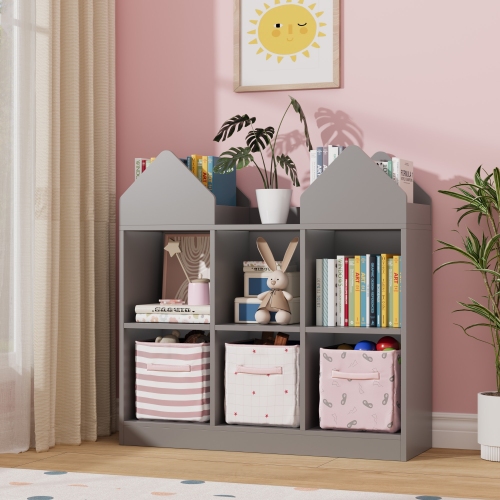
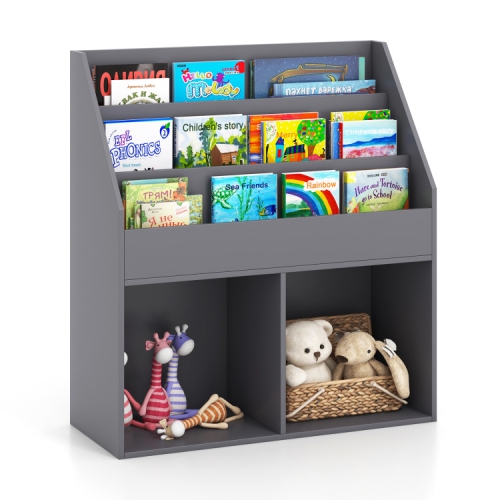
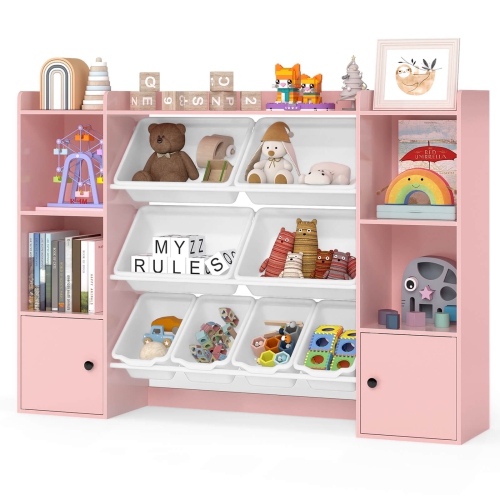
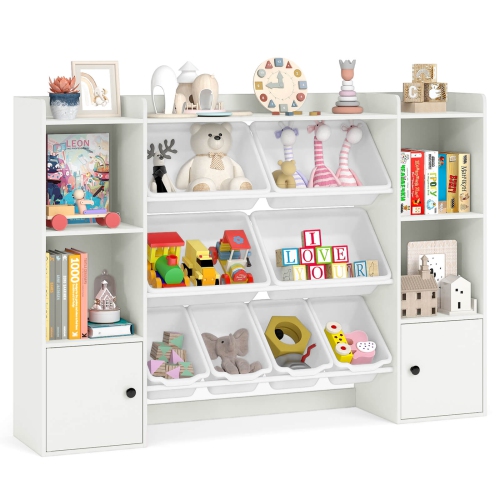
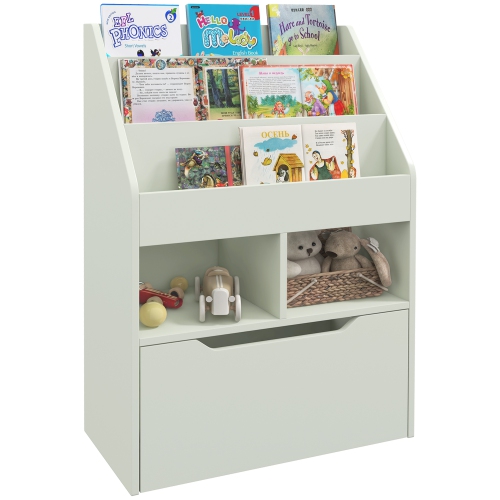
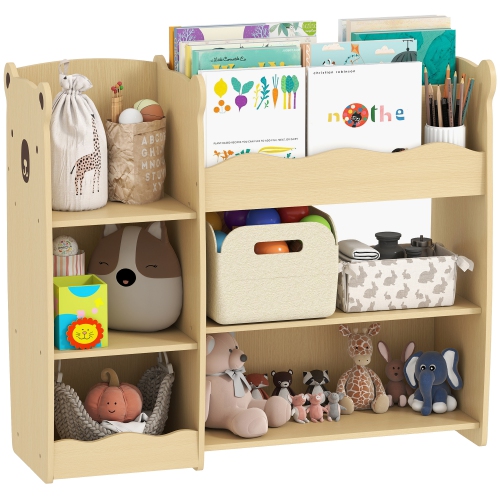
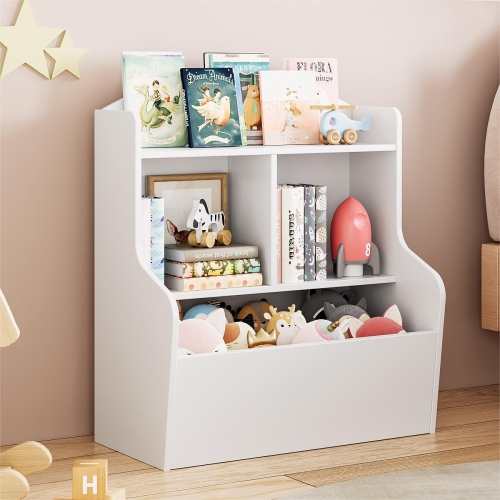
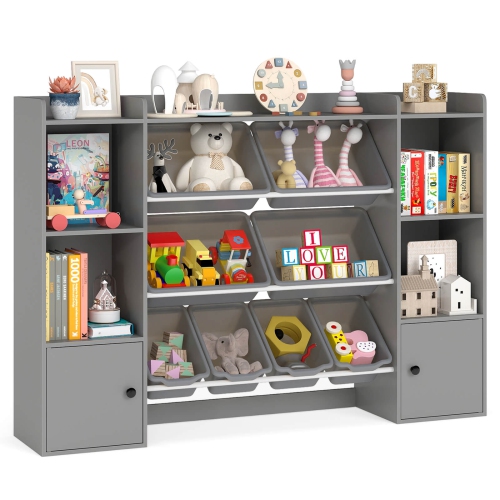
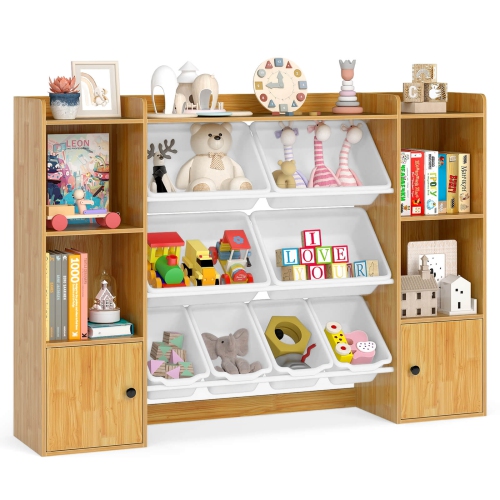
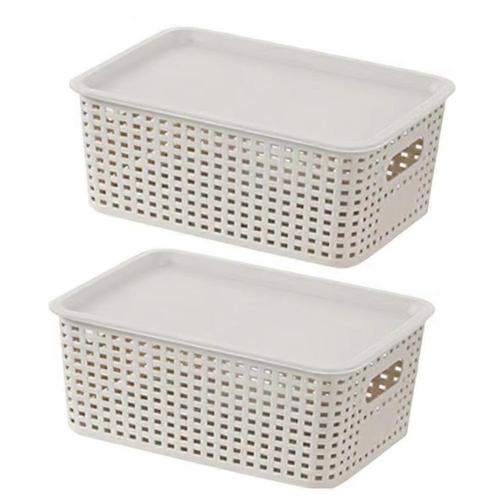
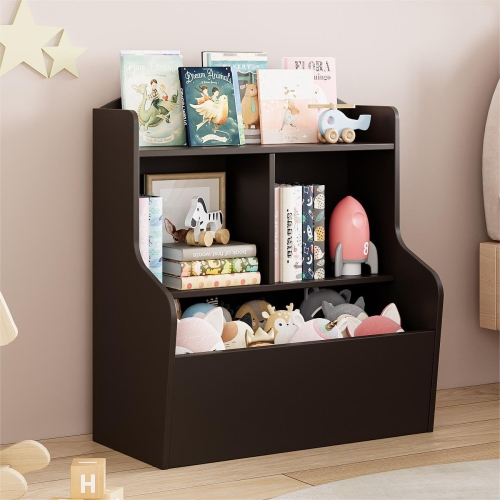
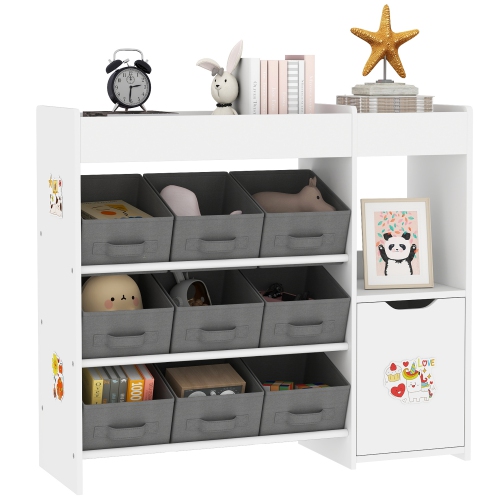
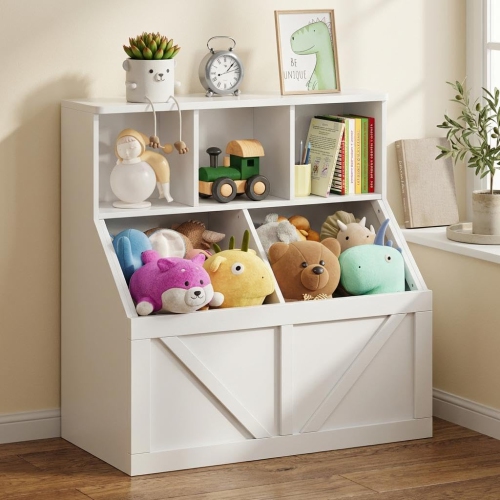
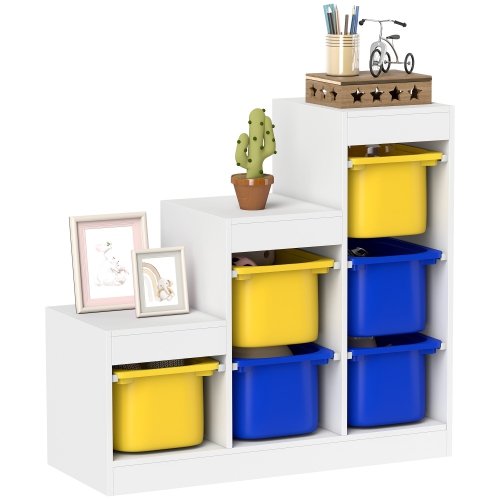
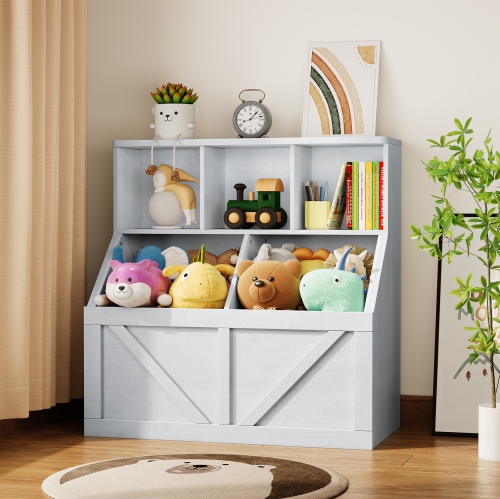
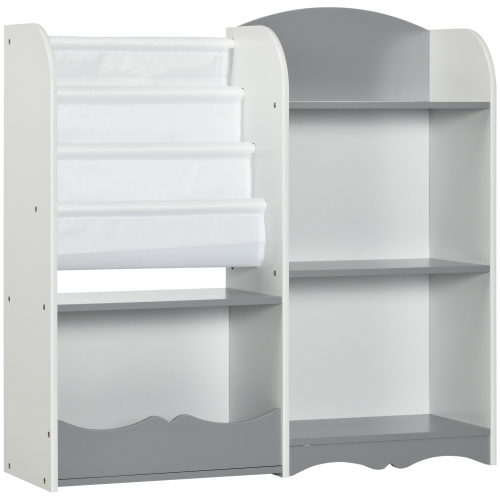

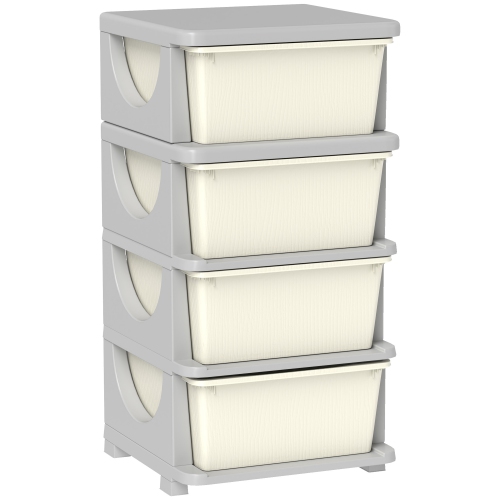
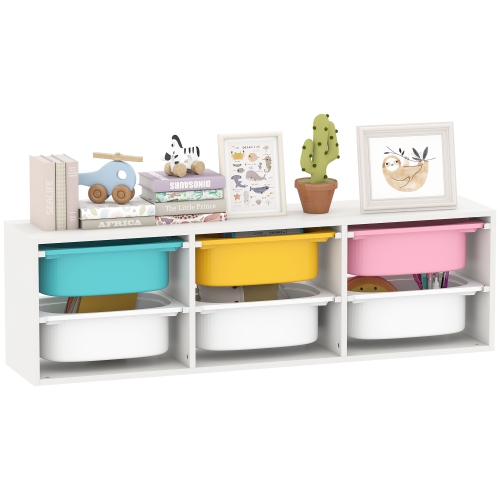
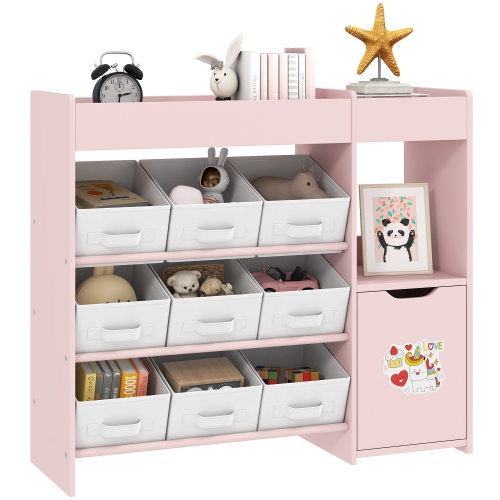
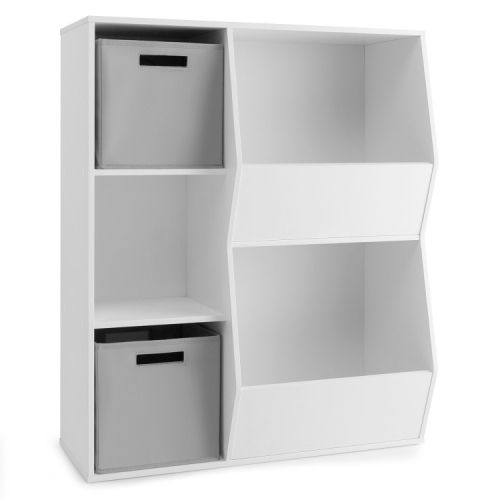
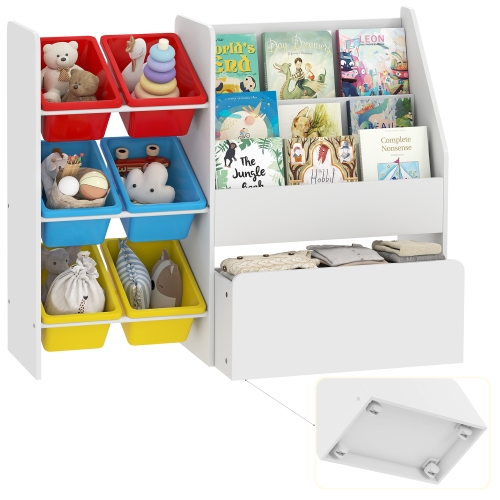
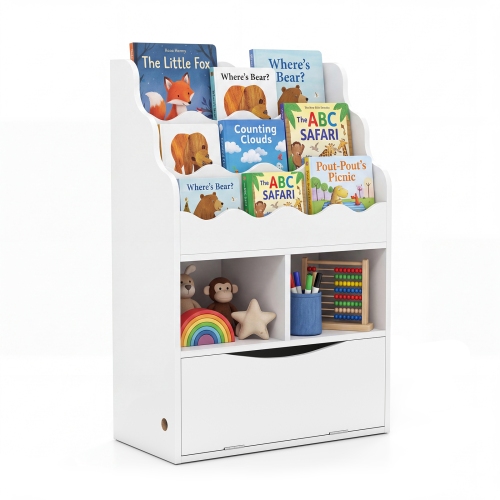
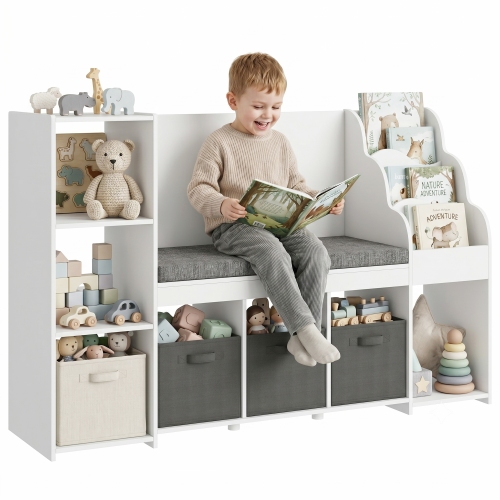
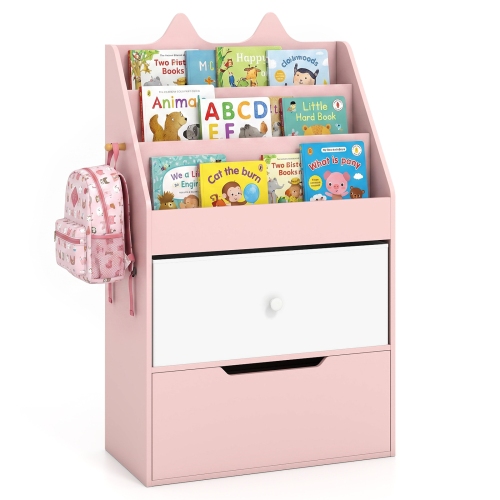
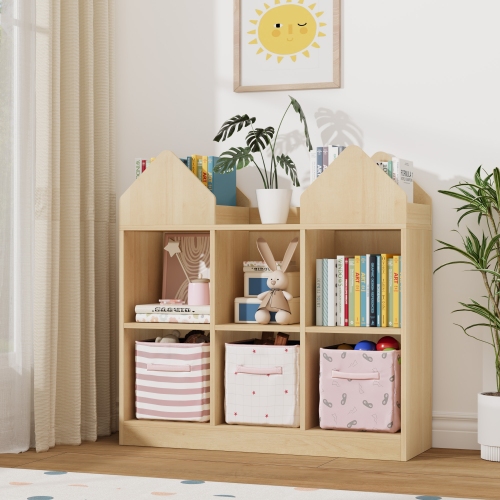

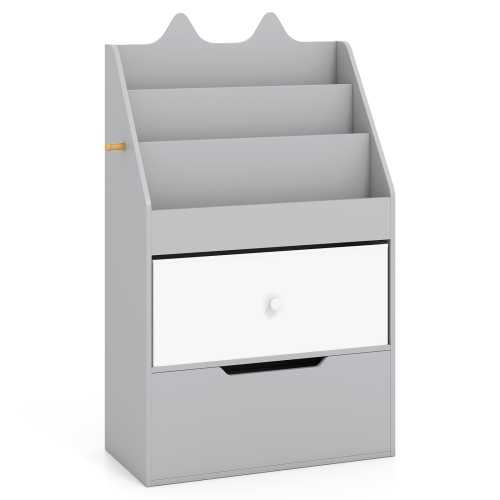
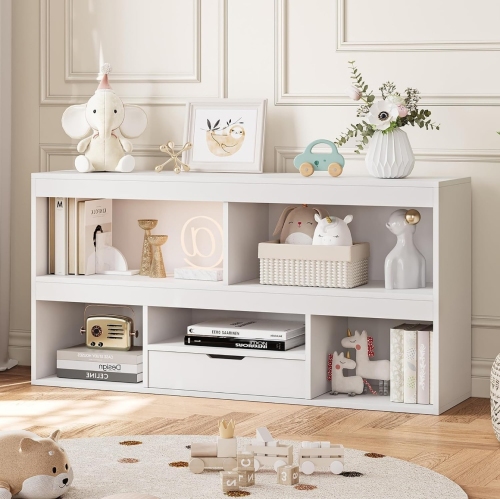
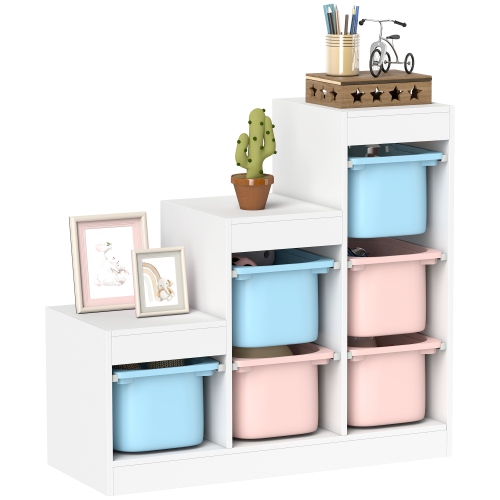
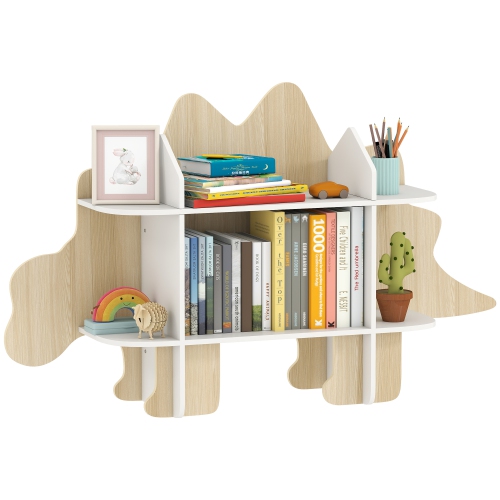
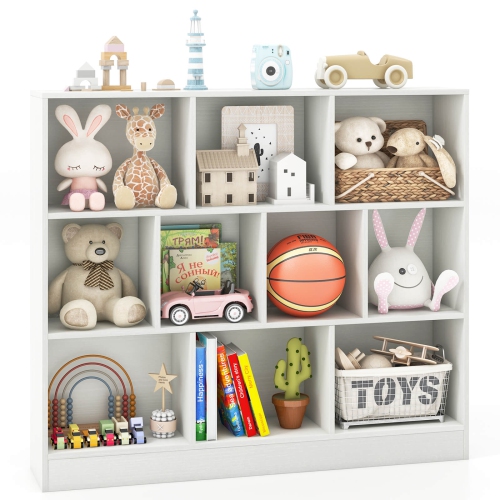
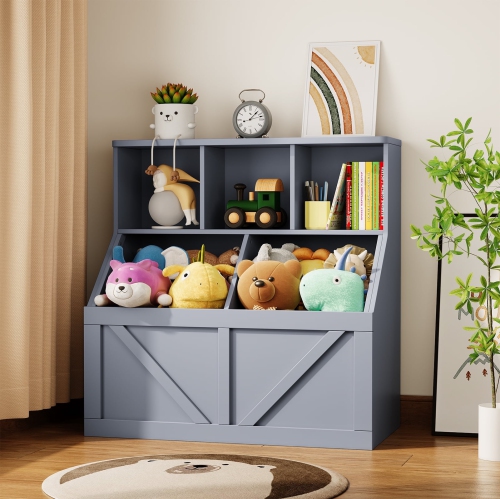
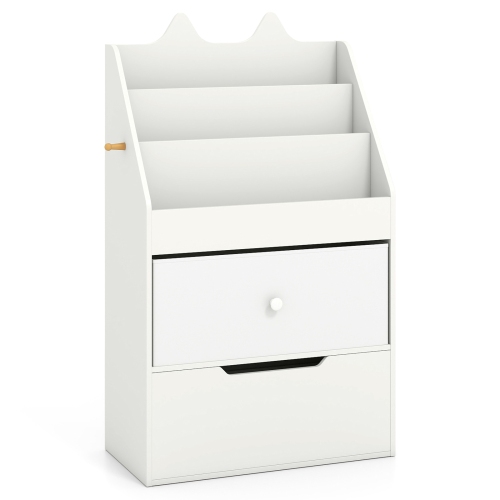
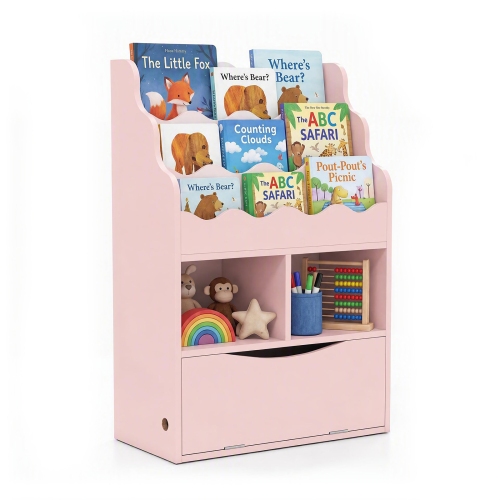
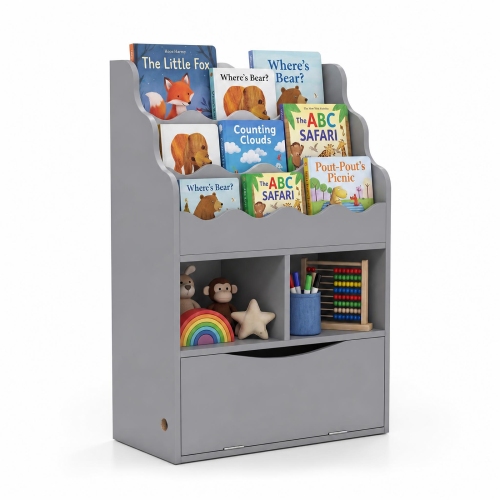
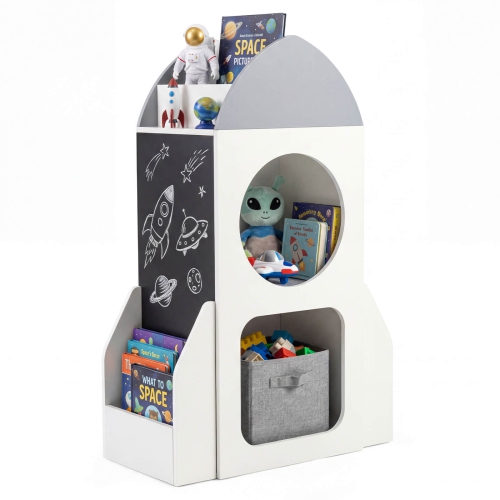

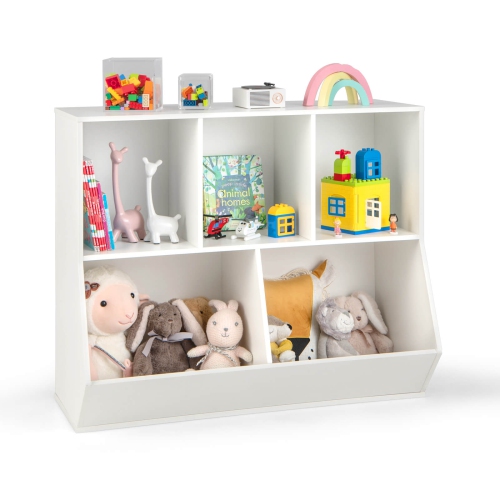
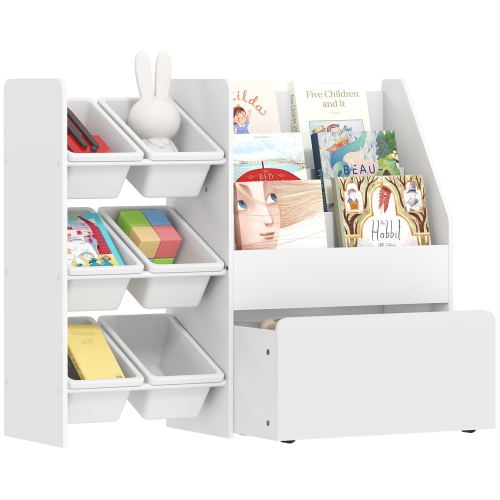
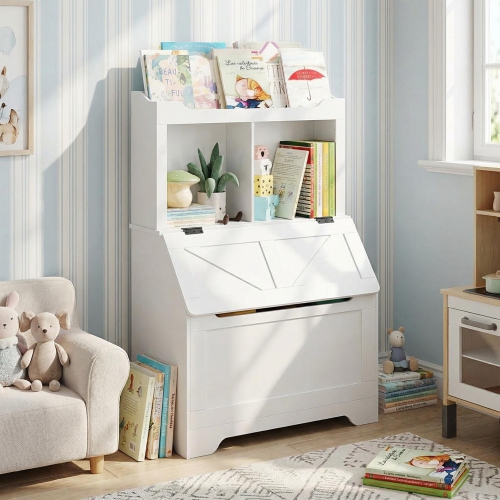
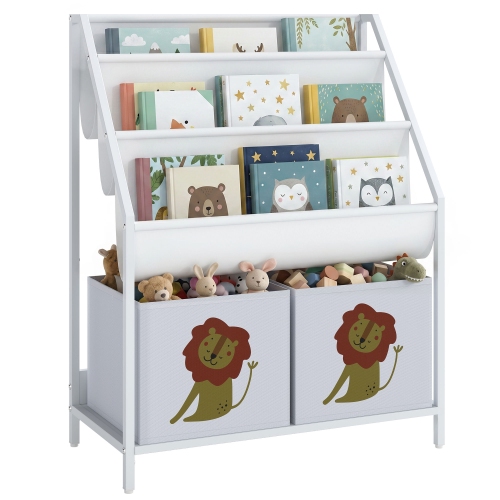
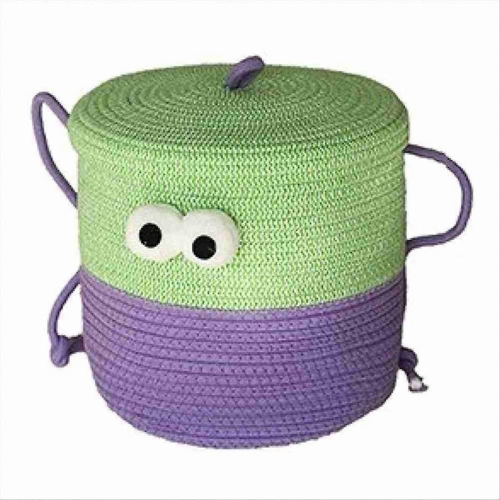
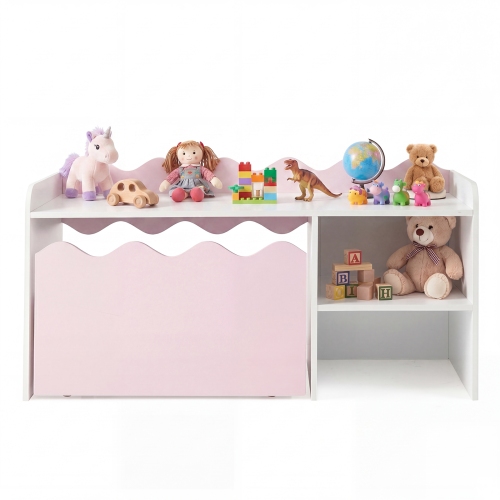

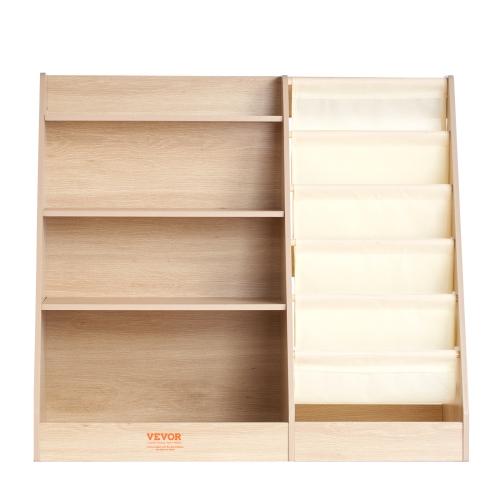
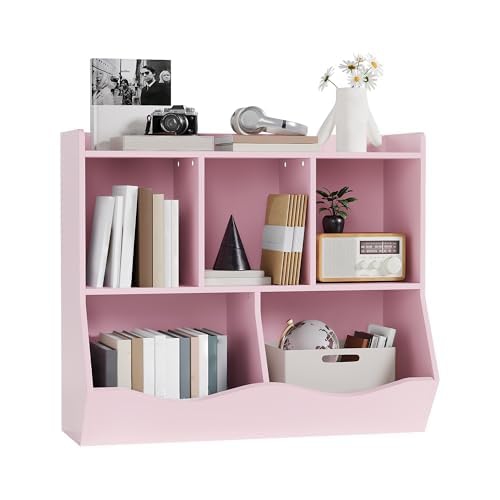

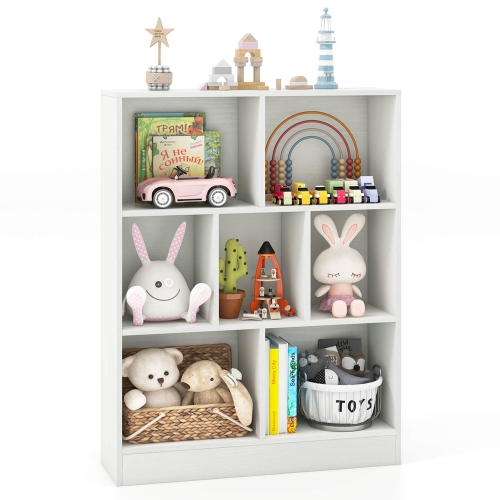
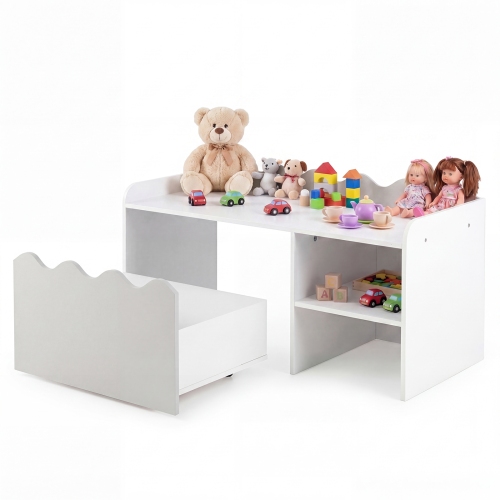
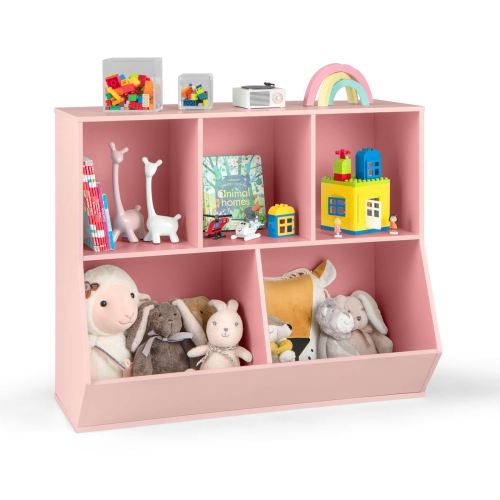
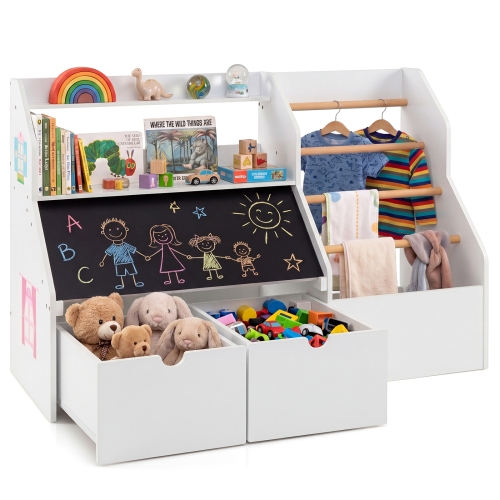
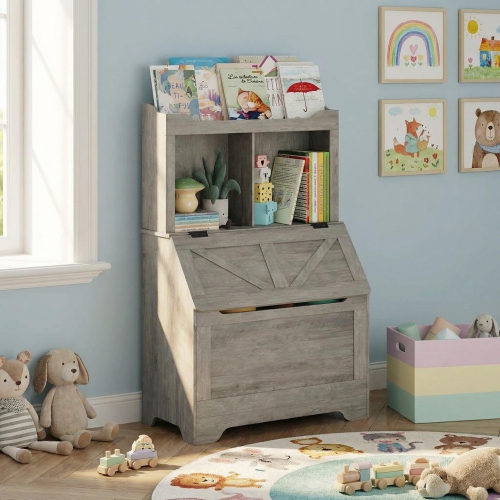
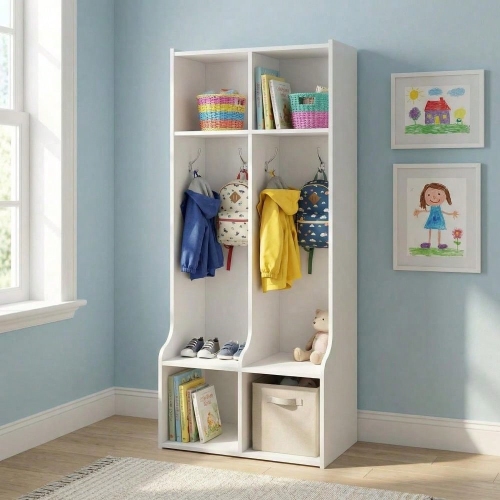
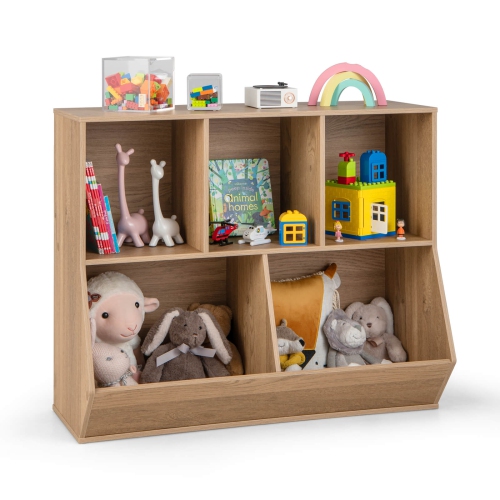
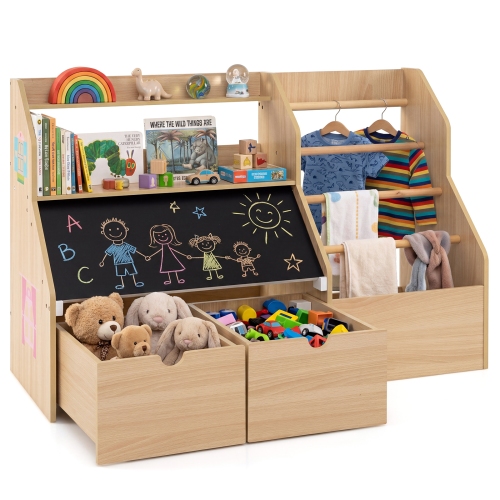
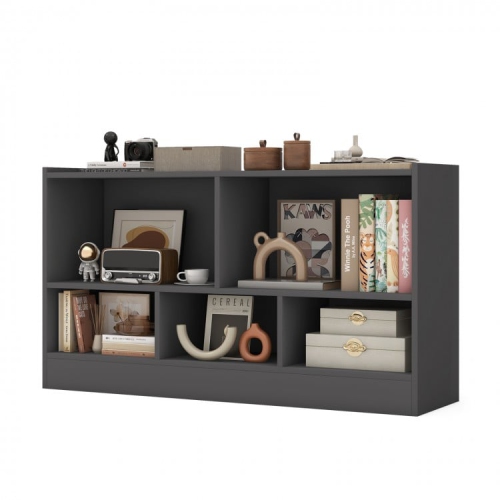
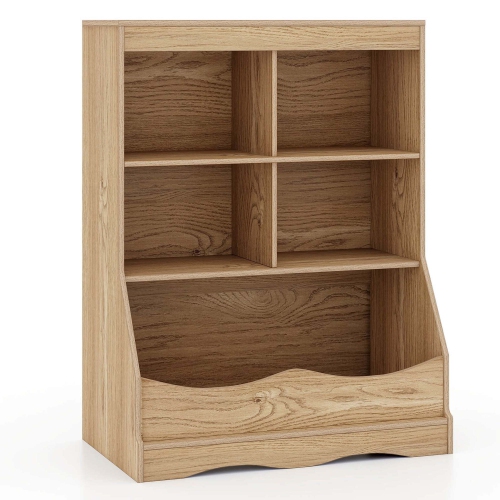
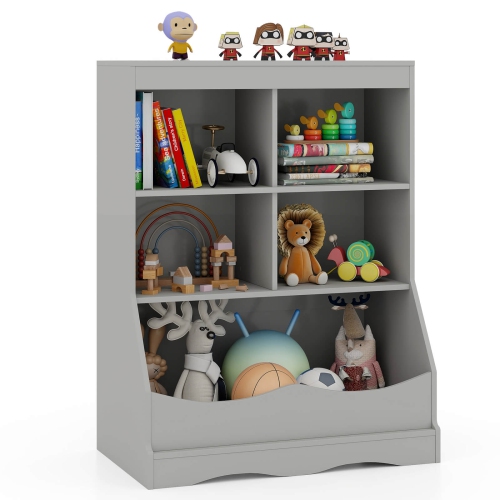

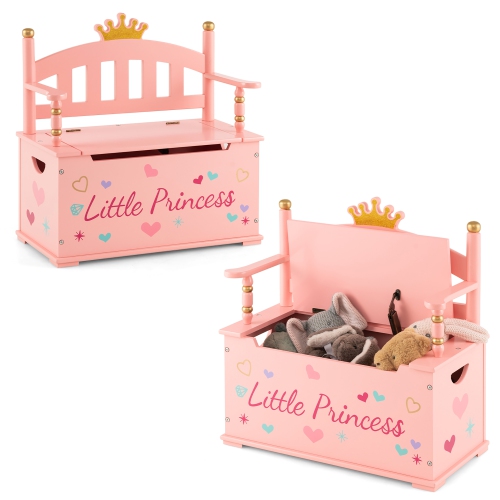
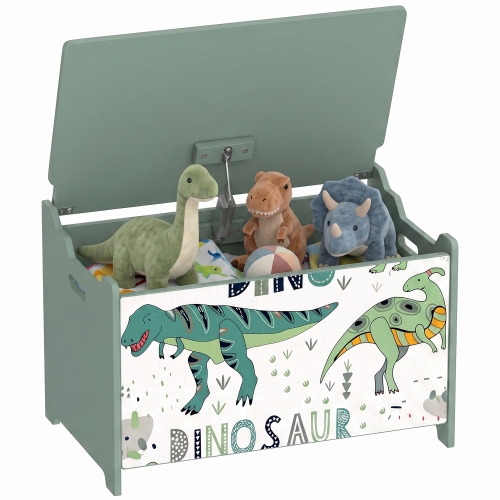
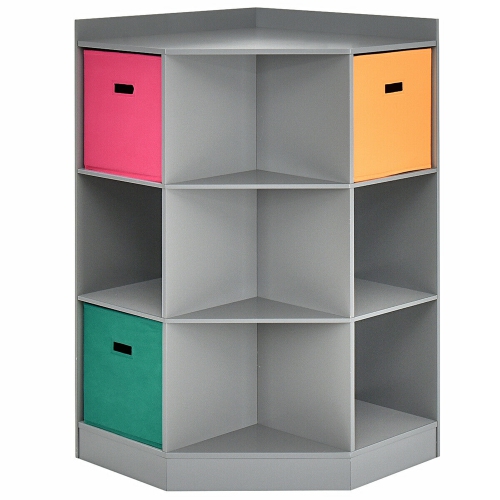
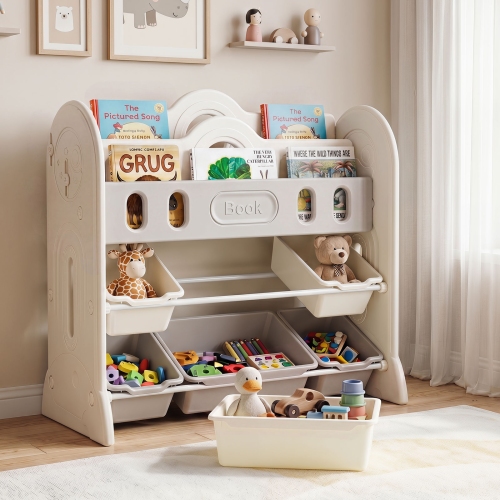
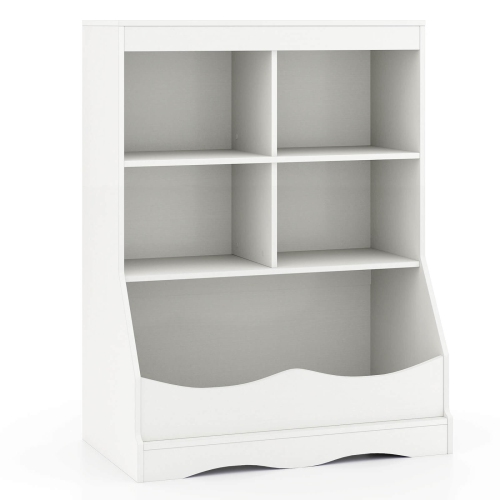
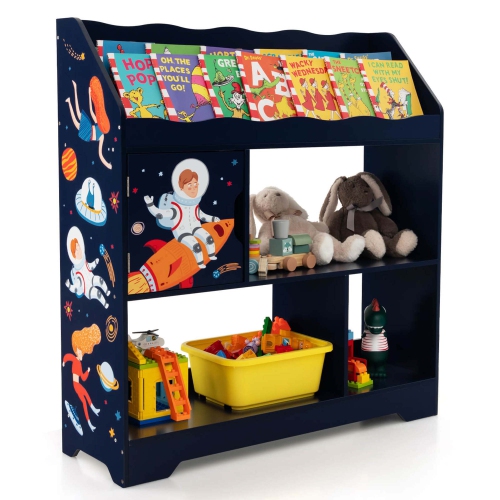
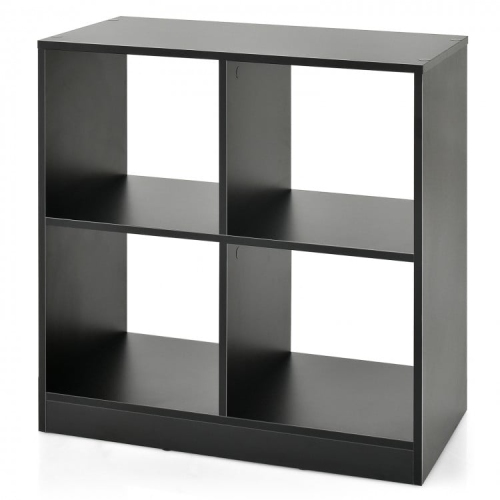
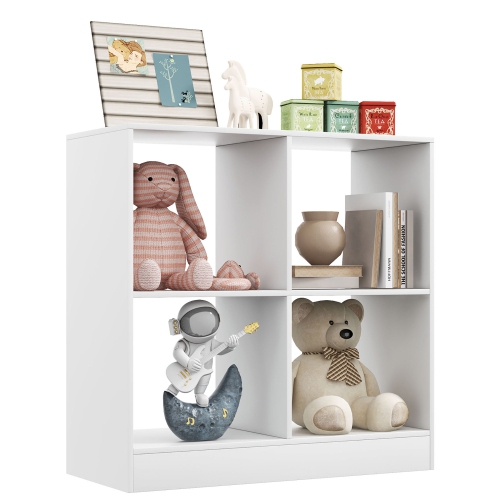
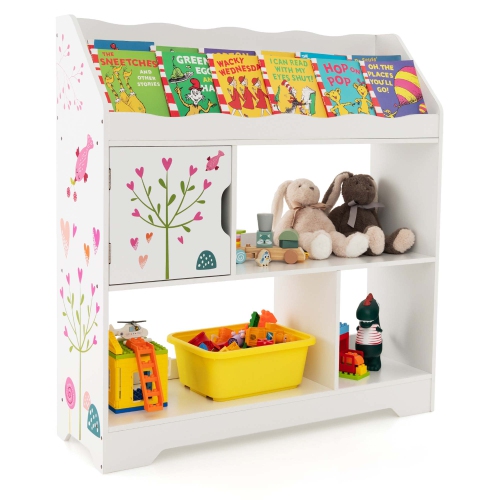
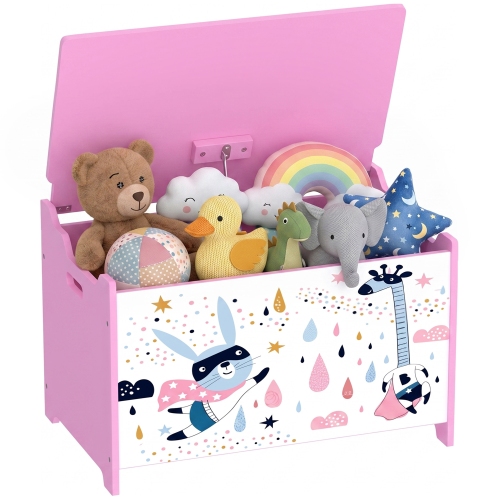
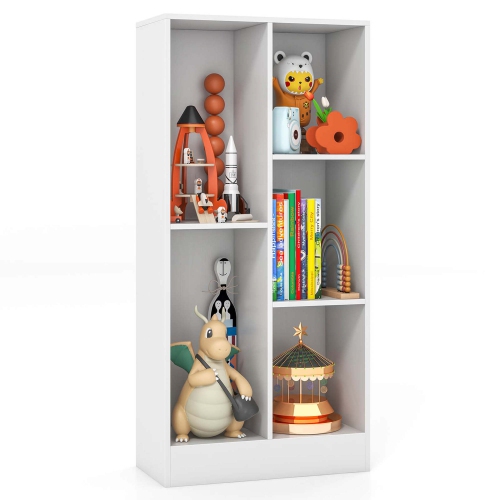
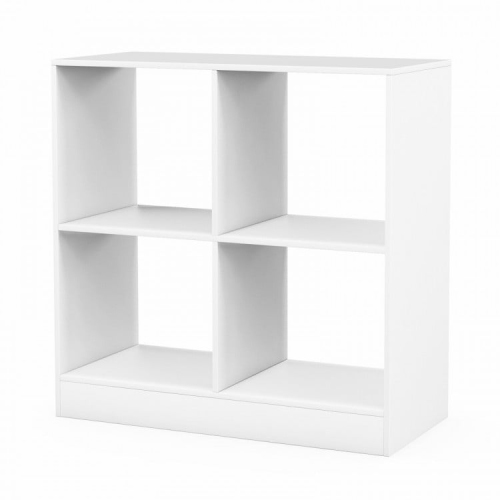
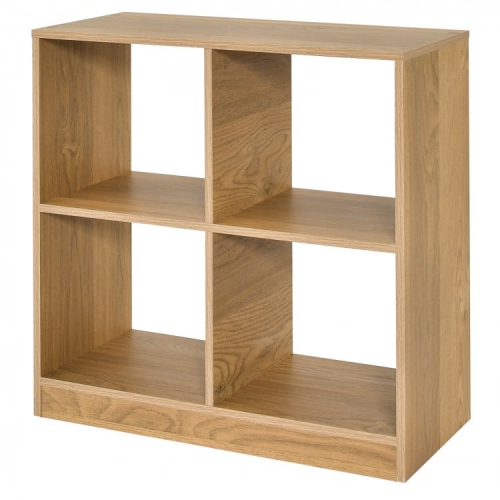
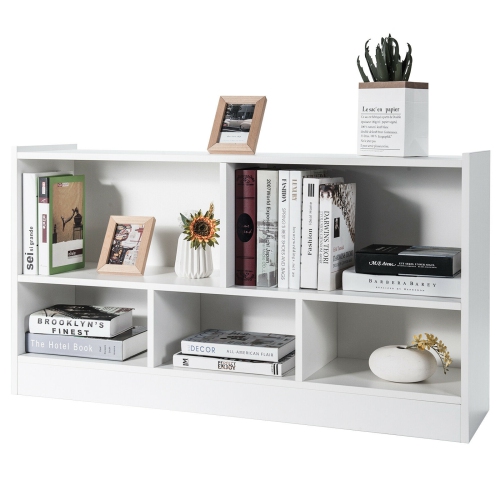
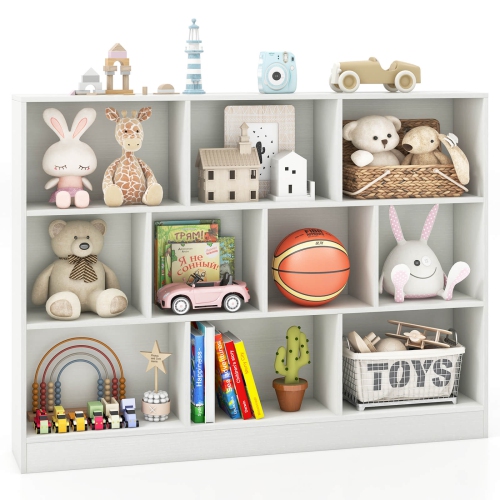
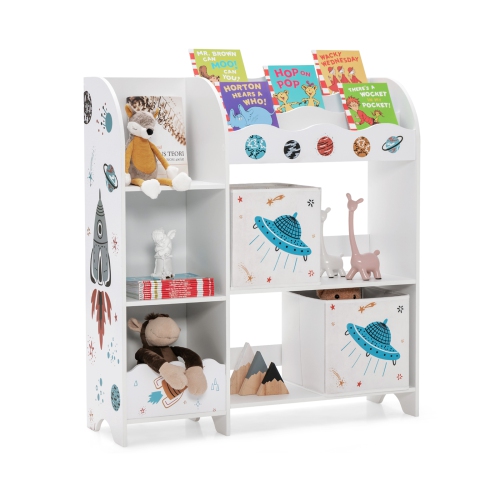
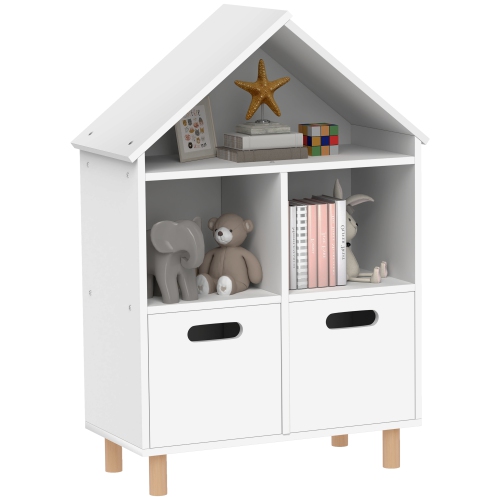
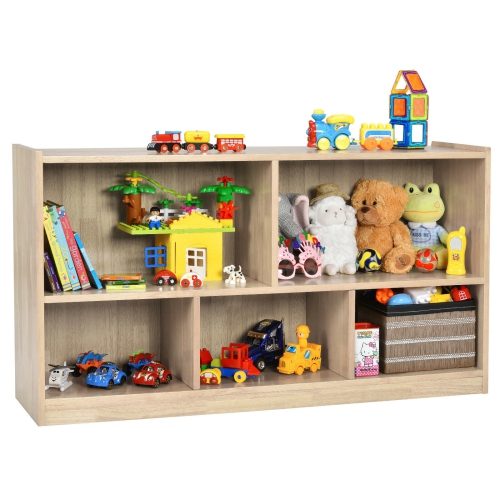
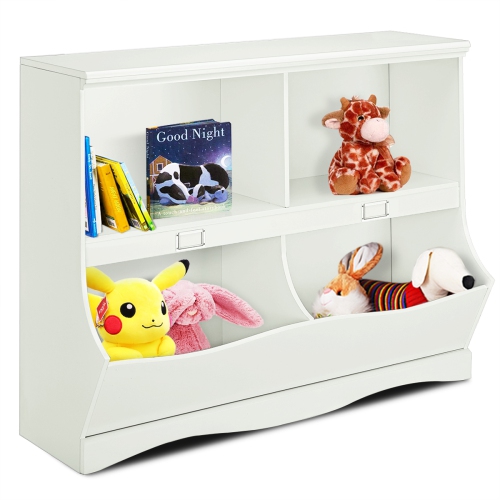
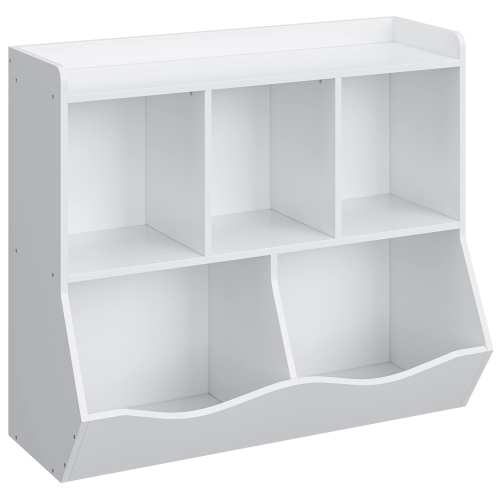
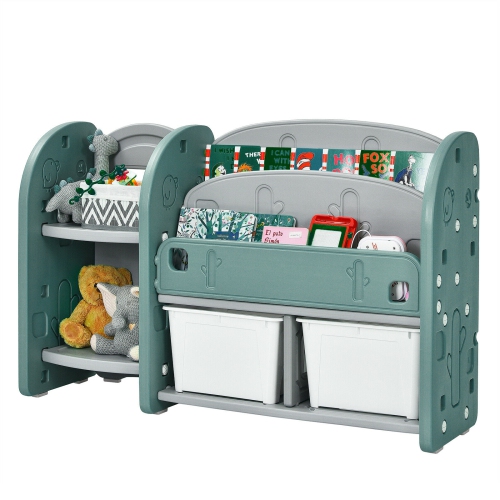
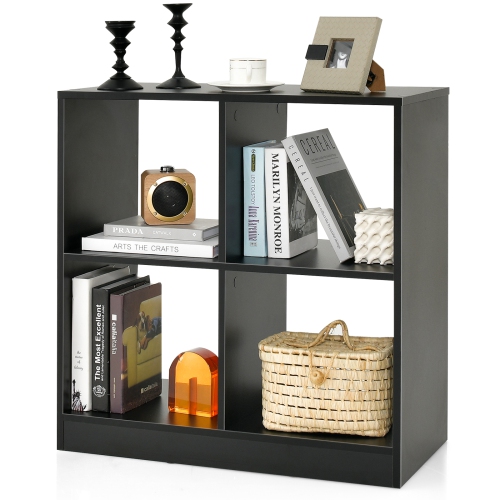
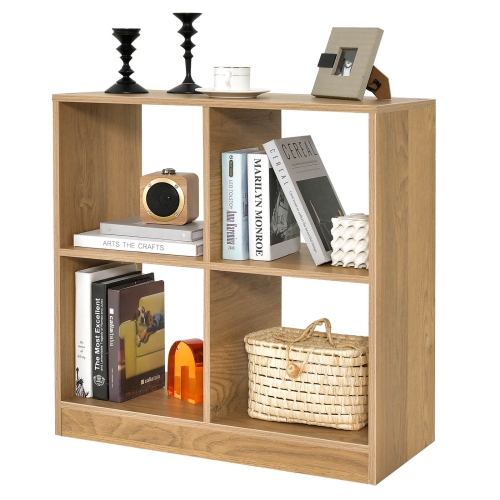
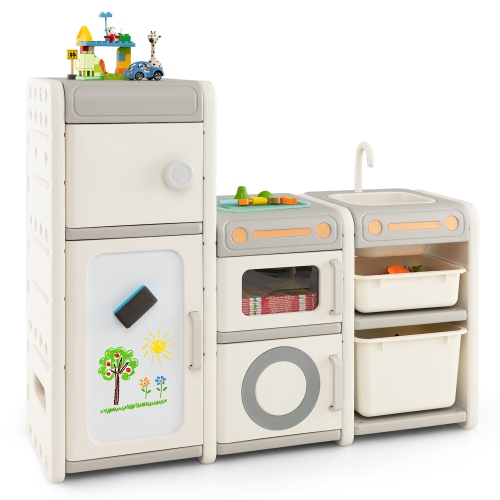
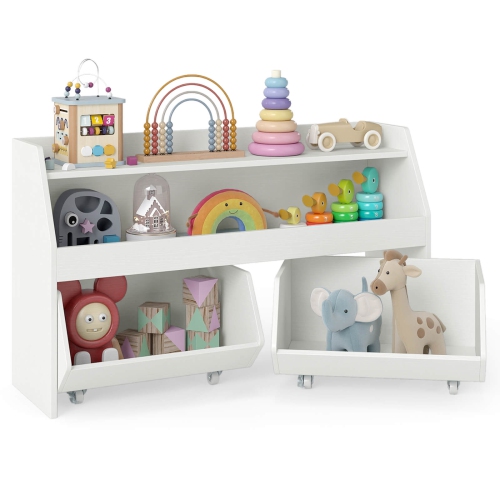
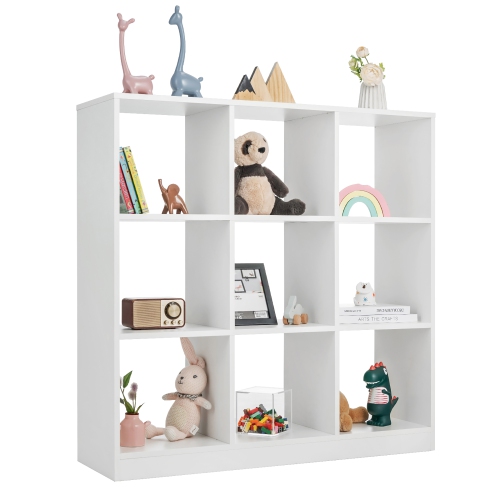
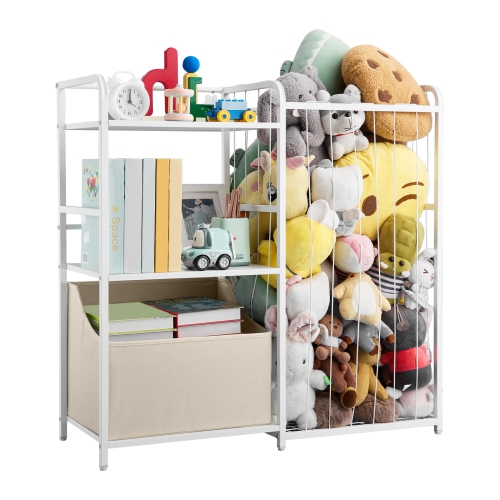
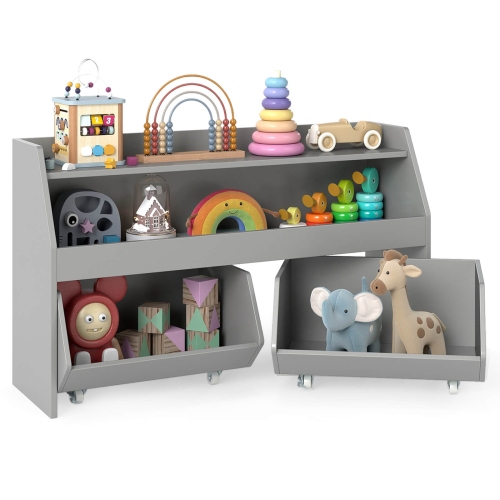
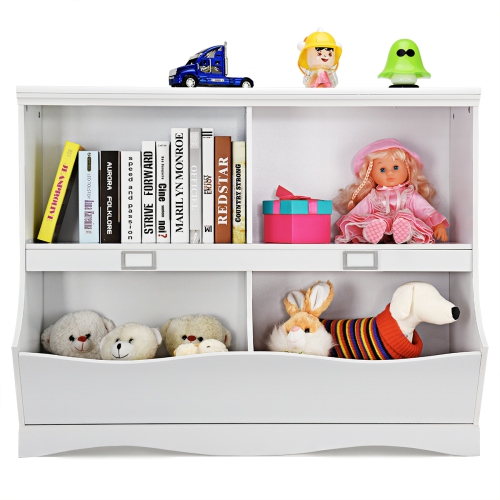
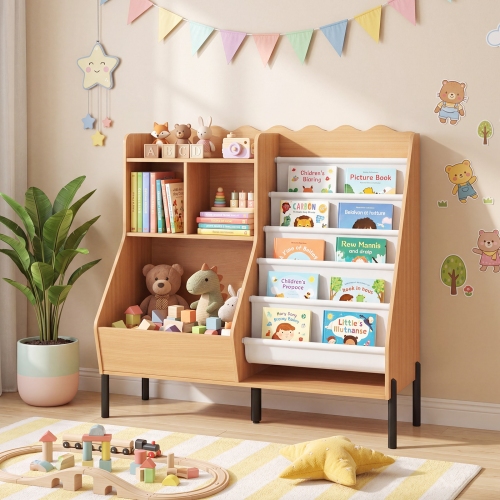
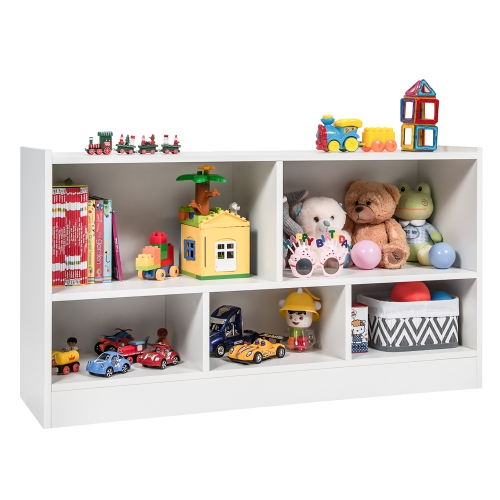
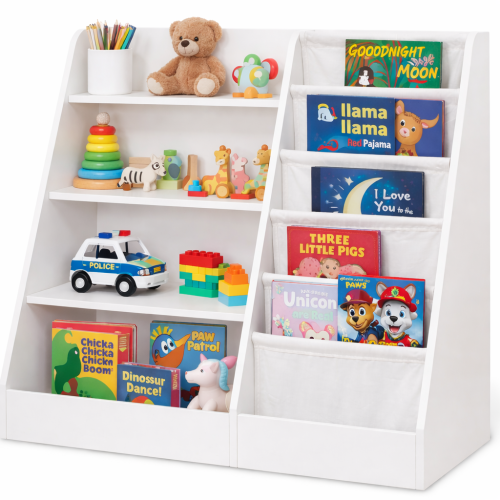
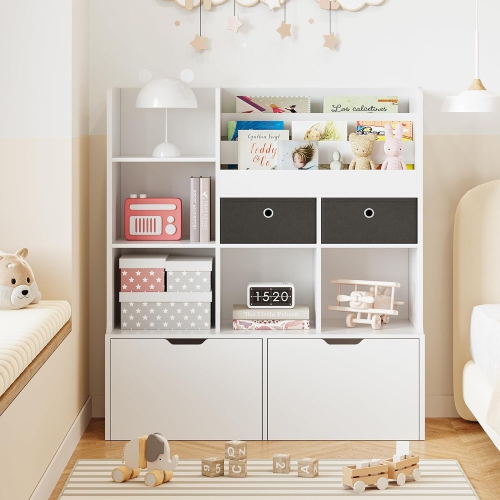
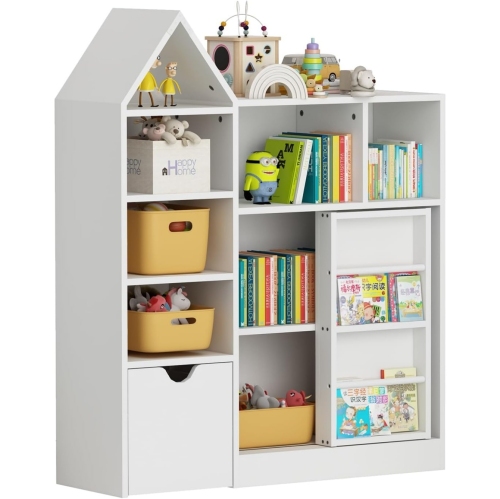
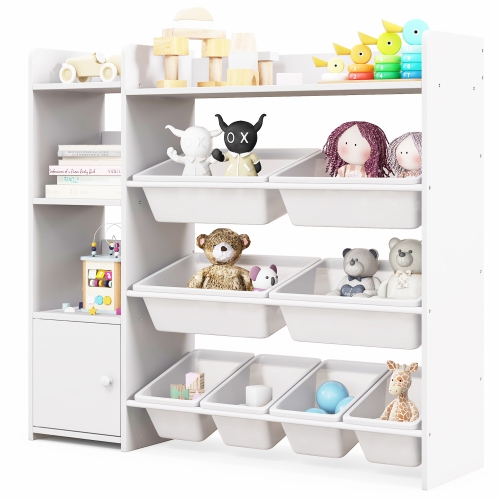
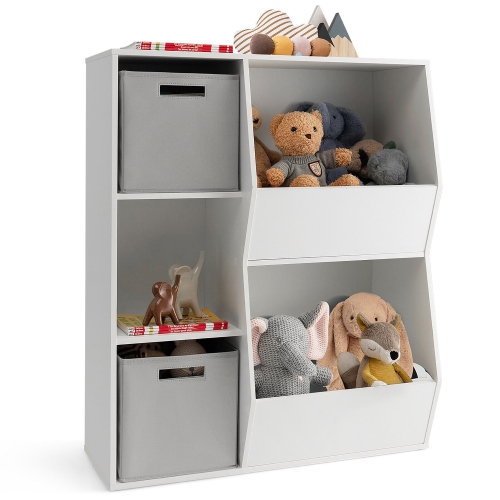
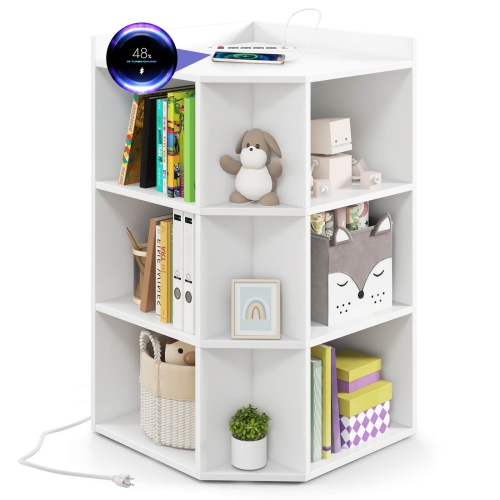
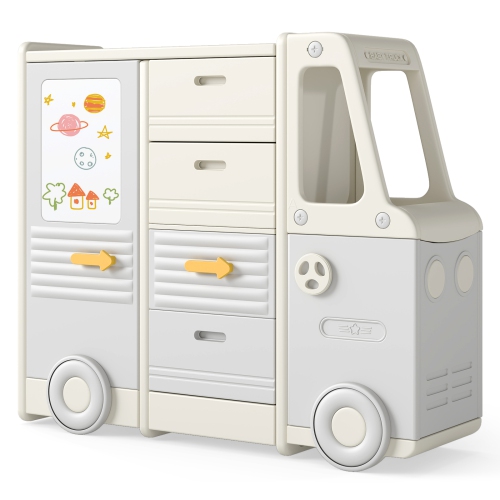
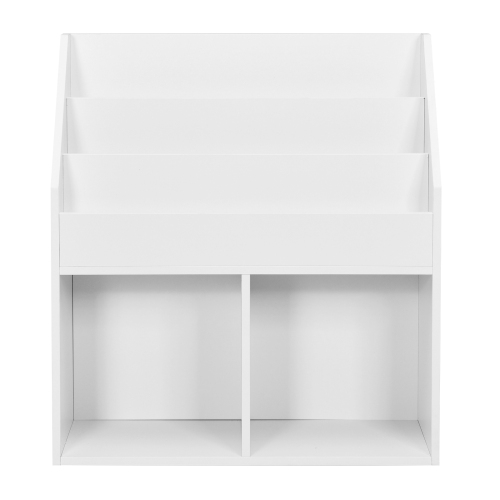
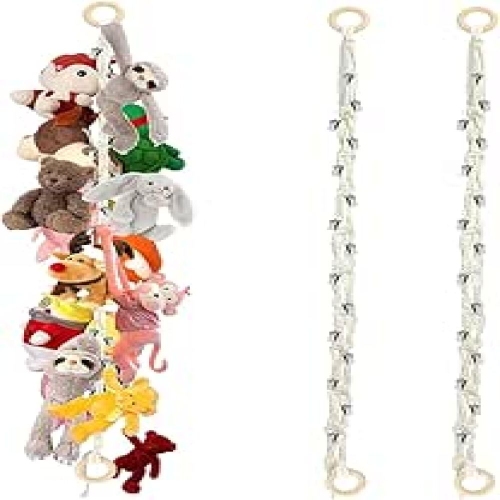

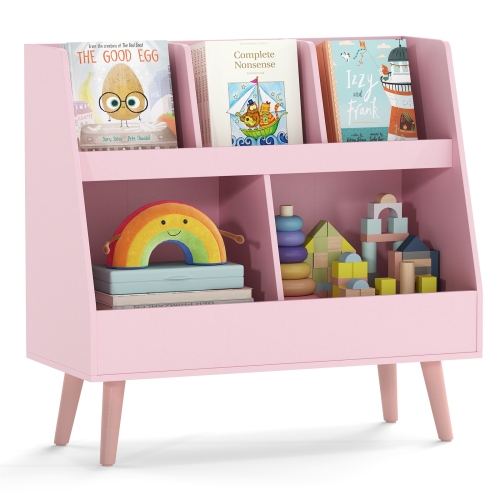
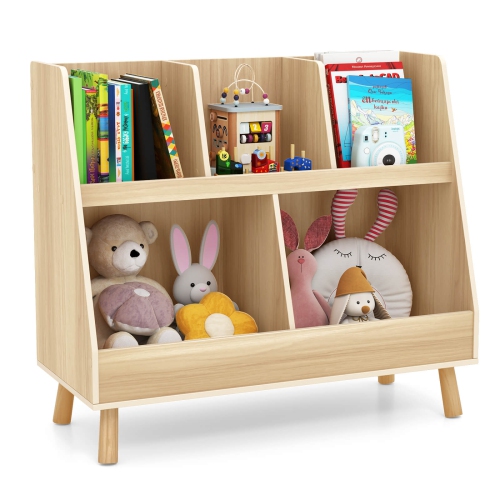
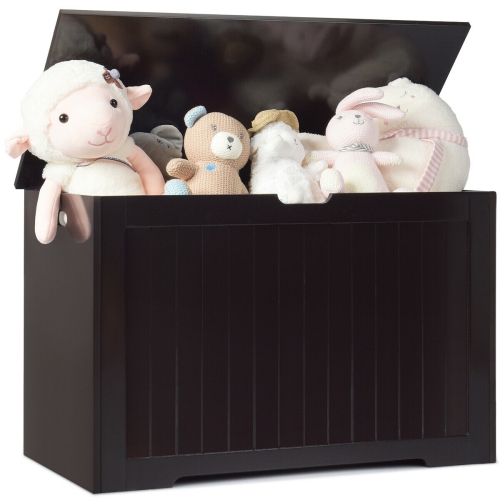
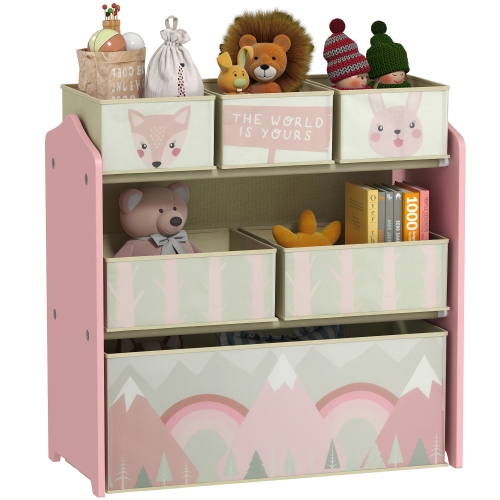
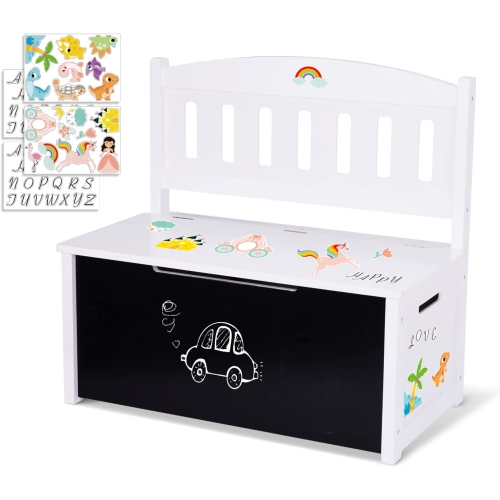
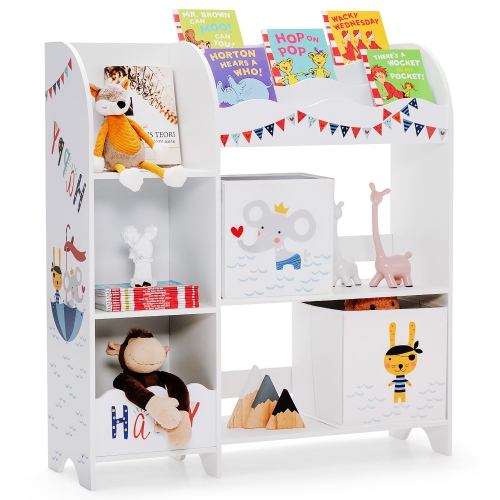
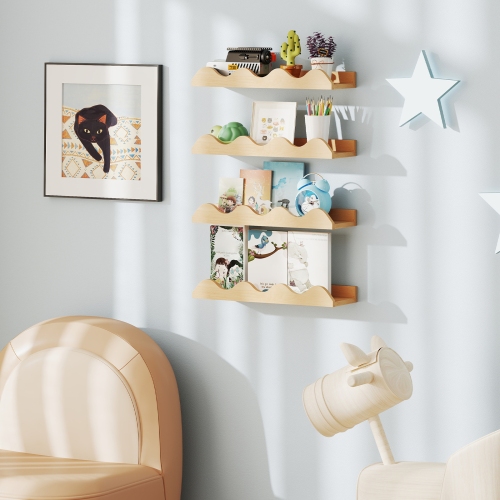
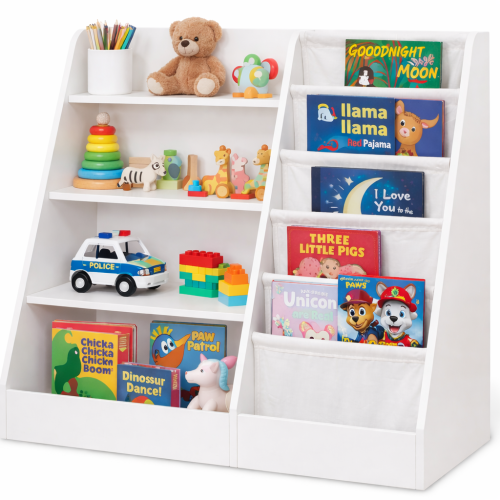
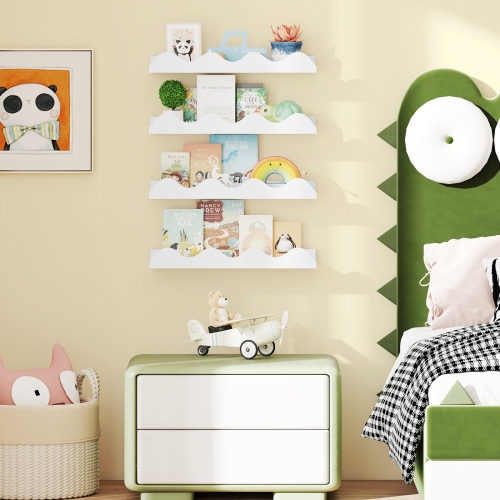
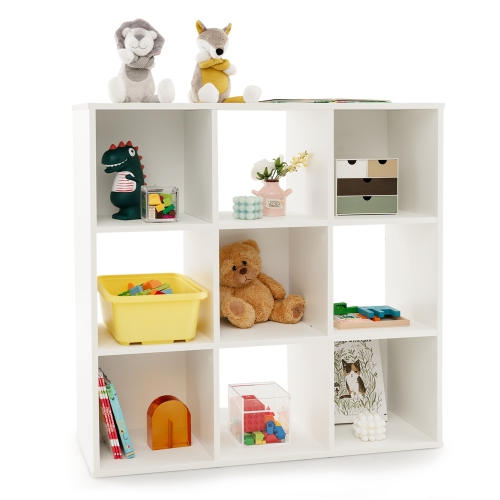
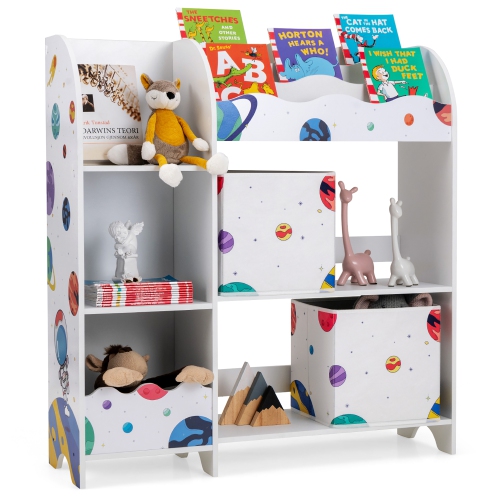
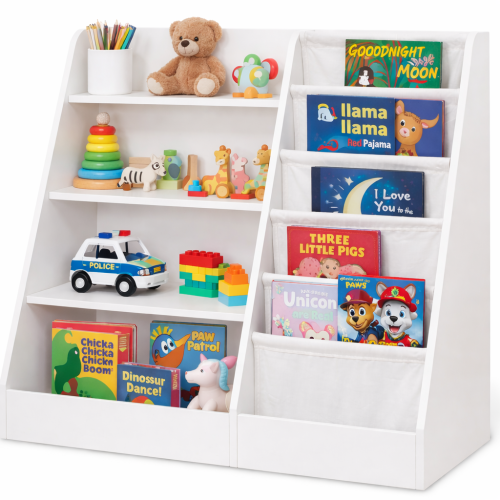
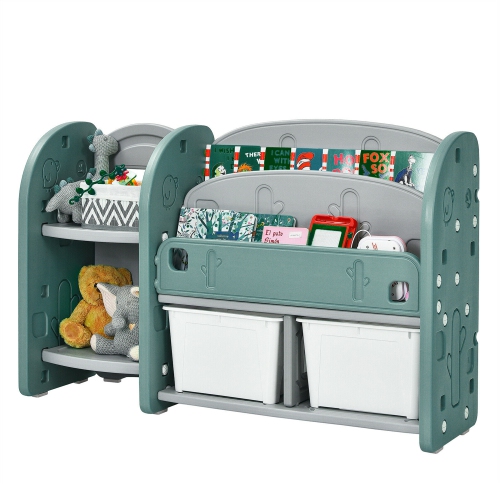
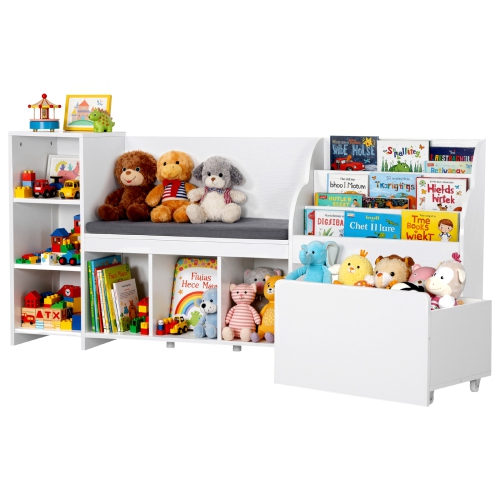
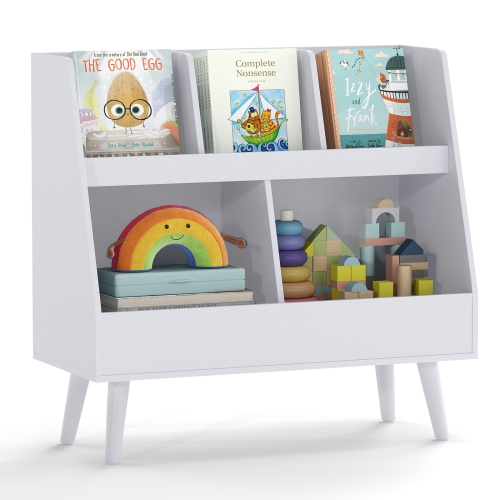
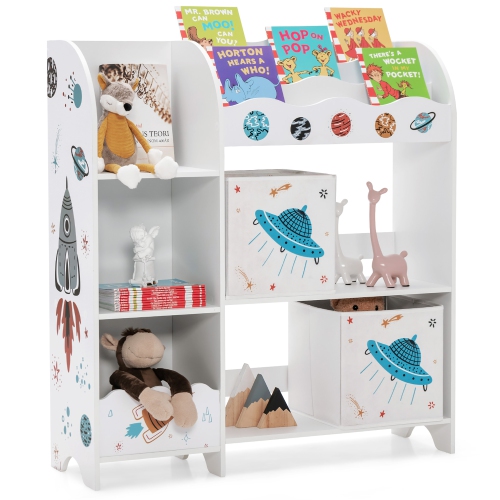
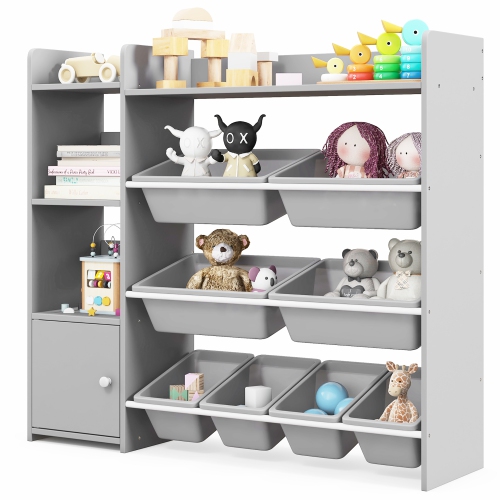
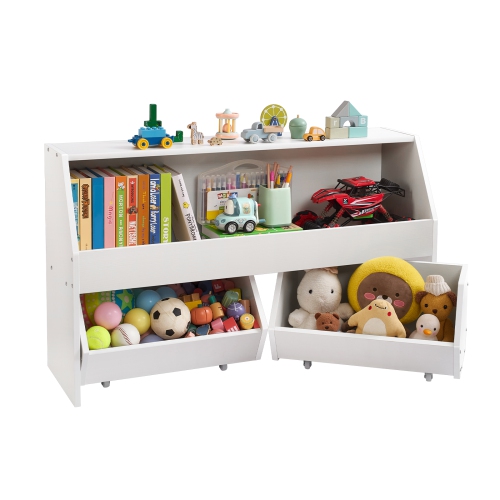
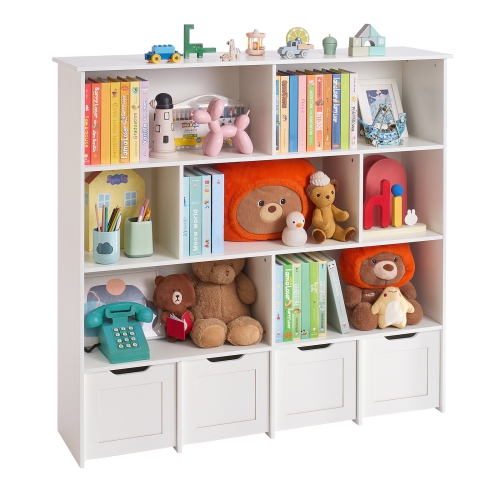
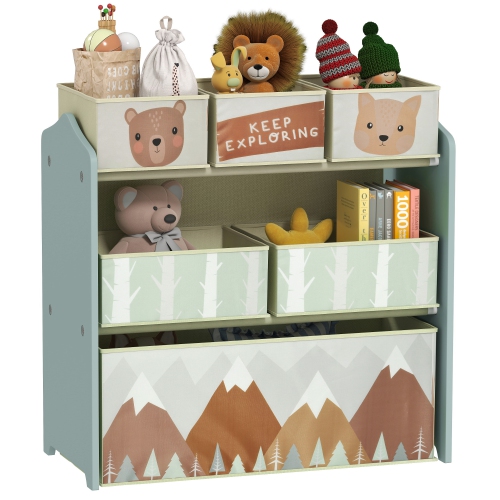
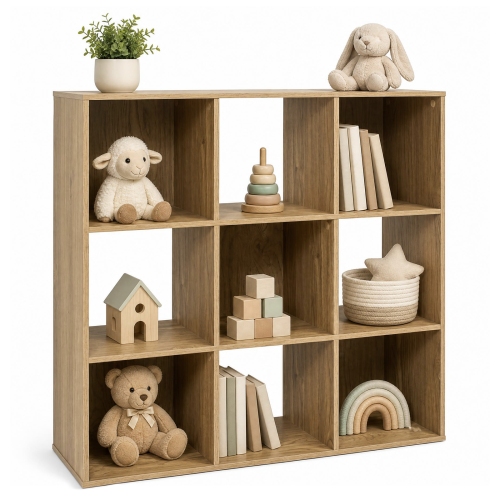
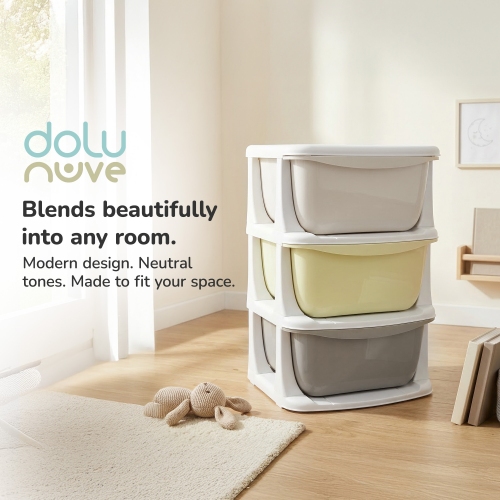
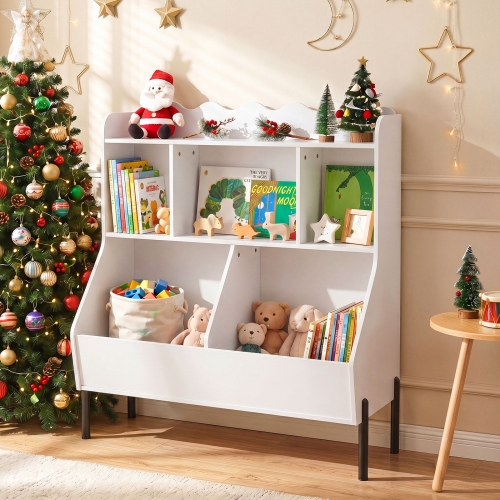
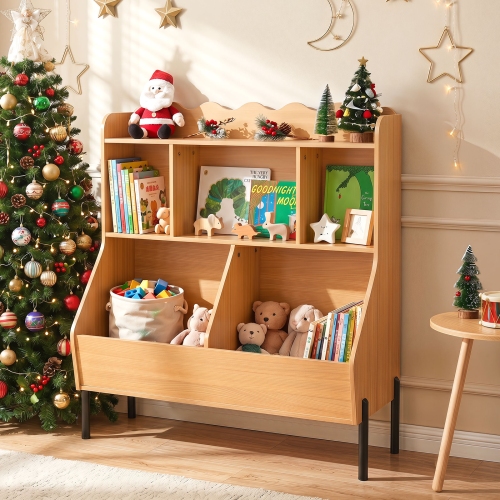
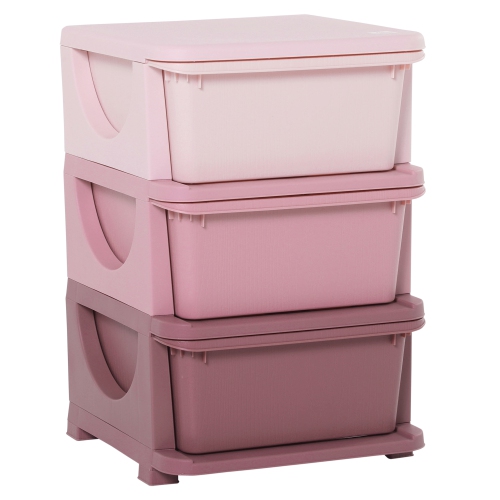
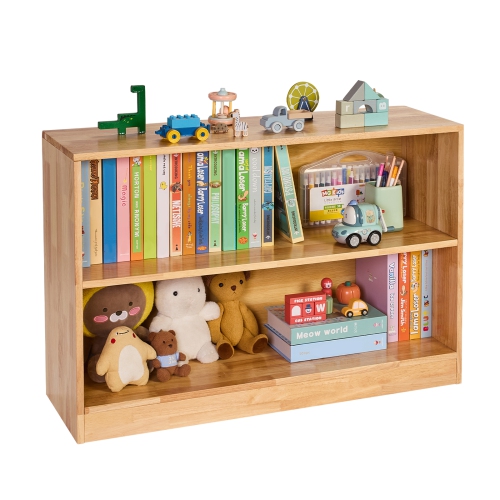
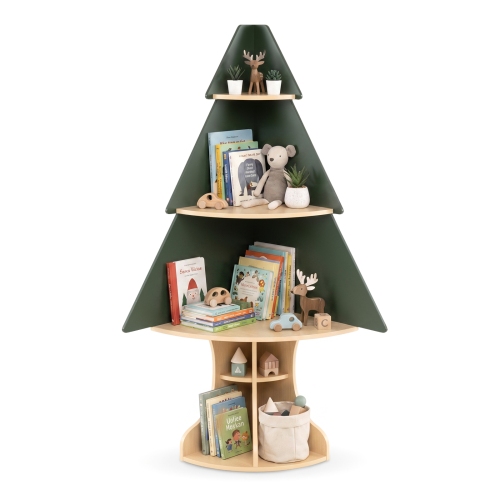
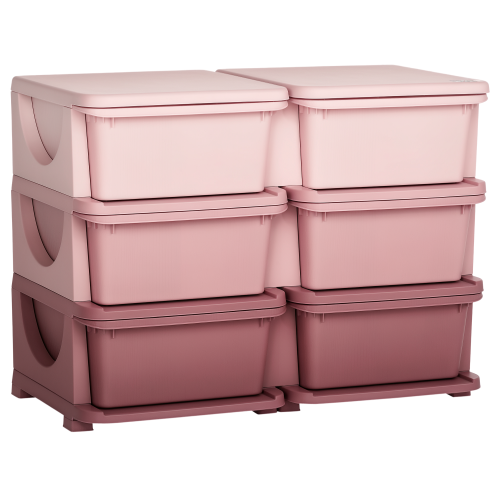
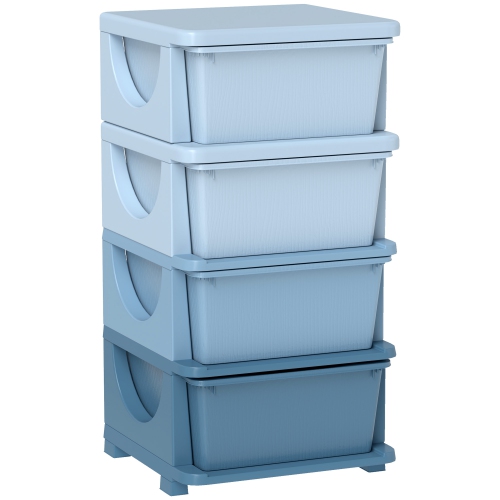
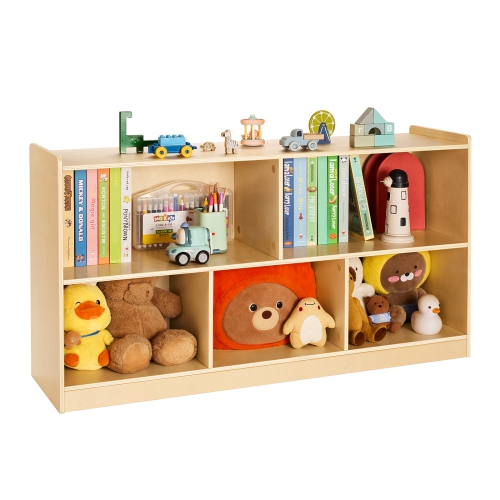

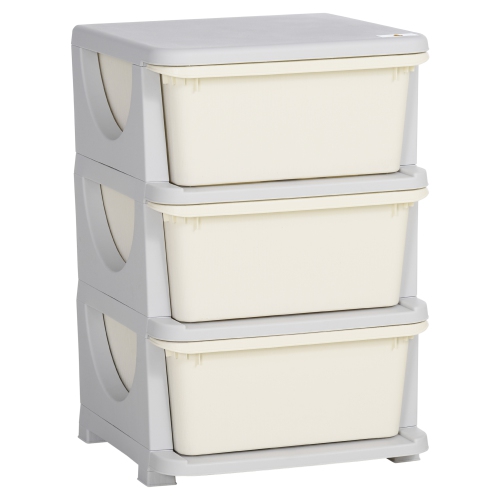
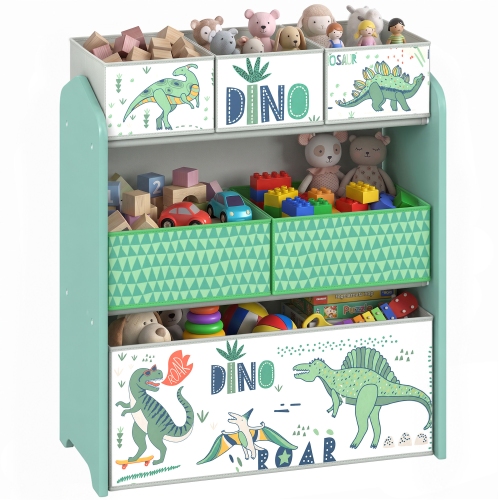
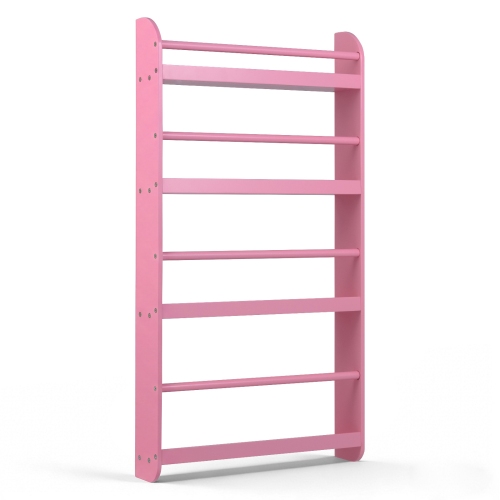
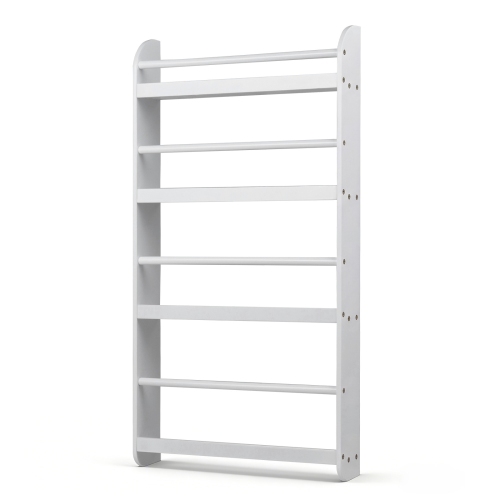

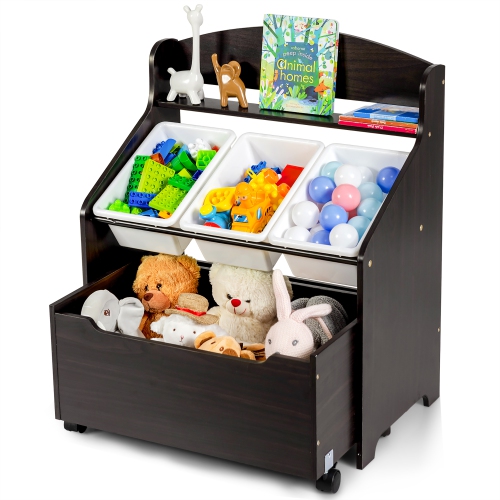
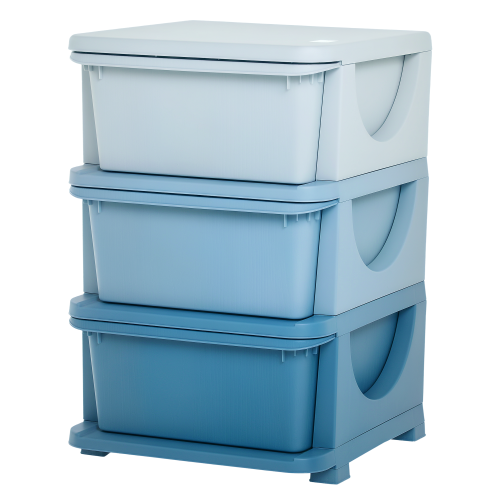

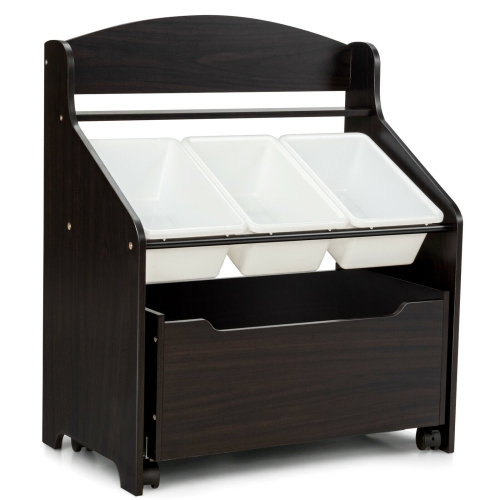
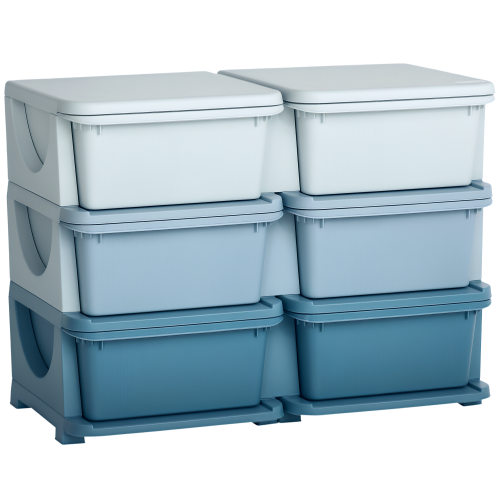
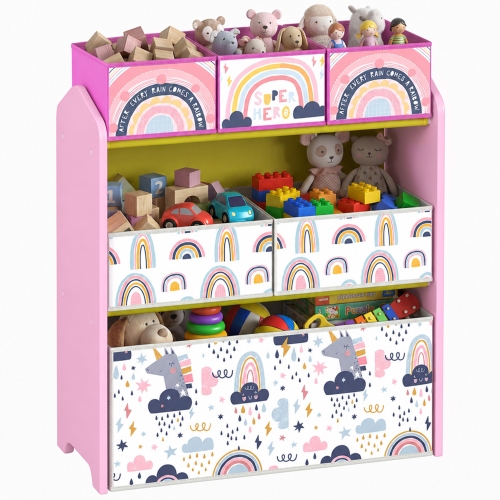
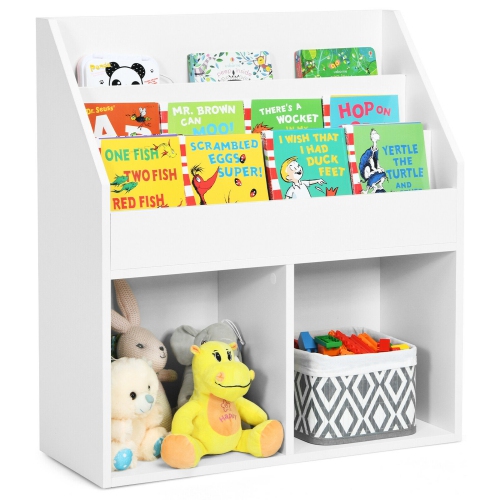
Accessible storage supports independent play and simpler clean-up
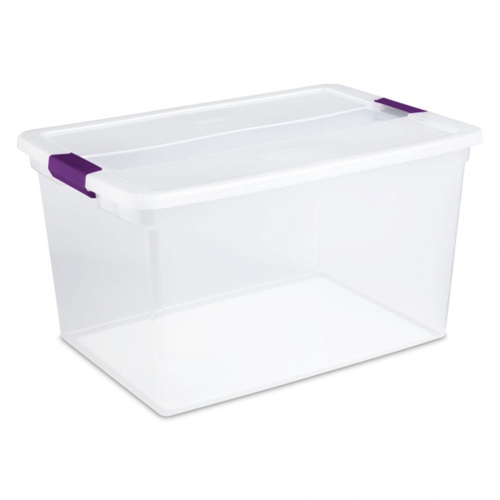
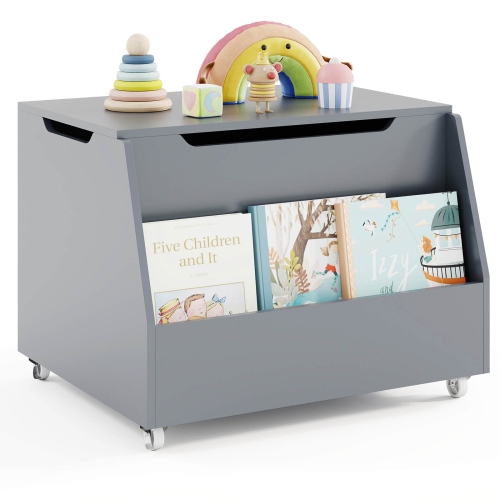
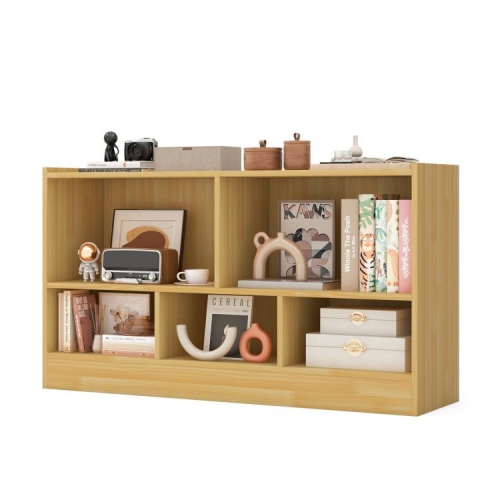
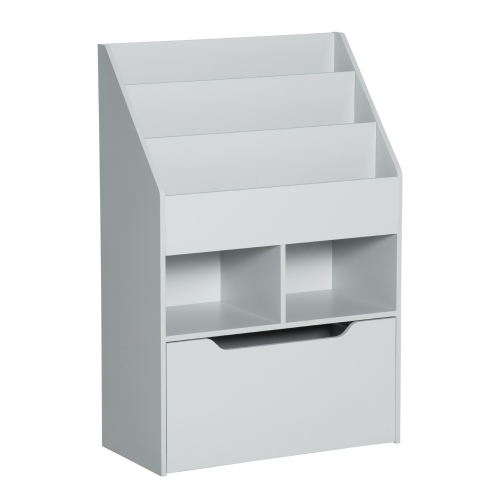
Playroom organizers help turn a busy children’s space into a room that feels easier to use, easier to tidy, and more welcoming for everyday play. When toys, books, craft materials, and games have a clear home, children can spend less time searching and more time building, drawing, pretending, and reading. The most useful storage often keeps favourite items visible and within reach, especially for younger children who are learning to put things away independently. Low shelving, open cubbies, and accessible bins allow children to see their choices without pulling everything from a tall cupboard or asking an adult for help. Open-top containers are especially practical for quick clean-up because they remove the extra step of opening a lid. Clear bins can make small toys easy to spot, while fabric or solid-colour bins can give the room a calmer, more coordinated appearance. A good playroom storage setup does not need to sort every toy into a separate container. Broad categories are usually easier to maintain: vehicles in one bin, building pieces in another, pretend-play accessories together, and stuffed animals in a basket or roomy cubby. This approach gives children enough structure to find what they need while keeping clean-up manageable after an energetic afternoon. For households with limited floor space, vertical storage can make use of an otherwise overlooked wall, while a compact cabinet or shelf can keep supplies contained without taking over the room. Those looking for enclosed compartments can also browse Playroom Storage Cabinets for a more concealed approach to keeping toys and activity materials organized.
When choosing playroom organizers, begin with the room’s dimensions, the children’s ages, and the kinds of items that need a home. Measure the available wall width, floor area, and clearance around doors, windows, radiators, and play tables before selecting a storage unit. A generous organizer may hold more, but one that is too large can make a small room feel crowded and leave little open space for play. Consider the height carefully as well. Storage used daily by young children should be low enough for them to reach safely, with heavier items placed on lower shelves and lighter items stored higher up. Tall furniture should be secured according to the manufacturer’s instructions, particularly in a room where children climb, pull, or move quickly. Look for smooth edges, sturdy construction, stable bases, and containers that are easy for small hands to lift. Removable bins make it possible to bring a whole category of toys to a play table, then return everything to its place when the activity is finished. Rolling drawers or baskets can be convenient for larger plush toys, dress-up clothing, and soft play accessories, while divided compartments are useful for puzzles, books, and boxed games. Art supplies deserve extra thought: washable markers, paper, colouring books, and craft tools can be grouped together, but items that require supervision should be stored higher or in a separate closed compartment. If the playroom serves children of different ages, create a lower section for everyday toys and a higher section for pieces that are small, delicate, or intended for older children. Labels with words, pictures, or both can help pre-readers understand where things belong. A simple picture of blocks, books, or toy animals can be more useful than a written label alone, especially during the quick reset before meals or bedtime.
Playroom organizers can also support changing routines as children grow. A nursery corner may begin with baskets for soft toys and picture books, then gradually make room for construction sets, board games, collections, and creative projects. Modular shelves and movable bins make it easier to adjust the arrangement when interests change or when a play area needs to share space with a living room, bedroom, or family room. In a shared space, choose storage that looks at home alongside existing furniture and use closed compartments for items that need to be kept out of sight between activities. In a dedicated playroom, open shelving can display favourite books and toys while leaving a clear central area for floor play. During the cooler months, when indoor activities often become a larger part of the daily routine, a well-planned organizer can make room for forts, train layouts, puzzles, and craft stations without allowing supplies to spread from one end of the room to the other. It can also be a thoughtful gift for families preparing a child’s room, welcoming a new sibling, or creating a more functional space for birthdays and family gatherings. Before making a choice, think about how the organizer will be used at the busiest time of day, not only how it looks when empty. A parent may need to collect toys quickly after dinner, a child may want to reach a favourite book independently, and siblings may need separate places for their belongings. The best arrangement accommodates those real moments with accessible storage, clear categories, and enough flexibility for the room to change. With the right combination of bins, shelves, drawers, and cabinets, putting toys away becomes a familiar part of play rather than a major task at the end of the day.
Top selling and popular products
-
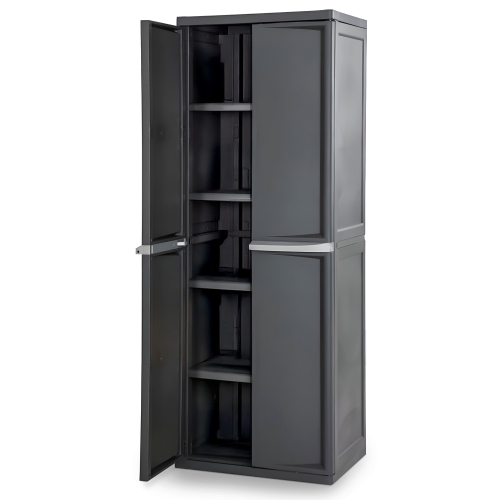 Your price for this item is $459.99
-
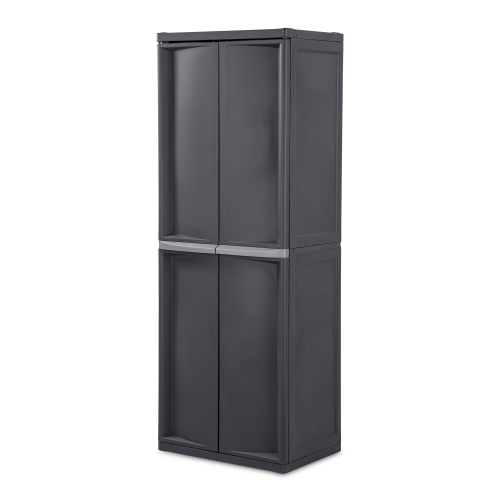 Your price for this item is $1530.99
-
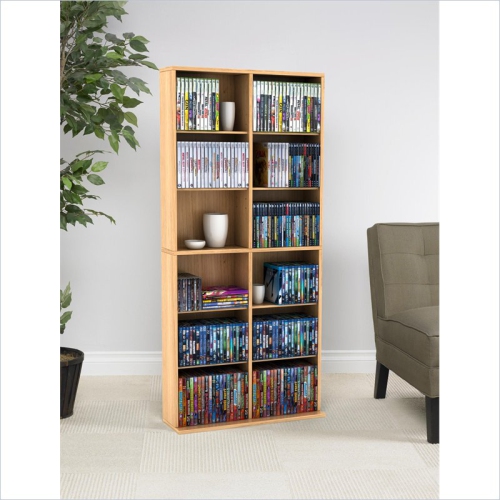 Your price for this item is $234.68
-
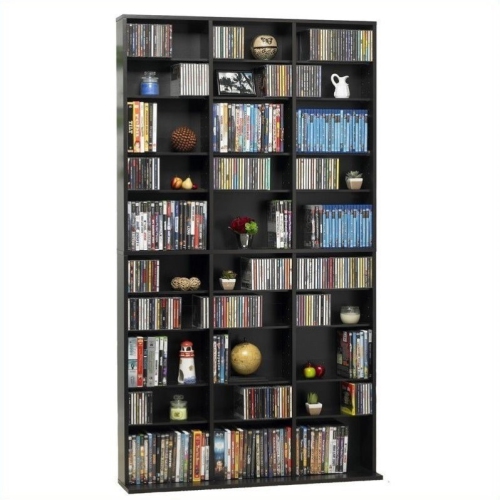 Your price for this item is $365.85
-
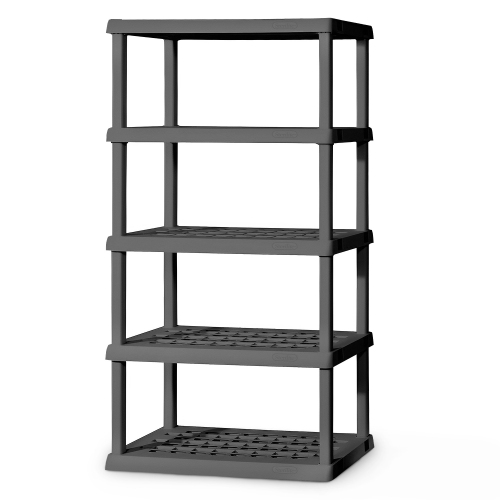 Your price for this item is $331.99
-
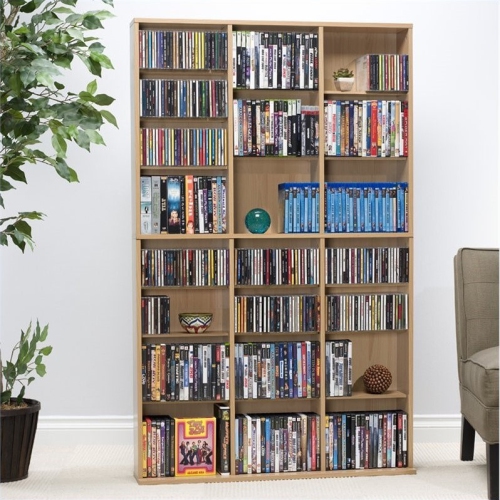 Your price for this item is $295.5
-
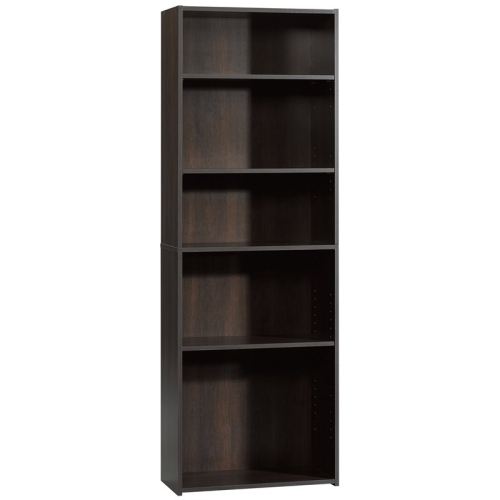 Your price for this item is $208.99
-
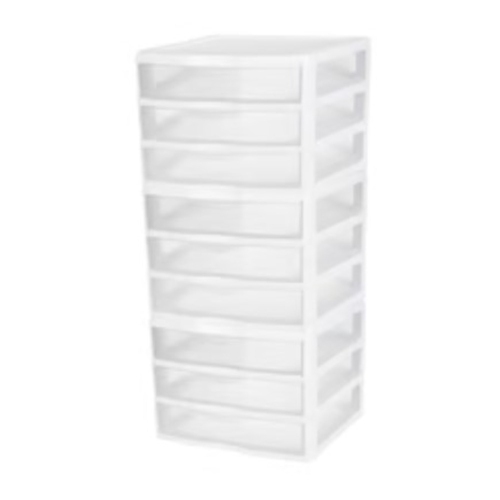 Your price for this item is $127.99
Discover more categories related to Playroom Organizers

Top Collections:
Pokemon Centers, Kindle Devices, Best Budget Office Chairs, Canon G7X Cameras, Apple iPhones 16, Samsung Galaxy Phones, Refurbished Apple Laptops, Laptops for Students, iPhone 15 Apple, Budget Smartphones
Some products may be subject to Environmental Handling Fees
(EHF) depending on your province.
Learn more about EHFs.