Playroom Storage Ideas
Organizing a playroom can be both fun and functional, creating a space where kids can play, learn, and let their imaginations run wild. With the right storage solutions, you can keep toys, games, and art supplies neatly tucked away while still making them easily accessible for little ones. From colorful bins and baskets to versatile shelving units and toy chests, there are plenty of creative ways to maximize space and minimize clutter in your playroom. Explore these storage ideas to transform your child's play area into a tidy and inviting space that sparks joy and creativity.
Sort
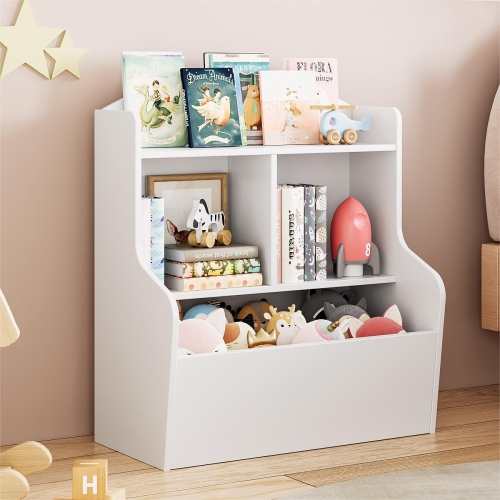
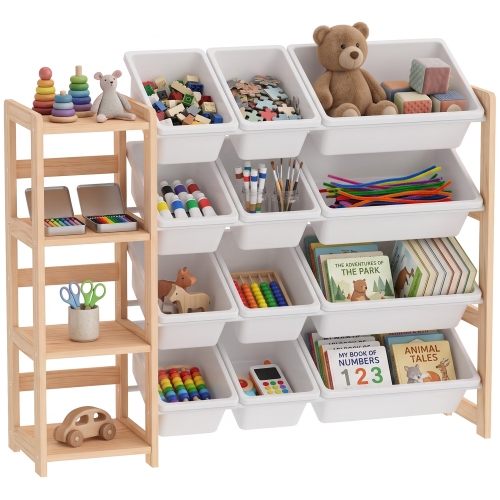
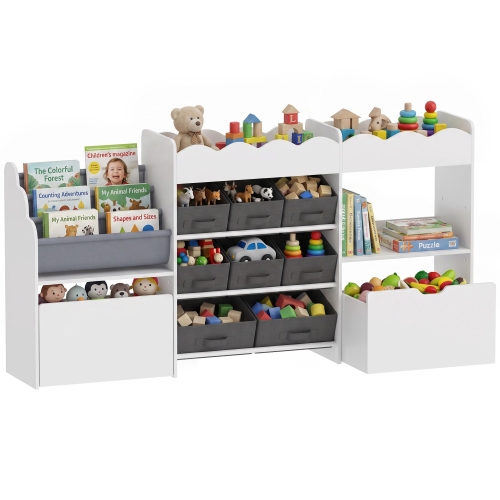
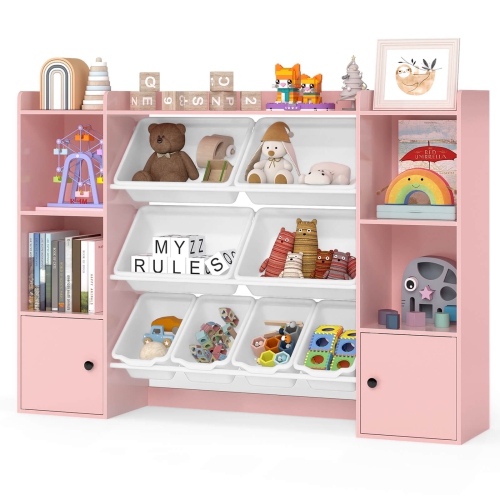
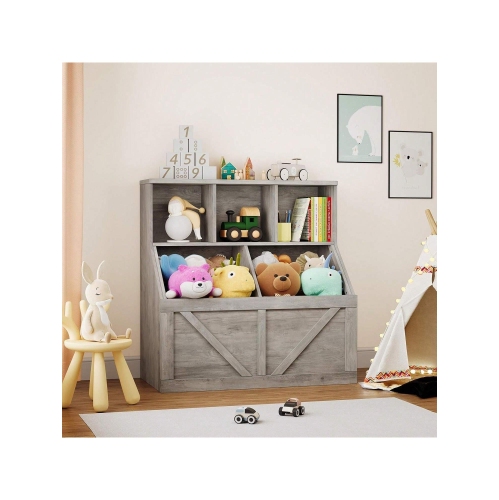
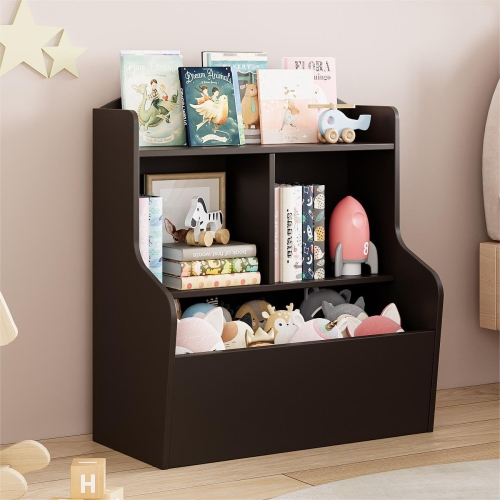
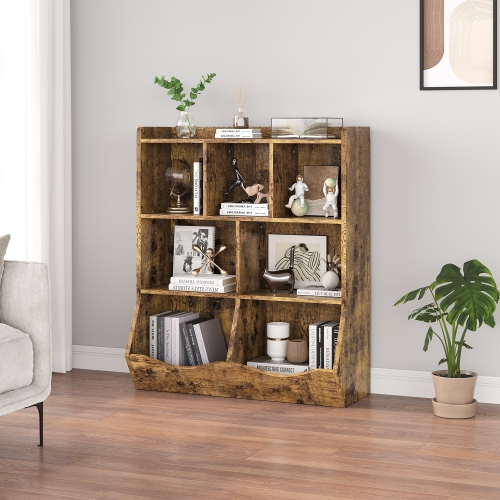
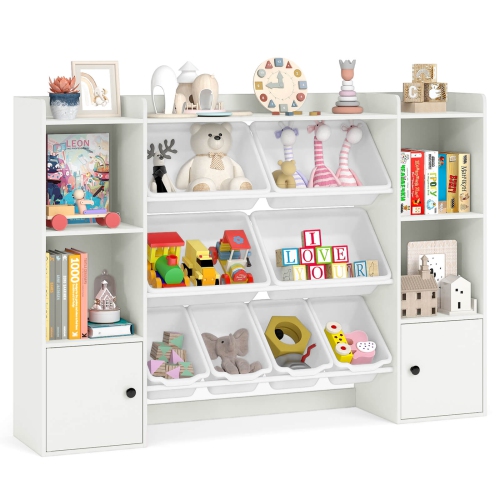
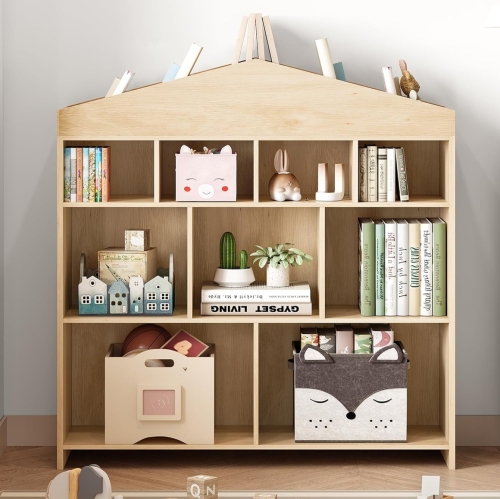
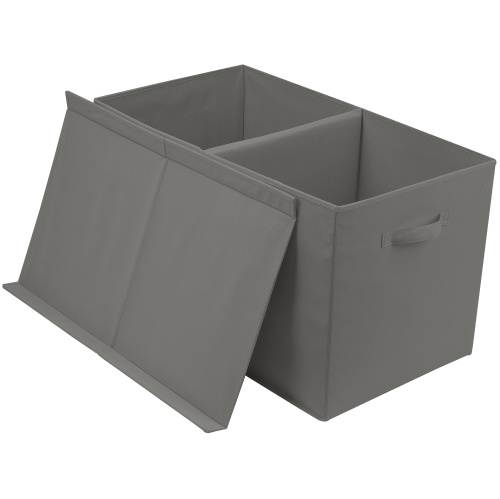
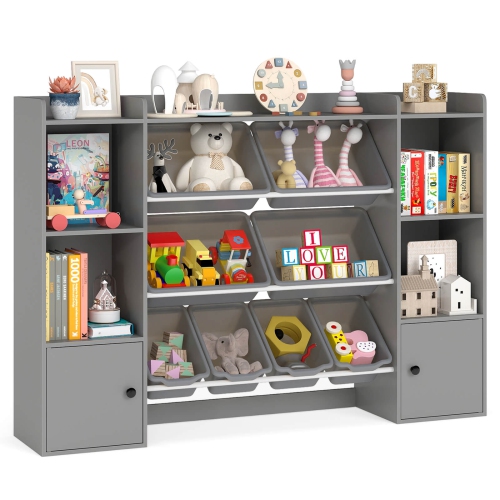
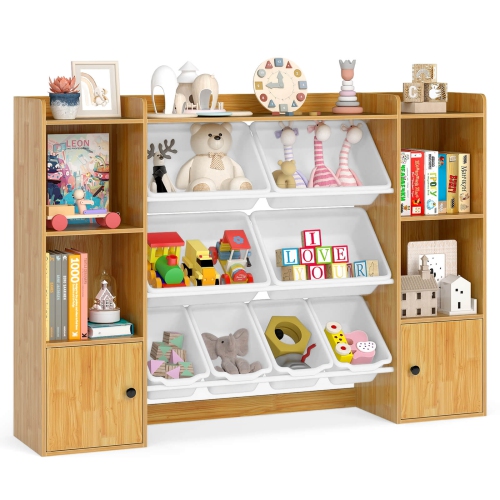
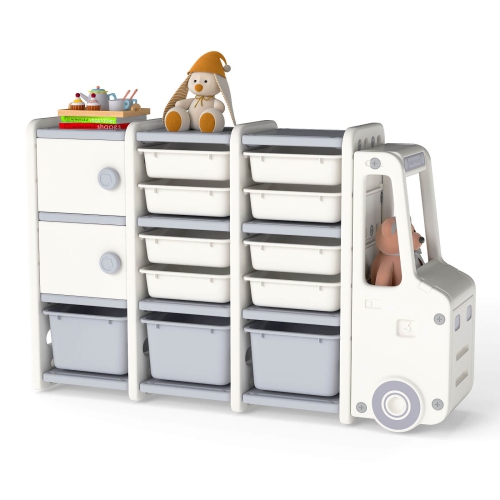
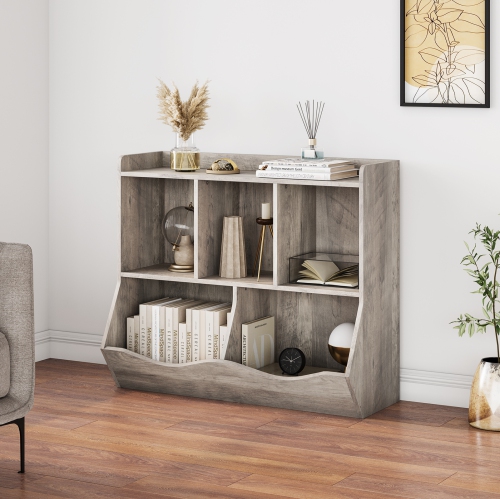
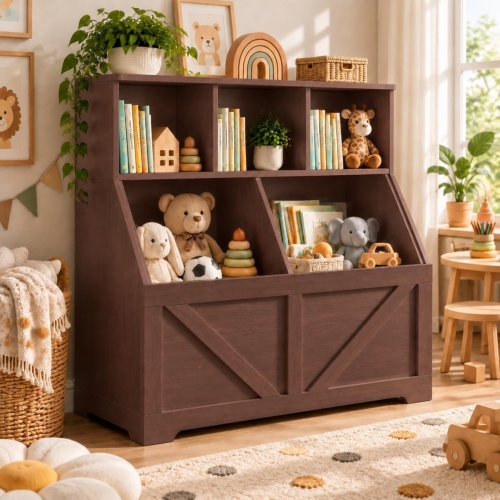
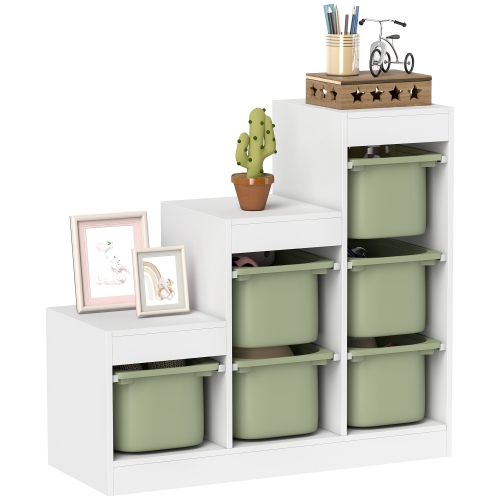
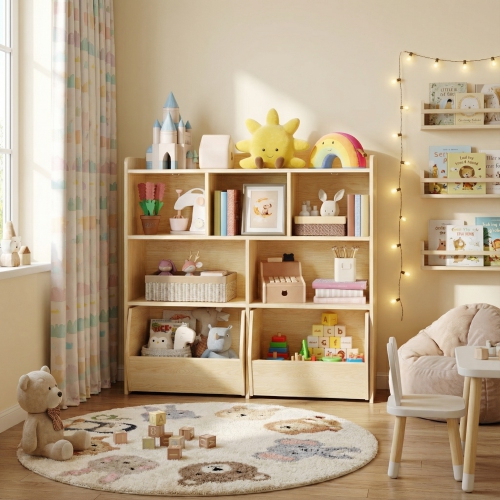
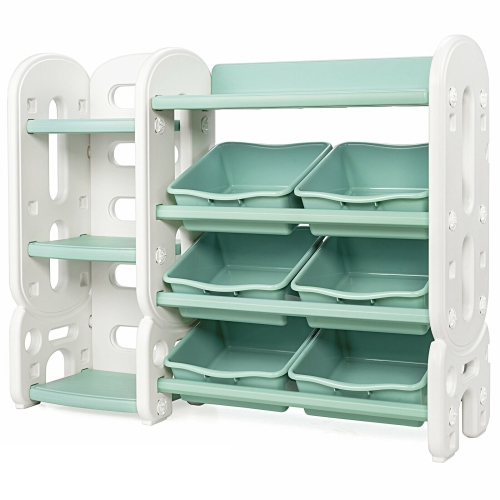

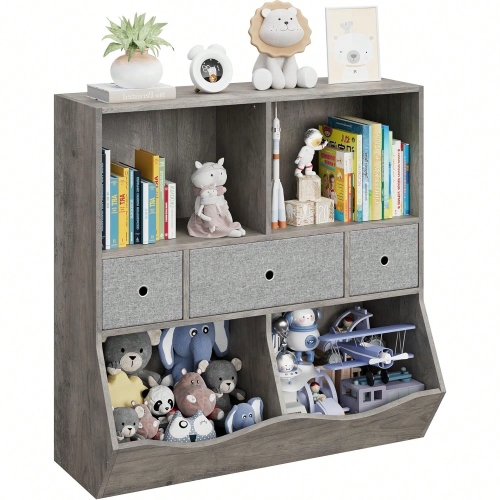
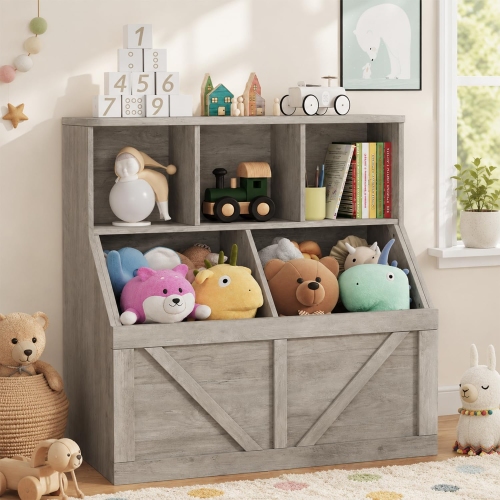
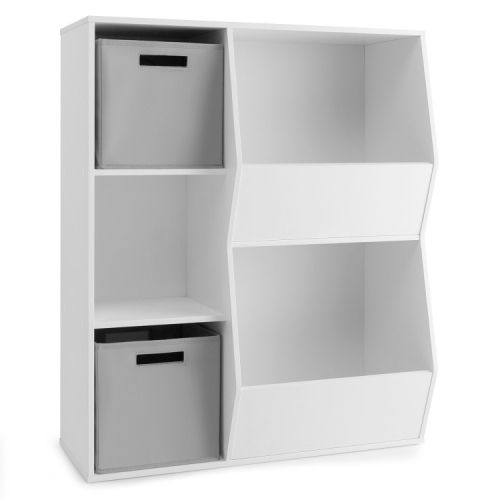
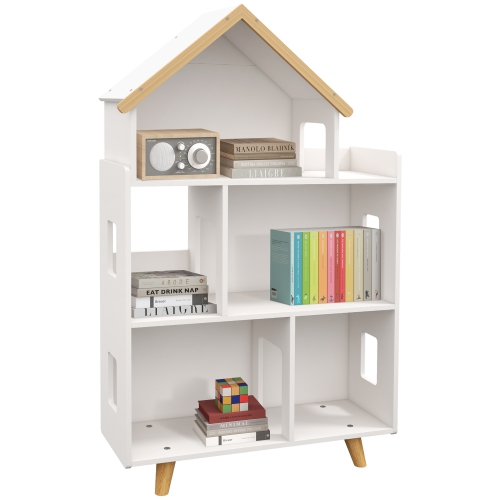
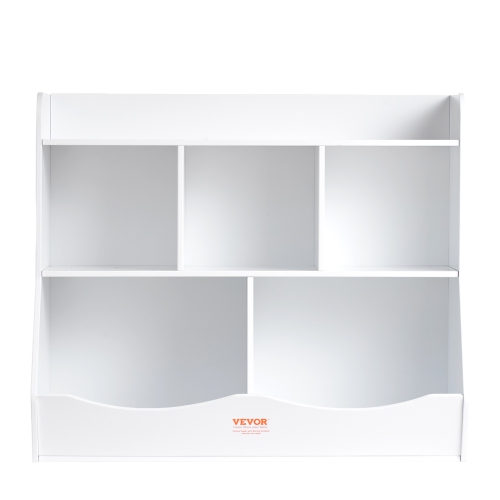
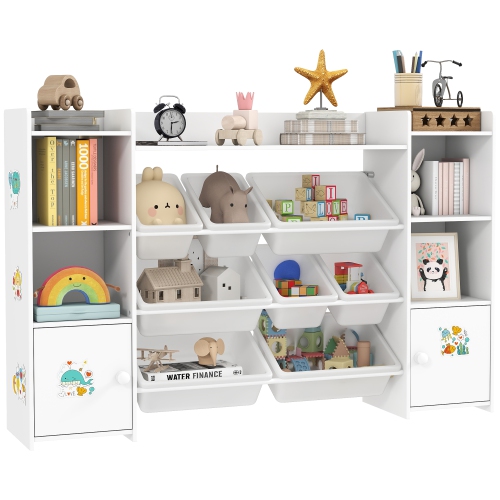
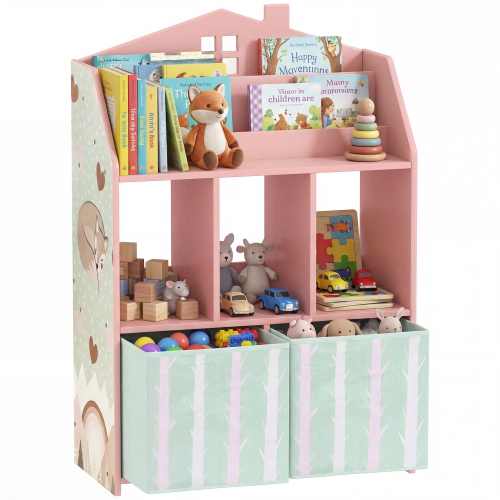
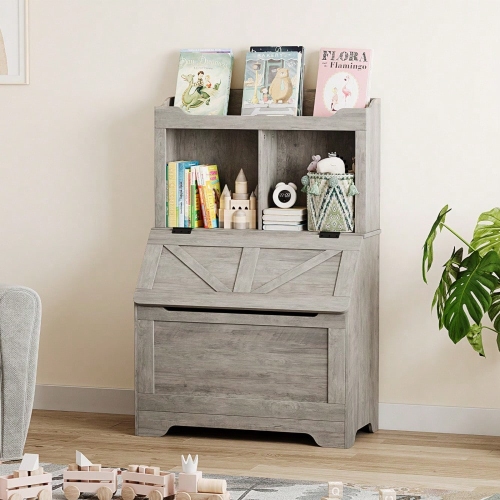
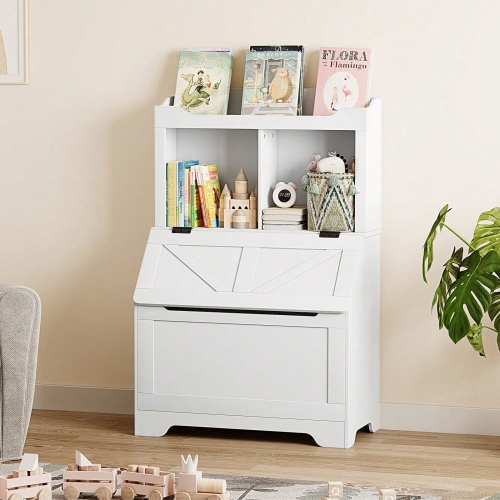
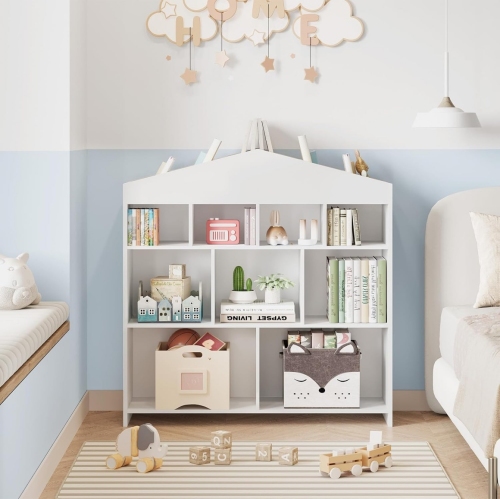
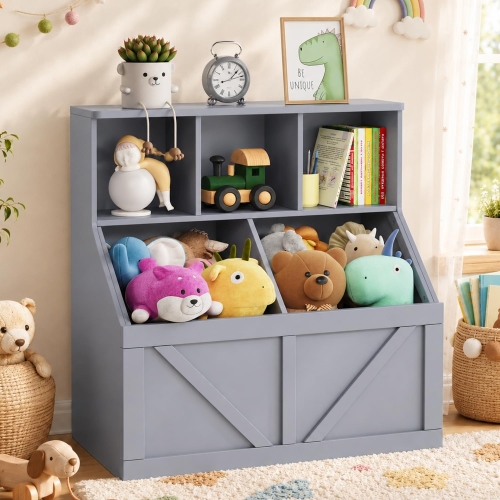
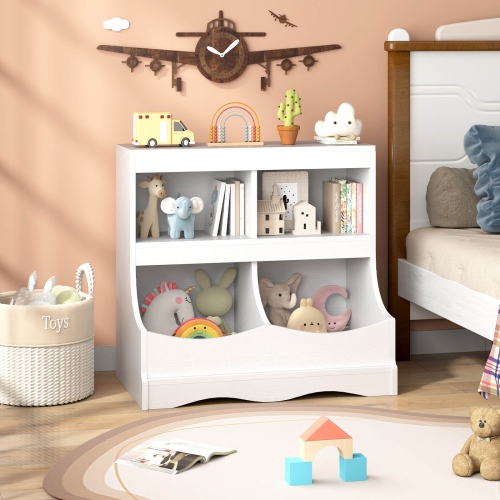
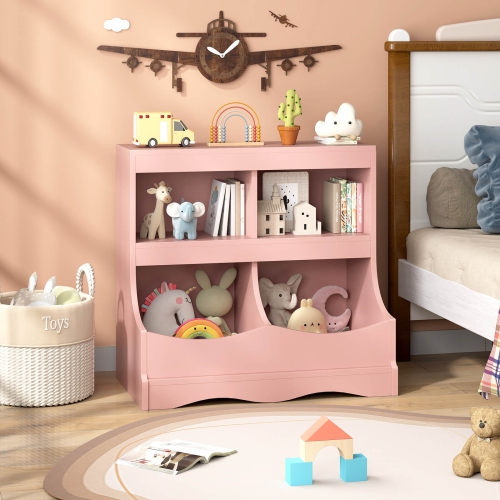
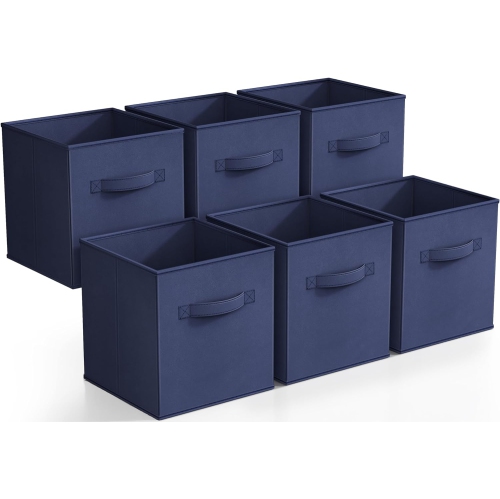
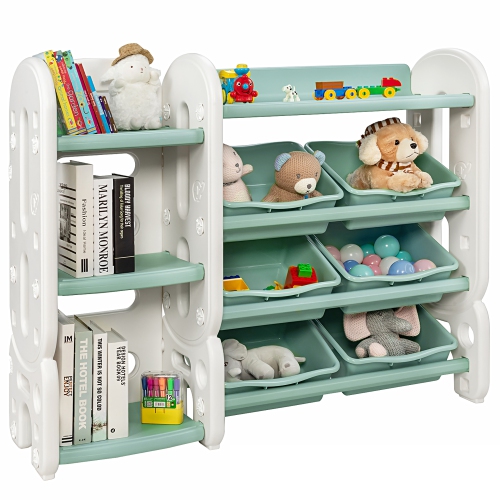
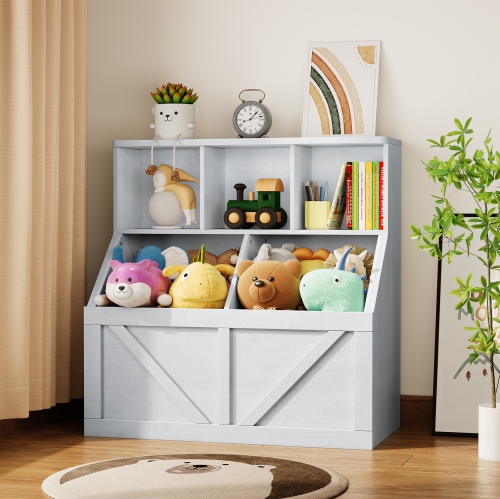

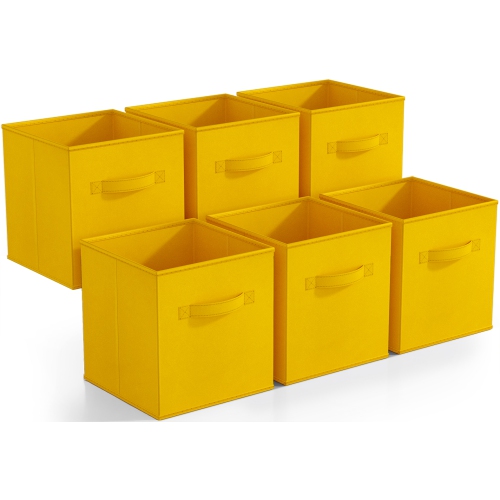
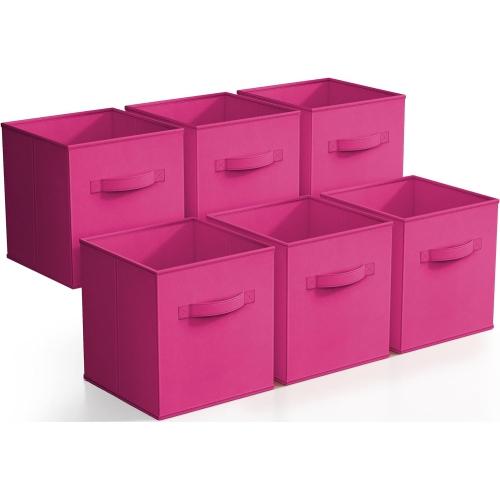
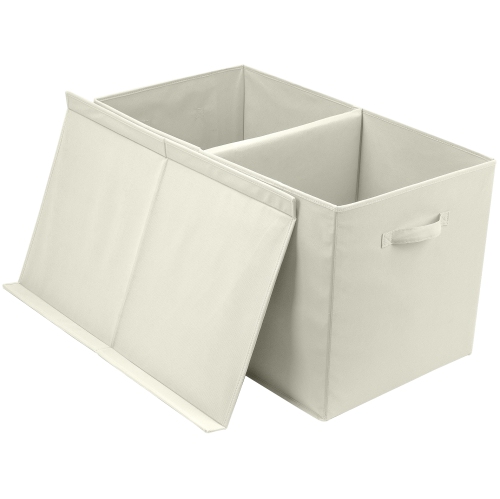
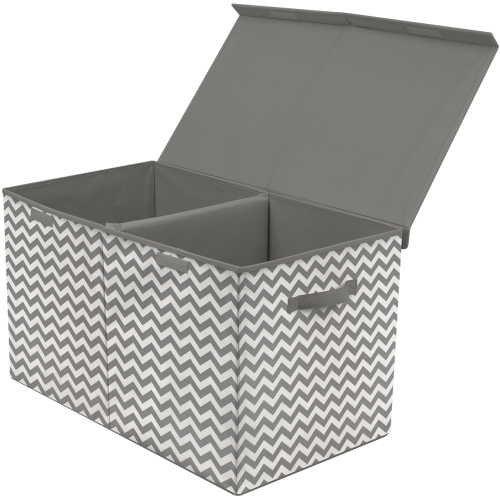
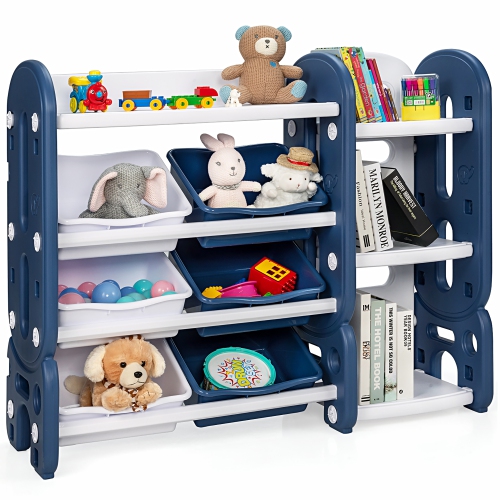
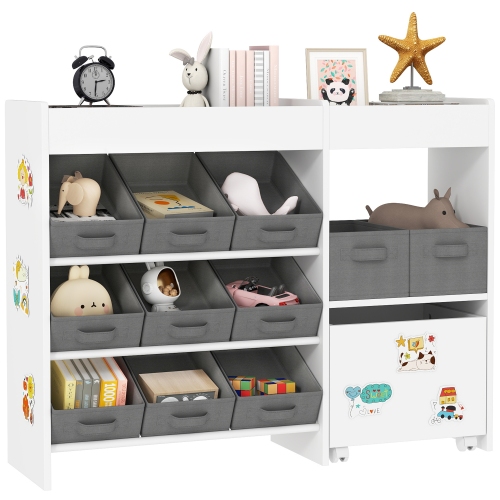




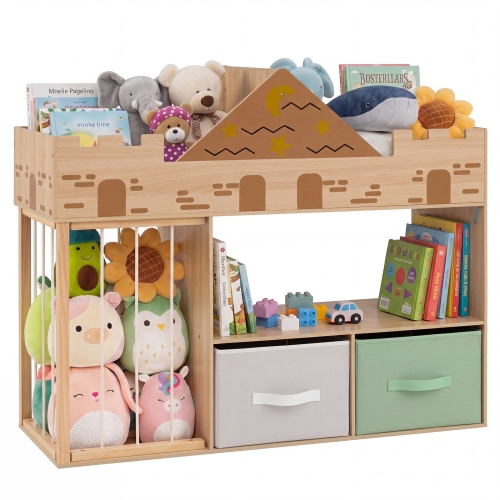
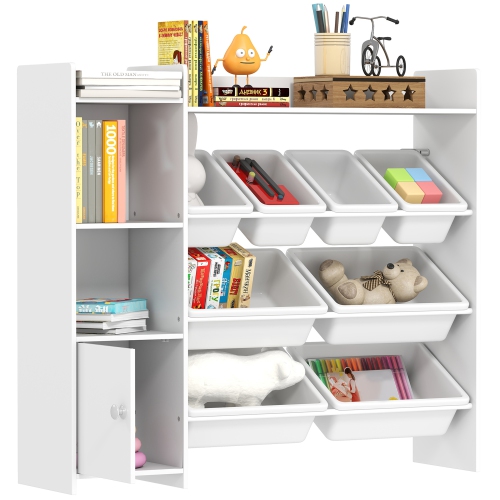
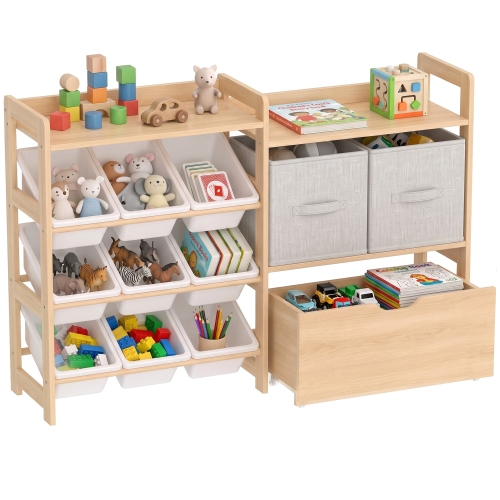


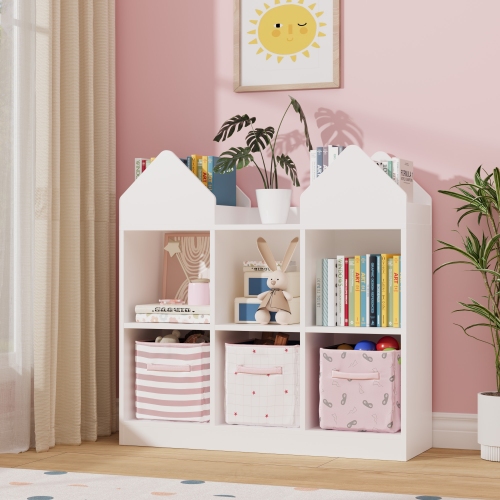
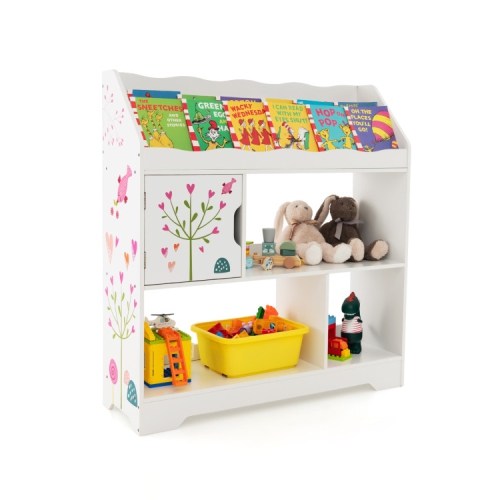
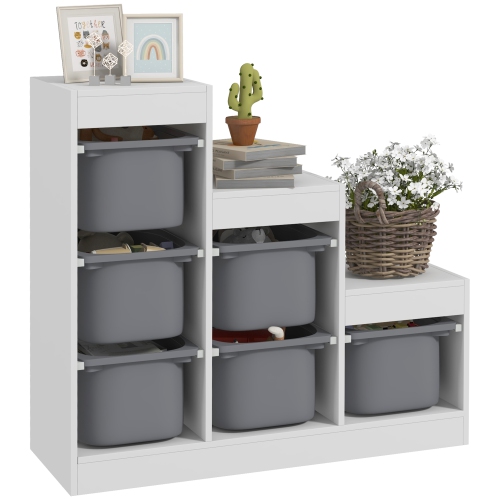
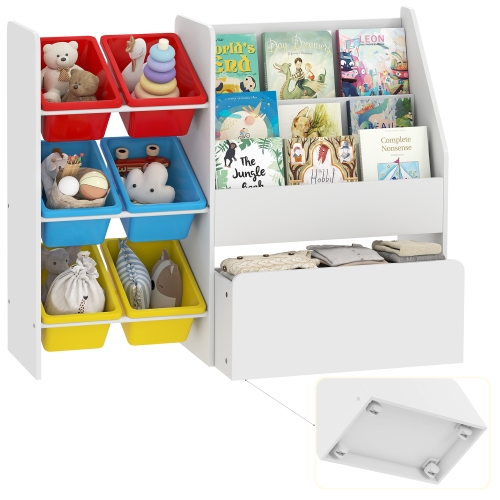
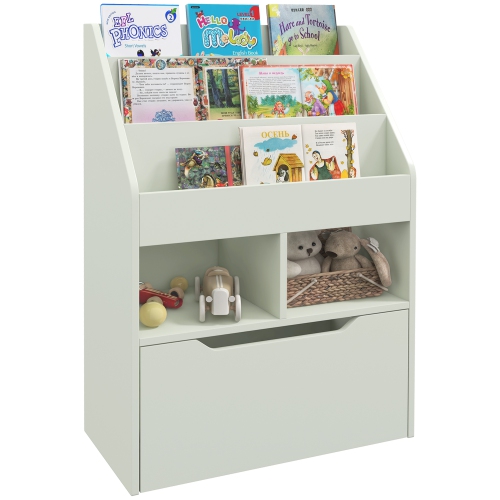
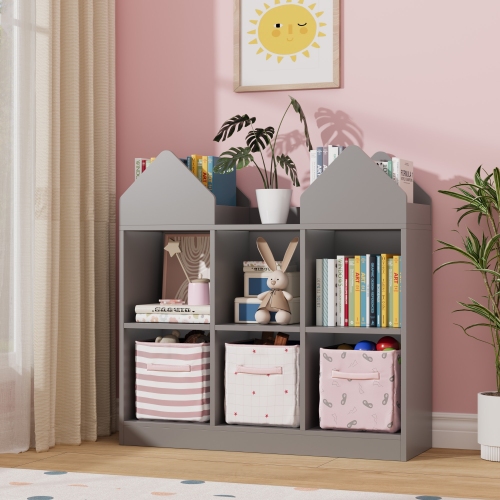
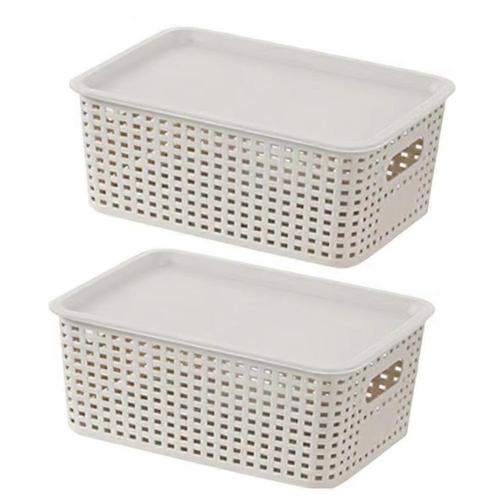
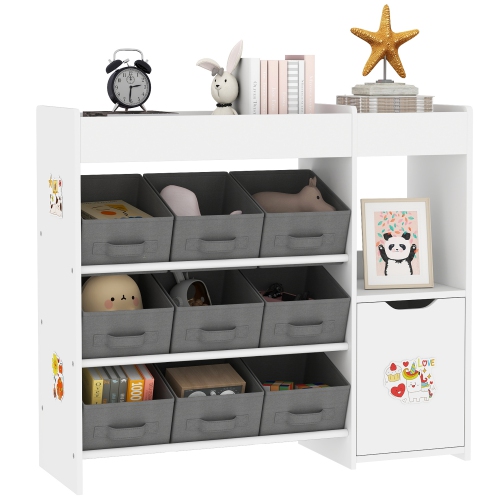
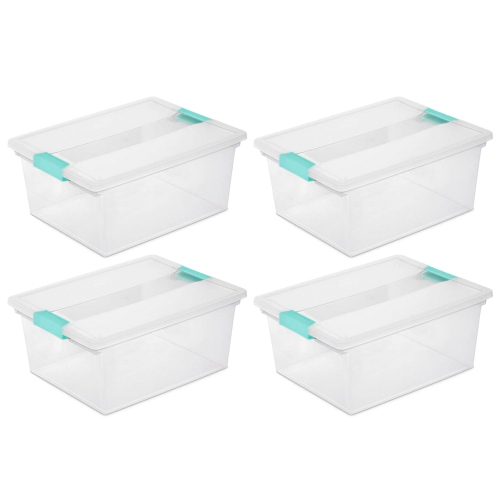
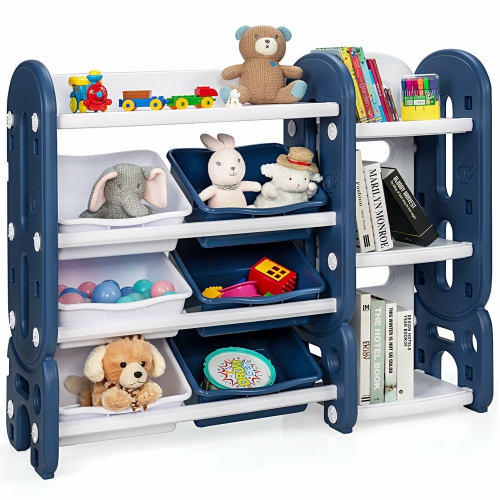
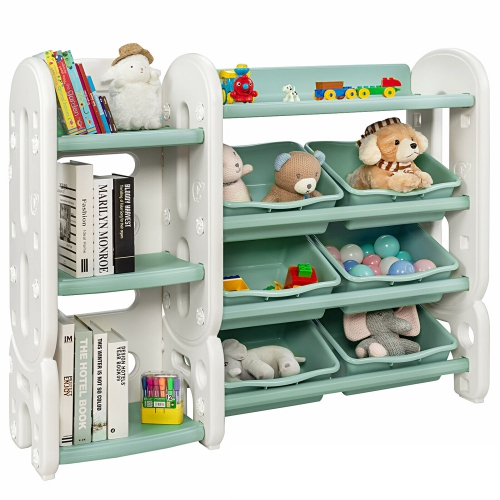
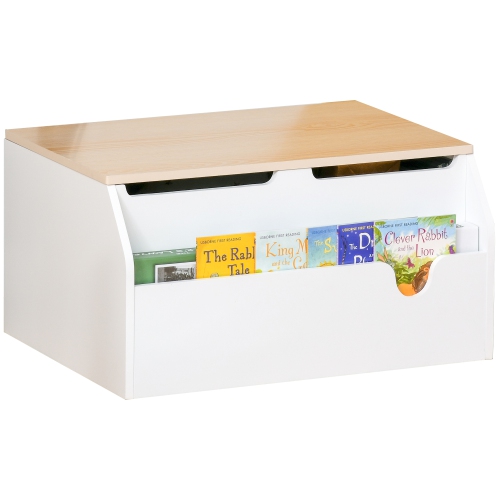
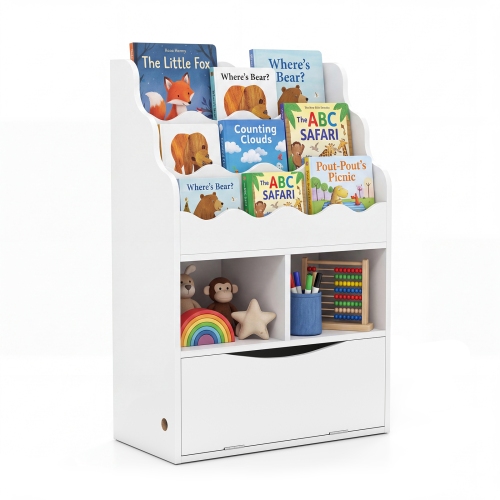
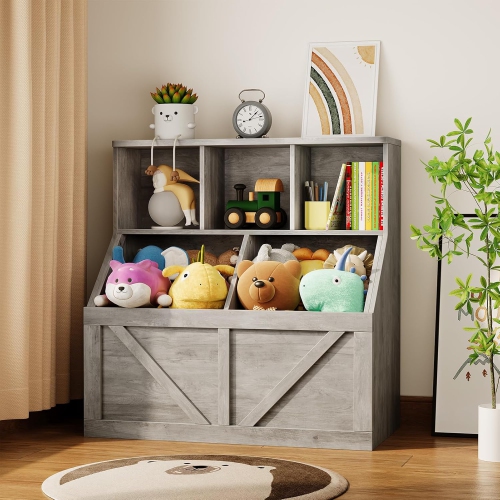
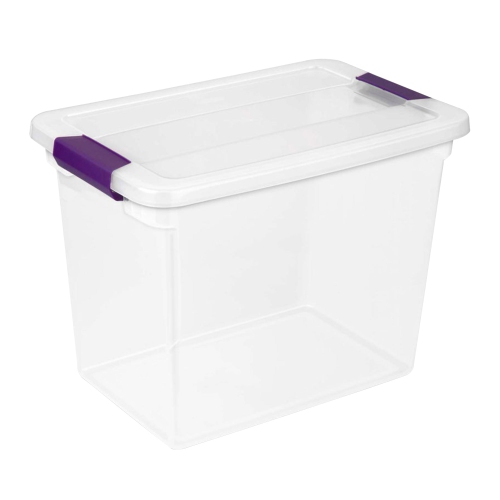
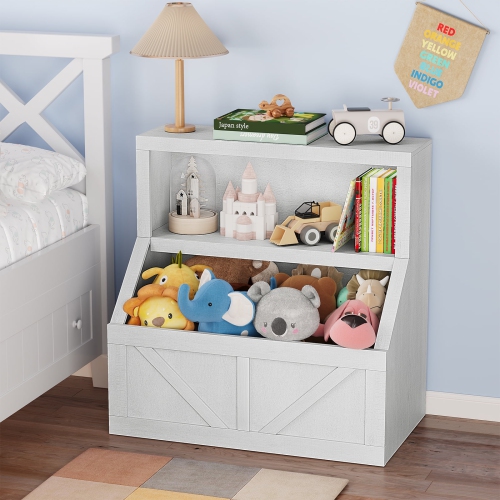
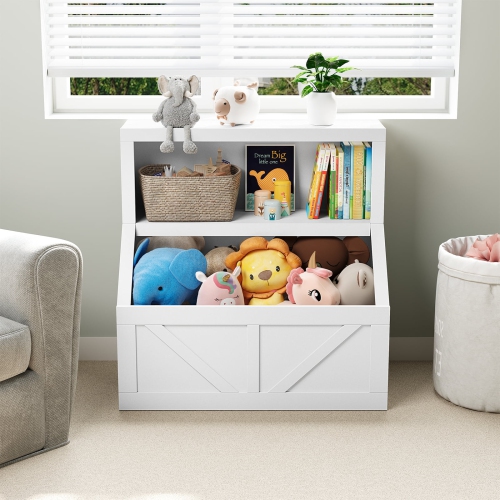
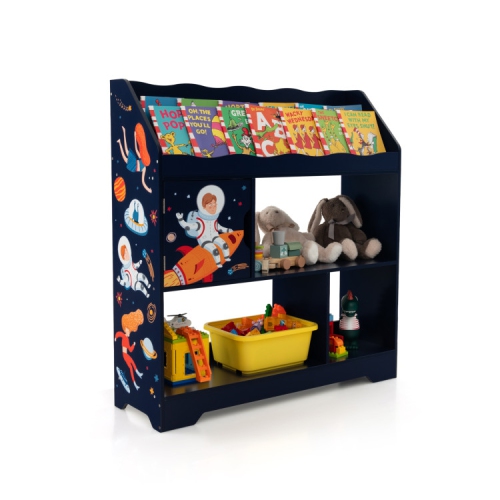
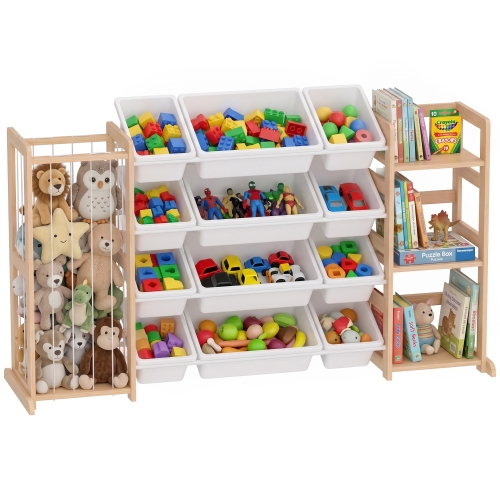
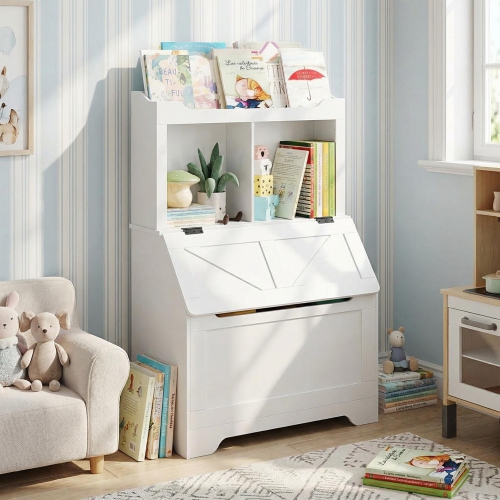
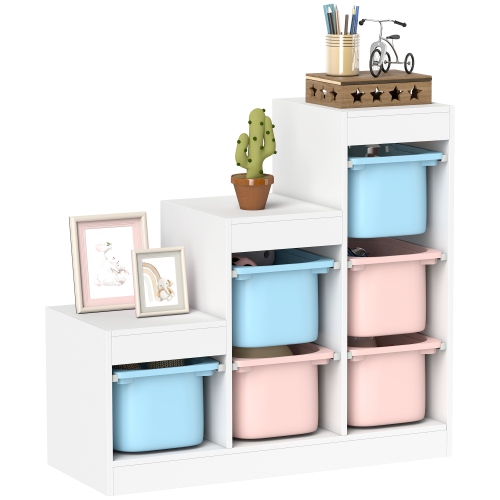
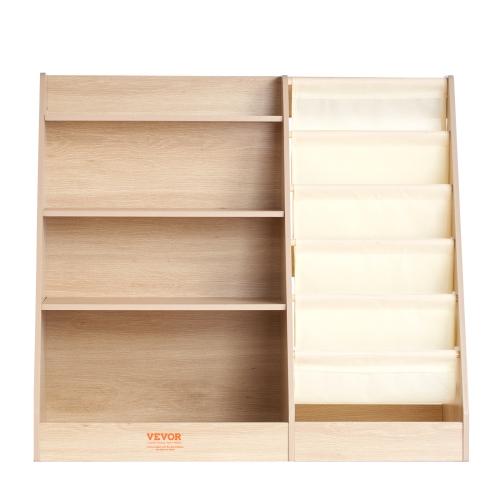
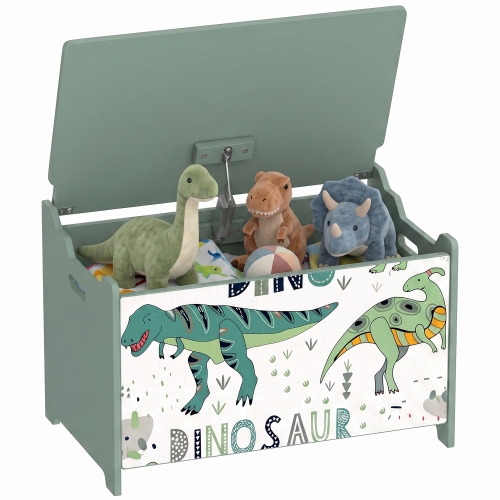
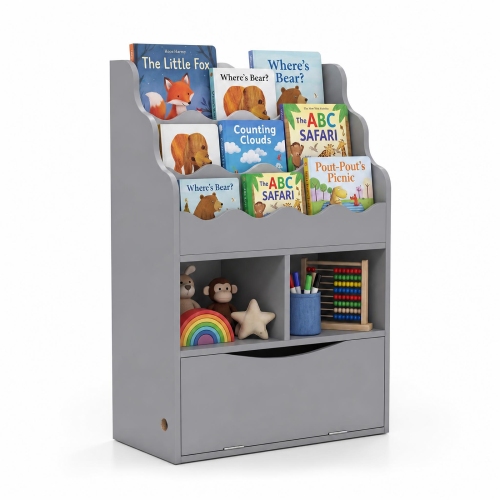
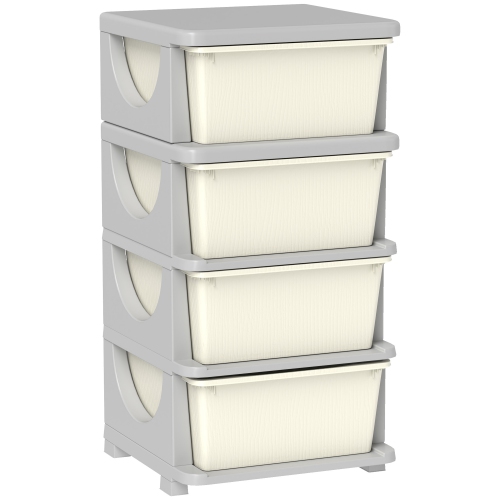
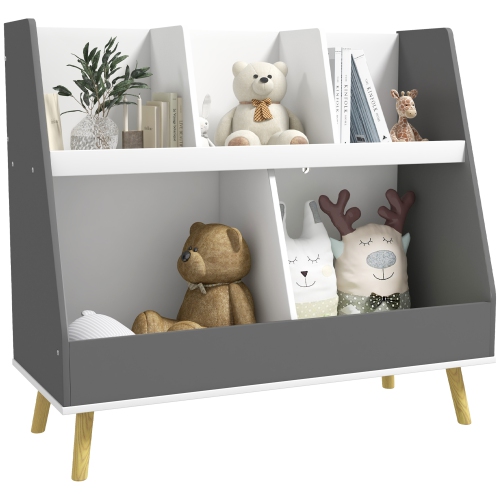
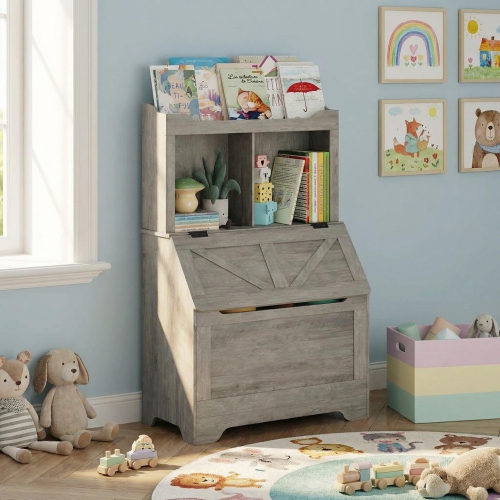
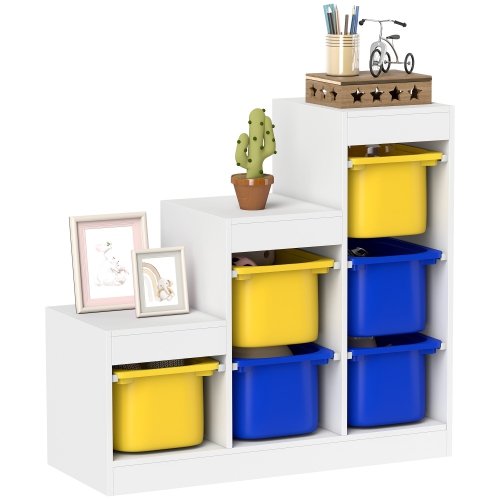

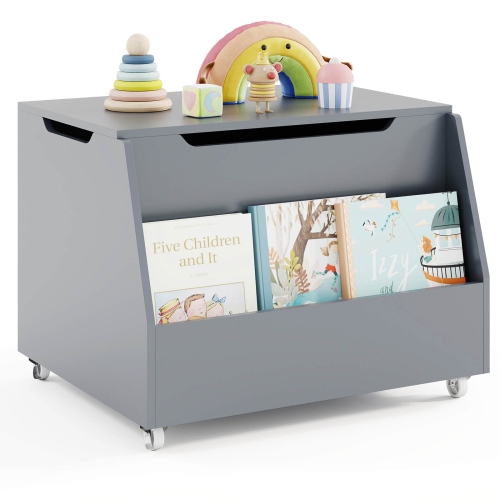

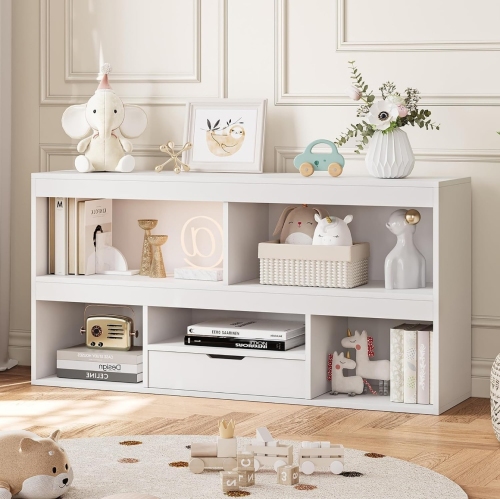
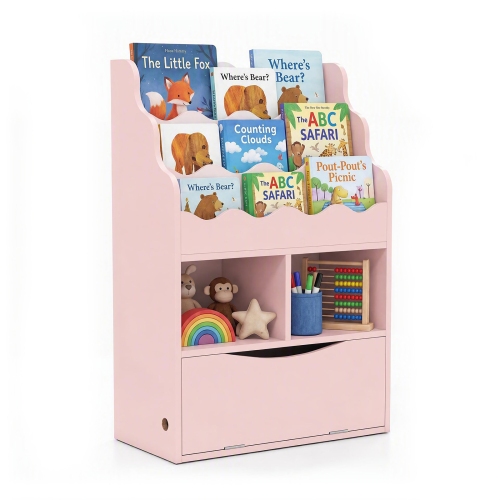
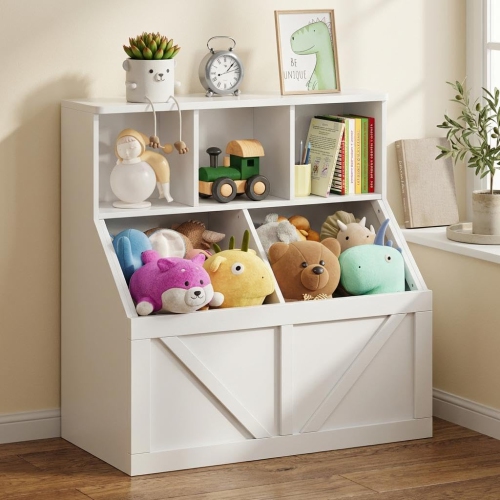
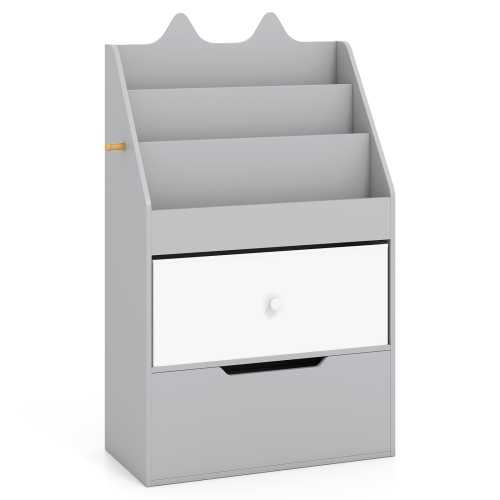
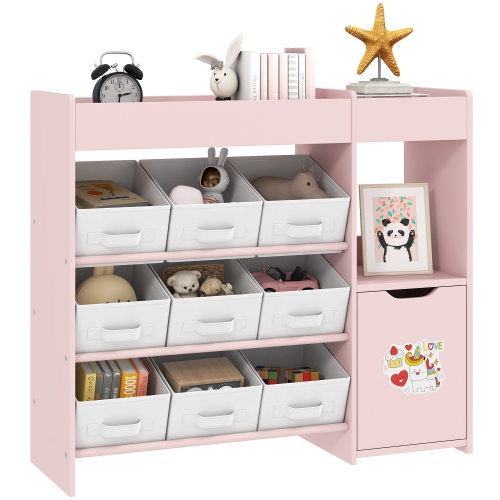
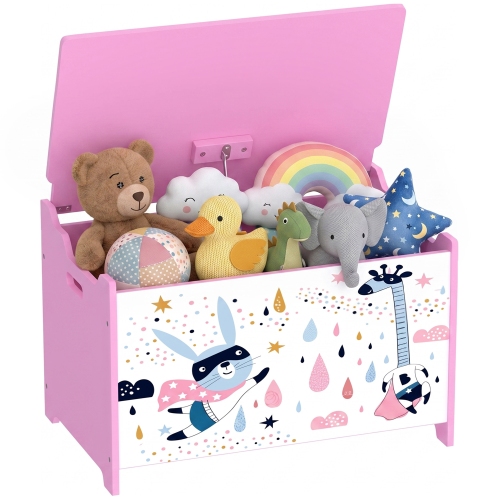


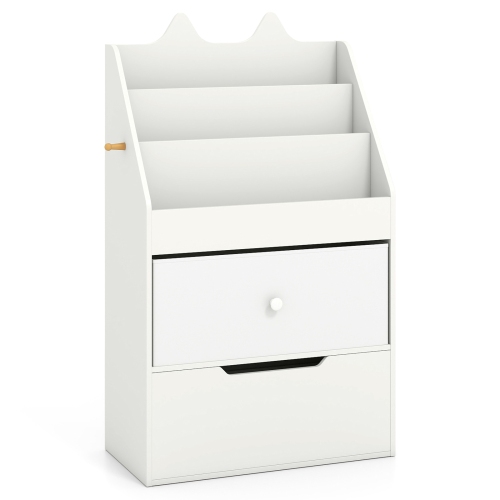
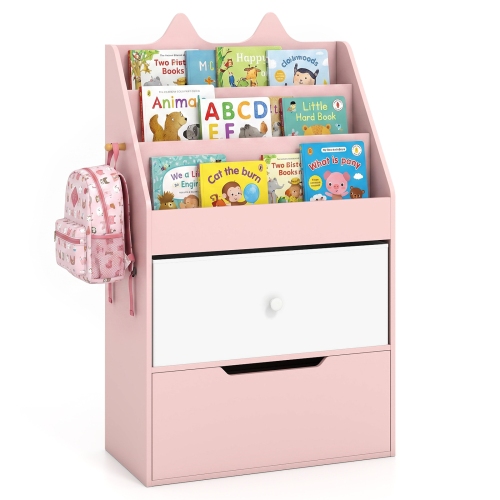
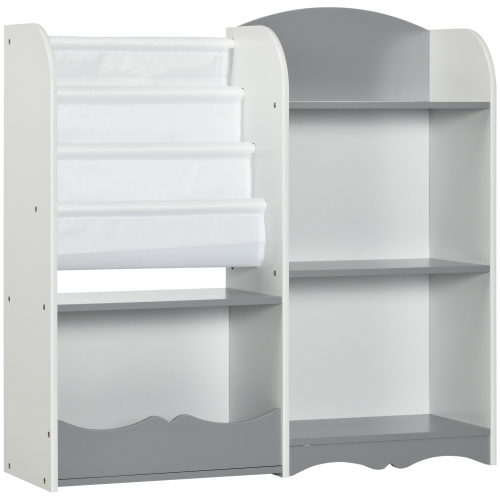
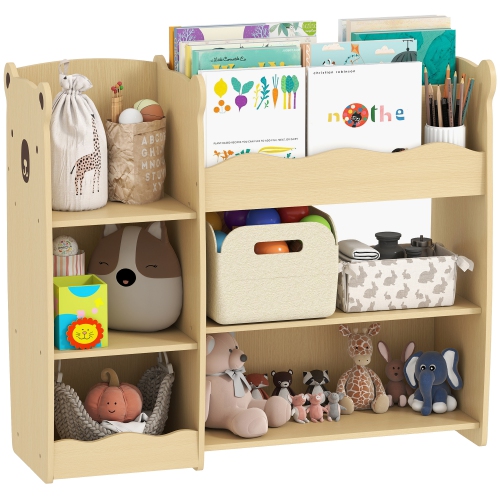
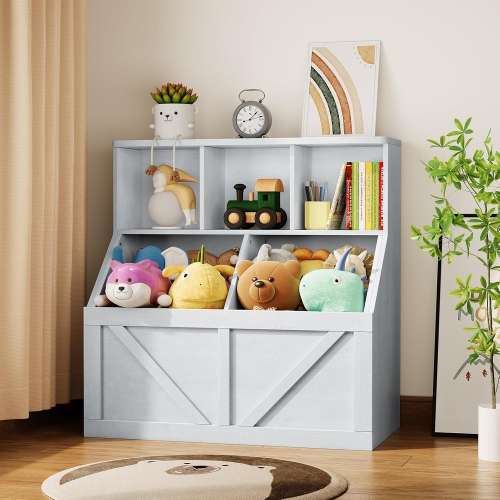
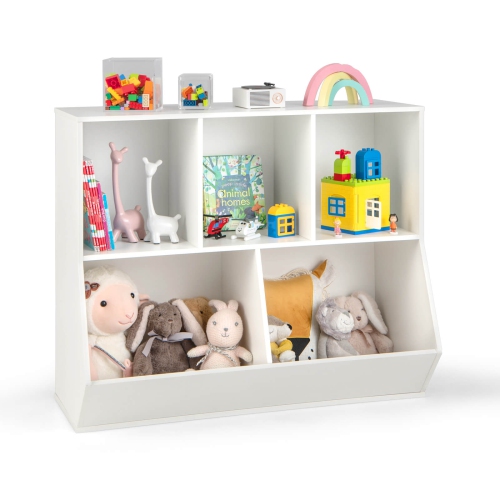
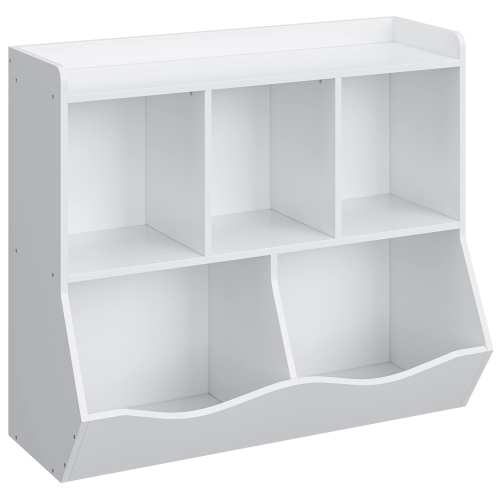
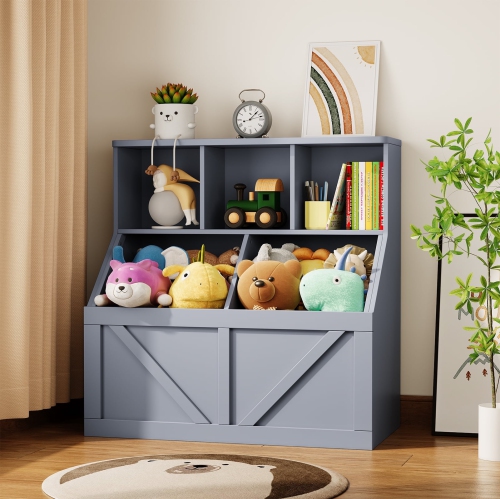
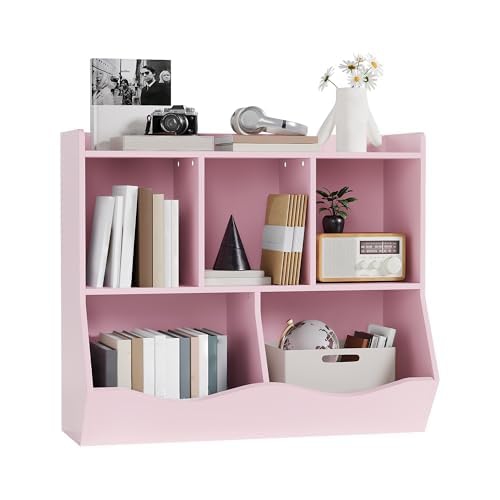
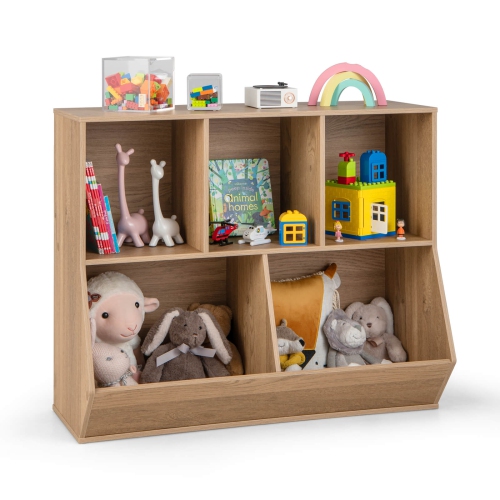
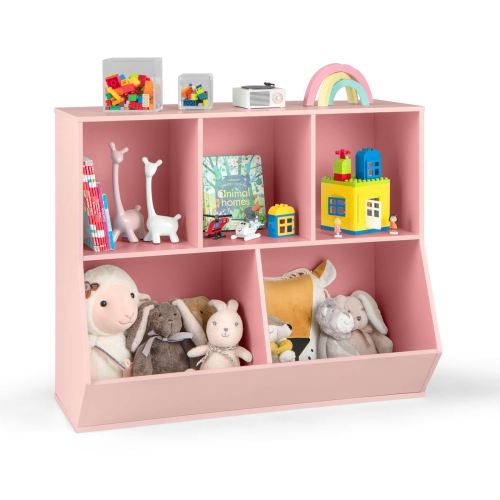
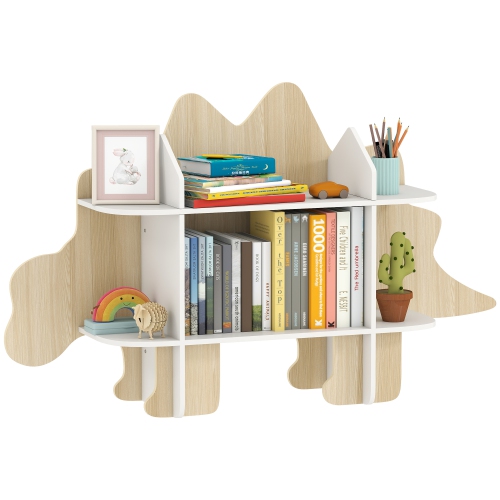
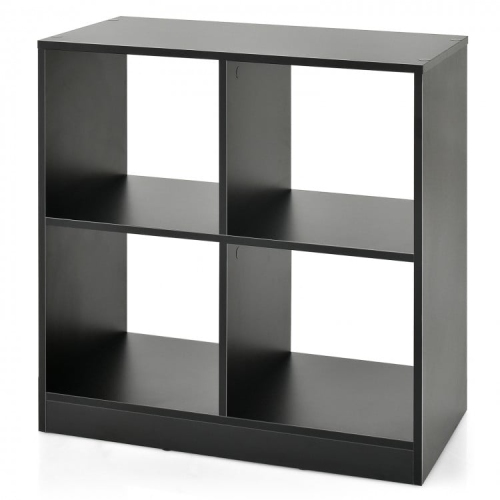
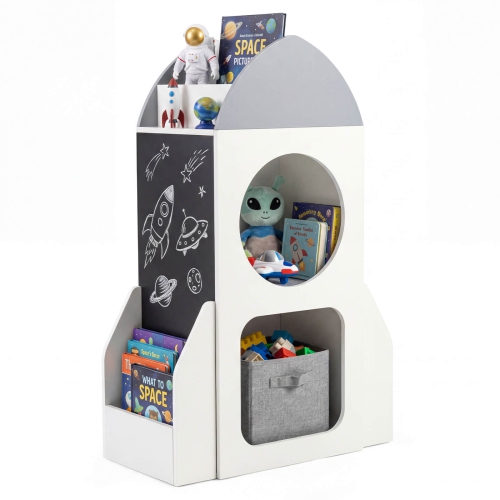
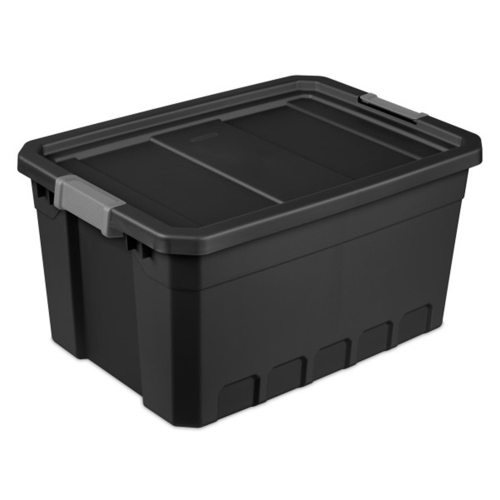
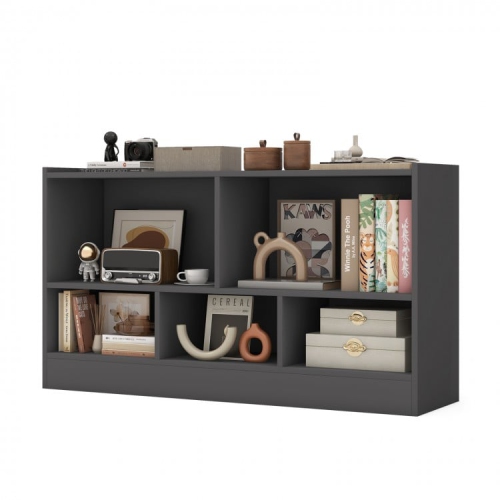
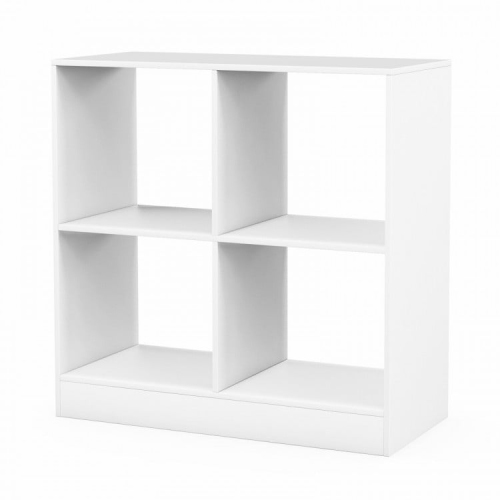
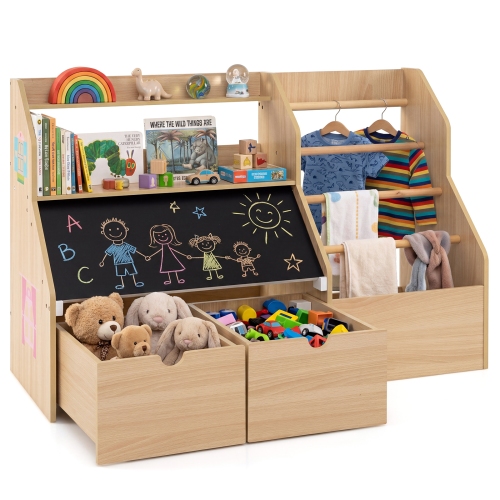
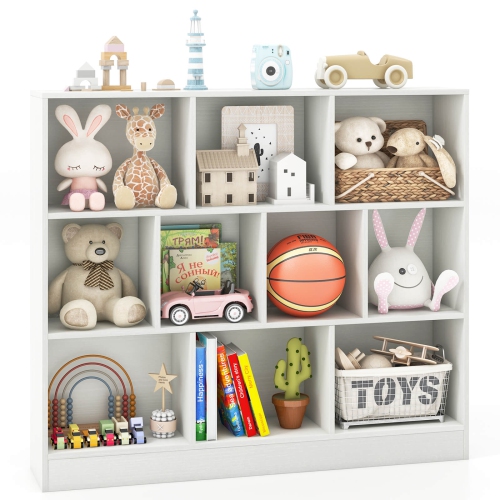
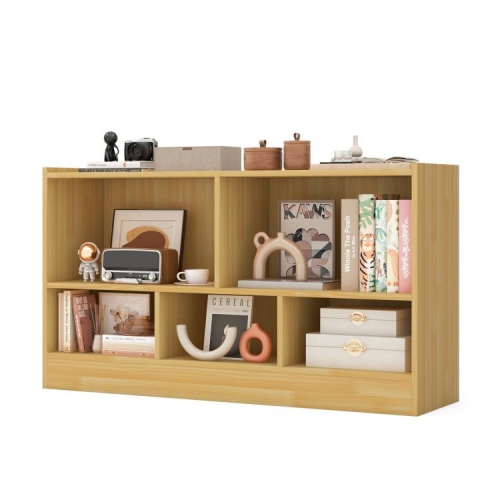
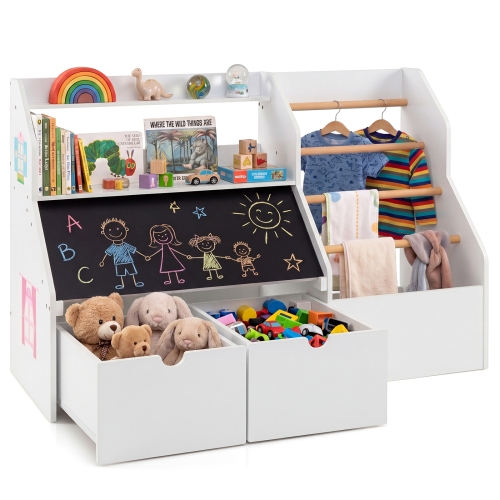
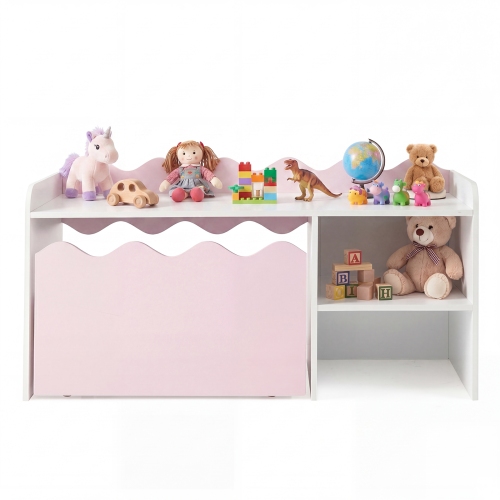
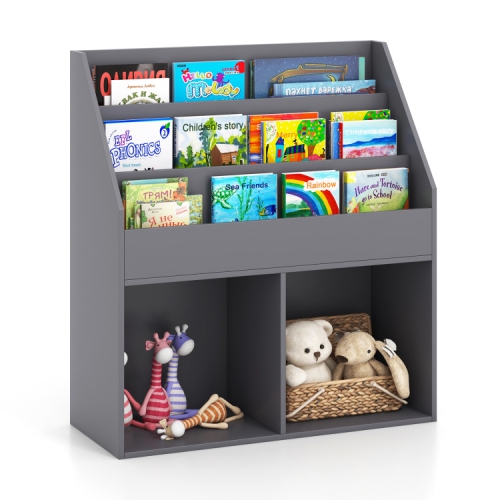
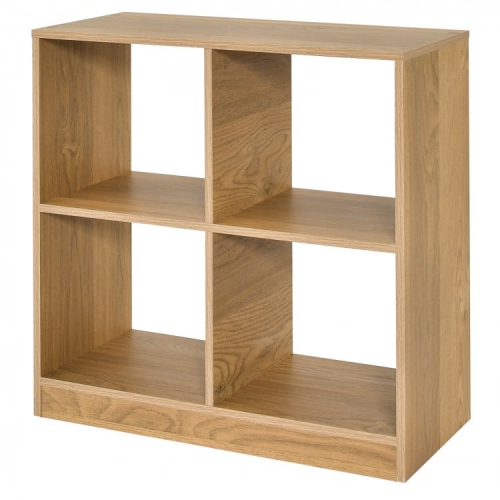
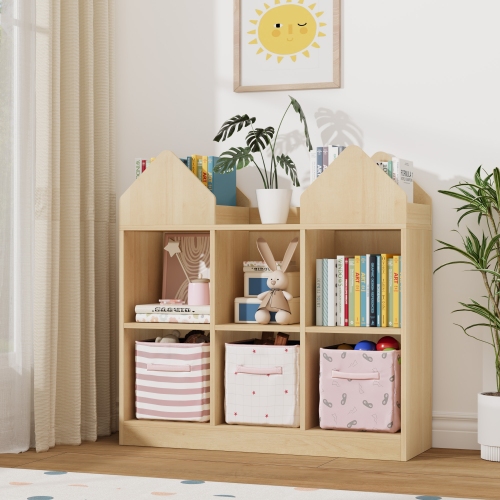
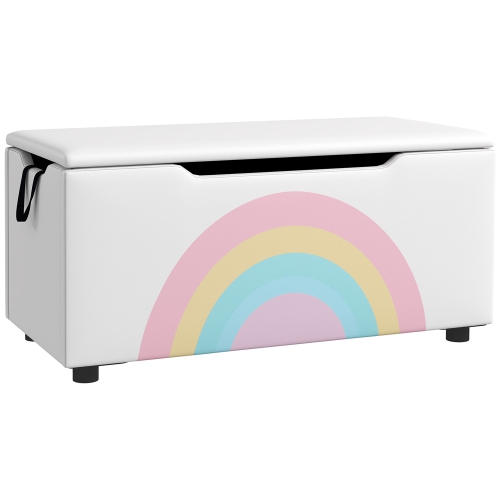
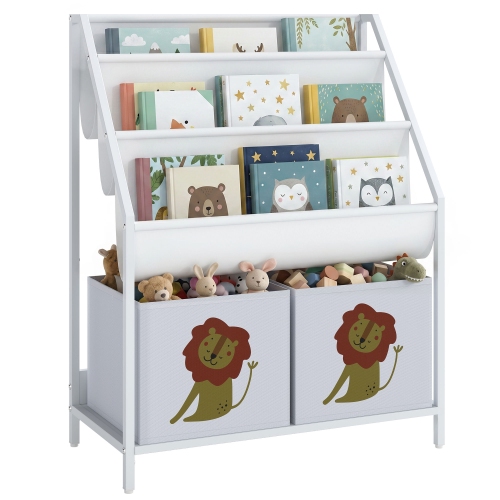
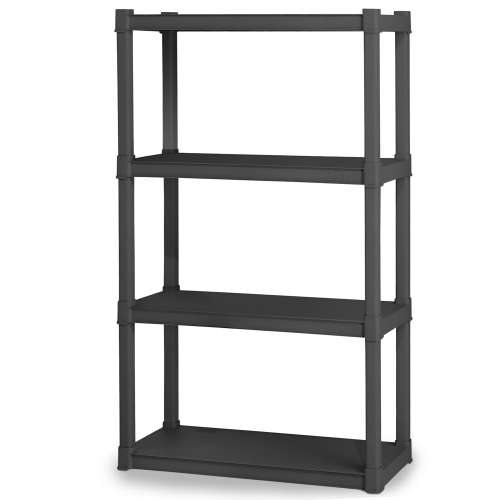
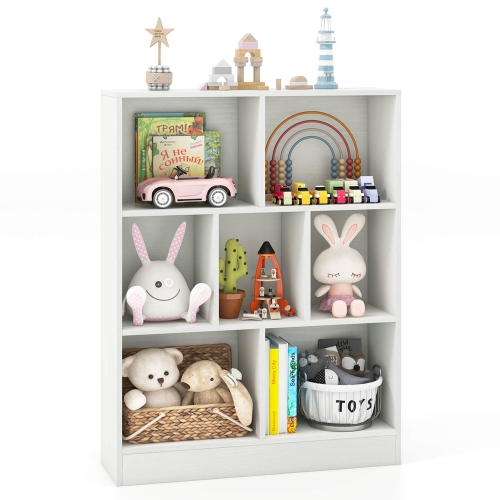

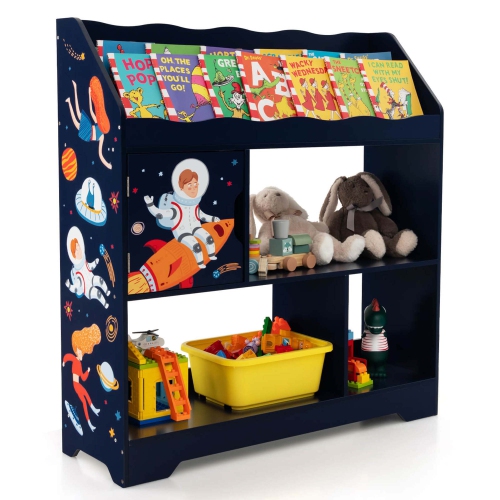
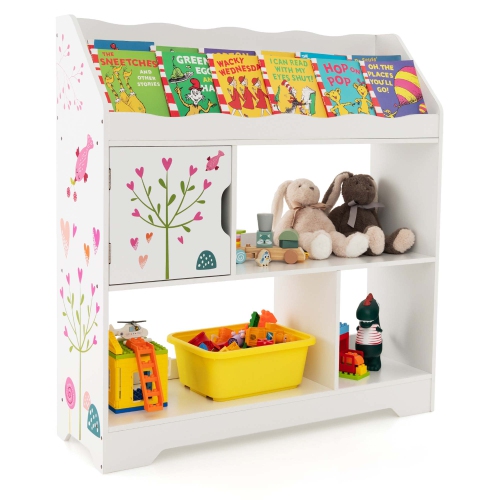
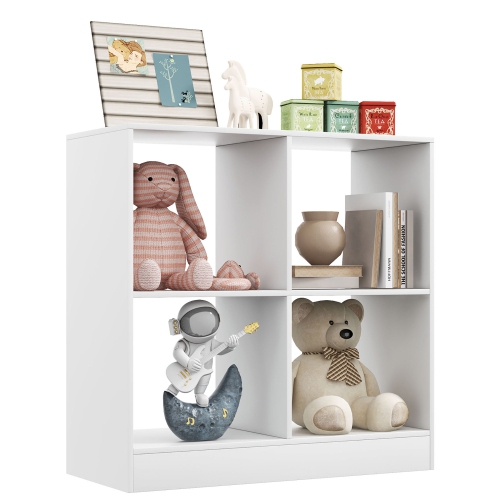
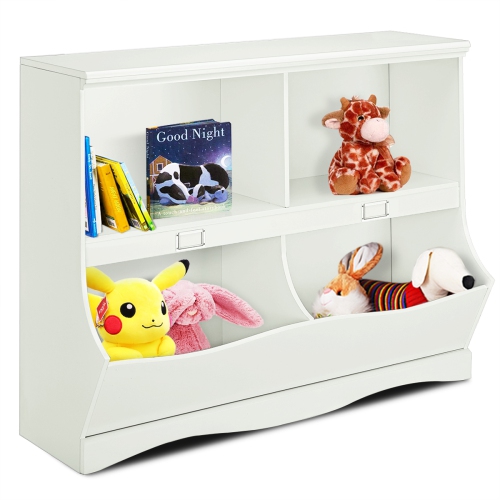
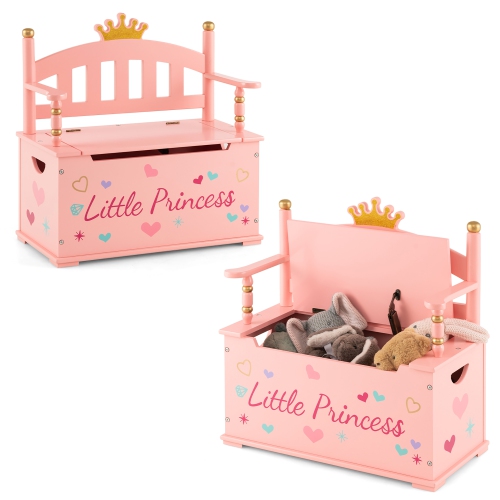
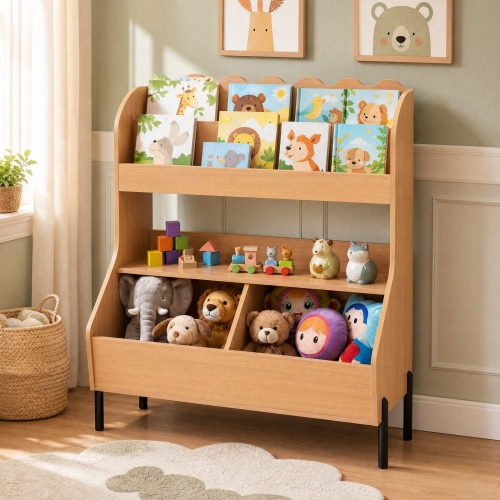
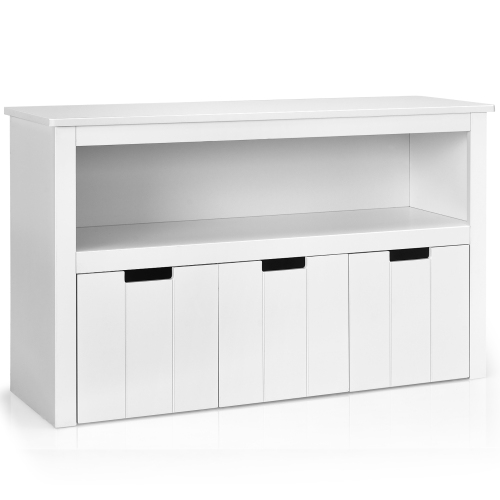

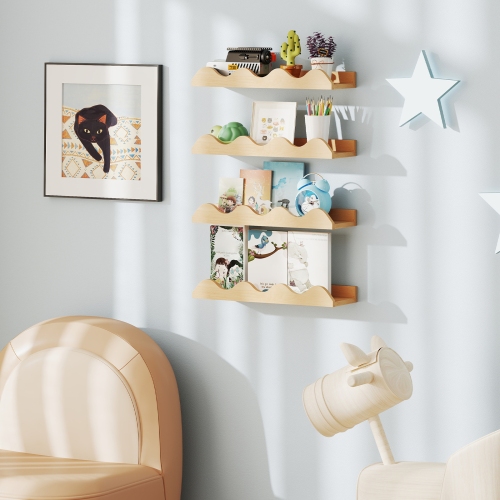
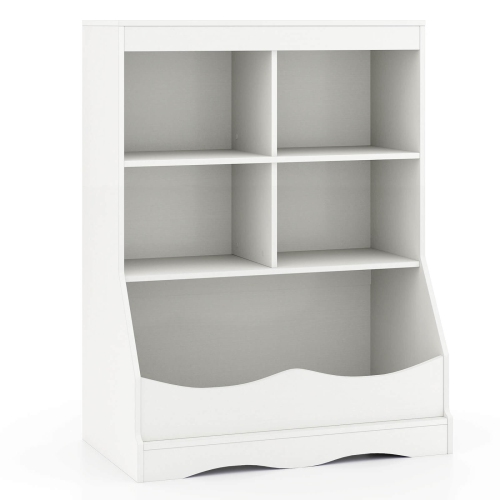
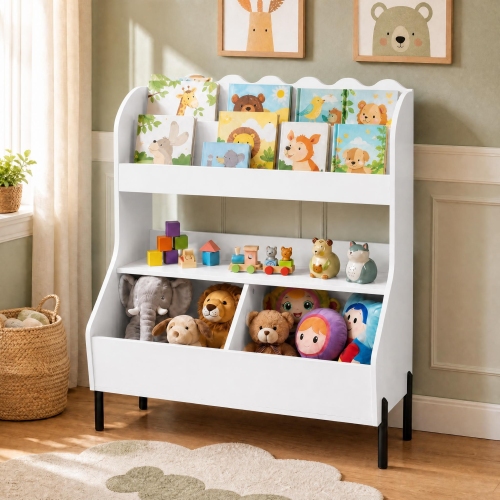
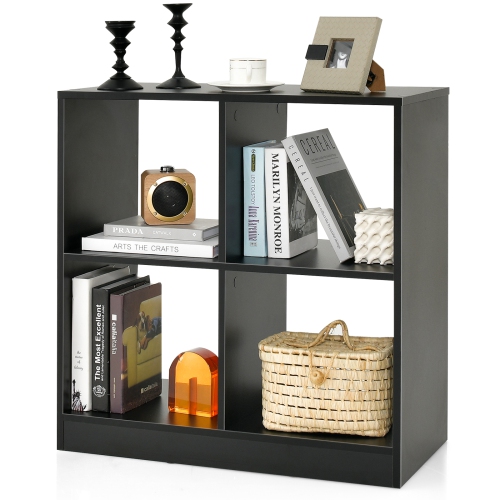
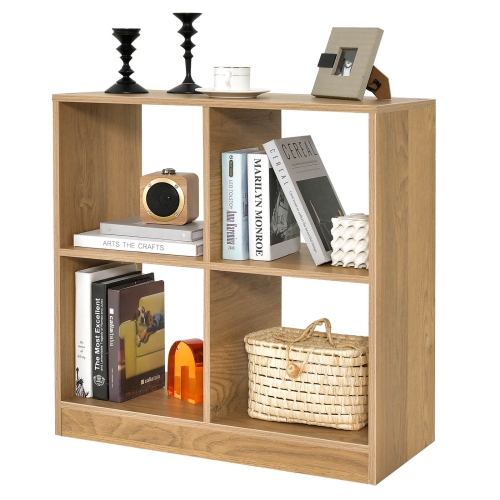
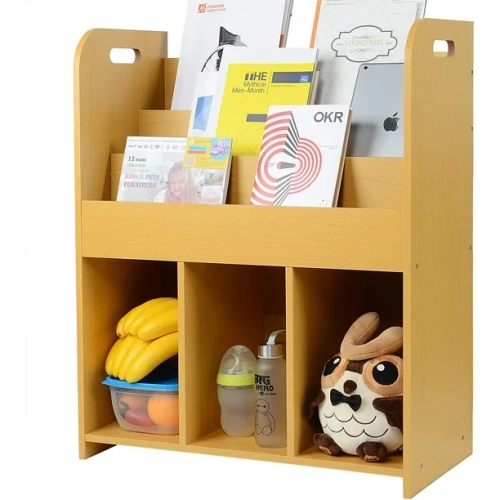
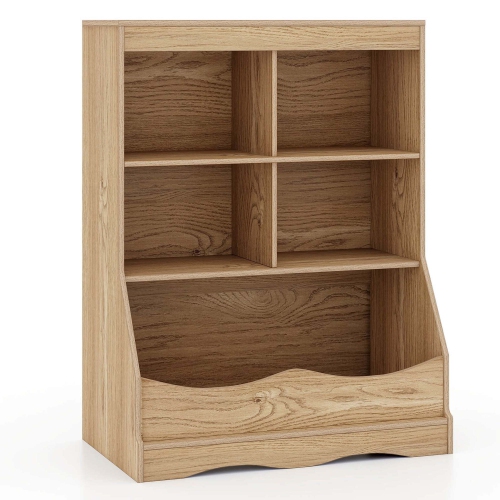

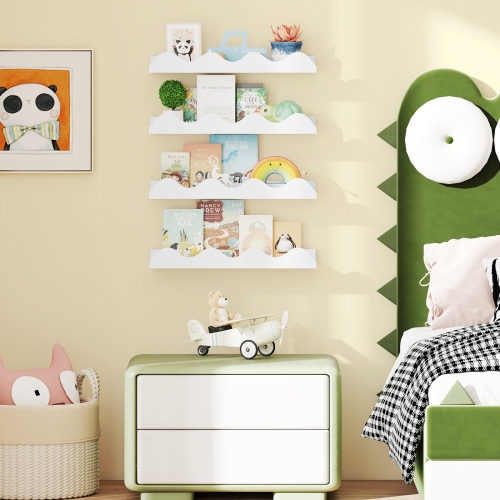
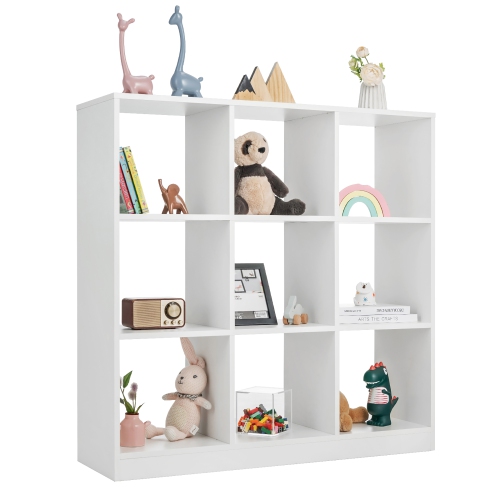
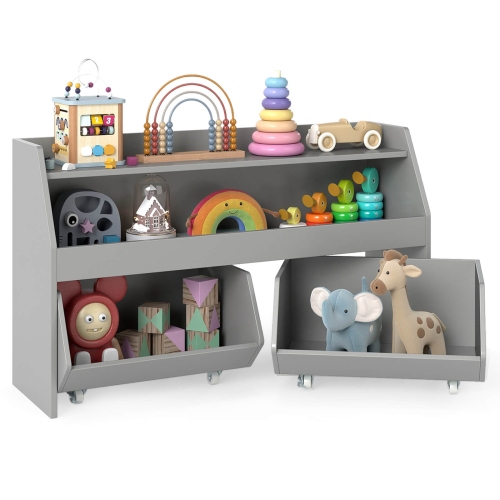
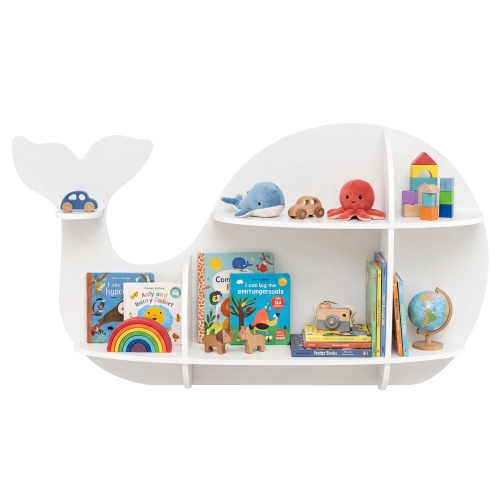
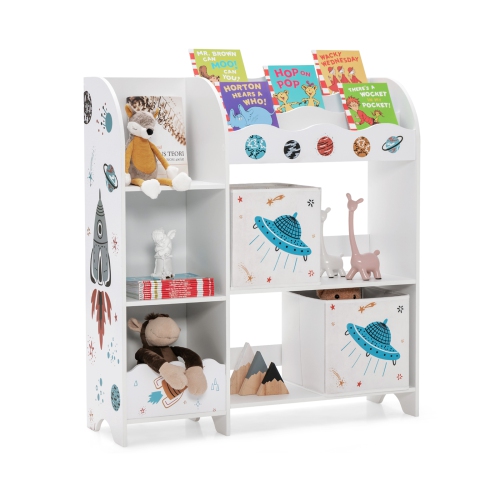
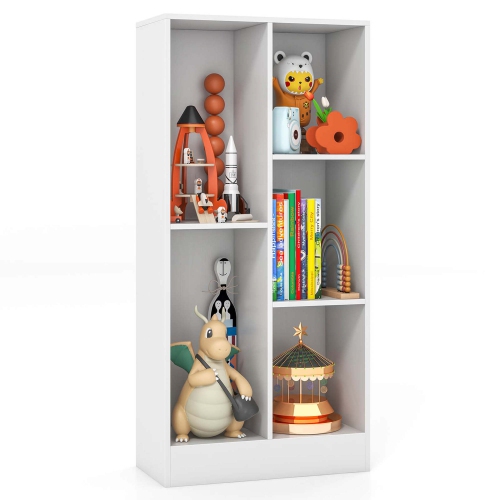
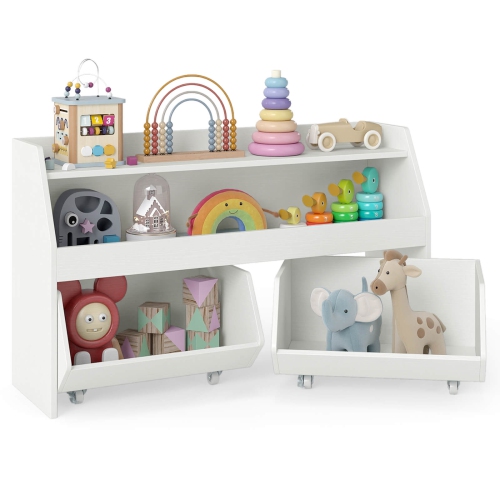
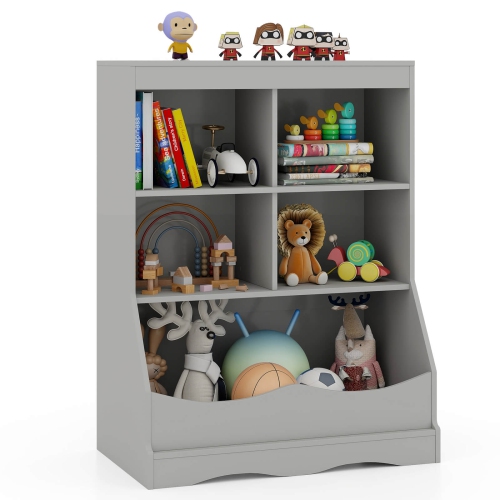
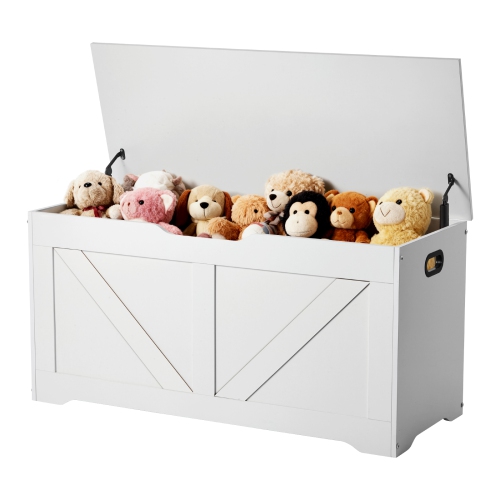
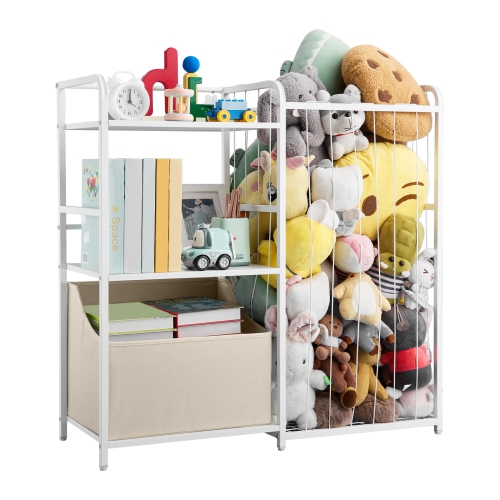
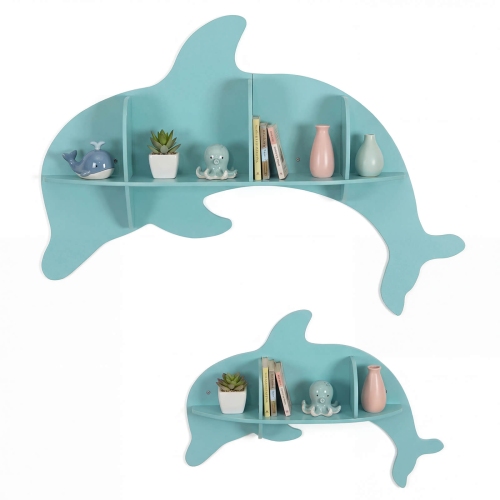
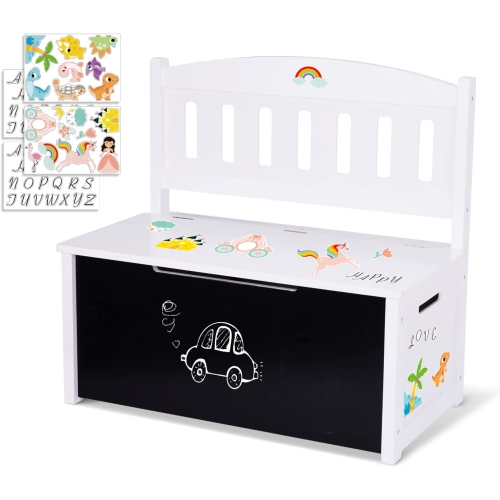

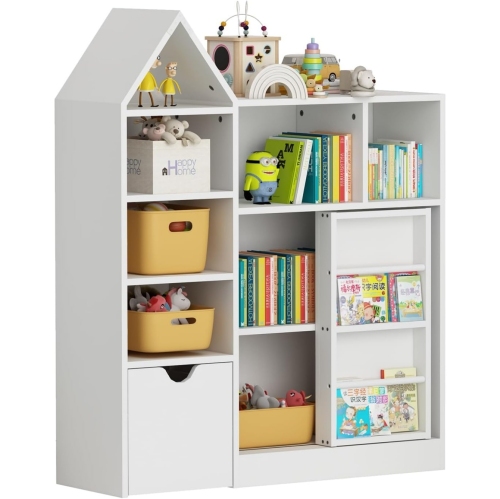
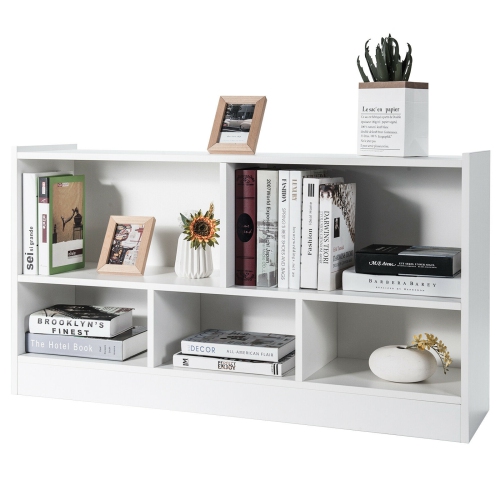
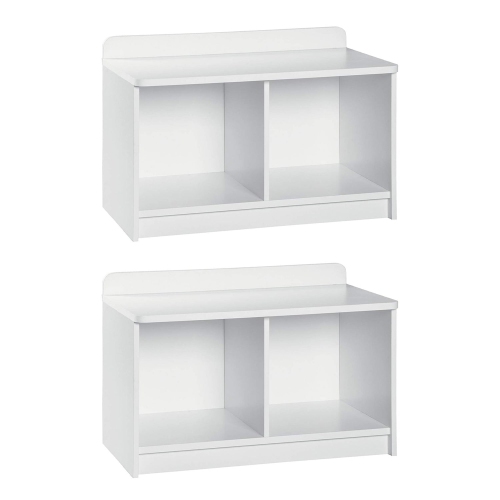
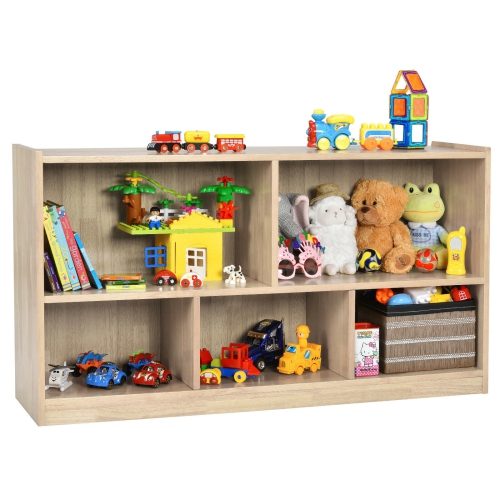
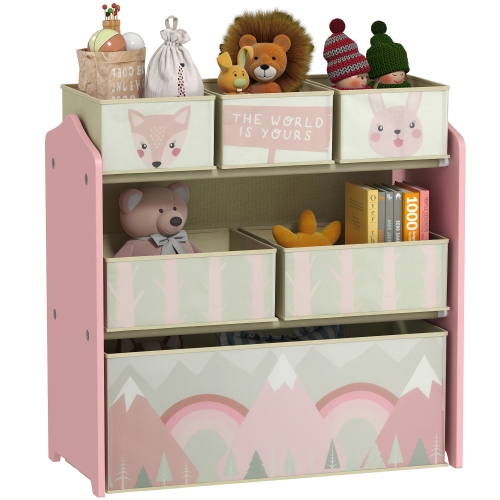
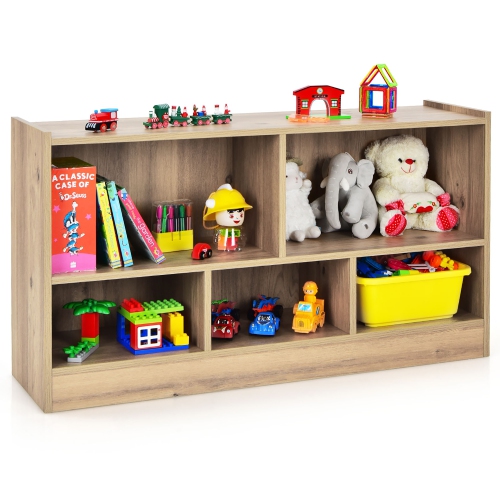
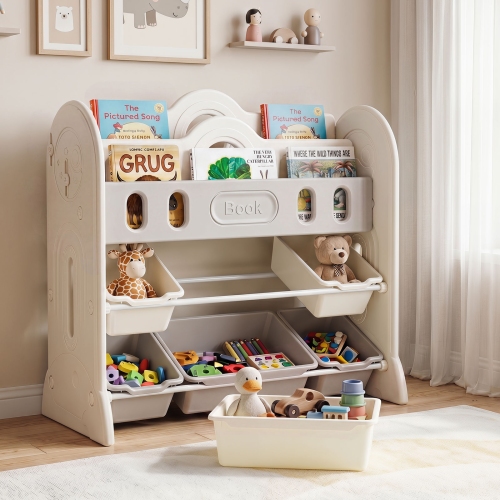
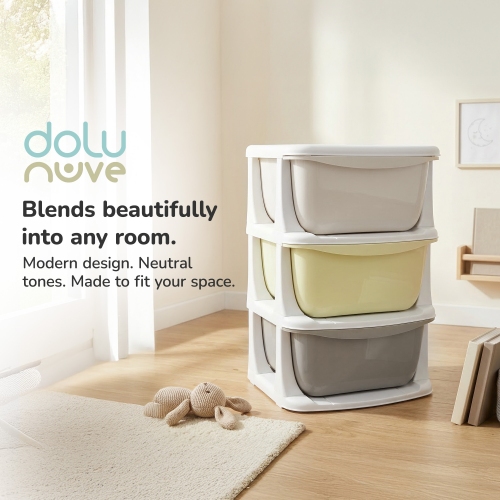
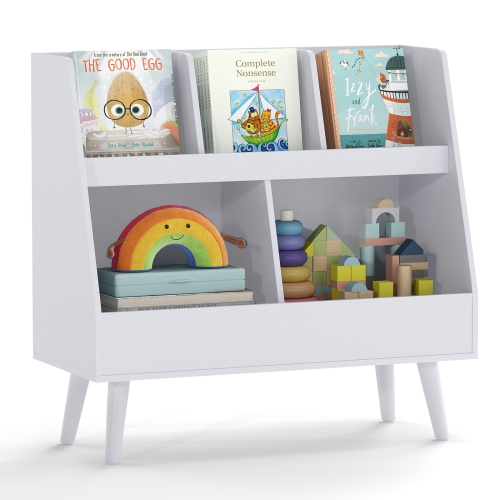
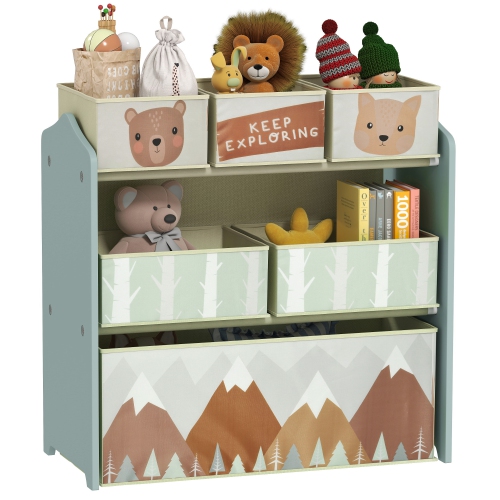
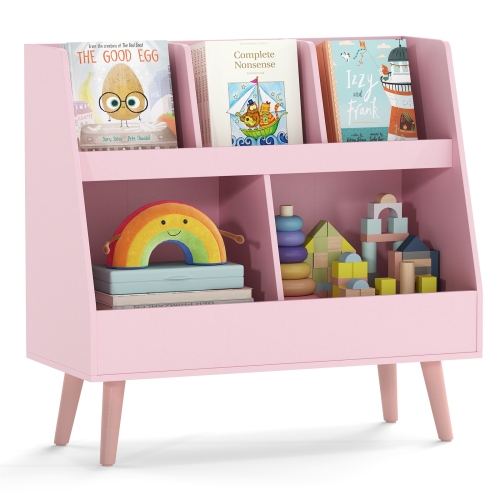
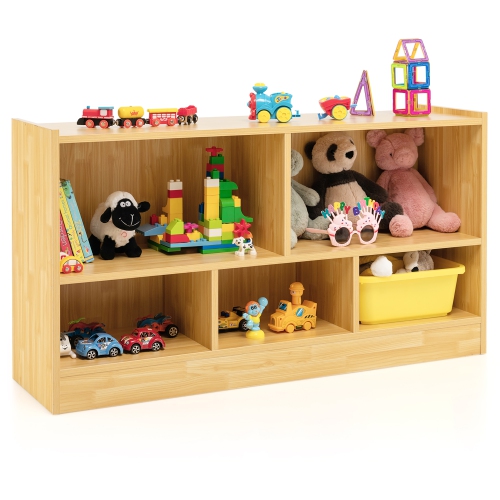
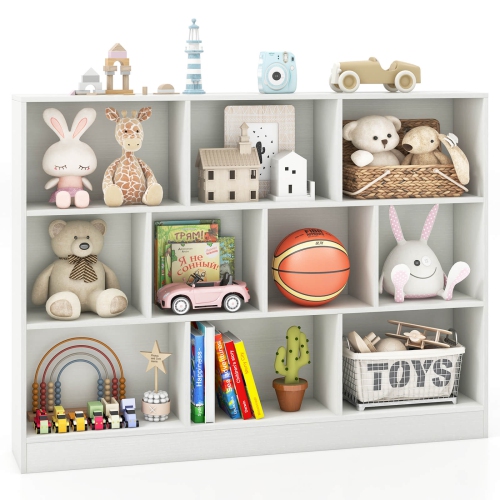
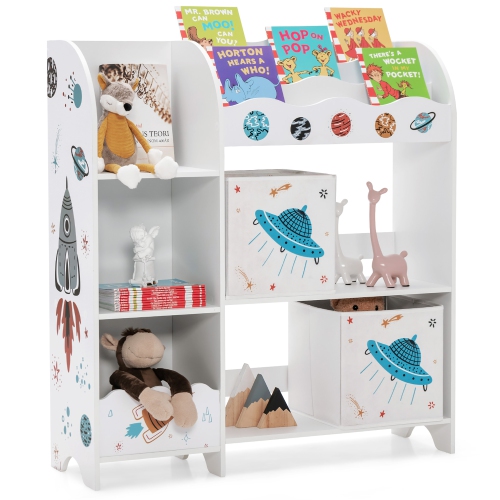
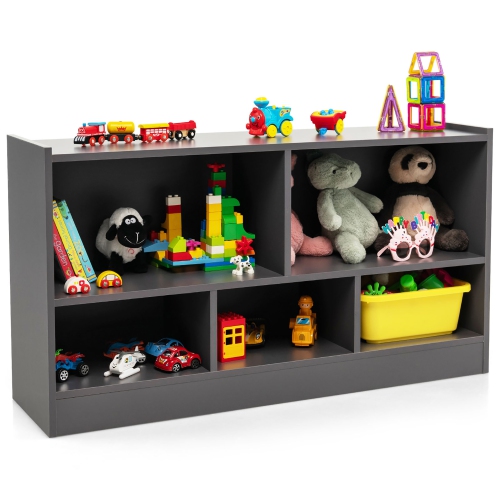
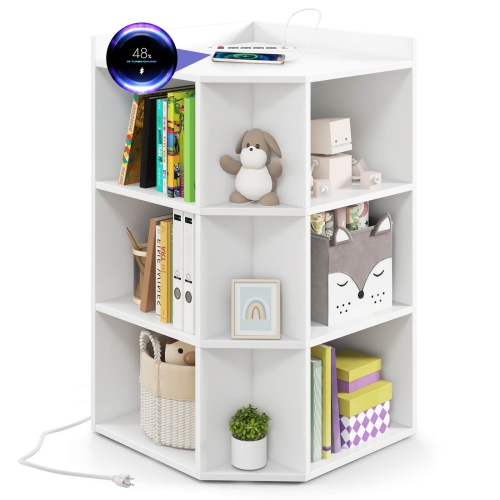
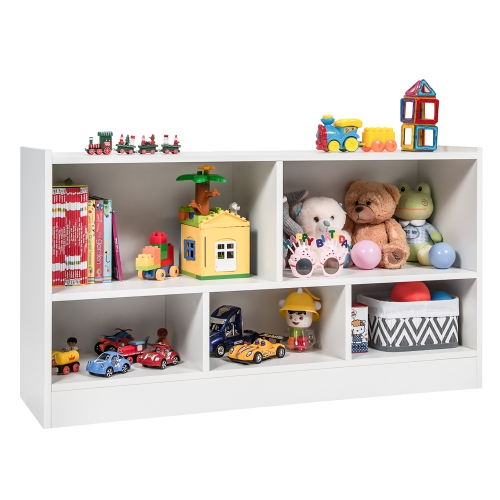
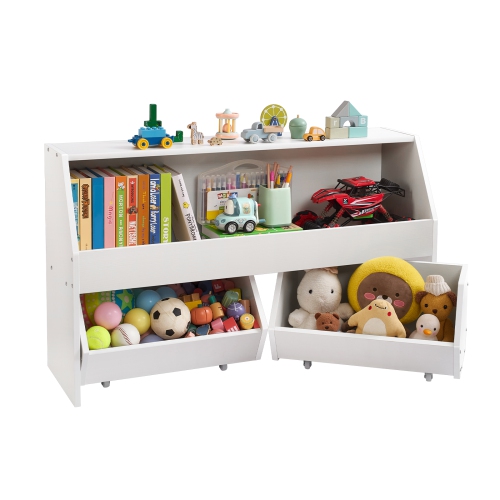
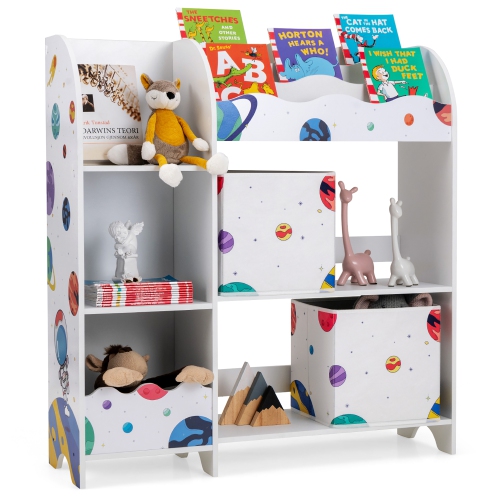
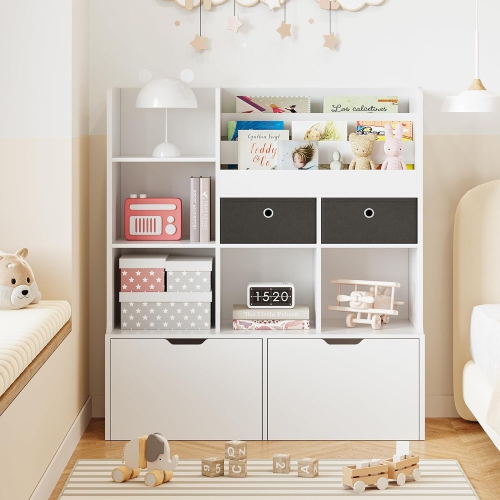
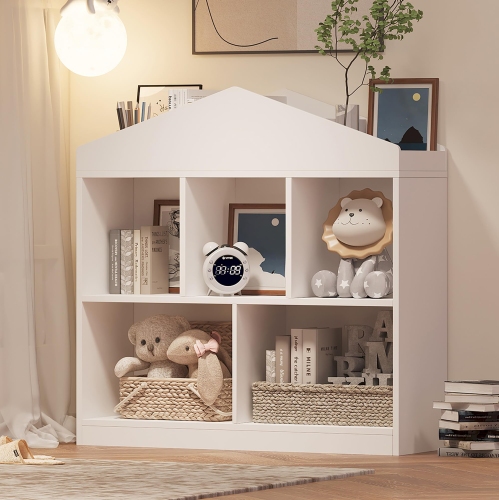
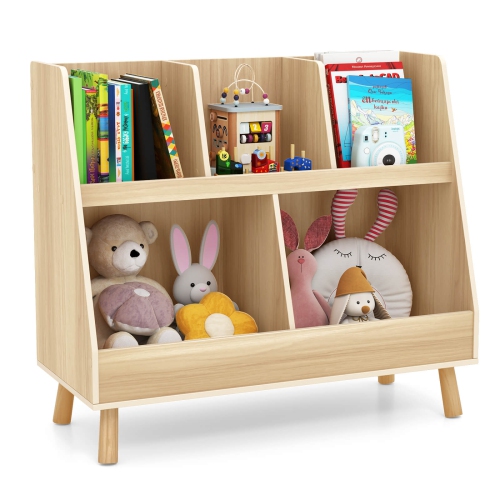
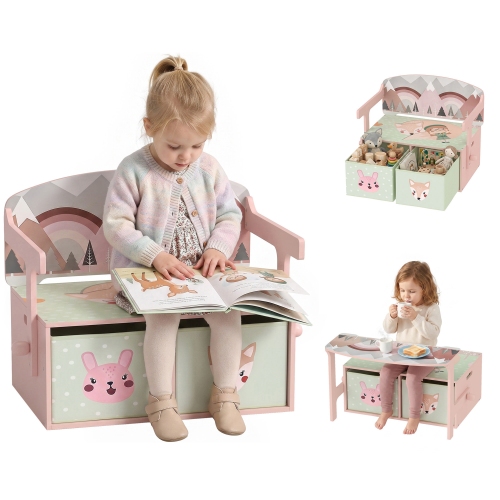
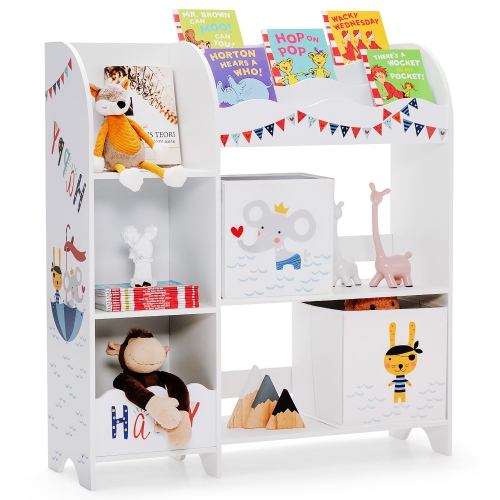
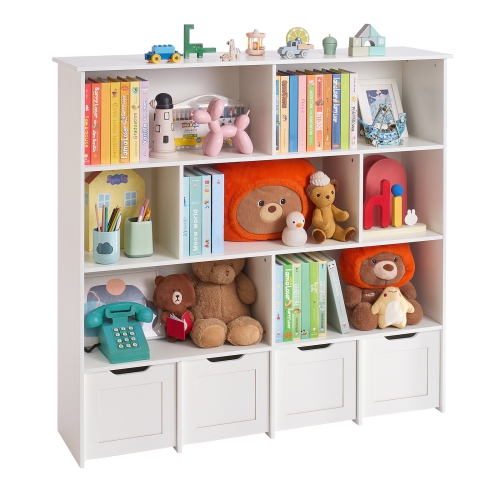
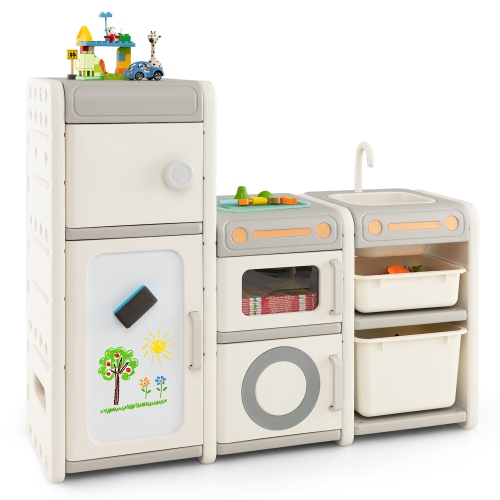
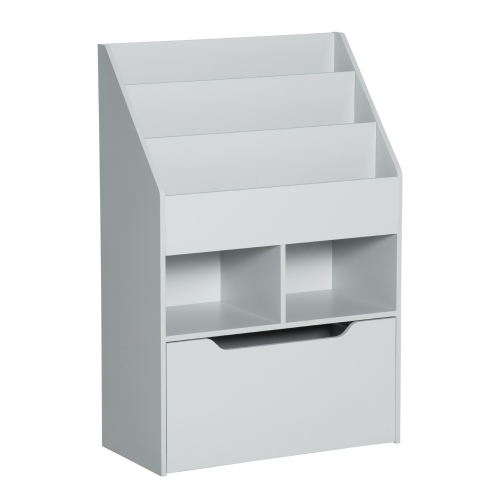
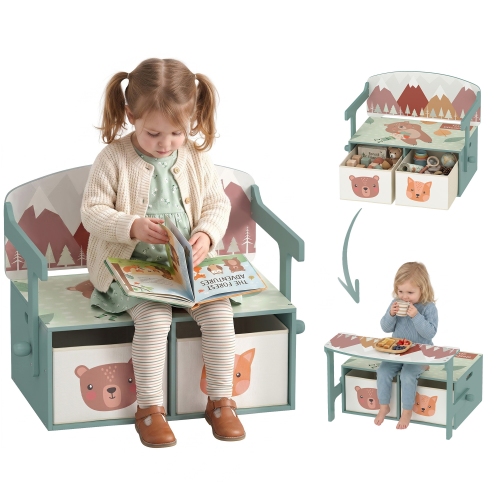
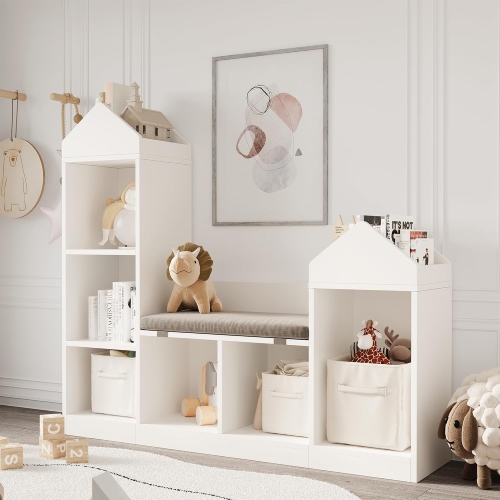
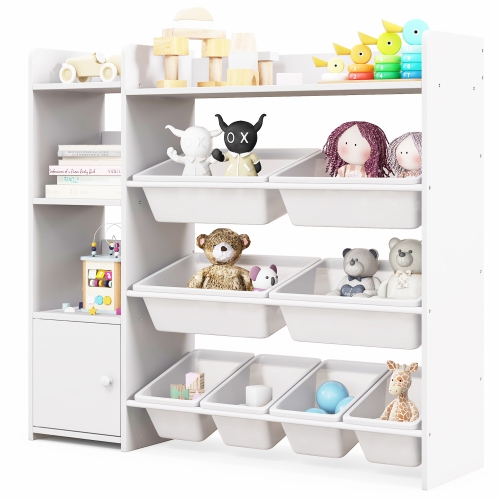
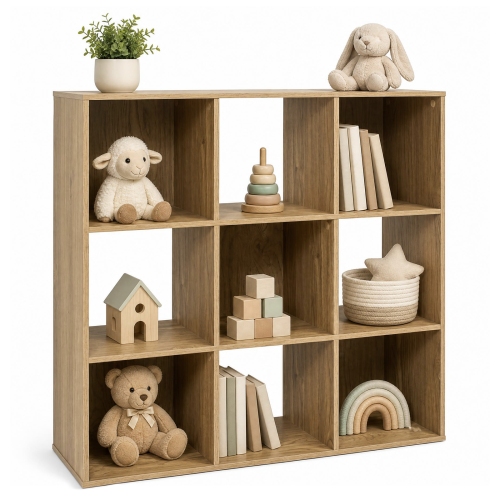
A place for every toy and room to play
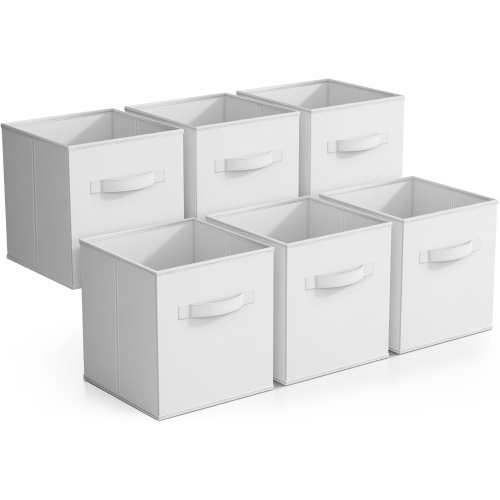
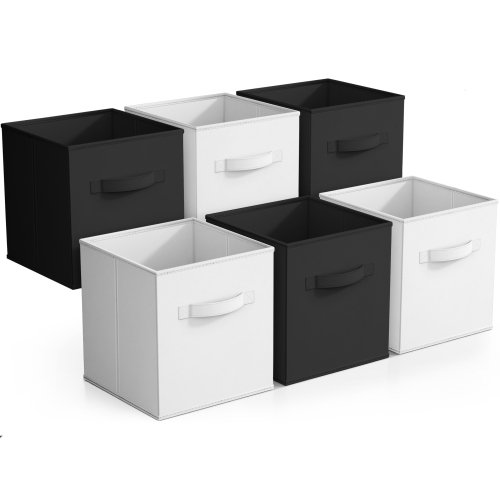
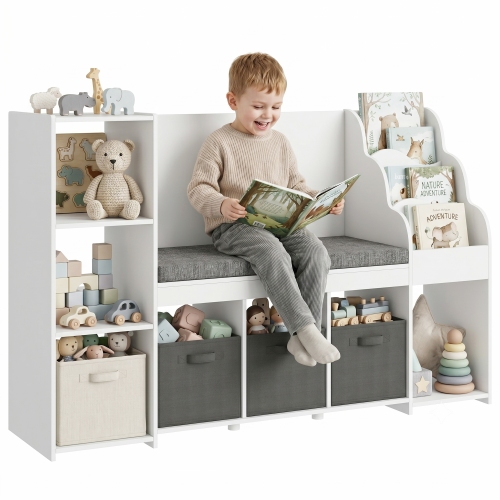
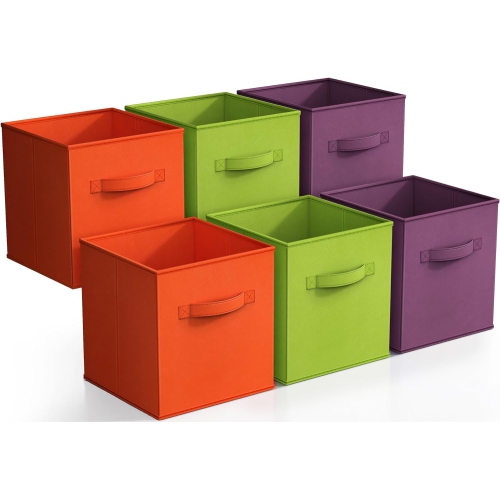
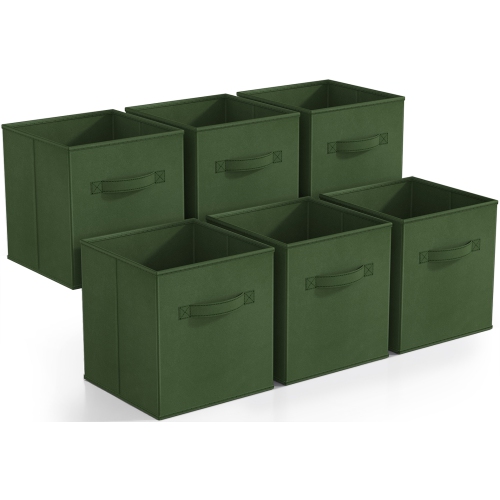
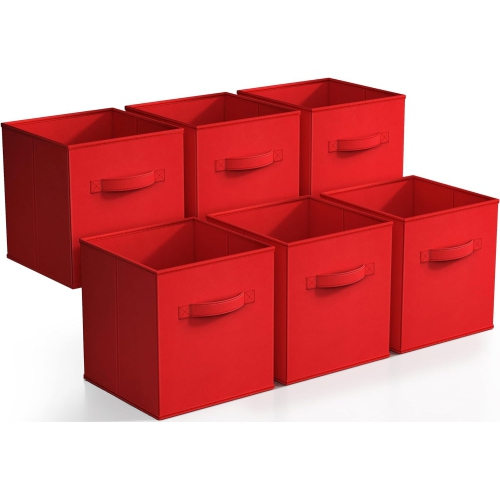
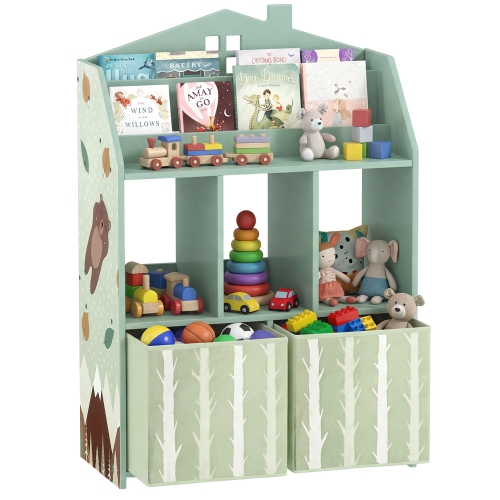
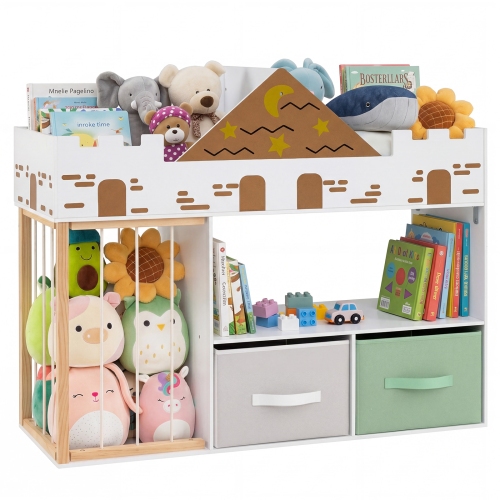
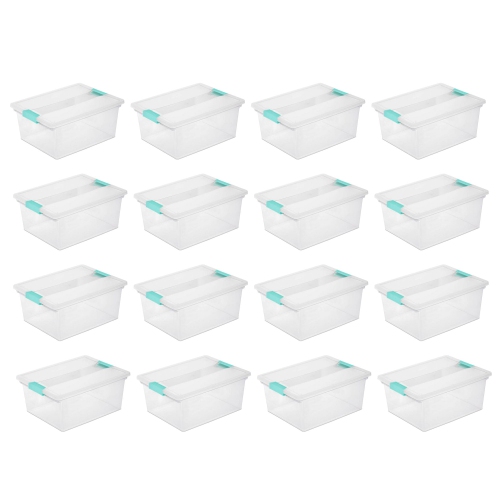
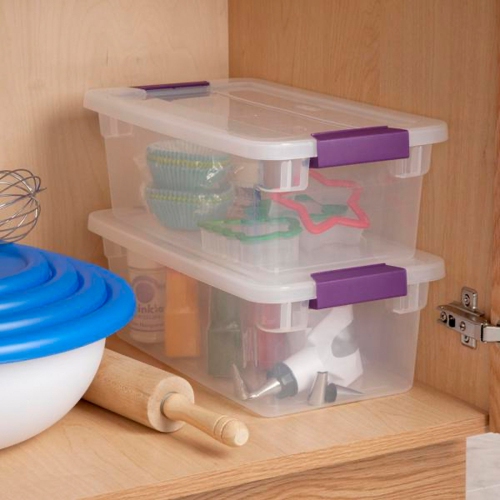
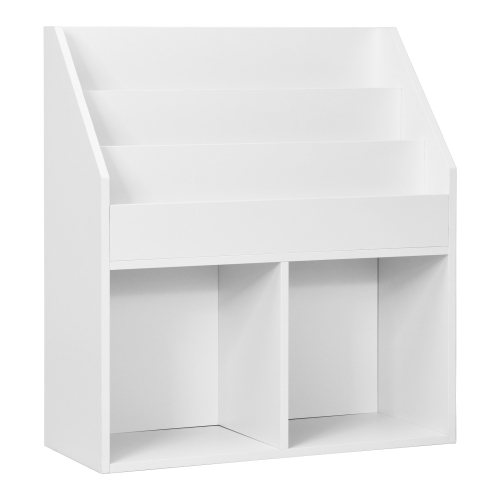
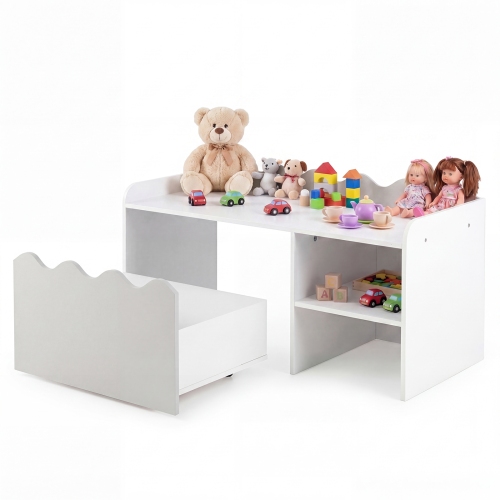
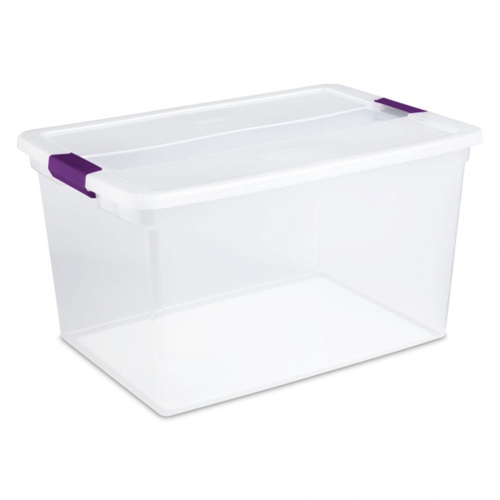
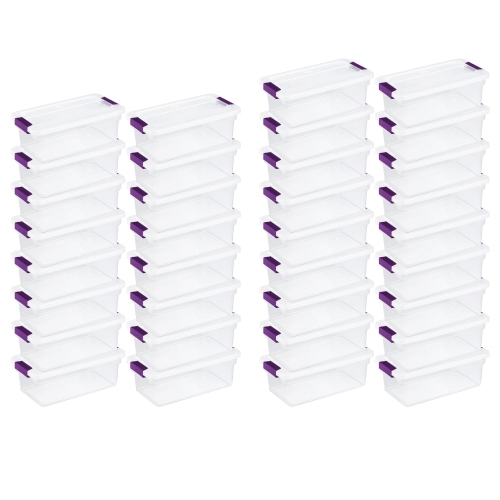
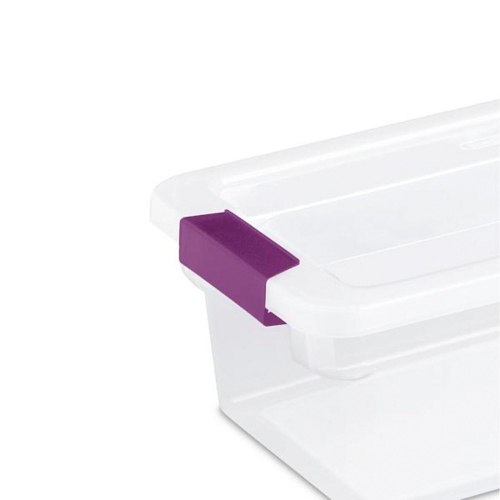
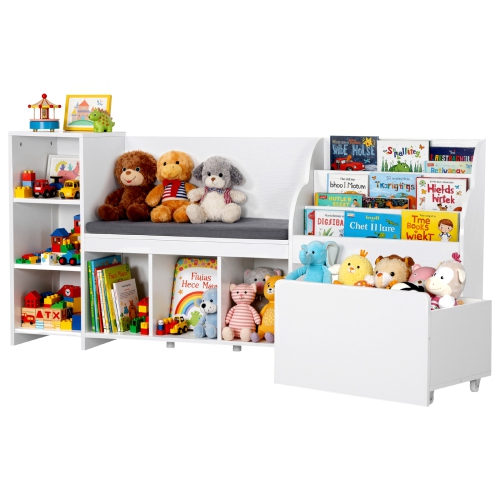
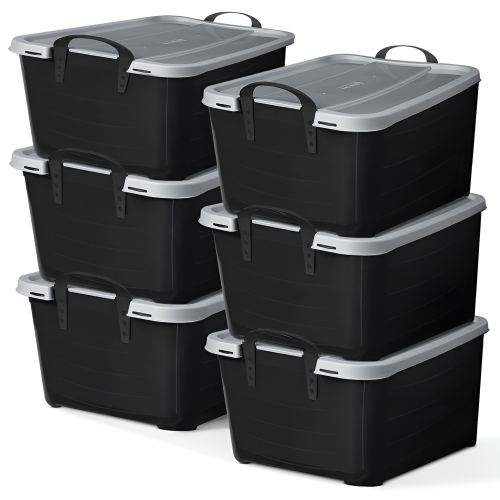
Playroom storage ideas centre on giving toys, books, games, and creative supplies a clear place to belong without taking over the space needed for play. Low open shelving, cube storage, baskets, and bins suit everyday favourites because children can see what is available and return it with less help. Wall-mounted shelves make use of vertical space, while toy chests and storage benches can hold larger collections such as plush toys or dress-up clothes. The right combination depends on what fills the room: building pieces benefit from separate containers, picture books are easier to browse when their covers face forward, and board games need shelves deep enough to support their boxes. A broad, shallow bin can make toy vehicles easier to find than a deep container where everything settles at the bottom. Cube units offer defined compartments for different activities, with baskets concealing loose pieces and open sections leaving books or larger toys visible. Clear bins help children recognize the contents without emptying several containers onto the floor, while picture labels support children who are not reading yet. Written labels can work well for older children and shared spaces, especially when siblings have separate collections. Removable labels also make it easier to change categories as interests develop. Fit matters as much as capacity: a basket should slide into its compartment easily, with enough room around the handle for small hands, and a loaded bin should remain manageable for the child using it. Storage that leaves a clear route through the room and an open patch of floor supports activities such as building a train track or spreading out a puzzle. In a living room that doubles as a play space, a compact shelving unit with coordinated baskets can keep toys close to the action without making them the room’s main visual feature. For a dedicated playroom, several smaller storage areas can keep materials near the activities they support rather than gathering every toy into one oversized container.
Materials, construction, and care help determine how well playroom storage holds up to daily use. Solid wood, engineered wood, metal, plastic, and fabric each offer different advantages, and the most suitable choice depends on the furniture’s intended use and the manufacturer’s specifications. Wood furniture can bring warmth to a room, while finished engineered wood offers a smooth surface in a range of colours. Plastic containers are often lightweight and easy to wipe clean, making them useful for washable toys or supplies that leave stray crumbs of modelling dough. Fabric bins soften the appearance of open shelving and can be comfortable to carry, although their cleaning methods vary; some have removable washable covers, while others require spot cleaning. Woven baskets add texture, but the weave, edges, and handles deserve attention when children will use them regularly. Smooth finishes, rounded corners, secure handles, and sturdy bases are useful details to consider. Shelf weight limits matter when storage includes heavy books or dense collections of building pieces, and frequently handled drawers need reliable runners and stops where specified. Tall furniture, and any other storage furniture requiring it, should be anchored according to the manufacturer’s instructions with hardware suitable for the wall. Keeping heavier contents low can improve the arrangement, but it does not replace required anchoring. Wall-mounted storage needs appropriate installation and should not invite children to climb on furniture to reach it. Lidded chests intended for children should have appropriate lid-support and ventilation features; an ordinary trunk is not automatically suitable as toy storage. Clear containers and zipper pouches can keep game pieces or puzzle components together, but small parts must remain out of reach of children for whom they pose a choking risk. Craft tools and other adult-use supplies belong in secure storage, not merely on an accessible upper shelf. Dimensions also deserve a close look, including baseboards, door swings, and the extra space needed to open a drawer or pull out a bin fully.
A useful playroom arrangement reflects the way a household actually spends time in the space. Near a reading seat, a low book rack or shelf keeps favourite stories within reach without requiring a child to lift a heavy stack. Beside a craft table, separate containers for paper, crayons, and age-appropriate supplies make the transition from drawing to tidying more straightforward. Building toys benefit from storage close to a clear floor area, with enough capacity to separate loose pieces from a project that is still underway. A shallow tray or designated shelf can give an unfinished creation a temporary home instead of forcing it back into a bin at the end of every session. Dress-up clothing is easier to use with low hooks or a child-sized hanging area, while larger baskets can accommodate soft accessories. Over-the-door organizers can add compartments in a compact room when their fit allows the door to close properly and their contents are suitable for the children who can reach them. Families sharing a playroom across different ages may prefer a mix of accessible everyday storage and secure, adult-managed space for materials that need supervision. Storage can also adapt beyond the early years: adjustable shelves, appropriately sized drawers, and interchangeable bins can move from holding chunky toys to organizing books, hobby supplies, and school materials. Neutral finishes offer flexibility, while a few coloured baskets can help distinguish activities without filling every surface with labels. When storage is part of a broader room refresh, Playroom Makeover Ideas can complement choices about furniture, activity areas, and the overall layout. The most practical arrangement leaves room for both belongings and imagination: books that are easy to browse, containers that can be returned without a struggle, and enough open space for play to unfold. For parents, grandparents, and caregivers, that balance makes storage a useful part of everyday family life rather than furniture that simply hides a crowded collection.
Top selling and popular products
-
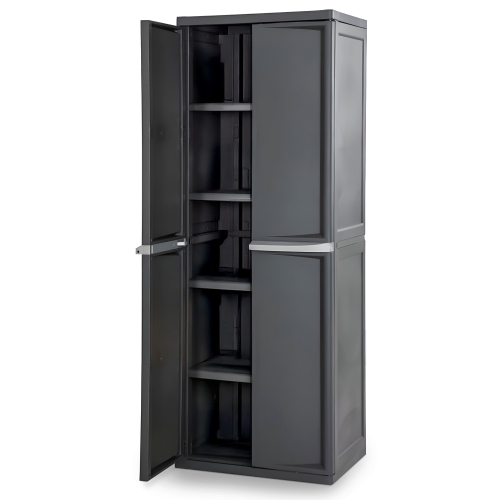 Your price for this item is $459.99
-
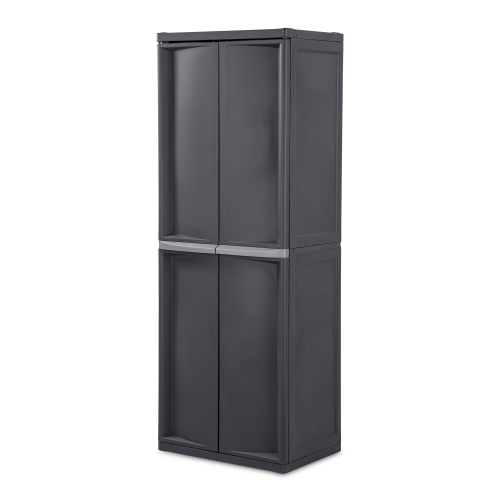 Your price for this item is $1530.99
-
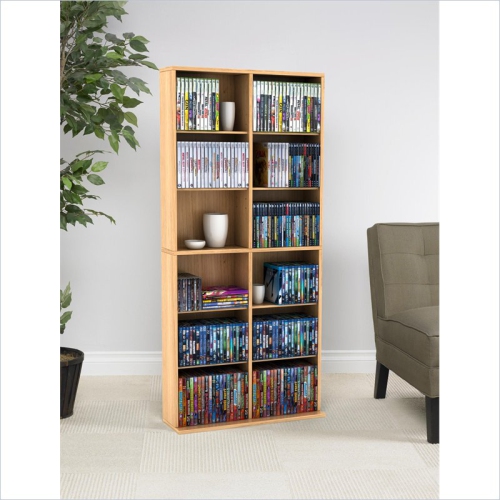 Your price for this item is $234.68
-
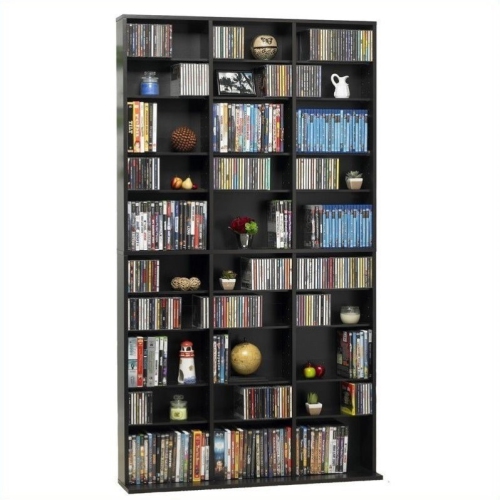 Your price for this item is $365.85
-
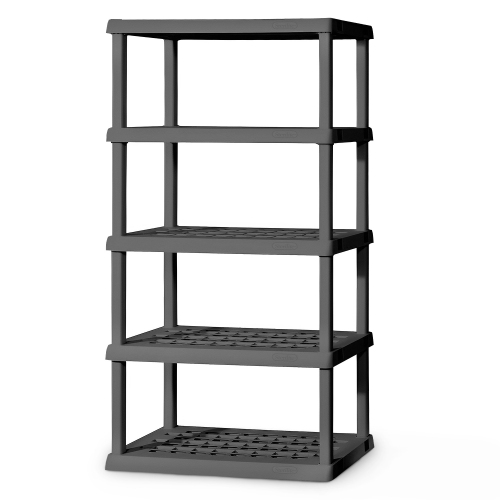 Your price for this item is $331.99
-
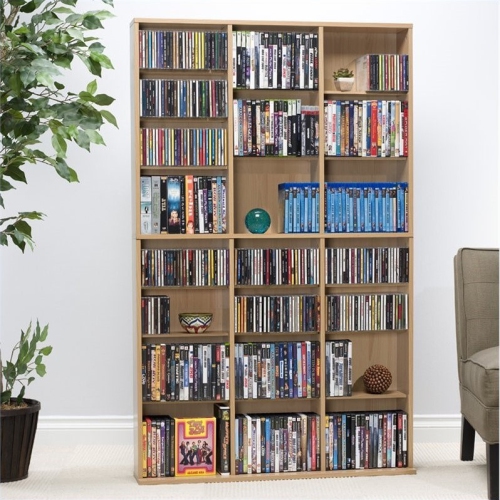 Your price for this item is $295.5
-
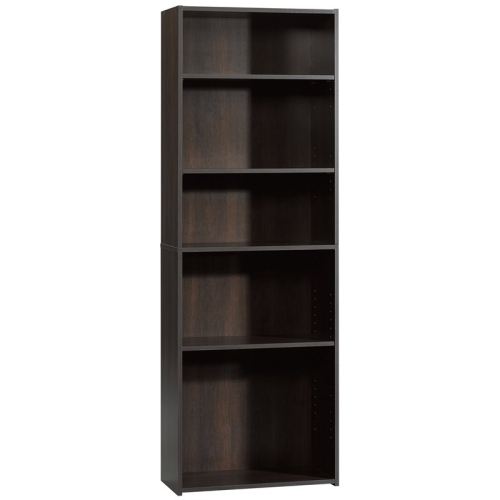 Your price for this item is $208.99
-
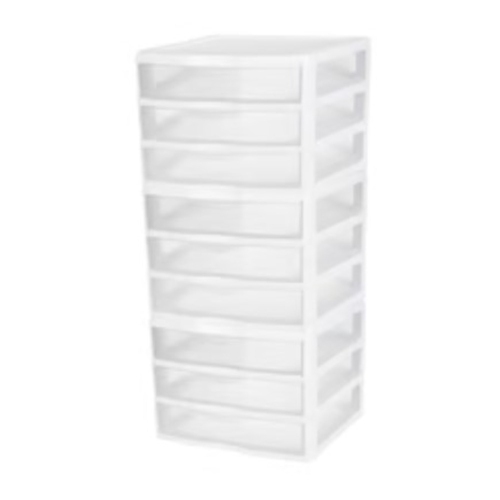 Your price for this item is $127.99
Discover more categories related to Playroom Storage Ideas

Top Collections:
Pokemon Centers, Kindle Devices, Best Budget Office Chairs, Canon G7X Cameras, Apple iPhones 16, Samsung Galaxy Phones, Refurbished Apple Laptops, Laptops for Students, iPhone 15 Apple, Budget Smartphones
Some products may be subject to Environmental Handling Fees
(EHF) depending on your province.
Learn more about EHFs.