Playroom Storage Cabinets
Playroom Storage Cabinets are the perfect solution for keeping toys, games, books, and art supplies organized and easily accessible. Designed to help create a tidy and inviting space, these cabinets offer versatile storage options that fit seamlessly into any playroom décor. Whether you’re looking to maximize space or simply keep clutter at bay, Playroom Storage Cabinets make it simple to maintain order while providing a dedicated spot for everything your child needs to play and learn. Discover a range of styles and sizes to suit your family’s needs and transform your playroom into a functional, enjoyable space.
Sort
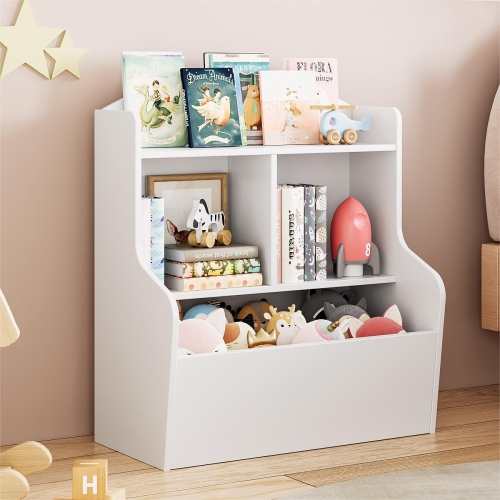
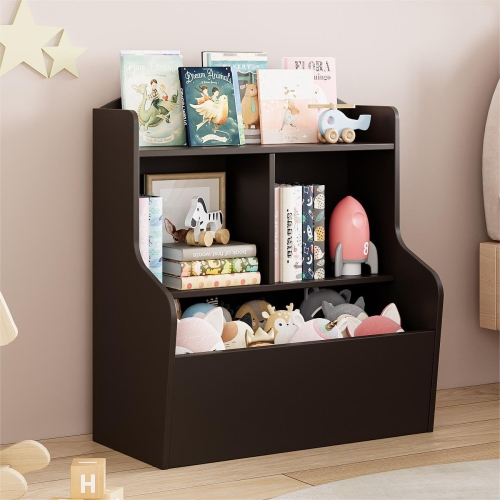
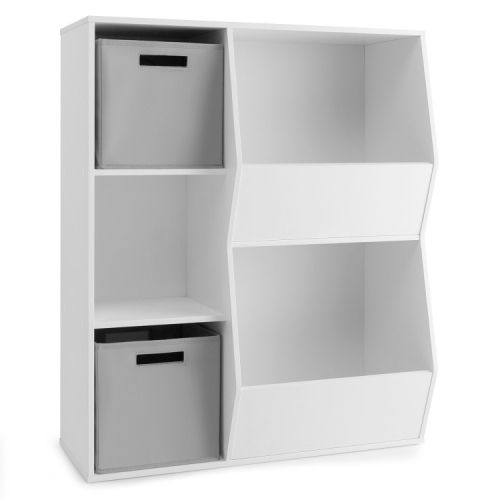
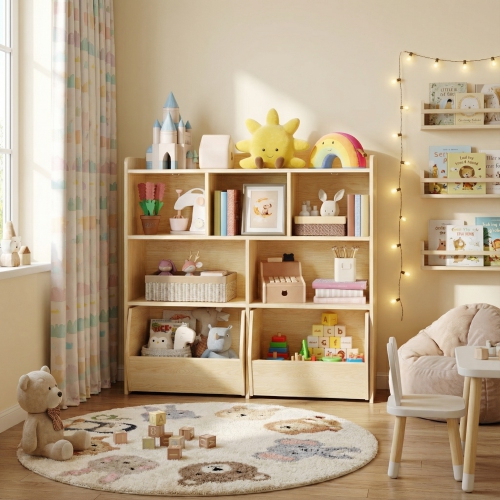
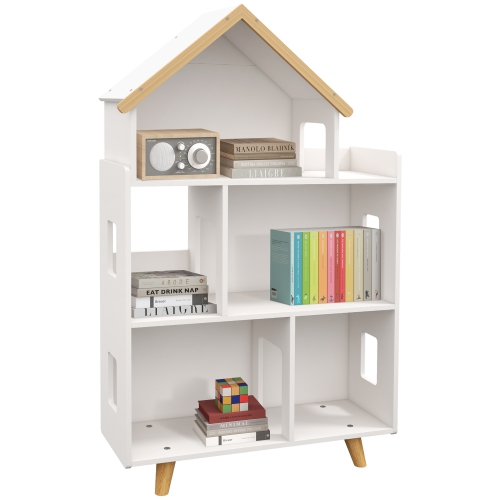
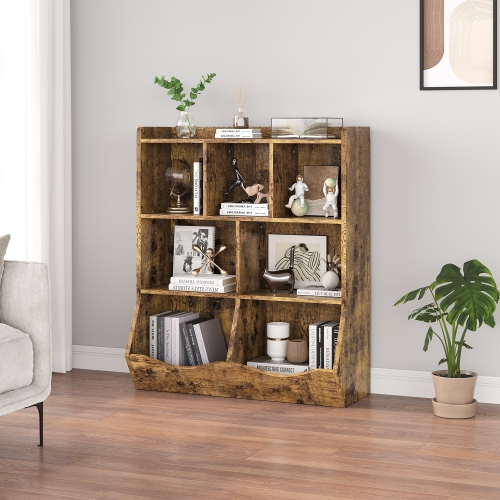
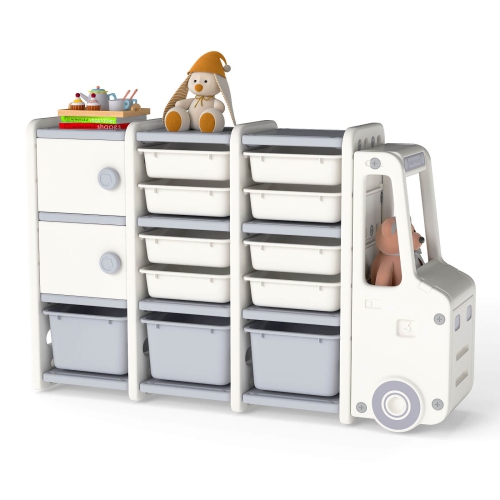


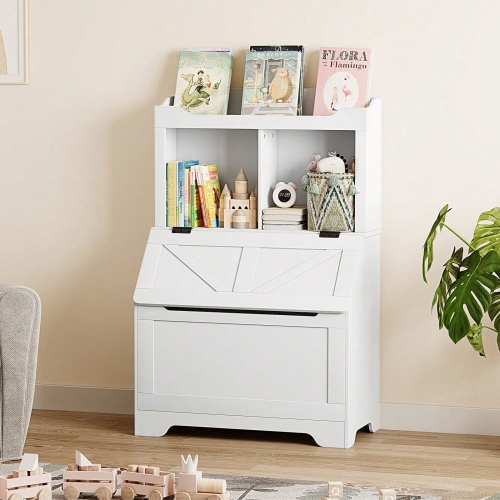
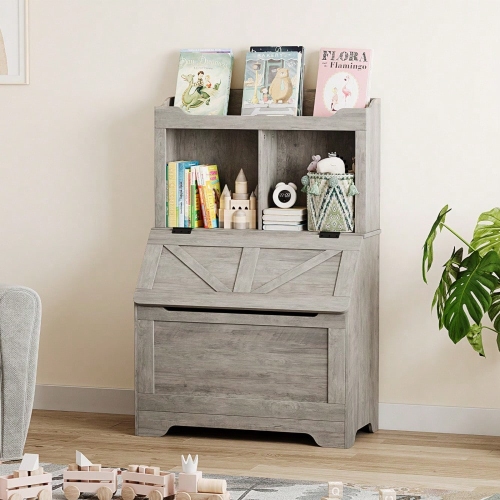
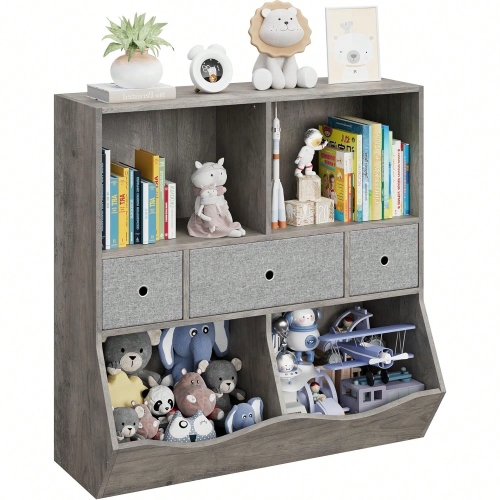
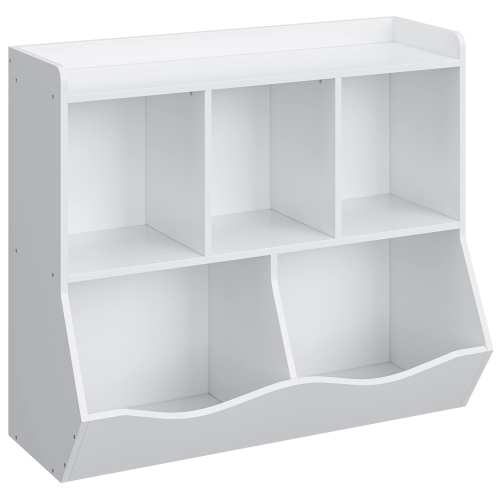

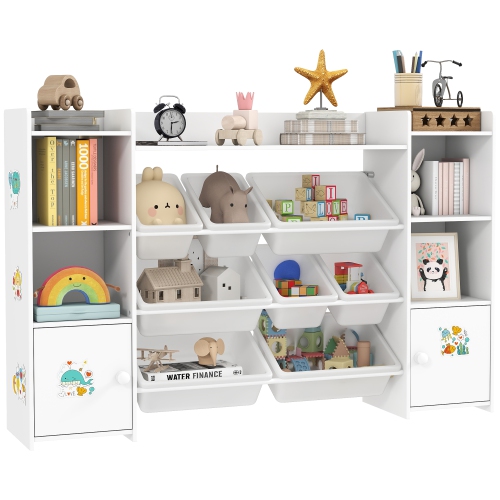
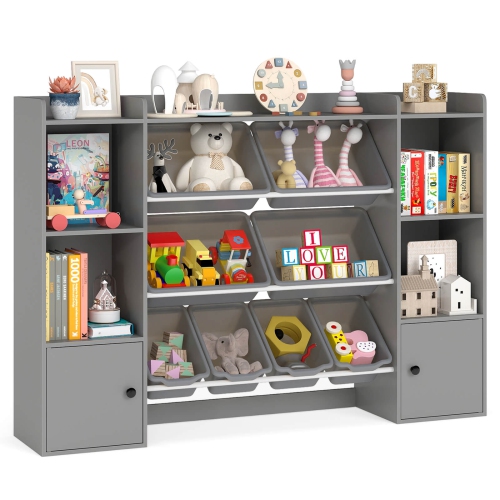
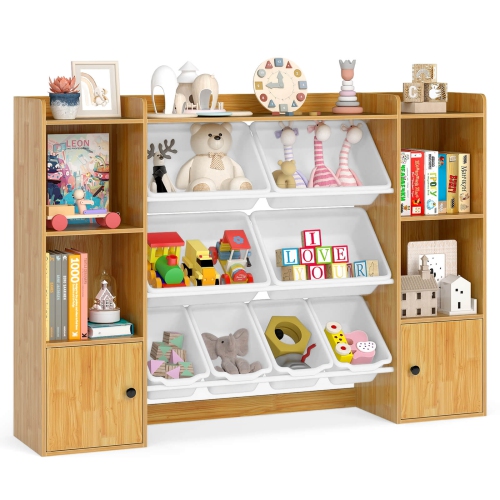
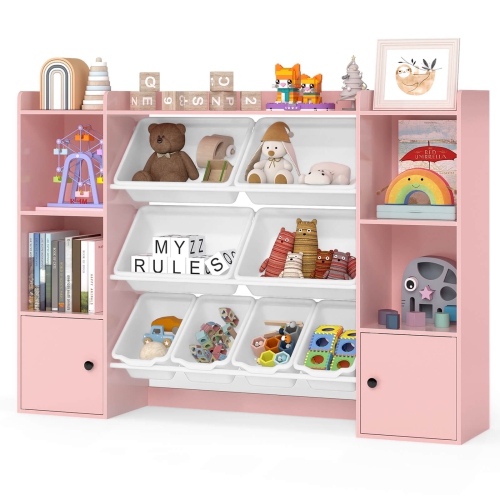
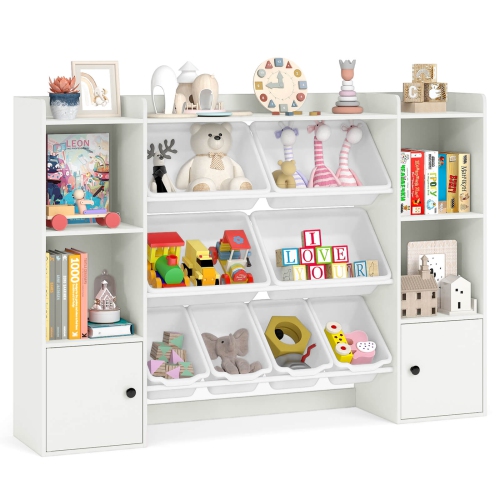
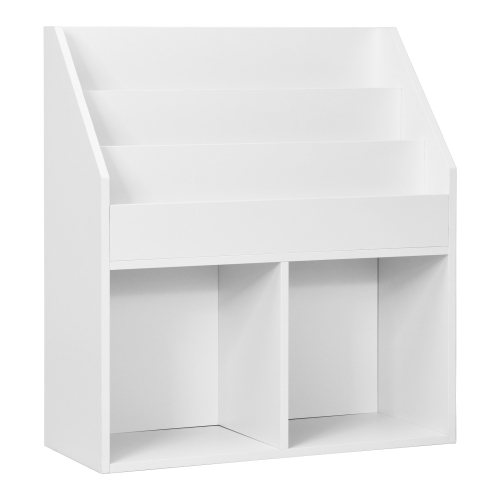
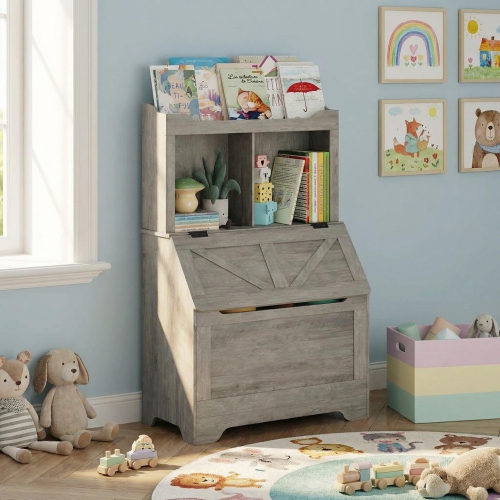
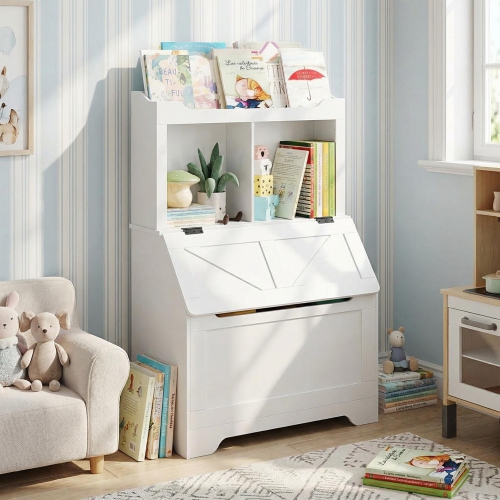
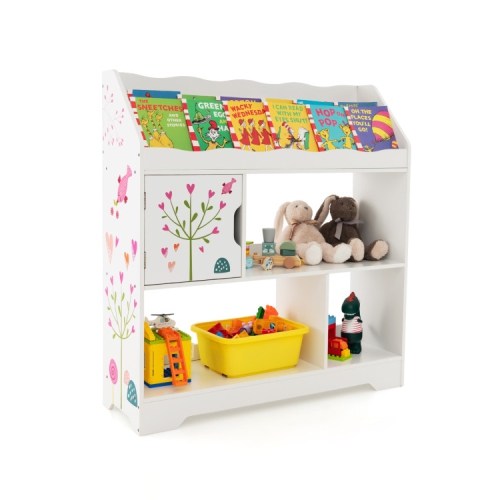
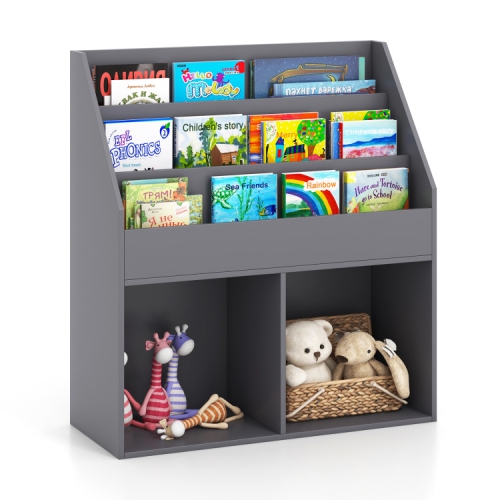
A place for every toy as children grow
Playroom storage cabinets give toys, books, puzzles, and craft supplies a defined place, helping a busy room move more easily between playtime and everyday family life. A cabinet can hold the wooden train tracks that spread across the floor in the morning, the picture books shared after lunch, and the board games brought out on a quiet afternoon. Different storage layouts suit different belongings: open cubbies make favourite toys easy to spot, removable bins gather loose building pieces, and cabinets with doors keep mixed collections out of sight. A combination of open and closed storage often works well in a shared playroom, with a few inviting activities on display and the rest tucked away until needed. Low compartments put suitable toys within a child’s reach, making it easier to take out an activity and return it afterwards. Actual shelf height and bin weight matter more than a cabinet’s overall height alone; a shallow basket of stuffed animals is easier for a young child to handle than a deep container packed with blocks. For siblings sharing a room, separate cubbies can give each child a familiar place for personal treasures while leaving larger compartments for shared games. Picture labels can help children who are not yet reading, while clearly separated sections make tidying less dependent on an adult remembering where everything belongs. Closed cupboards are especially useful for bulky toy vehicles, dress-up accessories, and puzzle boxes that rarely form a neat stack. Open shelves suit books stored upright or in small baskets, provided the shelf depth supports them without leaving too much unused space behind. As children grow, adjustable shelves can make room for taller books, larger game boxes, and hobby supplies. That flexibility helps playroom cabinets remain useful as the room shifts from floor-based play towards school projects, drawing, and afternoons spent with friends.
The best fit for a playroom storage cabinet depends on the room’s layout as much as the amount of storage inside it. A long, low cabinet can leave wall space free for children’s artwork, while a narrow upright design may suit a smaller footprint but needs careful attention to stability and access. Corner cabinets can make use of an awkward wall junction, although the shape and depth of their compartments affect what fits comfortably inside. Modular storage allows separate sections to sit together, and compatible components may offer flexibility when furniture needs to move or the collection of toys changes. Measurements should account for skirting boards, nearby doorways, floor vents, and enough clearance for cabinet doors and drawers to open fully. There also needs to be room for a child to sit beside an open bin without blocking the main walking route. Internal dimensions are worth checking against the belongings being stored: a cabinet may look spacious yet still be too shallow for a large puzzle box or too narrow for a favourite toy garage. Materials influence appearance, weight, and daily care. Solid wood brings visible grain and can develop surface marks with use; depending on the finish, some marks may be repairable. Engineered wood with a painted, laminated, or melamine surface offers a more uniform appearance, though exposed edges and prolonged moisture need particular care. Metal cabinets provide a different look, with finishes that should be checked for chips or scratches over time. Plastic bins are often easy to lift and wipe clean, while fabric bins keep the overall weight down but may need spot cleaning or removable liners for messier contents. Smooth edges, securely fitted handles, sound hinges, and shelves rated for their intended load all contribute to practical everyday use. Muted finishes can blend into a shared room, while brighter accents can distinguish different storage zones without requiring every toy to remain on display.
Safety and upkeep are central to how playroom storage cabinets function in a home. Cabinets should be assembled and secured against tipping according to the manufacturer’s instructions, using hardware appropriate to the wall construction; a low cabinet is not automatically tip-proof. Heavy belongings belong on lower shelves, and drawers or shelves should never serve as steps. Keeping appealing toys within an appropriate reach reduces the temptation to climb, but furniture placement and adult supervision still matter. Soft-close hinges may reduce abrupt door movement, though they do not replace checking pinch points or teaching children to keep fingers clear. Small parts, sharp craft tools, and supplies unsuitable for younger siblings need separate, secure storage rather than simply a higher open shelf. A cabinet top should not be treated as seating unless the furniture is specifically designed and rated for that purpose. Everyday care is usually straightforward when it matches the material: wipe up spills promptly, remove dust from shelf corners, and follow the manufacturer’s cleaning directions instead of using abrasive pads or soaking surfaces. Removable bins can make it easier to clear out crumbs, dried modelling dough, and stray pencil shavings before they collect underneath toys. Periodic checks of handles, hinges, shelf supports, and wall attachments help catch loosening fittings after repeated use. Storage also works better when containers are not packed so tightly that children have to empty everything to find one piece. Leaving a little space makes it easier to return toys and accommodate changing interests. In homes where play spills into the main living area, coordinating playroom furniture with Family Room Storage Cabinets can create a consistent look while giving games, books, and shared activities their own places. Whether furnishing a dedicated playroom, a bedroom corner, or a multipurpose family space, a well-proportioned cabinet supports the same everyday goal: belongings that are easy to find, manageable to put away, and stored with the people using them in mind.
Top selling and popular products
-
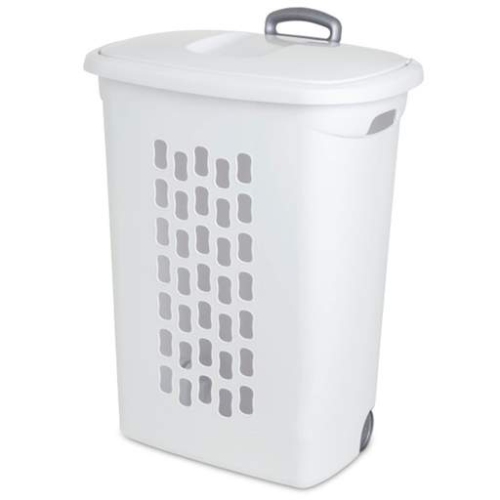 Your price for this item is $517.99
-
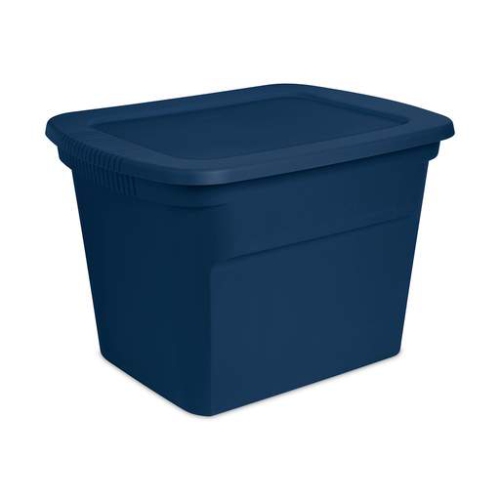 Your price for this item is $661.99
-
 Your price for this item is $881.99
-
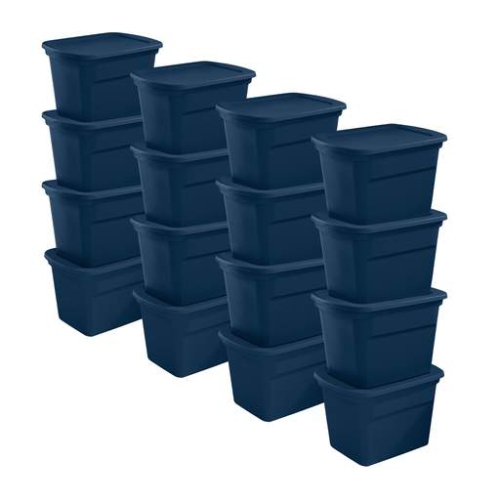 Your price for this item is $440.99
-
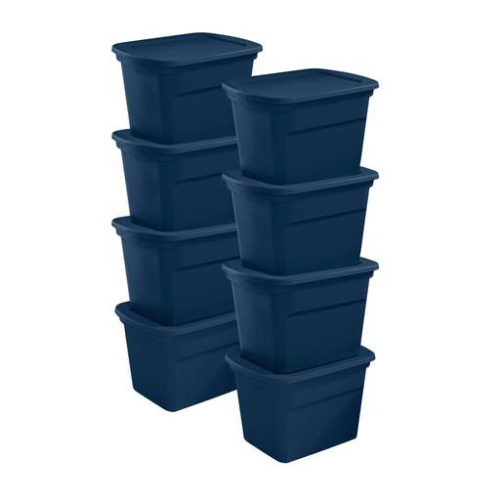 Your price for this item is $227.99
-
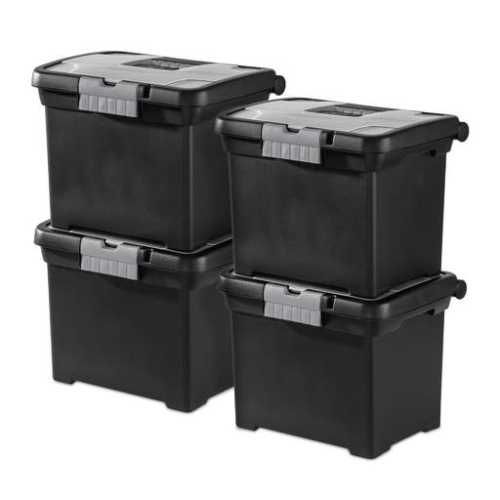 Your price for this item is $132.99
-
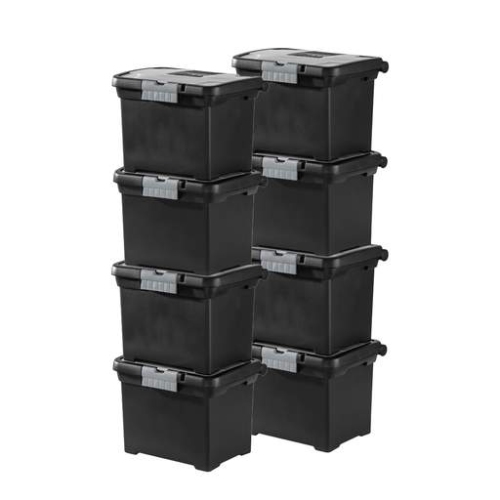 Your price for this item is $260.99
-
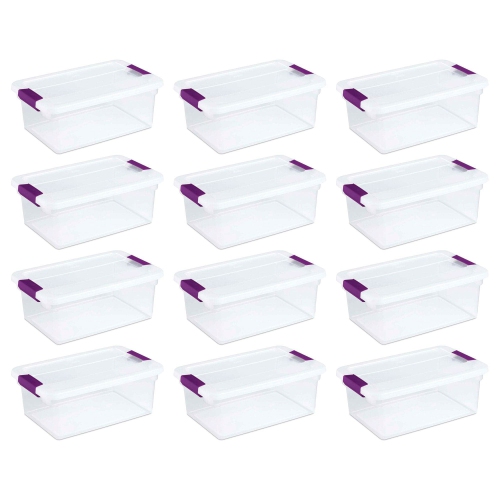 Your price for this item is $148.99
Discover more categories related to Playroom Storage Cabinets

Top Collections:
Pokemon Centers, Kindle Devices, Best Cameras for Sports Photography, Pokémon 30th Celebration Cards, Apple iPhones 16, Canon G7X Cameras, iPhone 15 Apple, Flip Phones, Samsung Galaxy Phones, Alarm Clock
Some products may be subject to Environmental Handling Fees
(EHF) depending on your province.
Learn more about EHFs.