Preschool Classroom Decor
Create an engaging and inspiring learning environment with our selection of preschool classroom decor. From colorful wall decals to educational posters, our collection offers a variety of options to help you create a space that is both fun and functional for young learners. With playful designs and durable materials, you can easily transform your classroom into a vibrant and inviting setting that sparks creativity and imagination. Explore our range of decor items to find the perfect pieces to enhance your preschool space today.
Sort
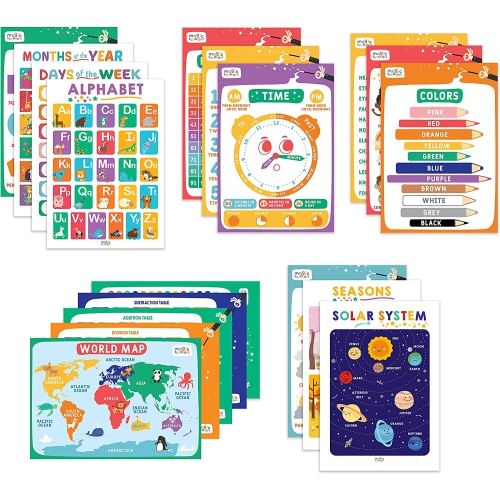
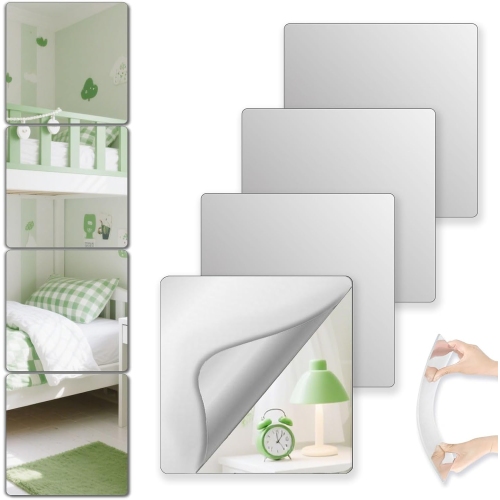

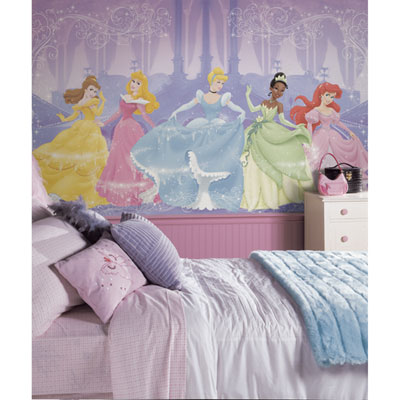
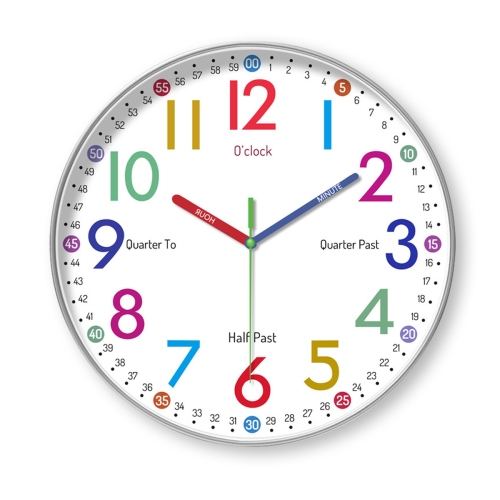
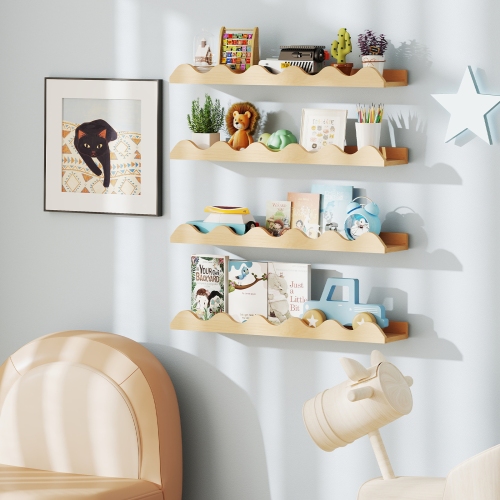
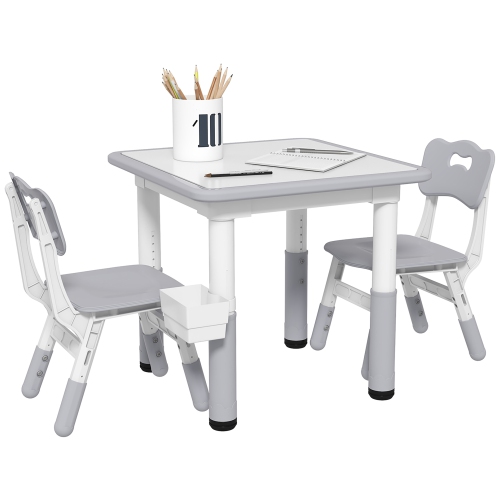
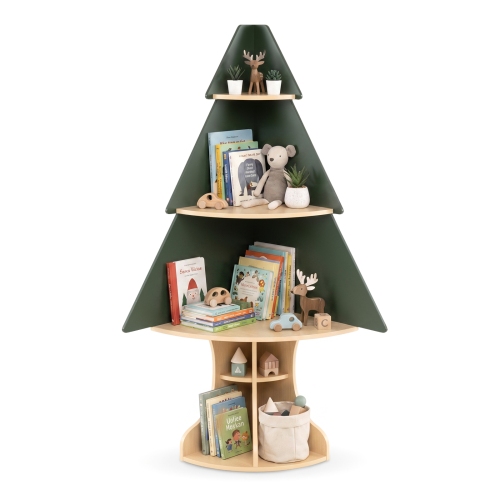
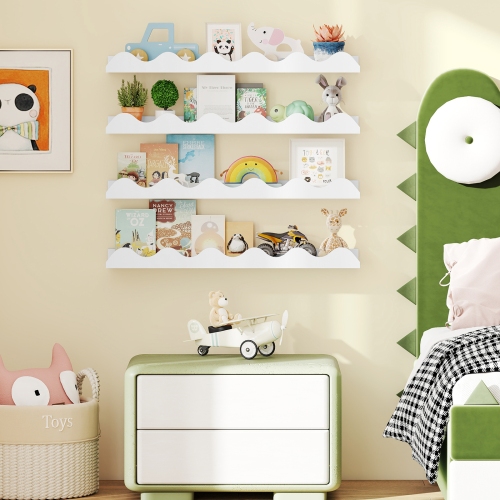

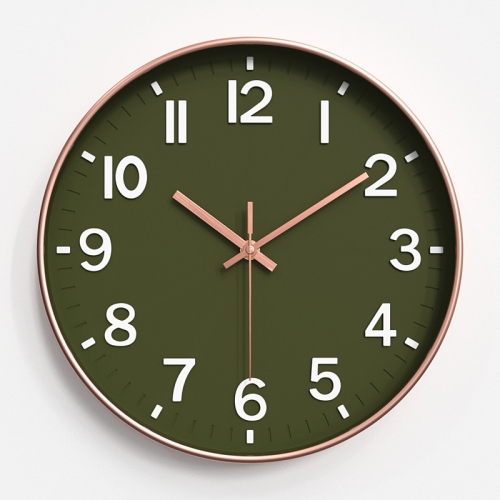


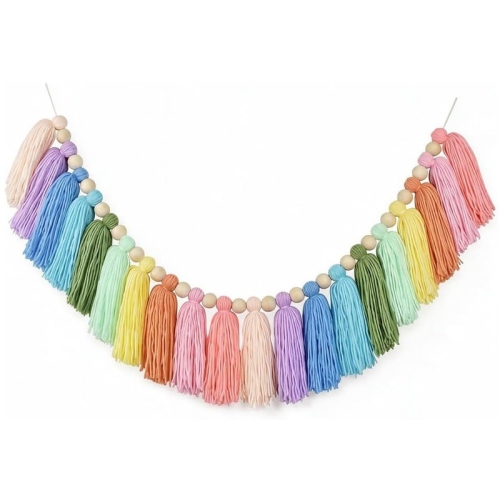
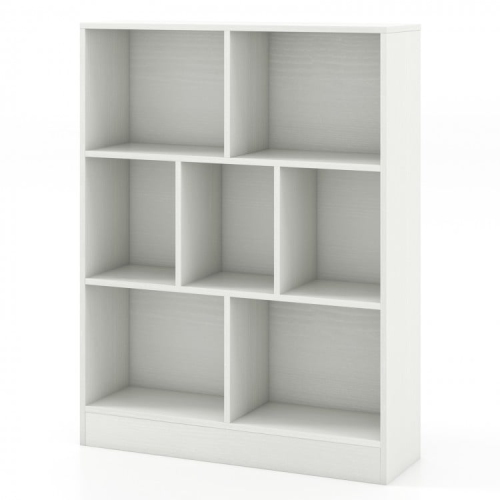
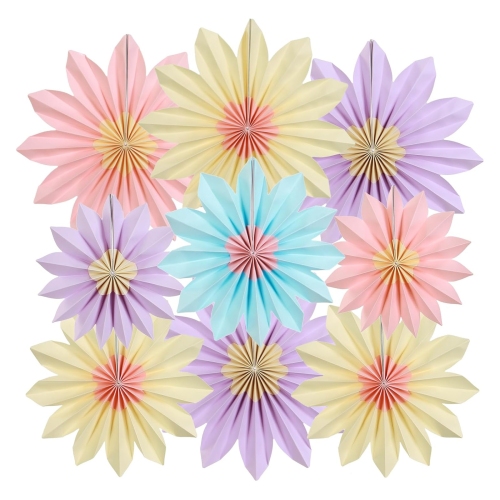
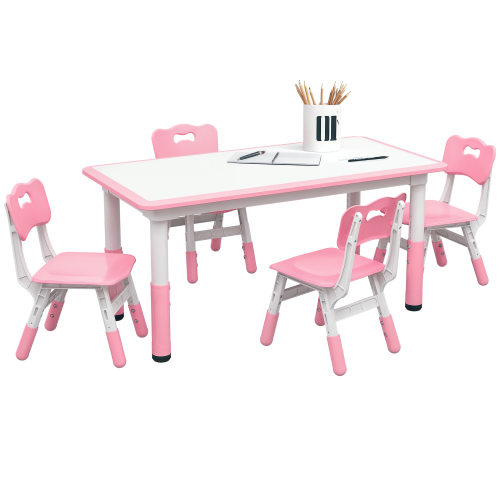
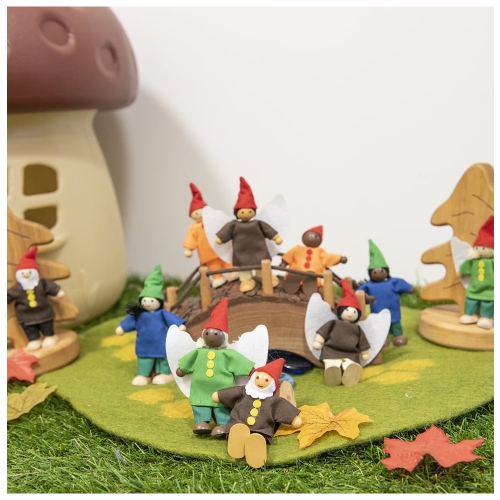
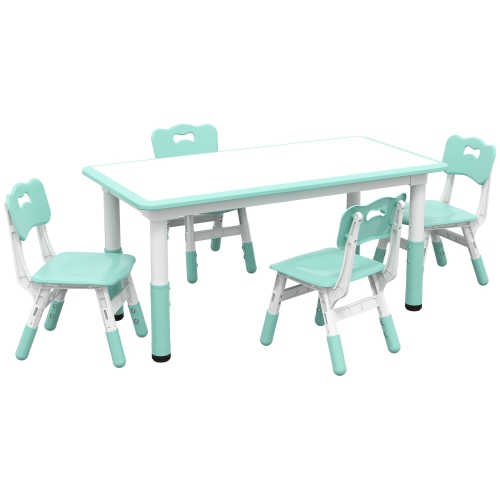

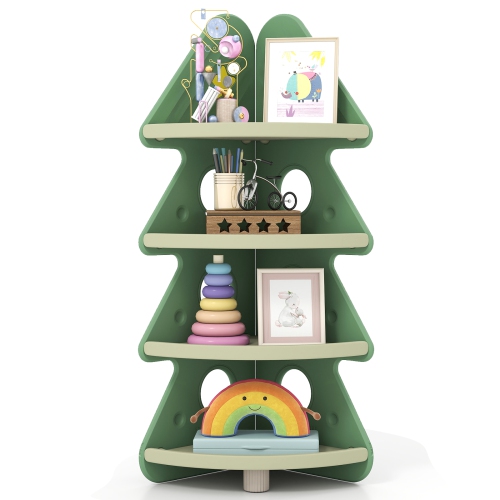
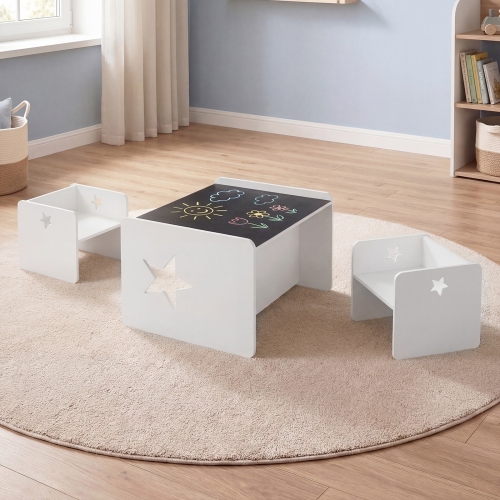

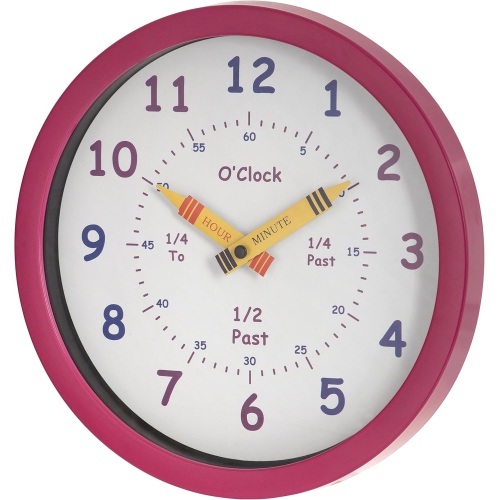
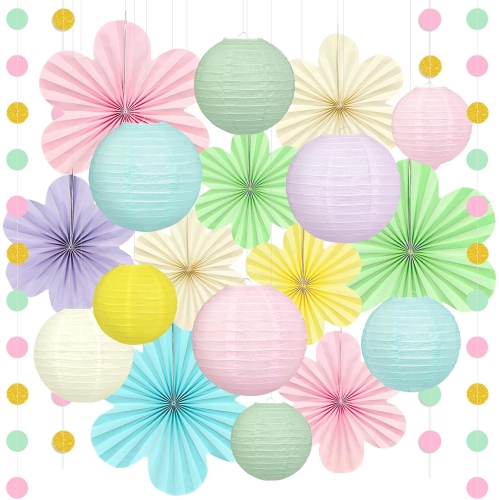
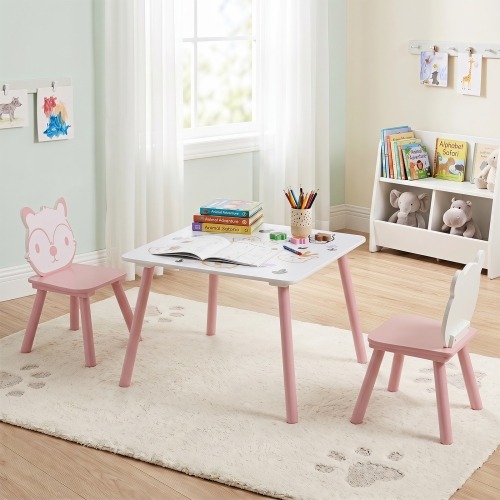




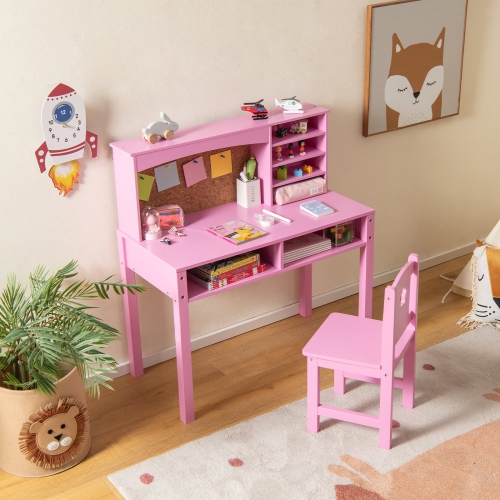
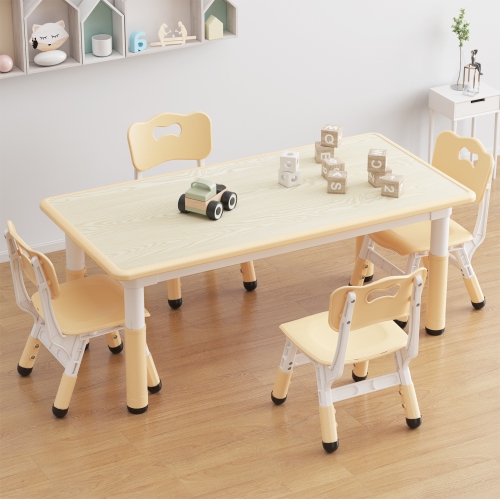

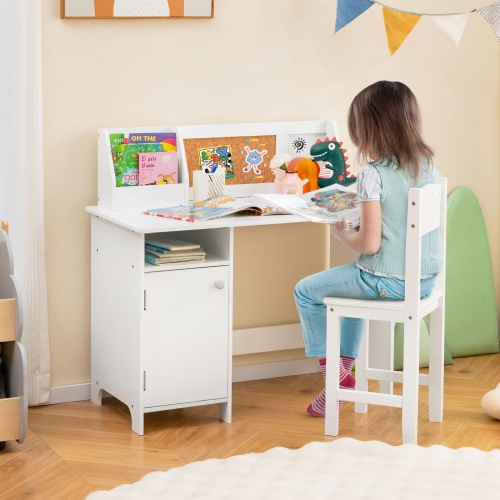






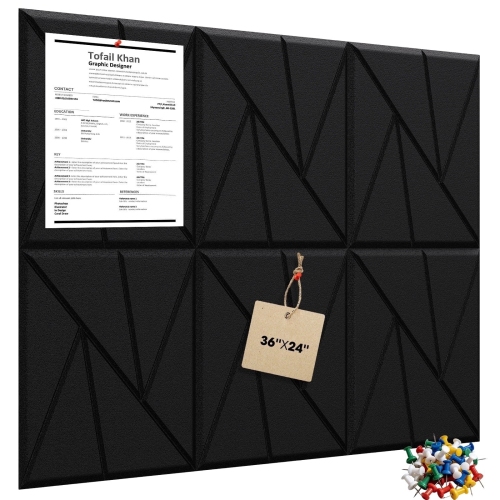
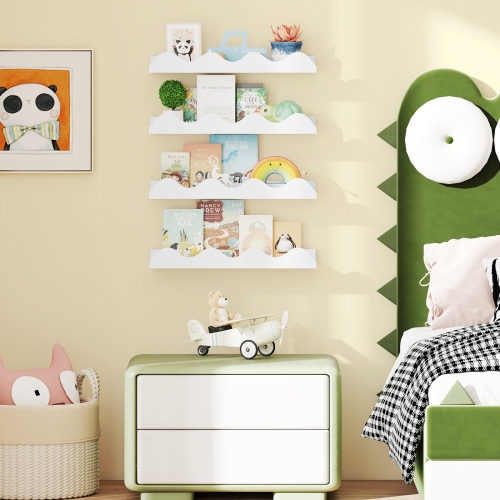
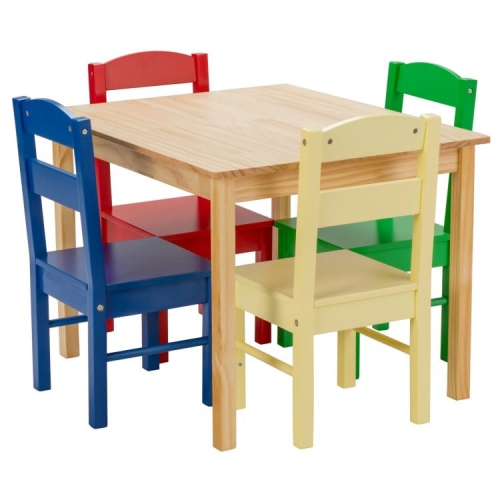
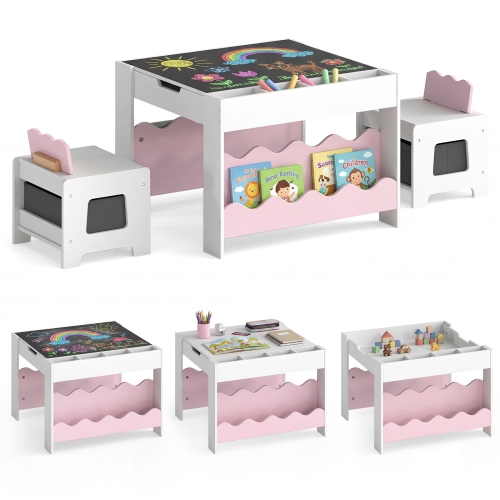
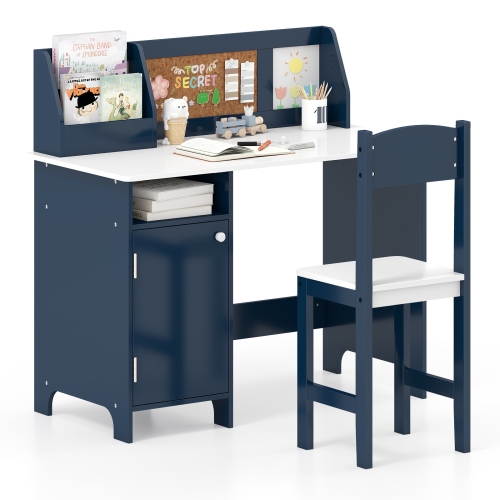
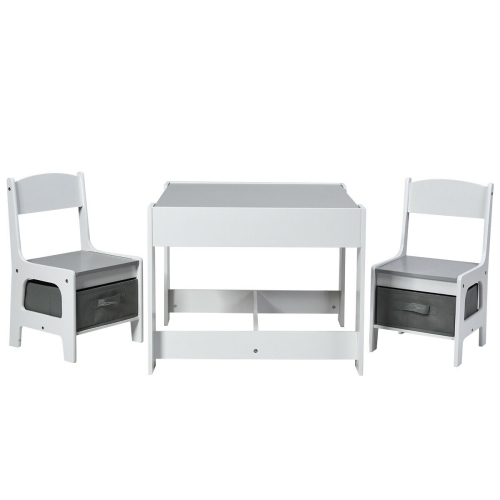
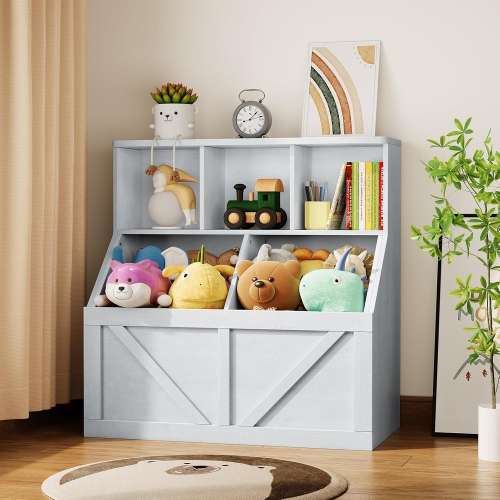
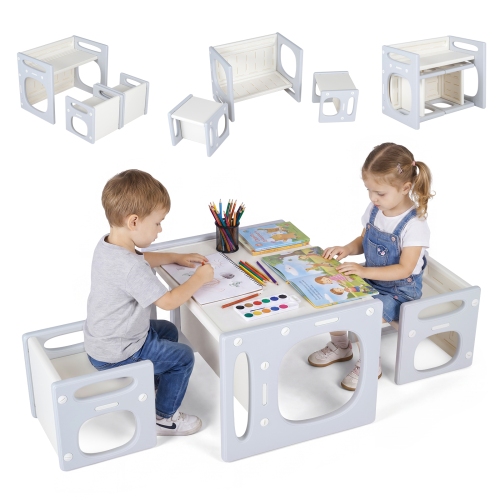
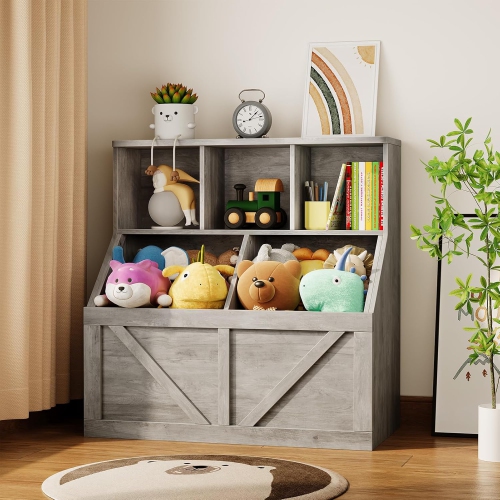
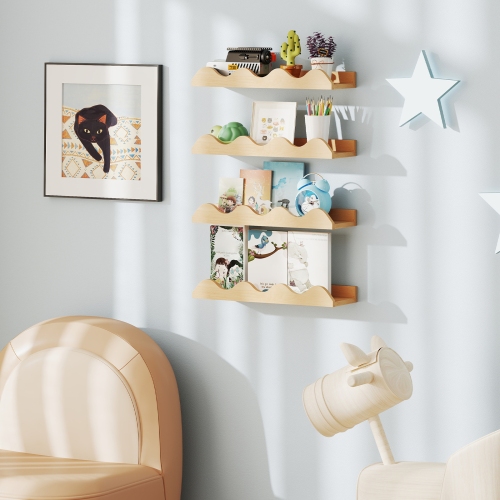
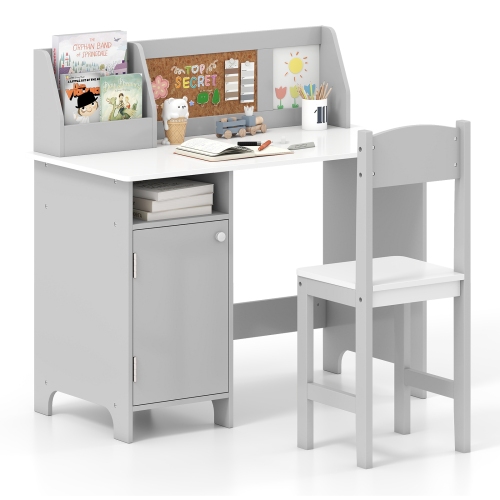
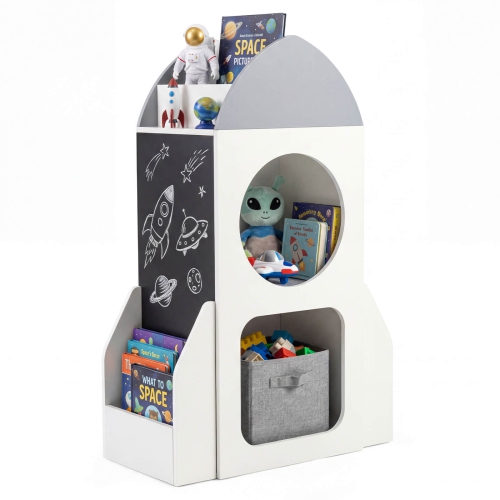

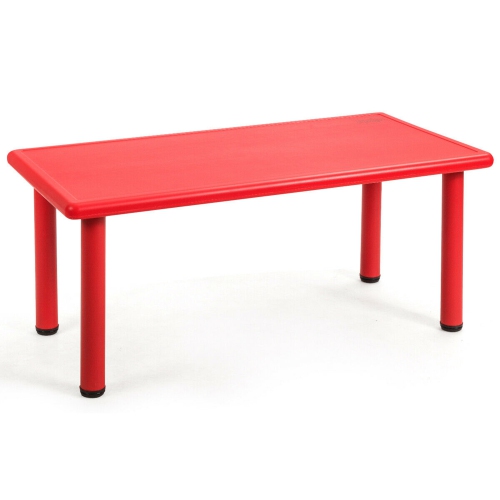
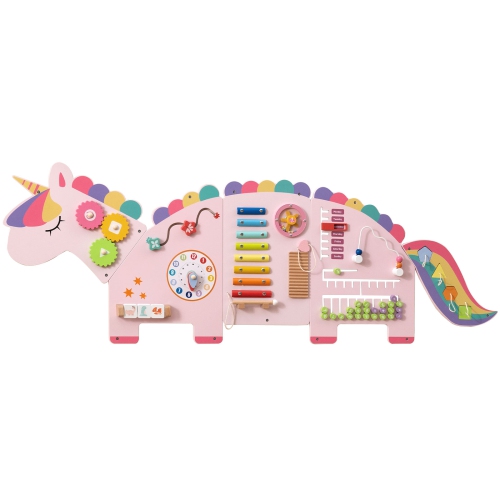
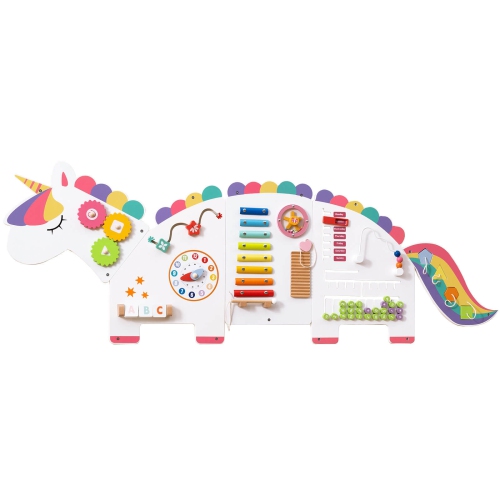
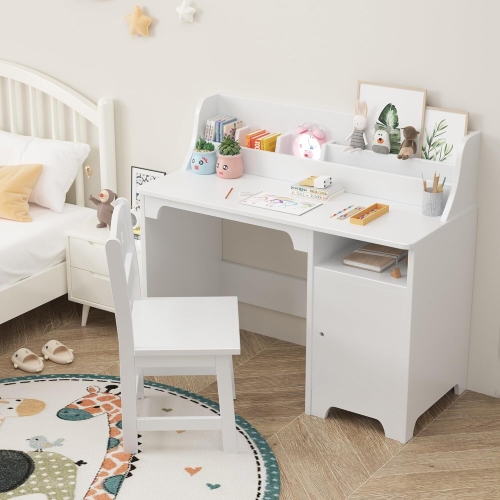

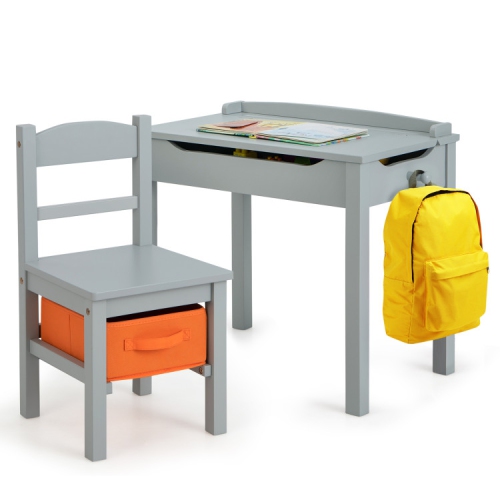



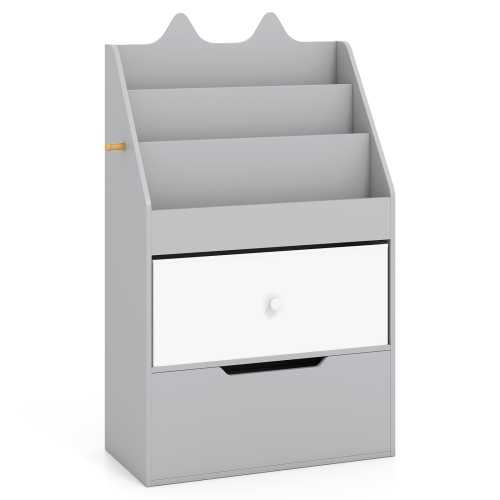


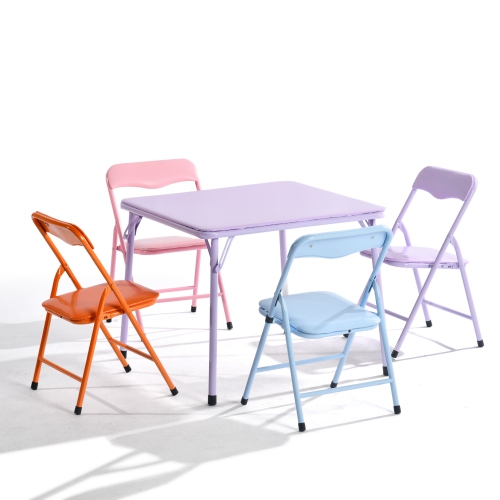

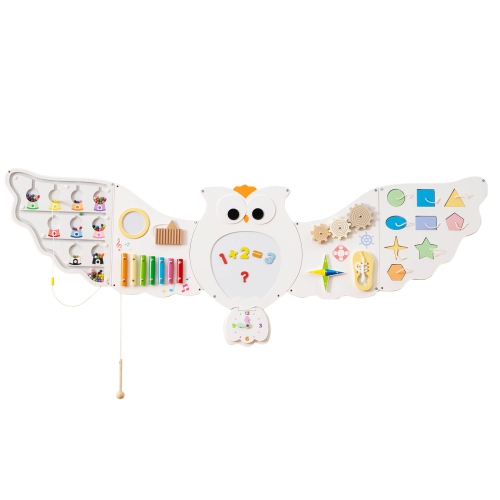



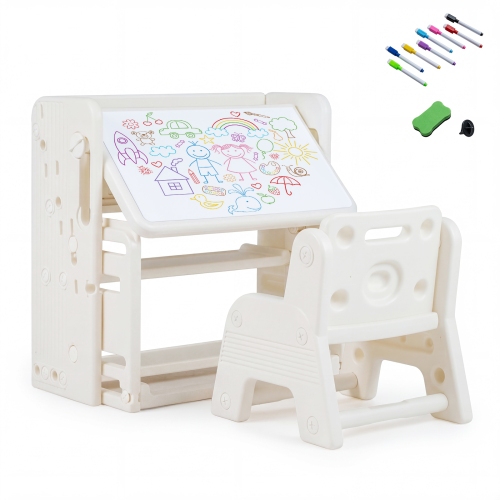
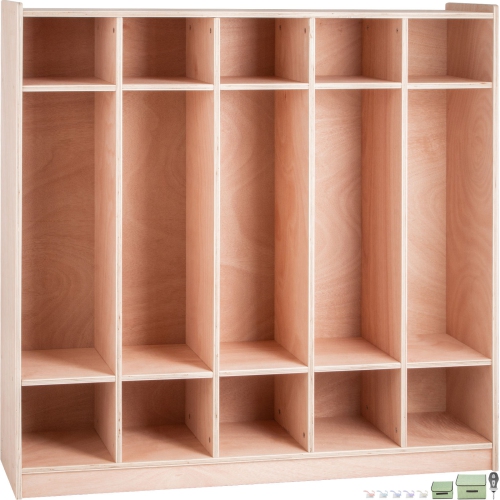
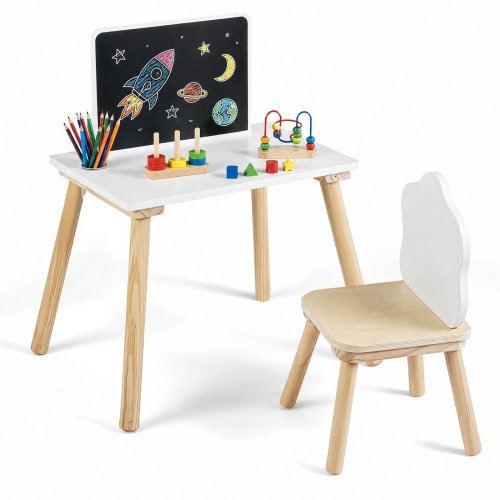
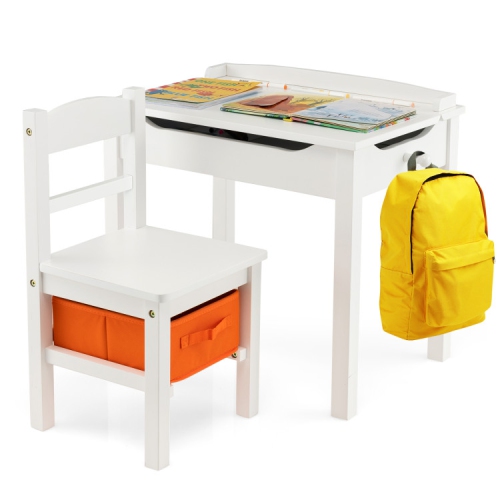
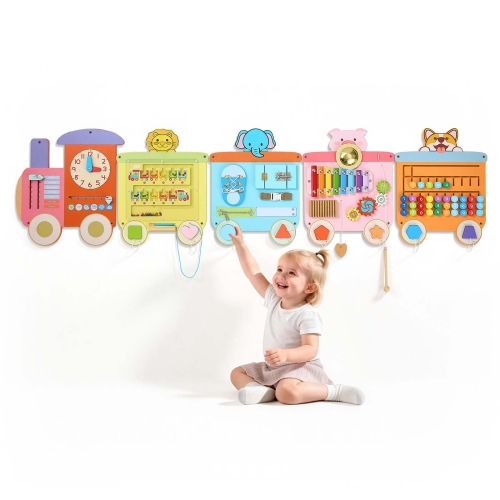

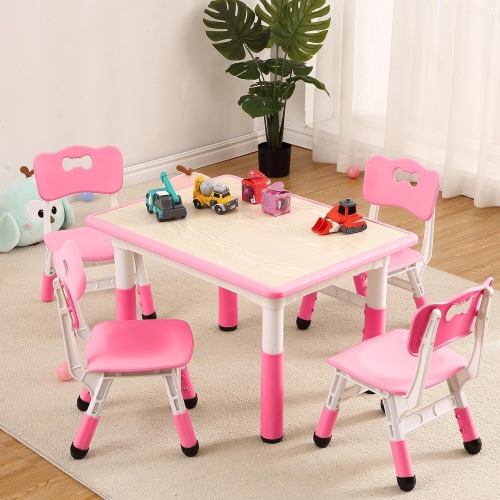
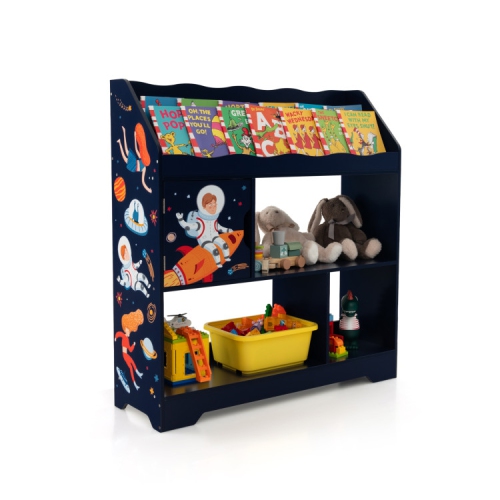
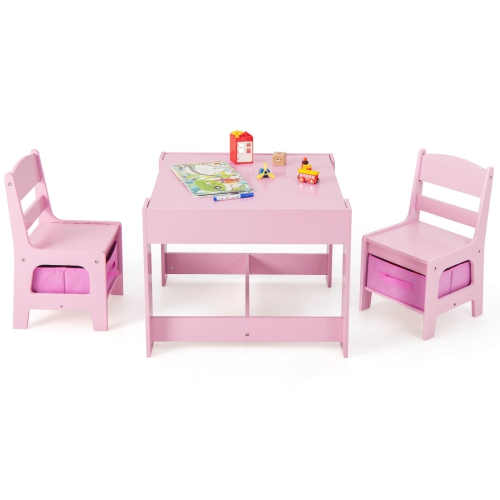
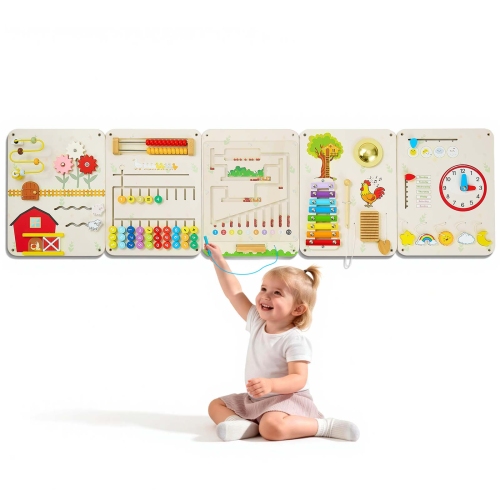
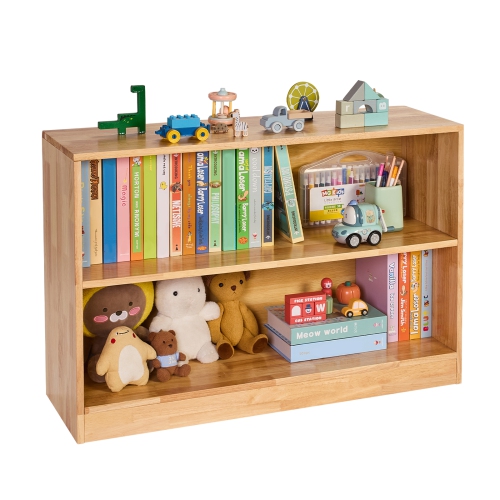
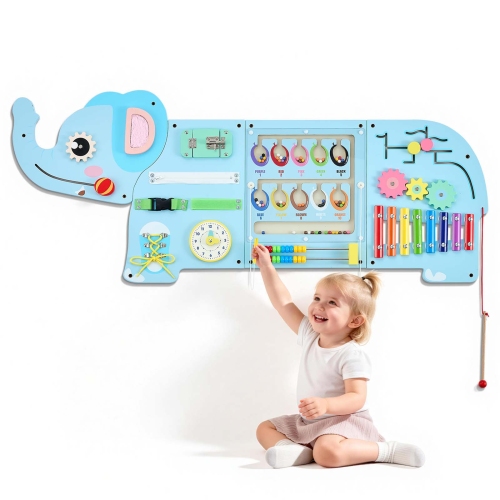
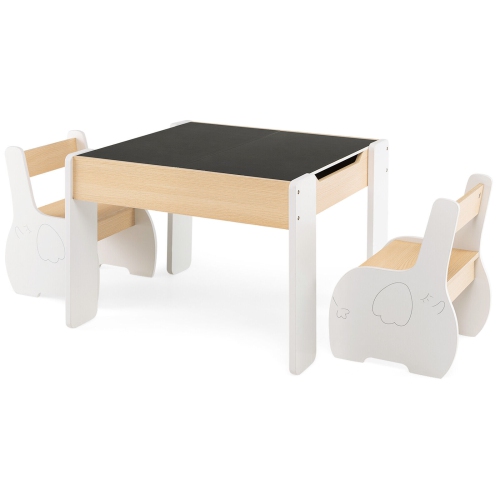
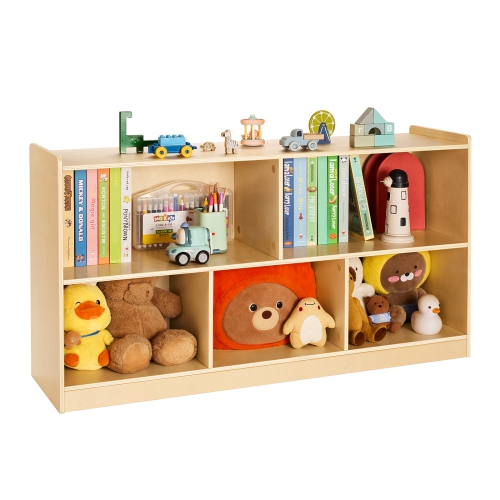
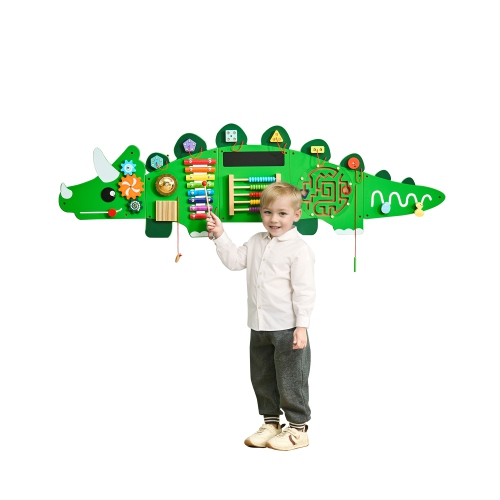
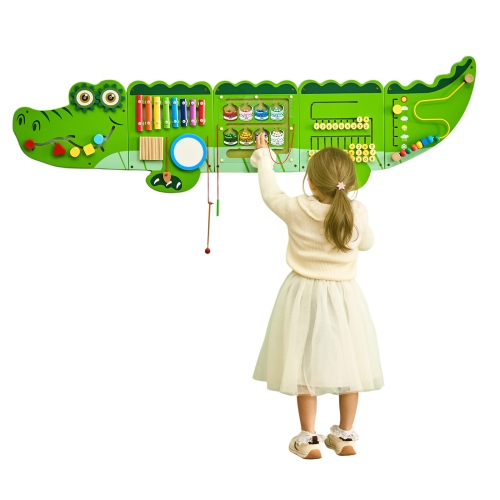
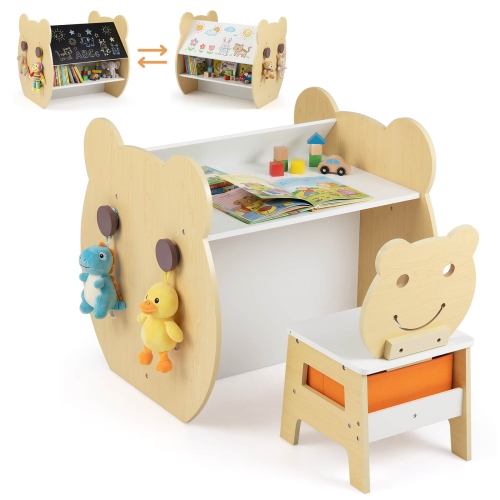



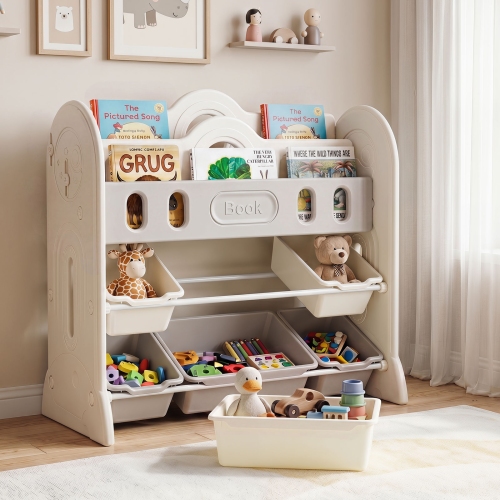
Visual cues that help children settle into classroom routines
Preschool classroom decor brings colour, character, and a sense of belonging to spaces where young children play, practise new skills, and begin to follow familiar routines. At this age, the room itself can offer useful cues: a picture beside a coat hook helps a child find their place, a clearly marked reading corner signals somewhere to settle with a book, and a simple sequence of images makes the next activity easier to anticipate. Decorative themes built around animals, shapes, nature, or everyday community life can connect different areas without making every wall look alike. A coordinated palette gives the space a consistent feel, while contrasting colours can draw attention to information children need to notice. The most useful displays balance visual appeal with a clear purpose, leaving room for children’s artwork, photographs, and contributions rather than covering every surface with permanent graphics. Large, recognizable images and easy-to-read lettering suit spaces viewed from across the room; smaller details belong closer to where children sit or gather. Alphabet and number imagery can introduce familiar symbols, but preschool displays are often more approachable when they pair those symbols with concrete pictures and opportunities for conversation. A cheerful illustration might prompt a child to name a colour, describe an animal, or tell a story during free play. Decor can also give different activity areas their own identity, helping a busy classroom feel more organized without relying on written directions alone. A quiet nook may suit a restrained palette and a few gentle illustrations, while an art area can carry brighter accents alongside the children’s own creations. Consistency matters more than an elaborate theme: repeating a shape, border style, or small group of colours can tie together an otherwise varied room. The result is a space that feels welcoming to children and families while remaining practical for educators who use it throughout the day.
Materials, dimensions, and attachment methods make a noticeable difference in how preschool classroom decor performs with regular use. Paper and cardstock offer a lightweight option for displays that change often, while laminated surfaces and certain plastics may be easier to wipe clean when their care instructions permit it. Fabric brings texture and a softer appearance, though its suitability depends on whether it can be cleaned as needed and secured appropriately for the setting. Wood can provide a sturdy, tactile finish, with smooth edges and intact surfaces especially important anywhere children can reach. Durability is not just about thickness; printed finishes, seams, corners, and fastenings all affect how well decorative pieces hold up to repeated handling. In a shared classroom, a display near the handwashing area faces different demands from one mounted high above a storage unit. Care requirements should match those everyday conditions, including any cleaning procedures required by the childcare centre. Washable does not necessarily mean suitable for every cleaner, and a wipe-clean finish may still need gentle treatment to preserve its colour and lettering. Fit is equally practical. A wall arrangement needs enough space to sit comfortably around doors, windows, switches, and existing furnishings, while a display intended for children should be visible from their height rather than only from an adult’s standing position. Removable adhesives may suit some finished surfaces, but compatibility and removal instructions matter, particularly on painted walls or shared premises. Secure installation is essential wherever decor could be pulled, bumped, or brushed during play. Loose components, accessible cords, sharp edges, and small detachable parts require particular attention in rooms used by young children. Decorations are not automatically toys, even when they feature playful characters or appealing textures. Age recommendations, intended use, and the setting’s safety requirements help distinguish pieces for adult-managed display from materials designed for children to handle. Keeping exits, sightlines, and necessary notices clear also allows the room’s decorative features to support its daily use rather than compete with it.
Preschool classroom decor suits a range of learning spaces, from nursery school rooms and licensed childcare centres to community programmes and dedicated play areas at home. Each setting has a slightly different rhythm. A room shared by several groups benefits from flexible displays that are easy for staff to update, while a dedicated preschool classroom may have space for familiar visual cues that remain in place throughout the programme. For children arriving for the first time, recognizable pictures and a place marked with their name can make the room feel less unfamiliar. For returning children, those same details can encourage small acts of independence, such as putting belongings away or finding the area for a favourite activity. Inclusive imagery adds another layer of welcome when it reflects different families, abilities, and everyday experiences without turning people into a decorative theme. Clear pictures alongside words can also support children who are still developing language skills or learning more than one language. English and French wording may be appropriate in some Canadian classrooms, while other settings may include languages spoken by the families they serve. Displays work best when educators can adapt them to the children rather than having to fit every activity into a fixed visual scheme. Space for changing artwork, names, and shared projects keeps the room personal and gives children something meaningful to show a parent or caregiver at pickup. Broader inspiration from Classroom Decor Ideas can help connect preschool-friendly colours and imagery with adjoining learning areas, staff spaces, or mixed-age rooms. Decor may also be a thoughtful gift for an early childhood educator establishing a classroom, provided the recipient’s preferred style, mounting restrictions, and programme requirements are known. In any setting, a cohesive room does not need every surface to match. A few repeated visual details, readable displays, and generous space for children’s own work can create a warm, lived-in classroom that supports both lively group activities and quieter moments of discovery.
Top selling and popular products
-
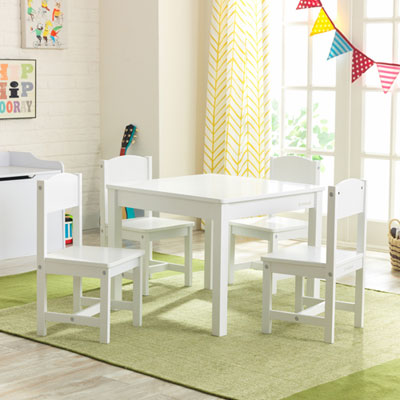 Your price for this item is $199.99
-
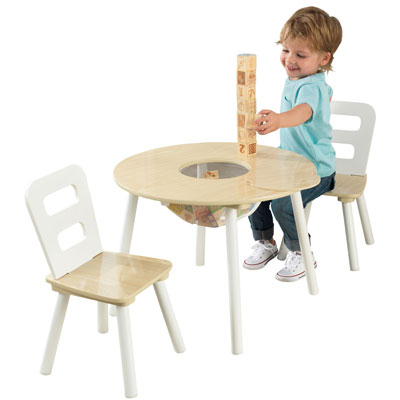 Your price for this item is $109.99
-
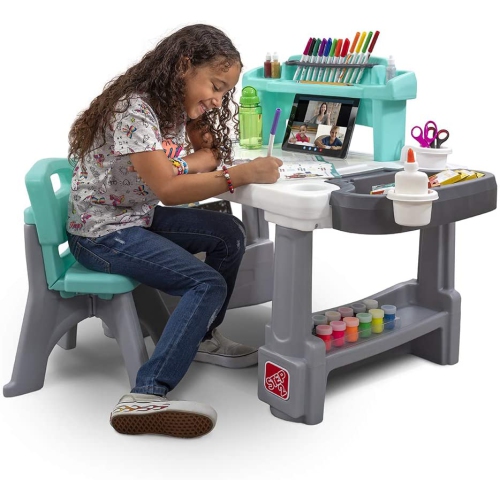 Your price for this item is $395.66
-
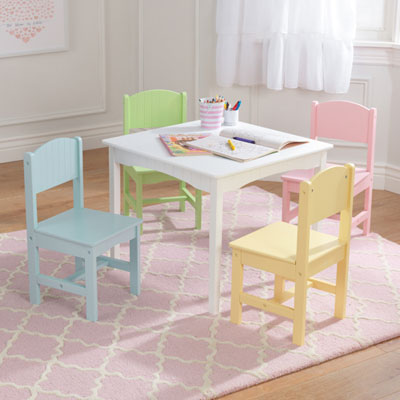 Your price for this item is $165.98
-
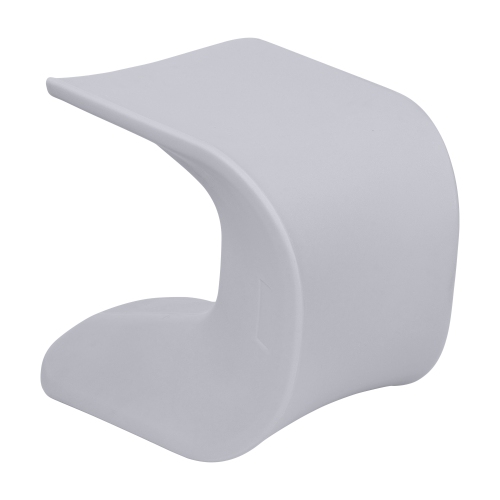 Your price for this item is $174.99
-
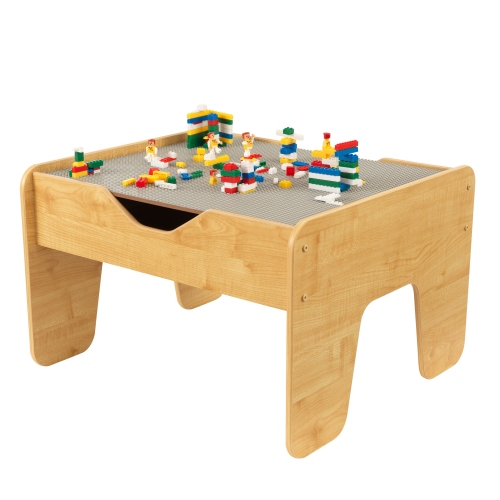 Your price for this item is $89.99
-
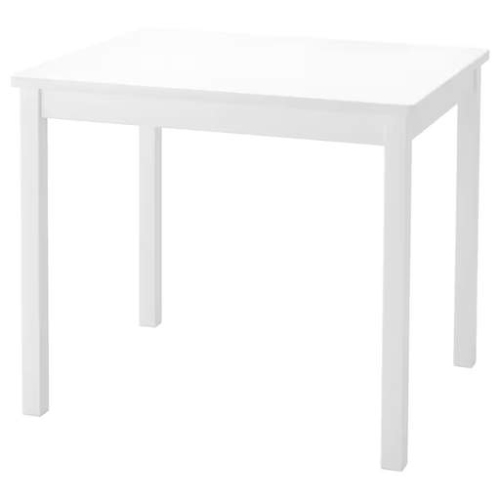 Your price for this item is $96.99
-
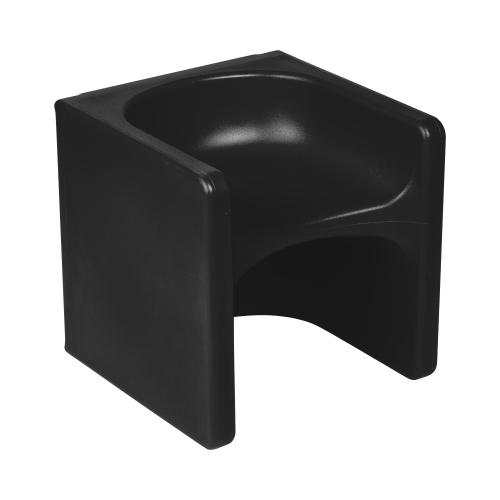 Your price for this item is $124.99
Discover more categories related to Preschool Classroom Decor


Top Collections:
Pokemon Centers, Best Cameras for Sports Photography, Kindle Devices, Samsung Galaxy Phones, Canon G7X Cameras, Pokémon 30th Celebration Cards, Refurbished Apple Laptops, iPhone 15 Apple, Laptops for Students, Budget Smartphones
Some products may be subject to Environmental Handling Fees
(EHF) depending on your province.
Learn more about EHFs.