Classroom Decor Ideas
Transform your classroom into an inspiring and engaging space with our curated selection of classroom decor ideas. From vibrant wall art to versatile storage solutions, elevate your learning environment with functional and stylish accents that foster creativity and productivity. Whether you're a teacher looking to create a welcoming atmosphere or a student seeking to personalize your study area, discover a range of decor options that will breathe new life into any educational setting.
Sort



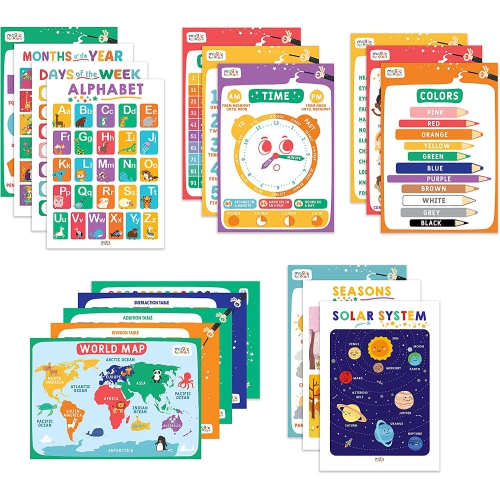


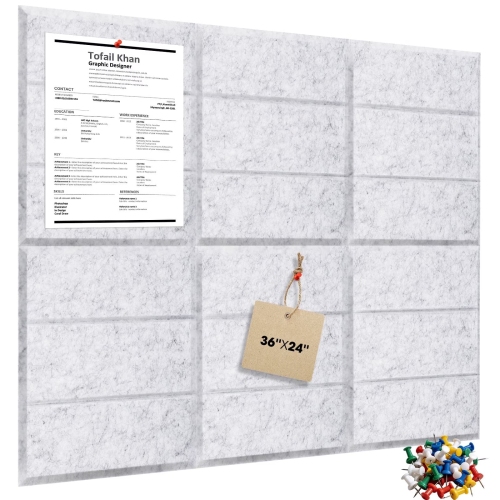
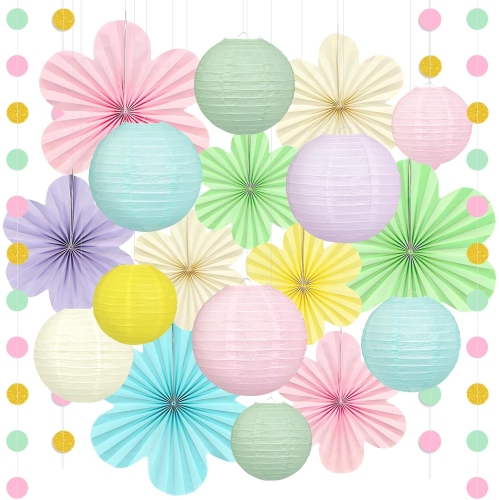
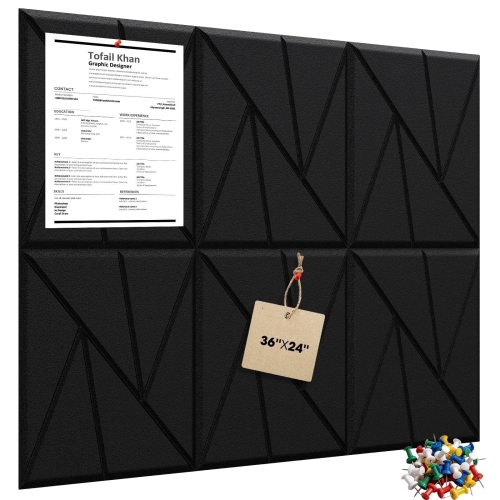
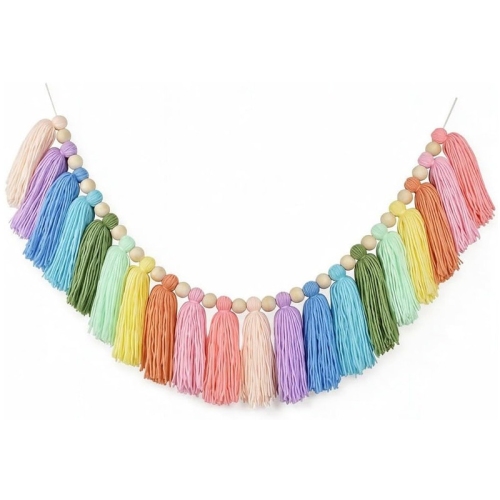
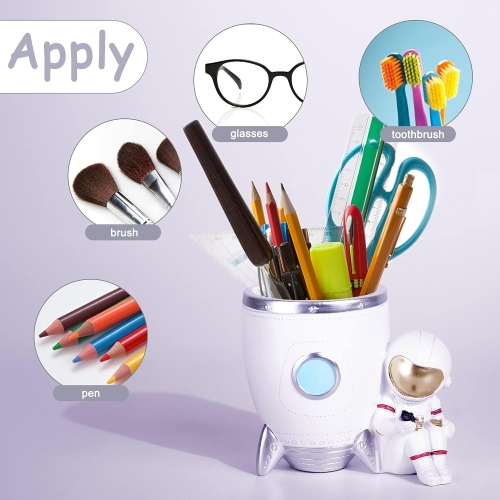
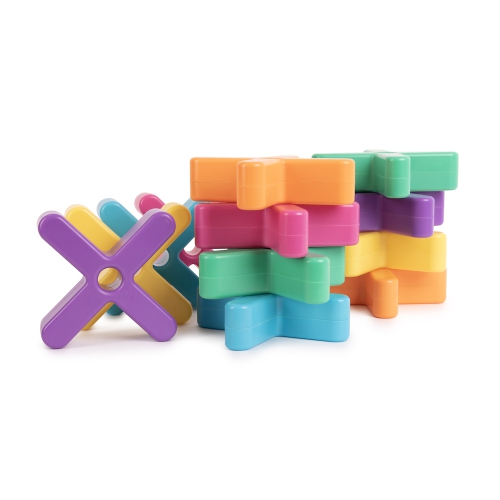


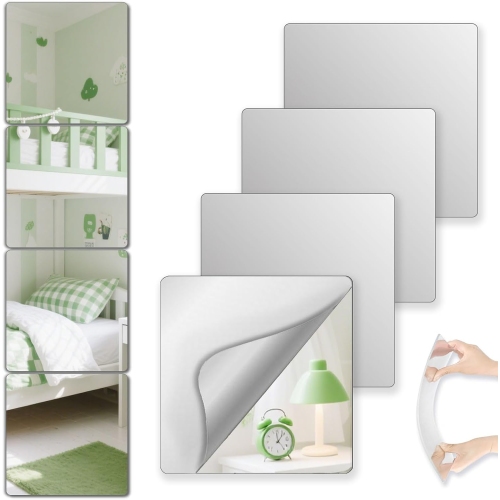
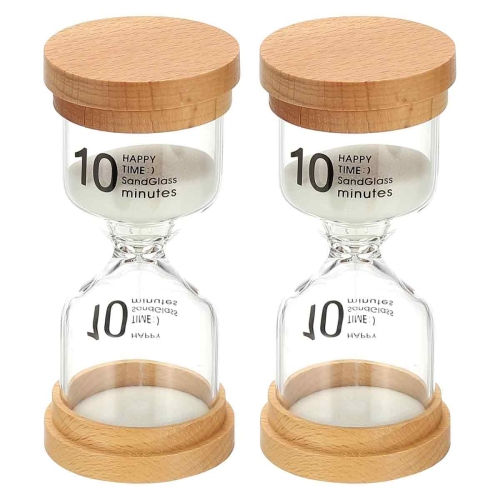

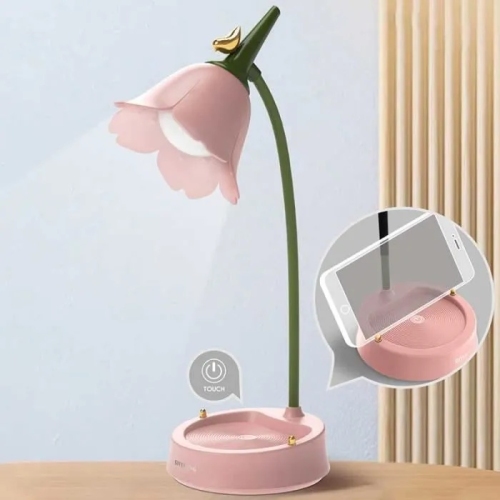

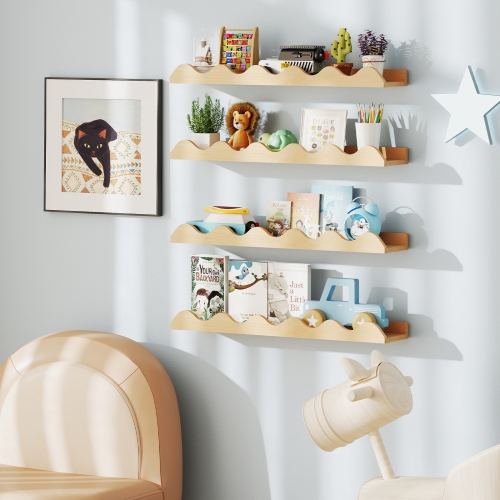
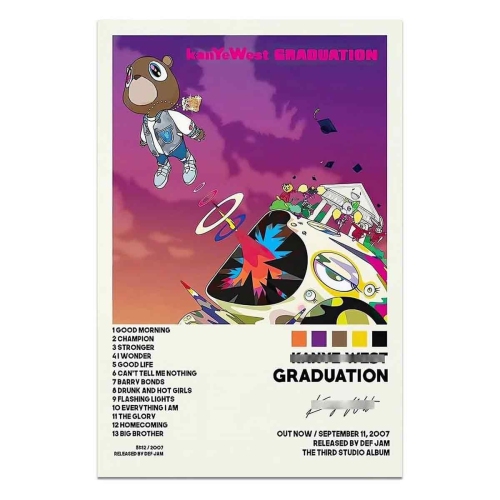
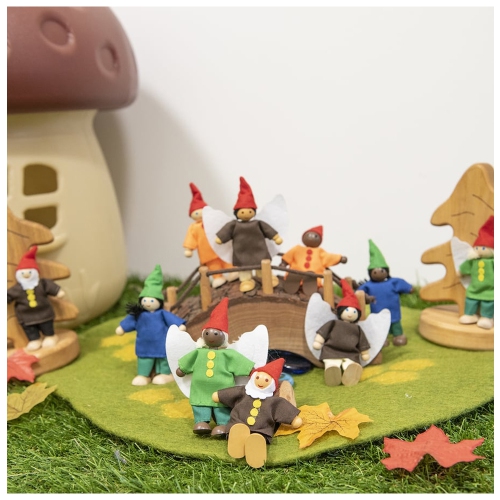
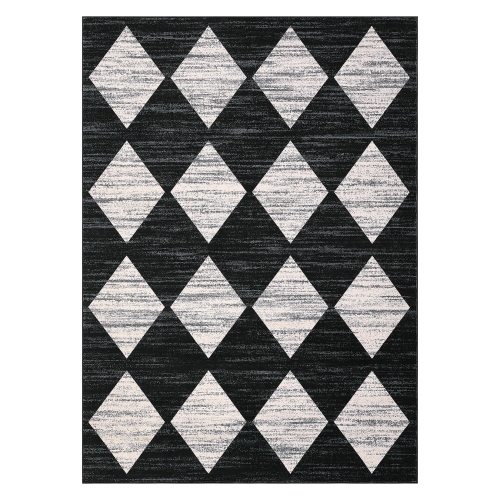
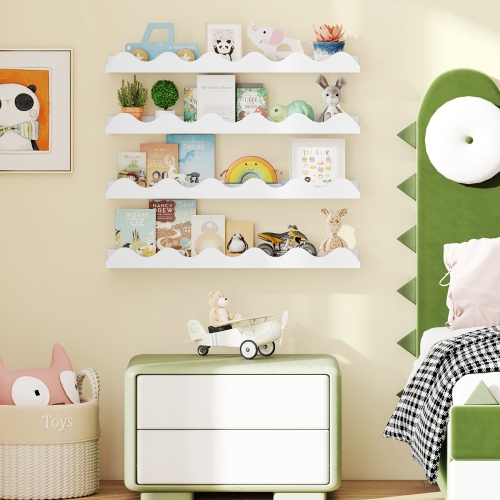
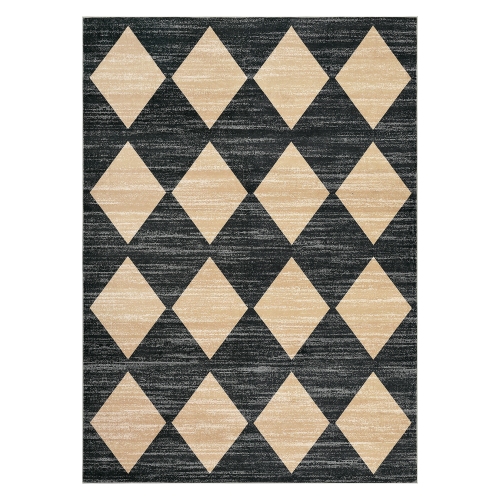
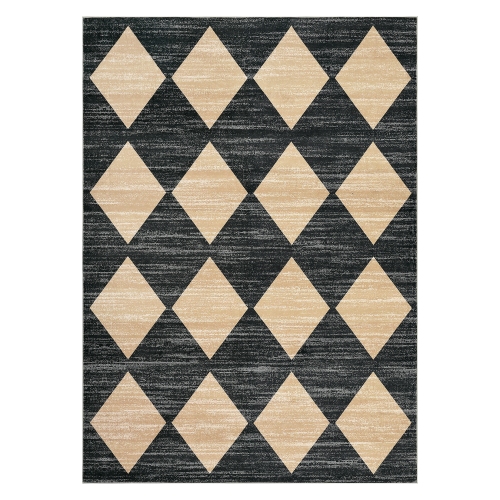
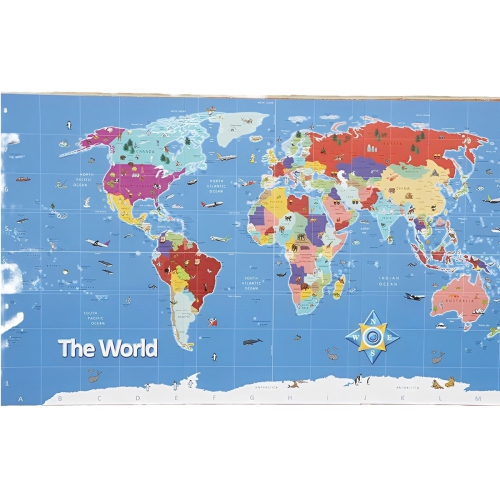
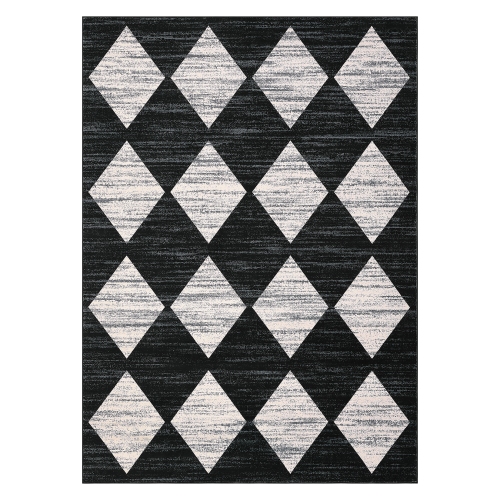
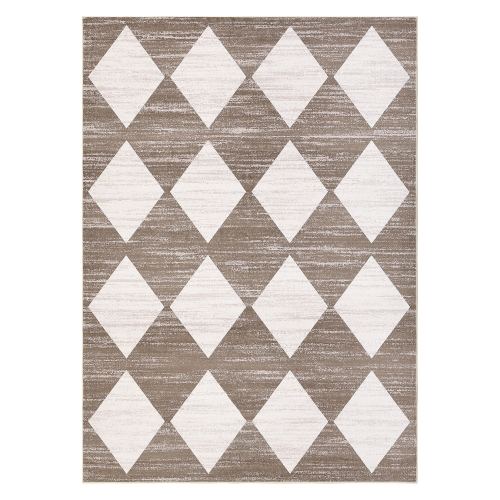
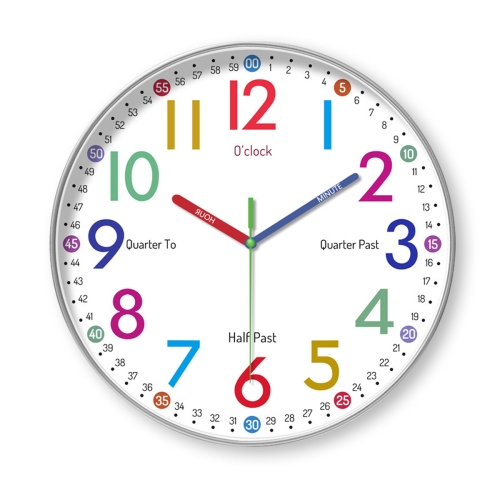

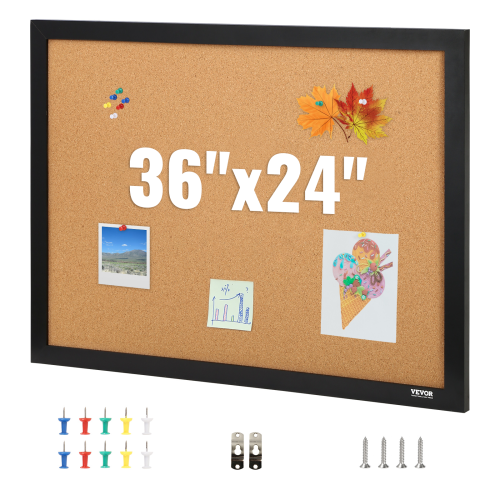
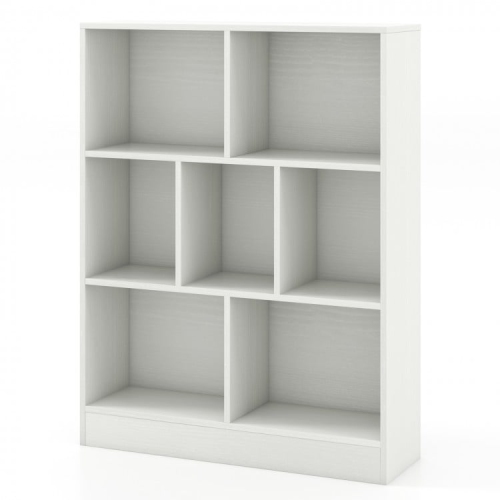

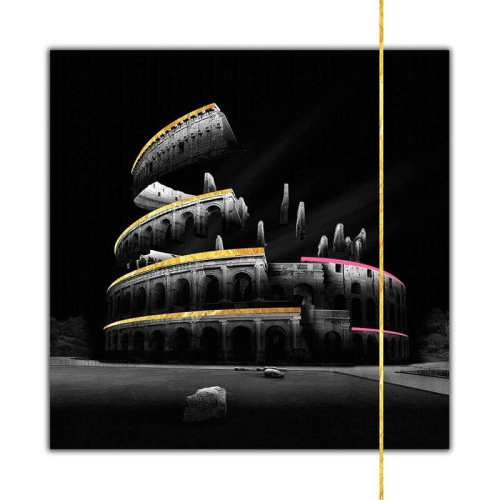
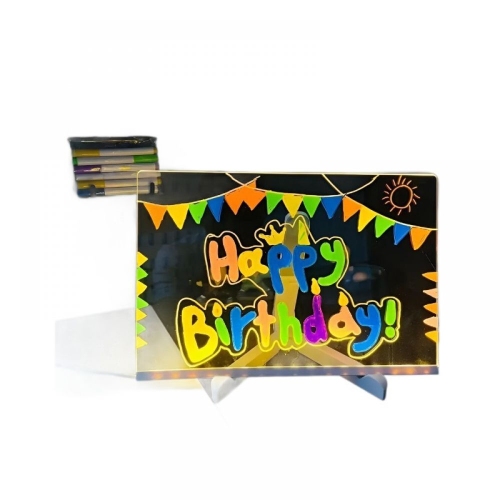
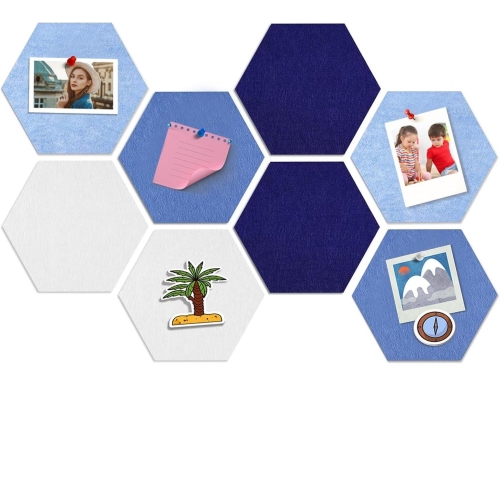

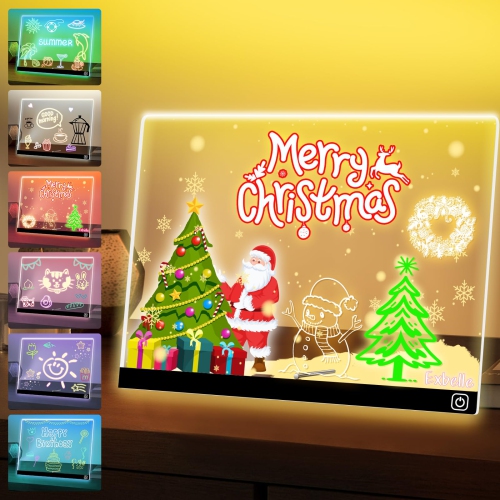
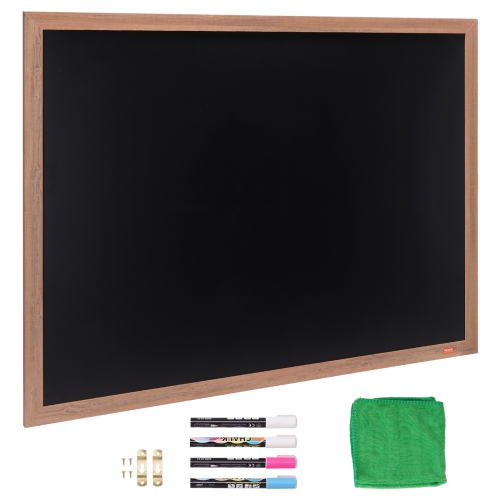
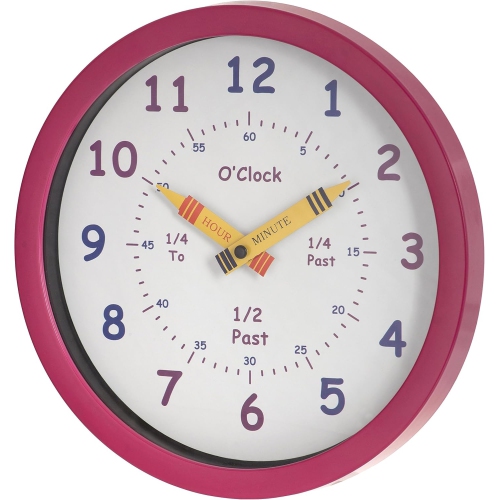
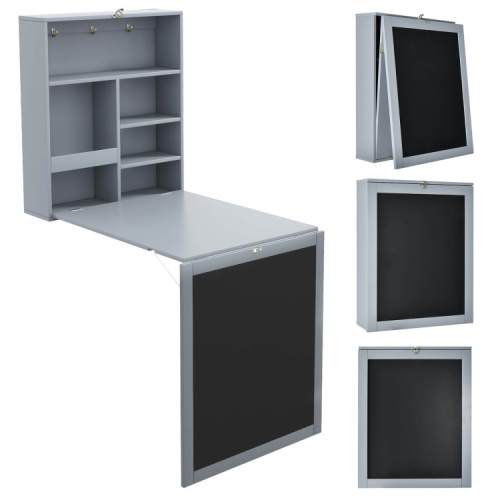
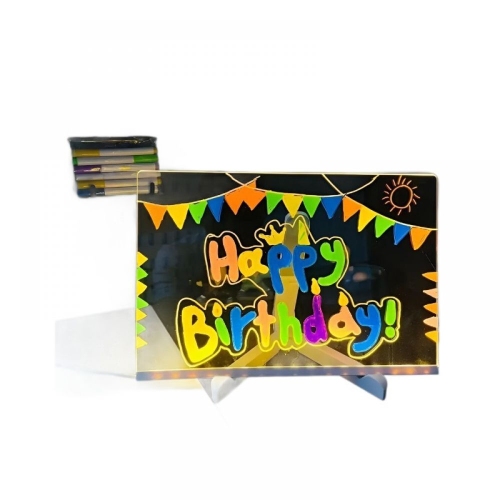
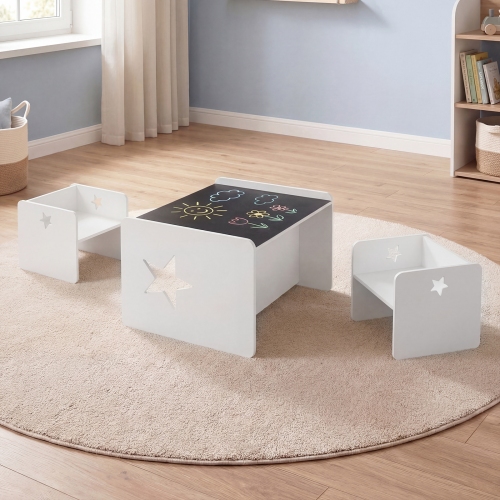
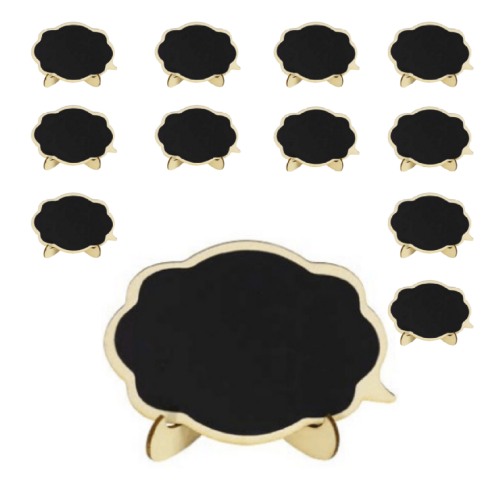
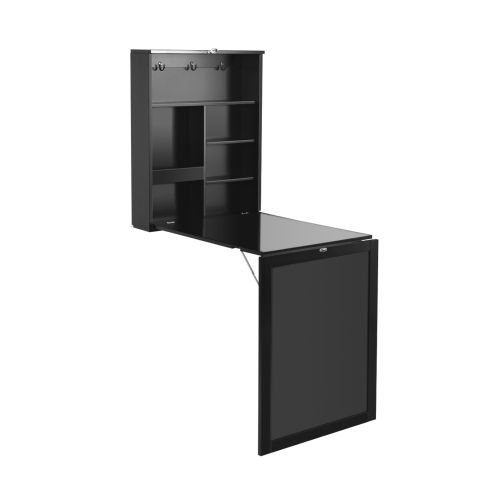
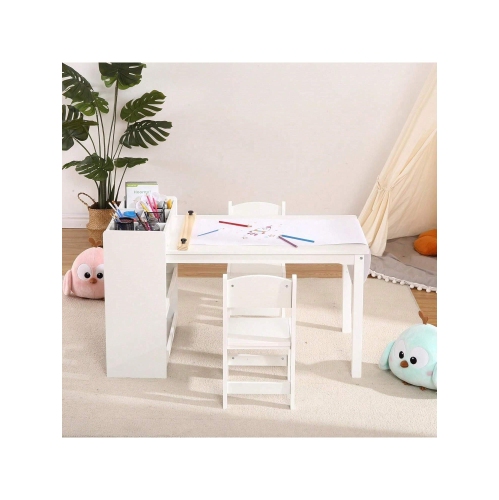
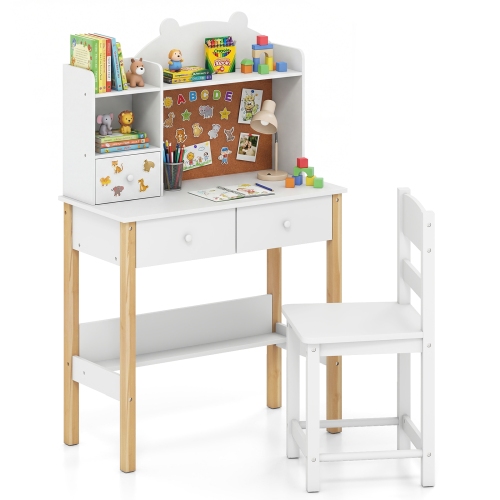
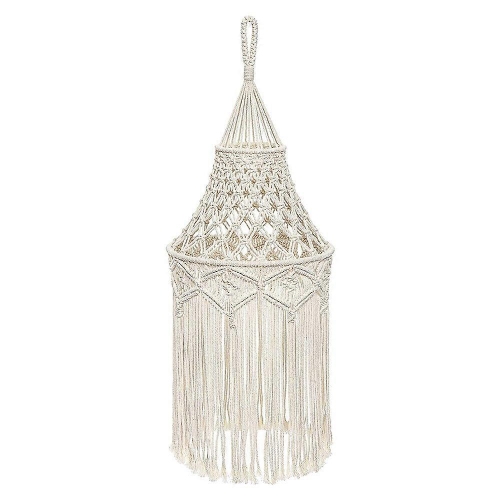
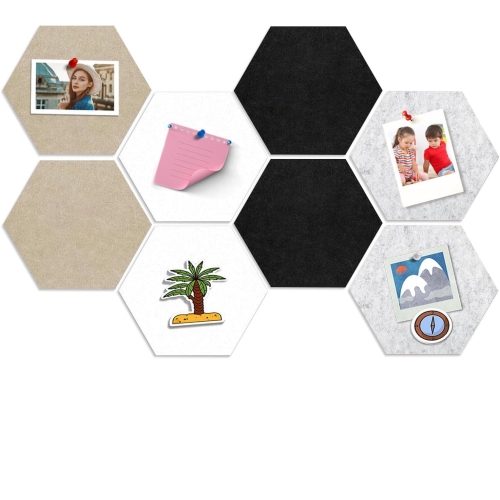
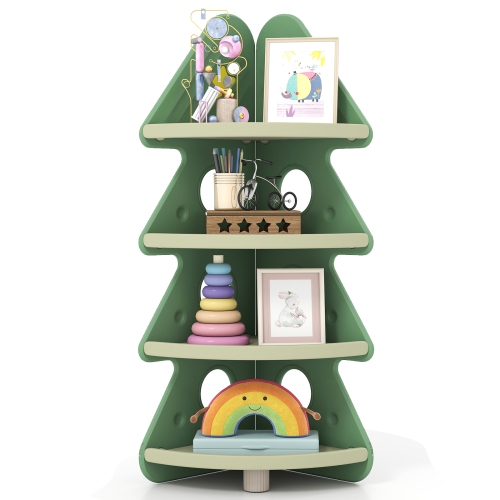
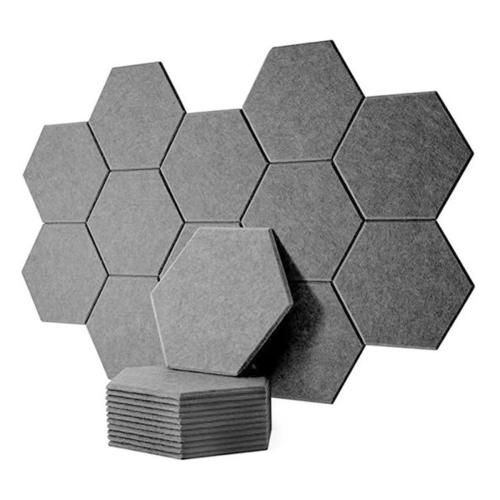
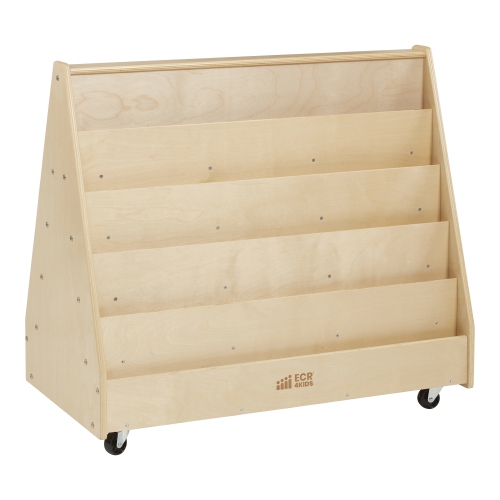


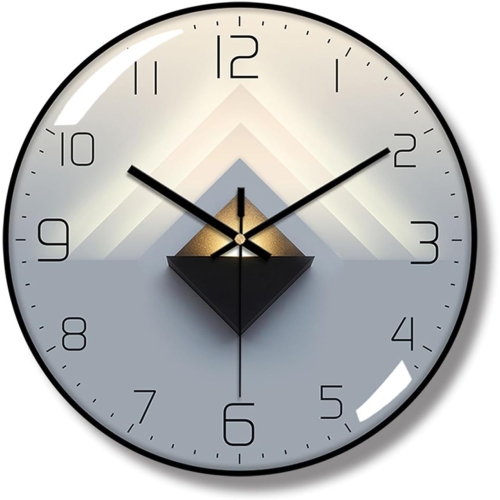
Thoughtful decor balances welcoming style with everyday classroom routines
Classroom decor ideas can help shape a learning space that feels welcoming, organised and ready for the day’s activities. The most effective approach balances visual interest with practical purpose, giving students clear cues without filling every surface with colour and information. Begin with a cohesive palette of two or three complementary shades, such as soft blues and greens with warm neutral accents, or brighter primary colours used selectively around learning stations. A consistent palette makes posters, signs, displays and storage areas feel connected, while leaving some wall space open can help the room feel calmer and less crowded. Decor can also define the character of different areas: a reading corner may benefit from soft textures, comfortable seating and gentle lighting, while an activity table can be framed by alphabet displays, number charts or subject-related visuals. A weather station, calendar area or daily schedule can make the room feel interactive while supporting routines and early learning. In one well-organised classroom, a child arriving on a rainy morning can immediately see where to place a backpack, check the day’s schedule and choose a quiet activity before lessons begin. That sense of familiarity is valuable for younger learners, children joining a new class and students who benefit from predictable visual structure. Educators may also use themed decor to create an inviting atmosphere, whether the theme draws on outer space, nature, a cheerful colour story or positive classroom values. The key is to let the theme support the learning environment rather than compete with it, using a few coordinated accents instead of covering every wall.
When choosing classroom decor, consider the room’s size, layout, age group and daily routines. Items that look appealing in a large classroom may overwhelm a smaller space, while lightweight, easy-to-reposition pieces can be useful when desks, activity tables or flexible seating areas need to change during the year. Look for decor that serves more than one purpose, such as signage that supports navigation, displays that invite participation or storage that keeps frequently used materials within easy reach. Clear labels and consistent symbols can help children find supplies independently and return them to the right place. Bulletin boards and wall displays are especially useful when they leave room for student work, allowing the classroom to evolve as the term progresses. A blank border or simple background can become a showcase for drawings, writing exercises, group projects and seasonal observations, giving children a visible connection to the space around them. Interactive displays may include movable pieces, matching activities, question prompts or spaces where learners can add their own ideas. For younger children, decor with large lettering, simple images and tactile elements can support recognition and conversation without making the room feel overly busy. Teachers, educational assistants, daycare providers, homeschool families and parents setting up a dedicated study area may all find value in these ideas. Classroom decor can also make a thoughtful gift for a new teacher, a student teacher preparing a first learning space or an educator refreshing a room during the cooler months. Before purchasing, measure available wall and floor areas, review any school or childcare guidelines and think about how surfaces will be cleaned and maintained. Secure hanging pieces carefully, keep pathways clear and place visual materials at an accessible height for the children who use the room.
A well-planned classroom can change gently with the seasons while keeping its main structure familiar. As early fall brings new routines, displays can introduce classroom expectations, names, schedules and learning goals; later, they can make space for student work, nature observations and changing interests. During the cooler months, a reading nook with warm colours, soft furnishings and a small collection of books can create a comfortable place for quiet time, independent exploration or partner reading. Seasonal accents work best when they remain broad and adaptable, such as leaves, clouds, stars, woodland imagery or patterns in warm and cool tones, rather than relying on decorations that have a short window of use. A few coordinated banners, borders or wall accents can refresh the room without requiring a complete redesign. Preschool settings may call for especially durable, colourful and easy-to-understand decor, with simple visuals that encourage movement, communication and imaginative play. Families and educators looking for age-specific ideas can explore Preschool Classroom Decor for inspiration suited to early learning spaces. Ultimately, classroom decor is most successful when it reflects the people who use the room. Leave opportunities for children to contribute artwork, choose display themes, add observations to a shared chart or help arrange materials. Those small details can make a classroom feel lived-in and welcoming, like a familiar corner where each child’s work has a place. With thoughtful colours, useful displays, clear organisation and room for student ownership, decor can support smoother routines and create an environment where learning feels visible throughout the day.
When choosing classroom decor, consider the room’s size, layout, age group and daily routines. Items that look appealing in a large classroom may overwhelm a smaller space, while lightweight, easy-to-reposition pieces can be useful when desks, activity tables or flexible seating areas need to change during the year. Look for decor that serves more than one purpose, such as signage that supports navigation, displays that invite participation or storage that keeps frequently used materials within easy reach. Clear labels and consistent symbols can help children find supplies independently and return them to the right place. Bulletin boards and wall displays are especially useful when they leave room for student work, allowing the classroom to evolve as the term progresses. A blank border or simple background can become a showcase for drawings, writing exercises, group projects and seasonal observations, giving children a visible connection to the space around them. Interactive displays may include movable pieces, matching activities, question prompts or spaces where learners can add their own ideas. For younger children, decor with large lettering, simple images and tactile elements can support recognition and conversation without making the room feel overly busy. Teachers, educational assistants, daycare providers, homeschool families and parents setting up a dedicated study area may all find value in these ideas. Classroom decor can also make a thoughtful gift for a new teacher, a student teacher preparing a first learning space or an educator refreshing a room during the cooler months. Before purchasing, measure available wall and floor areas, review any school or childcare guidelines and think about how surfaces will be cleaned and maintained. Secure hanging pieces carefully, keep pathways clear and place visual materials at an accessible height for the children who use the room.
A well-planned classroom can change gently with the seasons while keeping its main structure familiar. As early fall brings new routines, displays can introduce classroom expectations, names, schedules and learning goals; later, they can make space for student work, nature observations and changing interests. During the cooler months, a reading nook with warm colours, soft furnishings and a small collection of books can create a comfortable place for quiet time, independent exploration or partner reading. Seasonal accents work best when they remain broad and adaptable, such as leaves, clouds, stars, woodland imagery or patterns in warm and cool tones, rather than relying on decorations that have a short window of use. A few coordinated banners, borders or wall accents can refresh the room without requiring a complete redesign. Preschool settings may call for especially durable, colourful and easy-to-understand decor, with simple visuals that encourage movement, communication and imaginative play. Families and educators looking for age-specific ideas can explore Preschool Classroom Decor for inspiration suited to early learning spaces. Ultimately, classroom decor is most successful when it reflects the people who use the room. Leave opportunities for children to contribute artwork, choose display themes, add observations to a shared chart or help arrange materials. Those small details can make a classroom feel lived-in and welcoming, like a familiar corner where each child’s work has a place. With thoughtful colours, useful displays, clear organisation and room for student ownership, decor can support smoother routines and create an environment where learning feels visible throughout the day.
Top selling and popular products
-
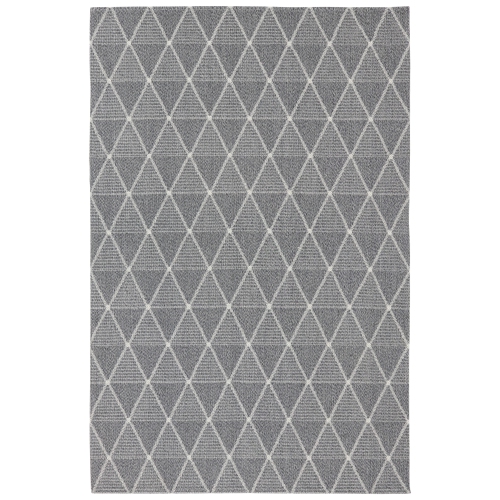 Your price for this item is $130.55
 -
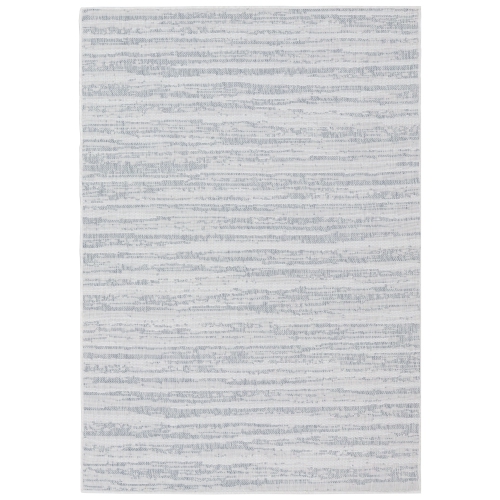 Your price for this item is $129.15
 -
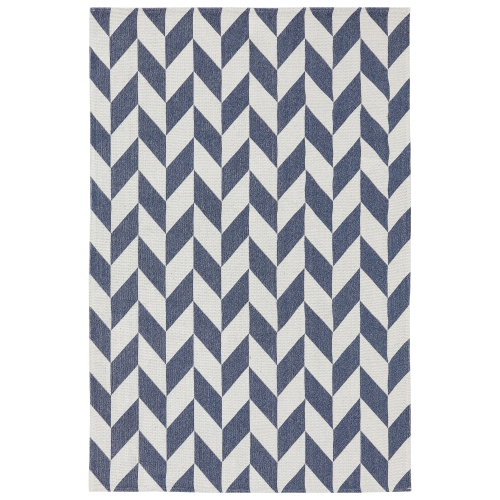 Your price for this item is $130.55
 -
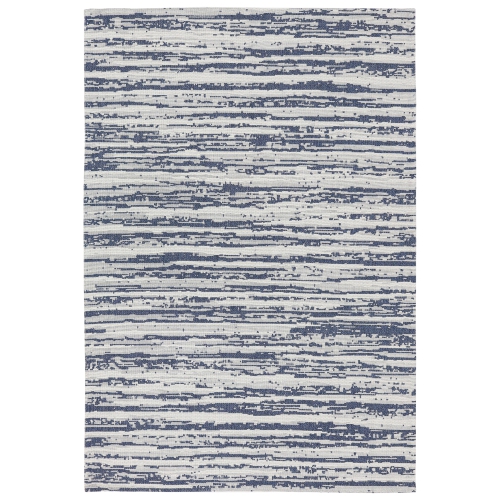 Your price for this item is $130.55
 -
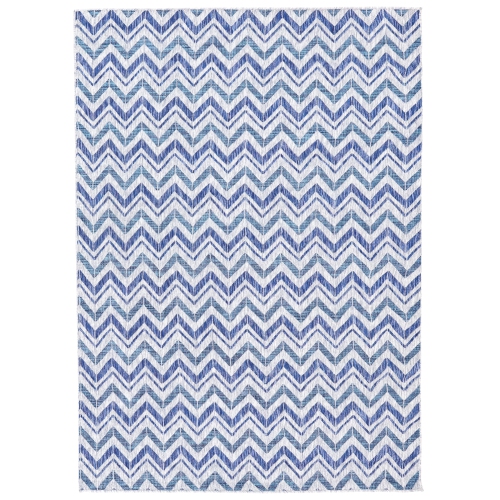 Your price for this item is $129.15
 -
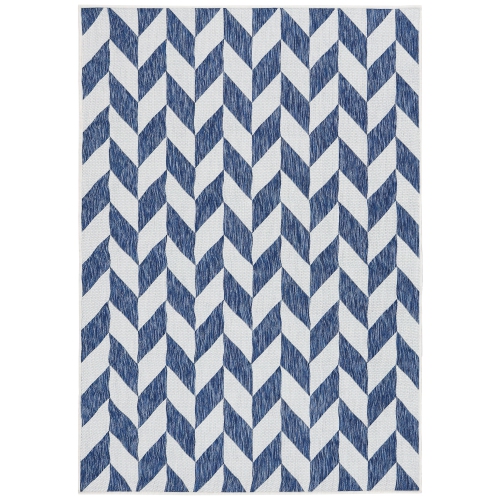 Your price for this item is $129.15
 -
 Your price for this item is $111.99
 -
 Your price for this item is $88.07
Discover more categories related to Classroom Decor Ideas
Top Collections:
Pokemon Centers, Best Cameras for Sports Photography, Kindle Devices, Samsung Galaxy Phones, Canon G7X Cameras, Pokémon 30th Celebration Cards, Refurbished Apple Laptops, iPhone 15 Apple, Laptops for Students, Budget Smartphones
Some products may be subject to Environmental Handling Fees
(EHF) depending on your province.
Learn more about EHFs.