Pump Accessories
Looking to enhance your pumping experience? Look no further than our extensive collection of pump accessories. Whether you're a new mom or a seasoned pro, these essential add-ons are designed to make your pumping sessions more comfortable and efficient. From replacement parts to storage solutions, we've got everything you need to optimize your pumping routine. They're a great way to make your life easier and keep your valuable breastmilk safe.
Sort



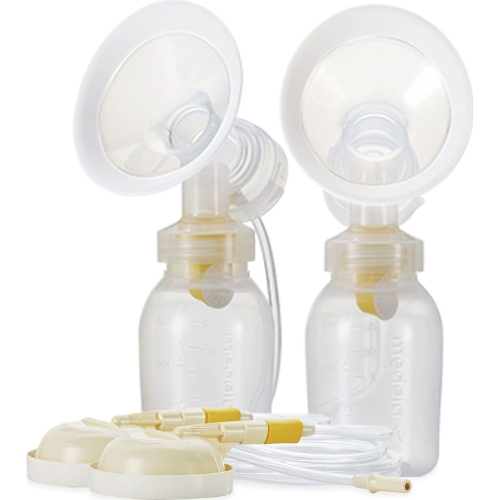

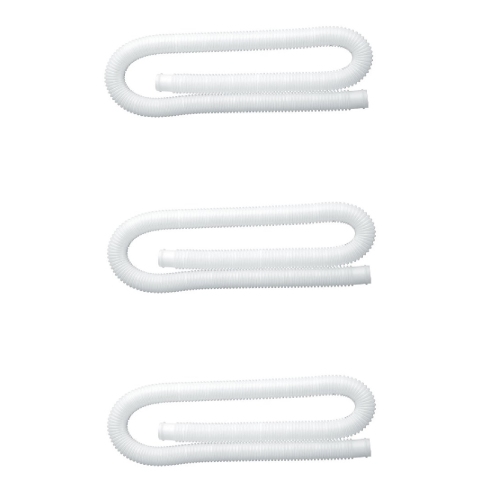
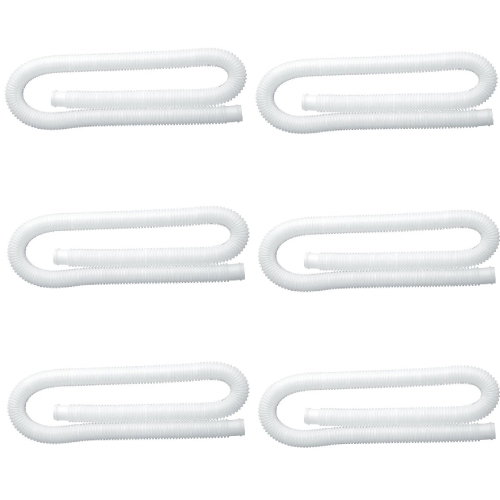



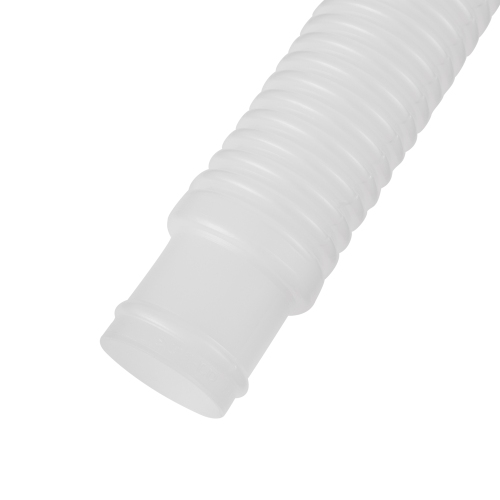

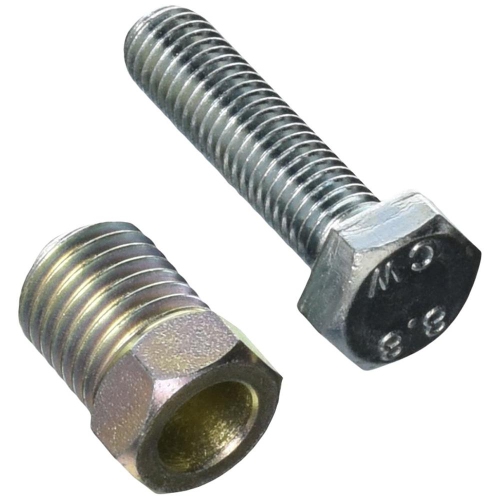
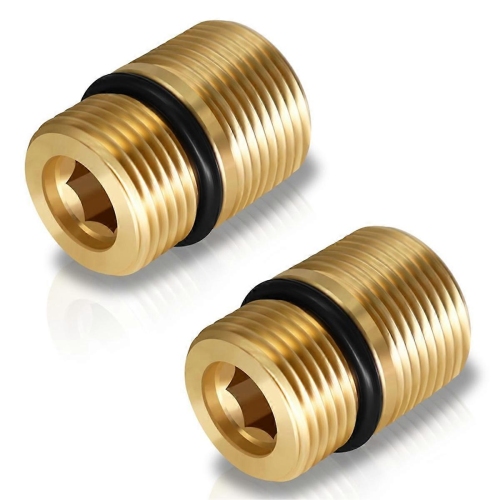

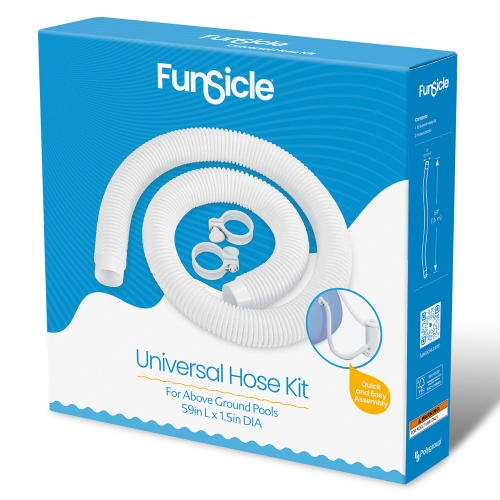
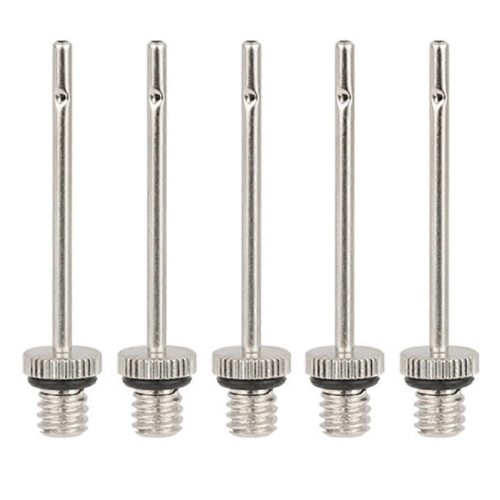






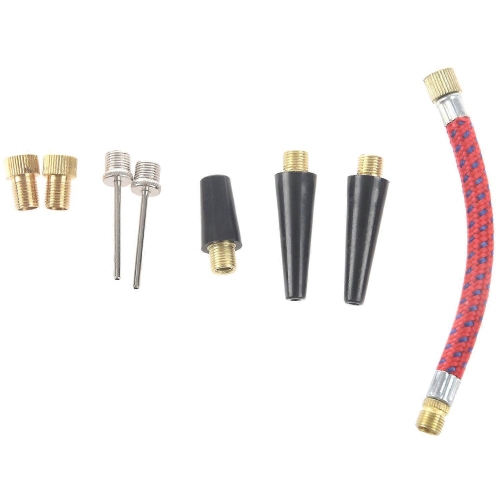

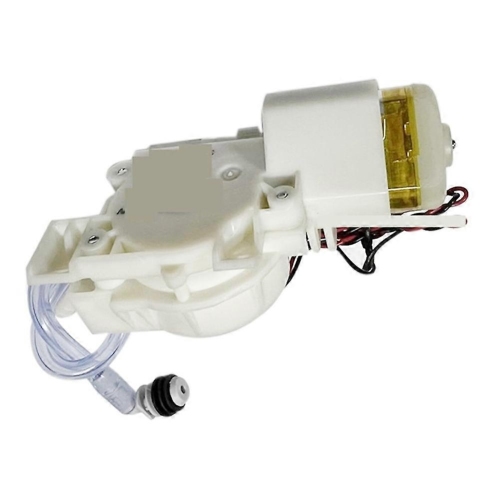

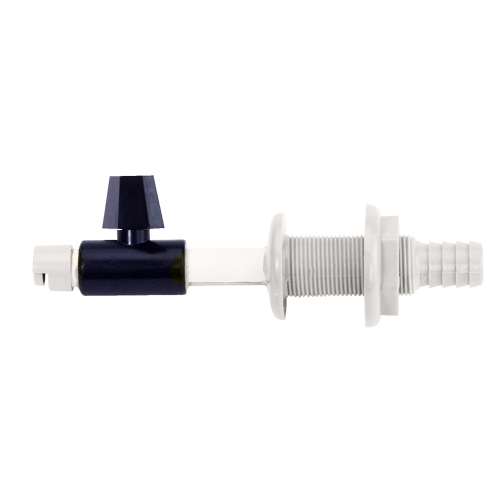
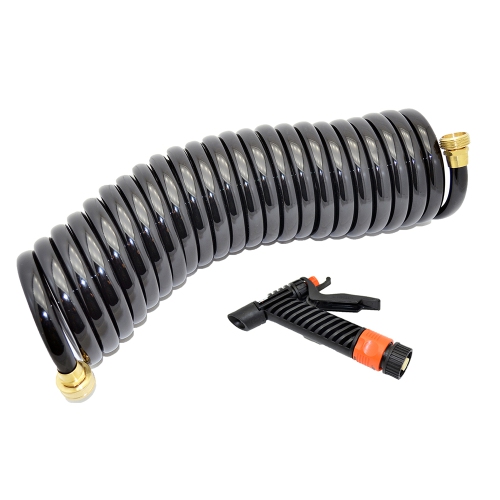
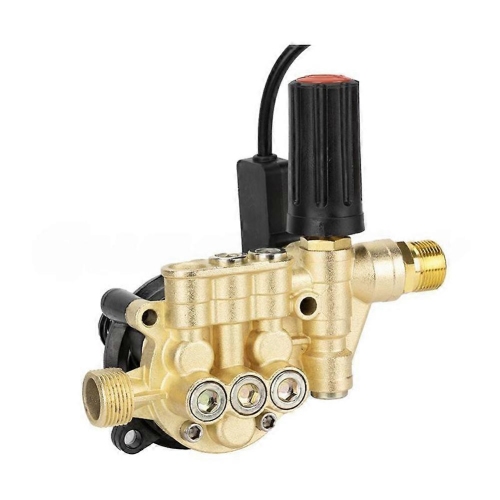
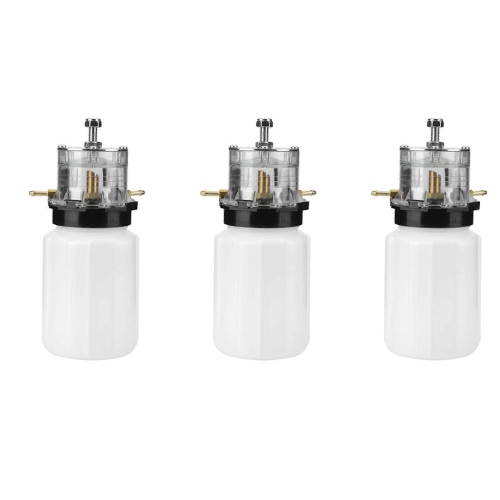
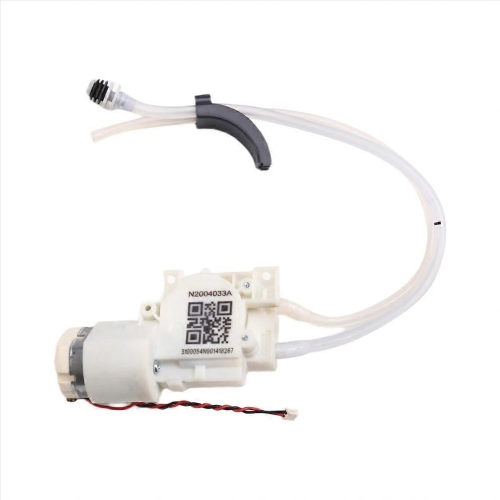
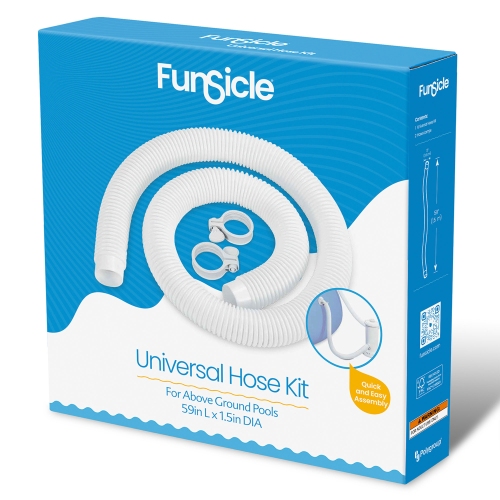

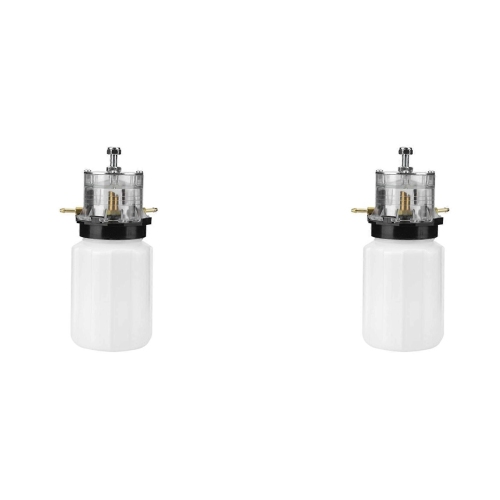


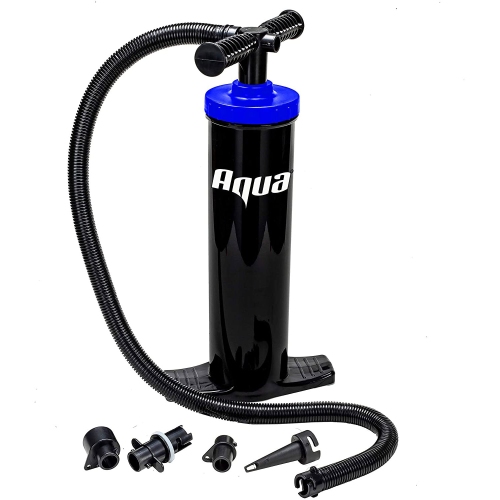
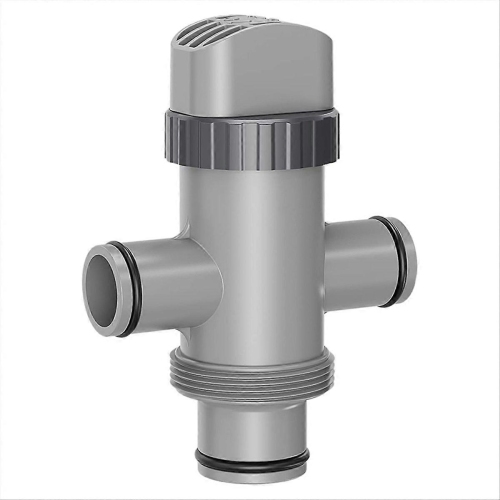

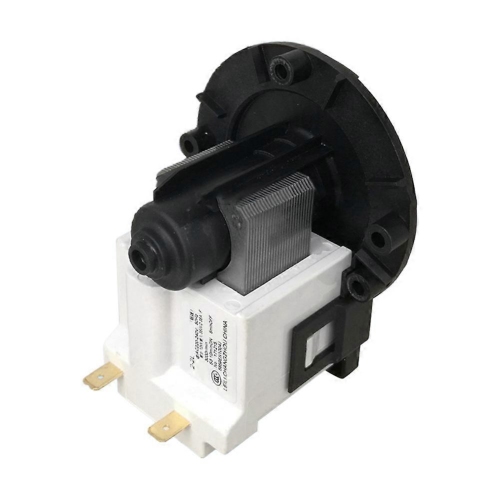

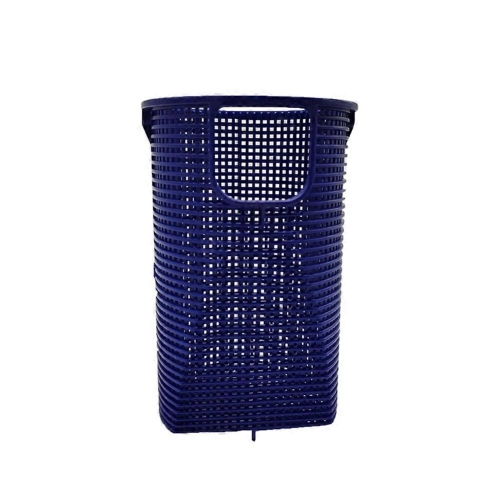
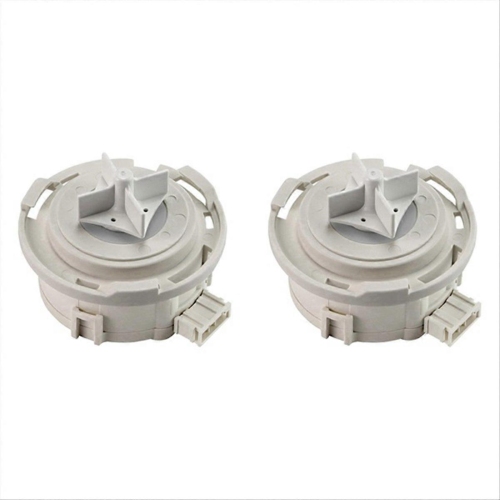
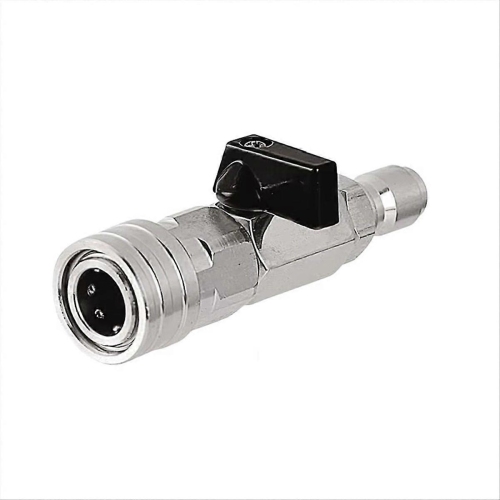
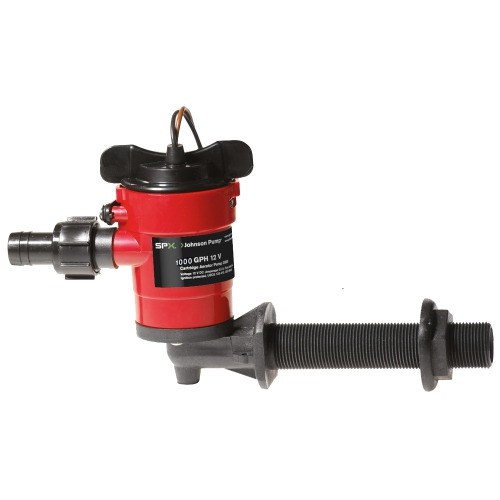


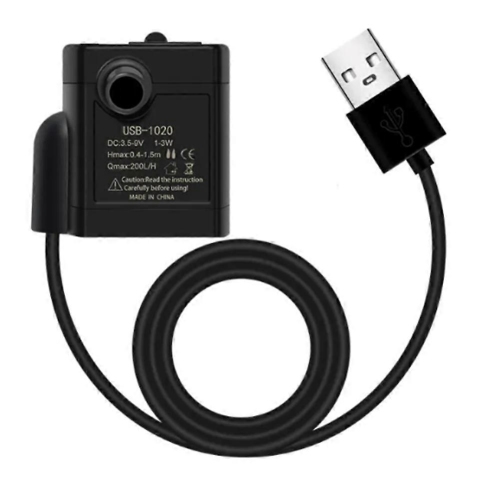
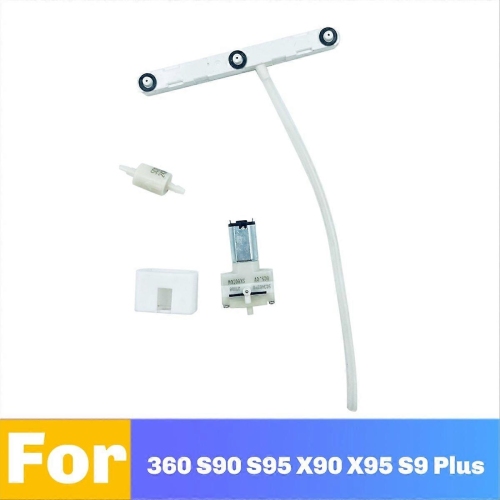
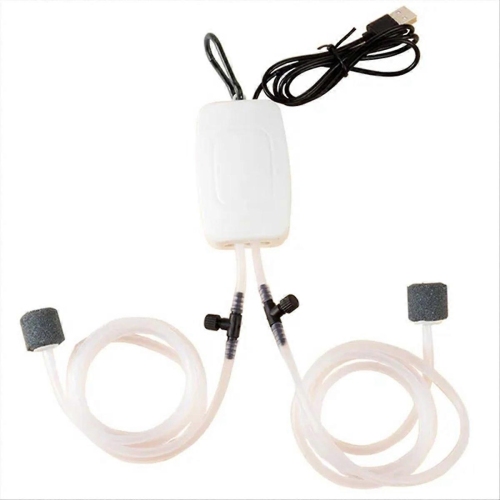
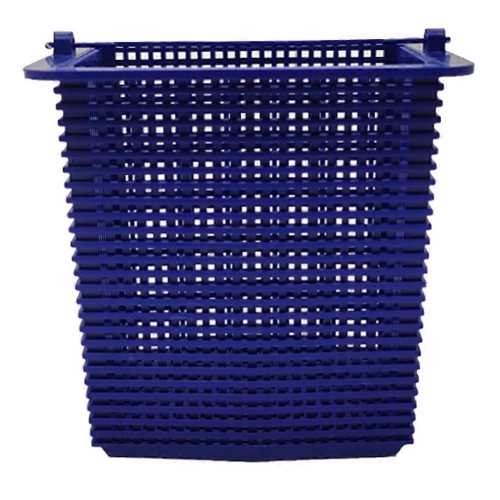


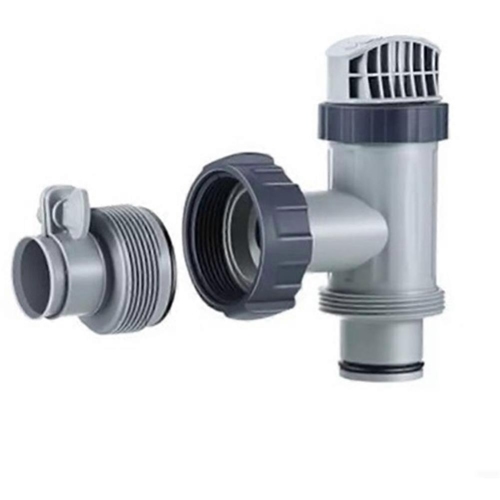
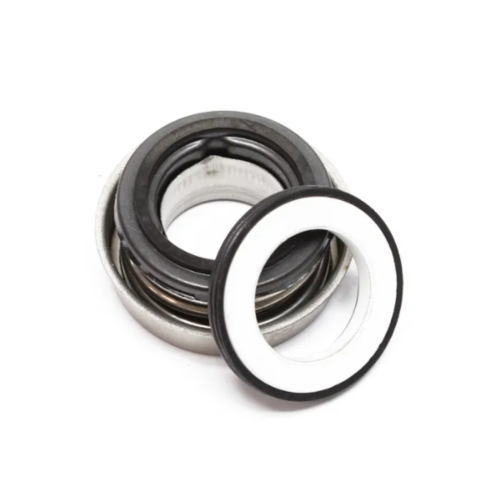

Water transfer and milk expression need different parts
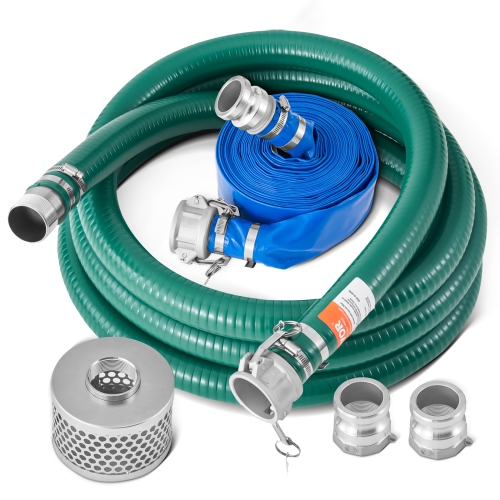
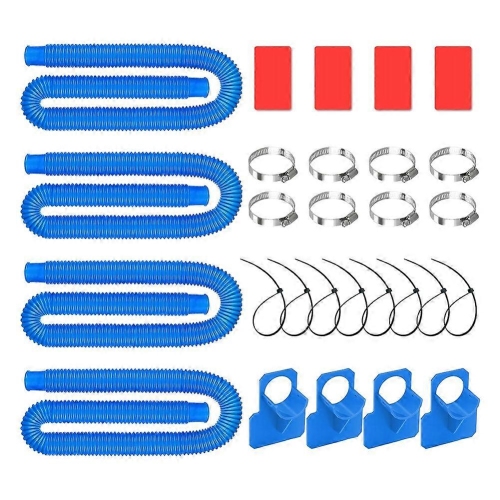
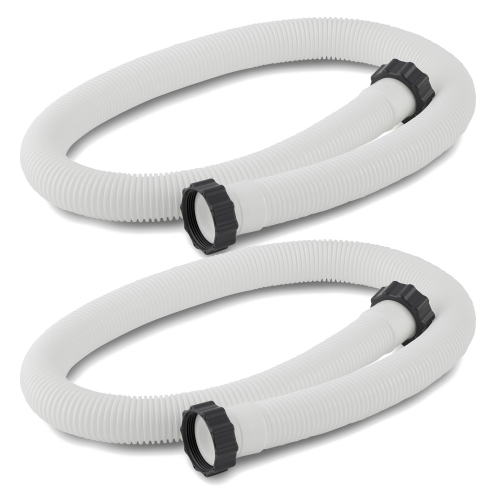
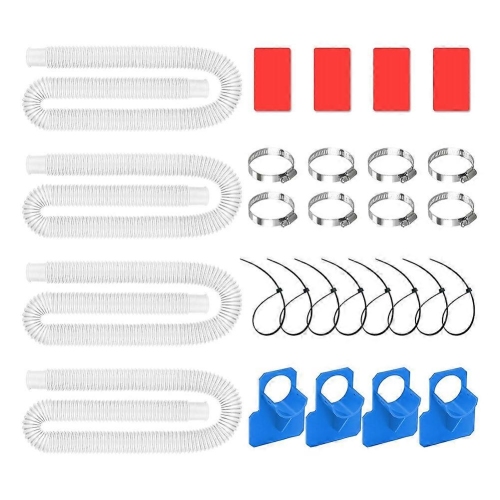
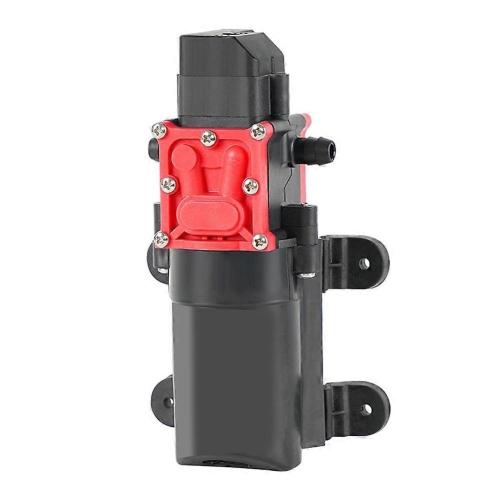
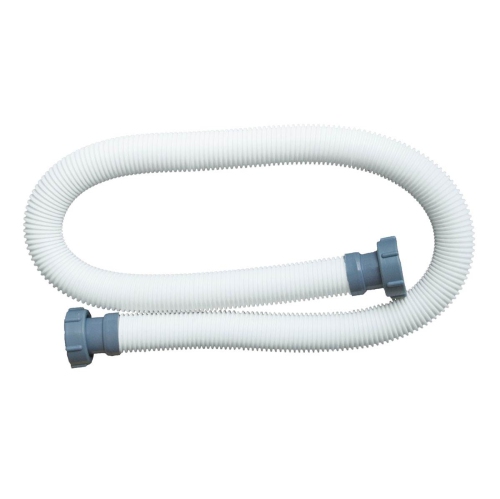
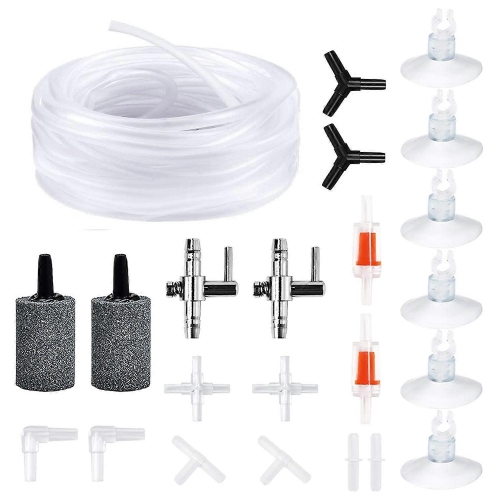
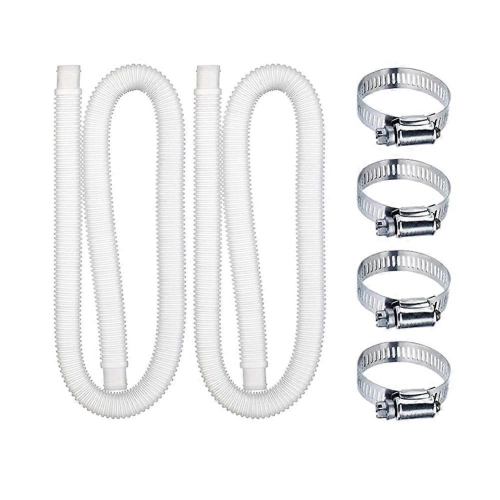
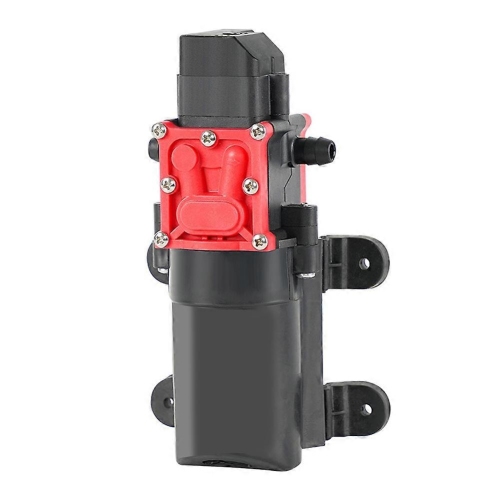
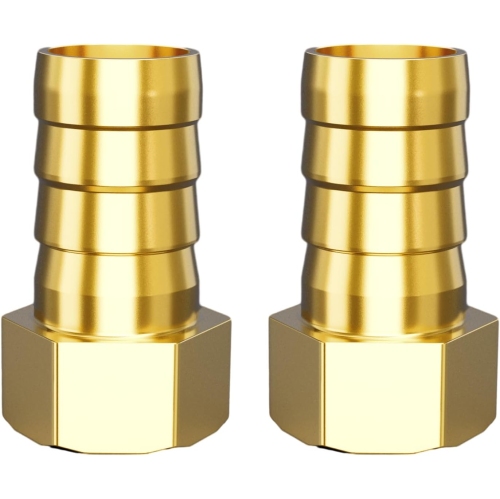
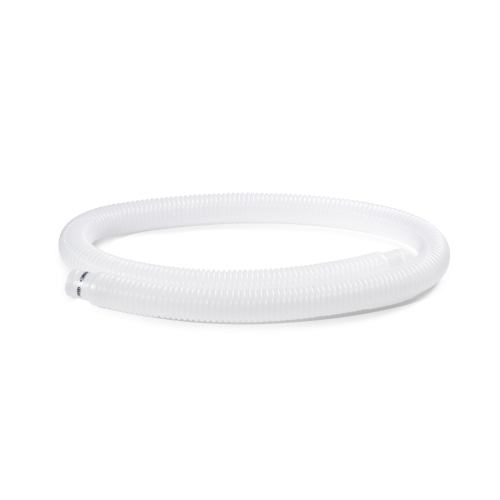
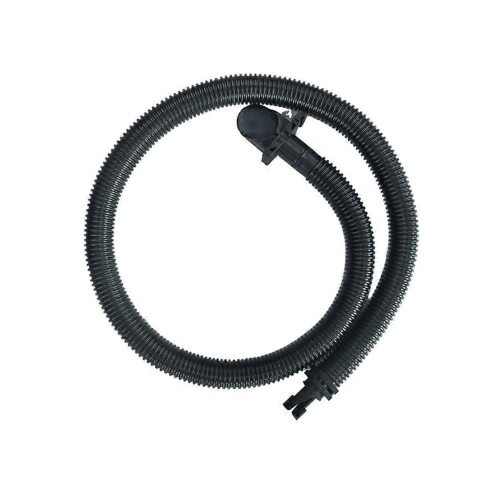
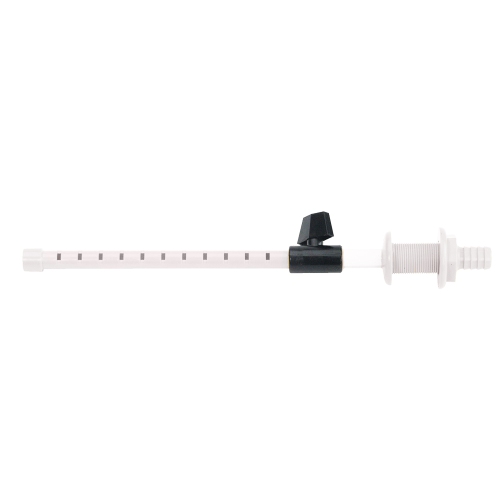
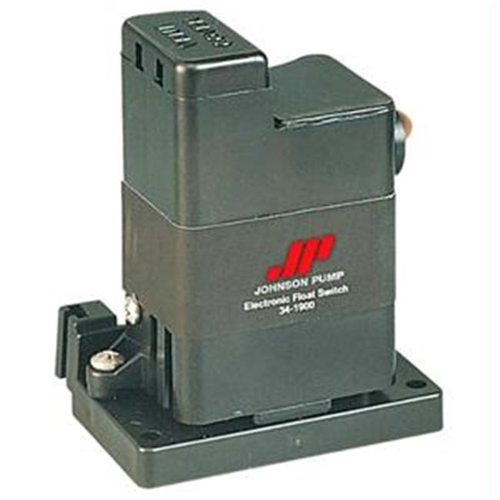
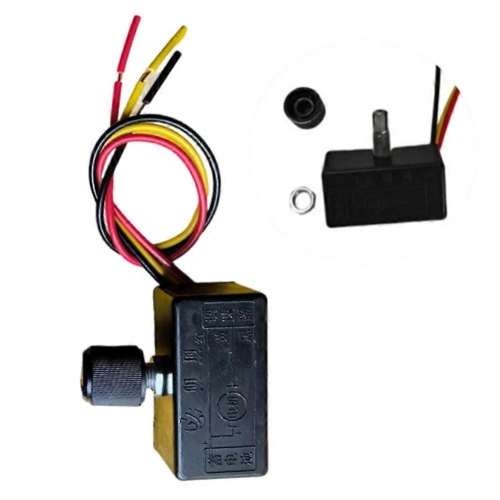
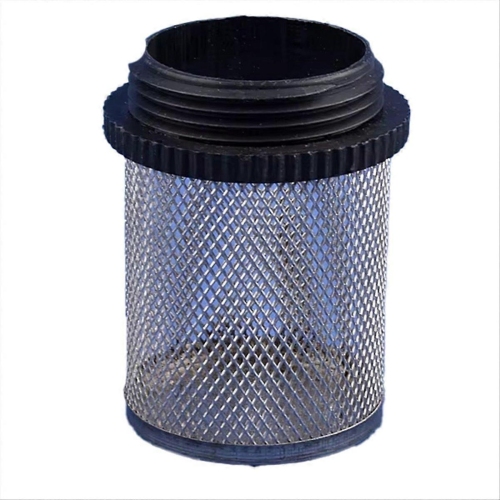
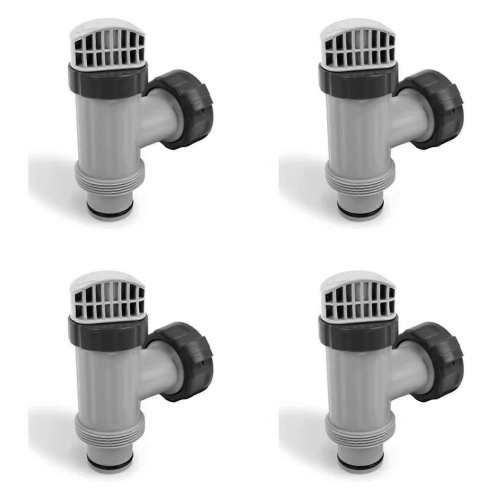
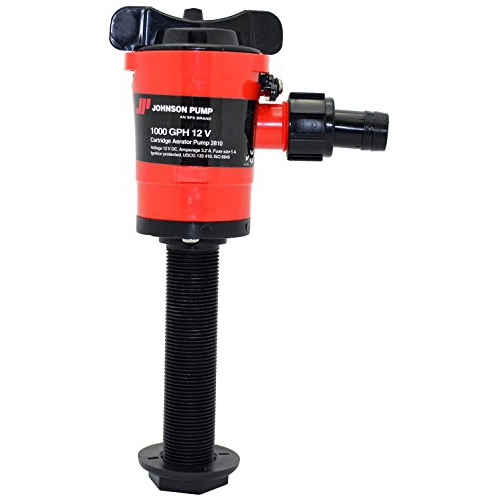
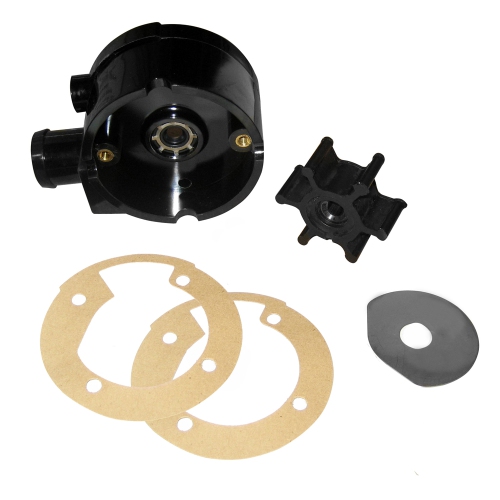
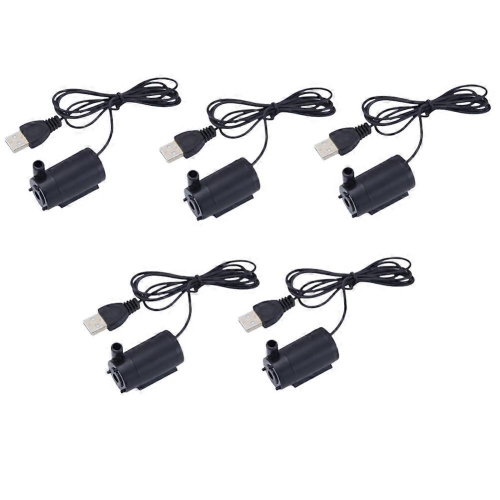
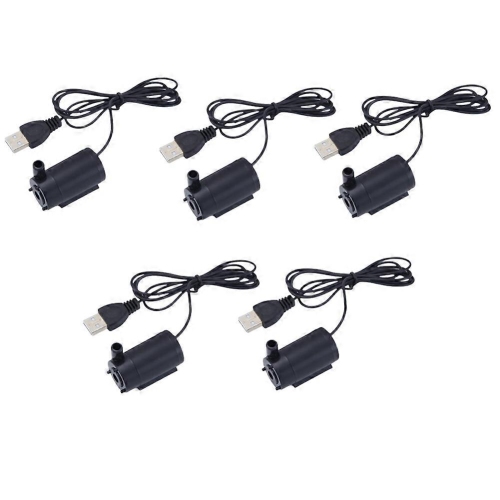
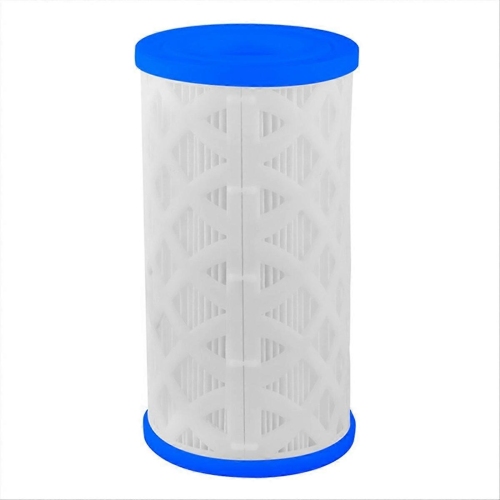
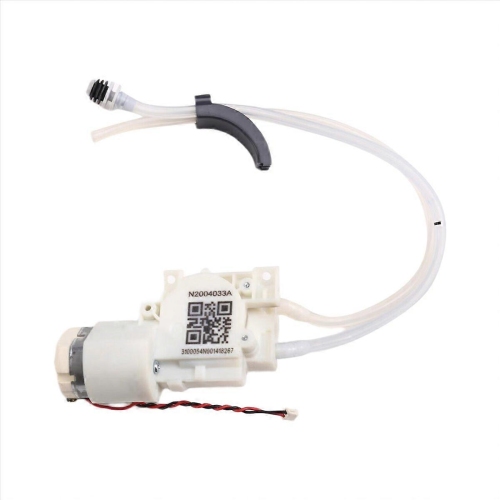
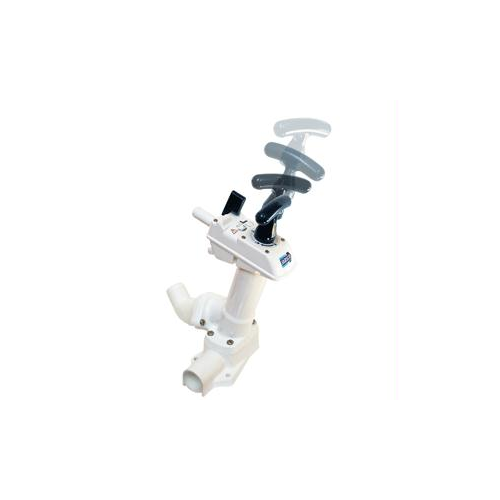
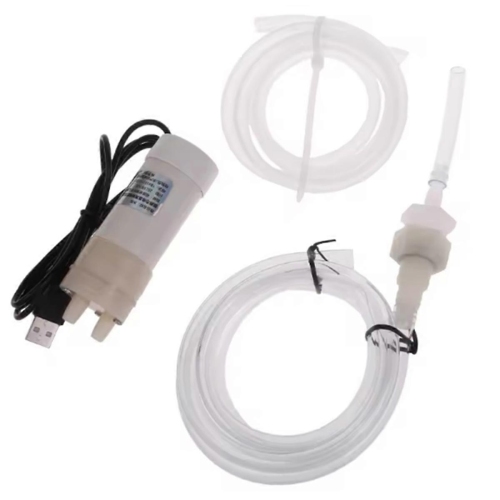
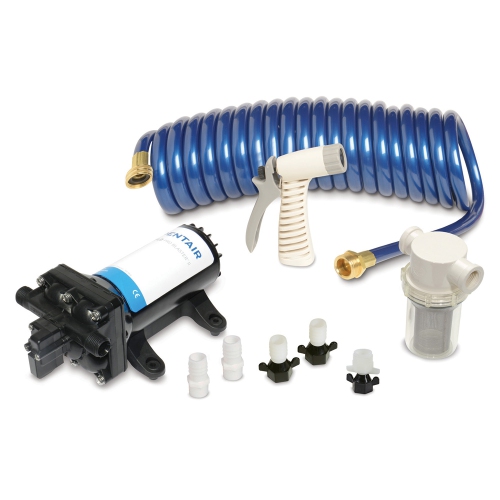
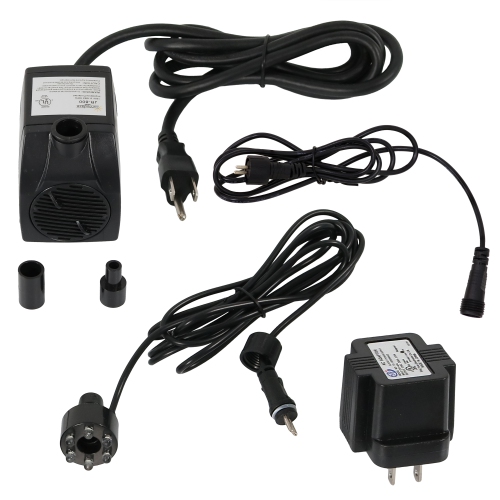
Pump accessories connect a pump to the task it needs to perform, whether that means moving water out of a basement, transferring water between containers, or supporting a household water system. The term also covers breast pump accessories, a separate category designed for expressing and handling breast milk rather than moving utility water. For water and utility pumps, accessories generally support intake, discharge, filtration, connection, or control. Suction hoses carry water towards the pump, while discharge hoses direct it away from the work area. A suction hose needs sufficient reinforcement to resist collapsing under negative pressure; a flexible lay-flat discharge hose serves a different purpose and should not be treated as interchangeable. Strainers help keep larger debris out of the intake, although they do not turn a clean-water pump into one suitable for sewage or heavily contaminated water. Check valves limit reverse flow where the system design calls for them, while compatible float switches can start or stop a pump as the water level changes. Water-level alarms provide a separate warning when water rises beyond a set point, but they do not remove water themselves. These distinctions matter in everyday situations: draining a shallow pool, keeping a sump pit functioning, and drawing water from a storage tank place different demands on the connections and controls. The pump’s intended use determines which accessories belong with it. Water temperature, the presence of sediment, the distance to the discharge point, and the height the water must travel all affect the setup. Hose length, diameter, bends, and restrictions influence flow, so the largest advertised pump output does not necessarily describe performance once a hose is attached. For homeowners, gardeners, property managers, and people maintaining a cottage, compatible accessories help create a practical route from the water source to an appropriate discharge location. That location matters just as much as the connection: water should not be directed towards a foundation, a neighbouring property, or a place where it could freeze into a walking hazard.
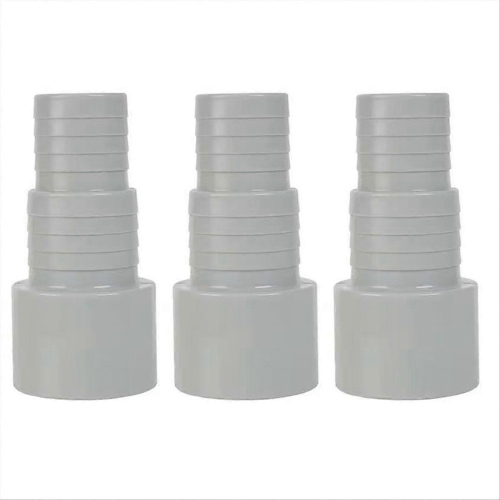
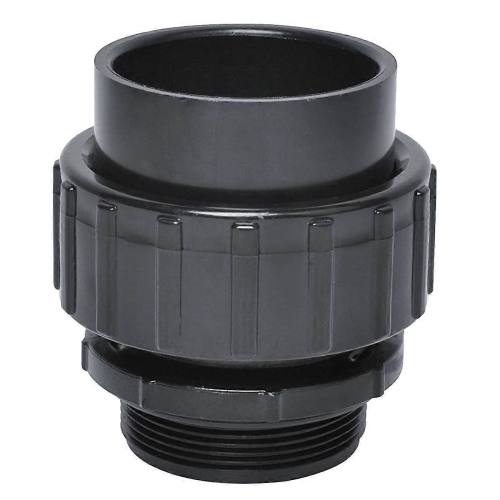
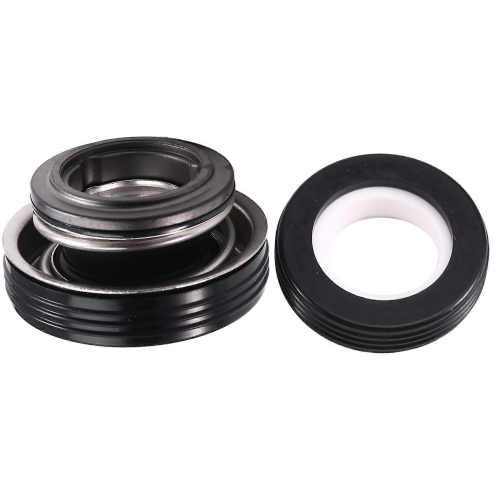
Fit and material specifications are central to water pump accessory compatibility. Matching a connection’s nominal diameter is only part of the process, because thread type, connector style, seals, and pressure ratings must also suit the pump and the application. Two fittings that look similar may not join correctly, and forcing them together can damage the threads or leave a leak that appears only during operation. Intake connections need particular attention because an air leak can interfere with priming and reduce performance. Reinforced PVC, rubber, stainless steel, brass, and moulded plastics each have different strengths, but suitability depends on the liquid, temperature, pressure, and conditions of use rather than the material name alone. Accessories used with drinking water need to be specifically rated for that purpose; a general drainage hose is not automatically appropriate. Likewise, ordinary water-transfer components should not be assumed suitable for fuel, chemicals, or hot water. Durability also comes from how the assembly is supported. A heavy hose hanging from a small outlet can strain the connection, while a hose pulled tightly around a corner may kink or wear against a rough edge. Routine care includes checking for cracks, flattened sections, loose clamps, worn seals, and debris around strainers or moving controls, following the manufacturer’s maintenance directions. Disconnecting power before servicing and keeping electrical connections away from standing water are essential precautions. During cooler months, draining and storing components as directed helps prevent trapped water from freezing inside hoses and fittings. Backup power is another consideration for electrically powered pumps that serve a critical drainage role. Related Generator Accessories may support a separately planned backup-power setup, but compatibility depends on the pump’s starting demand, running load, and the generator manufacturer’s requirements. Fuel-powered generators must operate outdoors, well away from doors, windows, and vents, and any connection to household wiring requires suitable transfer equipment and professional installation.
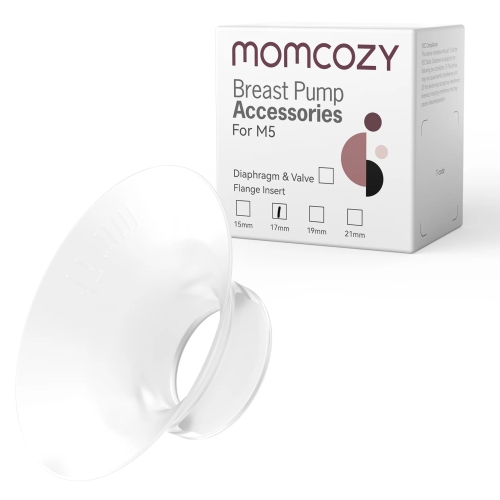
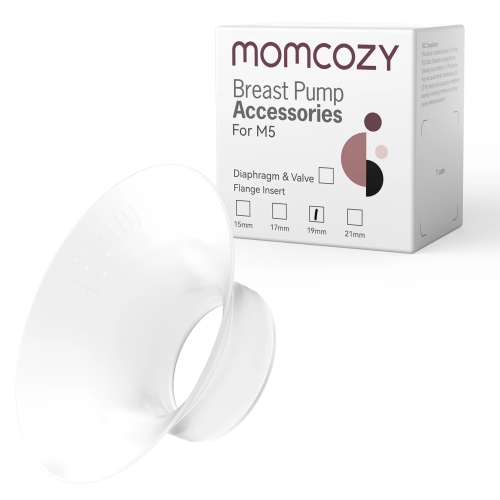
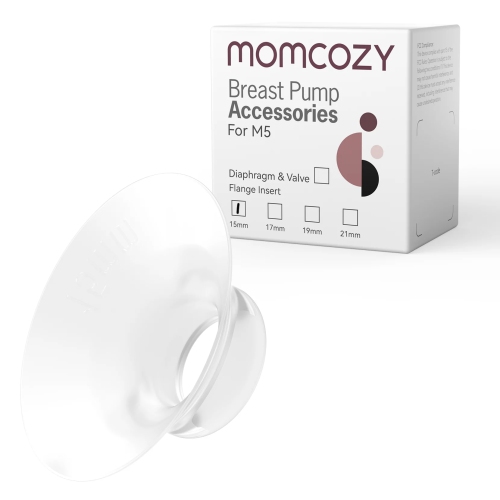
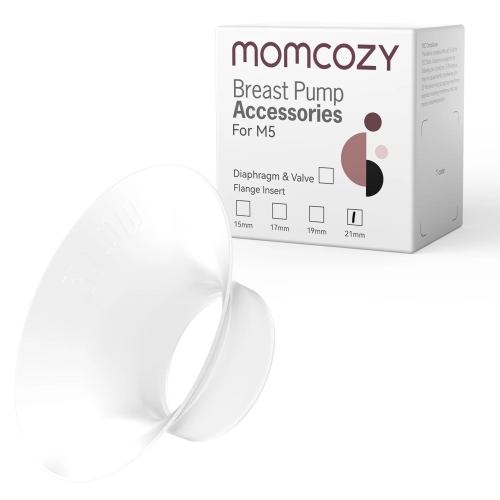
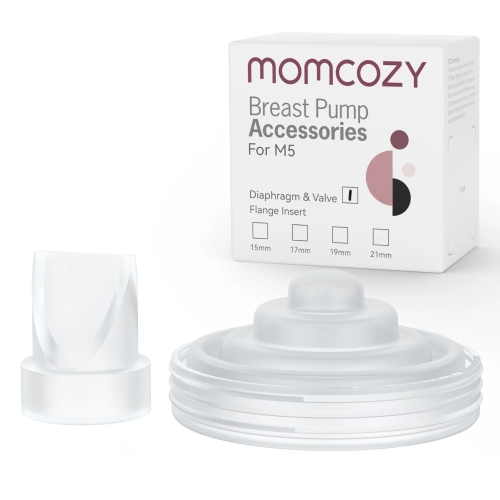
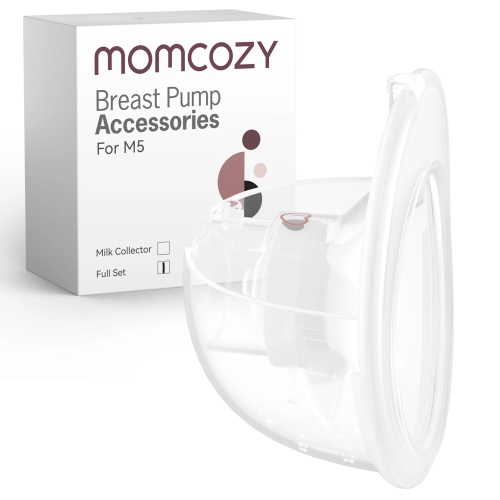
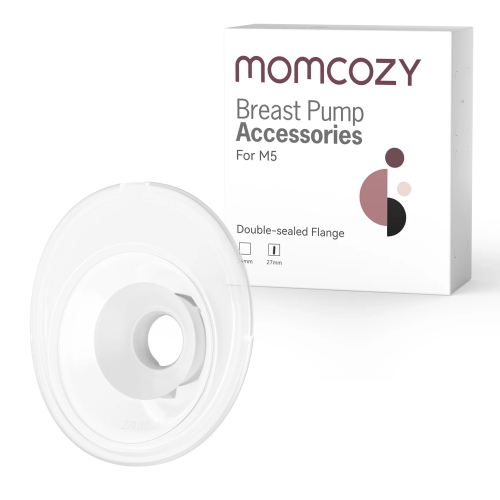
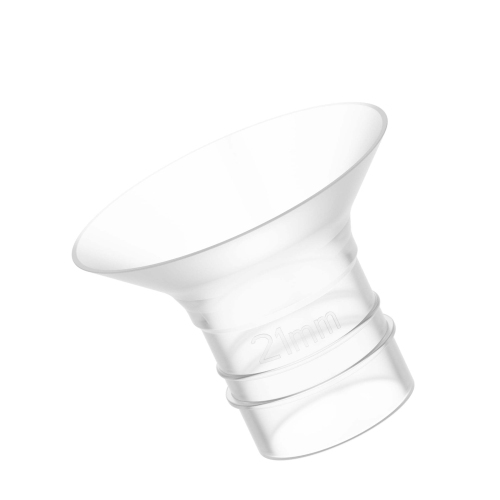
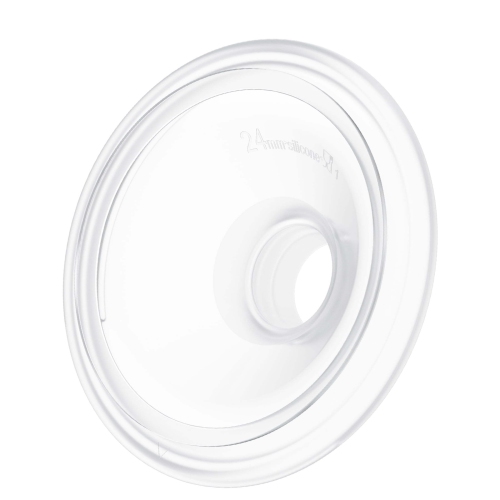
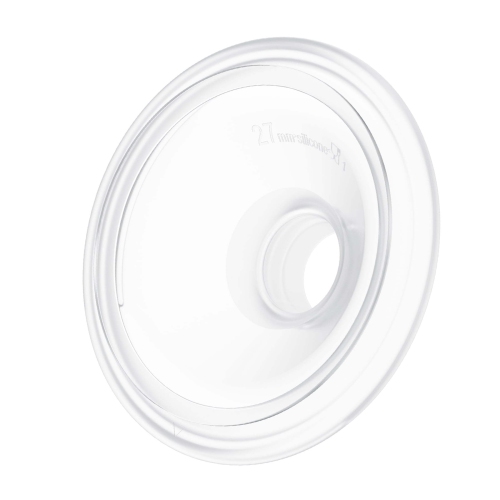
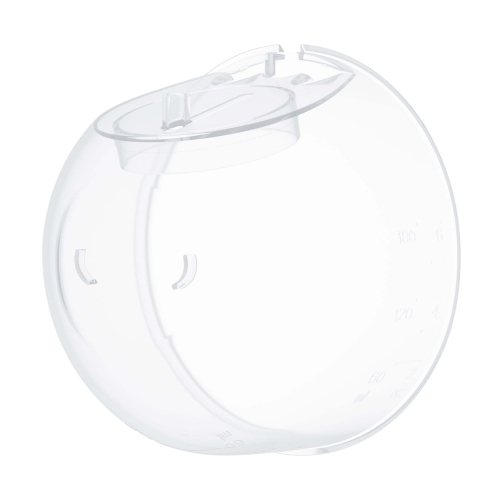
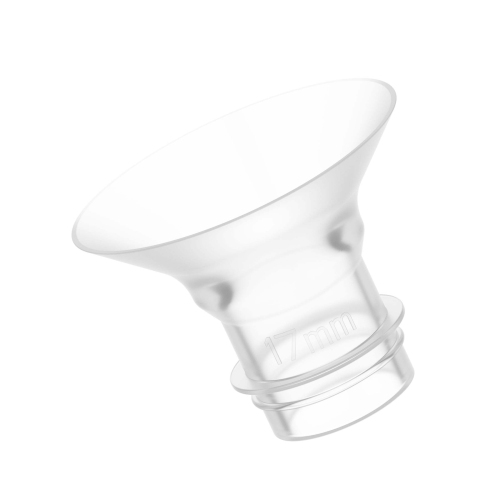
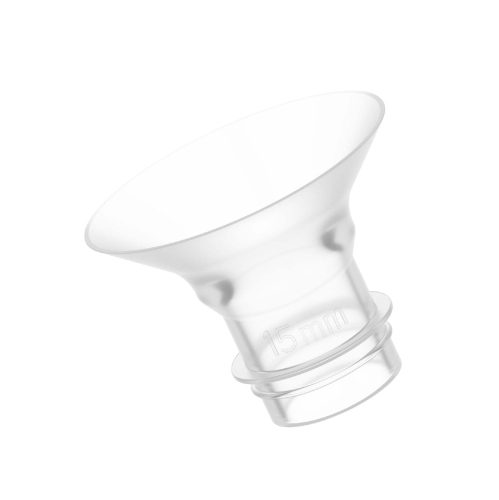
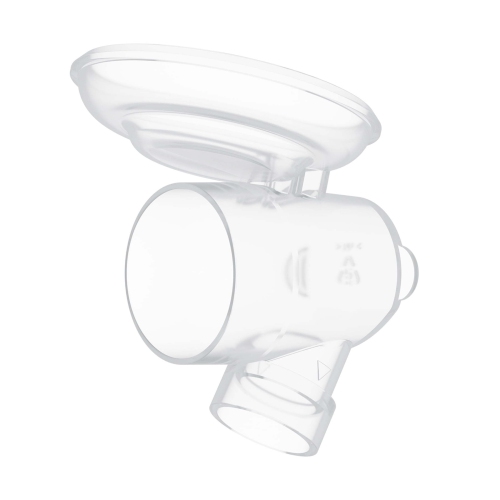
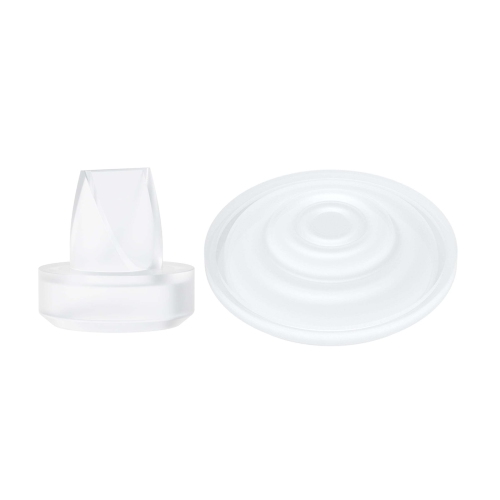
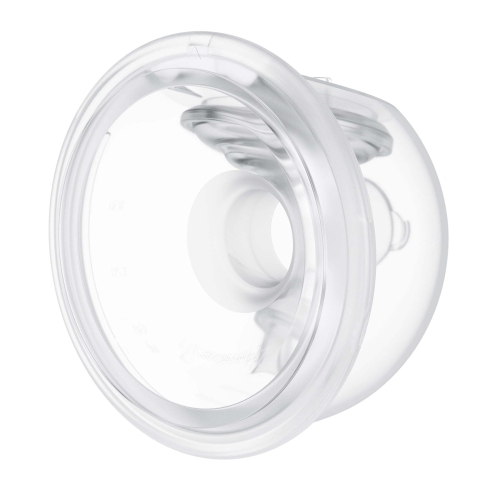
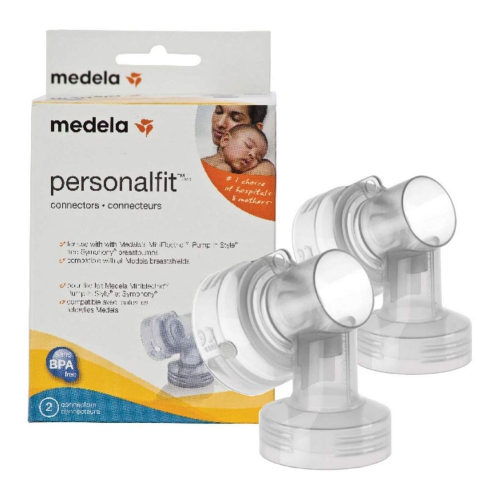
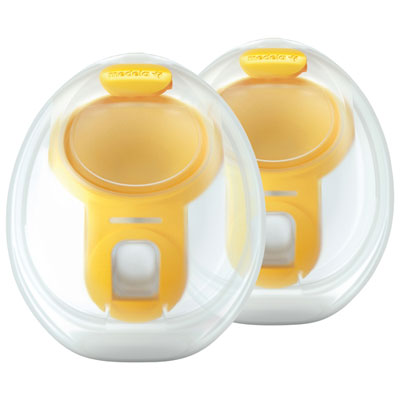
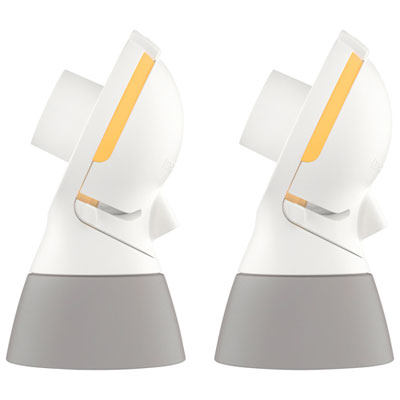
Breast pump accessories serve a different set of needs, with compatibility, comfort, hygiene, and milk handling at the centre of their design. This category includes the parts that form the pumping assembly, along with accessories for collection, storage, transport, and power. Flanges, sometimes called breast shields, provide the interface between the breast and the pump. Their fit affects comfort and pumping performance: the nipple should move freely within the tunnel without persistent rubbing, pinching, or excessive pulling of surrounding tissue. The correct fit can differ between breasts and may change over time, so a familiar size is not always the most suitable one throughout a pumping routine. Persistent pain, skin damage, or concerns about milk expression warrant support from a qualified lactation professional or healthcare provider. Valves and membranes help maintain the pump’s intended suction, and small tears, distortion, or incorrect assembly can affect how the system works. Replacement parts need to match the specific pump model rather than merely resemble the original shape. Tubing and backflow barriers also vary by design, making the manufacturer’s instructions important when determining which parts require washing and which should remain dry. Materials intended for contact with breast milk should be suitable for that use and compatible with the stated cleaning or sanitizing method. Dishwasher, boiling, and steam compatibility should never be assumed across every component. After cleaning, washable parts need to dry thoroughly before storage, with attention to narrow openings and recessed surfaces where moisture can linger. For a parent expressing milk during a workday or away from home, practical considerations include secure container closures, clearly marked volumes, sufficient space for clean parts, and a separate place for used components. An insulated carrier with frozen ice packs can help maintain cold conditions during transport, but safe storage times still depend on temperature and current public-health guidance. Compatible power adapters can support use away from a usual pumping space, provided their electrical specifications match the pump. As a gift, breast pump accessories are most useful when the recipient’s pump model, preferred fit, and daily routine are already known.
Top selling and popular products
-
 Your price for this item is $31.34
-
 Your price for this item is $30.54
-
 Your price for this item is $38.85
-
 Your price for this item is $63.99
-
 Your price for this item is $844.91
-
 Your price for this item is $909.33
-
 Your price for this item is $31.38
-
 Your price for this item is $35.35
Discover more categories related to Pump Accessories


Top Collections:
Pokemon Centers, Best Cameras for Sports Photography, Kindle Devices, Samsung Galaxy Phones, Canon G7X Cameras, Pokémon 30th Celebration Cards, Refurbished Apple Laptops, iPhone 15 Apple, Laptops for Students, Budget Smartphones
Some products may be subject to Environmental Handling Fees
(EHF) depending on your province.
Learn more about EHFs.