Water Pumps
Looking for reliable water pumps to meet your household or commercial needs? Explore our wide selection of water pumps designed to efficiently move water from one place to another. Whether you need a pump for draining a pool, irrigating your garden, or tackling a plumbing project, we have a variety of options to suit your requirements. From submersible pumps to utility pumps, find the perfect solution to keep water flowing smoothly in any situation. Discover durable and high-performance water pumps that are built to last and make your pumping tasks effortless.
Sort
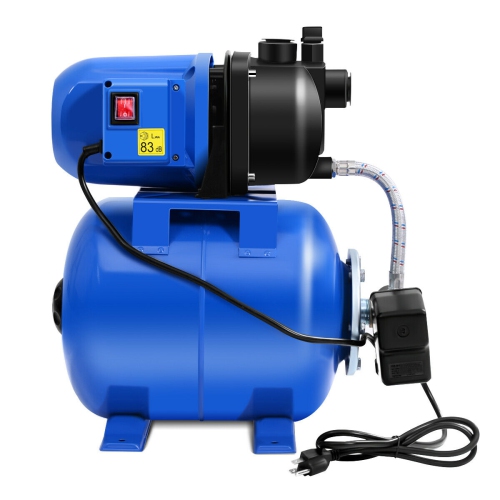
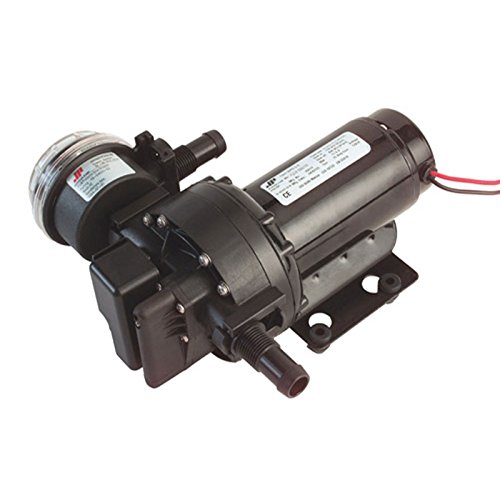
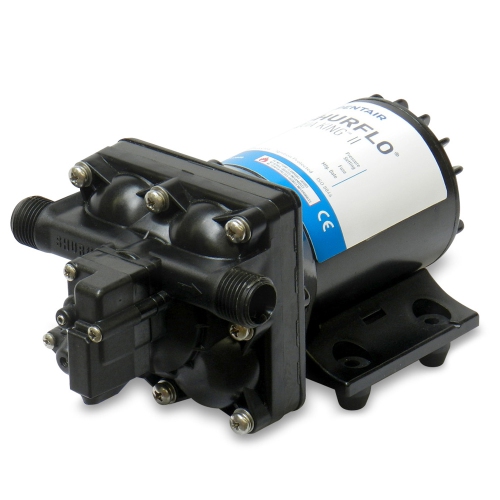
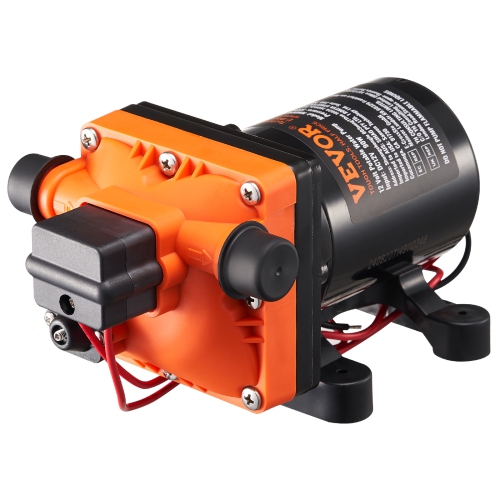
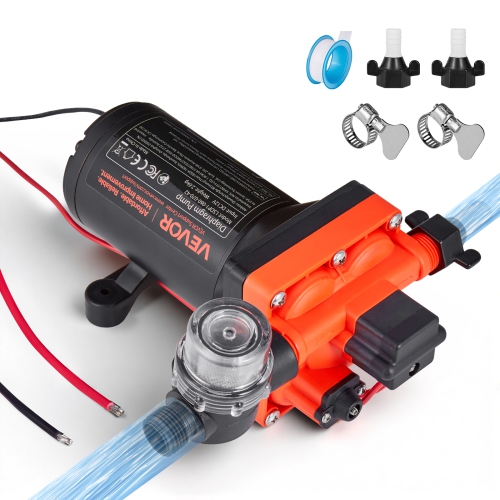
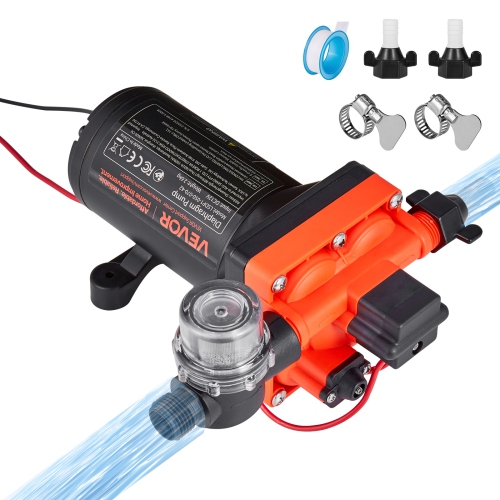
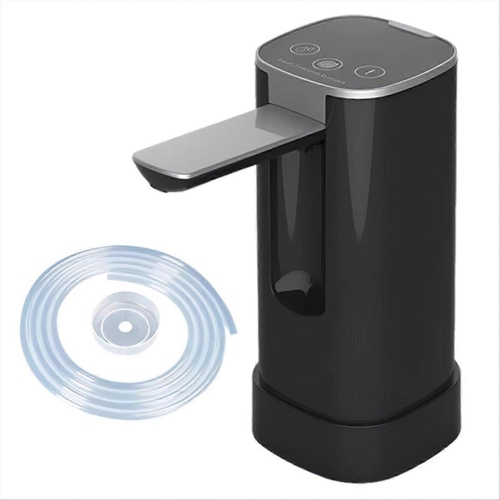
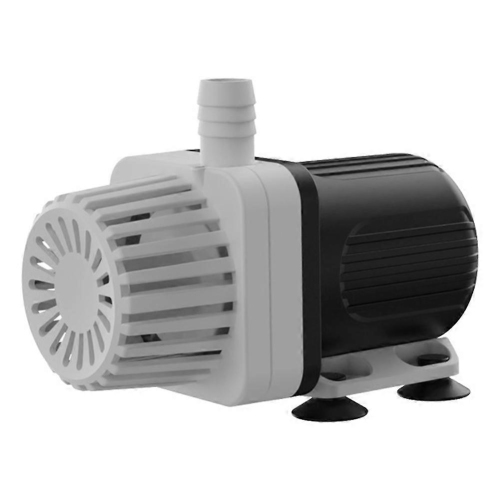
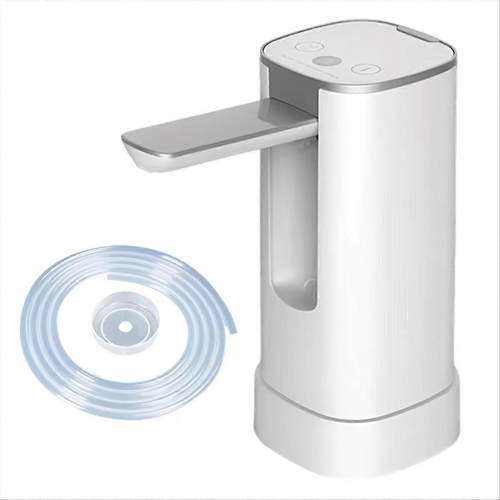
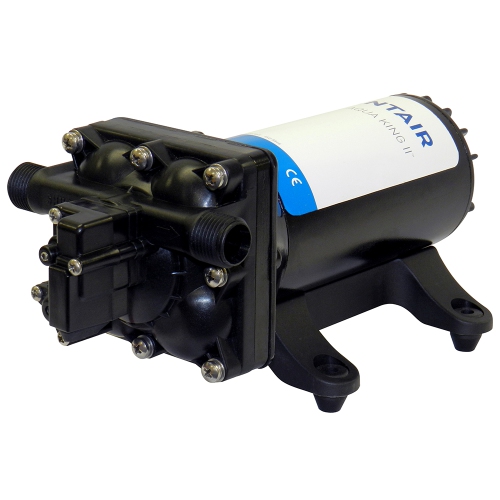
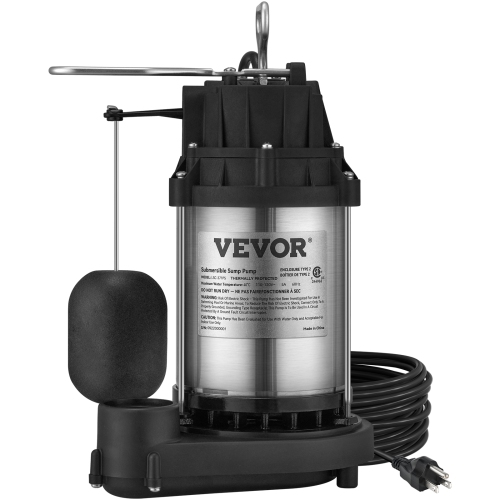
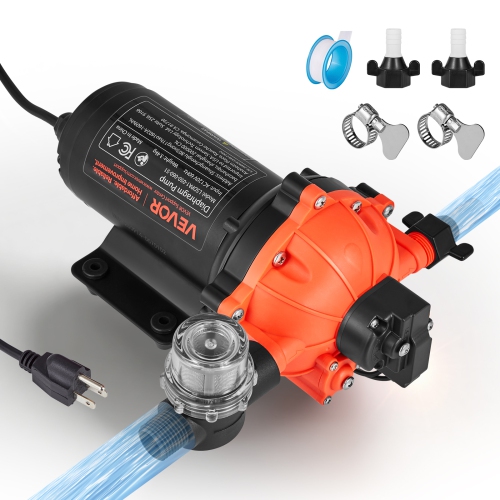
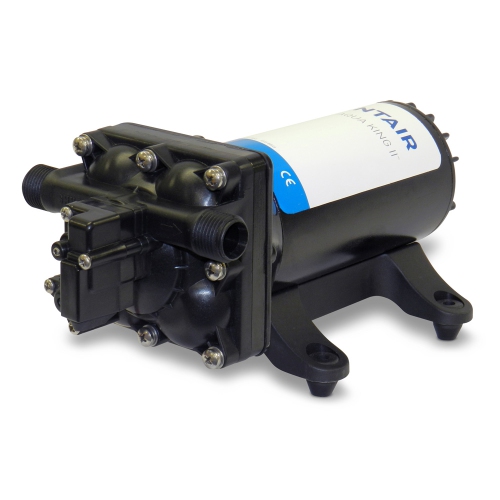
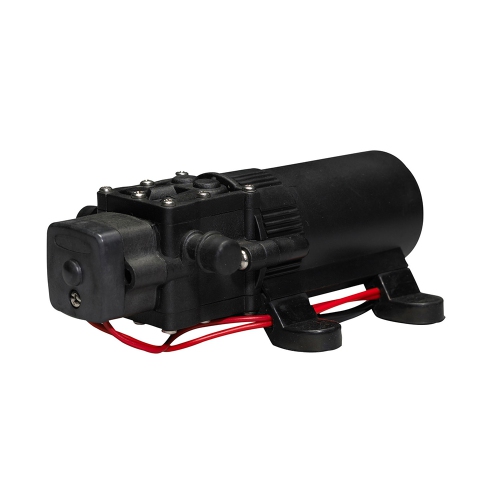
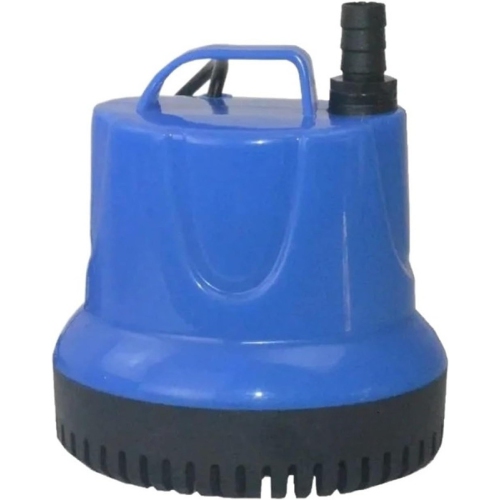
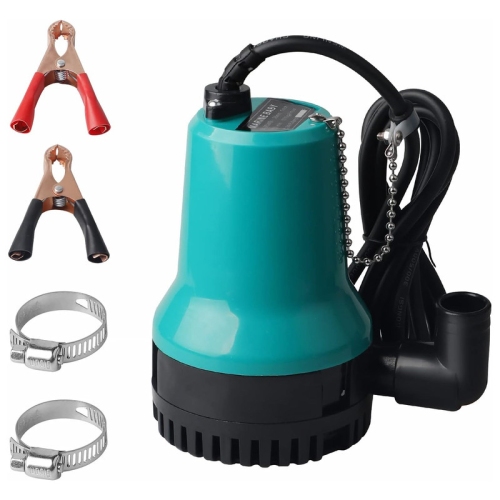
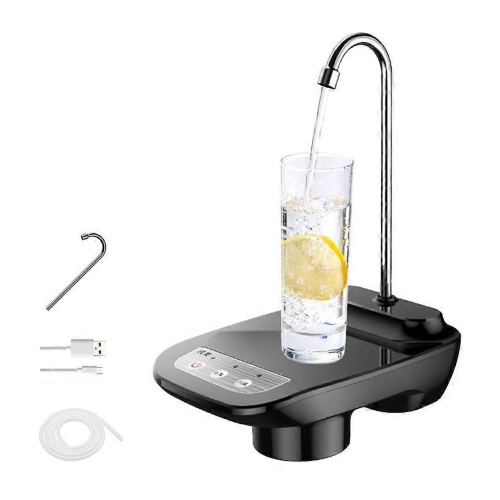

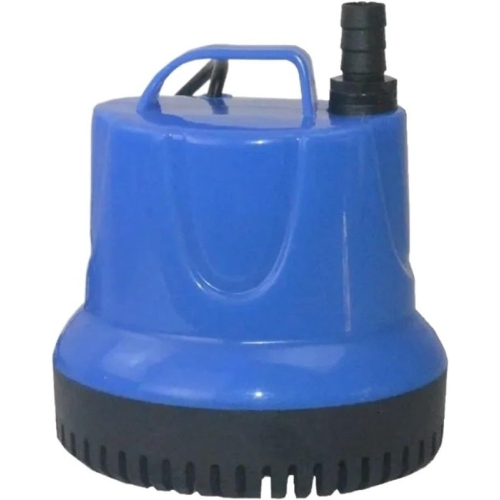

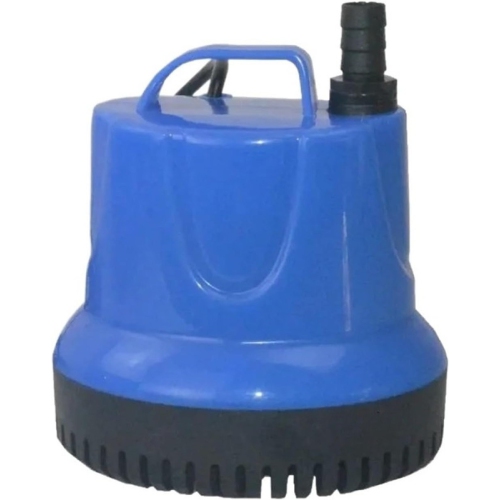
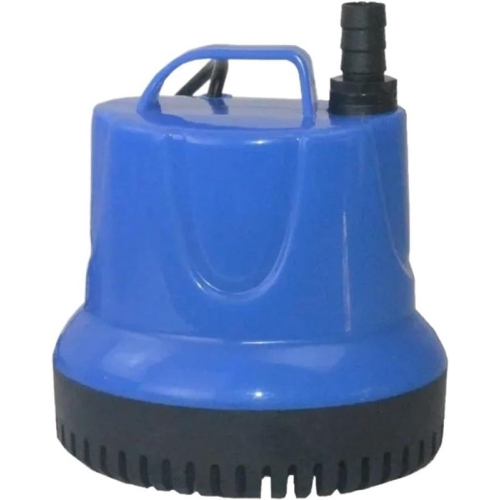
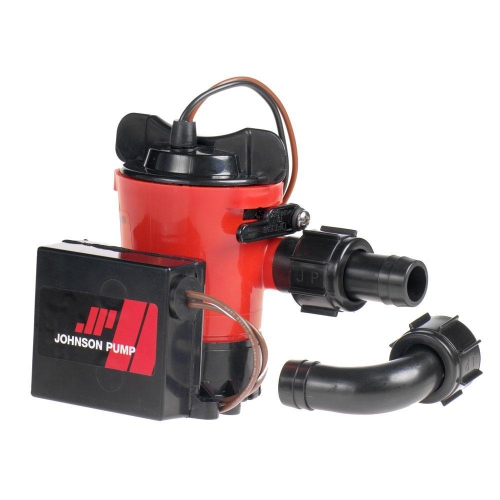
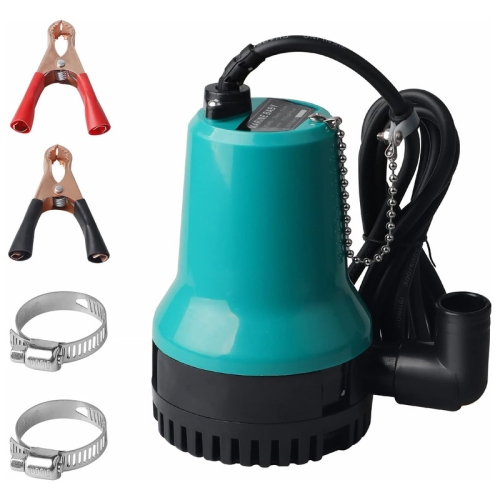
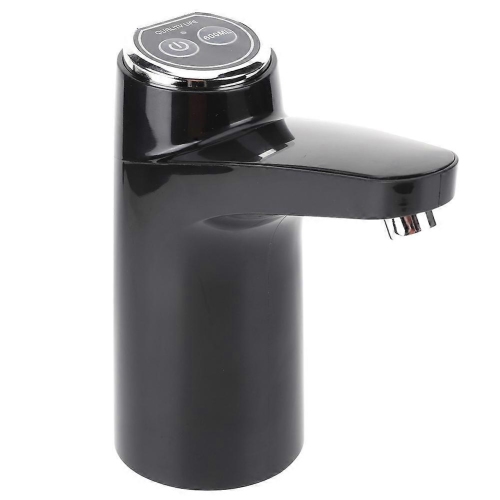
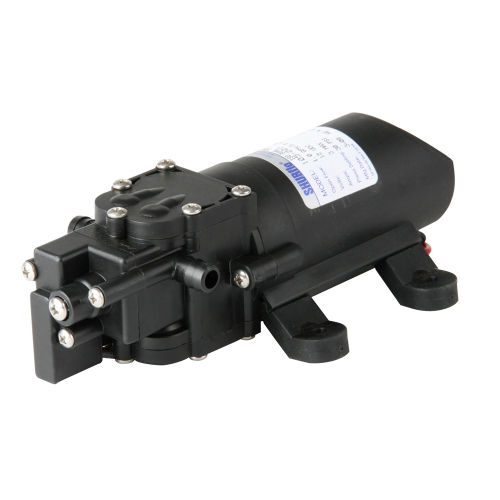
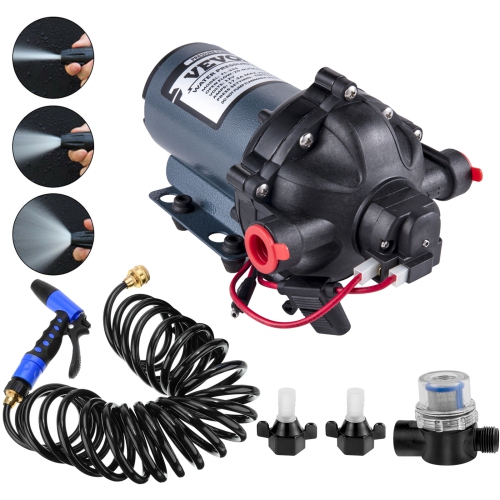
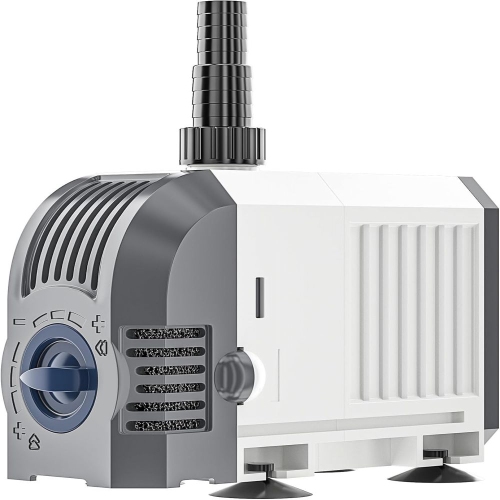
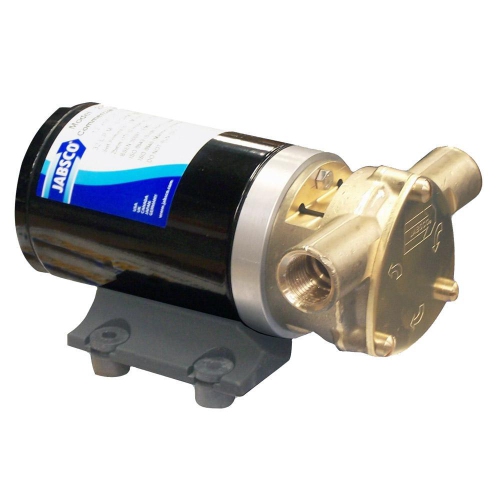

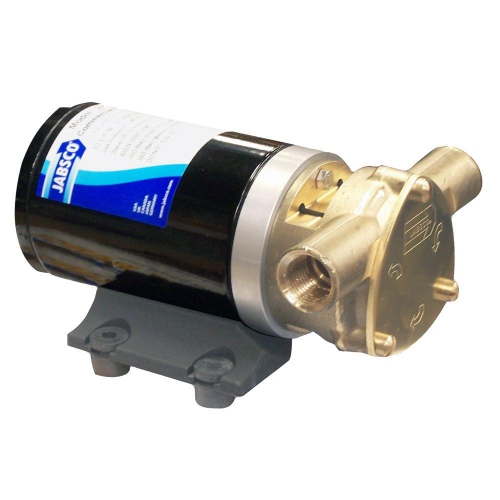
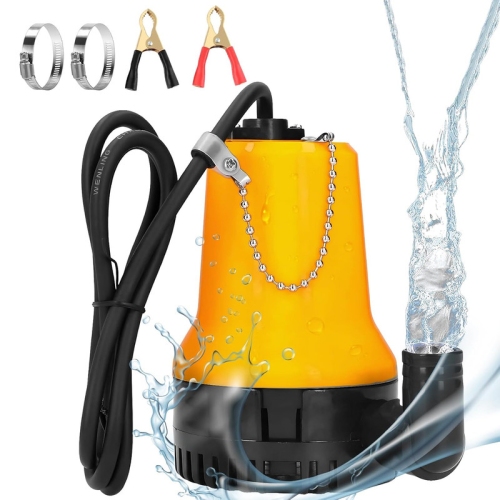
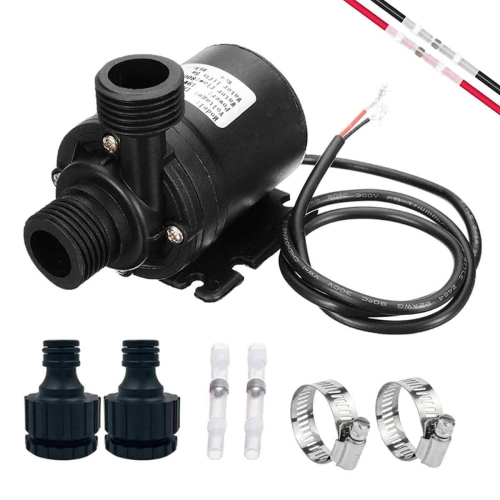
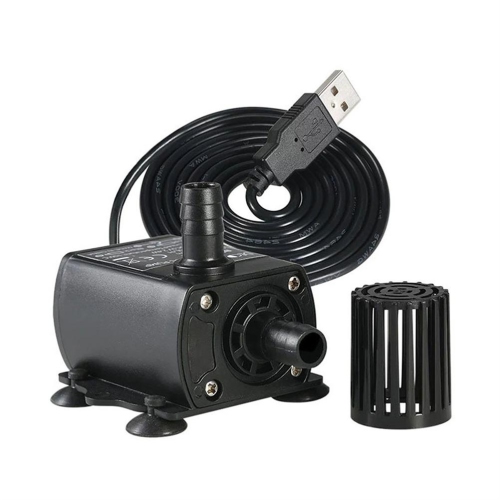
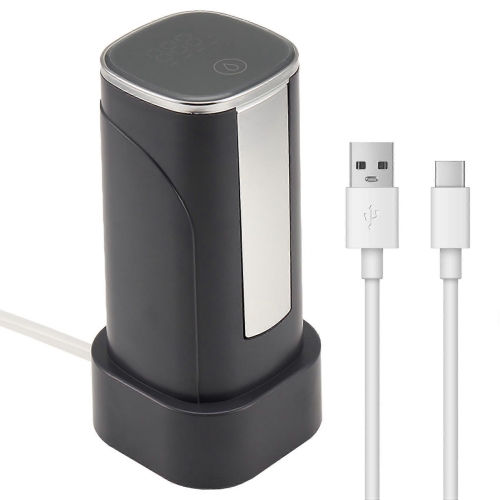
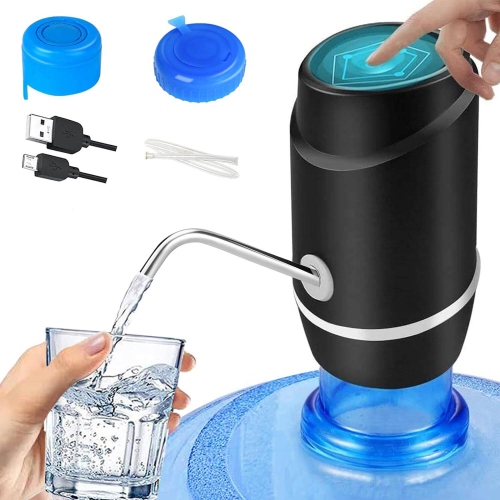
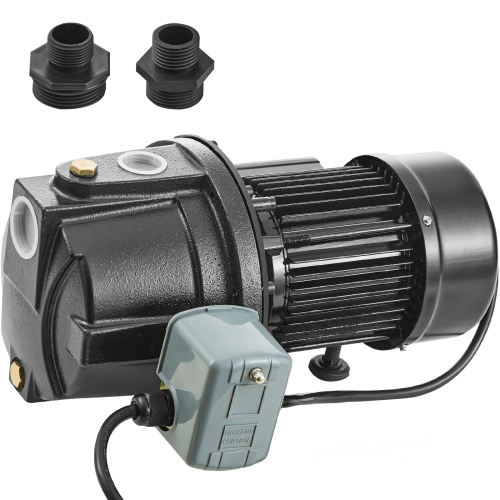
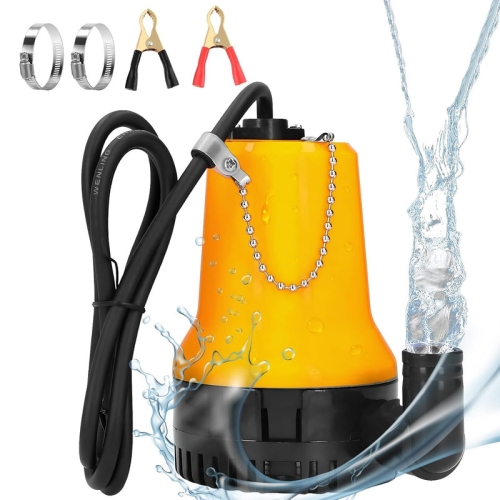

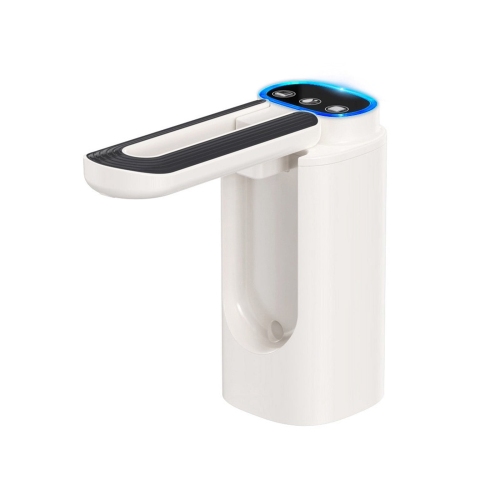
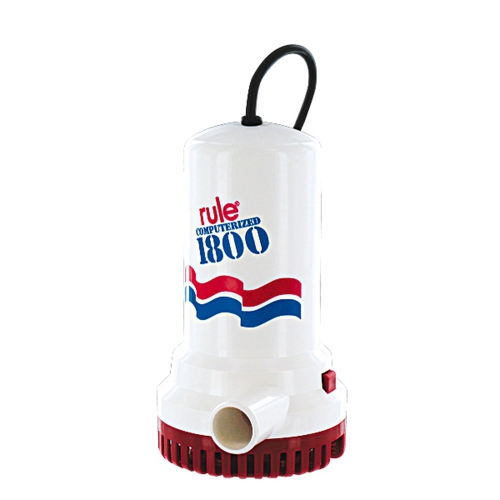
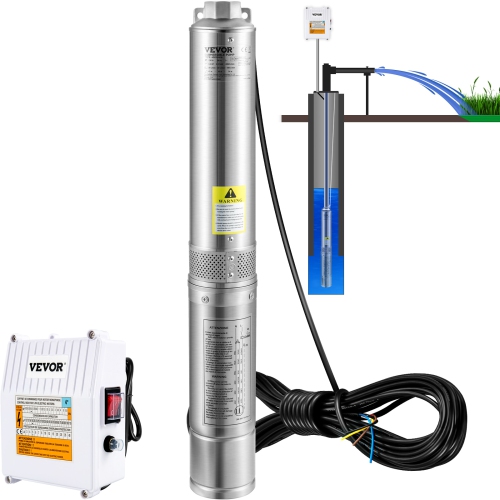
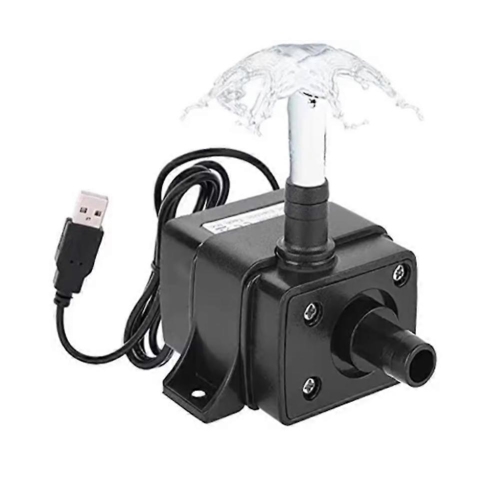

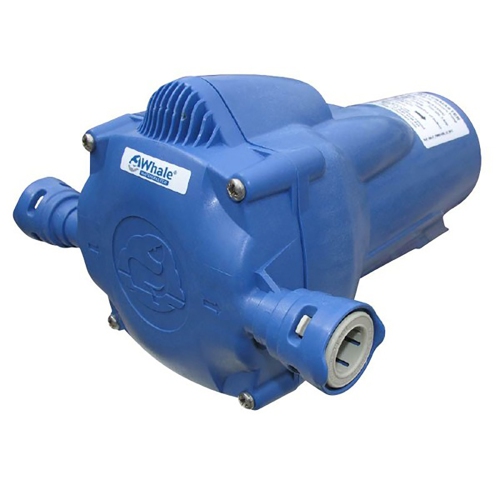

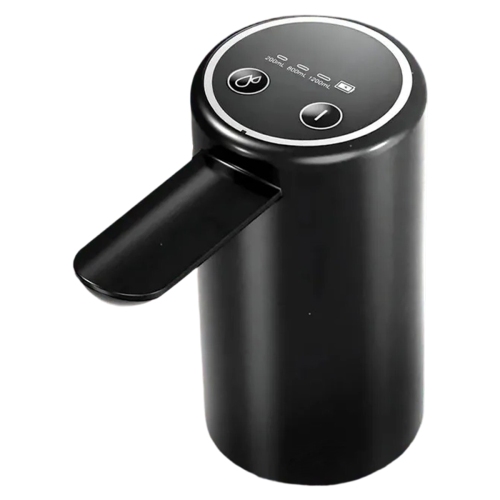
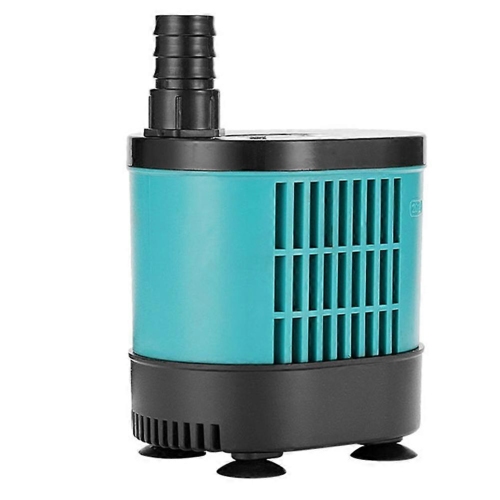
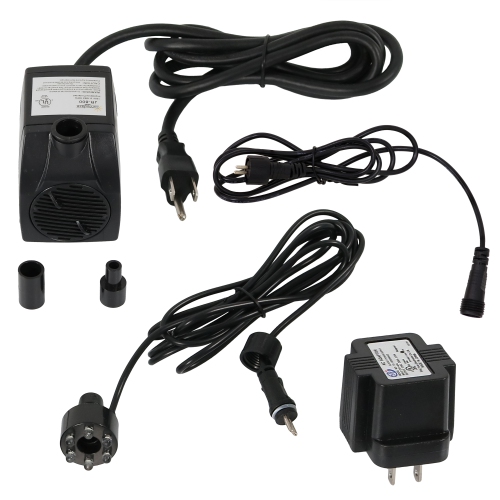
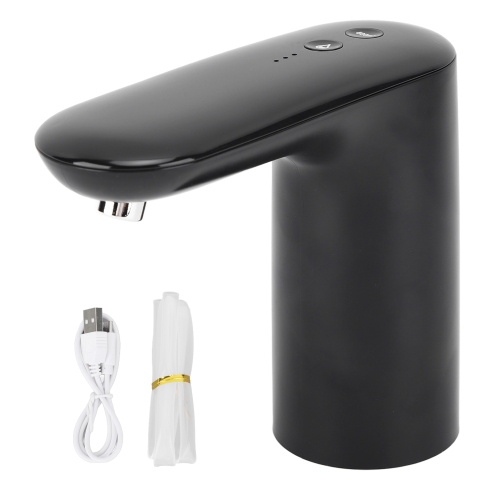

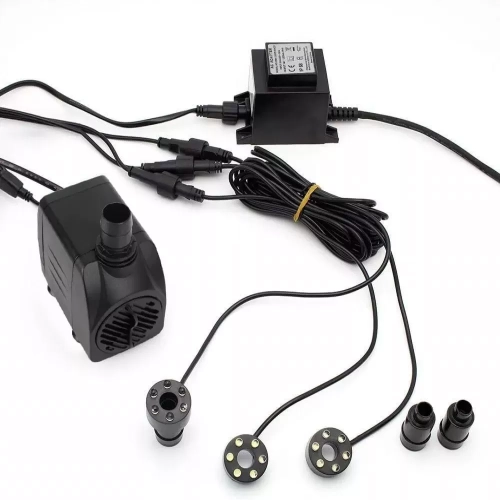
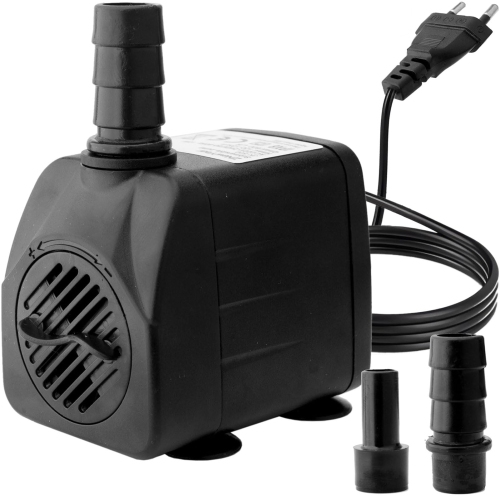
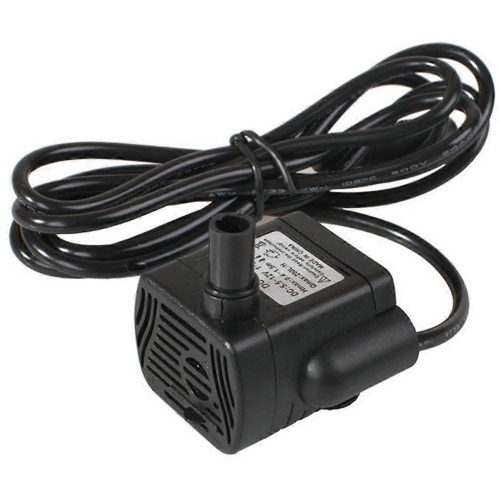

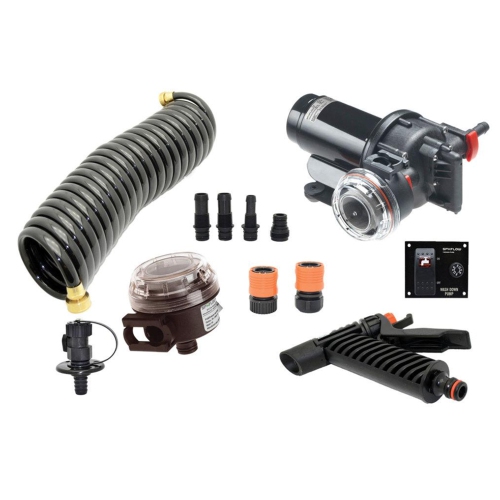
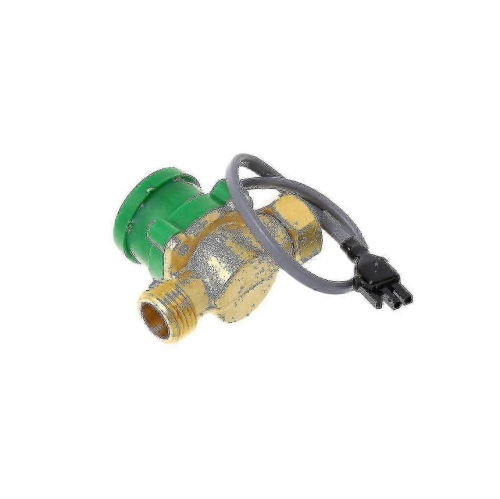
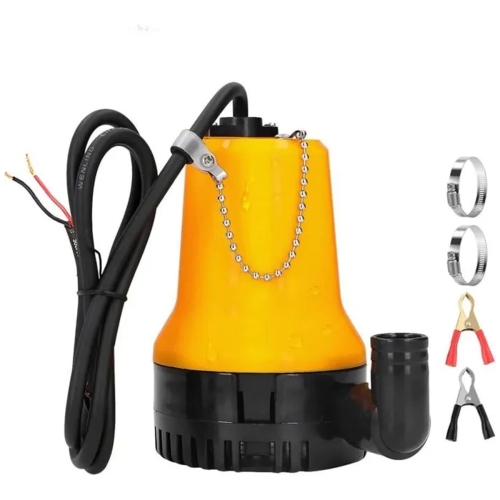
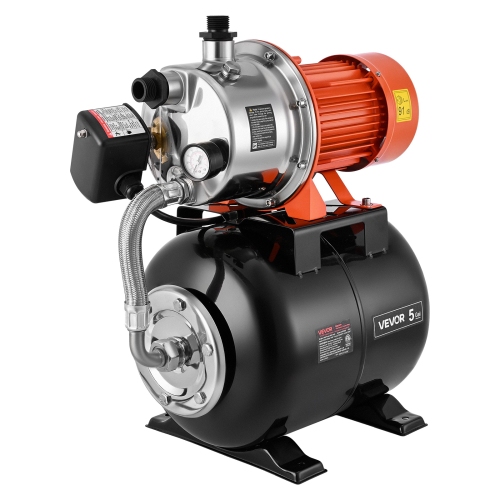
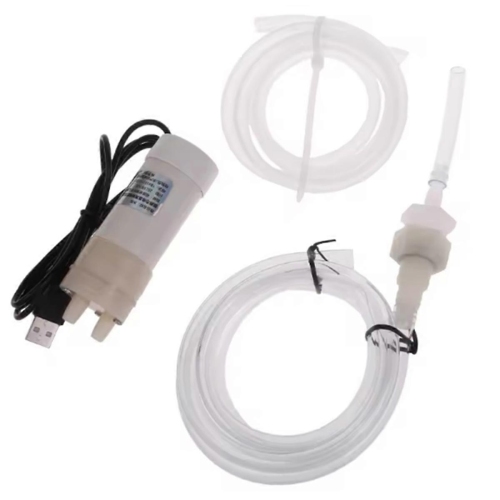
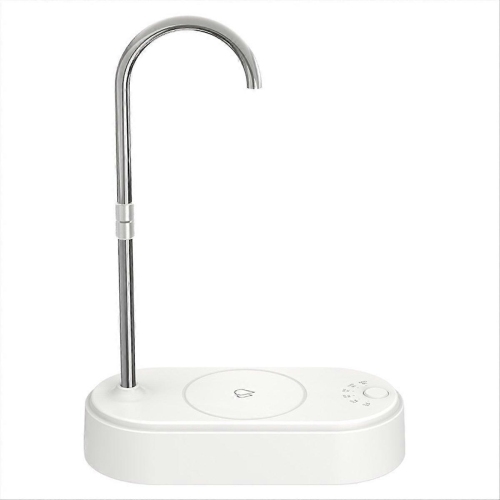
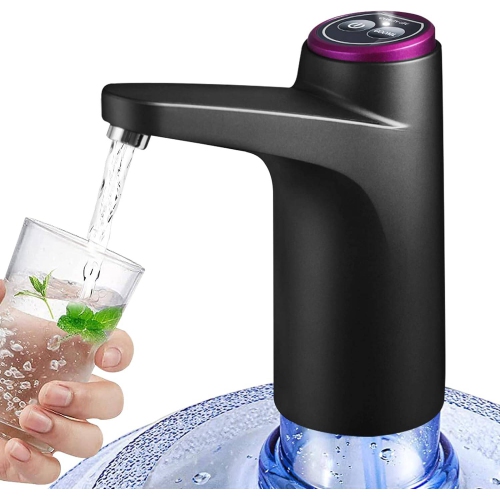
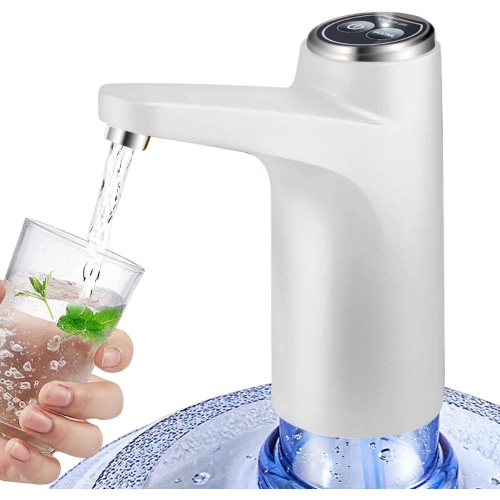
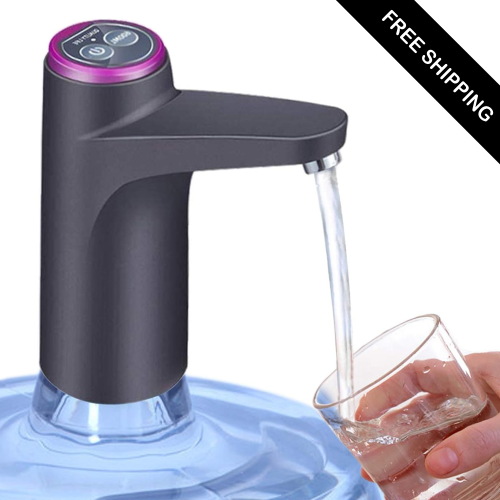
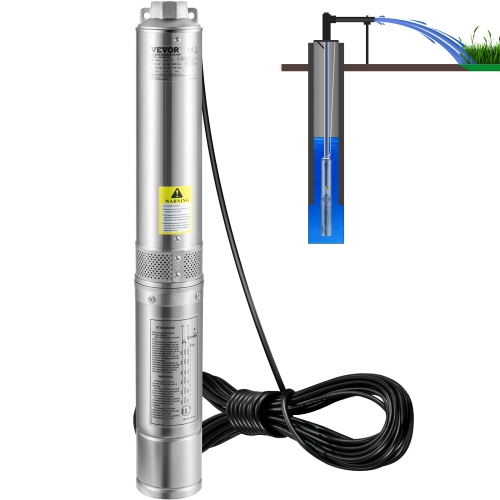
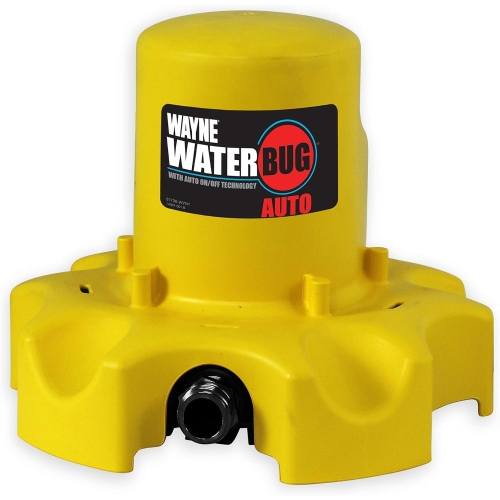
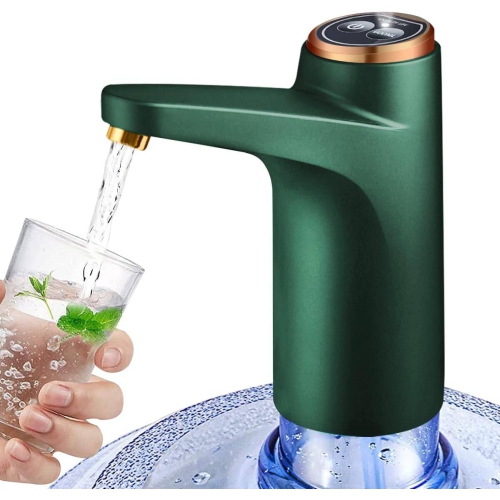

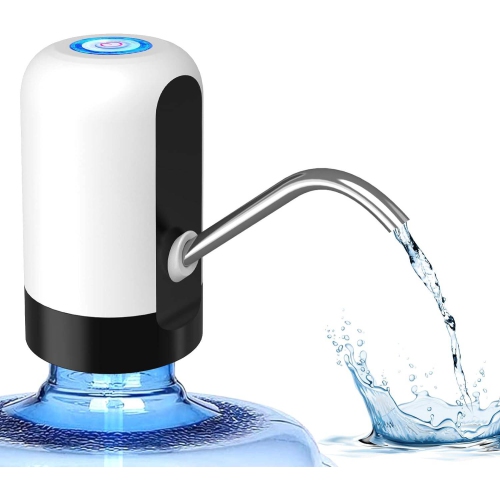
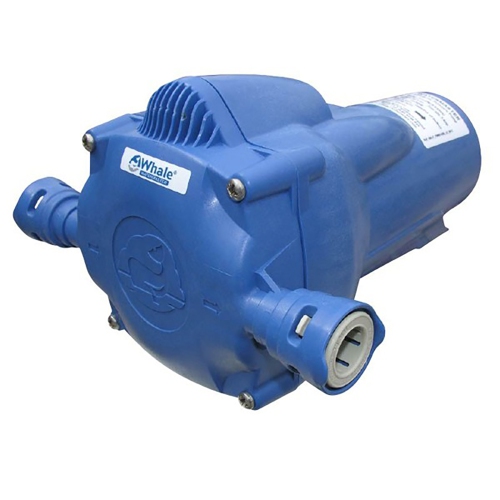
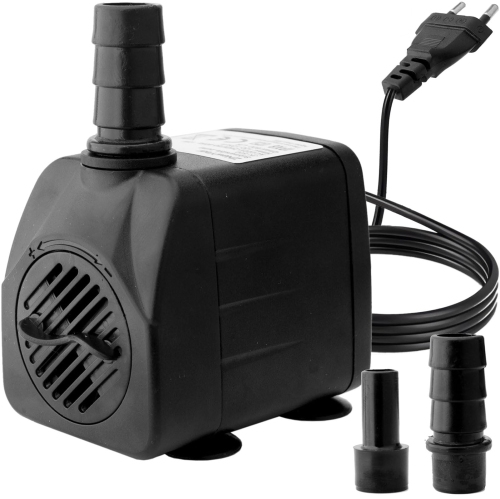
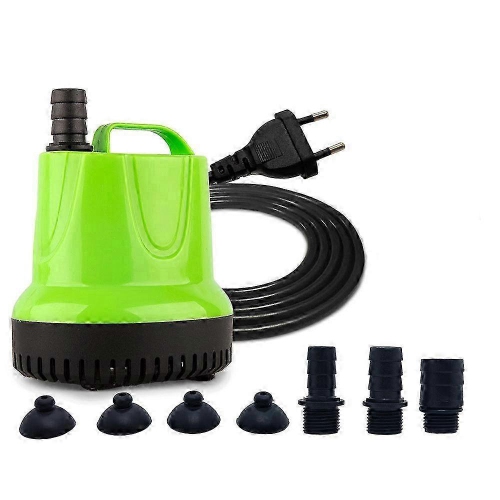
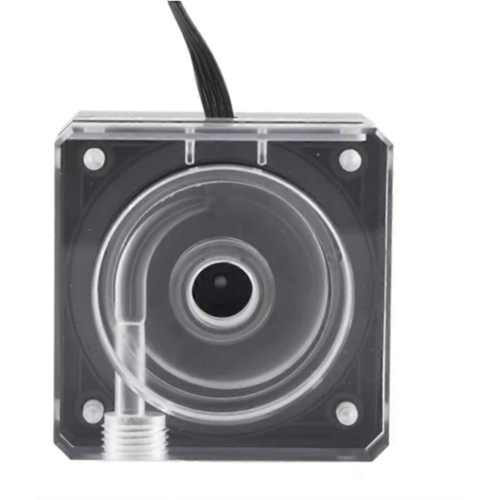
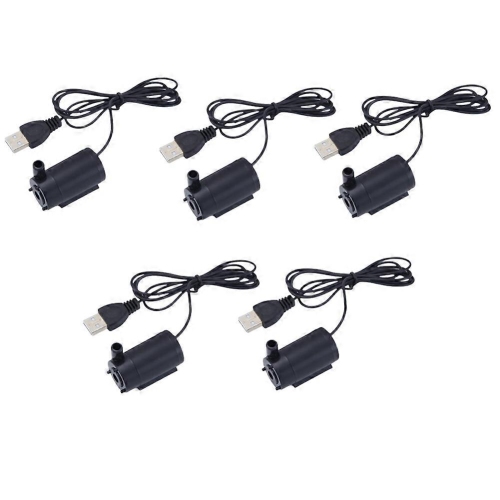
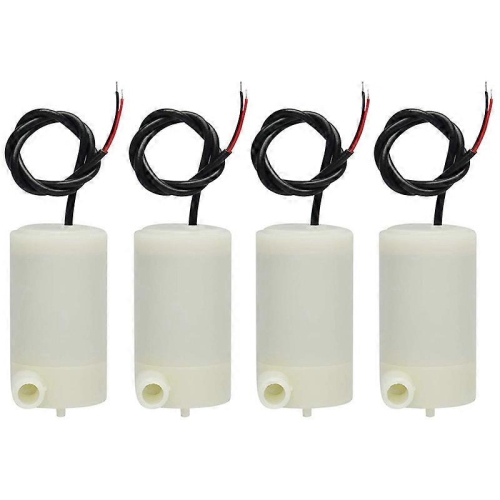
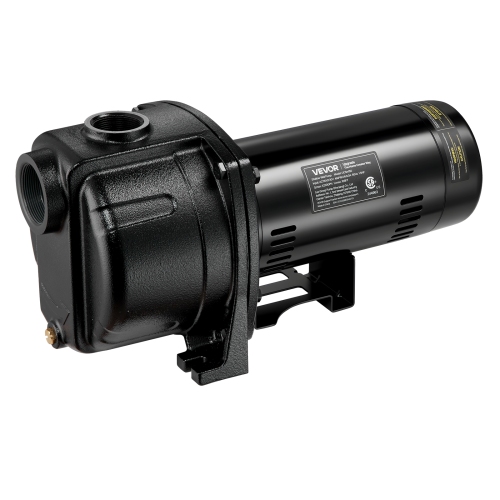
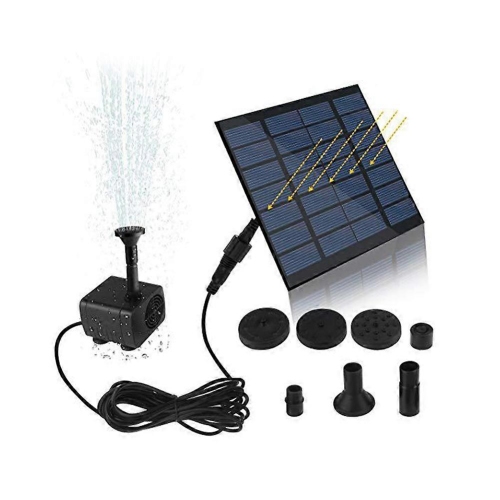
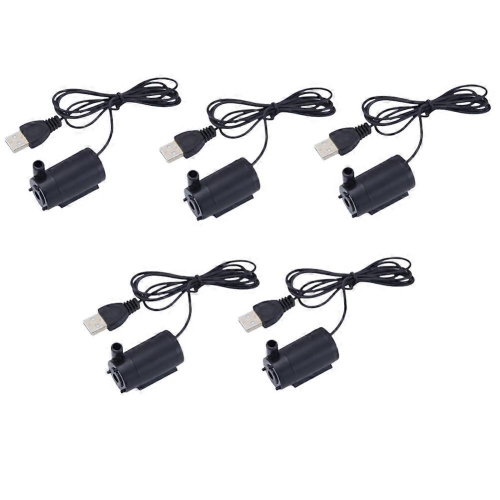
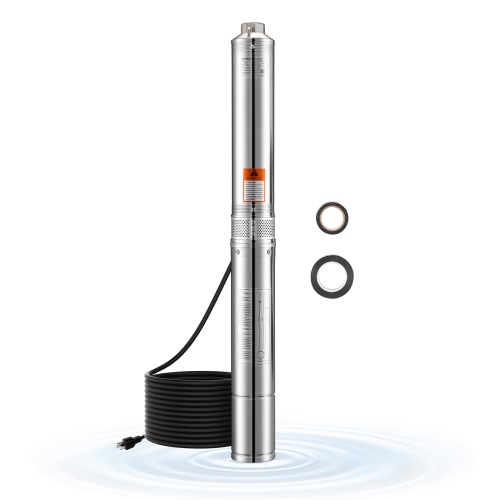
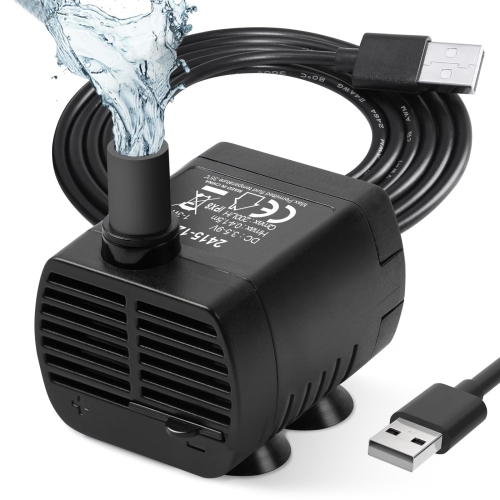
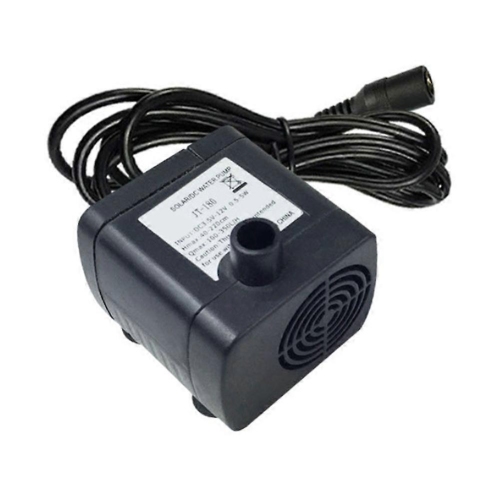
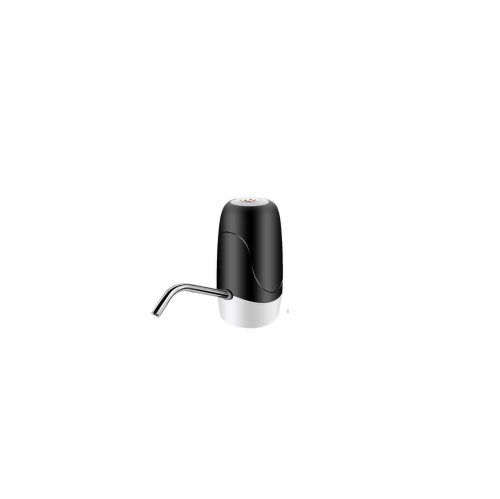
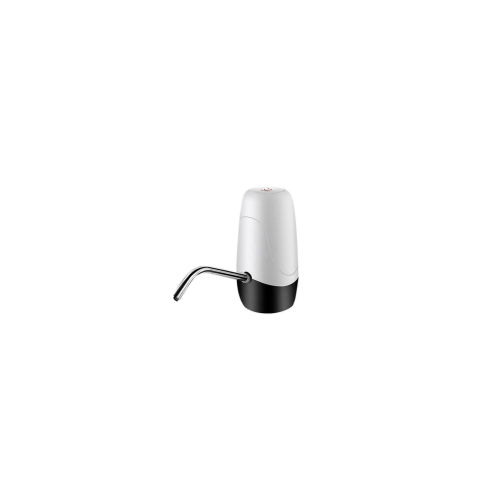
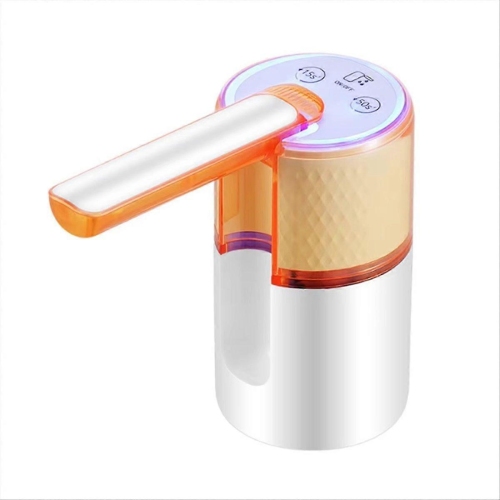
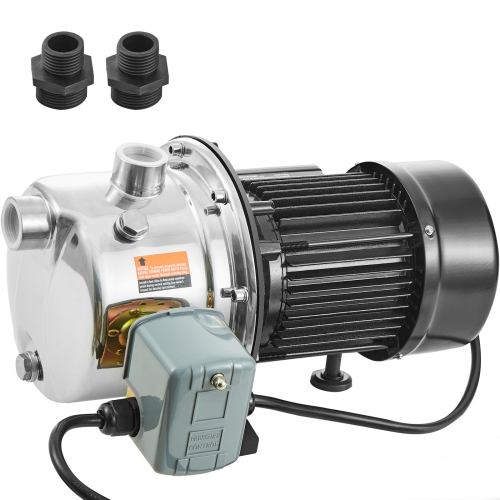
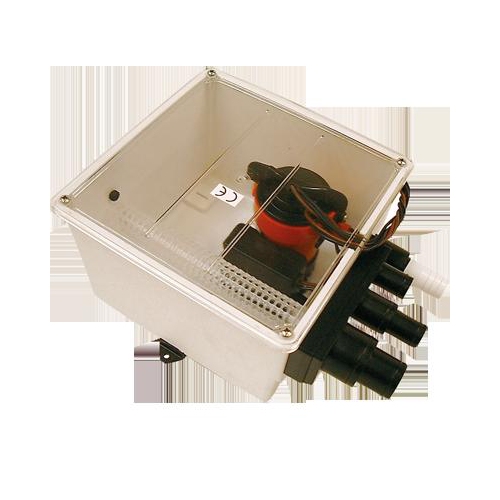
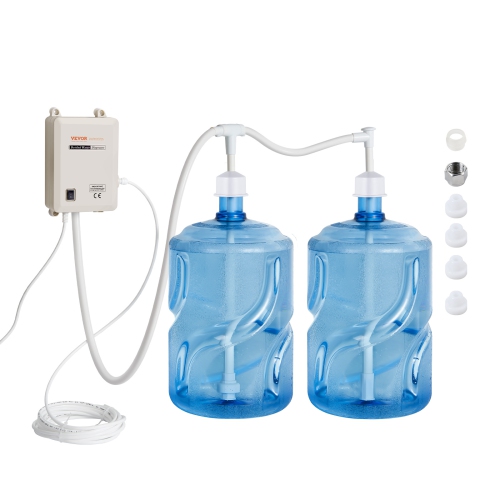

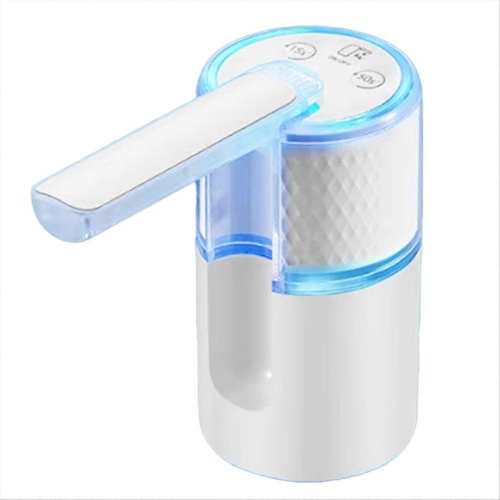

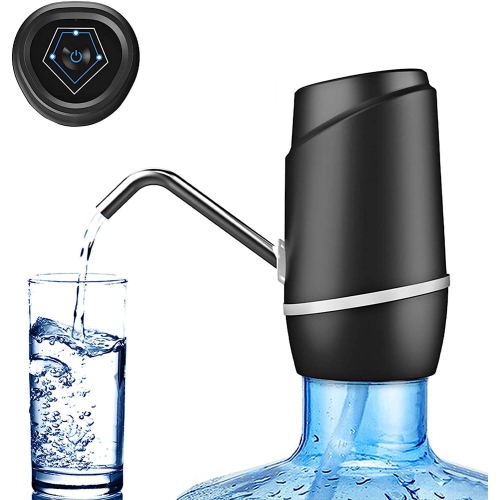
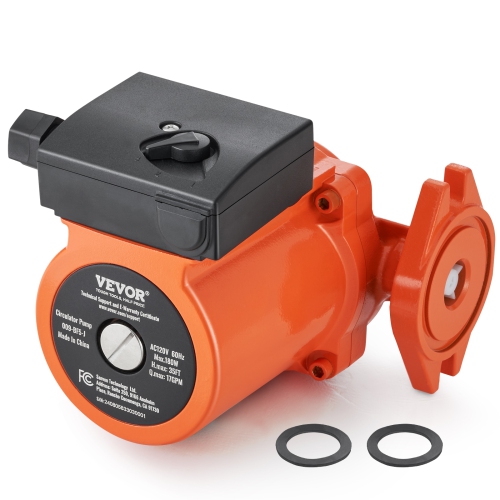
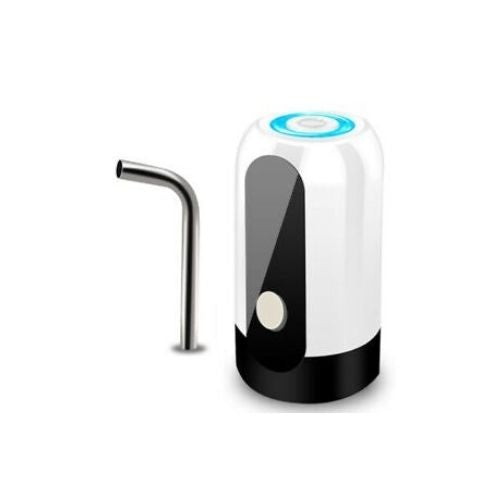
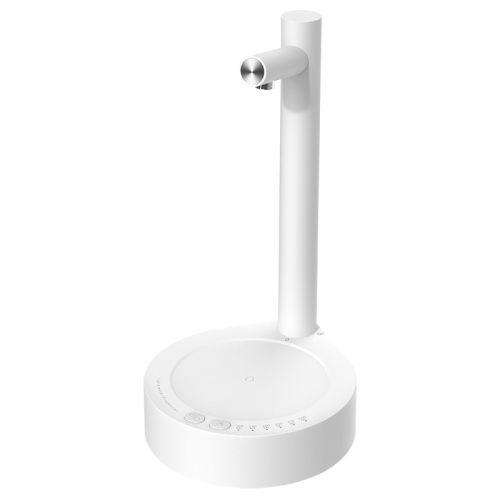
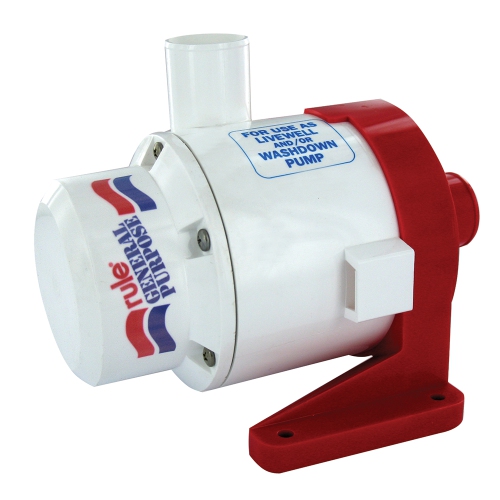
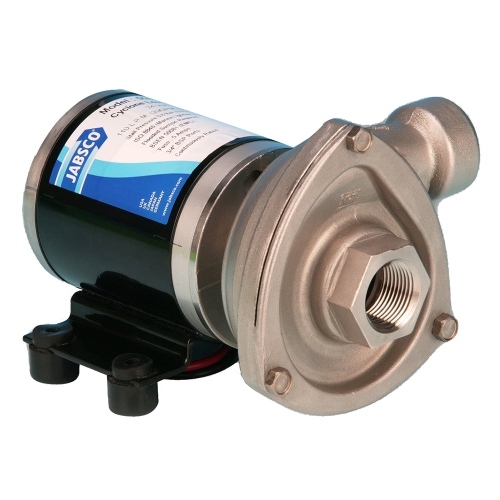
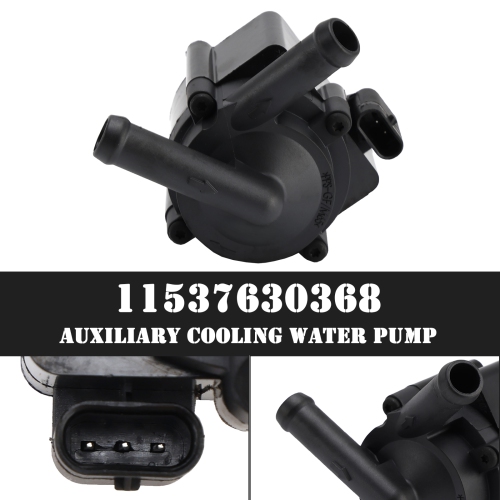
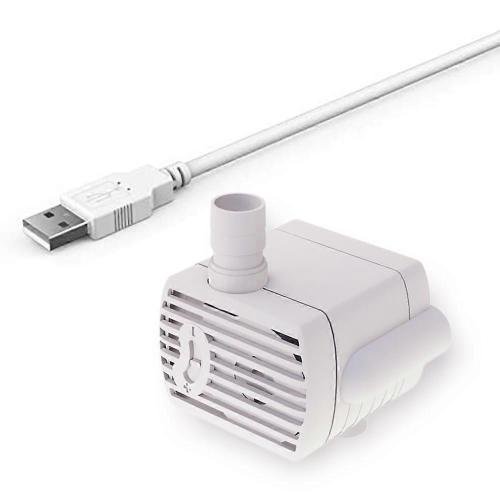
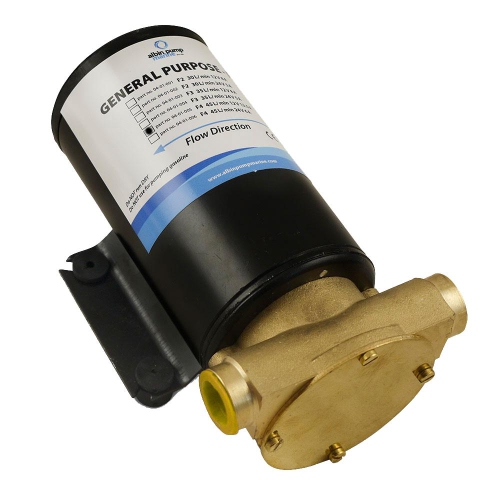
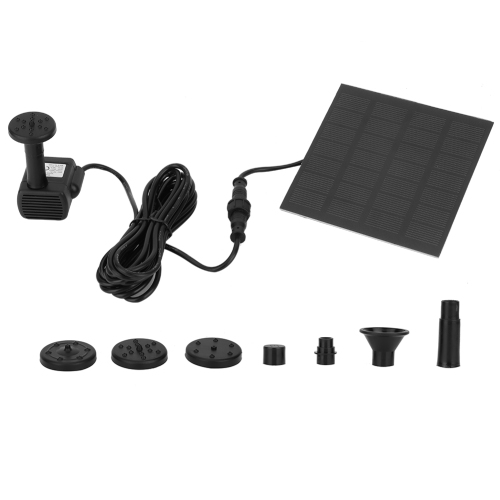
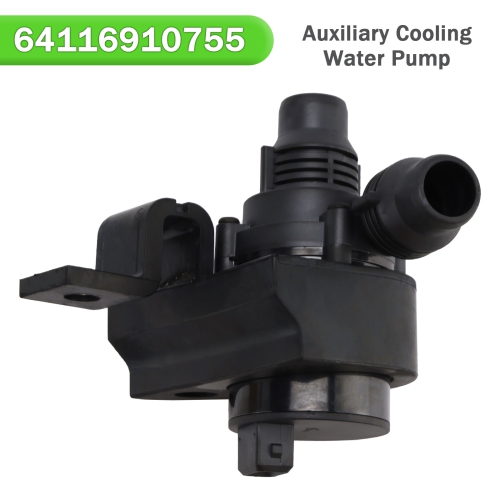
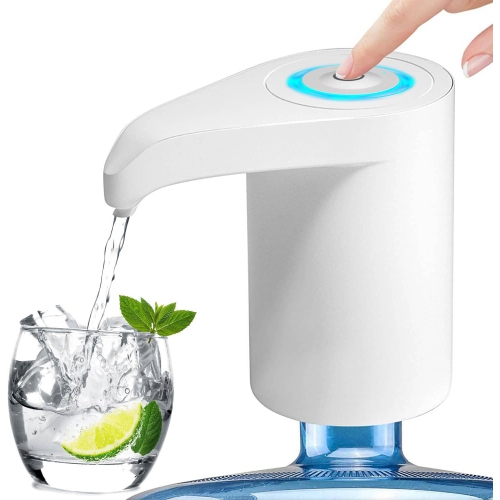
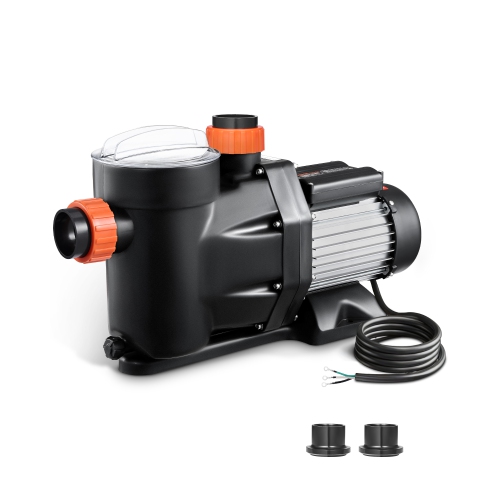
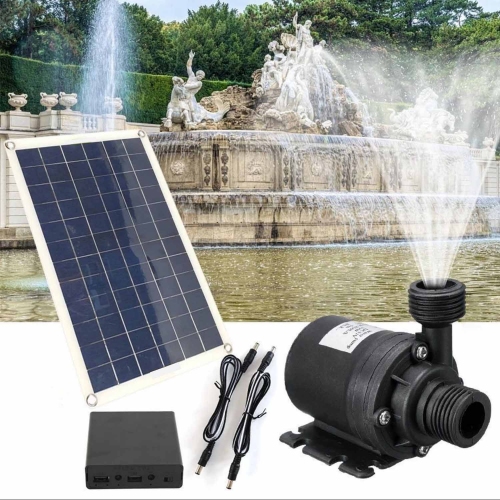
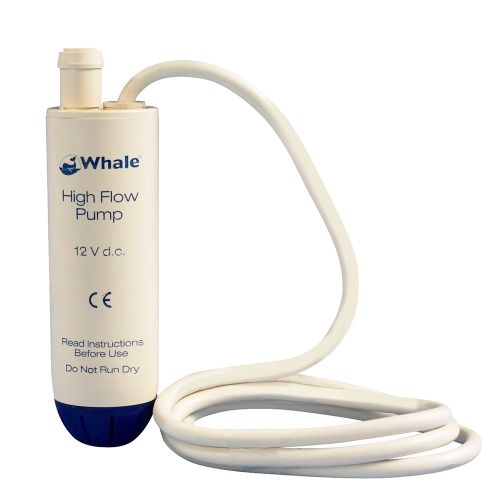

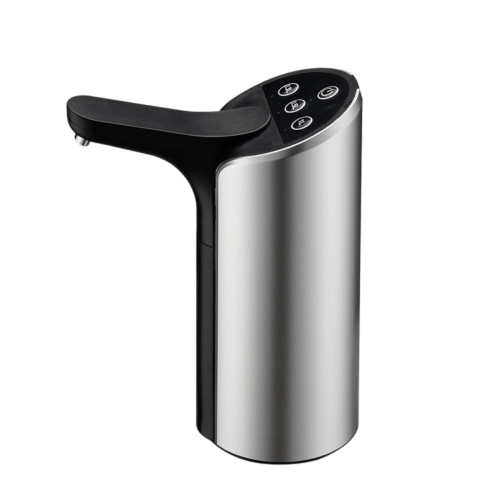


What to know about pump types, performance, and safe operation
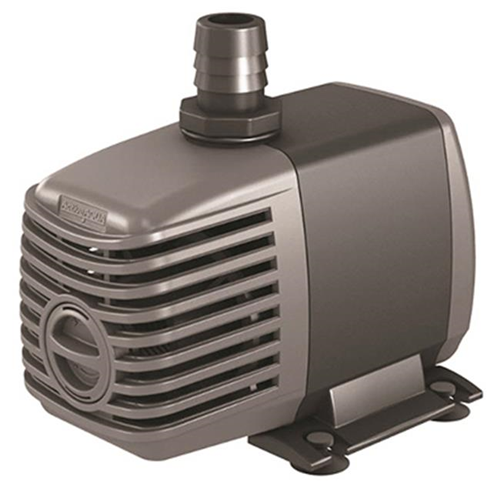
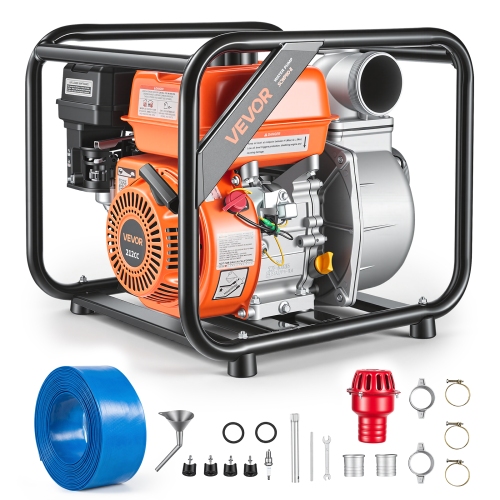
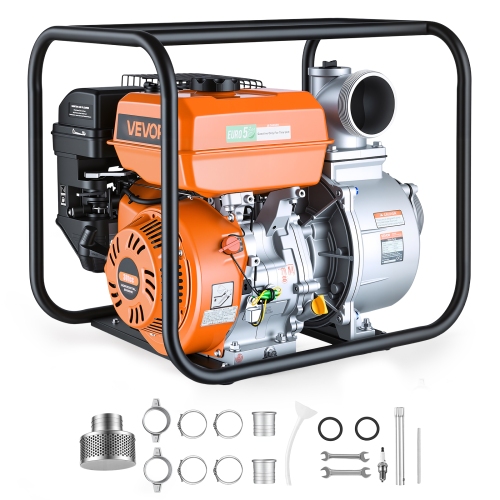
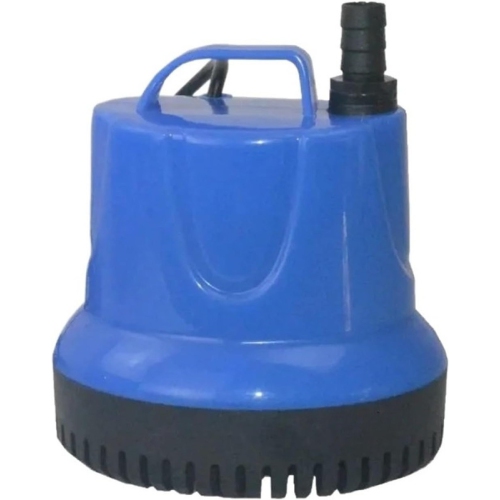
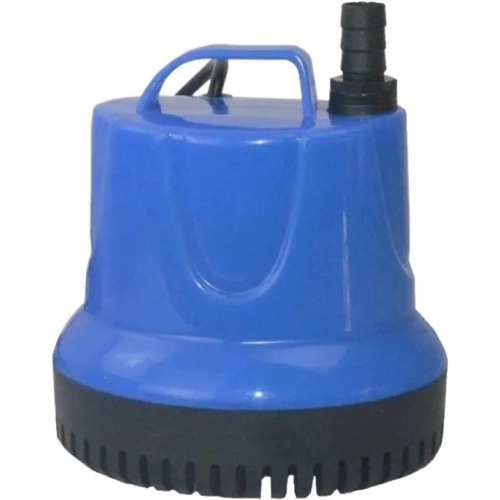
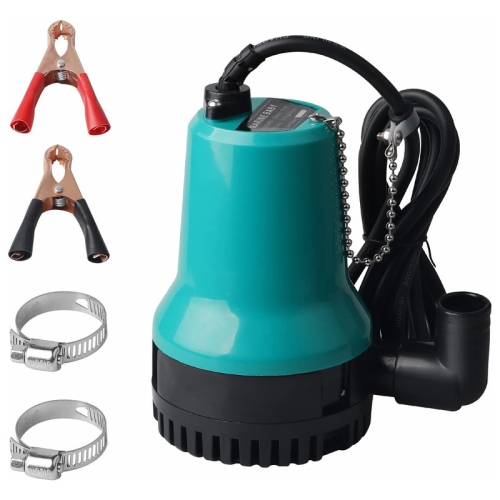
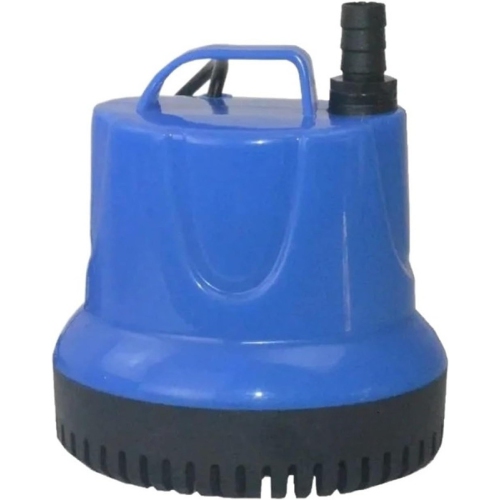
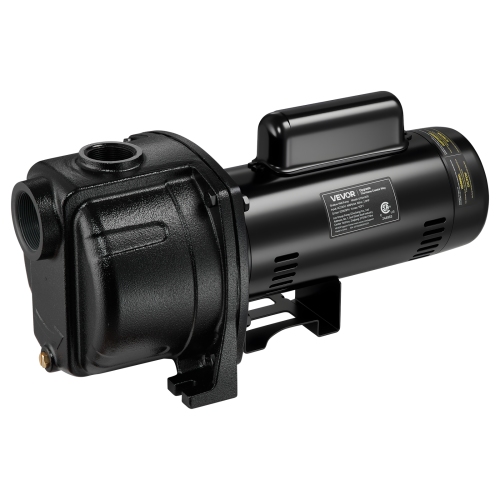
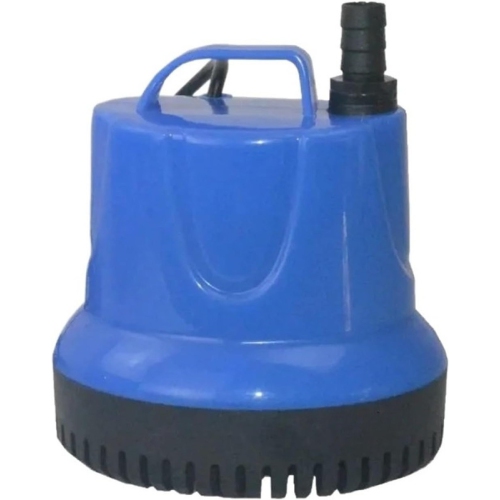
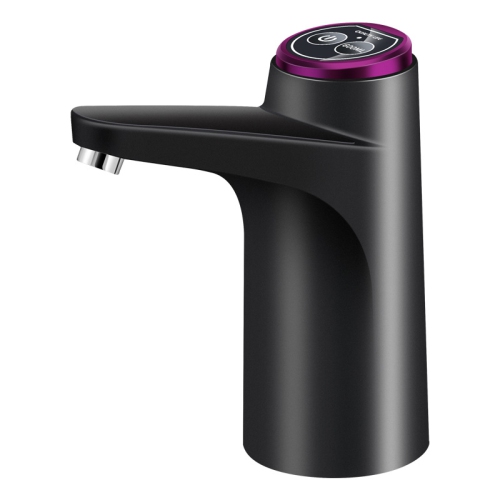
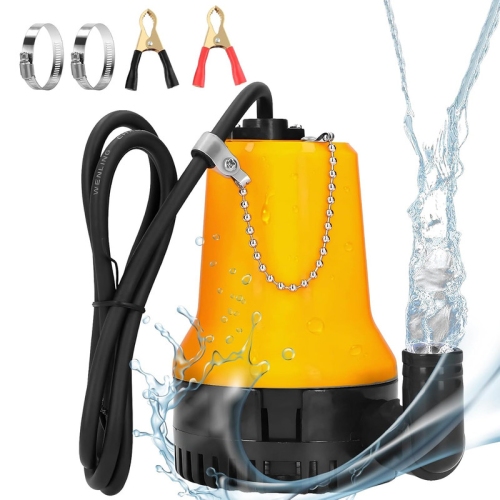
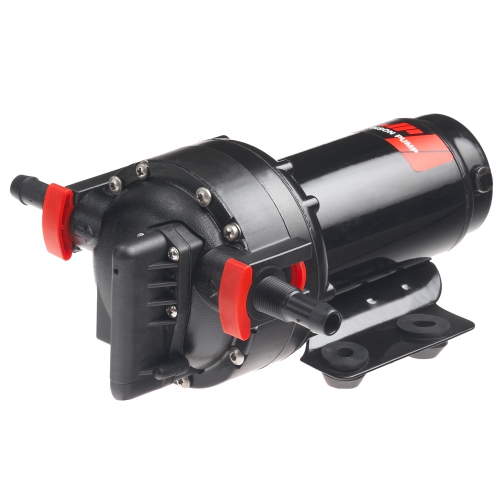
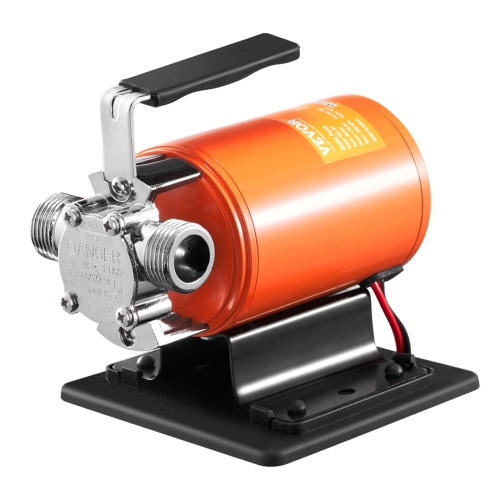
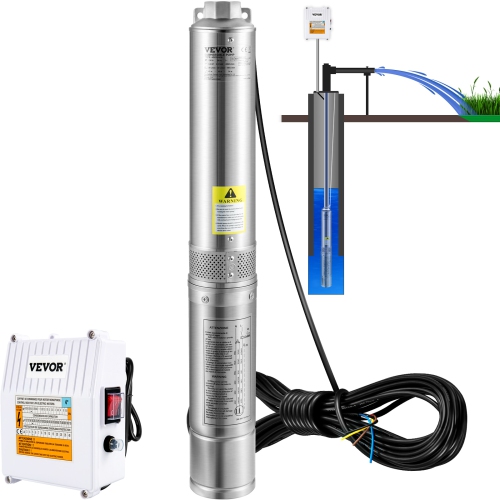
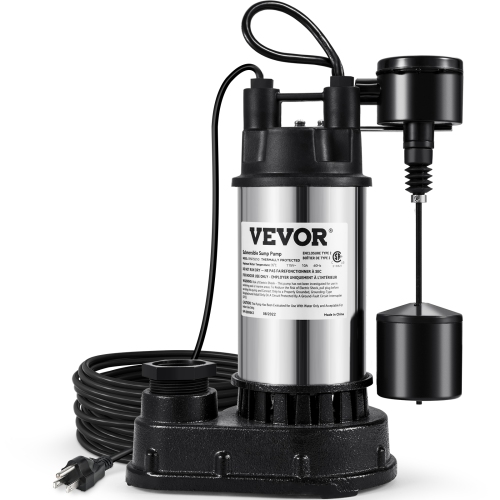
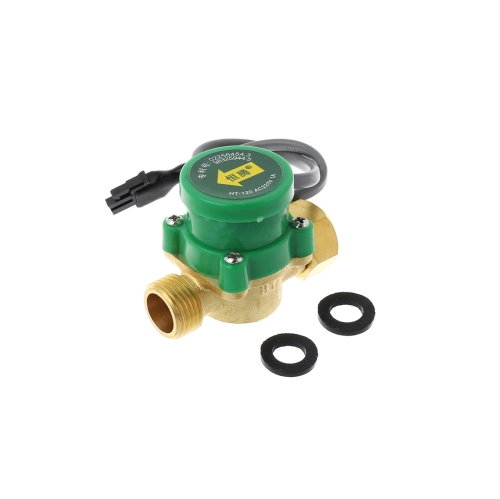
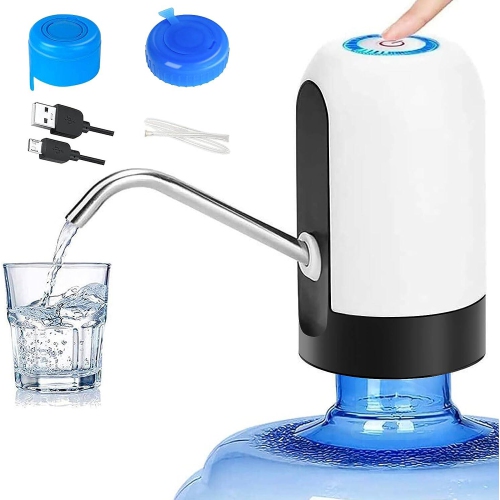
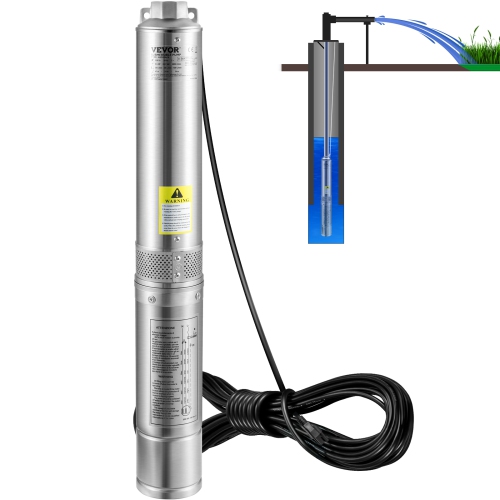
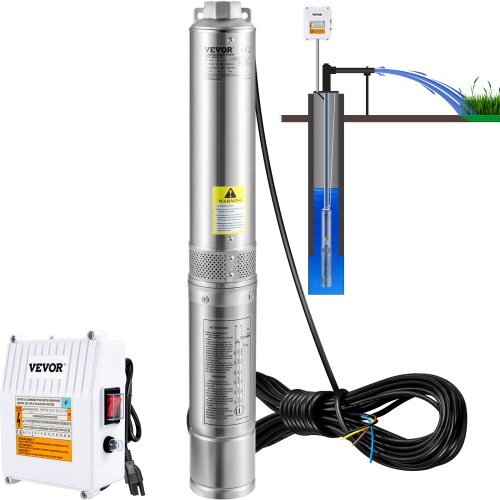
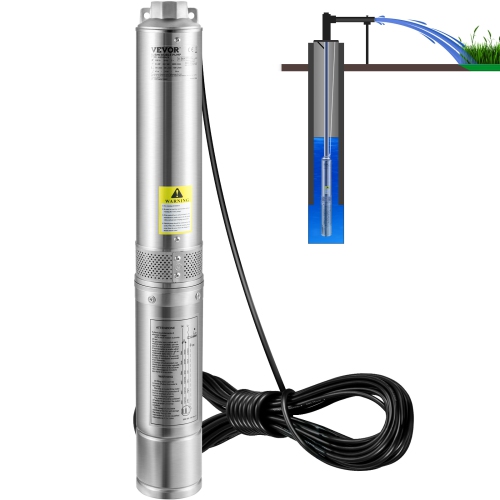
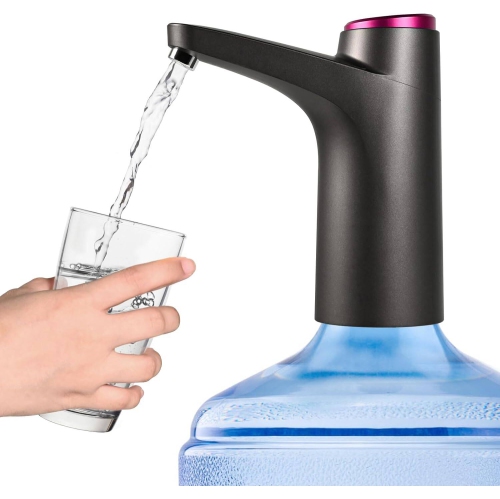
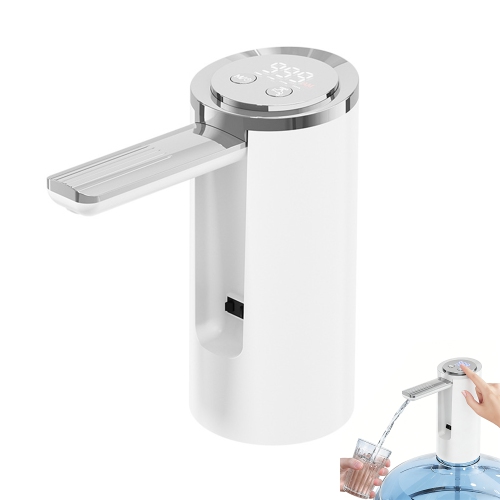
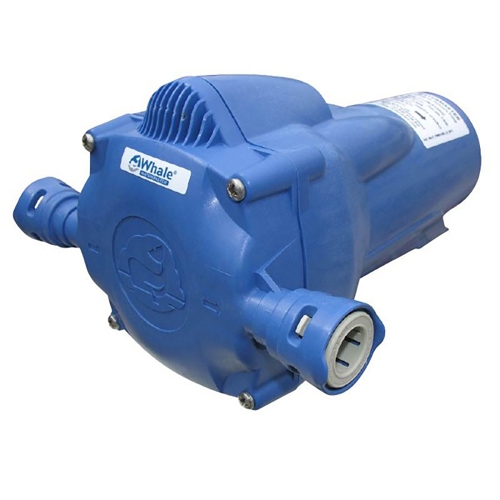
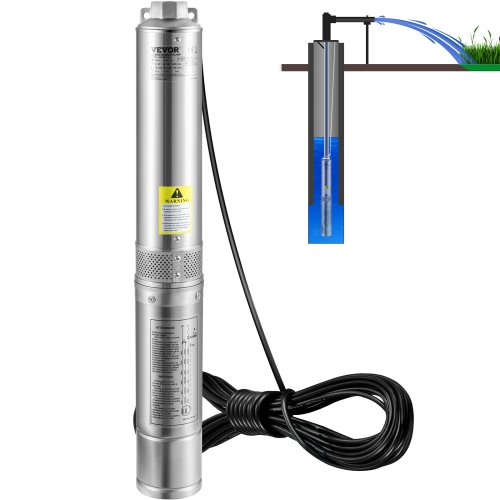
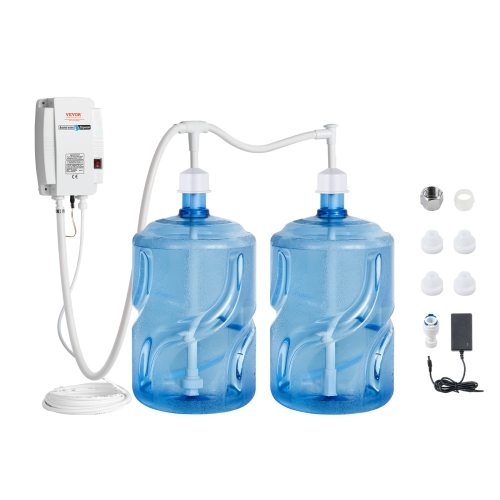
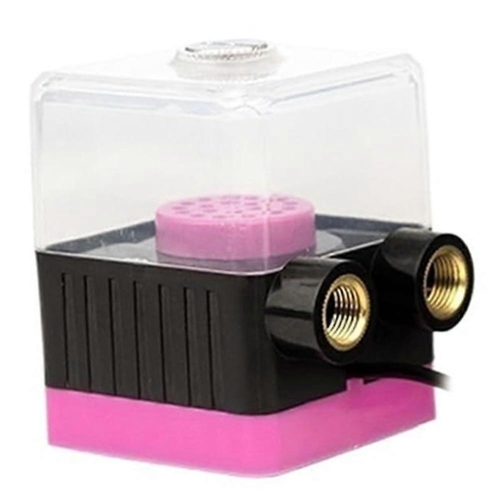
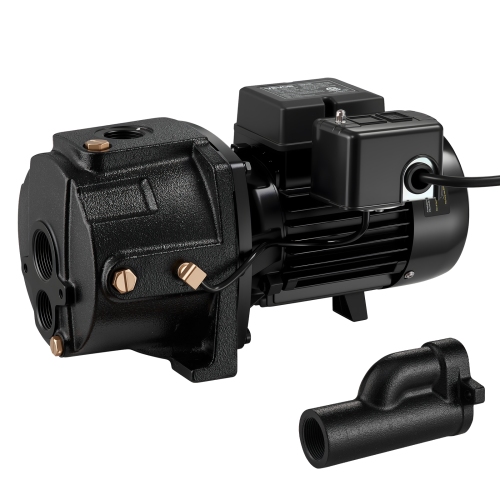
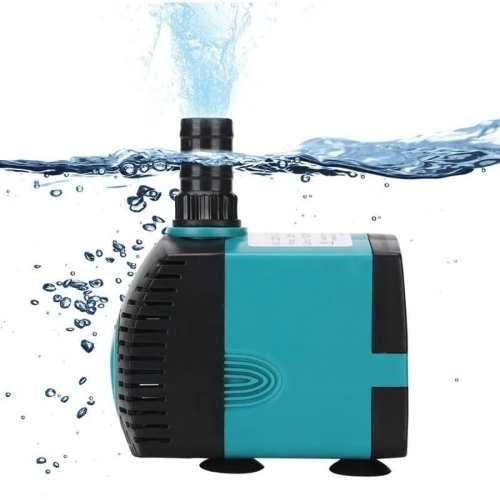
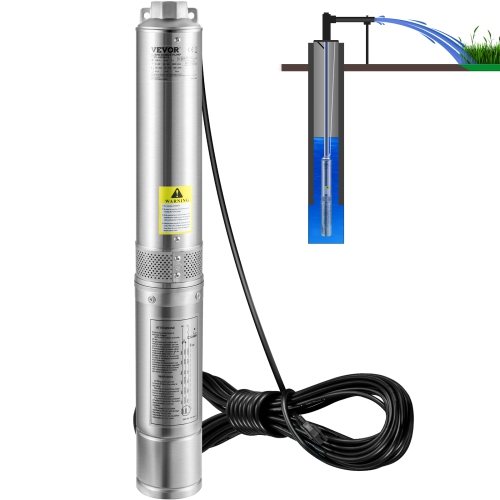
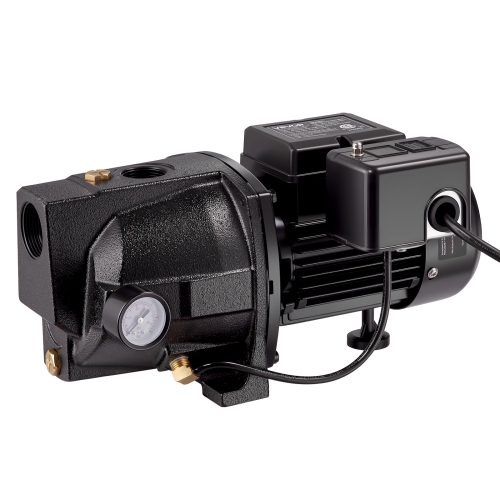
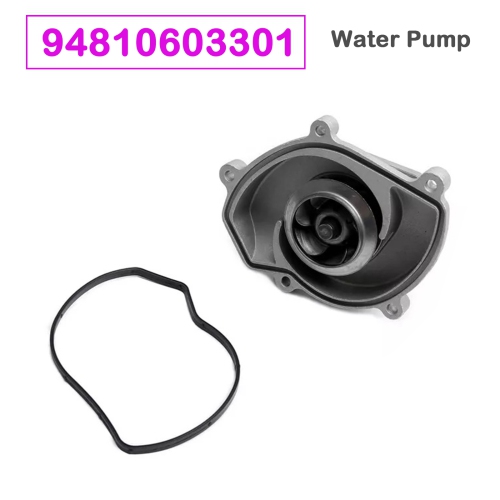
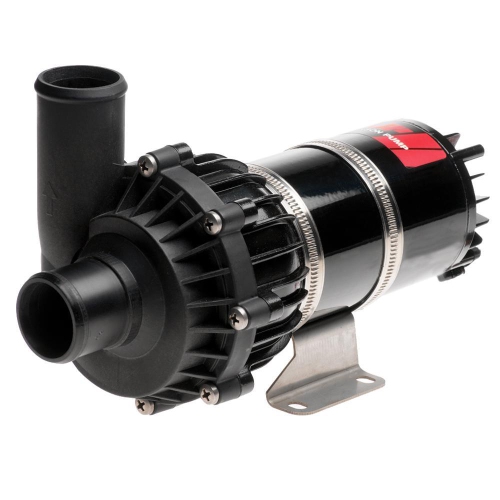
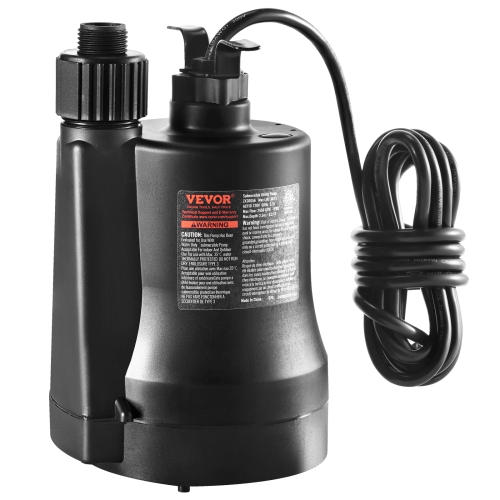
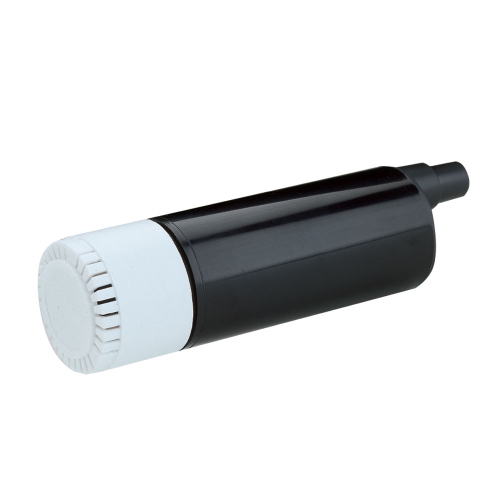
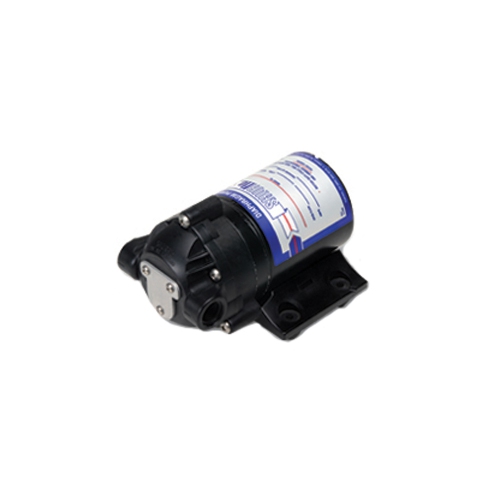
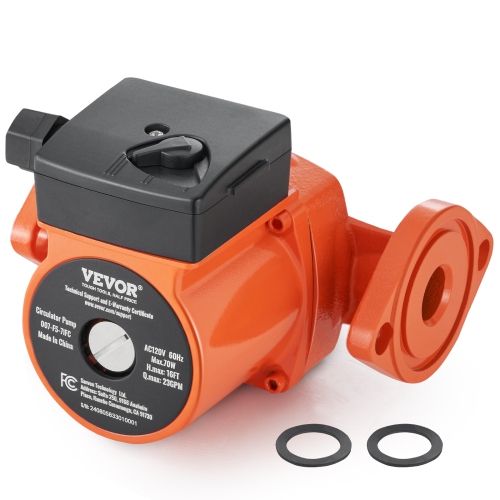
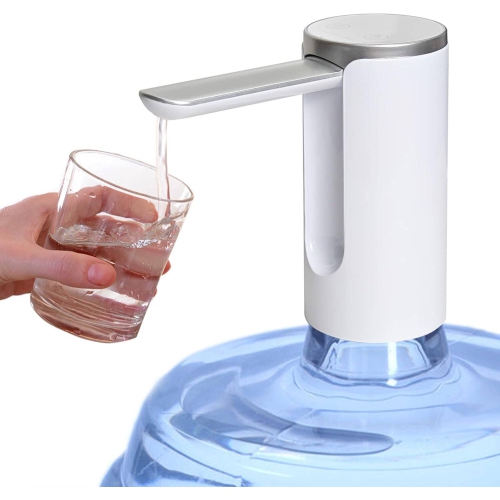
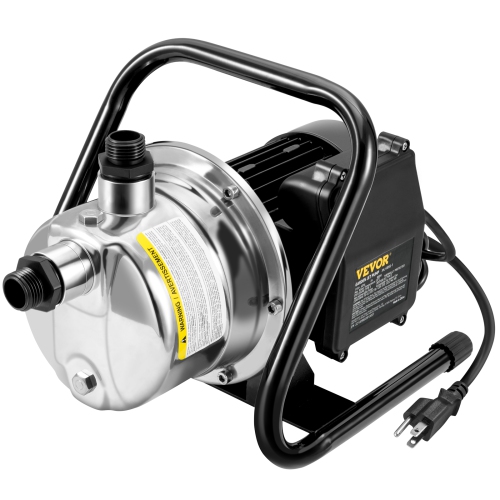
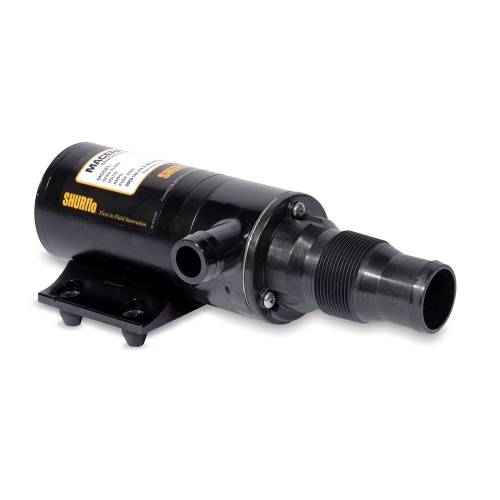
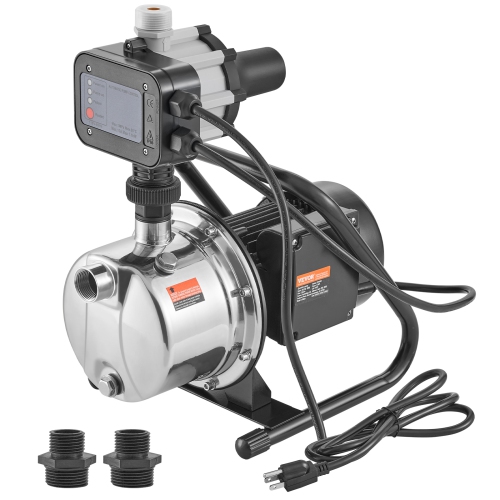
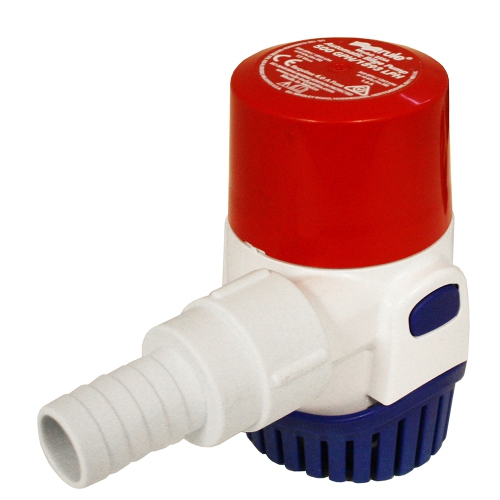
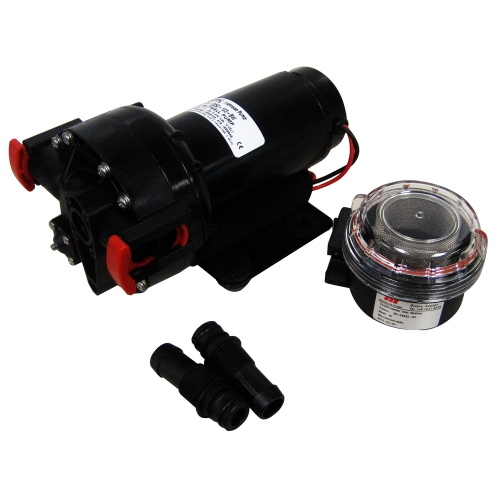
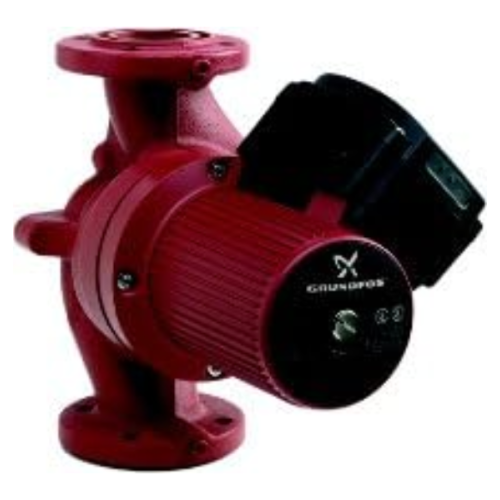
Water pumps help move water where it needs to go, whether you are draining a low-lying area, supplying a building from a well, watering garden beds, or transferring liquid between containers. The right pump depends on the kind of water involved, the distance it must travel, and the height it needs to reach. Submersible pumps are designed to sit fully underwater and are commonly used in drainage pits, wells, reservoirs, ponds, and other deep or enclosed areas. Because the pump is placed directly in the water, it can push liquid upward without relying on a long suction line. Utility and transfer pumps are often portable choices for clearing standing water from a basement, laundry area, pool cover, crawlspace, or flat outdoor surface. They can be useful after heavy rain, during seasonal maintenance, or whenever water collects where it should not. Surface-mounted jet and shallow-well pumps draw water from an underground source and are intended for fresh-water applications where the suction lift falls within the pump’s operating range. Centrifugal pumps use a spinning impeller to create steady flow, making them suitable for many general-purpose transfer and irrigation tasks, while trash pumps are built to handle water containing dirt, leaves, small stones, or other debris. When browsing water pumps, start by identifying the job rather than choosing by appearance alone. A pump intended for clean water may clog or wear quickly when used with muddy water, and a drainage pump may not be suited to supplying household fixtures. Check the pump’s recommended liquid type, maximum flow rate, maximum head height, inlet and outlet size, and power requirements before making a selection.
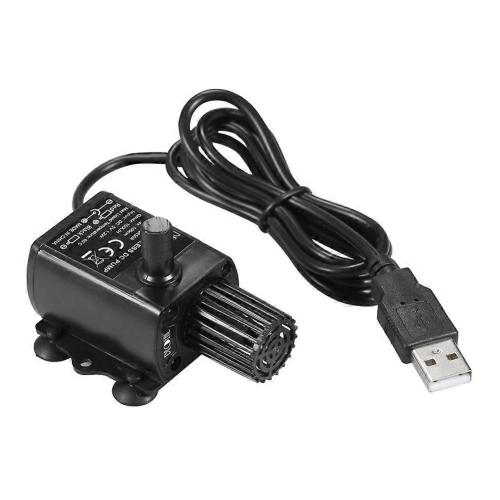
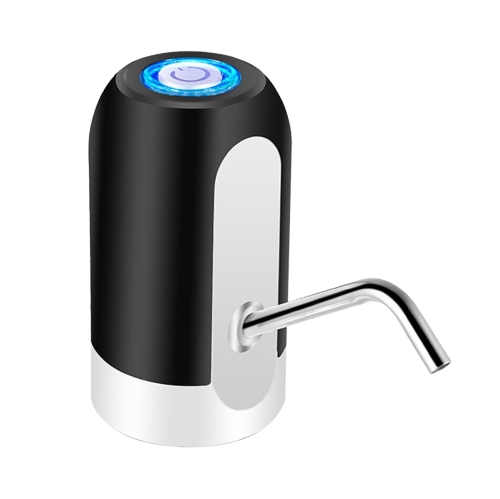
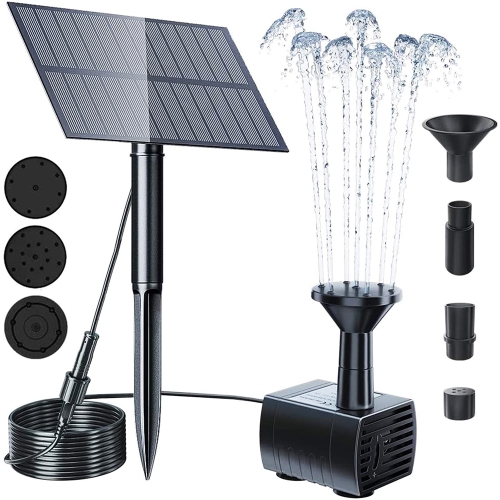
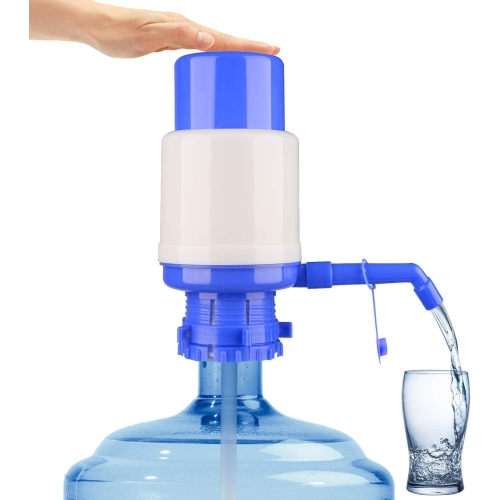
The location of the pump is just as important as the water source. For indoor use, confirm that the area has a suitable grounded electrical connection and that cords, plugs, and controls can be kept away from standing water. Outdoor installations may require weather protection, stable placement, and a power source that is rated for the setting. Some pumps are designed for standard AC power, while others may suit a battery-powered or off-grid setup, so compare the available power source with the pump’s specifications before purchase. Flow rate describes how quickly water can be moved, but the advertised rate is often measured under ideal conditions. Long hoses, narrow pipes, bends, filters, valves, and upward runs can all reduce actual performance. Head height refers to the vertical distance a pump can move water, and the required head should include the rise from the water level to the discharge point, not just the length of the hose across the ground. A pump with a higher maximum rating may provide more useful flow once resistance is taken into account. Also consider whether the pump has an automatic float switch, a thermal overload protector, a priming requirement, or a built-in screen to help prevent larger debris from entering the housing. For wells and other water-supply systems, look for compatibility with the depth and diameter of the source, the pressure needs of the plumbing, and the intended number of outlets. For drainage, think about the lowest water level the pump can remove, how easily it can be carried, and whether the discharge hose can direct water far enough away from the foundation or work area. Gardeners may prefer a compact pump for moving water to raised beds, planters, greenhouse lines, or outdoor containers; a dedicated Garden Water Pump can make routine watering and transfer tasks easier when a hose connection alone is not enough.
Water pumps can be useful for homeowners, cottage owners, gardeners, hobby farmers, contractors, property managers, and anyone responsible for keeping water moving safely and efficiently. During the warmer part of the year, a pump may help with garden watering, pond circulation, pool maintenance, irrigation, or draining outdoor containers, while during the cooler months it can be kept ready for rain, melting snow, plumbing work, or water that collects in garages and lower levels. A portable transfer pump can be a practical addition to a household maintenance kit because it takes up relatively little space and can be brought out when a sudden leak or accumulation needs attention. It may also be a thoughtful gift for someone moving into a rural property, maintaining a seasonal home, expanding a garden, or taking on do-it-yourself renovation projects. Before operating any pump, inspect the housing, cable, fittings, hose, intake screen, and discharge connection for damage or blockage. Place the unit on a stable surface or suspend it as directed, keep the intake clear, and never run a pump outside its stated operating conditions. Submersible units should be fully immersed only as specified, and surface pumps may need proper priming before they can move water. Direct discharge away from foundations, walkways, neighbouring properties, and areas where runoff could cause damage. After use, disconnect the power before cleaning or repositioning the pump, remove trapped debris, drain water from the housing and hose, and store the equipment in a dry location protected from freezing conditions. With the right pump type, adequate capacity, compatible power, and sensible setup, these products can provide dependable support for drainage, irrigation, water transfer, and general property maintenance.
Top selling and popular products
-
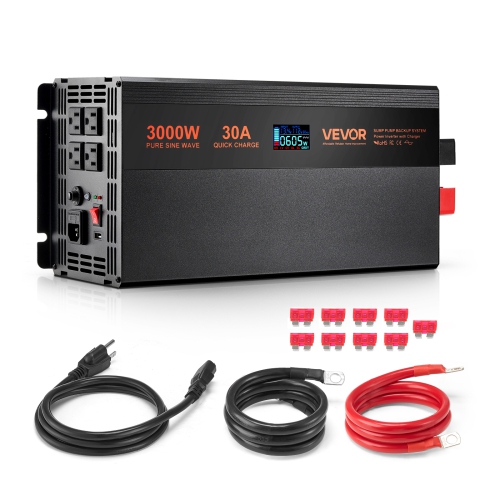 Your price for this item is $364.9
-
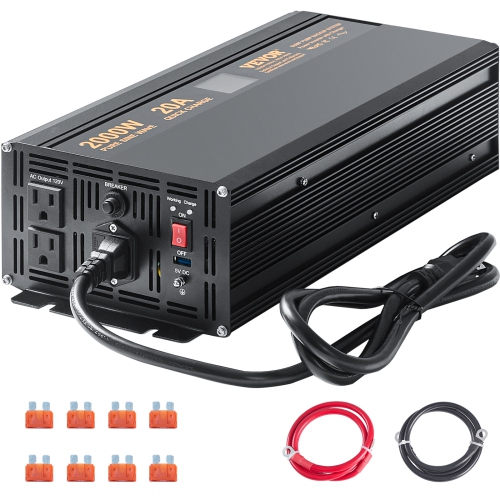 Your price for this item is $263.42
-
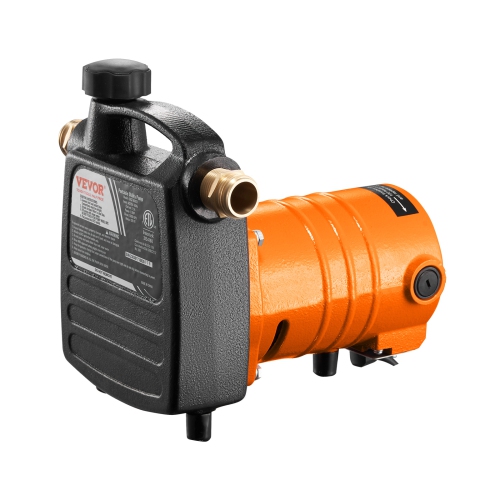 Your price for this item is $164.99
-
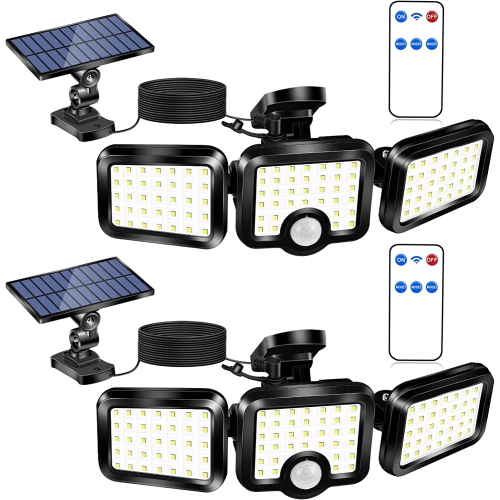 Your price for this item is $39.99
-
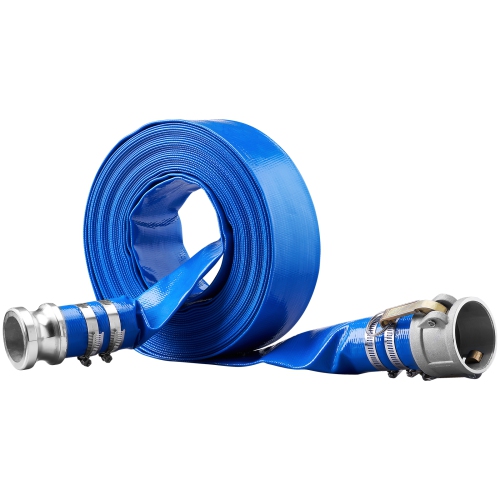 Your price for this item is $52.9
-
 Your price for this item is $37.8
-
 Your price for this item is $268.9
-
 Your price for this item is $50.9
Discover more categories related to Water Pumps

Top Collections:
Pokemon Centers, Best Cameras for Sports Photography, Kindle Devices, Samsung Galaxy Phones, Canon G7X Cameras, Pokémon 30th Celebration Cards, Refurbished Apple Laptops, iPhone 15 Apple, Laptops for Students, Budget Smartphones
Some products may be subject to Environmental Handling Fees
(EHF) depending on your province.
Learn more about EHFs.