Silicone Infant Spoons
Make mealtime a delightful experience for both you and your baby with our collection of silicone infant spoons. Designed with the utmost care and safety in mind, these spoons are perfect for introducing your little one to solid foods. Crafted from soft, food-grade silicone, they are gentle on tender gums while being durable enough to withstand everyday use. The ergonomic handles ensure a comfortable grip for both parents and infants, making feeding time smoother and more enjoyable. Explore our range of vibrant colors and innovative designs to find the perfect utensils that cater to your baby's needs and add a touch of fun to every bite.
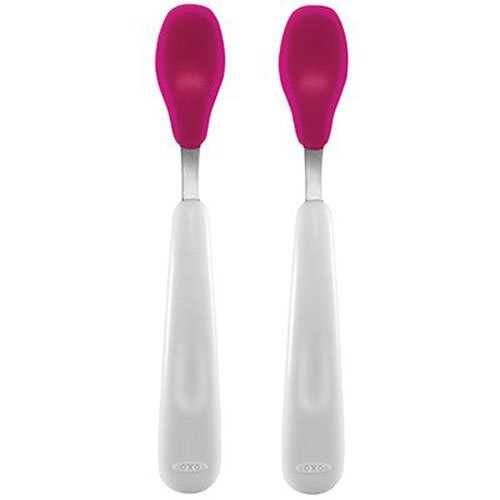
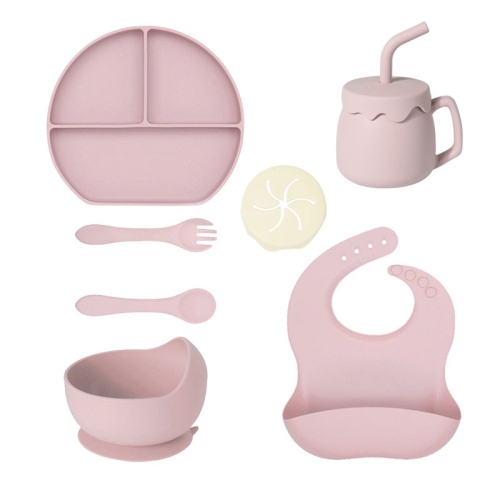
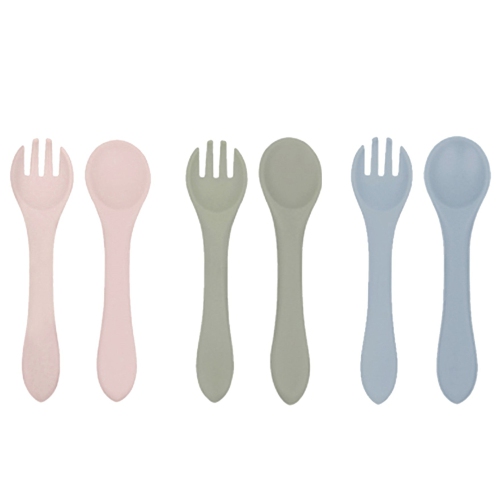
Gentle tools for early tastes and feeding practice
Silicone infant spoons are designed to make the early stages of feeding feel gentler, simpler, and less intimidating for both babies and caregivers. When an infant begins trying purées, mashed foods, or other smooth textures, a full-sized spoon can feel awkward in a small mouth. A silicone spoon typically has a shallow bowl that holds a manageable amount of food and a soft tip that is comfortable against tender gums. This can be especially helpful when new teeth are beginning to appear and the mouth is sensitive. Feeding readiness varies from one baby to another, so caregivers should follow guidance from a health-care professional and look for signs such as being able to sit with support, showing interest in food, and controlling head and neck movements. A spoon can be used by a parent or caregiver for first tastes, then gradually offered to the baby as they learn to bring utensils toward their mouth. Some infants take to spoon feeding immediately, while others prefer to touch, smear, and explore before swallowing much at all. That hands-on stage is a normal part of learning. A soft silicone tip is well suited to these early experiments because it is flexible, quiet against a bowl, and less rigid than metal or hard plastic. For families building a practical feeding collection, Infant Spoons can be useful alongside bibs, suction bowls, cups, and other mealtime essentials. Silicone infant spoons can also make a thoughtful gift for new parents, especially when included in a feeding set for a baby approaching the transition to solids. They are small, easy to store, and useful through a stage when mealtimes can happen at the kitchen table, in a high chair, or while visiting family during the cooler months.
Different spoon designs suit different stages and feeding styles. Standard soft-tip spoons are often the most straightforward choice for caregivers who are introducing smooth purées and want a comfortable handle that is easy to hold during repeated bites. A shallow spoon bowl can help prevent overfilling, while a longer handle may be convenient when reaching into a deeper container or feeding from the front of a high chair. Bendable or adjustable spoons can be helpful for babies who are beginning to practise self-feeding. Their flexible necks may be angled to make it easier for a small hand to bring food toward the mouth, even when the movement is still wobbly and the spoon arrives upside down. Trainer or dipper spoons use a textured or shallow head that picks up a small amount of soft food, allowing a baby to practise gripping and lifting without needing to master a precise scooping motion. These styles are not interchangeable for every child, and some families keep more than one type available as feeding skills develop. When comparing options, consider the size and shape of the spoon bowl, the thickness and grip of the handle, whether the silicone feels soft but sturdy, and how easily the utensil can be cleaned. Look for clear material information, such as food-grade silicone and construction free from BPA, PVC, and phthalates, where those features are specified by the manufacturer. A spoon that is easy to wash is more likely to become part of the daily routine. Dishwasher-safe designs can save time after a meal of mashed banana or oatmeal, while spoons that tolerate boiling-water sterilization may suit families who prefer that cleaning method. Smooth surfaces, minimal crevices, and a securely attached tip can also make it easier to remove food residue. Since babies often drop, chew, and fling utensils from the high chair, having several spoons on hand can be convenient for busy mornings, visits with grandparents, or meals away from home.
Care and supervision are important parts of using silicone infant spoons. Wash a new spoon thoroughly with warm, soapy water before its first use, or follow the manufacturer’s cleaning instructions if it is dishwasher-safe. Inspect the spoon regularly, particularly after it has been chewed, chilled, heated, or washed repeatedly. Discard it at the first sign of cracks, cuts, peeling, loose pieces, or other damage, since worn silicone can create a safety concern and may be harder to clean properly. Some silicone spoons may be chilled or placed in the freezer for a short period to provide a cool surface for sore gums, but caregivers should check the product directions and avoid offering anything that is frozen hard or uncomfortable to the touch. Never leave a baby unattended with a spoon, and do not allow a young child to walk, crawl, or run while holding any utensil. A seated, supervised setting is the safest place for early feeding practice. It is also helpful to serve food at a suitable temperature and to introduce textures gradually according to professional advice. During warmer weather, a clean spoon and a small container of food can make it easier to keep familiar routines while visiting friends or spending time outdoors; during cooler months, a few spare spoons tucked into a diaper bag can be just as useful for meals at home or away. The best silicone infant spoon is one that matches the baby’s stage, feels comfortable in the caregiver’s hand, stands up to frequent cleaning, and supports calm, unrushed practice. Early feeding can be messy, with a little food on the spoon, a little on the tray, and plenty on the baby’s cheeks, but a well-chosen utensil helps make those everyday moments more manageable.
Different spoon designs suit different stages and feeding styles. Standard soft-tip spoons are often the most straightforward choice for caregivers who are introducing smooth purées and want a comfortable handle that is easy to hold during repeated bites. A shallow spoon bowl can help prevent overfilling, while a longer handle may be convenient when reaching into a deeper container or feeding from the front of a high chair. Bendable or adjustable spoons can be helpful for babies who are beginning to practise self-feeding. Their flexible necks may be angled to make it easier for a small hand to bring food toward the mouth, even when the movement is still wobbly and the spoon arrives upside down. Trainer or dipper spoons use a textured or shallow head that picks up a small amount of soft food, allowing a baby to practise gripping and lifting without needing to master a precise scooping motion. These styles are not interchangeable for every child, and some families keep more than one type available as feeding skills develop. When comparing options, consider the size and shape of the spoon bowl, the thickness and grip of the handle, whether the silicone feels soft but sturdy, and how easily the utensil can be cleaned. Look for clear material information, such as food-grade silicone and construction free from BPA, PVC, and phthalates, where those features are specified by the manufacturer. A spoon that is easy to wash is more likely to become part of the daily routine. Dishwasher-safe designs can save time after a meal of mashed banana or oatmeal, while spoons that tolerate boiling-water sterilization may suit families who prefer that cleaning method. Smooth surfaces, minimal crevices, and a securely attached tip can also make it easier to remove food residue. Since babies often drop, chew, and fling utensils from the high chair, having several spoons on hand can be convenient for busy mornings, visits with grandparents, or meals away from home.
Care and supervision are important parts of using silicone infant spoons. Wash a new spoon thoroughly with warm, soapy water before its first use, or follow the manufacturer’s cleaning instructions if it is dishwasher-safe. Inspect the spoon regularly, particularly after it has been chewed, chilled, heated, or washed repeatedly. Discard it at the first sign of cracks, cuts, peeling, loose pieces, or other damage, since worn silicone can create a safety concern and may be harder to clean properly. Some silicone spoons may be chilled or placed in the freezer for a short period to provide a cool surface for sore gums, but caregivers should check the product directions and avoid offering anything that is frozen hard or uncomfortable to the touch. Never leave a baby unattended with a spoon, and do not allow a young child to walk, crawl, or run while holding any utensil. A seated, supervised setting is the safest place for early feeding practice. It is also helpful to serve food at a suitable temperature and to introduce textures gradually according to professional advice. During warmer weather, a clean spoon and a small container of food can make it easier to keep familiar routines while visiting friends or spending time outdoors; during cooler months, a few spare spoons tucked into a diaper bag can be just as useful for meals at home or away. The best silicone infant spoon is one that matches the baby’s stage, feels comfortable in the caregiver’s hand, stands up to frequent cleaning, and supports calm, unrushed practice. Early feeding can be messy, with a little food on the spoon, a little on the tray, and plenty on the baby’s cheeks, but a well-chosen utensil helps make those everyday moments more manageable.
Top selling and popular products
-
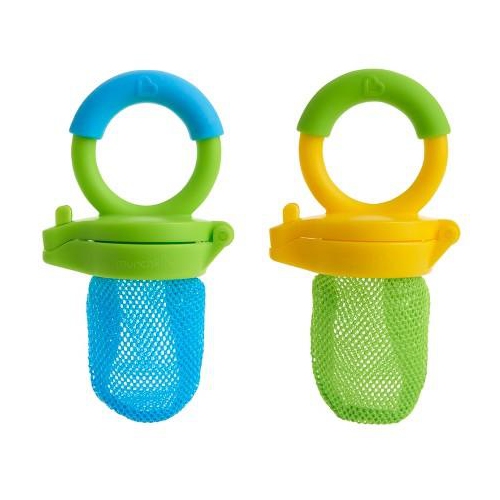 Your price for this item is $23.97
 -
 Your price for this item is $19.99
 -
 Your price for this item is $30.11
 -
 Your price for this item is $59.99
 -
 Your price for this item is $71.93
 -
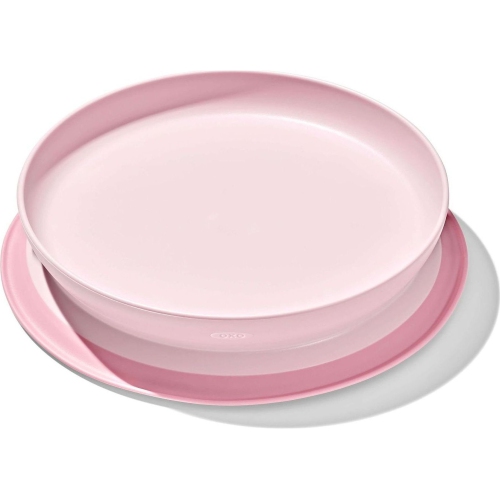 Your price for this item is $19.99
 -
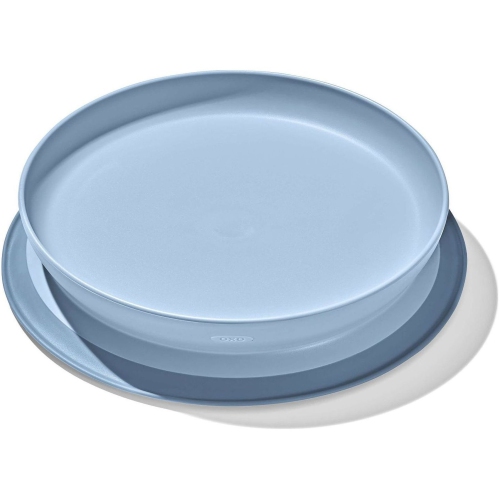 Your price for this item is $19.99
 -
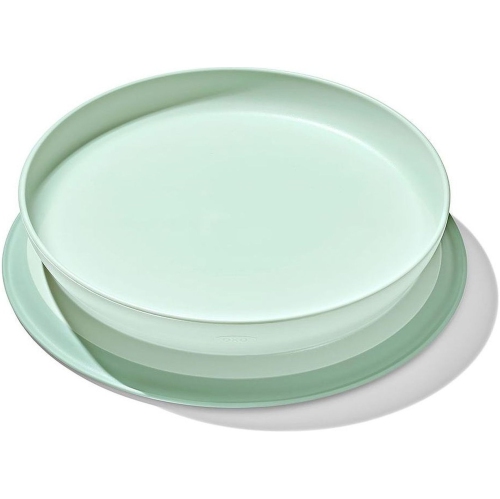 Your price for this item is $19.99
Discover more categories related to Silicone Infant Spoons
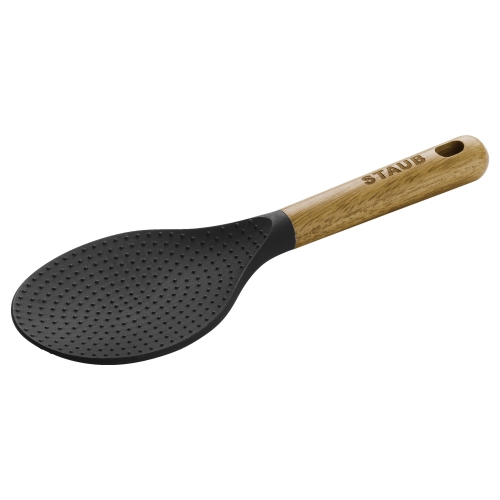
Top Collections:
Pokemon Centers, Kindle Devices, Best Budget Office Chairs, Apple iPhones 16, Canon G7X Cameras, iPhone 15 Apple, Alarm Clock, Refurbished Apple Laptops, Flip Phones, Best Laptops for Writers
Some products may be subject to Environmental Handling Fees
(EHF) depending on your province.
Learn more about EHFs.