Sport Booster Car Seats
Sports booster car seats are designed to provide enhanced comfort and safety for children while they are in the car. These seats are designed to meet the unique needs of active children and are often used for long trips or sports-related activities. Here are some great options available.
Sort
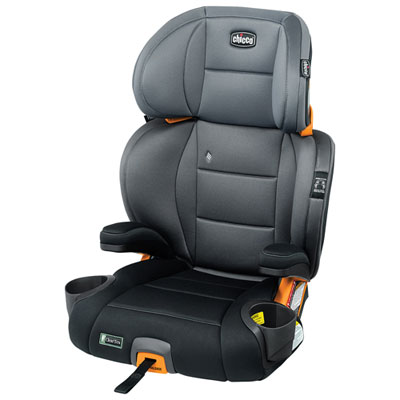
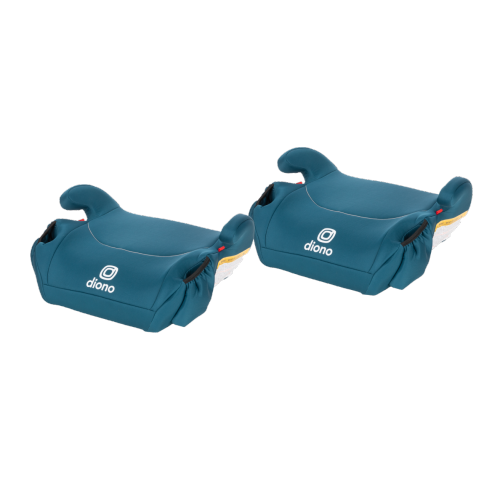
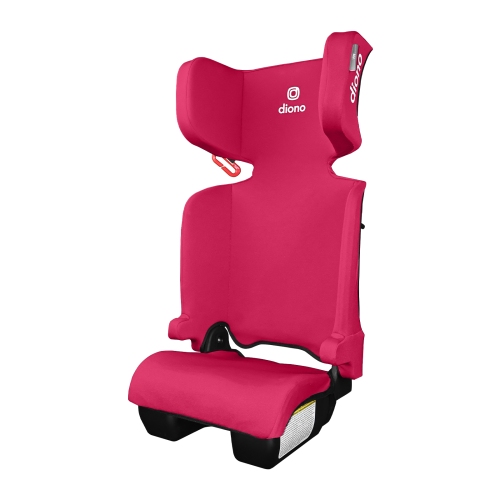
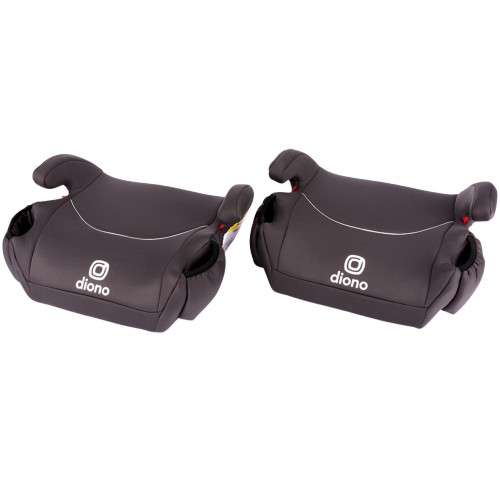
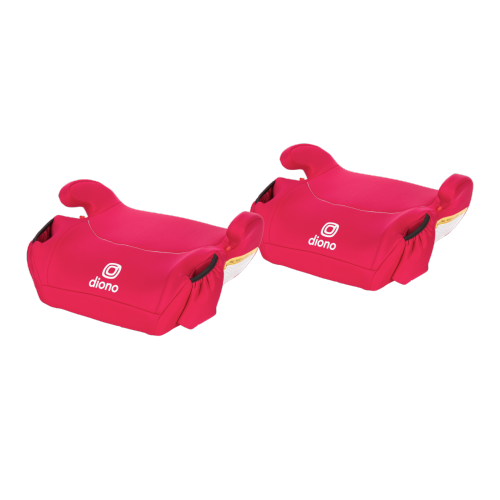
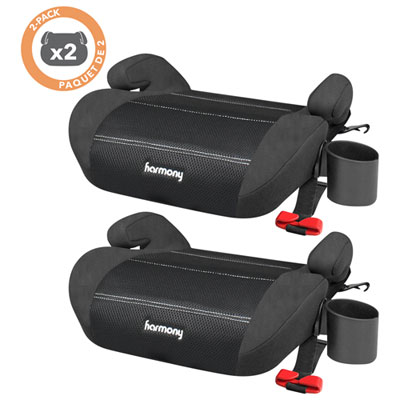
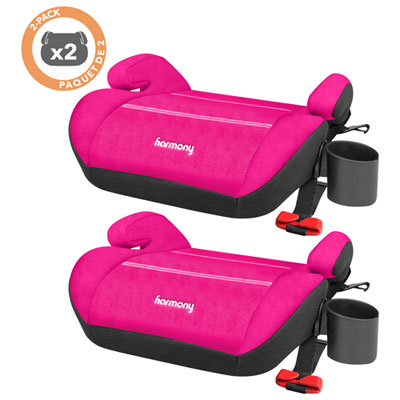
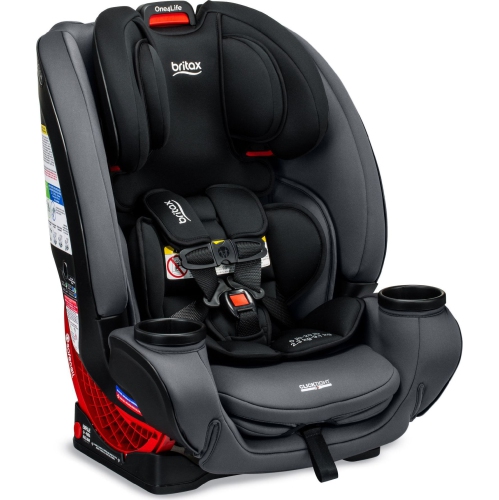

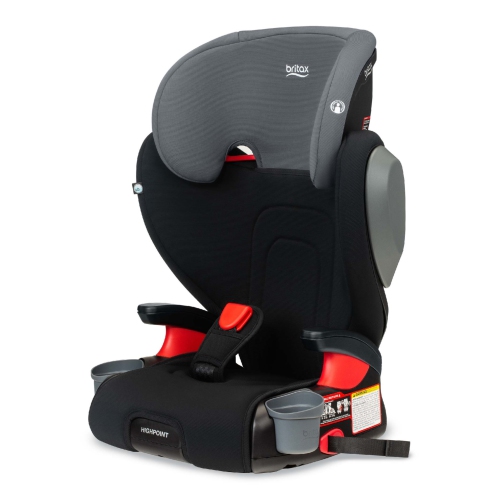
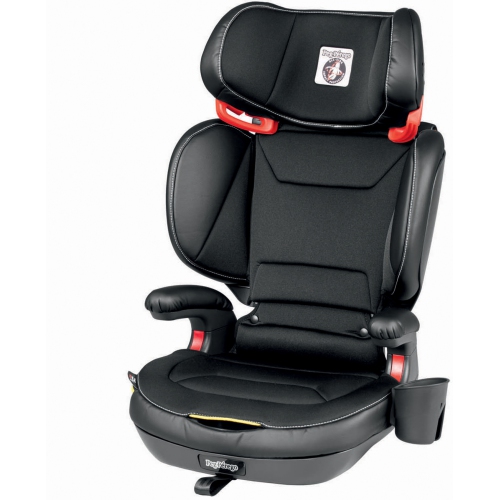
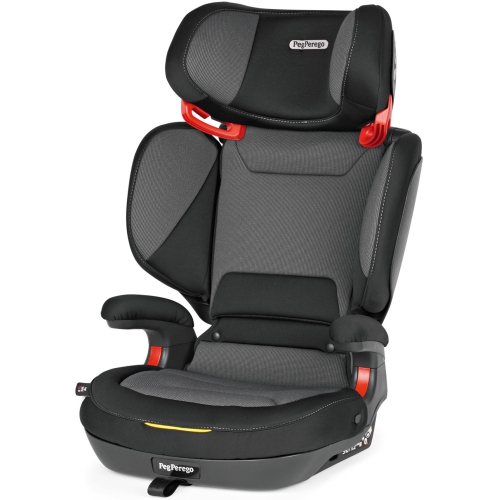
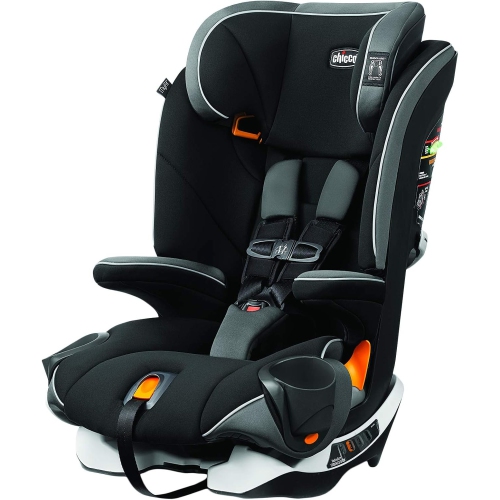
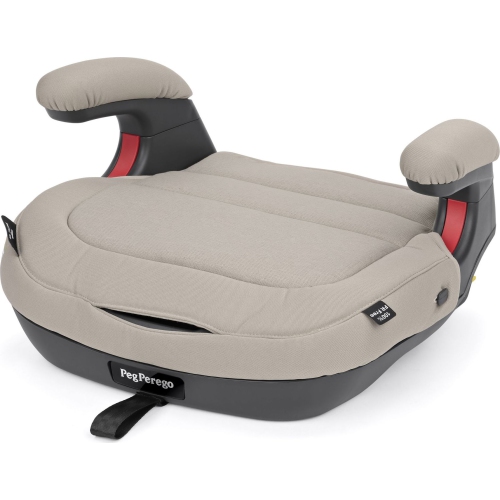
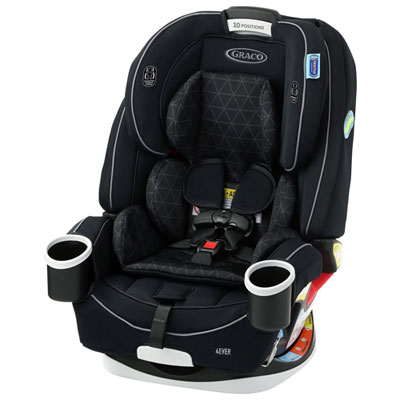

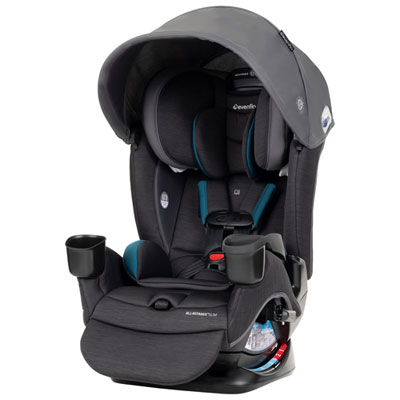
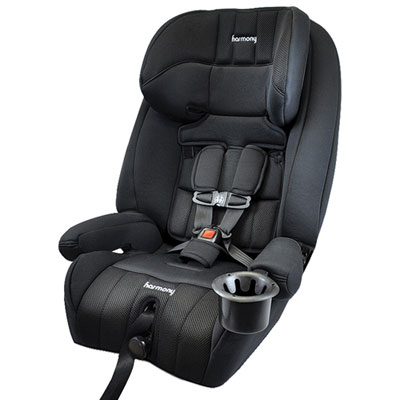
Supportive seating for growing children on everyday journeys
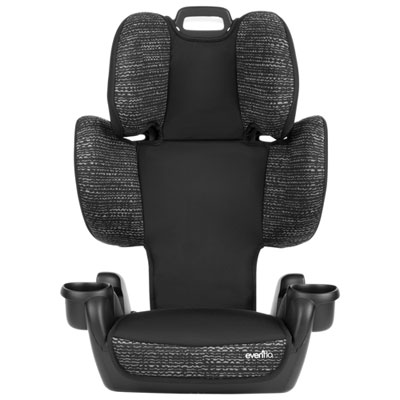
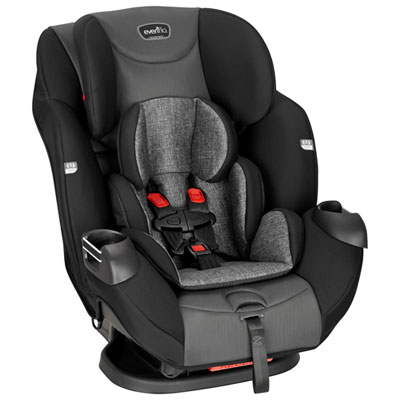
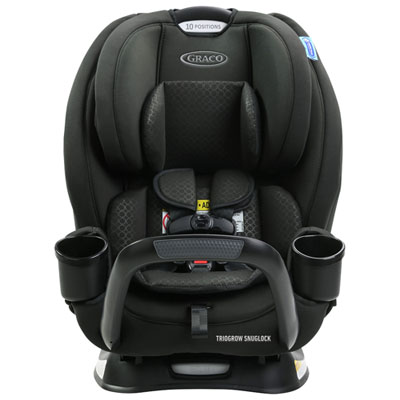
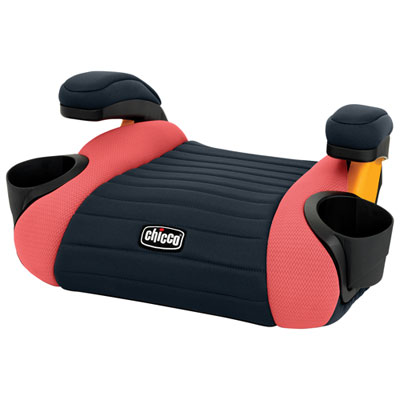
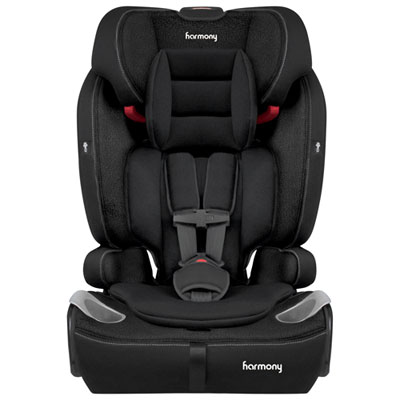
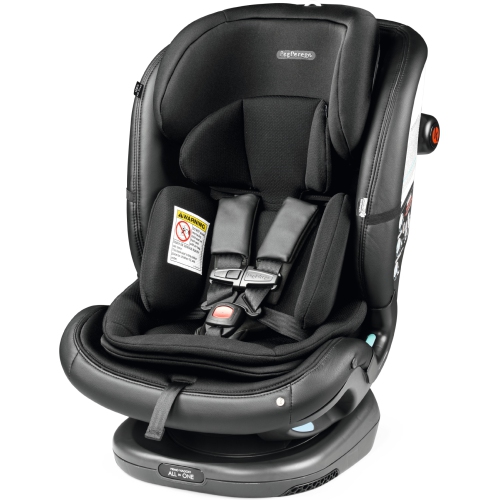
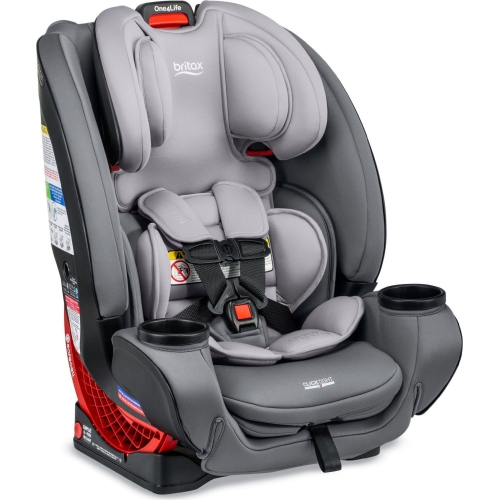
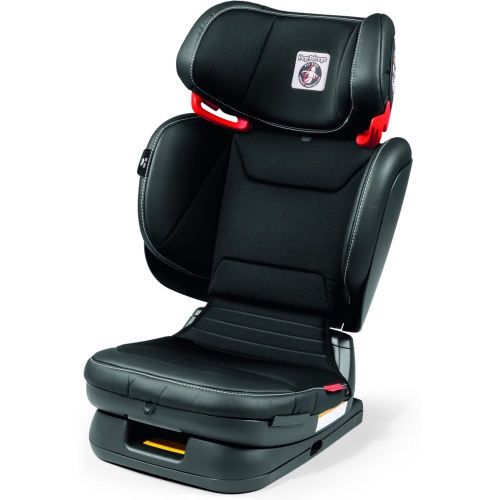
Sport booster car seats are designed for growing children who still need extra support to sit at the correct height for a vehicle’s seat belt. The word “sport” generally refers to the energetic styling, colour choices, or streamlined shape of these seats rather than a different type of restraint, so the most important considerations remain fit, comfort, adjustability, and proper installation. Many sport booster car seats are forward-facing 2-in-1 models that begin with a 5-point harness and later convert to a high-back belt-positioning booster. This type of design can be useful for families who want one seat to support several stages of growth, provided the child meets the manufacturer’s minimum and maximum requirements for each mode. Harness limits often begin around 22 to 40 lb, while belt-positioning booster modes may accommodate children up to approximately 57 inches tall, though specifications vary by model. Age alone should not determine the right seat. A child’s weight, height, maturity, and ability to sit upright for the entire journey all matter. Young children who can unbuckle themselves, lean forward, tuck the shoulder belt behind their back, or move out of position may not yet be ready to use a belt-positioning booster without a harness. Always review the seat’s manual and your vehicle’s owner’s manual before installation, and check the child-restraint requirements that apply in your province or territory. A booster seat is ready to be used without the harness only when the child fits the manufacturer’s stated limits and can remain correctly positioned from driveway to destination.
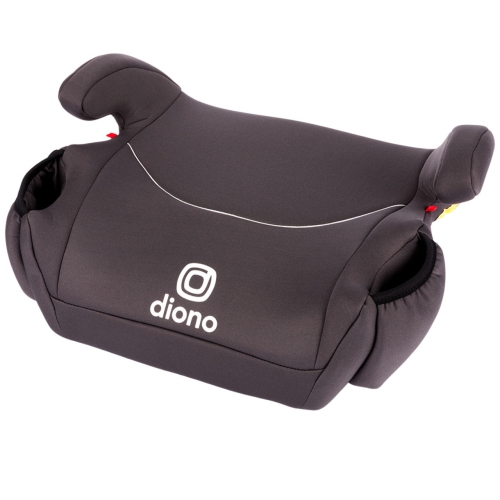
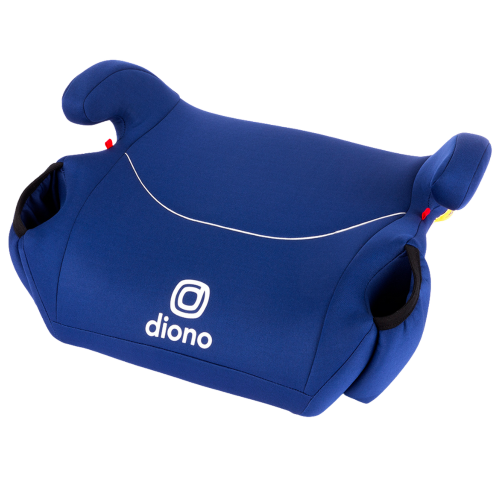
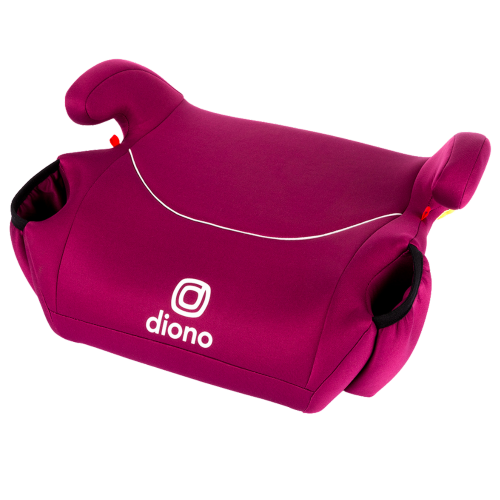
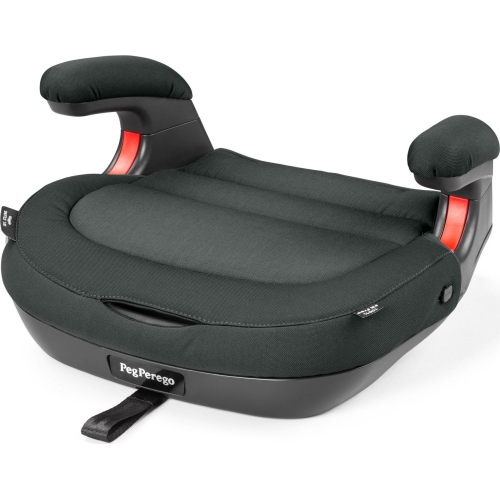
A high-back booster helps raise a child so the vehicle’s lap and shoulder belts rest over the strongest parts of the body. The lap belt should lie low and snug across the hips or upper thighs, never across the stomach, while the shoulder belt should cross the chest and rest comfortably on the shoulder without touching the neck or slipping off the arm. Adjustable headrests and back positions can make it easier to maintain this fit as a child grows taller, and they can provide a more comfortable place to rest during longer drives. Look for a seat that sits securely on the vehicle bench, has clear belt-routing guides, and allows the belt to move freely without twisting. Some sport booster car seats include integrated cup holders, which are handy for a water bottle, juice box, or small snack during school runs and road trips. Removable, machine-washable covers are also worth considering because car seats often encounter crumbs, muddy clothing, spilled drinks, and the occasional sticky treat. Before buying, measure the available space in the back seat and consider whether other passengers or car seats need to sit beside it. A narrow profile may be helpful in a smaller vehicle, while extra side support and generous padding can make a difference for children who spend a great deal of time travelling. If the seat will be moved between vehicles, check its weight and installation process so switching between a family car, a grandparent’s vehicle, or a caregiver’s vehicle is manageable. Lower anchors, when available and permitted for the mode being used, may help hold the booster in place when the child is getting in or out, but the vehicle’s seat belt must still be routed correctly around the child. The seat should never be used in a position with an incompatible belt arrangement, and children should ride in the back seat whenever possible.
Sport booster car seats can be a practical choice for everyday family travel, from morning drop-offs and after-school activities to visits with relatives during the cooler months. They may also be a thoughtful gift for a growing child who is moving beyond a larger harnessed seat but still needs help achieving a safe seat-belt fit. Relatives who regularly drive a grandchild, families preparing for a new carpool routine, and caregivers looking for a dedicated seat for their vehicle may appreciate the convenience of a convertible harness-to-booster design. When giving one as a gift, it is helpful to confirm the child’s current height and weight, the type of vehicle involved, and whether the family has a preference for a harnessed or belt-positioning mode. A bright, sporty appearance may appeal to an older child, but the seat should fit the child and vehicle first. Comfort becomes especially noticeable on longer drives: supportive padding, a well-positioned headrest, and space for the child’s shoulders can help them stay seated correctly instead of slouching or leaning toward the window. As children grow, periodically reassess the shoulder-belt position, headrest height, and overall fit rather than assuming the original setup will remain suitable. Replace a seat after a collision according to the manufacturer’s instructions, and inspect it regularly for damaged buckles, frayed components, missing parts, or an expired service life. Families comparing options may also wish to browse Good Booster Seats to explore additional booster-seat styles and features. The right sport booster car seat should suit the child’s current stage, provide a dependable belt fit, work with the vehicle’s seating position, and make everyday journeys feel orderly and comfortable for everyone in the car.
A high-back booster helps raise a child so the vehicle’s lap and shoulder belts rest over the strongest parts of the body. The lap belt should lie low and snug across the hips or upper thighs, never across the stomach, while the shoulder belt should cross the chest and rest comfortably on the shoulder without touching the neck or slipping off the arm. Adjustable headrests and back positions can make it easier to maintain this fit as a child grows taller, and they can provide a more comfortable place to rest during longer drives. Look for a seat that sits securely on the vehicle bench, has clear belt-routing guides, and allows the belt to move freely without twisting. Some sport booster car seats include integrated cup holders, which are handy for a water bottle, juice box, or small snack during school runs and road trips. Removable, machine-washable covers are also worth considering because car seats often encounter crumbs, muddy clothing, spilled drinks, and the occasional sticky treat. Before buying, measure the available space in the back seat and consider whether other passengers or car seats need to sit beside it. A narrow profile may be helpful in a smaller vehicle, while extra side support and generous padding can make a difference for children who spend a great deal of time travelling. If the seat will be moved between vehicles, check its weight and installation process so switching between a family car, a grandparent’s vehicle, or a caregiver’s vehicle is manageable. Lower anchors, when available and permitted for the mode being used, may help hold the booster in place when the child is getting in or out, but the vehicle’s seat belt must still be routed correctly around the child. The seat should never be used in a position with an incompatible belt arrangement, and children should ride in the back seat whenever possible.
Sport booster car seats can be a practical choice for everyday family travel, from morning drop-offs and after-school activities to visits with relatives during the cooler months. They may also be a thoughtful gift for a growing child who is moving beyond a larger harnessed seat but still needs help achieving a safe seat-belt fit. Relatives who regularly drive a grandchild, families preparing for a new carpool routine, and caregivers looking for a dedicated seat for their vehicle may appreciate the convenience of a convertible harness-to-booster design. When giving one as a gift, it is helpful to confirm the child’s current height and weight, the type of vehicle involved, and whether the family has a preference for a harnessed or belt-positioning mode. A bright, sporty appearance may appeal to an older child, but the seat should fit the child and vehicle first. Comfort becomes especially noticeable on longer drives: supportive padding, a well-positioned headrest, and space for the child’s shoulders can help them stay seated correctly instead of slouching or leaning toward the window. As children grow, periodically reassess the shoulder-belt position, headrest height, and overall fit rather than assuming the original setup will remain suitable. Replace a seat after a collision according to the manufacturer’s instructions, and inspect it regularly for damaged buckles, frayed components, missing parts, or an expired service life. Families comparing options may also wish to browse Good Booster Seats to explore additional booster-seat styles and features. The right sport booster car seat should suit the child’s current stage, provide a dependable belt fit, work with the vehicle’s seating position, and make everyday journeys feel orderly and comfortable for everyone in the car.
Top selling and popular products
-
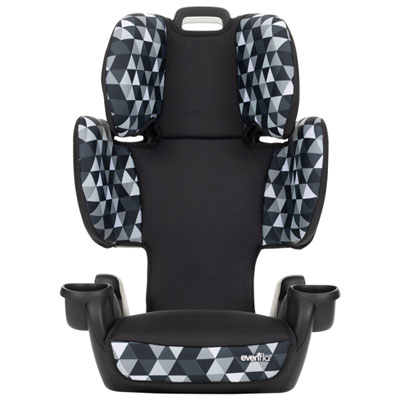 Your price for this item is $119.99
 -
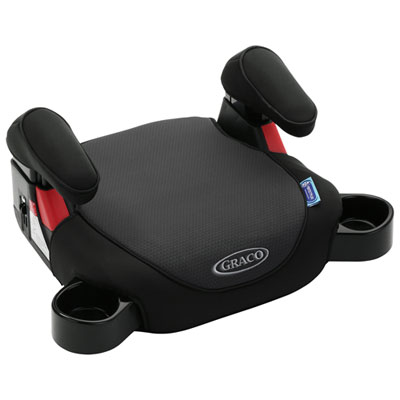 Your price for this item is $69.99
 -
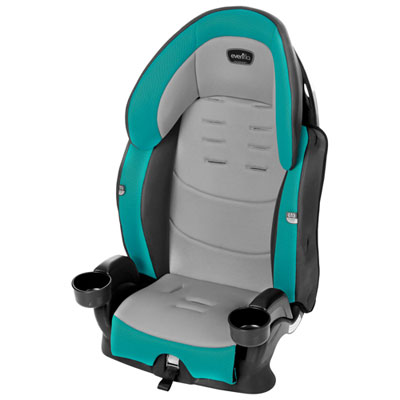 Your price for this item is $169.99
 -
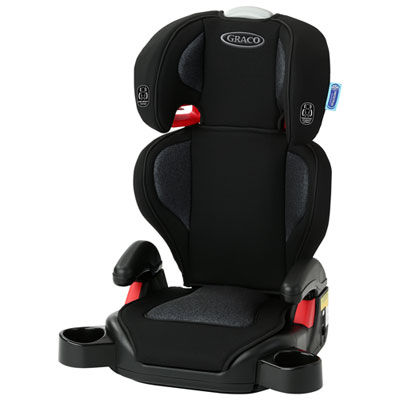 Your price for this item is $129.99
 -
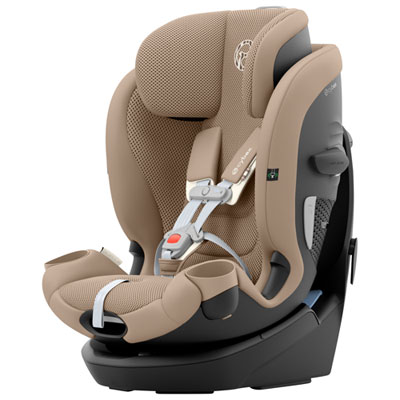 Your price for this item is $999.99
 -
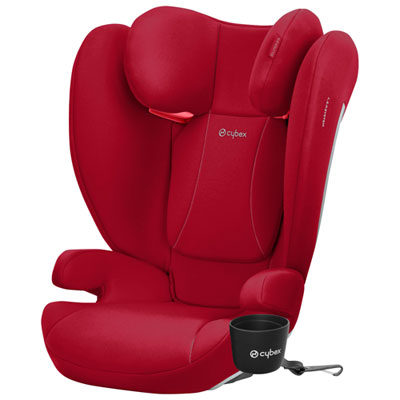 Your price for this item is $99.99
 -
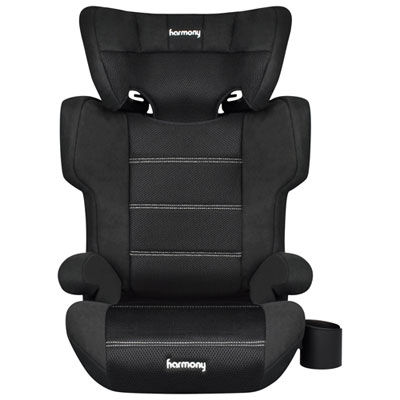 Your price for this item is $99.99
 -
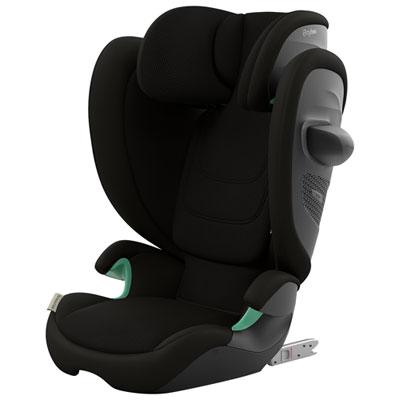 Your price for this item is $399.99
Discover more categories related to Sport Booster Car Seats

Top Collections:
Pokemon Centers, Kindle Devices, Best Budget Office Chairs, Apple iPhones 16, Canon G7X Cameras, iPhone 15 Apple, Alarm Clock, Refurbished Apple Laptops, Flip Phones, Best Laptops for Writers
Some products may be subject to Environmental Handling Fees
(EHF) depending on your province.
Learn more about EHFs.