Good Booster Seats
Booster seats are a great way to keep your child safe and secure in the car. They can also be a great way to help them fit better in the seat. But with so many booster seats on the market, how do you know which one is right for your family? We've done some research and testing of our own to find out which are the best booster seats for your family.
Sort
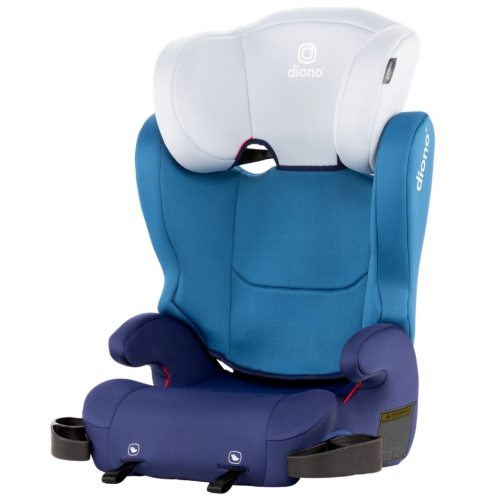
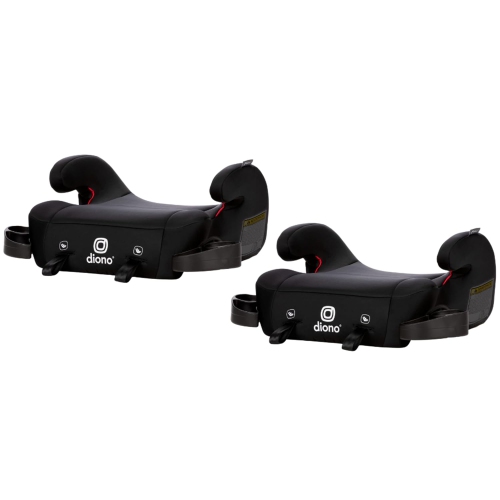
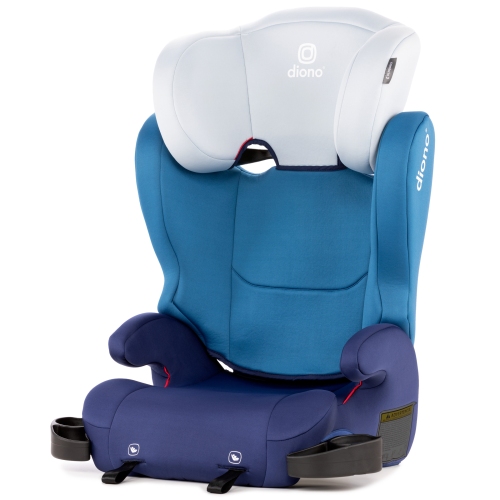
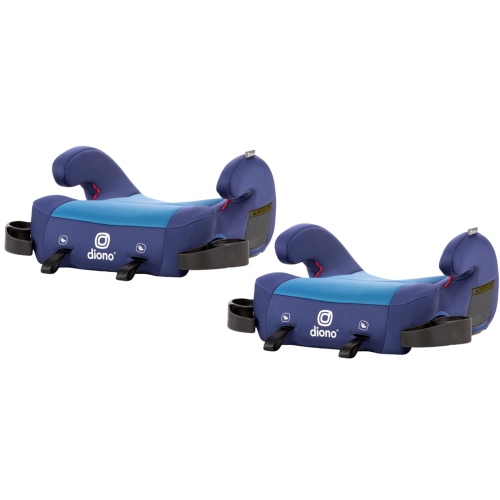
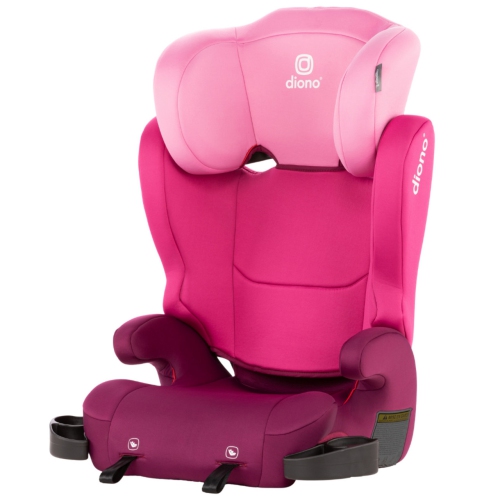
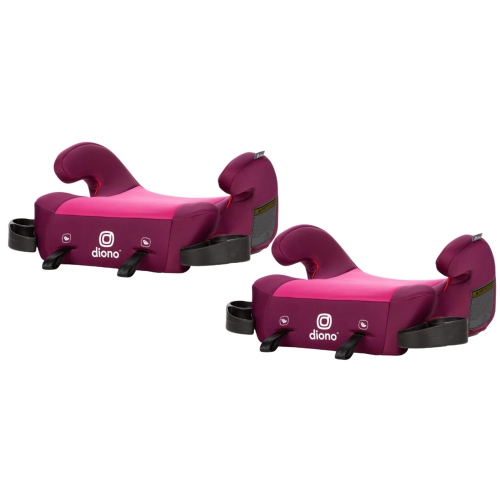
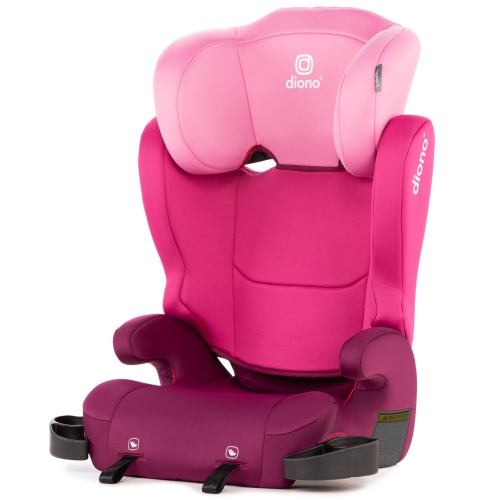
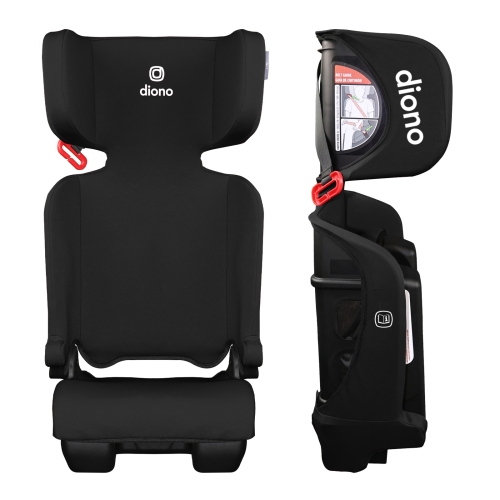
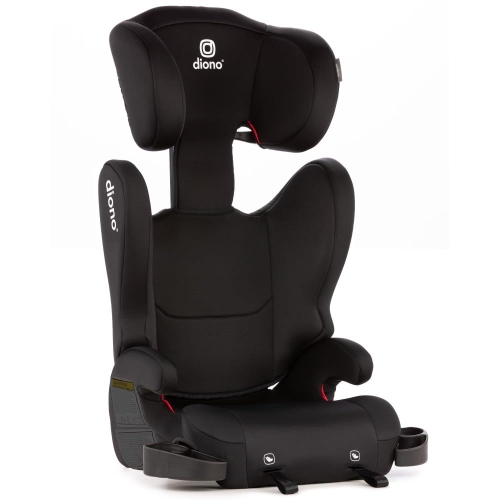
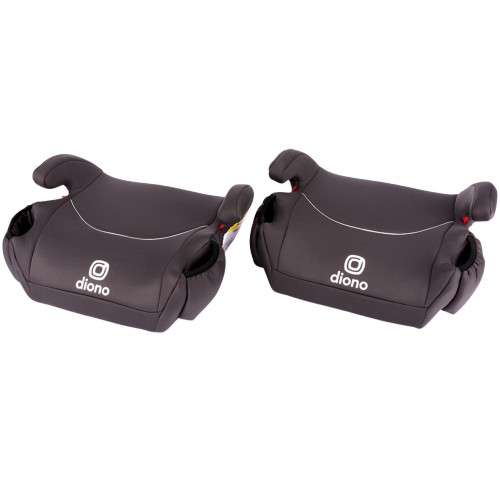
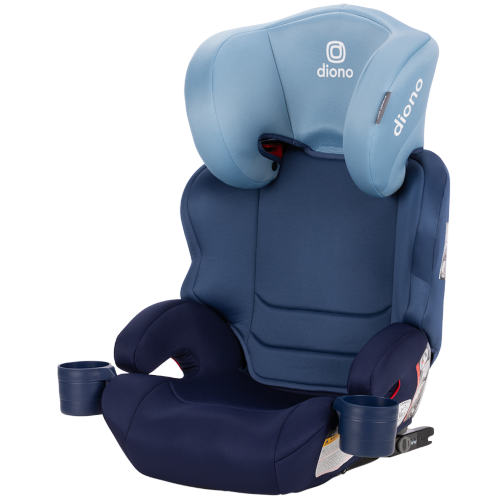
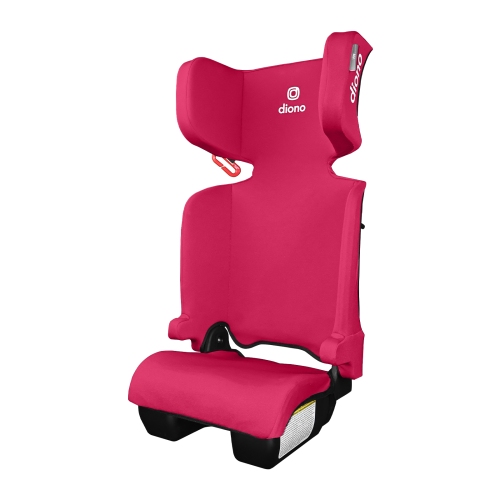
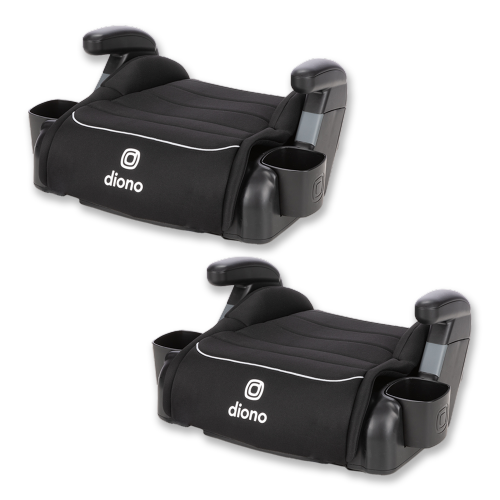
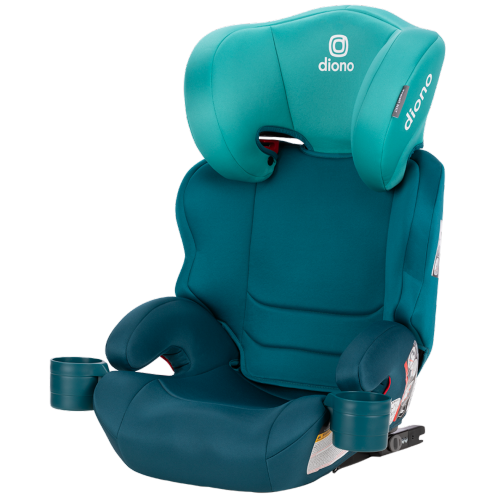
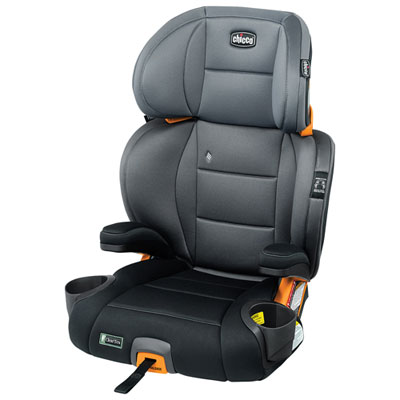
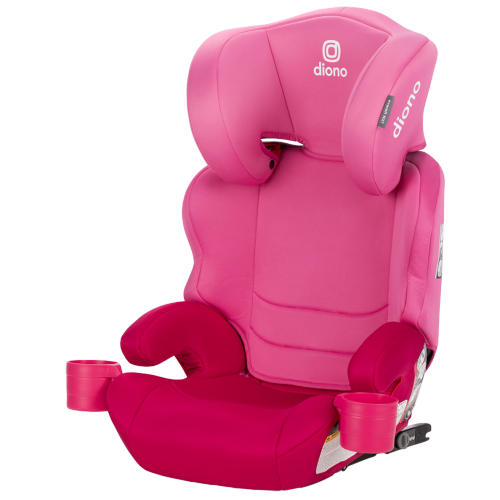
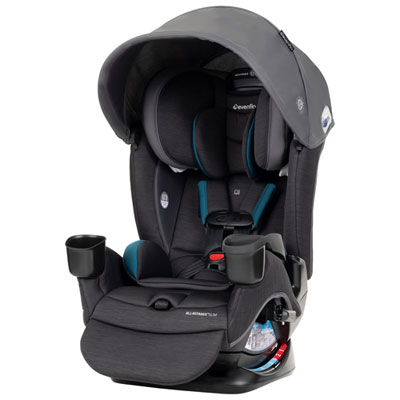
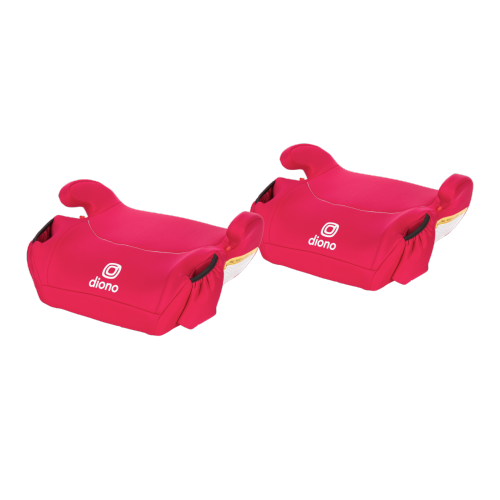
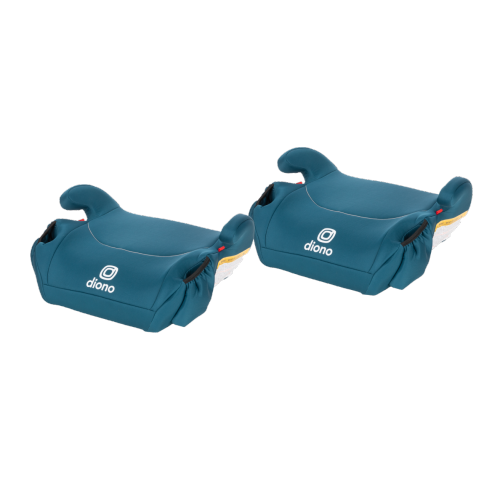
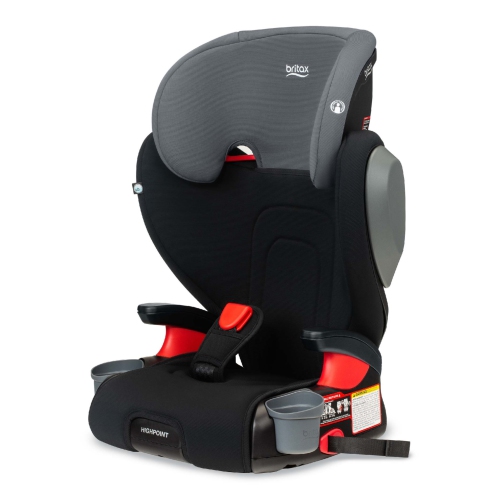
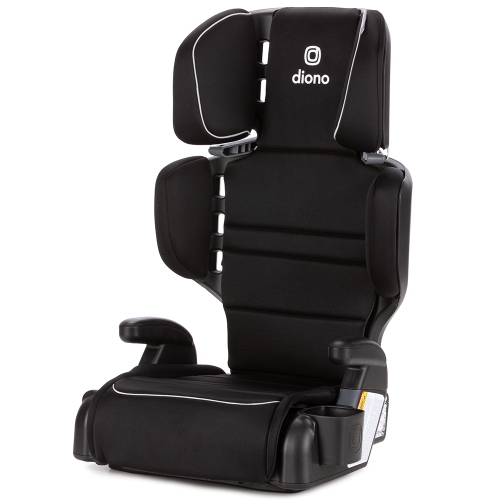
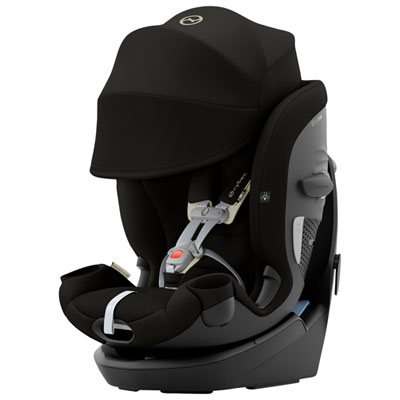
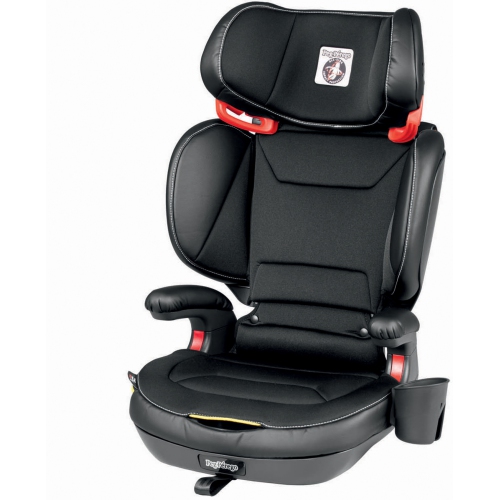
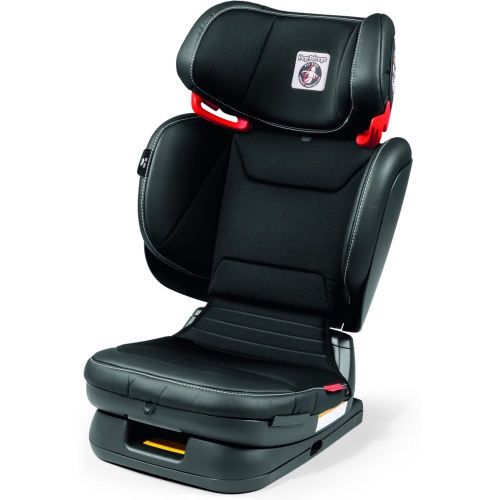
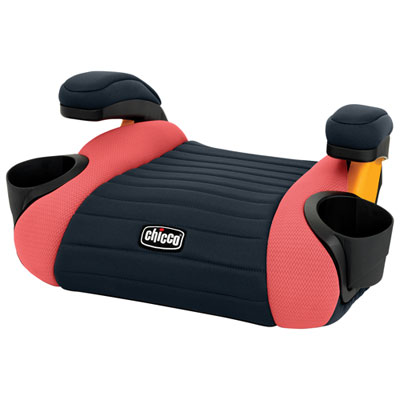
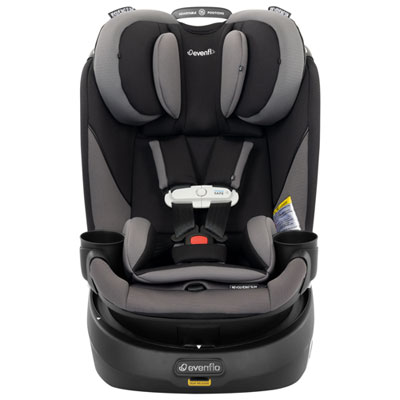
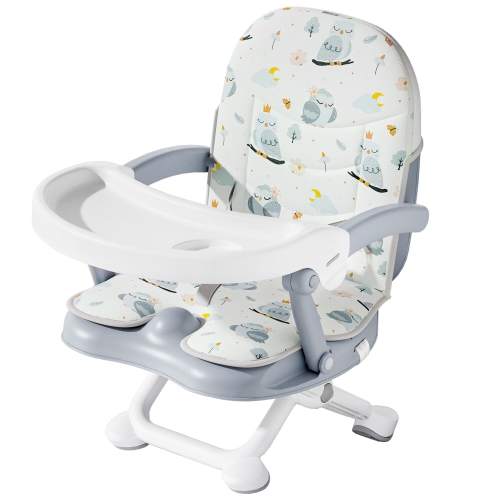
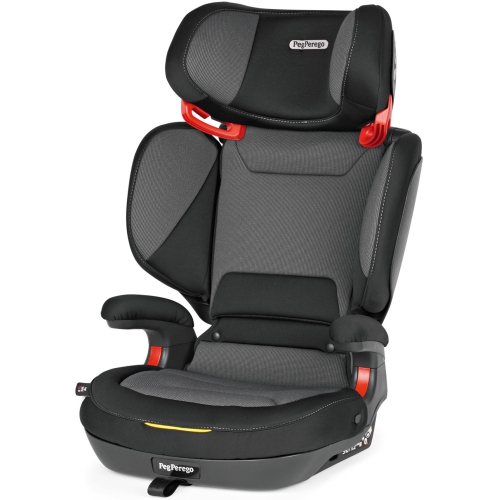
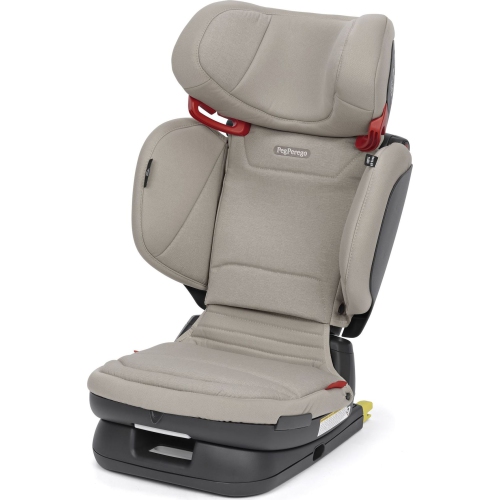

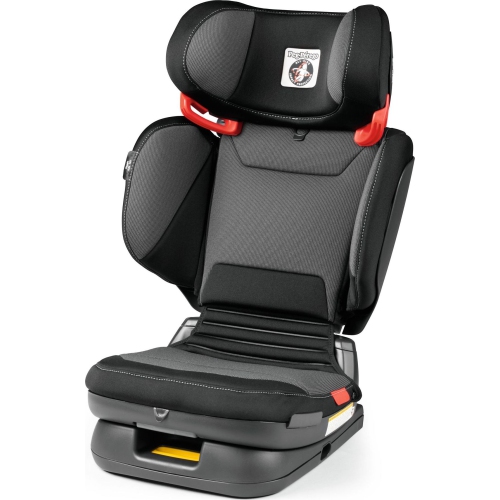
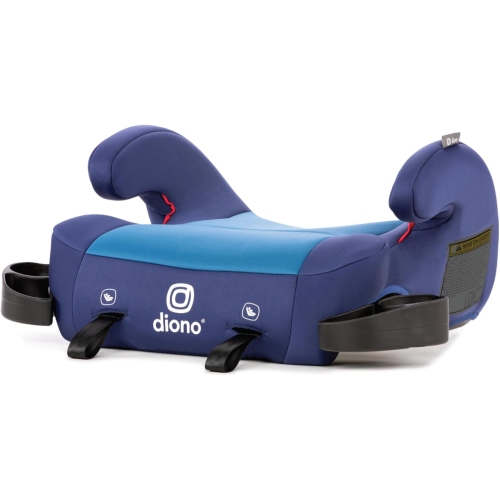
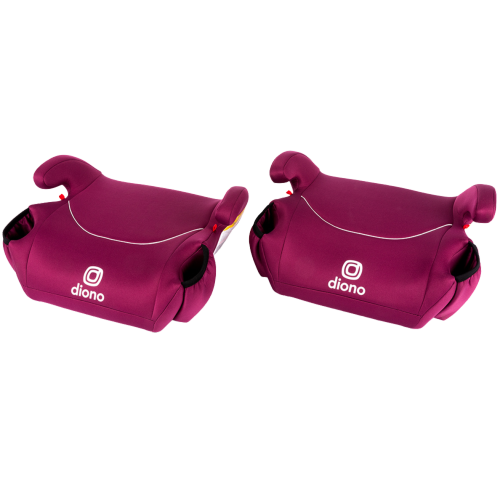
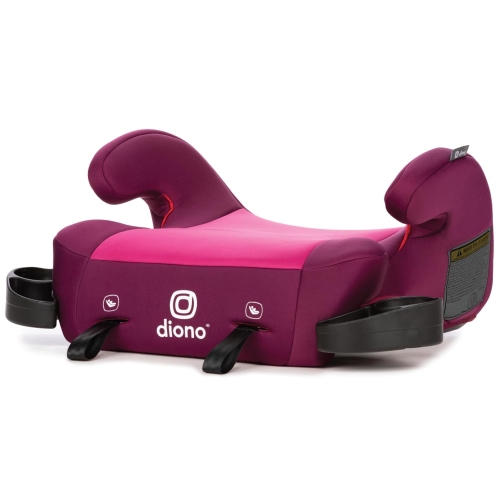
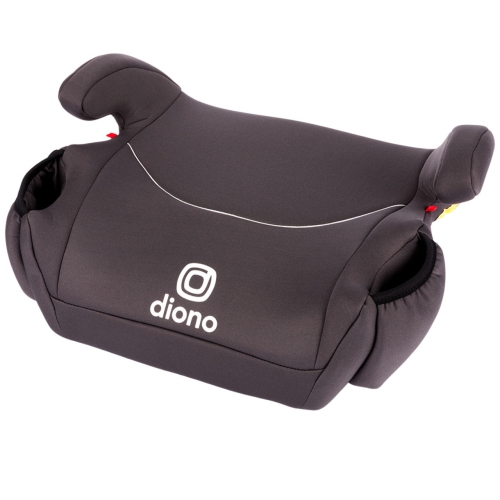

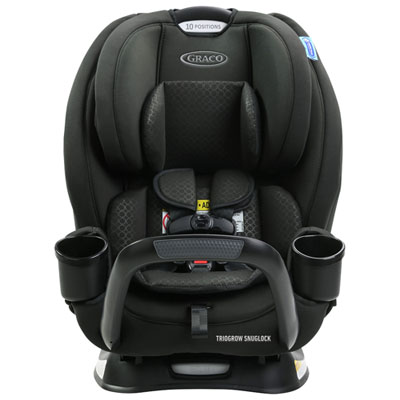
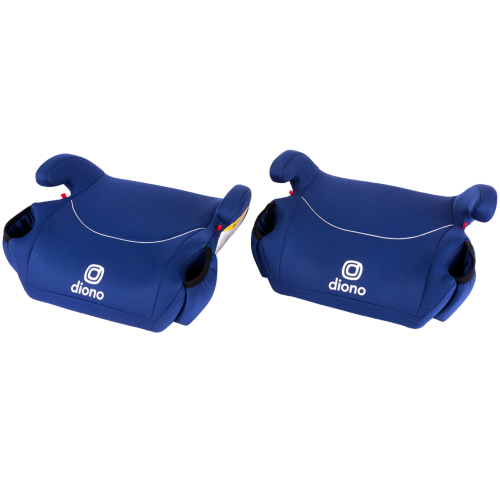
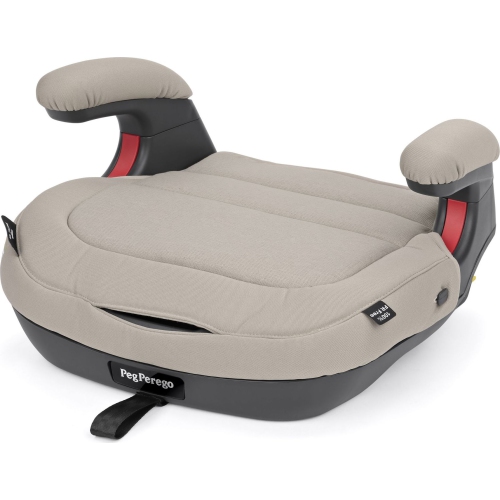
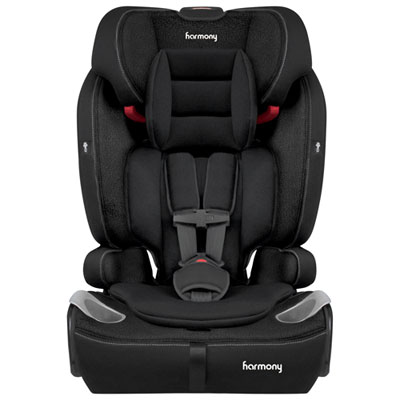
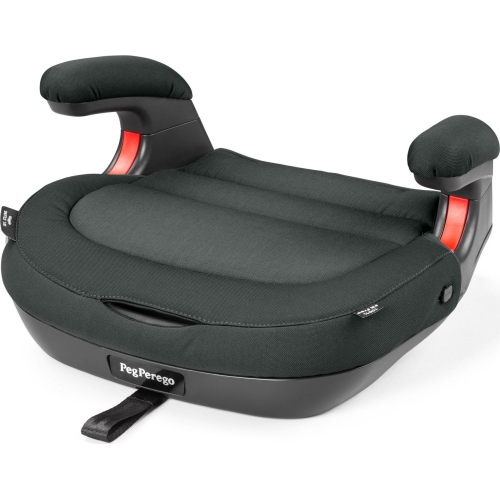

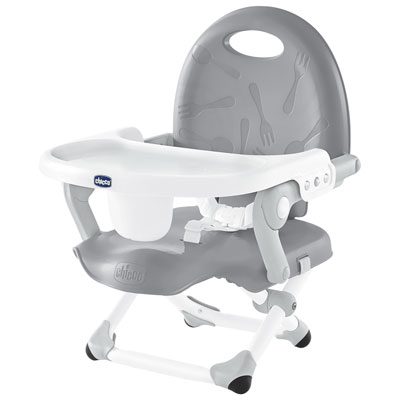
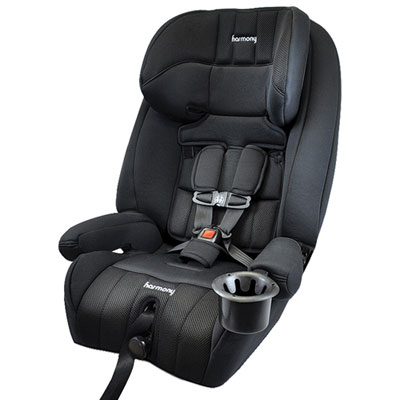
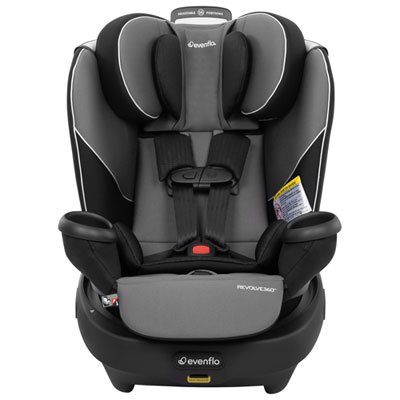
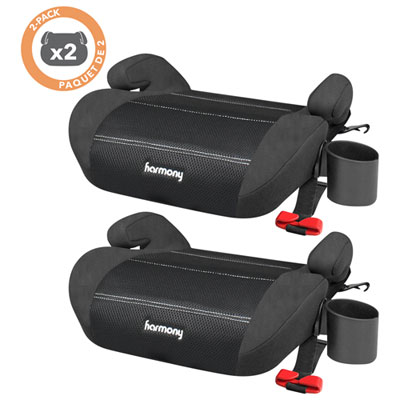
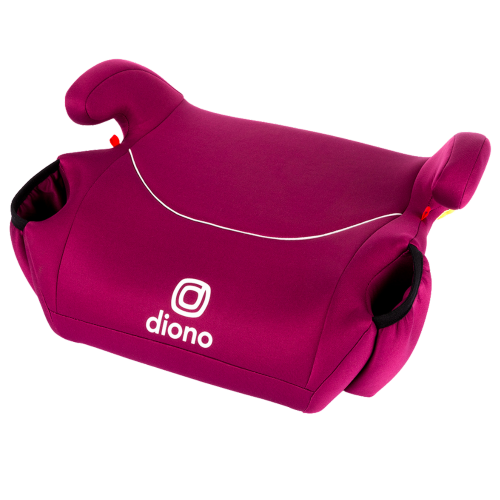
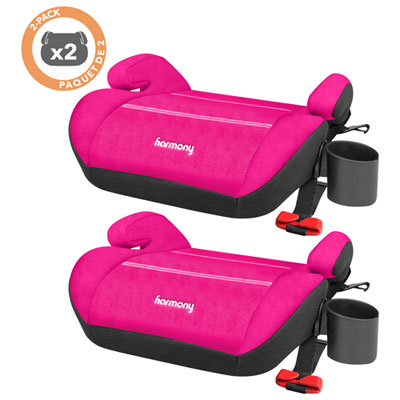
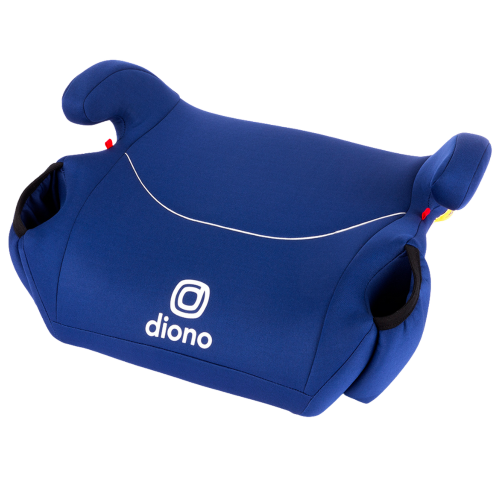
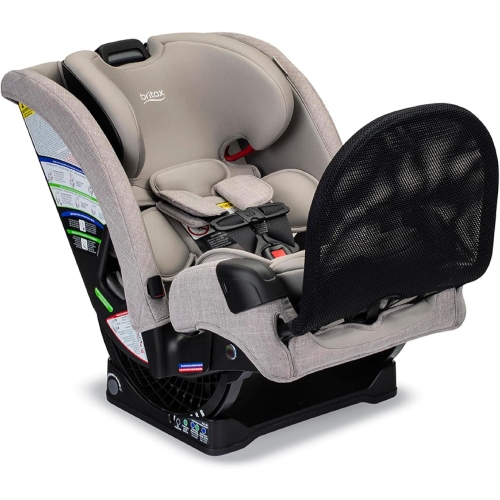
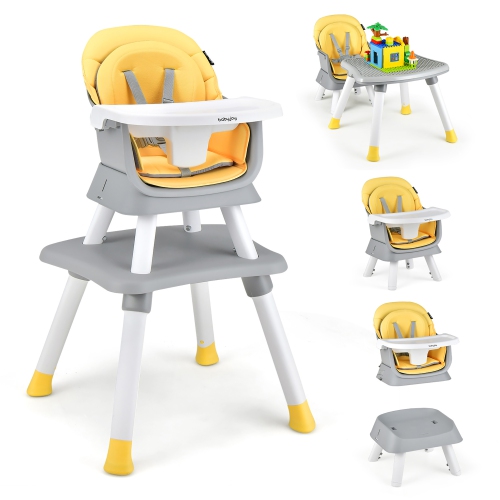
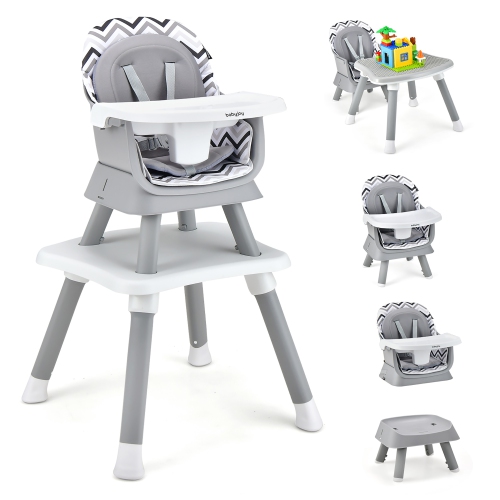
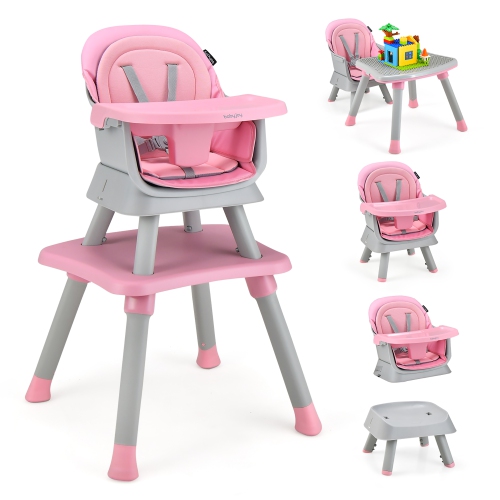
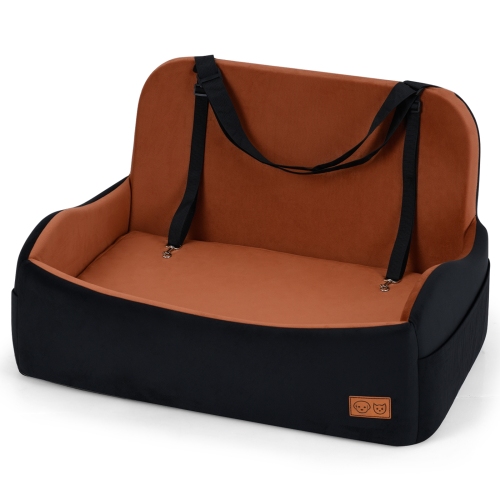
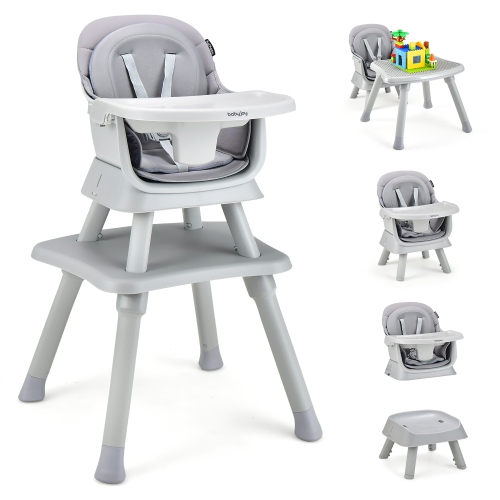

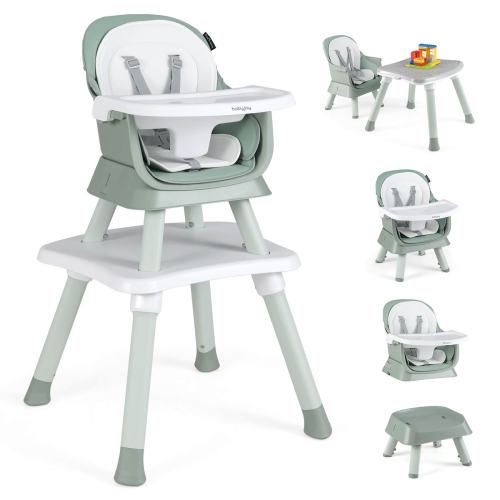
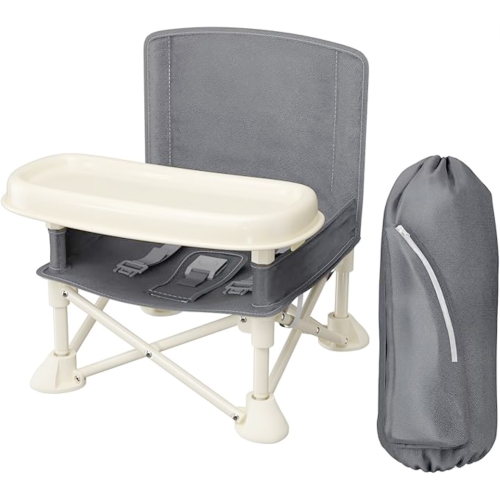
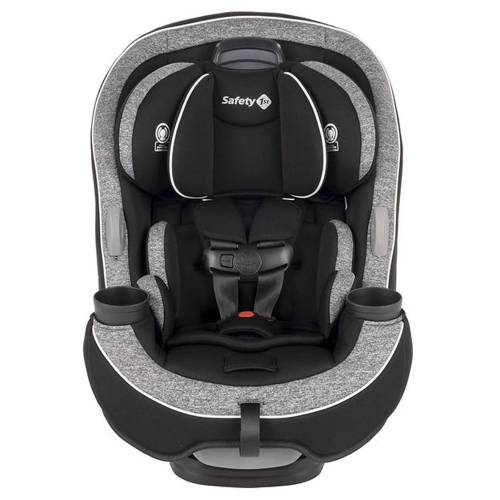
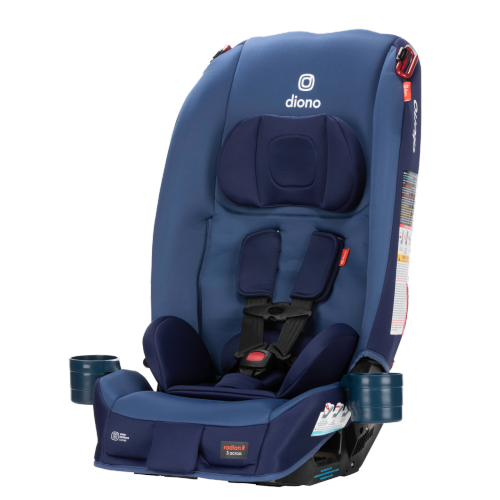
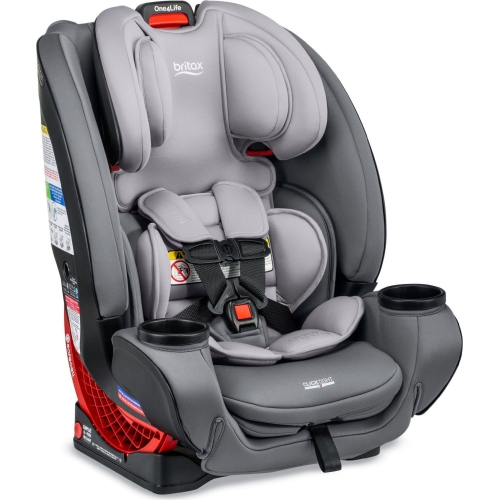
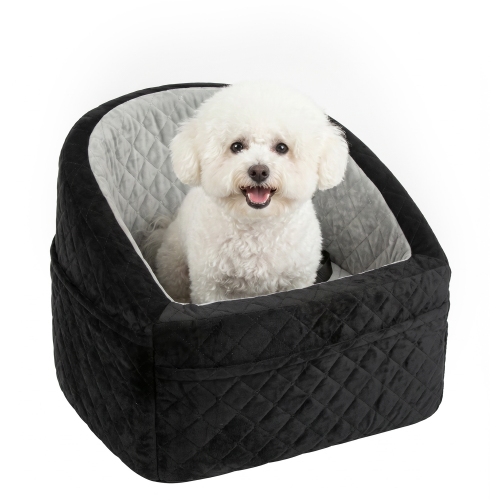
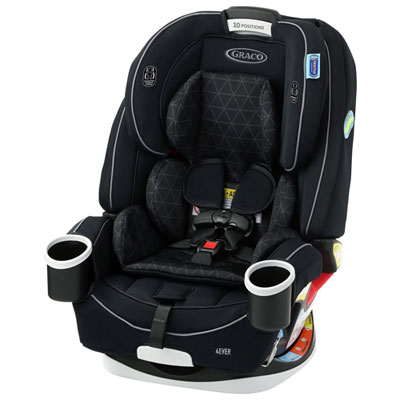
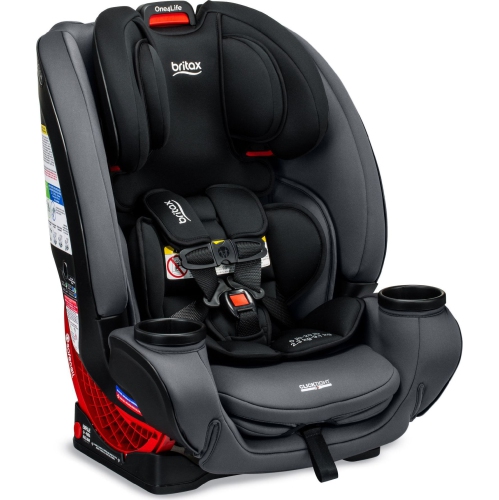
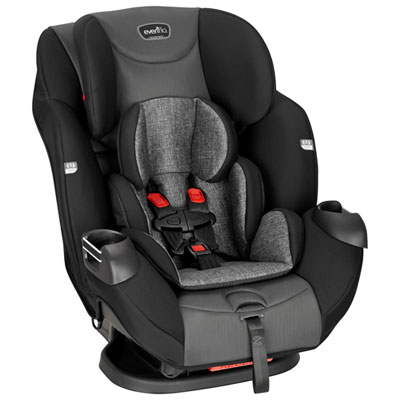
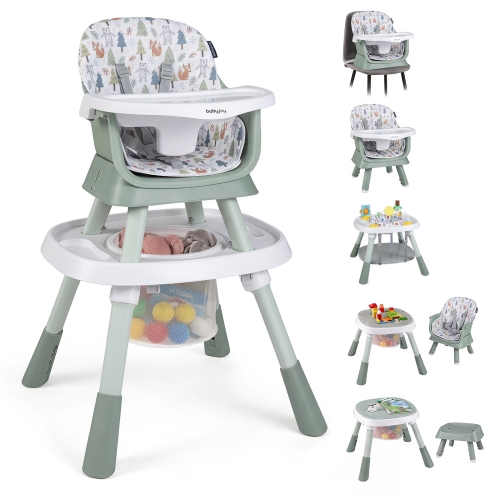
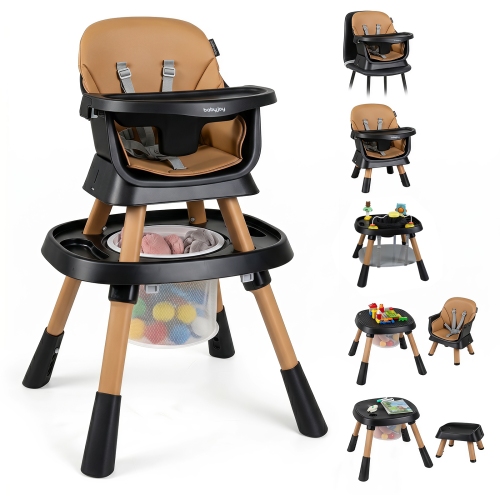
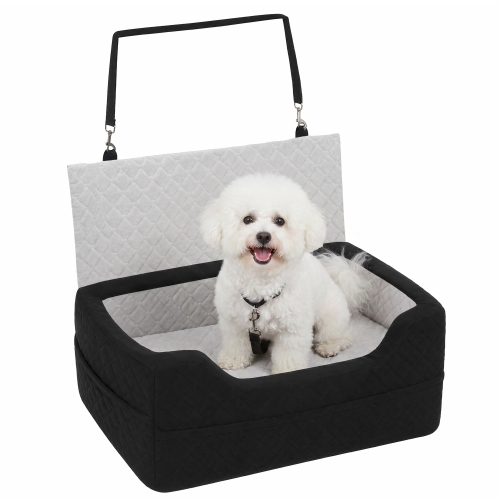
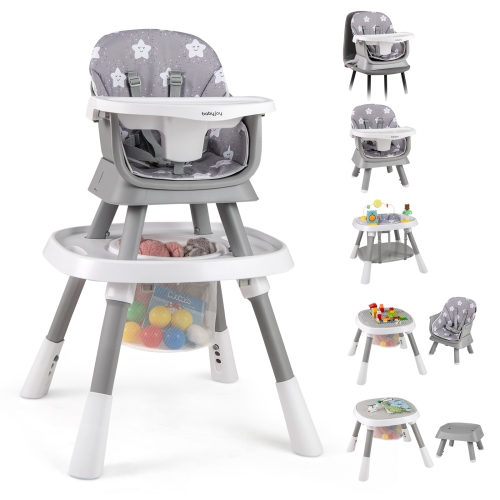
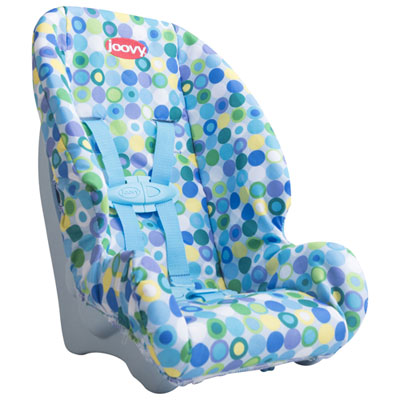
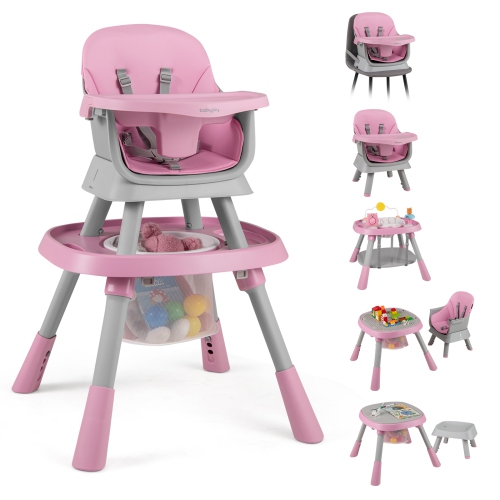
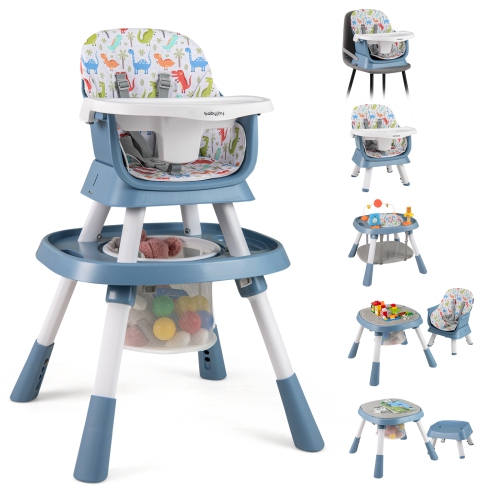
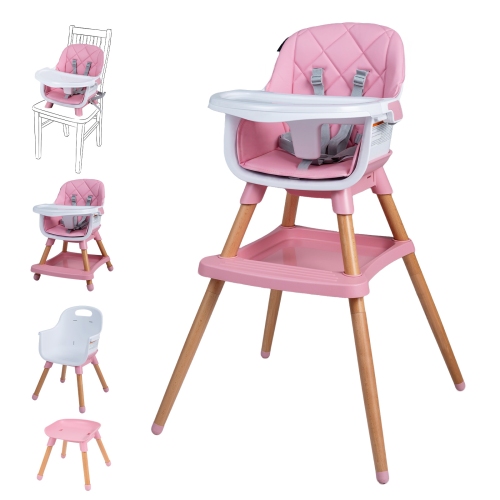
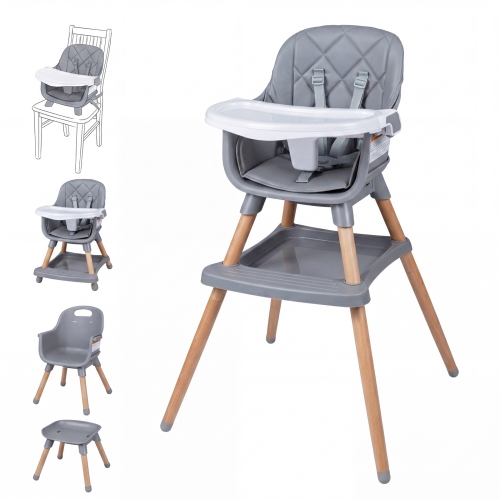
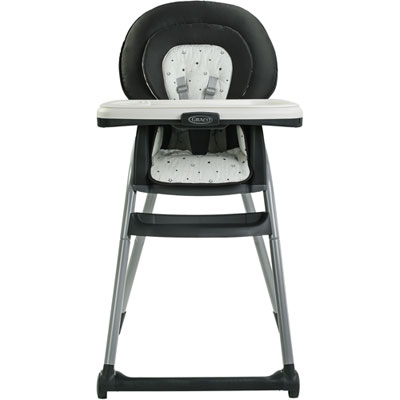
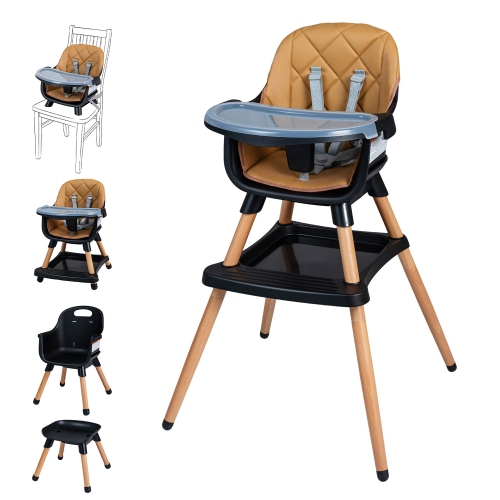
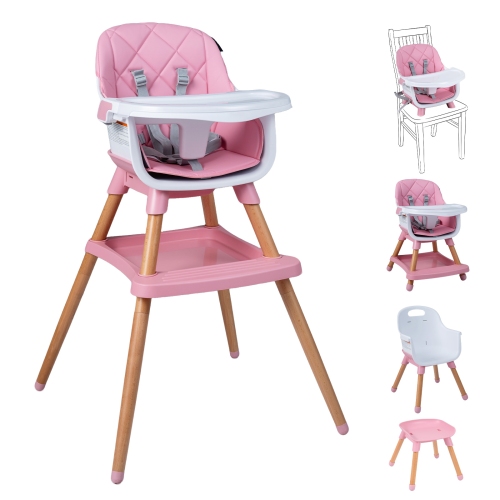
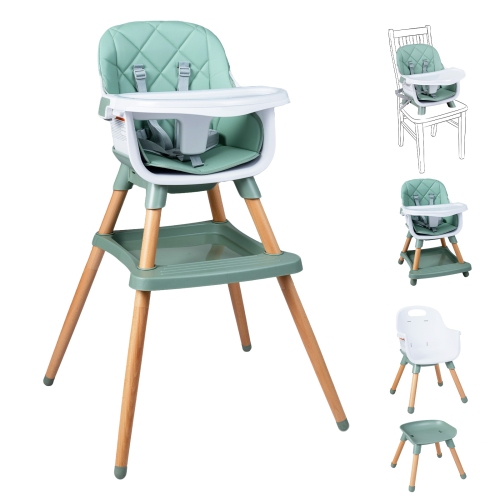
How belt fit, vehicle compatibility, and comfort shape safer rides
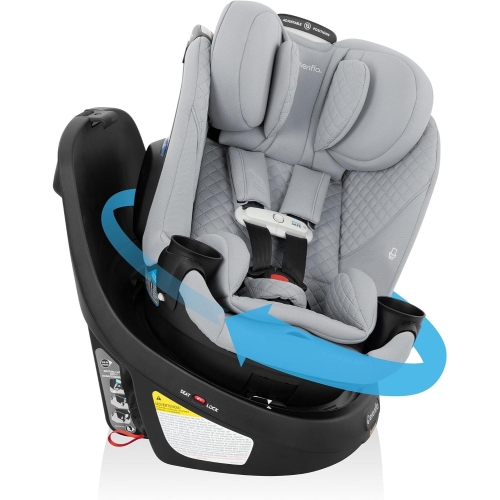
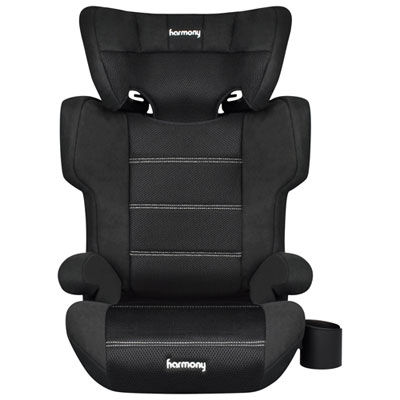
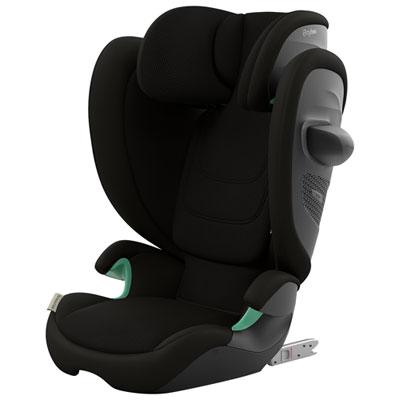
Good booster seats help children sit safely and comfortably until the vehicle’s seat belt fits them properly on its own. A booster does not restrain a child like a harnessed car seat; instead, it raises the child so the lap belt rests low across the upper thighs and the shoulder belt crosses the chest and shoulder, away from the neck. A proper fit matters on every trip, whether it is a short drive to school, a longer family journey, or a ride with a grandparent or caregiver. Before choosing a model, check the child’s height, weight, age, and level of maturity against the manufacturer’s requirements, as well as the rules that apply in your province or territory. Children should remain in their current child restraint until they have reached its stated limits, and many children are ready for a booster only when they can sit upright for the entire ride without leaning, slouching, placing the shoulder belt behind their back, or moving the lap belt onto their stomach. Look for a booster seat approved for use in Canada and confirm that the approval label is present. The vehicle itself is part of the fit: review the owner’s manual, identify seating positions with a lap-and-shoulder belt, and make sure the booster can sit flat on the vehicle seat without interfering with buckles, armrests, or neighbouring passengers. A high-back booster can provide back, head, and shoulder support, which may be helpful in vehicles with low seat backs or children who still benefit from visible belt guides. A backless booster can be lighter and easier to move between vehicles when the vehicle seat provides adequate head support and the belt fits correctly. Some high-back designs convert to backless use, offering flexibility as a child grows. Adjustable headrests, side wings, armrests, belt guides, supportive padding, and breathable upholstery can make a meaningful difference during everyday use, especially on longer drives or during the cooler months when children may be wearing bulkier layers. Winter coats should not be worn beneath the seat belt if they prevent the belt from sitting snugly; instead, secure the child first and add a blanket over the harness or belt as appropriate. Features such as rigid lower anchors or LATCH connectors may help keep an unoccupied booster in place and make buckling easier, but they do not replace the vehicle’s seat belt and should only be used as directed. Installation should be straightforward, with clear instructions and accessible buckles, because a seat that is difficult to position correctly may be used inconsistently.
When comparing good booster seats, focus on the details that support a reliable fit in your child’s usual vehicle rather than choosing by appearance alone. Measure the available seating area if the vehicle has narrow seats, fixed armrests, or multiple car seats across one row. Consider how often the booster will be transferred between cars, carried by a child, or stored when a different passenger needs the seat. A lightweight backless model may suit occasional rides with relatives, carpools, or travel, while a sturdier high-back option may feel more reassuring for daily school runs and family road trips. Padding and fabric can affect comfort, but the most comfortable seat is still one that keeps the belt positioned correctly and allows the child to sit naturally. Look for smooth belt guides that are easy for an adult to check, adjustable components that can accommodate growth, and covers that can be removed and cleaned according to the instructions. Side-impact features, reinforced structures, and performance information may also be important considerations, but no feature eliminates the need for correct use, a suitable vehicle seating position, and a properly fitted belt. Never add aftermarket cushions, inserts, or accessories unless the manufacturer specifically permits them, and replace a booster after a moderate or severe collision, when its history is unknown, or when it has passed its expiry date. For a broader selection, explore Booster Car Seats and compare each option’s recommended child size, seat style, dimensions, adjustment range, and vehicle compatibility. These seats can also make a thoughtful gift for a growing child’s family, especially when a child is moving from a harnessed car seat or beginning to ride regularly in another vehicle. A gift giver should confirm the child’s measurements and the recipient’s vehicle details before purchasing, since a well-intended choice may not fit every vehicle or stage. Once the booster is selected, place it in the preferred seating position, buckle the child while they sit straight back, and check that the lap belt lies low across the hips and the shoulder belt crosses the centre of the chest. Recheck the fit as children grow, clothing changes, and vehicles are shared, so every ride remains comfortable, practical, and properly supported.
When comparing good booster seats, focus on the details that support a reliable fit in your child’s usual vehicle rather than choosing by appearance alone. Measure the available seating area if the vehicle has narrow seats, fixed armrests, or multiple car seats across one row. Consider how often the booster will be transferred between cars, carried by a child, or stored when a different passenger needs the seat. A lightweight backless model may suit occasional rides with relatives, carpools, or travel, while a sturdier high-back option may feel more reassuring for daily school runs and family road trips. Padding and fabric can affect comfort, but the most comfortable seat is still one that keeps the belt positioned correctly and allows the child to sit naturally. Look for smooth belt guides that are easy for an adult to check, adjustable components that can accommodate growth, and covers that can be removed and cleaned according to the instructions. Side-impact features, reinforced structures, and performance information may also be important considerations, but no feature eliminates the need for correct use, a suitable vehicle seating position, and a properly fitted belt. Never add aftermarket cushions, inserts, or accessories unless the manufacturer specifically permits them, and replace a booster after a moderate or severe collision, when its history is unknown, or when it has passed its expiry date. For a broader selection, explore Booster Car Seats and compare each option’s recommended child size, seat style, dimensions, adjustment range, and vehicle compatibility. These seats can also make a thoughtful gift for a growing child’s family, especially when a child is moving from a harnessed car seat or beginning to ride regularly in another vehicle. A gift giver should confirm the child’s measurements and the recipient’s vehicle details before purchasing, since a well-intended choice may not fit every vehicle or stage. Once the booster is selected, place it in the preferred seating position, buckle the child while they sit straight back, and check that the lap belt lies low across the hips and the shoulder belt crosses the centre of the chest. Recheck the fit as children grow, clothing changes, and vehicles are shared, so every ride remains comfortable, practical, and properly supported.
Top selling and popular products
-
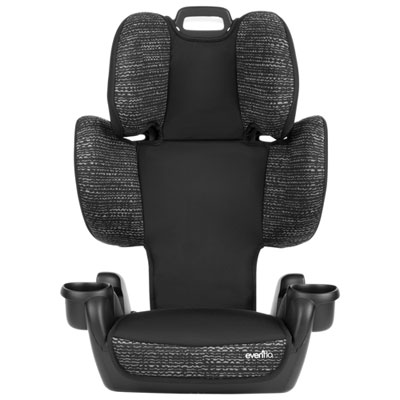 Your price for this item is $119.99
 -
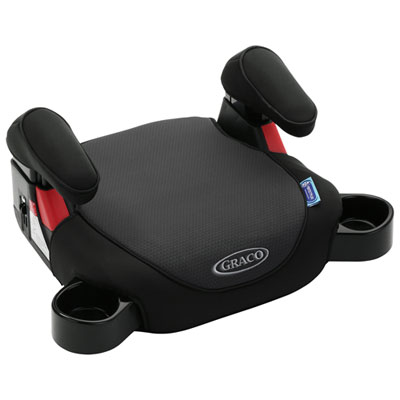 Your price for this item is $69.99
 -
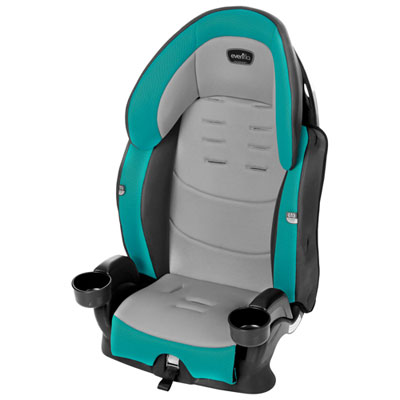 Your price for this item is $169.99
 -
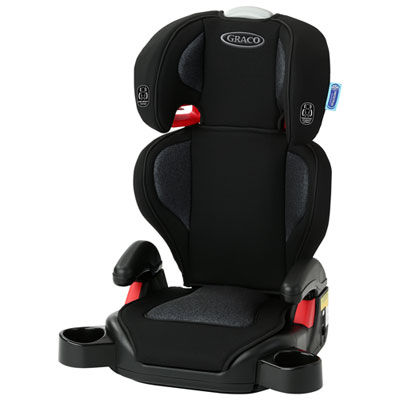 Your price for this item is $129.99
 -
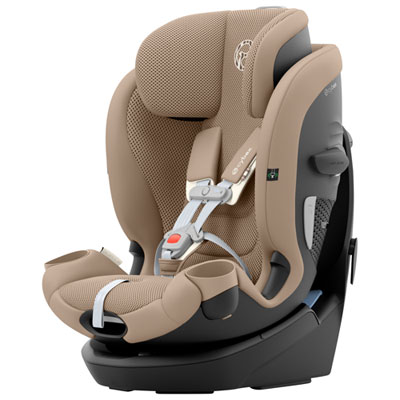 Your price for this item is $999.99
 -
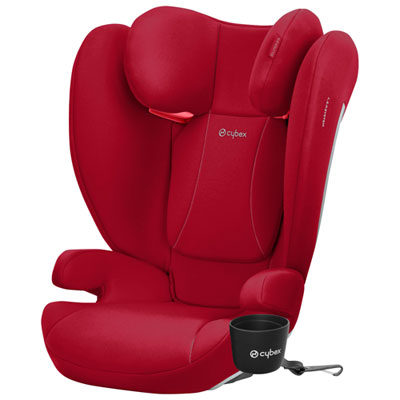 Your price for this item is $99.99
 -
 Your price for this item is $99.99
 -
 Your price for this item is $279.99
Discover more categories related to Good Booster Seats
Top Collections:
Pokemon Centers, Kindle Devices, Best Budget Office Chairs, Canon G7X Cameras, Apple iPhones 16, Samsung Galaxy Phones, Refurbished Apple Laptops, Laptops for Students, iPhone 15 Apple, Budget Smartphones
Some products may be subject to Environmental Handling Fees
(EHF) depending on your province.
Learn more about EHFs.