Booster Car Seats
Booster car seats are an essential safety measure for children while traveling in vehicles. These seats provide the necessary support and protection to ensure their well-being in case of an accident. With the increasing number of road accidents, it is crucial to prioritize child safety by using booster car seats. Let's make our roads safer for children with these booster car seats.
Sort

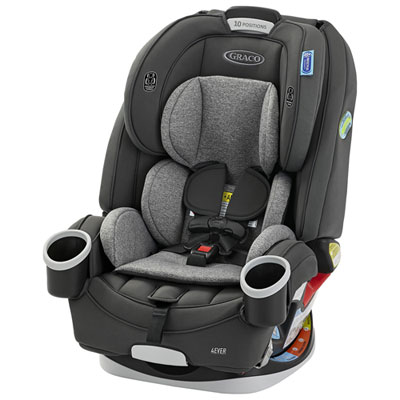
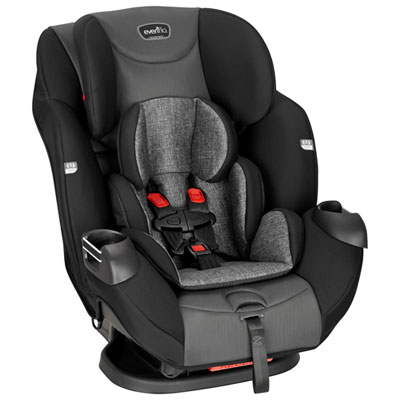
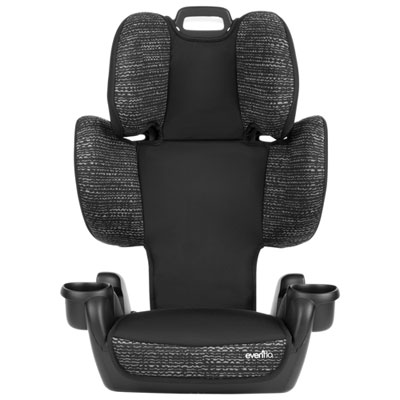
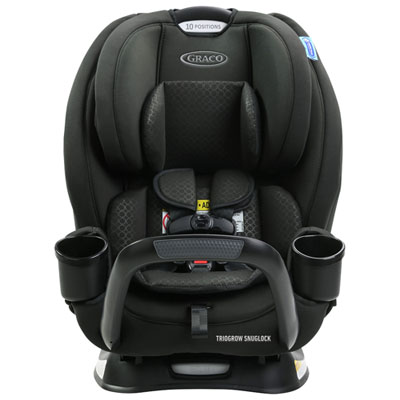
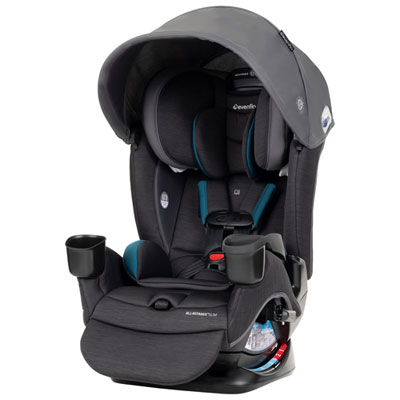
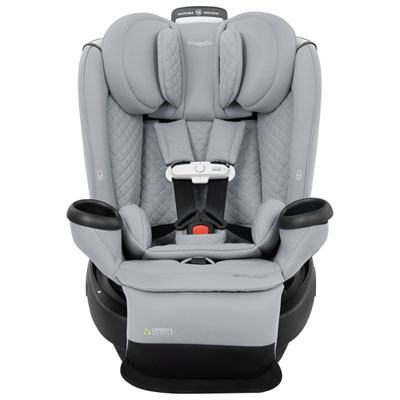
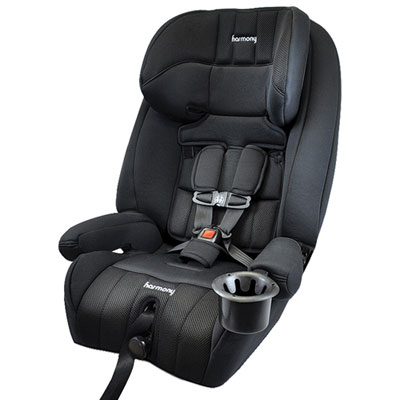
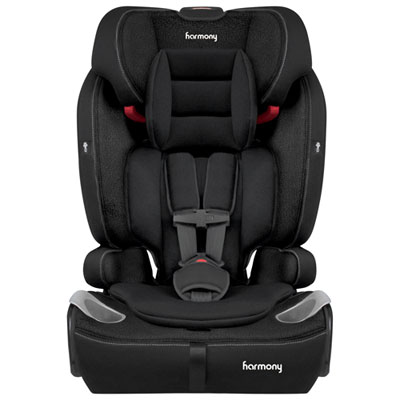
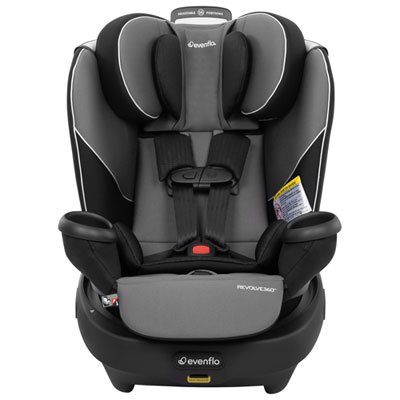
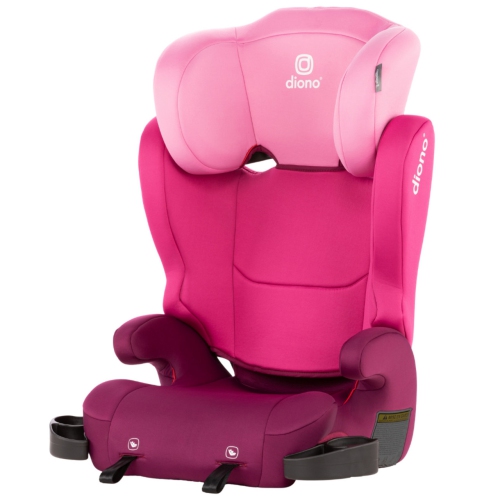
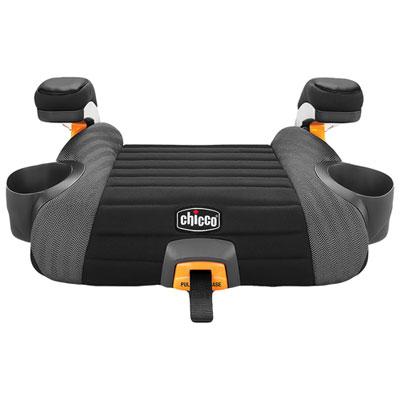
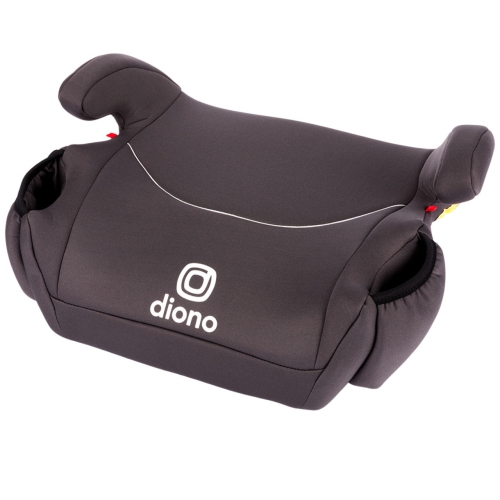
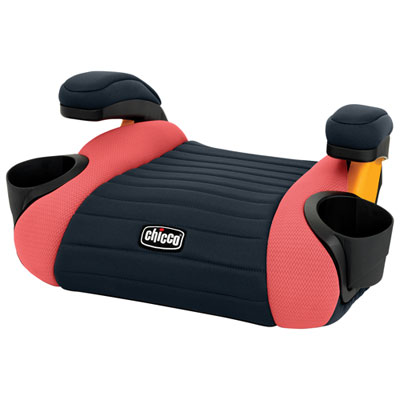
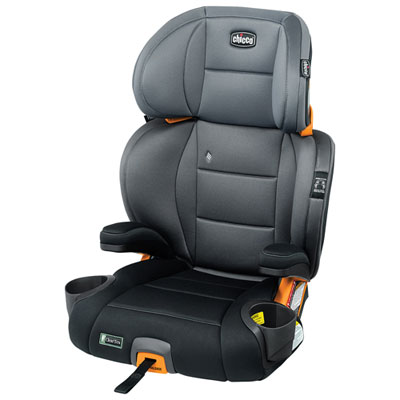
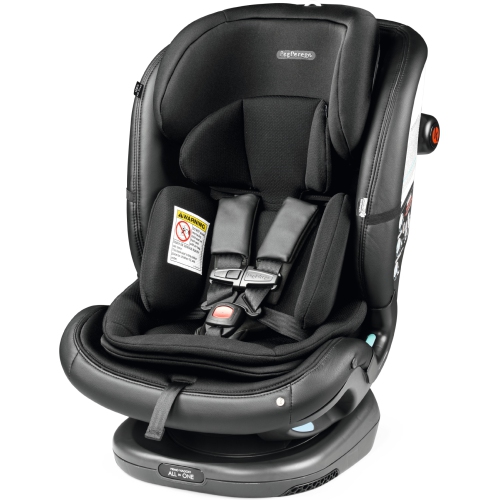
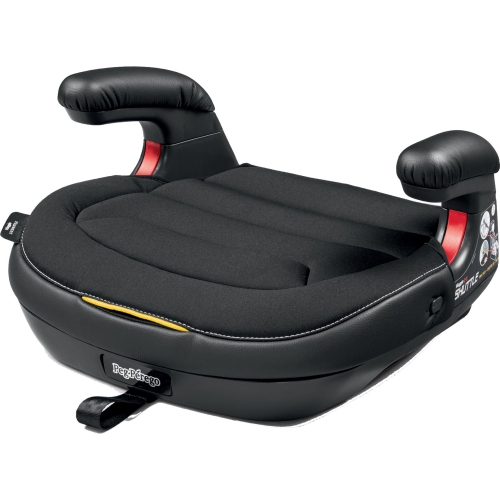


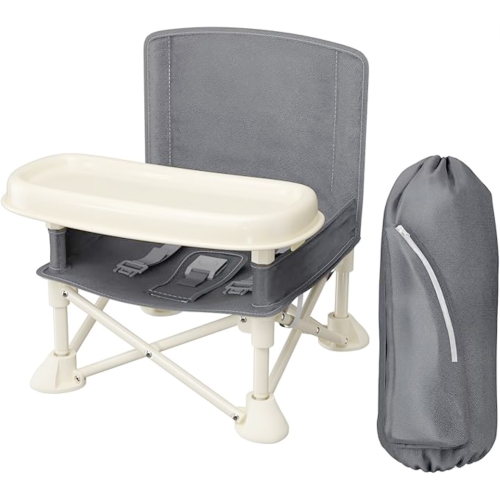
Understanding belt fit and booster seat types
Booster car seats help position a child so a vehicle’s adult lap-and-shoulder belt fits properly across the strongest parts of the body. Rather than allowing the lap belt to ride up over the stomach or the shoulder belt to sit against the neck, a booster raises the child into a safer, more comfortable seating position. They are generally intended for children who have outgrown the height or weight limits of a forward-facing car seat with an internal harness and who can sit upright for the entire trip without leaning, slouching, kneeling, or slipping the shoulder belt behind their back. Many children begin using a booster when they weigh at least 18 kg (40 lb), although the correct timing depends on the child’s height, development, the limits of their previous car seat, and the laws or recommendations in their province or territory. A child may still need a booster until the vehicle seat belt fits correctly without one; for many children, that can be around 145 cm (57 inches) tall, but height alone does not determine readiness. To check the fit, the lap belt should lie low and snug across the hips and upper thighs, not across the abdomen, while the shoulder belt should cross the middle of the chest and shoulder, away from the neck and face. The child’s knees should bend comfortably at the edge of the vehicle seat, with their back against the seatback and feet supported as much as possible. Since belt geometry differs between vehicles, try the booster in the vehicle where it will be used most often and review the manufacturer’s instructions before every stage of use. Provincial rules can also differ, so families should consult current guidance from their provincial authority and Transport Canada when making the transition.
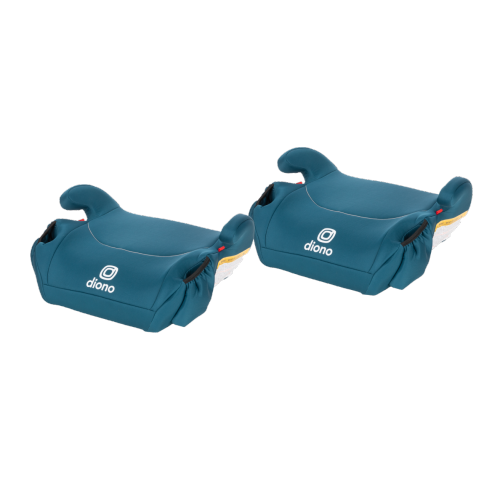
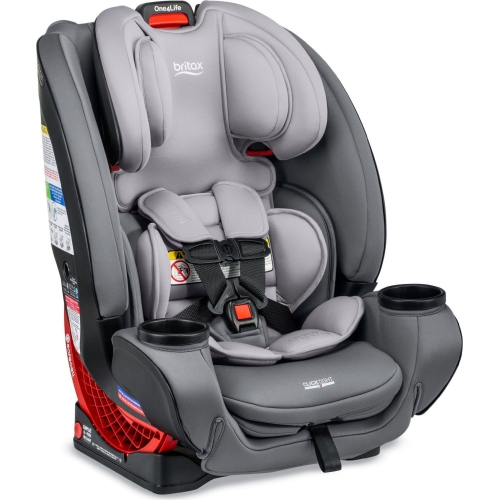
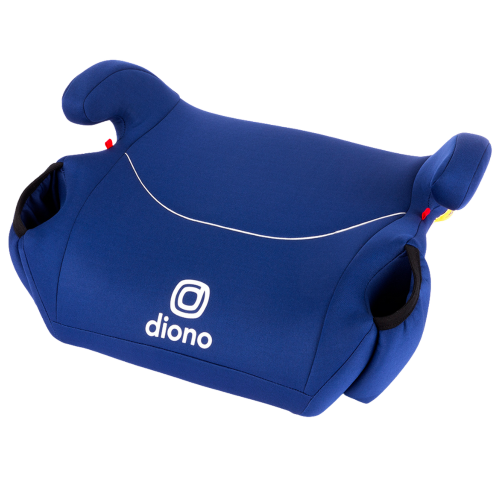
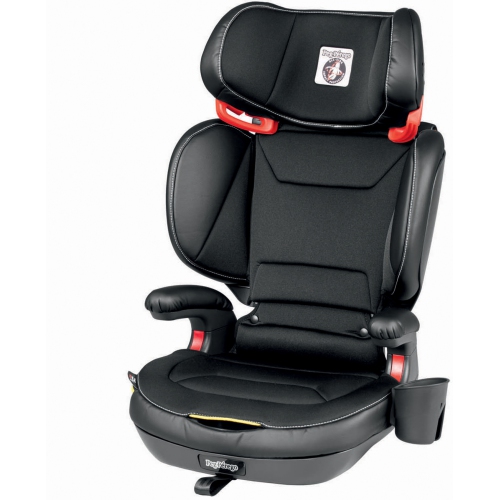
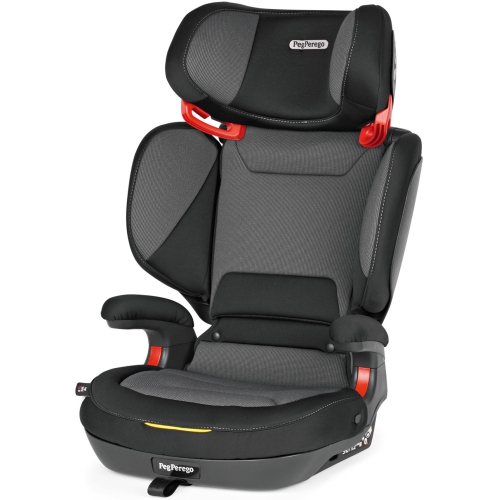
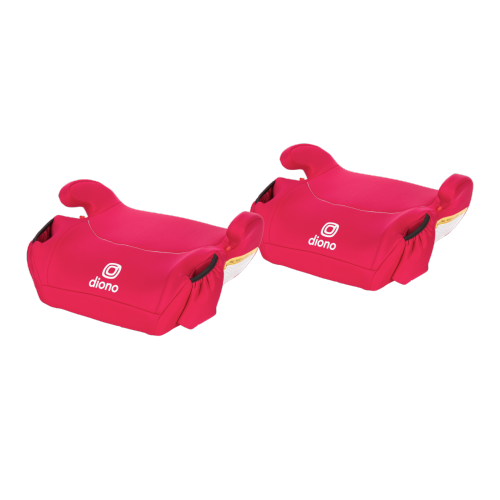
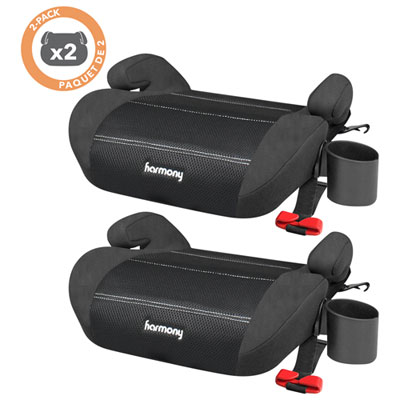
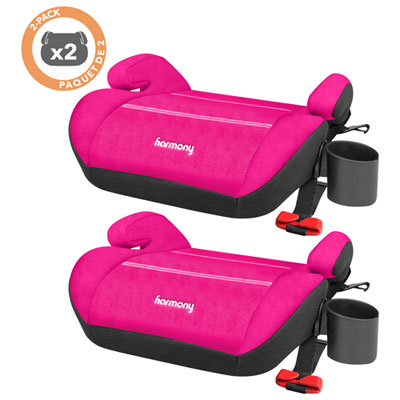
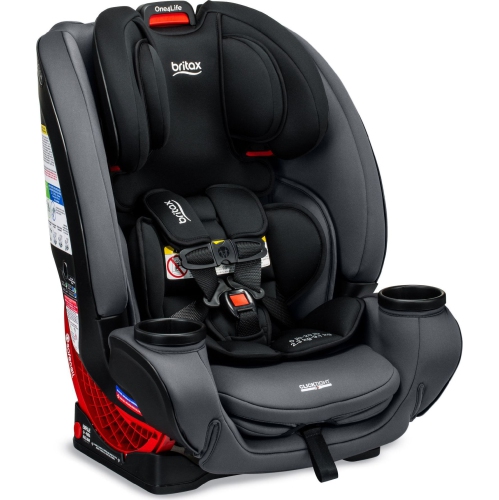
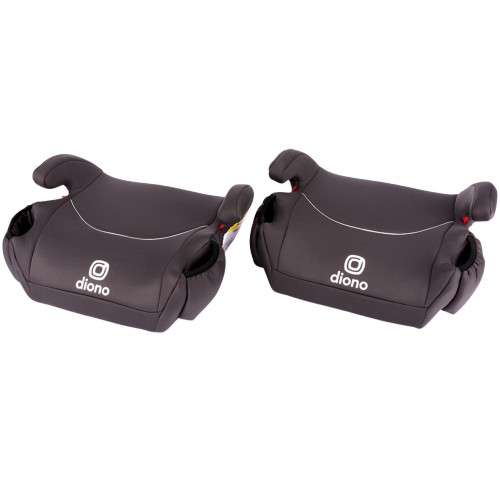
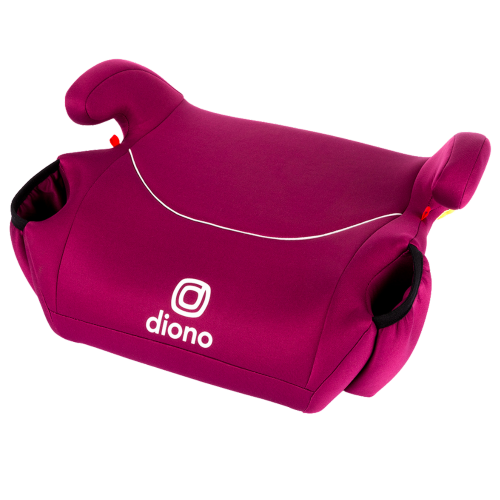
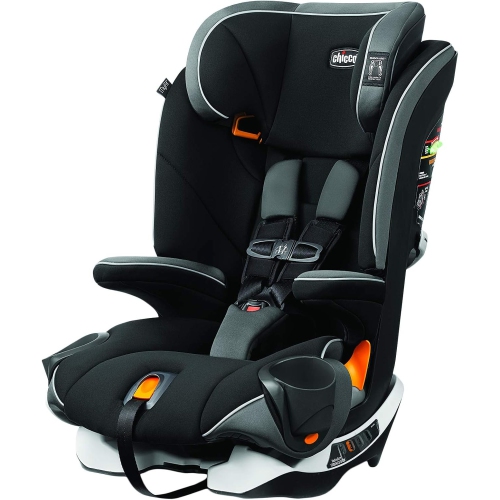
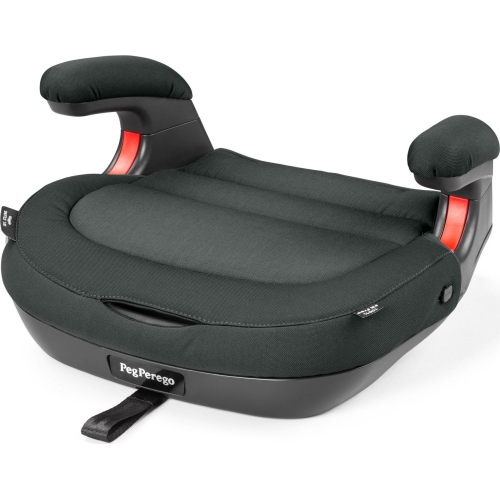
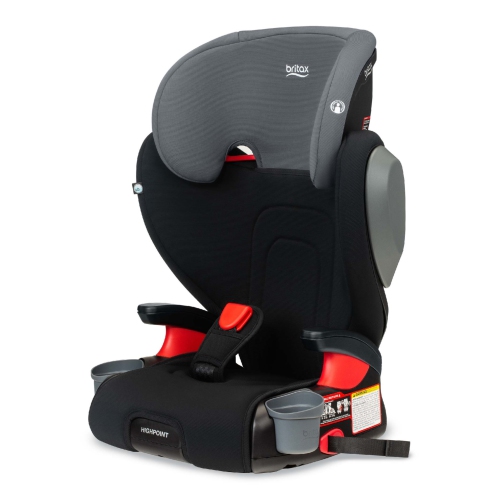
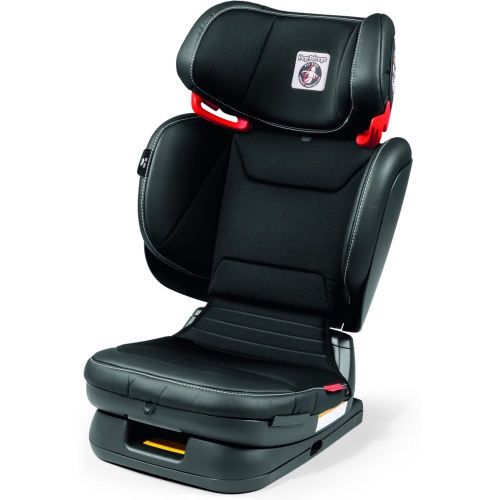
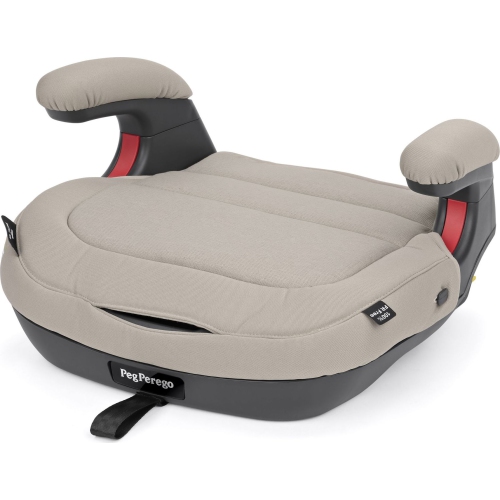
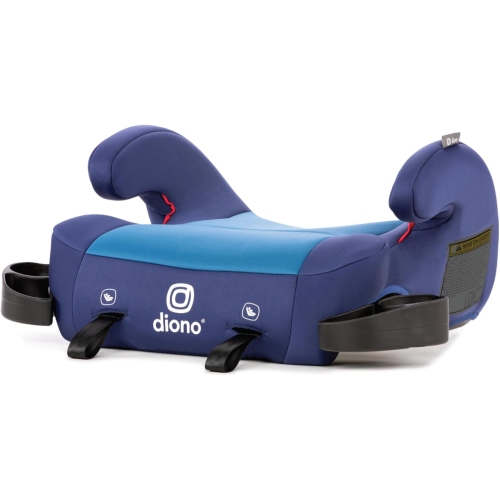
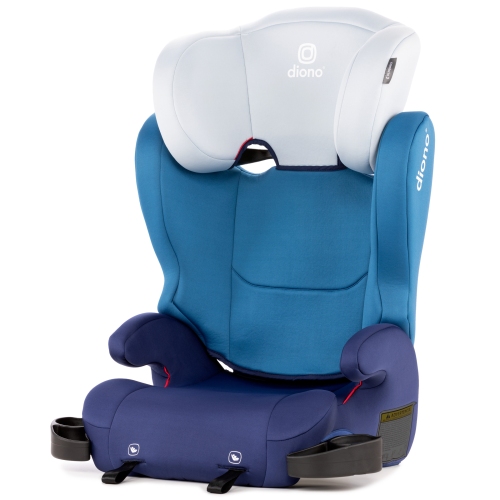
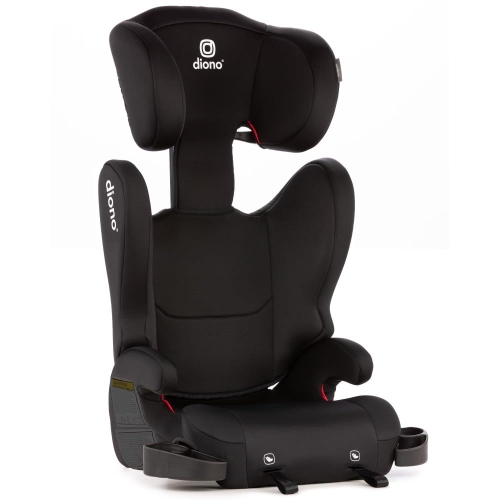
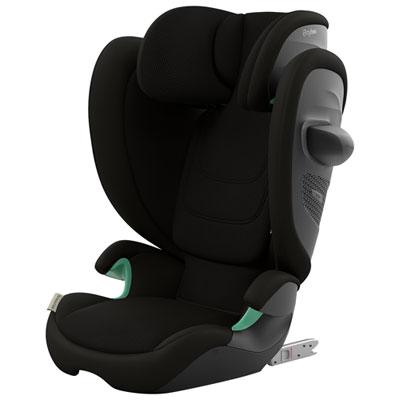
The main types of booster car seats are highback, backless, and combination models that change as a child grows. A highback booster provides support along the child’s back, shoulders, head, and sometimes sides, making it a practical choice for a younger child moving out of a harnessed seat or for a vehicle with a low seatback. Its belt-positioning guides can help keep the shoulder belt in the right place, while the extra structure may offer a more familiar feeling for a child who is not yet ready for the simplicity of a backless design. A backless booster is lower-profile and easy to move between vehicles, which can be useful for carpools, grandparents’ cars, taxis, or occasional travel. It should only be used in a seating position with a vehicle seatback or head restraint that supports the child’s head to at least the top of their ears. A combination or 2-in-1 seat may start as a highback booster and later convert to a backless booster, offering flexibility as the child becomes taller and more confident with the vehicle belt. When comparing options, consider the child’s current size, the vehicle’s bench shape, the available head support, seat width, buckle placement, and whether the booster can sit flat without rocking. Check that the seat belt can move freely through the designated guides and that the child can buckle and unbuckle only when an adult has confirmed the fit and local rules allow it. Some models include lower-anchor connectors to help keep the empty booster in place when the child is not riding; these connectors do not replace the vehicle belt, which must secure the child and booster according to the instructions. Avoid placing thick winter coats underneath the belt, since bulky layers can create extra space between the child and the restraint. Instead, buckle the child in regular clothing and place a blanket over the secured harness or seat belt when the temperature drops.
Booster car seats can be a thoughtful and practical gift for a growing child, especially when a family is preparing for longer drives, shared rides, visits with relatives, or a new school and activity schedule during the cooler months. They are also useful for grandparents, caregivers, and families who regularly transport children but do not need a full-time infant or convertible car seat. A suitable booster can make everyday trips feel less cramped while helping a child practise the habits needed for eventual seat-belt-only travel: sitting all the way back, keeping the lap belt low, leaving the shoulder belt across the chest, and staying in position from driveway to destination. Look for easy-clean fabrics and surfaces that can handle snack crumbs, muddy footwear, and the spills that naturally happen on busy family outings. Portability matters when a seat will be moved often, while a supportive highback may be preferable for frequent use or for children who still fall asleep in the car. Families shopping across different vehicles may also wish to compare the booster’s width and belt guides with each vehicle’s seating position before choosing. For additional browsing, the Baby Booster Seats selection can help caregivers find options suited to different stages and routines. Always retire a seat after a collision, follow its stated expiry and care instructions, and replace it if any part is cracked, missing, or damaged. A booster is only one part of a safe ride: the right fit, correct belt placement, an appropriate seating position, and consistent adult supervision all work together to keep children properly positioned on every journey.
The main types of booster car seats are highback, backless, and combination models that change as a child grows. A highback booster provides support along the child’s back, shoulders, head, and sometimes sides, making it a practical choice for a younger child moving out of a harnessed seat or for a vehicle with a low seatback. Its belt-positioning guides can help keep the shoulder belt in the right place, while the extra structure may offer a more familiar feeling for a child who is not yet ready for the simplicity of a backless design. A backless booster is lower-profile and easy to move between vehicles, which can be useful for carpools, grandparents’ cars, taxis, or occasional travel. It should only be used in a seating position with a vehicle seatback or head restraint that supports the child’s head to at least the top of their ears. A combination or 2-in-1 seat may start as a highback booster and later convert to a backless booster, offering flexibility as the child becomes taller and more confident with the vehicle belt. When comparing options, consider the child’s current size, the vehicle’s bench shape, the available head support, seat width, buckle placement, and whether the booster can sit flat without rocking. Check that the seat belt can move freely through the designated guides and that the child can buckle and unbuckle only when an adult has confirmed the fit and local rules allow it. Some models include lower-anchor connectors to help keep the empty booster in place when the child is not riding; these connectors do not replace the vehicle belt, which must secure the child and booster according to the instructions. Avoid placing thick winter coats underneath the belt, since bulky layers can create extra space between the child and the restraint. Instead, buckle the child in regular clothing and place a blanket over the secured harness or seat belt when the temperature drops.
Booster car seats can be a thoughtful and practical gift for a growing child, especially when a family is preparing for longer drives, shared rides, visits with relatives, or a new school and activity schedule during the cooler months. They are also useful for grandparents, caregivers, and families who regularly transport children but do not need a full-time infant or convertible car seat. A suitable booster can make everyday trips feel less cramped while helping a child practise the habits needed for eventual seat-belt-only travel: sitting all the way back, keeping the lap belt low, leaving the shoulder belt across the chest, and staying in position from driveway to destination. Look for easy-clean fabrics and surfaces that can handle snack crumbs, muddy footwear, and the spills that naturally happen on busy family outings. Portability matters when a seat will be moved often, while a supportive highback may be preferable for frequent use or for children who still fall asleep in the car. Families shopping across different vehicles may also wish to compare the booster’s width and belt guides with each vehicle’s seating position before choosing. For additional browsing, the Baby Booster Seats selection can help caregivers find options suited to different stages and routines. Always retire a seat after a collision, follow its stated expiry and care instructions, and replace it if any part is cracked, missing, or damaged. A booster is only one part of a safe ride: the right fit, correct belt placement, an appropriate seating position, and consistent adult supervision all work together to keep children properly positioned on every journey.
Top selling and popular products
-
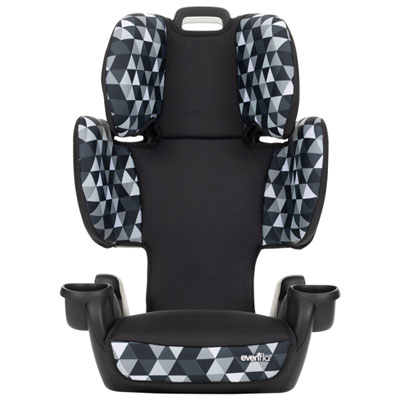 Your price for this item is $119.99
 -
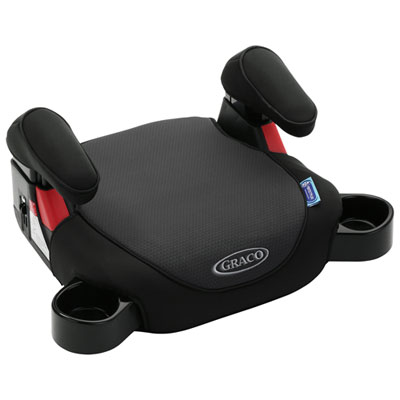 Your price for this item is $69.99
 -
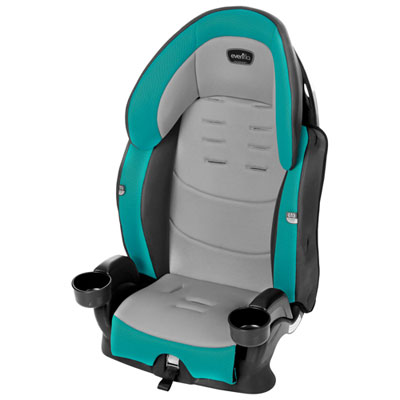 Your price for this item is $169.99
 -
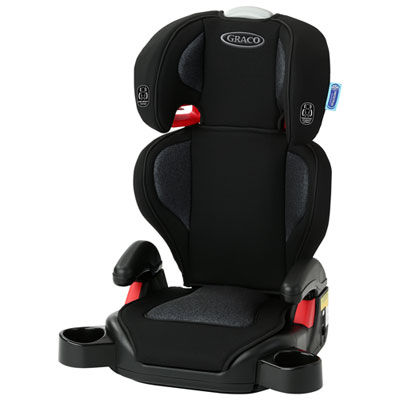 Your price for this item is $129.99
 -
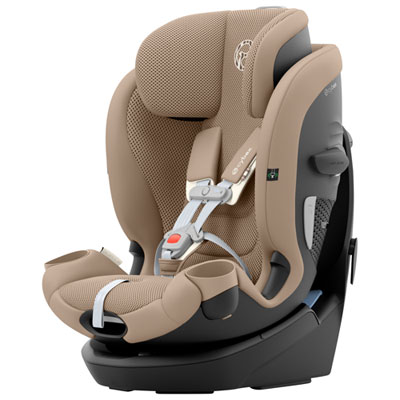 Your price for this item is $999.99
 -
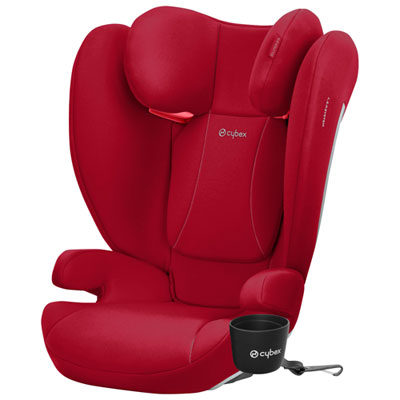 Your price for this item is $99.99
 -
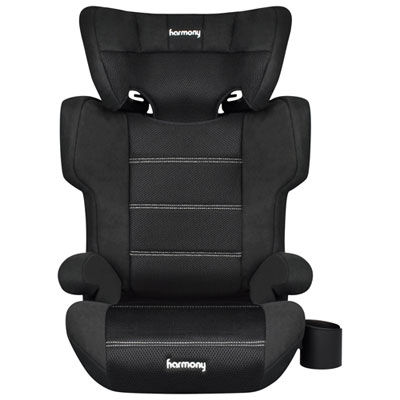 Your price for this item is $99.99
 -
 Your price for this item is $399.99
Discover more categories related to Booster Car Seats
Top Collections:
Pokemon Centers, Kindle Devices, Best Budget Office Chairs, Apple iPhones 16, Canon G7X Cameras, iPhone 15 Apple, Alarm Clock, Refurbished Apple Laptops, Flip Phones, Best Laptops for Writers
Some products may be subject to Environmental Handling Fees
(EHF) depending on your province.
Learn more about EHFs.