Table Attached High Chairs
Table Attached High Chairs offer a convenient and space-saving solution for mealtime with your little one. Designed to securely attach to most tables, these high chairs make it easy to bring your child right up to the family dining experience. Perfect for home use or dining out, Table Attached High Chairs provide a practical option for parents seeking flexibility and comfort at the table. Explore a range of styles and options to find the ideal fit for your family’s needs.
Sort
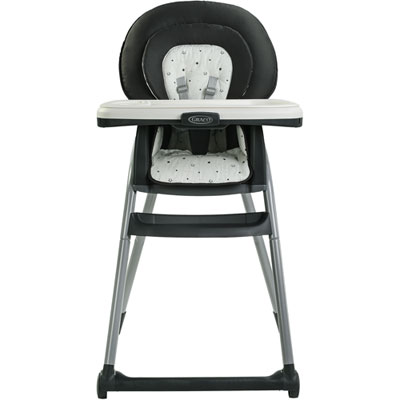
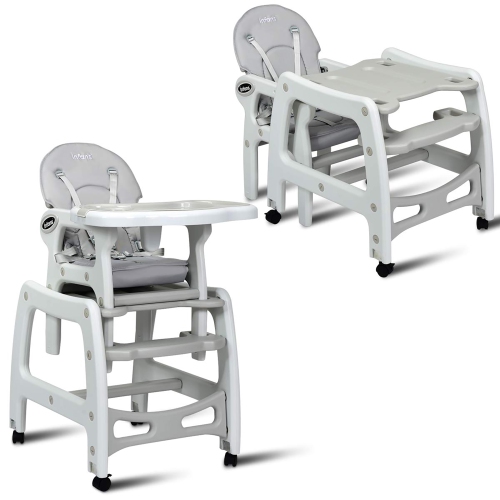
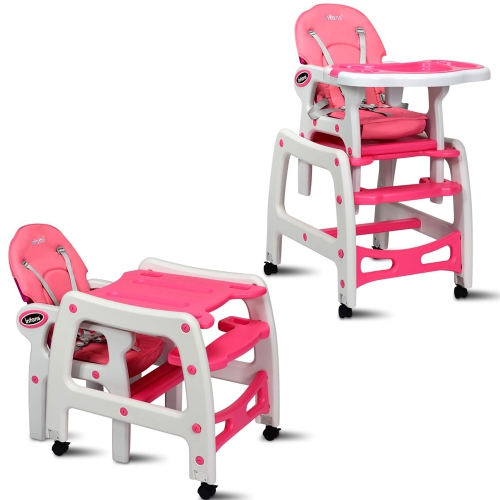

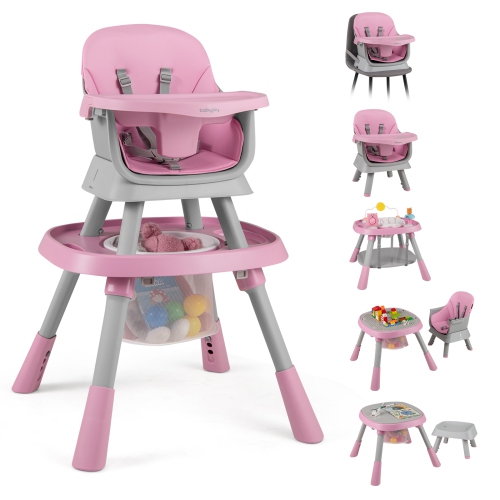
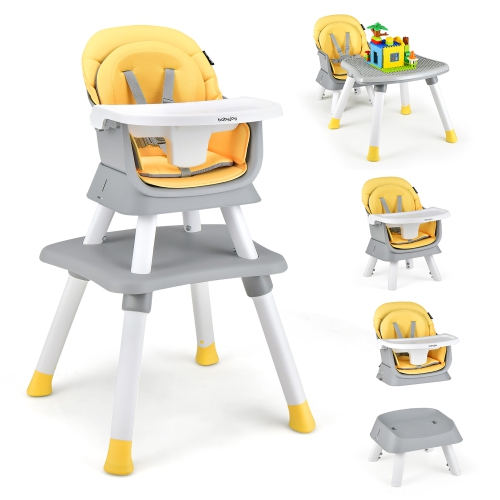
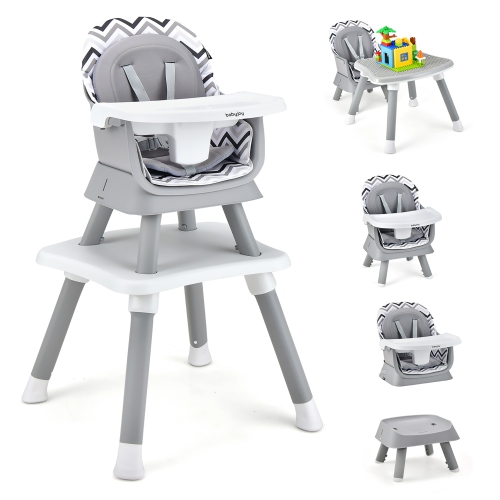
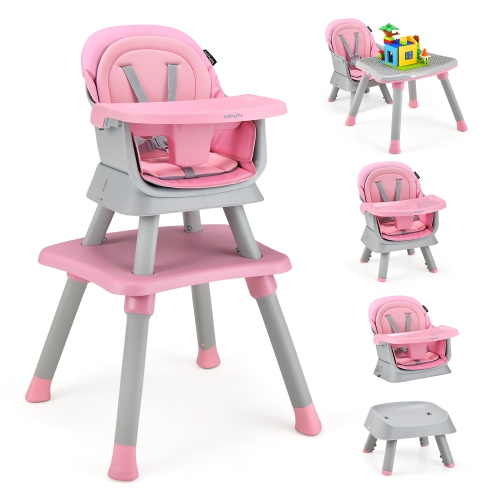
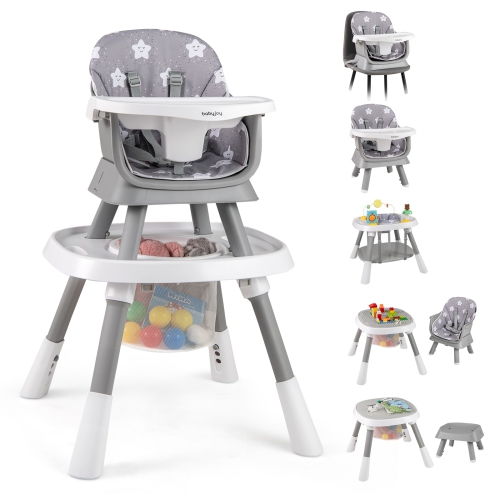



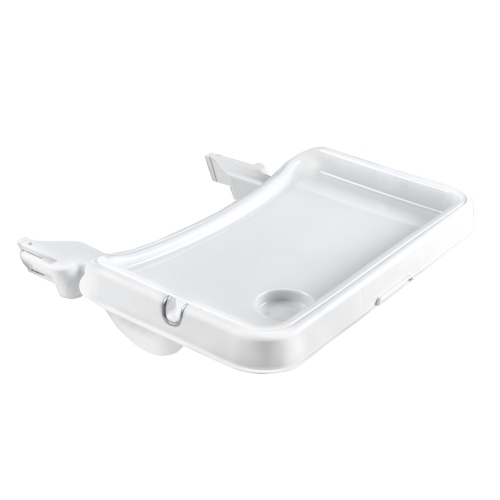
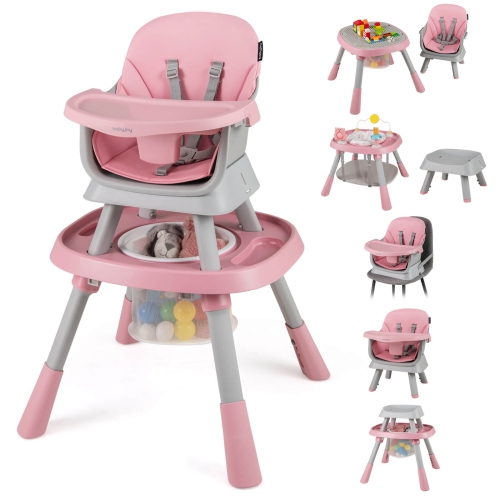
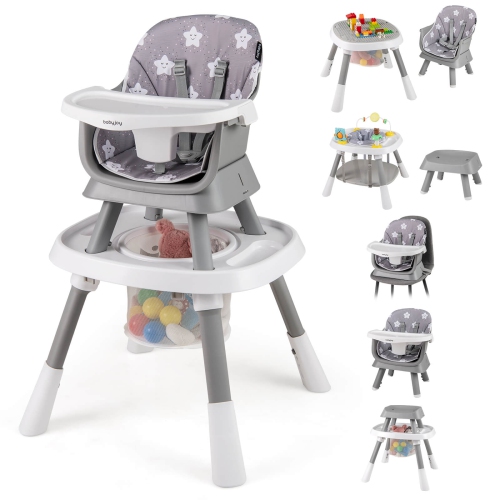
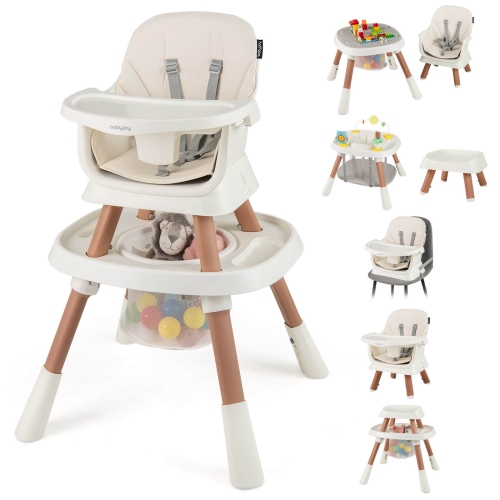
A seat at the family table without the bulk
Table attached high chairs are compact child seats that fasten directly to a compatible tabletop rather than standing on legs. Also called hook-on or clip-on high chairs, they bring a child close to the family table while leaving the floor beneath the seat clear. That makes them a practical option for smaller dining areas, shared kitchens and households where a full-size high chair would crowd the walkway. Their appeal extends beyond saving space: a child can join the familiar rhythm of breakfast, watch a caregiver prepare a spoonful and sit alongside siblings during dinner. Depending on the design, the chair may fold for storage or pack into a carrying bag for visits to relatives or meals away from home. These seats are intended for children who meet the manufacturer’s developmental requirements, including being able to sit upright independently, often at around six months of age. Age alone does not establish readiness, and each chair has its own weight, size and usage limits. A table attached high chair is not suitable for a newborn, a child who needs additional support to remain upright or a child who has outgrown its stated limits. It is also distinct from a booster seat, which rests on and attaches to a separate dining chair. With a hook-on design, the tabletop and attachment system support the seat, so compatibility matters as much as the seating area itself. For everyday meals, a supportive backrest, comfortable leg openings and a properly fitted restraint help create a suitable place for supervised feeding. A removable tray, where included, can provide a defined eating surface, but it does not replace the harness or make an otherwise unsuitable table safe to use. The result is a seating style best matched to families whose dining furniture, routines and child’s stage of development suit its particular requirements.
Table fit is the central consideration with any clip-on high chair. The permitted tabletop thickness varies by model, and a measurement taken only at the outer edge may miss an apron, underside lip or support rail that interferes with the clamps. The attachment points need enough unobstructed space above and below the surface to engage exactly as intended. A thick decorative edge, bevelled profile or deep skirt can prevent a secure fit even when the tabletop appears to fall within the stated thickness range. Glass tabletops, folding tables, pedestal tables and loose extension leaves are unsuitable mounting points for many hook-on chairs; the chair manufacturer’s exclusions determine whether a particular surface can be used. A table must also be stable and strong enough to support the chair and child without tipping. Clamp designs may use screw-tightened fittings, locking mechanisms or padded contact points, with details that affect how the seat attaches and how easily it can be removed. Protective pads can help limit marking, but they are not a guarantee against damage to delicate finishes. Tablecloths, placemats or other material between the attachment points and table can affect the grip and should not be used unless expressly permitted by the manufacturer. Once fitted, the chair needs the supplied restraint secured correctly every time, with an adult remaining close and attentive throughout the meal. A tray is not a restraint, and the table edge should never be treated as a barrier that will keep a child seated. Positioning also matters: nearby furniture or table supports that a child could push against can create a hazard. Hot drinks, sharp utensils, cords and serving dishes need to remain out of reach, especially because this seating style brings children close to the action. A chair moved between home and another location needs its fit and attachments checked at each setup rather than assumed safe because it worked on a previous table. These details make a well-matched installation more important than portability alone.
Materials and construction influence how a table attached high chair feels during a meal and how well it handles repeated use. Metal frames, moulded components and fabric seating are common, with differences in padding, seam placement and the amount of fabric surrounding the child. A softly padded seat may feel comfortable during feeding, while a simpler, smoother interior can leave fewer places for porridge or crumbs to collect. Removable covers are useful for the inevitable spills, although washing methods differ: some fabrics can go into a washing machine, while others require handwashing or spot cleaning. Care labels also specify whether padding, straps or other components must be removed first. Covers need to be fully dry before reassembly or storage, and cleaning products should be appropriate for the fabric, frame and table-contact pads. Harness webbing, buckles and seams deserve attention alongside the main seat because food can gather in folds and around fastening points. For regular use, durable stitching, intact grip pads and fittings that remain secure matter more than decorative details. Wear, missing hardware or damaged attachment components can affect safe use, and replacement parts should be approved for the chair rather than improvised. Families taking a chair to grandparents’ homes or restaurants may appreciate a compact fold, manageable carrying weight and a bag that keeps the seat contained between meals. Portability does not guarantee a suitable table at the destination, so another seating arrangement may still be necessary. For a baby gift, confirming the family’s table dimensions and preferred seating style helps make the choice more useful than selecting by colour alone. Households exploring a different arrangement may also compare Counter High Chairs, while checking each design’s intended use and fit independently. Whether used for daily breakfasts or occasional visits, a table attached chair is most useful when its attachment requirements, cleaning routine and seating limits fit naturally into family life.
Top selling and popular products
-
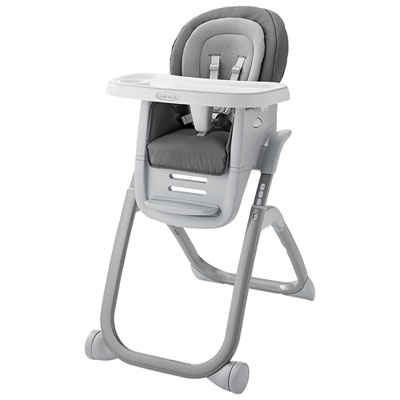 Your price for this item is $279.99
-
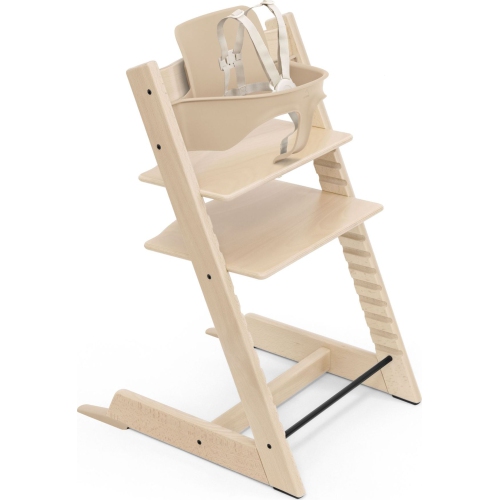 Your price for this item is $455
-
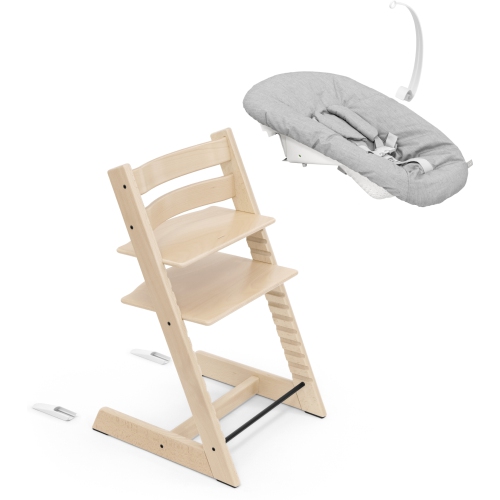 Your price for this item is $514.99
-
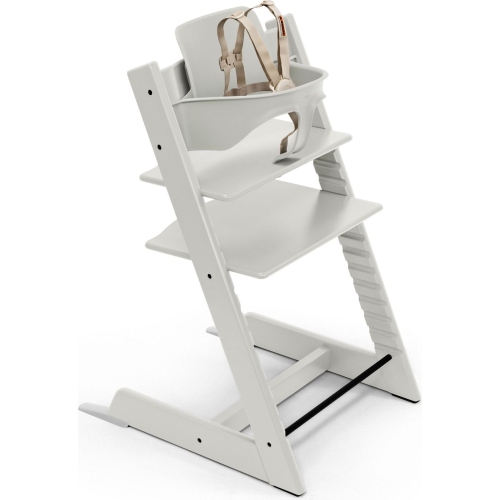 Your price for this item is $454.99
-
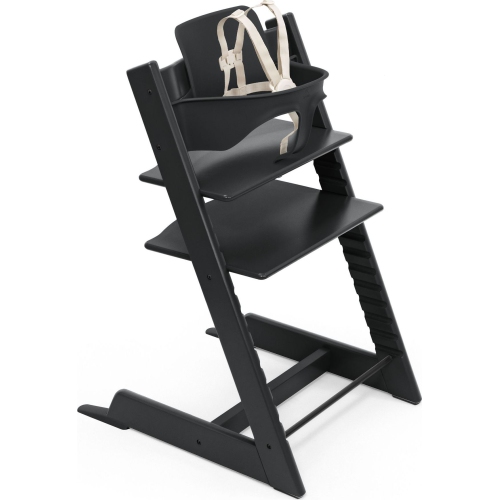 Your price for this item is $455
-
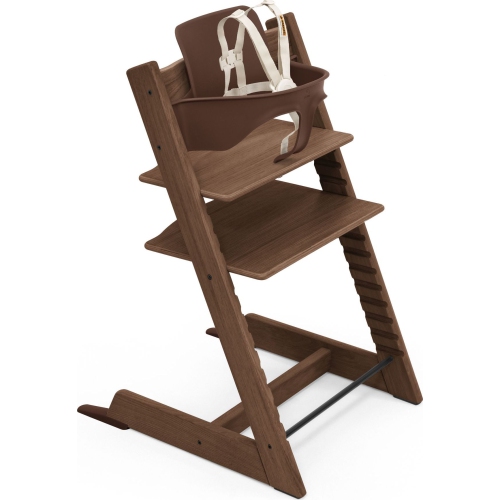 Your price for this item is $488.99
-
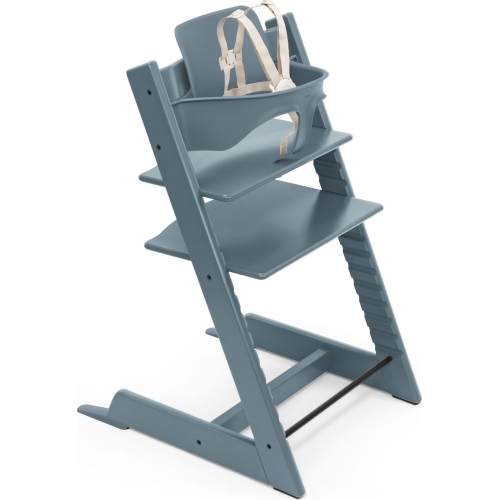 Your price for this item is $454.99
-
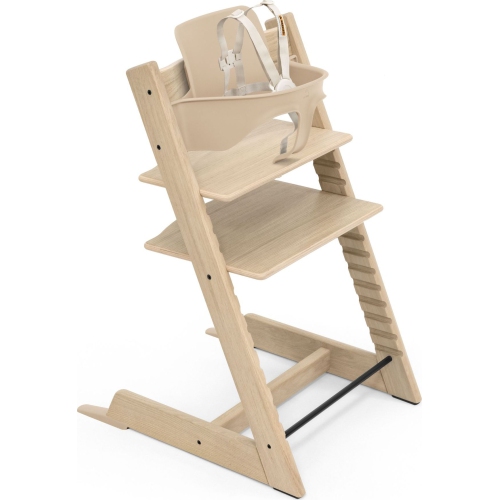 Your price for this item is $488.99
Discover more categories related to Table Attached High Chairs


Top Collections:
Pokemon Centers, Best Cameras for Sports Photography, Kindle Devices, Samsung Galaxy Phones, Canon G7X Cameras, Pokémon 30th Celebration Cards, Refurbished Apple Laptops, iPhone 15 Apple, Laptops for Students, Budget Smartphones
Some products may be subject to Environmental Handling Fees
(EHF) depending on your province.
Learn more about EHFs.