Counter High Chairs
Looking for a convenient and stylish seating solution for your little one? Look no further than our collection of counter-high chairs. These elevated seats are designed to provide a safe and comfortable perch for your child at the kitchen or dining room counter. Whether you're enjoying family meals or hosting a gathering with friends, these high chairs will ensure that your child can join in on the fun while staying securely seated.
Sort

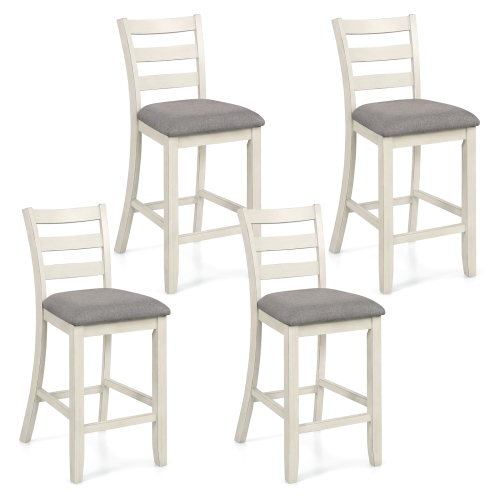

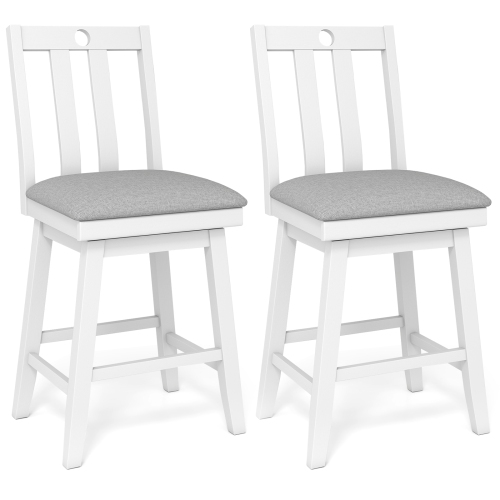
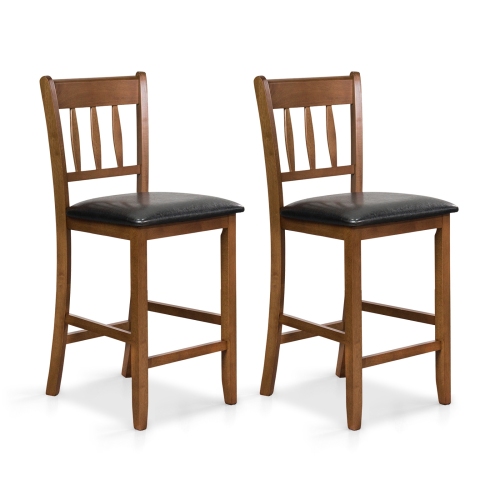

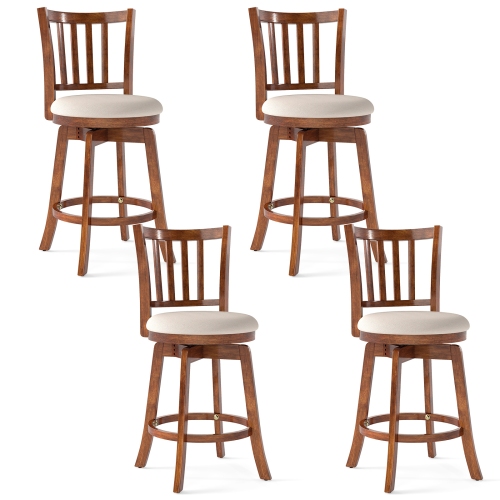

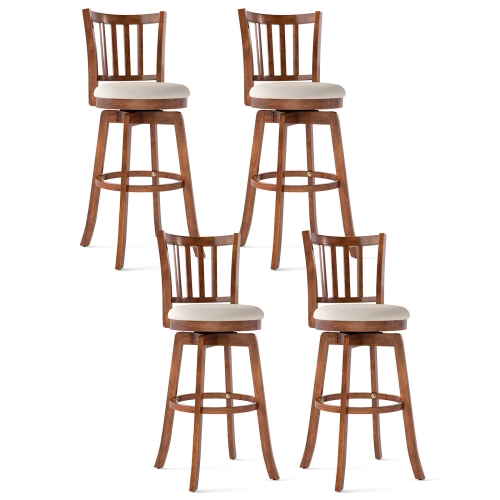


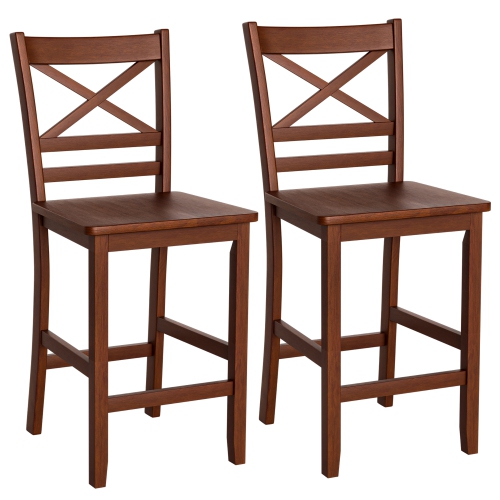
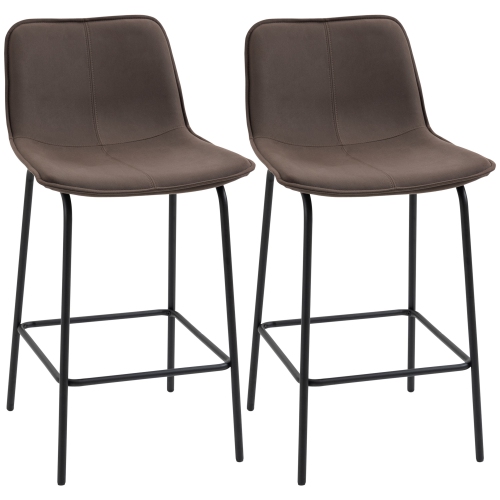
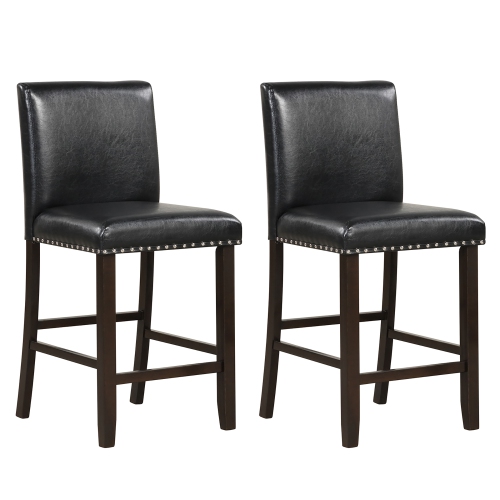


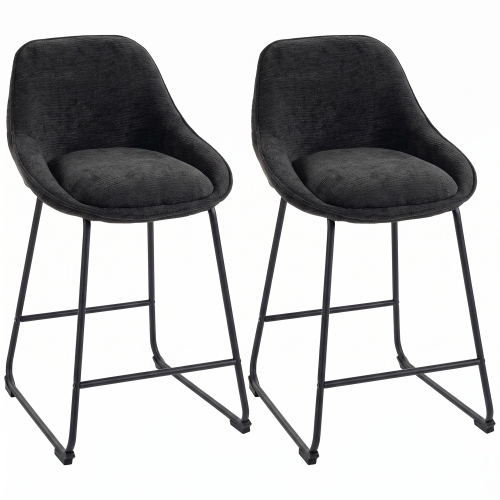


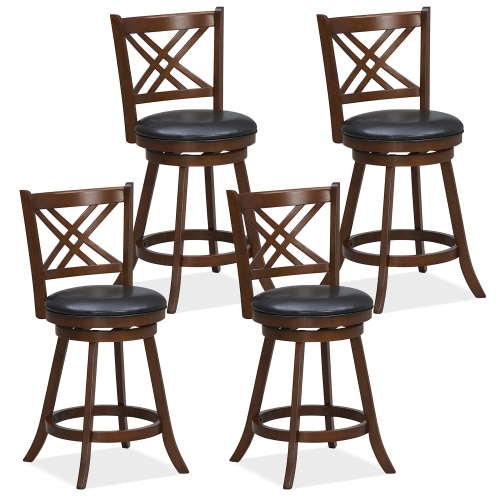


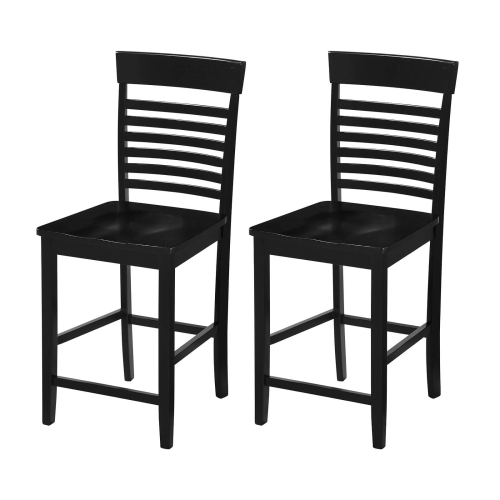
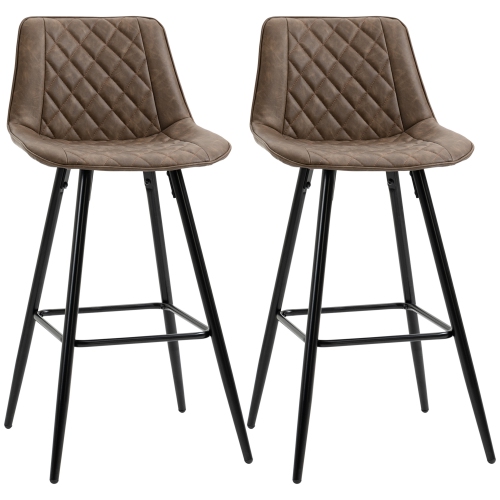


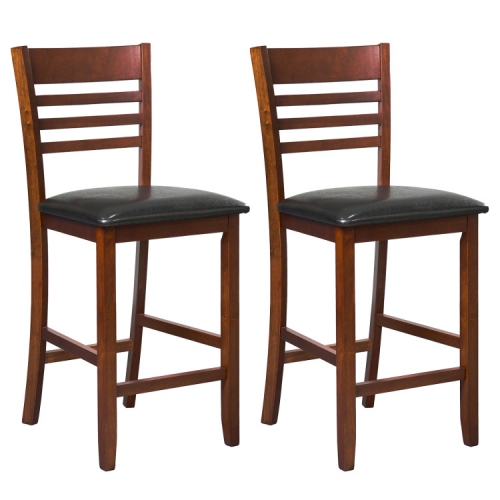


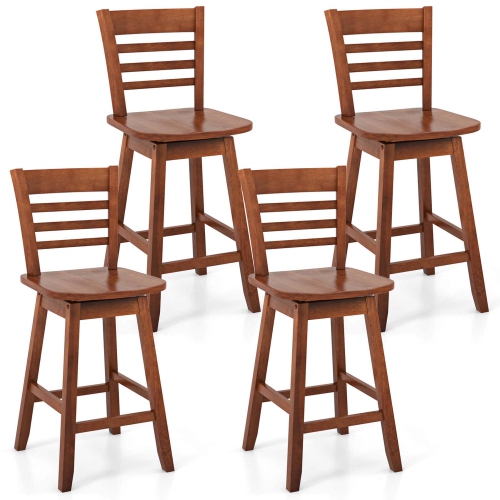


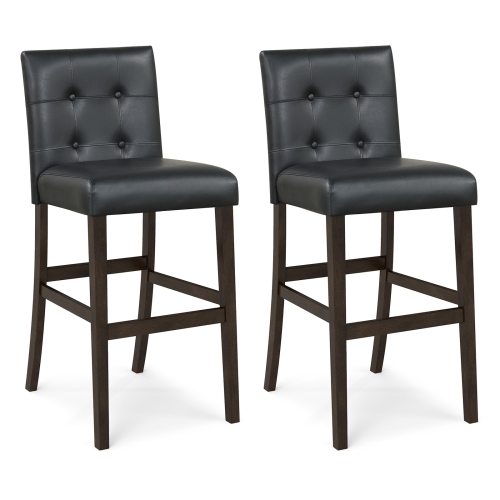


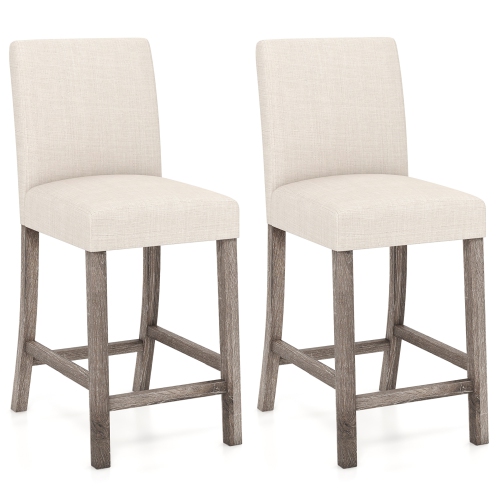
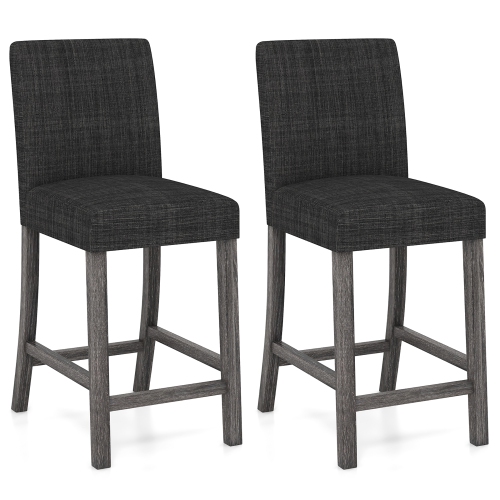

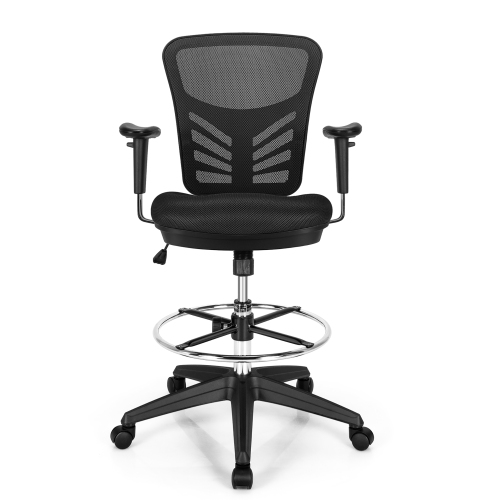
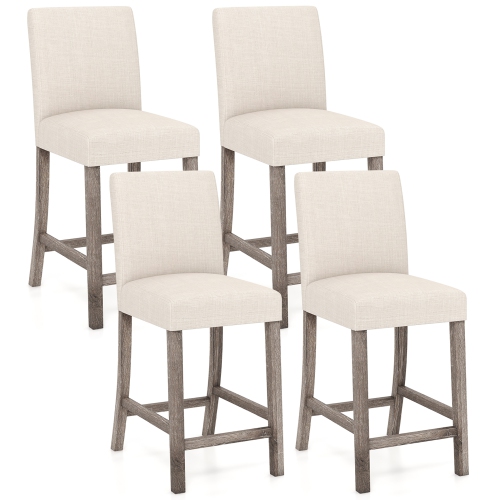
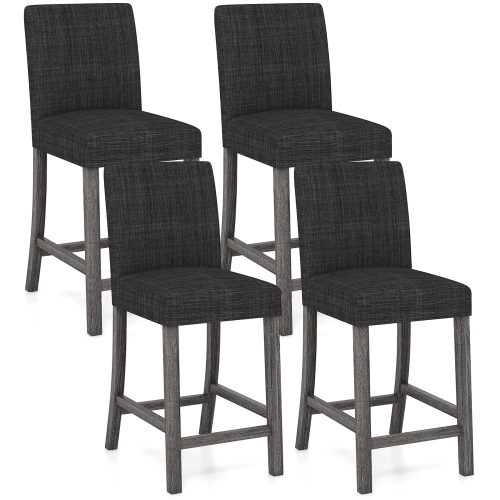


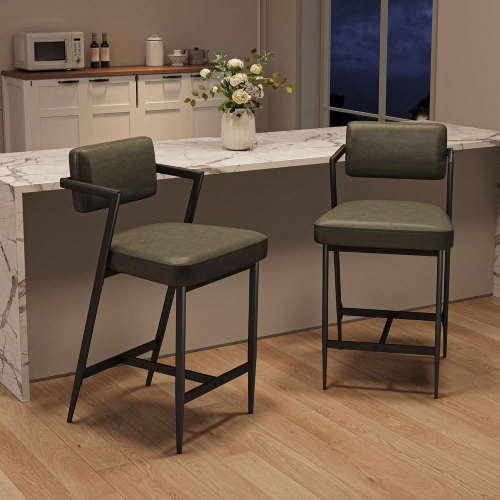


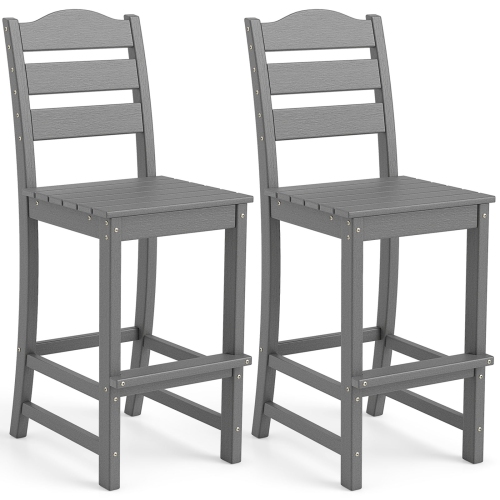


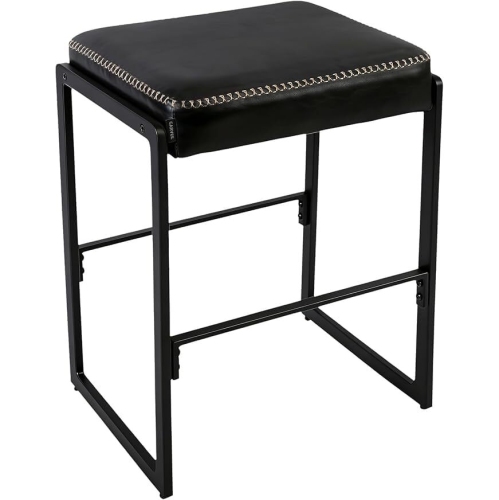

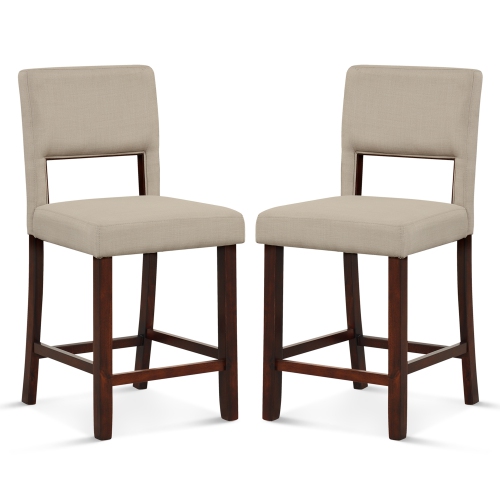
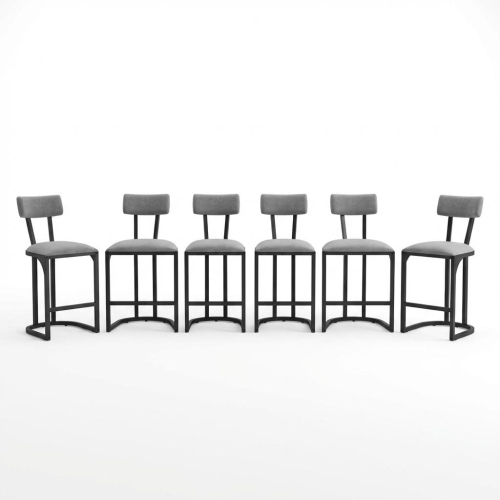

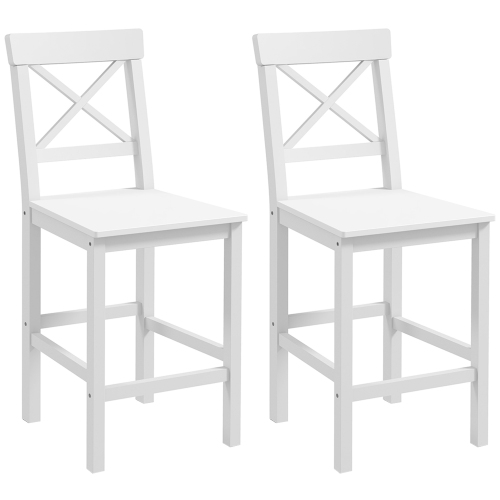
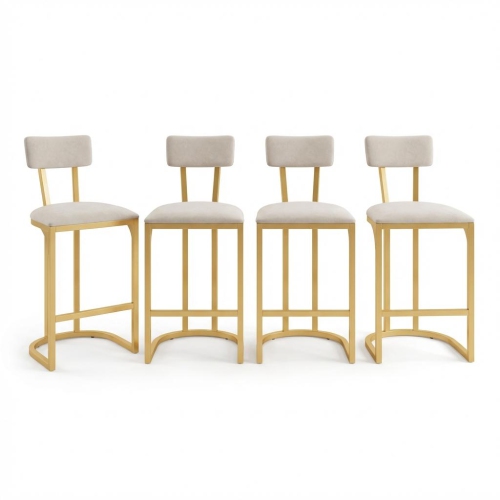
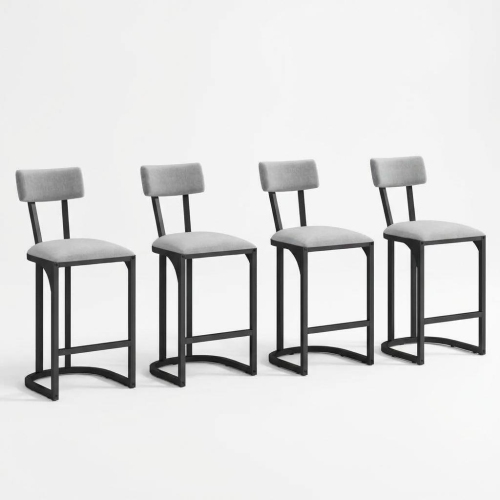
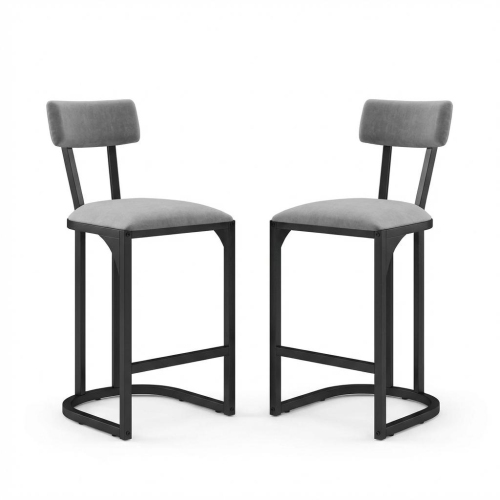


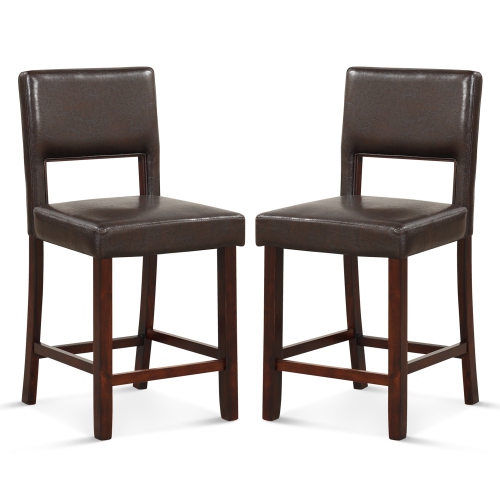
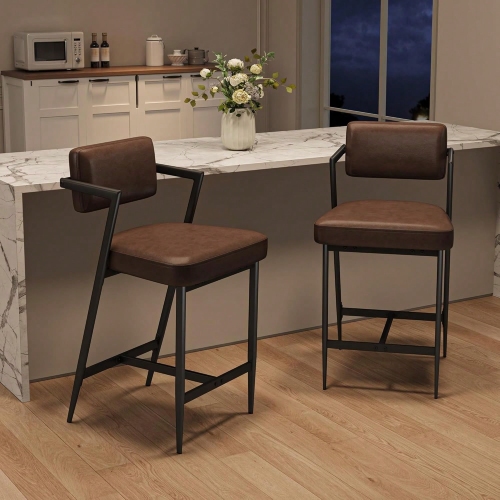
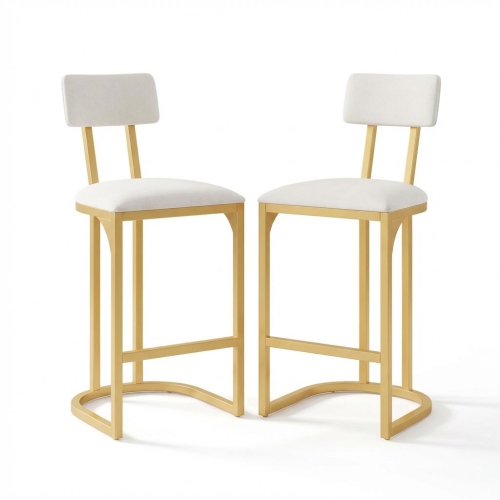
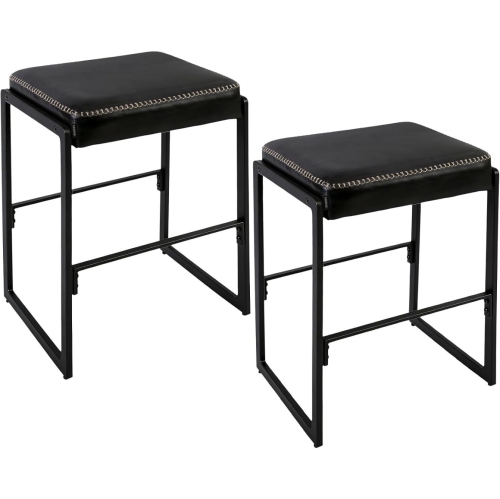
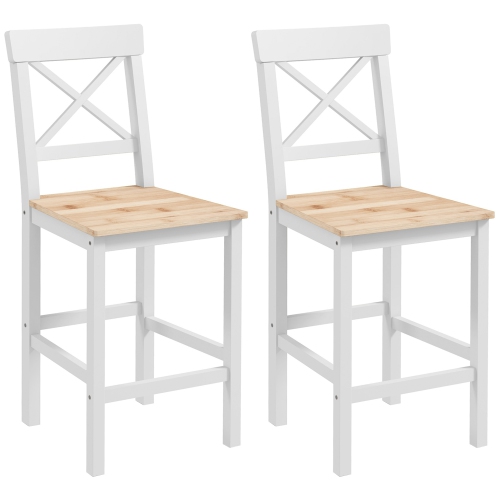
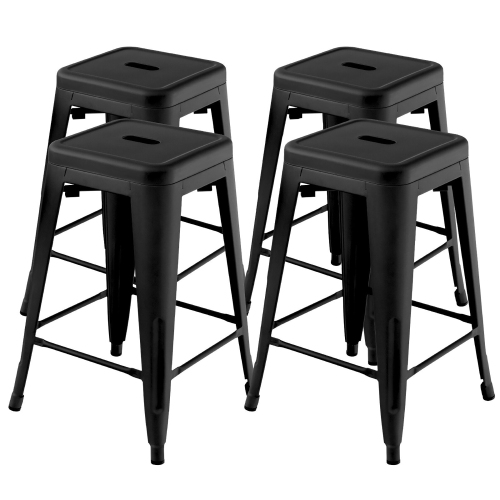
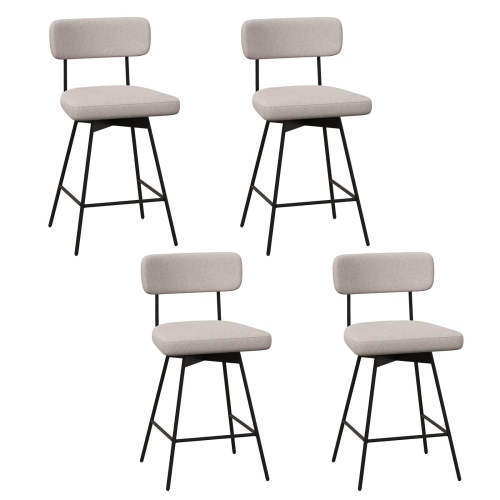
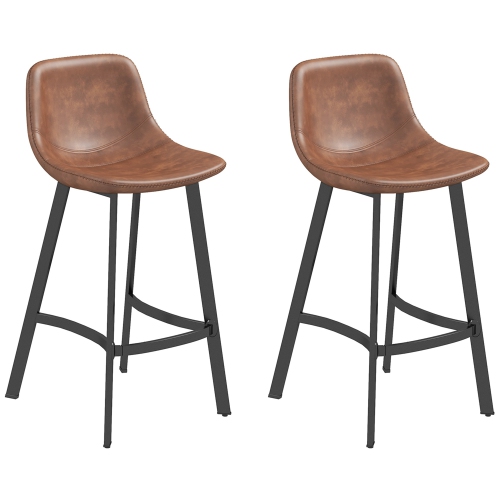
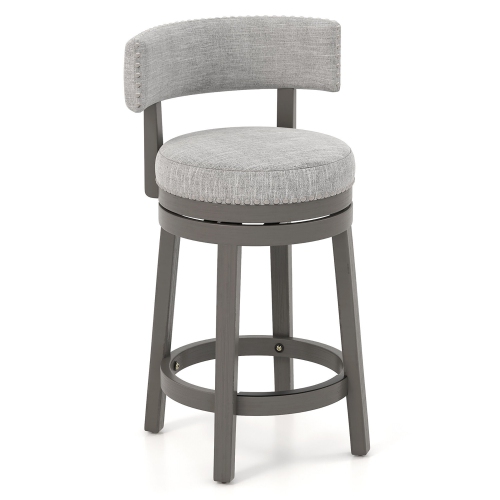
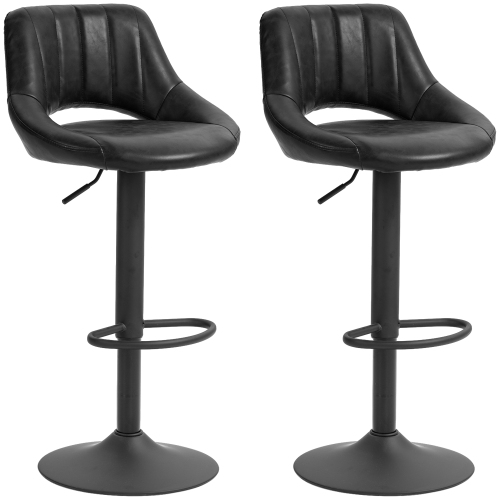

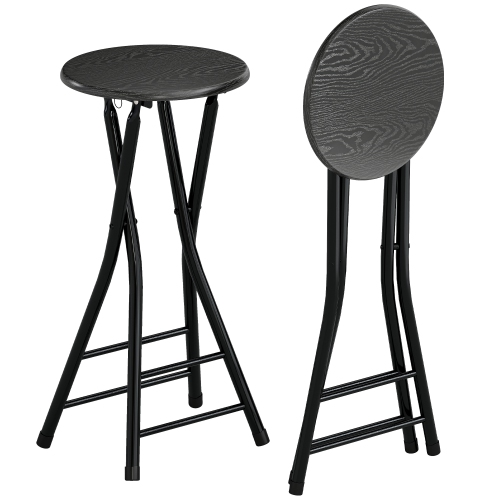



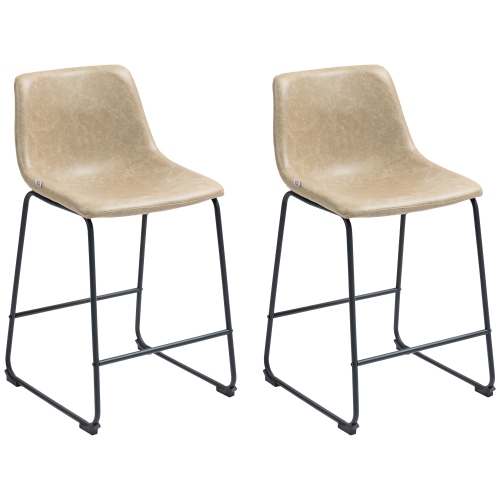
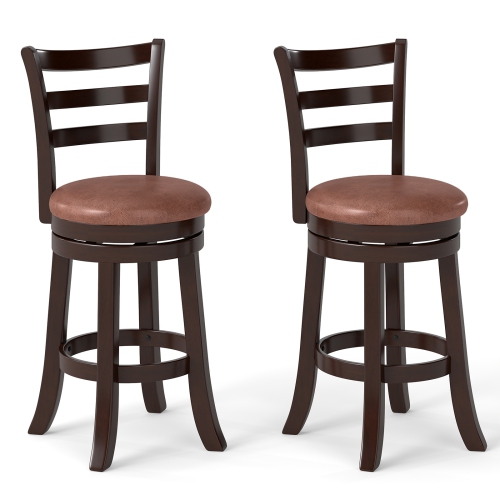
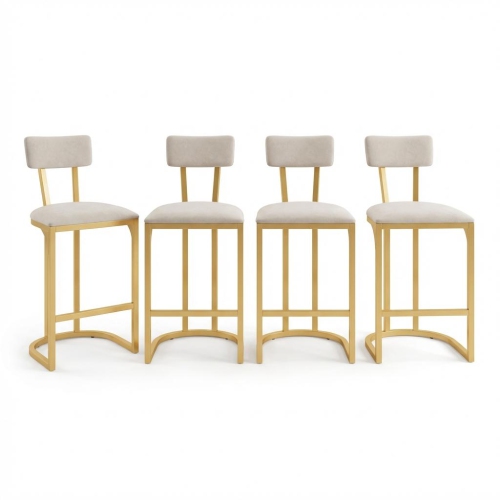
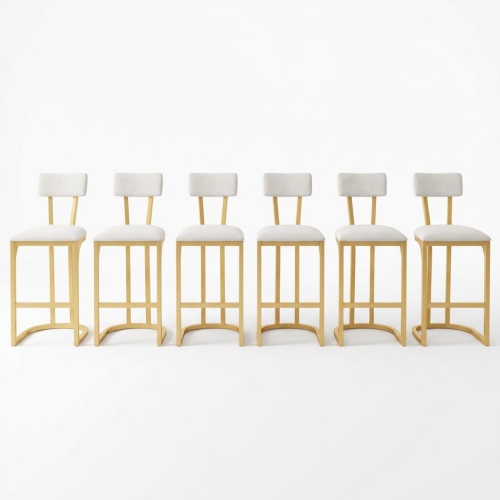
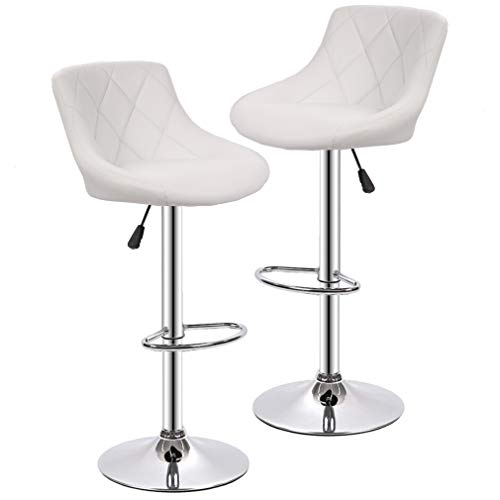
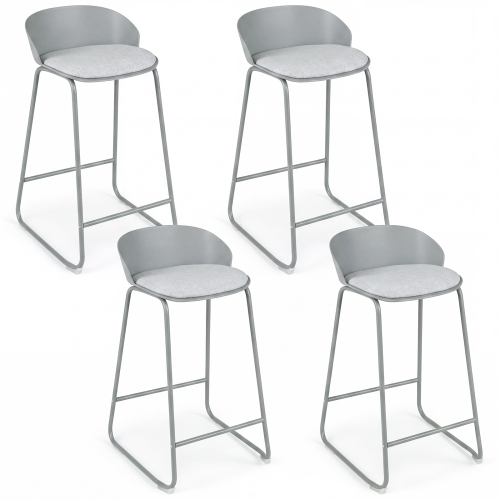
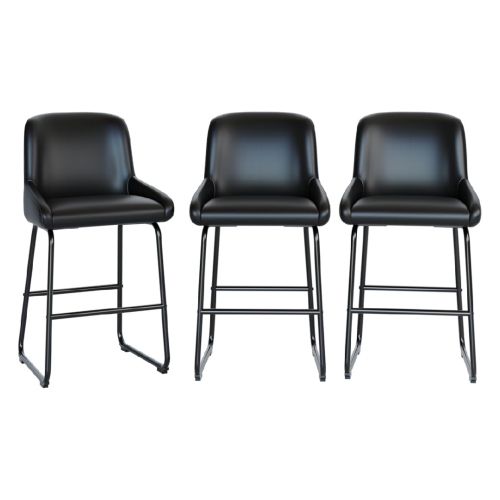
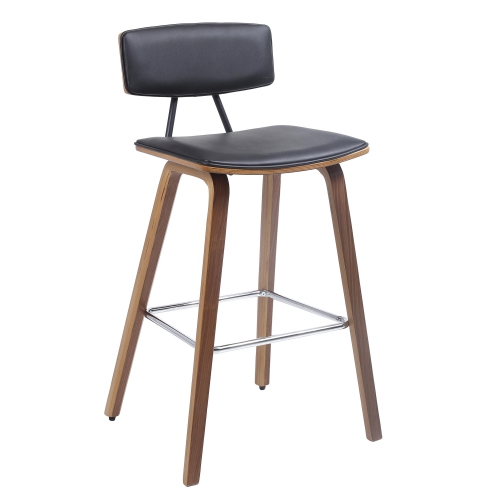
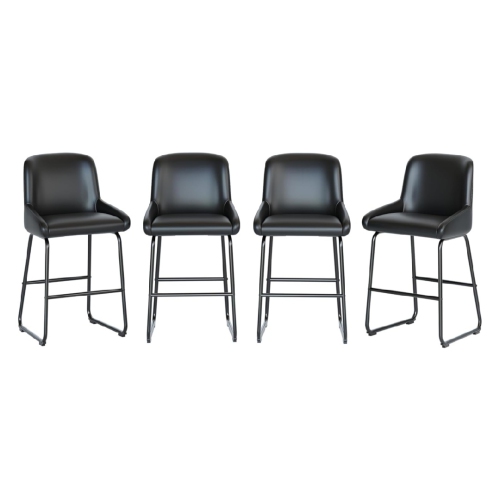


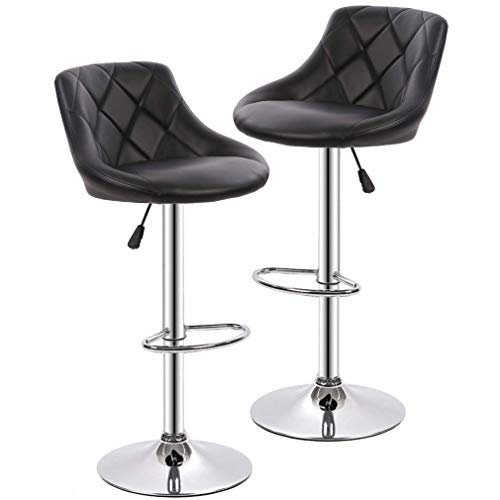
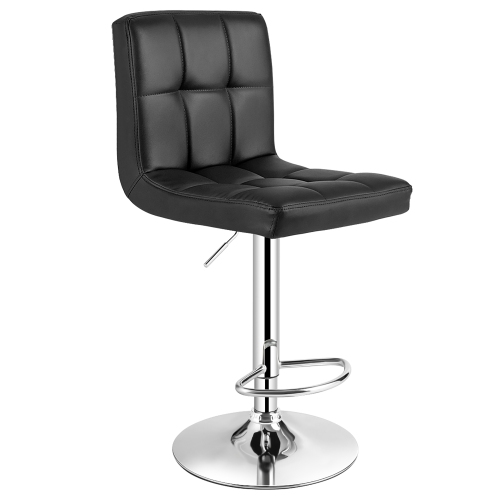

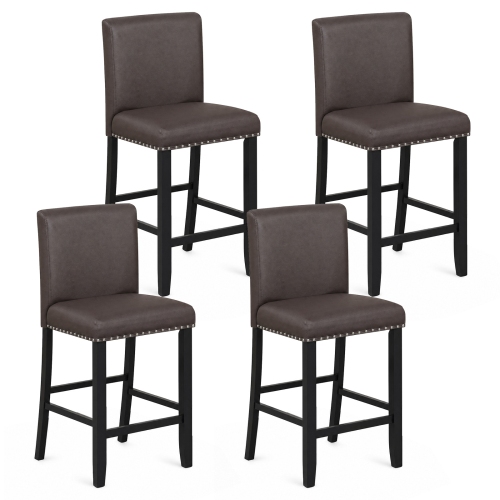
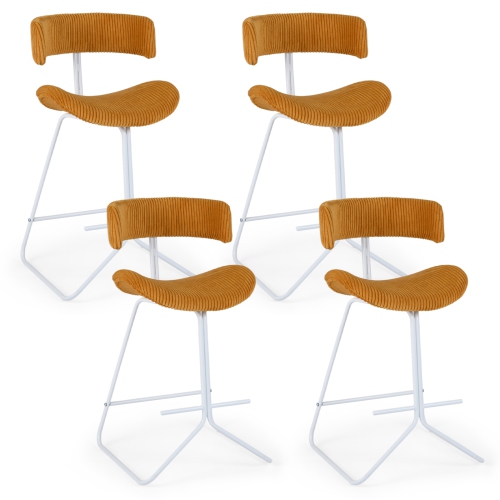
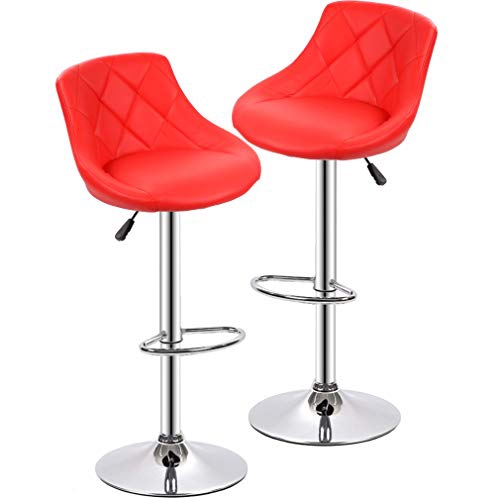
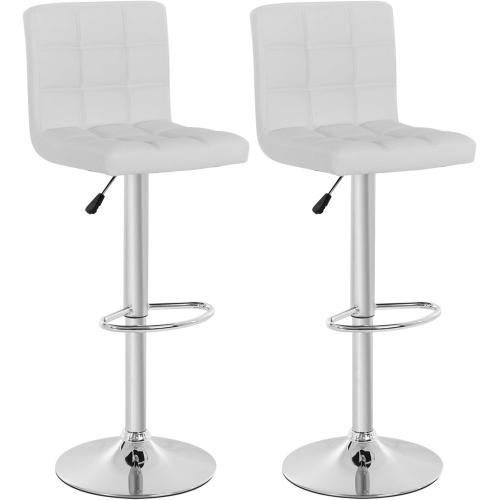
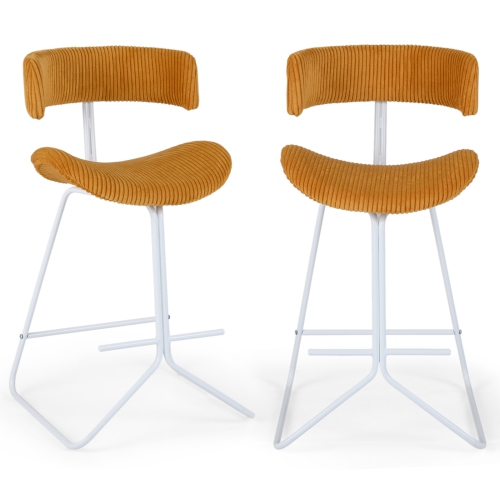
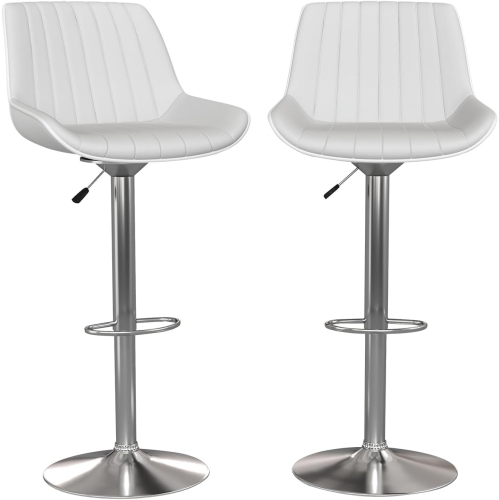

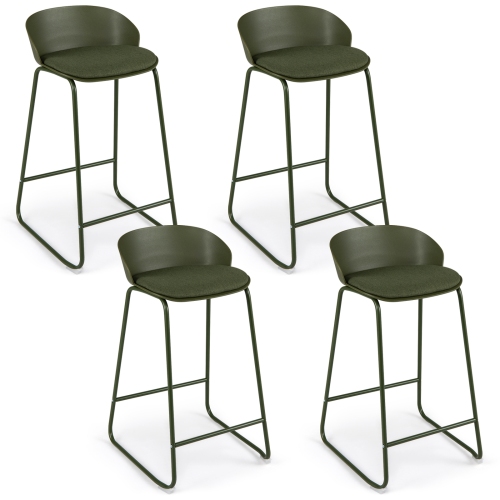

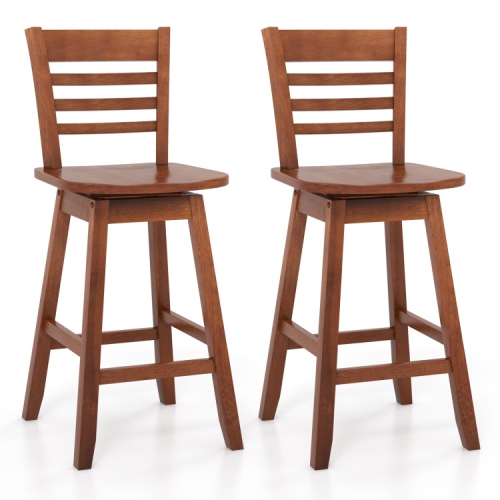

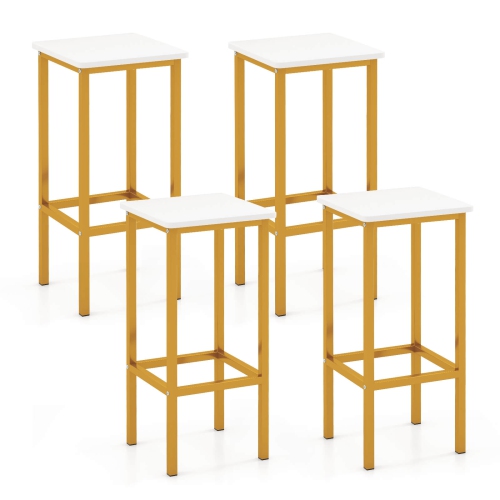

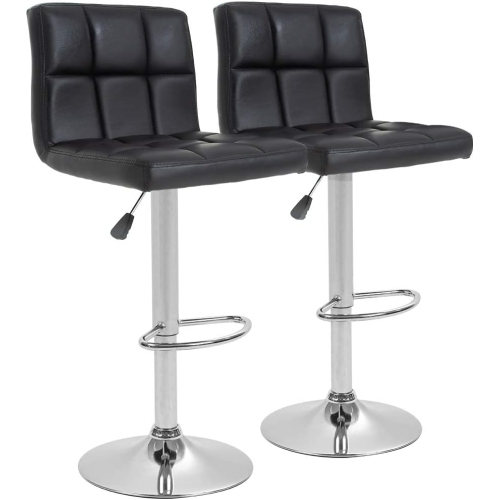


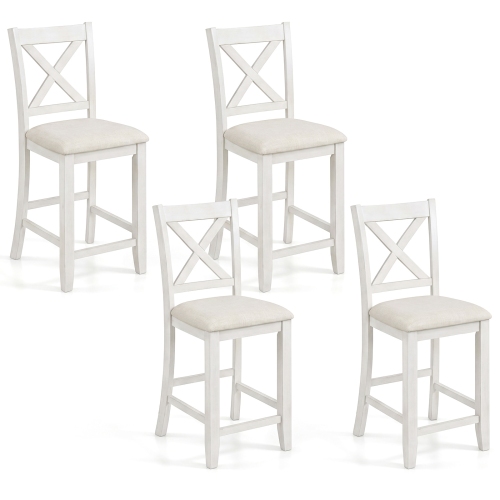
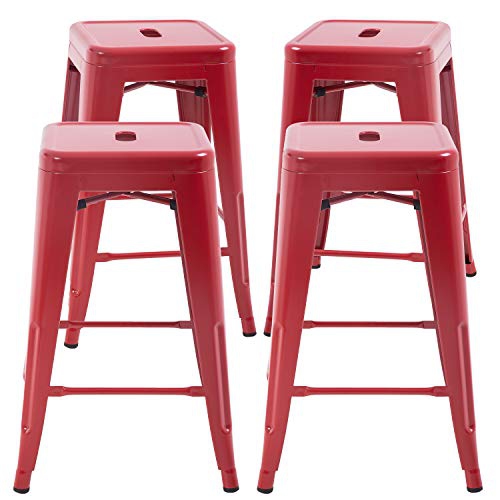

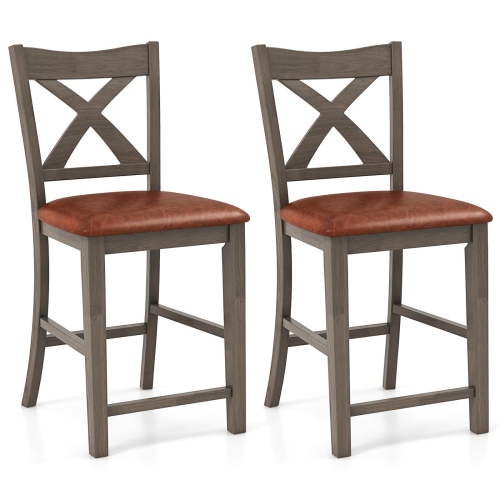

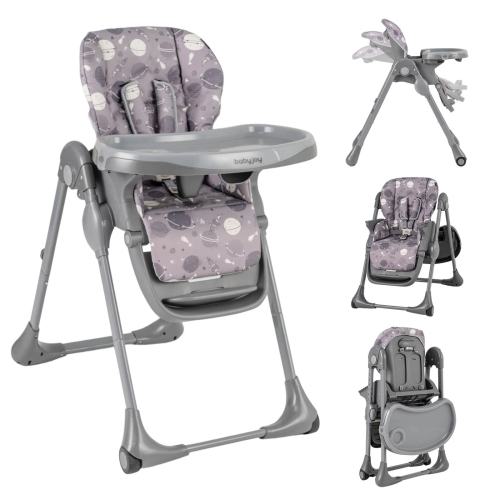

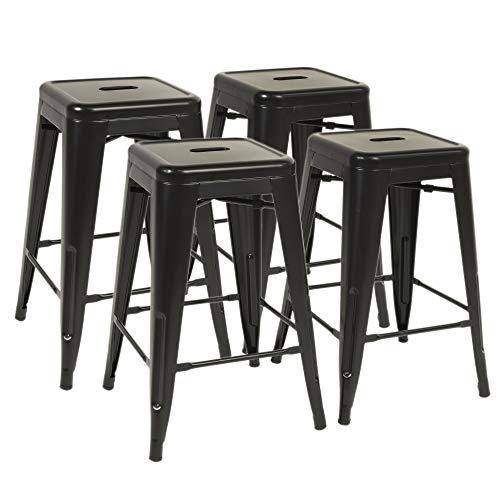
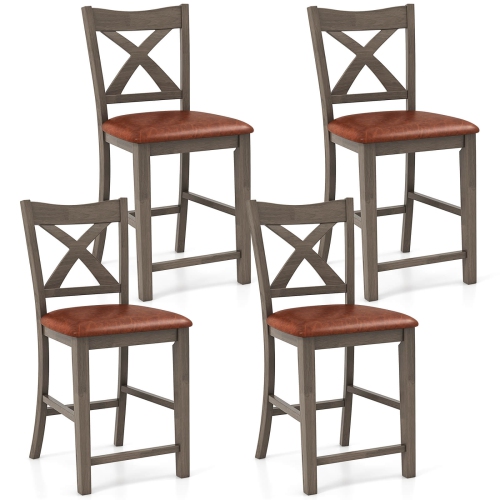


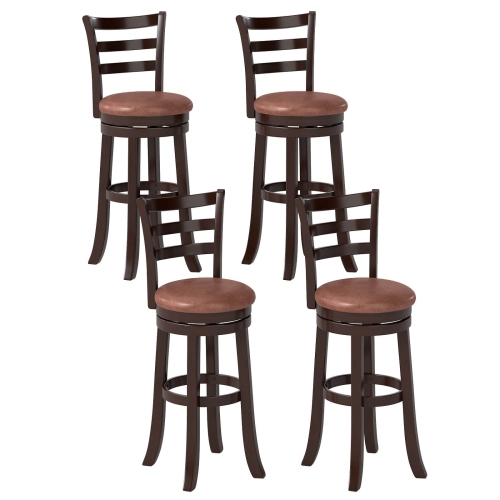

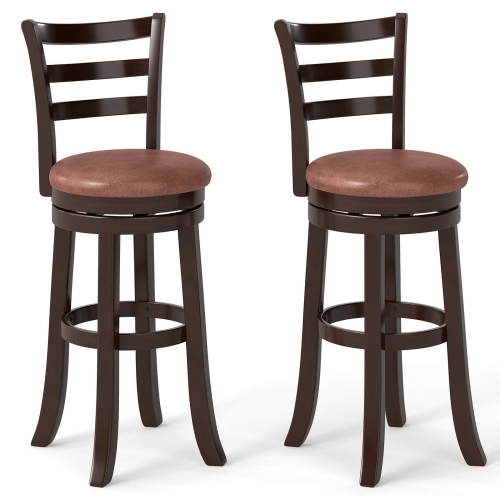
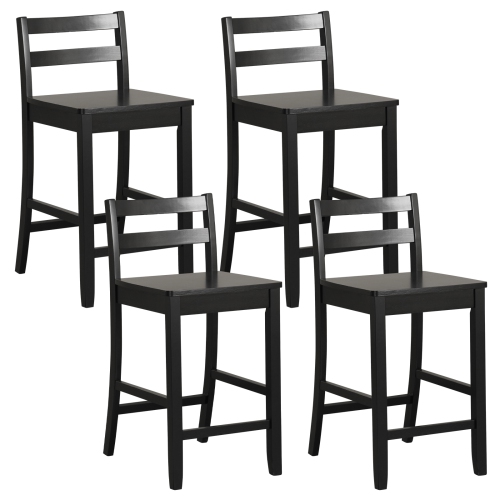

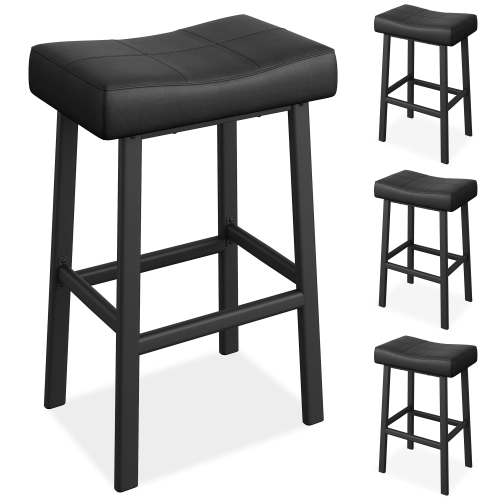
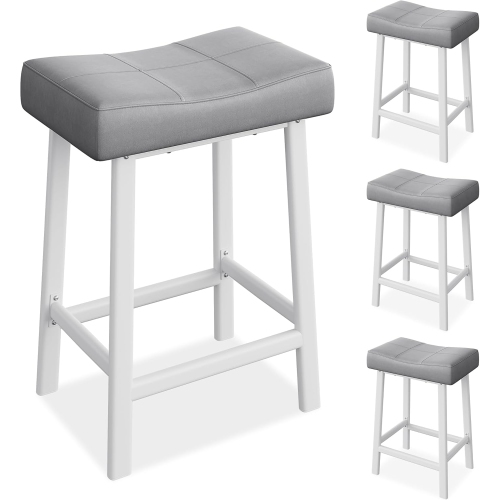


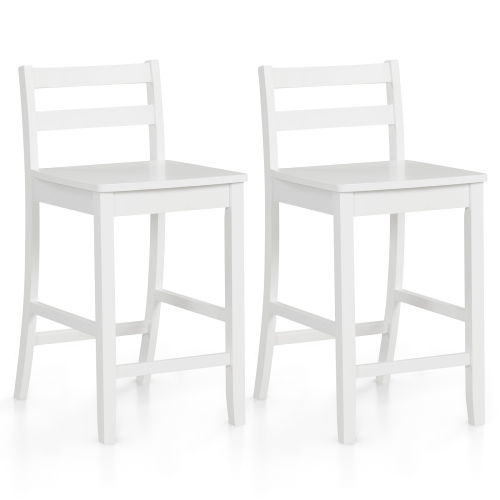


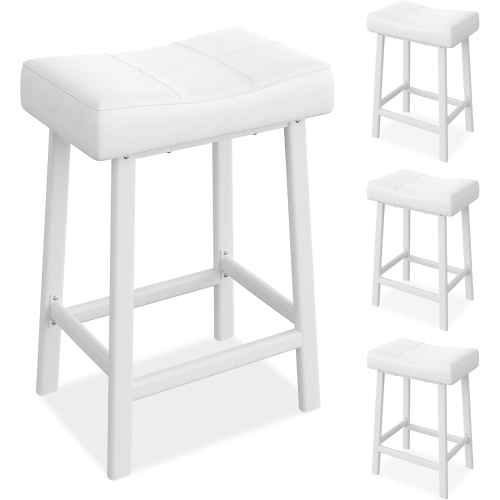
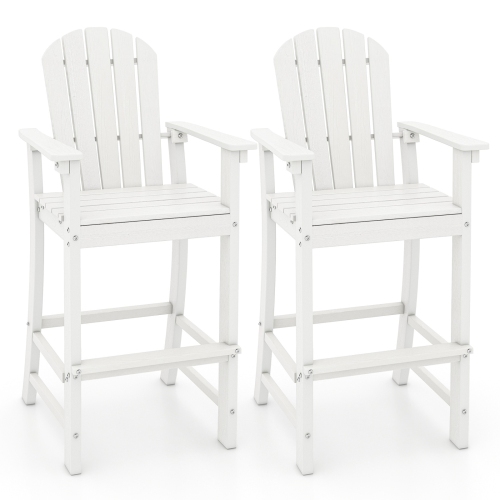

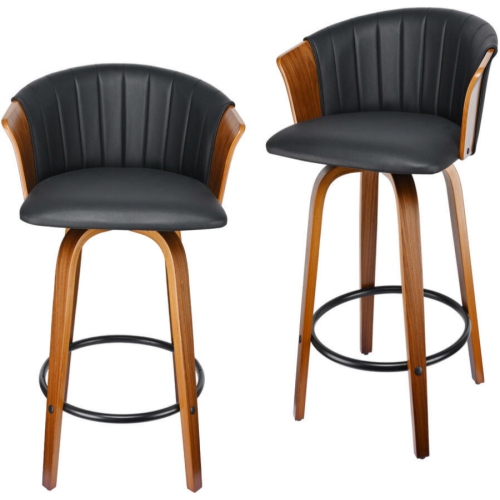


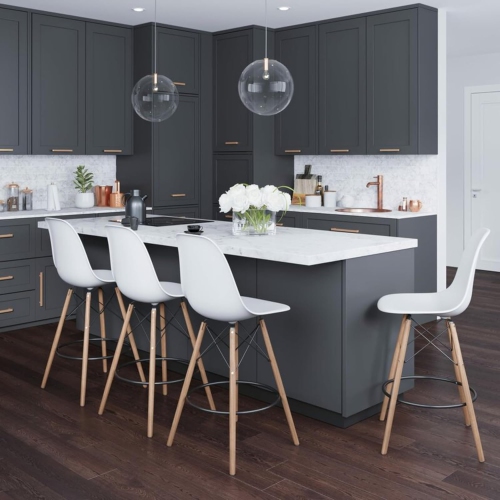


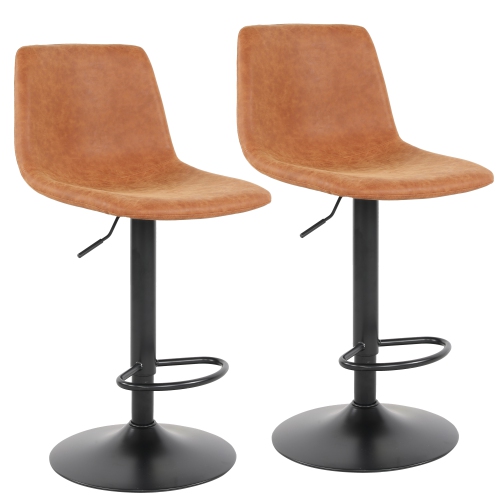
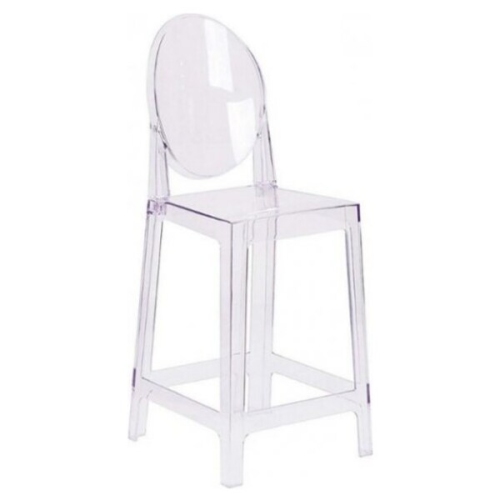
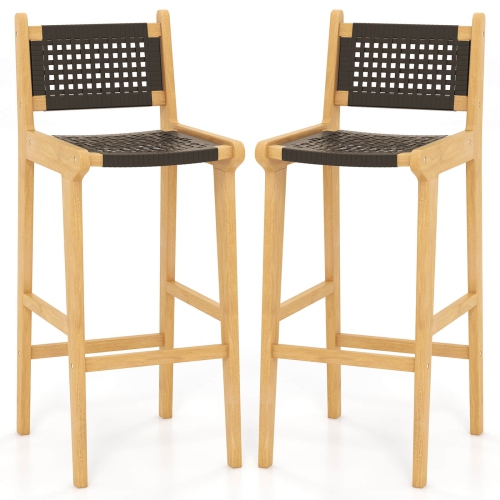
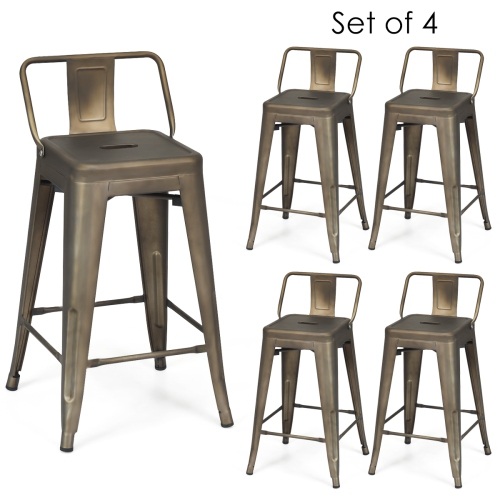


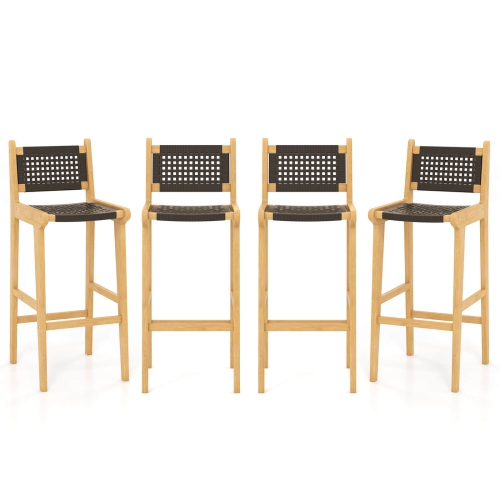
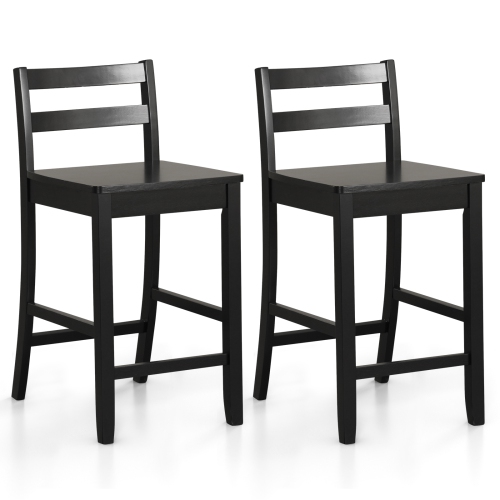

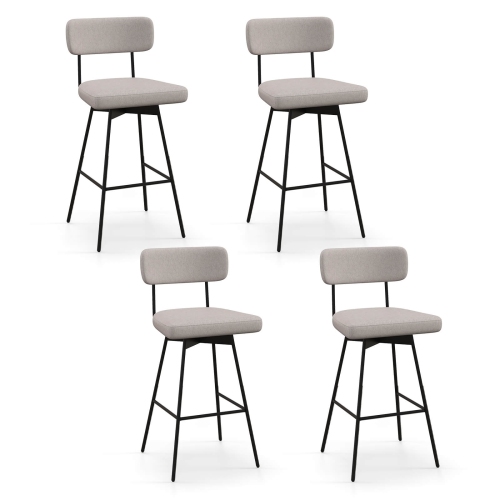
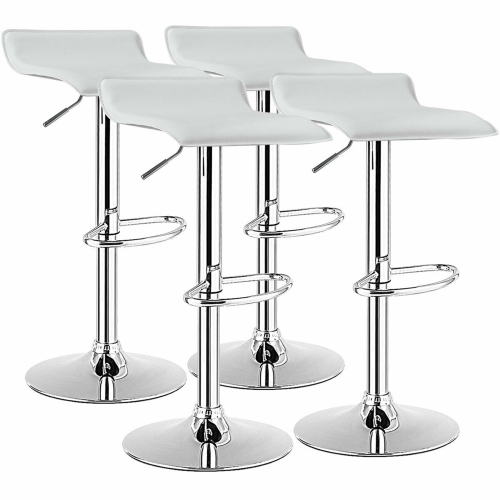
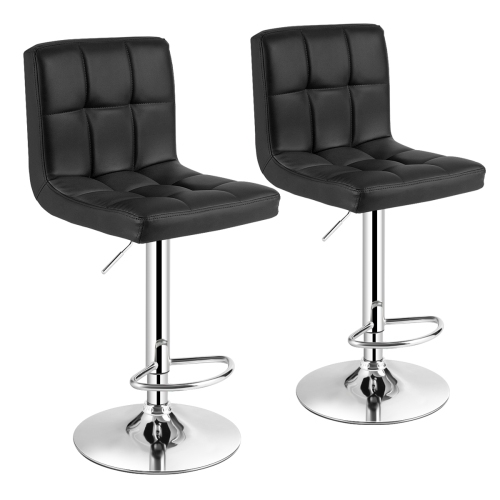

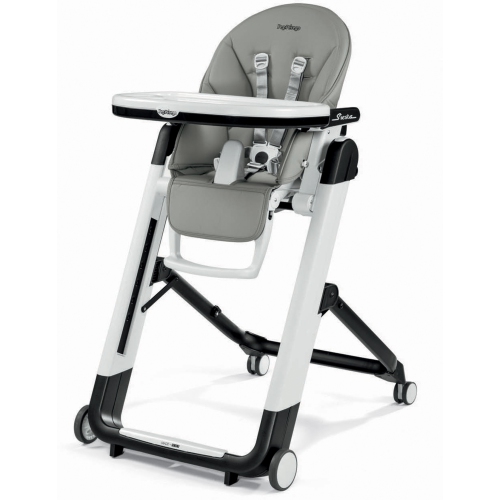

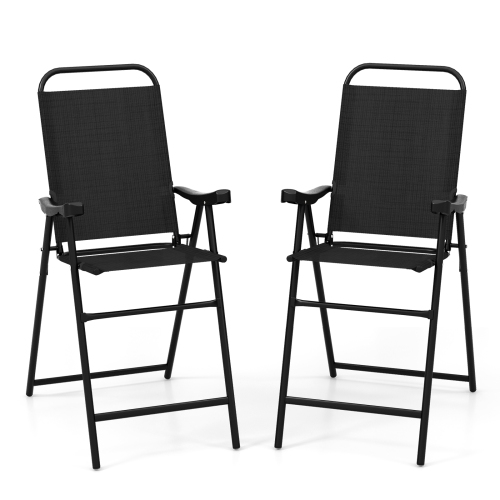


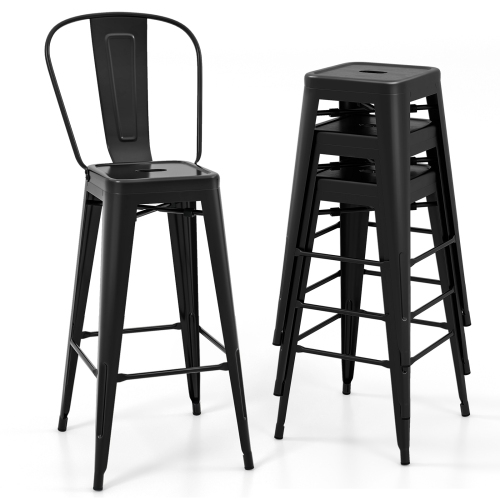
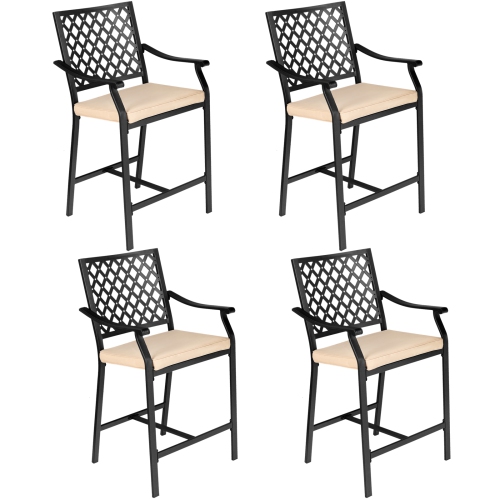


Comfort at the counter starts with the right fit
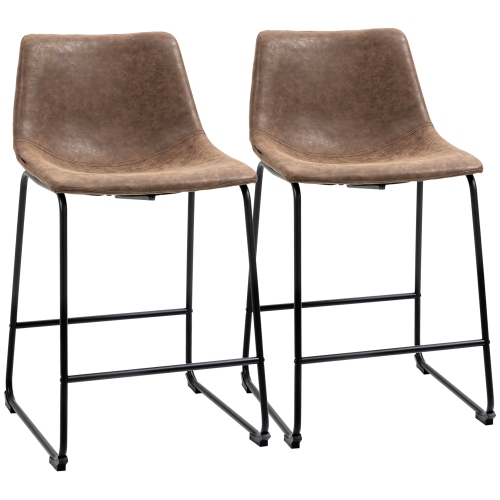
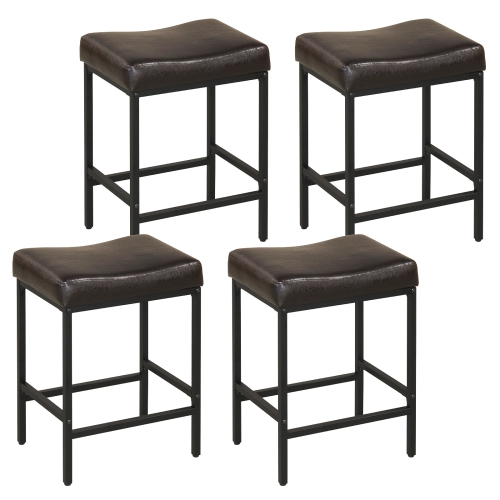
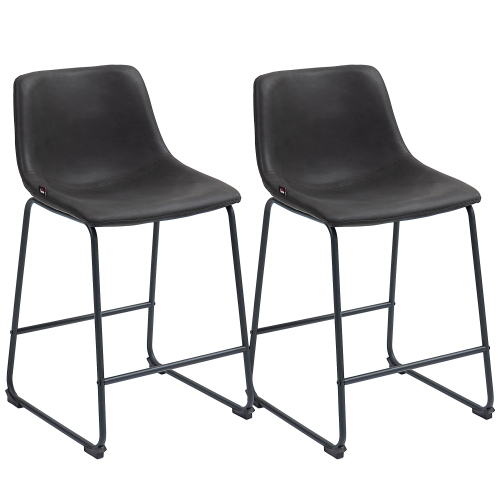
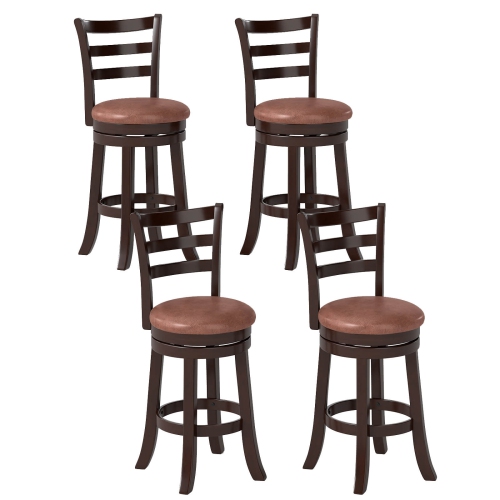
Counter high chairs, also called counter-height chairs or counter stools, provide elevated seating for kitchen islands, breakfast counters, and counter-height dining tables. They generally have seats about 24 to 27 inches above the floor and are intended for surfaces approximately 35 to 36 inches high. This makes them different from bar-height chairs, which commonly have seats around 28 to 30 inches high for raised surfaces measuring approximately 40 to 42 inches. The distinction matters in everyday use: a chair that is too tall leaves little room for legs, while one that is too low puts the tabletop awkwardly close to the chest. Measure both the height of the eating surface and the distance from the floor to its underside, including any apron, drawer, or support rail. Allow roughly 10 to 12 inches between the seat and the underside of the counter for comfortable legroom, using the actual furniture measurements rather than the height label alone. Along the counter, a useful starting point is 24 to 30 inches of width per person, with more room needed for wide seats, arms, or swivel movement. A generous island may accommodate several chairs without crowding, whereas a compact breakfast ledge might work better with two narrow seats that tuck neatly underneath. Counter overhang also affects comfort, since knees need room beneath the surface rather than against a cabinet front. Beyond these measurements, consider how the space functions throughout the day. Seating used for a quick breakfast may have different comfort needs from chairs where someone eats dinner, sorts paperwork, or sits chatting while a meal is prepared. Leave space behind occupied chairs for people to walk past, open nearby cupboards, and move between the kitchen and adjoining rooms. A well-proportioned arrangement gives each person a usable place at the counter without turning a busy walkway into an obstacle.
The shape of a counter-height chair influences how inviting it feels and how easily it fits into the room. Full backs offer a place to lean during longer meals, while low backs create a lighter visual profile without leaving the seat completely open. Backless stools can often slide farther beneath a counter, making them useful where floor space is limited, though they do not provide back support. Arms offer another resting point but add width and may prevent a chair from fitting beneath the countertop. Check their height against the lowest part of the overhang, not just the top of the eating surface. Swivel seats make it easier to turn towards a conversation or get into position without dragging the whole chair across the floor. They also need enough surrounding clearance to avoid striking adjacent seating or cabinetry. For many users, a footrest is particularly important because counter-height seating leaves feet above floor level. Its position should allow a relaxed sitting posture rather than forcing legs to dangle or knees to bend sharply. Seat depth, width, cushioning, and the angle of the back all contribute to comfort; thicker padding alone does not determine how supportive a chair will feel. Materials bring practical differences as well as visual character. Wood frames can show distinctive grain and suit anything from a simple painted kitchen to a dining area with warm timber finishes. Metal frames often have a slimmer appearance, with durability influenced by their construction, joints, and protective finish. Upholstered seats add softness and introduce colour or texture, while unupholstered surfaces are often simpler to wipe after everyday spills. Woven fabric, velvet, leather, and faux leather each have different care requirements, so the upholstery description matters as much as its appearance. In an open-plan home, coordinating a chair’s finish with a dining table, cabinet hardware, or nearby shelving can connect the spaces without requiring every surface to match.
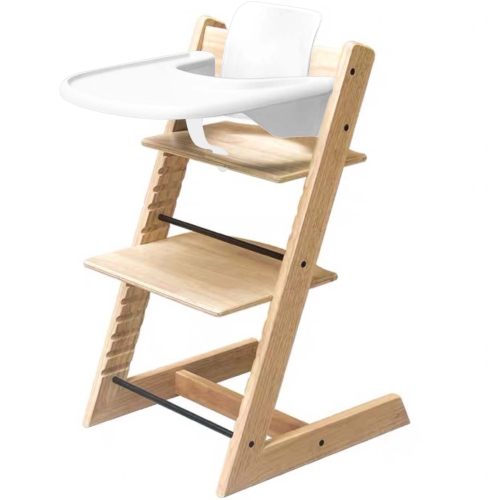
Daily habits are a useful way to narrow down counter seating. In a household where the island doubles as a breakfast spot and homework surface, accessible cleaning instructions, stable construction, and a comfortable footrest may matter more than decorative detailing. For people who regularly host meals, supportive backs and enough elbow room can make the counter a more comfortable extension of the dining area. Compact homes may benefit from lightweight chairs that are manageable to reposition, provided their structure remains suitable for the intended user and use. Check the stated weight capacity, assembly requirements, and any restrictions on residential or commercial use. A level frame, secure fasteners, and sound joints help a chair feel steady; adjustable floor glides, where included, can help address minor unevenness. Floor protectors suited to the flooring can reduce scuffs, but should be kept clean so trapped grit does not scratch the surface. Care should follow the manufacturer’s directions for both the frame and the seat. Promptly blotting spills, removing crumbs from seams, and wiping suitable hard surfaces with a soft cloth help keep seating pleasant to use. Avoid soaking wood joints or using harsh cleaners on finishes and upholstery unless expressly permitted. Periodically check fasteners, particularly on chairs that swivel or are moved frequently, and stop using seating that has loose or damaged components until it is properly repaired. Elevated dining chairs are not infant feeding seats, even though the term “high chairs” can appear in both categories. Families looking for seating designed specifically for a baby can explore Table Attached High Chairs, checking the seat’s age and weight limits, restraint requirements, and table compatibility before use. Counter-height chairs should never serve as a substitute for an appropriate infant seat or as a step stool. With dimensions, comfort, and upkeep considered together, counter seating can give a kitchen island or raised dining surface a practical role in everyday meals and conversation.
Top selling and popular products
-
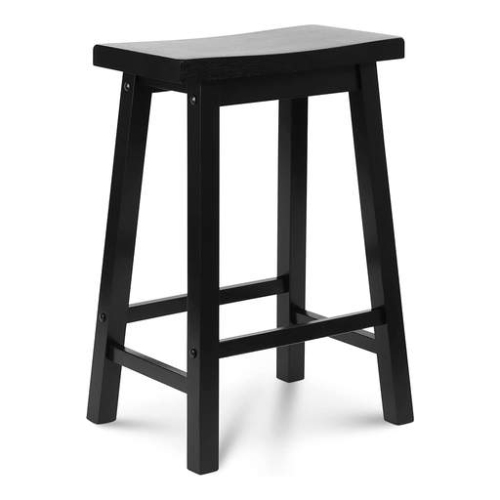 Your price for this item is $88.99
-
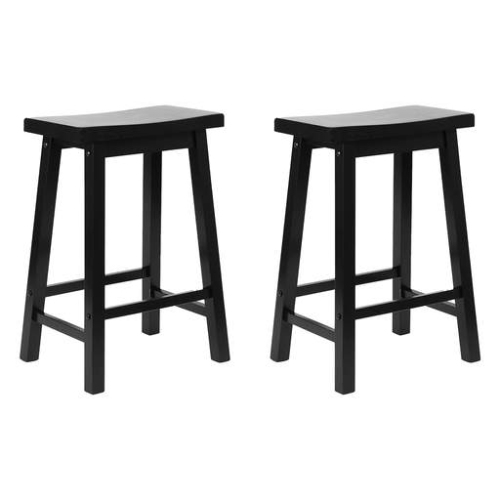 Your price for this item is $174.99
-
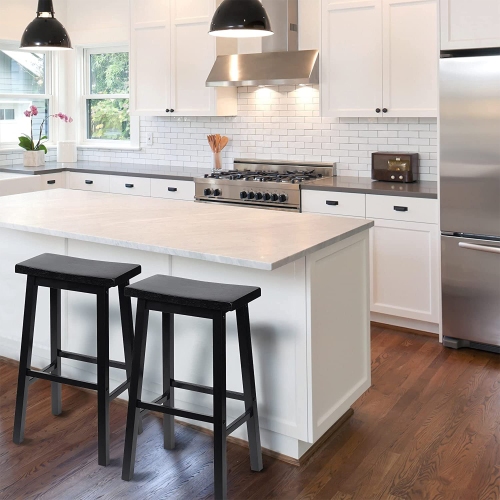 Your price for this item is $437.99
-
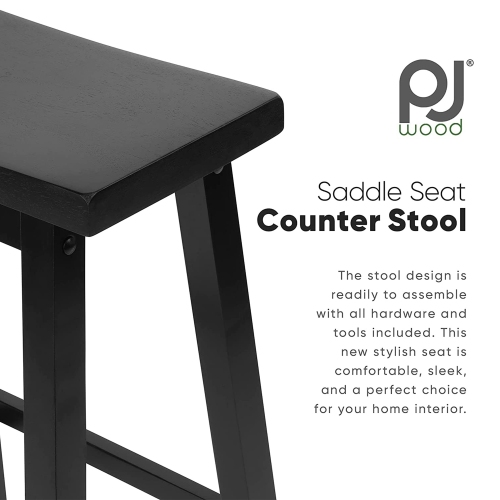 Your price for this item is $173.99
-
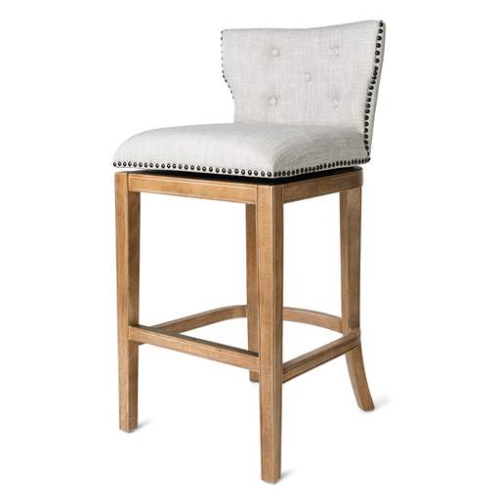 Your price for this item is $406.99
-
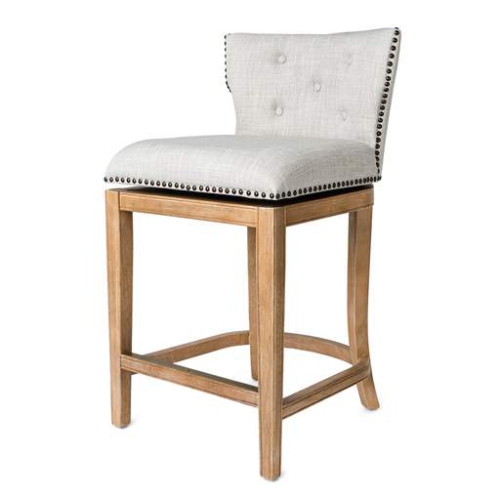 Your price for this item is $431.99
-
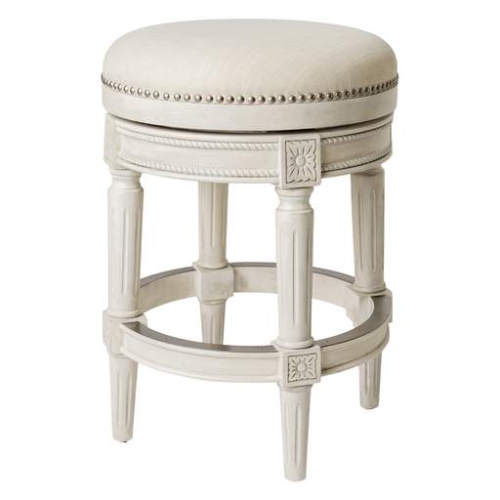 Your price for this item is $350.99
-
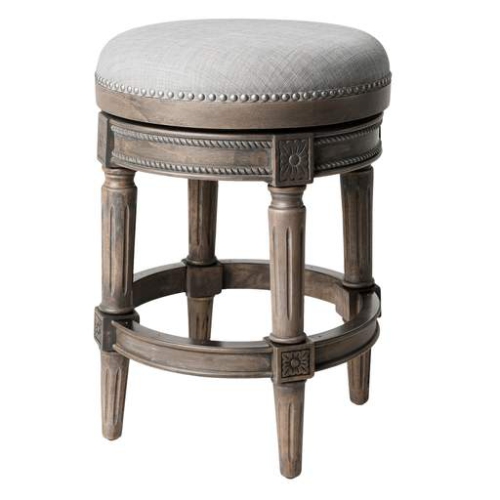 Your price for this item is $364.99
Discover more categories related to Counter High Chairs


Top Collections:
Pokemon Centers, Best Cameras for Sports Photography, Kindle Devices, Samsung Galaxy Phones, Canon G7X Cameras, Pokémon 30th Celebration Cards, Refurbished Apple Laptops, iPhone 15 Apple, Laptops for Students, Budget Smartphones
Some products may be subject to Environmental Handling Fees
(EHF) depending on your province.
Learn more about EHFs.