Toddler Booster Seats
Finding the perfect toddler booster seat is an essential step in ensuring your little one's safety and comfort during mealtime or on the go. Whether you're upgrading from a high chair or looking for a portable option for travel, a booster seat provides the right elevation and support for your toddler to join family activities with ease. Explore a wide range of designs that cater to different needs and preferences, making it simple to find a solution that fits seamlessly into your lifestyle. With safety and convenience as top priorities, these booster seats are crafted to offer peace of mind while keeping your child comfortable and secure.
Sort
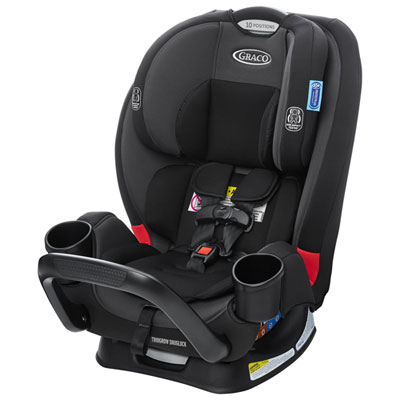
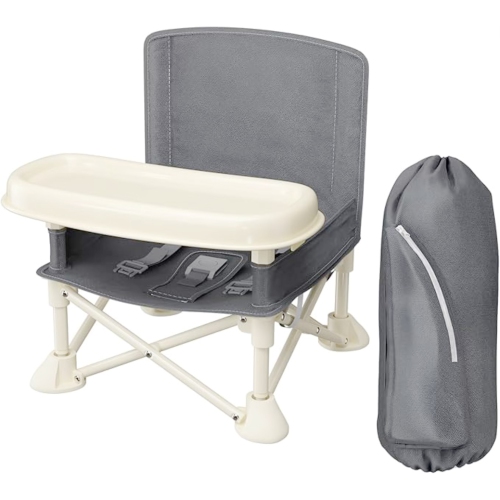
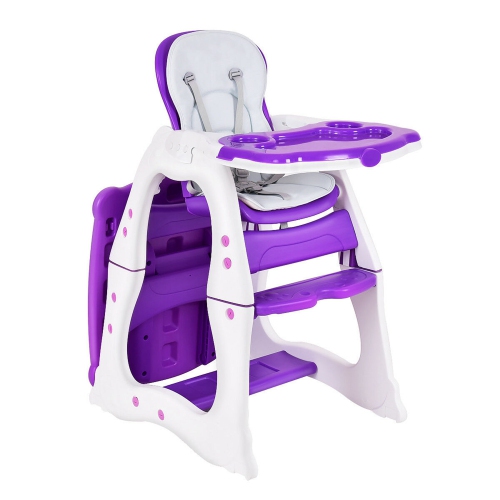
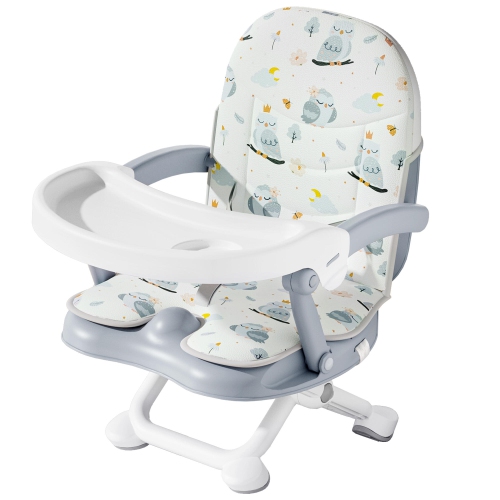
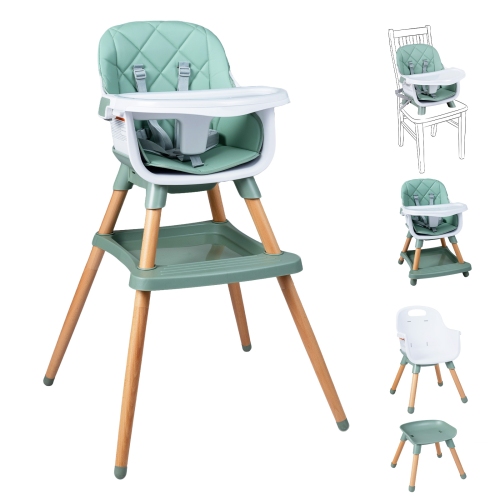
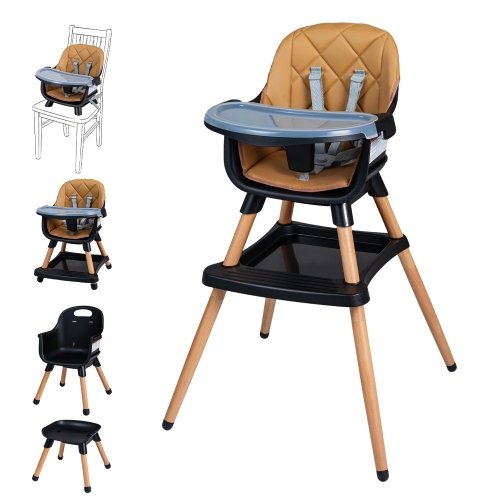
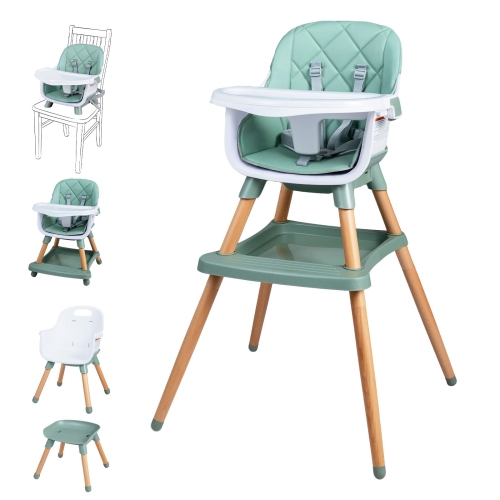
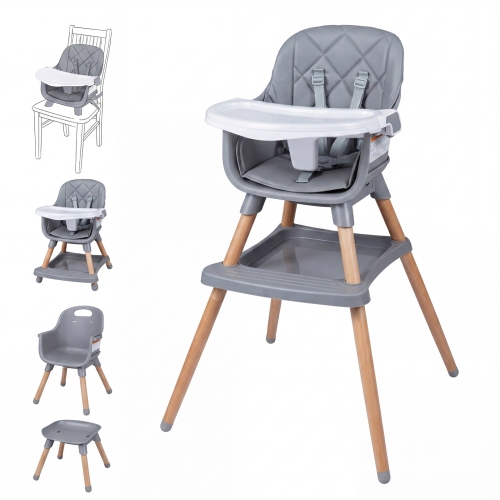
A little extra height for shared family meals
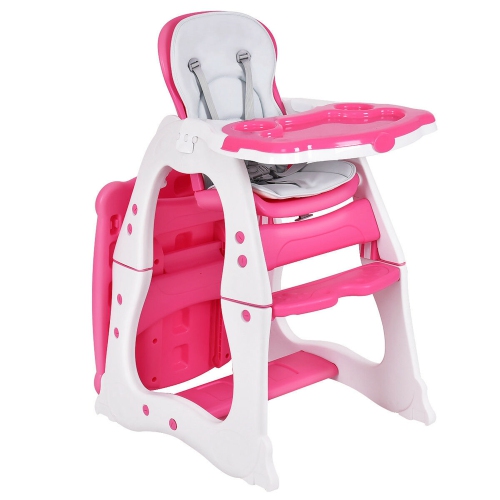
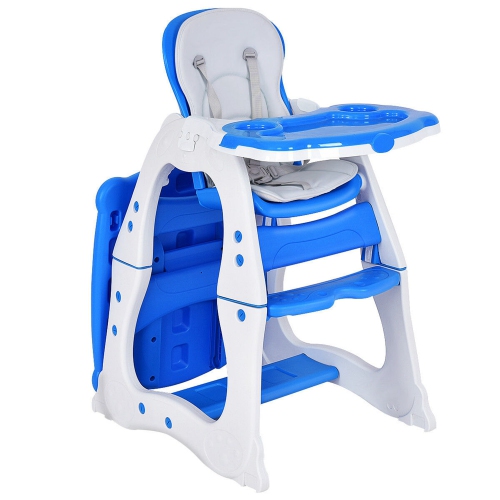
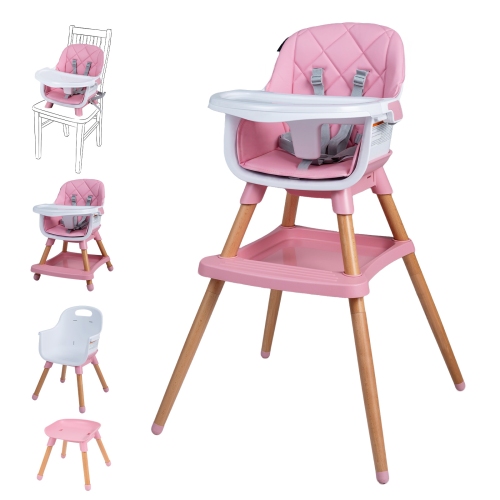
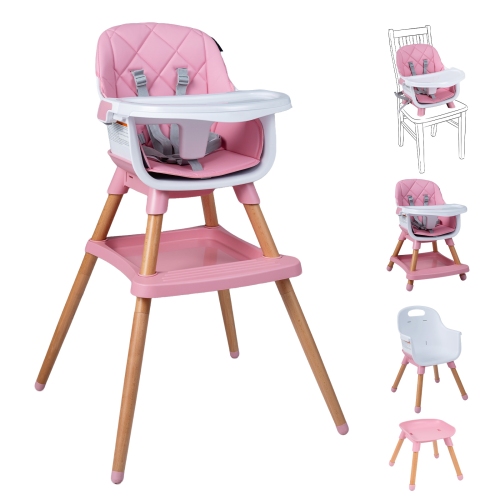
Toddler booster seats give children extra height at the dining table, helping them take part in family meals once they can sit upright independently and meet the seat manufacturer’s age, weight, and developmental requirements. A dining booster typically attaches to a compatible adult chair, creating a raised place for a toddler to sit while eating. It serves a different purpose from a vehicle booster seat: dining models are designed for mealtimes, not travel in a car. For families moving away from a full-size high chair, a toddler feeding booster can make shared meals feel more natural without needing a separate piece of furniture beside the table. A child can sit closer to siblings during breakfast, join a weekend lunch, or practise using a spoon with a bowl within reach. Some designs include a removable tray, while others are intended for use directly at the table. A tray provides a defined eating surface, especially when the table height or edge makes reaching a plate awkward. Adjustable height settings can help accommodate different dining arrangements, although the fit between the booster, chair, table, and child remains important. There should be enough clearance for the child’s legs without positioning the eating surface uncomfortably high. Chair compatibility deserves particular attention: the adult chair must meet the booster manufacturer’s requirements for dimensions, construction, and stability. A broad-looking chair is not automatically suitable if its seat slopes, its cushion compresses, or its back prevents the attachment straps from fitting properly. Dining boosters commonly use straps to secure the seat to the chair and a separate restraint to hold the child in position. Both have distinct jobs, and the child restraint should be used as directed even when a tray is attached. The tray itself is not a restraint. An adult should remain close and attentive throughout meals, and the booster should never be placed on a countertop or another elevated surface outside its intended use.
Materials and construction make a noticeable difference in everyday care, particularly when meals involve porridge, tomato sauce, or small pieces of fruit pressed into seat corners. Moulded plastic dining boosters often have firm surfaces that wipe clean easily, while designs with foam seating or padded inserts can offer a softer feel. Fabric covers may add comfort, but their care requirements vary: some can be removed for machine washing, while others need spot cleaning. Smooth edges, accessible seams, and fewer deep crevices can make the space between meals easier to manage. A removable tray may simplify washing at the sink, and some tray components are dishwasher-safe when the manufacturer specifically permits it. Harness webbing, buckles, and chair attachment straps need attention too, since food can collect around the points where they meet the seat. Cleaning methods should follow the product instructions; soaking straps or using harsh cleaners may damage materials that need to retain their strength. Allowing washed components to dry fully before reassembly helps keep the seat ready for its next use. Durability involves more than a sturdy shell. Secure buckles, intact straps, reliable height adjustments, and folding mechanisms that lock firmly into position all contribute to dependable daily use. Regular checks can catch cracked plastic, fraying webbing, loose components, or a latch that no longer closes properly. For smaller kitchens, a compact booster may take up less space than a standalone high chair, though the adult chair still needs room around the table. Portable toddler booster seats can also be useful for visits with relatives or meals away from home. Folding designs, carrying handles, and manageable weight make transport easier, but a portable seat still requires a compatible chair at the destination. A grandparent’s upholstered dining chair or a restaurant bench may not suit a model used successfully at home. During the cooler months, when more family meals happen indoors, an easy-clean seat can move between everyday breakfasts and longer gatherings, provided it is installed correctly each time.
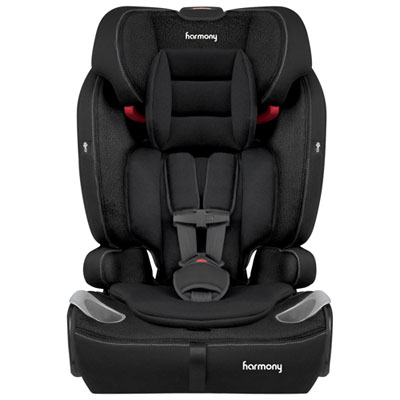
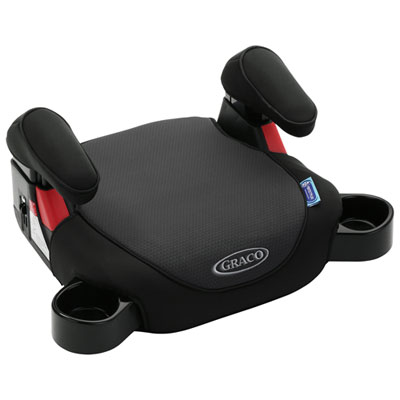
The phrase toddler booster seats can also bring up vehicle seating, but dining boosters and car boosters are not interchangeable. A belt-positioning car booster raises a child so the vehicle’s lap-and-shoulder belt sits correctly across the body; it does not provide the same restraint as a forward-facing car seat’s internal harness. Most toddlers still need a harnessed car seat appropriate to their size and stage rather than a belt-positioning booster. Children should remain rear-facing until they reach their rear-facing seat’s stated height or weight limit, then use a suitable forward-facing harnessed seat until its limits are reached. In Canada, readiness for a vehicle booster depends on the child’s size, the seat’s requirements, applicable provincial or territorial rules, and the ability to stay properly seated for the entire journey. A minimum weight of 18 kg is commonly associated with booster use, but reaching that weight alone does not establish readiness. A child who leans forward to retrieve a toy, slips the shoulder belt behind their back, or slumps out of position while sleeping may not yet be ready. Families looking specifically for vehicle seating can explore Car Seat Boosters for that separate purpose. High-back and backless designs have different support and vehicle compatibility requirements, and neither should be selected solely because a child has reached a particular birthday. Correct belt fit places the lap belt low across the hips rather than the abdomen, with the shoulder belt across the middle of the shoulder and chest, away from the neck and face. For a dining booster given as a gift, checking the recipient’s chair dimensions, child’s developmental stage, and cleaning preferences makes the choice more useful than relying on an age label alone. Whether the need is a regular place at the kitchen table or appropriate seating for a family drive, the intended setting and the child’s individual fit are the starting points.
Top selling and popular products
-
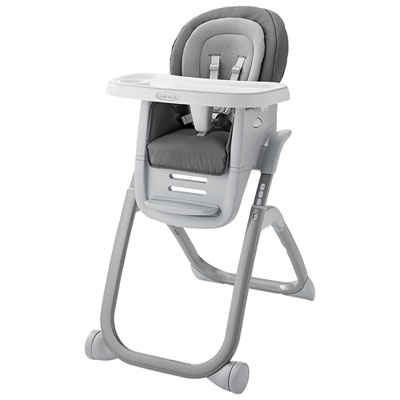 Your price for this item is $279.99
-
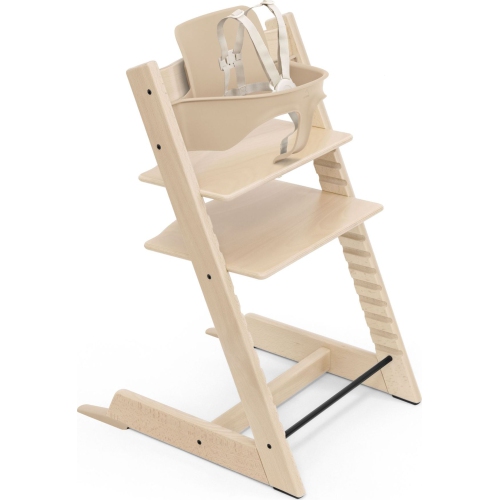 Your price for this item is $455
-
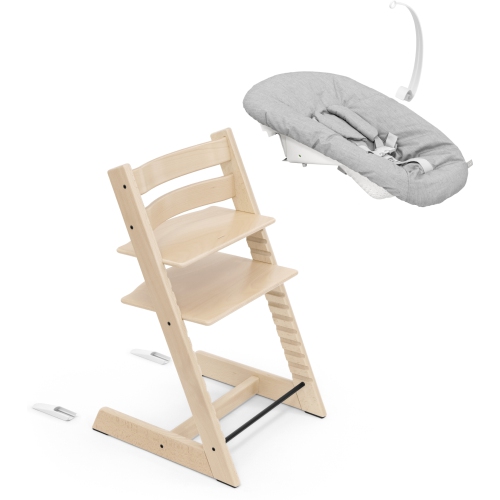 Your price for this item is $514.99
-
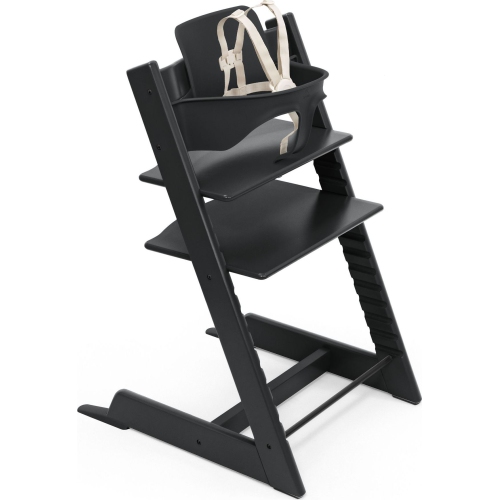 Your price for this item is $455
-
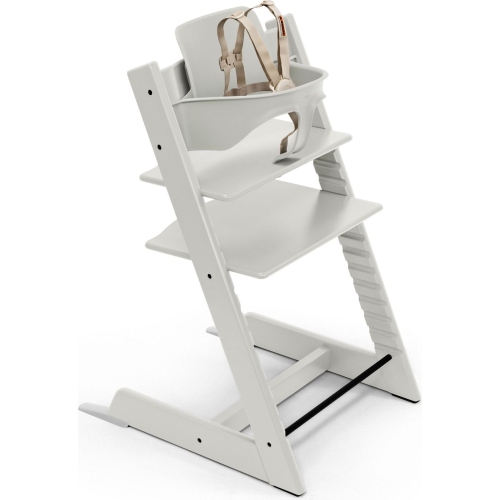 Your price for this item is $454.99
-
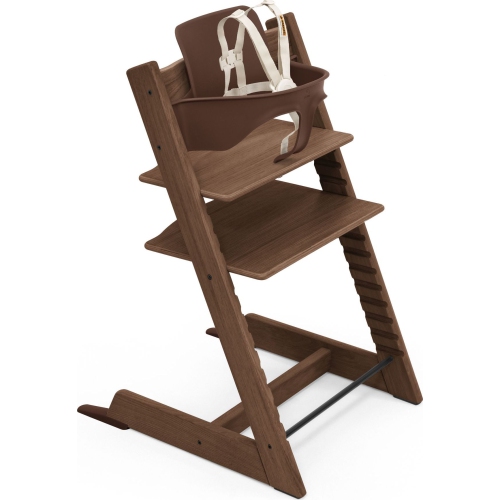 Your price for this item is $488.99
-
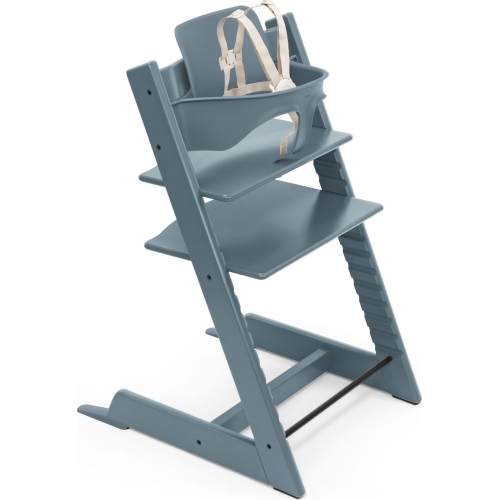 Your price for this item is $454.99
-
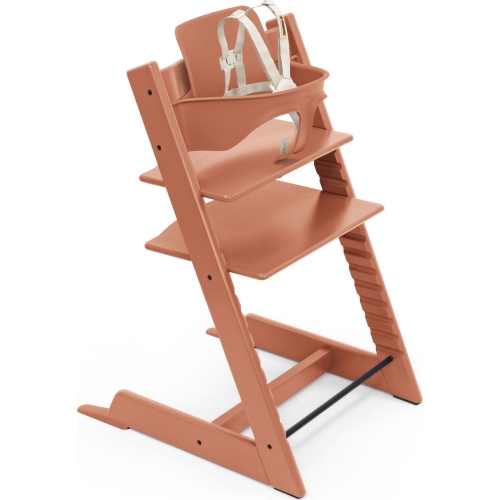 Your price for this item is $455
Discover more categories related to Toddler Booster Seats

Top Collections:
Pokemon Centers, Kindle Devices, Best Budget Office Chairs, Canon G7X Cameras, Apple iPhones 16, Samsung Galaxy Phones, Refurbished Apple Laptops, Laptops for Students, iPhone 15 Apple, Budget Smartphones
Some products may be subject to Environmental Handling Fees
(EHF) depending on your province.
Learn more about EHFs.