Car Seat Boosters
When it comes to ensuring the safety of your child during car rides, investing in a reliable car seat booster is essential. These innovative products are designed to provide the necessary support and protection for your little one as they transition from a car seat to using the vehicle's seat belt. With various designs and features available, finding the perfect car seat booster to suit your child's needs and your vehicle is made easy. Explore our selection of car seat boosters to discover the ideal solution for safe and comfortable travels with your little passenger.
Sort
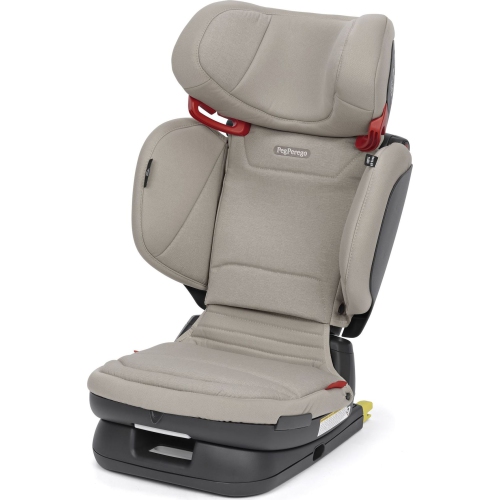
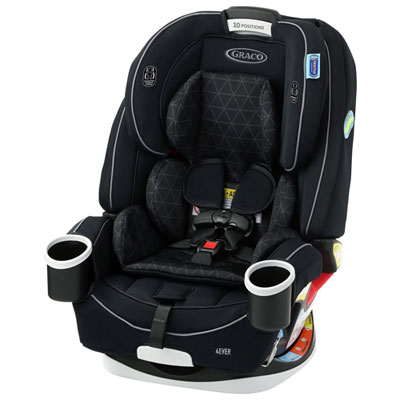

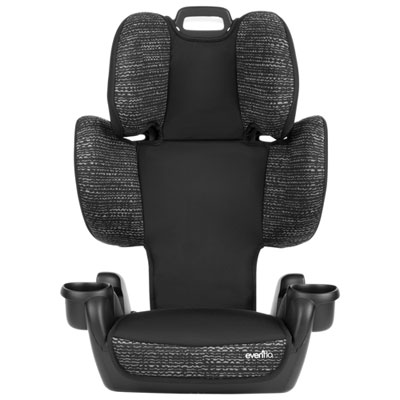


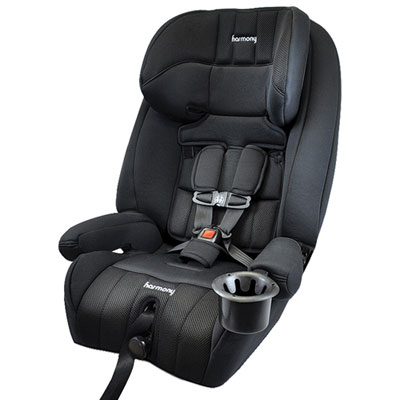
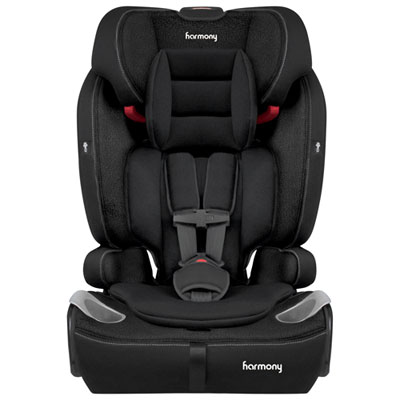
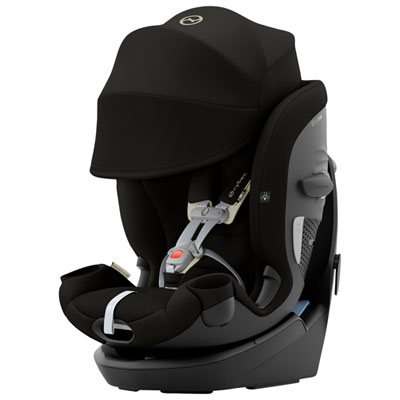
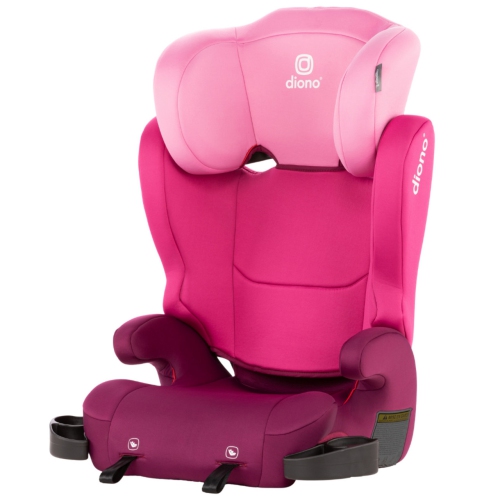
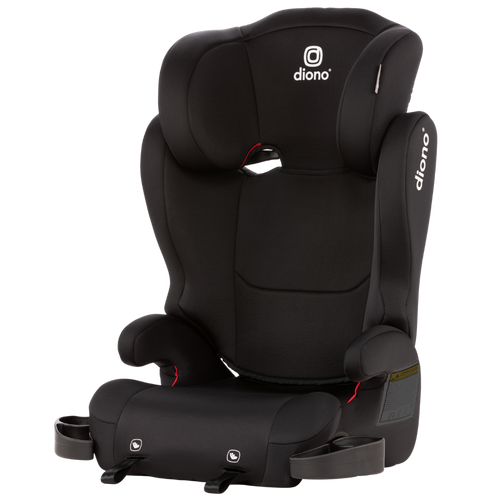
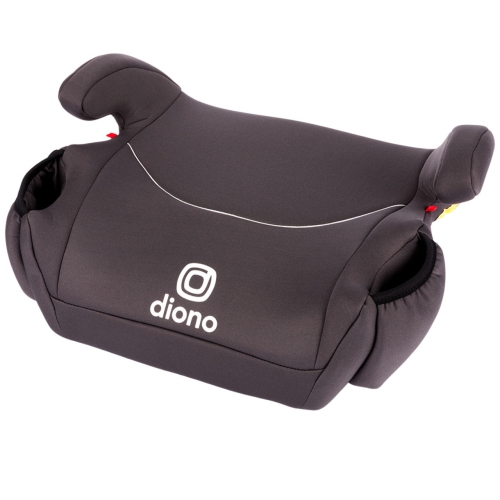
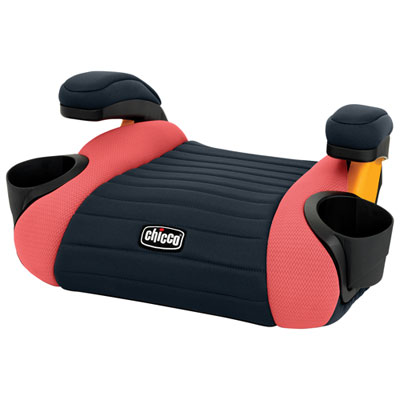
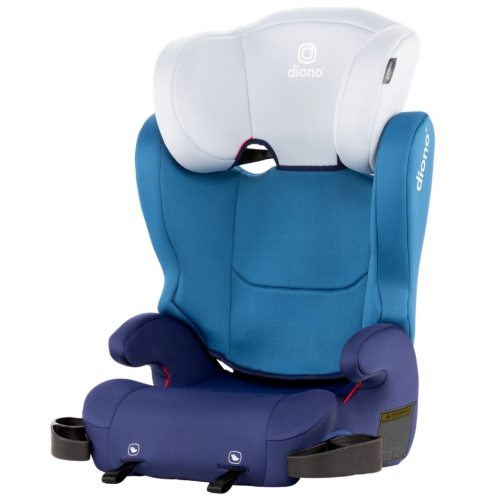
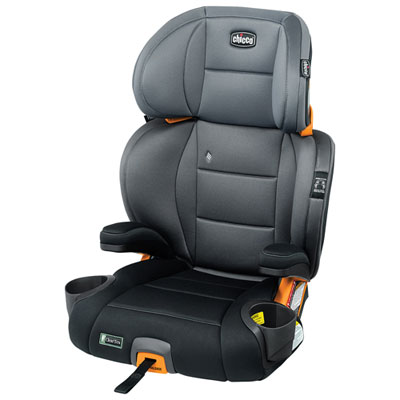
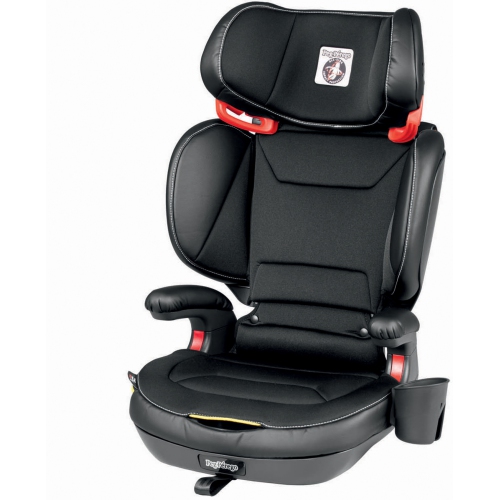
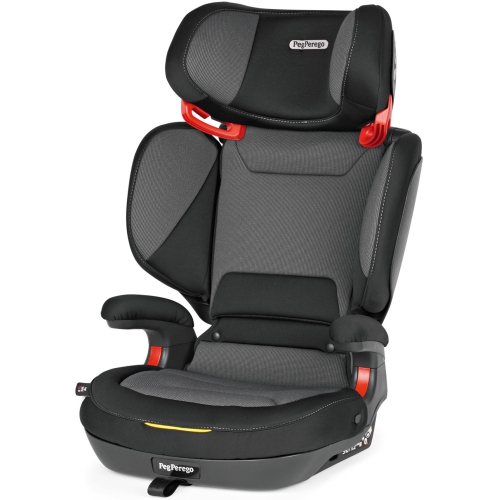
Understanding booster fit, positioning, and everyday safety details
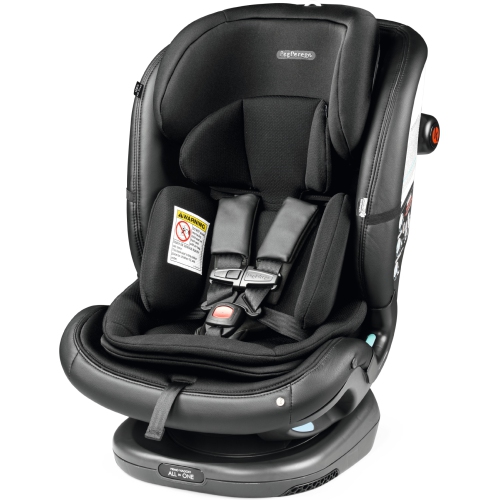
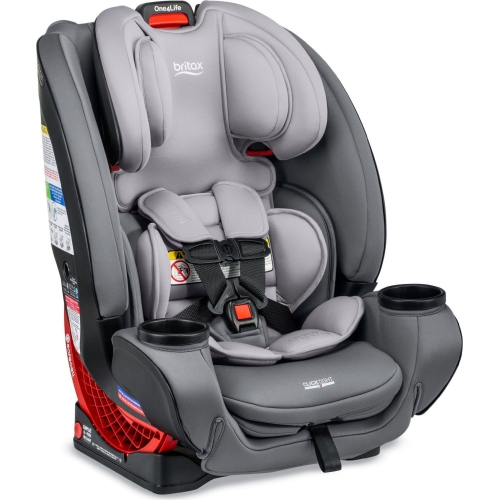
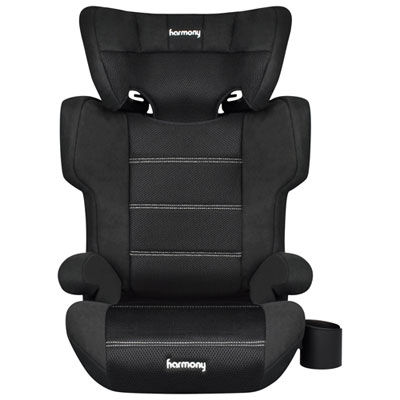
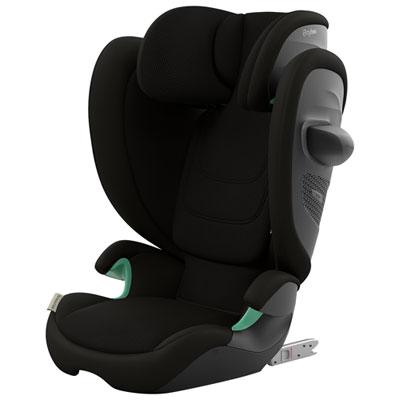
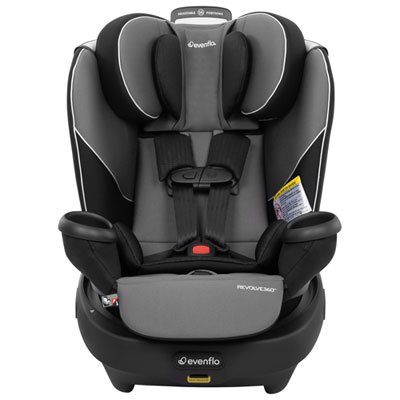
Car seat boosters help position a vehicle seat belt so it can protect a child properly as they grow beyond a forward-facing car seat with an internal harness. Rather than allowing the lap belt to ride across the stomach or the shoulder belt to rest against the neck, a booster raises the child into a position where the belt can cross the stronger areas of the body. This makes a booster an important stage between a harnessed car seat and an adult-sized seat belt. In Canada, children generally need to weigh at least 18 kg (40 lb) before moving to a standard booster, but the right timing depends on the child’s age, height, weight, the instructions for the current car seat, and the rules in the province or territory where the vehicle is used. A child should remain in a forward-facing seat with a harness for as long as the manufacturer allows, then use a booster until the vehicle seat belt fits correctly without assistance. Families often shop for car seat boosters when a child has outgrown the height or weight limits of a harnessed seat, when a second vehicle is added, or when grandparents and other caregivers need a dependable option for regular trips. Boosters can also be a thoughtful gift for a growing child, especially for families preparing for school transportation, shared rides, or longer drives during the cooler months. Before choosing one, consider the child’s height and weight, the vehicle’s seating positions, the available head support, and how easily the booster can be moved between vehicles. Reviewing the product instructions and official guidance from Transport Canada or the appropriate provincial authority can help confirm that the selected seat is suitable for the child and the vehicle.
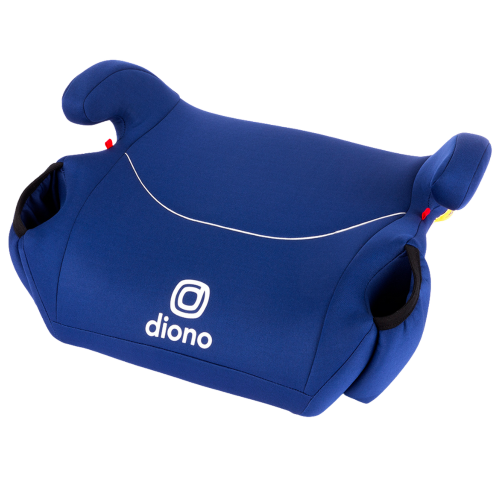
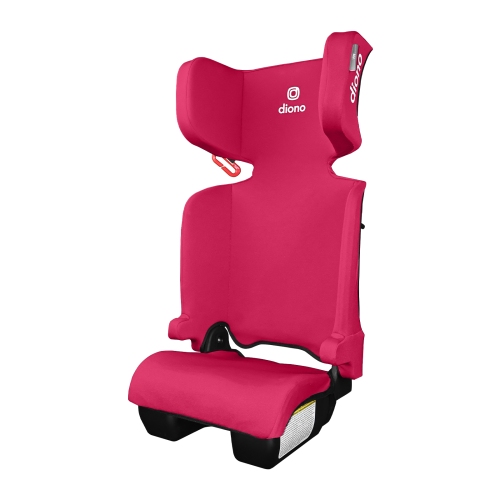
Highback and backless boosters serve the same basic purpose, but they are designed for different vehicle seating arrangements and comfort preferences. A highback booster can help guide the shoulder belt into the proper position while providing support along the child’s back, head, and sides. It may be especially helpful in a vehicle seat with a low seatback or without a built-in headrest, provided the booster’s instructions permit that seating position. A backless booster is usually compact and easy to carry, making it convenient for carpools, taxis, travel, or moving between family vehicles. It generally works best when the vehicle seat has a headrest that supports the child’s head and reaches the required height. Regardless of style, place the booster in the back seat and keep it away from an active front passenger air bag. The vehicle’s lap-and-shoulder belt should hold the child and booster as directed; a lap-only belt is not suitable for most booster use. Check that the lap portion lies low across the upper thighs or hips rather than across the stomach, while the shoulder portion crosses the centre of the chest and shoulder without touching the neck or slipping off the shoulder. The belt should lie flat, with no twists, slack, or routing around the armrest unless the instructions specifically show that method. A child should sit upright with their back against the vehicle seat and remain in that position for the entire ride. If they lean forward, tuck the shoulder belt behind their back, place it under an arm, or slump down, they may not yet be ready to use a booster independently. A model with clear belt guides, comfortable padding, and an adjustable design may make it easier for a child to maintain the correct position on everyday drives.
Small details make a noticeable difference during daily use. Measure the vehicle seat and check the booster’s width if more than one child or car seat will share the back row. Confirm that the seat does not interfere with buckle access, and read whether the booster may be secured with lower anchors or must simply rest on the vehicle seat when unoccupied. When using lower anchors, follow the instructions carefully, since the vehicle seat belt must still restrain the child unless the manufacturer says otherwise. Keep the booster clean according to the care instructions, and avoid adding cushions, liners, covers, or accessories that have not been approved for that seat. Inspect a hand-me-down carefully for its original instructions, expiry information, missing parts, damage, or involvement in a recall. During the cooler months, bulky winter coats can create extra space beneath the belt and make it harder to achieve a close fit. Remove thick outer layers before buckling, then place a blanket or coat over the secured belt for warmth. On a typical drive to school, the best routine is simple: position the booster squarely, guide the belt through the marked path, buckle it, check the lap and shoulder fit, and remind the child to sit upright. Families comparing options can browse Good Booster Seats while keeping the child’s measurements, vehicle design, and provincial requirements in mind. The right booster is one that fits the child, fits the vehicle, and is used correctly on every trip.
Highback and backless boosters serve the same basic purpose, but they are designed for different vehicle seating arrangements and comfort preferences. A highback booster can help guide the shoulder belt into the proper position while providing support along the child’s back, head, and sides. It may be especially helpful in a vehicle seat with a low seatback or without a built-in headrest, provided the booster’s instructions permit that seating position. A backless booster is usually compact and easy to carry, making it convenient for carpools, taxis, travel, or moving between family vehicles. It generally works best when the vehicle seat has a headrest that supports the child’s head and reaches the required height. Regardless of style, place the booster in the back seat and keep it away from an active front passenger air bag. The vehicle’s lap-and-shoulder belt should hold the child and booster as directed; a lap-only belt is not suitable for most booster use. Check that the lap portion lies low across the upper thighs or hips rather than across the stomach, while the shoulder portion crosses the centre of the chest and shoulder without touching the neck or slipping off the shoulder. The belt should lie flat, with no twists, slack, or routing around the armrest unless the instructions specifically show that method. A child should sit upright with their back against the vehicle seat and remain in that position for the entire ride. If they lean forward, tuck the shoulder belt behind their back, place it under an arm, or slump down, they may not yet be ready to use a booster independently. A model with clear belt guides, comfortable padding, and an adjustable design may make it easier for a child to maintain the correct position on everyday drives.
Small details make a noticeable difference during daily use. Measure the vehicle seat and check the booster’s width if more than one child or car seat will share the back row. Confirm that the seat does not interfere with buckle access, and read whether the booster may be secured with lower anchors or must simply rest on the vehicle seat when unoccupied. When using lower anchors, follow the instructions carefully, since the vehicle seat belt must still restrain the child unless the manufacturer says otherwise. Keep the booster clean according to the care instructions, and avoid adding cushions, liners, covers, or accessories that have not been approved for that seat. Inspect a hand-me-down carefully for its original instructions, expiry information, missing parts, damage, or involvement in a recall. During the cooler months, bulky winter coats can create extra space beneath the belt and make it harder to achieve a close fit. Remove thick outer layers before buckling, then place a blanket or coat over the secured belt for warmth. On a typical drive to school, the best routine is simple: position the booster squarely, guide the belt through the marked path, buckle it, check the lap and shoulder fit, and remind the child to sit upright. Families comparing options can browse Good Booster Seats while keeping the child’s measurements, vehicle design, and provincial requirements in mind. The right booster is one that fits the child, fits the vehicle, and is used correctly on every trip.
Top selling and popular products
-
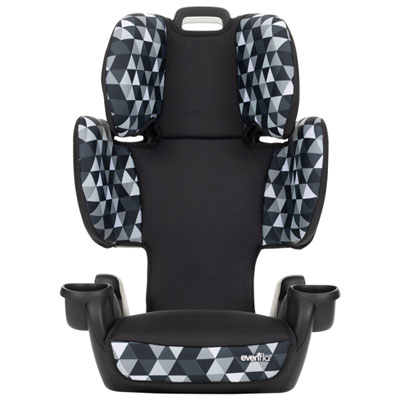 Your price for this item is $119.99
 -
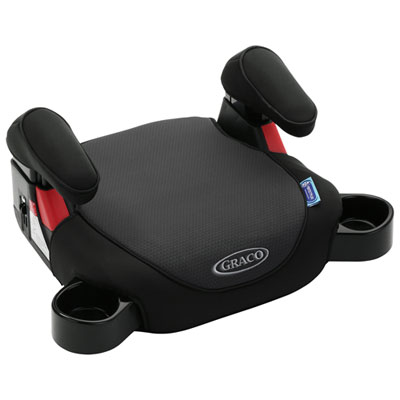 Your price for this item is $69.99
 -
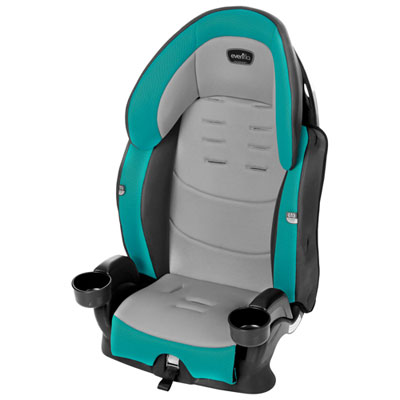 Your price for this item is $169.99
 -
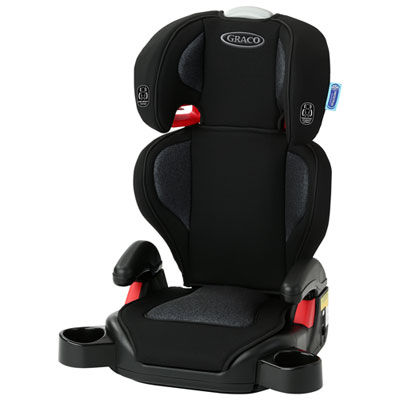 Your price for this item is $129.99
 -
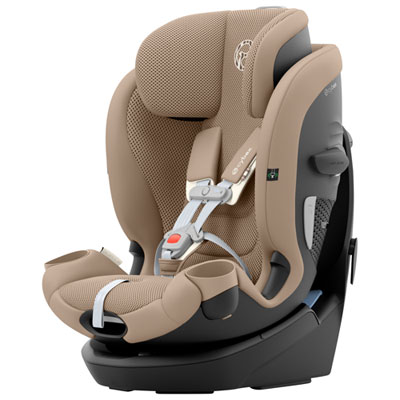 Your price for this item is $999.99
 -
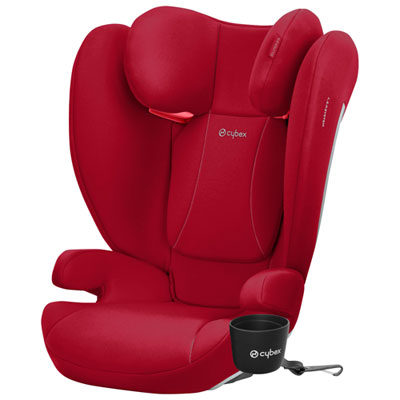 Your price for this item is $99.99
 -
 Your price for this item is $99.99
 -
 Your price for this item is $399.99
Discover more categories related to Car Seat Boosters
Top Collections:
Pokemon Centers, Kindle Devices, Best Budget Office Chairs, Apple iPhones 16, Canon G7X Cameras, iPhone 15 Apple, Alarm Clock, Refurbished Apple Laptops, Flip Phones, Best Laptops for Writers
Some products may be subject to Environmental Handling Fees
(EHF) depending on your province.
Learn more about EHFs.