Toddler Strollers
Navigating the world with your little one has never been easier than with a reliable toddler stroller. Offering a perfect blend of comfort, convenience, and safety, these strollers are designed to make every outing a breeze. Whether you're heading to the park for some fresh air or running errands around town, a well-crafted stroller ensures your child enjoys the journey as much as you do. With features that cater to both parent and child, finding the ideal toddler stroller can transform daily adventures into cherished memories. Explore our selection to discover options that suit your lifestyle and provide the support you need on every step of your parenting journey.
Sort
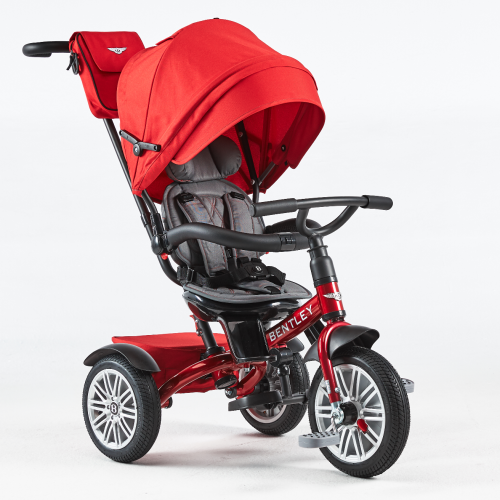
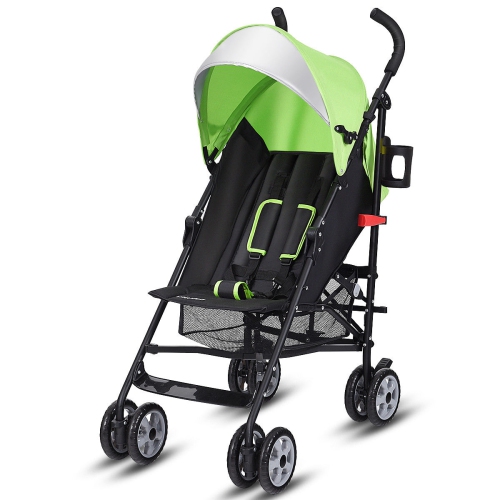
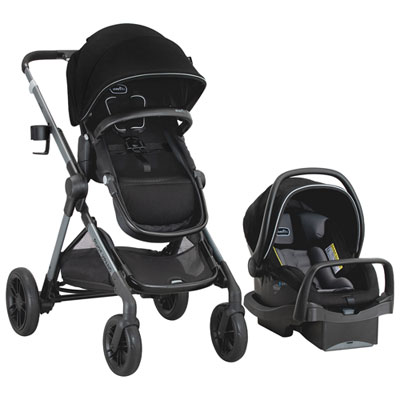
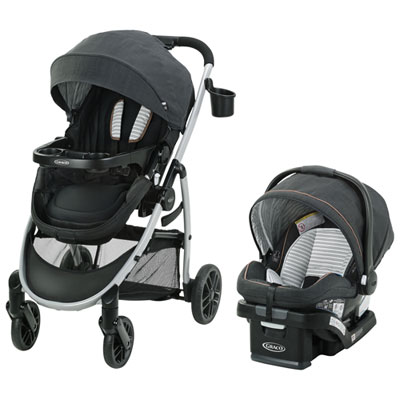
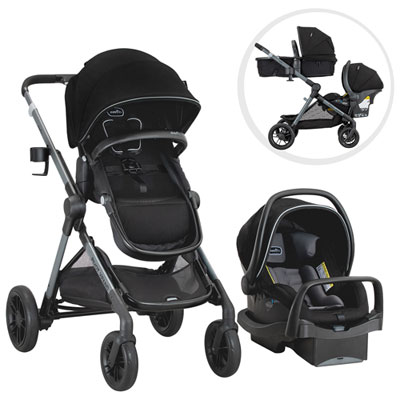
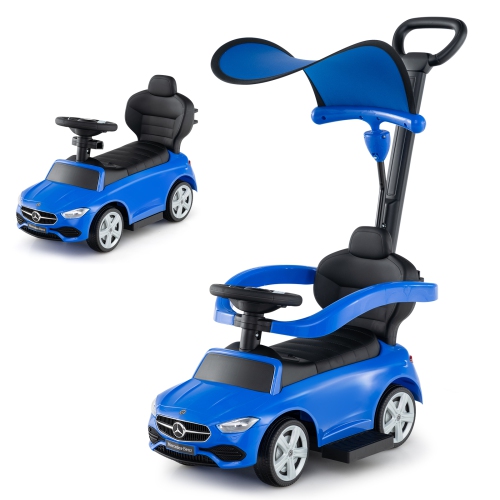
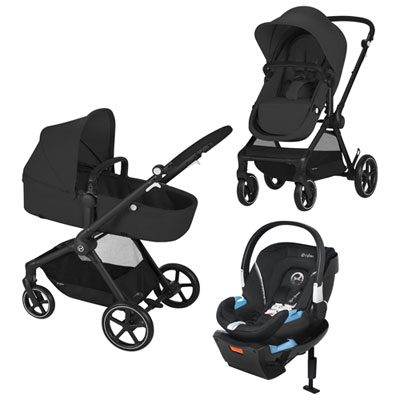
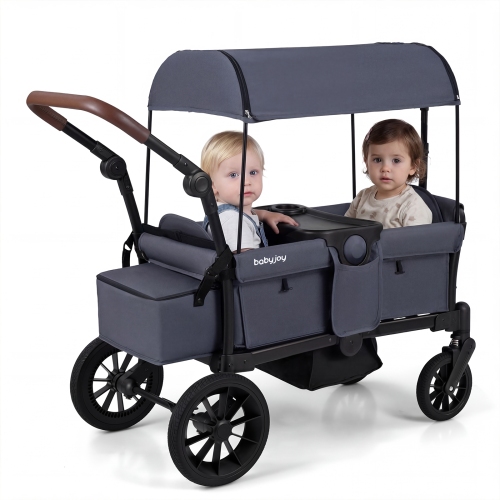
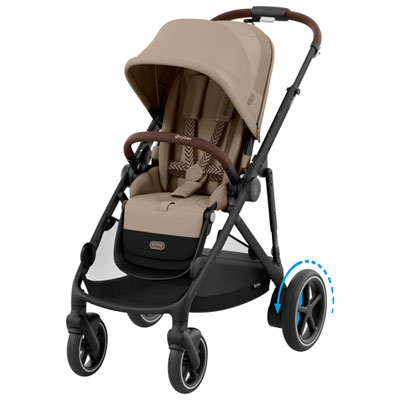

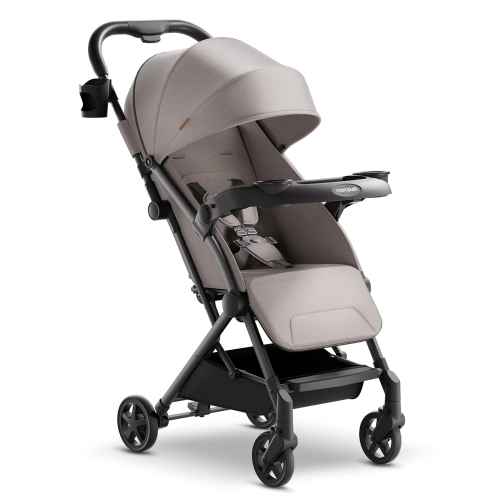
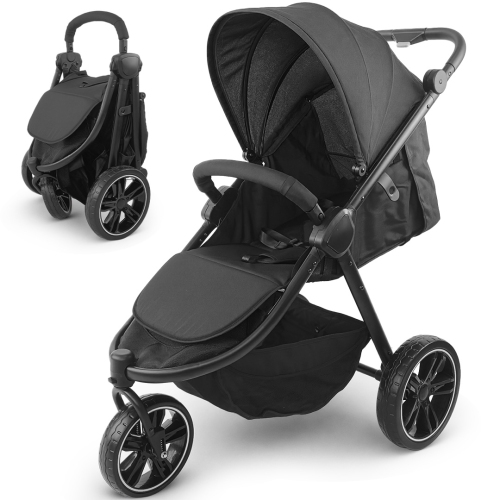
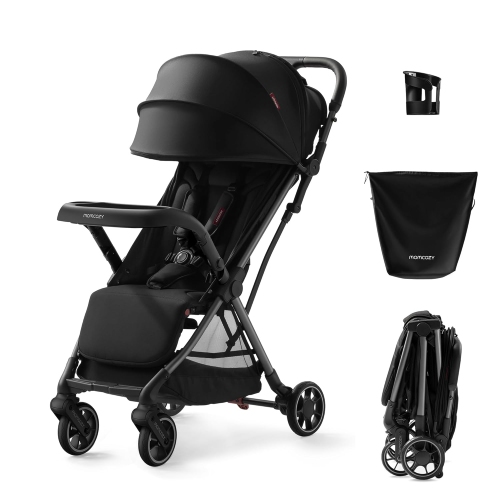
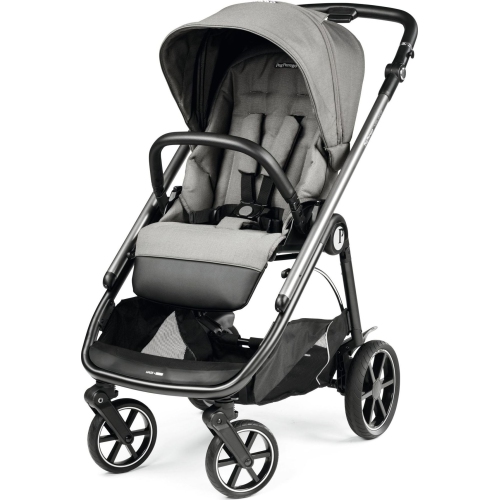
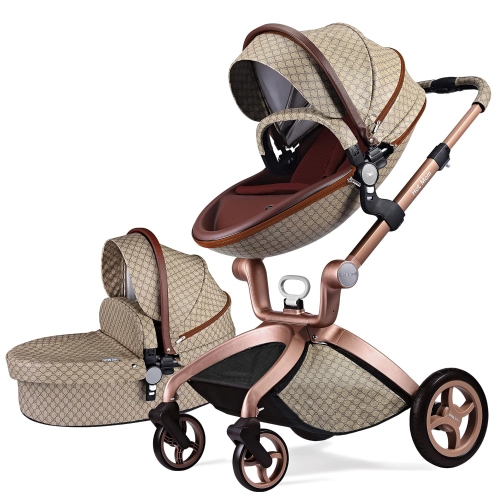
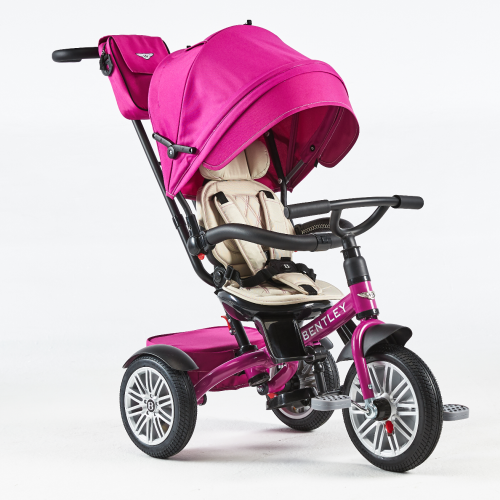
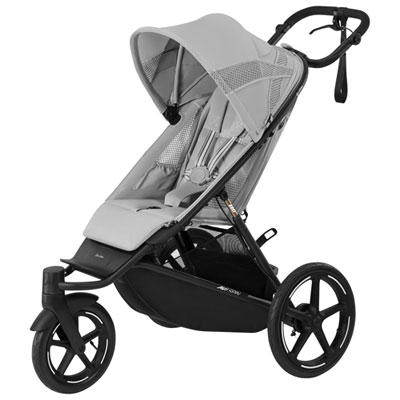
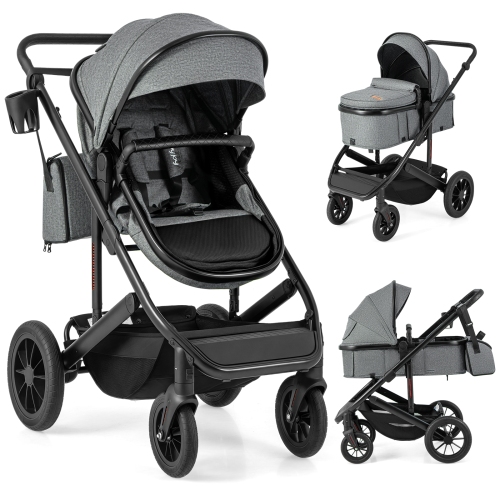
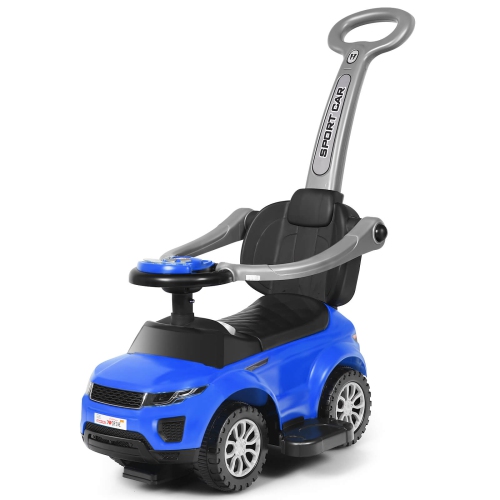
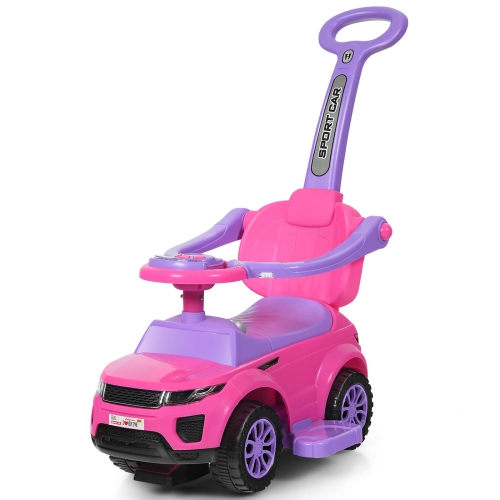
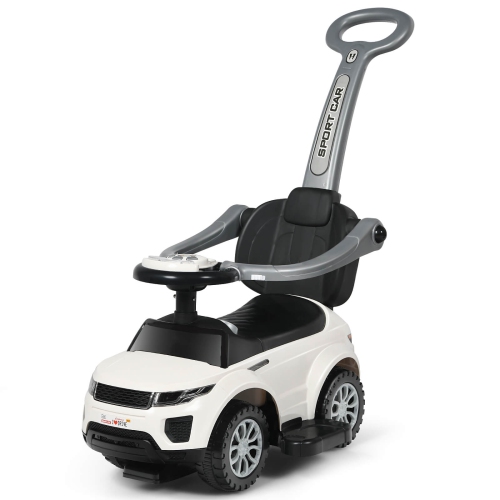
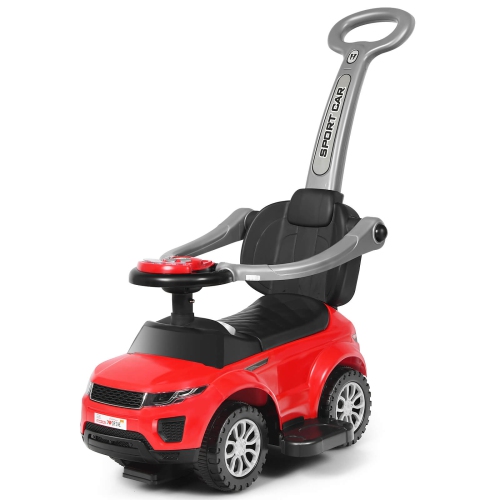
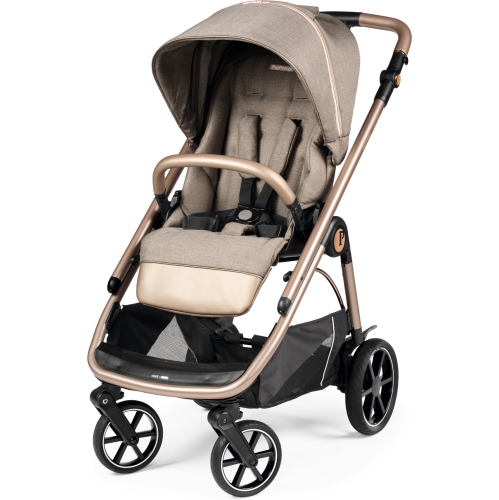
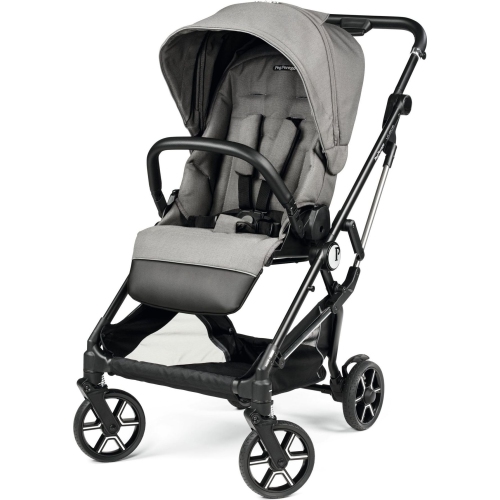
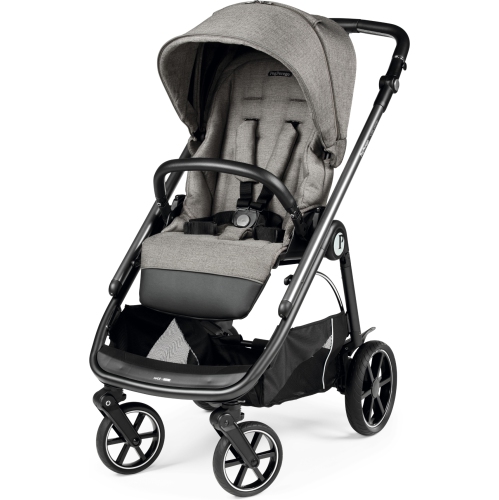
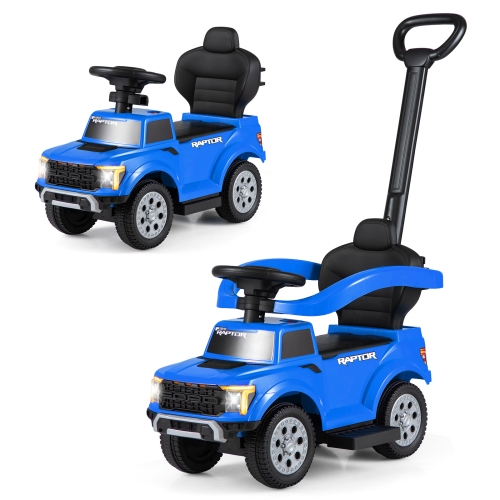
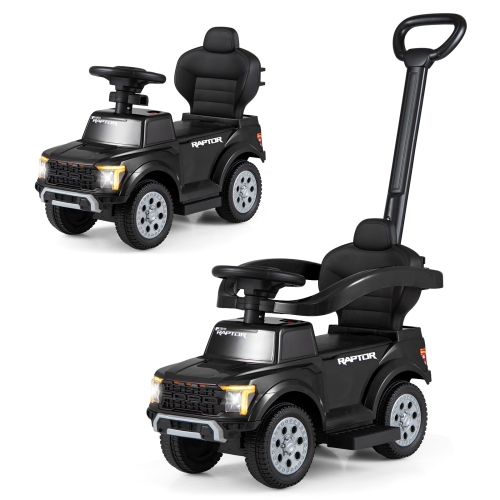
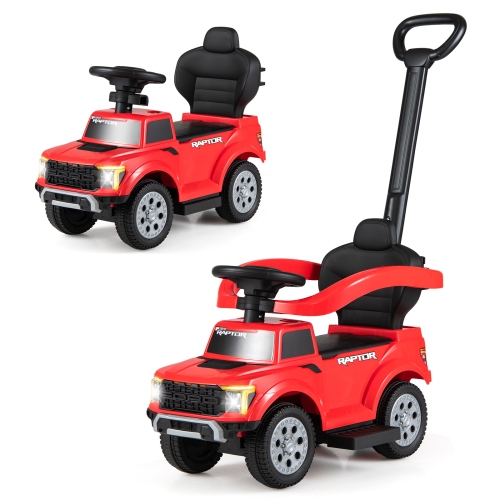
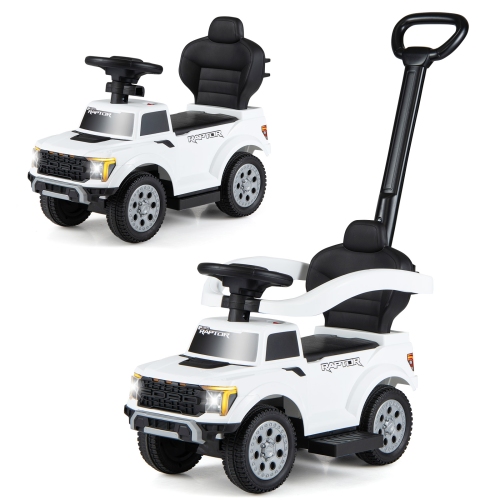
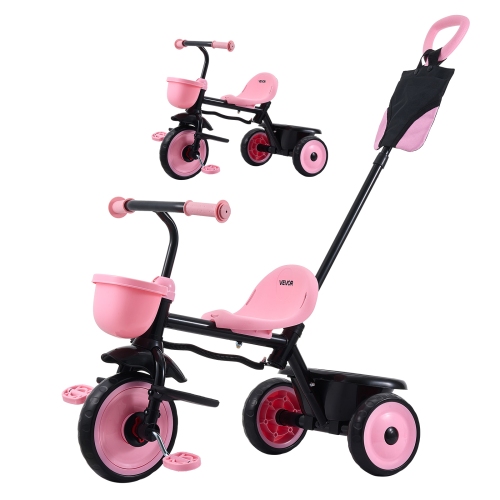
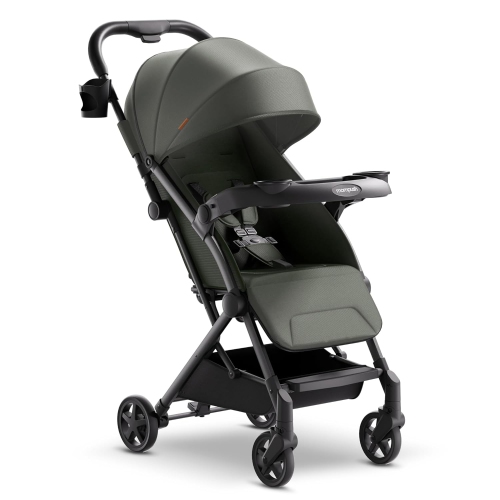
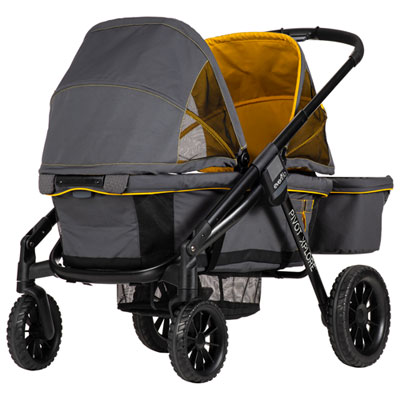
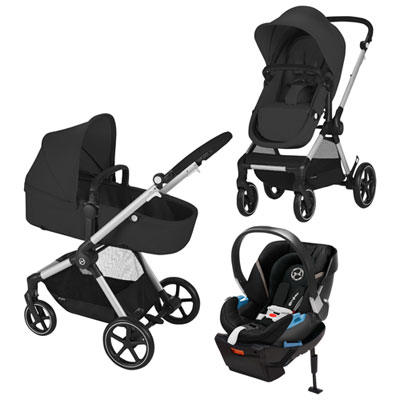

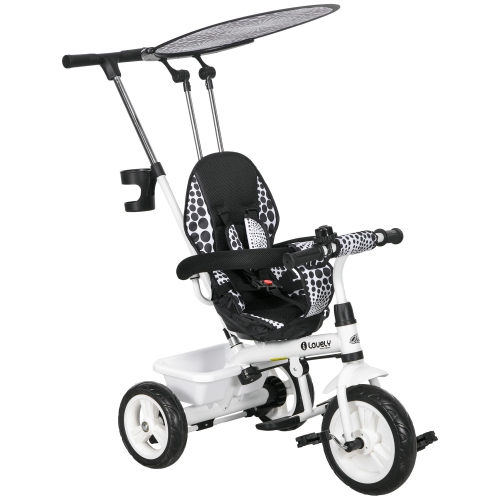
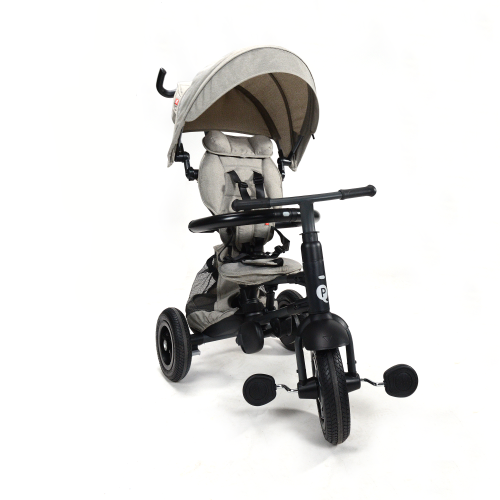
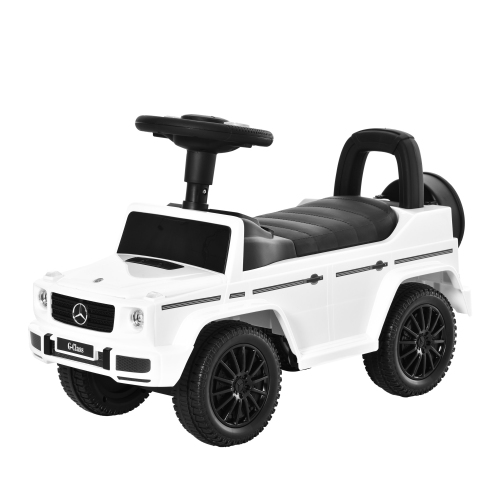
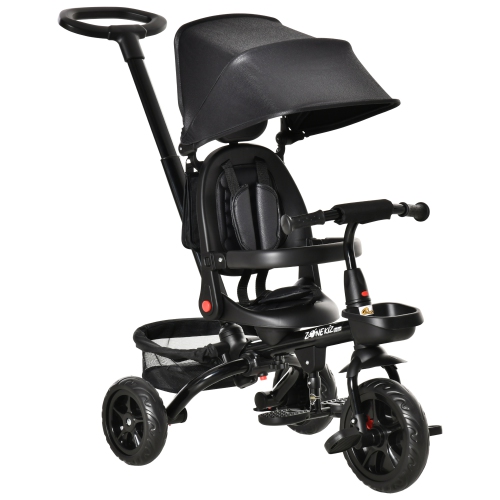
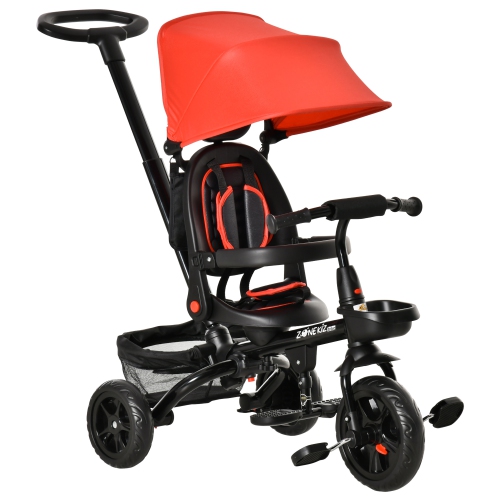
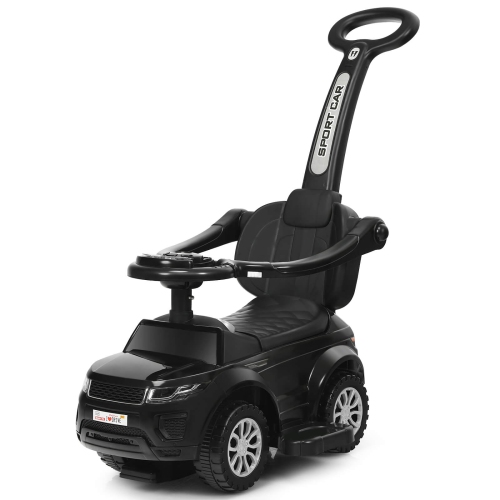
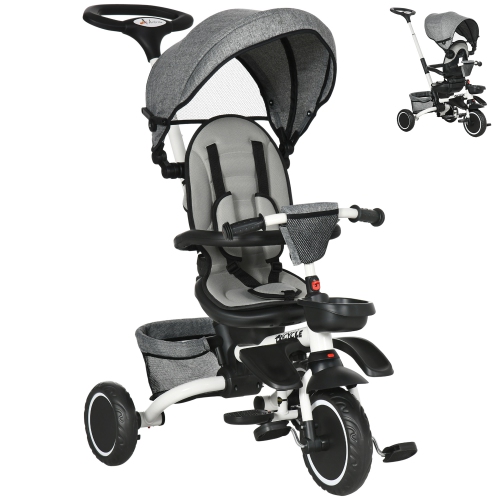
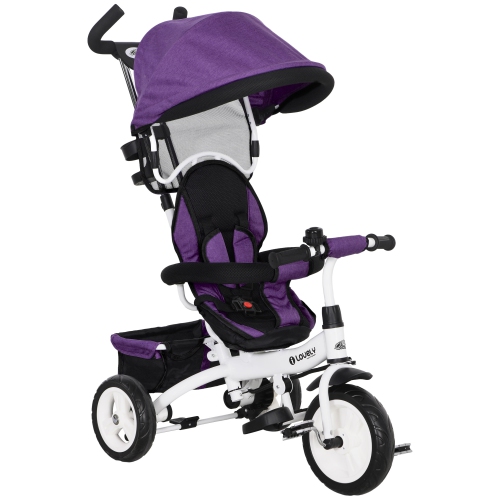
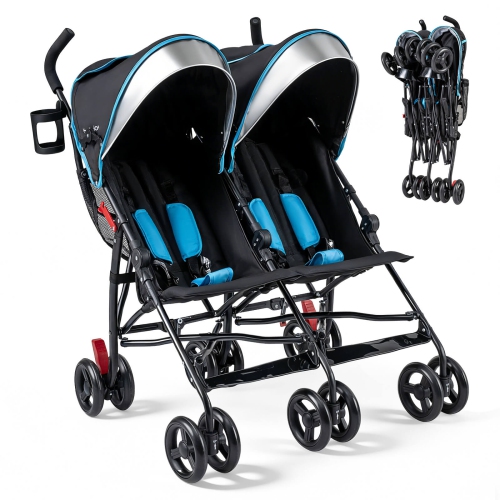
Comfort for growing legs when walks run long
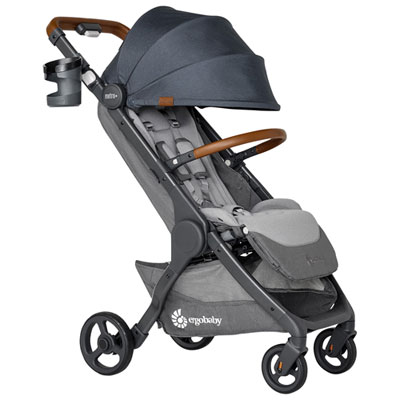
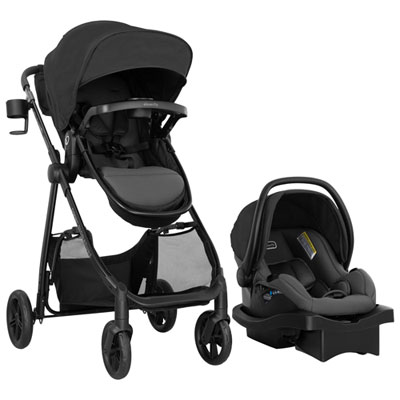
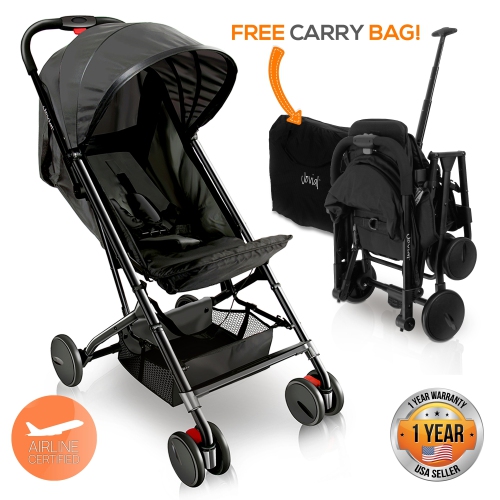
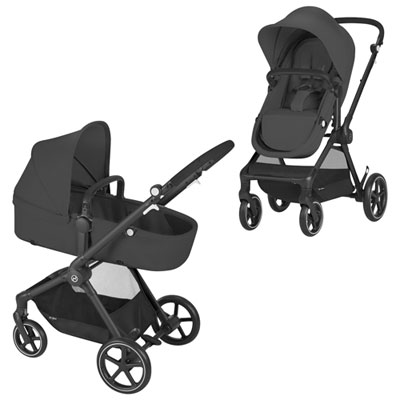
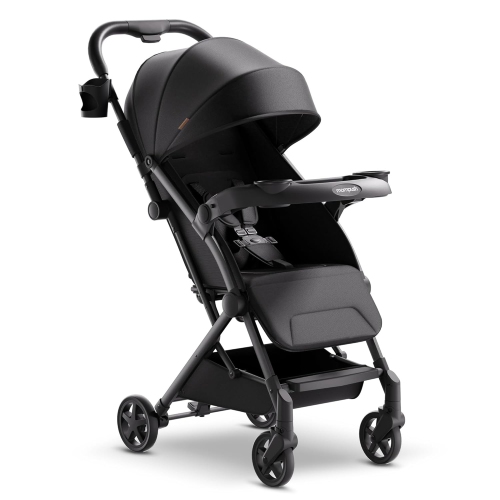
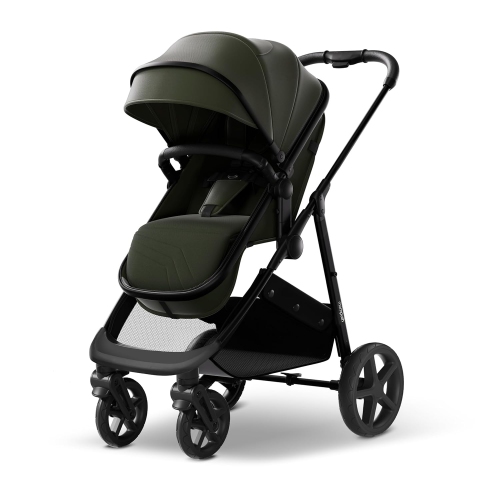
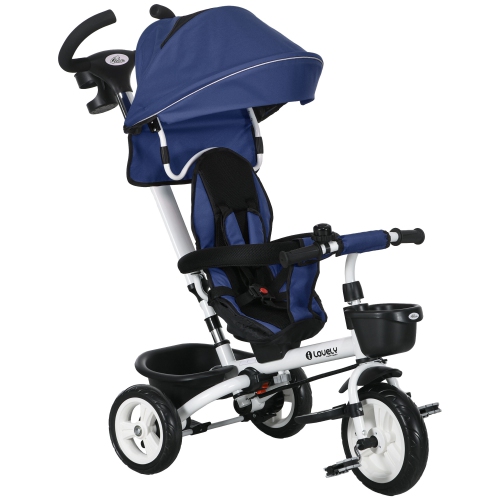
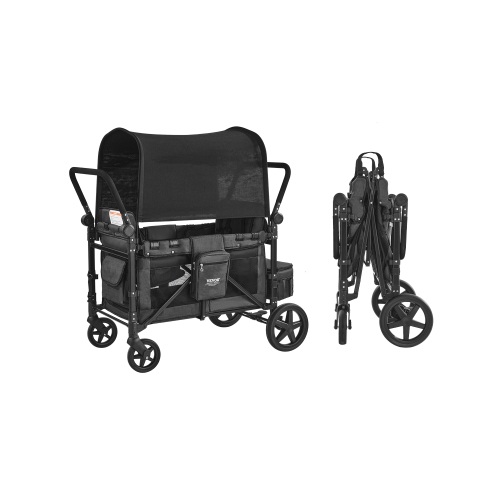
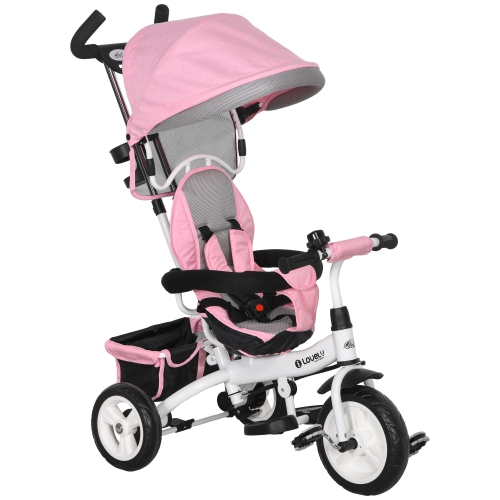
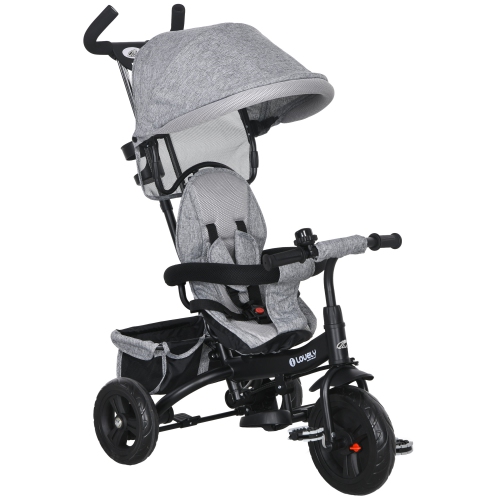
Toddler strollers give growing children a comfortable place to ride when a walk outlasts their energy, whether that means heading home from the playground or moving through a busy shopping centre. A lightweight umbrella stroller or compact travel stroller can be a practical choice for everyday errands because it is easier to carry, fold, and steer through narrow spaces. A larger everyday stroller may suit families who spend more time walking outdoors and value a roomier seat, larger wheels, or more storage. The best fit depends on the child’s size and the routes their caregivers take, rather than age alone. Check the manufacturer’s minimum age, maximum weight, and height requirements, along with any developmental requirements for using the seat. A toddler should have enough space to sit comfortably, with the harness positioned as directed and feet supported without dragging near the wheels. A higher weight limit does not necessarily mean a taller seat, so backrest height, seat width, and canopy clearance matter too. An adjustable leg rest can support shorter legs, while a suitable footrest gives taller toddlers somewhere to rest their feet. Seat recline offers flexibility when a child wants to relax after an active outing, although the permitted positions vary by design. A five-point harness helps secure the child at the shoulders, hips, and between the legs; it should be adjusted snugly each time, even on a short trip. For families transporting one child, single strollers include a range of layouts, from simple folding frames to more substantial designs with adjustable seating. Parents, grandparents, and other caregivers may each value different features, but a stroller that fits the child and feels manageable to the adult is the common starting point. When giving a stroller as a gift, confirming the family’s preferred style, storage space, and everyday travel habits helps make it a useful addition rather than an awkward extra piece of equipment.
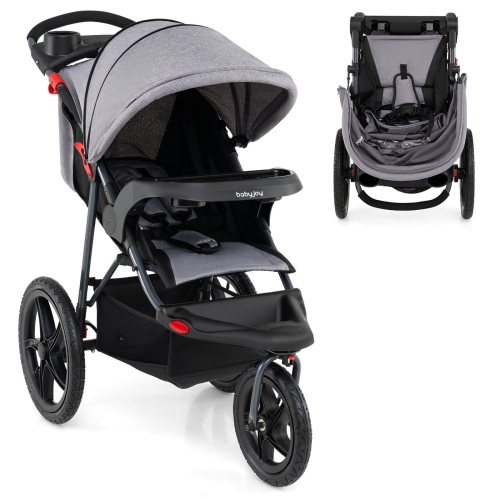
The difference between stroller styles often shows up in ordinary moments: lifting a folded frame over the lip of a car boot, steering around a grocery display, or pushing along a sidewalk scattered with leaves. Umbrella strollers typically fold into a long, narrow shape, making them useful for straightforward outings where low carrying weight matters. Compact travel strollers generally fold into a shorter package, which can work well in smaller vehicles or homes with limited entryway storage. Neither style is automatically suitable for an aircraft cabin; airline limits vary, and folded dimensions need to be checked before travel. A one-hand fold can make packing up simpler, but children should remain safely clear of the frame and folding joints during opening and closing. A carry handle, shoulder strap, or standing fold may also make a difference when moving between the front door and the car. For longer walks, wheel size and suspension deserve attention. Small swivel wheels tend to feel nimble on smooth indoor floors, while larger wheels may handle uneven paving more comfortably. Lockable front wheels can help maintain a straighter path on some rougher surfaces when used as directed. Air-filled tyres may soften the ride but need pressure checks and can puncture; solid tyres avoid inflation maintenance, though ride quality still depends on the overall design. No wheel type makes every surface suitable, especially when paths are icy or deeply covered in snow. Adjustable handlebars can help caregivers of different heights find a comfortable pushing position, with enough clearance to avoid kicking the rear axle. Basket access is another everyday detail worth considering: space for a change bag is most useful when it remains reachable with the seat reclined. Observe storage weight limits and avoid hanging heavy bags from the handlebar, which can cause tipping. Families planning to run need a stroller specifically designed for jogging, used within its stated age and developmental requirements; a three-wheel shape alone does not establish suitability for running.
Materials, construction, and care influence how well a toddler stroller stands up to repeated outings. Aluminium frames often help reduce carrying weight, while steel frames may add weight; durability depends on the joints, hinges, fasteners, and overall construction as well as the material itself. A secure folding latch and a frame that opens fully into its locked position are essential details for regular use. Seat fabrics should balance comfort with practical cleaning, particularly when muddy shoes, spilled drinks, and snack crumbs are part of the routine. Removable covers can make deeper cleaning easier, but not every cover is machine washable. Follow the care label, use the cleaning products permitted by the manufacturer, and let washed parts dry fully before reassembly or storage. Harness straps may have separate cleaning instructions and should not be soaked or treated with harsh cleaners unless expressly permitted. Brushing grit from wheels and checking for trapped hair around axles can help keep steering smooth. Periodic checks of the brakes, wheel attachments, harness, and folding mechanism can reveal wear before it interrupts an outing. During the cooler months, a canopy can offer shelter from wind and light precipitation, while a compatible weather cover may provide additional protection when used with adequate ventilation and supervision. Avoid draping a blanket over the stroller opening, since it can restrict airflow and make the child harder to observe. Clothing and accessories should allow the harness to fit correctly; bulky layers should not prevent a snug adjustment. Apply the parking brake whenever the stroller is stationary, particularly while helping a toddler into or out of the seat, and never leave a child unattended. Store the stroller somewhere dry after wet walks, and keep fingers clear of hinges when folding it away. These practical details matter over time: an easy-clean seat, dependable brake, accessible basket, and manageable fold can make a stroller a comfortable part of family life, from a quick neighbourhood errand to a longer day spent exploring together.
The difference between stroller styles often shows up in ordinary moments: lifting a folded frame over the lip of a car boot, steering around a grocery display, or pushing along a sidewalk scattered with leaves. Umbrella strollers typically fold into a long, narrow shape, making them useful for straightforward outings where low carrying weight matters. Compact travel strollers generally fold into a shorter package, which can work well in smaller vehicles or homes with limited entryway storage. Neither style is automatically suitable for an aircraft cabin; airline limits vary, and folded dimensions need to be checked before travel. A one-hand fold can make packing up simpler, but children should remain safely clear of the frame and folding joints during opening and closing. A carry handle, shoulder strap, or standing fold may also make a difference when moving between the front door and the car. For longer walks, wheel size and suspension deserve attention. Small swivel wheels tend to feel nimble on smooth indoor floors, while larger wheels may handle uneven paving more comfortably. Lockable front wheels can help maintain a straighter path on some rougher surfaces when used as directed. Air-filled tyres may soften the ride but need pressure checks and can puncture; solid tyres avoid inflation maintenance, though ride quality still depends on the overall design. No wheel type makes every surface suitable, especially when paths are icy or deeply covered in snow. Adjustable handlebars can help caregivers of different heights find a comfortable pushing position, with enough clearance to avoid kicking the rear axle. Basket access is another everyday detail worth considering: space for a change bag is most useful when it remains reachable with the seat reclined. Observe storage weight limits and avoid hanging heavy bags from the handlebar, which can cause tipping. Families planning to run need a stroller specifically designed for jogging, used within its stated age and developmental requirements; a three-wheel shape alone does not establish suitability for running.
Materials, construction, and care influence how well a toddler stroller stands up to repeated outings. Aluminium frames often help reduce carrying weight, while steel frames may add weight; durability depends on the joints, hinges, fasteners, and overall construction as well as the material itself. A secure folding latch and a frame that opens fully into its locked position are essential details for regular use. Seat fabrics should balance comfort with practical cleaning, particularly when muddy shoes, spilled drinks, and snack crumbs are part of the routine. Removable covers can make deeper cleaning easier, but not every cover is machine washable. Follow the care label, use the cleaning products permitted by the manufacturer, and let washed parts dry fully before reassembly or storage. Harness straps may have separate cleaning instructions and should not be soaked or treated with harsh cleaners unless expressly permitted. Brushing grit from wheels and checking for trapped hair around axles can help keep steering smooth. Periodic checks of the brakes, wheel attachments, harness, and folding mechanism can reveal wear before it interrupts an outing. During the cooler months, a canopy can offer shelter from wind and light precipitation, while a compatible weather cover may provide additional protection when used with adequate ventilation and supervision. Avoid draping a blanket over the stroller opening, since it can restrict airflow and make the child harder to observe. Clothing and accessories should allow the harness to fit correctly; bulky layers should not prevent a snug adjustment. Apply the parking brake whenever the stroller is stationary, particularly while helping a toddler into or out of the seat, and never leave a child unattended. Store the stroller somewhere dry after wet walks, and keep fingers clear of hinges when folding it away. These practical details matter over time: an easy-clean seat, dependable brake, accessible basket, and manageable fold can make a stroller a comfortable part of family life, from a quick neighbourhood errand to a longer day spent exploring together.
Top selling and popular products
-
 Your price for this item is $114.99
 -
 Your price for this item is $209.99
 -
 Your price for this item is $487.49
 -
 Your price for this item is $139.99
 -
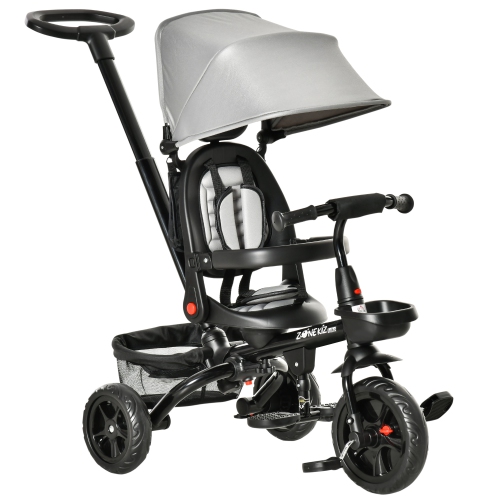 Your price for this item is $126
 -
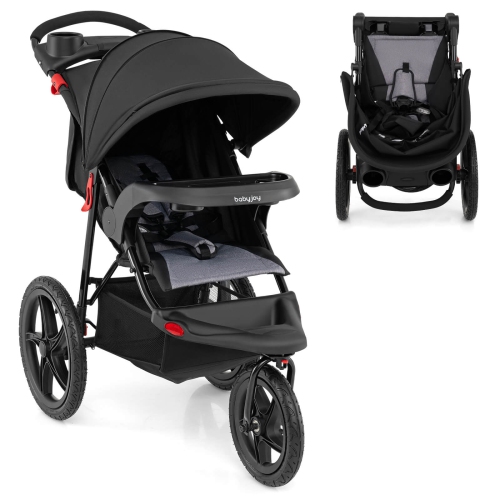 Your price for this item is $209.99
 -
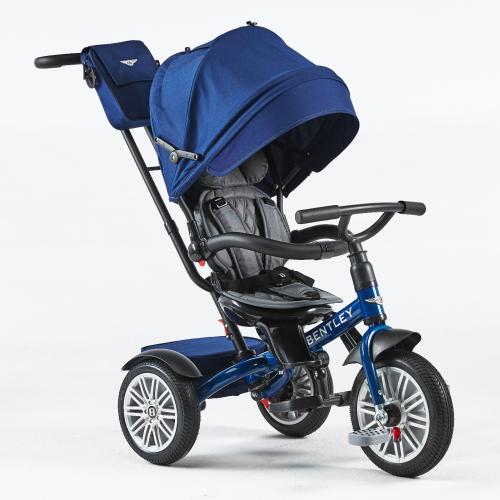 Your price for this item is $649.99
 -
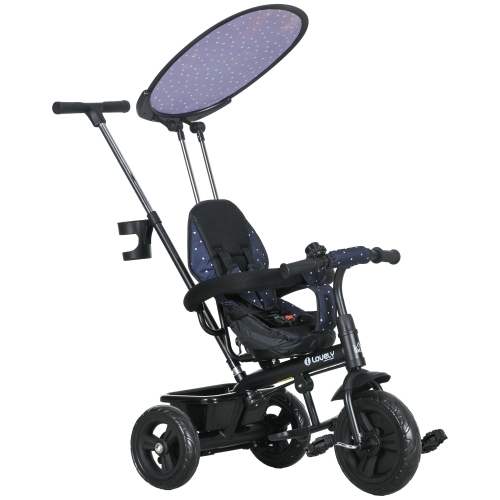 Your price for this item is $99.99
Discover more categories related to Toddler Strollers
Top Collections:
Pokemon Centers, Kindle Devices, Best Budget Office Chairs, Apple iPhones 16, Best Laptops for Writers, iPhone 15 Apple, Canon G7X Cameras, Refurbished Apple Laptops, Alarm Clock, Motorola Razr Phones
Some products may be subject to Environmental Handling Fees
(EHF) depending on your province.
Learn more about EHFs.