Toddler Scooters
Discover the perfect blend of fun and mobility with our selection of toddler scooters, designed to inspire adventure in your little one's everyday playtime. These scooters are crafted with safety and ease-of-use in mind, offering a stable and enjoyable ride for young adventurers. Whether your child is just starting out or ready to zoom around the neighborhood, you'll find a variety of options that cater to different preferences and needs. Encourage active play and help develop balance and coordination with these engaging scooters, turning every outing into an exciting journey. Explore our collection today and watch your toddler's confidence soar as they embark on new adventures.
Sort
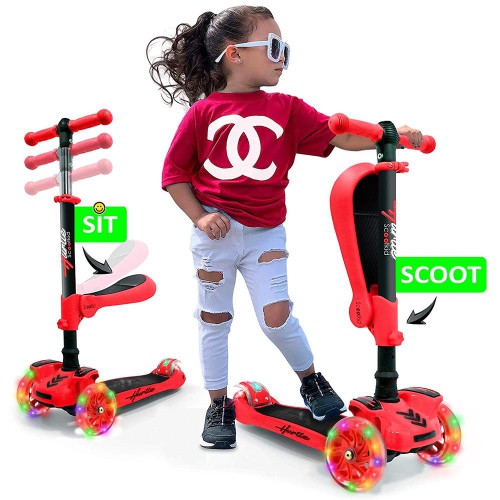
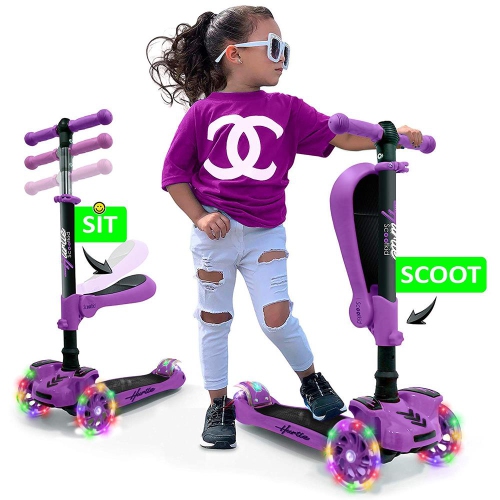
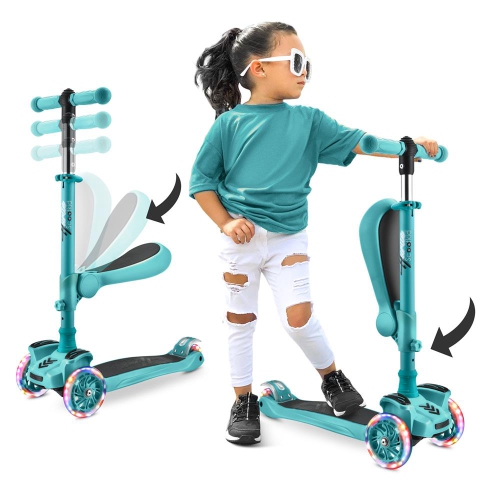
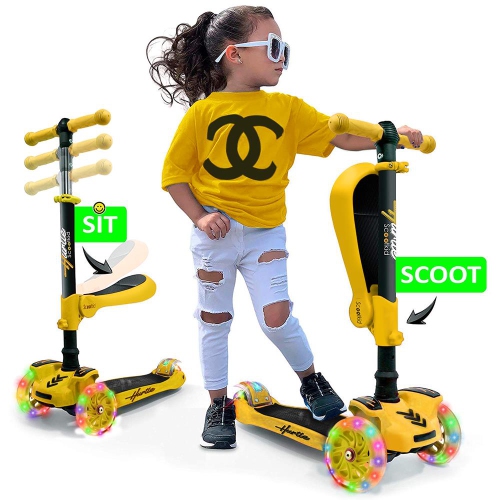
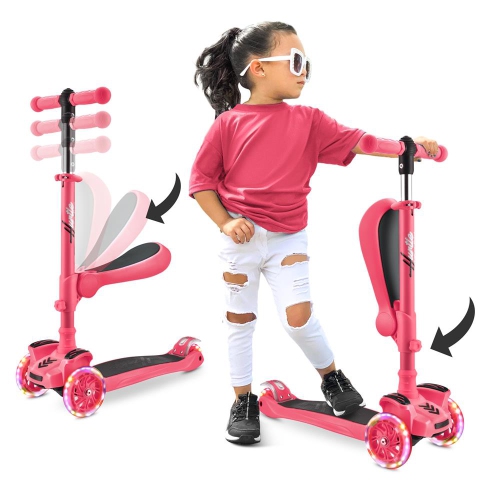
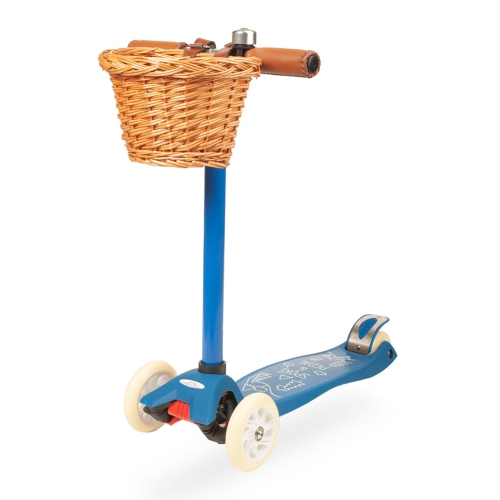
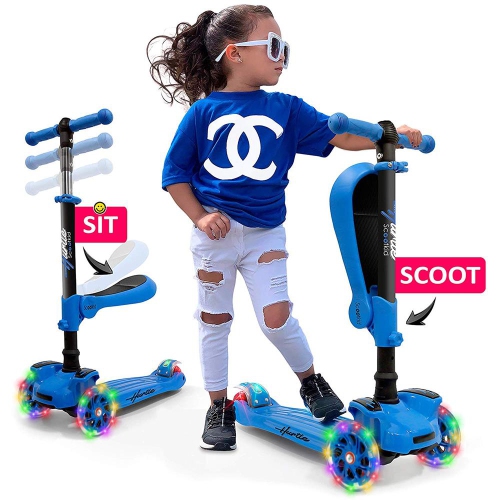
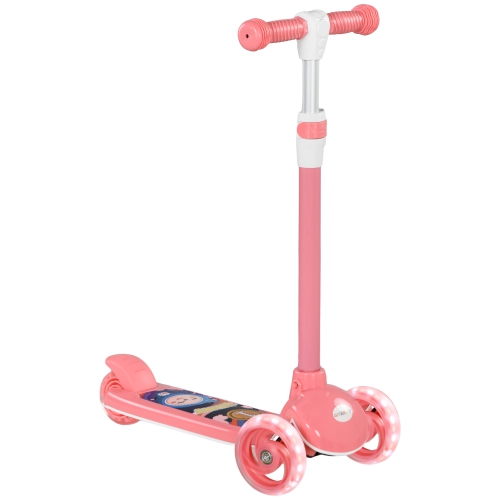
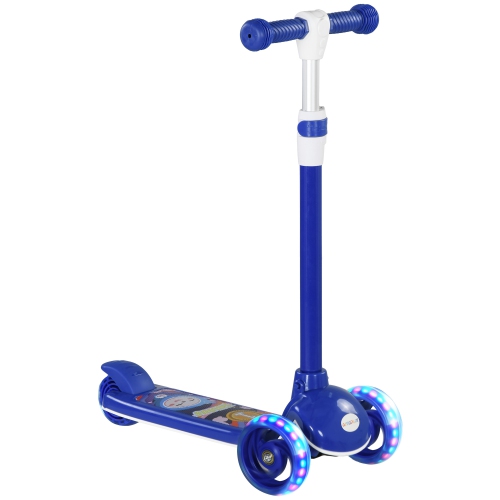
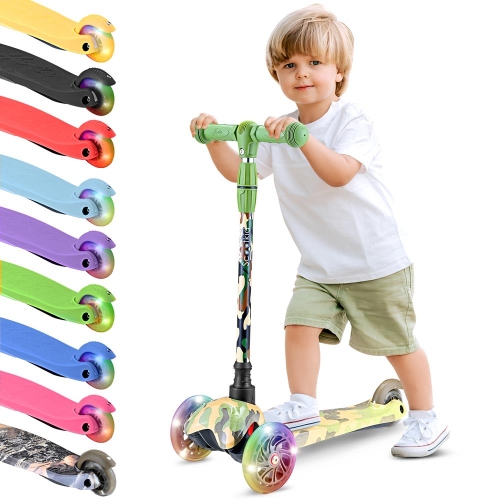
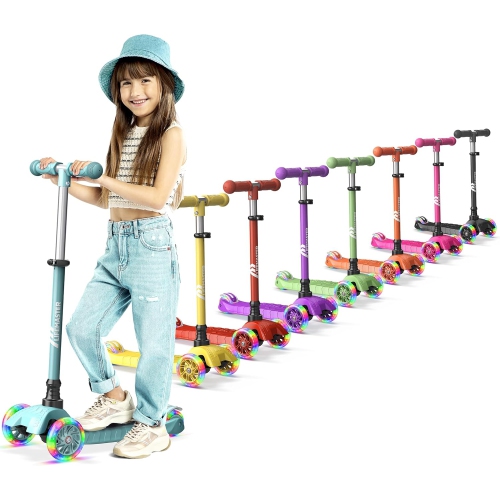
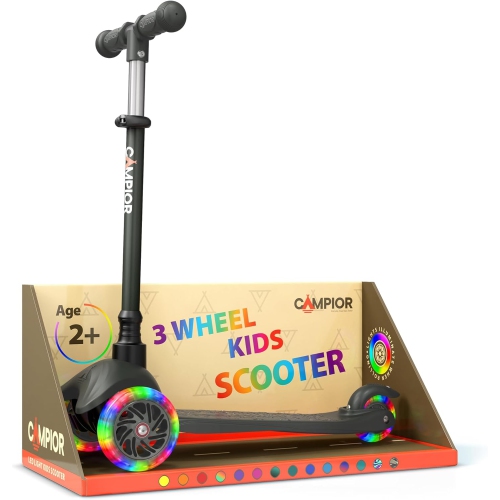
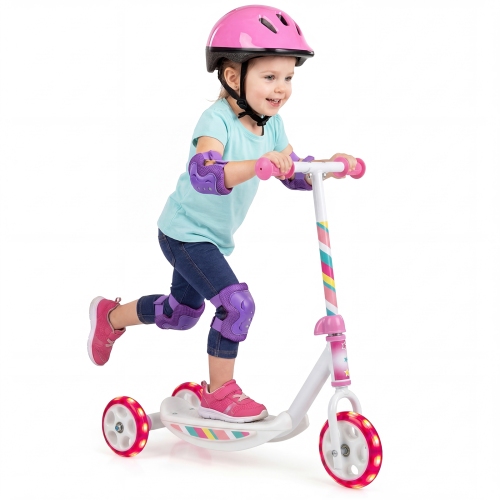
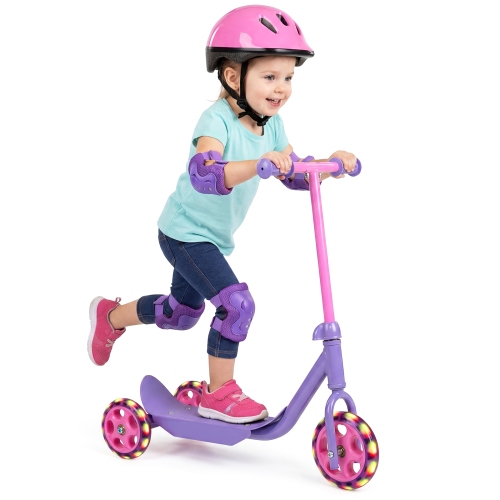
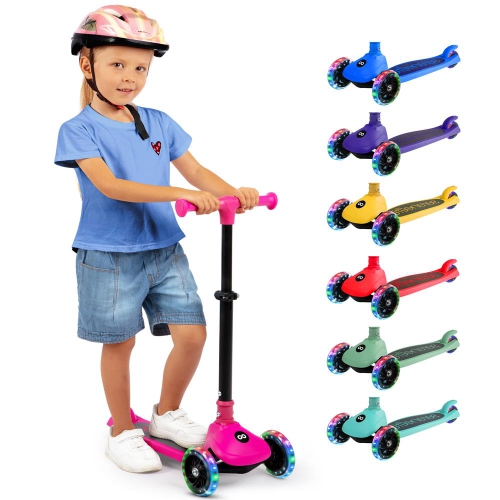
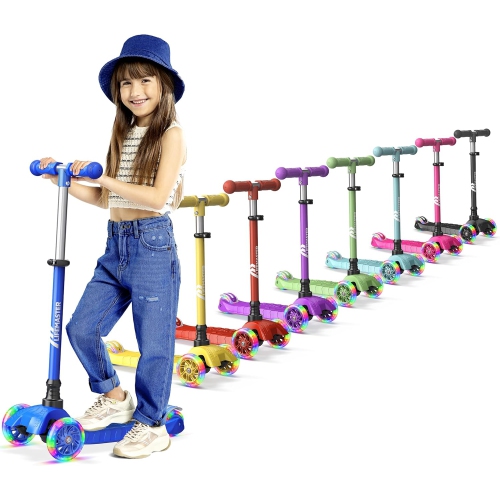
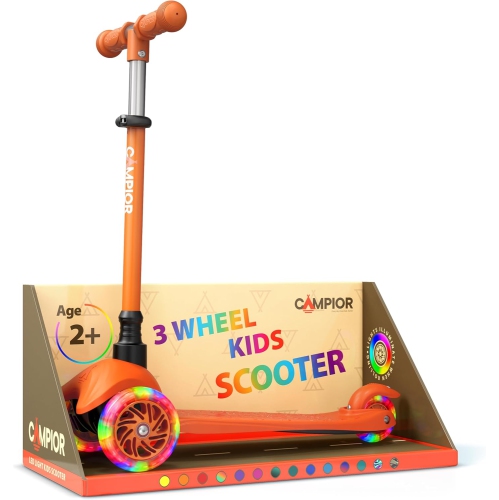
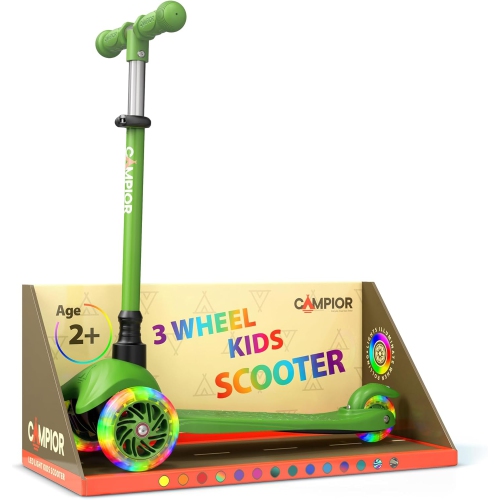
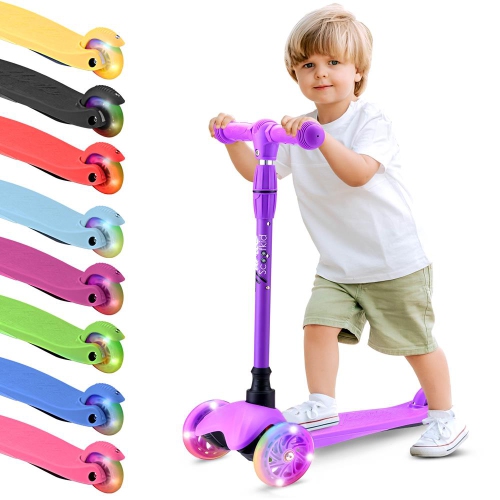
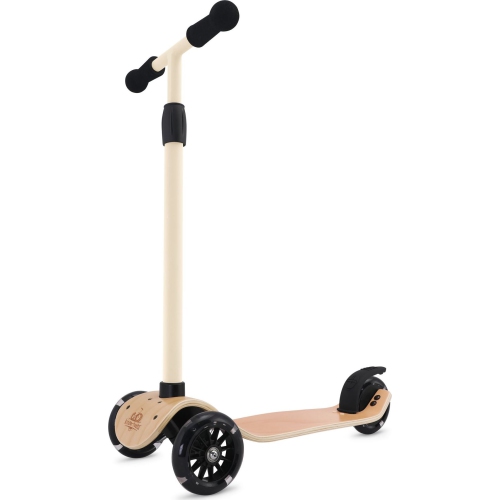
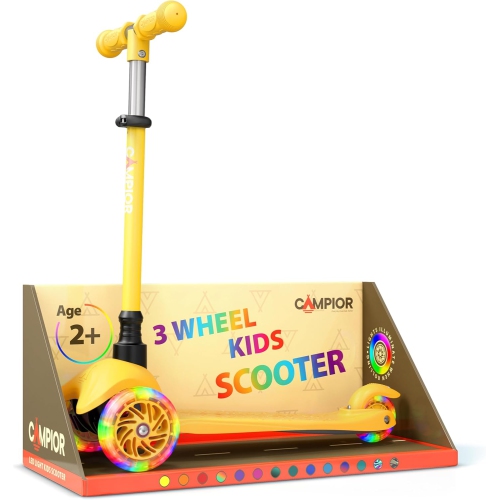
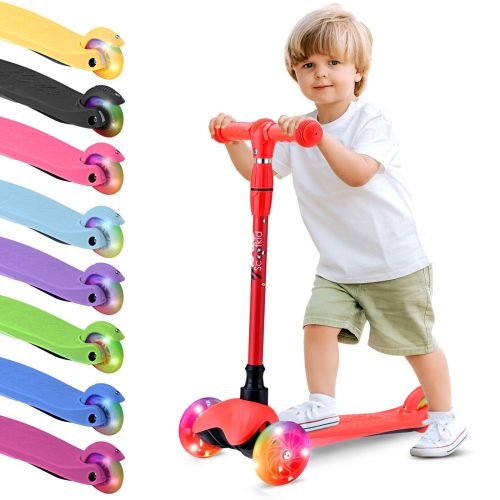
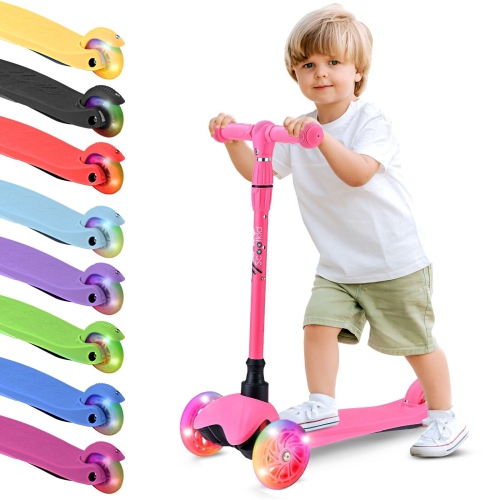
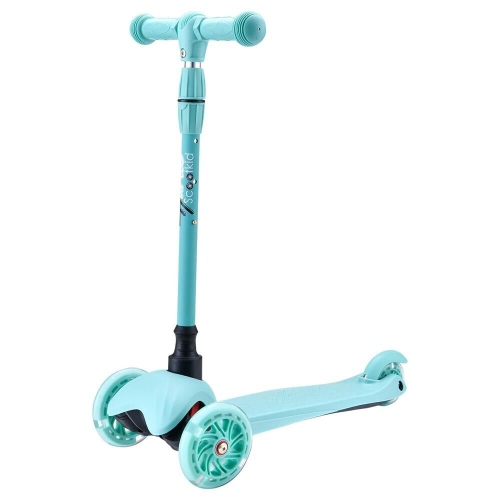
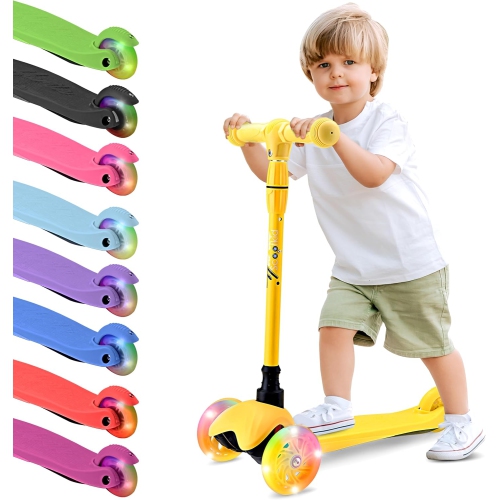

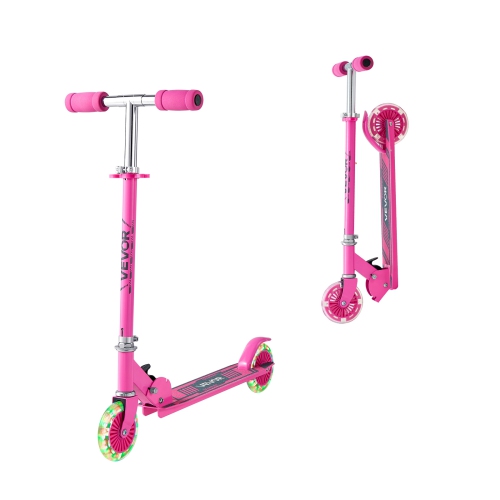
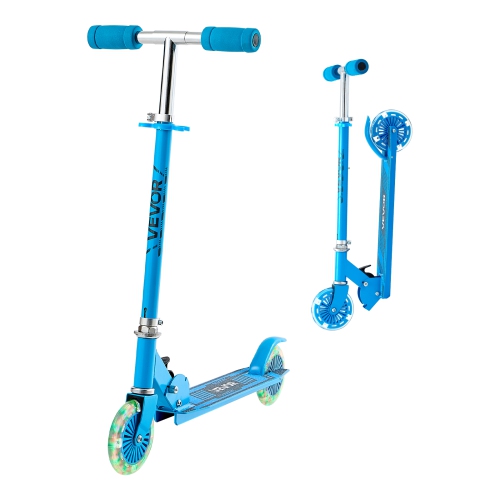
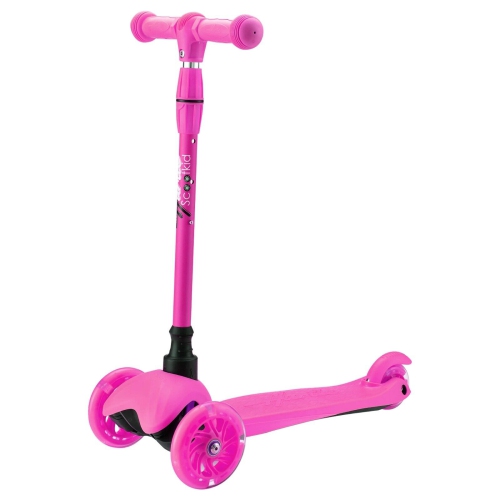
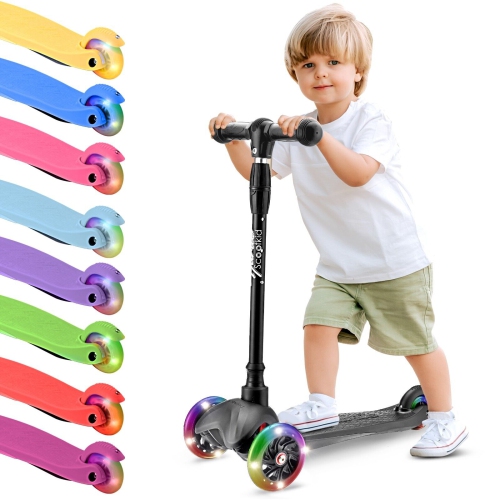
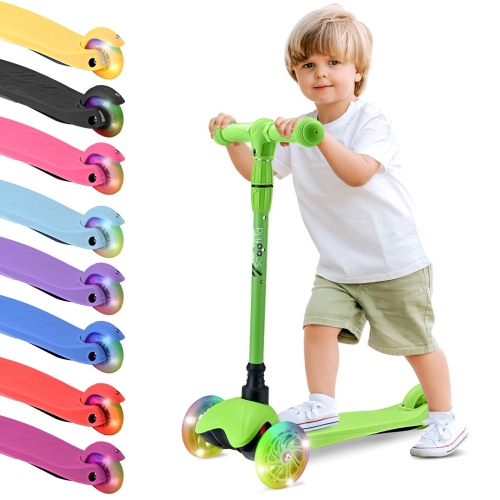
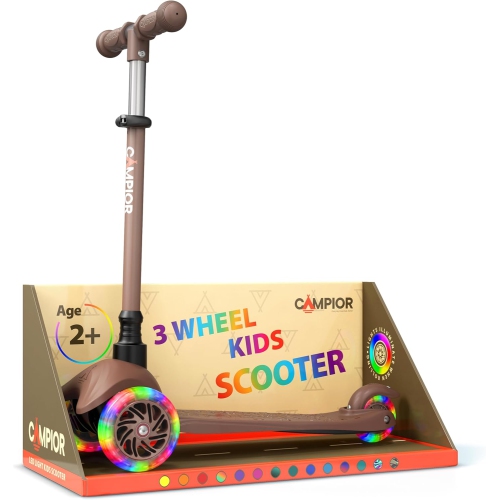
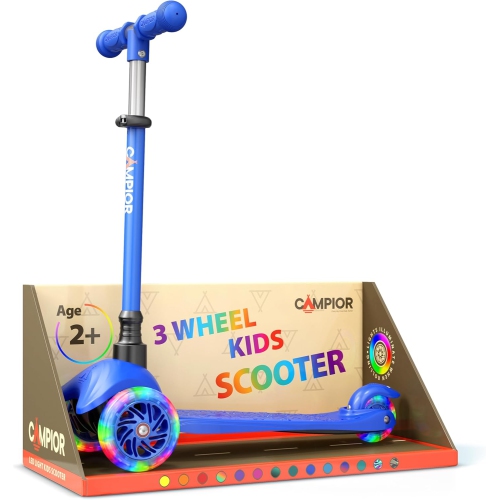
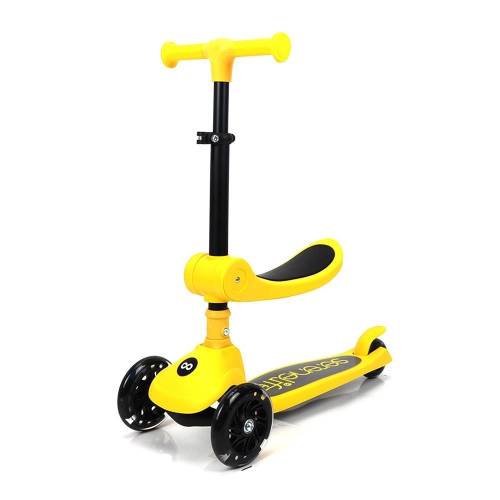
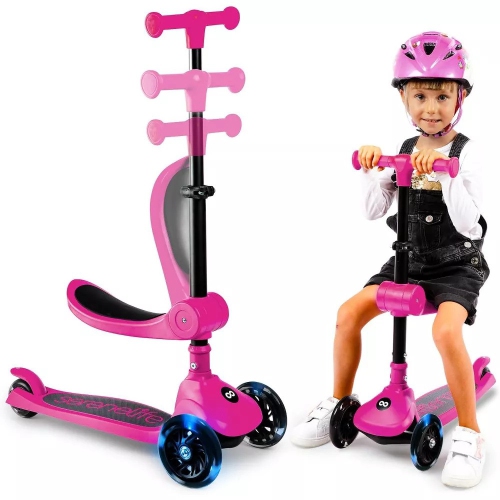
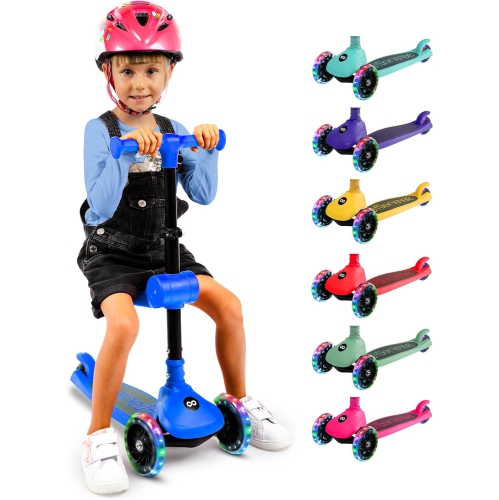
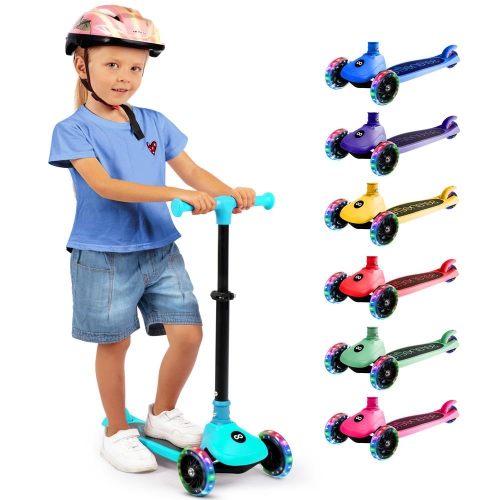


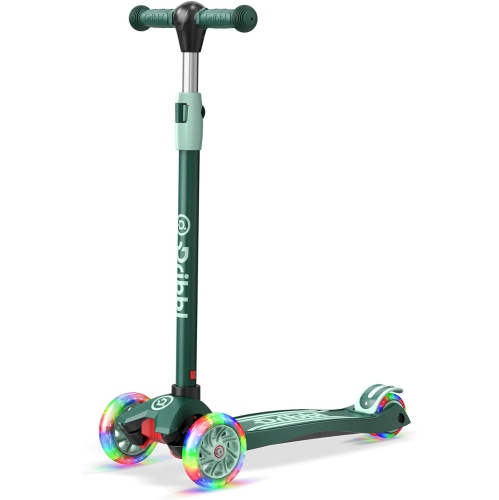
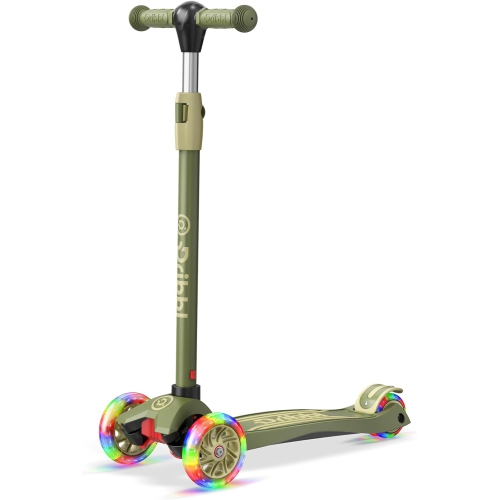
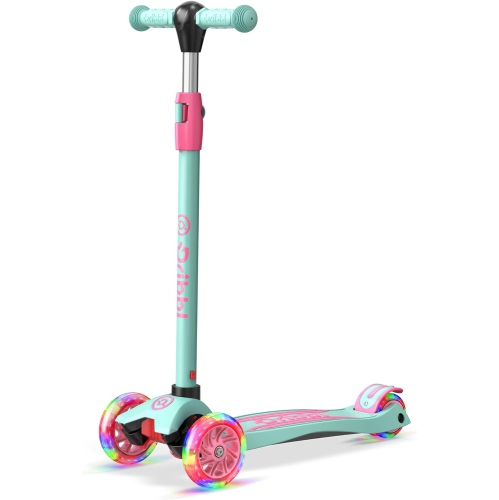
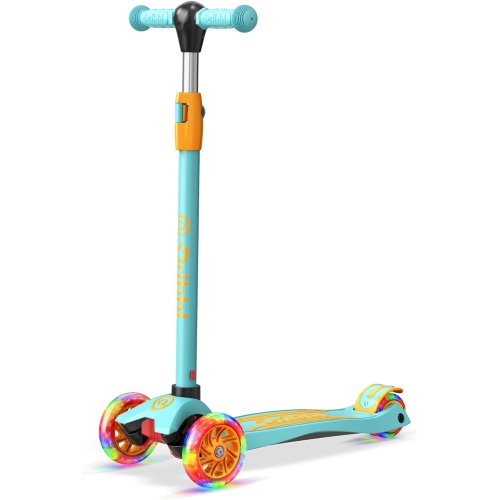
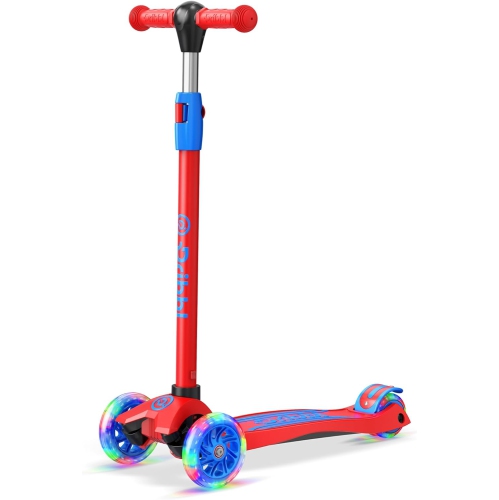
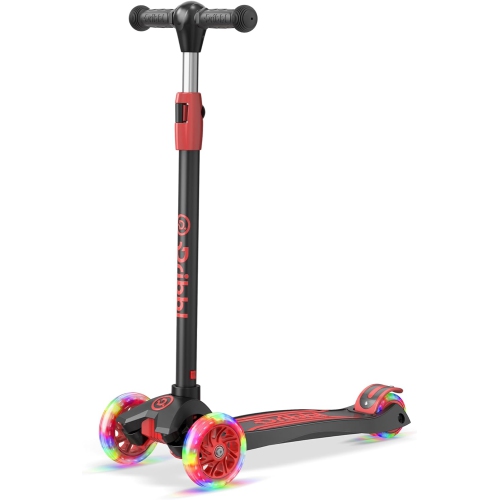
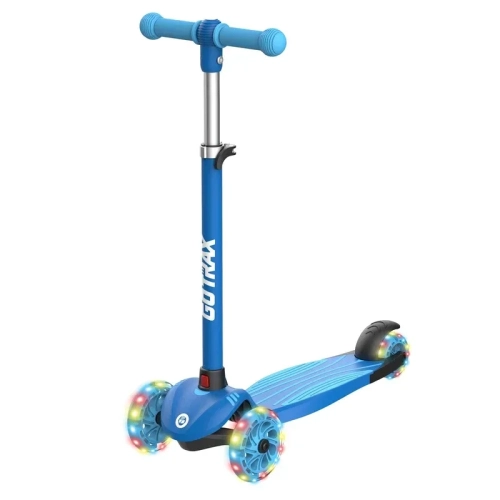
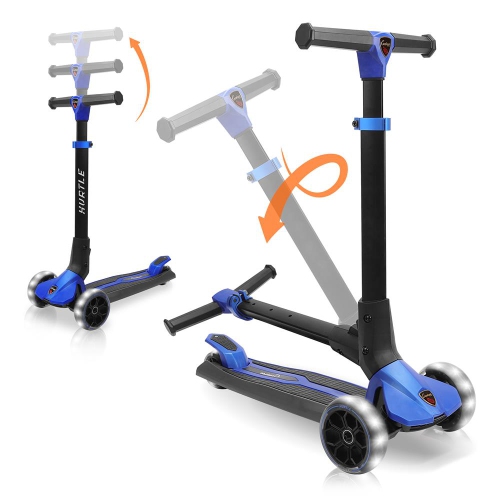
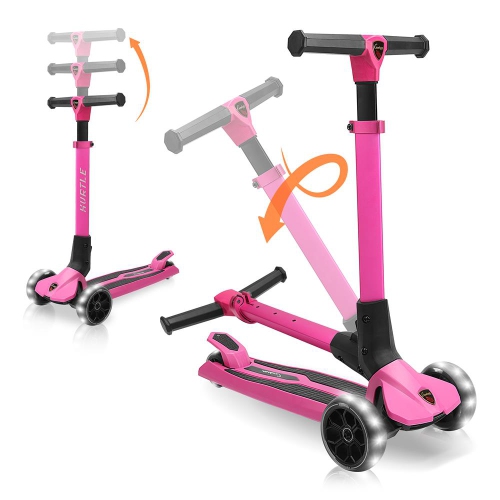
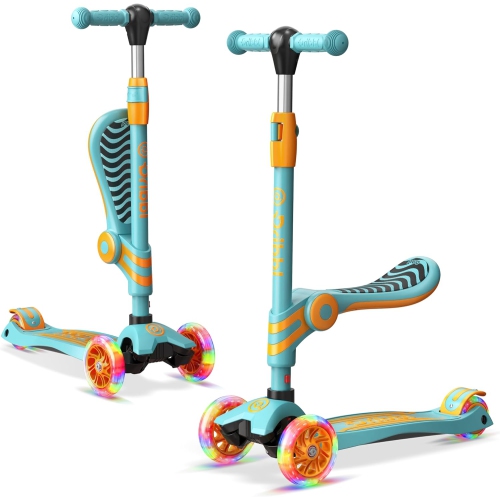
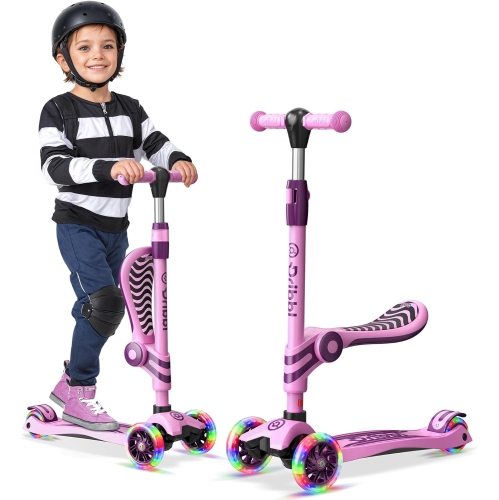
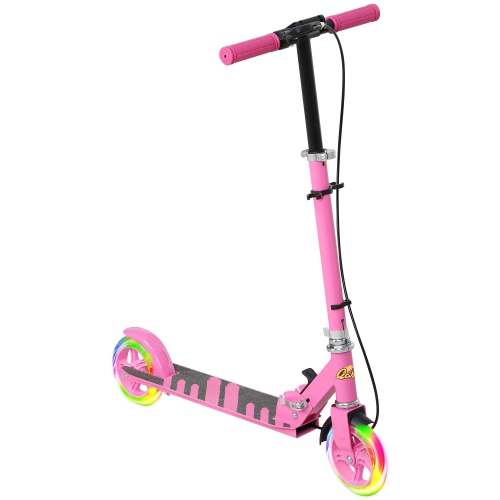
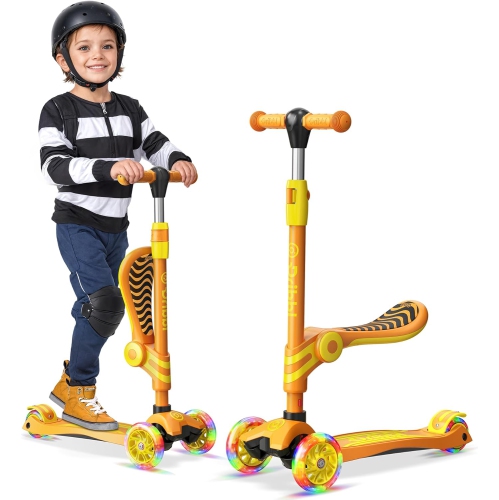
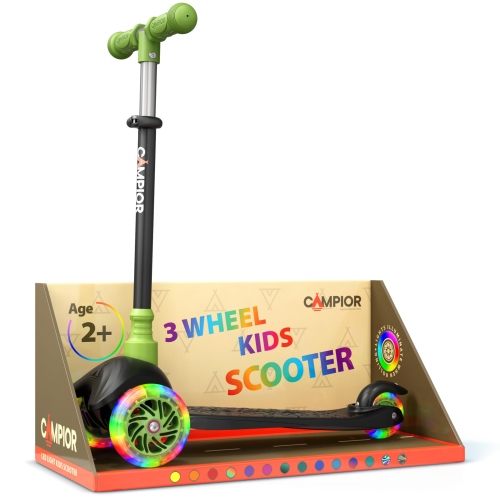
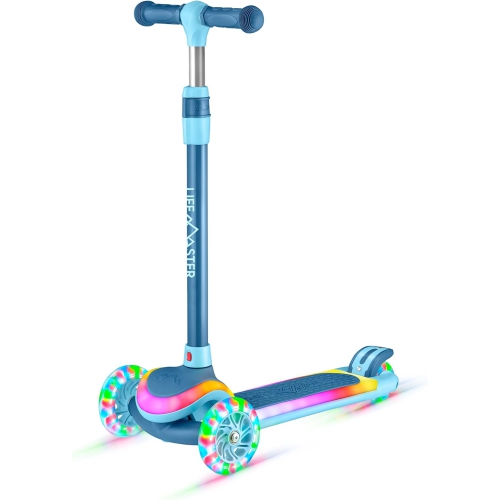
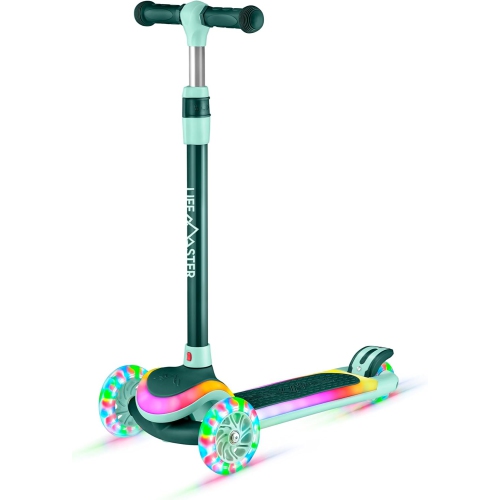
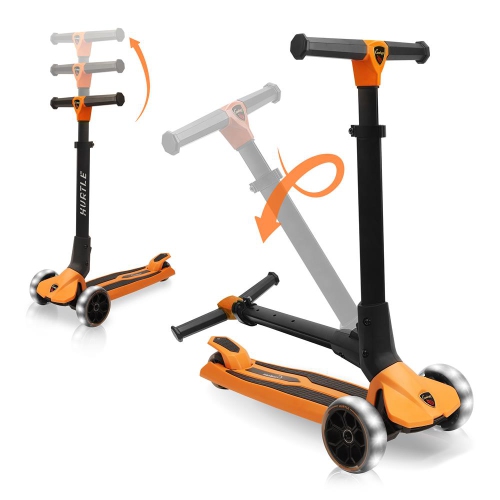
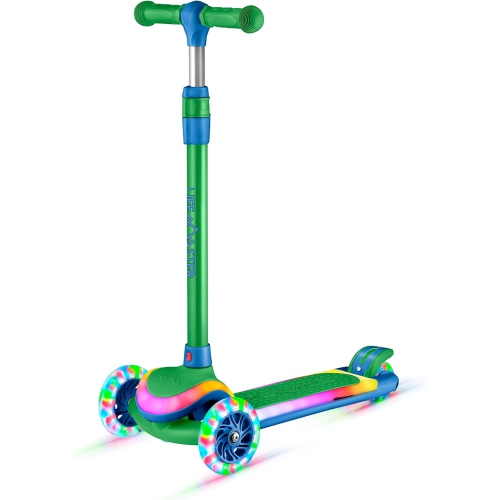
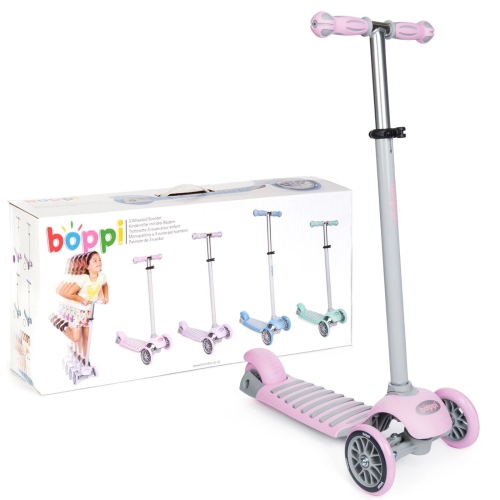
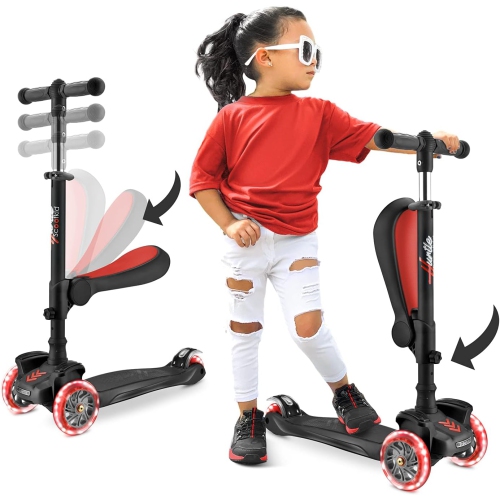
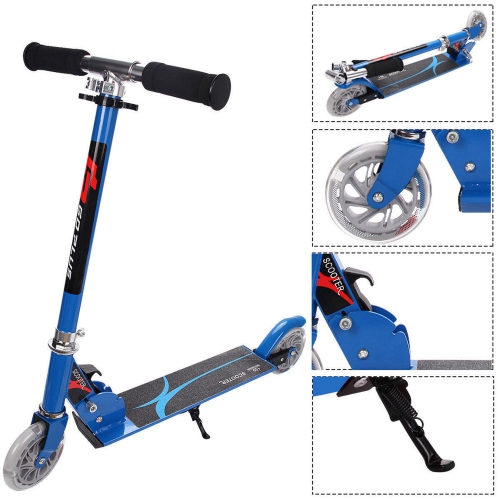
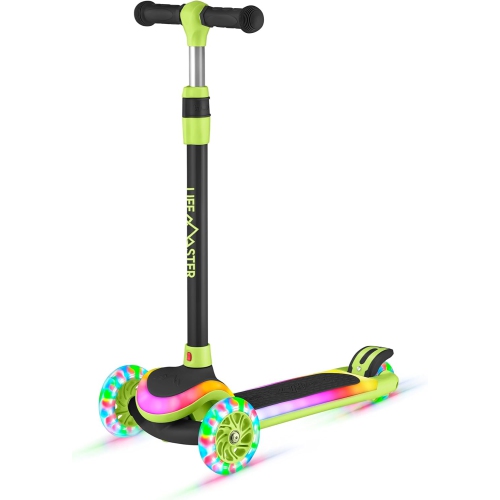
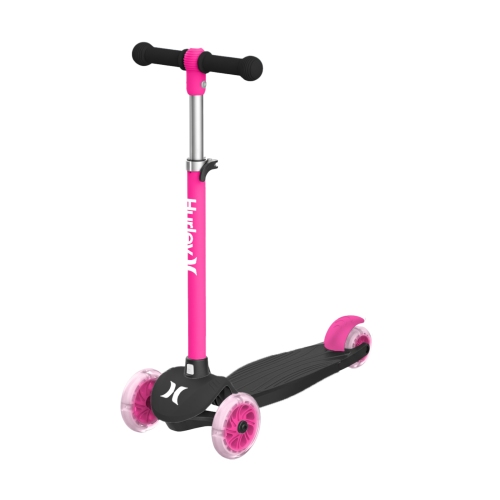
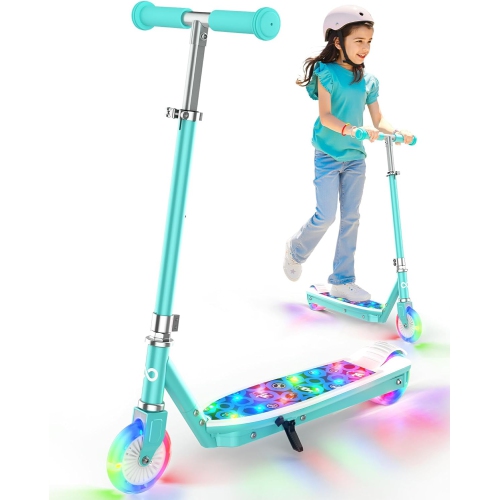
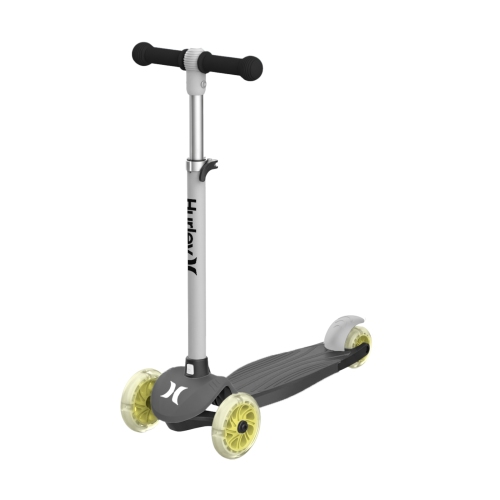
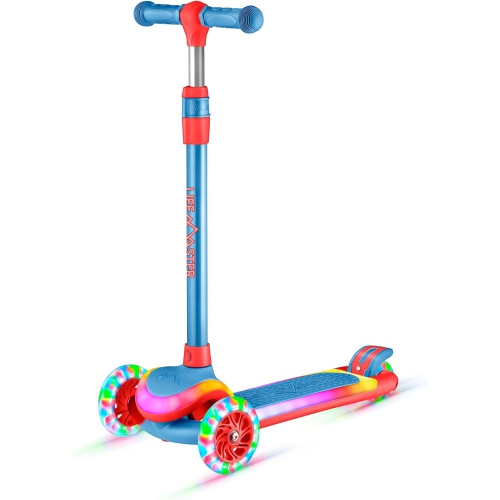
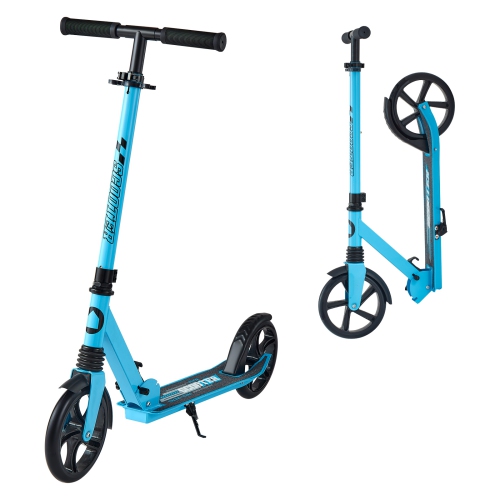
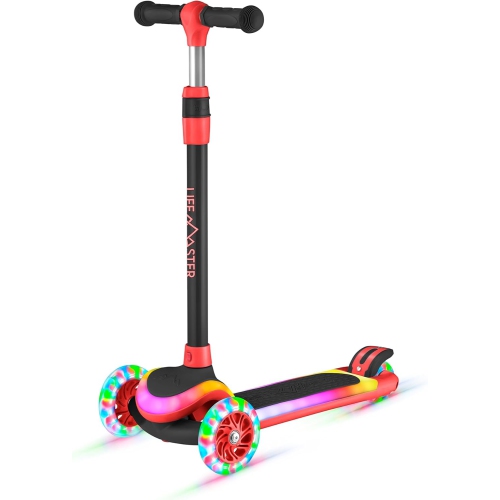
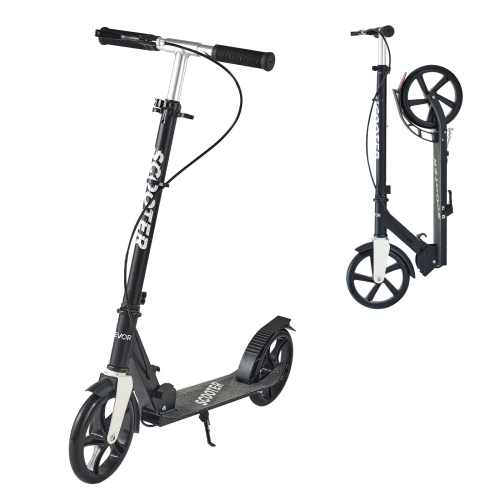
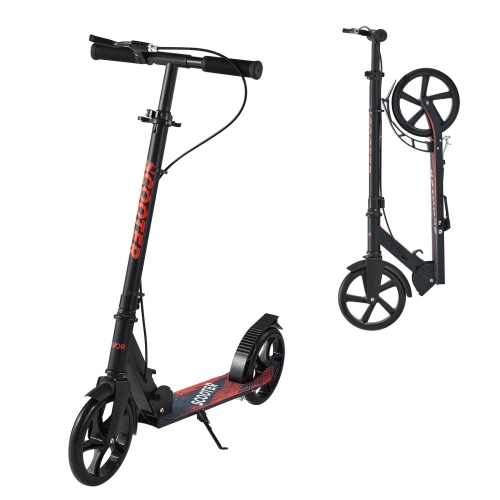
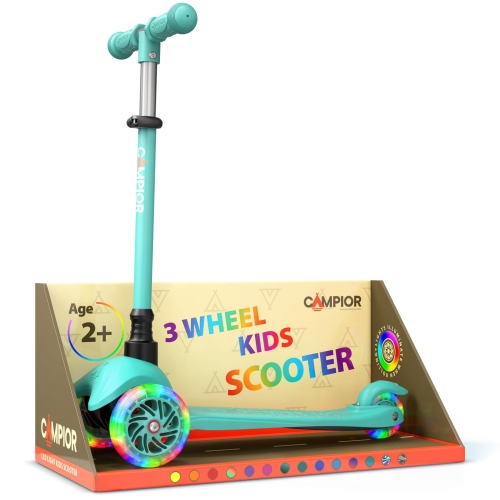
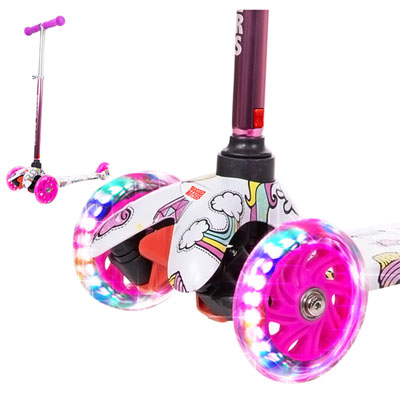
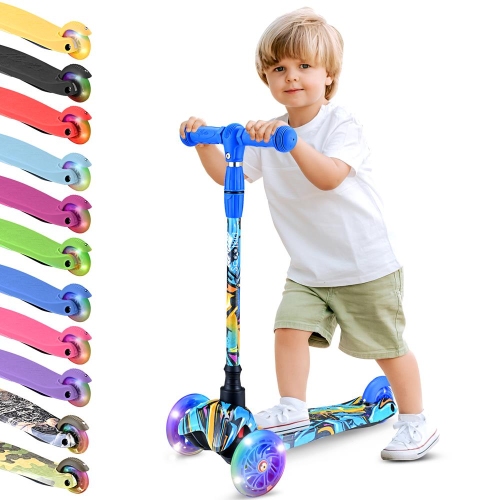
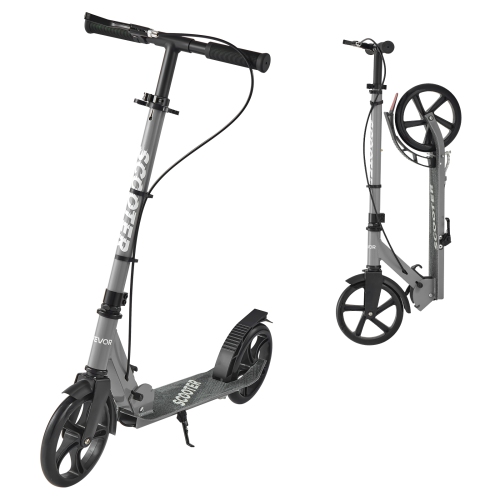
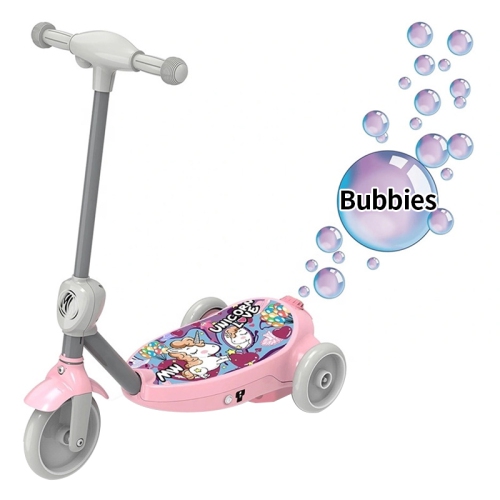
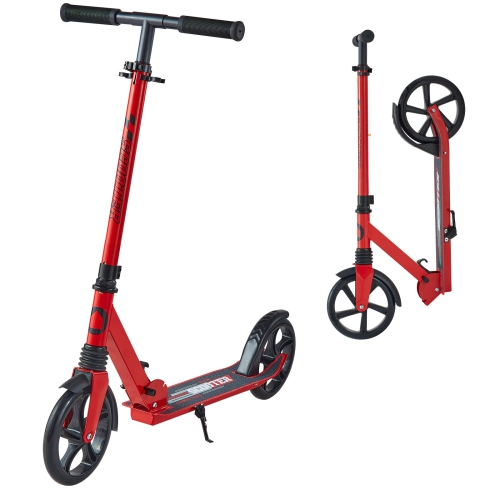
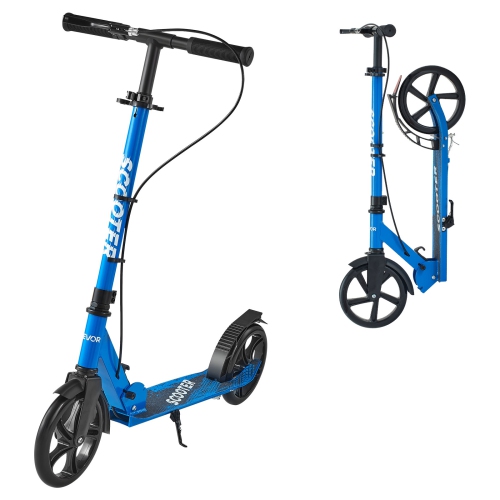
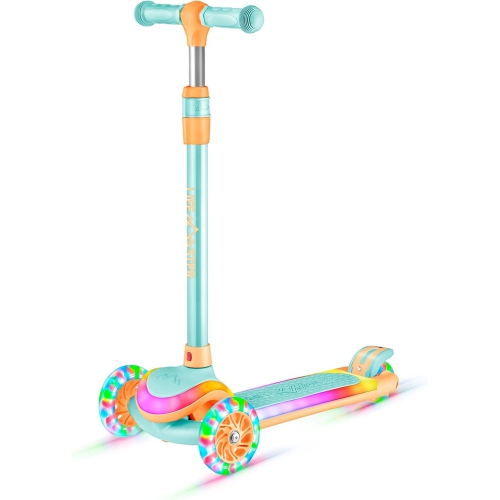
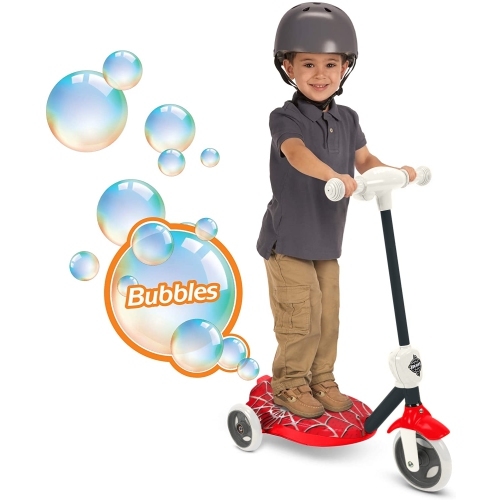
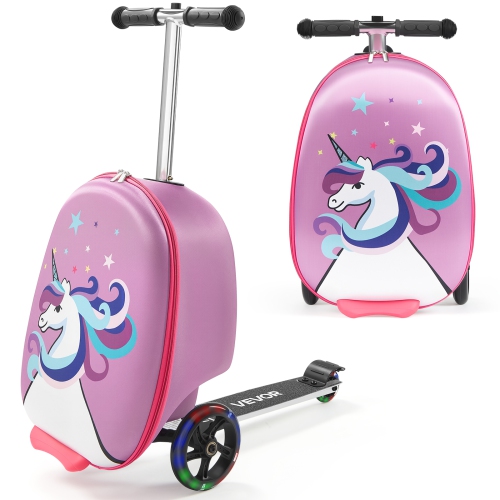
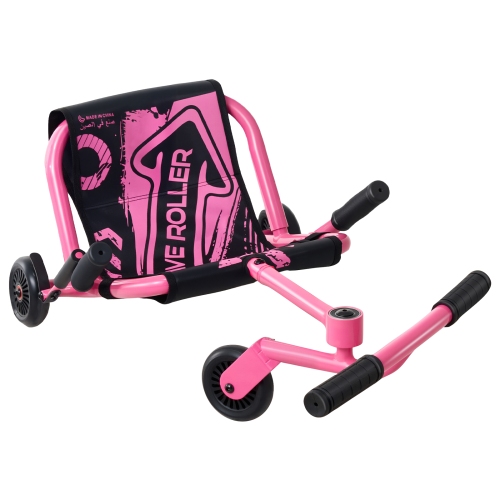
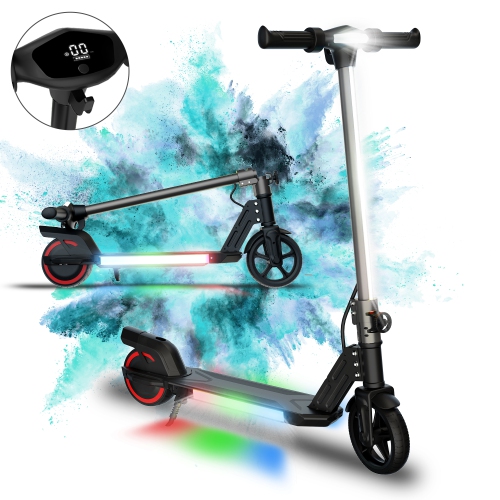
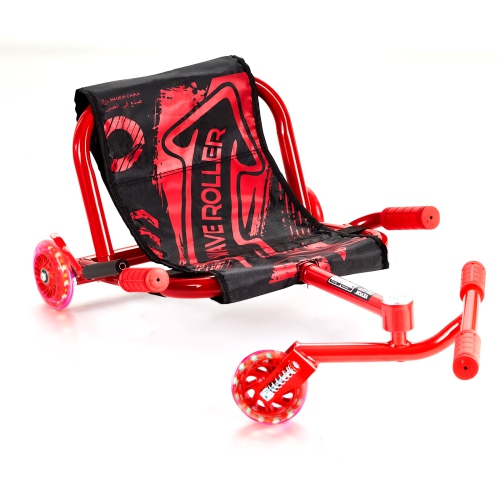
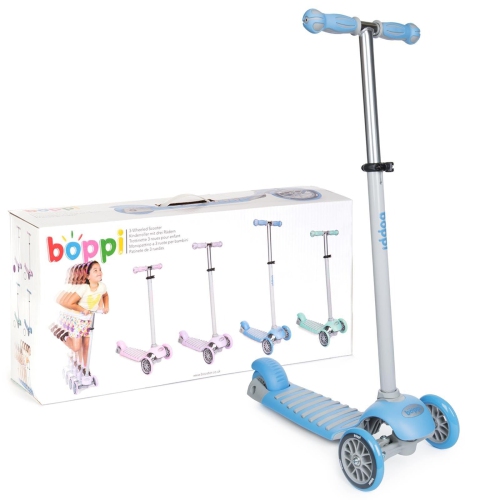

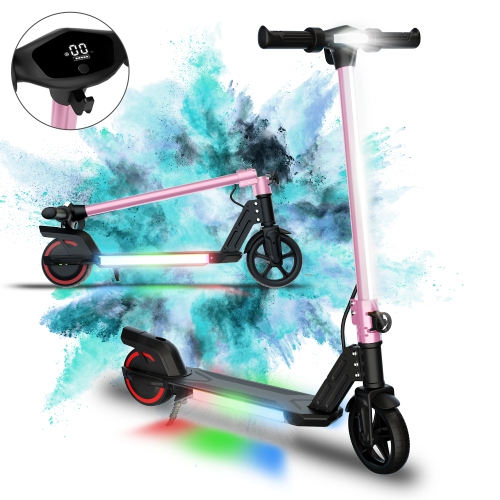
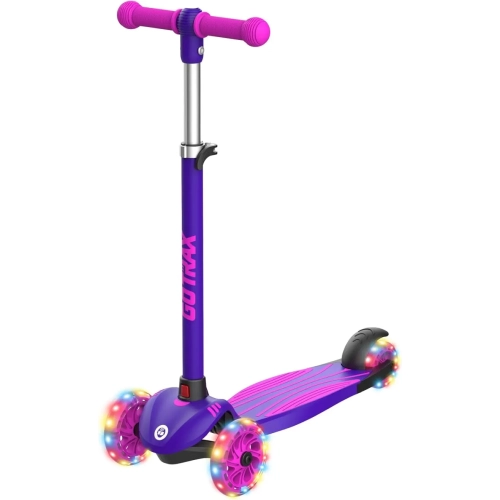
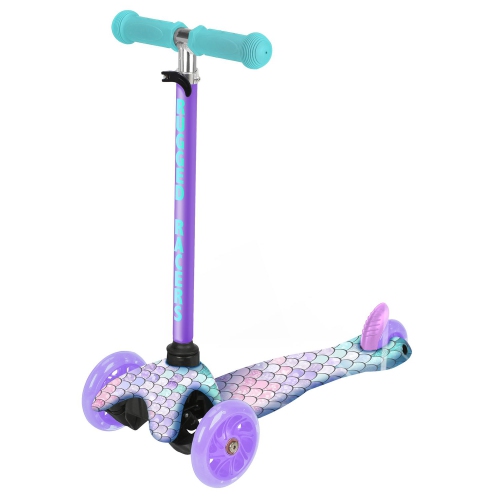
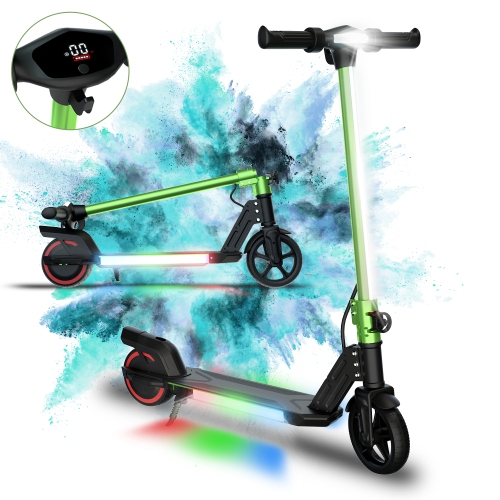
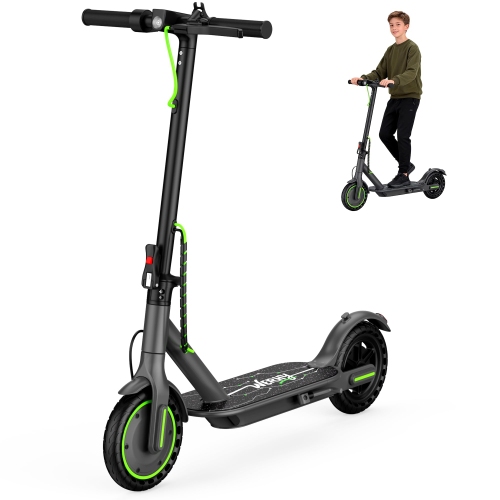
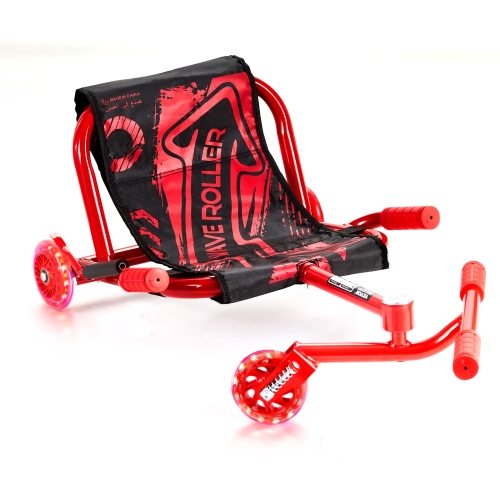
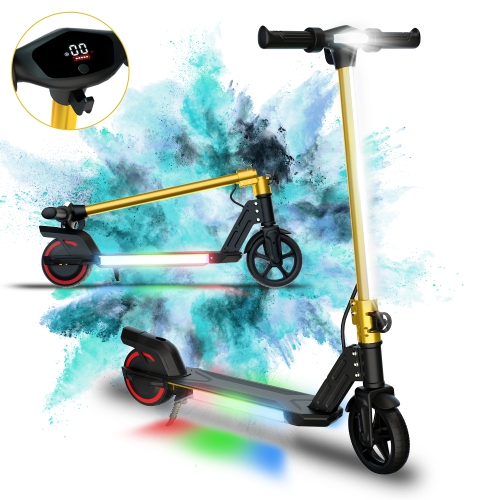
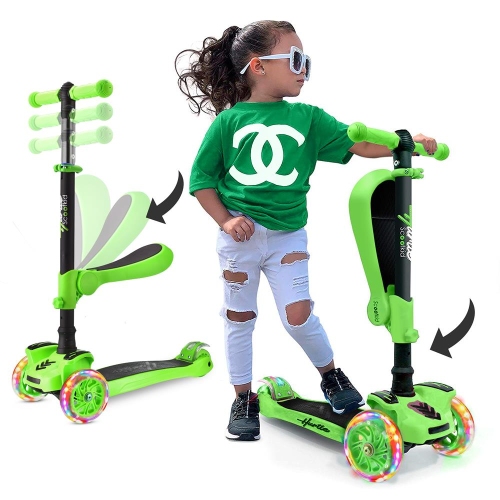
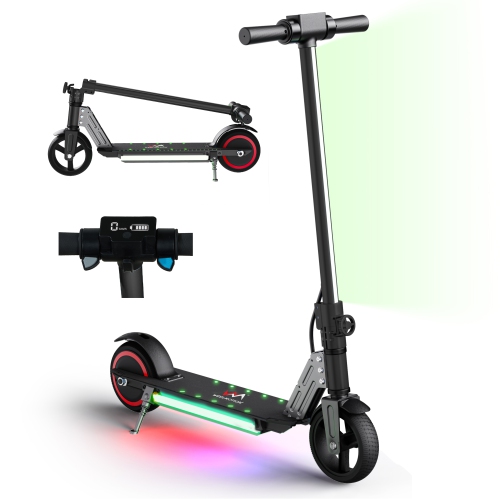
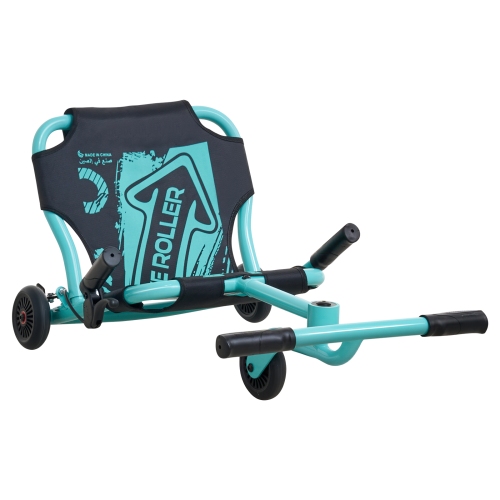
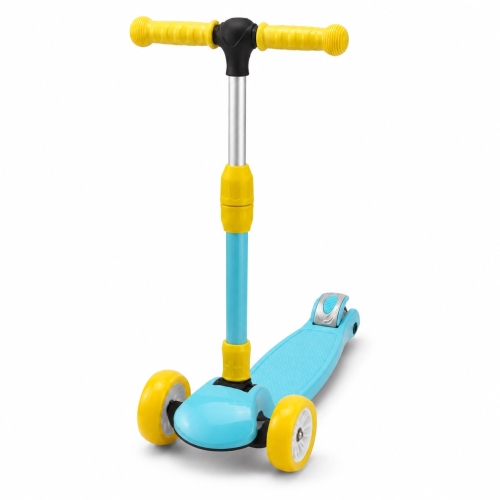
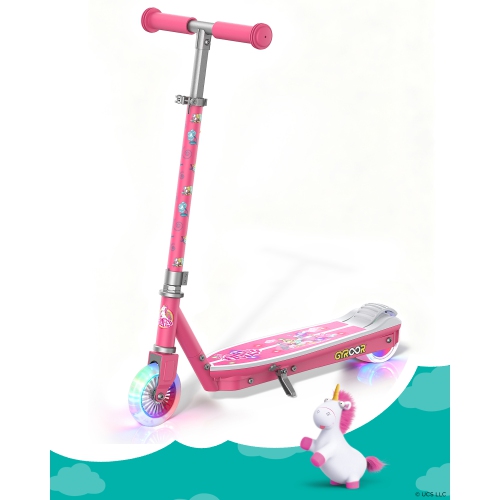
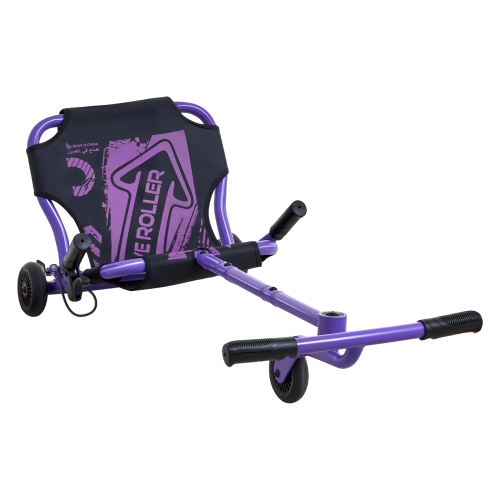
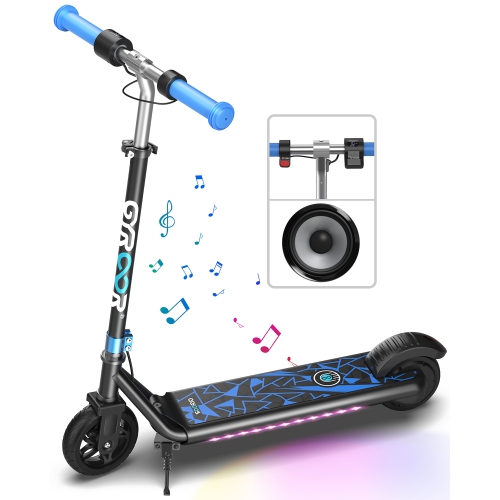
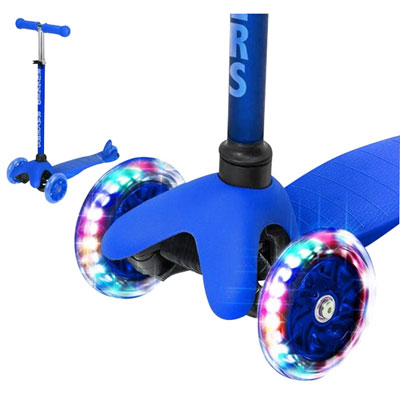
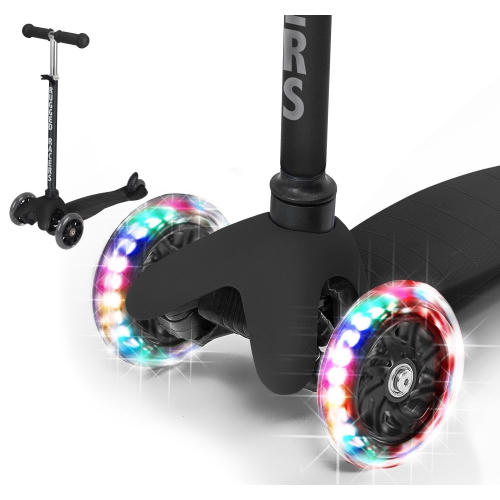
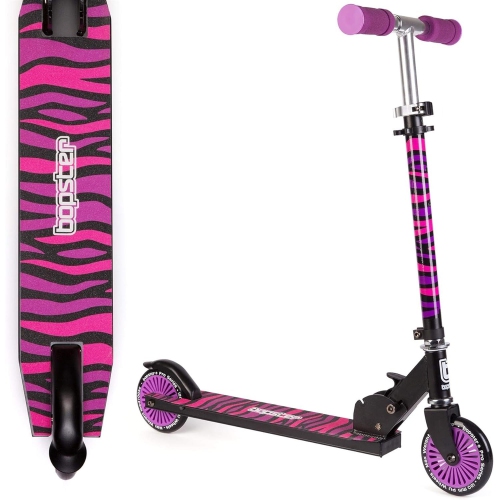
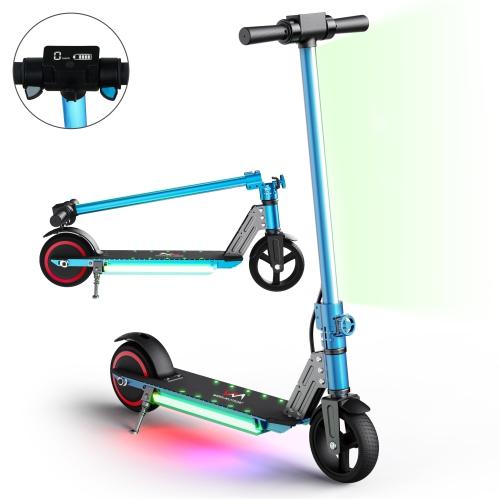
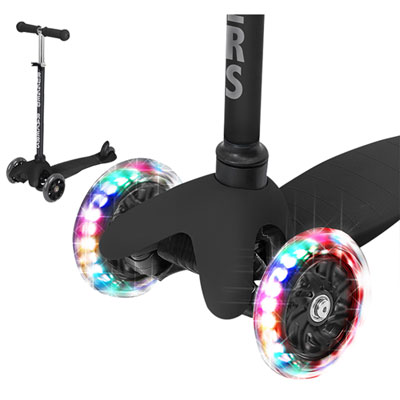
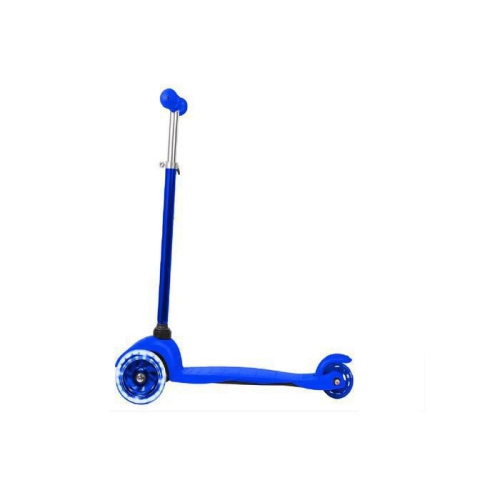
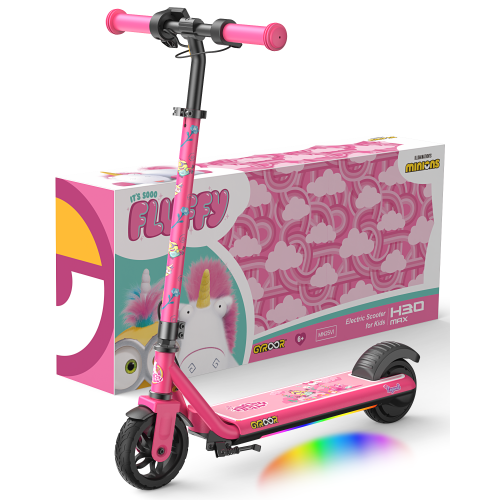
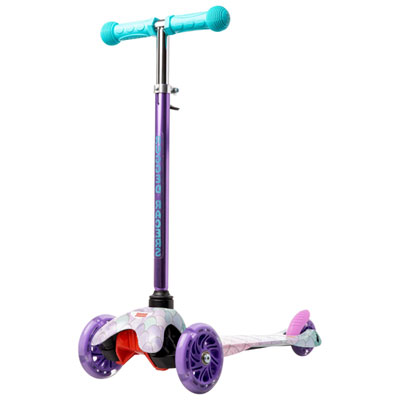
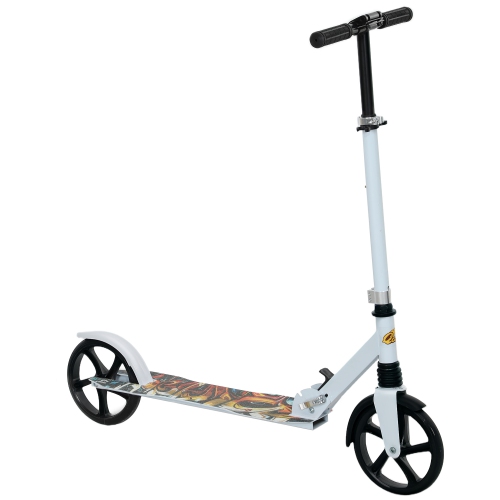
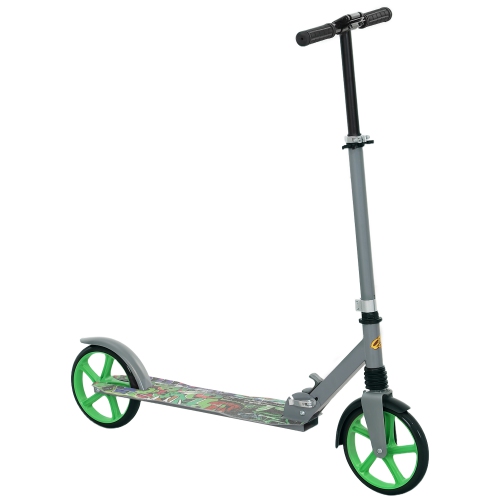
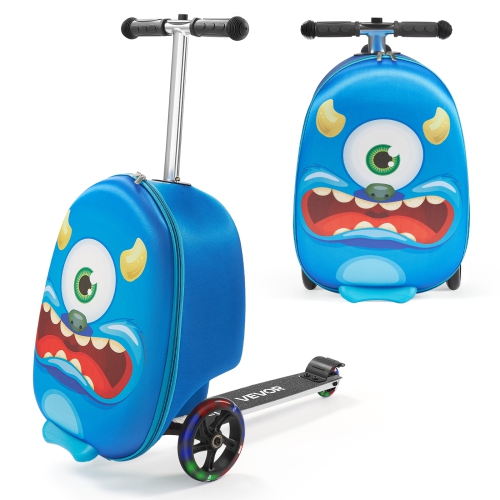
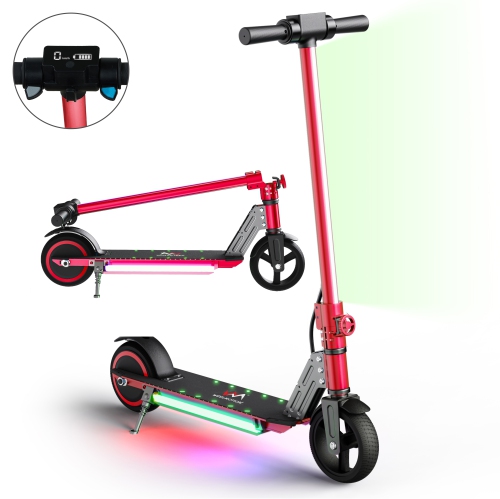
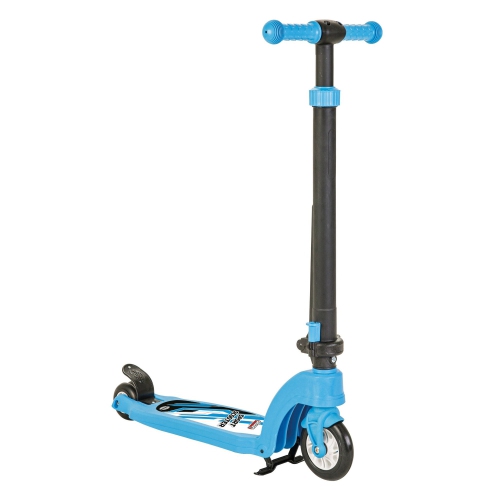
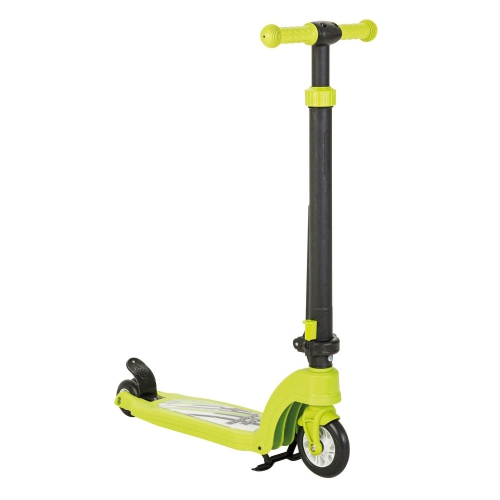
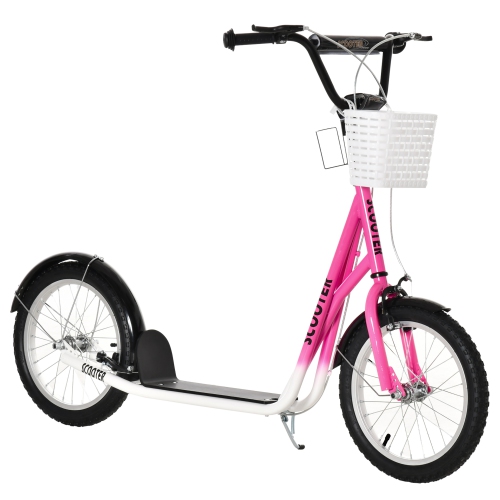
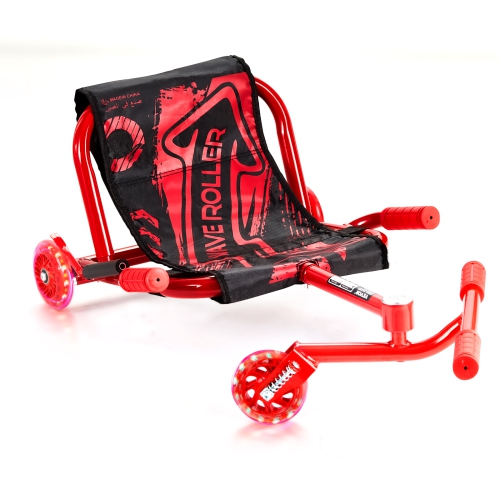
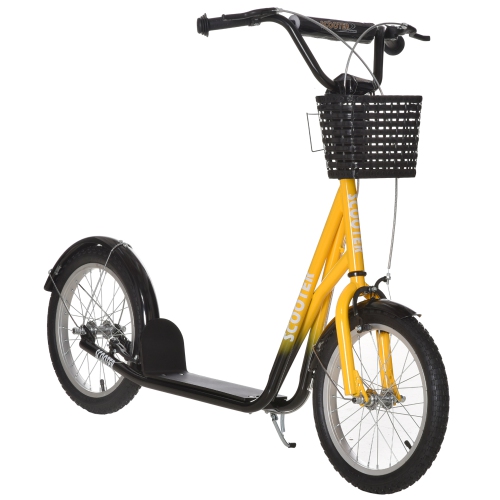
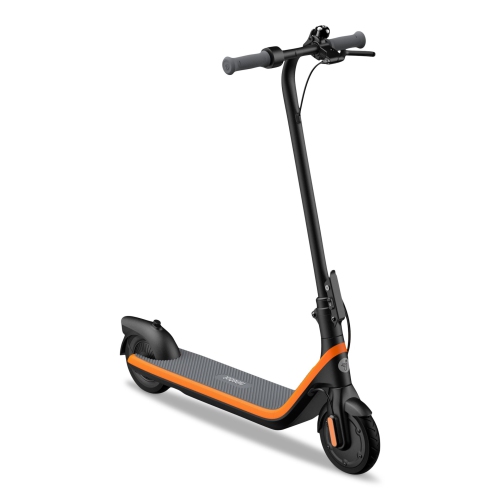
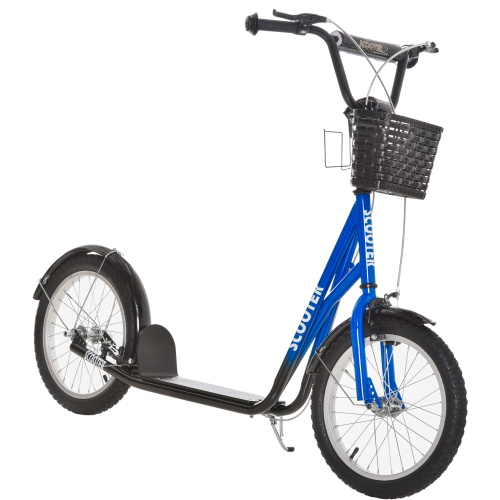
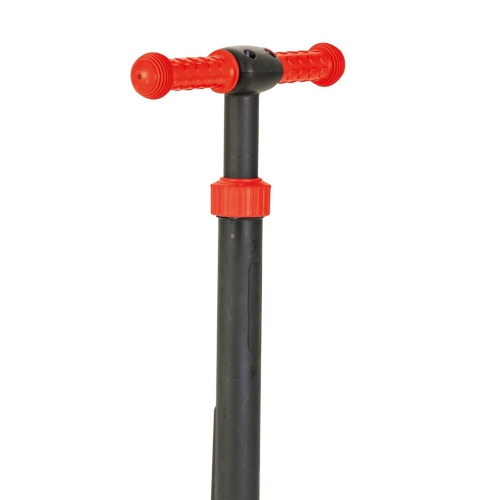
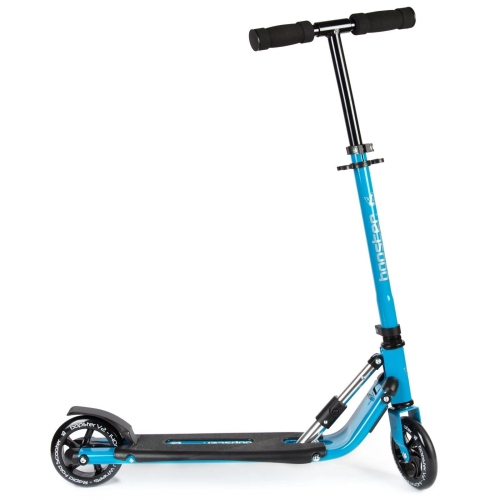
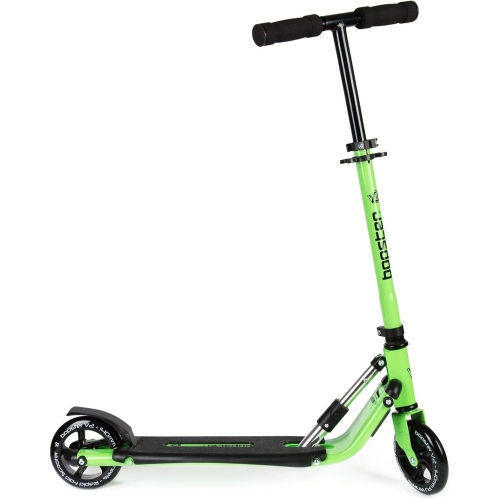
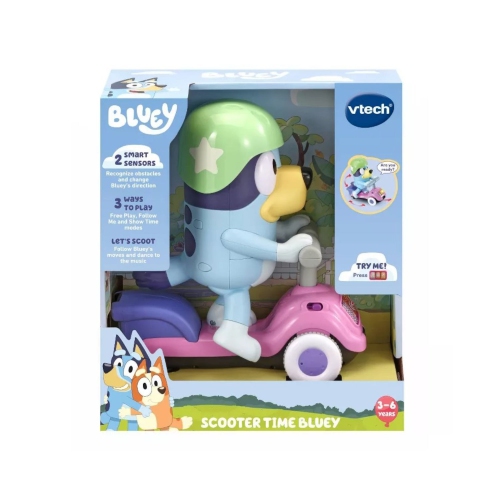
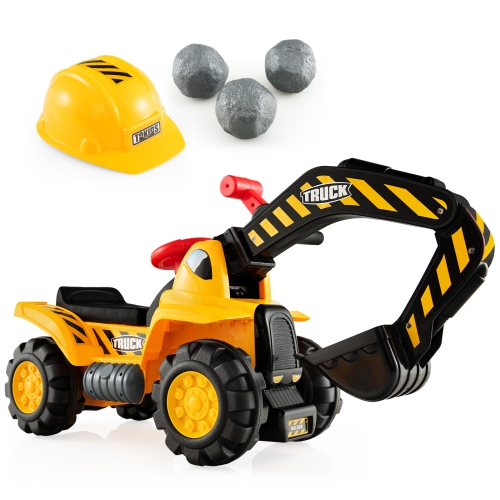
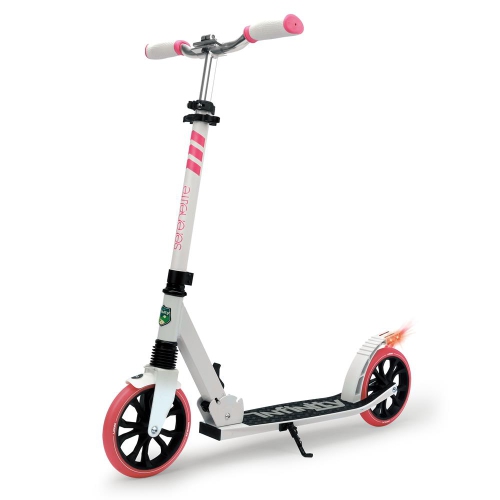
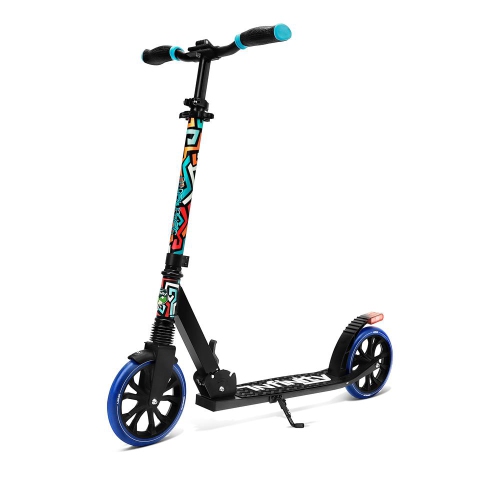
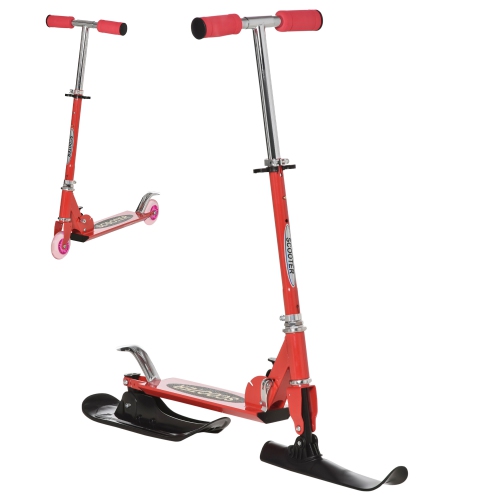
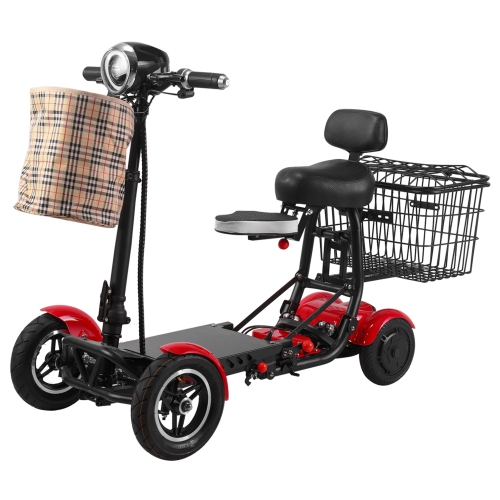
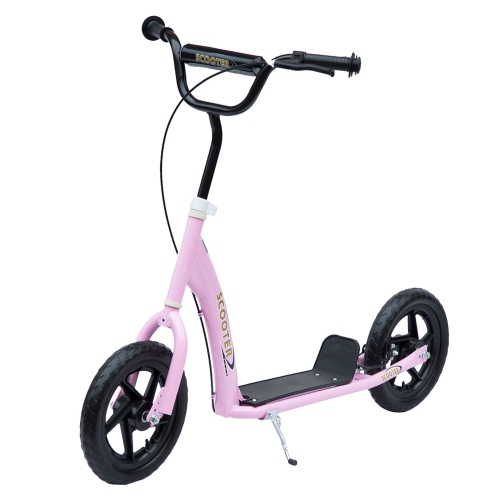
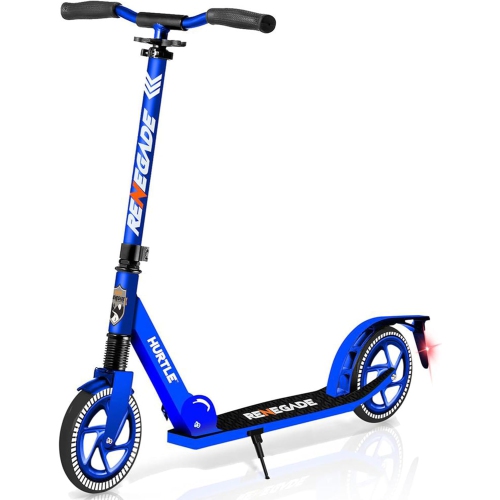
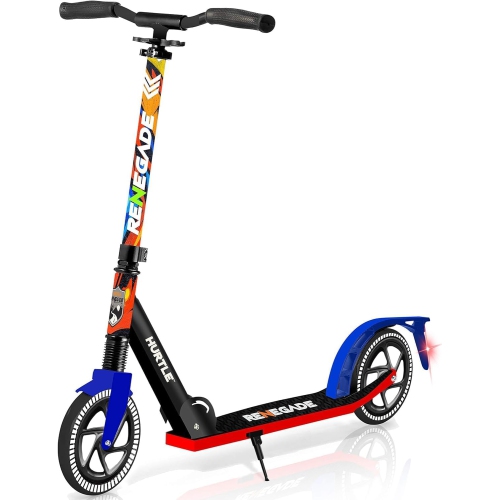
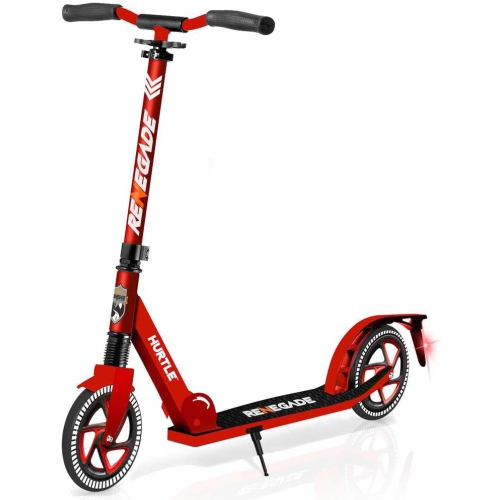
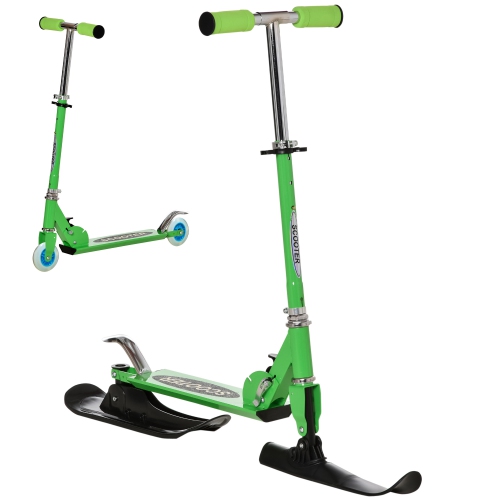
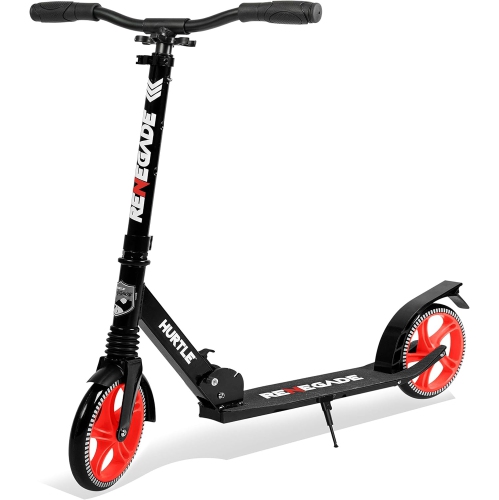
How three wheels support early balance and confident outdoor movement
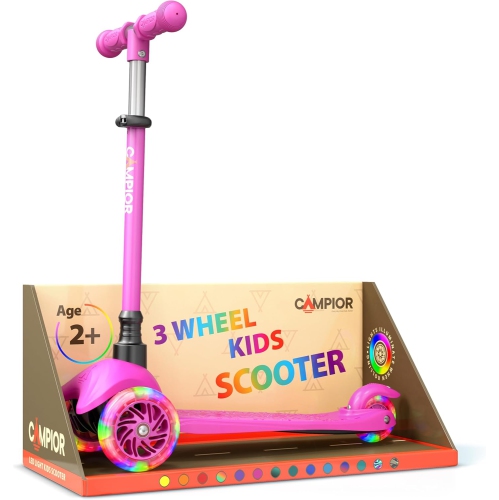
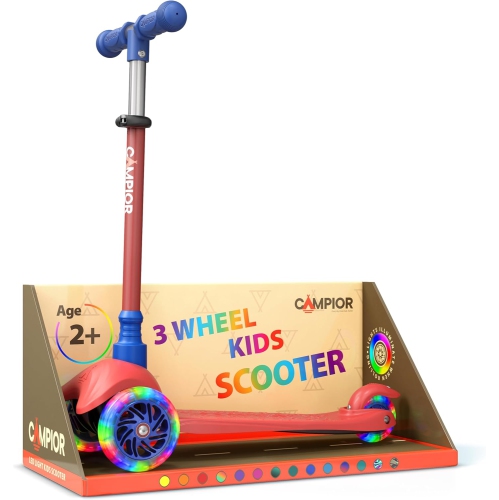
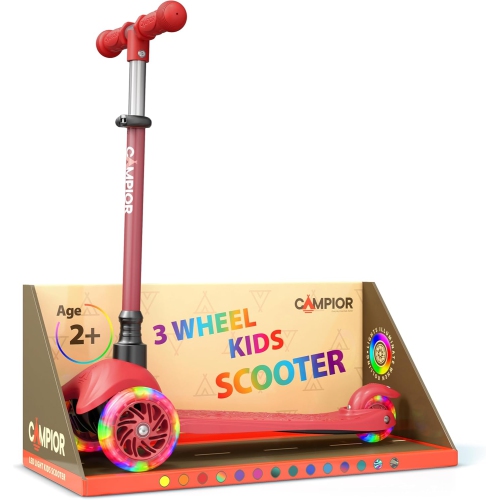
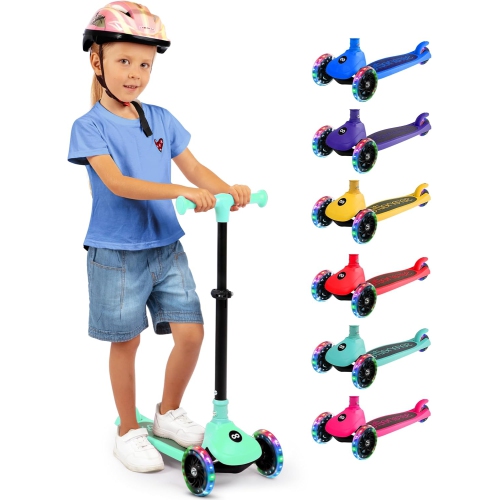
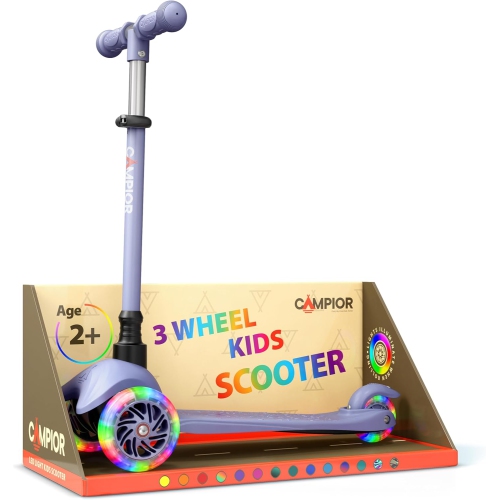
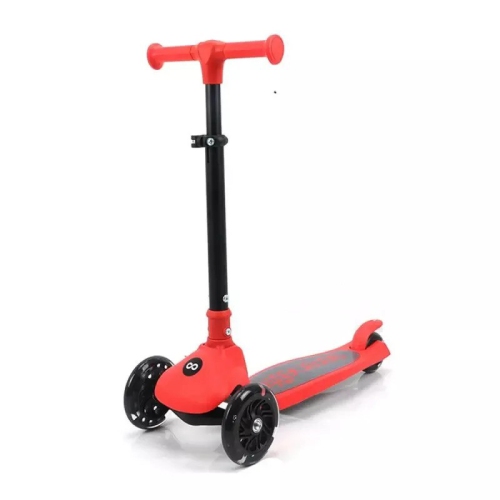
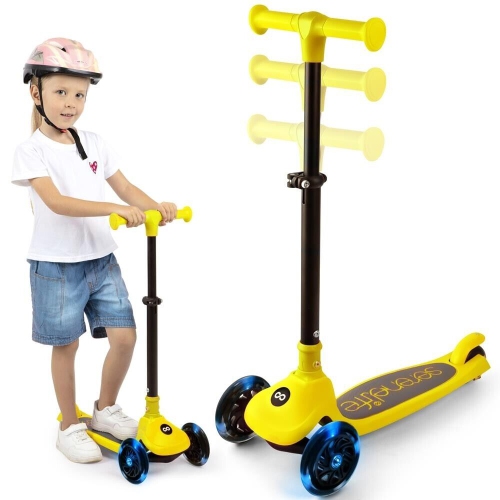
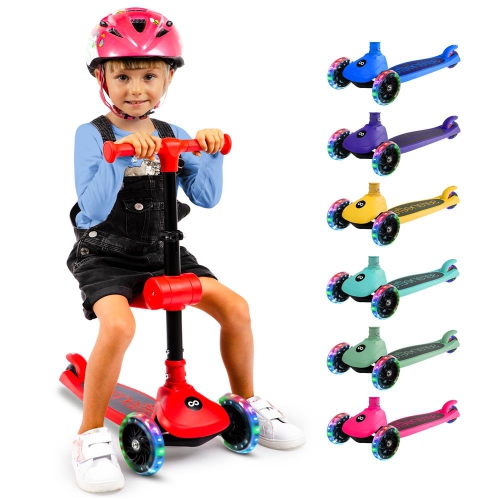
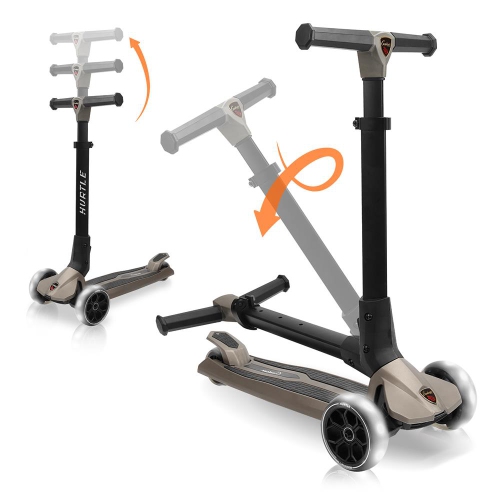
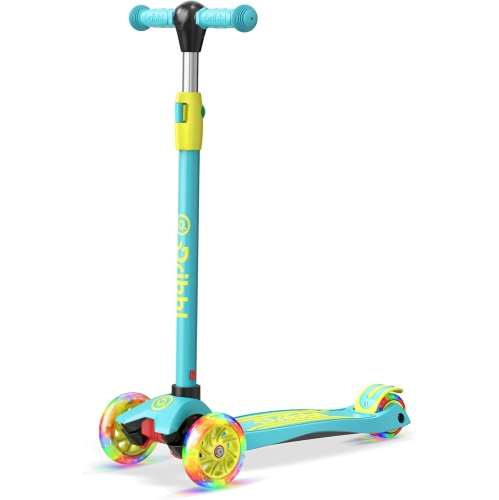
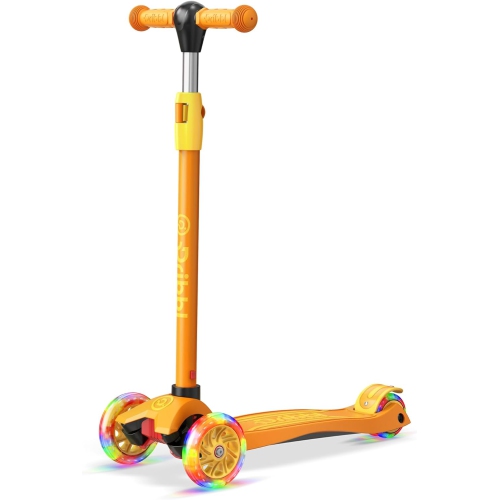
Toddler scooters are designed to give young children a fun, approachable way to practise balance, coordination, steering, and movement outdoors. Unlike larger two-wheel scooters, many models made for toddlers use three wheels, with two wheels at the front and one at the rear, to create a broad, stable base. A wide deck gives little feet more room to find their footing, while a low deck height can make it easier for a child to step on and off independently. This style is especially suitable for children who are still developing their balance and confidence. Rather than twisting the handlebar sharply, many three-wheel toddler scooters use a lean-to-steer design: the child gently shifts their weight to guide the scooter in the desired direction. This motion feels natural over time and helps build body awareness, coordination, and control. Look for a handlebar that is comfortable for small hands and positioned at a suitable height for the child. Adjustable handlebars can be useful as a child grows, helping the scooter remain comfortable over more than one season. A textured, non-slip deck can provide added grip, while smooth-rolling wheels are helpful on suitable paved surfaces such as sidewalks, driveways, patios, and paths. Wheel size and material also affect how the scooter feels in use; larger wheels may roll more easily over minor surface changes, while softer wheels can offer a quieter, smoother ride. Always check the manufacturer’s recommended age, height, and weight range before choosing a model, since these details can vary considerably between scooters. A child who is just beginning may benefit from a slower, more stable design, while a confident toddler may enjoy a model with a little more room to move and an adjustable fit.
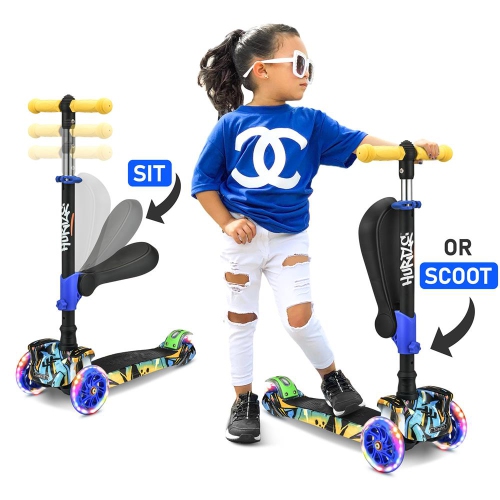
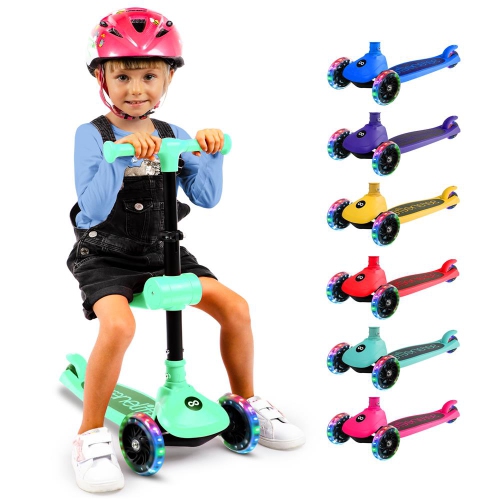
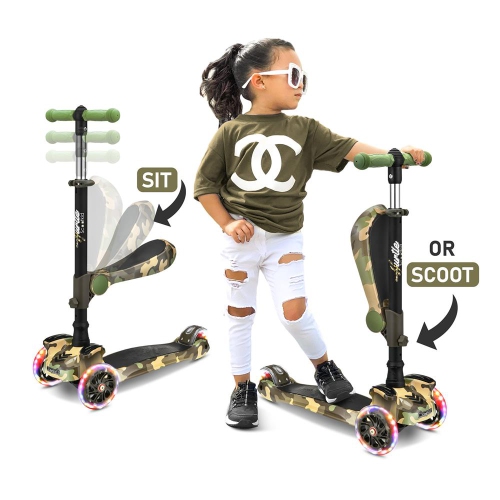
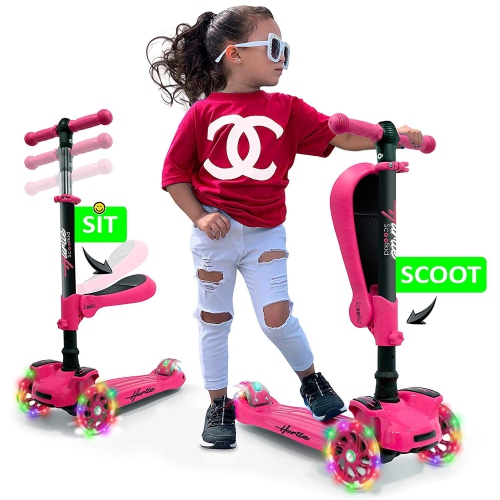
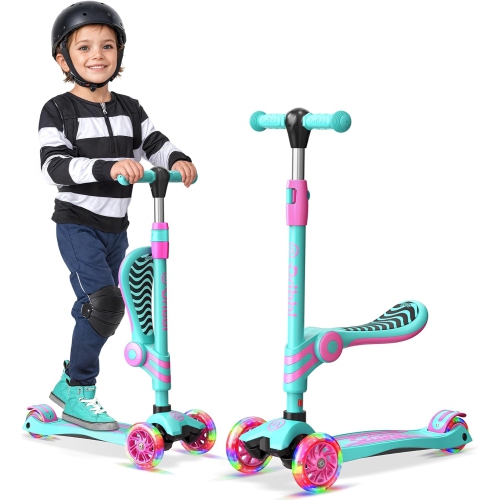
Some toddler scooters are designed as sit-to-stand ride-ons, allowing a younger child to begin seated before progressing to a standing scooter. These convertible designs can be a practical choice for families whose child is still gaining confidence or who may tire during longer outings. A seat can make short trips more manageable, while the standing configuration gives an older or more confident toddler the opportunity to practise kicking and steering. Consider how easy the changeover is, particularly if the scooter will be used away from home; a simple adjustment can make it easier to move between riding positions without interrupting play. A standard three-wheel kick scooter may be a better fit for a child who already walks and runs steadily and is ready to learn a new movement, while a sit-to-stand model may suit a younger toddler who enjoys ride-on toys but is not yet ready to balance upright for extended periods. Storage and transport are also worth considering. A lighter scooter may be easier for a child to lift with help and more convenient for an adult to carry when the outing ends. Foldable or compact designs can fit more easily in a vehicle, hallway, or closet, although parents should still confirm that the folding mechanism locks securely before each ride. Toddler scooters can make thoughtful gifts for birthdays, seasonal celebrations, or a child reaching a new developmental milestone. They are particularly appealing for active toddlers who enjoy copying older siblings, moving independently, or exploring familiar outdoor spaces at their own pace. For children who spend time riding with family, a scooter can turn an ordinary walk into an engaging activity, with frequent stops to look at leaves, watch birds, or practise gentle turns around a driveway. During the cooler months, it can still be useful for brief outdoor play when surfaces are dry and clear, although gloves should not interfere with a secure grip and children should be dressed comfortably for movement.
Safety and supervision are important parts of choosing and using toddler scooters. A properly fitted helmet should be worn on every ride, even when a child is travelling slowly or staying close to home. Knee pads, elbow pads, and wrist protection may also provide useful coverage for children who are learning to stop, turn, or recover from a wobble. Begin in a quiet, open area with a smooth, dry surface and plenty of room, keeping away from traffic, steep slopes, stairs, pools, and crowded walkways. An adult can first demonstrate how to place both hands on the handlebar, keep one foot on the deck, push gently with the other foot, and slow down before reaching an obstacle. Toddlers often need time to understand that steering and stopping require deliberate movements, so short practice sessions are usually more enjoyable than expecting a long ride immediately. Check the wheels, deck, handlebar, grips, and any adjustment or folding points regularly for looseness, wear, or damage, and follow the care and assembly instructions supplied with the scooter. Avoid using a scooter in wet, icy, or poorly lit conditions, and stay close enough to guide the child when the surroundings become busy. Families planning outings with younger children may also want to compare scooters with other forms of child transportation, including Toddler Strollers, depending on the child’s age, energy level, and the distance involved. With the right fit, protective equipment, and a suitable place to practise, a toddler scooter can become a familiar part of outdoor play: a small set of wheels that encourages movement, confidence, and the delight of getting from one end of the path to the other.
Some toddler scooters are designed as sit-to-stand ride-ons, allowing a younger child to begin seated before progressing to a standing scooter. These convertible designs can be a practical choice for families whose child is still gaining confidence or who may tire during longer outings. A seat can make short trips more manageable, while the standing configuration gives an older or more confident toddler the opportunity to practise kicking and steering. Consider how easy the changeover is, particularly if the scooter will be used away from home; a simple adjustment can make it easier to move between riding positions without interrupting play. A standard three-wheel kick scooter may be a better fit for a child who already walks and runs steadily and is ready to learn a new movement, while a sit-to-stand model may suit a younger toddler who enjoys ride-on toys but is not yet ready to balance upright for extended periods. Storage and transport are also worth considering. A lighter scooter may be easier for a child to lift with help and more convenient for an adult to carry when the outing ends. Foldable or compact designs can fit more easily in a vehicle, hallway, or closet, although parents should still confirm that the folding mechanism locks securely before each ride. Toddler scooters can make thoughtful gifts for birthdays, seasonal celebrations, or a child reaching a new developmental milestone. They are particularly appealing for active toddlers who enjoy copying older siblings, moving independently, or exploring familiar outdoor spaces at their own pace. For children who spend time riding with family, a scooter can turn an ordinary walk into an engaging activity, with frequent stops to look at leaves, watch birds, or practise gentle turns around a driveway. During the cooler months, it can still be useful for brief outdoor play when surfaces are dry and clear, although gloves should not interfere with a secure grip and children should be dressed comfortably for movement.
Safety and supervision are important parts of choosing and using toddler scooters. A properly fitted helmet should be worn on every ride, even when a child is travelling slowly or staying close to home. Knee pads, elbow pads, and wrist protection may also provide useful coverage for children who are learning to stop, turn, or recover from a wobble. Begin in a quiet, open area with a smooth, dry surface and plenty of room, keeping away from traffic, steep slopes, stairs, pools, and crowded walkways. An adult can first demonstrate how to place both hands on the handlebar, keep one foot on the deck, push gently with the other foot, and slow down before reaching an obstacle. Toddlers often need time to understand that steering and stopping require deliberate movements, so short practice sessions are usually more enjoyable than expecting a long ride immediately. Check the wheels, deck, handlebar, grips, and any adjustment or folding points regularly for looseness, wear, or damage, and follow the care and assembly instructions supplied with the scooter. Avoid using a scooter in wet, icy, or poorly lit conditions, and stay close enough to guide the child when the surroundings become busy. Families planning outings with younger children may also want to compare scooters with other forms of child transportation, including Toddler Strollers, depending on the child’s age, energy level, and the distance involved. With the right fit, protective equipment, and a suitable place to practise, a toddler scooter can become a familiar part of outdoor play: a small set of wheels that encourages movement, confidence, and the delight of getting from one end of the path to the other.
Top selling and popular products
-
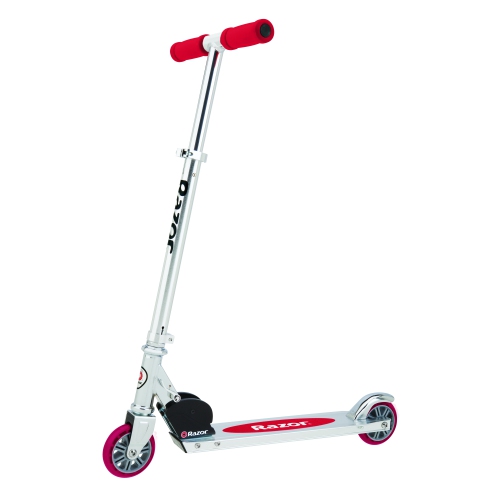 Your price for this item is $49.99
 -
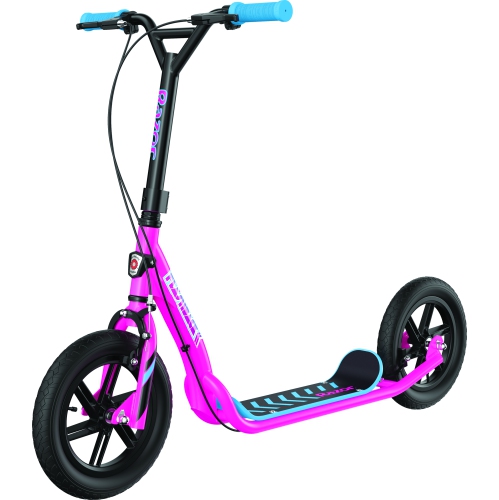 Your price for this item is $229.99
 -
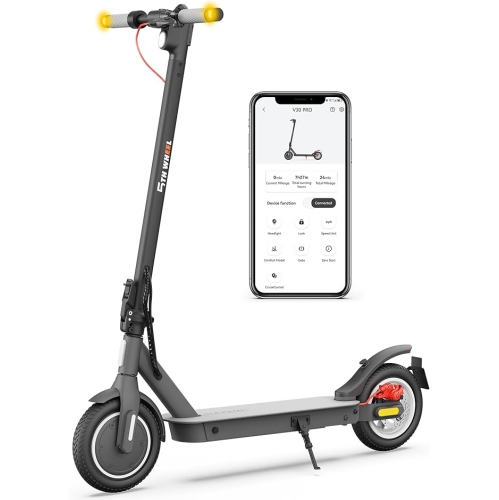 Your price for this item is $417.32
 -
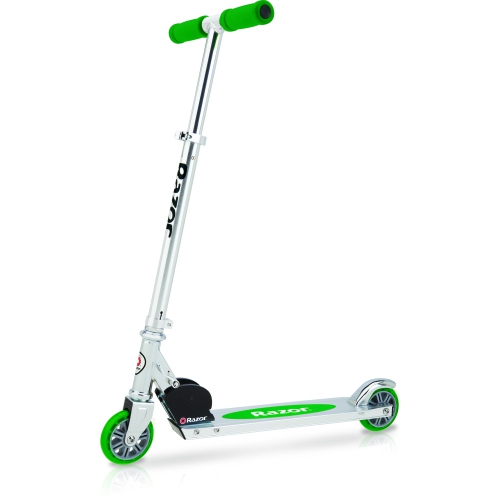 Your price for this item is $49.99
 -
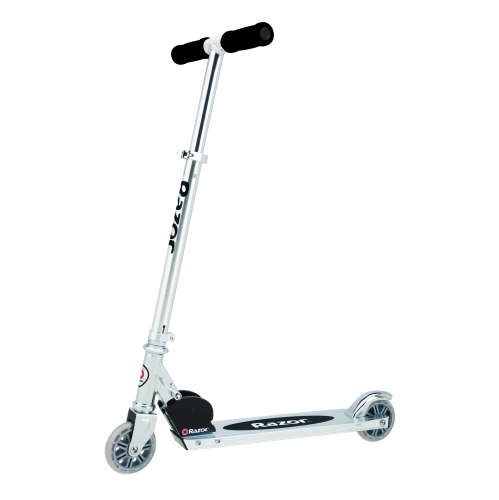 Your price for this item is $49.99
 -
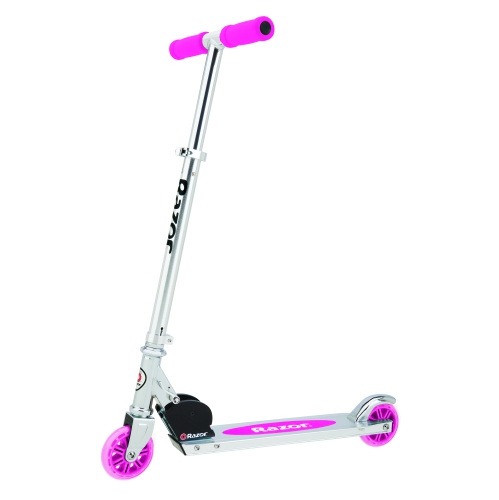 Your price for this item is $49.99
 -
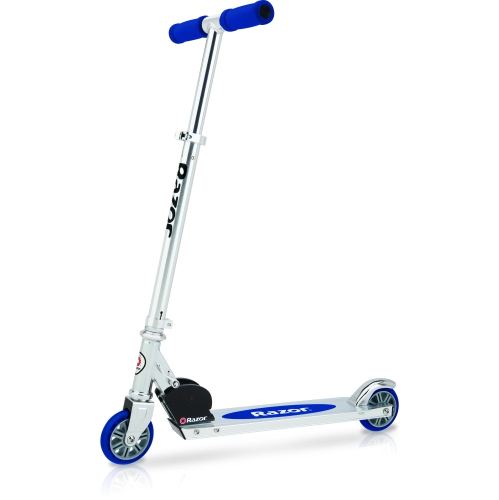 Your price for this item is $49.99
 -
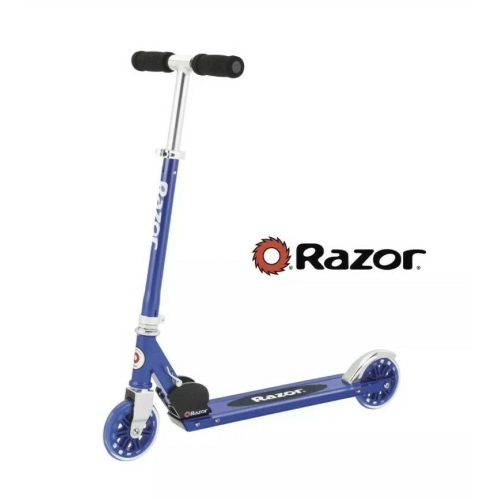 Your price for this item is $119.99
Discover more categories related to Toddler Scooters
Top Collections:
Pokemon Centers, Best Cameras for Sports Photography, Kindle Devices, Samsung Galaxy Phones, Canon G7X Cameras, Pokémon 30th Celebration Cards, Refurbished Apple Laptops, iPhone 15 Apple, Laptops for Students, Budget Smartphones
Some products may be subject to Environmental Handling Fees
(EHF) depending on your province.
Learn more about EHFs.