Toy Boxes for Kids
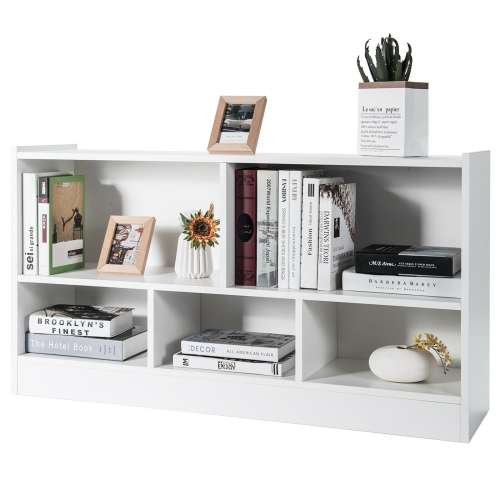
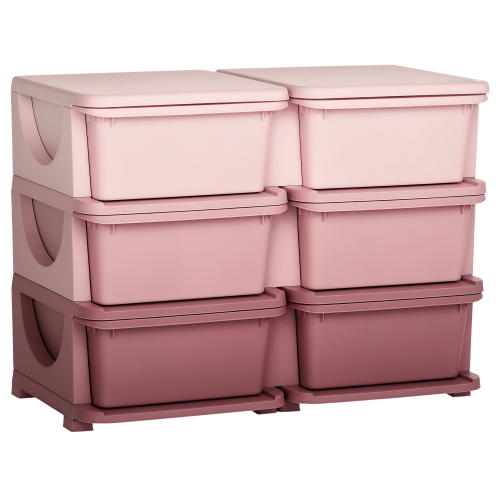
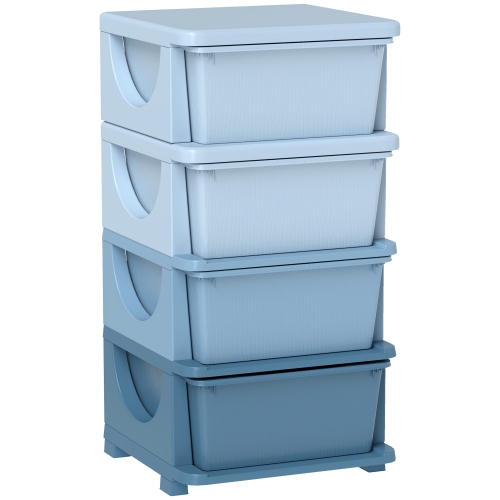
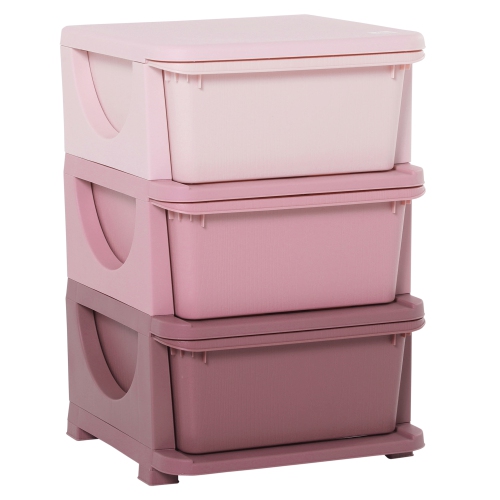
Keep your child's play area organized and clutter-free with our selection of toy boxes for kids. From colorful and fun designs to sleek and modern styles, we have the perfect storage solution to fit seamlessly into any room decor. Our toy boxes are not only practical for tidying up toys but also serve as a charming addition to your child's bedroom or playroom. Encourage good organization habits in your little one while adding a touch of whimsy to their space with our range of toy boxes designed to make clean-up time a breeze.
Sort
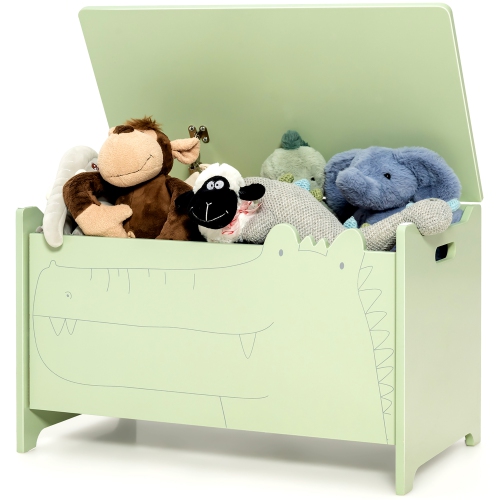
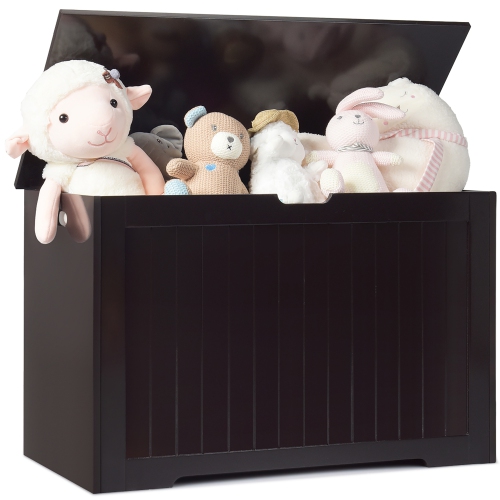
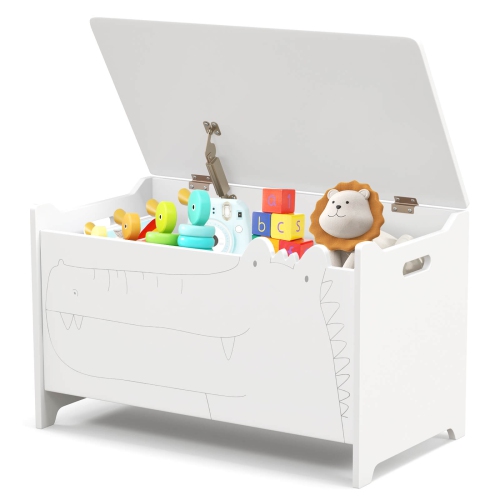
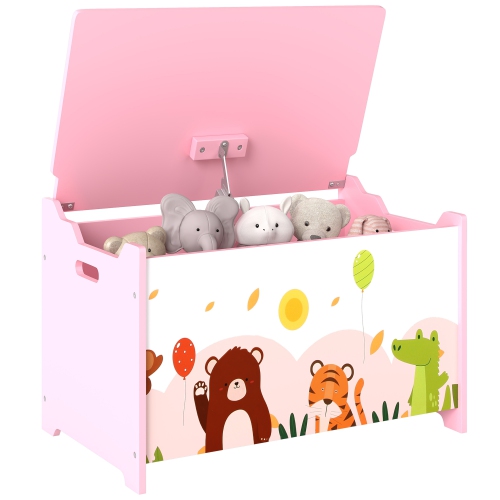

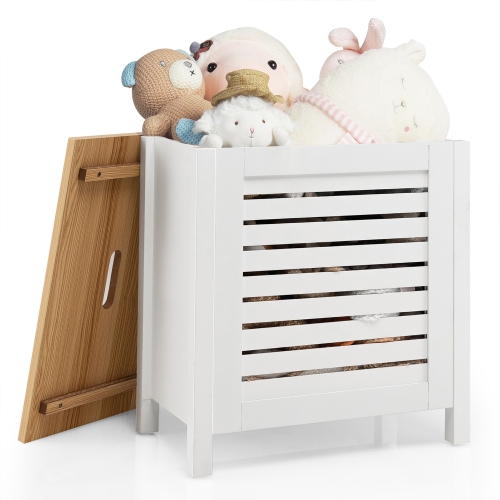
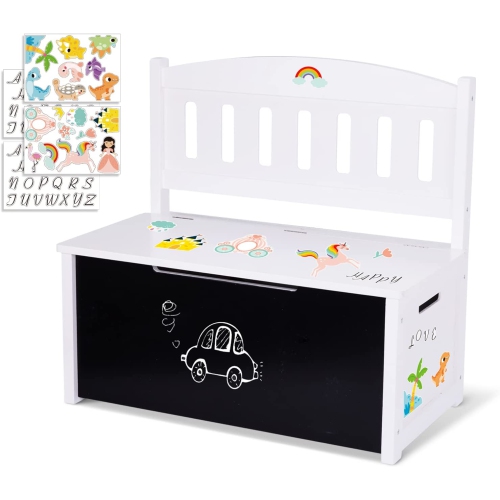
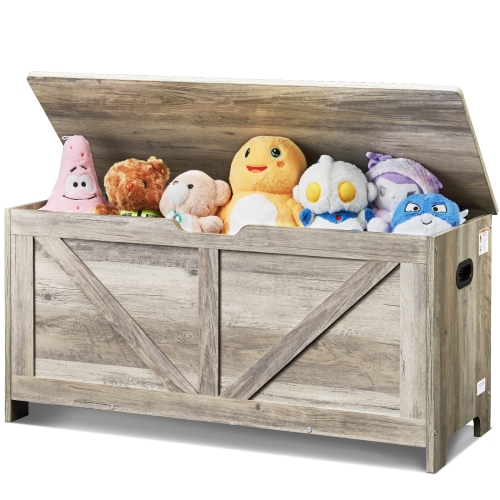
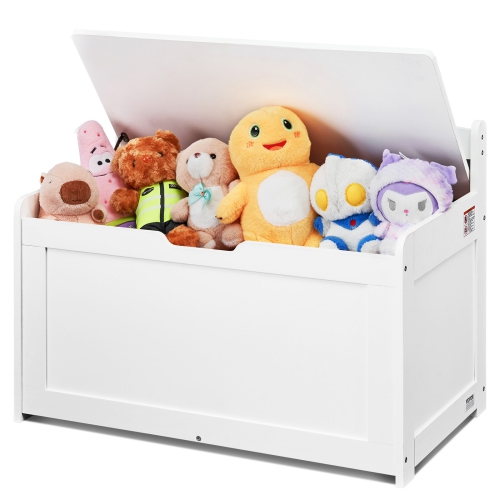
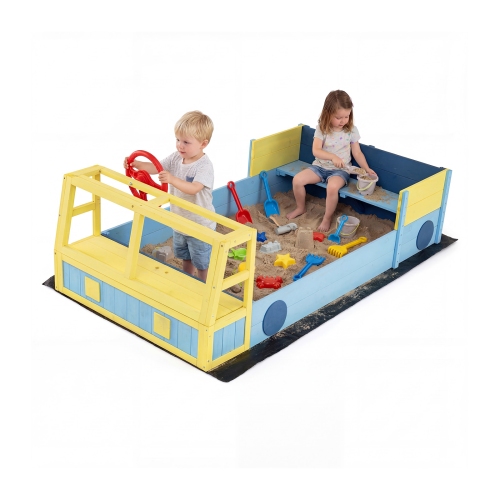
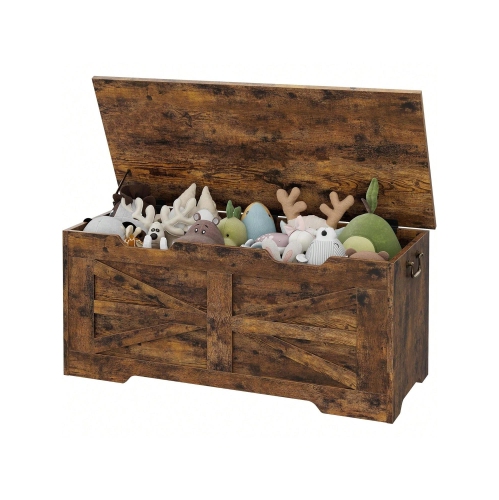
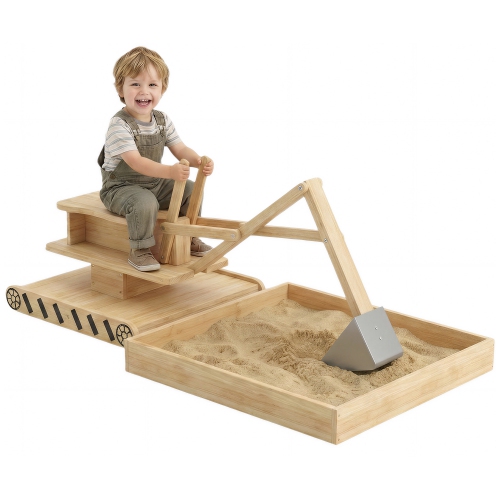
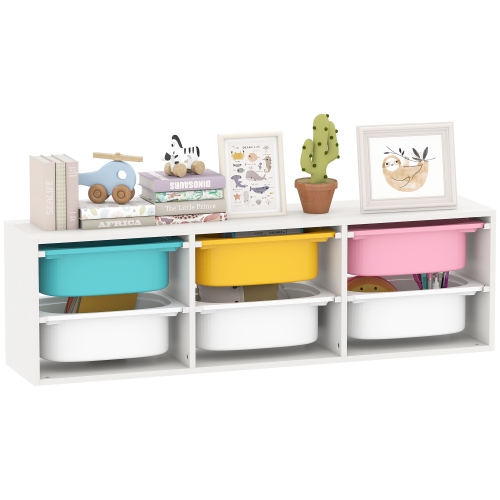

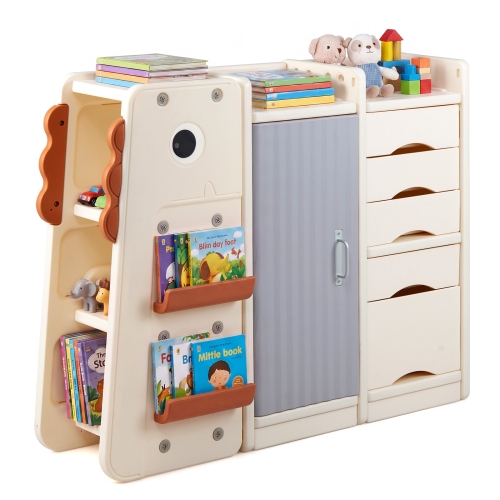
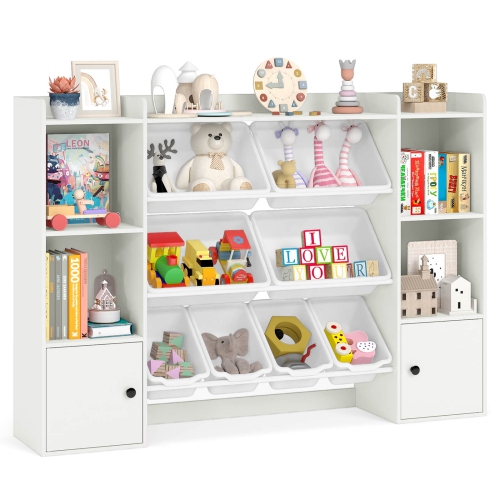
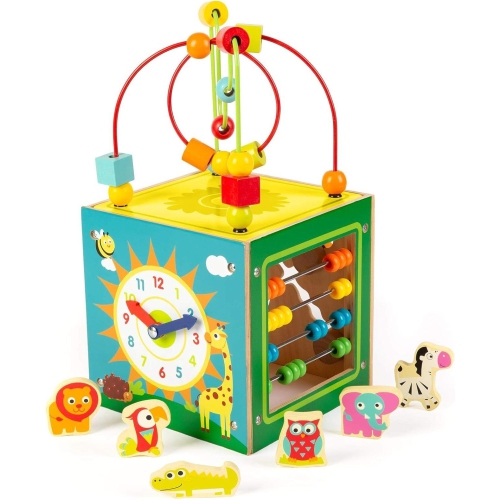
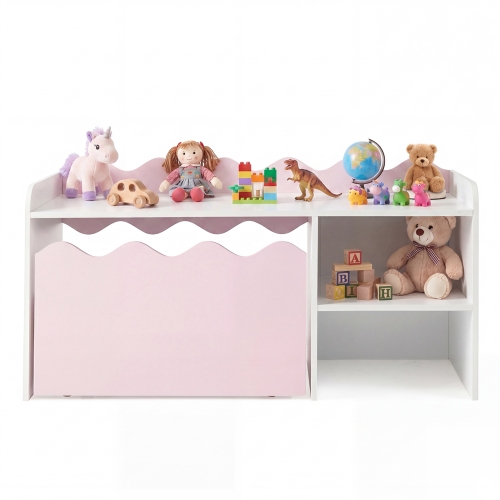
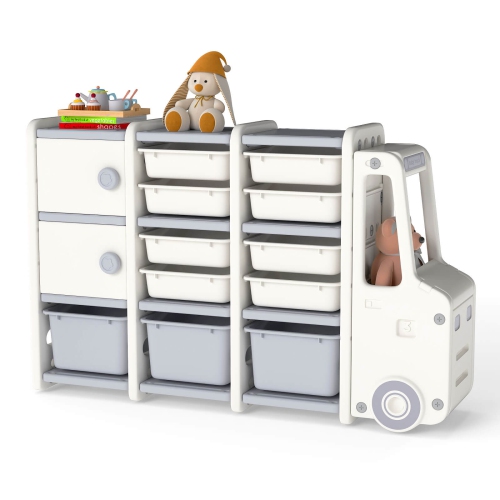
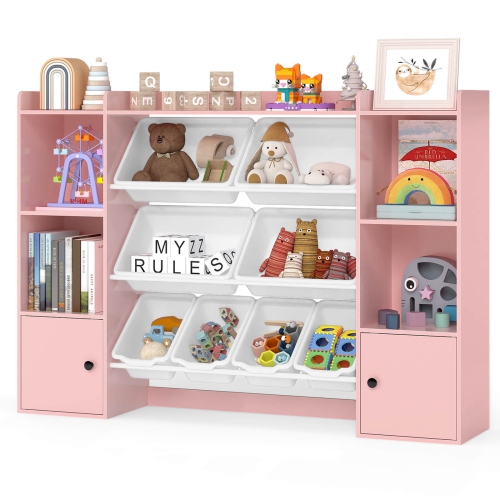
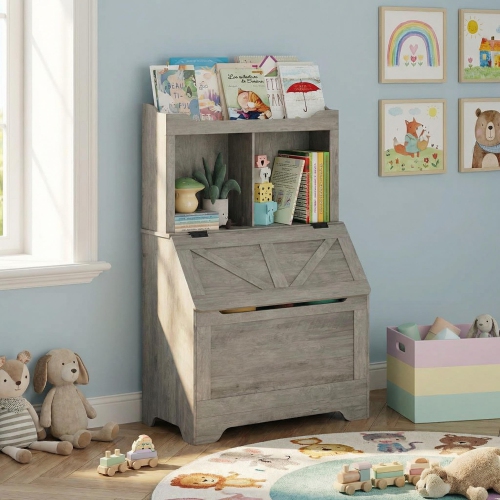
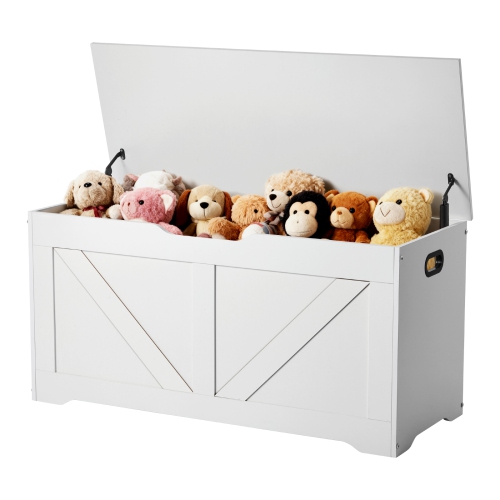
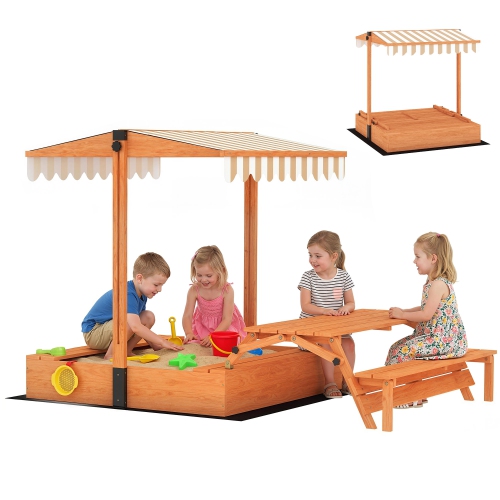
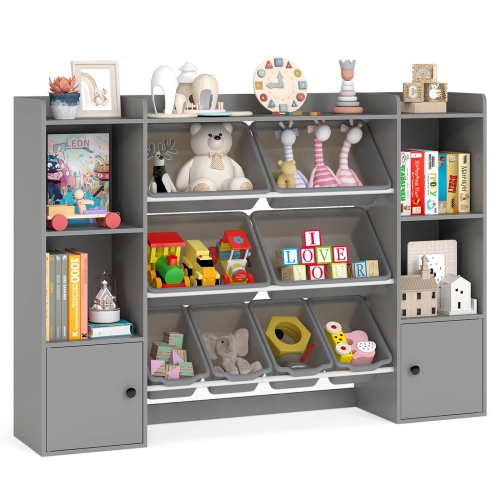
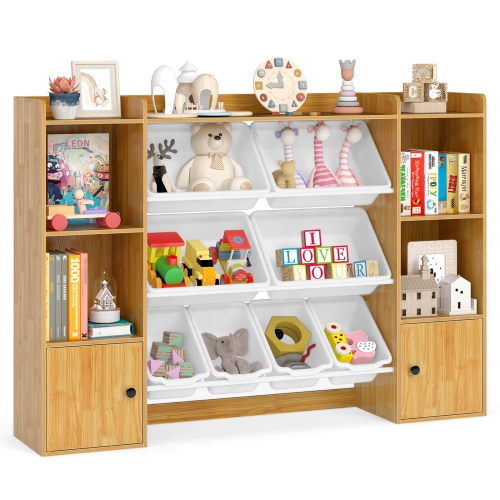
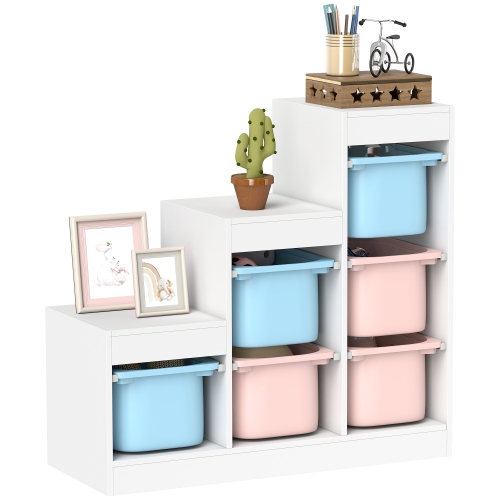
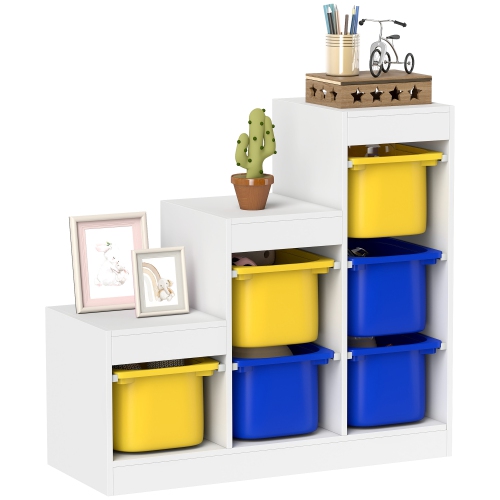
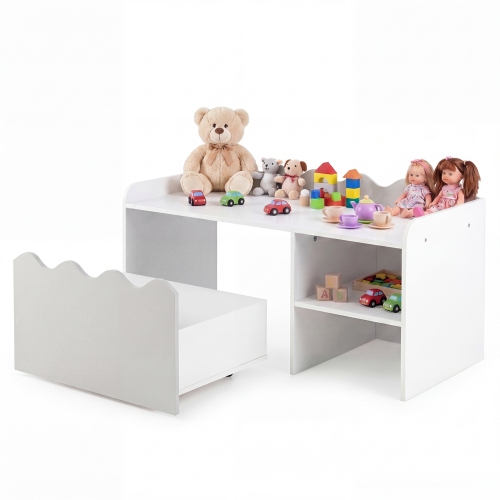
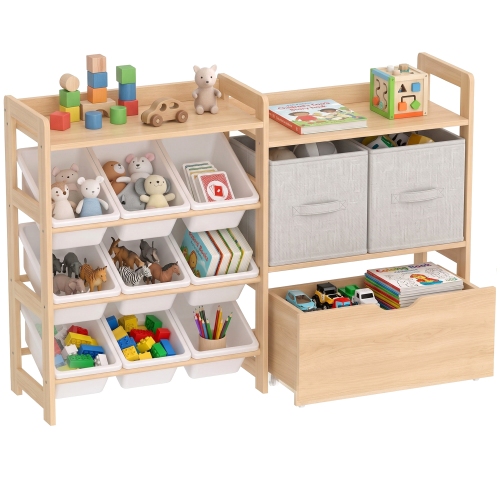
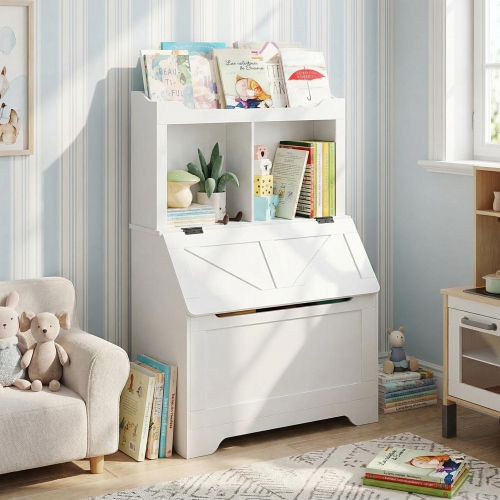
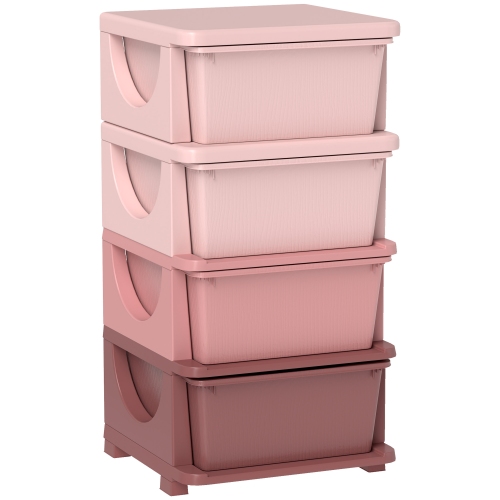
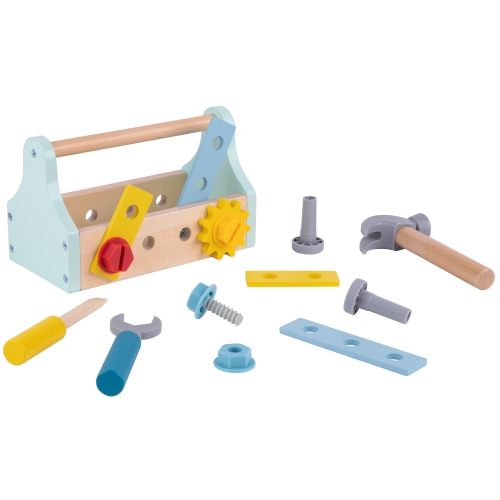
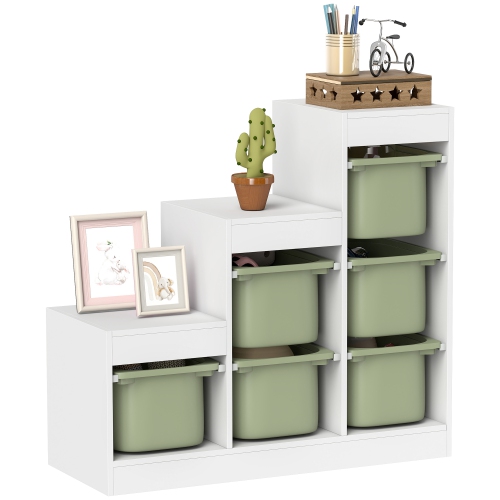
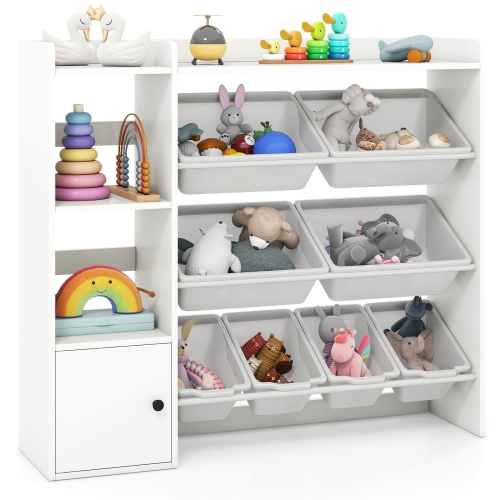
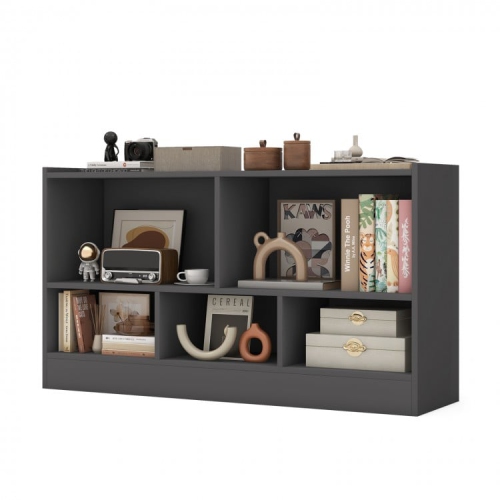
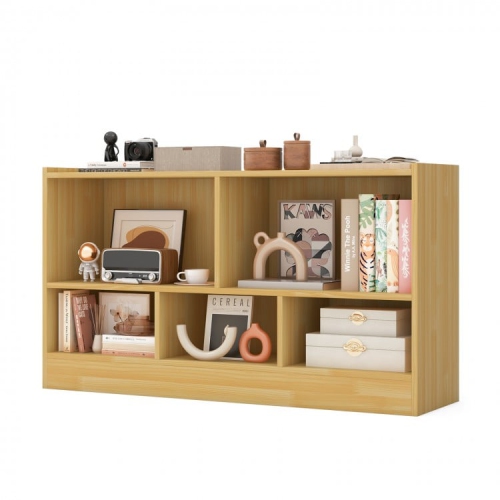
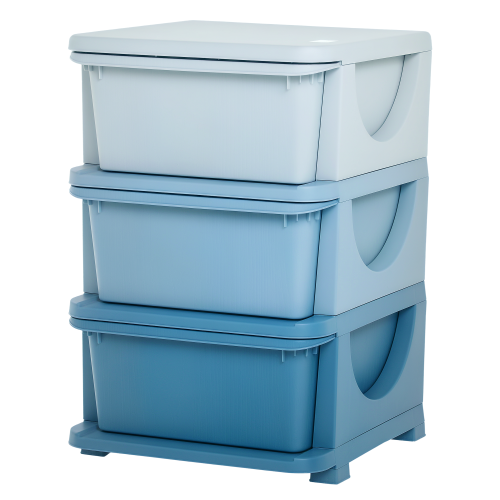
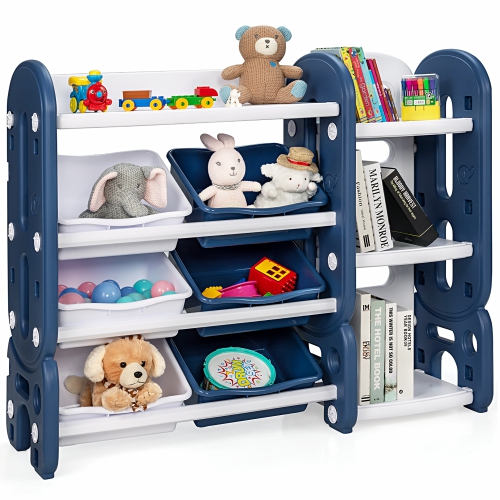
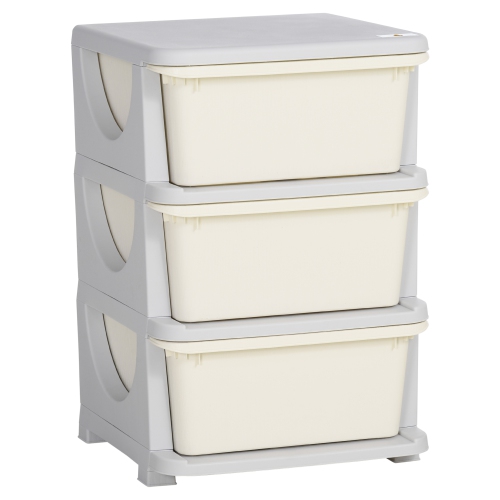
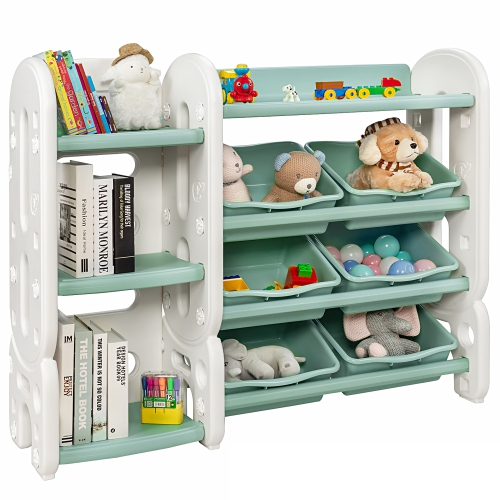
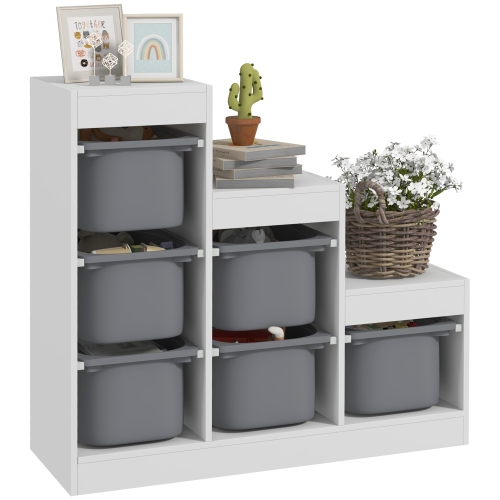
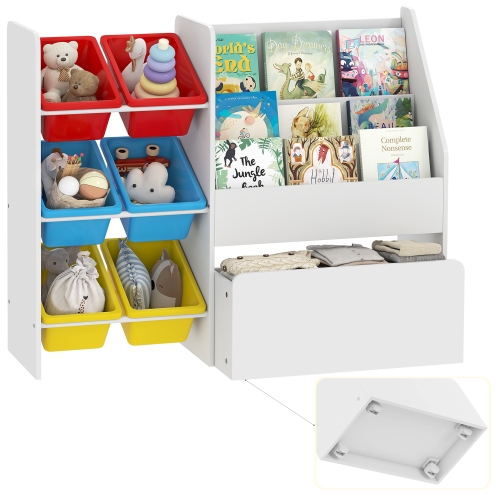
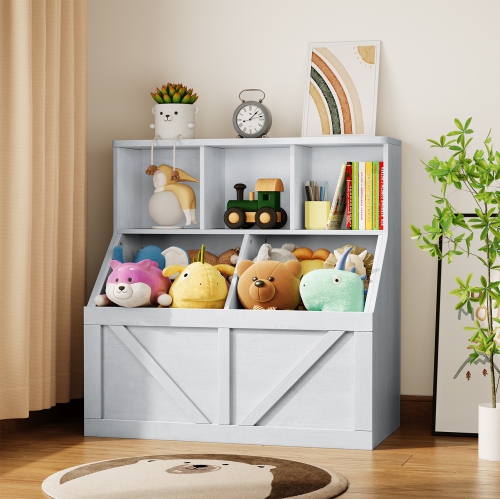
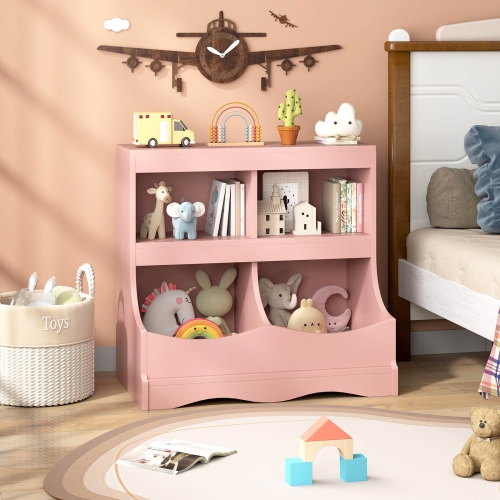
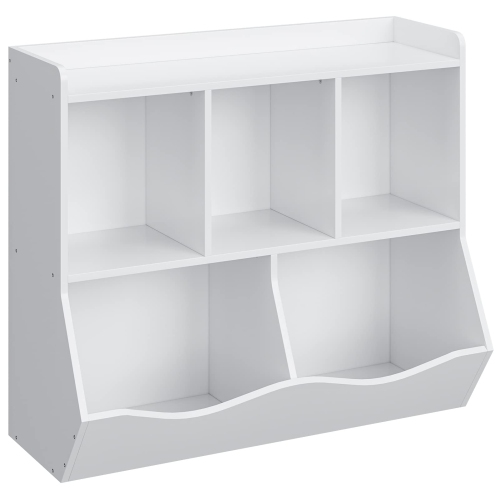
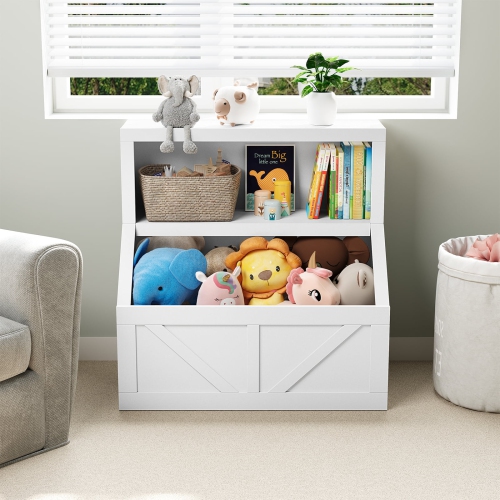
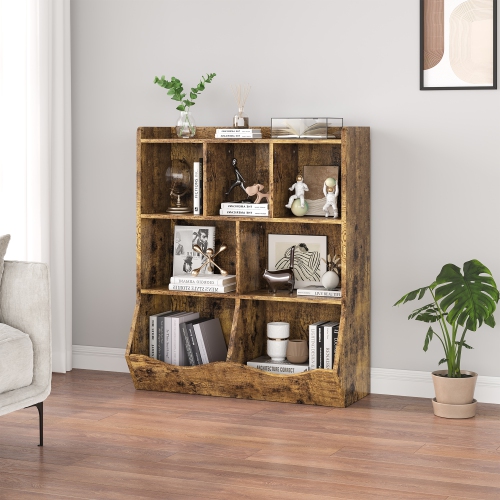
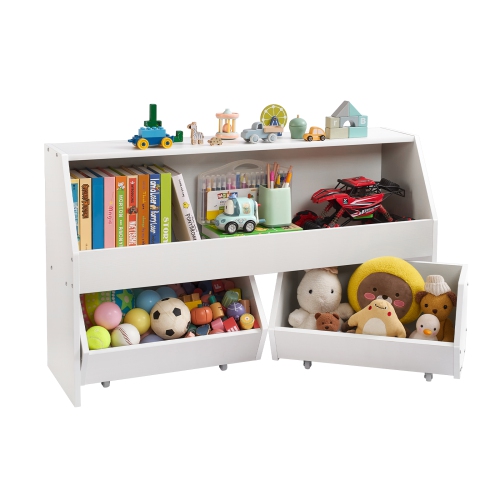
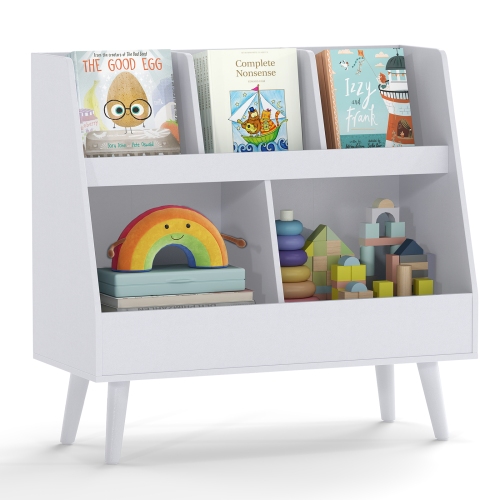
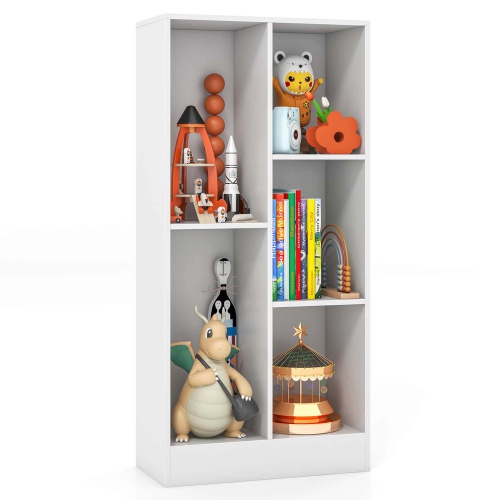
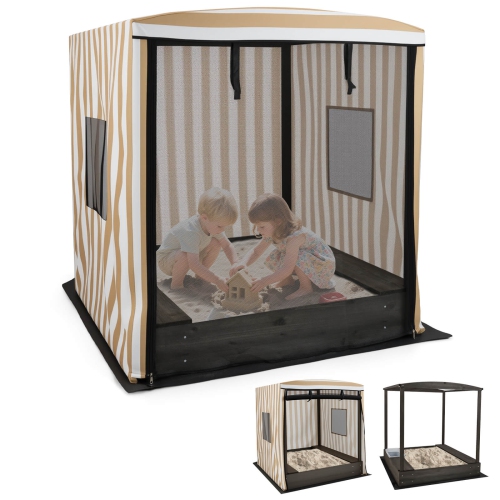
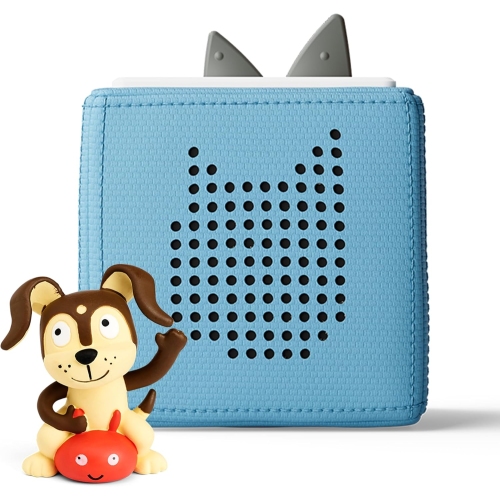
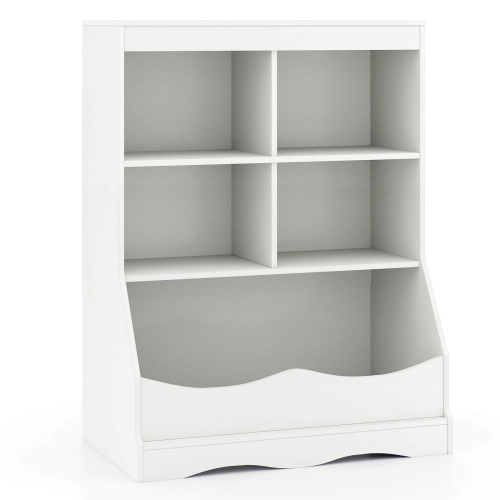
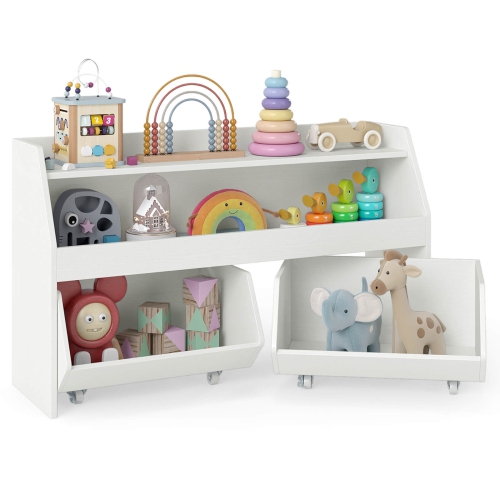
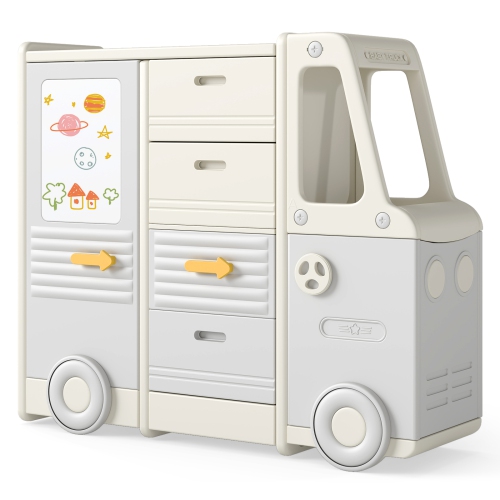
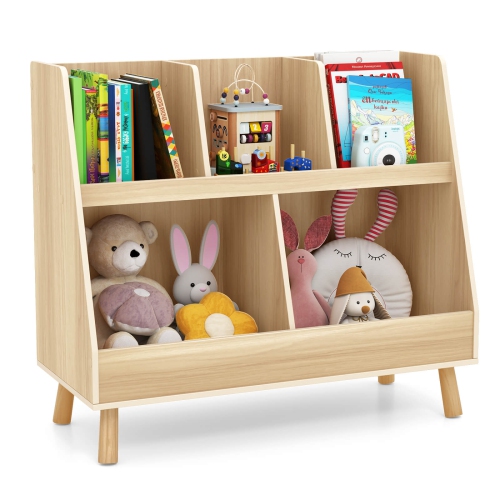

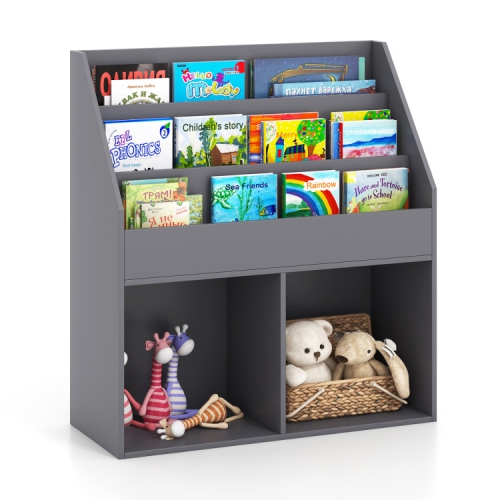
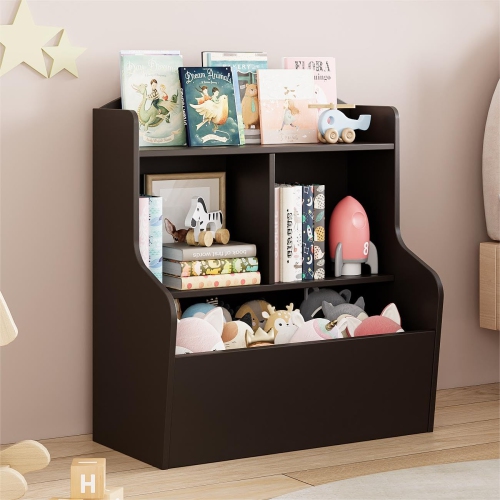
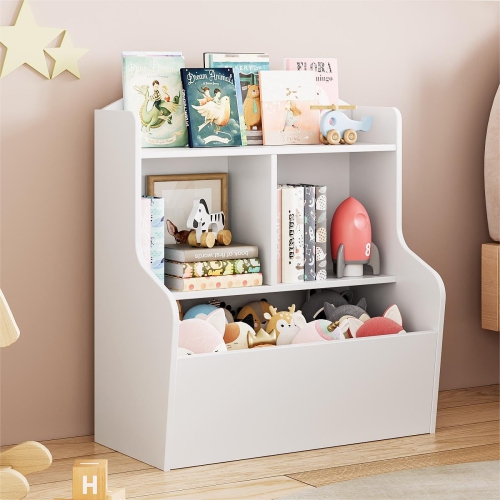
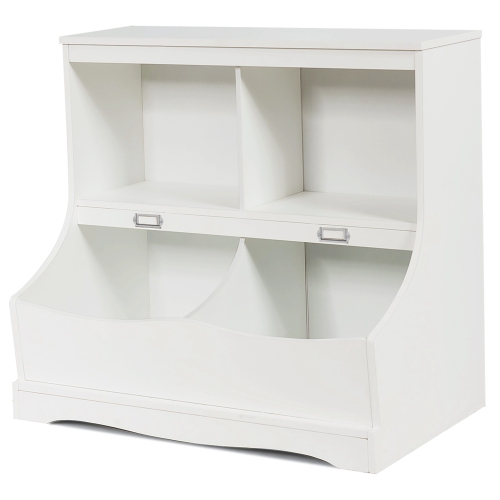
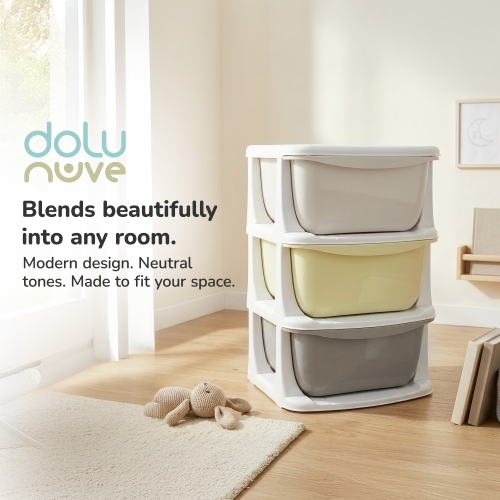
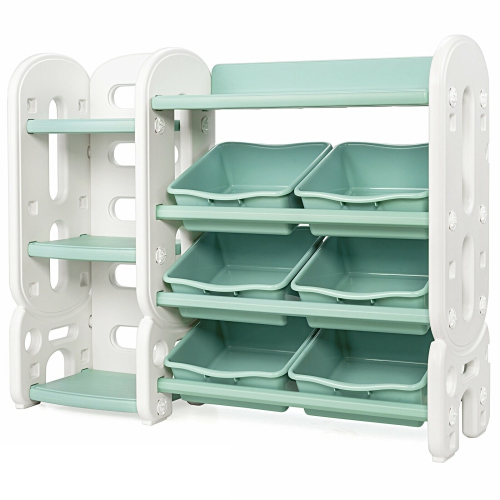
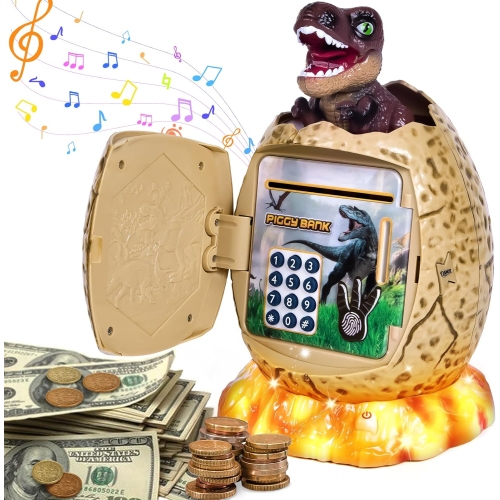
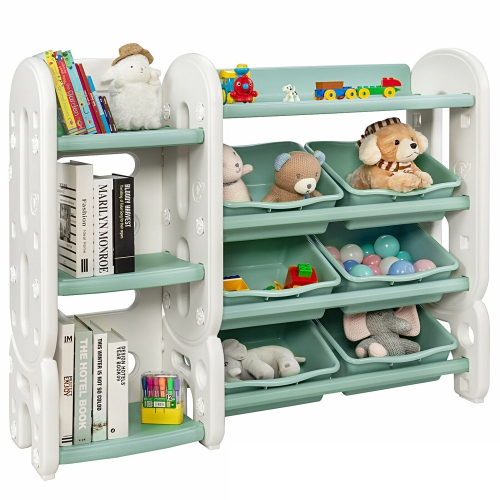
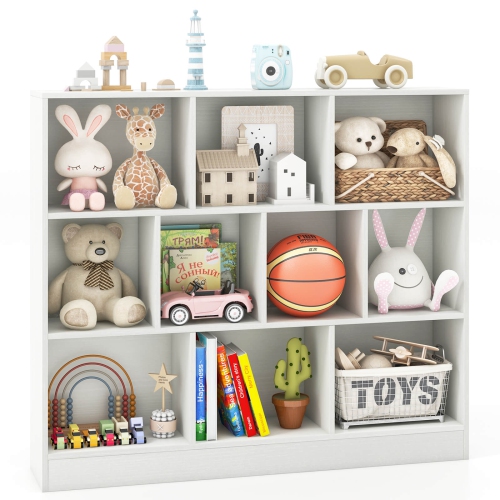

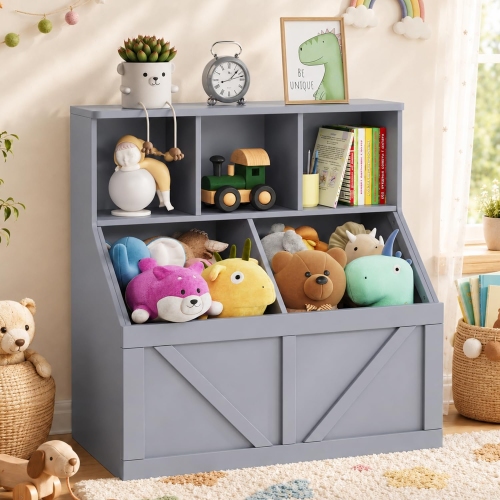
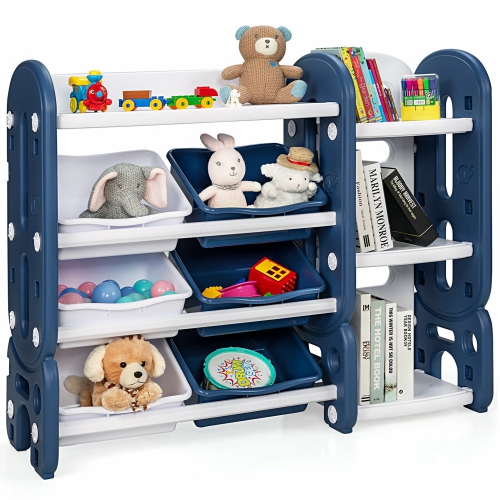
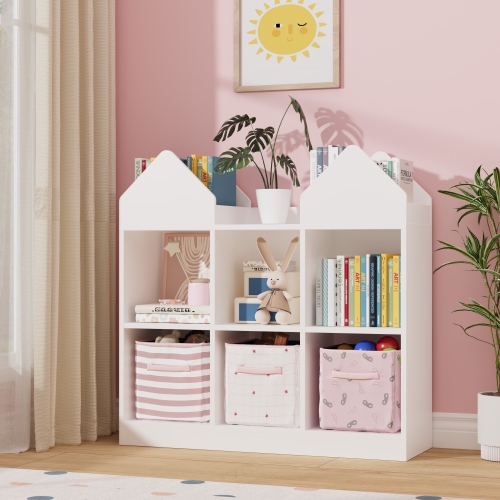
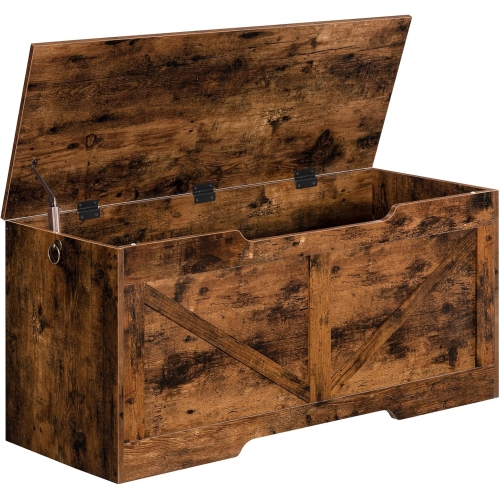
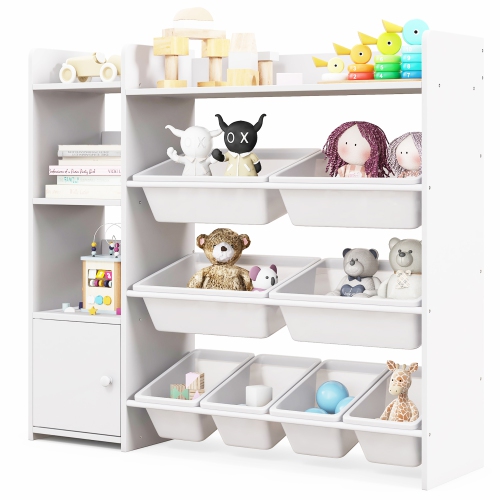
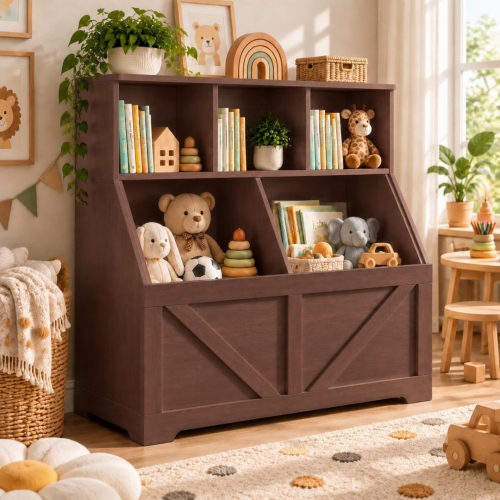
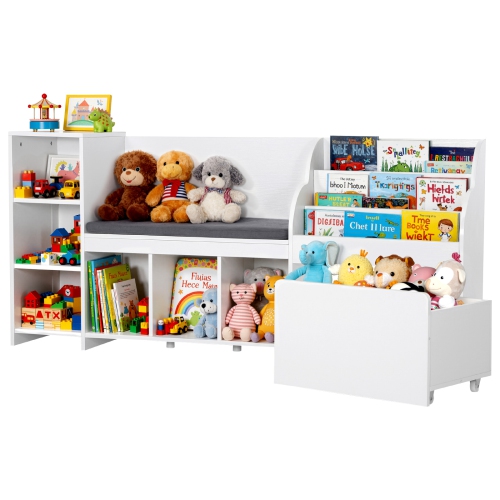
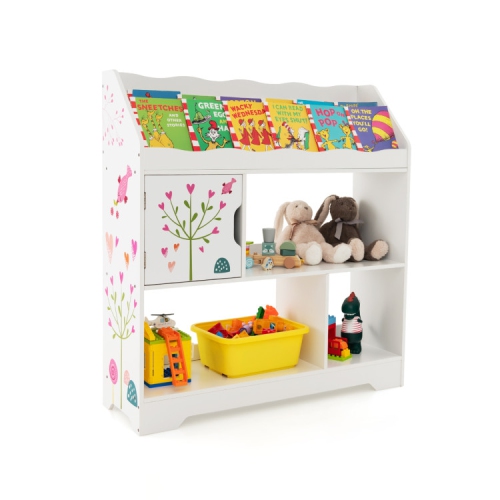
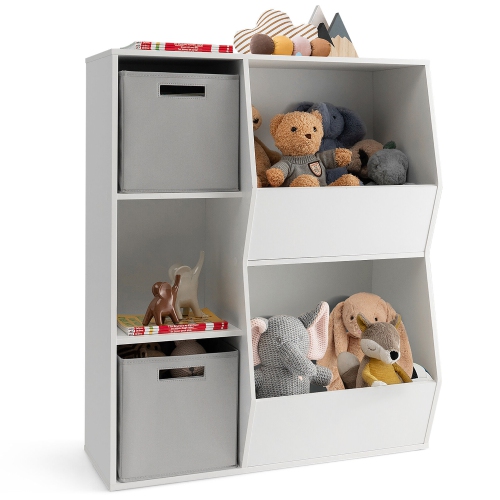
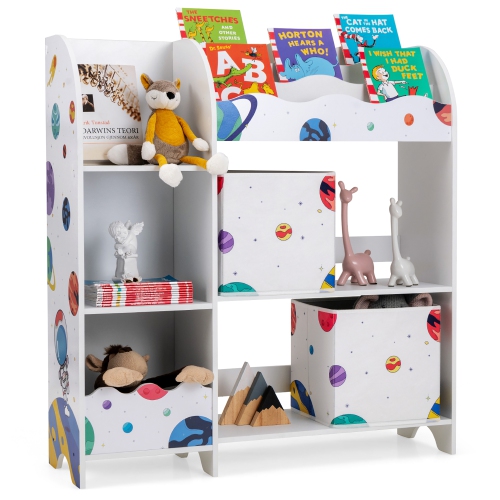
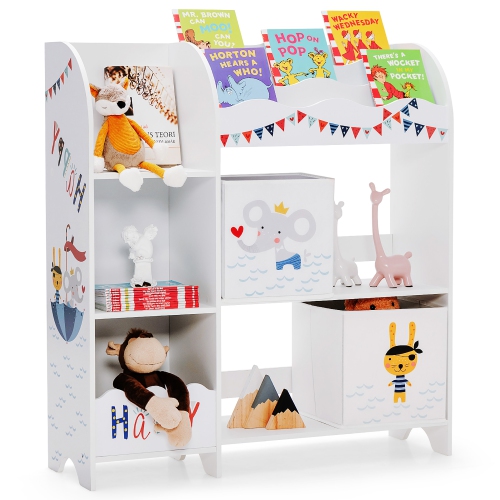
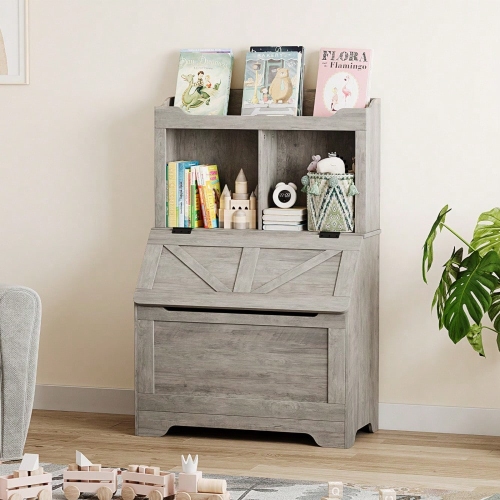
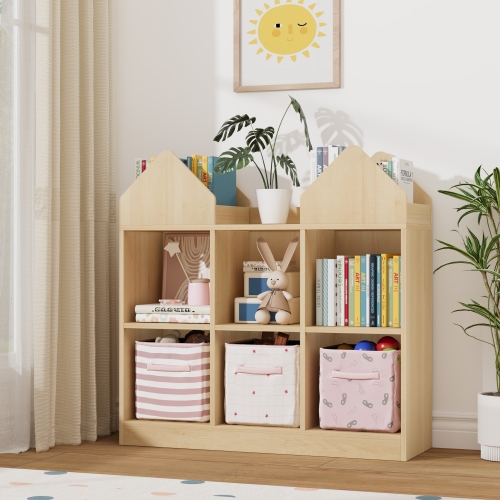

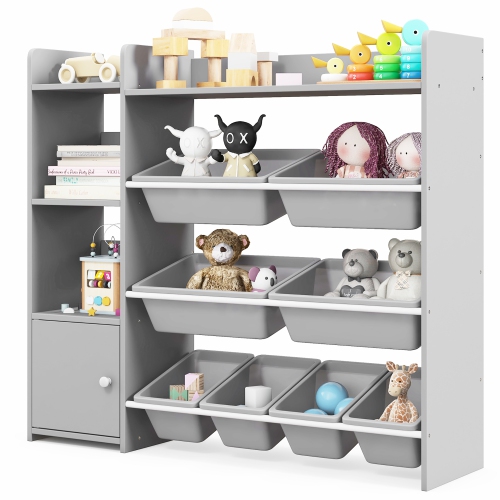
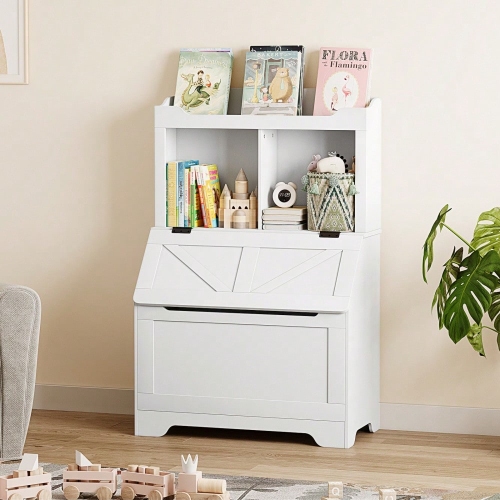
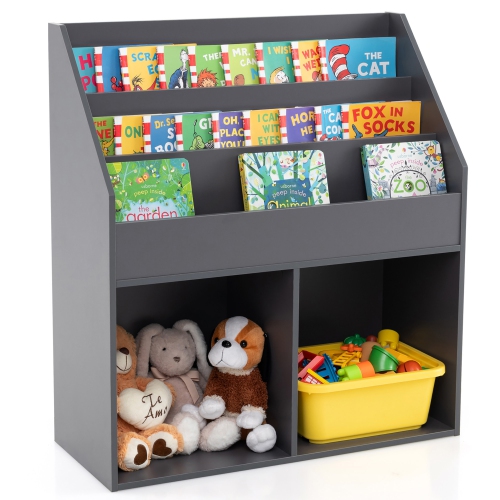
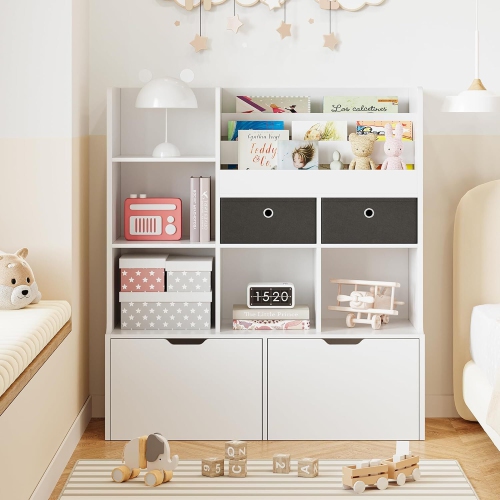
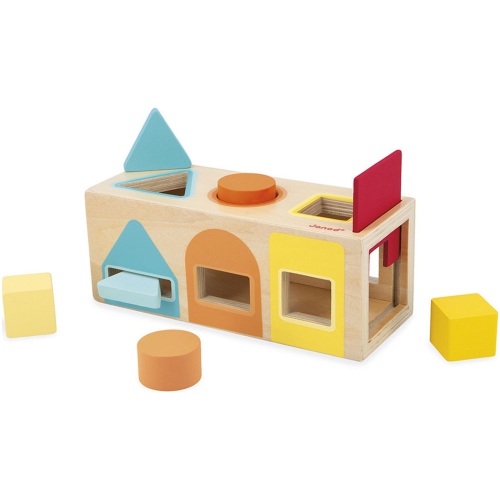
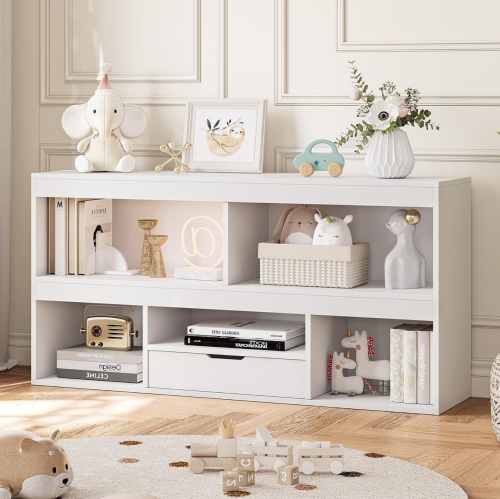
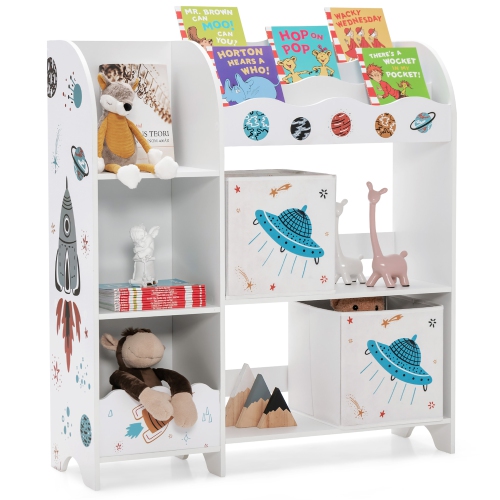
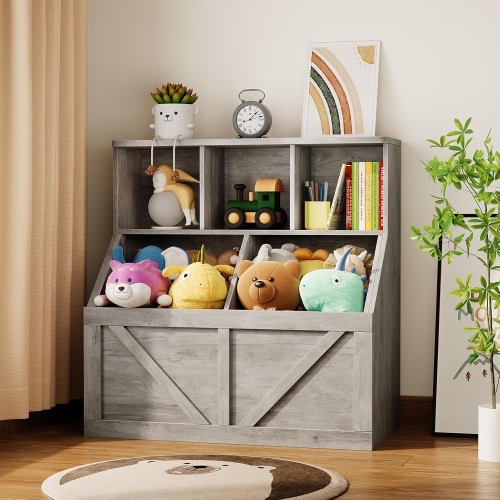
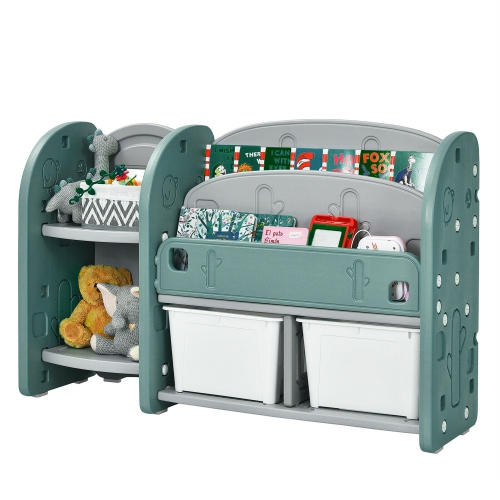
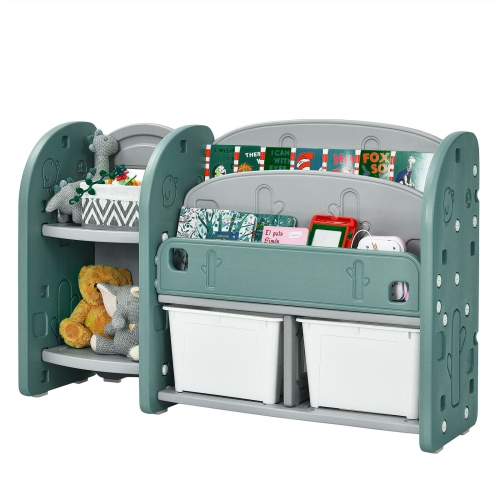
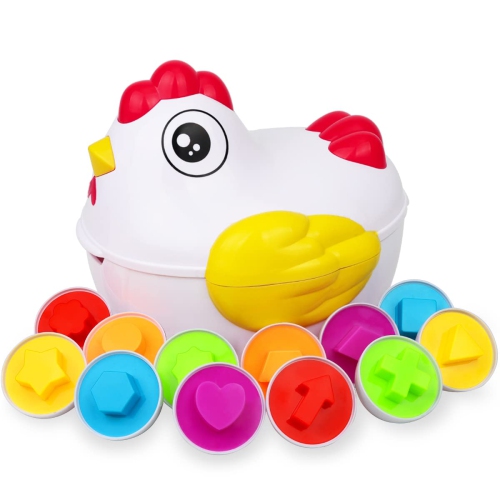
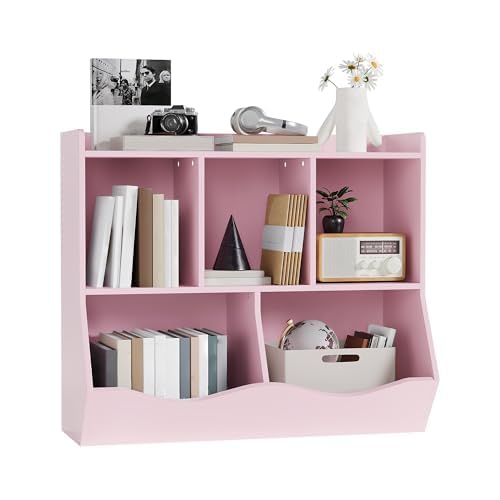
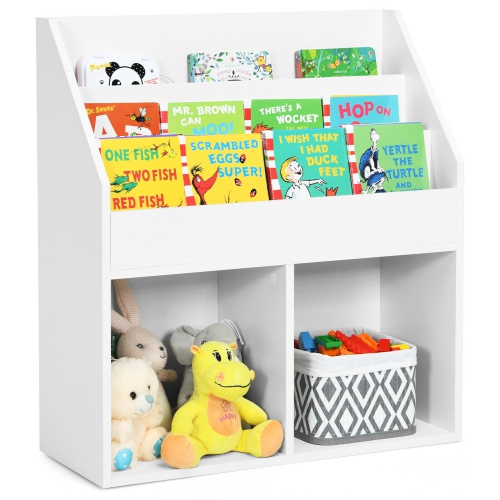
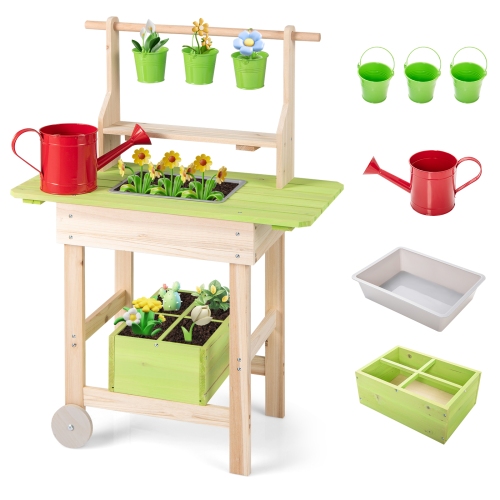
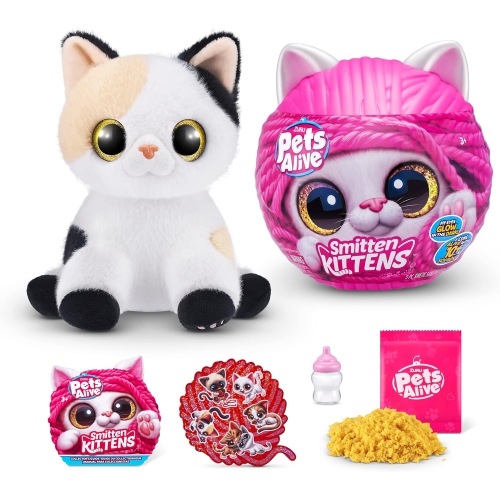
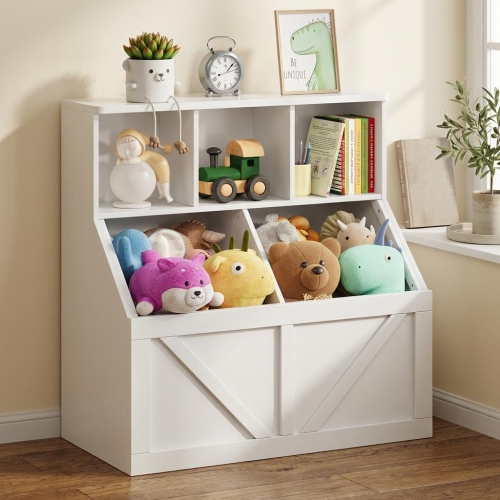
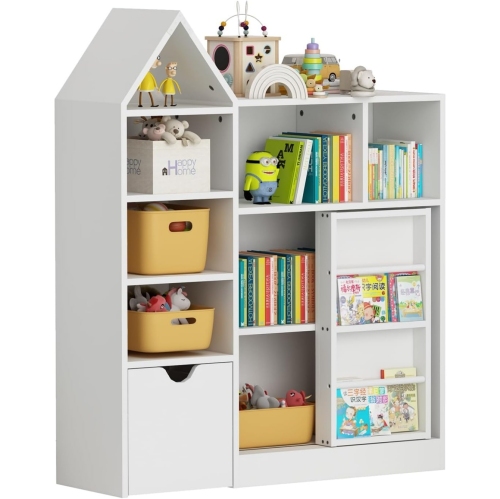
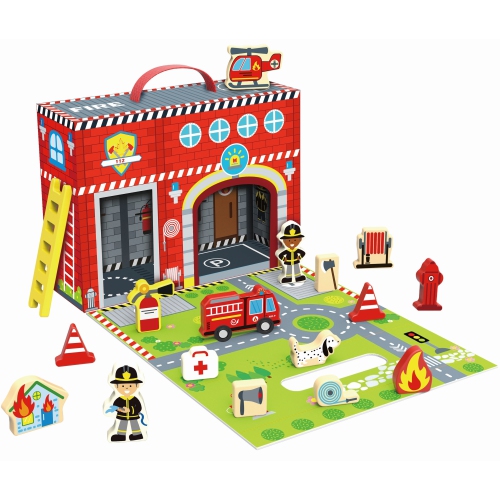
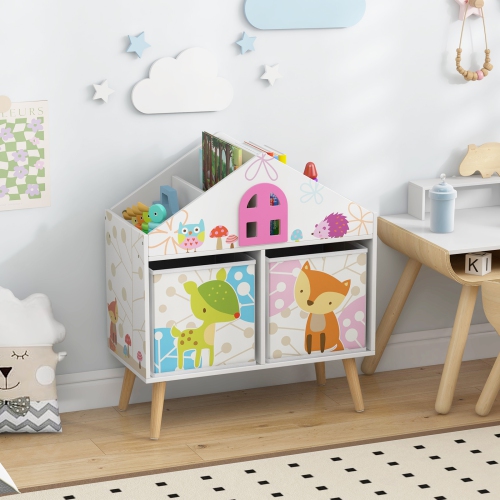
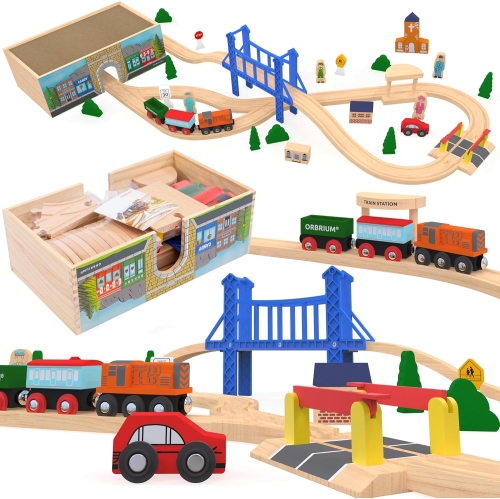
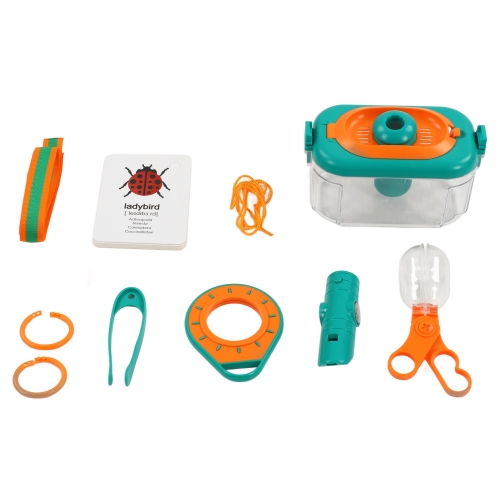
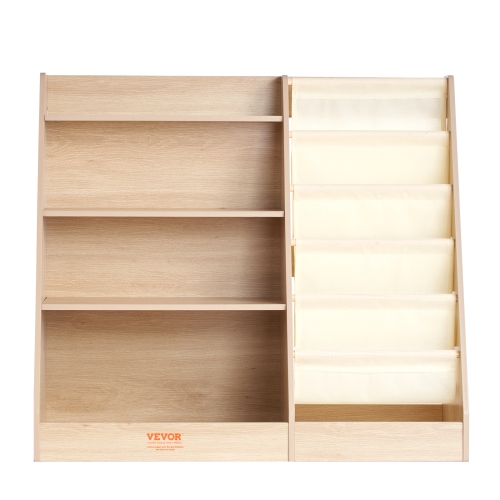
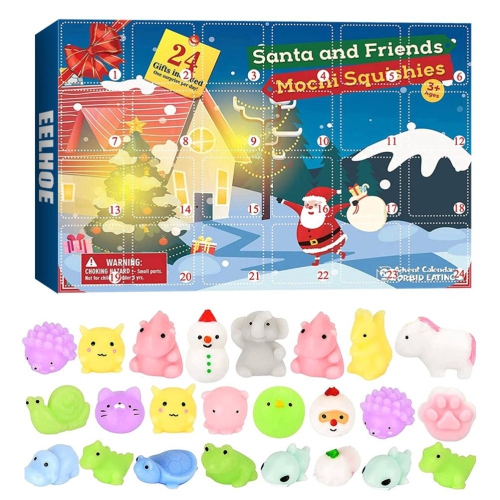
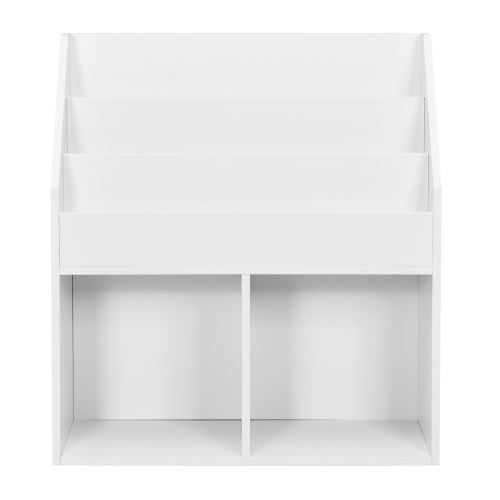
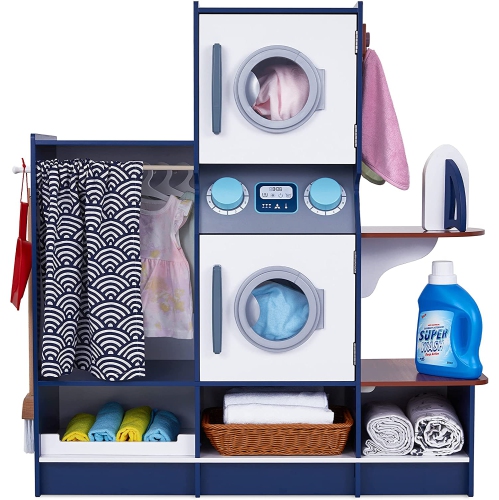
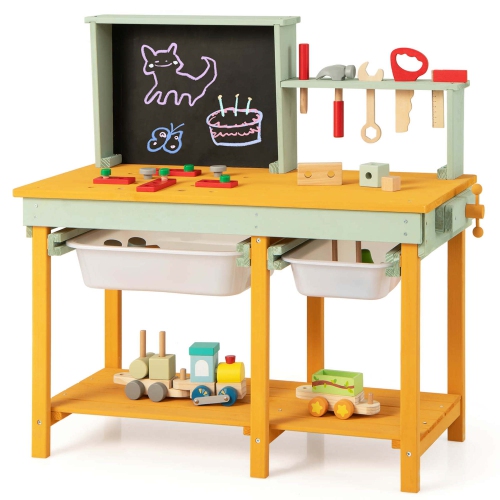
Storage options and safety features for easier clean-up
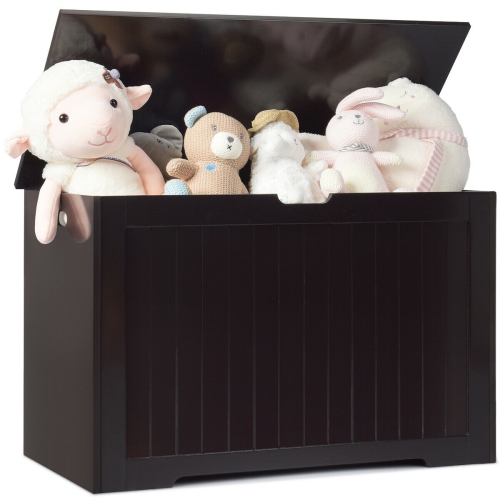
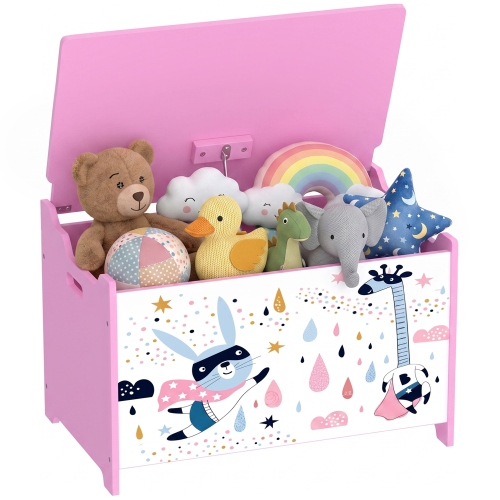
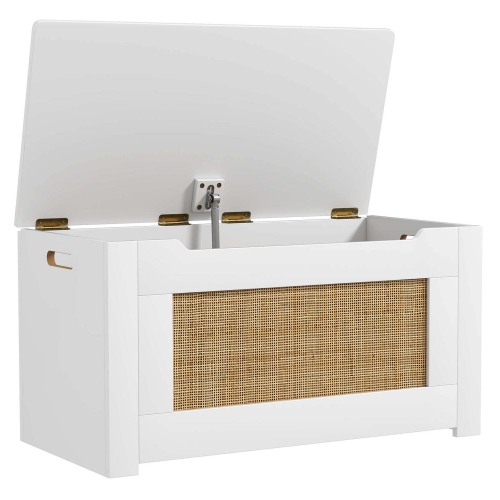
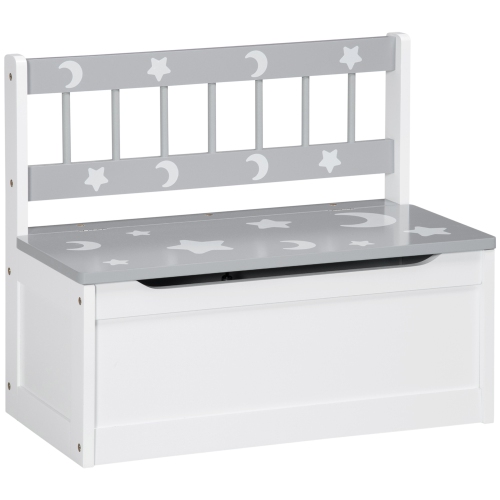
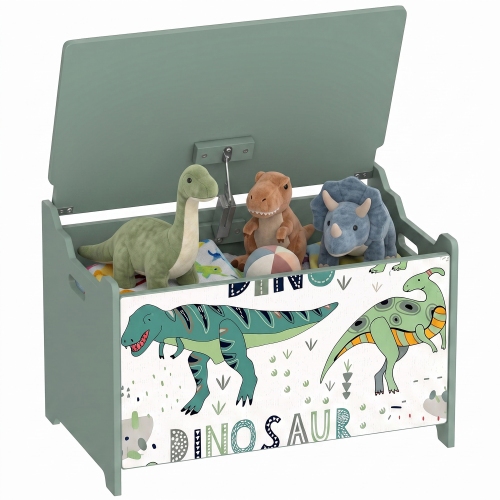
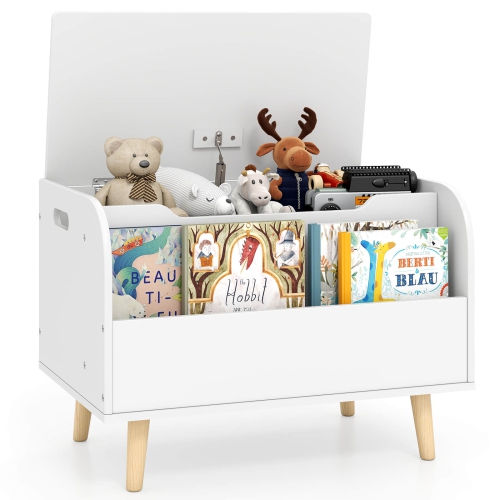
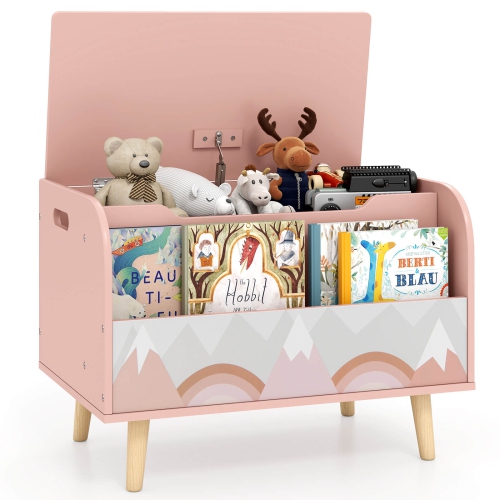
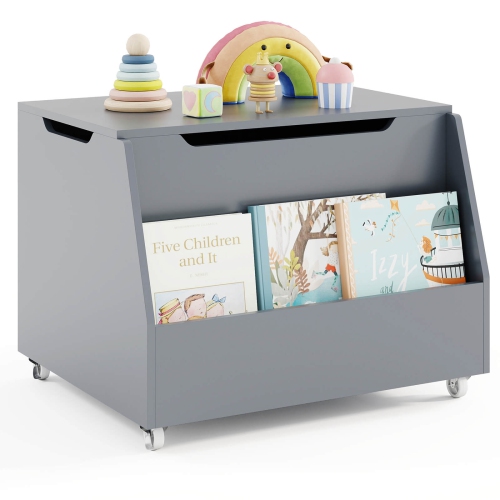
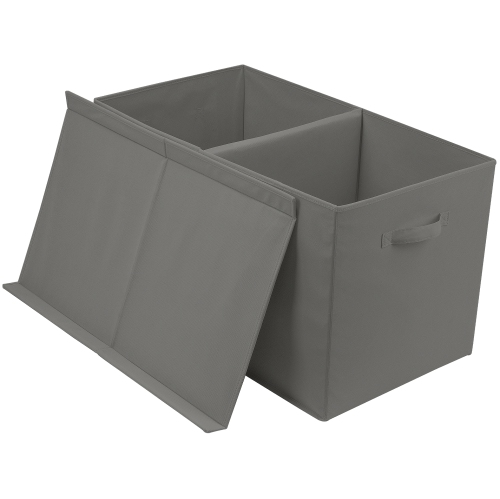
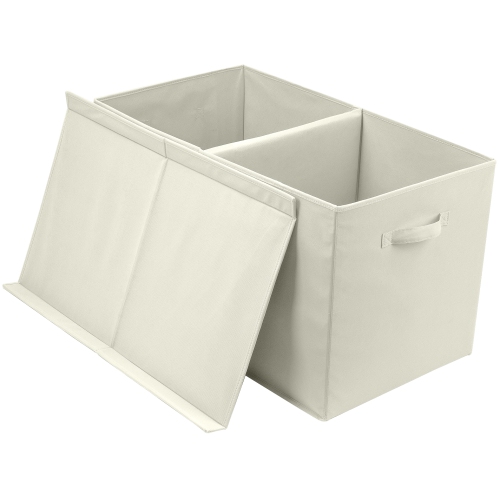
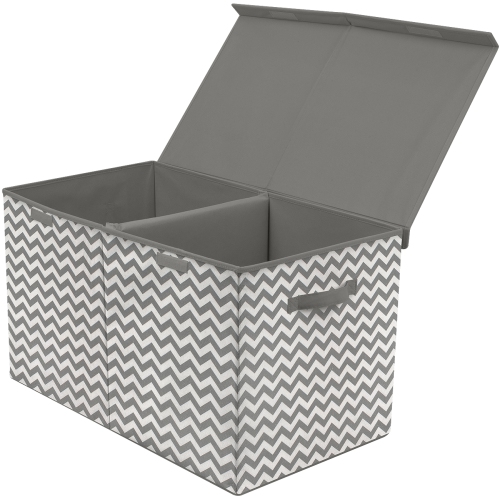
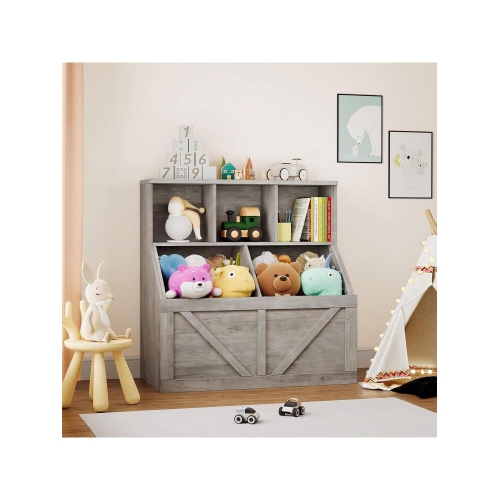
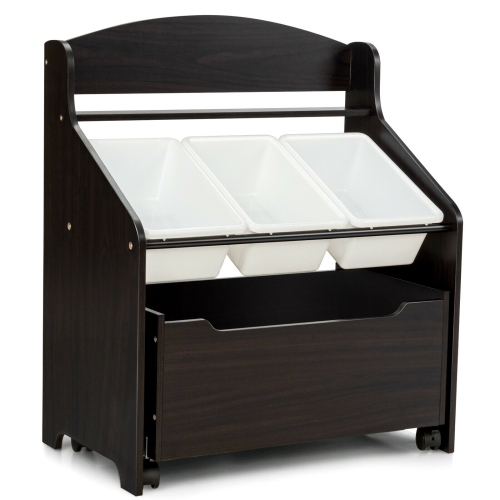
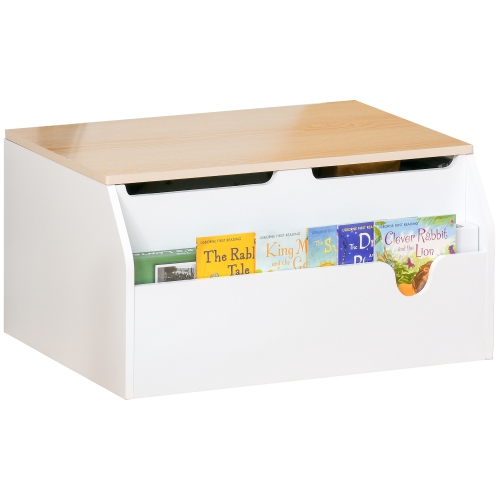
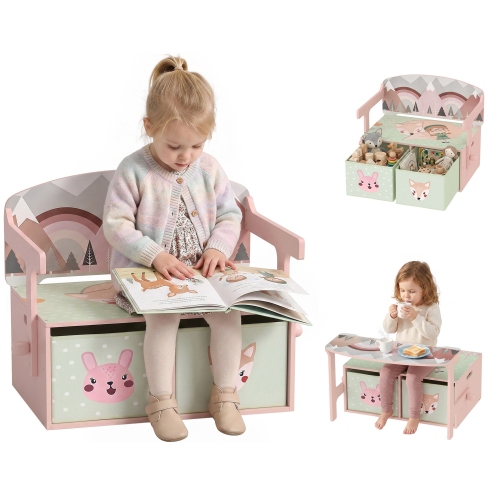
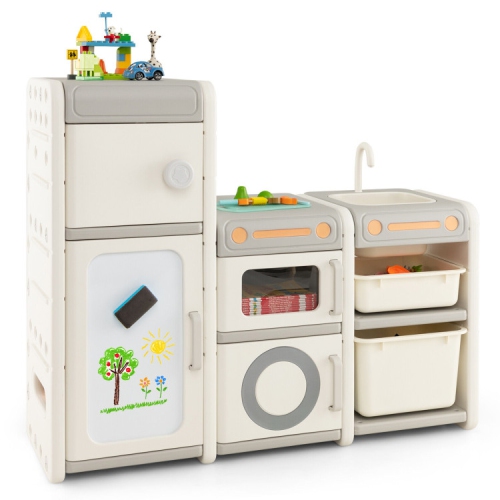
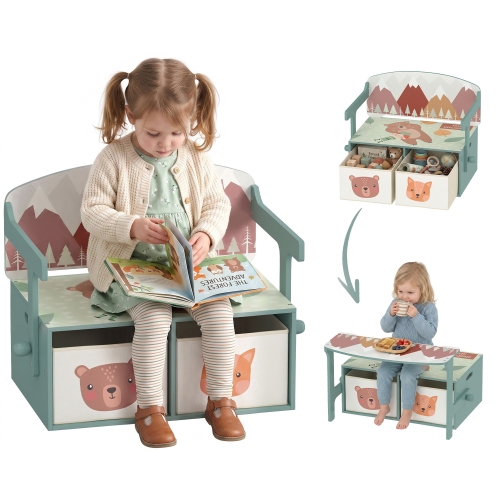
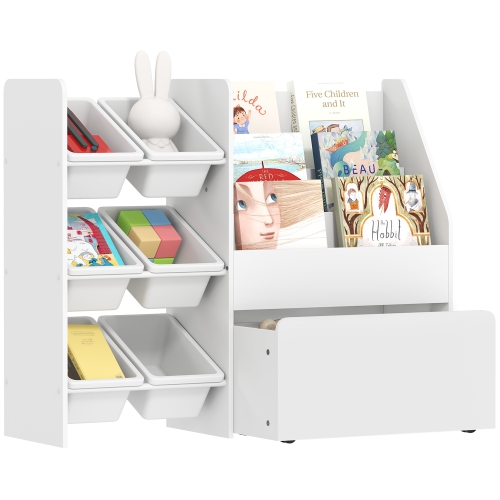
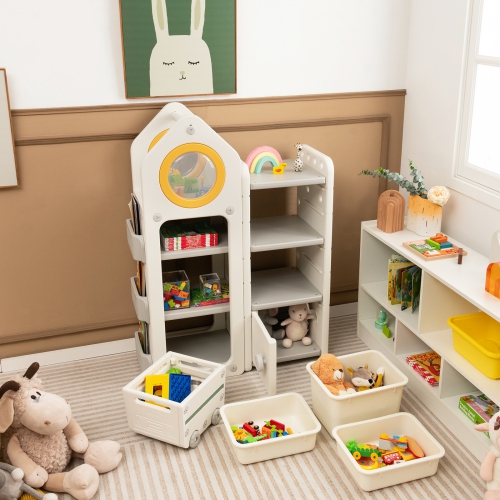
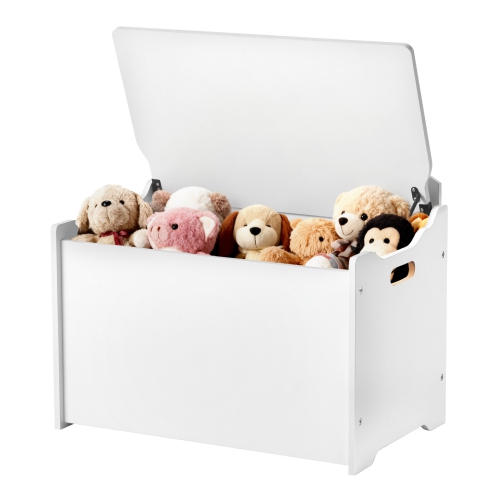
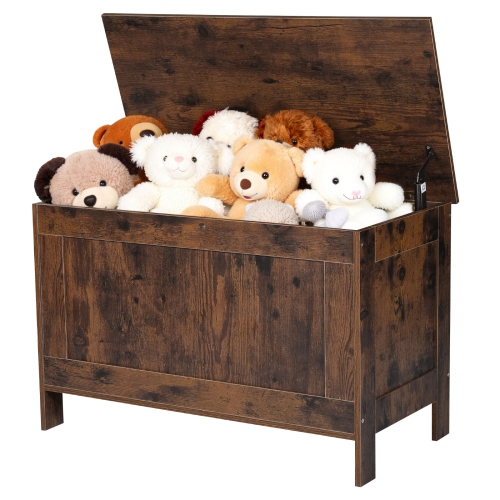
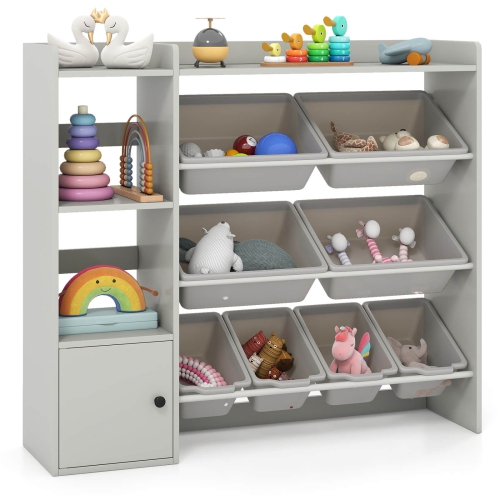
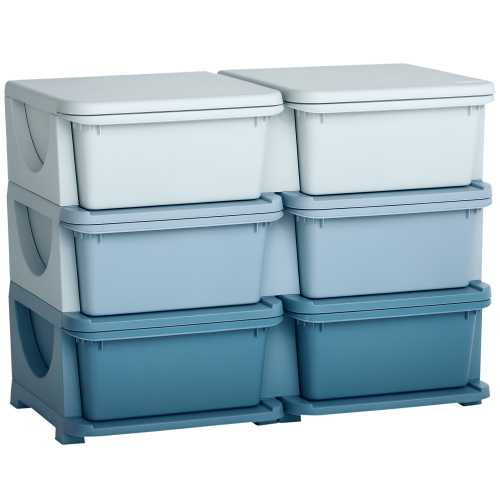
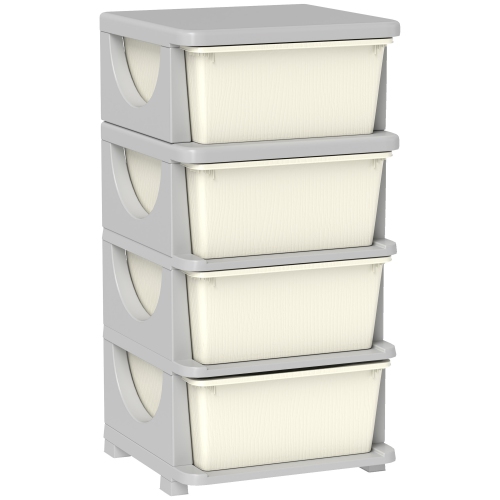
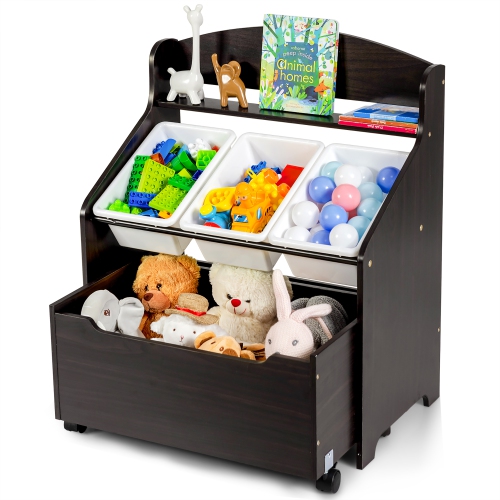
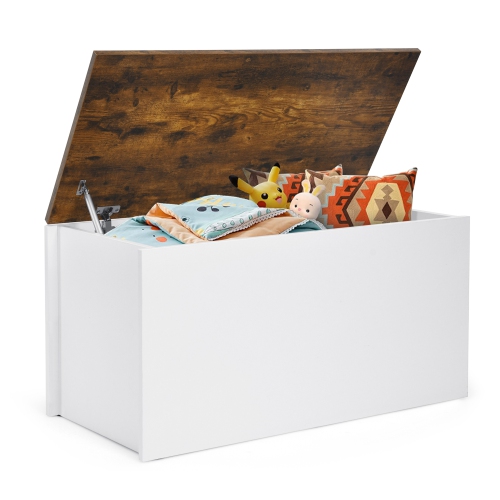
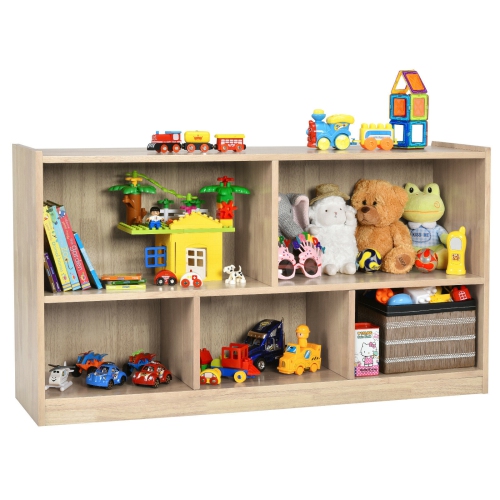
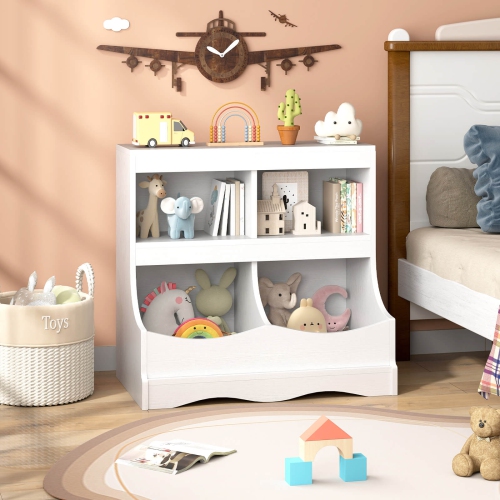
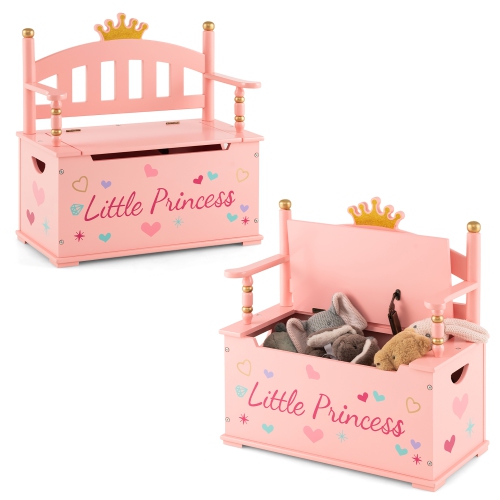
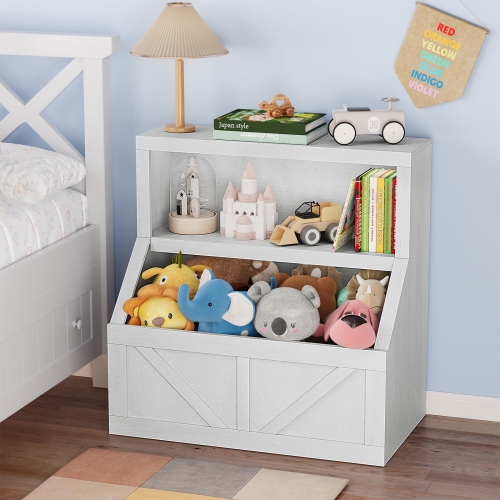
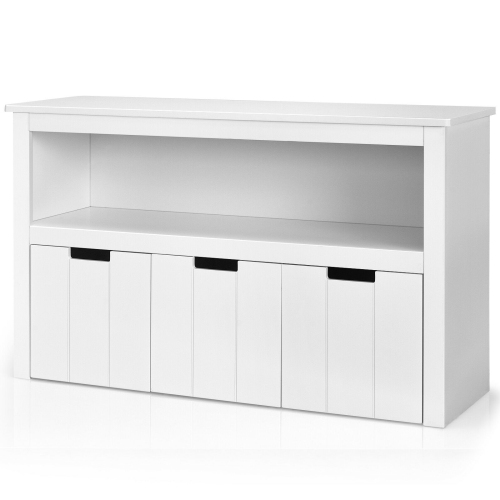
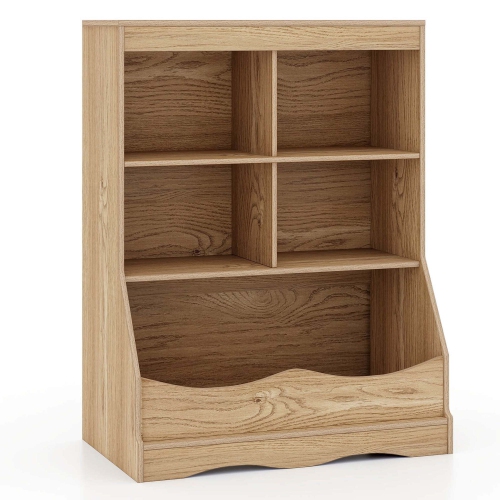
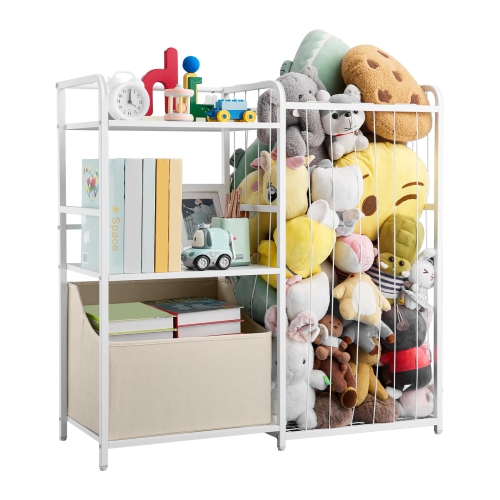
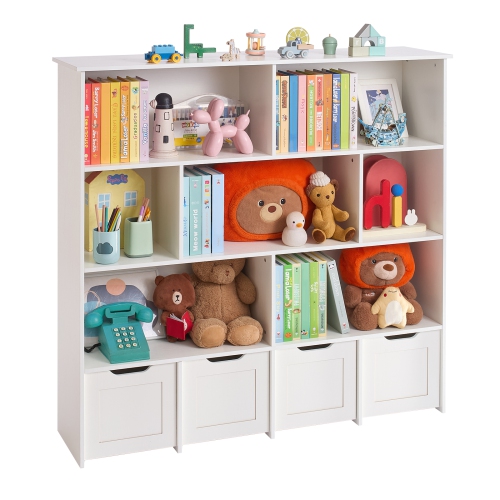
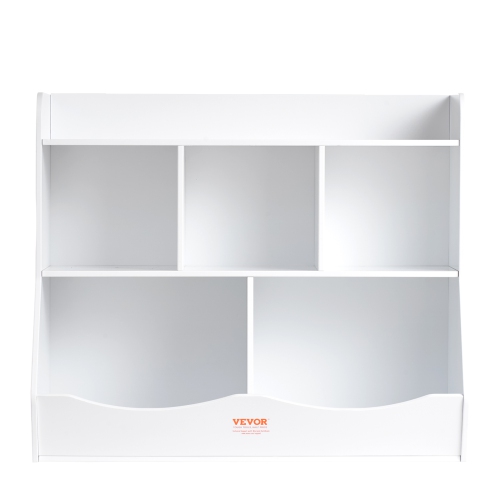
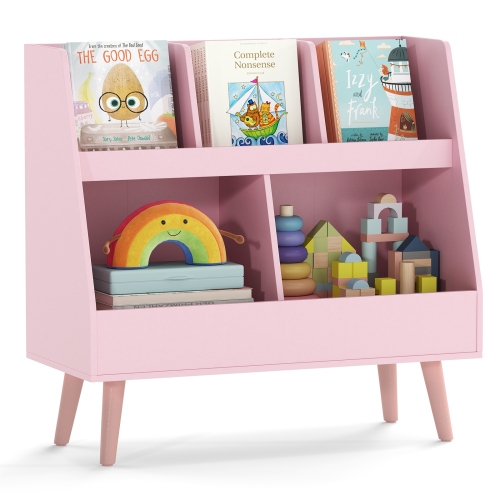
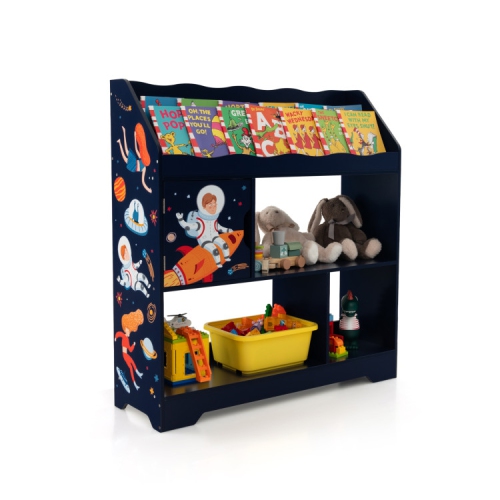
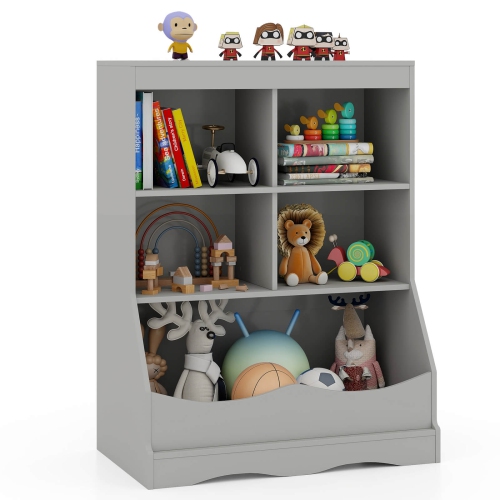
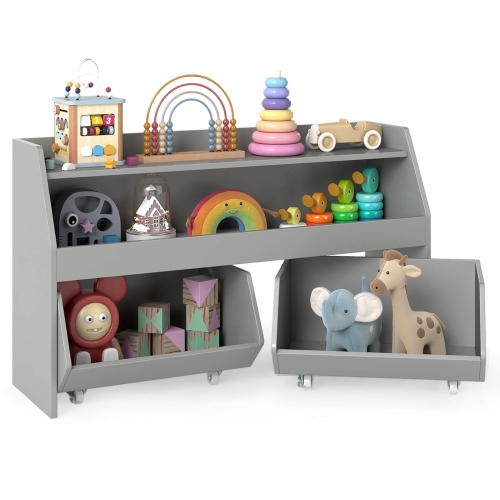
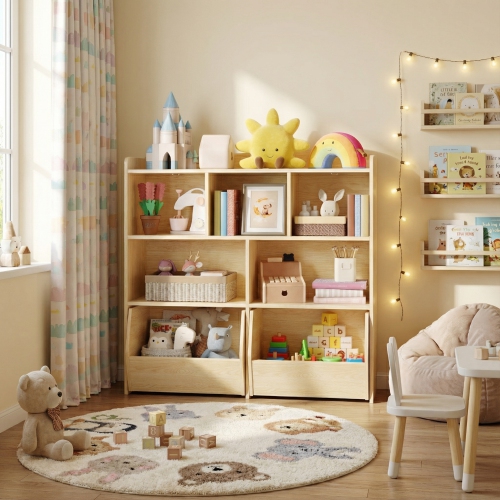
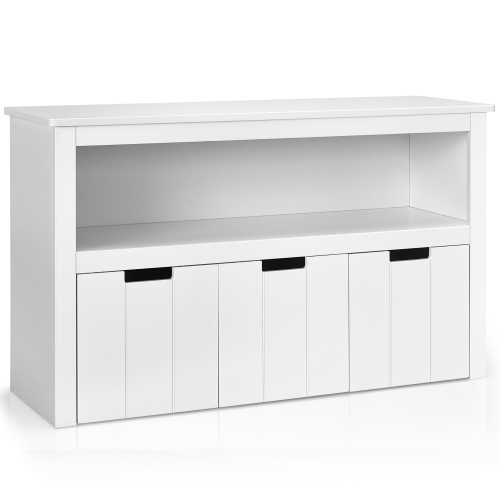
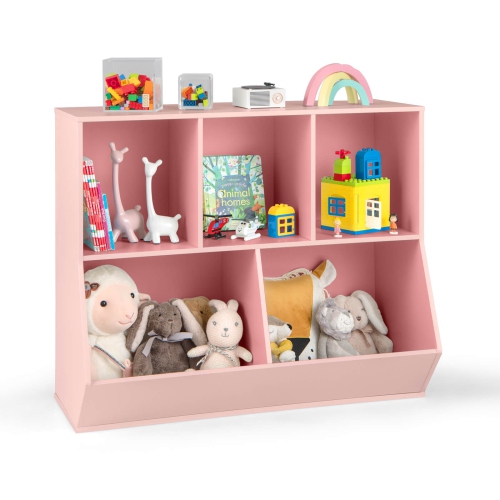
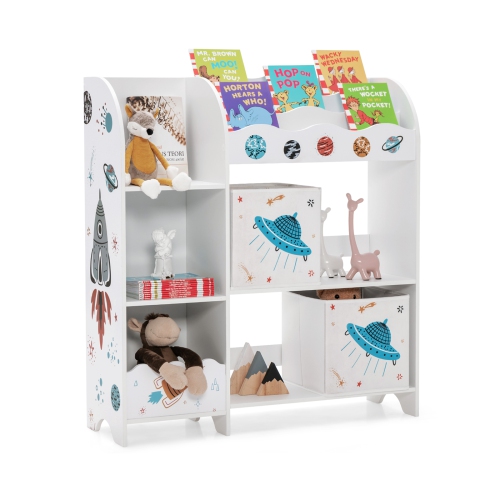
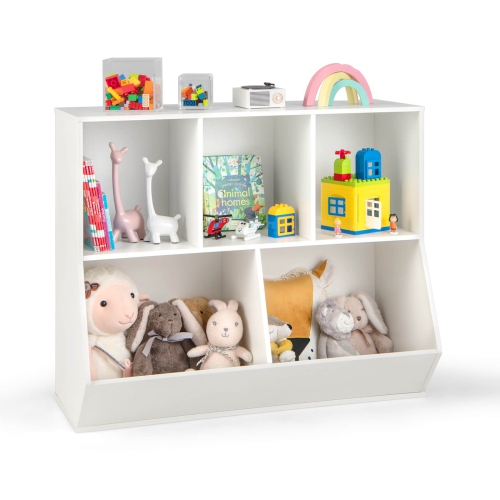
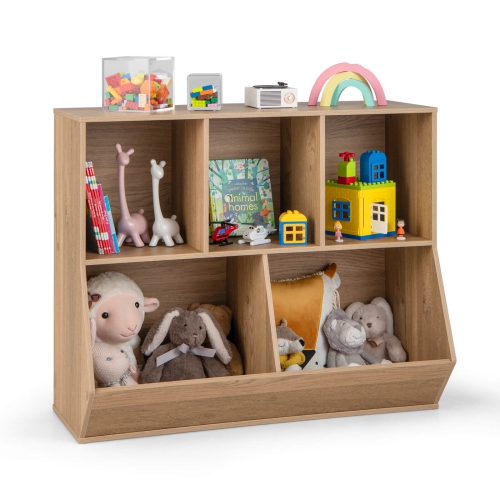
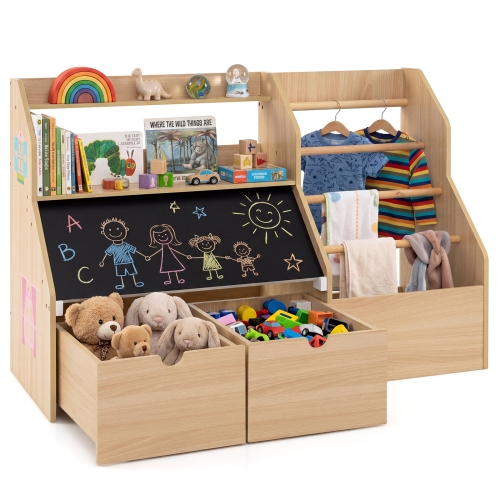
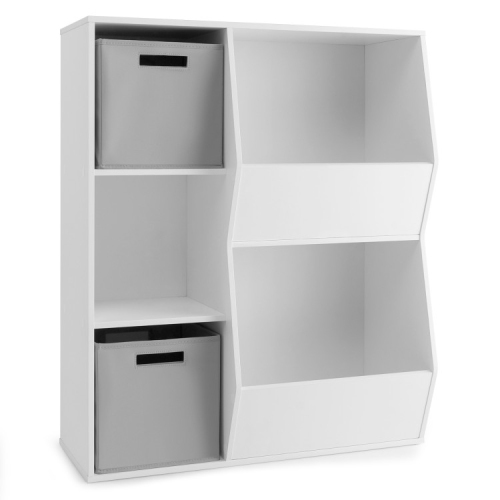
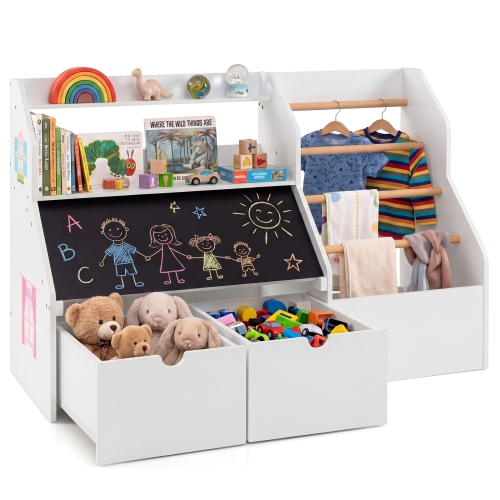
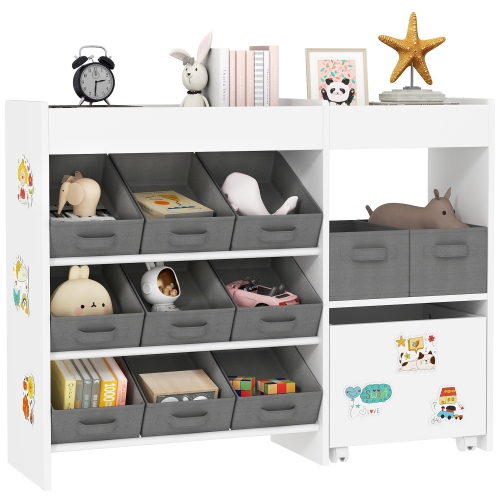
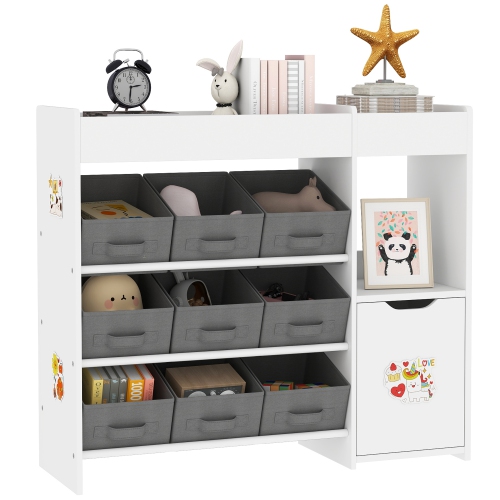
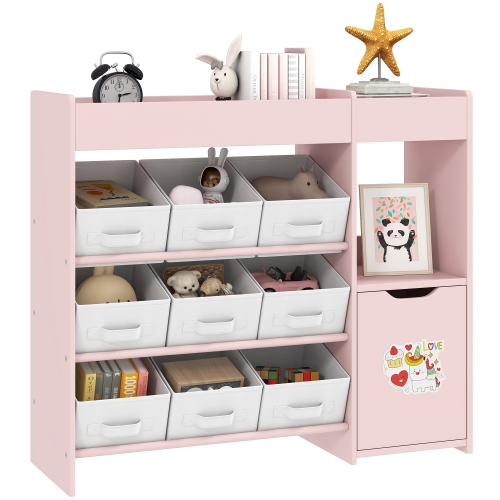
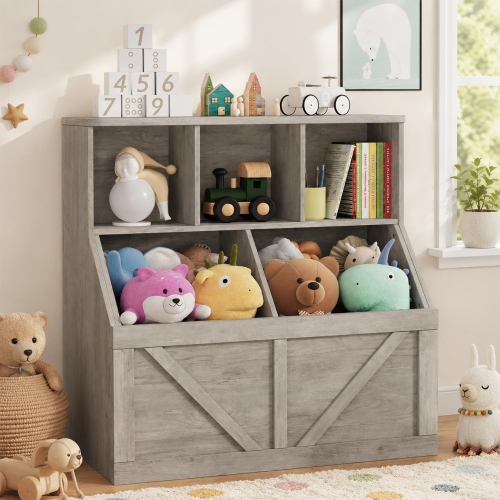
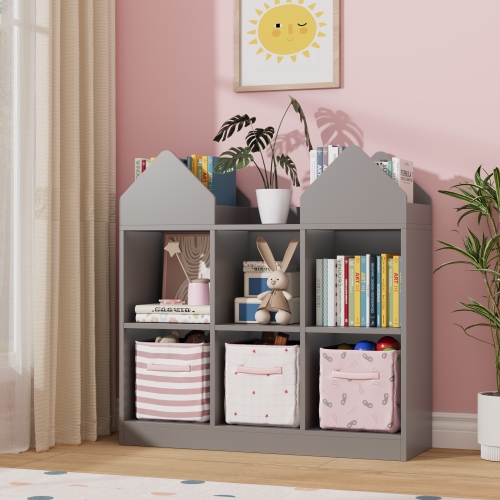
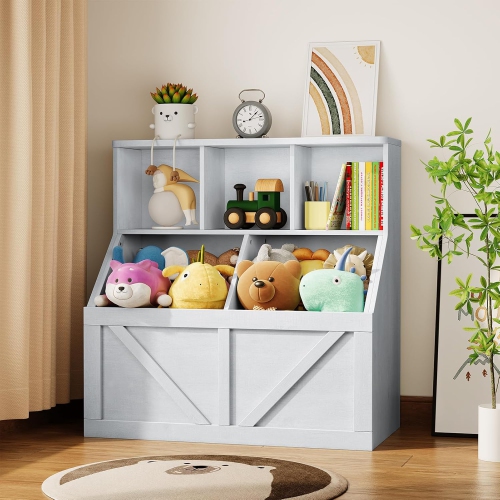
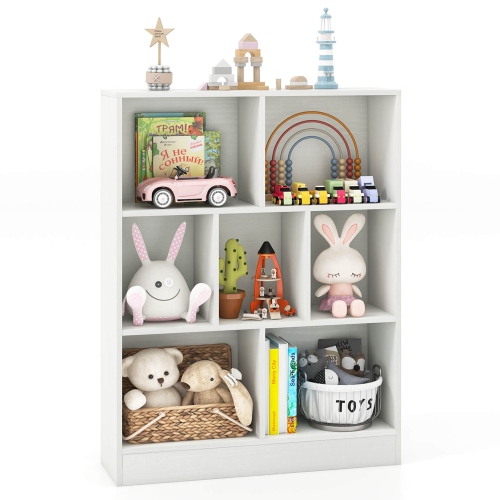
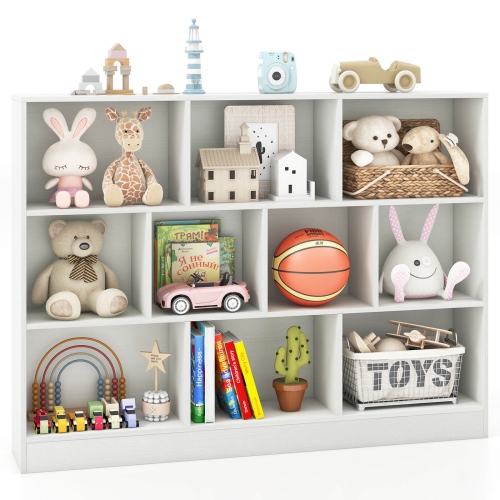
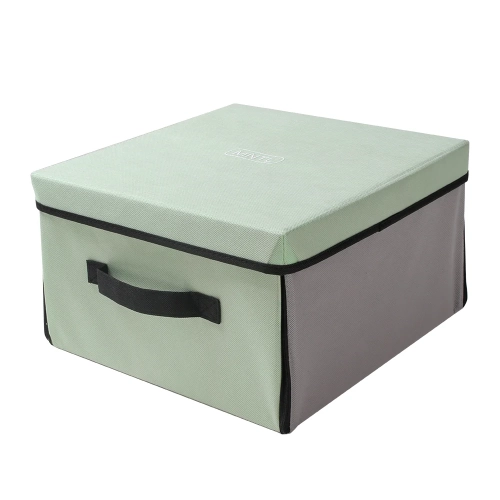
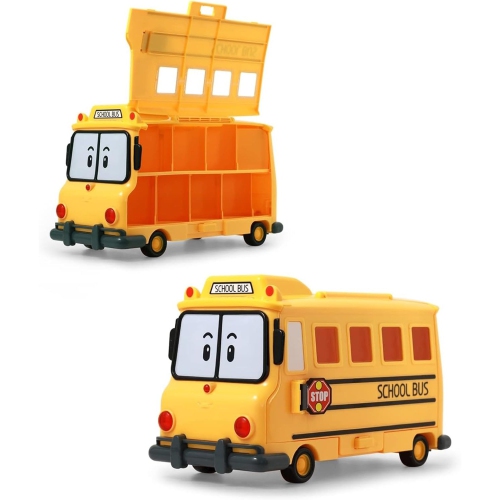
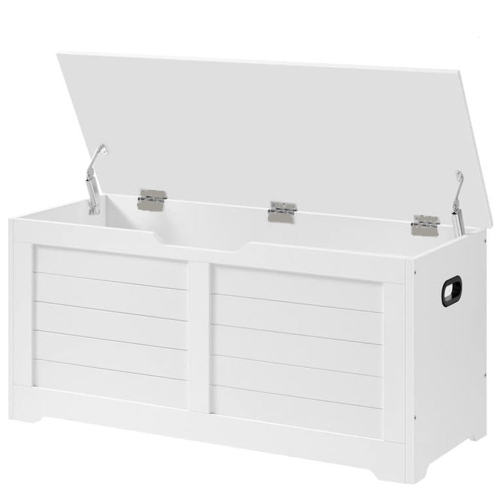
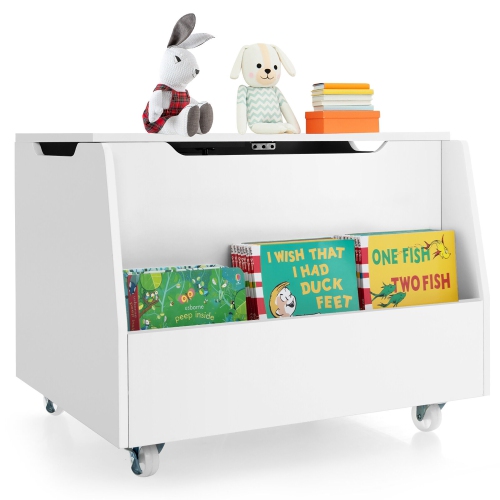
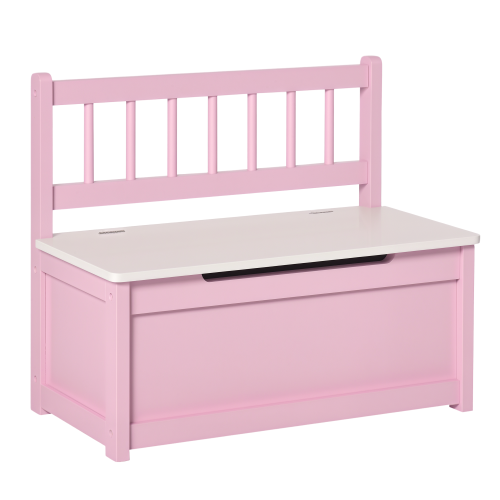
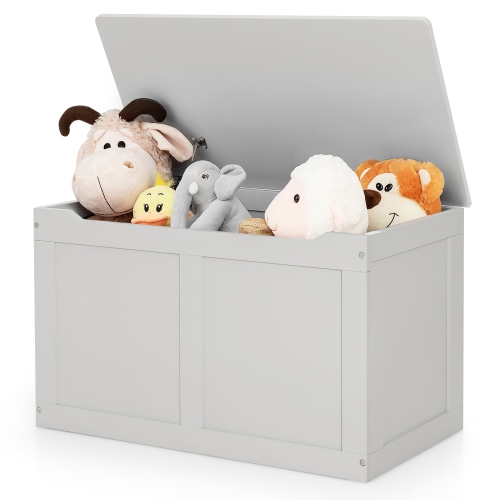
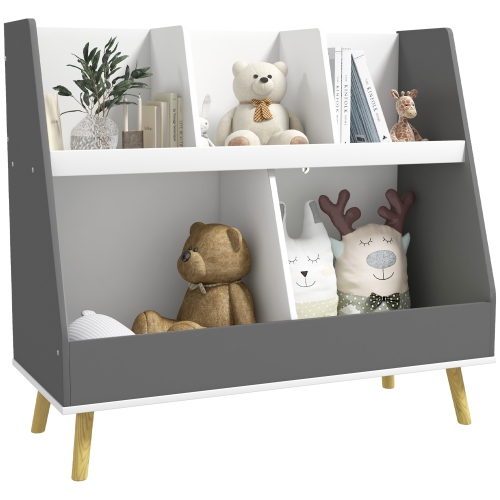
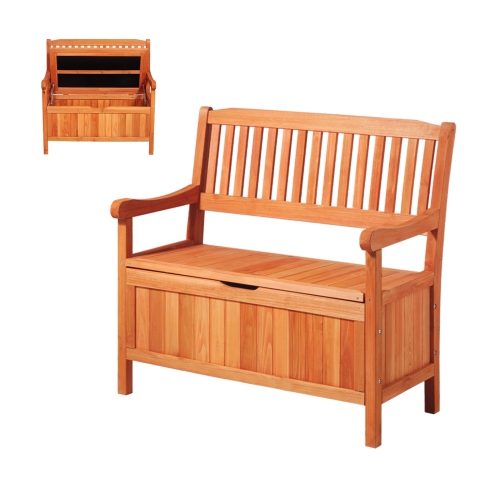
Toy boxes for kids make it easier to create a tidy, welcoming space where play can begin and end with less effort. Whether the storage will sit in a nursery, bedroom, family room, playroom, or shared living area, the right choice should suit the child’s age, the toys being stored, and the available floor space. Open fabric or mesh bins are especially useful for toddlers because they are lightweight, easy to reach, and simple to fill when it is time to clean up. A child can see plush toys, building pieces, dolls, and board books at a glance, then place them back without needing to manage a heavy lid. Toy chests with lids offer a more concealed approach, making them helpful when you want to keep a room looking orderly between play sessions. Storage benches can serve two purposes by providing a place to sit while reading or putting on shoes, while rolling bins and low boxes on casters can be moved from one room to another as play areas change. For families with limited storage, a compact box that fits beneath a table, beside a bookcase, or at the end of a bed can keep everyday favourites within reach without taking over the room. Larger toy boxes may be useful for dress-up clothing, stuffed animals, oversized vehicles, and play sets, but they should still be easy for a child and caregiver to access. Consider the box’s footprint with the lid fully open, not just its closed dimensions, and leave enough space around it for safe movement.
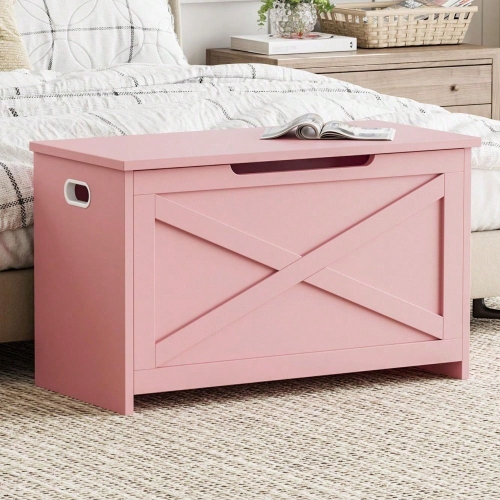
Safety is one of the most important considerations when selecting a toy box for kids, particularly for models with hinged lids. Look for a slow-close safety hinge, lid stay, or gas-strut mechanism that supports the lid and keeps it from dropping freely. A well-designed hinge should remain open in different positions and help reduce the risk of pinched fingers or a suddenly slamming lid. Avoid storage chests with accidental latching mechanisms or enclosed spaces where a child could become trapped. Ventilation openings can be an additional feature on enclosed chests, but they should not replace close supervision and age-appropriate use. Smooth, rounded edges and a stable base are helpful in busy play spaces, where children may kneel, lean, or move quickly around the furniture. Check that handles are comfortable and securely attached, and that wheels roll smoothly without making the box difficult to control. If the box is tall or narrow, make sure it does not tip easily when a child reaches inside. Finishes should be smooth and designed to resist everyday scratches, while fabric bins should have sturdy seams and a firm enough structure to stay open during use. For younger children, choose a container they can open, carry, and return independently without lifting strain. For older children, a divided or compartmentalized design may make it easier to organize smaller collections, craft supplies, action figures, or game pieces. Keeping frequently used toys in an open bin and less-used items in a lidded chest can also make clean-up more manageable without hiding everything away.
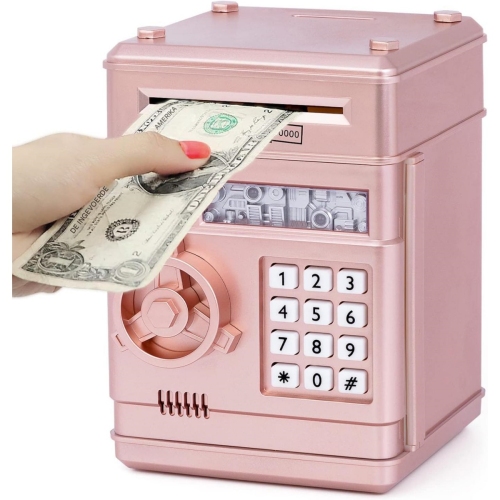
Toy boxes can be a practical gift for a child, a new parent, or a family preparing a play space, especially when paired with age-appropriate toys, books, or creative activities. Grandparents and relatives may appreciate a storage solution that helps keep favourite gifts organized after birthdays and family gatherings, while parents can use one to create a consistent clean-up routine. A box placed near the play area gives children a clear home for their belongings and can turn tidying into a simple part of playtime rather than a large task at the end of the day. Choose colours, patterns, and materials that complement the room if the toy box will be kept in a shared space; a wooden chest or storage bench can blend with existing furniture, while bright fabric bins can add a playful accent to a child’s room. During the warmer part of the year, a portable box can move between indoor and outdoor play areas for carrying soft toys, puzzles, or games, provided it is used on a suitable surface and kept away from moisture. During cooler months, it can hold craft supplies, building toys, and quiet activities for afternoons spent indoors. For homes with several children, look for enough capacity for shared toys while considering separate bins for small personal collections. A clearly designated container can also help prevent lost pieces and make it easier to sort toys during regular room resets. Families storing keepsakes, small valuables, or items that need to remain out of reach may also wish to explore Lock Boxes for Kids as a separate storage option. Before choosing a toy box, compare its size, opening style, weight, mobility, construction, and safety features with the child’s routine. The most useful choice is one that fits naturally into the room, supports independent clean-up, and remains convenient for caregivers to move, maintain, and use throughout the year.
Safety is one of the most important considerations when selecting a toy box for kids, particularly for models with hinged lids. Look for a slow-close safety hinge, lid stay, or gas-strut mechanism that supports the lid and keeps it from dropping freely. A well-designed hinge should remain open in different positions and help reduce the risk of pinched fingers or a suddenly slamming lid. Avoid storage chests with accidental latching mechanisms or enclosed spaces where a child could become trapped. Ventilation openings can be an additional feature on enclosed chests, but they should not replace close supervision and age-appropriate use. Smooth, rounded edges and a stable base are helpful in busy play spaces, where children may kneel, lean, or move quickly around the furniture. Check that handles are comfortable and securely attached, and that wheels roll smoothly without making the box difficult to control. If the box is tall or narrow, make sure it does not tip easily when a child reaches inside. Finishes should be smooth and designed to resist everyday scratches, while fabric bins should have sturdy seams and a firm enough structure to stay open during use. For younger children, choose a container they can open, carry, and return independently without lifting strain. For older children, a divided or compartmentalized design may make it easier to organize smaller collections, craft supplies, action figures, or game pieces. Keeping frequently used toys in an open bin and less-used items in a lidded chest can also make clean-up more manageable without hiding everything away.
Toy boxes can be a practical gift for a child, a new parent, or a family preparing a play space, especially when paired with age-appropriate toys, books, or creative activities. Grandparents and relatives may appreciate a storage solution that helps keep favourite gifts organized after birthdays and family gatherings, while parents can use one to create a consistent clean-up routine. A box placed near the play area gives children a clear home for their belongings and can turn tidying into a simple part of playtime rather than a large task at the end of the day. Choose colours, patterns, and materials that complement the room if the toy box will be kept in a shared space; a wooden chest or storage bench can blend with existing furniture, while bright fabric bins can add a playful accent to a child’s room. During the warmer part of the year, a portable box can move between indoor and outdoor play areas for carrying soft toys, puzzles, or games, provided it is used on a suitable surface and kept away from moisture. During cooler months, it can hold craft supplies, building toys, and quiet activities for afternoons spent indoors. For homes with several children, look for enough capacity for shared toys while considering separate bins for small personal collections. A clearly designated container can also help prevent lost pieces and make it easier to sort toys during regular room resets. Families storing keepsakes, small valuables, or items that need to remain out of reach may also wish to explore Lock Boxes for Kids as a separate storage option. Before choosing a toy box, compare its size, opening style, weight, mobility, construction, and safety features with the child’s routine. The most useful choice is one that fits naturally into the room, supports independent clean-up, and remains convenient for caregivers to move, maintain, and use throughout the year.
Top selling and popular products
-
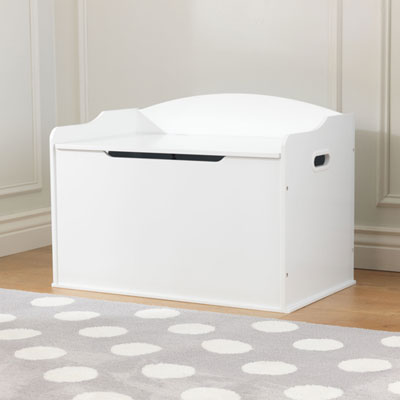 Your price for this item is $139.99
 -
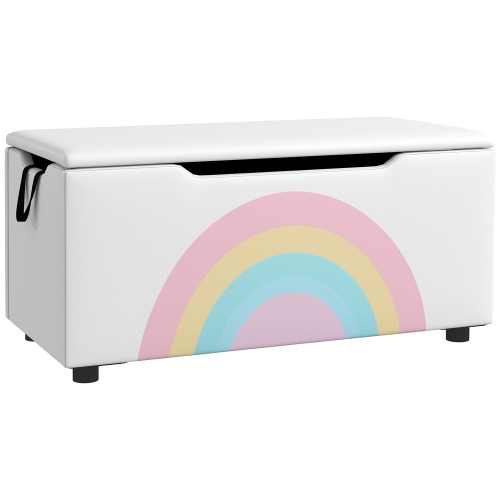 Your price for this item is $129.99
 -
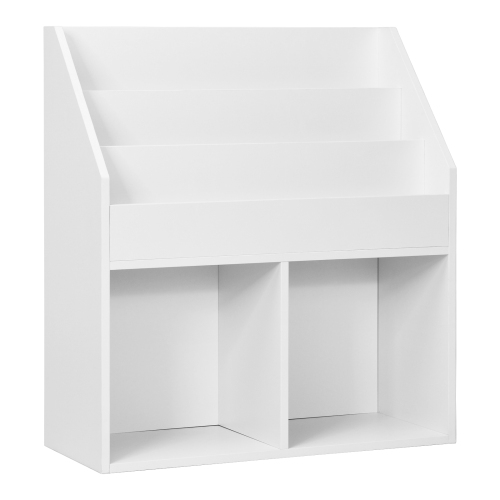 Your price for this item is $157.99
 -
 Your price for this item is $99.99
 -
 Your price for this item is $99.99
 -
 Your price for this item is $79.99
 -
 Your price for this item is $114.99
 -
 Your price for this item is $62.99
Discover more categories related to Toy Boxes for Kids
Top Collections:
Pokemon Centers, Kindle Devices, Best Budget Office Chairs, Canon G7X Cameras, Apple iPhones 16, Samsung Galaxy Phones, Refurbished Apple Laptops, Laptops for Students, iPhone 15 Apple, Budget Smartphones
Some products may be subject to Environmental Handling Fees
(EHF) depending on your province.
Learn more about EHFs.