Vehicle Infant Seats
When it comes to keeping your little one safe and secure during car rides, nothing is more important than finding the right infant seat for your vehicle. At Best Buy Canada, we understand the importance of finding a reliable and comfortable option that meets all safety standards. That's why we have curated a wide selection of vehicle infant seats that are designed to provide optimal protection for your precious cargo. Whether you're a new parent or looking to upgrade your current seat, our collection offers a variety of options to suit your needs. Discover the perfect combination of safety, comfort, and style as you explore our range of vehicle infant seats.
Sort
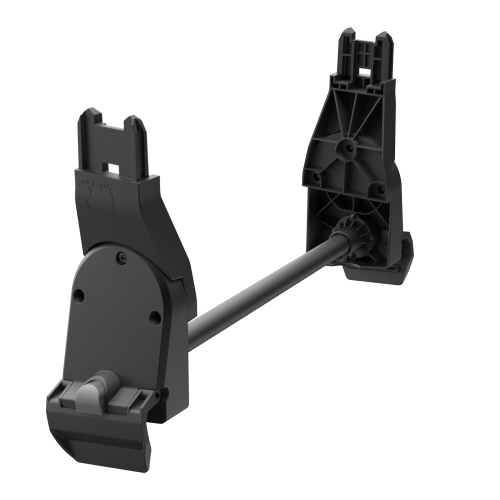
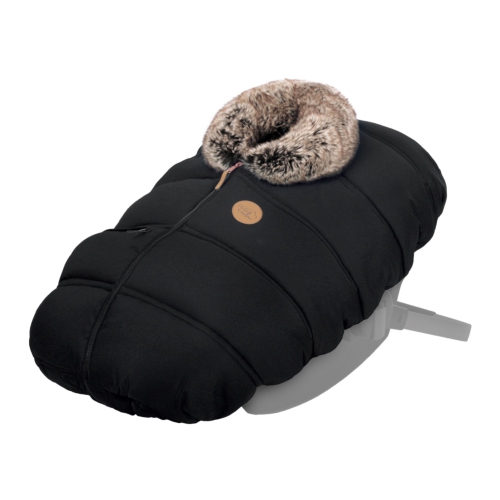
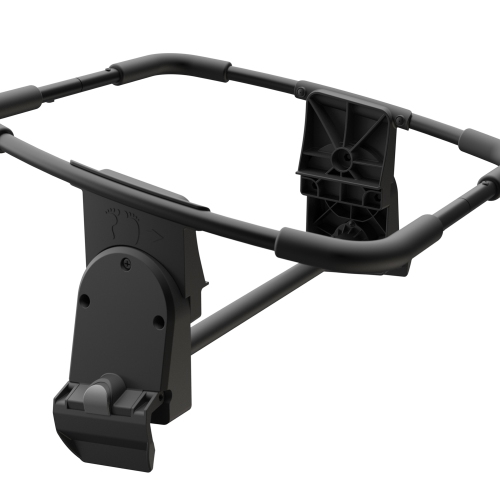
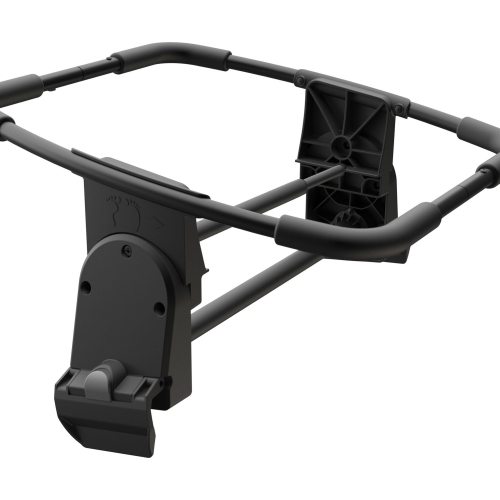
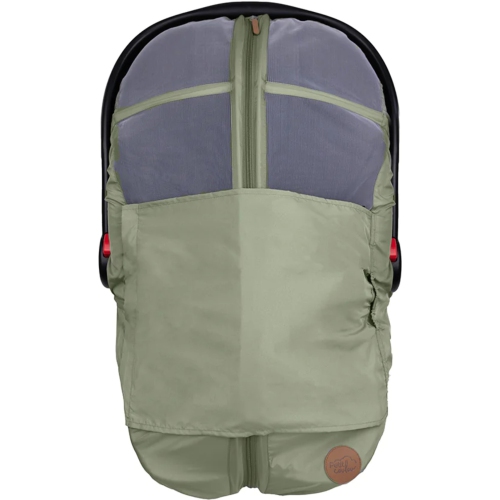
Why fit matters from the first ride home
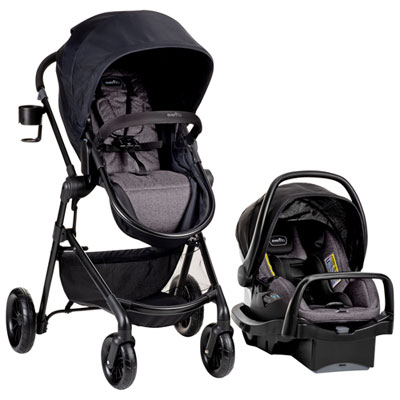
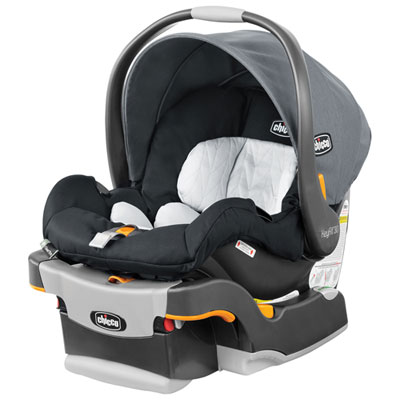
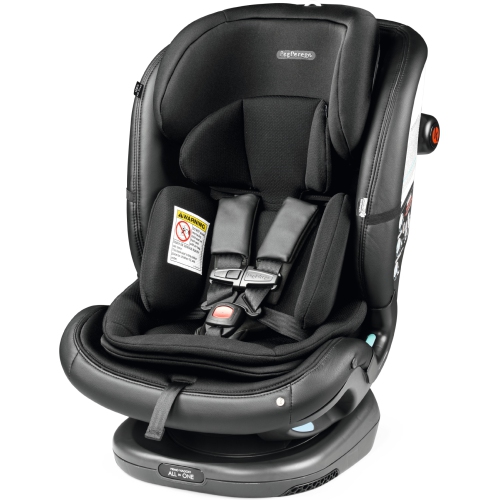
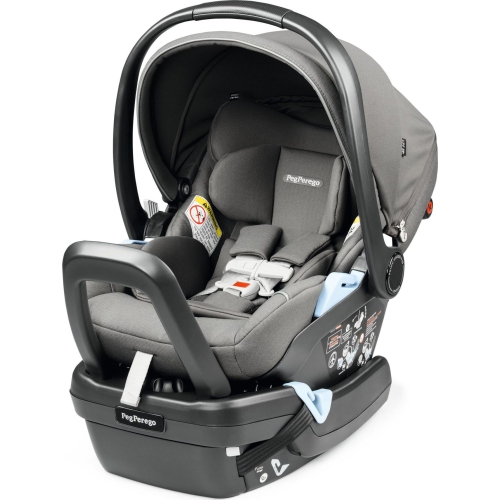
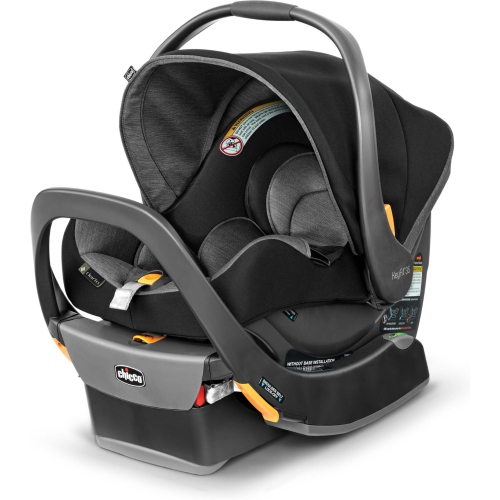
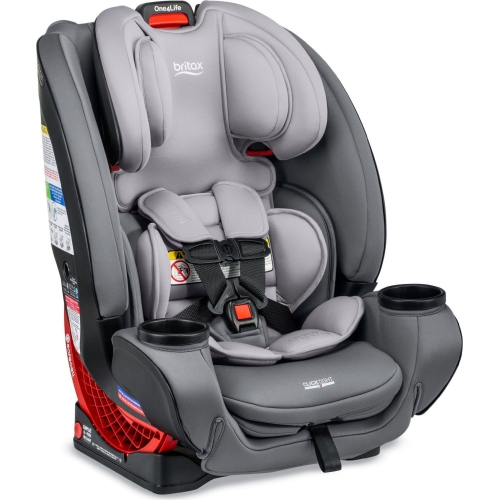
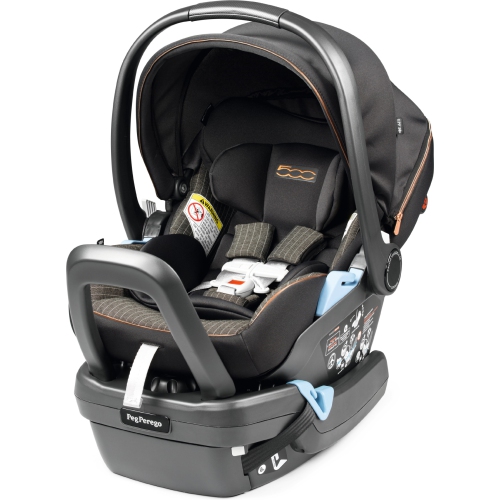
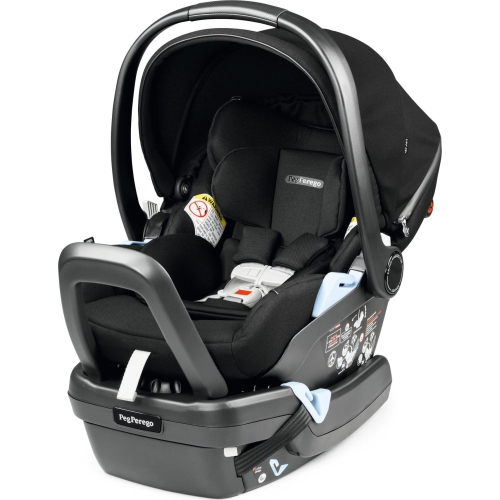
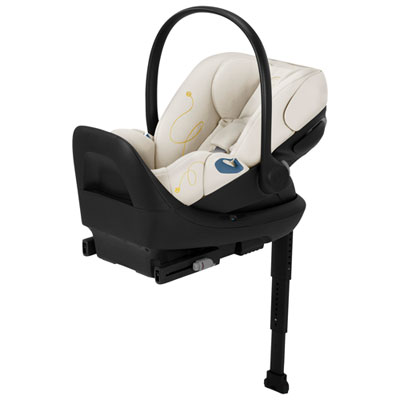
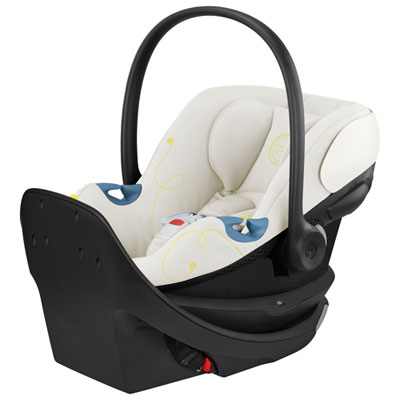
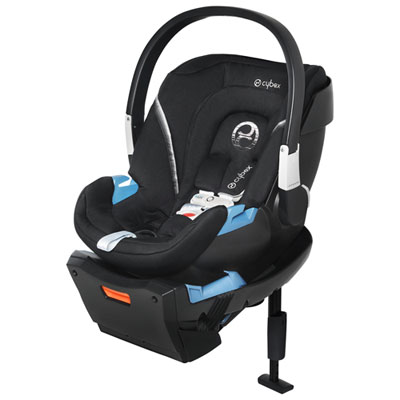
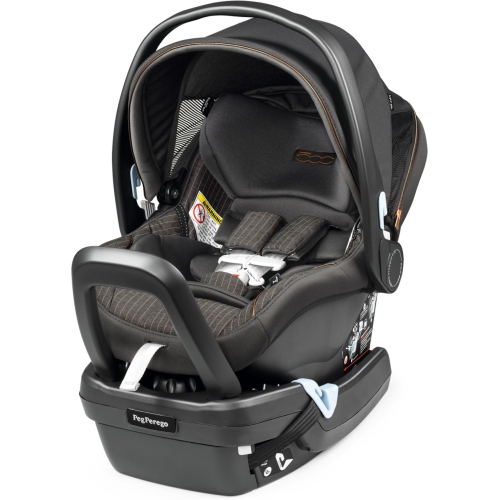
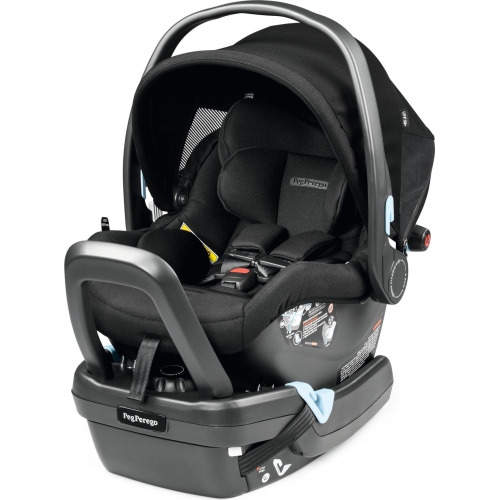
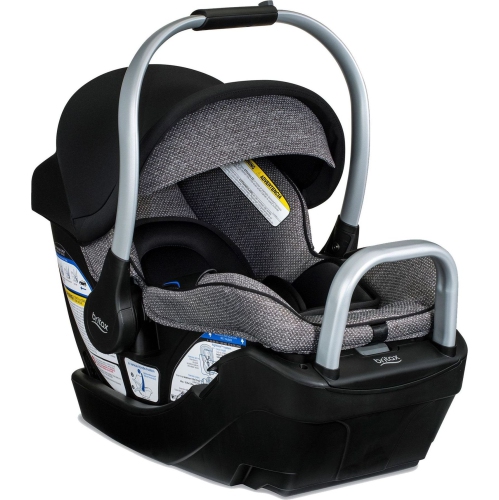
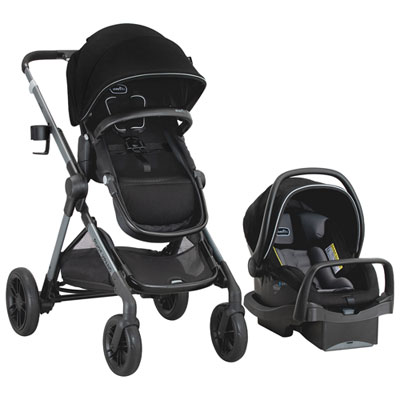
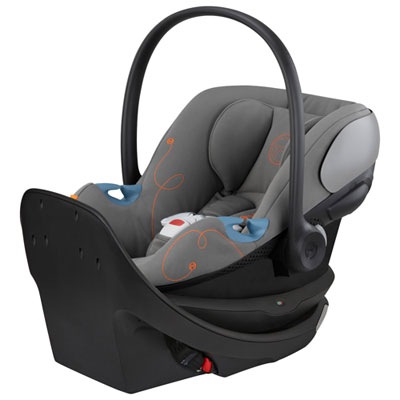
Vehicle infant seats are rear-facing car seats designed for newborns and young babies, with a fitted harness and a supportive shell sized for the earliest stage of passenger travel. Often called infant carriers or bucket seats, they typically combine a removable seat with a base that stays installed in the vehicle. This arrangement lets a caregiver move the carrier between the car and a compatible stroller without unbuckling the baby at each transfer. The defining feature is rear-facing use: an infant car seat is not designed to turn forward-facing as a child grows. Its suitability depends on the child meeting the manufacturer’s stated weight, height, and fit requirements, rather than reaching a particular age. A baby can outgrow a seat by height or another fit limit before reaching its maximum weight, so the label and manual matter more than a general age range. Once an infant seat is outgrown, a rear-facing convertible or all-in-one car seat may provide the next stage of travel, within that seat’s limits. For families exploring this category, Infant Car Seats bring together the compact carrier format and features intended for everyday journeys, from the first ride home to childcare drop-offs and visits with family. Seats intended for use in Canada must meet applicable Canadian safety standards and display the National Safety Mark; a seat approved for another country is not automatically suitable for use here. Provincial and territorial requirements also apply, alongside the seat manufacturer’s instructions. The most useful match is a seat that fits the baby, installs correctly in the vehicle, and is straightforward for every caregiver to use properly. An easy-to-reach harness adjuster, clearly marked belt routing, and readable recline indicators can make a meaningful difference when fastening a small passenger several times a day. These practical details deserve attention alongside the carrier’s appearance, fabric colour, and overall size.
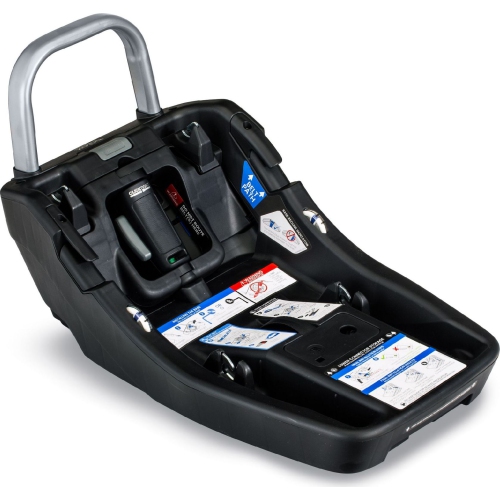
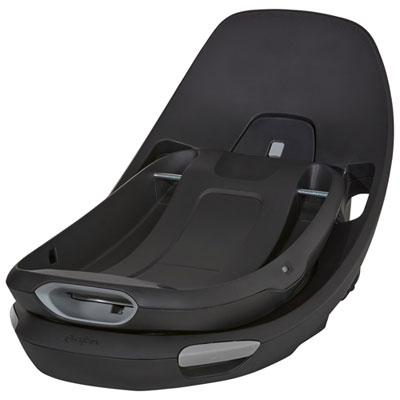
Fit involves both the baby’s position inside the seat and the space the installed seat occupies in the vehicle. A narrow-looking carrier can still need considerable front-to-back room once it is positioned at the required recline angle. In a compact car, that can affect the space left for the person sitting ahead of it; in a family vehicle, the arrangement of neighbouring child seats and access to buckles can be just as important. The vehicle owner’s manual and car seat manual identify suitable seating positions and installation methods. Many infant seat bases can be secured using the vehicle’s seat belt or Universal Anchorage System, commonly called UAS, but the permitted method depends on both sets of instructions. These methods should not be combined unless explicitly allowed. A compatible additional base can simplify travel between family vehicles, while some carriers permit installation without a base using a specified seat belt path. That option can be useful for occasional trips in another vehicle, but it is not a feature to assume across all infant seats. Adjustable bases and recline indicators help caregivers achieve the required positioning, which is especially important for a newborn’s head and airway support. Inside the carrier, harness height, buckle position, and any supplied infant insert affect fit. Rear-facing harness straps generally sit at or just below the child’s shoulders, with the chest clip at armpit level and the webbing snug enough that excess material cannot be pinched at the shoulder; the seat’s instructions govern the exact setup. Only inserts, padding, and accessories approved by the car seat manufacturer for that seat belong inside it. Extra cushions may look comfortable but can alter harness fit or positioning. Handle placement during vehicle travel also varies by design. For households where parents, grandparents, and other caregivers share journeys, controls that are easy to identify and repeat correctly can be more valuable than a long list of features that rarely get used.
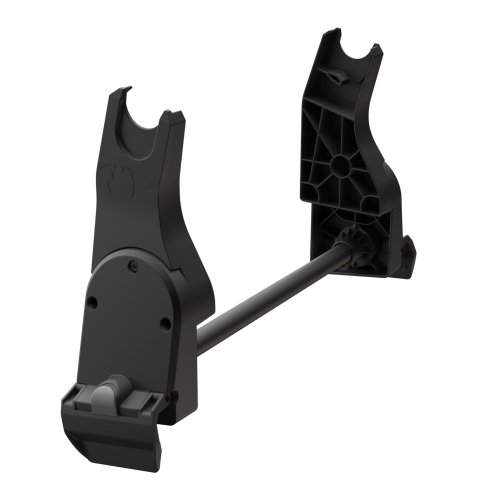
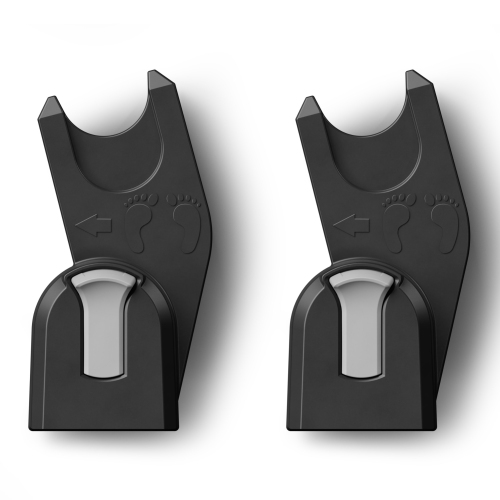
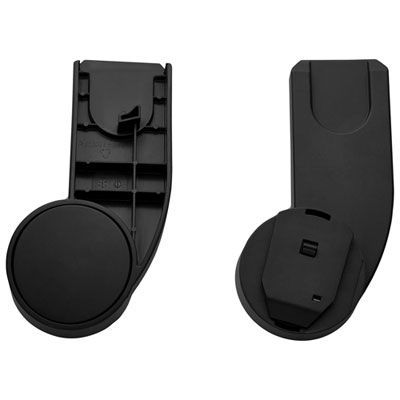
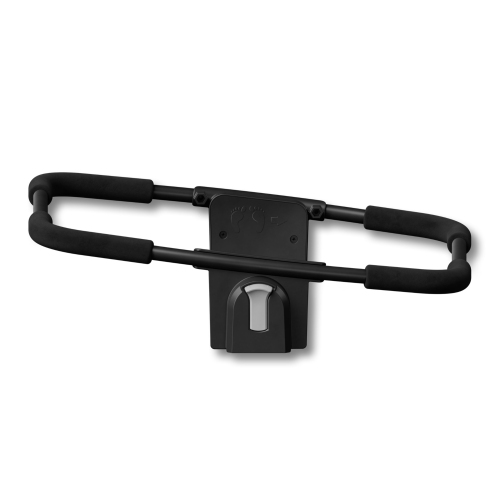
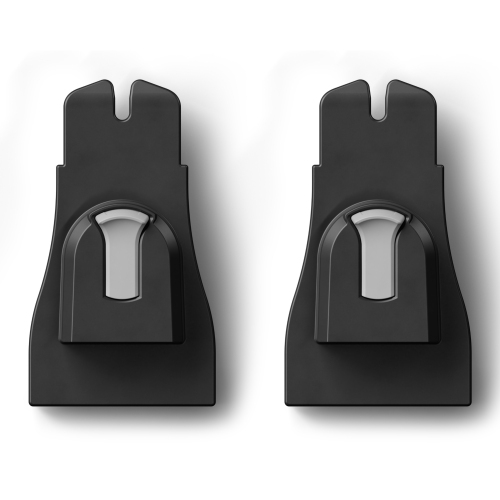
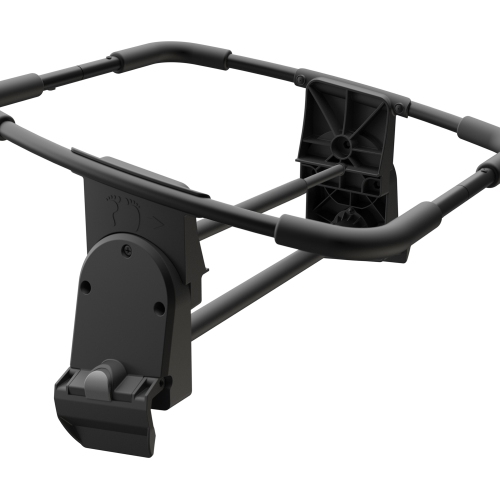
Materials, care requirements, and carrying comfort shape how an infant seat works beyond the installation itself. A typical design combines a rigid moulded shell, energy-absorbing materials, harness webbing, and a padded fabric cover. Some seats include additional structural or side-impact features, but appearance alone does not establish how well a seat will protect a child. Correct selection, installation, and use remain essential. Cover texture and seam placement influence everyday comfort, while removable upholstery can make milk spills and nappy leaks easier to manage. Cleaning instructions vary: a cover may allow machine washing, but harness straps, buckles, foam, and the shell can require different treatment. Harsh cleaners, soaking, or unapproved washing methods may damage components, so washable fabric should not be taken to mean that the whole seat can be washed the same way. Durability also involves checking for frayed webbing, damaged parts, missing labels, and a harness or buckle that no longer operates as intended. Car seats have manufacturer-defined expiry dates, and their history matters. A previously owned seat with unknown crash exposure or missing instructions can be difficult to assess reliably; replacement after a collision should follow the manufacturer’s directions and applicable Canadian guidance. For daily handling, the carrier’s empty weight is only part of the picture because the baby adds to the load. A comfortable handle and a release mechanism that can be operated without awkward reaching are worth considering for a caregiver moving between a parking space and a stroller. Stroller compatibility must be confirmed for the exact pairing, including any required adapter, rather than assumed from a similar attachment shape. The carrier remains travel equipment, not a replacement for a crib, cradle, or bassinet: after arrival, a sleeping baby should be moved to an appropriate firm, flat sleep surface as soon as practical. As a baby shower gift or a contribution from grandparents, an infant car seat is most useful when coordinated with the parents’ vehicle, stroller, and preferences. That coordination helps ensure the gift supports the family’s actual travel routine rather than adding an incompatible piece of equipment.
Fit involves both the baby’s position inside the seat and the space the installed seat occupies in the vehicle. A narrow-looking carrier can still need considerable front-to-back room once it is positioned at the required recline angle. In a compact car, that can affect the space left for the person sitting ahead of it; in a family vehicle, the arrangement of neighbouring child seats and access to buckles can be just as important. The vehicle owner’s manual and car seat manual identify suitable seating positions and installation methods. Many infant seat bases can be secured using the vehicle’s seat belt or Universal Anchorage System, commonly called UAS, but the permitted method depends on both sets of instructions. These methods should not be combined unless explicitly allowed. A compatible additional base can simplify travel between family vehicles, while some carriers permit installation without a base using a specified seat belt path. That option can be useful for occasional trips in another vehicle, but it is not a feature to assume across all infant seats. Adjustable bases and recline indicators help caregivers achieve the required positioning, which is especially important for a newborn’s head and airway support. Inside the carrier, harness height, buckle position, and any supplied infant insert affect fit. Rear-facing harness straps generally sit at or just below the child’s shoulders, with the chest clip at armpit level and the webbing snug enough that excess material cannot be pinched at the shoulder; the seat’s instructions govern the exact setup. Only inserts, padding, and accessories approved by the car seat manufacturer for that seat belong inside it. Extra cushions may look comfortable but can alter harness fit or positioning. Handle placement during vehicle travel also varies by design. For households where parents, grandparents, and other caregivers share journeys, controls that are easy to identify and repeat correctly can be more valuable than a long list of features that rarely get used.
Materials, care requirements, and carrying comfort shape how an infant seat works beyond the installation itself. A typical design combines a rigid moulded shell, energy-absorbing materials, harness webbing, and a padded fabric cover. Some seats include additional structural or side-impact features, but appearance alone does not establish how well a seat will protect a child. Correct selection, installation, and use remain essential. Cover texture and seam placement influence everyday comfort, while removable upholstery can make milk spills and nappy leaks easier to manage. Cleaning instructions vary: a cover may allow machine washing, but harness straps, buckles, foam, and the shell can require different treatment. Harsh cleaners, soaking, or unapproved washing methods may damage components, so washable fabric should not be taken to mean that the whole seat can be washed the same way. Durability also involves checking for frayed webbing, damaged parts, missing labels, and a harness or buckle that no longer operates as intended. Car seats have manufacturer-defined expiry dates, and their history matters. A previously owned seat with unknown crash exposure or missing instructions can be difficult to assess reliably; replacement after a collision should follow the manufacturer’s directions and applicable Canadian guidance. For daily handling, the carrier’s empty weight is only part of the picture because the baby adds to the load. A comfortable handle and a release mechanism that can be operated without awkward reaching are worth considering for a caregiver moving between a parking space and a stroller. Stroller compatibility must be confirmed for the exact pairing, including any required adapter, rather than assumed from a similar attachment shape. The carrier remains travel equipment, not a replacement for a crib, cradle, or bassinet: after arrival, a sleeping baby should be moved to an appropriate firm, flat sleep surface as soon as practical. As a baby shower gift or a contribution from grandparents, an infant car seat is most useful when coordinated with the parents’ vehicle, stroller, and preferences. That coordination helps ensure the gift supports the family’s actual travel routine rather than adding an incompatible piece of equipment.
Top selling and popular products
-
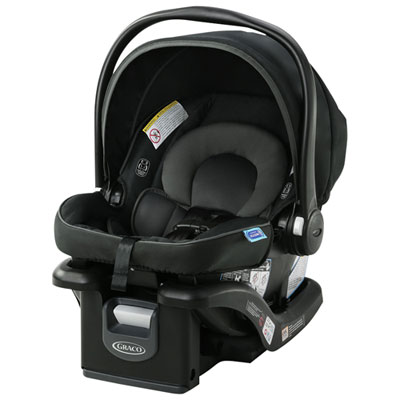 Your price for this item is $259.99
 -
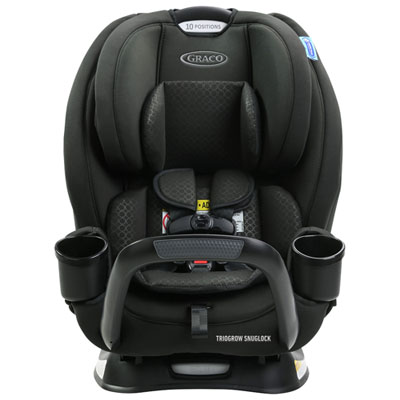 Your price for this item is $329.99
 -
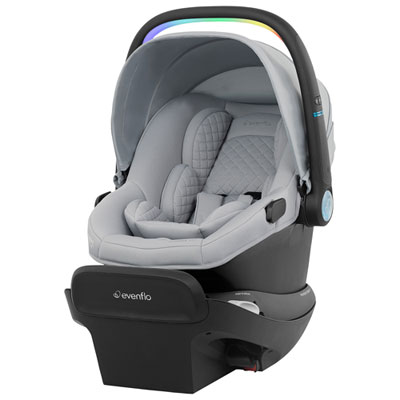 Your price for this item is $549.98
 -
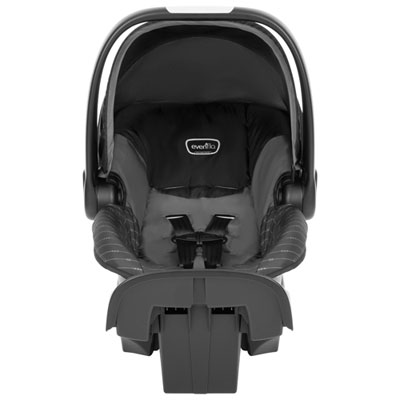 Your price for this item is $149.99
 -
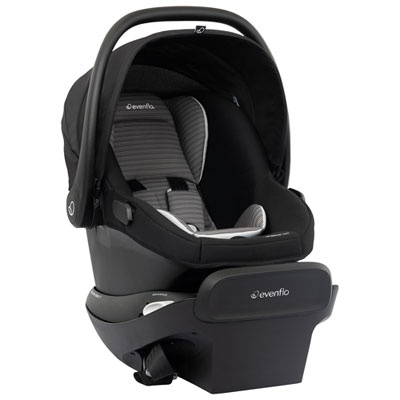 Your price for this item is $399.99
 -
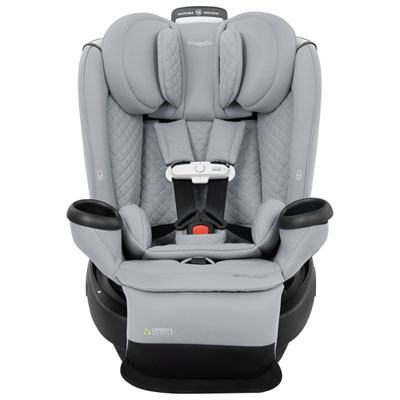 Your price for this item is $499.99
 -
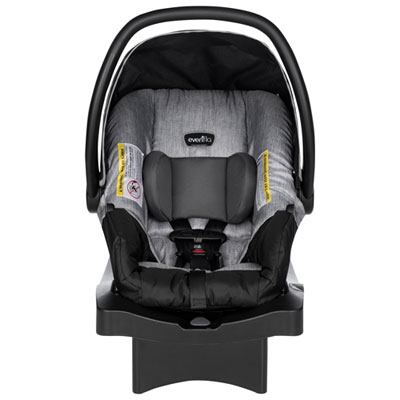 Your price for this item is $199.99
 -
 Your price for this item is $454.99
Discover more categories related to Vehicle Infant Seats
Top Collections:
Pokemon Centers, Kindle Devices, Best Budget Office Chairs, Apple iPhones 16, Best Laptops for Writers, iPhone 15 Apple, Canon G7X Cameras, Refurbished Apple Laptops, Alarm Clock, Motorola Razr Phones
Some products may be subject to Environmental Handling Fees
(EHF) depending on your province.
Learn more about EHFs.