Infant Car Seats
Ensure your little one's safety and comfort on the road with our selection of infant car seats. Designed to provide peace of mind for parents and a cozy ride for babies, these car seats are crafted with attention to detail and quality materials. Whether you're planning a quick trip to the store or a longer journey, you'll find options that fit seamlessly into your lifestyle while meeting rigorous safety standards. Explore features that make installation a breeze and enhance your baby's travel experience, all while keeping style in mind. Discover the perfect infant car seat to suit your needs and start every adventure with confidence.
Sort

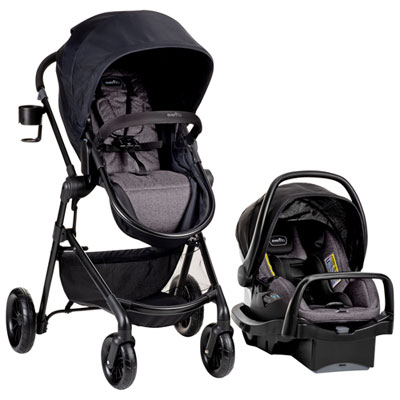
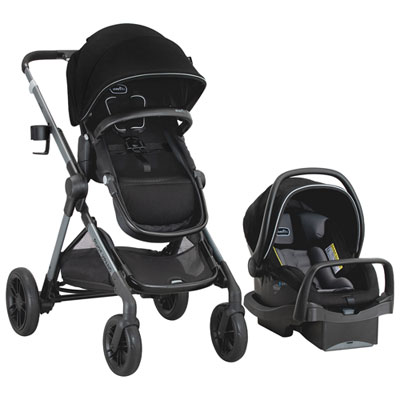
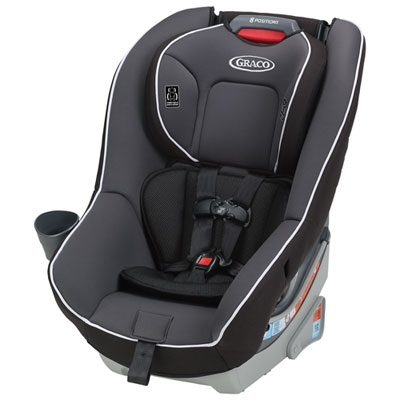
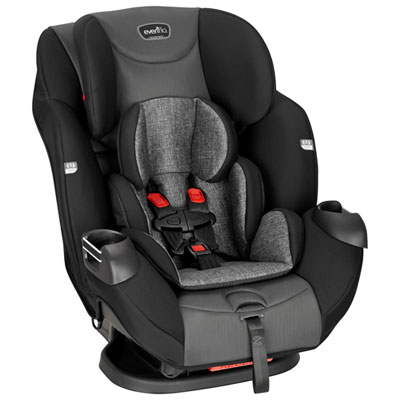
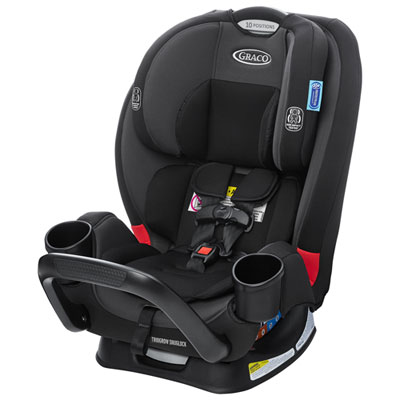
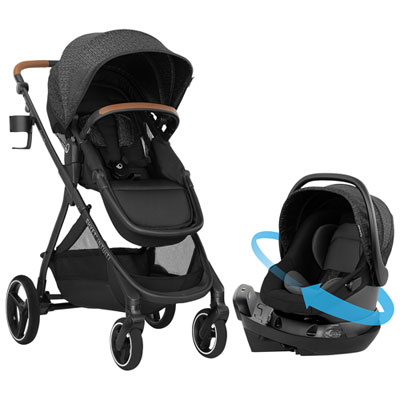
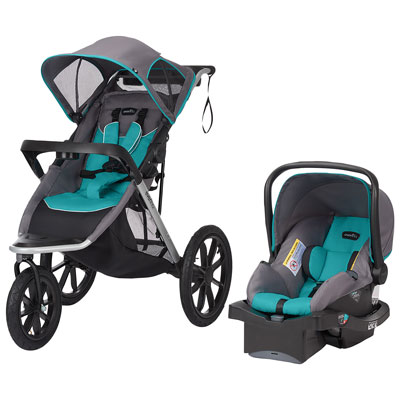
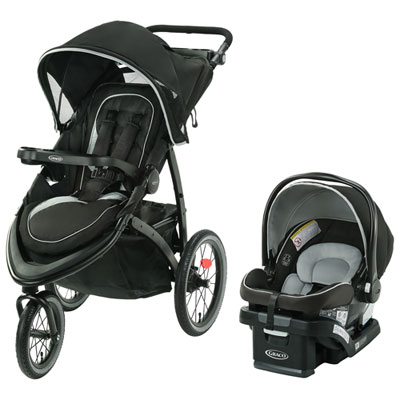
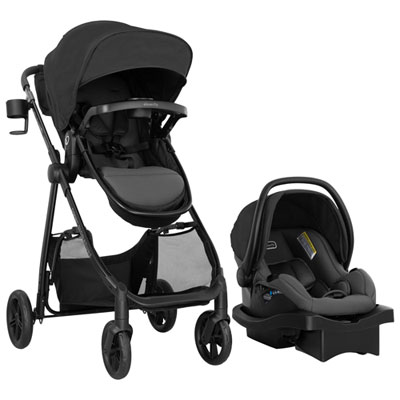
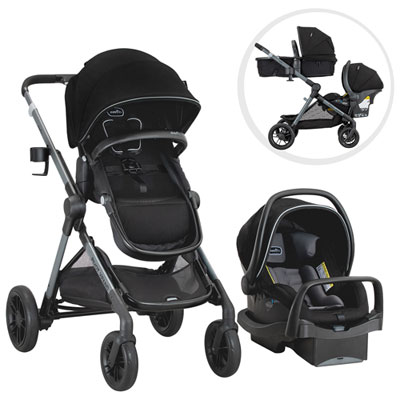
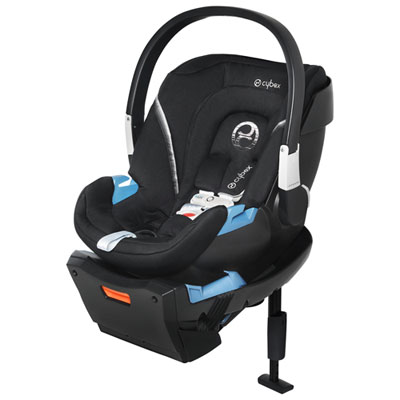
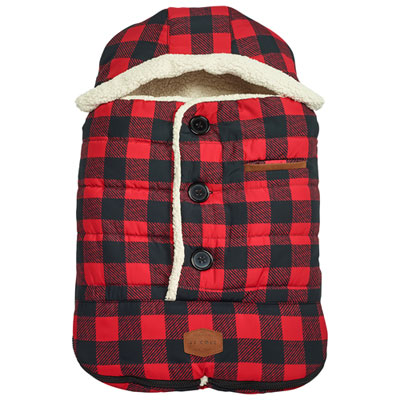
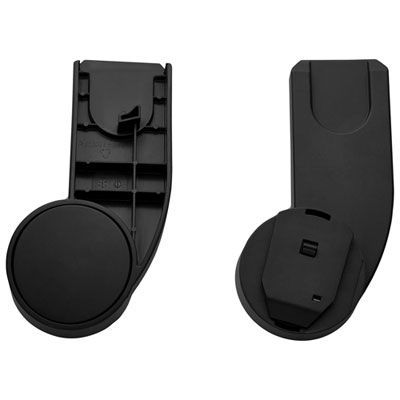
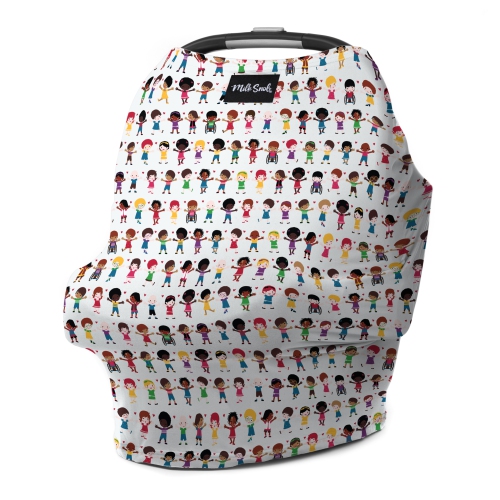
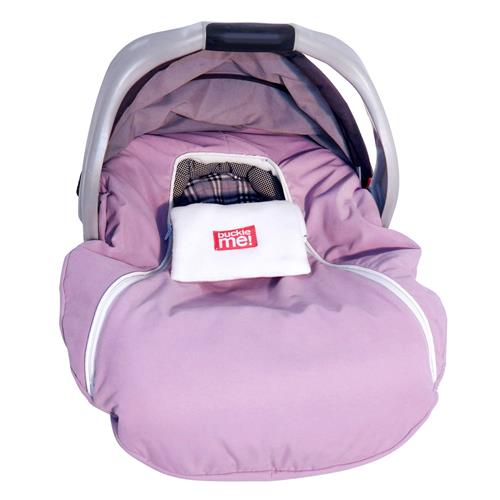
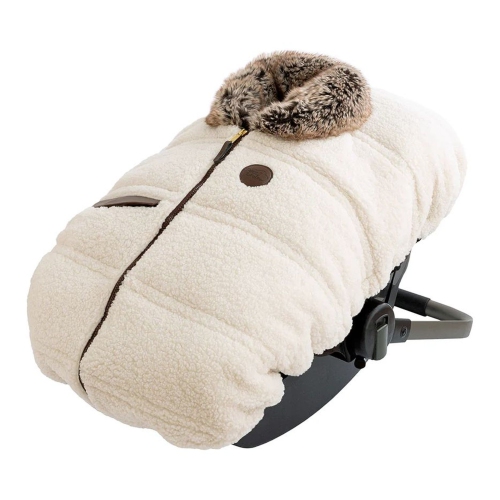
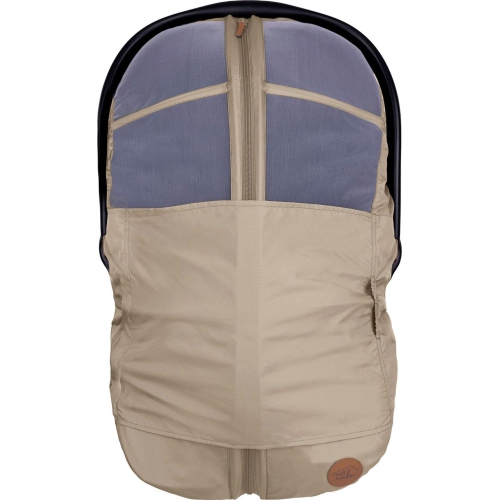
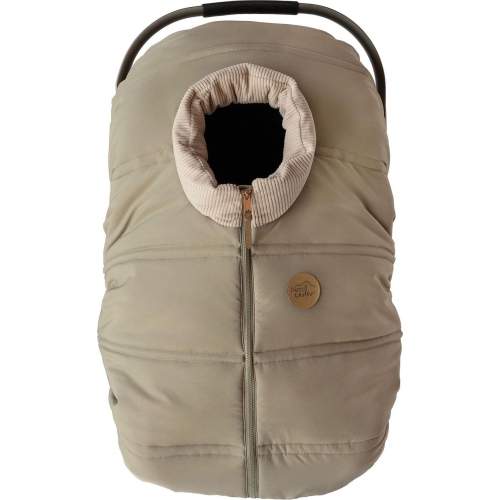
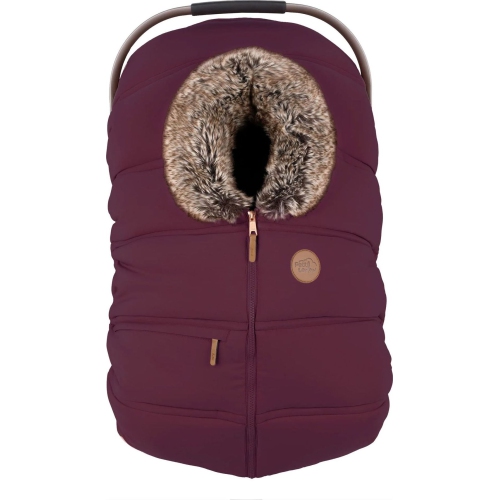
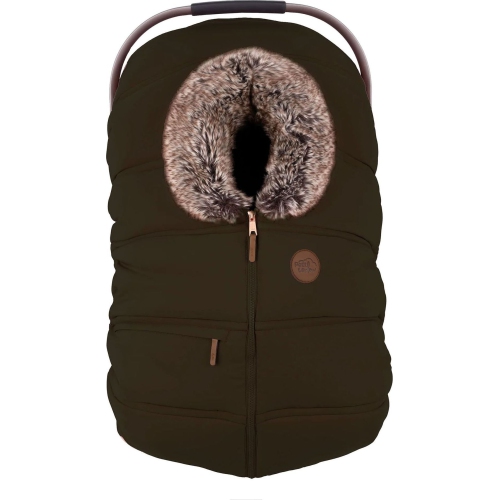
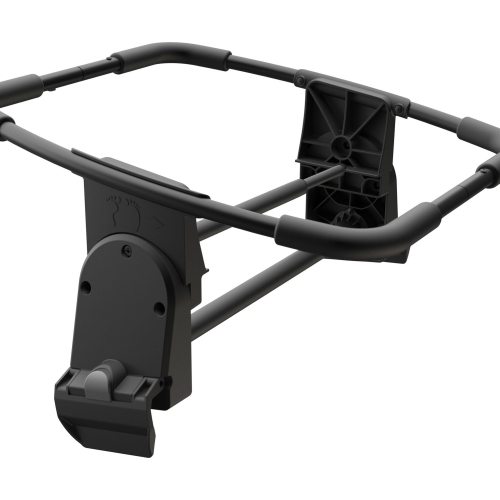
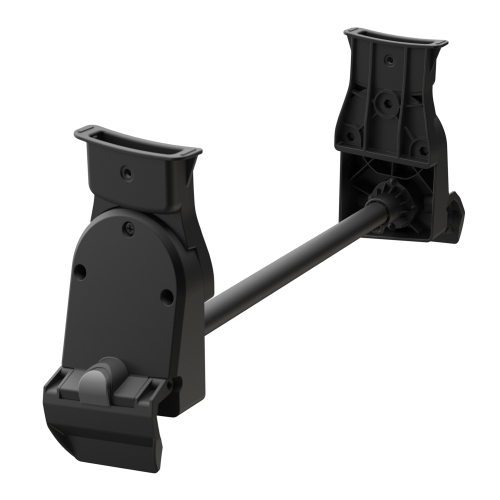
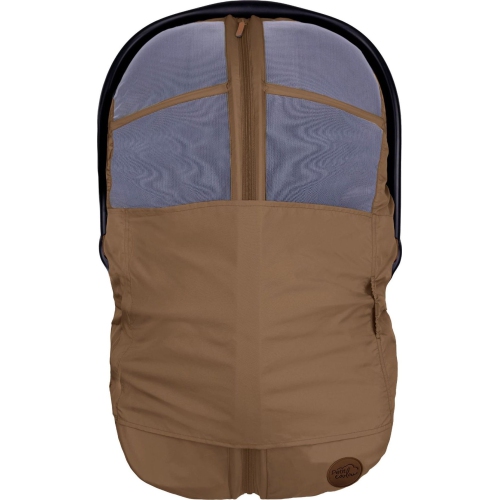
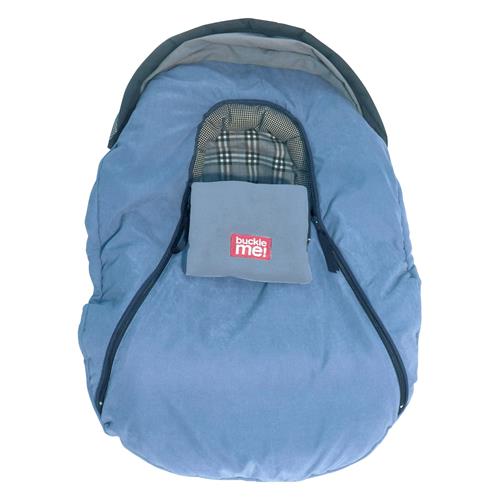
What to know about rear-facing travel with a newborn
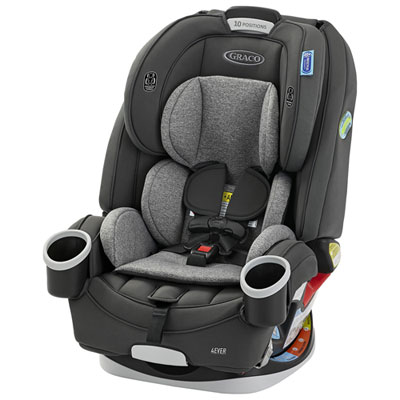
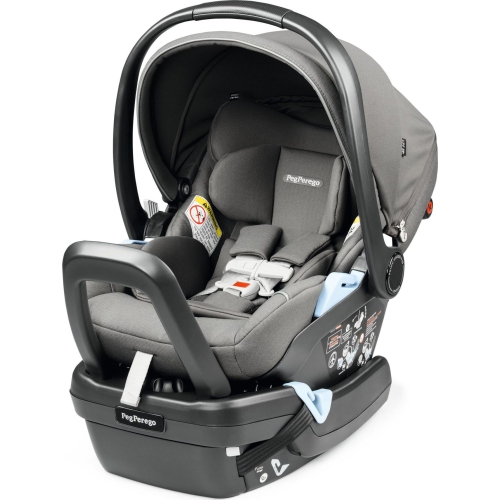
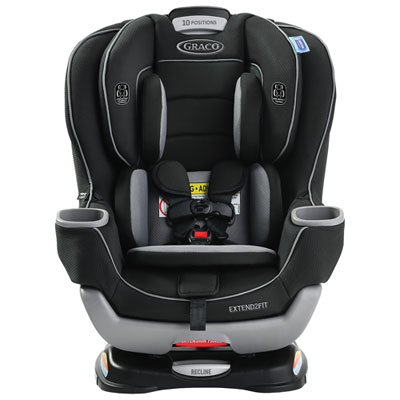
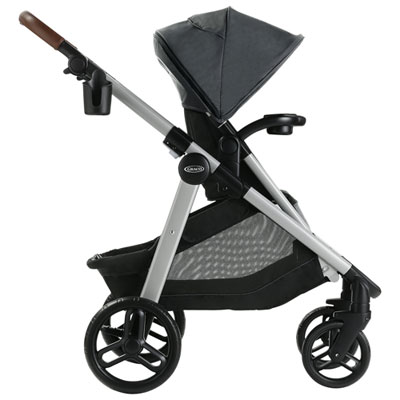
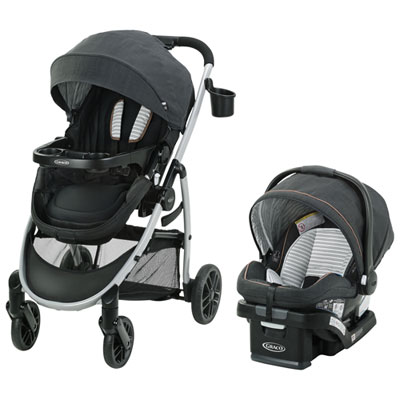
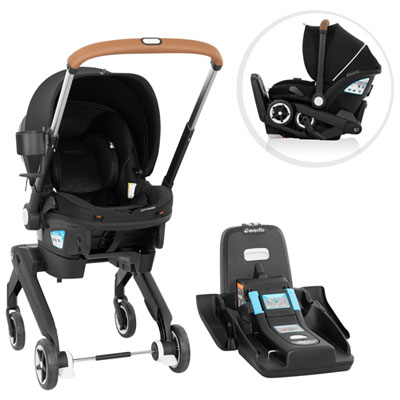
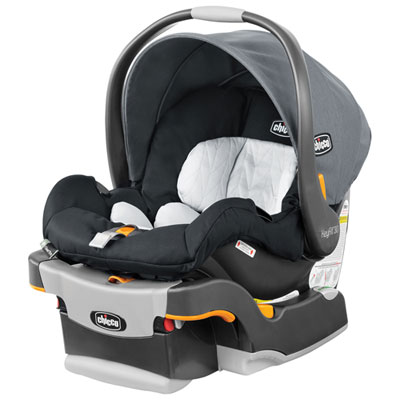
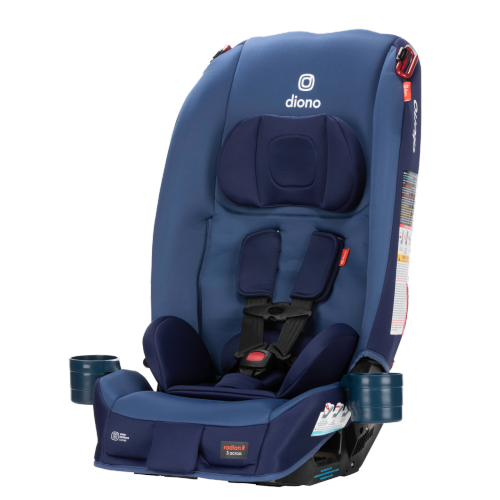
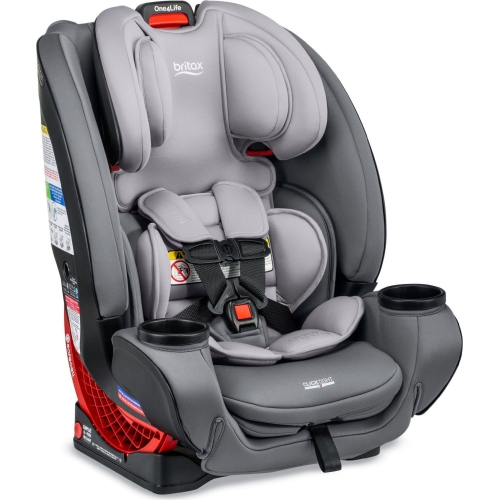
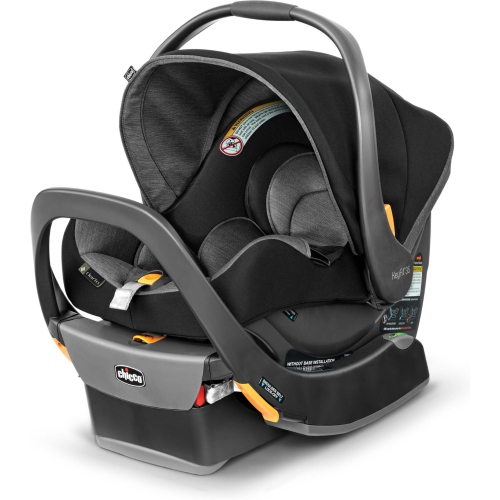
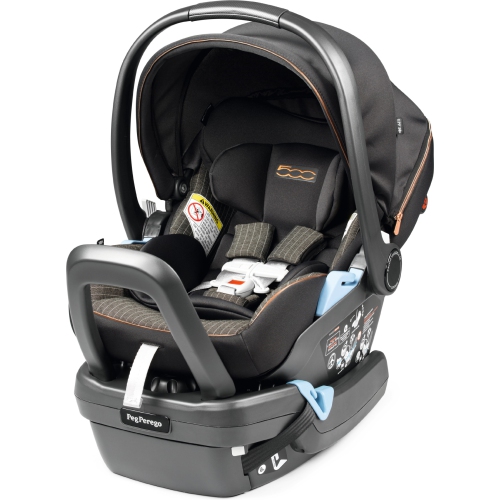
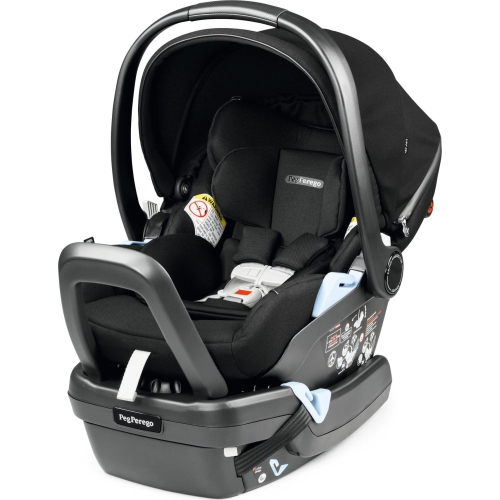
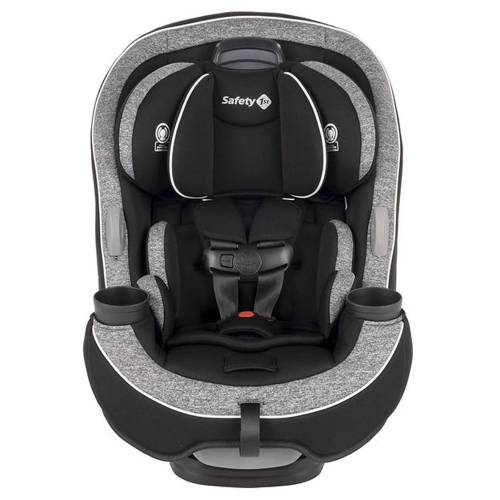
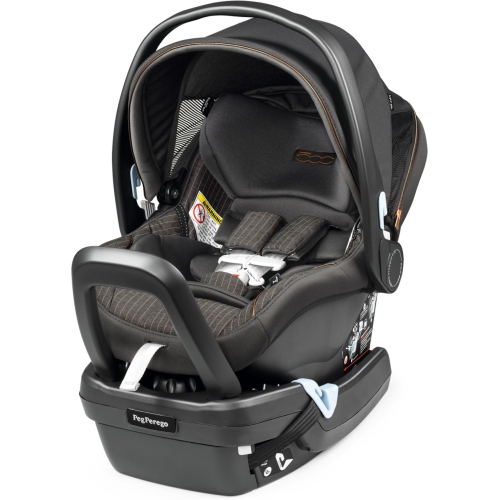
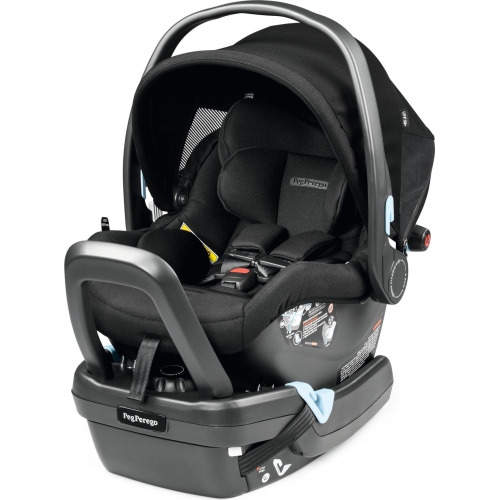
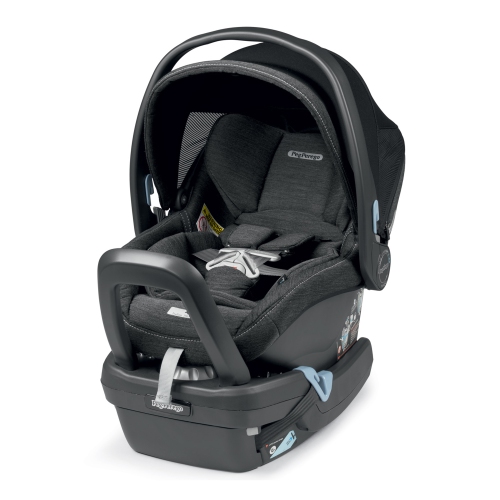
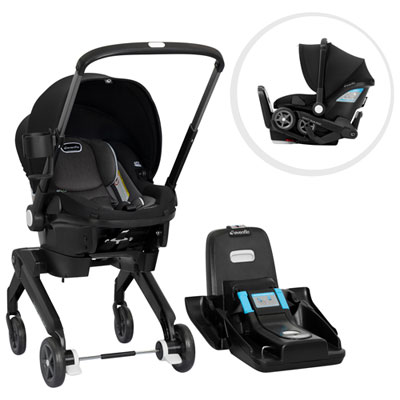
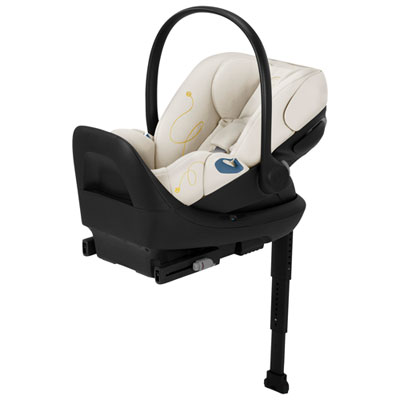
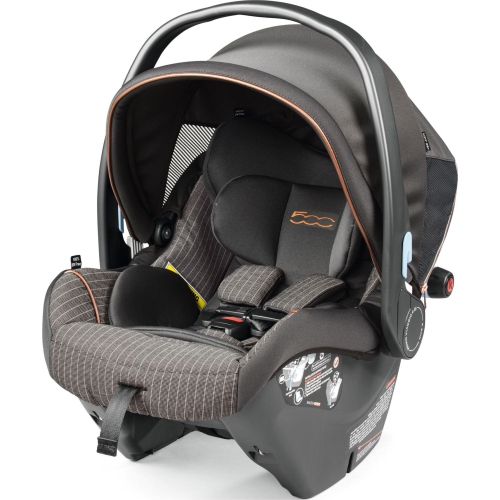
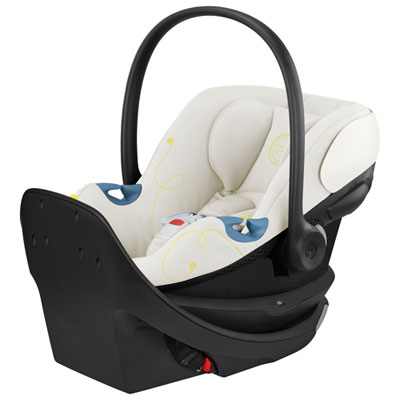
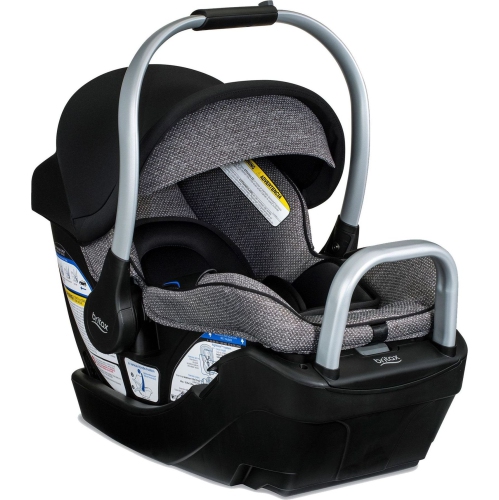
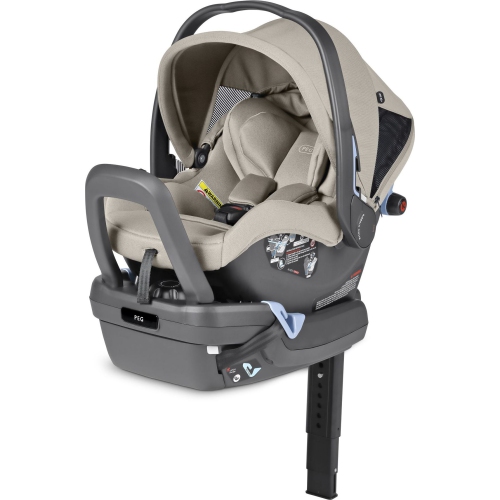
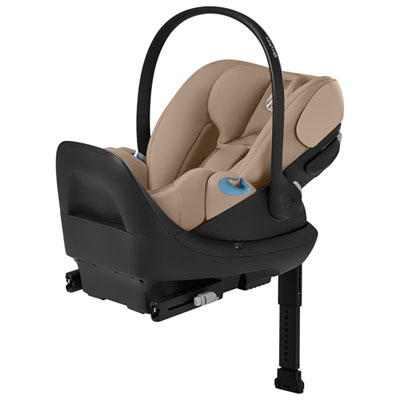
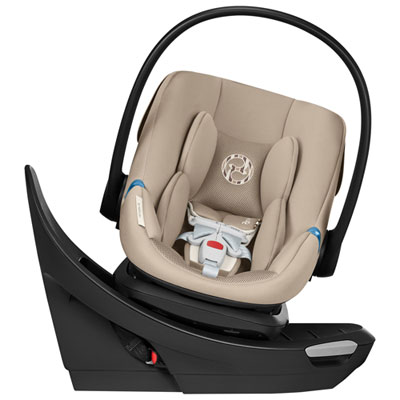
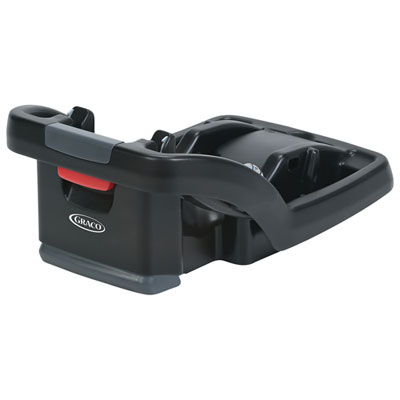
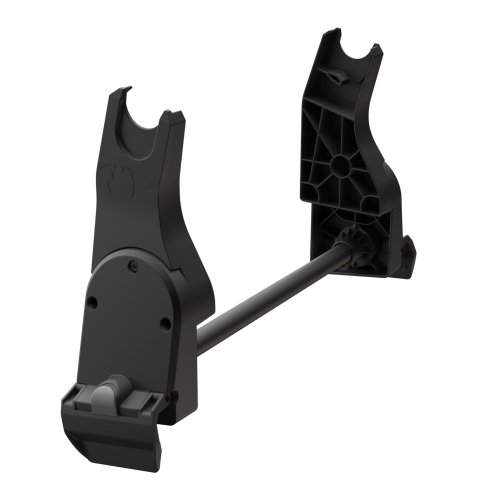
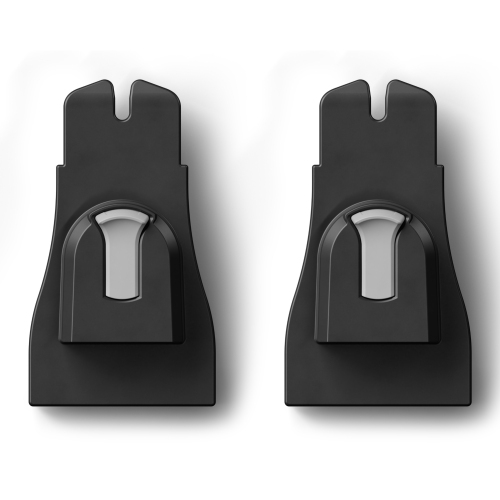
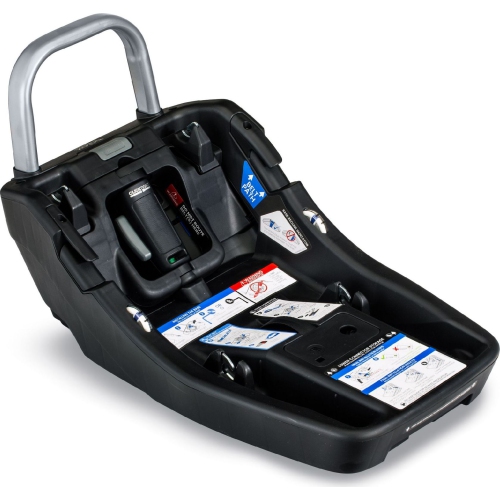
Infant car seats are designed to keep newborns and young babies rear-facing during vehicle travel, with a supportive shell that helps protect a baby’s developing head, neck, and spine. Unlike convertible car seats, infant car seats are generally rear-facing only and can be removed from the vehicle with the baby still secured inside. This portable design can be especially helpful during the early months, when a sleeping baby may need to be moved from the car into the home, a stroller, or another safe destination without being disturbed. Most infant car seats are made for babies from approximately 4 to 35 lb (1.8 to 15.8 kg) and up to about 32 inch, although exact height and weight limits vary by model and must always be checked in the manufacturer’s instructions. They usually include a stay-in-car base that remains installed in the vehicle, allowing the seat to click in and out as needed. Some families appreciate the convenience of using one seat for several vehicles by purchasing additional compatible bases, while others look for a model that can be installed with a vehicle seatbelt when a base is not available. Infant car seats may also be compatible with selected strollers, creating a travel system that makes errands, appointments, and walks more manageable. Compatibility is not universal, so check that the seat, stroller, adapters, and vehicle all work together before purchasing. A compact car may require attention to the front-to-back space needed for a rear-facing installation, while an SUV or minivan may offer more room but still have specific requirements for lower anchors, seating positions, and vehicle head restraints. Browsing the wider selection of Car Seats can help families compare infant, convertible, and other child-restraint options as their needs change.
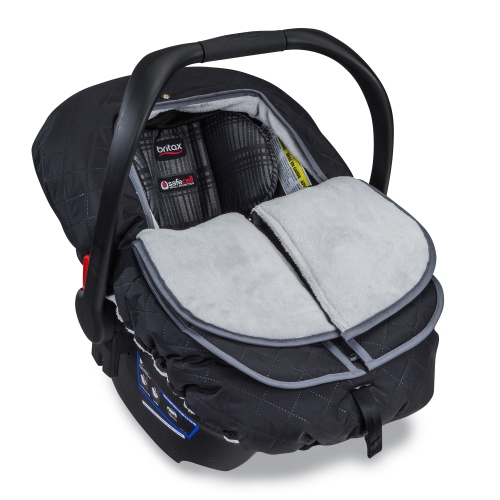
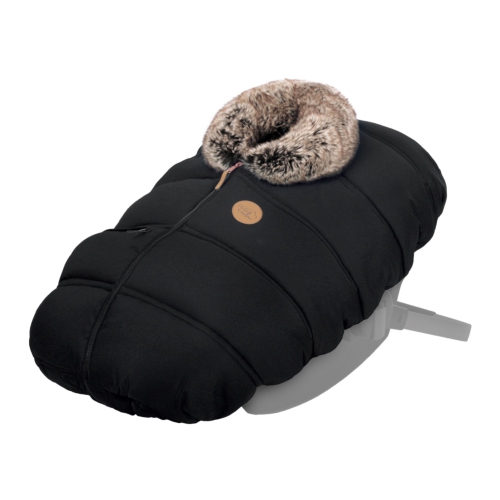
Installation and fit are among the most important considerations when choosing an infant car seat. In Canada, look for the National Safety Mark and use the seat only according to its instructions and the vehicle owner’s manual. The seat should be installed rear-facing in an approved seating position, never in front of an active passenger airbag. When using the base, make sure it sits level according to the built-in indicators or instructions, and confirm that it does not move more than 2.5 cm in any direction when tested at the belt path. If installing without the base, route the vehicle seatbelt exactly as shown in the manual and confirm that the seat remains secure. The harness should lie flat, pass through the correct slots for a rear-facing child, and fit snugly enough that excess webbing cannot be pinched at the shoulder. Bulky coats can interfere with harness fit, so during cooler months, secure the harness close to the baby’s body and add warmth over the straps rather than underneath them. Newborn inserts, head supports, and other accessories should be used only when they are supplied with the seat or specifically approved by the manufacturer. After installation, families may benefit from having the seat checked by a certified child passenger safety technician or an appropriate local inspection service. It is also wise to register the seat, check for recalls, and note its expiry date, since materials and instructions can change over time. A second-hand seat should be approached carefully; its history, expiry date, crash involvement, recalls, and original parts must all be known. Even a seat that looks clean and intact may not be suitable if it has been in a collision or lacks its manual and required components. As the weather warms or becomes cooler, inspect the seat periodically for crumbs, loose items, and changes in the harness fit, particularly as a newborn grows quickly between appointments and outings.
An infant car seat can be a thoughtful gift for new parents, grandparents, relatives, and friends preparing for a baby’s arrival, but the most useful choice depends on the family’s vehicle, lifestyle, and plans. A parent who frequently walks between the car and home may value a lighter seat with a comfortable carry handle, while a family sharing one vehicle may prioritize simple installation and an additional base. Those who use taxis, rideshares, rental vehicles, or air travel may prefer a seat that can be installed without its base, provided the model is approved and used according to the instructions for that type of travel. Families planning regular stroller walks may want to confirm travel-system compatibility before buying, while those who keep the seat in the vehicle most of the time may place greater importance on an easy-to-use base and clear installation indicators. It is best to make the purchase before the baby’s first trip home, allowing time to read the manual, practise adjusting the harness, install the base, and check that the seat fits securely in the intended vehicle. Once the baby arrives, a rear-facing infant seat should be used for every ride, even for a short drive around the corner. The carry handle can make it easier to move from a warm house into a cool car during the cooler months or from the car into the shade as the weather warms, but the seat should never replace a flat, firm sleep surface outside the vehicle. Move a child to the next appropriate car seat when they reach the manufacturer’s maximum height or weight limit, or when the top of the head is within 1 inch (2.5 cm) of the shell’s top edge if that is the stated guidance. Many children transition to a rear-facing convertible car seat between about 12 and 18 months, though readiness depends on the individual seat’s limits and the child’s growth. Choosing an infant car seat with clear instructions, a secure harness, and a good fit for the family’s daily routine can make those first journeys feel more organized, from the quiet ride home with a sleeping newborn to the many appointments, visits, and errands that follow.
Installation and fit are among the most important considerations when choosing an infant car seat. In Canada, look for the National Safety Mark and use the seat only according to its instructions and the vehicle owner’s manual. The seat should be installed rear-facing in an approved seating position, never in front of an active passenger airbag. When using the base, make sure it sits level according to the built-in indicators or instructions, and confirm that it does not move more than 2.5 cm in any direction when tested at the belt path. If installing without the base, route the vehicle seatbelt exactly as shown in the manual and confirm that the seat remains secure. The harness should lie flat, pass through the correct slots for a rear-facing child, and fit snugly enough that excess webbing cannot be pinched at the shoulder. Bulky coats can interfere with harness fit, so during cooler months, secure the harness close to the baby’s body and add warmth over the straps rather than underneath them. Newborn inserts, head supports, and other accessories should be used only when they are supplied with the seat or specifically approved by the manufacturer. After installation, families may benefit from having the seat checked by a certified child passenger safety technician or an appropriate local inspection service. It is also wise to register the seat, check for recalls, and note its expiry date, since materials and instructions can change over time. A second-hand seat should be approached carefully; its history, expiry date, crash involvement, recalls, and original parts must all be known. Even a seat that looks clean and intact may not be suitable if it has been in a collision or lacks its manual and required components. As the weather warms or becomes cooler, inspect the seat periodically for crumbs, loose items, and changes in the harness fit, particularly as a newborn grows quickly between appointments and outings.
An infant car seat can be a thoughtful gift for new parents, grandparents, relatives, and friends preparing for a baby’s arrival, but the most useful choice depends on the family’s vehicle, lifestyle, and plans. A parent who frequently walks between the car and home may value a lighter seat with a comfortable carry handle, while a family sharing one vehicle may prioritize simple installation and an additional base. Those who use taxis, rideshares, rental vehicles, or air travel may prefer a seat that can be installed without its base, provided the model is approved and used according to the instructions for that type of travel. Families planning regular stroller walks may want to confirm travel-system compatibility before buying, while those who keep the seat in the vehicle most of the time may place greater importance on an easy-to-use base and clear installation indicators. It is best to make the purchase before the baby’s first trip home, allowing time to read the manual, practise adjusting the harness, install the base, and check that the seat fits securely in the intended vehicle. Once the baby arrives, a rear-facing infant seat should be used for every ride, even for a short drive around the corner. The carry handle can make it easier to move from a warm house into a cool car during the cooler months or from the car into the shade as the weather warms, but the seat should never replace a flat, firm sleep surface outside the vehicle. Move a child to the next appropriate car seat when they reach the manufacturer’s maximum height or weight limit, or when the top of the head is within 1 inch (2.5 cm) of the shell’s top edge if that is the stated guidance. Many children transition to a rear-facing convertible car seat between about 12 and 18 months, though readiness depends on the individual seat’s limits and the child’s growth. Choosing an infant car seat with clear instructions, a secure harness, and a good fit for the family’s daily routine can make those first journeys feel more organized, from the quiet ride home with a sleeping newborn to the many appointments, visits, and errands that follow.
Top selling and popular products
-
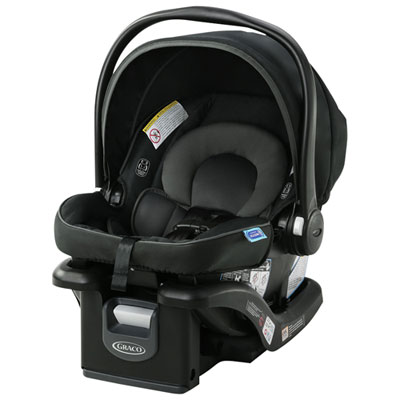 Your price for this item is $259.99
 -
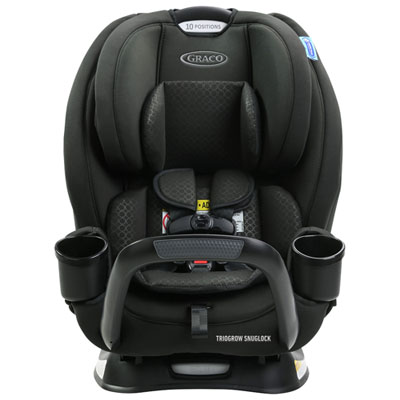 Your price for this item is $329.99
 -
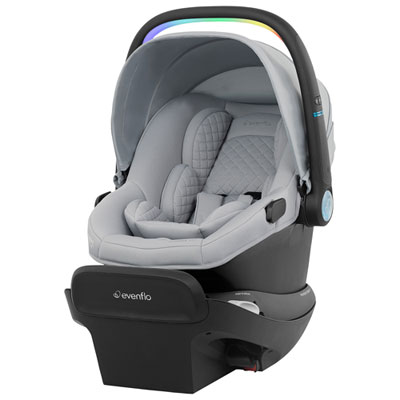 Your price for this item is $549.98
 -
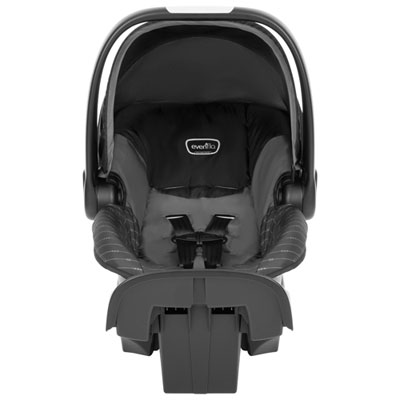 Your price for this item is $149.99
 -
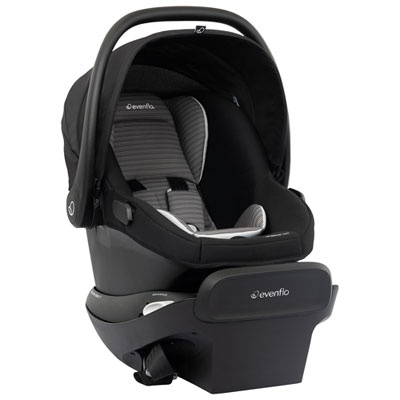 Your price for this item is $399.99
 -
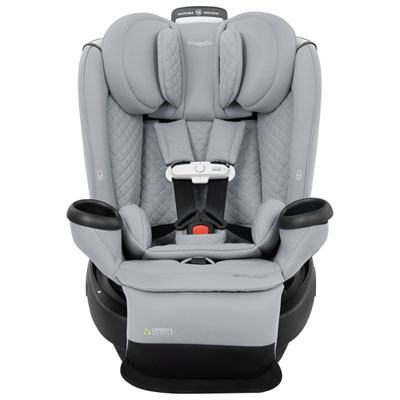 Your price for this item is $499.99
 -
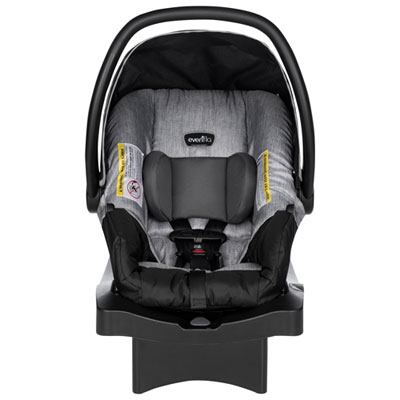 Your price for this item is $199.99
 -
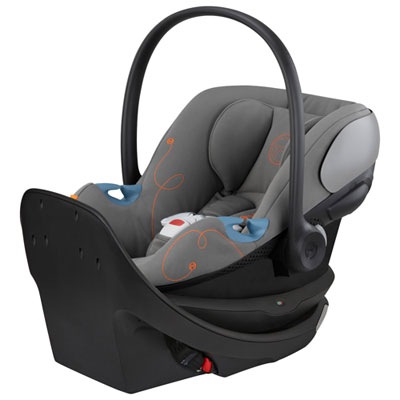 Your price for this item is $454.99
Discover more categories related to Infant Car Seats
Top Collections:
Pokemon Centers, Kindle Devices, Best Budget Office Chairs, Apple iPhones 16, Canon G7X Cameras, iPhone 15 Apple, Alarm Clock, Refurbished Apple Laptops, Flip Phones, Best Laptops for Writers
Some products may be subject to Environmental Handling Fees
(EHF) depending on your province.
Learn more about EHFs.