Infant Car Seat Carriers
When it comes to ensuring the safety and comfort of your little one while on the go, infant car seat carriers are an essential investment for any parent. These versatile and convenient carriers provide a secure way to transport your baby from the car to the stroller or anywhere in between. With a variety of features such as lightweight designs, easy installation, and adjustable harness systems, infant car seat carriers offer peace of mind for parents on the move. Explore our selection of infant car seat carriers to find the perfect combination of safety, style, and functionality for your family's needs.
Sort
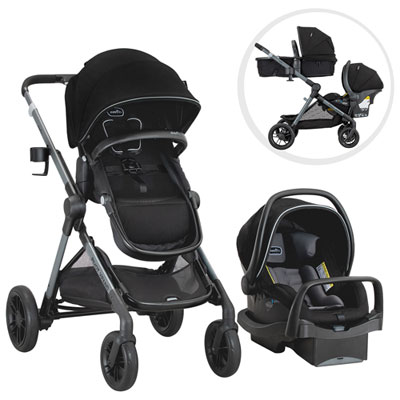
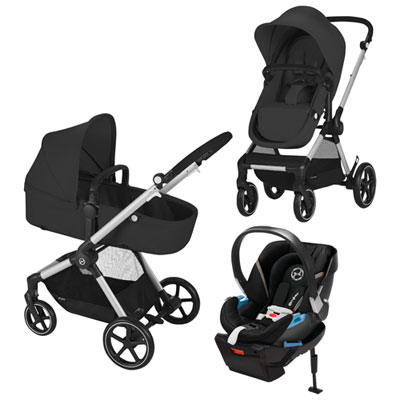
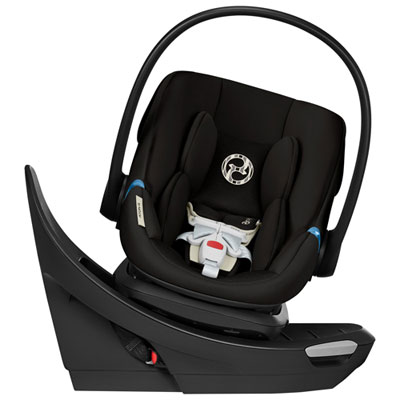
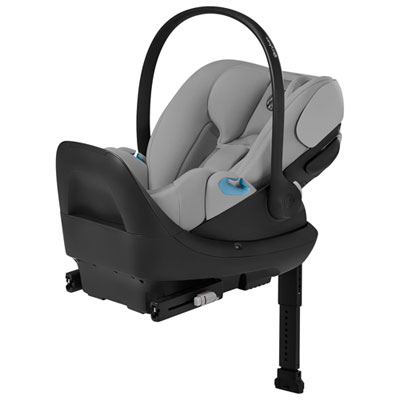
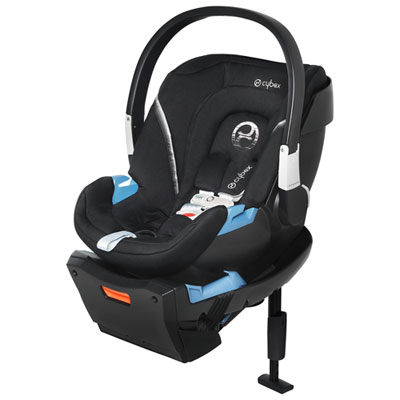
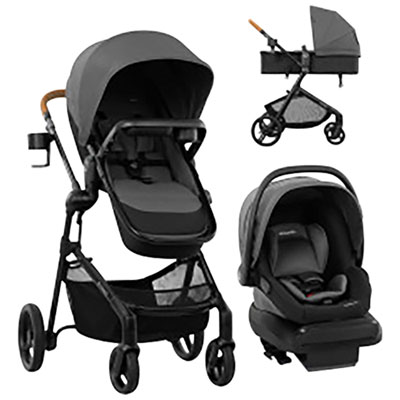
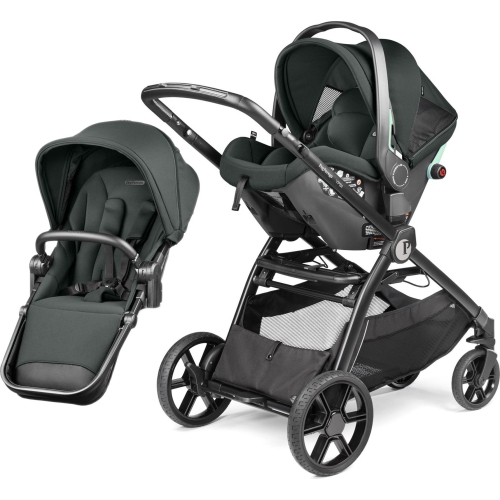
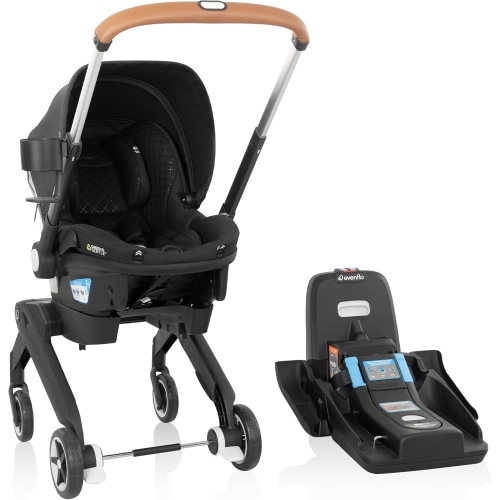





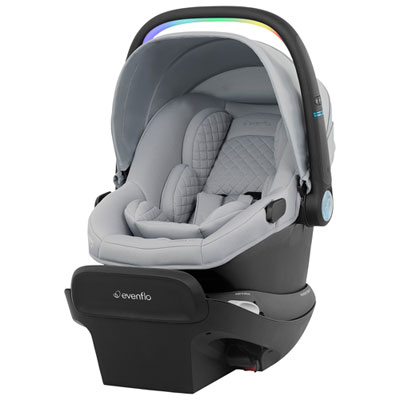
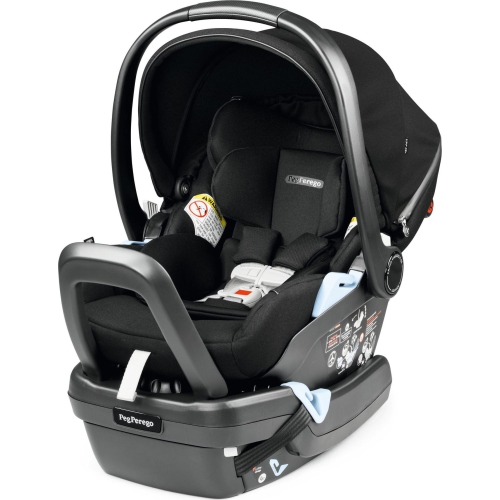
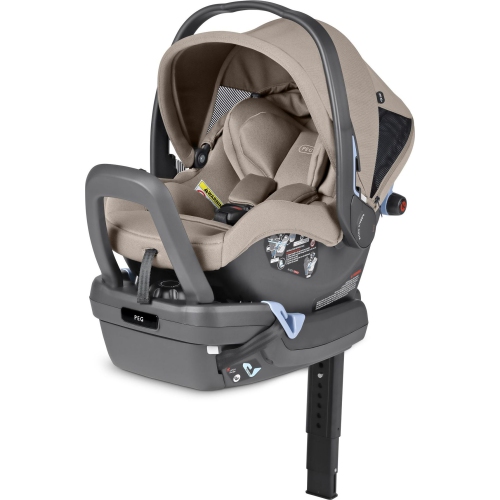
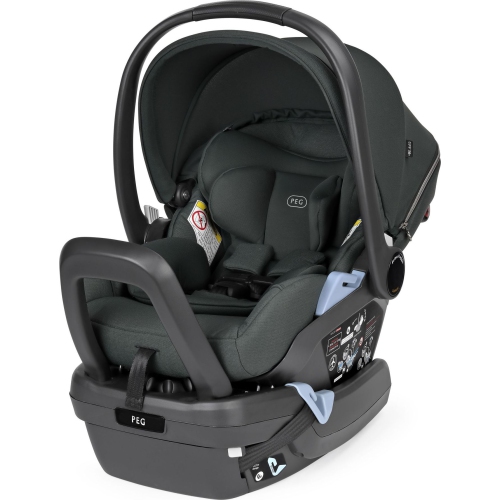
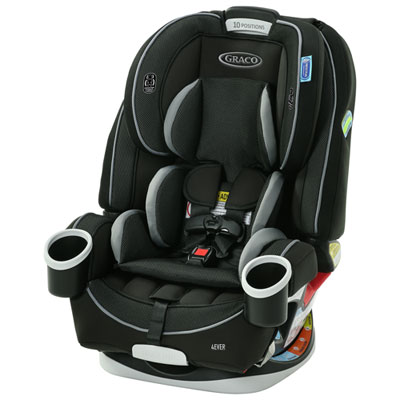
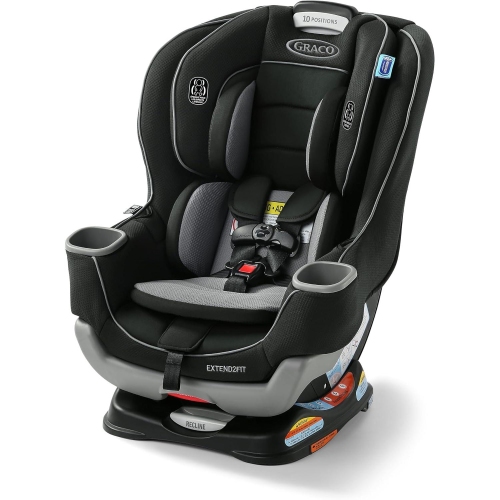
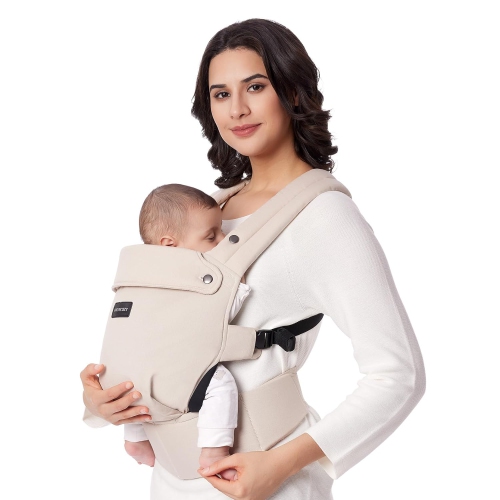
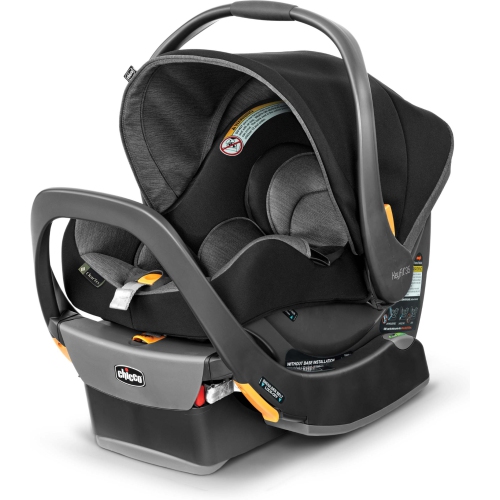
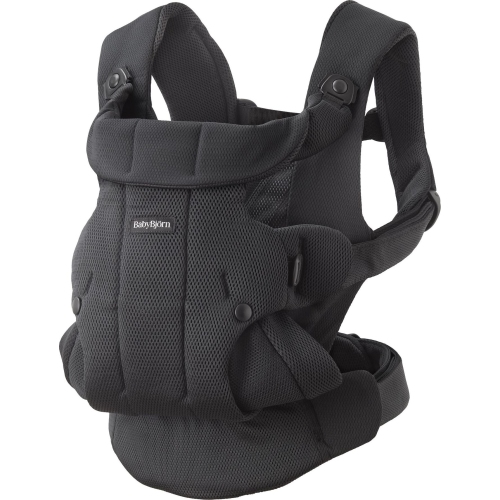
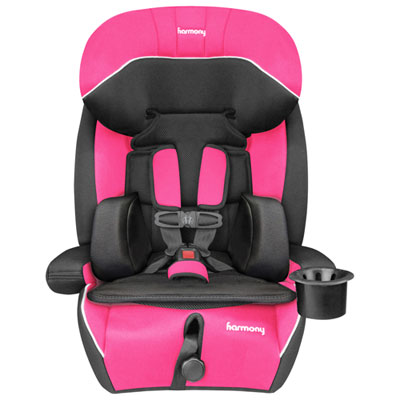
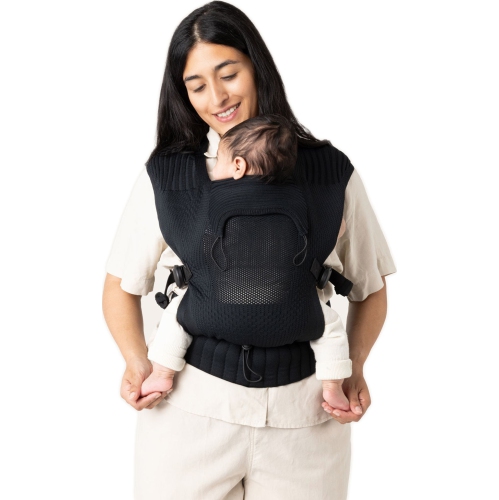
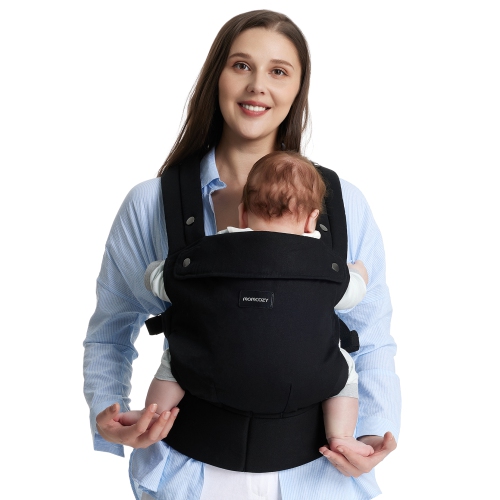
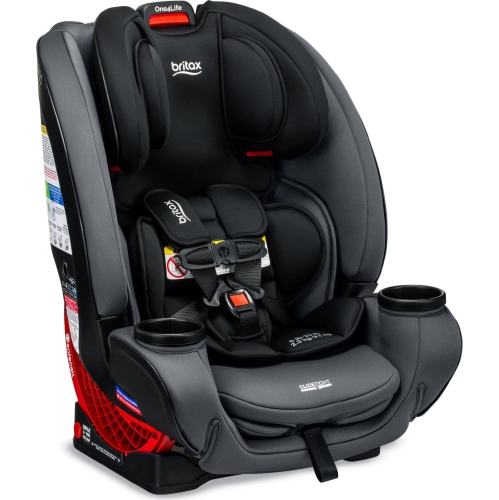
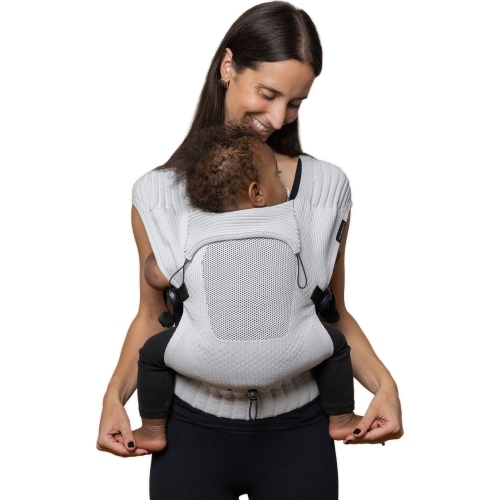
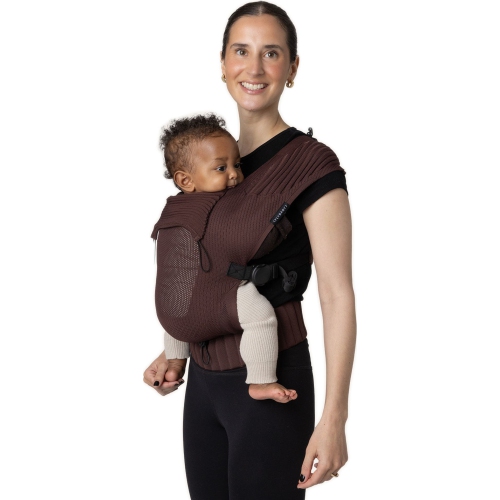
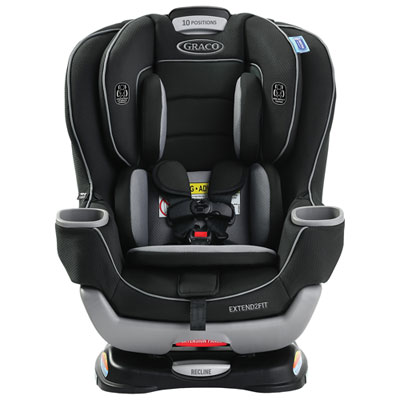

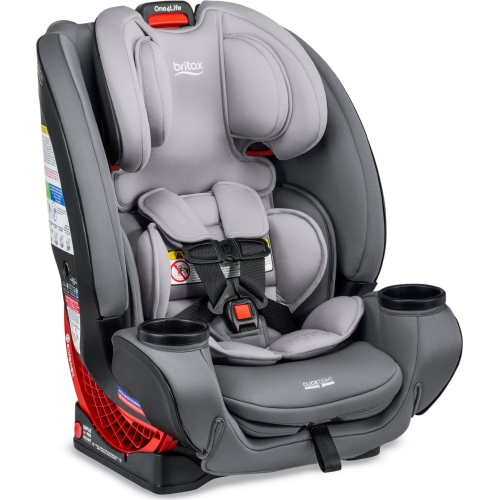
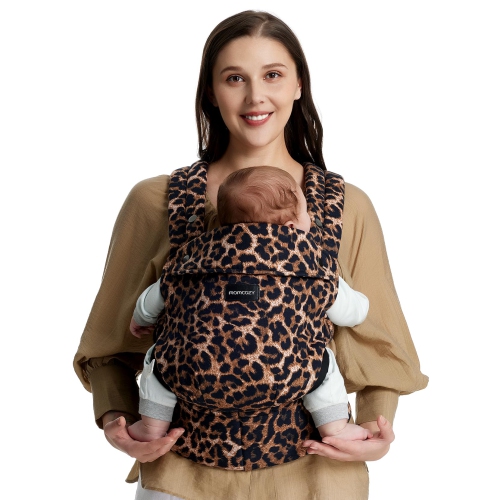
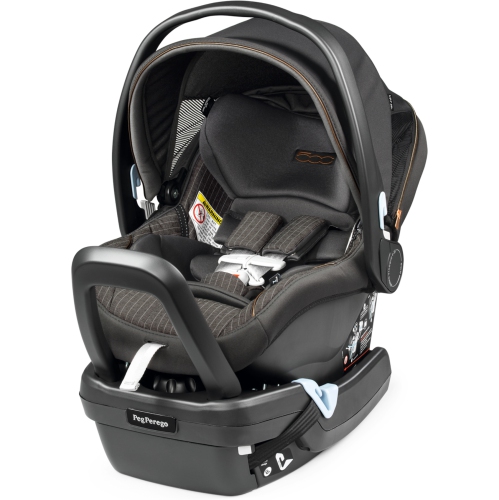
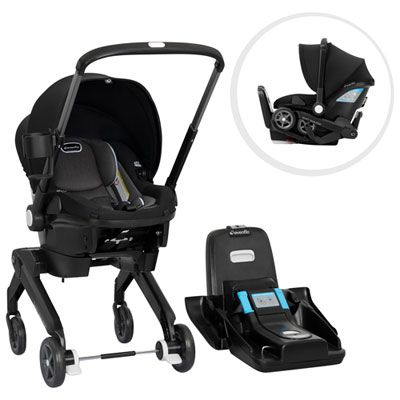
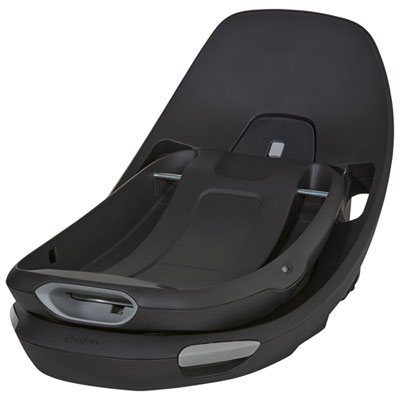
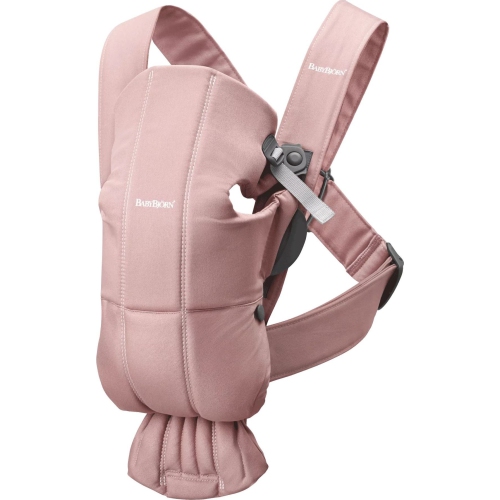
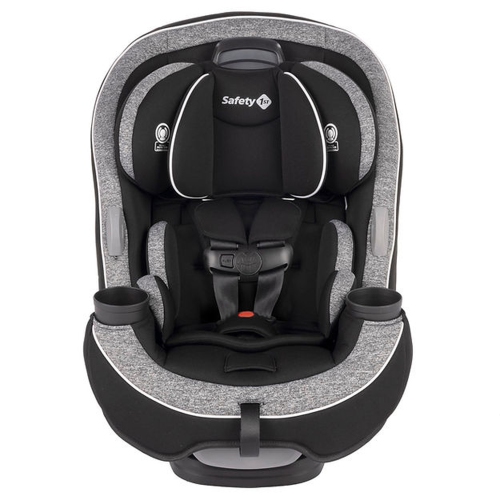
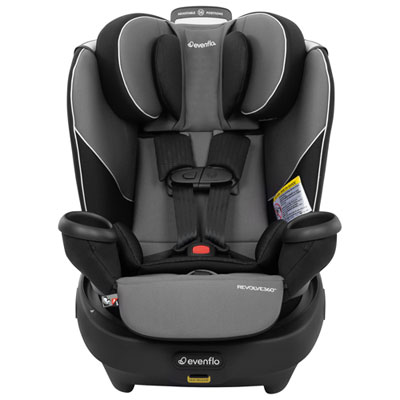


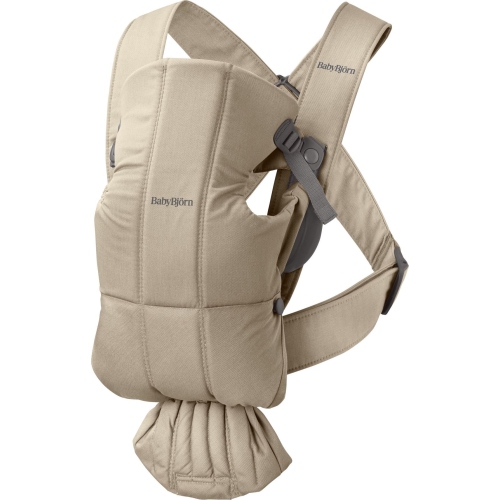

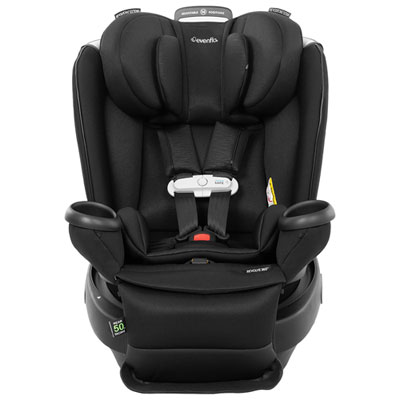

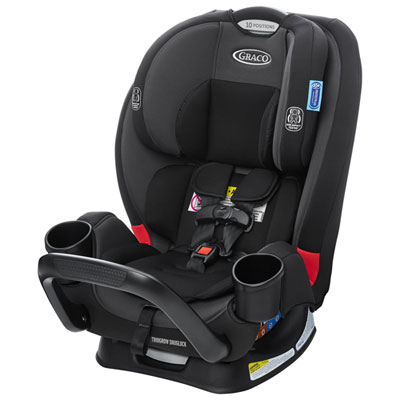
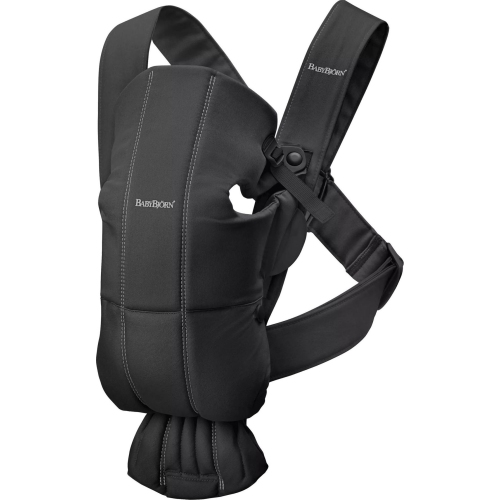
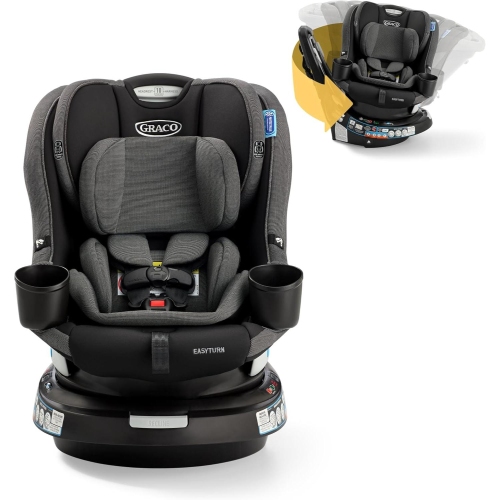
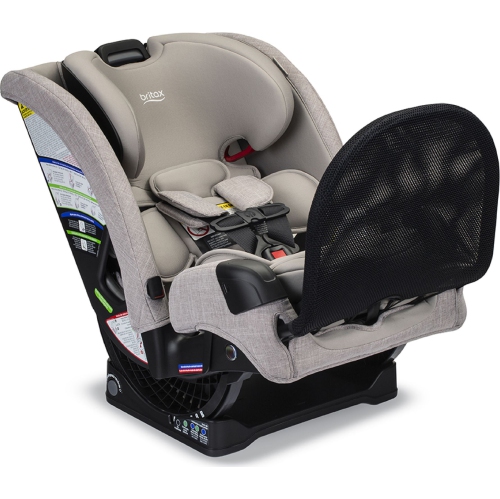
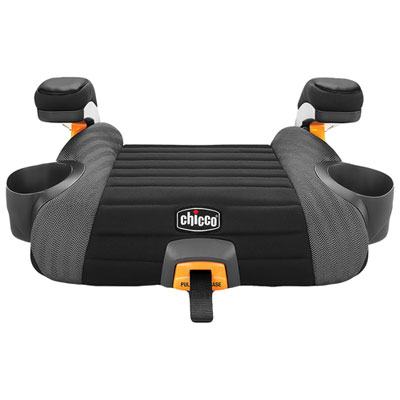
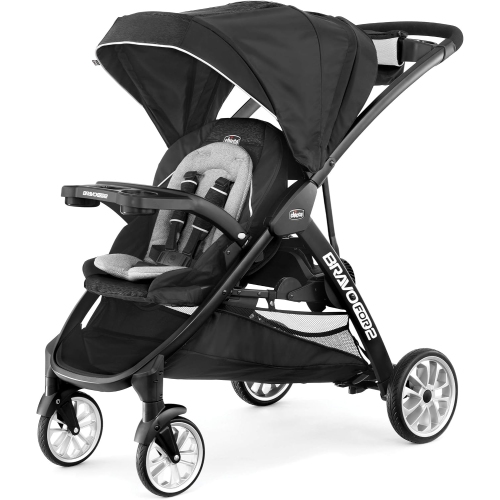
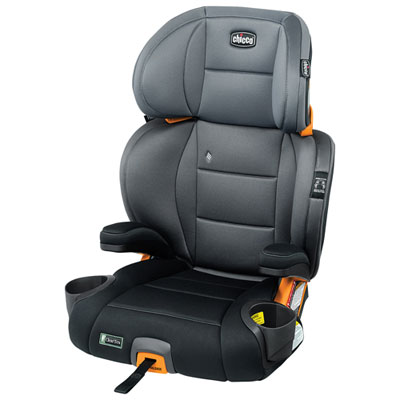
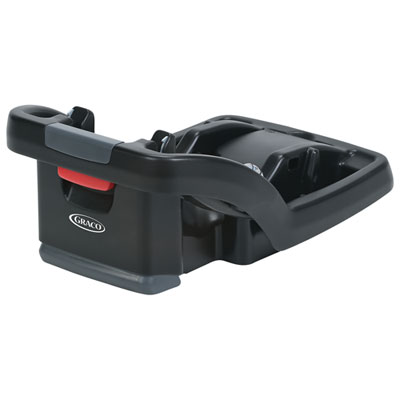
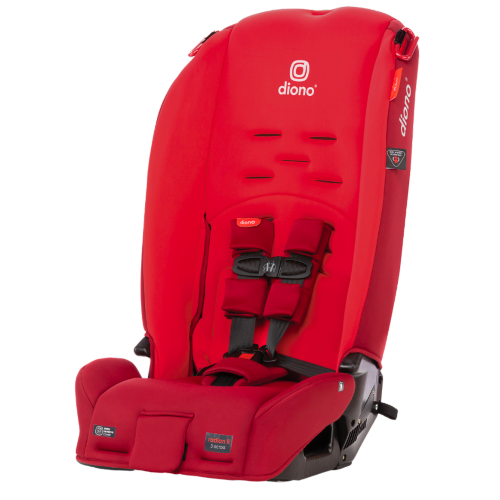
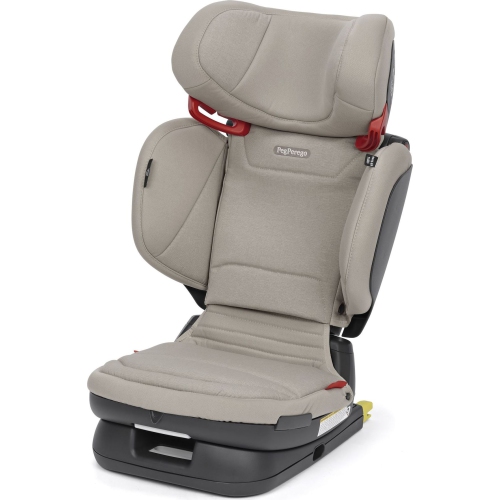
Why newborn fit matters as much as portability
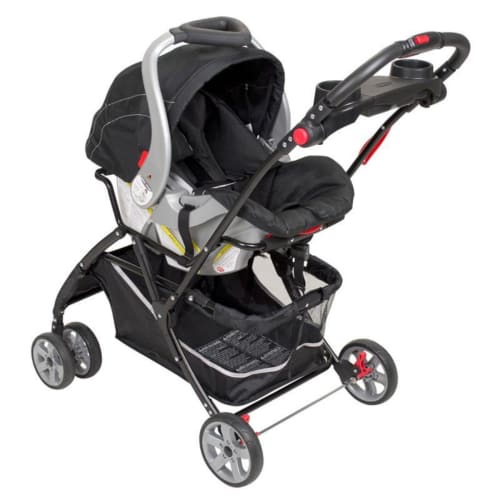
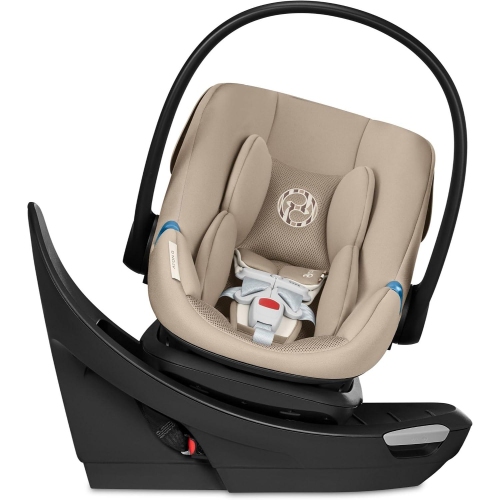
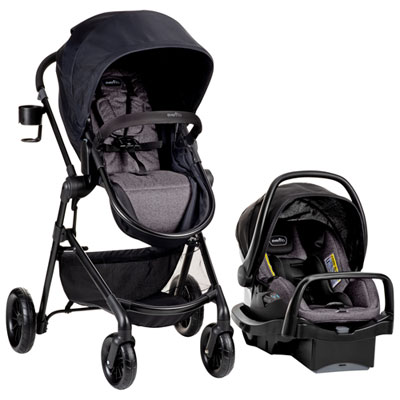
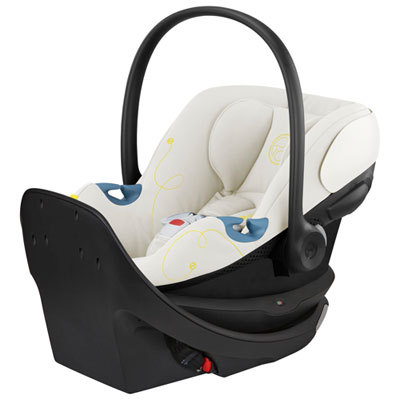
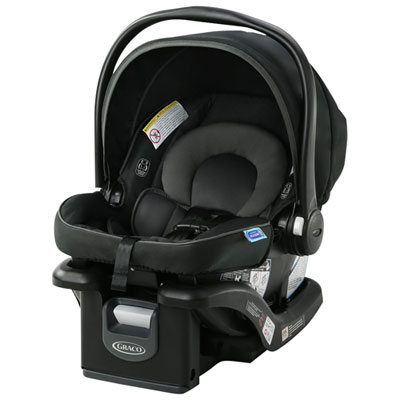
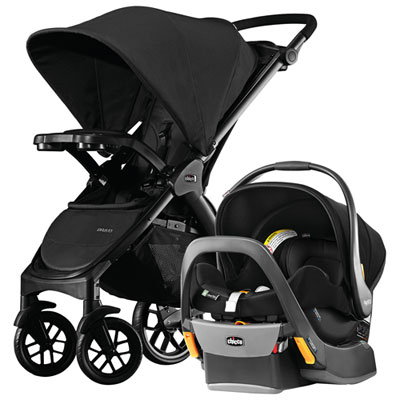
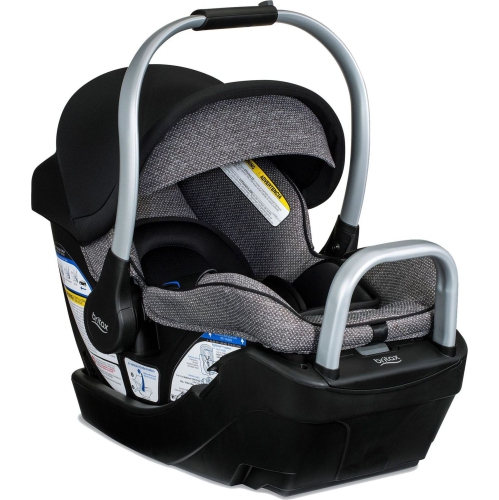
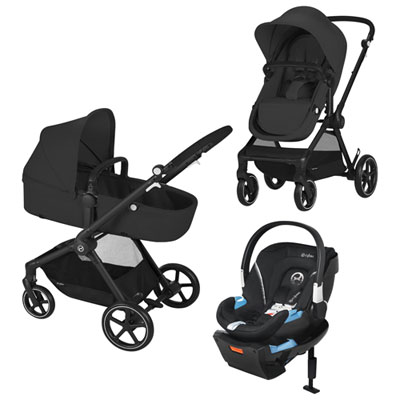
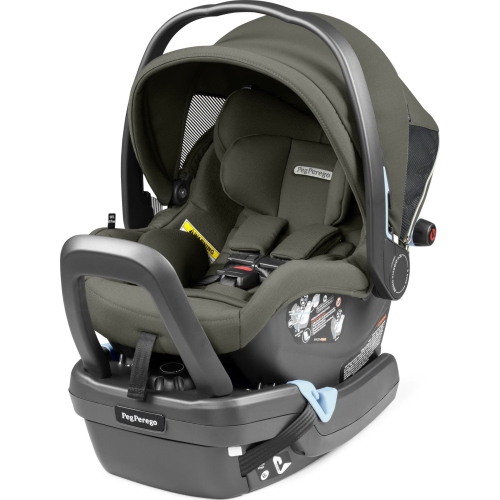
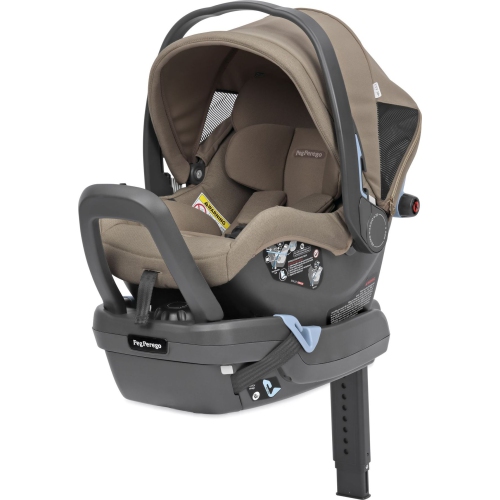
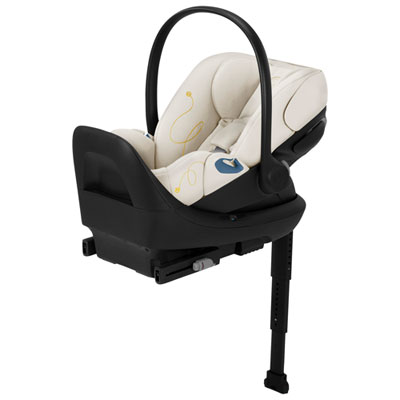
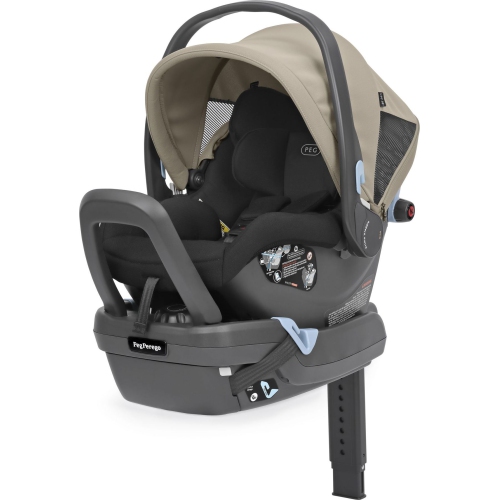
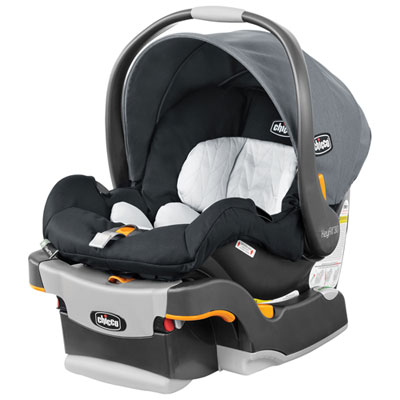
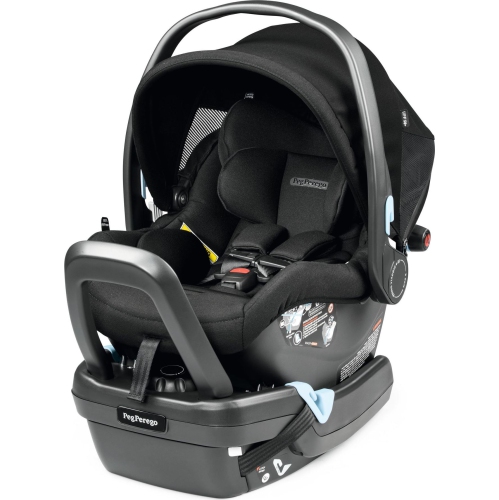
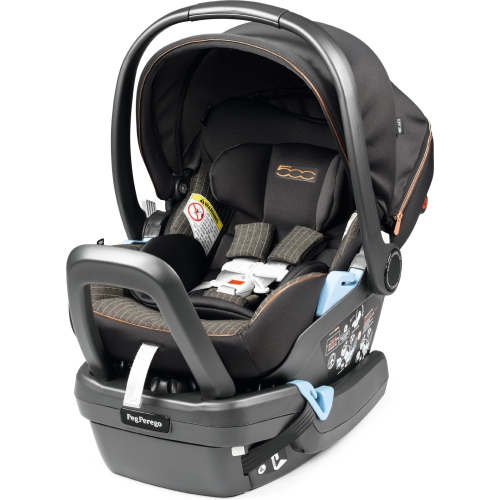
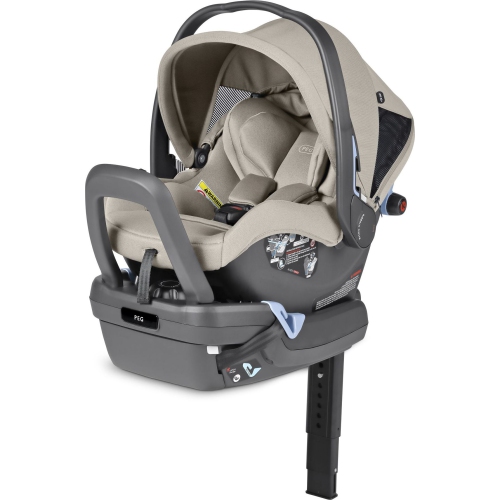
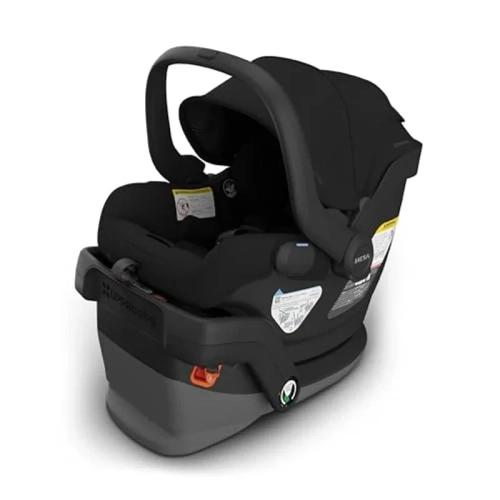
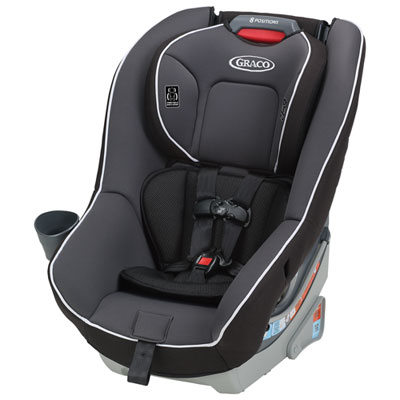
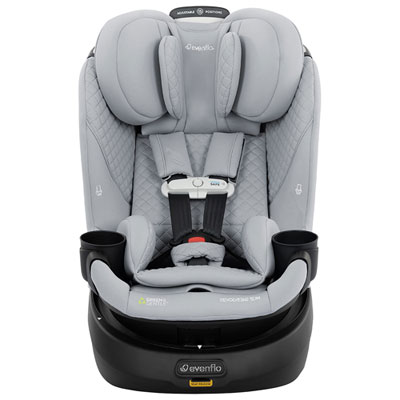
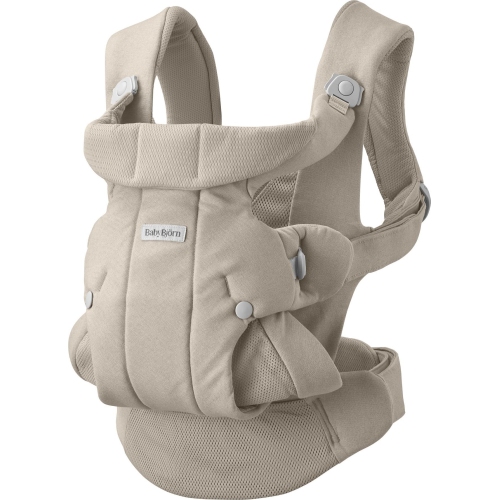
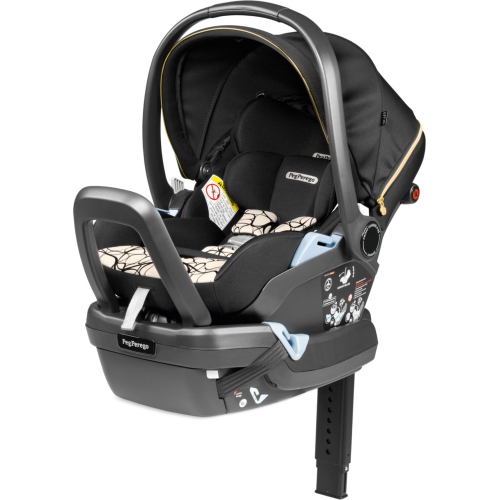
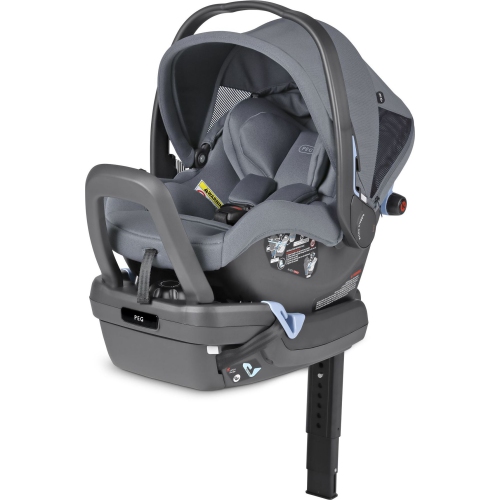
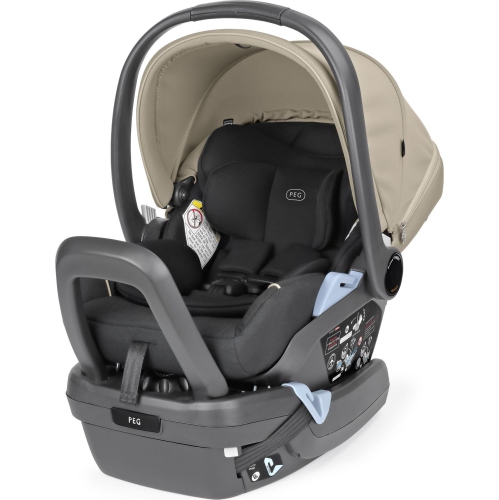
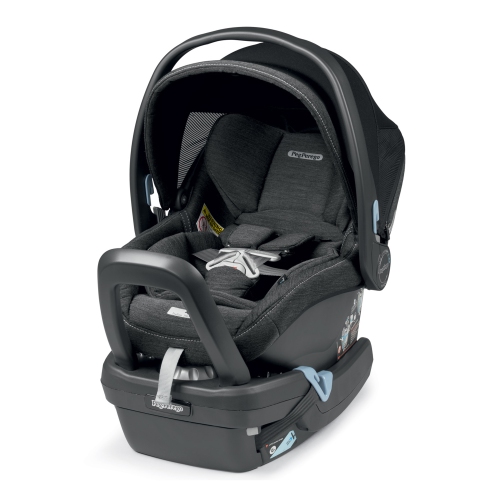
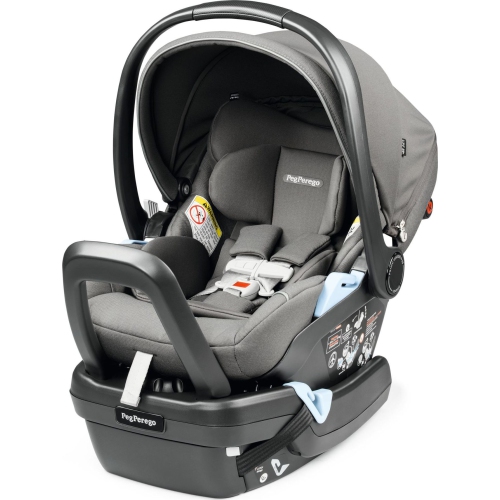
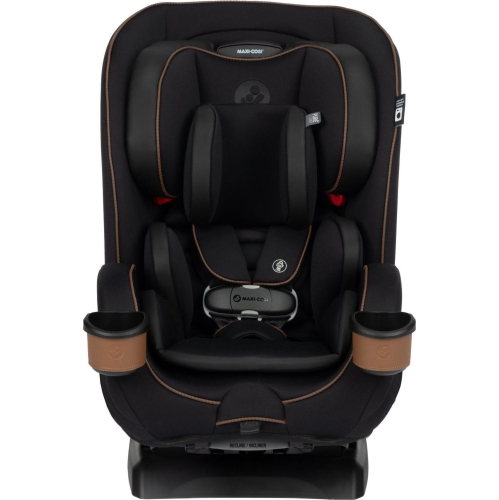
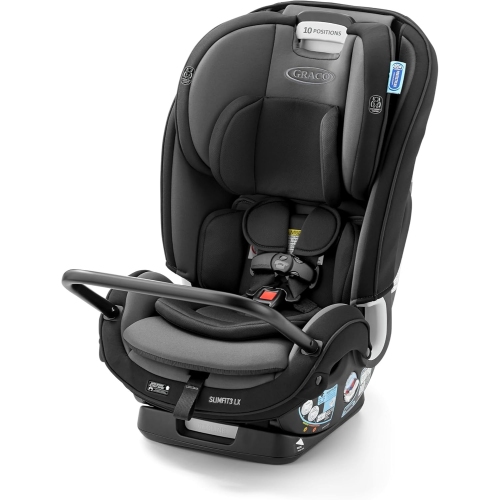
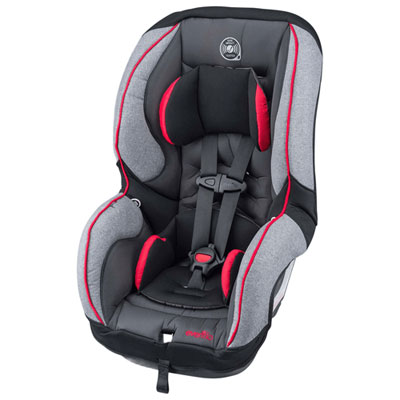
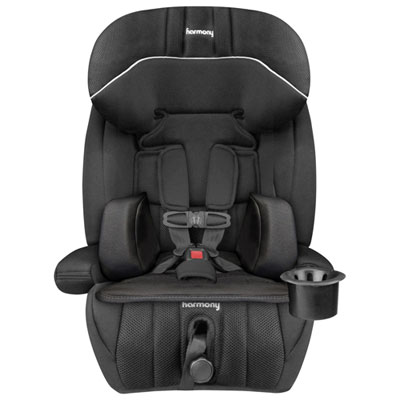
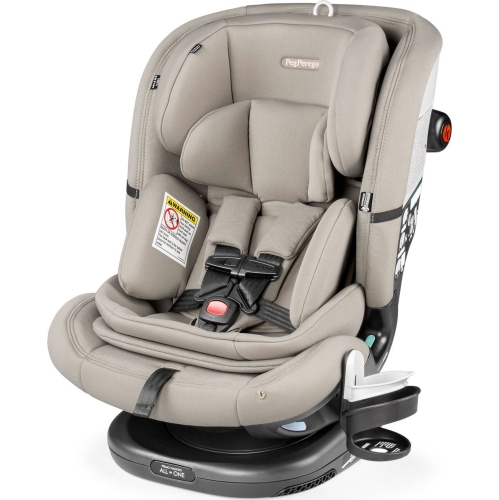
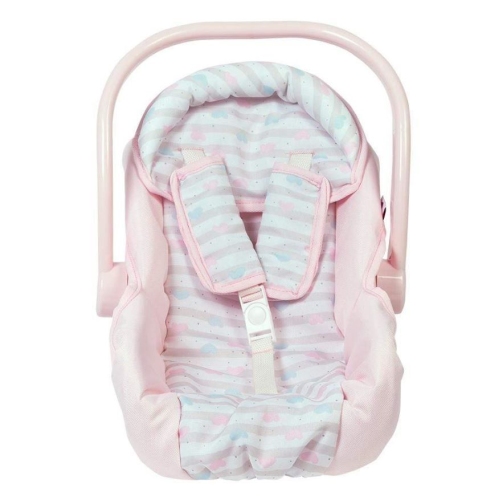
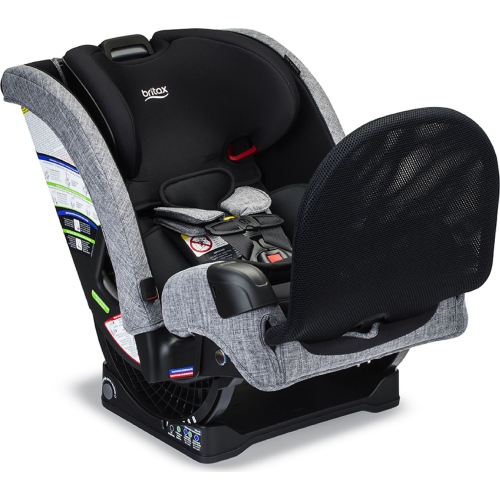
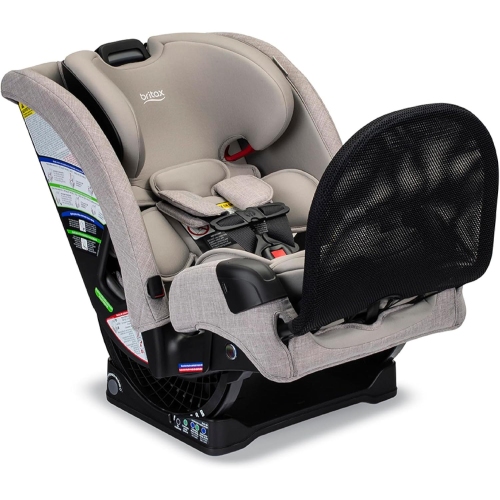
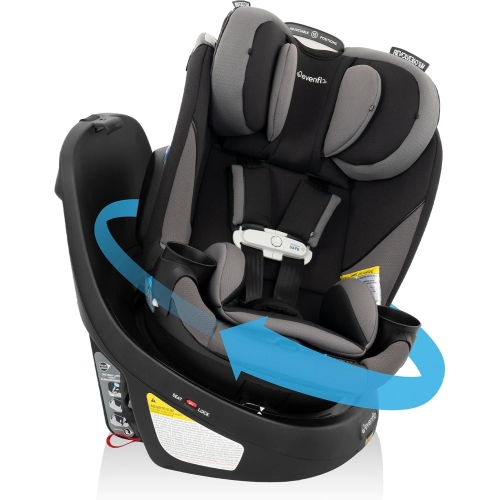
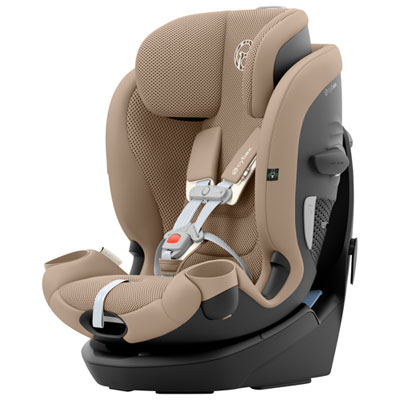
Infant car seat carriers are rear-facing-only car seats designed for newborns and young babies, with a carrying handle that allows the seat to move between a vehicle and another compatible setup. Often called bucket seats, they differ from convertible car seats because the seating shell is designed to detach from its vehicle base, where a base is included or supported. This makes them useful for families managing frequent car journeys, childcare drop-offs and outings that involve a compatible stroller. Many babies use an infant carrier during part or all of their first year, but age is not the deciding factor: the manufacturer’s minimum and maximum weight, height and fit requirements determine whether a seat is suitable. A baby may reach the height or head-clearance limit before the weight limit, so all measurements matter. Across the Infant Car Seats category, differences in shell shape, harness adjustment and newborn support can make a noticeable difference to everyday use. A five-point harness secures the baby at the shoulders, hips and between the legs, while an adjustable headrest or harness system helps accommodate growth within the seat’s limits. For a smaller newborn, the lowest permitted harness position and any manufacturer-supplied infant insert deserve particular attention; an insert cannot make a seat suitable for a baby below its stated minimum requirements. Comfortable-looking padding is only one part of the picture. The harness must fit correctly, with rear-facing shoulder straps positioned at or below the baby’s shoulders according to the seat instructions. When an infant carrier is outgrown, the next step is a suitable rear-facing convertible seat rather than an automatic move to forward-facing travel. For parents, grandparents and other caregivers, the appeal of a carrier is its combination of a defined newborn fit and a removable design, provided that the seat suits both the child and the vehicle.
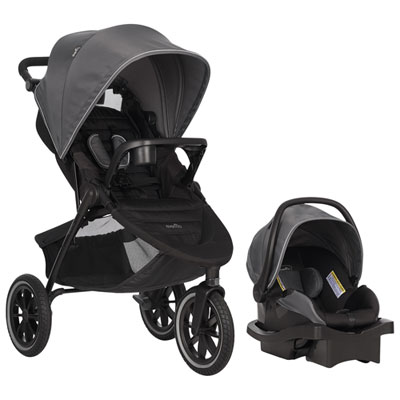
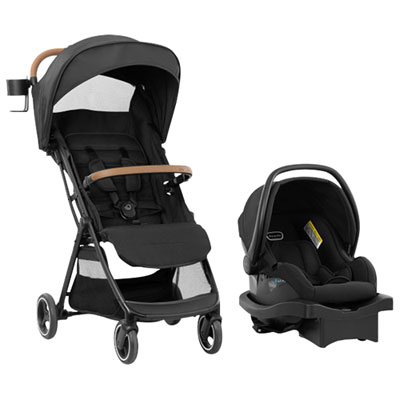
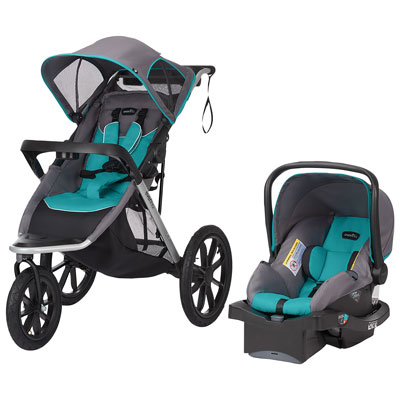
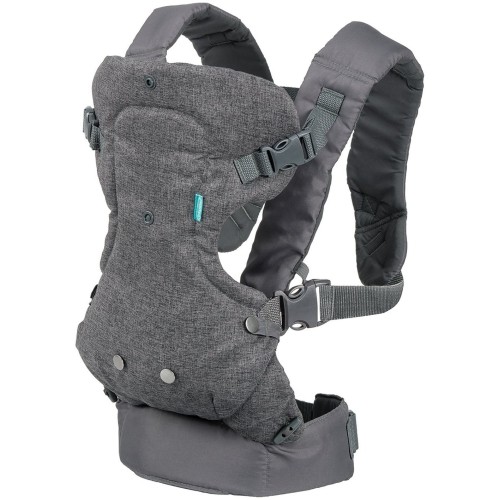
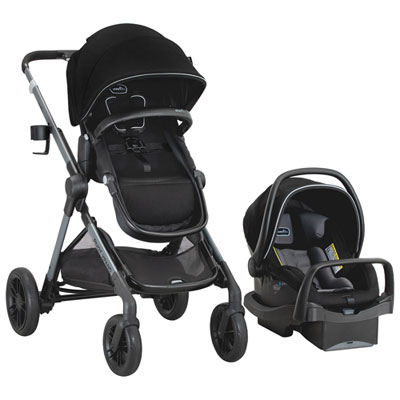
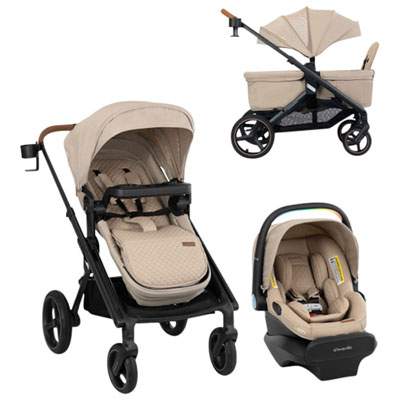
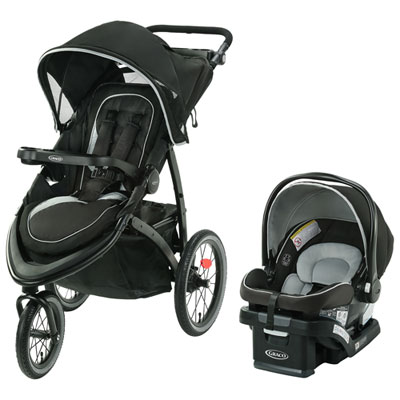
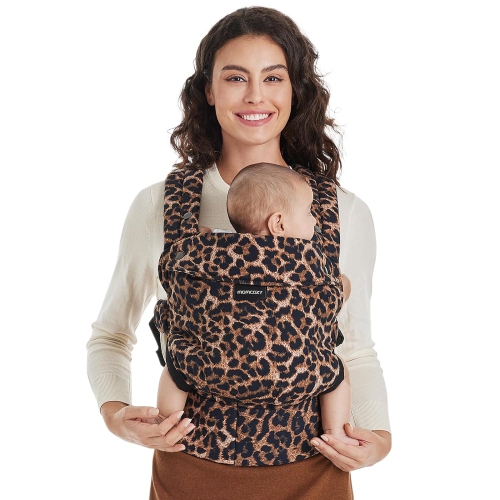
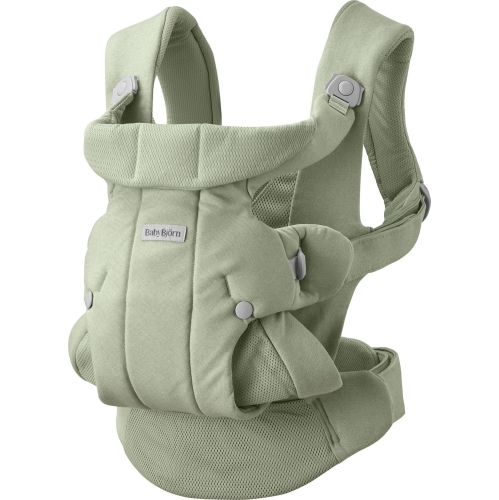
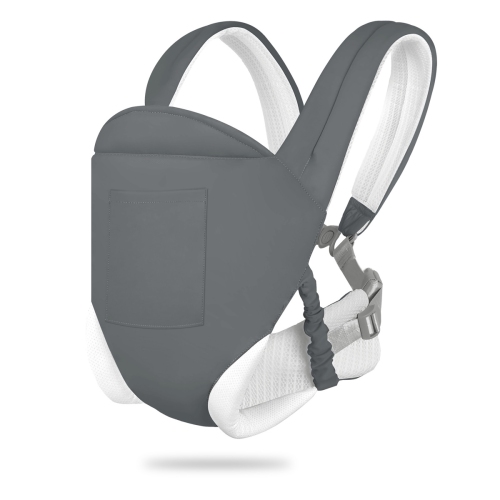
Everyday handling becomes easier to judge when the carrier’s weight is considered together with the baby’s weight, rather than treating the empty seat as the full load. Carrying a newborn from a driveway to a front door feels different from carrying an older infant across a large parking area. Handle shape, grip space and the balance of the shell can affect comfort, especially when a caregiver is also managing a change bag or holding another child’s hand. A carrier is not a substitute for a wearable baby carrier, and its portability does not mean it is intended for prolonged use away from travel. Vehicle fit is equally important. A rear-facing seat needs the correct recline angle and enough space to be installed without conflicting with the vehicle or car seat instructions. In a compact vehicle, the space between the rear seat and the front seat can matter as much as the carrier’s overall width. Families fitting more than one child restraint also need to account for neighbouring seats, buckle access and the shape of the vehicle bench. Installation may use a vehicle seat belt or the Universal Anchorage System, commonly called UAS, depending on the seat and vehicle. Neither method is automatically better; the appropriate choice is the permitted method that produces a correct installation. Some carriers support installation without a base, which can be useful for occasional travel in another vehicle, but that capability must be confirmed for the particular seat. A second base can simplify shared caregiving only when it is explicitly compatible with the carrier. Stroller compatibility is similarly specific: a seat that clicks into one stroller may require an approved adapter for another, or may not work with it at all. Labels, level indicators and accessible adjustment controls can make these repeated tasks less awkward, but convenience features do not replace checking both manuals. The carrying handle must also be positioned as directed during vehicle travel, since its permitted position varies by design.
Materials and care details help explain how an infant carrier stands up to daily family life. A rigid shell provides structure, while energy-absorbing materials, harness webbing and fabric covers each have a distinct function. Soft upholstery can make contact surfaces feel more comfortable, but extra cushioning should never be added unless the car seat manufacturer approves it for that seat. Removable covers are useful after milk spills or nappy leaks, although removal does not necessarily mean machine washing is permitted. Care instructions may specify a gentle wash, handwashing or spot cleaning, and harness straps often require different treatment from the fabric cover. Harsh cleaners, soaking or unapproved washing methods can damage components even when they look unchanged afterwards. Accessible fabric edges and straightforward cover removal can therefore be practical considerations for a seat used several times a day. Durability also involves the condition and history of the restraint, not just whether the upholstery still looks tidy. Seats intended for use in Canada should carry the National Safety Mark, and their labels should remain readable so caregivers can check the model information, manufacture date and expiry requirements. A previously owned seat needs a known history, all required parts and confirmation that it has no unresolved recall. After any collision, the manufacturer’s replacement requirements matter because damage may not be visible. Infant car seat carriers can be thoughtful gifts for expectant parents, particularly when the family has confirmed the required newborn fit, vehicle compatibility and stroller connection in advance. That coordination is more useful than choosing by fabric colour alone. For everyday safety, a rear-facing carrier must never be placed in front of an active frontal airbag. Outside the vehicle, it belongs on a stable floor surface rather than a table, counter or shopping trolley. Although babies may fall asleep during a journey, a car seat is not a replacement for a cot or bassinet; once travel is over, a sleeping baby should be moved to an appropriate firm, flat sleep surface. These practical distinctions keep the carrier’s intended role clear: a rear-facing restraint for travel, with carrying convenience built around that purpose.
Top selling and popular products
-
 Your price for this item is $233.99
-
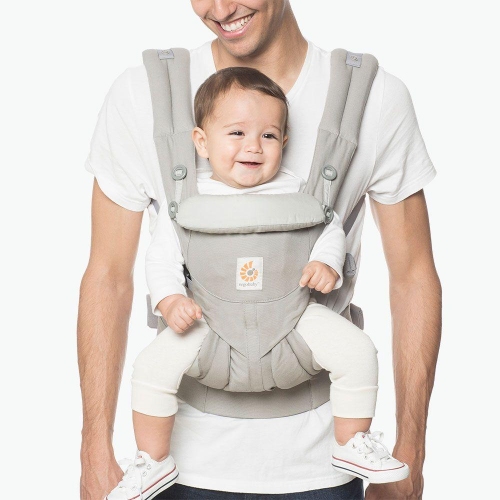 Your price for this item is $219
-
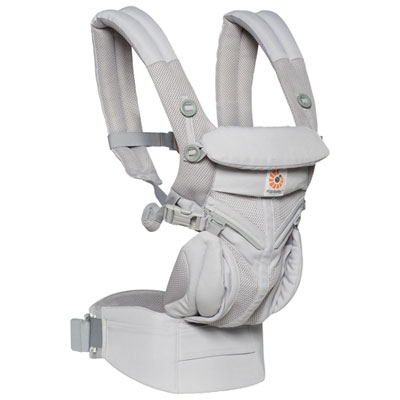 Your price for this item is $233.99
-
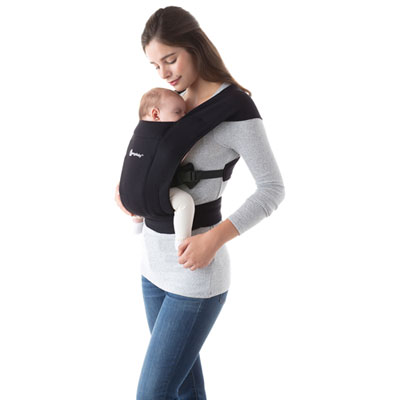 Your price for this item is $128.99
-
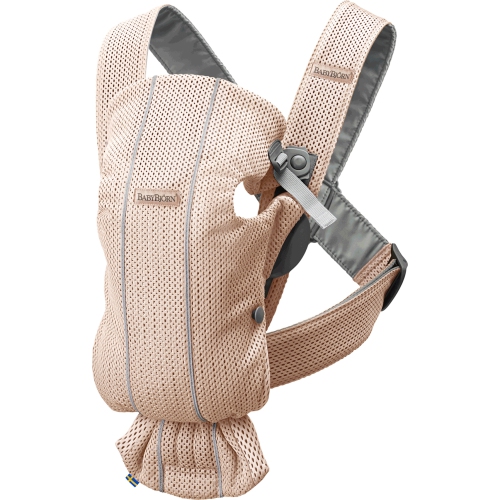 Your price for this item is $179.99
-
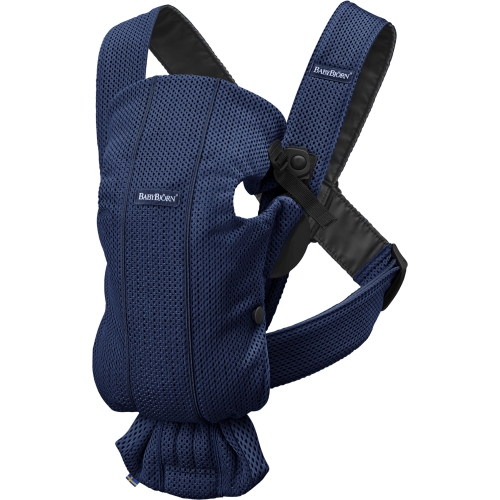 Your price for this item is $179.99
-
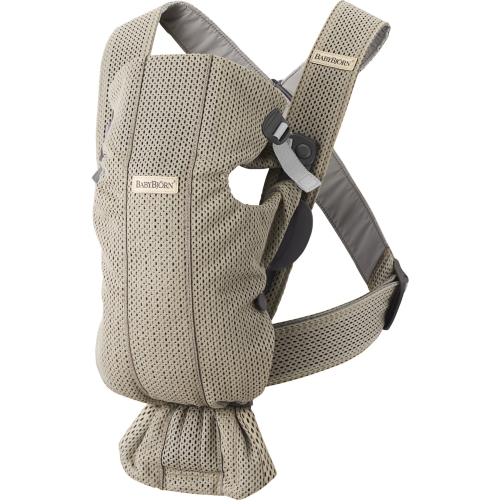 Your price for this item is $179.99
-
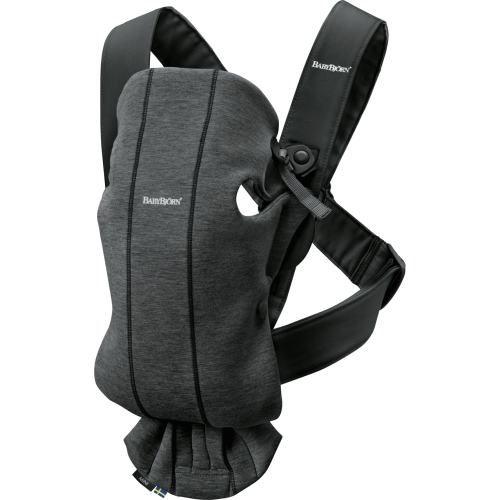 Your price for this item is $179.99
Discover more categories related to Infant Car Seat Carriers

Top Collections:
Best Black Friday Deals This Year, Best Black Friday Deals On Electronics, Kindle Devices, Pokemon Centers, Best Black Friday Deals On Apple Products, Best Cameras for Sports Photography, Dyson Airwrap, Pokémon 30th Celebration Cards, Apple iPhone 17 Pro, Canon G7X Cameras
Some products may be subject to Environmental Handling Fees
(EHF) depending on your province.
Learn more about EHFs.