Chairs for Students
The best desk and chair for your student is the one that fits their needs, whether they're sitting in a dorm room or an apartment. Some students need a chair with wheels so they can move it around easily. Other students may need a chair that has a ergonomic design to help them sit comfortably. Some students may need a chair that has a lumbar support to help them sit comfortably.
Sort

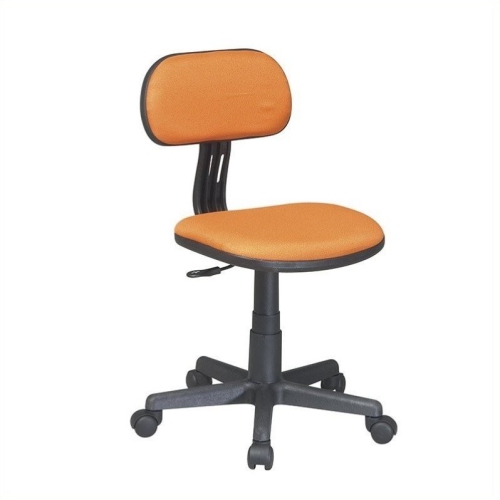
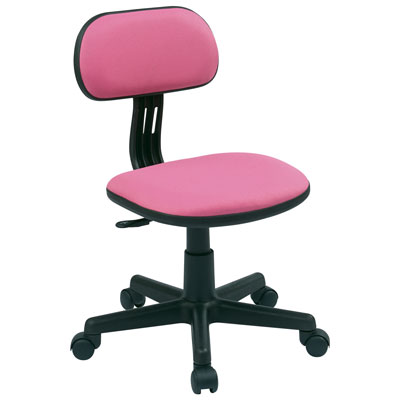
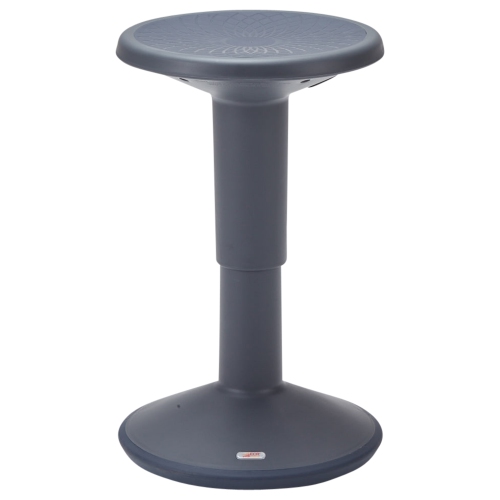
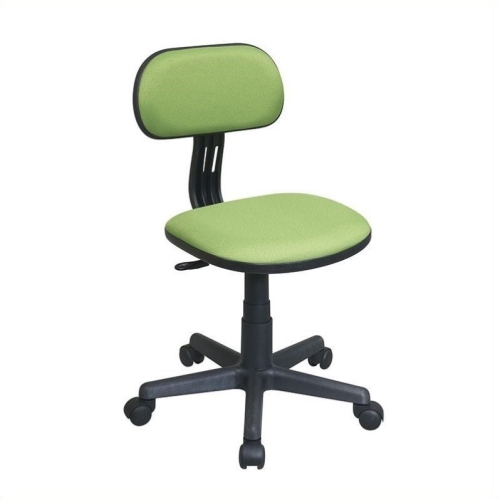

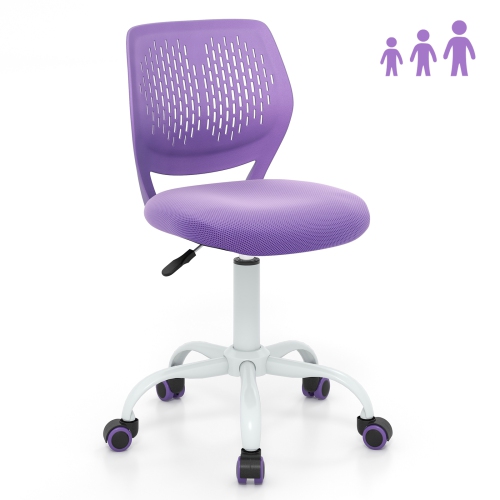
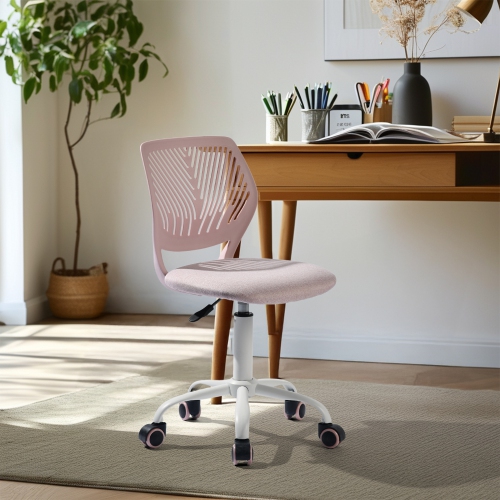
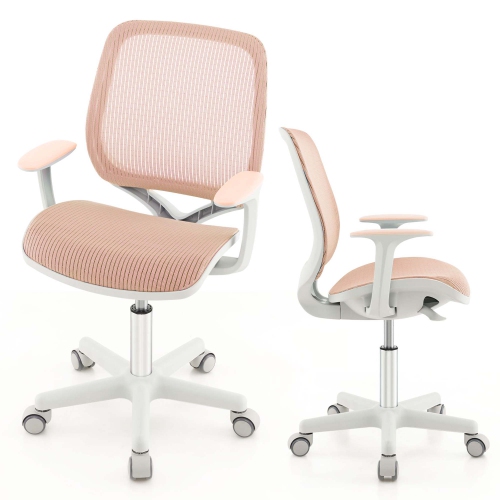
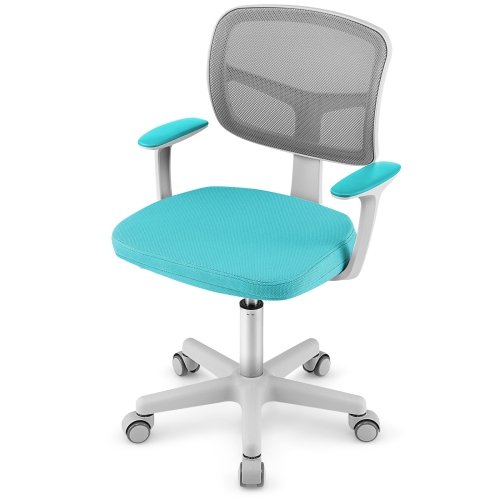
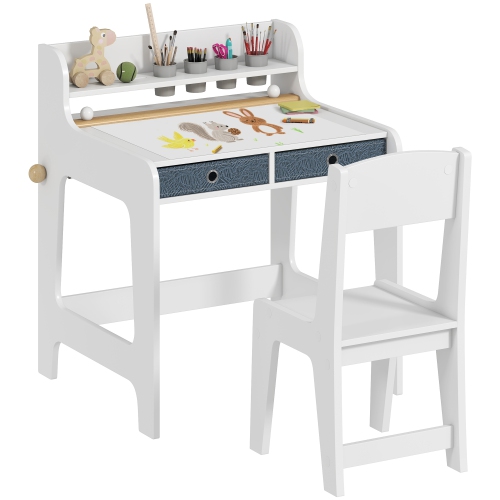
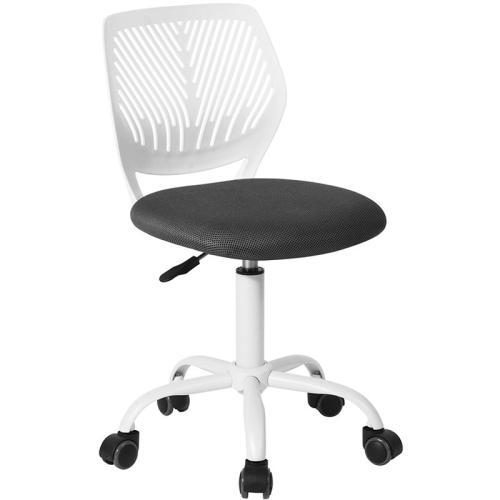
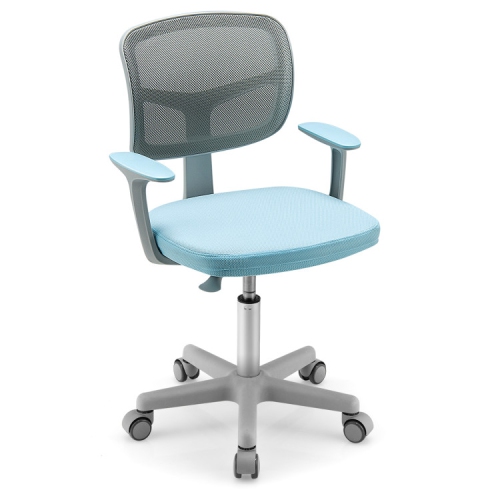

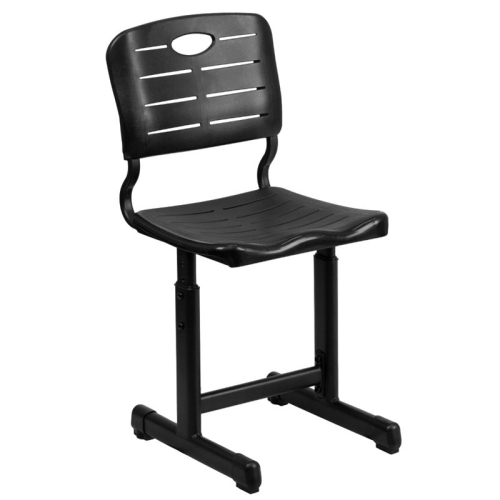
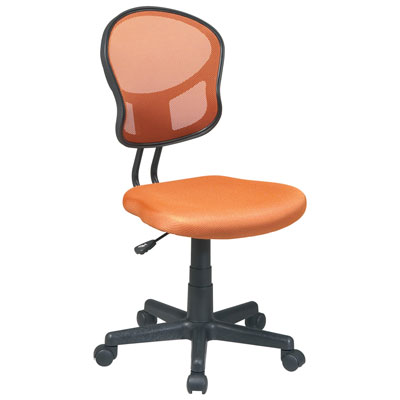
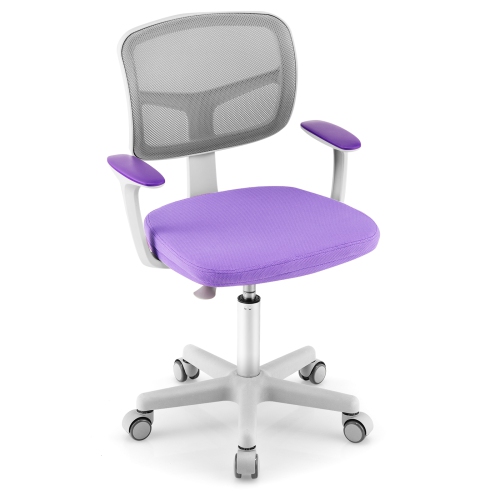
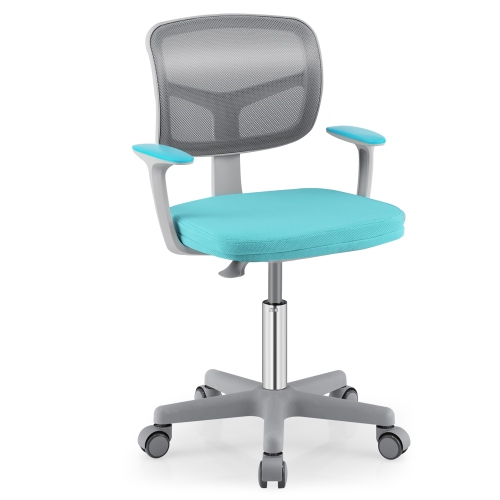
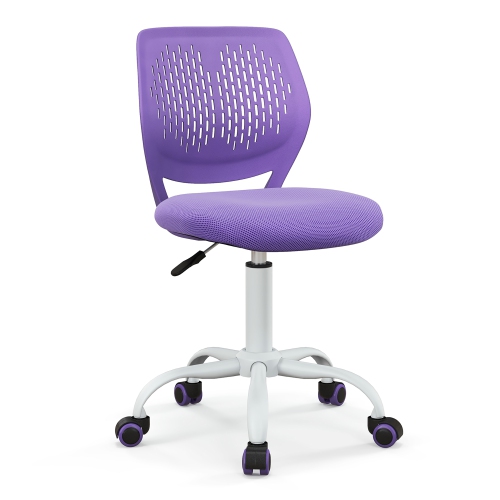
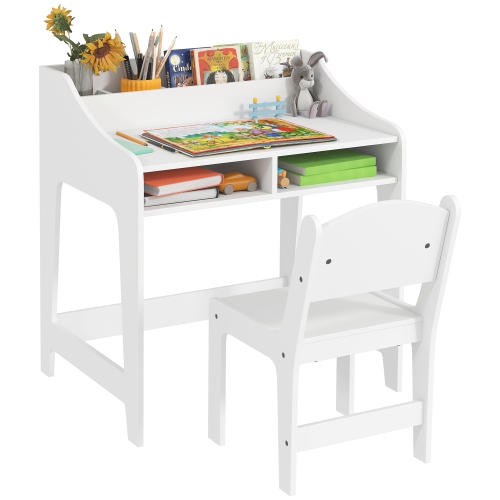
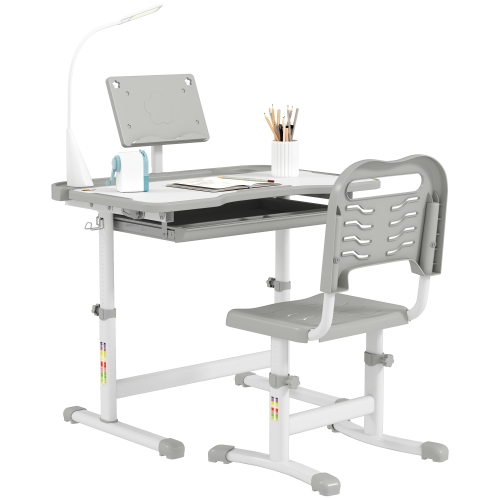
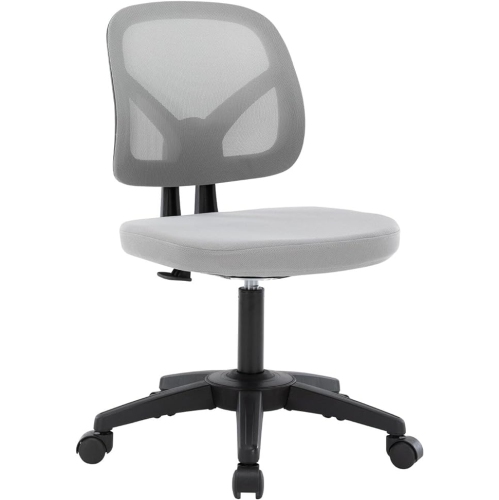
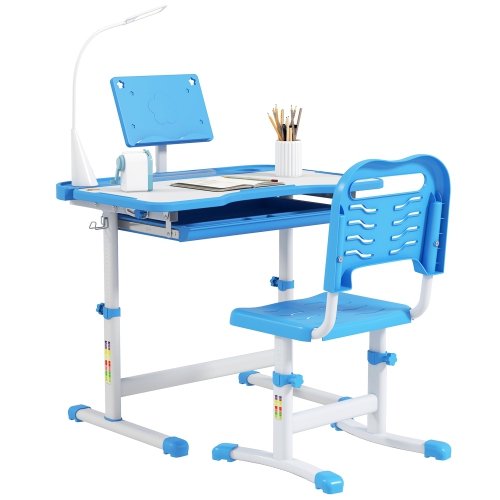
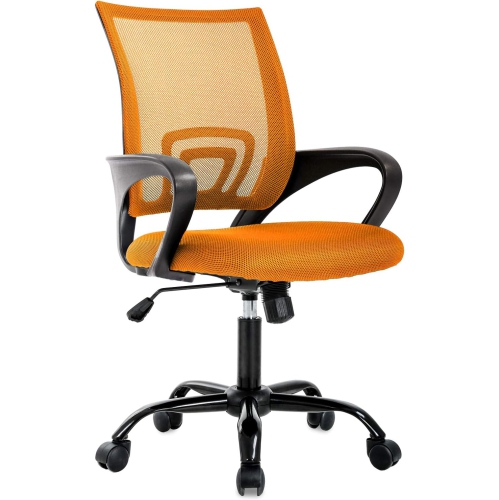
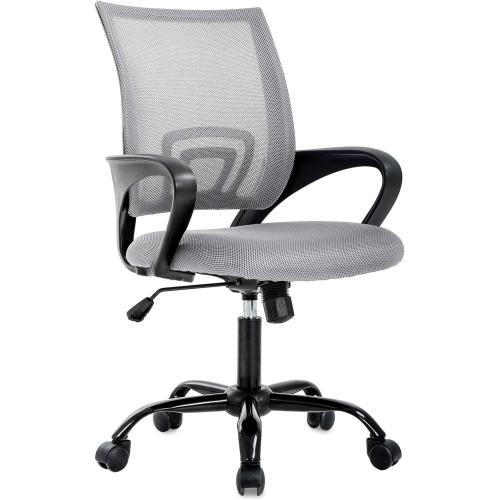

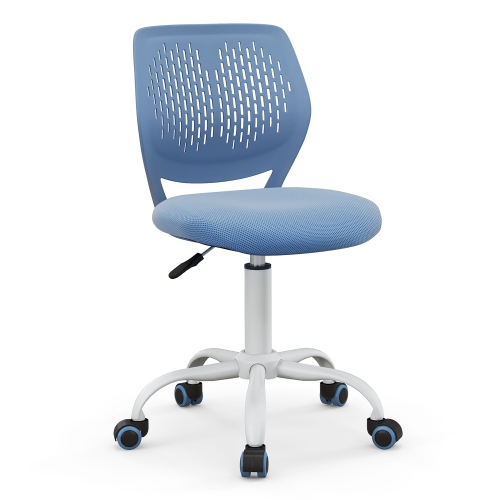
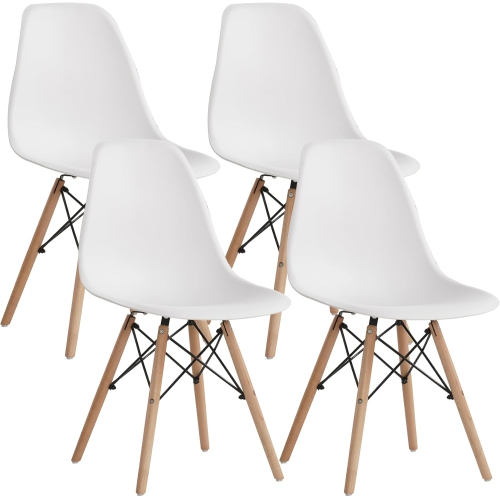
Study comfort starts with a chair that fits
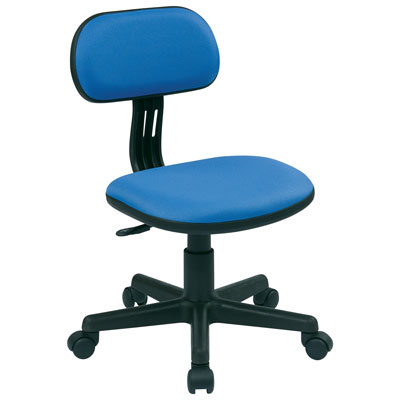
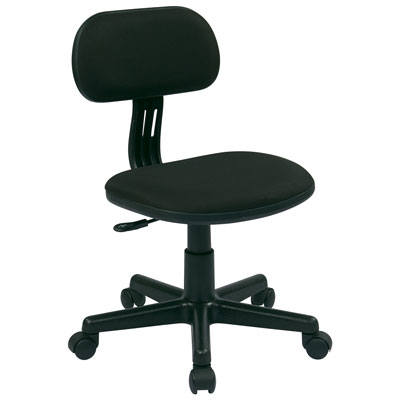
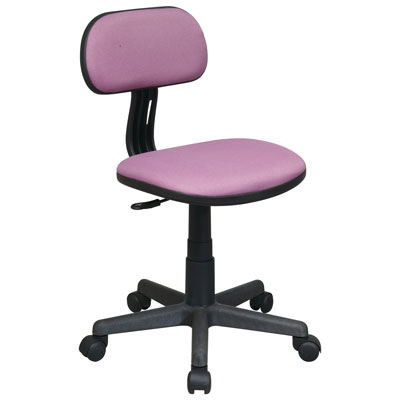
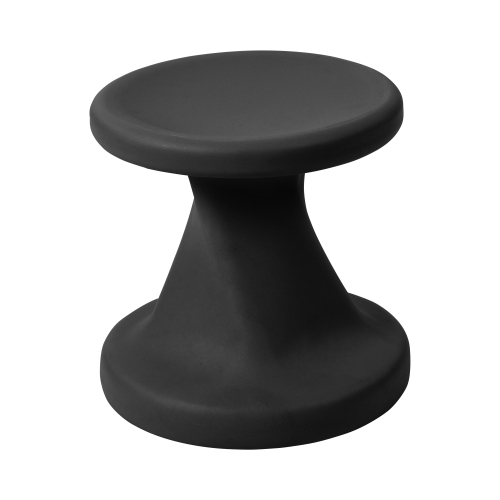
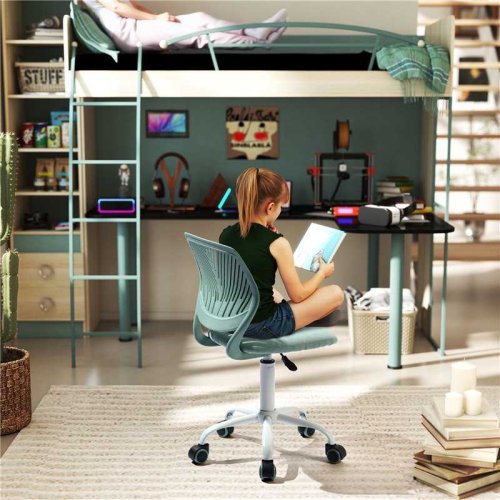
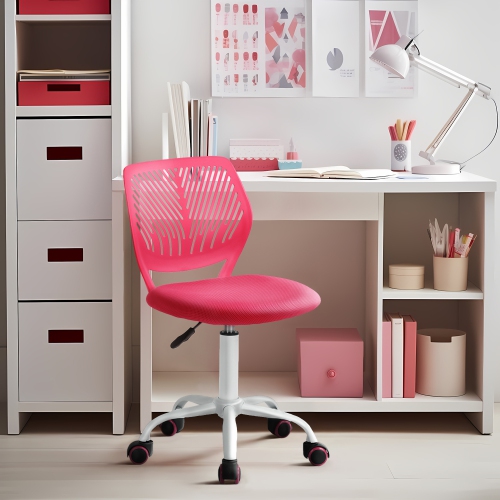
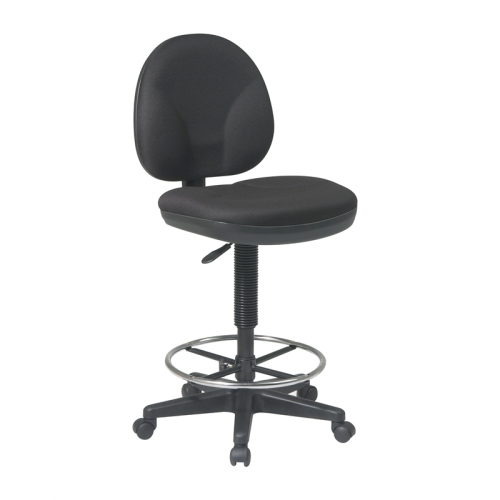
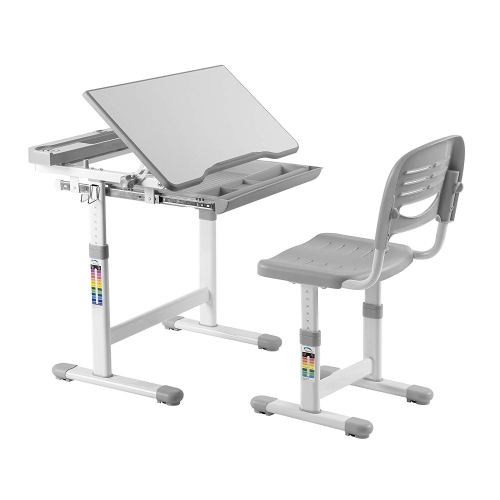
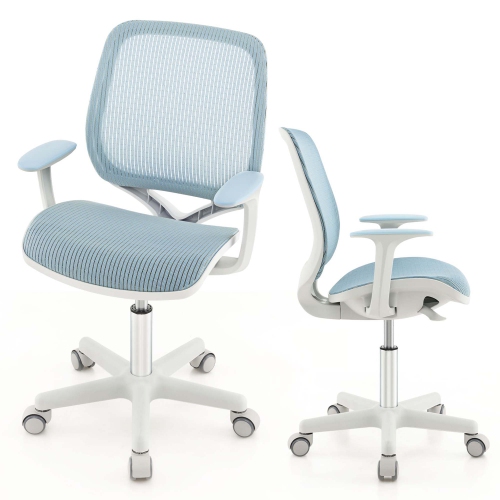
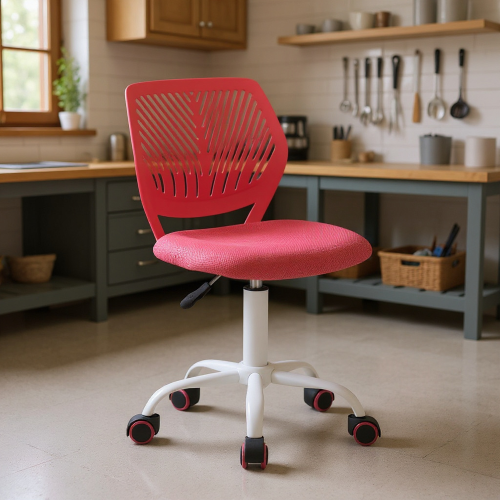
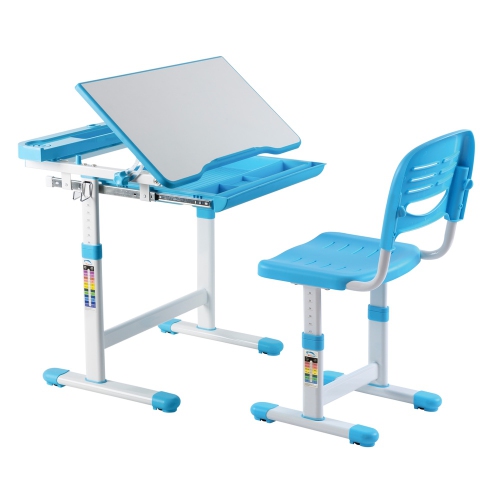
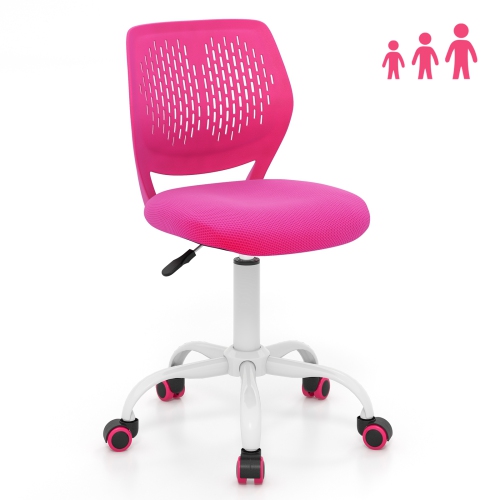
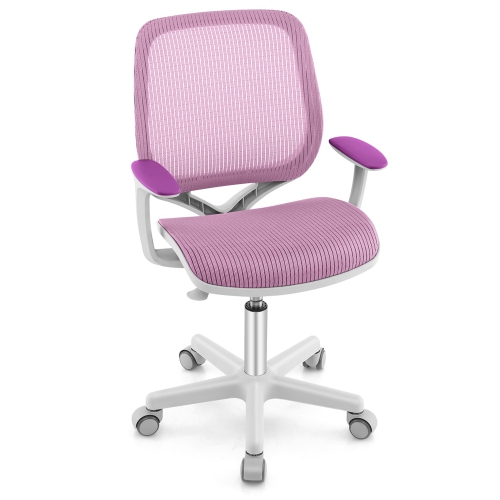
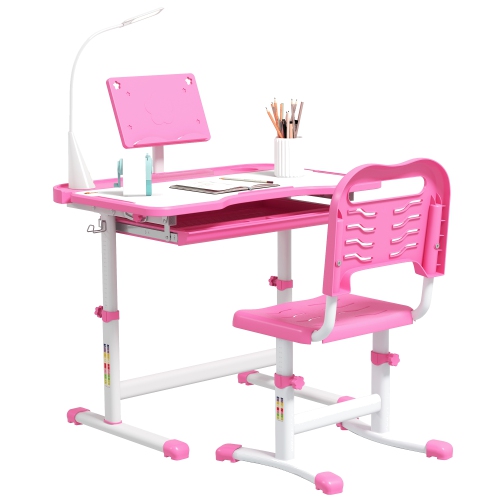
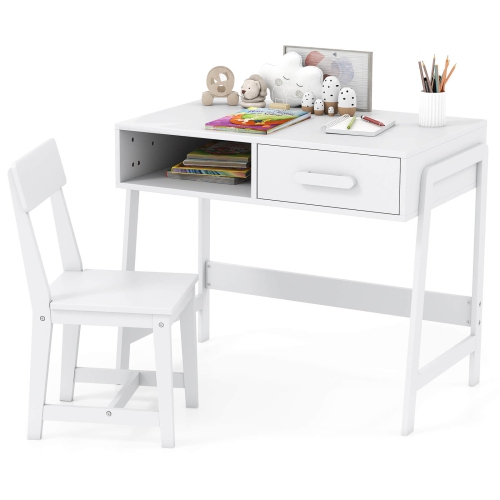
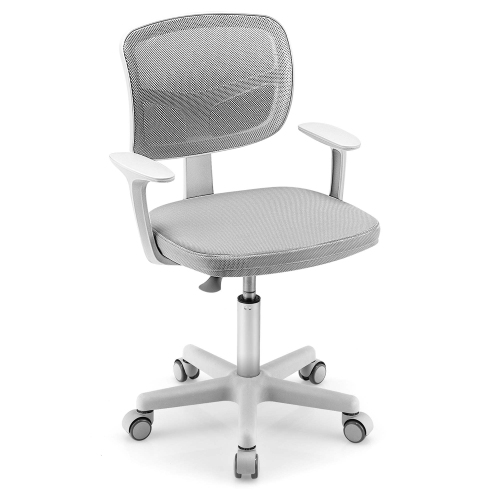
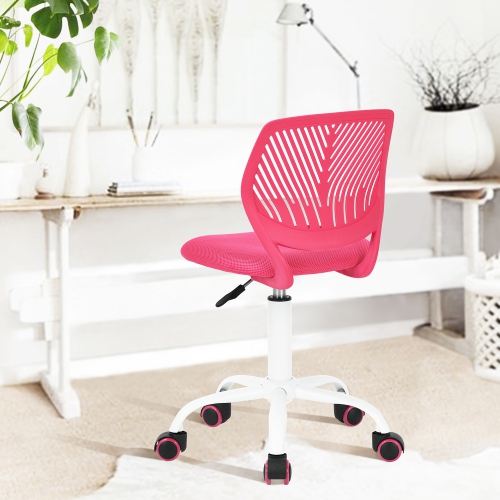
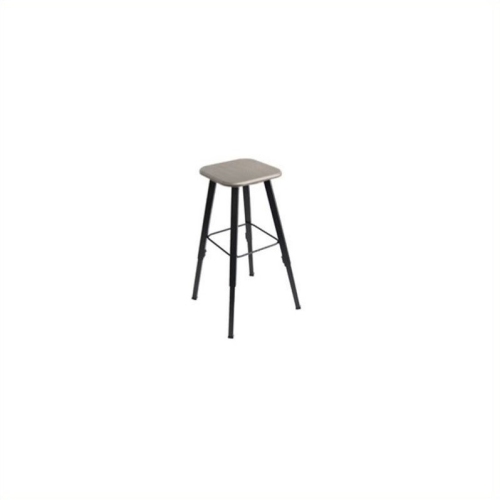
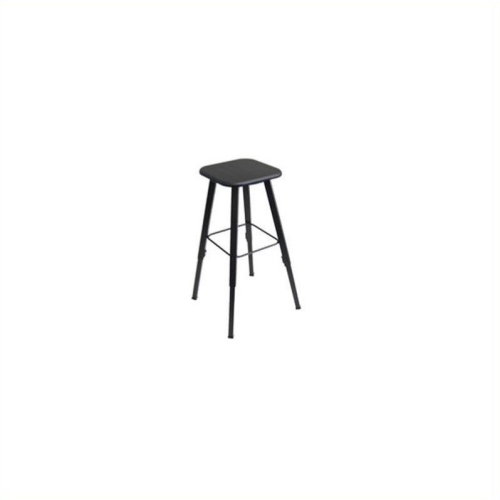
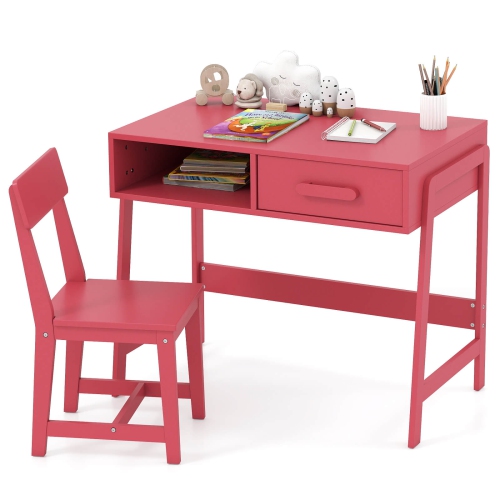
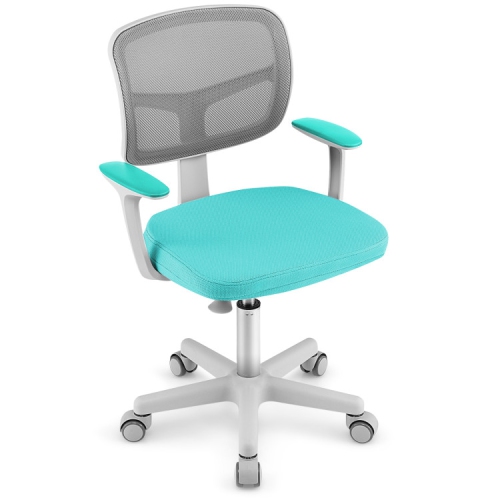
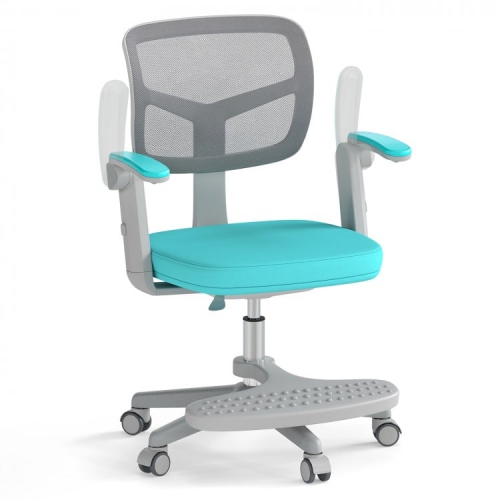
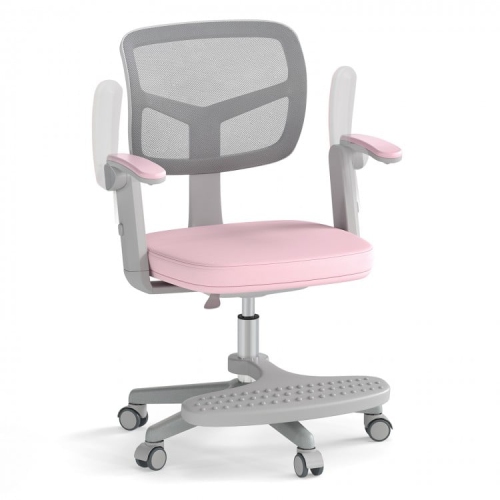
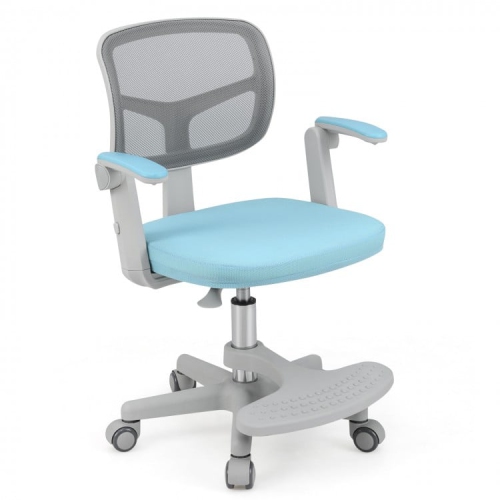
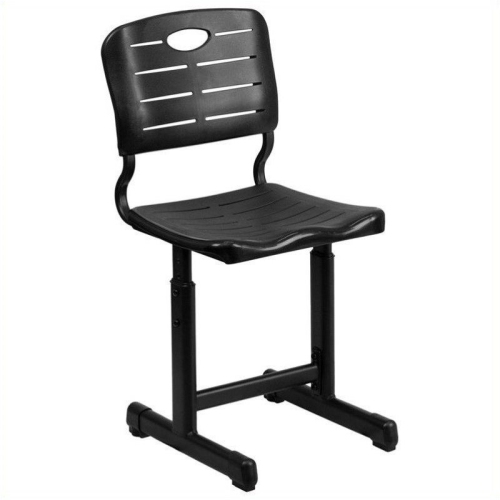
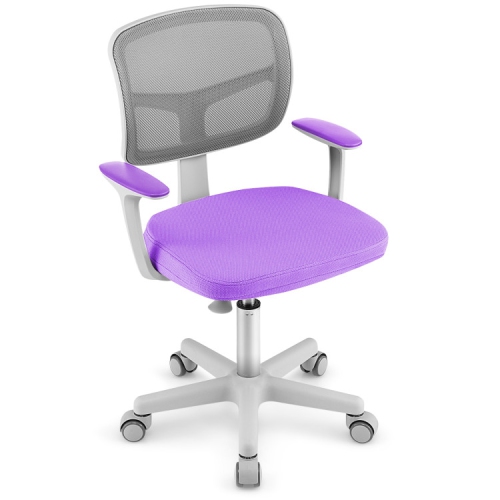
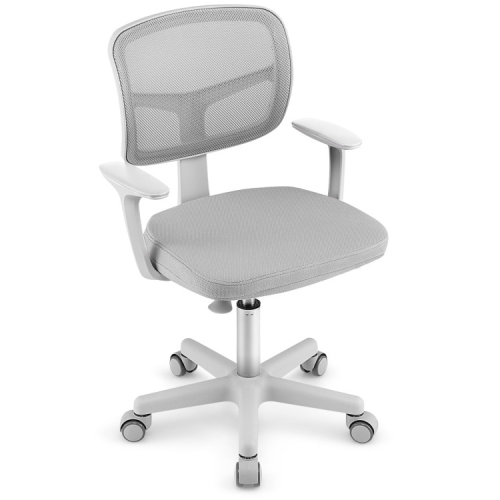
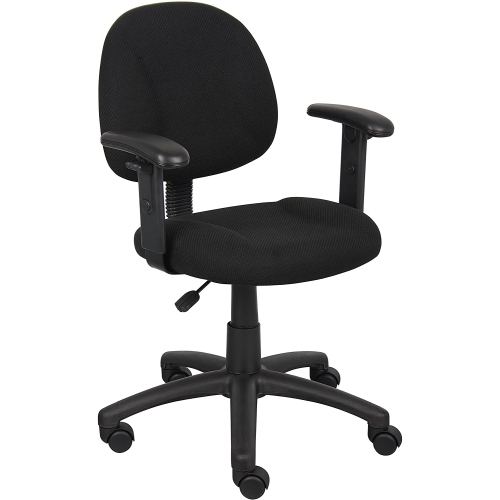
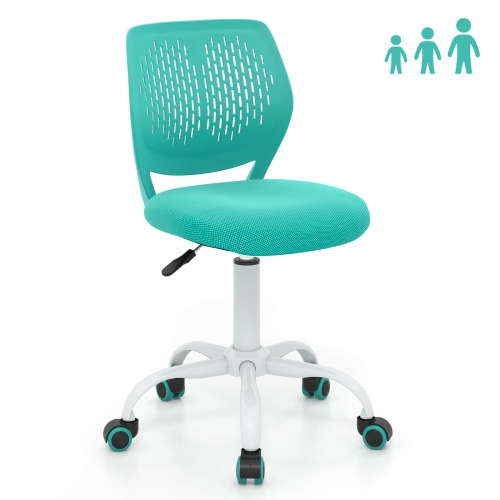
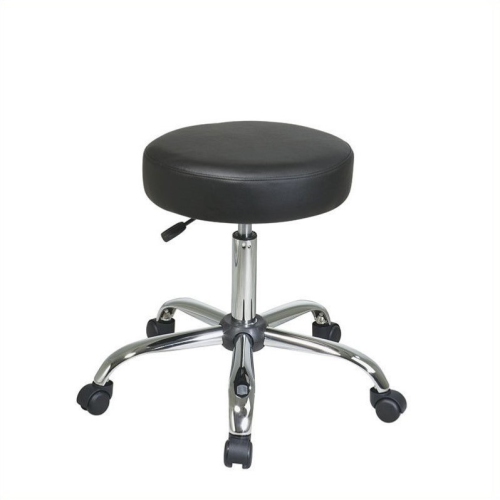
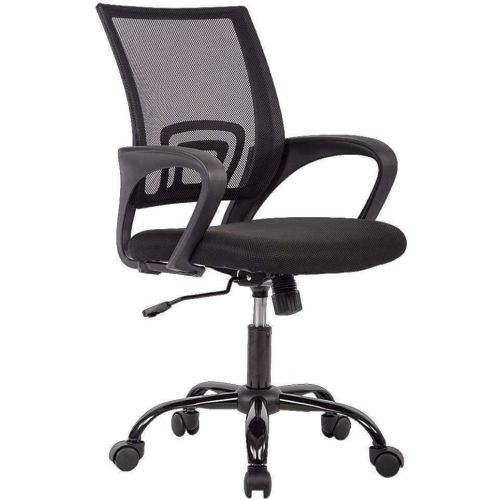
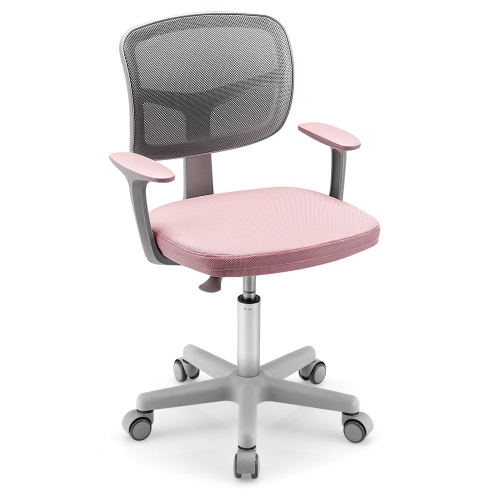
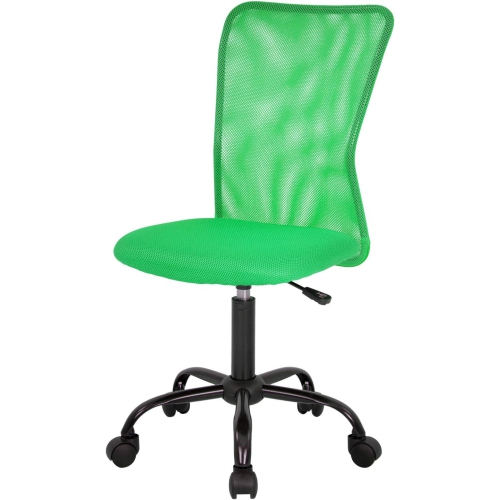
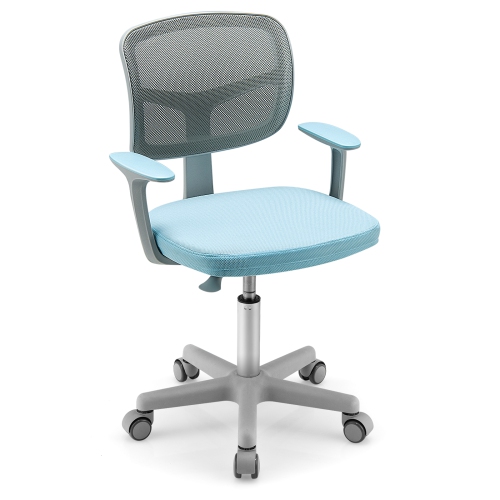
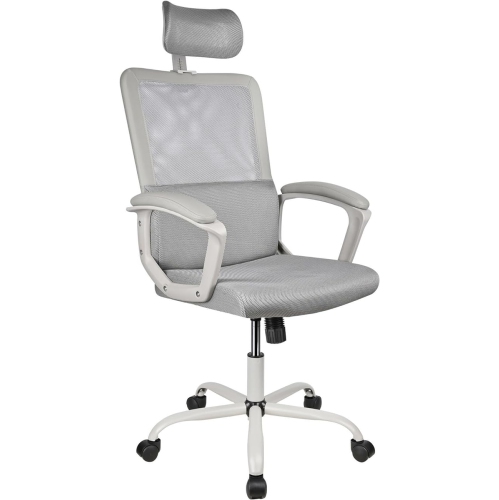
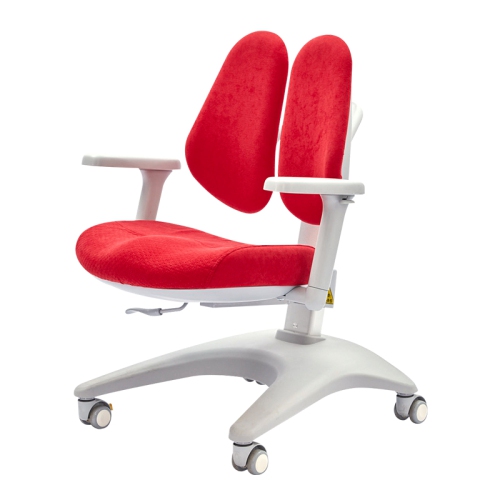
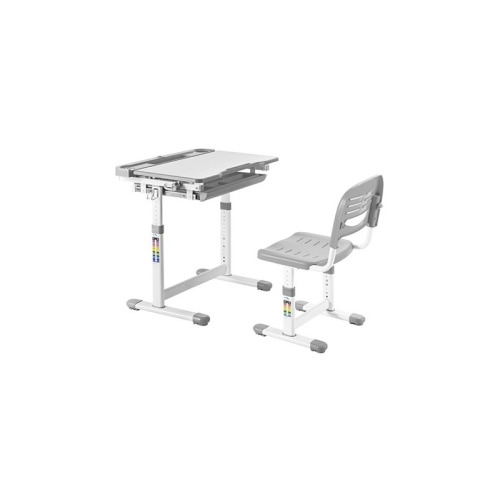
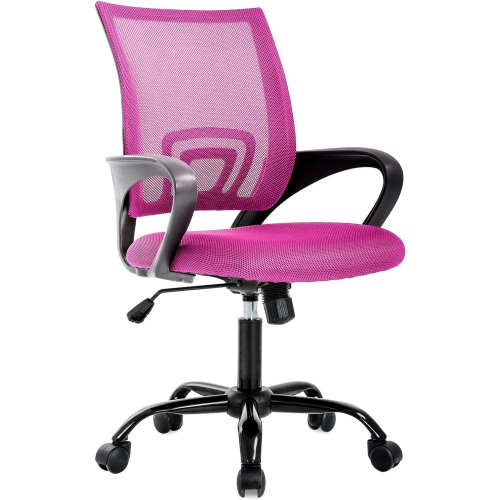
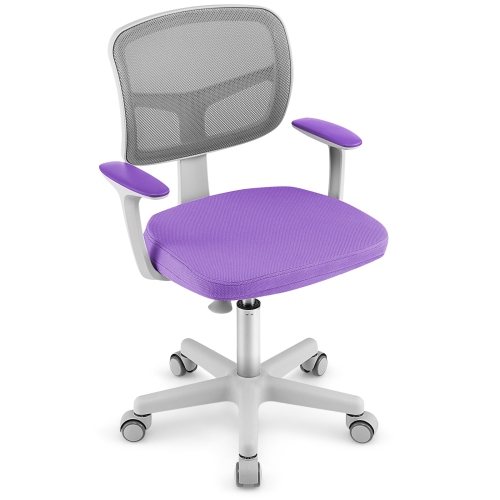
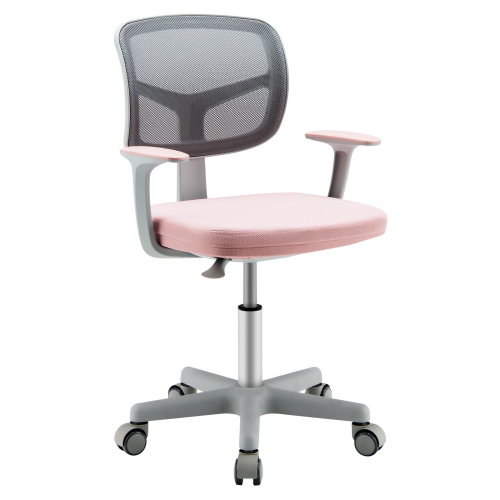
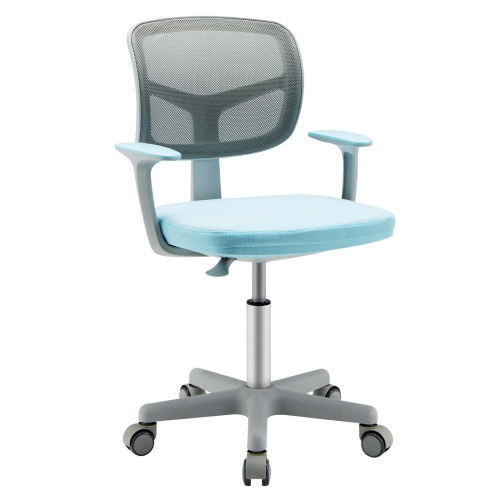
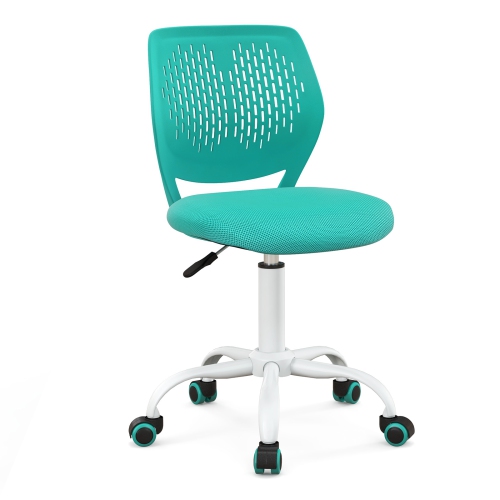
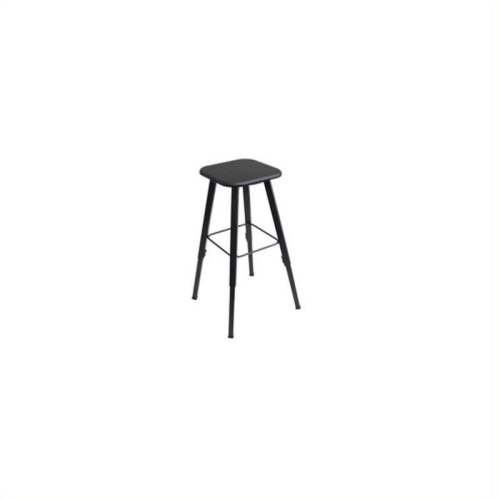
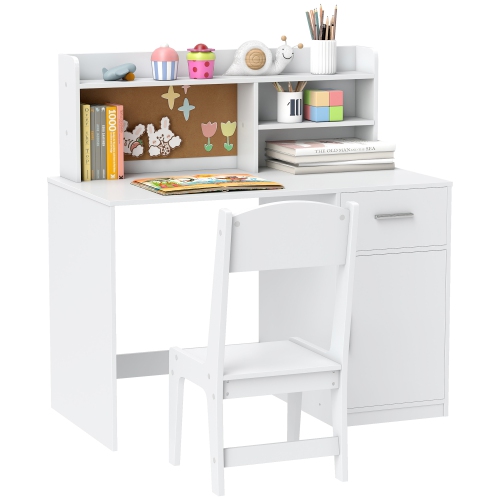
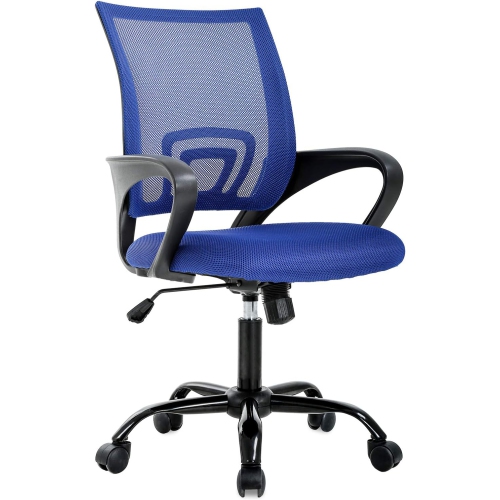
Chairs for students help turn a desk, a bedroom corner, or a shared family workspace into a comfortable place for learning. The right fit depends on the student’s size, the height of the work surface, the available floor space, and how the chair will be used. A younger child working through a spelling sheet has different seating needs from a university student switching between lecture notes, research, and a laptop. Common choices include padded task chairs for everyday homework, mesh-back chairs that allow airflow, adjustable office chairs for longer study sessions, and stationary chairs for spaces where rolling wheels are less practical. Ergonomic features such as adjustable seat height, lumbar support, and movable armrests can help students find a supported position, though the ergonomic label alone does not guarantee a suitable fit. A well-sized chair allows the student to sit with their back supported, feet resting on the floor or a stable footrest, and enough room behind the knees to avoid pressure from the seat edge. Seat depth matters just as much as height: a deep seat may suit a taller teenager but leave a smaller child perched forward without using the backrest. For students who share a homework station with siblings or parents, easy-to-reach adjustment controls make the space more adaptable. Pairing suitable seating with Student Desks also helps create a workable relationship between the seat and writing surface. Elbows should rest comfortably near desk height without forcing the shoulders upwards, while the desktop should leave space for the student’s legs. These details become noticeable in ordinary moments: copying notes from a textbook, spreading out an art project, or settling in for an online tutorial during the cooler months. A student chair does not need to be oversized or packed with features to be useful. It needs to suit the person sitting in it and the tasks that fill their day.
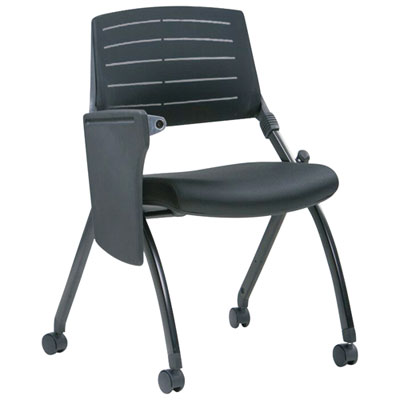
Materials, movement, and proportions shape how student desk chairs feel in daily use. Upholstered seats offer a softer surface for reading and written assignments, while mesh backs can feel less enclosed in a warm room. Firmness varies, and a thick cushion is not automatically more comfortable than a thinner, supportive seat. Fabric texture, seams, and the shape of the front edge can all affect comfort over time. Wipeable surfaces may be practical around younger students, especially at a desk that doubles as a craft table, while fabric upholstery can bring a softer look to a bedroom or living area. Care instructions are worth checking because cleaning methods differ between materials. Rolling chairs make it easier to move between a keyboard, a notebook, and nearby storage, but their suitability depends partly on the floor. Casters intended for one surface may not move or perform the same way on another, and a compatible chair mat can help protect flooring while providing a more consistent rolling surface. Stationary chairs offer a different kind of convenience, staying in place at a shared table or compact homework nook. Swivel seats allow students to turn towards a shelf without dragging the whole chair, while armless designs can tuck neatly beneath some desks and leave more room to move. Armrests may provide welcome support during reading or screen-based work, but fixed arms can prevent a chair from sliding under a low desktop. In smaller rooms, the chair’s full footprint matters more than the seat width alone; the base, armrests, and space needed to pull away from the desk all count. Picture a residence room with a bed on one side and a bookcase on the other: a chair that fits under the desk can make the walkway much easier to use. For shared study rooms or classroom-style spaces, stackable seating can make rearranging and storage simpler. Weight limits, dimensions, assembly requirements, and floor compatibility are useful details to compare before choosing.
Student chairs serve a wide range of households, from families furnishing a first homework corner to older students setting up an apartment for college or university. They can also be thoughtful gifts when chosen around a recipient’s actual workspace rather than appearance alone. A chair that looks comfortable in a photograph may be too wide for a small desk or too tall for a younger user, so measurements and the student’s preferences are especially helpful when buying for someone else. For growing children and teenagers, an adjustable height range offers flexibility, but it is important that the chair fits at the time of purchase rather than only leaving room to grow. Older students may value adjustable back support, a seat that accommodates their height, or armrests that can move out of the way when they practise an instrument or work on a drawing. For a desk used mainly for short assignments, a straightforward chair with a supportive back may be sufficient; frequent computer work may make a wider range of adjustments more valuable. Price comparisons are most useful when they account for construction, fit, care needs, and the features the student will actually use. A lower-priced chair that suits a small workspace can be a more practical purchase than a larger design with unnecessary extras. Style has a place, too. Neutral upholstery can blend into a shared living room, while a favourite colour can help a student feel that a study corner belongs to them. During the cooler months, when more reading, coursework, and creative projects happen indoors, a welcoming workspace can make everyday routines feel less makeshift. Even comfortable seating works best alongside chances to stand, stretch, and change position; no chair needs to hold a student still for an entire evening. Whether the space hosts quiet reading, lively group assignments, or a final review before class, well-chosen student seating supports the way learning happens at home.
Materials, movement, and proportions shape how student desk chairs feel in daily use. Upholstered seats offer a softer surface for reading and written assignments, while mesh backs can feel less enclosed in a warm room. Firmness varies, and a thick cushion is not automatically more comfortable than a thinner, supportive seat. Fabric texture, seams, and the shape of the front edge can all affect comfort over time. Wipeable surfaces may be practical around younger students, especially at a desk that doubles as a craft table, while fabric upholstery can bring a softer look to a bedroom or living area. Care instructions are worth checking because cleaning methods differ between materials. Rolling chairs make it easier to move between a keyboard, a notebook, and nearby storage, but their suitability depends partly on the floor. Casters intended for one surface may not move or perform the same way on another, and a compatible chair mat can help protect flooring while providing a more consistent rolling surface. Stationary chairs offer a different kind of convenience, staying in place at a shared table or compact homework nook. Swivel seats allow students to turn towards a shelf without dragging the whole chair, while armless designs can tuck neatly beneath some desks and leave more room to move. Armrests may provide welcome support during reading or screen-based work, but fixed arms can prevent a chair from sliding under a low desktop. In smaller rooms, the chair’s full footprint matters more than the seat width alone; the base, armrests, and space needed to pull away from the desk all count. Picture a residence room with a bed on one side and a bookcase on the other: a chair that fits under the desk can make the walkway much easier to use. For shared study rooms or classroom-style spaces, stackable seating can make rearranging and storage simpler. Weight limits, dimensions, assembly requirements, and floor compatibility are useful details to compare before choosing.
Student chairs serve a wide range of households, from families furnishing a first homework corner to older students setting up an apartment for college or university. They can also be thoughtful gifts when chosen around a recipient’s actual workspace rather than appearance alone. A chair that looks comfortable in a photograph may be too wide for a small desk or too tall for a younger user, so measurements and the student’s preferences are especially helpful when buying for someone else. For growing children and teenagers, an adjustable height range offers flexibility, but it is important that the chair fits at the time of purchase rather than only leaving room to grow. Older students may value adjustable back support, a seat that accommodates their height, or armrests that can move out of the way when they practise an instrument or work on a drawing. For a desk used mainly for short assignments, a straightforward chair with a supportive back may be sufficient; frequent computer work may make a wider range of adjustments more valuable. Price comparisons are most useful when they account for construction, fit, care needs, and the features the student will actually use. A lower-priced chair that suits a small workspace can be a more practical purchase than a larger design with unnecessary extras. Style has a place, too. Neutral upholstery can blend into a shared living room, while a favourite colour can help a student feel that a study corner belongs to them. During the cooler months, when more reading, coursework, and creative projects happen indoors, a welcoming workspace can make everyday routines feel less makeshift. Even comfortable seating works best alongside chances to stand, stretch, and change position; no chair needs to hold a student still for an entire evening. Whether the space hosts quiet reading, lively group assignments, or a final review before class, well-chosen student seating supports the way learning happens at home.
Top selling and popular products
-
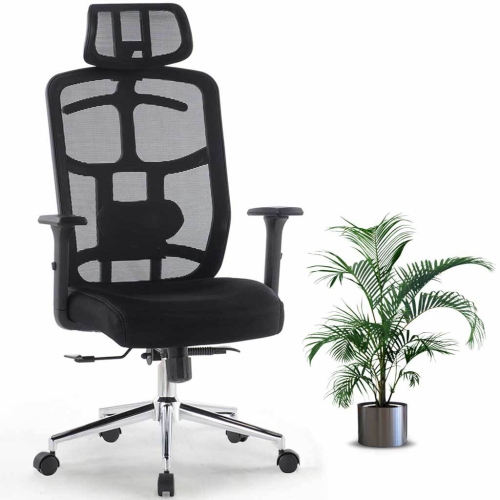 Your price for this item is $114.99
 -
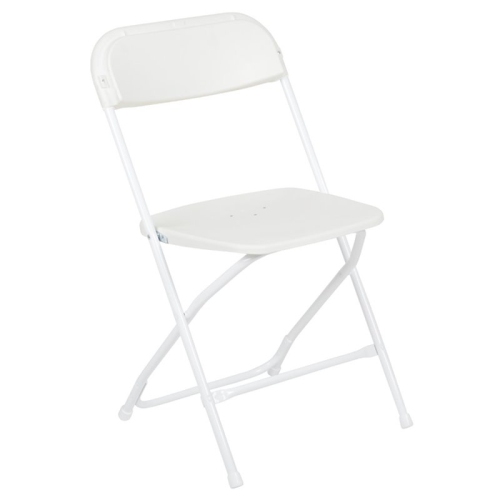 Your price for this item is $123
 -
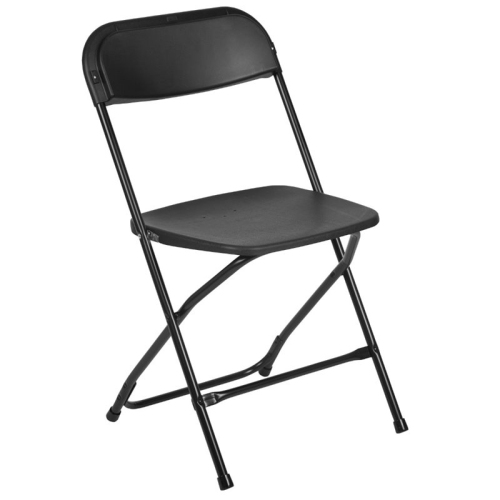 Your price for this item is $139.99
 -
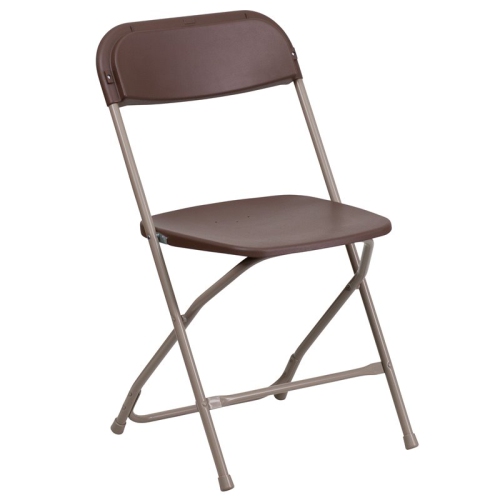 Your price for this item is $139.99
 -
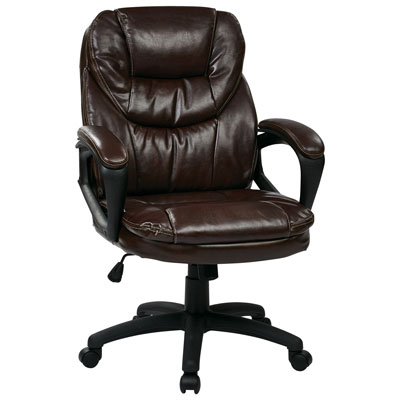 Your price for this item is $203.98
 -
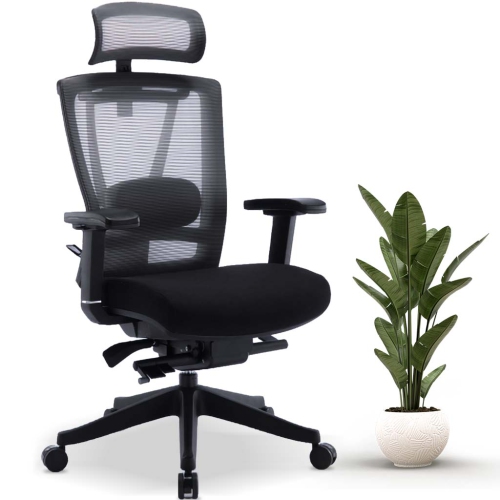 Your price for this item is $379.99
 -
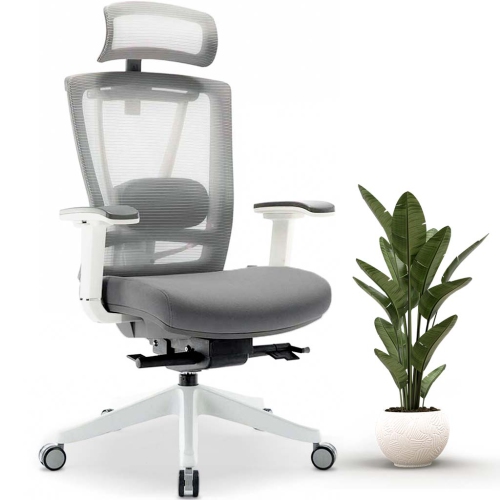 Your price for this item is $379.99
 -
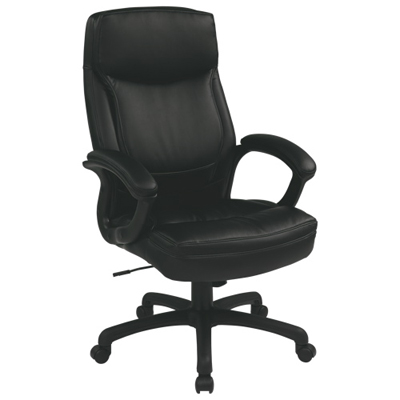 Your price for this item is $594.99
Discover more categories related to Chairs for Students
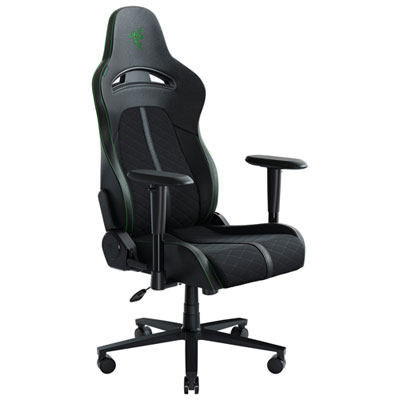
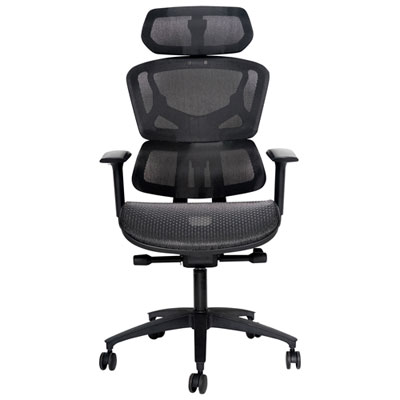
Top Collections:
Pokemon Centers, Kindle Devices, Best Budget Office Chairs, Apple iPhones 16, Best Laptops for Writers, iPhone 15 Apple, Canon G7X Cameras, Refurbished Apple Laptops, Alarm Clock, Motorola Razr Phones
Some products may be subject to Environmental Handling Fees
(EHF) depending on your province.
Learn more about EHFs.