Task Chairs for Students
Task chairs for students are designed to support comfort and focus during study sessions, homework, or creative projects. Whether setting up a dedicated study space at home or outfitting a dorm room, the right chair can help encourage productivity. Explore a wide variety of styles and sizes to find task chairs for students that fit both your space and personal preferences. With options available to suit different needs and budgets, it’s easy to discover the perfect seating solution for any student workspace.
Sort
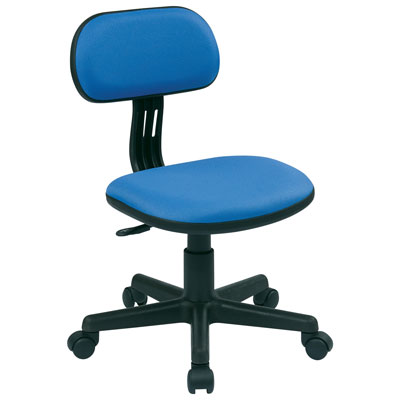
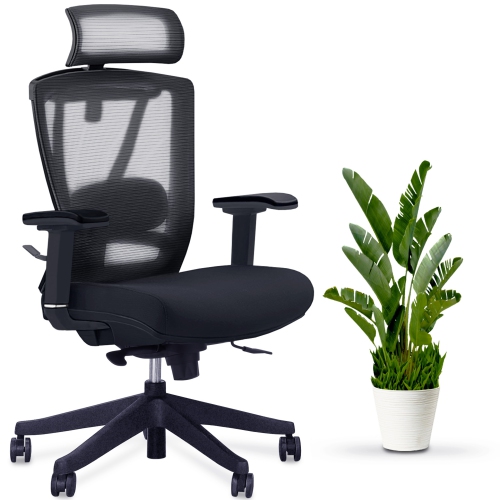

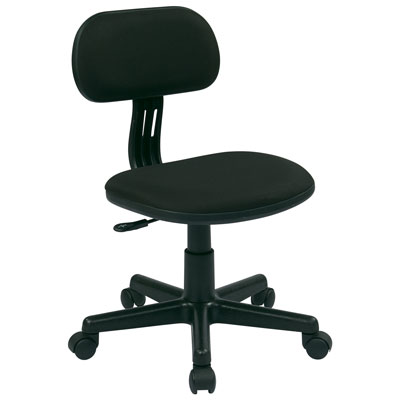
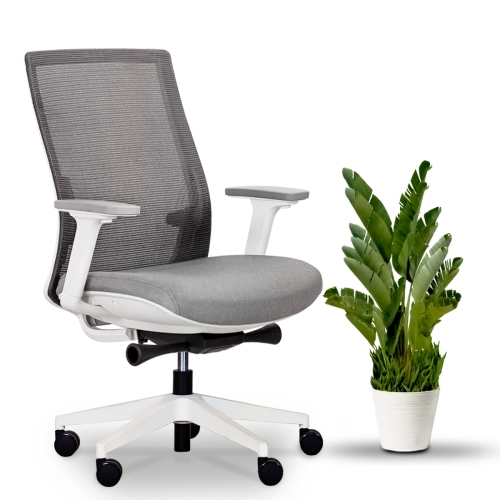
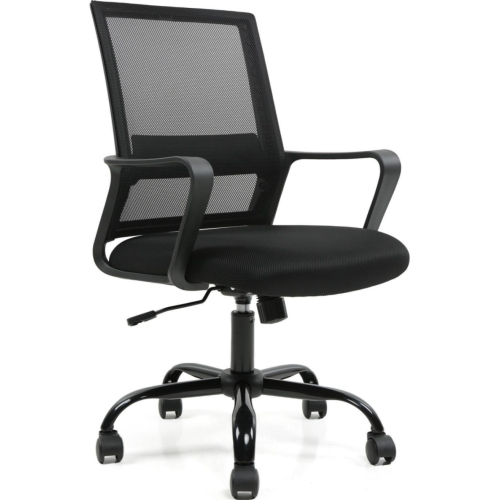
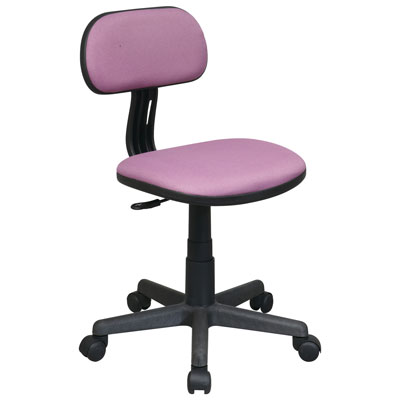
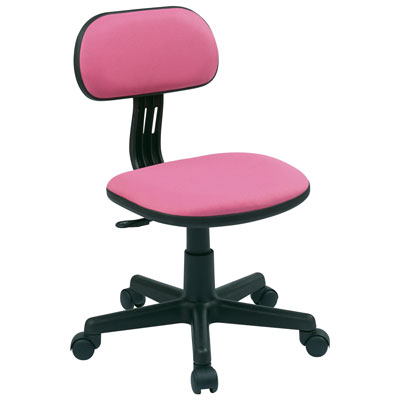
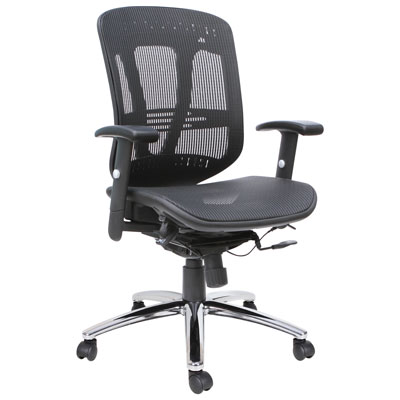
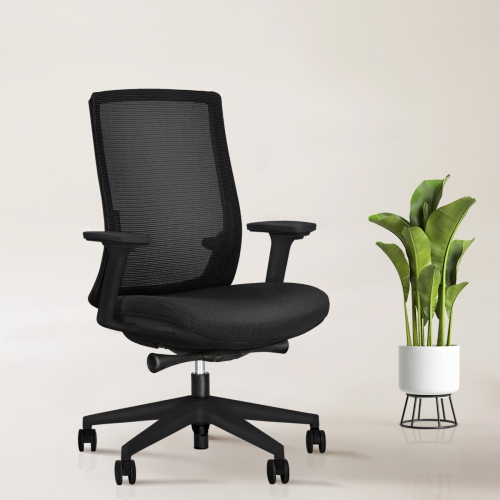
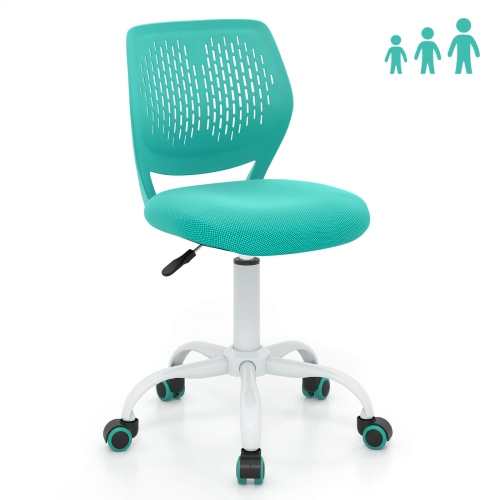
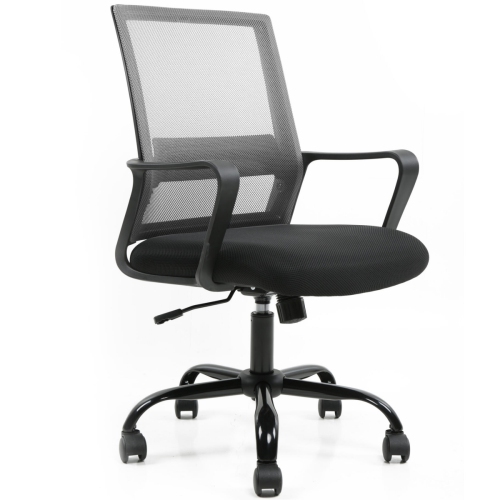
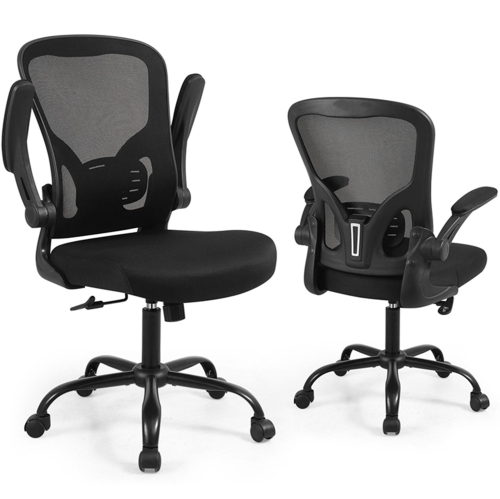
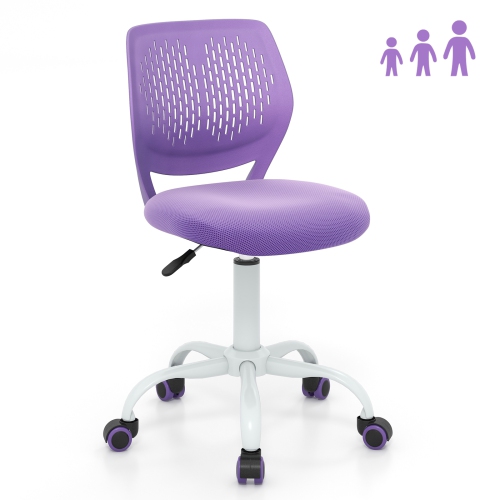
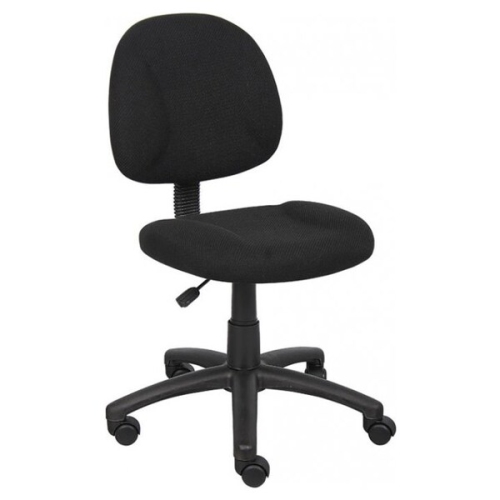
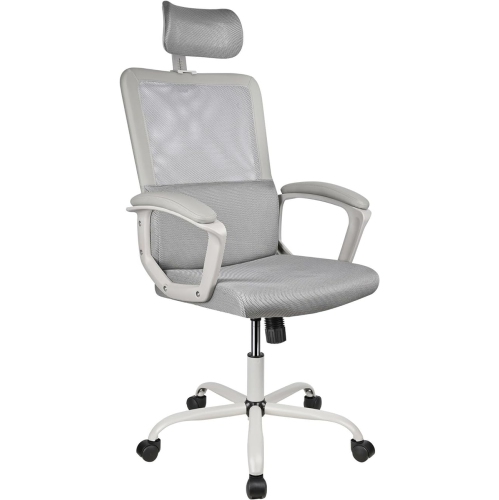
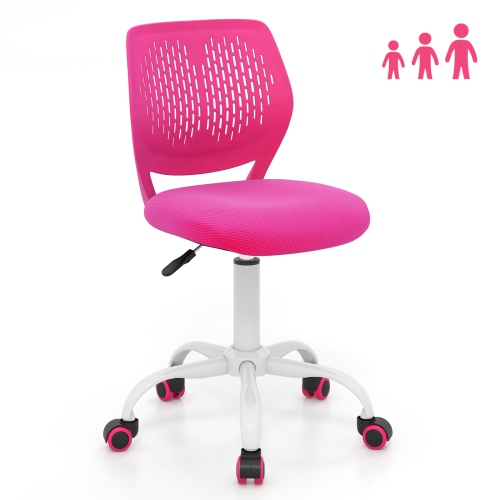
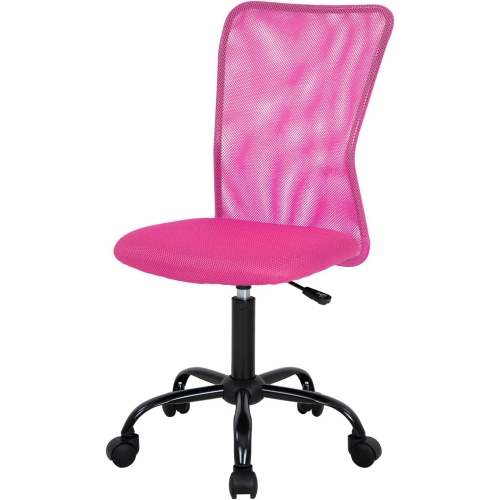
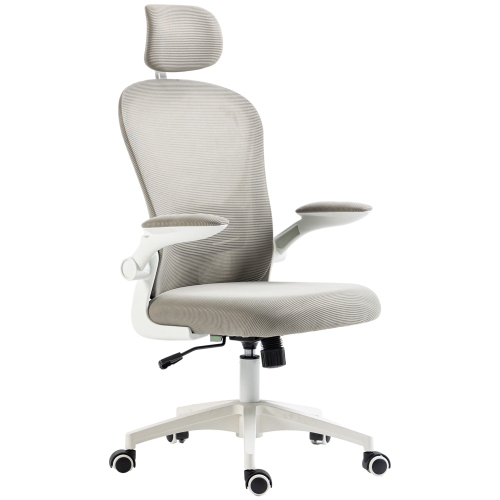
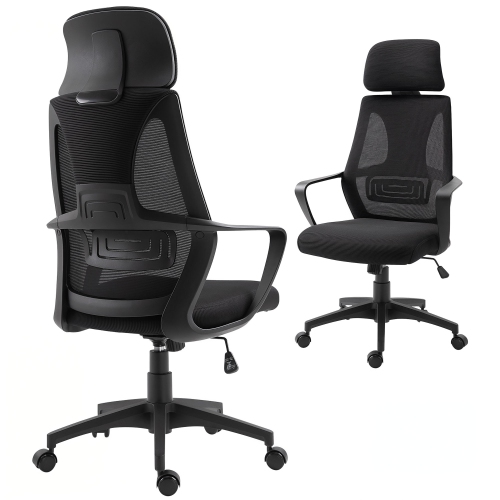
What makes a chair fit the way you study
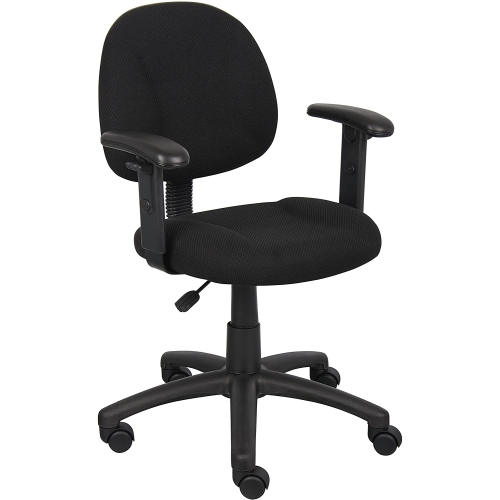
A good task chair for a student has a seat that adjusts to the right height, a backrest that supports the lower back and enough room to change positions while studying. The right fit depends as much on the student and the desk as it does on the chair’s features. At a comfortable working height, the student’s feet should rest flat on the floor or on a stable footrest, with shoulders relaxed and elbows close to the body when typing or writing. A fixed-height desk might require raising the seat to reach the desktop comfortably; a footrest gives the feet somewhere to land instead of leaving them dangling. Seat depth matters, too. A student should be able to sit against the backrest with a little space between the front edge of the seat and the backs of the knees. If the seat is too deep, a shorter student may end up perching on the edge and losing the support of the backrest. A seat that adjusts in depth can be useful for a growing student or for siblings who share a desk. Armrests can offer a place to rest the forearms between tasks, but ones that are too wide or too high can push the shoulders up or keep the chair from sliding close to the work surface. Height-adjustable armrests or an armless design can make sense at a narrow desk, especially if there’s a drawer directly beneath the desktop. For students who spend longer stretches reading, typing or attending online classes, Ergonomic Chairs for Students are worth exploring for features such as adjustable lower-back support and tilt tension. Those adjustments are most useful when they’re easy to reach and let the student settle into more than one comfortable position. Even a well-fitted chair leaves room in the routine for standing up and moving between assignments.
The way a chair moves can make a difference in a study space that does double duty. At a shared desk, a swivel seat lets a student turn from a laptop to an open textbook without dragging the whole chair around. Casters make it easier to roll back and stand up, while a stationary base can feel more predictable for a younger student who likes to shift around while working. For a rolling chair, check which flooring the casters are designed for. Wheels that move readily on a hard floor may take more effort to roll on thick carpet, and a chair mat suited to the floor can help protect the surface from repeated passes. The width of the base is worth checking, even if the seat itself looks compact. In a bedroom with a desk at the foot of the bed, there needs to be room to pull back, turn and stand without bumping into furniture. Measuring the space beneath the desk and the clearance behind it gives a better sense of how the chair will fit than looking at seat width alone. The type of schoolwork can also shape the choice. A student who draws or works through equations on paper may prefer a seat that feels steady when leaning slightly forward, while someone who alternates between typing and watching lectures may appreciate a backrest with a tilt that can be adjusted or locked. At a desk shared by students of different heights, simple controls make it easier to reset the chair rather than leave it at the last person’s settings. A student who mainly sits down to finish a worksheet or check an assignment may be well served by a simpler chair with a supportive back and a height range that suits the desk.
Materials affect how a task chair feels day to day and how easy it is to care for. A mesh back allows air to pass through and usually feels less padded, while a fabric-covered back or seat offers a softer surface. A smooth, wipeable finish can be practical at a desk that doubles as a snack spot or a place to work with markers. For padded seats, cushioning should feel supportive without compressing so far that the hard seat underneath becomes noticeable. The areas that see the most contact, such as the front edge of the seat and the tops of the armrests, are good places to look for neatly finished seams and securely fitted covers. For a chair that will be used by more than one student, a stable base and adjustment levers that are straightforward to operate matter more in daily use than a long list of features. Check the chair’s stated weight capacity and follow its care instructions, since cleaners suitable for a hard frame may not be right for the upholstery. A soft brush attachment can lift crumbs and pencil shavings from fabric seams, and clearing hair or thread from around the casters can help the wheels roll freely. If the chair starts to wobble or squeak, check the assembly instructions for guidance on inspecting and tightening fasteners. A task chair can be a practical gift for a student moving into a first apartment, setting up a dedicated homework spot or doing more coursework from home. Fit is personal, so it helps to know the height of the recipient’s desk, the type of flooring and how much space there is to move. A chair that tucks neatly under a small desk and still lets the student sit with feet supported and shoulders relaxed can make that corner more useful every day.
Top selling and popular products
-
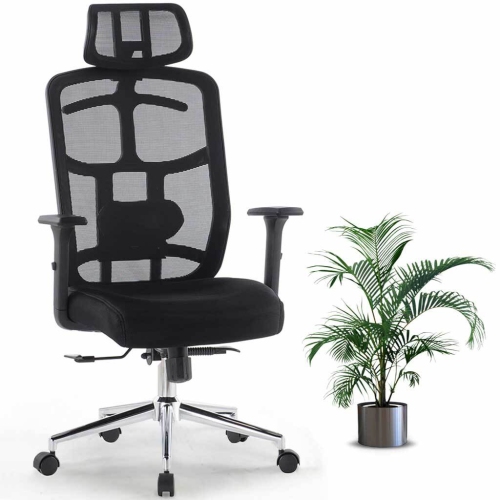 Your price for this item is $126.99
-
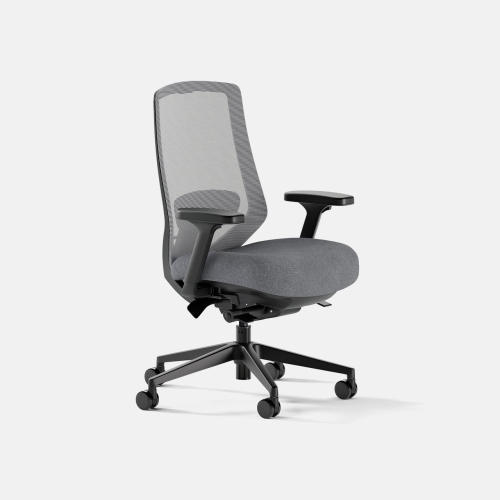 Your price for this item is $599
-
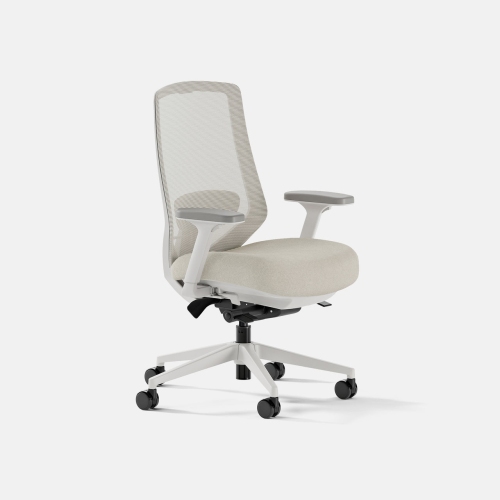 Your price for this item is $599
-
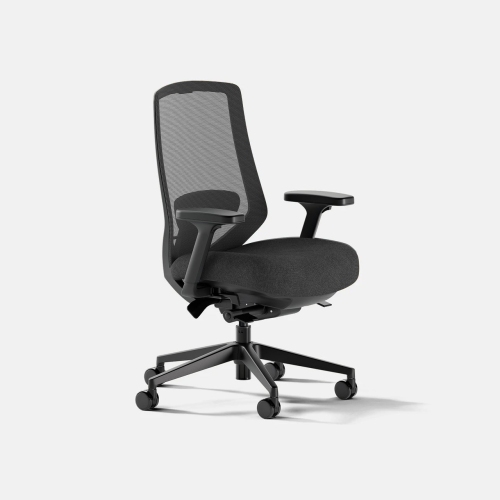 Your price for this item is $599
-
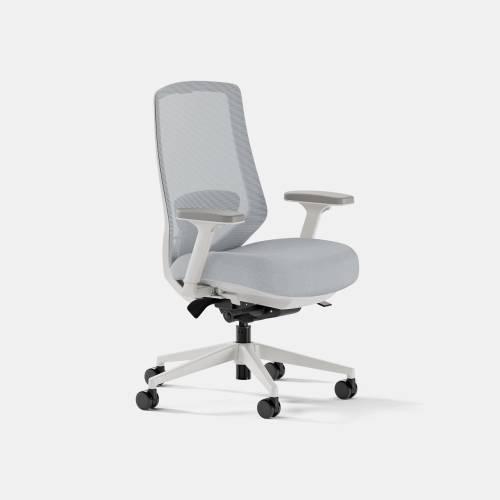 Your price for this item is $599
-
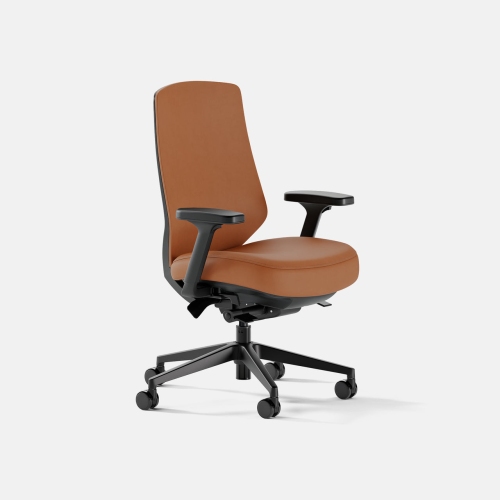 Your price for this item is $649
-
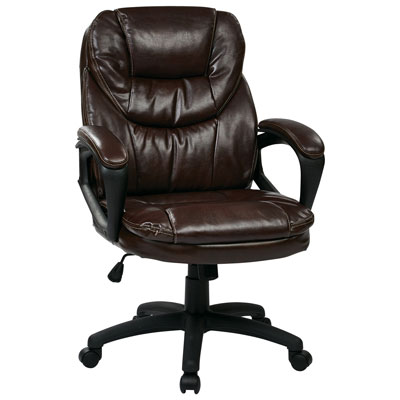 Your price for this item is $459.99
-
 Your price for this item is $429
Discover more categories related to Task Chairs for Students
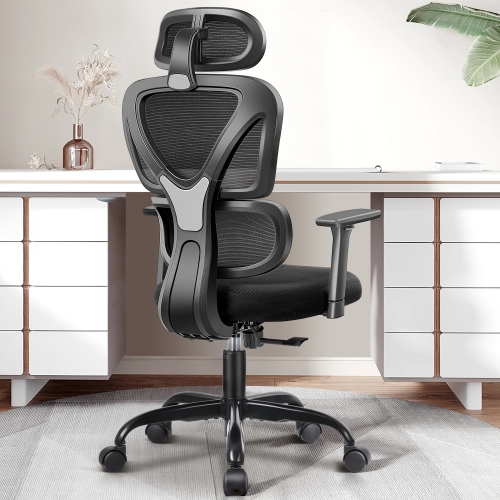
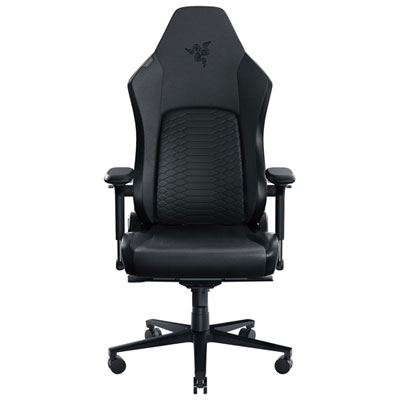
Top Collections:
Best Black Friday Deals This Year, Best Black Friday Deals On Electronics, Kindle Devices, Pokemon Centers, Best Black Friday Deals On Apple Products, Best Cameras for Sports Photography, Dyson Airwrap, Pokémon 30th Celebration Cards, Apple iPhone 17 Pro, Canon G7X Cameras
Some products may be subject to Environmental Handling Fees
(EHF) depending on your province.
Learn more about EHFs.