Brown Bar Stools
Looking to add a touch of sophistication and style to your home? Look no further than our collection of brown bar stools. Whether revamping your kitchen island, creating a cozy corner in your basement bar, or updating your restaurant seating, our wide range of brown bar stools offers the perfect blend of comfort, functionality, and aesthetics. From sleek and modern designs to classic and rustic styles, our selection has something to suit every taste and space. Elevate your home decor or commercial establishment with these versatile seating options that effortlessly combine form and function.
Sort
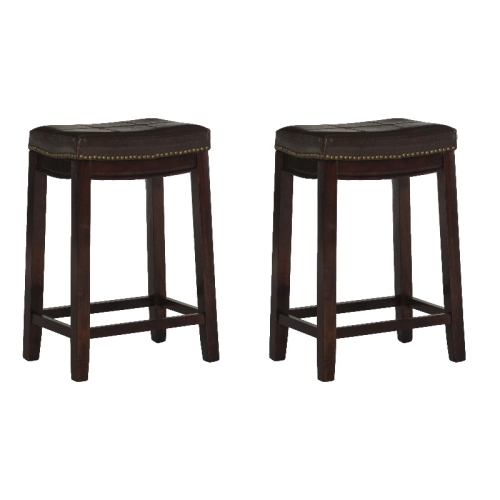
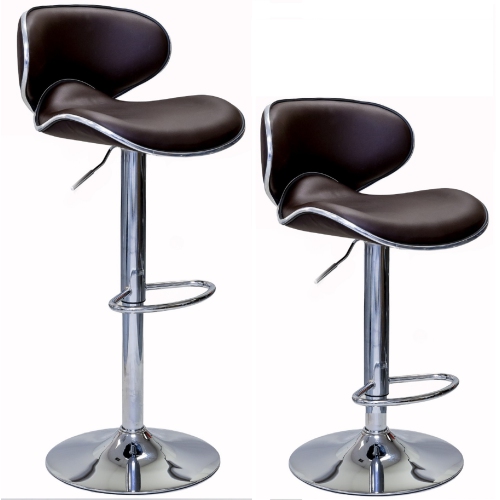
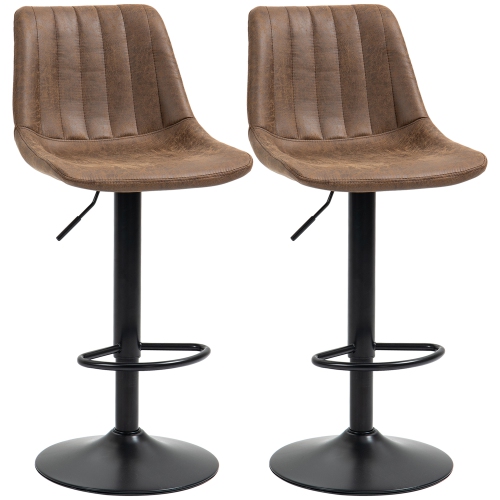
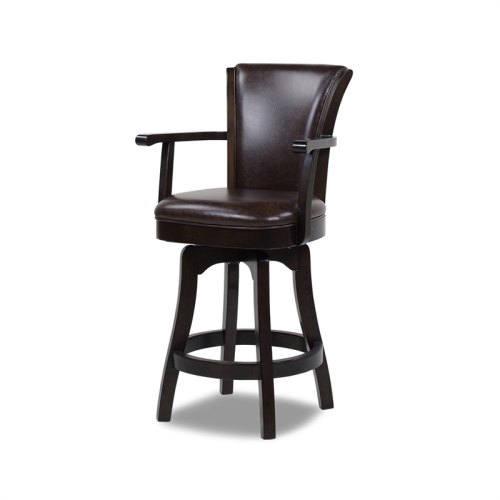
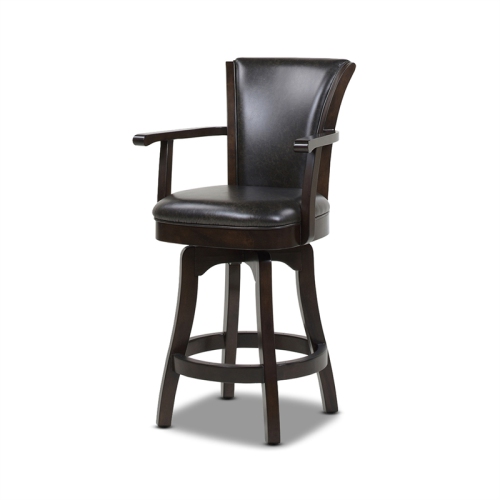
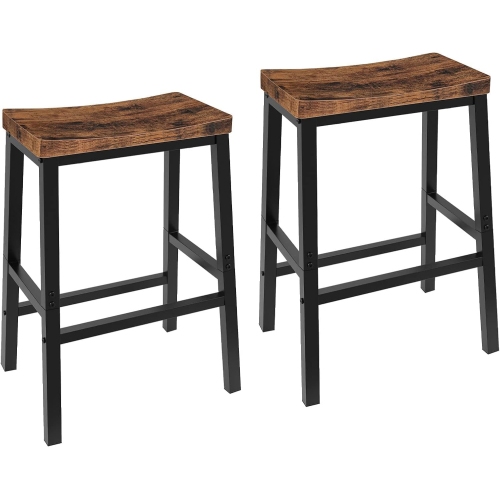
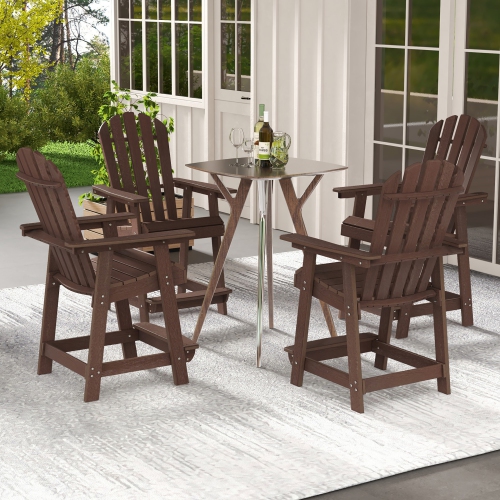
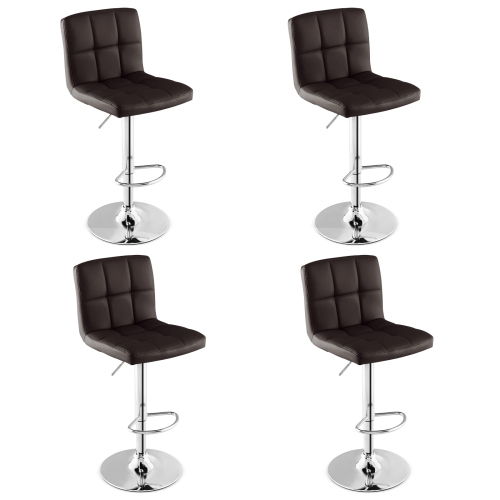
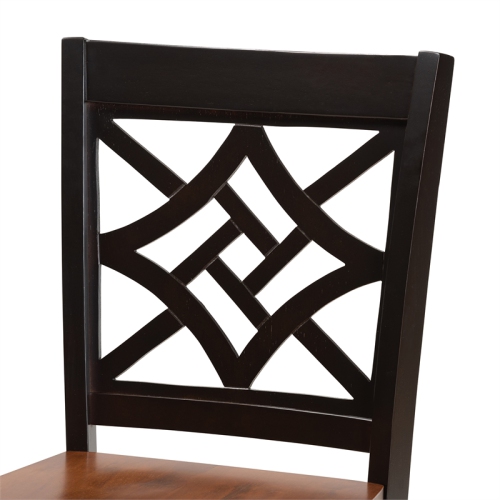
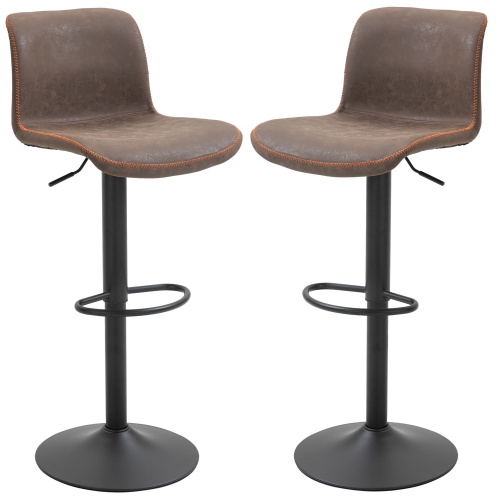
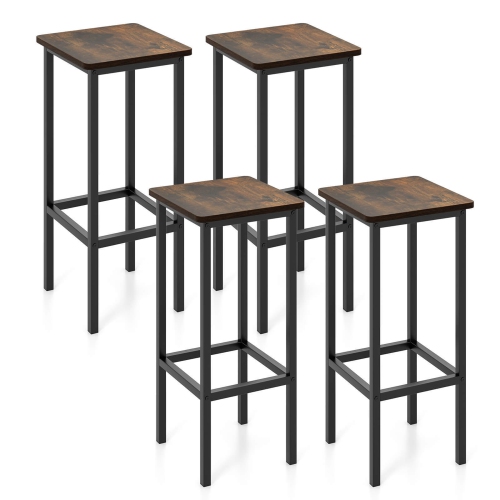
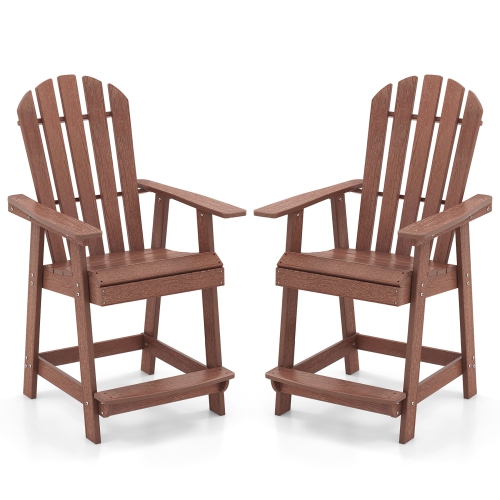
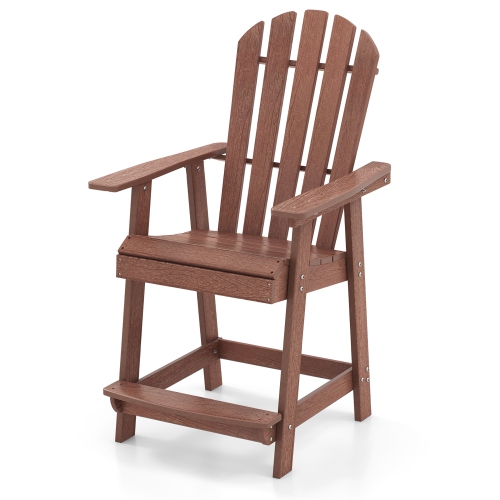
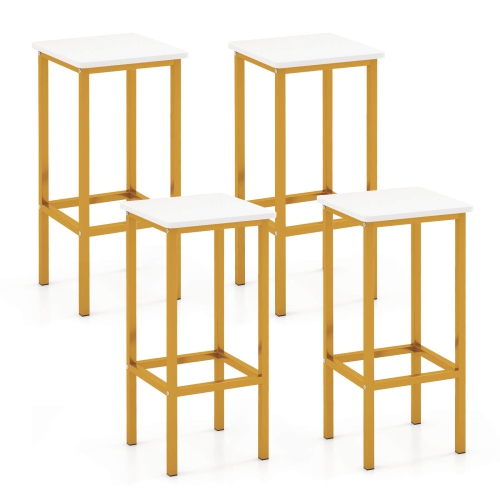
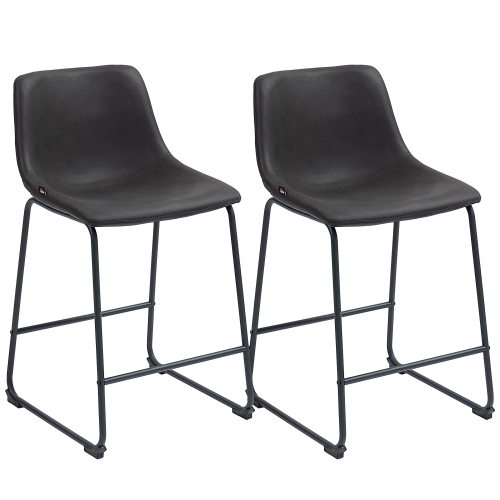
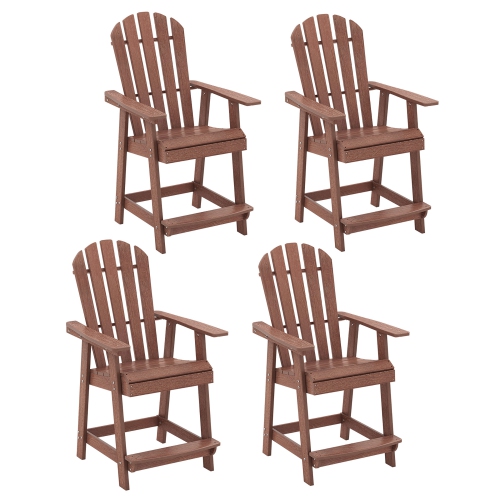
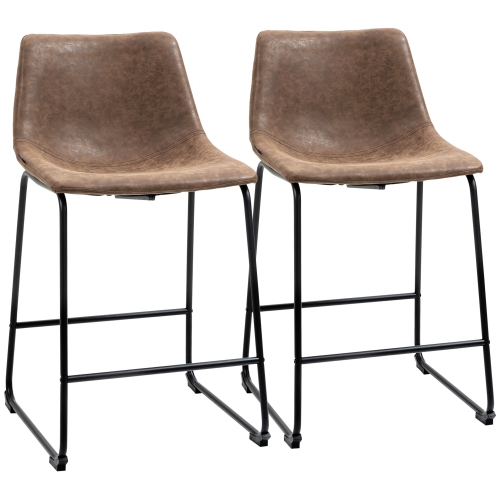
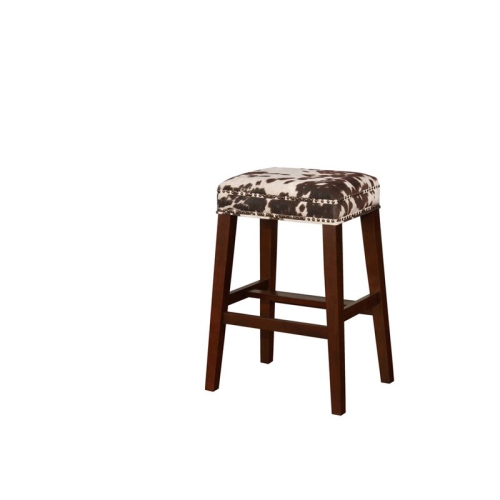
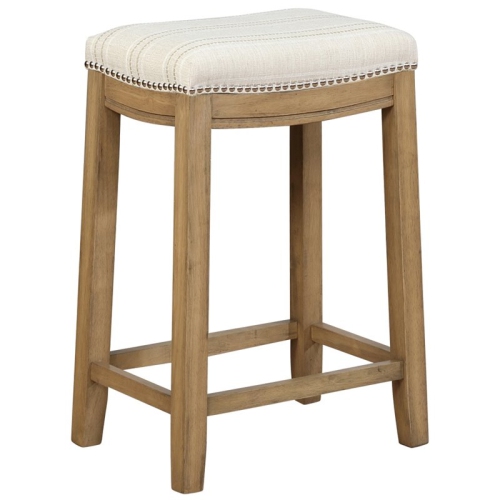
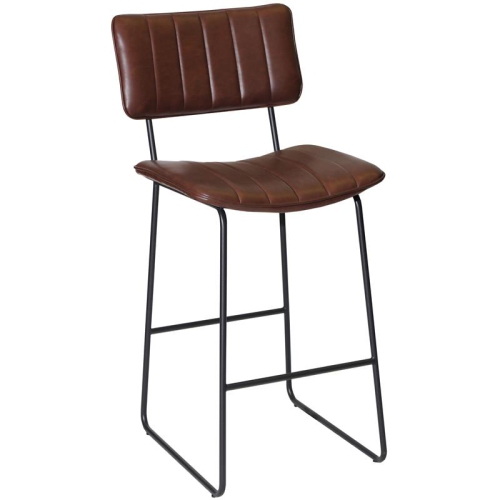
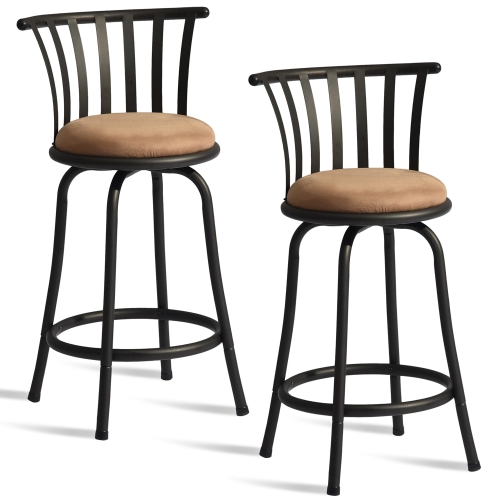
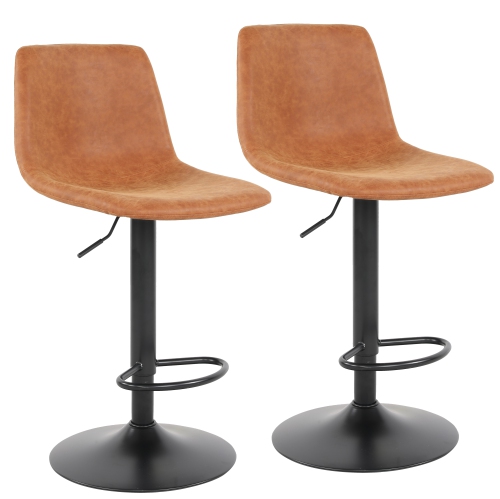
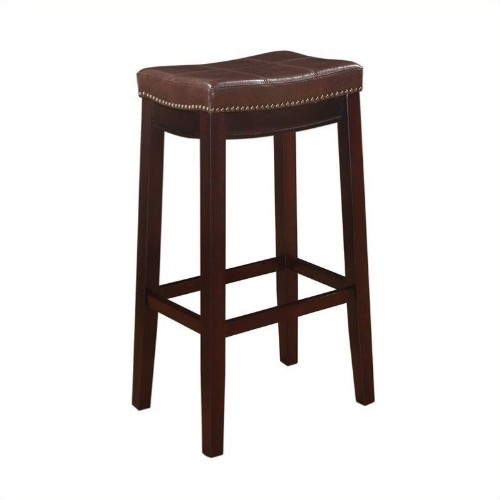
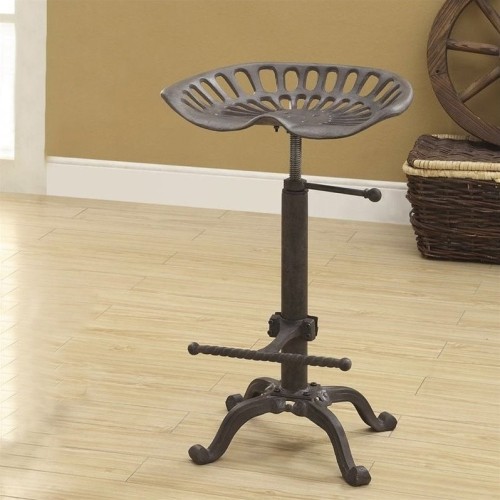

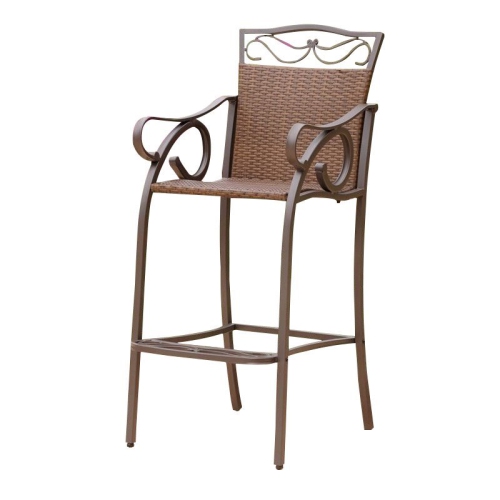
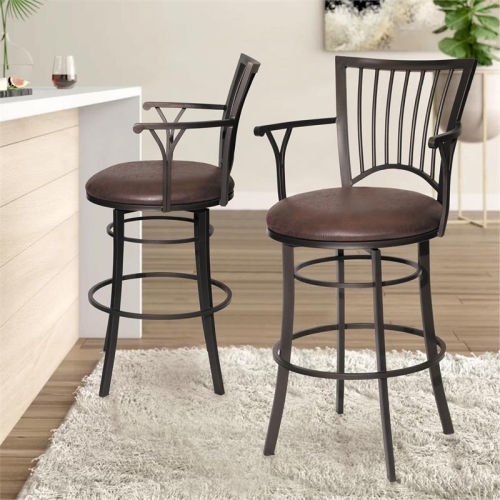

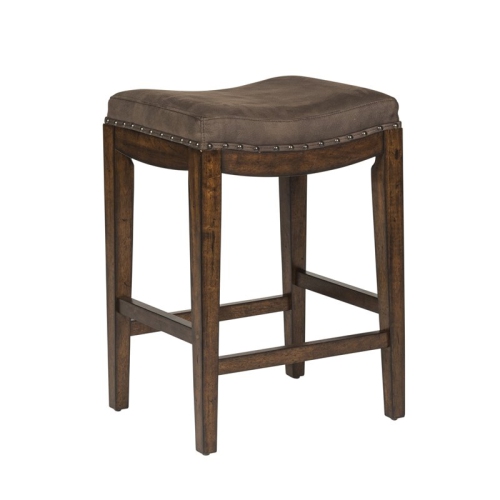
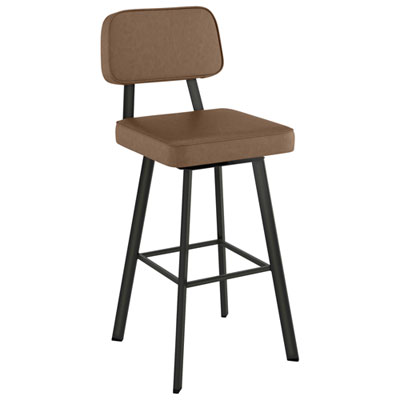
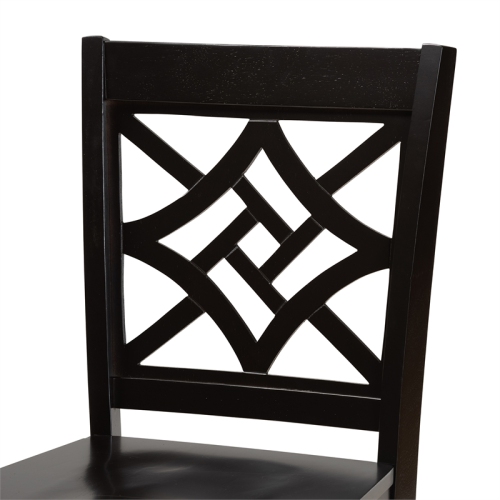
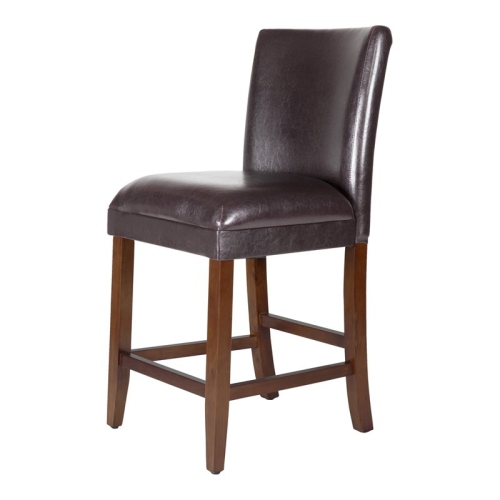
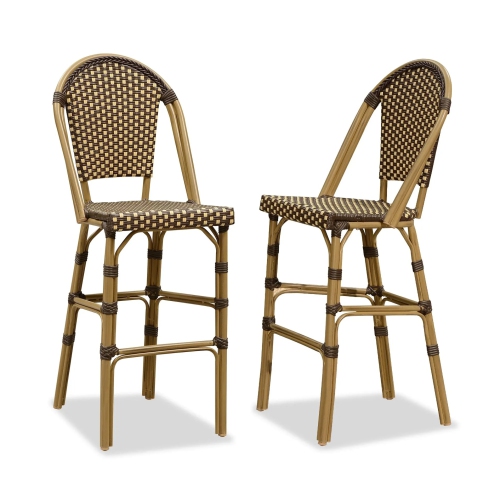
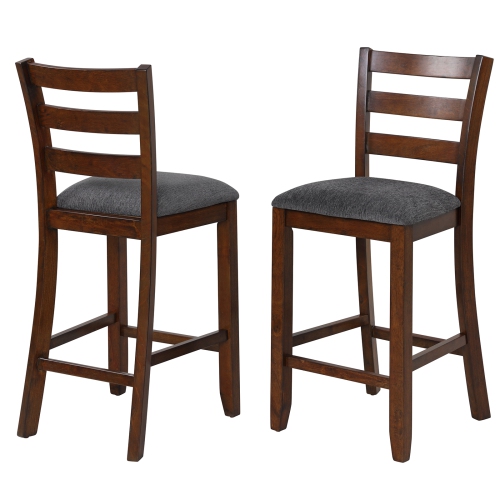
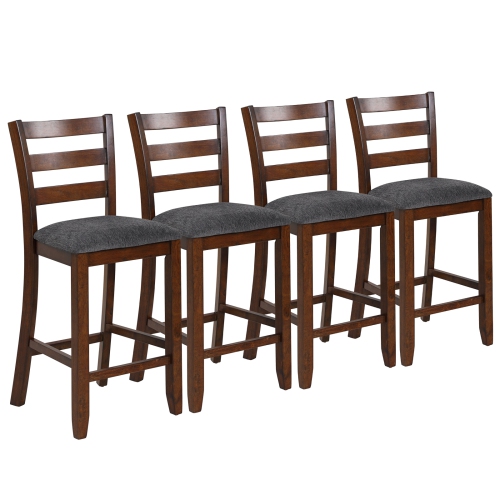
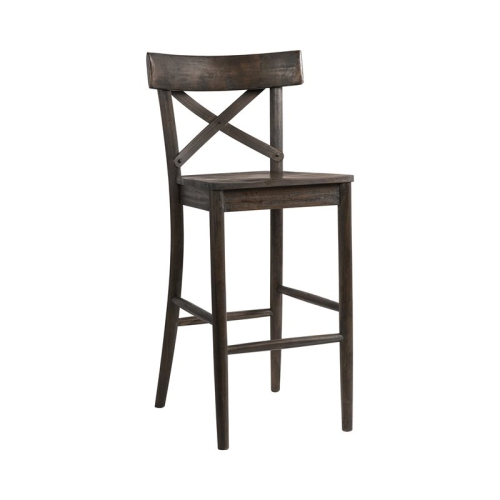

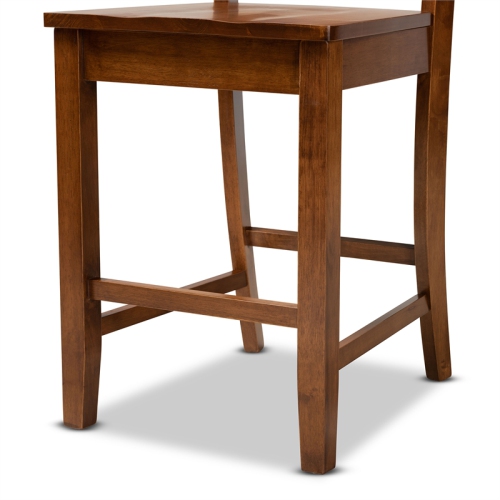
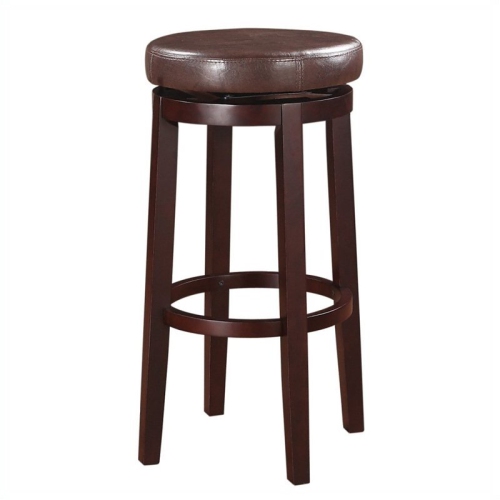
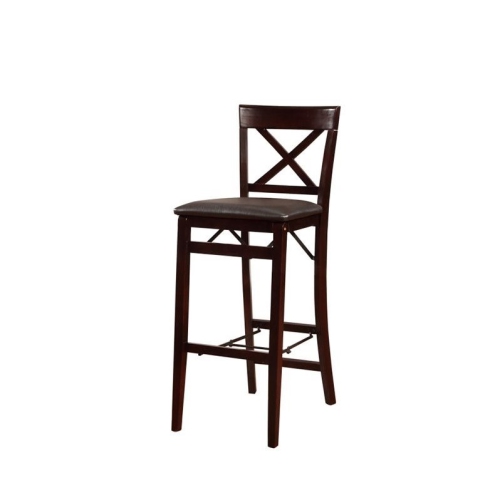
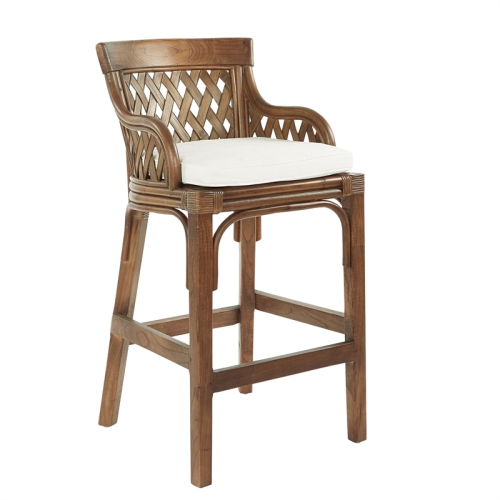
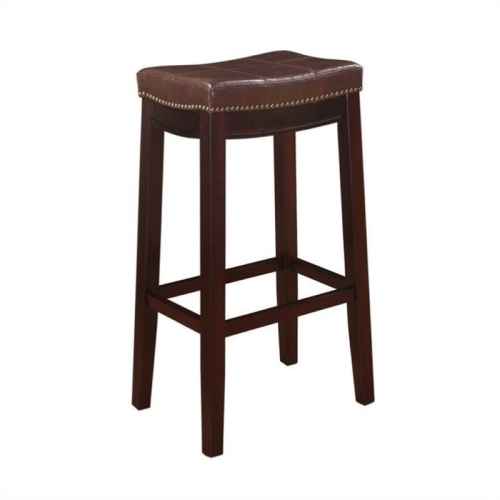
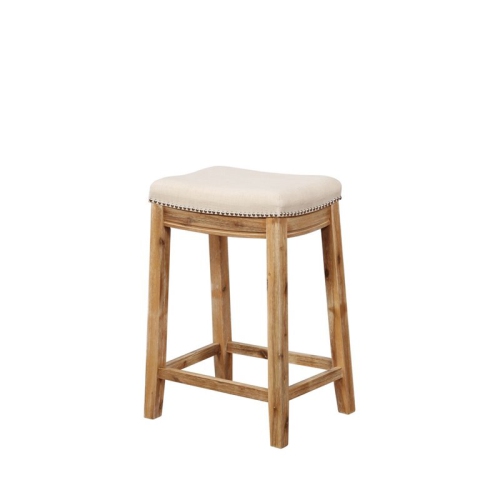
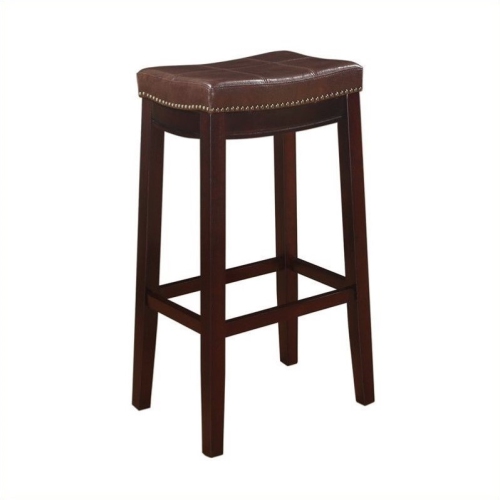
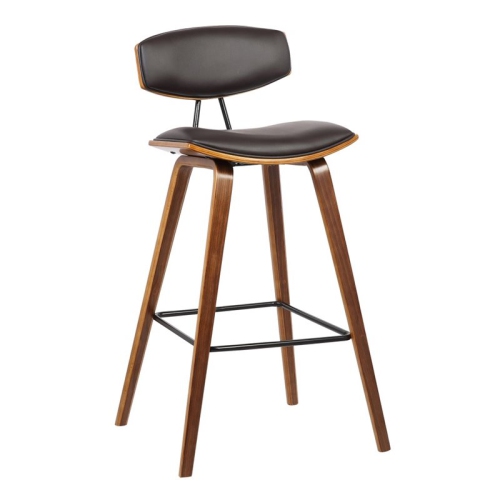
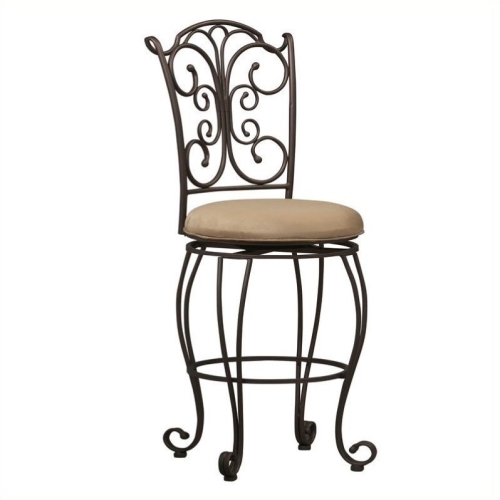
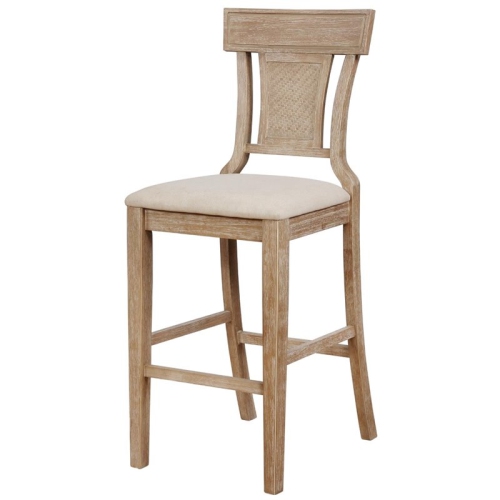
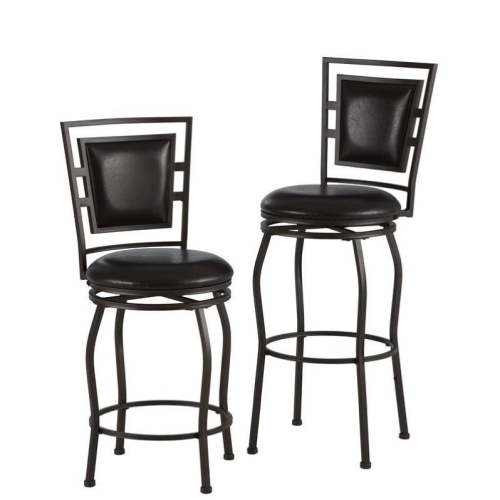
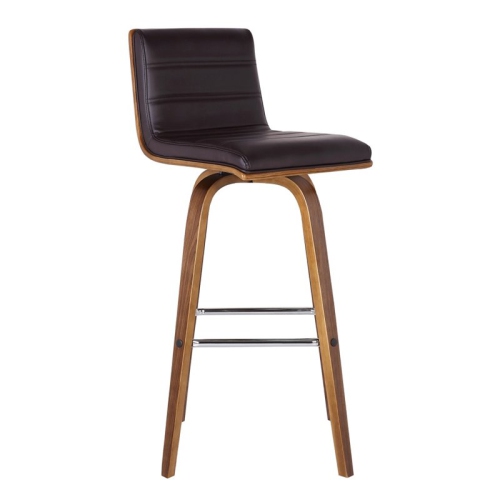
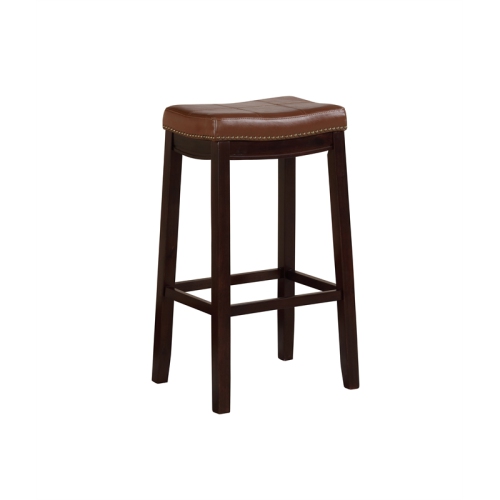
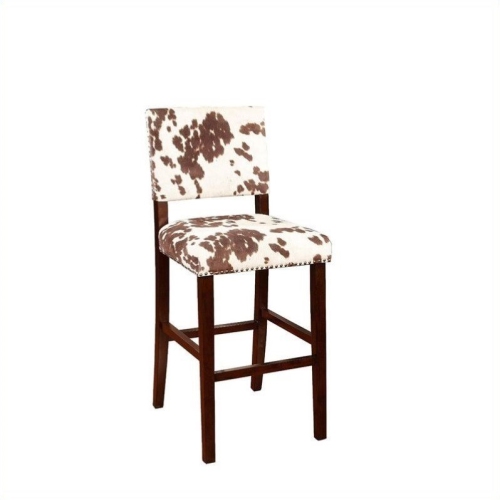
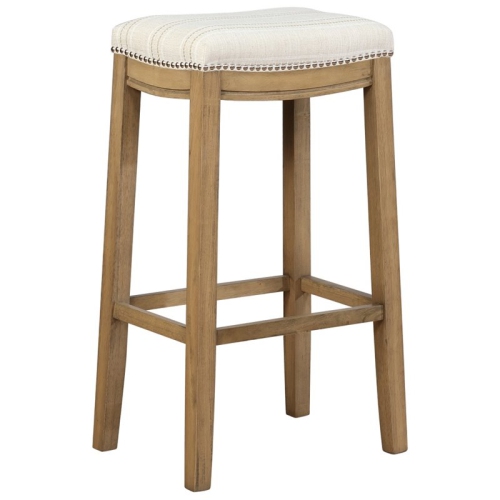

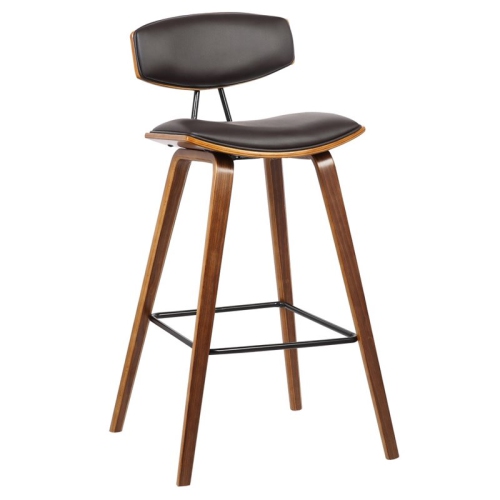
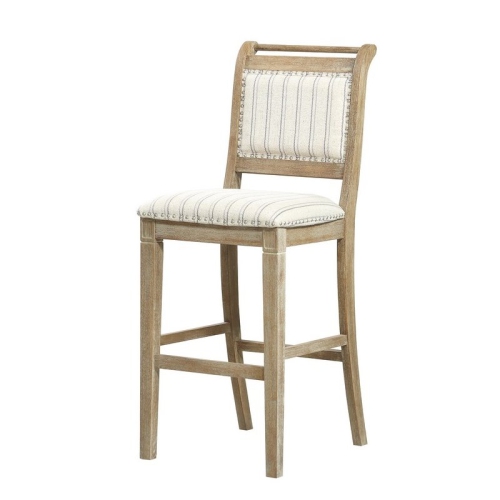
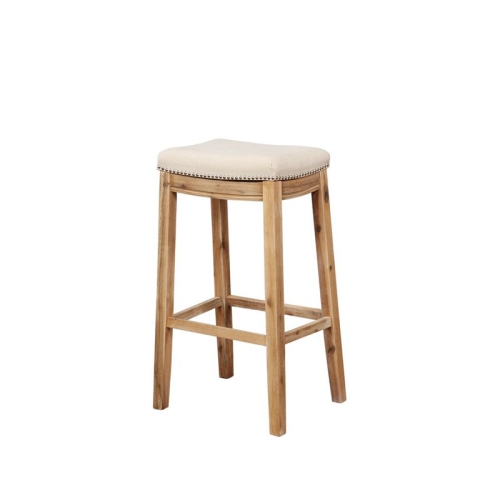
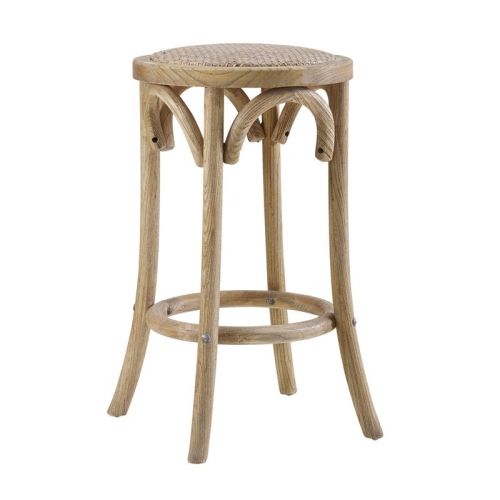

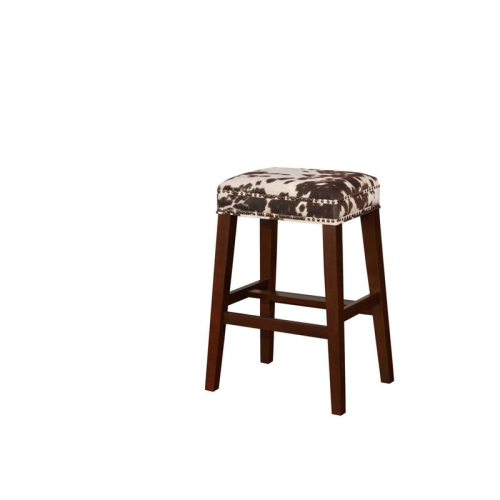
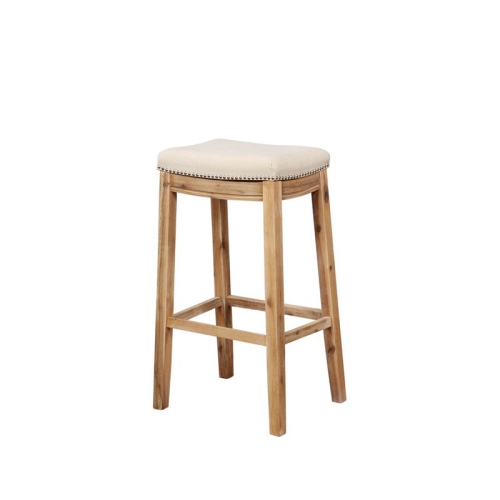
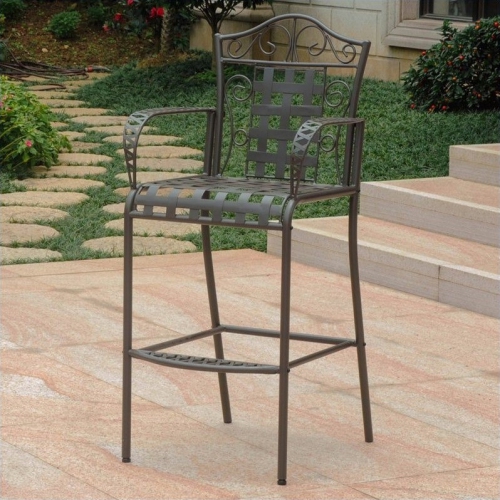
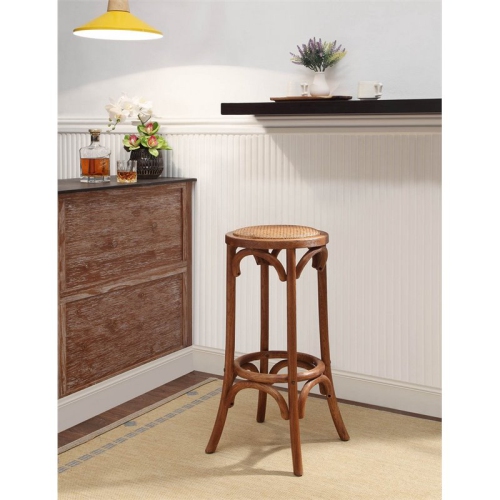
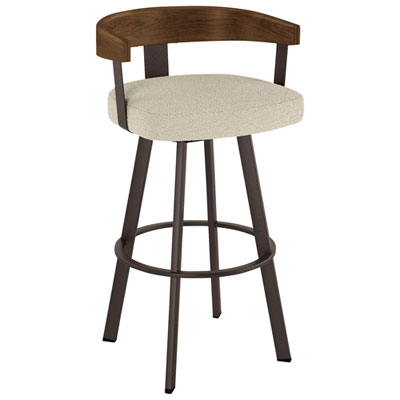
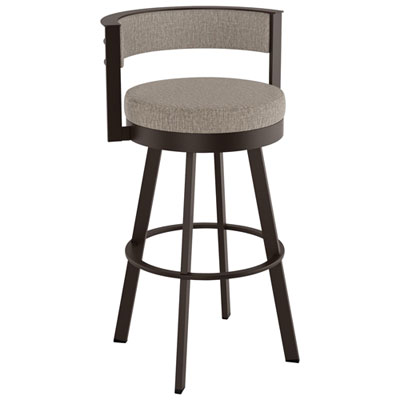
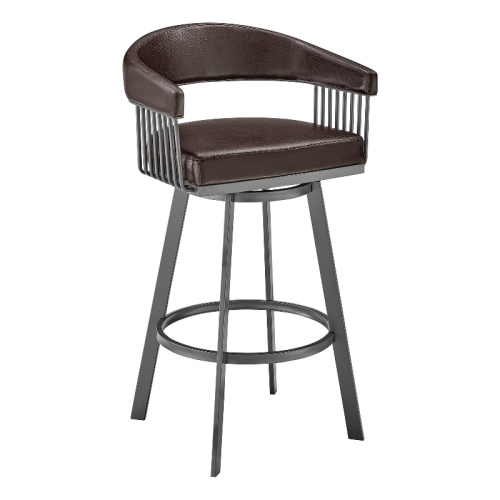
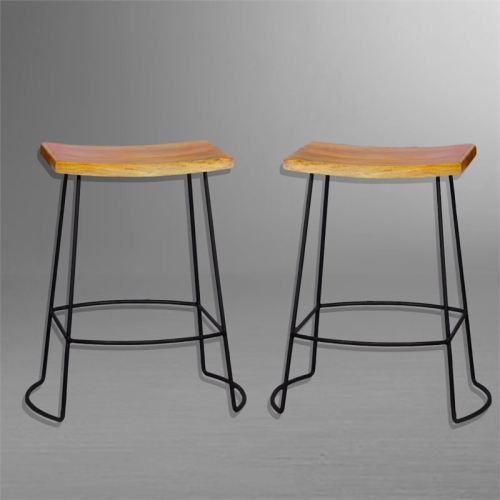

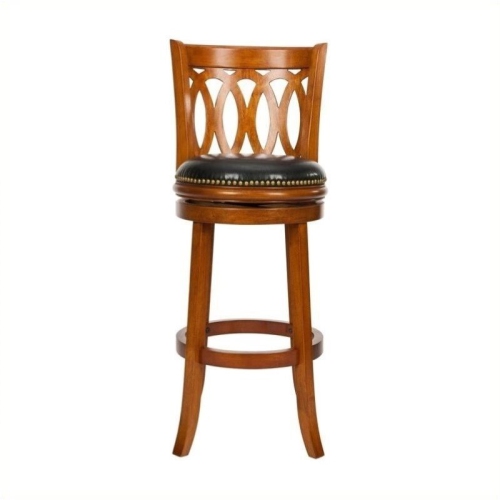
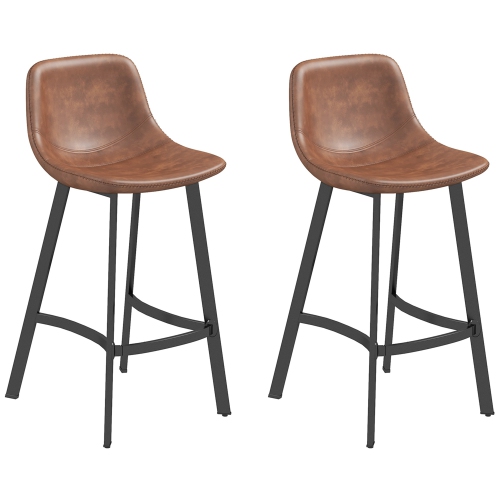

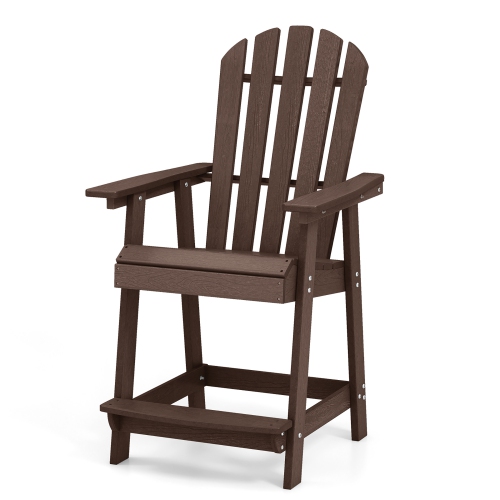
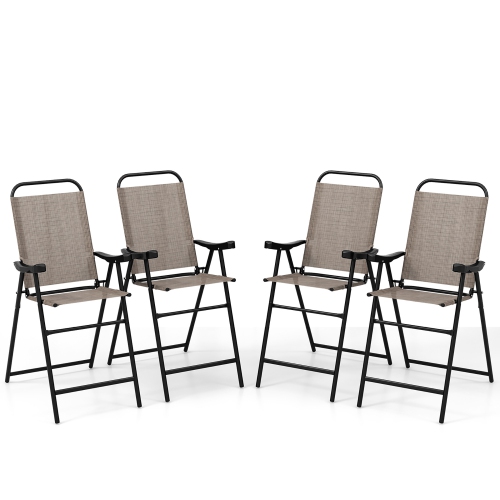

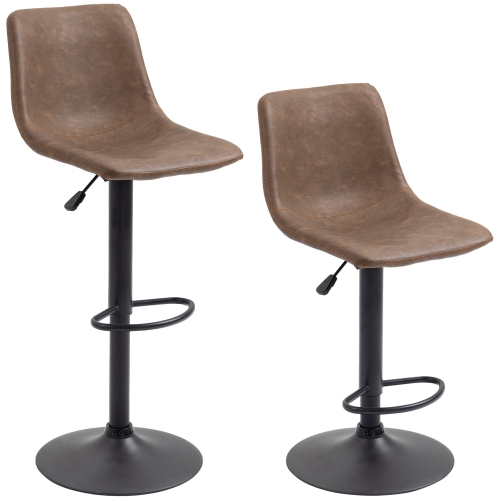
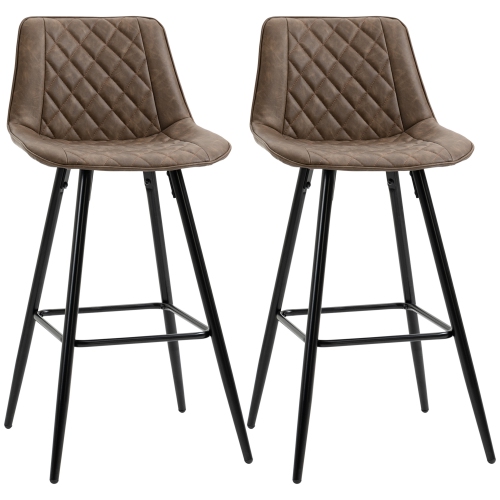
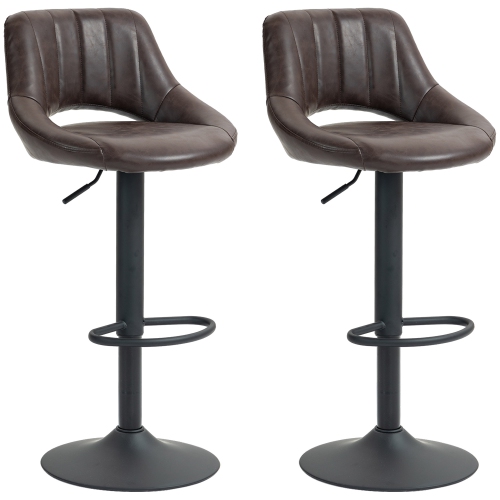
Warm brown tones meet comfortable counter seating
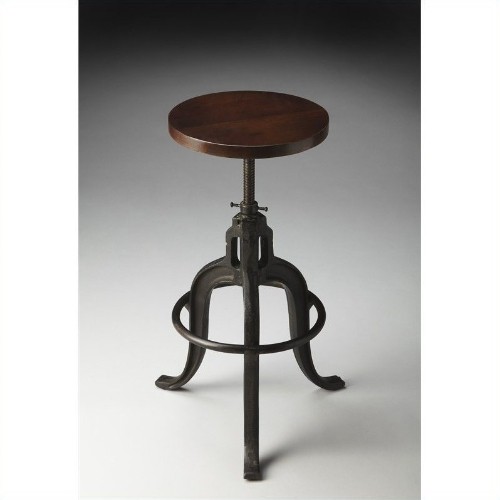
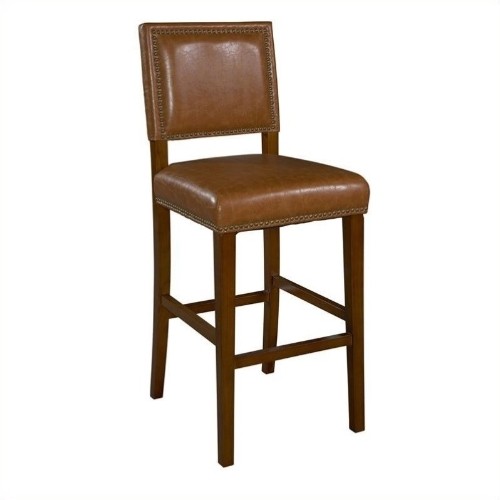
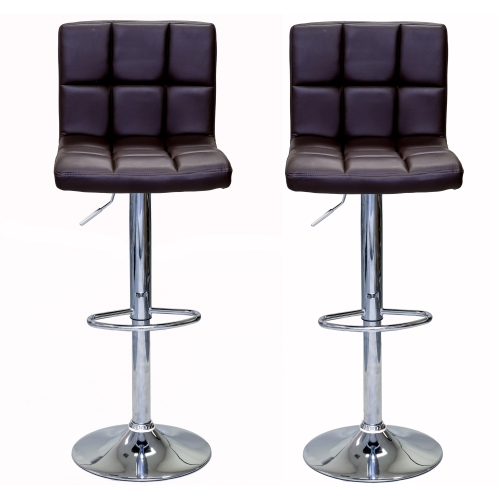
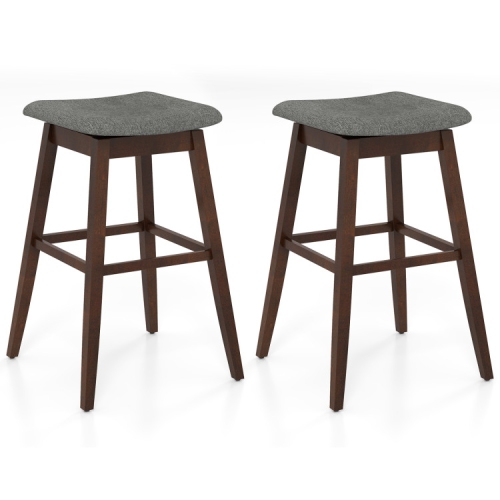
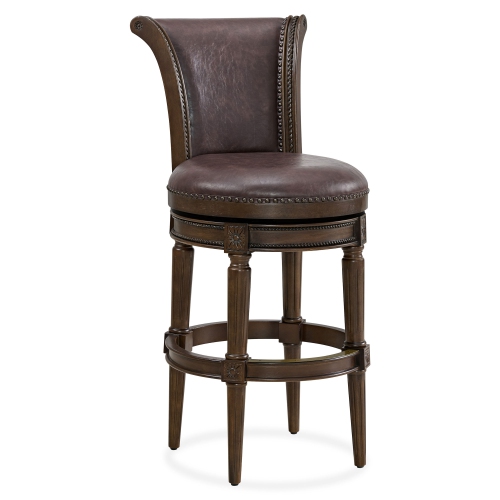
Brown bar stools bring a grounded, welcoming feel to kitchen islands, breakfast counters, home bars, and raised dining areas. Their appeal comes partly from the range within the colour itself: pale caramel, warm chestnut, reddish walnut tones, and deep chocolate each create a different impression alongside cabinetry, flooring, and countertops. A lighter brown seat can soften the contrast between white cabinets and dark hardware, while a richer shade can give a pale stone counter a more defined edge. Brown also works comfortably with navy, cream, charcoal, and muted green, making it useful in rooms where the seating needs to connect several finishes rather than match just one. Texture is just as important as shade. Visible wood grain adds variation, smooth upholstery creates a more tailored look, and woven or textured fabric brings depth to an otherwise simple silhouette. For spaces where grain and joinery are part of the appeal, brown wooden bar stools offer a natural connection to wooden dining tables, open shelving, or cabinet accents. Exact colour matching is not always necessary; repeating a similar warm or cool undertone often feels more cohesive than trying to make every brown surface identical. A brown seat on a black metal frame can suit an industrial-style kitchen, while curved wooden legs and a gently shaped back fit easily into a more traditional setting. Slim frames keep sightlines open in a compact condo, whereas generously proportioned upholstered stools can give a larger island the presence of a dining area. Details such as stitching, nailhead trim, tapered legs, and a wraparound back influence the overall look without requiring a bold colour. The most useful style is one that feels connected to the room and suits the way the counter is used, whether that means a quick breakfast, a place to chat while dinner is prepared, or relaxed seating for guests.
Fit makes the difference between a stool that simply looks right and one that is comfortable to use every day. Although bar stools and counter stools are often grouped together, their seat heights serve different surfaces. Counter-height seats are commonly around 24 to 27 inches high, while bar-height seats are often around 28 to 32 inches high. Measuring from the floor to the underside of the counter helps establish the usable space, especially when there is a thick countertop, a support rail, or an apron beneath the edge. Leaving roughly 10 to 12 inches between the seat and the underside of the surface is a common starting point for legroom, though the seat cushion, the sitter’s height, and the shape of the counter can affect comfort. Width matters too. A row of stools needs enough separation for people to sit down, turn slightly, and eat without bumping elbows; broad seats and arms require more room than narrow backless designs. The footprint at floor level can also be wider than the seat, particularly with splayed legs. In a kitchen with a busy walkway behind the island, a backless stool that tucks beneath the overhang can help keep the route clear. A stool with a supportive back may be more comfortable for longer meals or conversation, while arms provide another place to rest but may prevent the seat from sliding fully under the counter. A footrest is especially useful on taller seating because it gives the feet somewhere to settle rather than leaving them dangling. Swivel seats make it easier to turn towards a conversation without dragging the whole stool across the floor, but they need clearance from nearby cabinets and neighbouring seats. Adjustable-height designs can accommodate different surfaces within their stated range, although the base still needs to fit the space comfortably. For households with children or anyone who finds elevated seating difficult, stability, ease of getting on and off, and the suitability of the seat height deserve particular attention.
Materials and construction shape how brown bar stools feel, wear, and fit into a daily routine. Solid wood offers grain variation and a substantial feel, while wood veneers can provide a consistent decorative finish over a supporting core; either needs care appropriate to its surface coating. Metal frames can create a lighter visual profile, though their long-term performance depends on factors such as joint construction, finish quality, and the design of the base. Upholstered seats add cushioning, with the firmness and depth influencing whether the stool feels comfortable for a short coffee break or a longer meal. Leather develops creases and changes in appearance with use, while faux leather has its own cleaning requirements and should not automatically be treated with leather conditioners. Fabric upholstery varies in weave, texture, and stain resistance, so its care label matters more than its colour alone. Brown can make some everyday marks less noticeable, but crumbs, greasy fingerprints, and spills still need attention. In a kitchen where stools sit close to food preparation, accessible seams and easy-to-reach surfaces can make regular cleaning less awkward. A soft cloth and prompt attention to spills are sensible starting points, with cleaning products chosen according to the manufacturer’s directions. Excess moisture can affect wood and some upholstery, and abrasive pads may damage protective finishes. Footrests often receive the heaviest scuffing, so their material and finish are worth considering alongside the seat itself. Floor protectors suited to the flooring can help reduce marks, provided they are kept clean and replaced when worn. Assembly requirements, stated weight limits, and any instructions for checking fasteners also contribute to dependable everyday use. Most indoor stools belong in dry interior spaces unless they are expressly designed for another setting. For a breakfast nook, a gathering spot beside the kitchen, or a dedicated home bar, brown seating offers plenty of room for individual taste while keeping the focus on practical comfort, proportion, and a finish that works with the rest of the home.
Fit makes the difference between a stool that simply looks right and one that is comfortable to use every day. Although bar stools and counter stools are often grouped together, their seat heights serve different surfaces. Counter-height seats are commonly around 24 to 27 inches high, while bar-height seats are often around 28 to 32 inches high. Measuring from the floor to the underside of the counter helps establish the usable space, especially when there is a thick countertop, a support rail, or an apron beneath the edge. Leaving roughly 10 to 12 inches between the seat and the underside of the surface is a common starting point for legroom, though the seat cushion, the sitter’s height, and the shape of the counter can affect comfort. Width matters too. A row of stools needs enough separation for people to sit down, turn slightly, and eat without bumping elbows; broad seats and arms require more room than narrow backless designs. The footprint at floor level can also be wider than the seat, particularly with splayed legs. In a kitchen with a busy walkway behind the island, a backless stool that tucks beneath the overhang can help keep the route clear. A stool with a supportive back may be more comfortable for longer meals or conversation, while arms provide another place to rest but may prevent the seat from sliding fully under the counter. A footrest is especially useful on taller seating because it gives the feet somewhere to settle rather than leaving them dangling. Swivel seats make it easier to turn towards a conversation without dragging the whole stool across the floor, but they need clearance from nearby cabinets and neighbouring seats. Adjustable-height designs can accommodate different surfaces within their stated range, although the base still needs to fit the space comfortably. For households with children or anyone who finds elevated seating difficult, stability, ease of getting on and off, and the suitability of the seat height deserve particular attention.
Materials and construction shape how brown bar stools feel, wear, and fit into a daily routine. Solid wood offers grain variation and a substantial feel, while wood veneers can provide a consistent decorative finish over a supporting core; either needs care appropriate to its surface coating. Metal frames can create a lighter visual profile, though their long-term performance depends on factors such as joint construction, finish quality, and the design of the base. Upholstered seats add cushioning, with the firmness and depth influencing whether the stool feels comfortable for a short coffee break or a longer meal. Leather develops creases and changes in appearance with use, while faux leather has its own cleaning requirements and should not automatically be treated with leather conditioners. Fabric upholstery varies in weave, texture, and stain resistance, so its care label matters more than its colour alone. Brown can make some everyday marks less noticeable, but crumbs, greasy fingerprints, and spills still need attention. In a kitchen where stools sit close to food preparation, accessible seams and easy-to-reach surfaces can make regular cleaning less awkward. A soft cloth and prompt attention to spills are sensible starting points, with cleaning products chosen according to the manufacturer’s directions. Excess moisture can affect wood and some upholstery, and abrasive pads may damage protective finishes. Footrests often receive the heaviest scuffing, so their material and finish are worth considering alongside the seat itself. Floor protectors suited to the flooring can help reduce marks, provided they are kept clean and replaced when worn. Assembly requirements, stated weight limits, and any instructions for checking fasteners also contribute to dependable everyday use. Most indoor stools belong in dry interior spaces unless they are expressly designed for another setting. For a breakfast nook, a gathering spot beside the kitchen, or a dedicated home bar, brown seating offers plenty of room for individual taste while keeping the focus on practical comfort, proportion, and a finish that works with the rest of the home.
Top selling and popular products
-
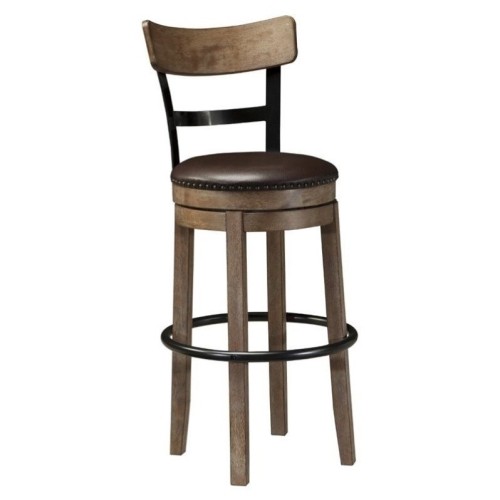 Your price for this item is $416.61
 -
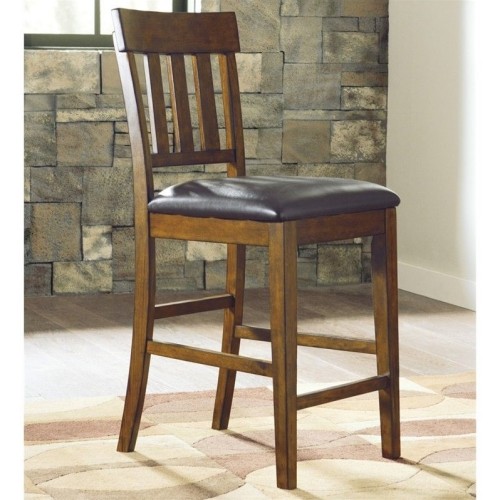 Your price for this item is $666.4
 -
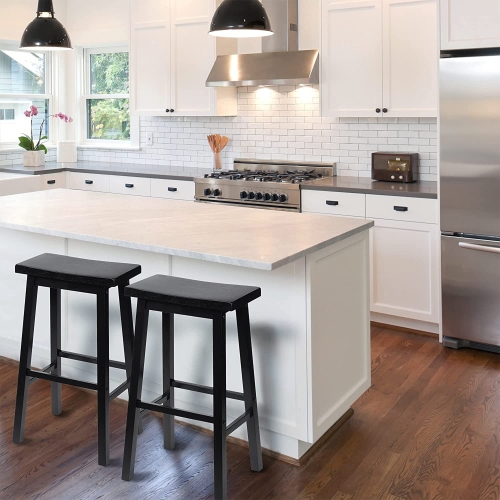 Your price for this item is $538.99
 -
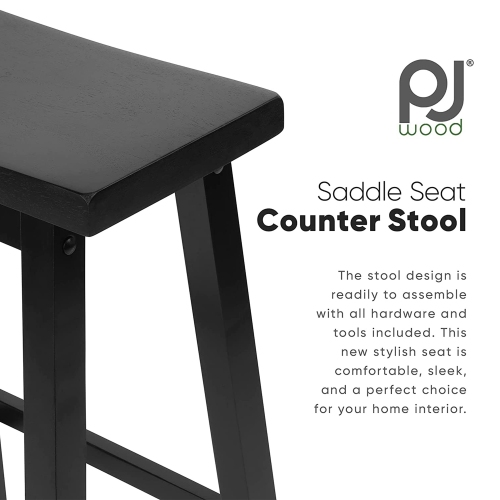 Your price for this item is $207.99
 -
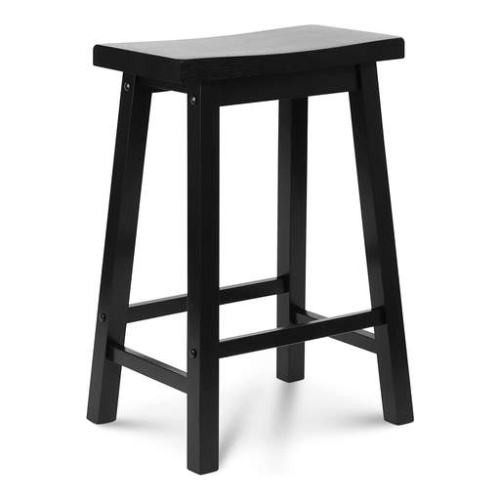 Your price for this item is $88.99
 -
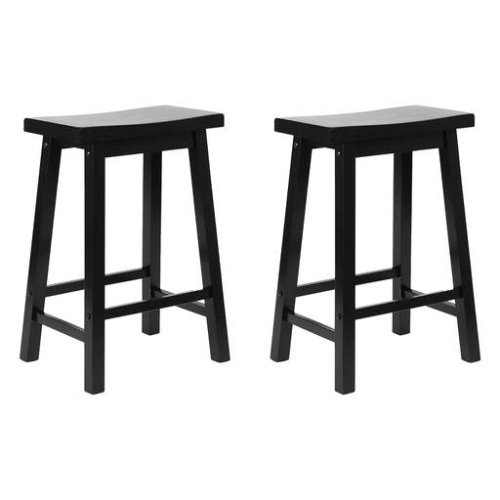 Your price for this item is $214.99
 -
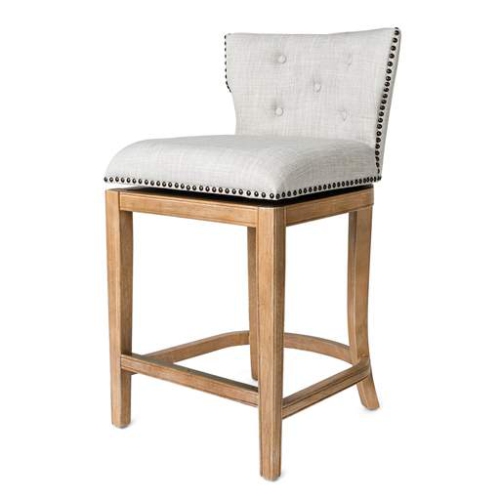 Your price for this item is $529.99
 -
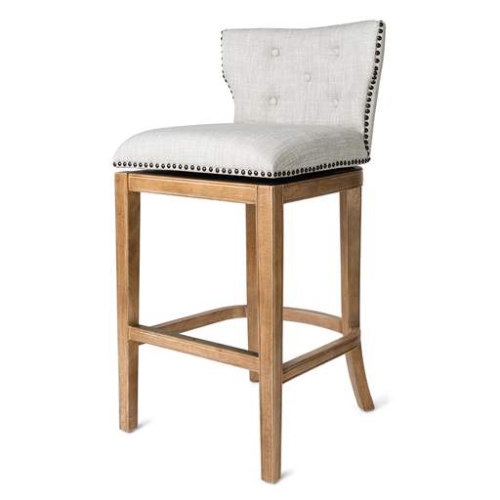 Your price for this item is $406.99
Discover more categories related to Brown Bar Stools
Top Collections:
Pokemon Centers, Kindle Devices, Best Budget Office Chairs, Apple iPhones 16, Best Laptops for Writers, iPhone 15 Apple, Canon G7X Cameras, Refurbished Apple Laptops, Alarm Clock, Motorola Razr Phones
Some products may be subject to Environmental Handling Fees
(EHF) depending on your province.
Learn more about EHFs.